
photography & music
tim hopwood
On this website you will find a variety of work from my creative output from over the years: the work from the solo exhibitions I have had, some unseen work from other projects, some commissioned work for clients, magazines and newspapers, and images taken on my cell phone. You will also find information about my music and a link to my album on Bandcamp. Also included are some designs (posters, typefaces etc), as my first field of study was graphic design, as well as some of my scribblings/writings.
I have included, below this text, selections from recent work, so those of you familiar with my old site can see some new images first.
latest series: new work in north end
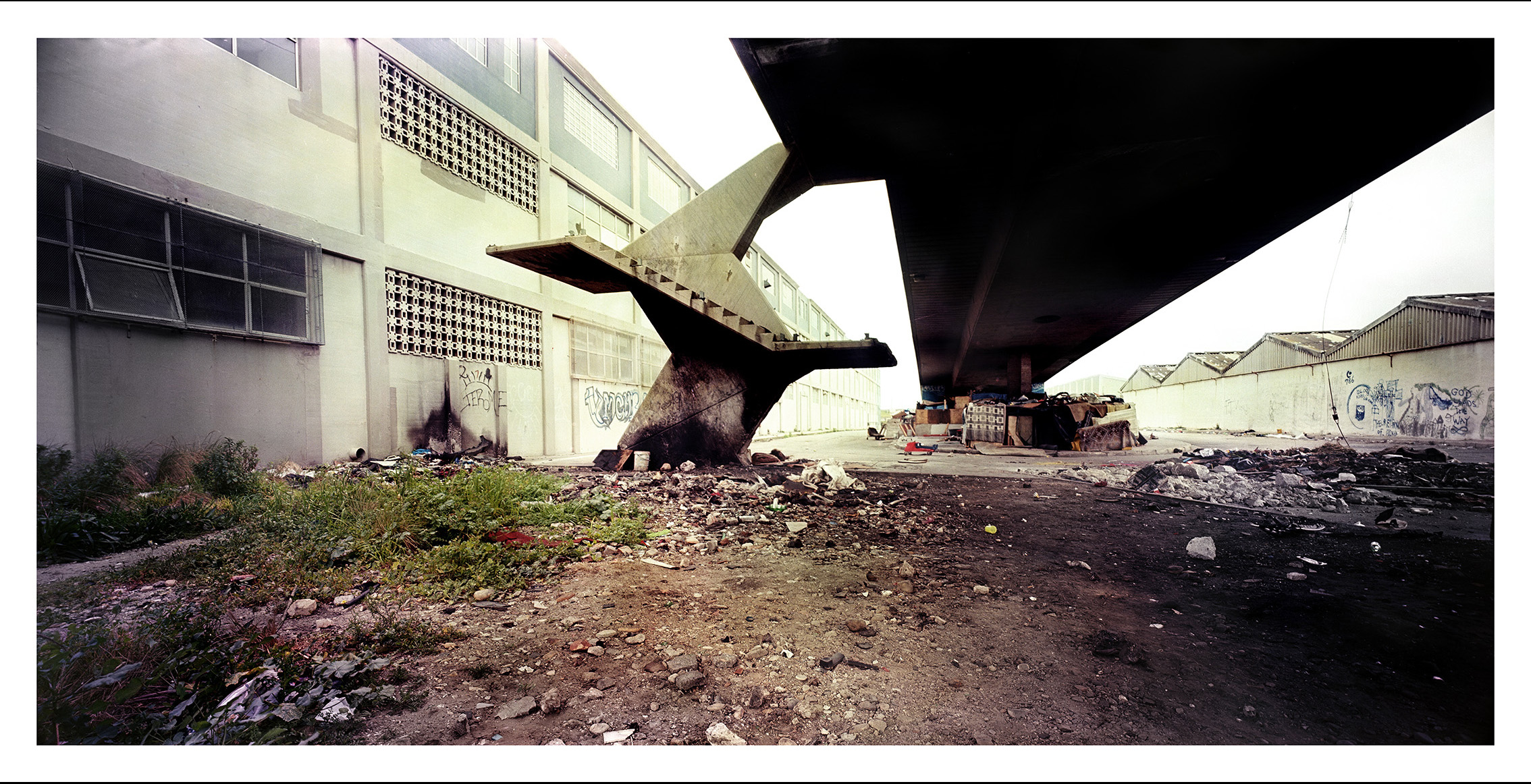
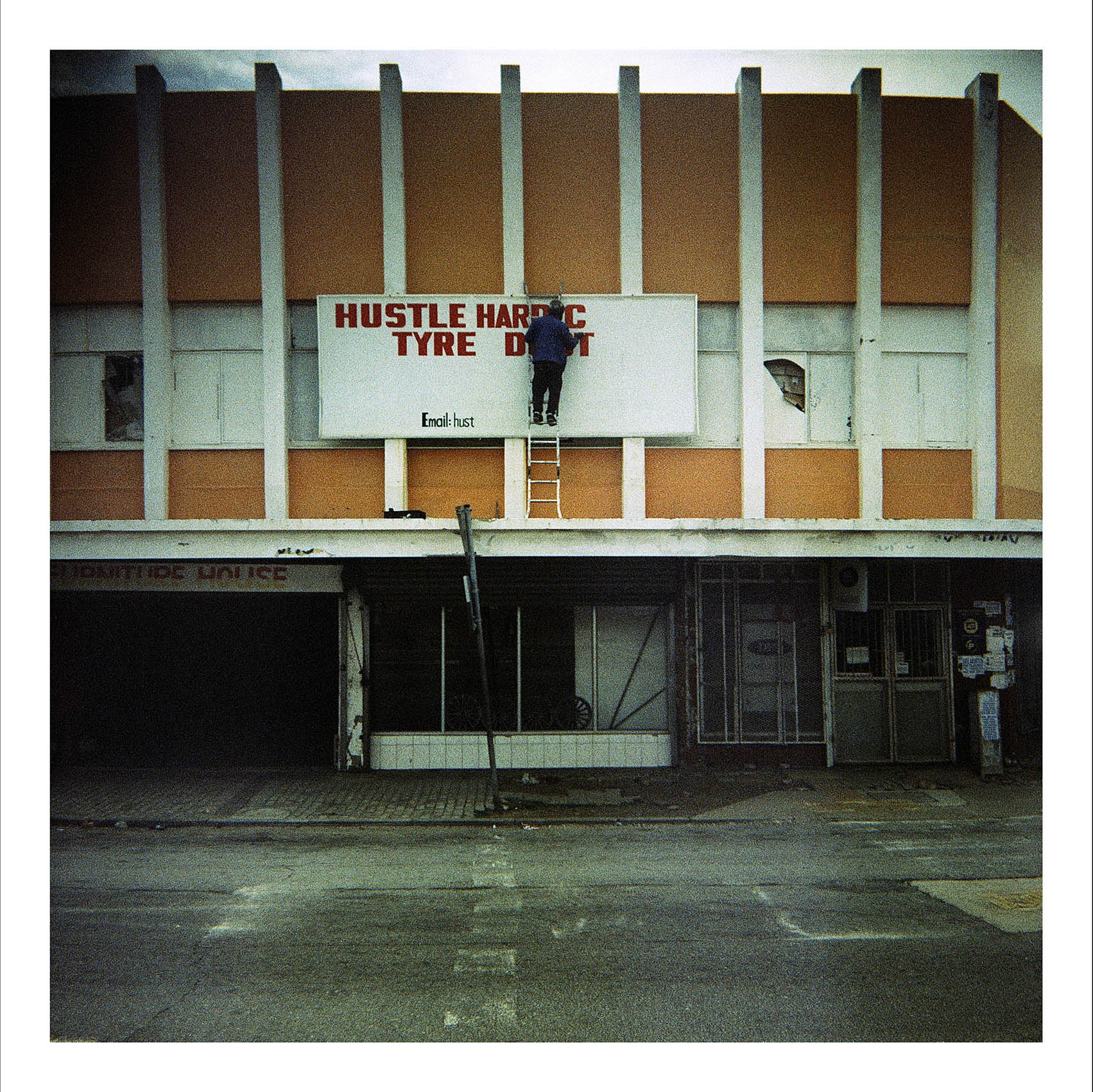
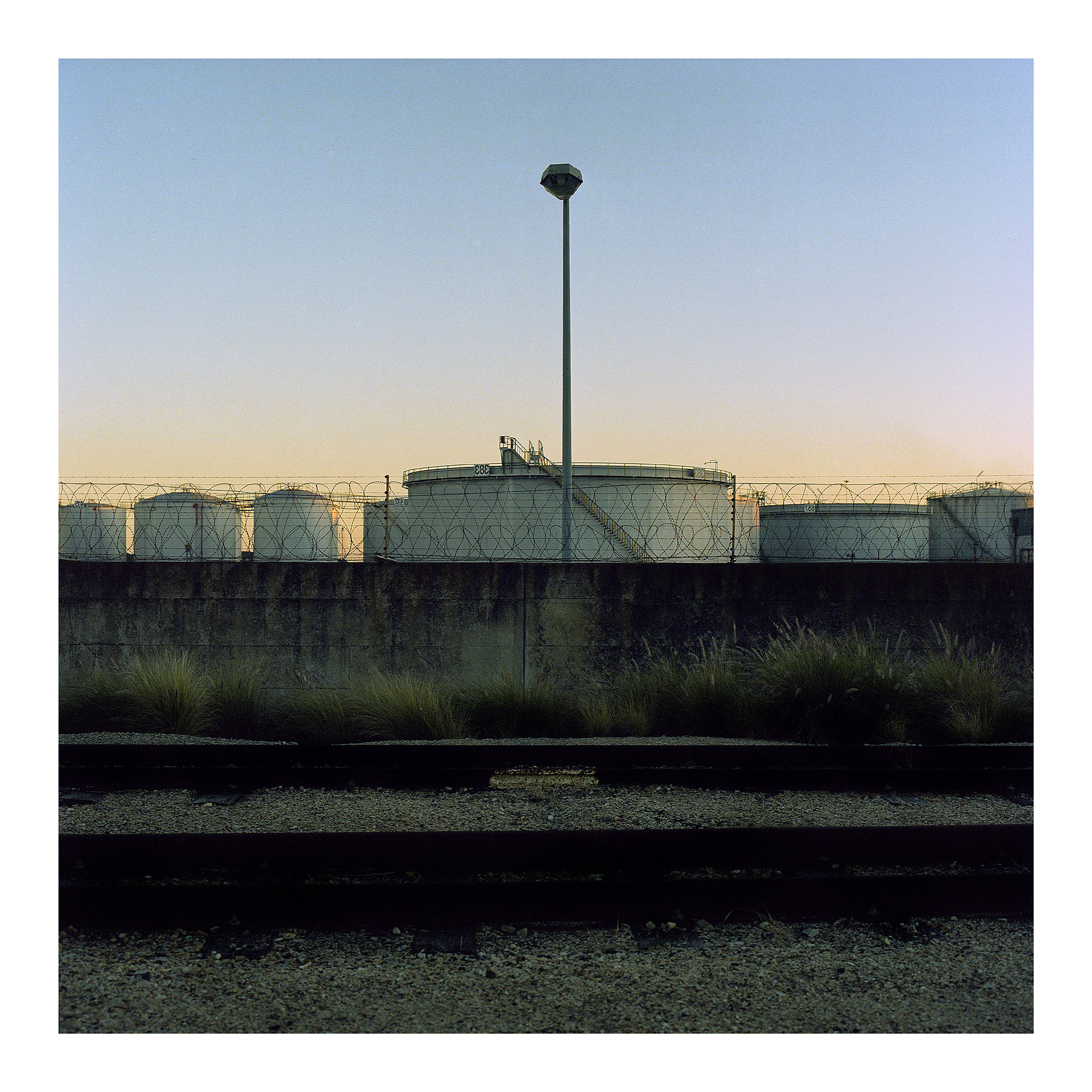
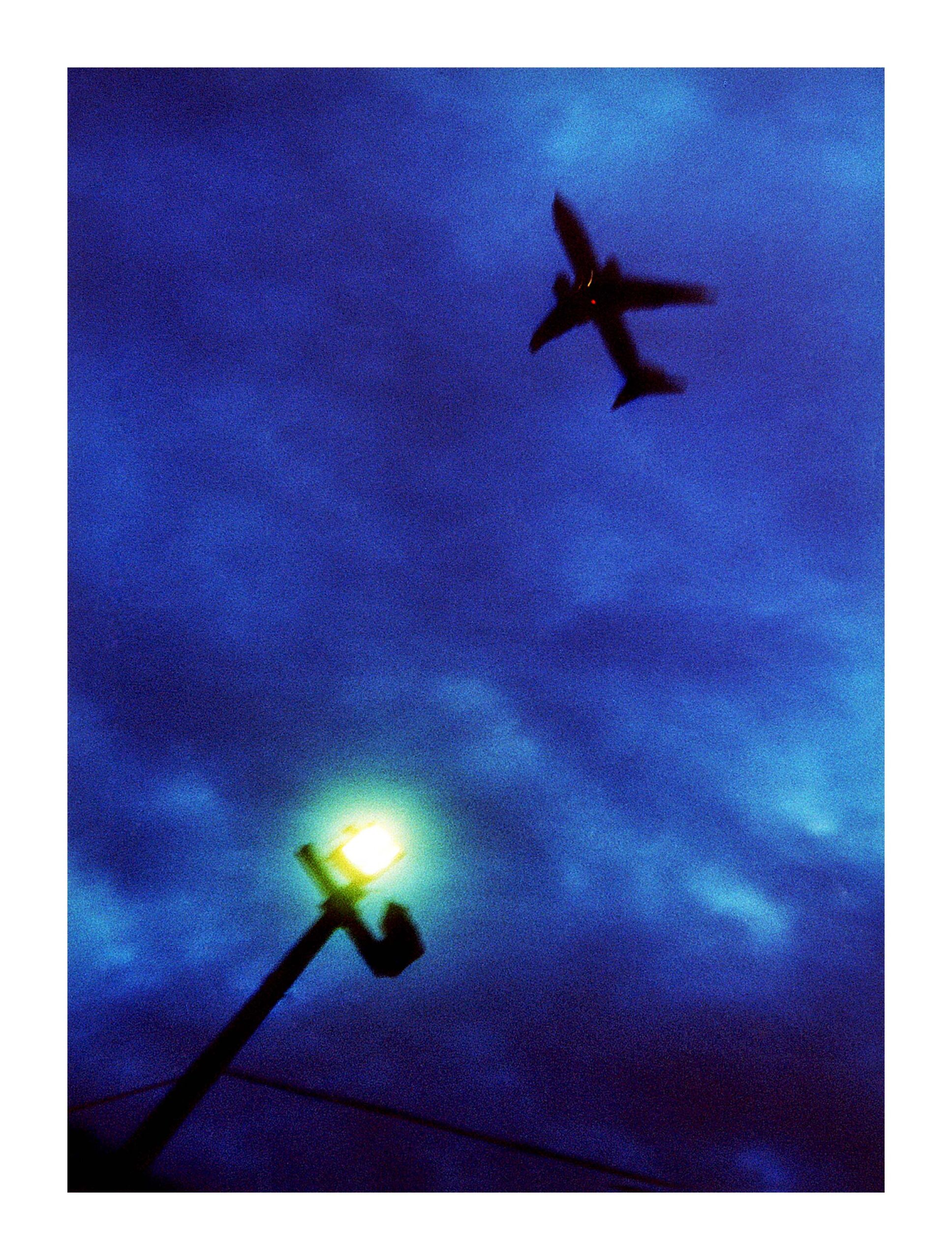
The suburb I live in borders on the North End semi-industrial area. I say semi because it is also residential in parts. Like all of my personal work (or gallery work, if you wish to call it that), it is shot on film, mainly medium format. You can see more under Other Bodies of Work.
solo exhibitions
narrative fictions. 1987-92

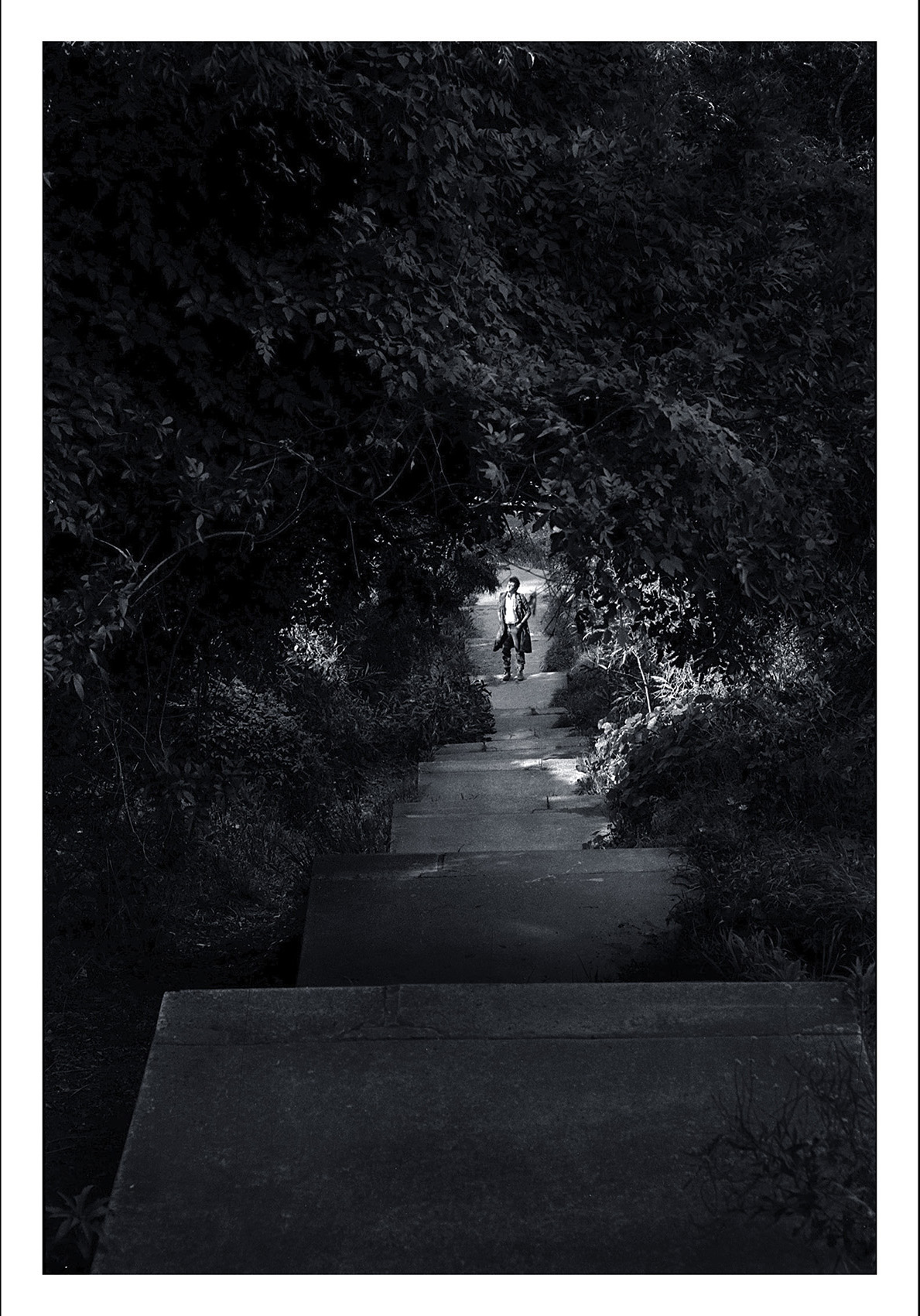
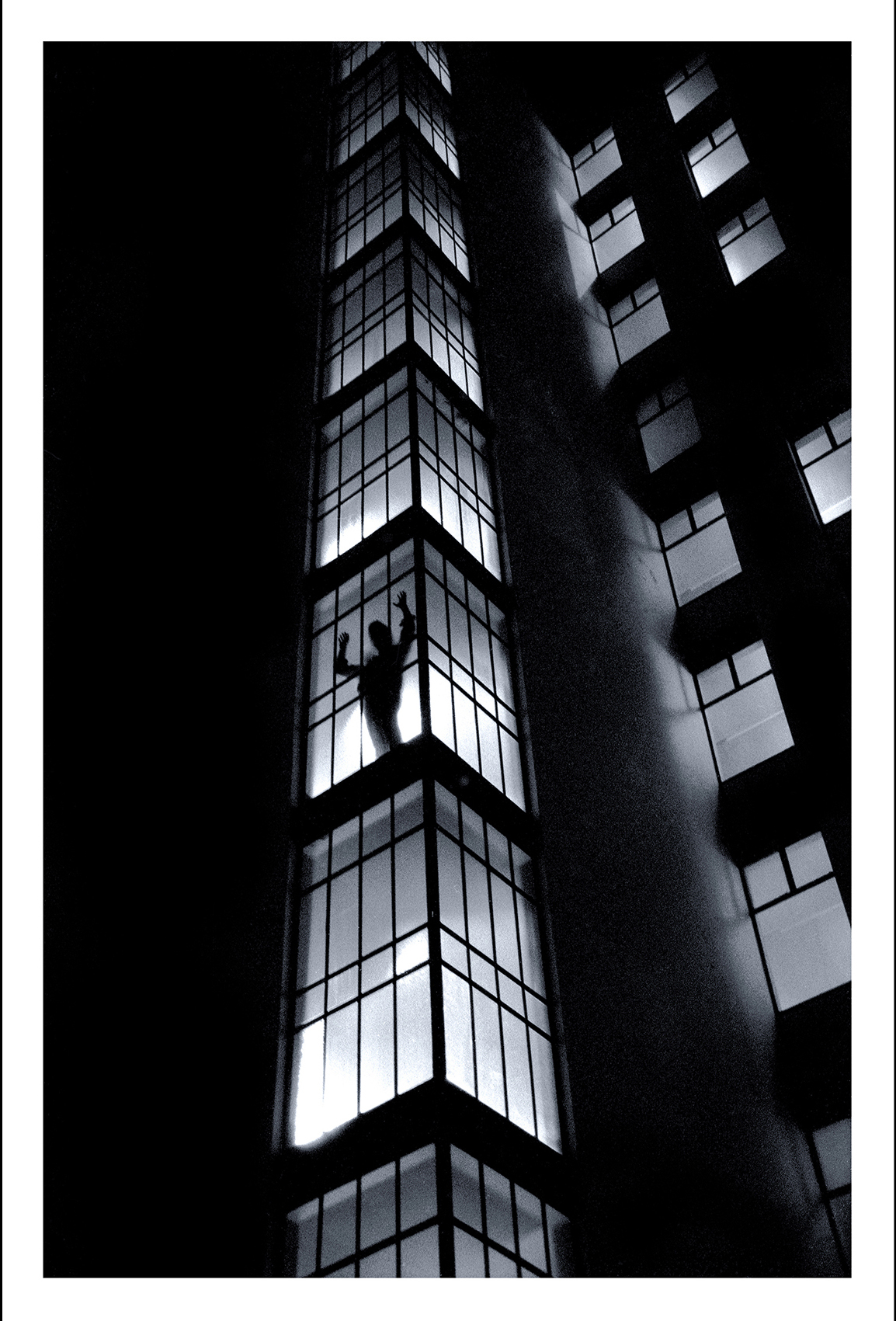


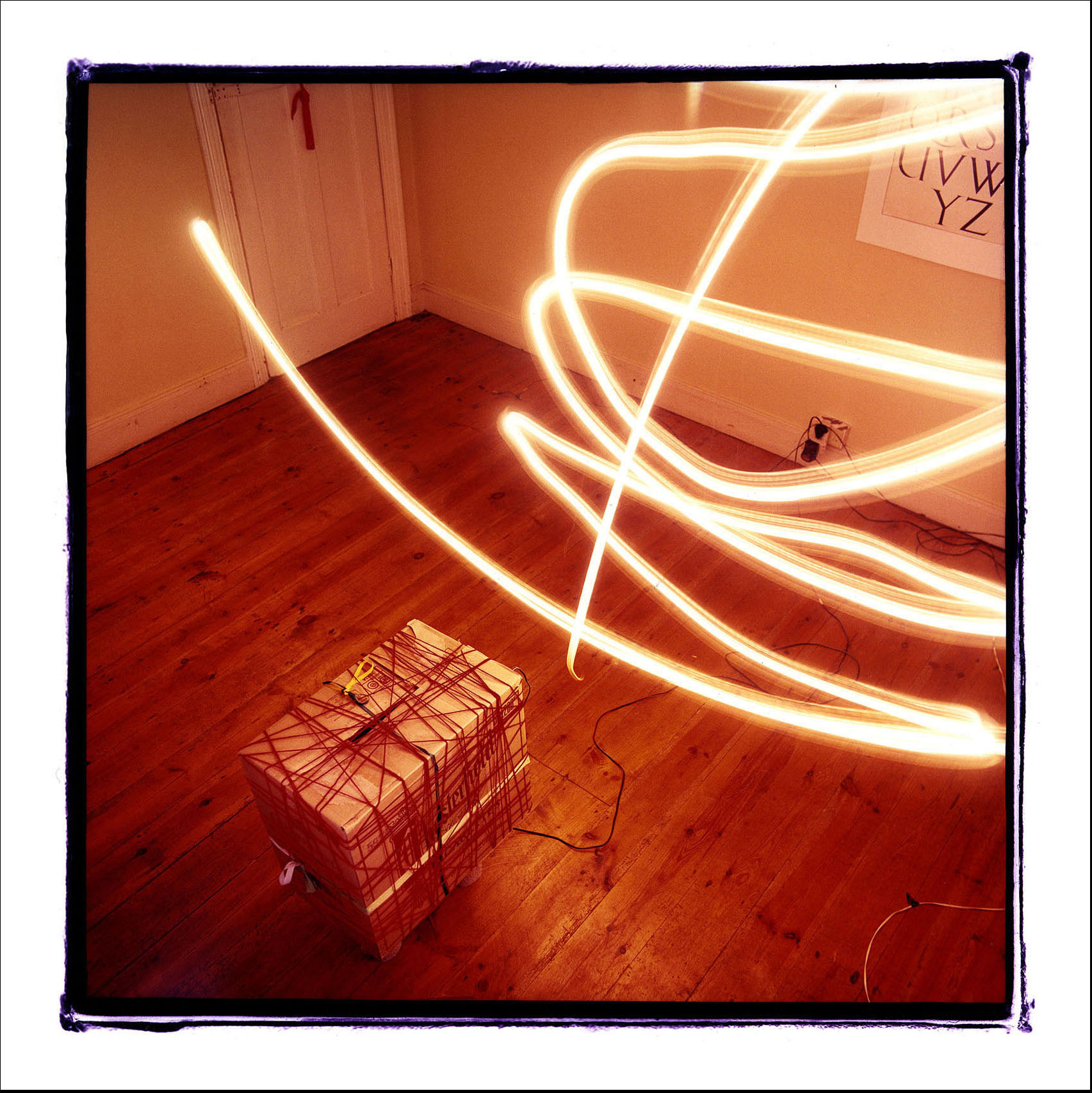
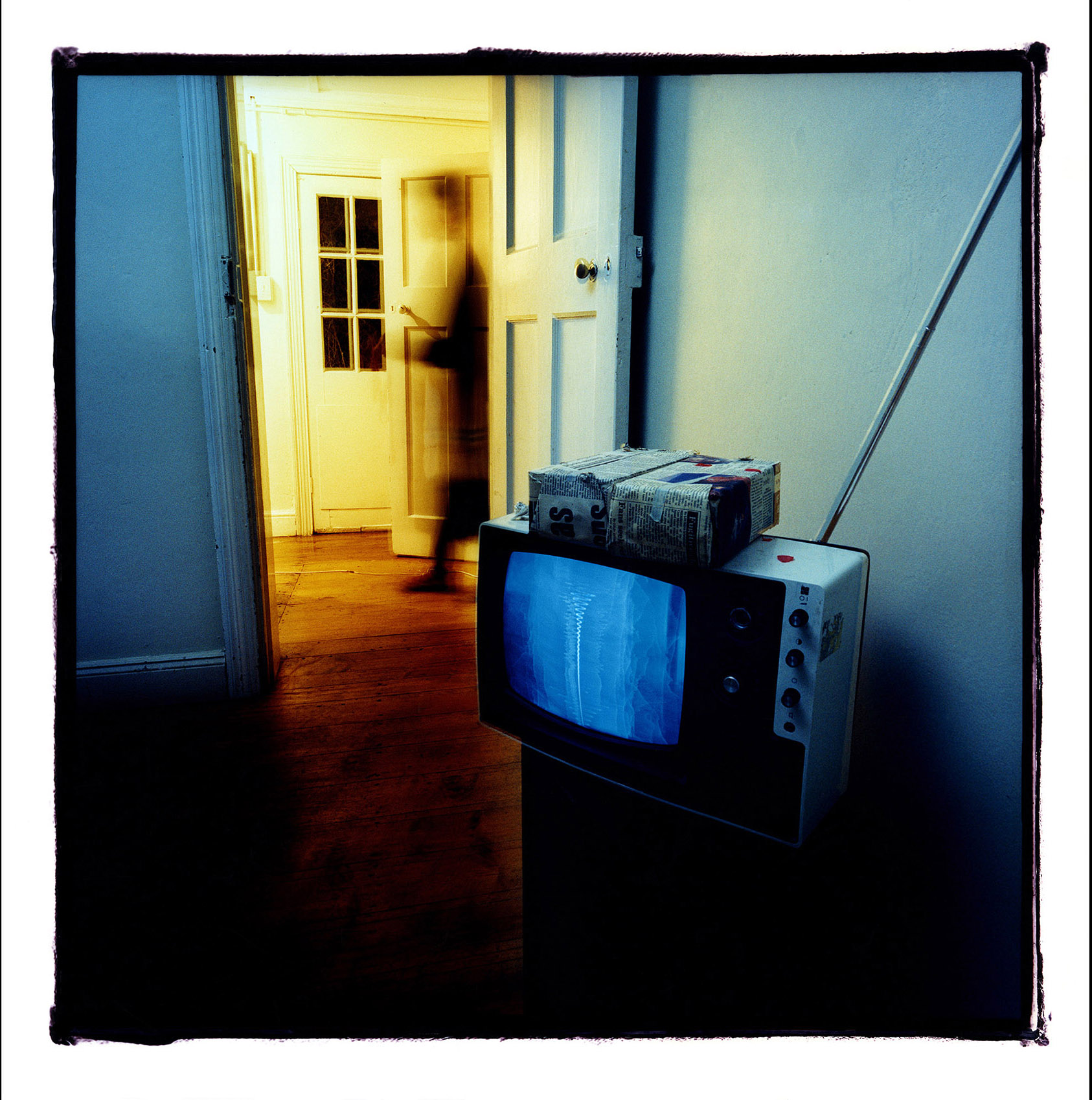
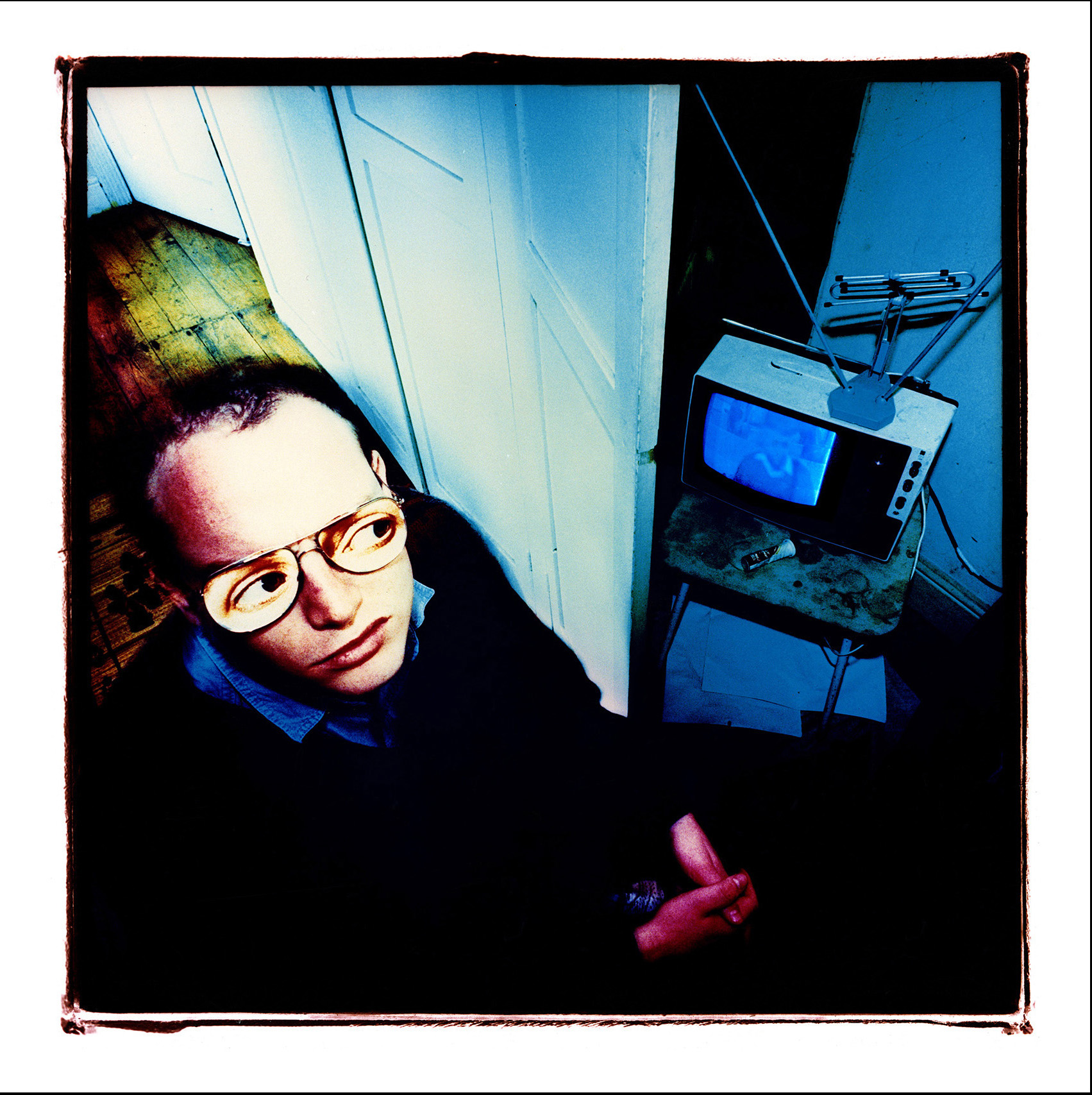
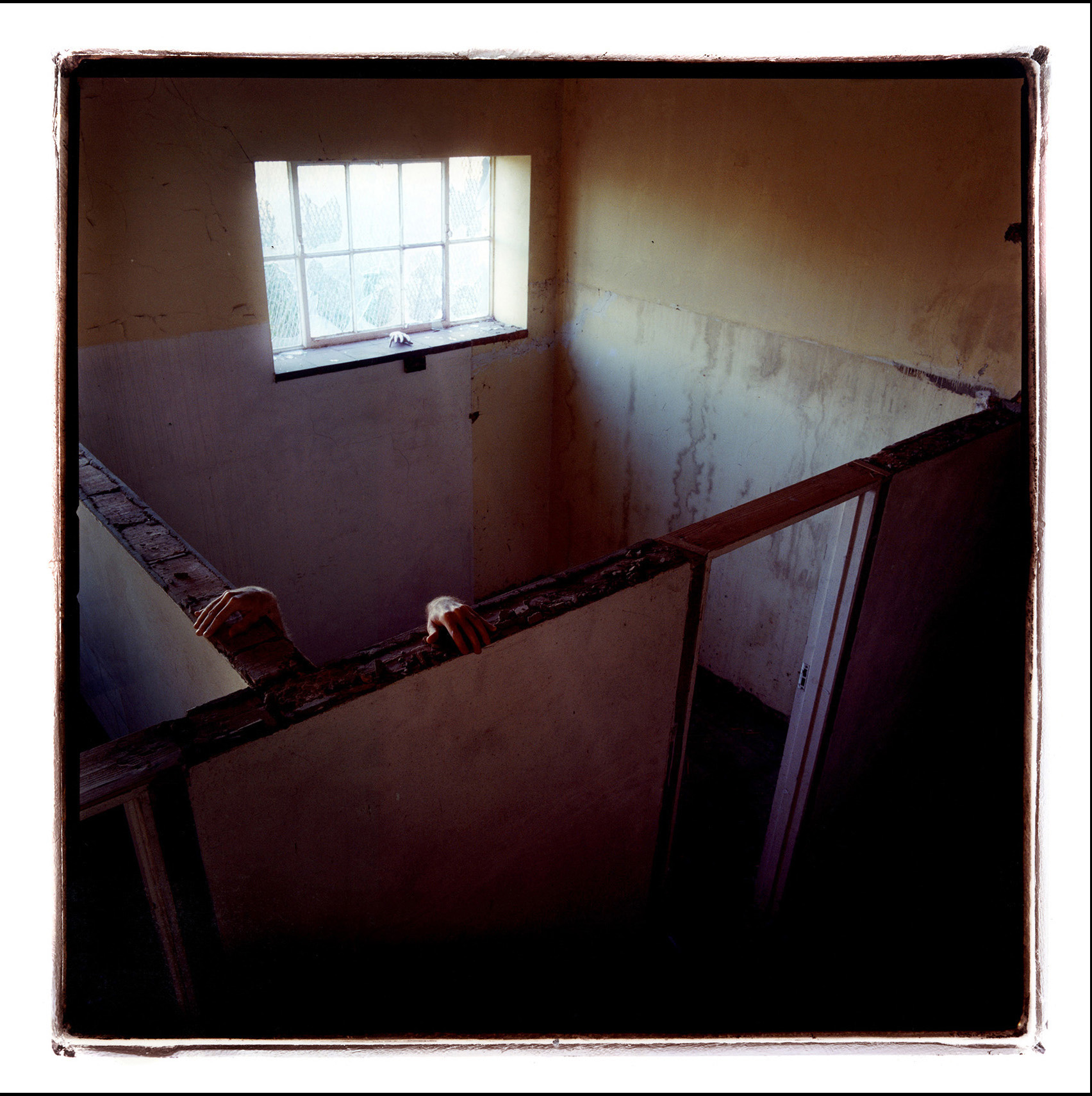

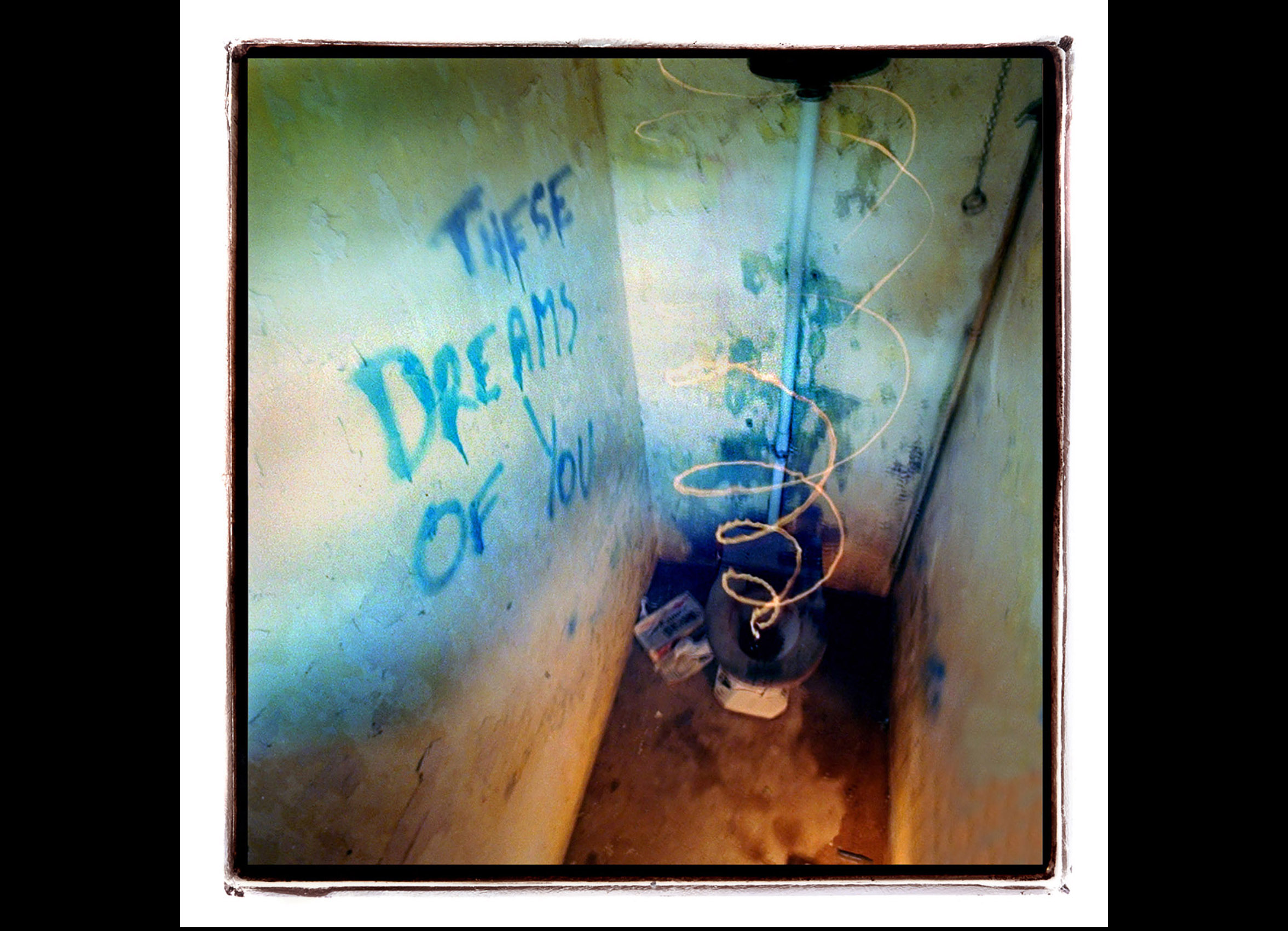
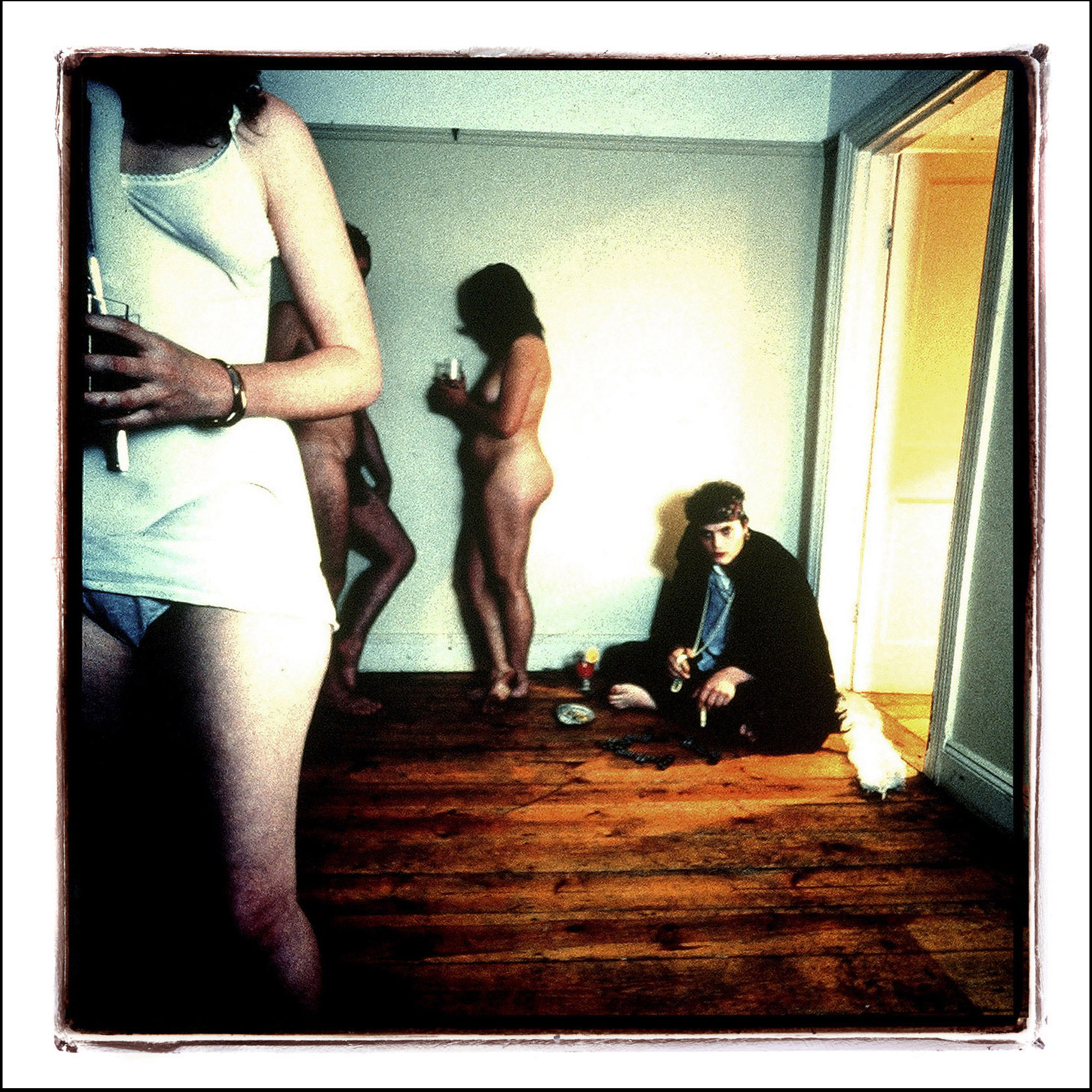
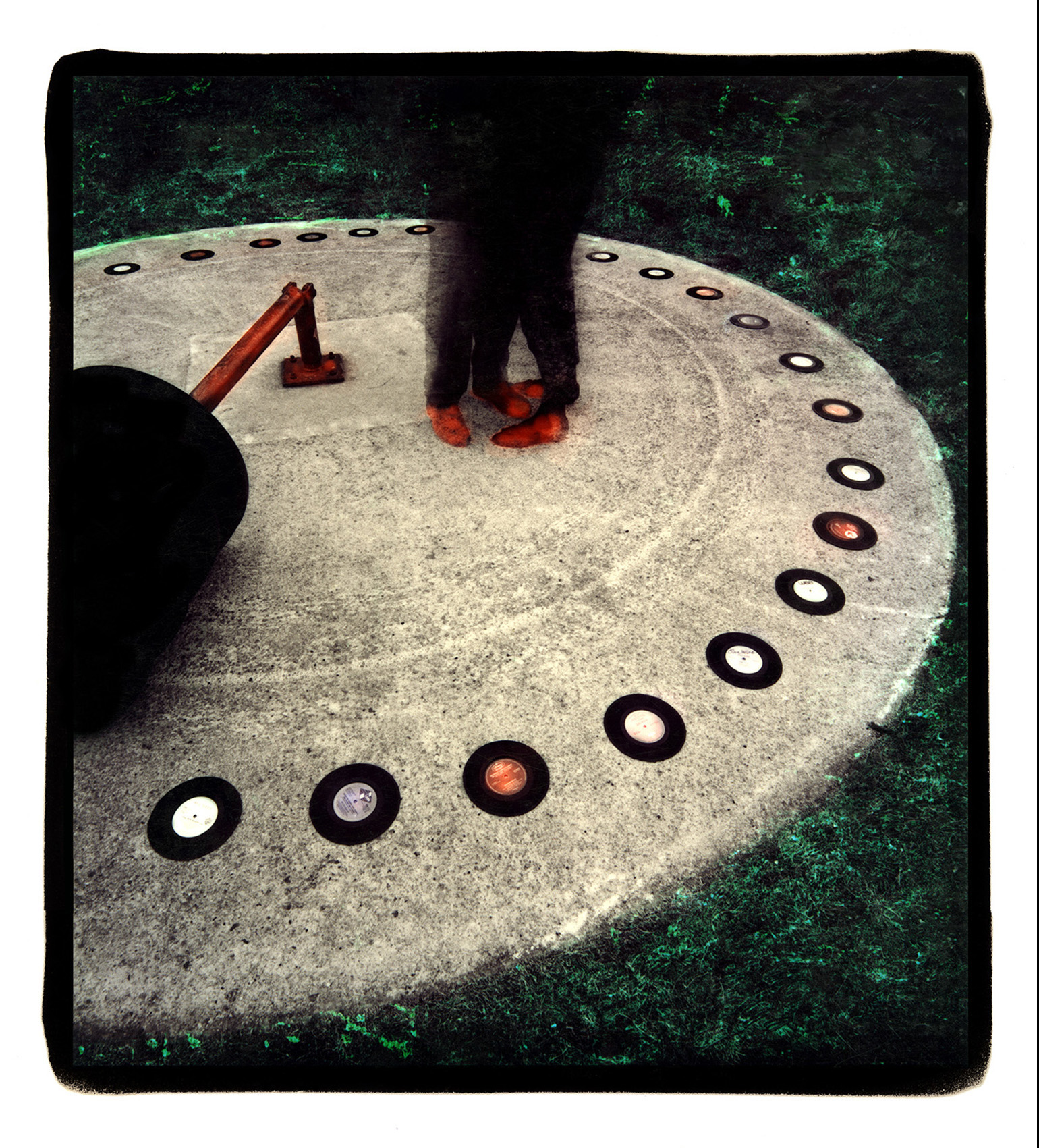
“One of the most exciting moments in very recent photographic practice emerged with a generation of artists in the 1990s. Understanding and...
Read more
...relishing the complexities of the medium, as outlined by a generation of theorists and photographers, these artists incorporated elements of fantasy, artifice and make-believe into their work. By scrupulously staging events and working with their subject matter in a similar way to that of a film director, artists created often sumptuous and seductive fictitious tableaux in which narrative elements come to the fore.”
Art Photography Now, Susan Bright, London, Thames and Hudson, 2005.
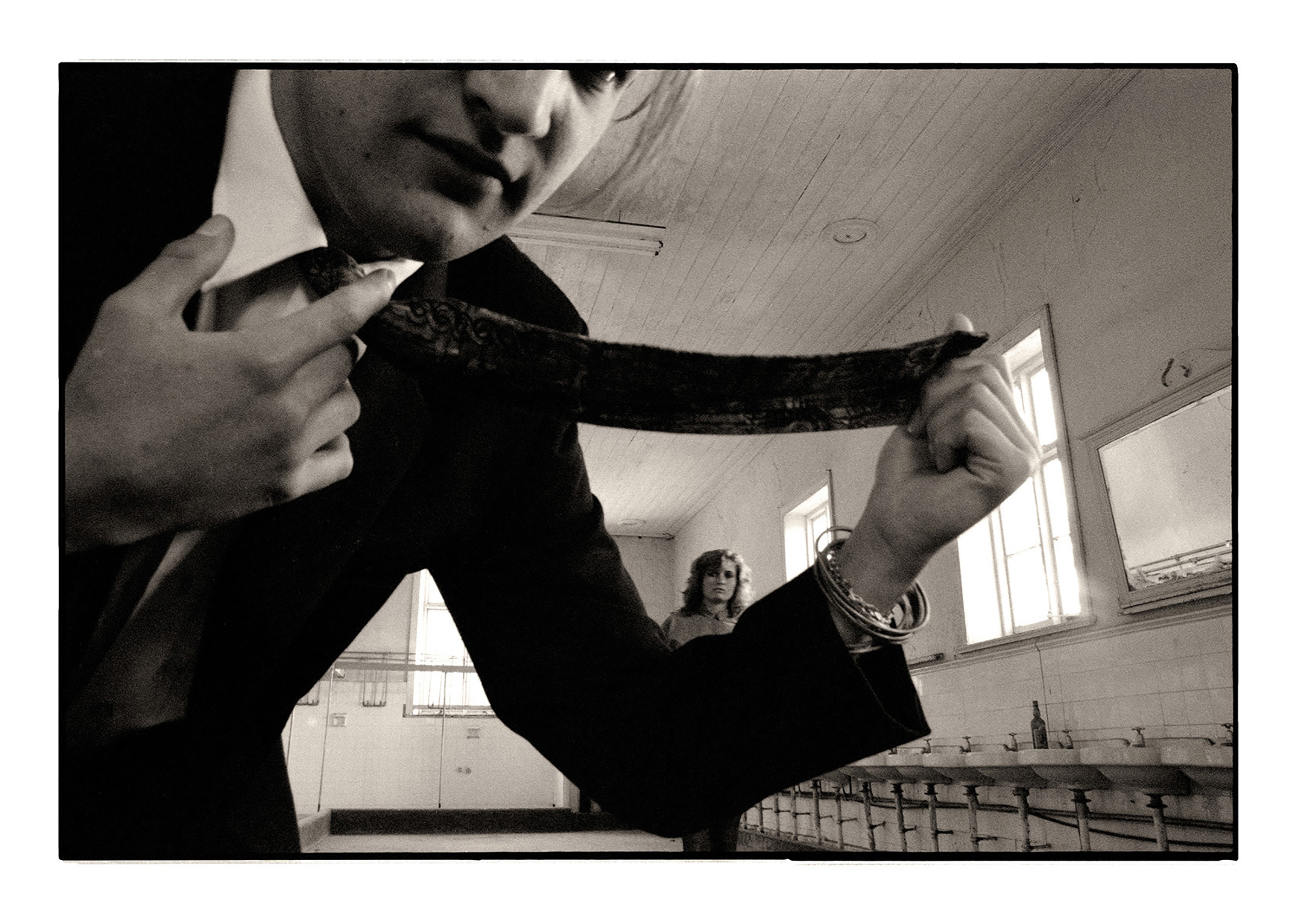
I began this series of images in 1987, working in black and white, and finished it 1991. I had no idea that there was a ‘movement’ in Europe and America doing the same thing. The first time I heard of Jeff Wall was in 2005. The photographic section of the library at Rhodes University was ridiculously under-resourced in those days. The most contemporary book I ever recall seeing there was Josef Koudelka’s Exiles. The only photographer working in a style which could be termed ‘narrative tableaux’ whose work I saw a little bit of was Sandy Skoglund.
Having said that, my teacher Obie Oberholzer’s work contained definite fictive/narrative elements, although I always saw it as rooted more in the documentary approach. Obie went out into the world to find the elements he would use in his narratives, whereas I stayed in my lounge, regularly inconveniencing my housemates by removing all the furniture and convincing them to be actors in my stories. (Thanks Roger and Jimmy and the others for being such willing participants!) I was, however, very influenced by one of the older students, Phillip Mostert, in this approach. For a few months my work was almost indistinguishable from his, and for a while he was much more my mentor than Obie was. I’m not sure where he got his ideas from. I never asked.
After producing a bunch of images that were bad copies of Phillip’s approach, by 1990, I was producing images that were distinct from his. I’m not sure how. It was a bit like feeling my way in the dark, really. When I look back now I realise that the black and white images I initially produced in this narrative style, before I began studying photography full-time, were very much the foundation for what came in 1990. I have no idea what the references were for that first one in 1987. I think I simply wanted to convey a feeling of being enclosed by some kind of stifling structure. The only photographer I was really looking at during that time was Bill Brandt, and that definitely steered me towards push-processing the film and going for heightened contrast.
People would sometimes ask me “What is going on in these images?” but I could never really say, or perhaps I was reluctant in that there were sometimes underlying autobiographical elements present. Probably as a result of this, I soon stopped giving them titles.
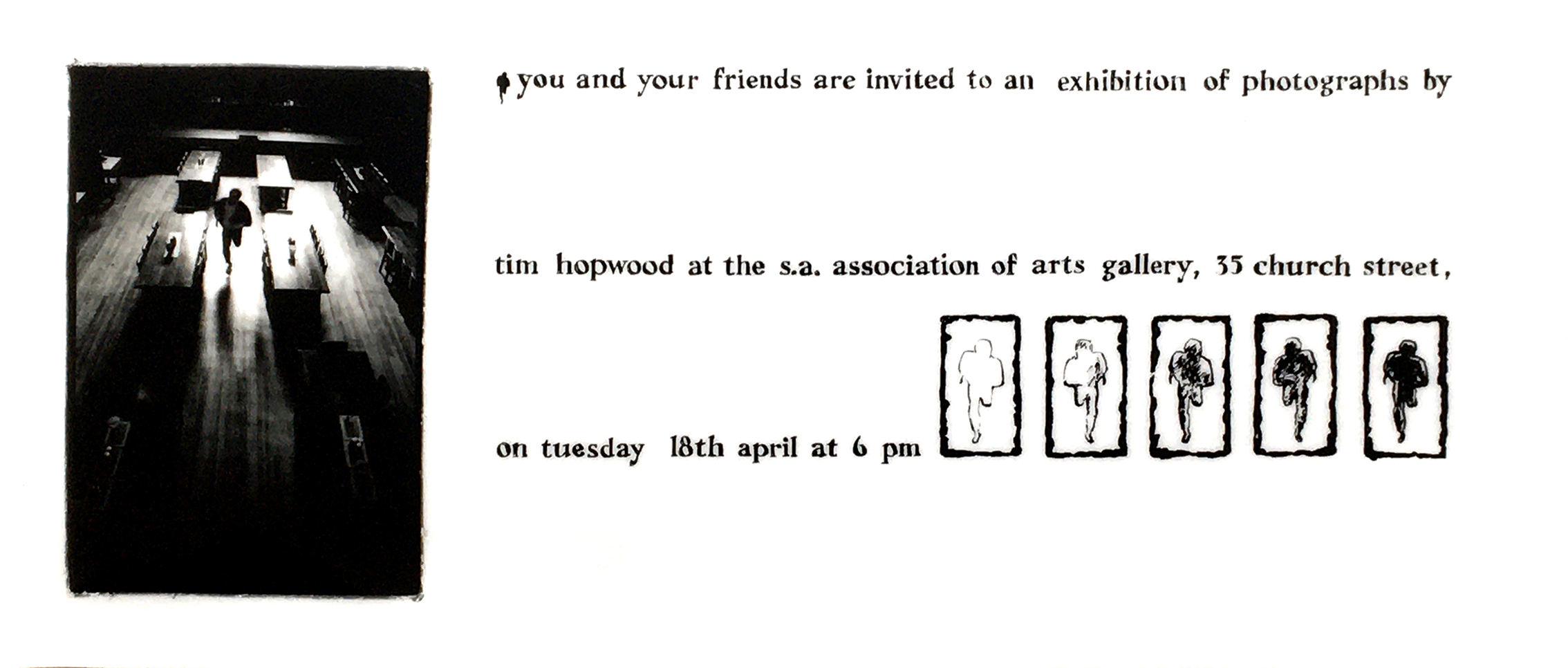
Exhibited at The Association of Arts Gallery, Cape Town, 1995.
Close
portraits
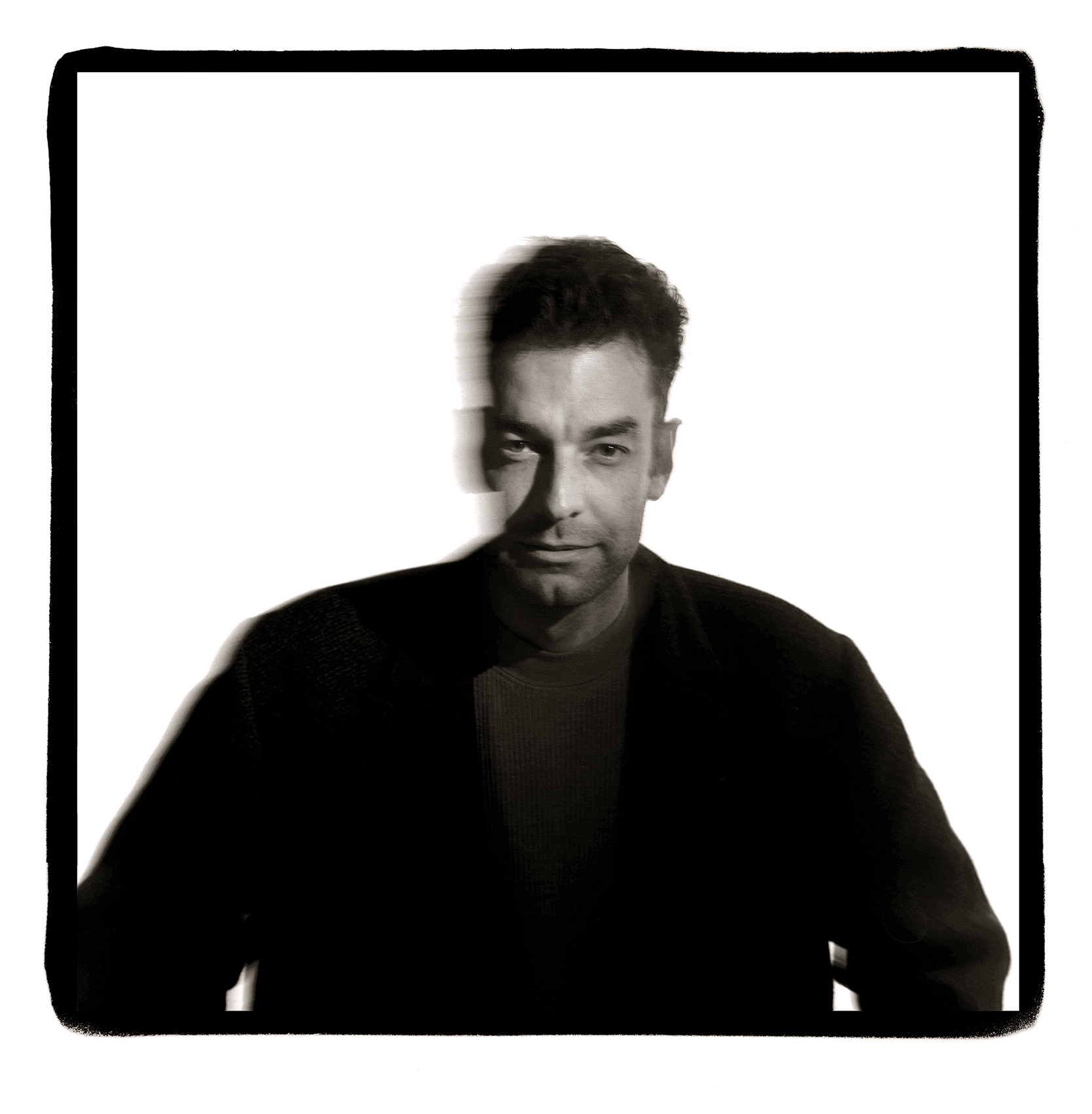
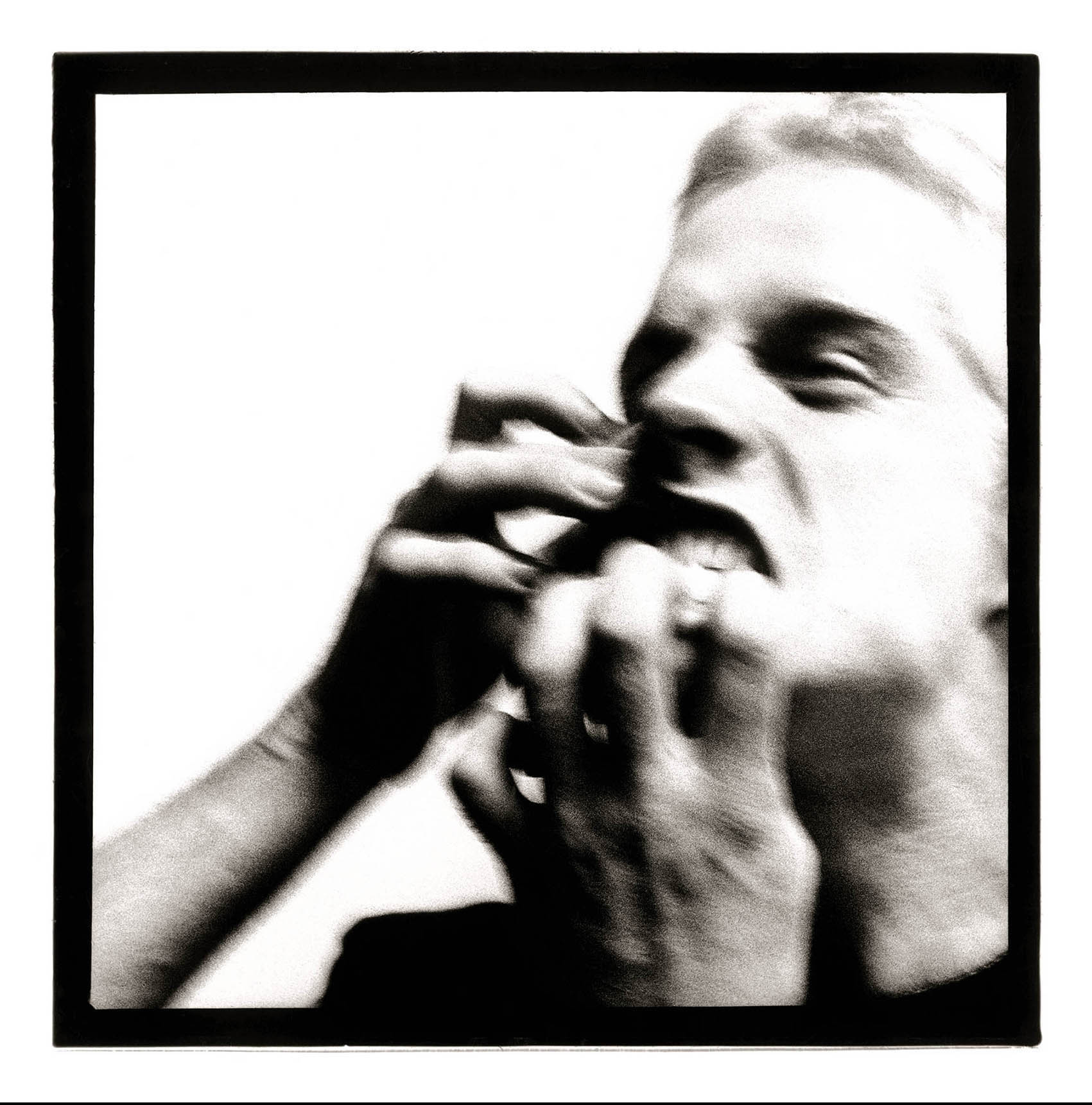
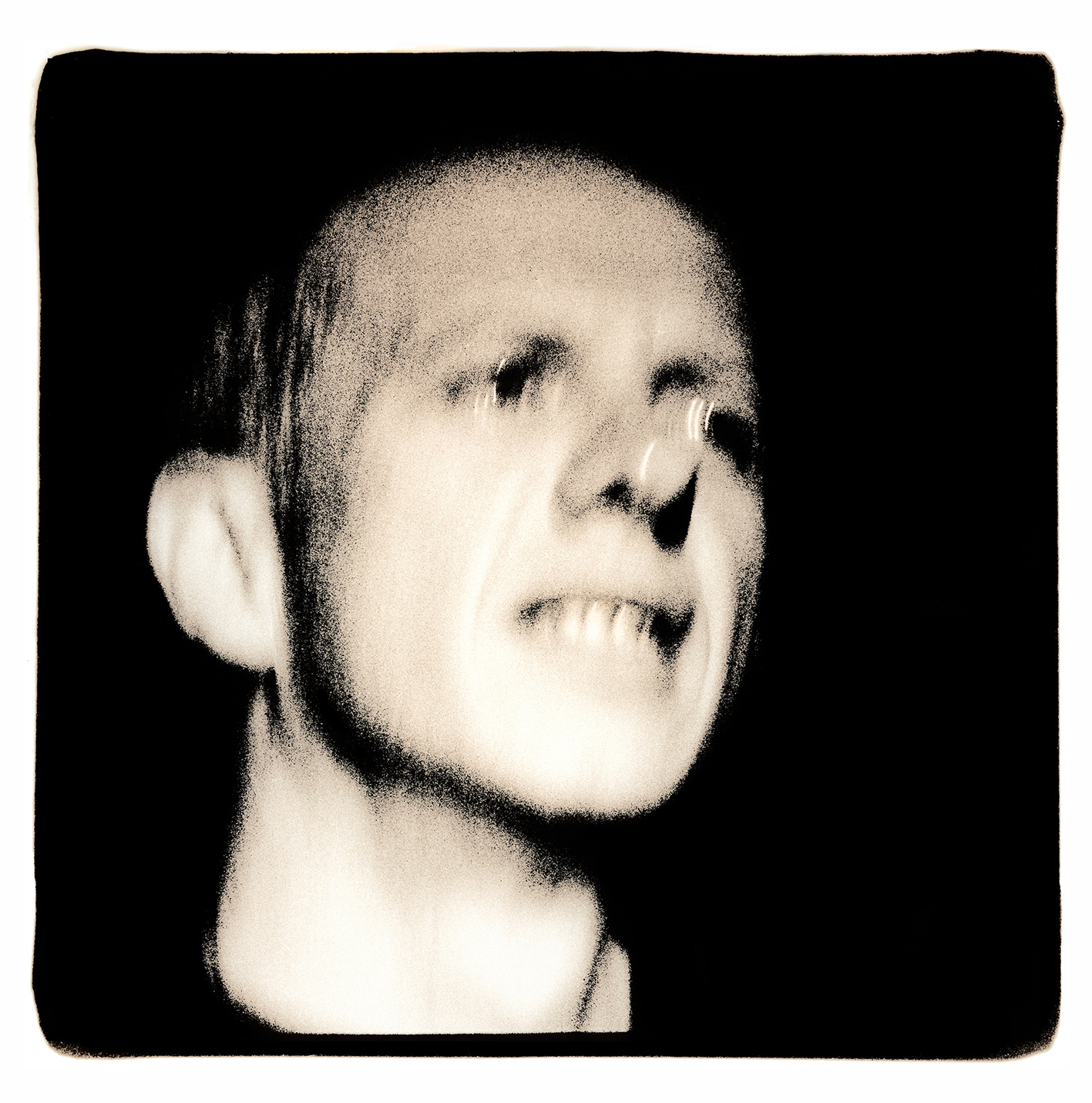
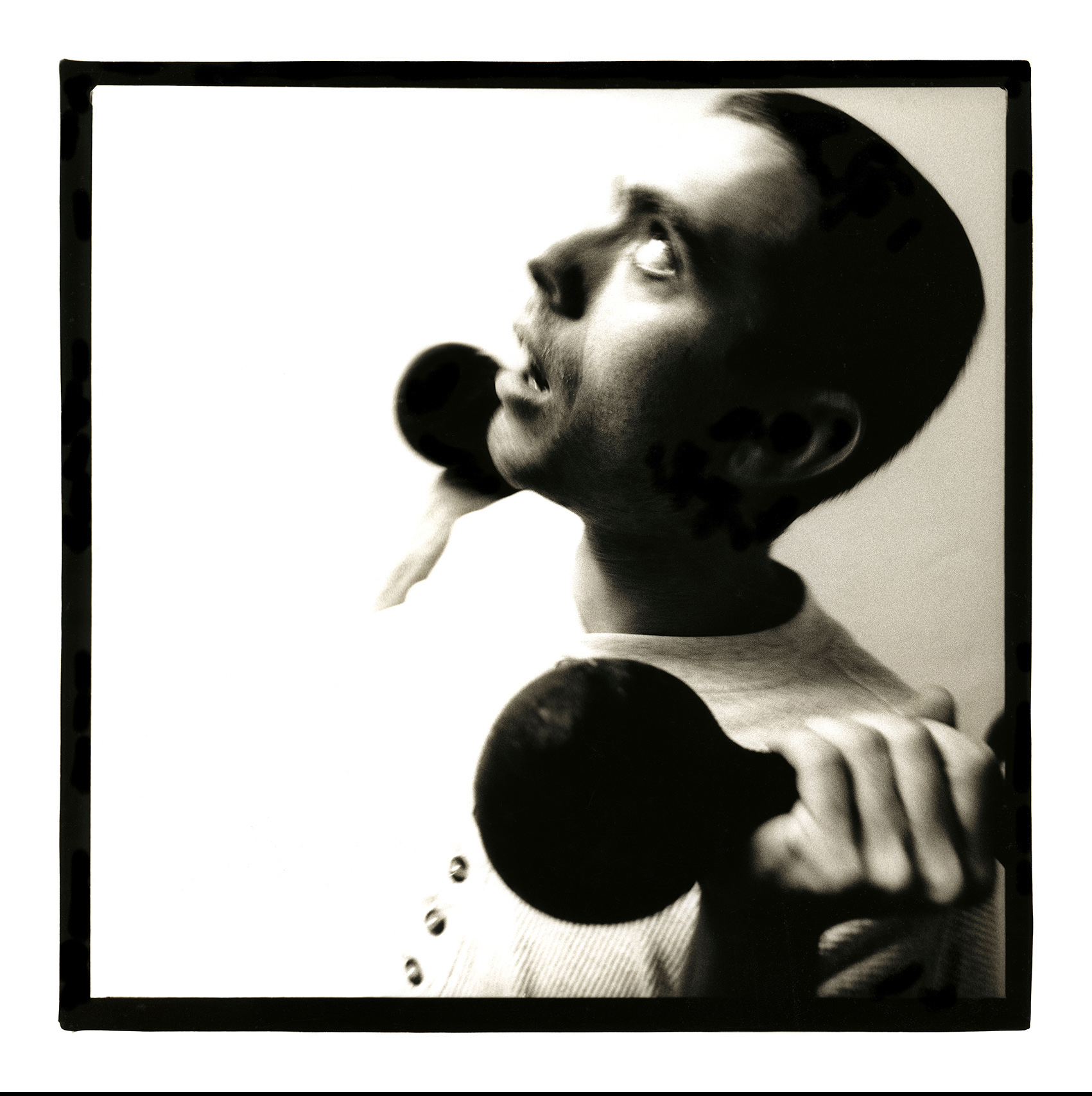
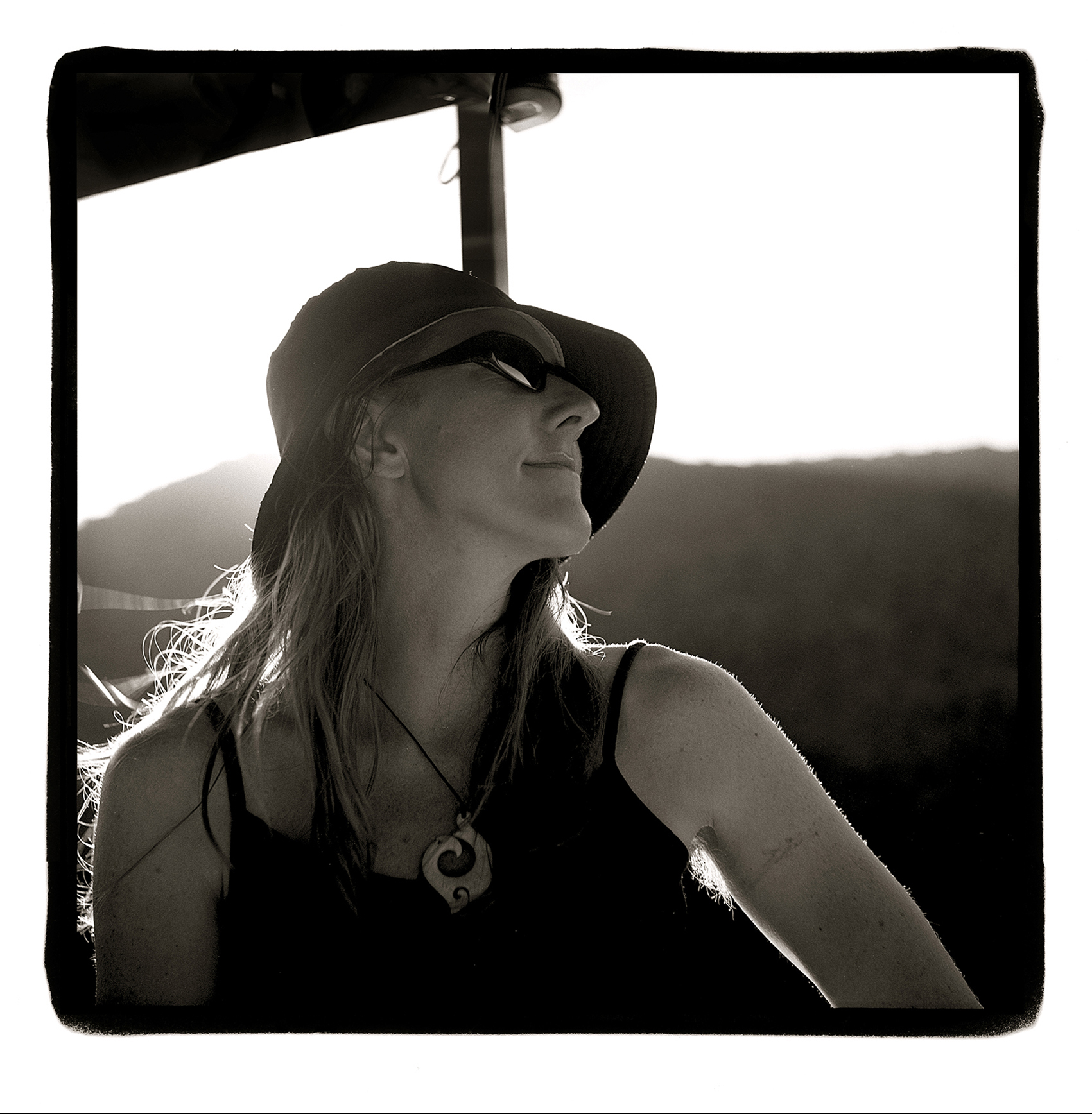
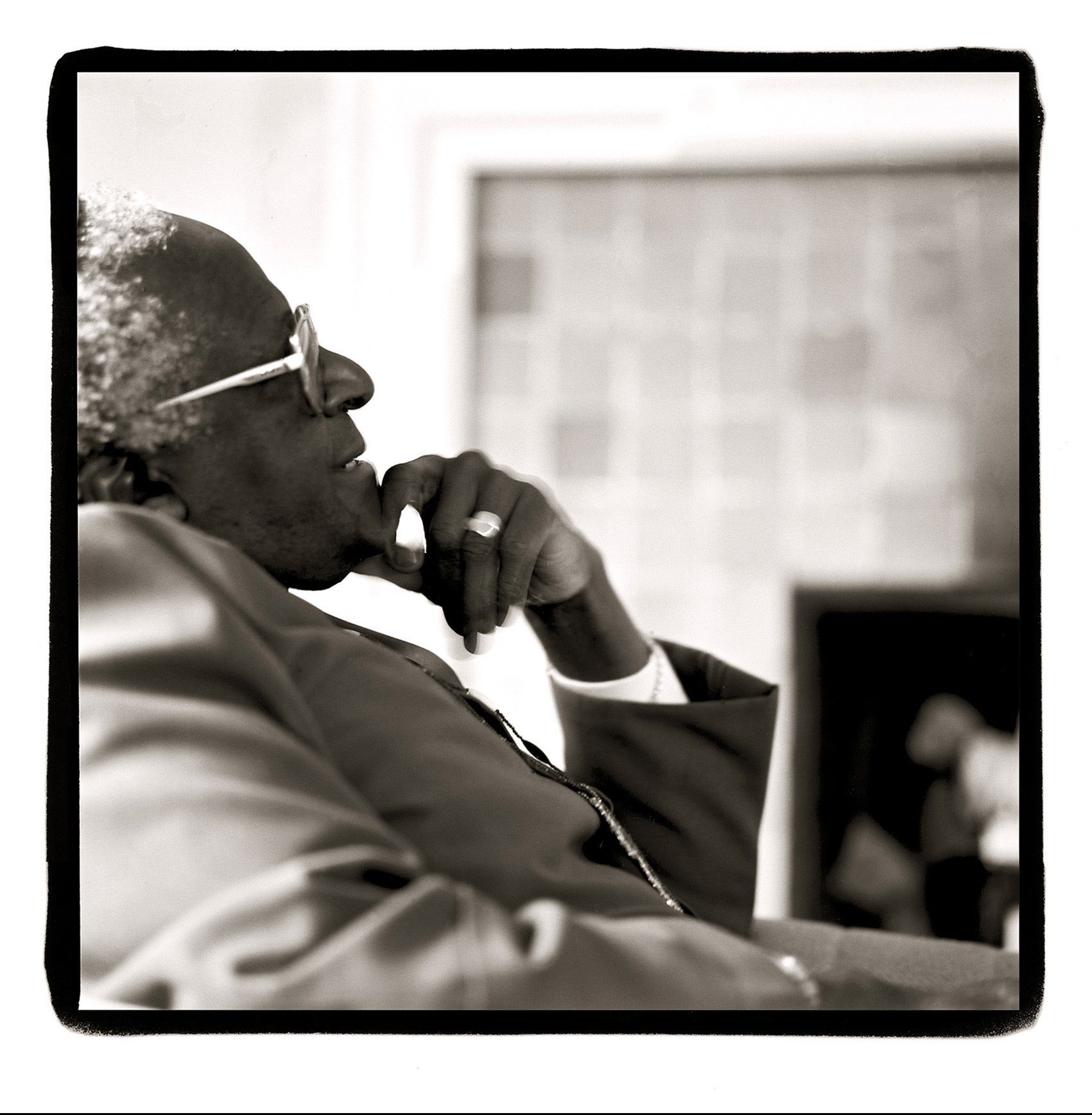
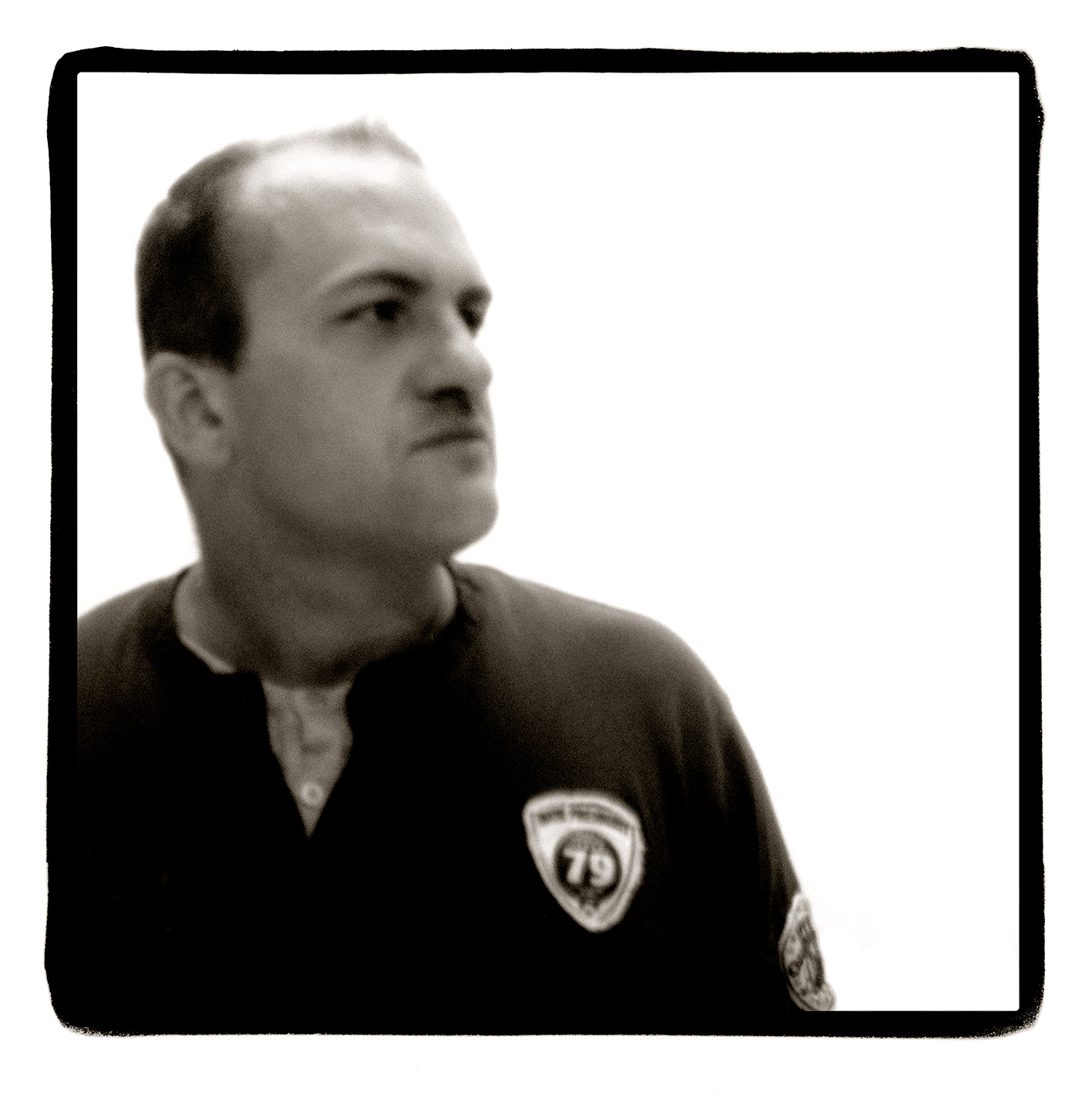
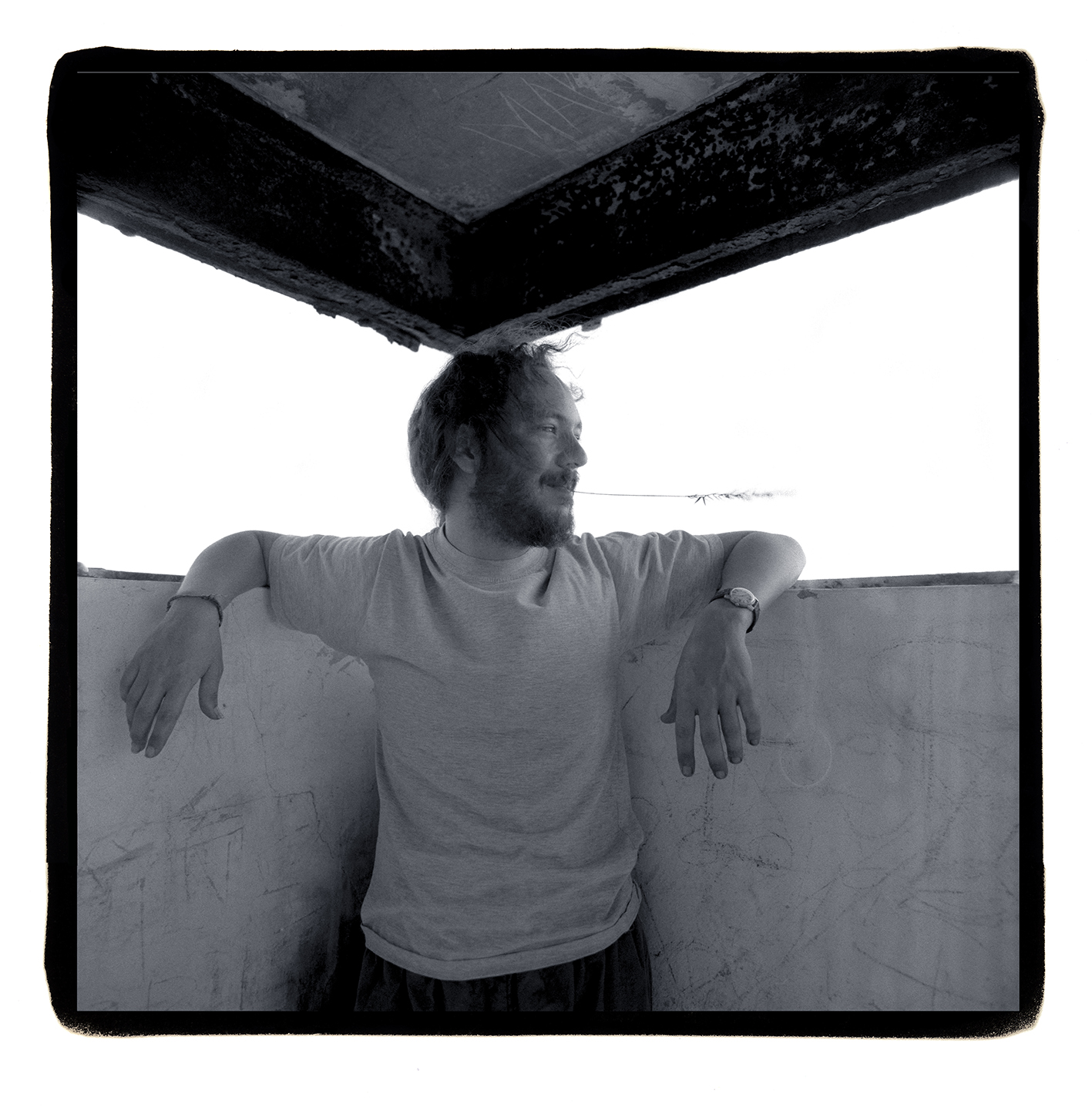
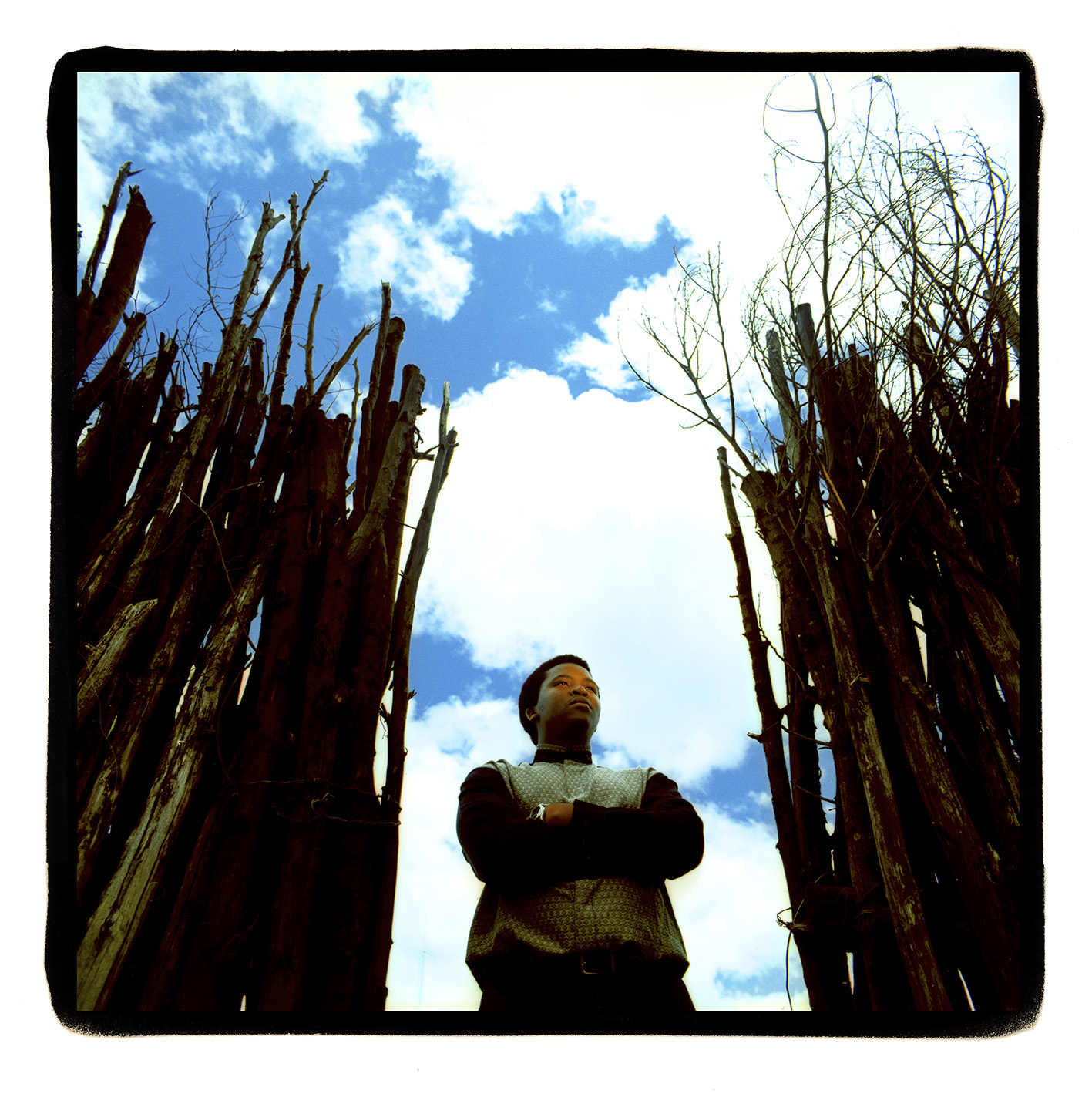
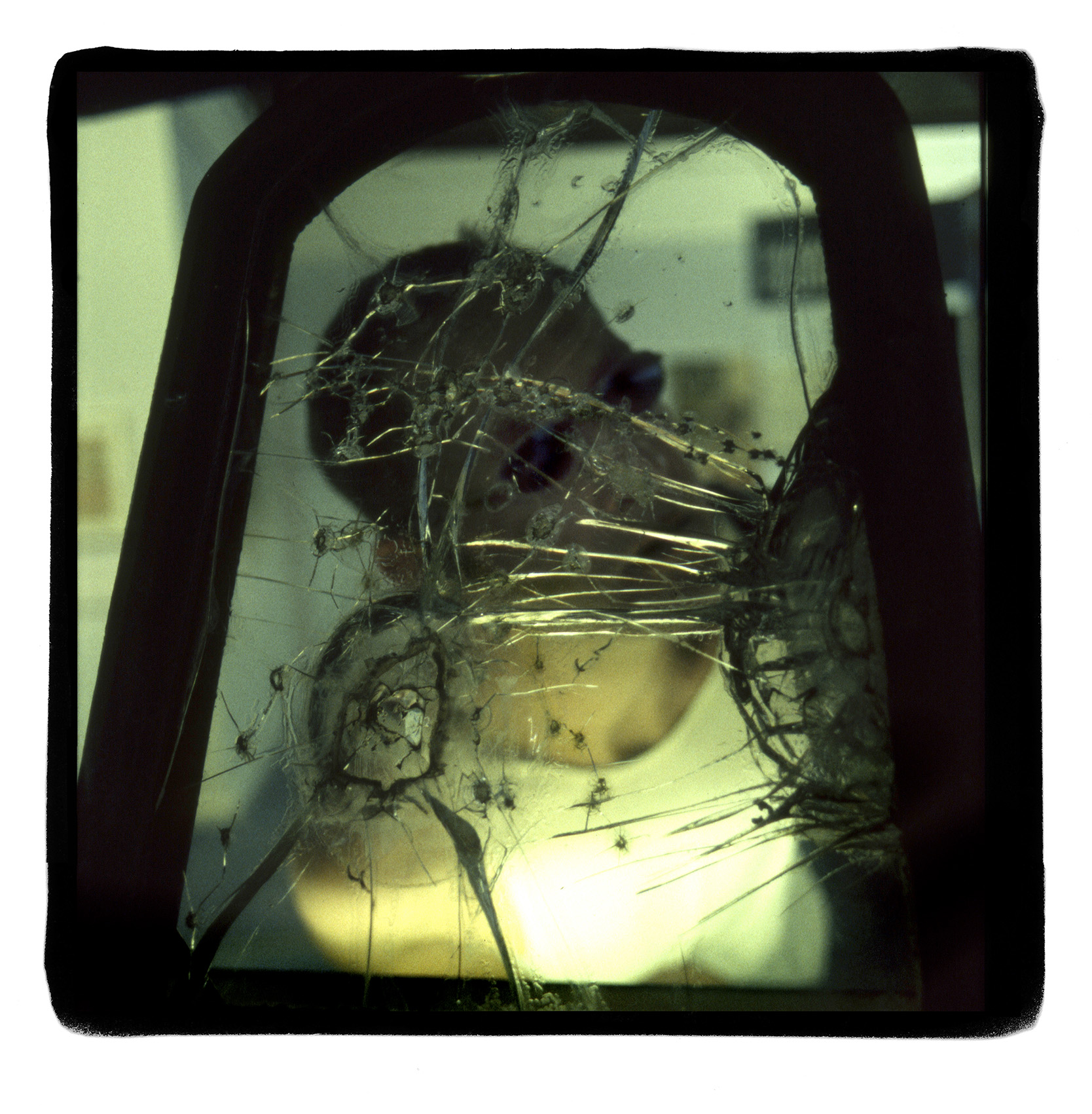
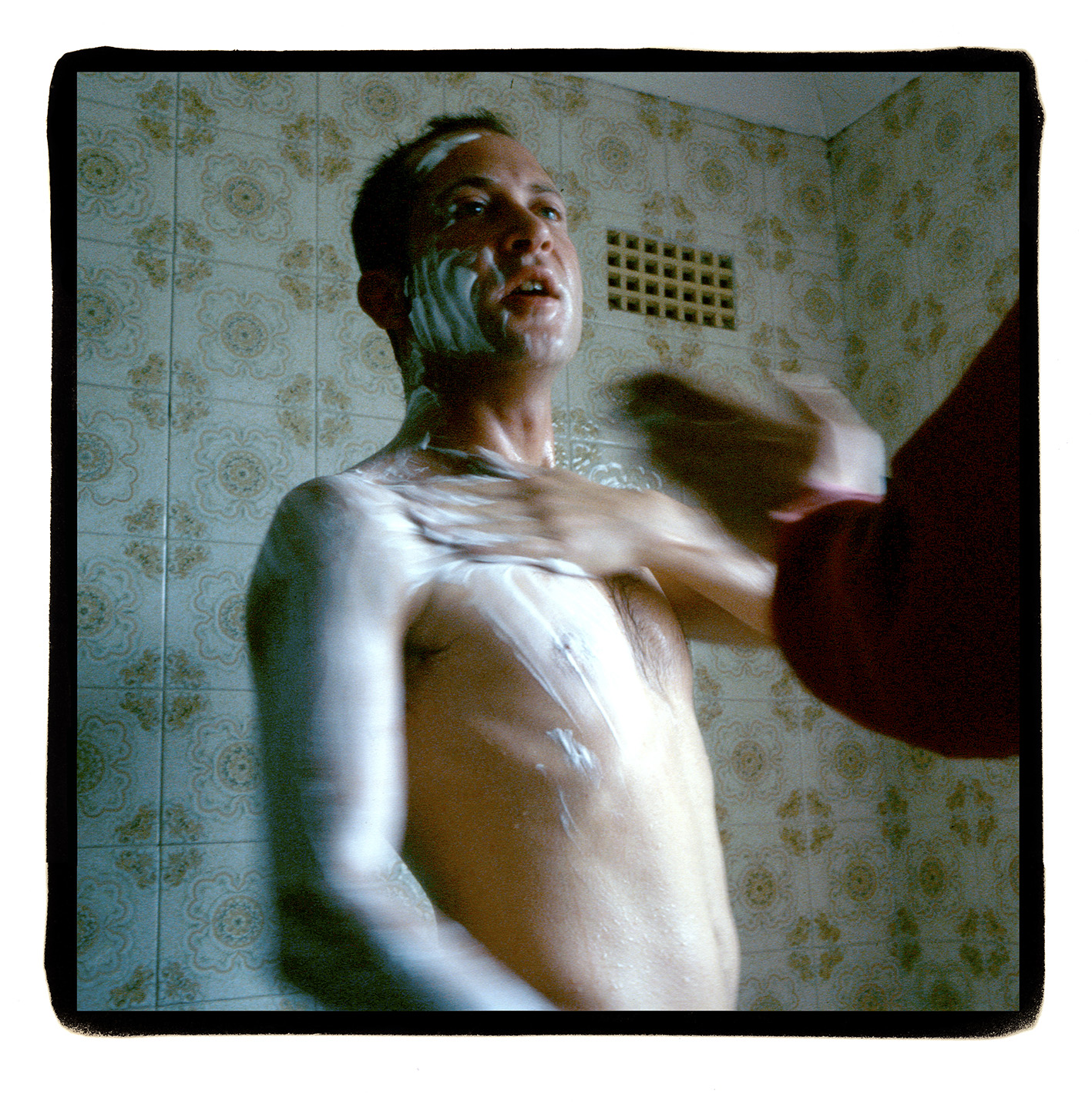
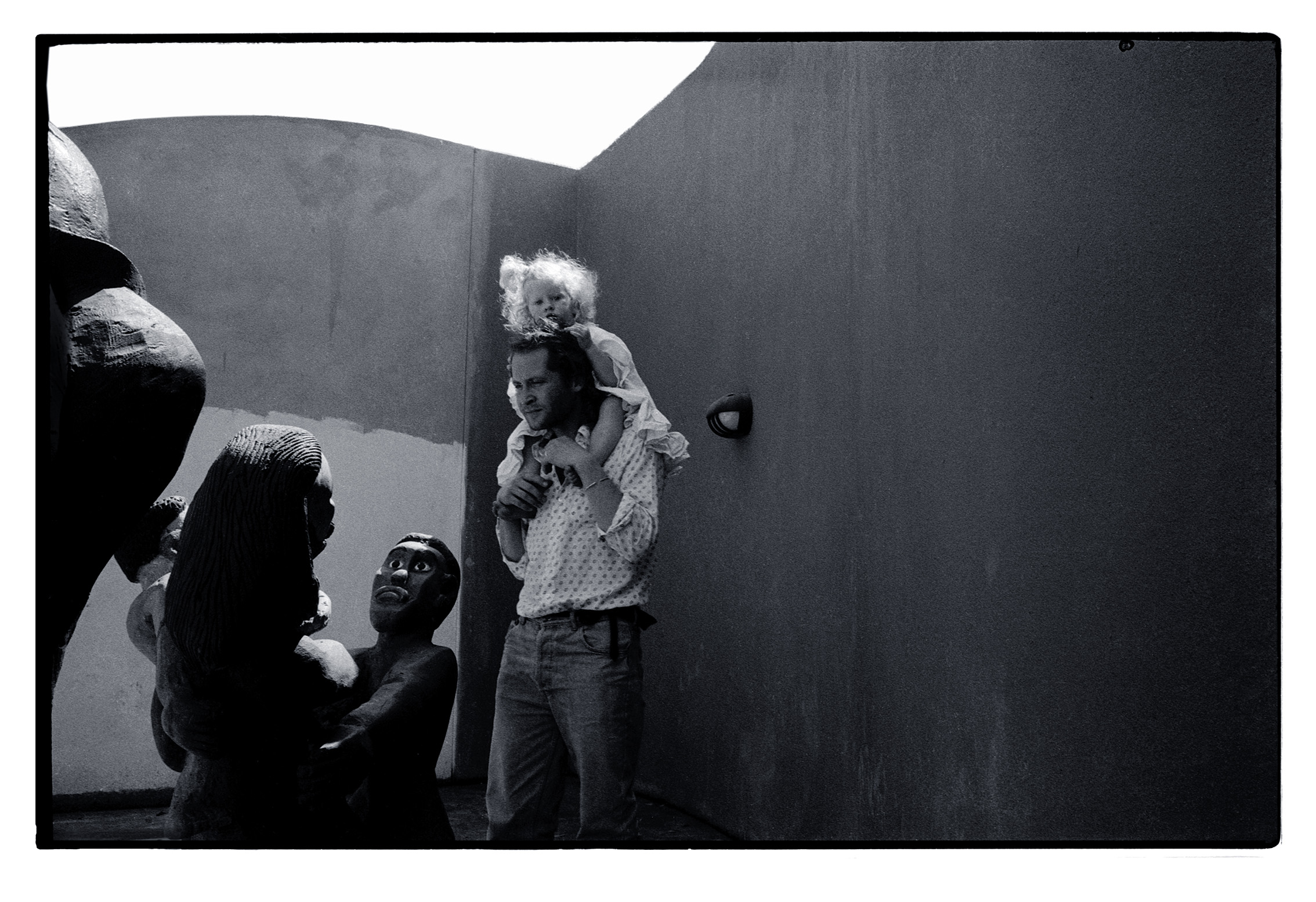

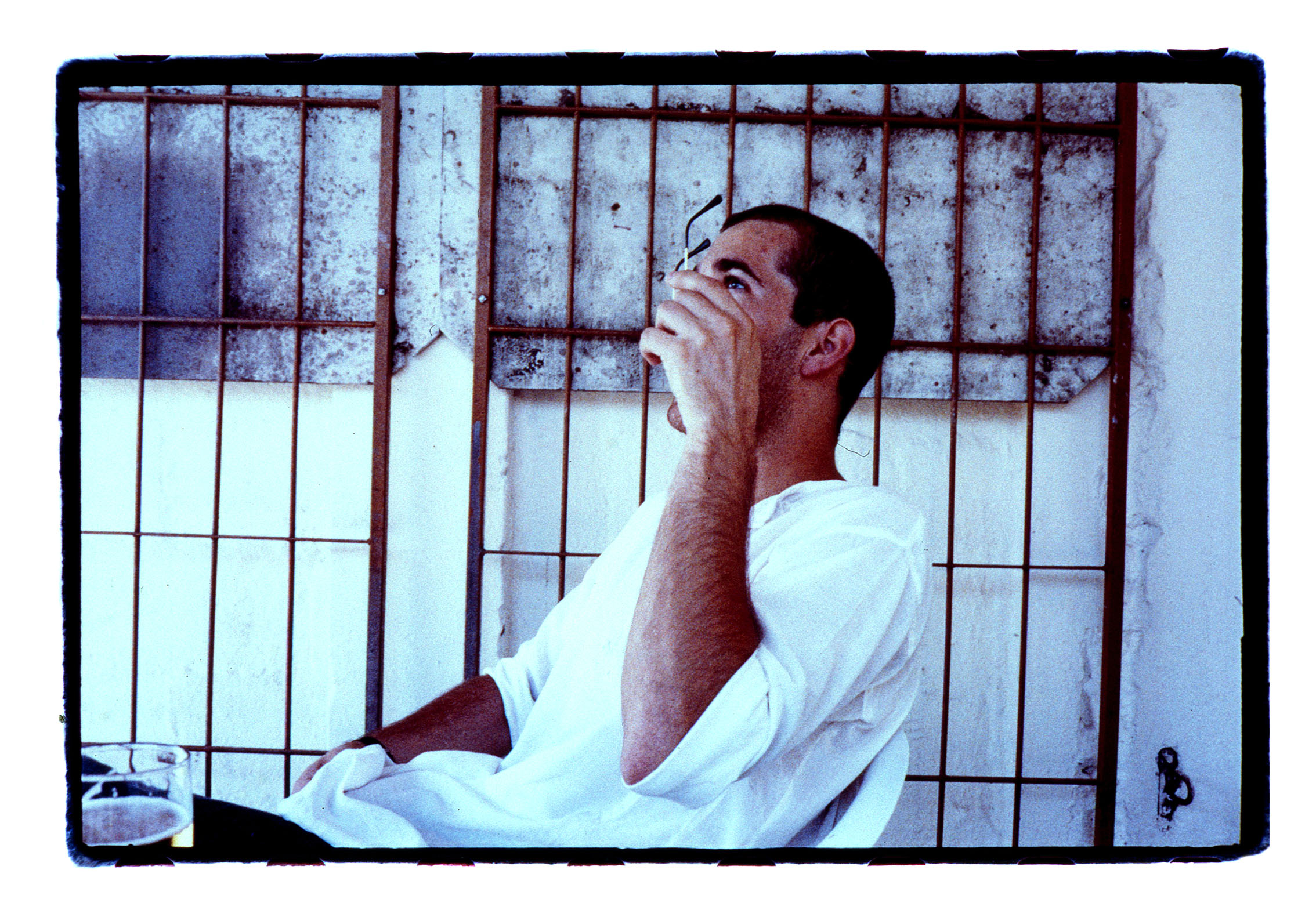

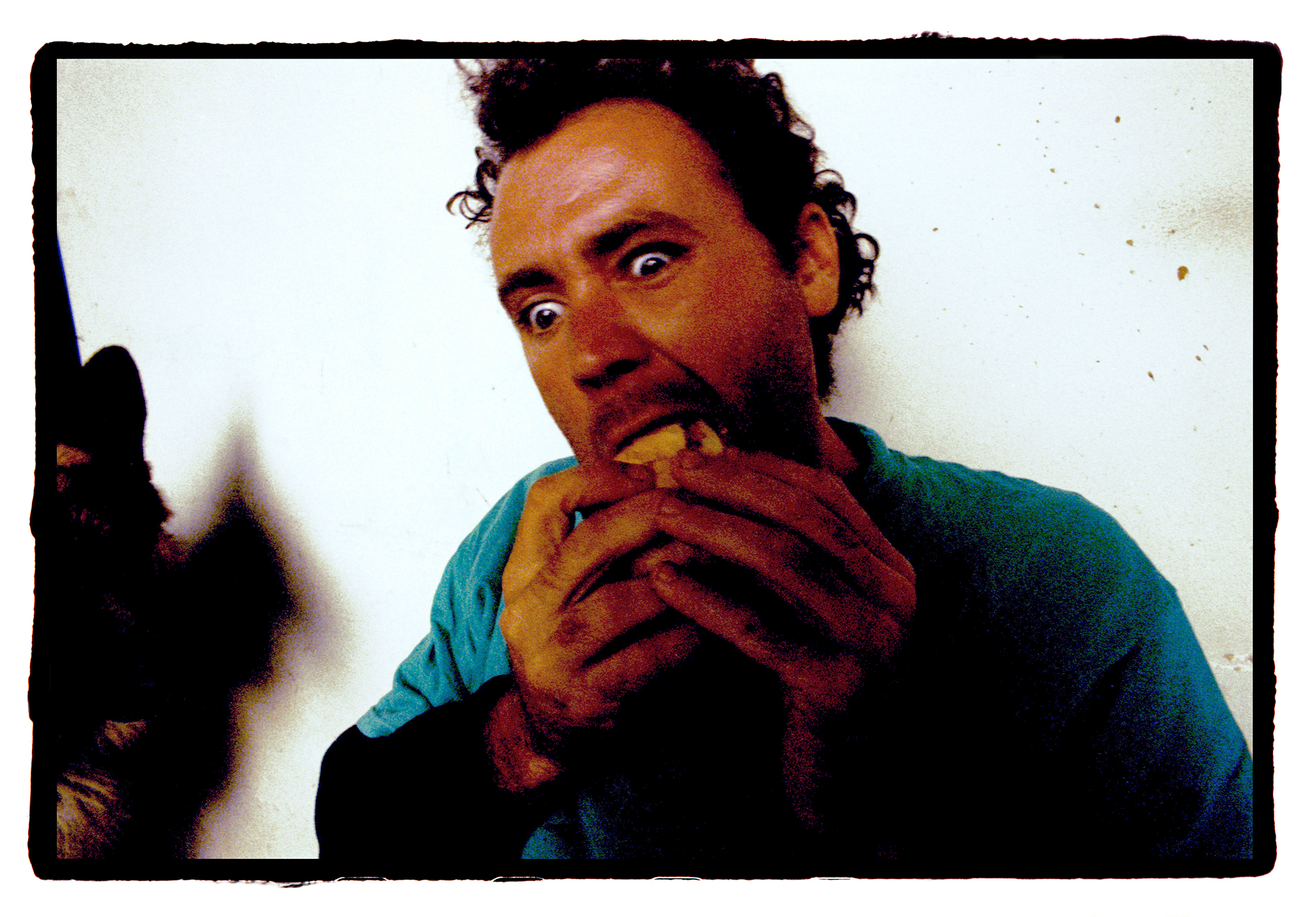
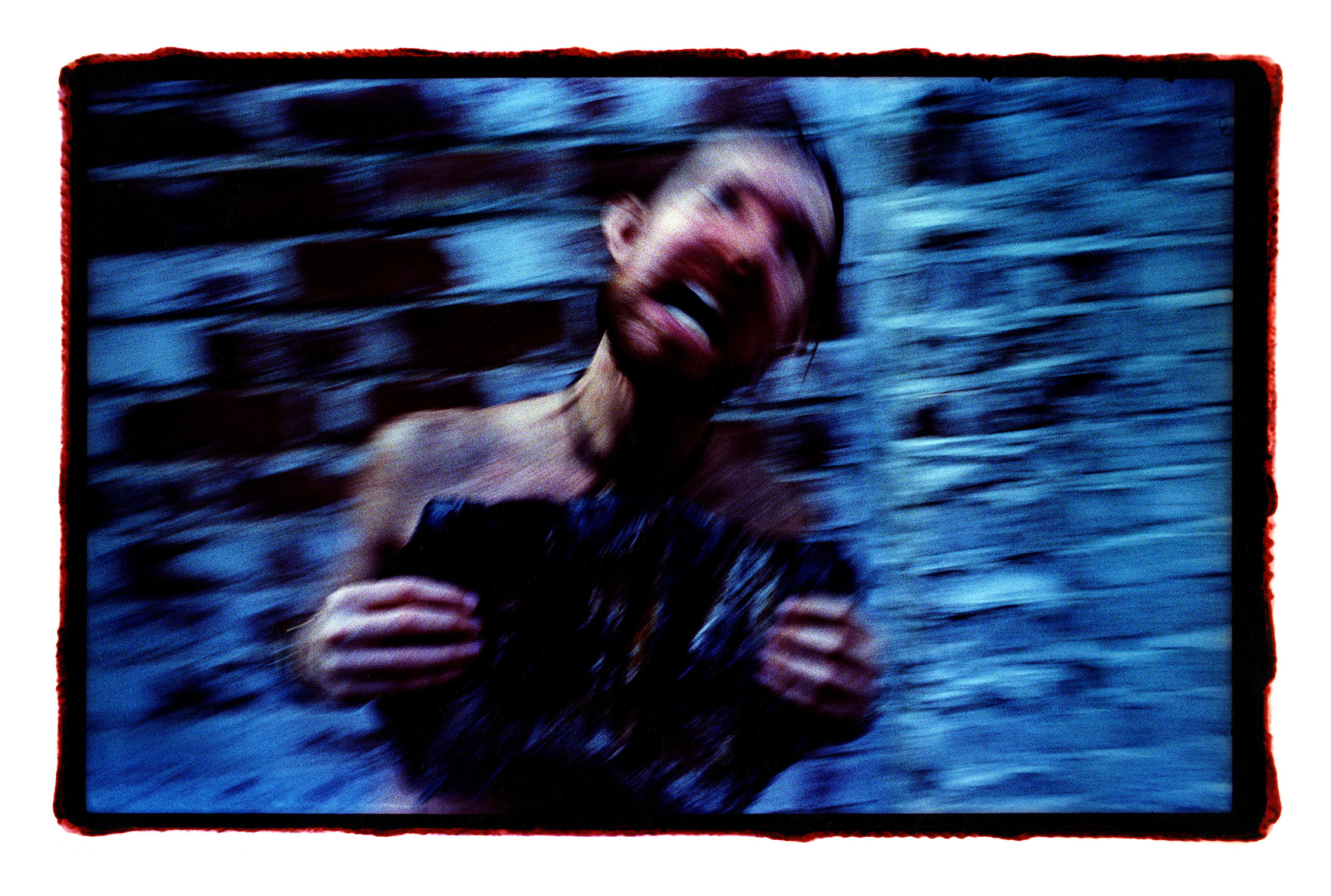
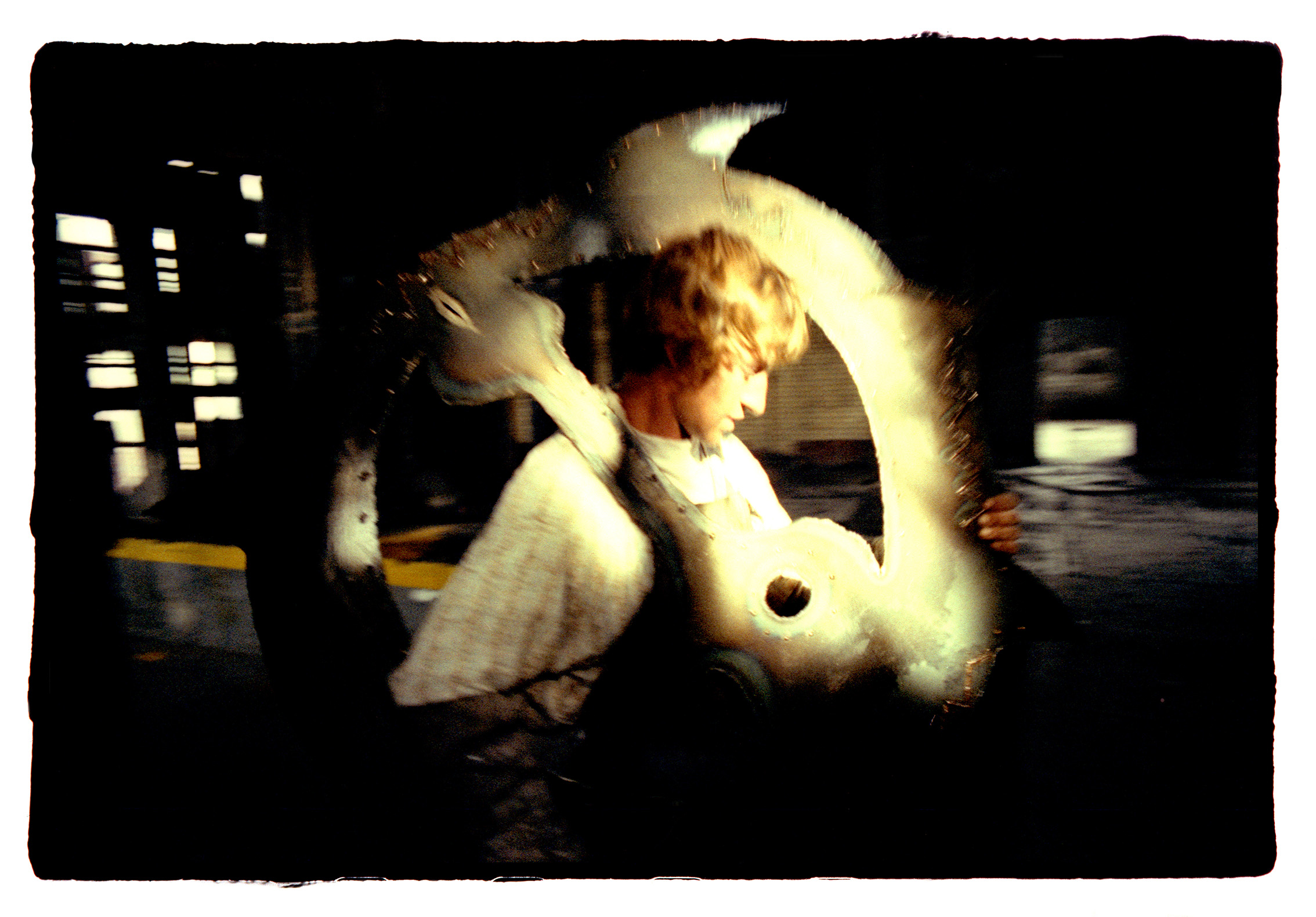
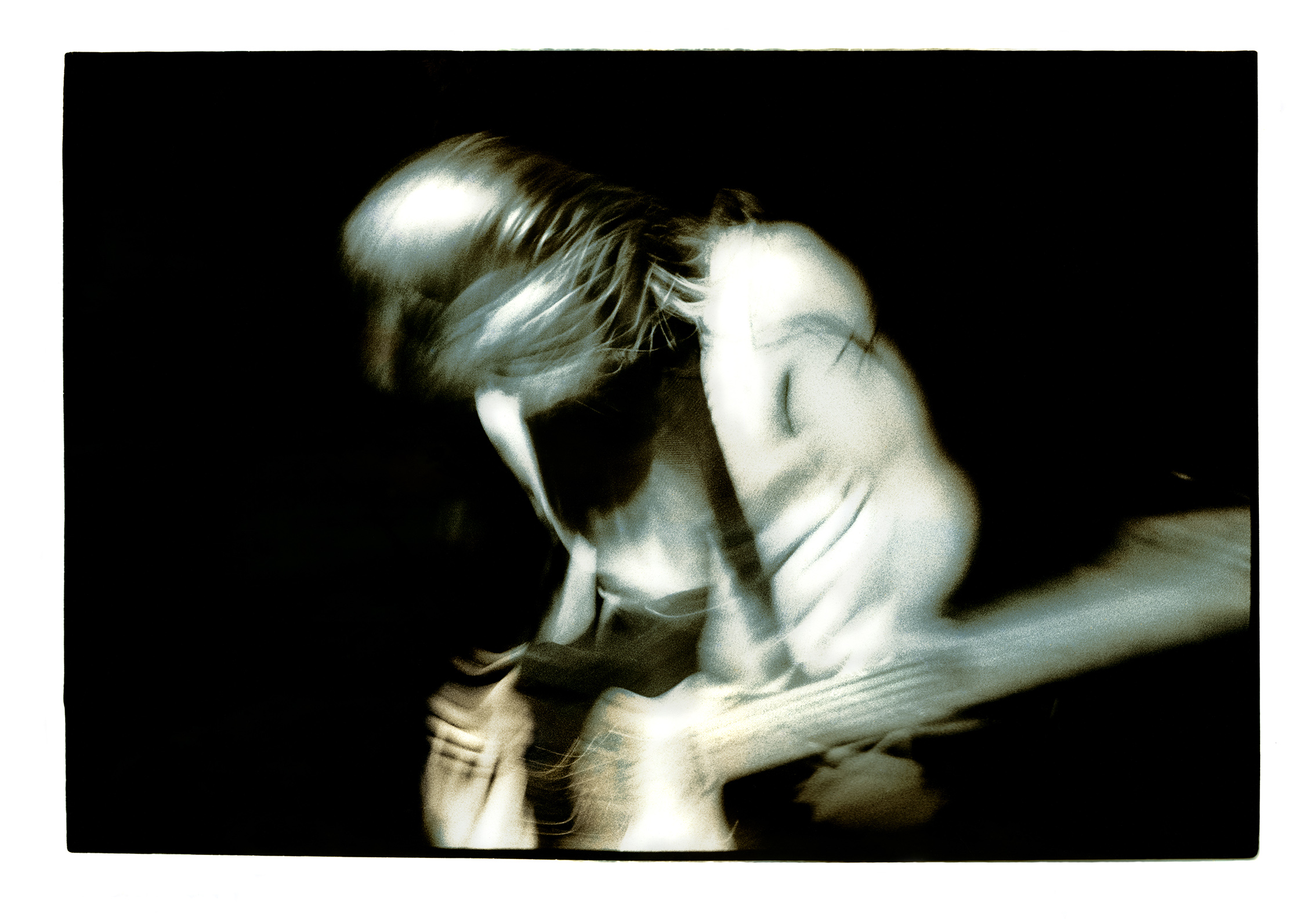
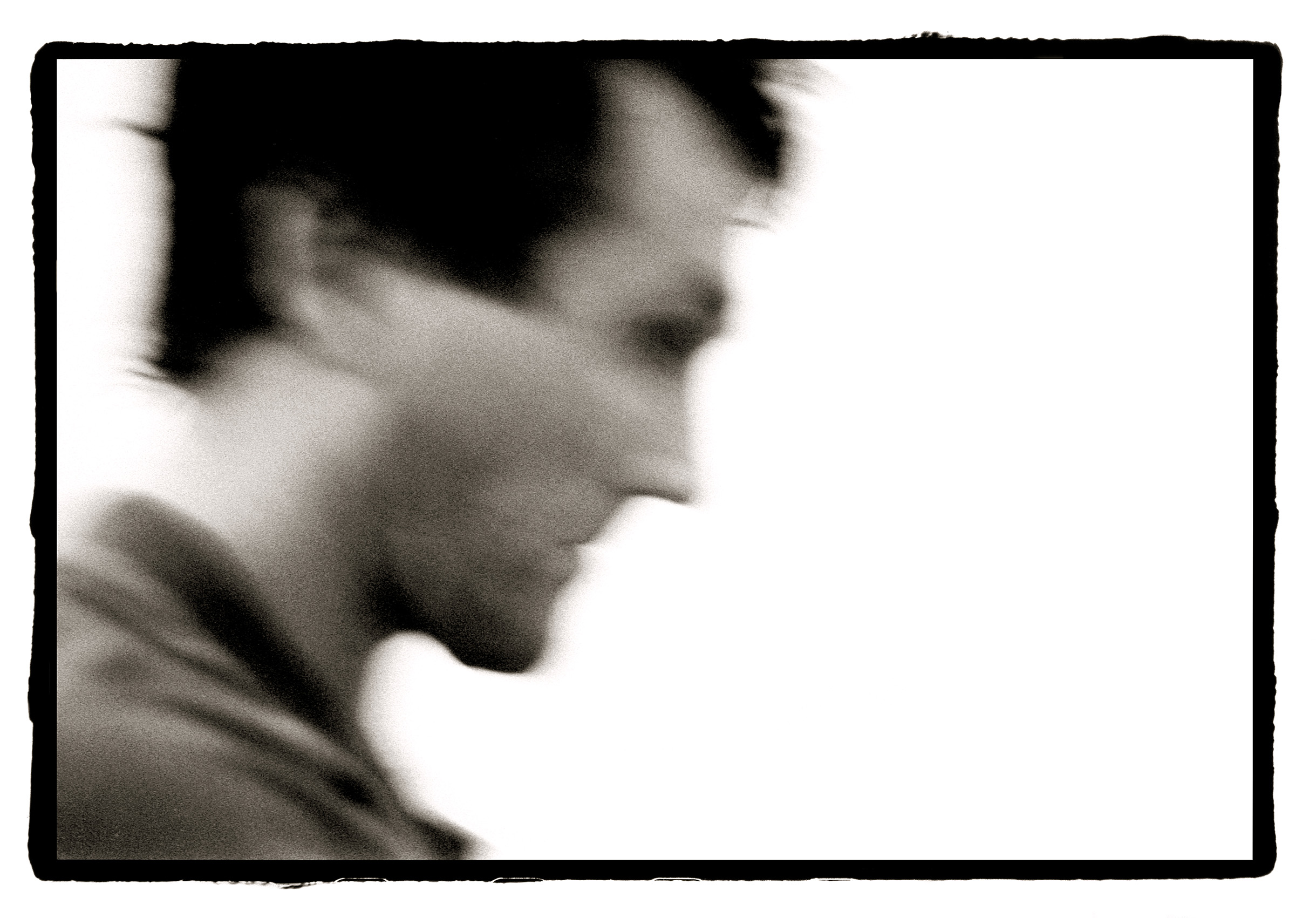
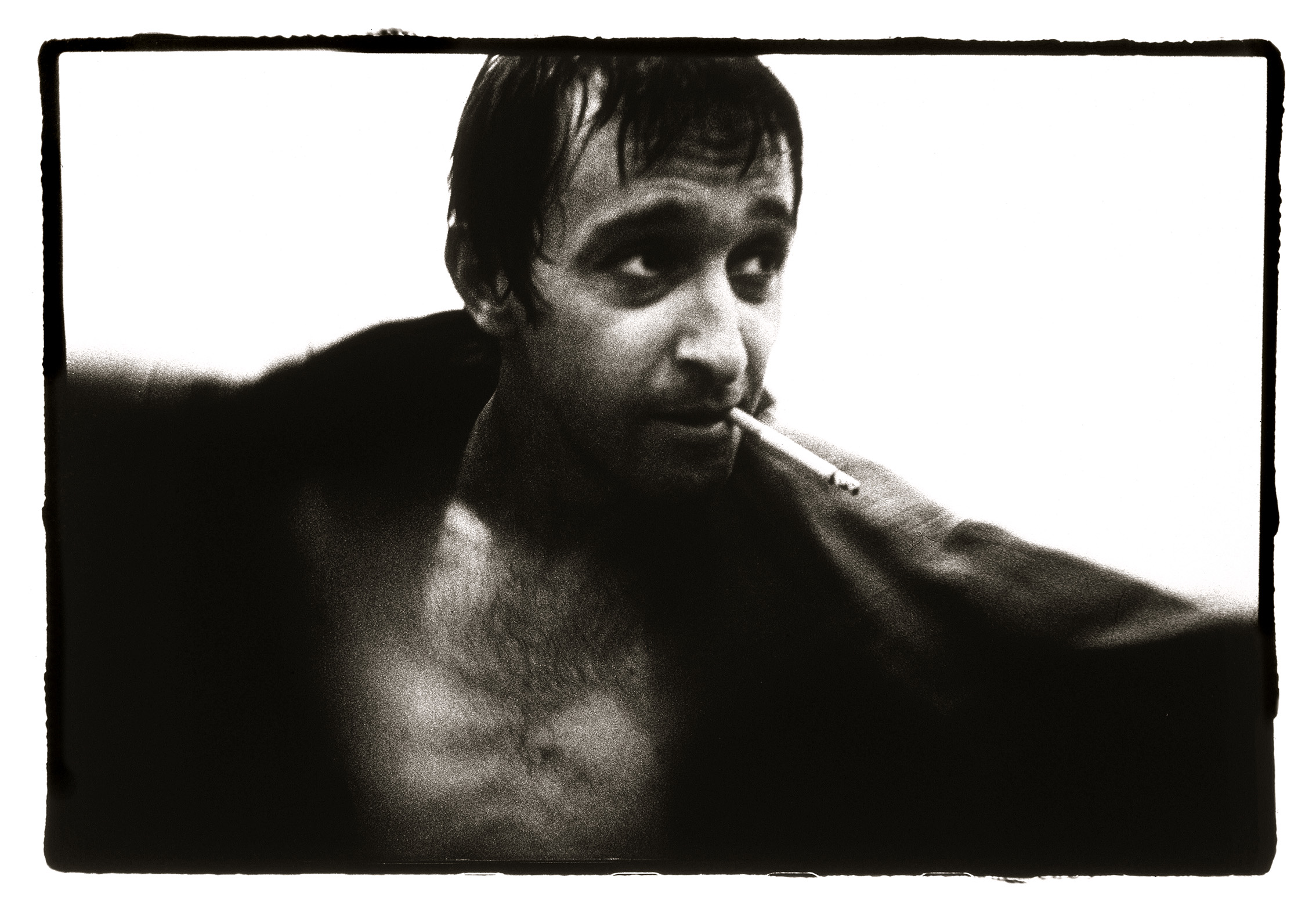
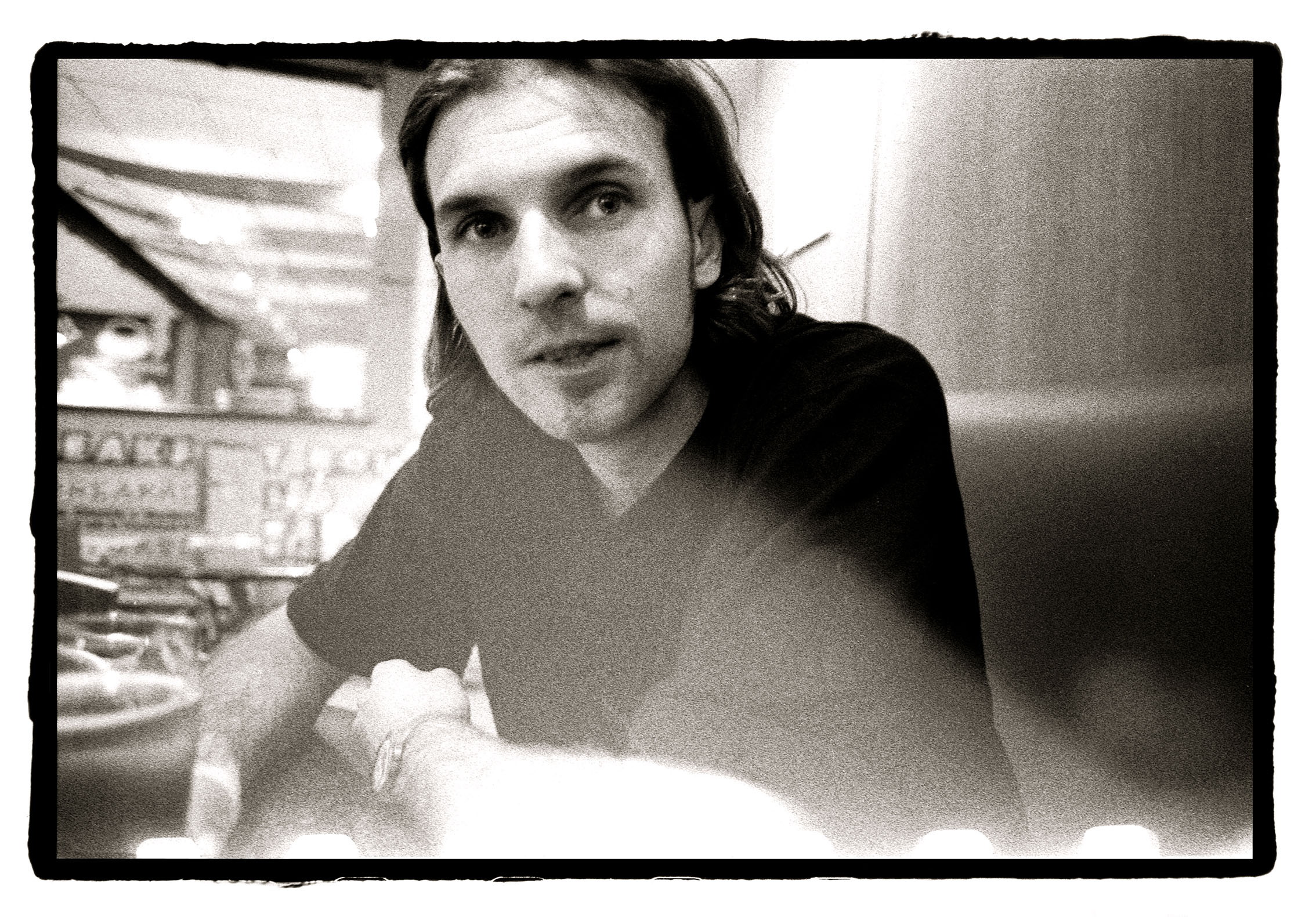
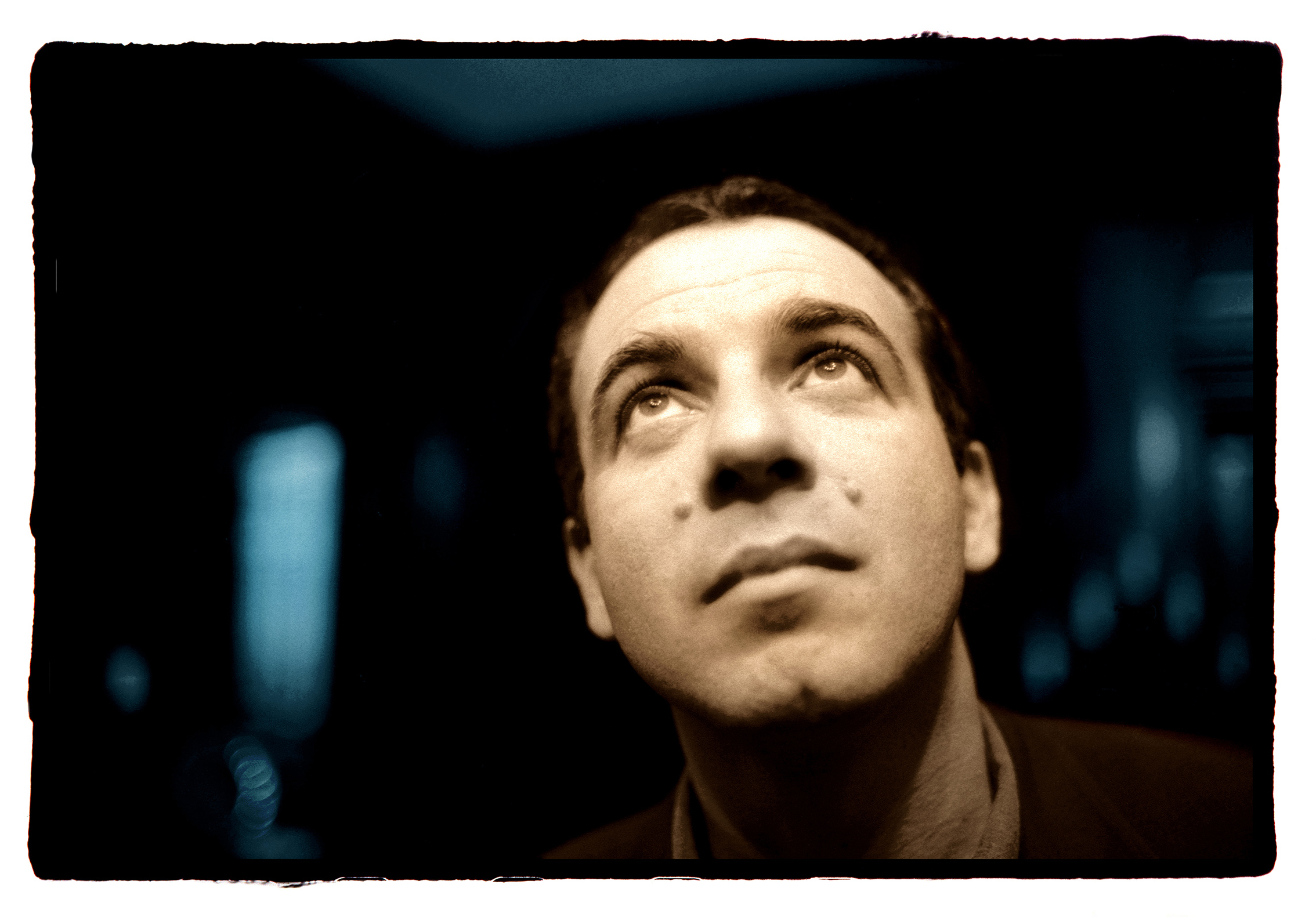
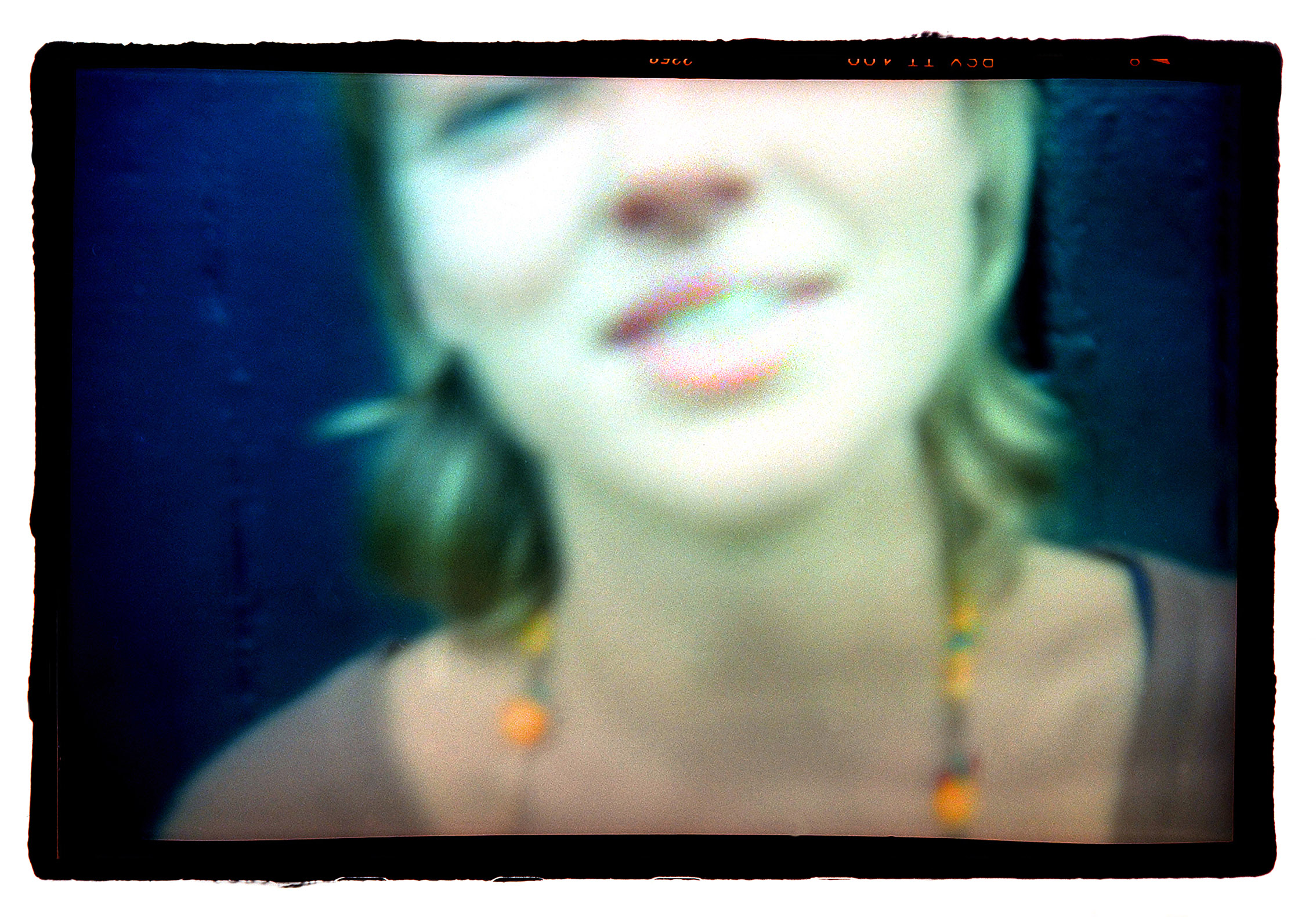
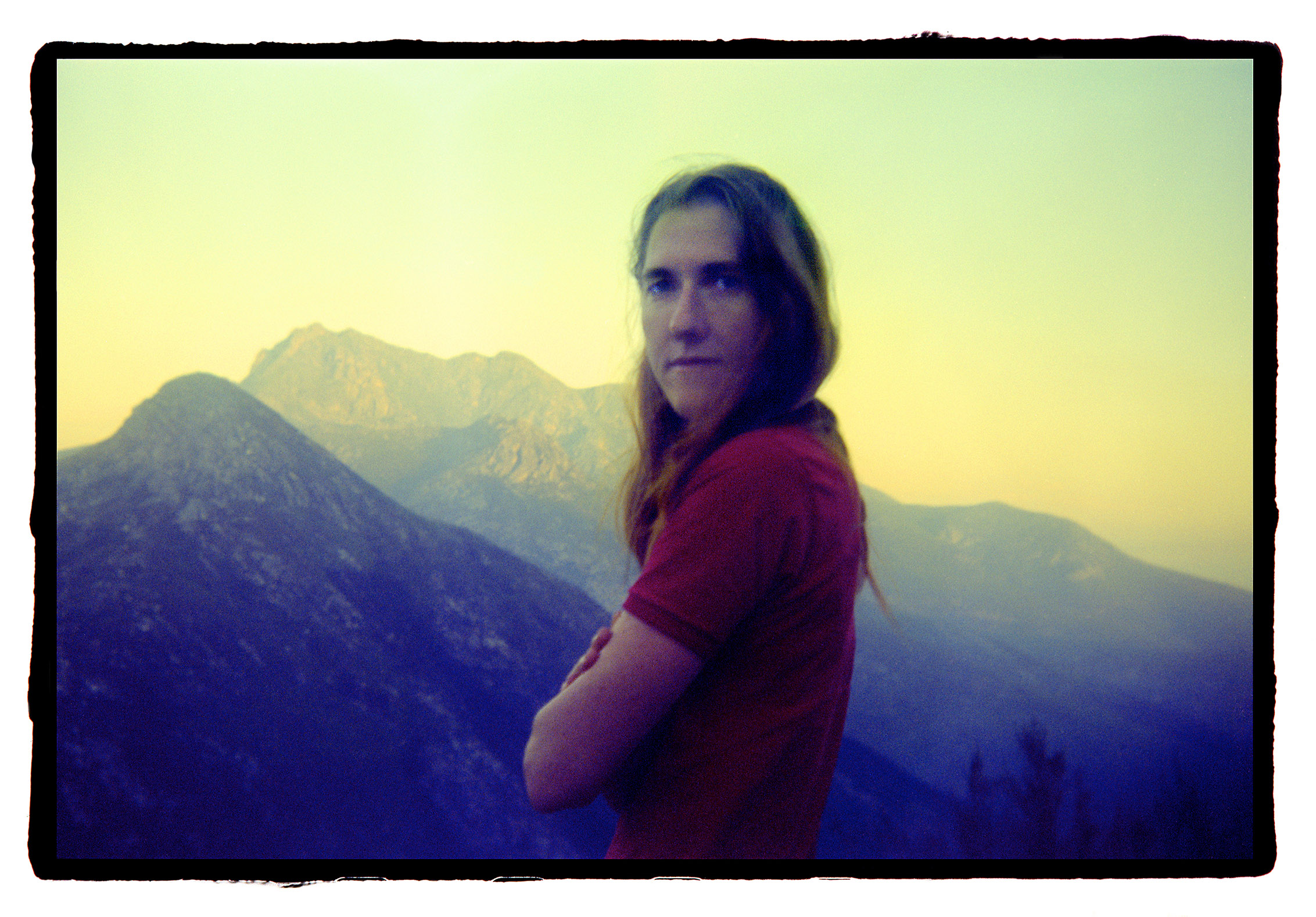
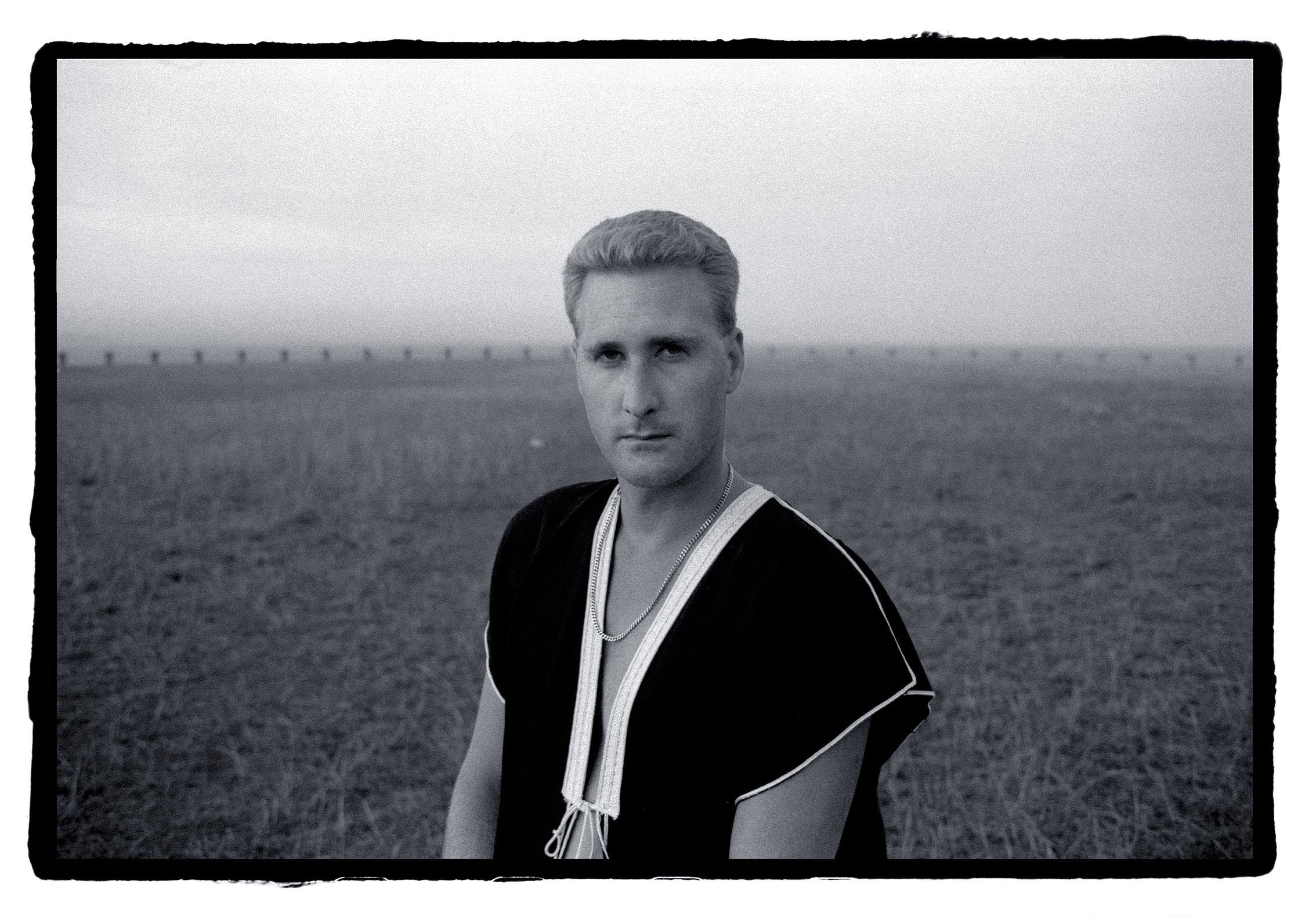
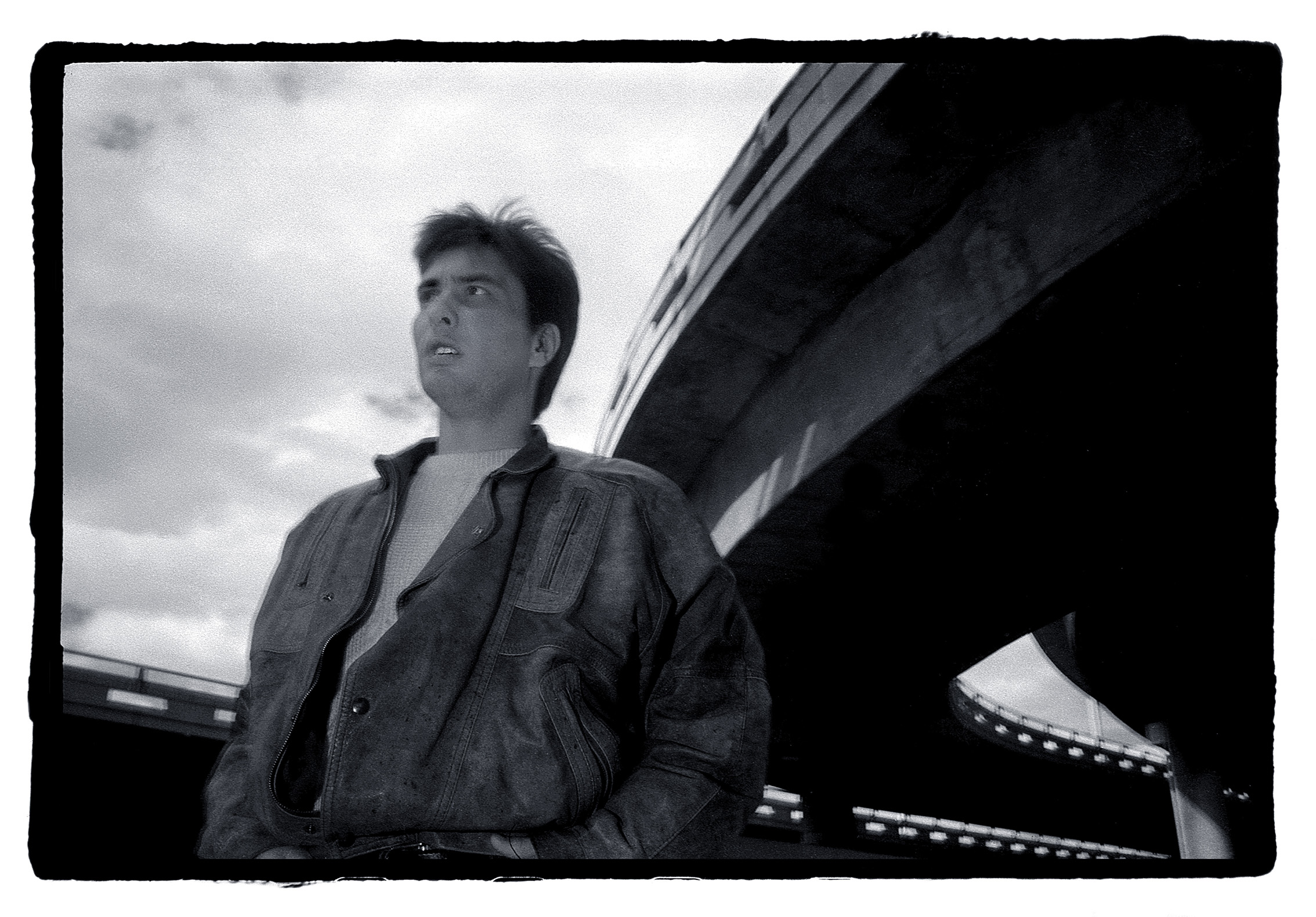
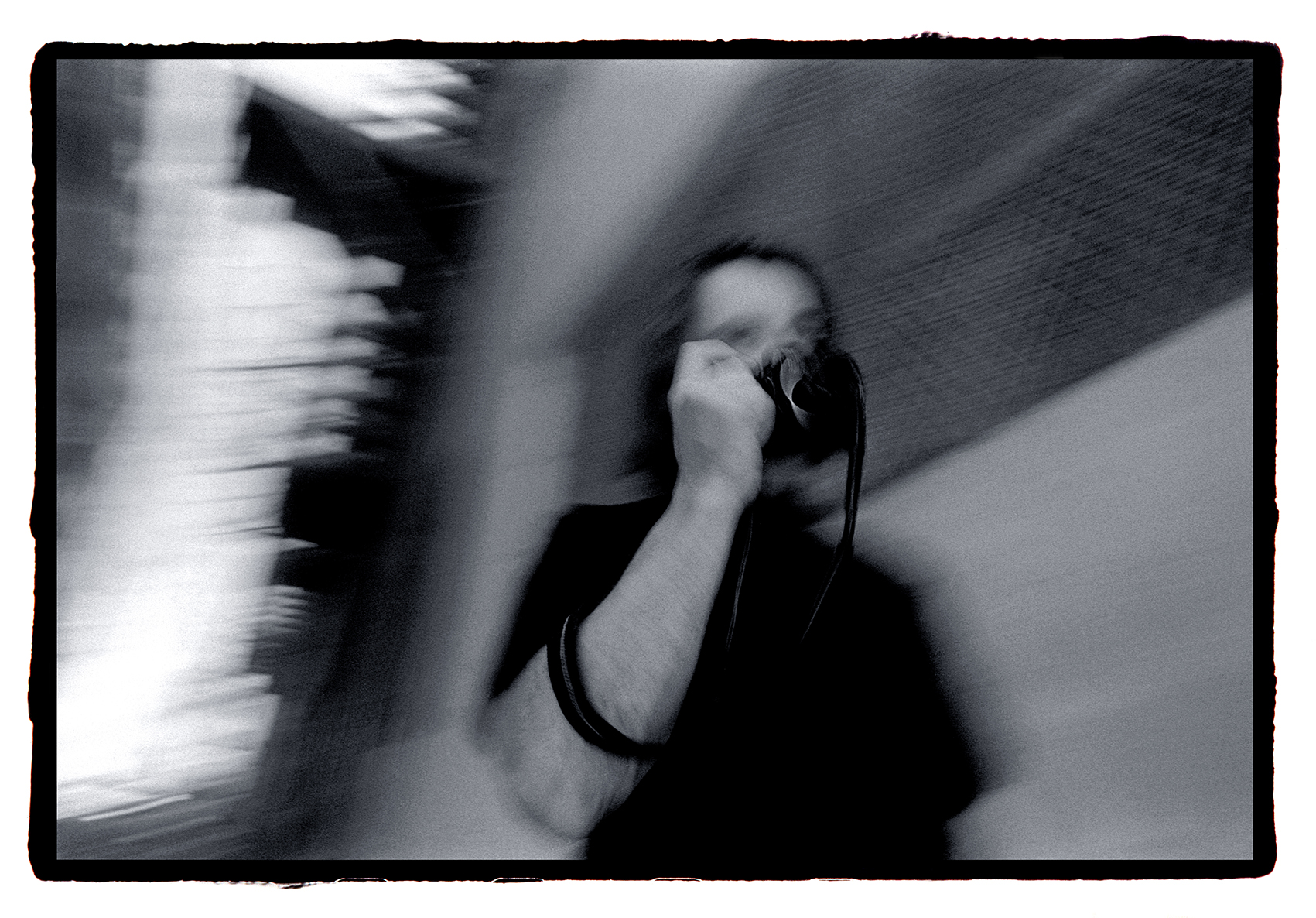
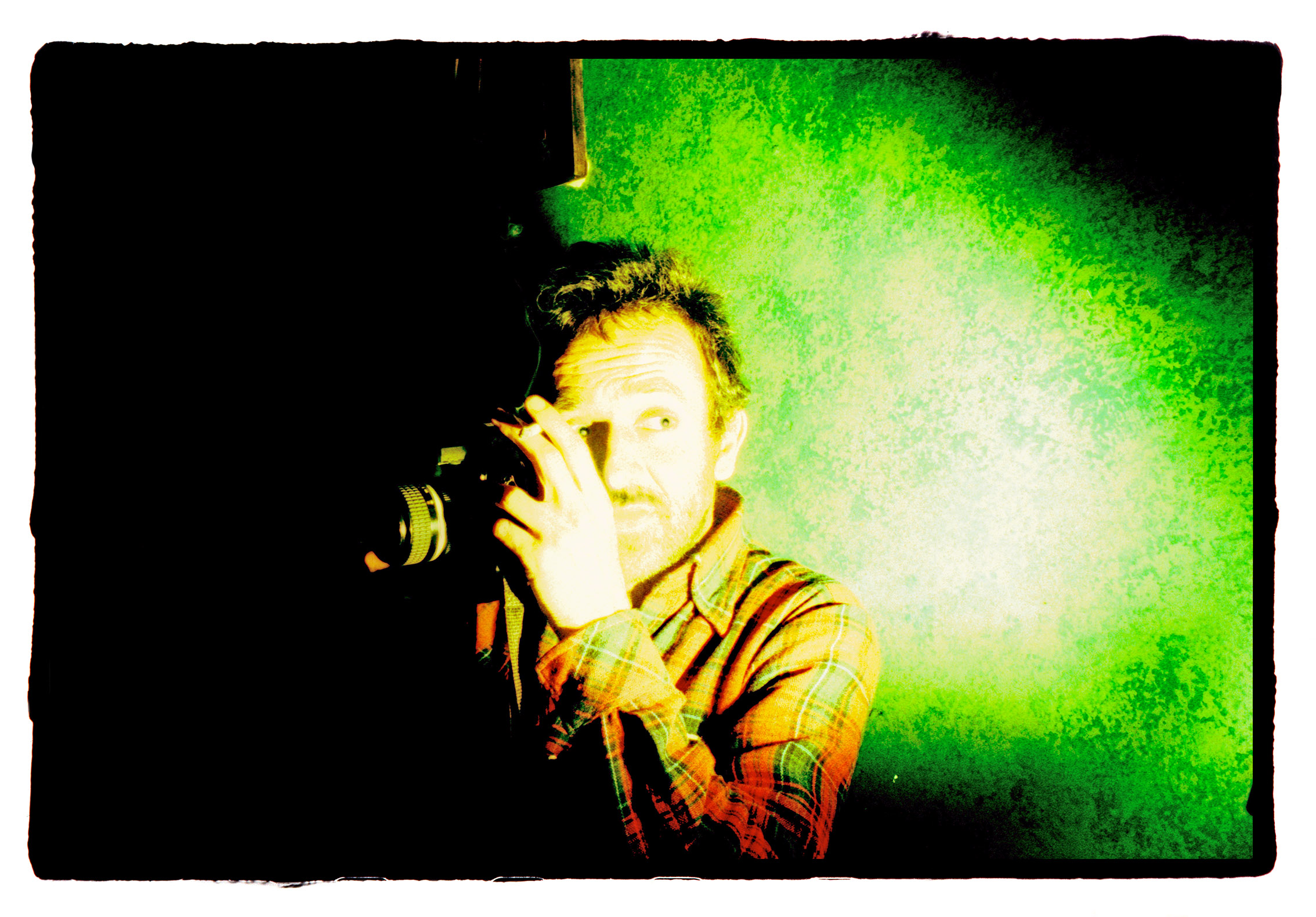

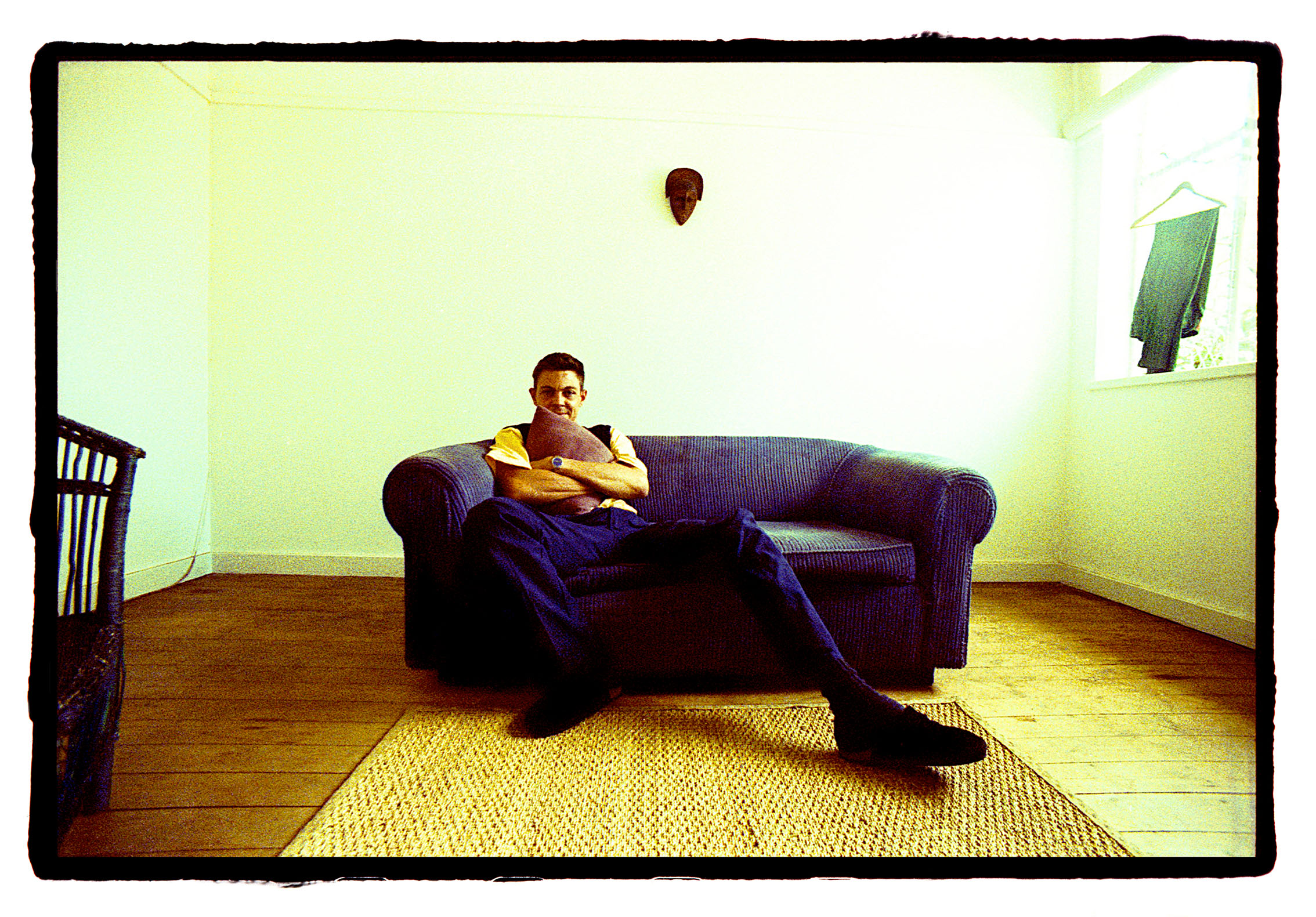
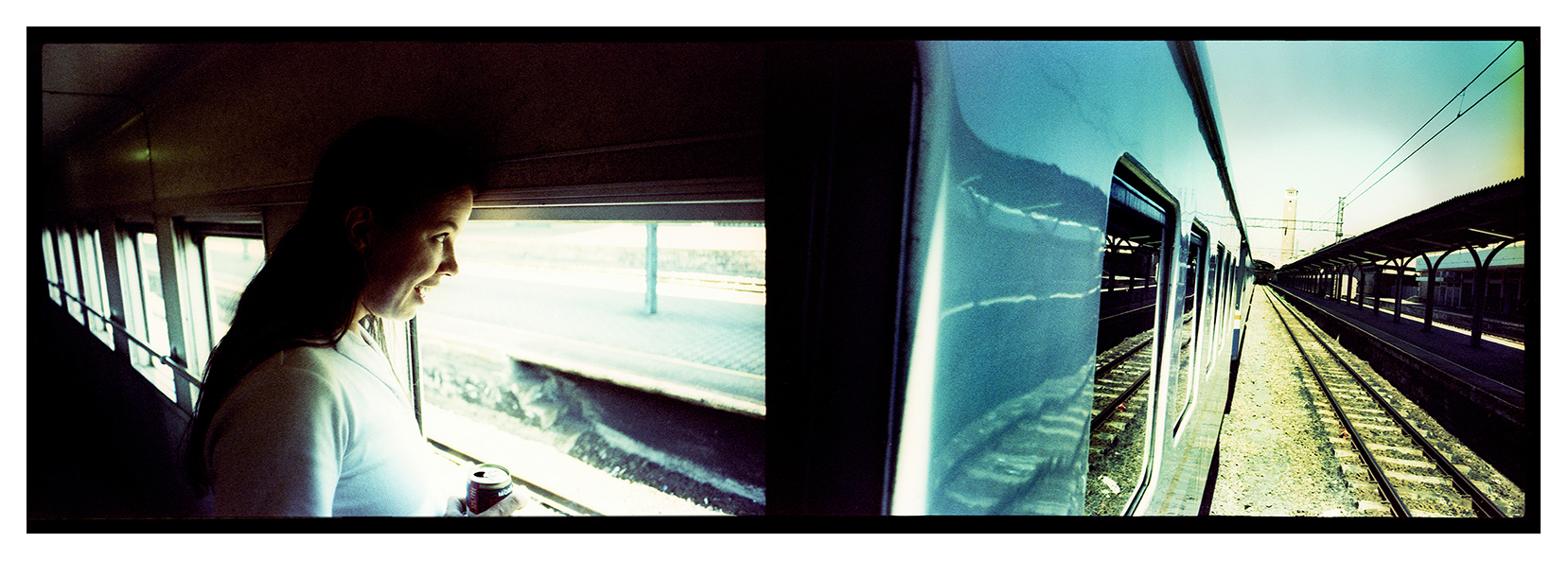
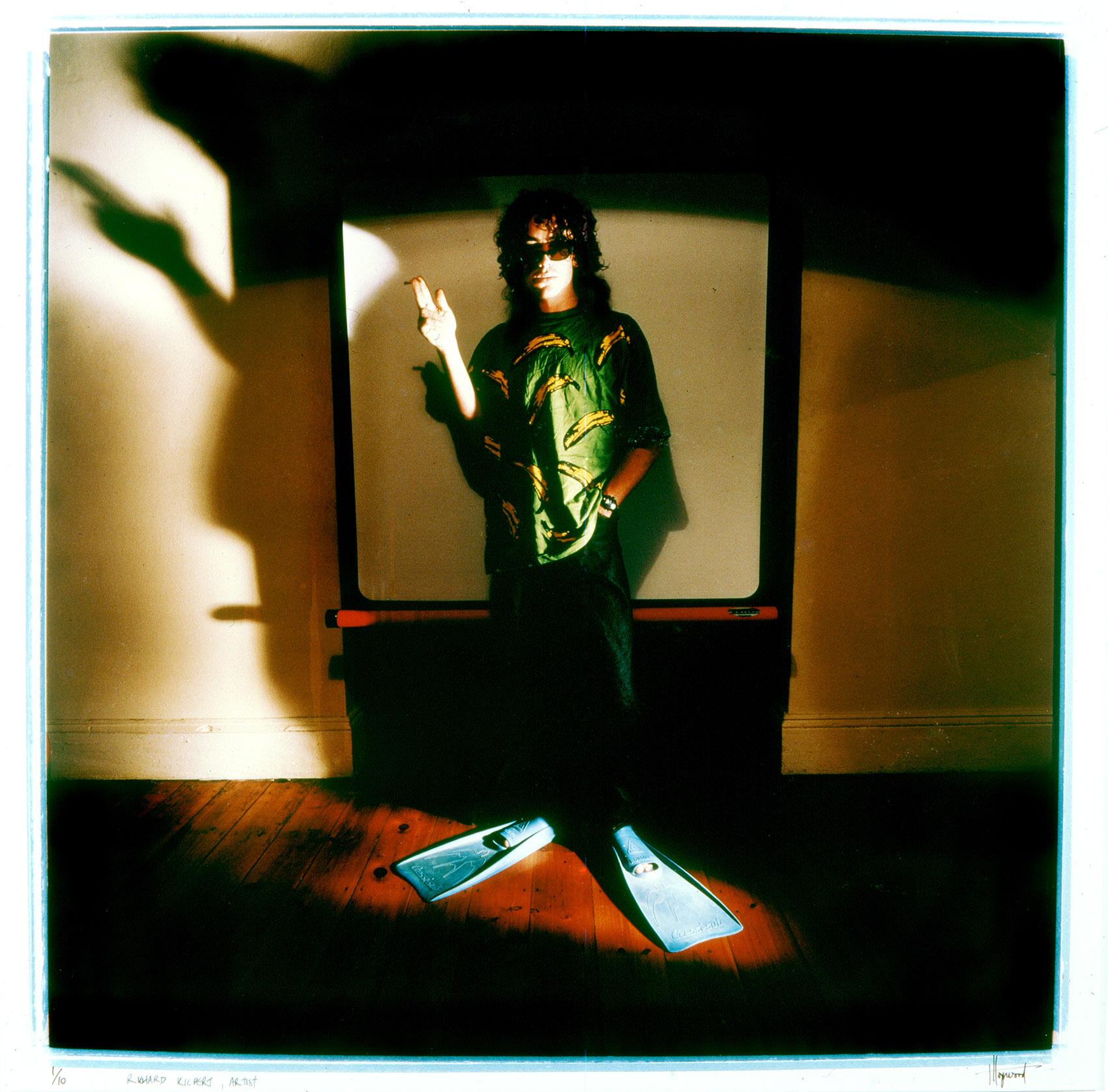
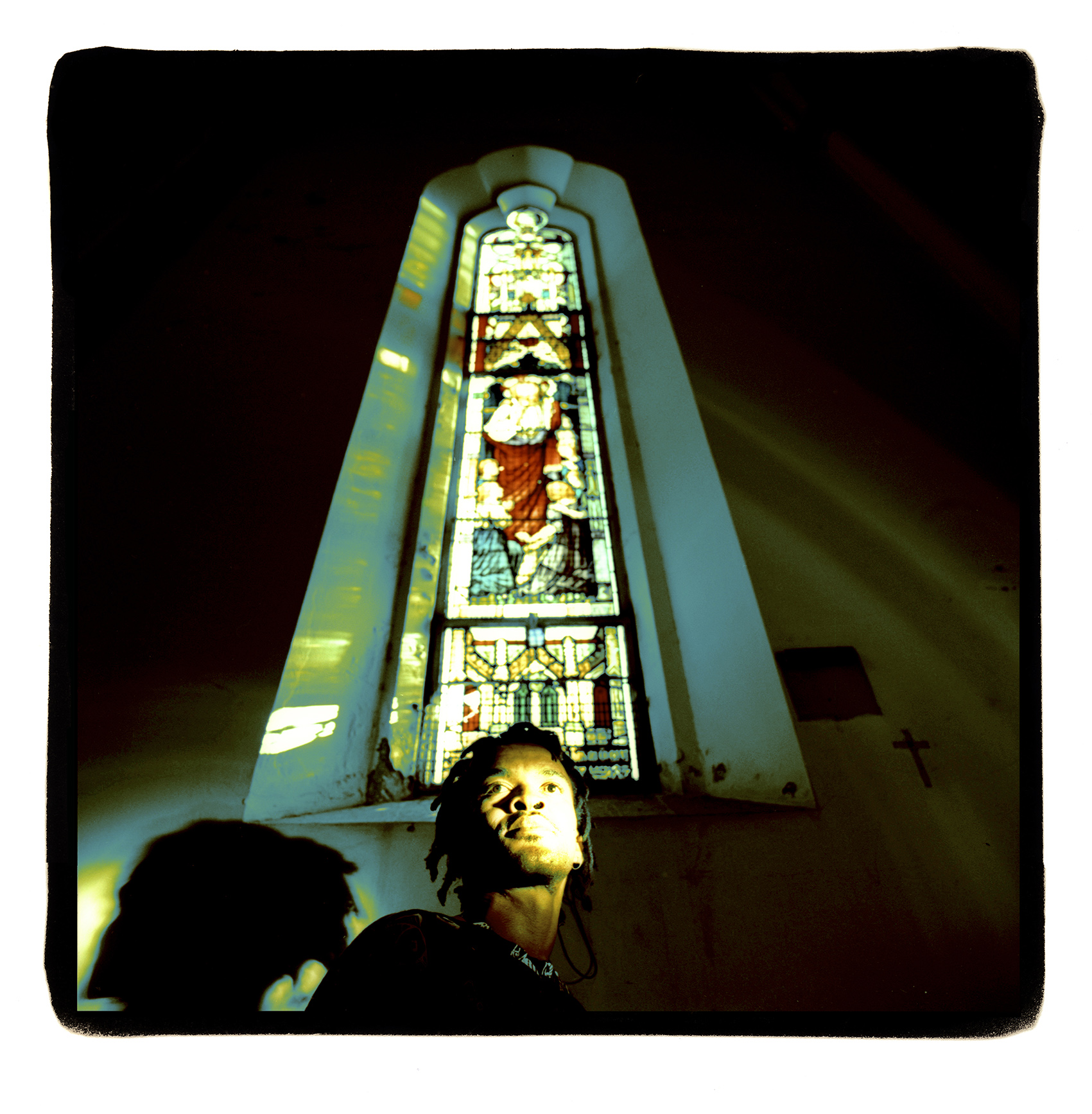
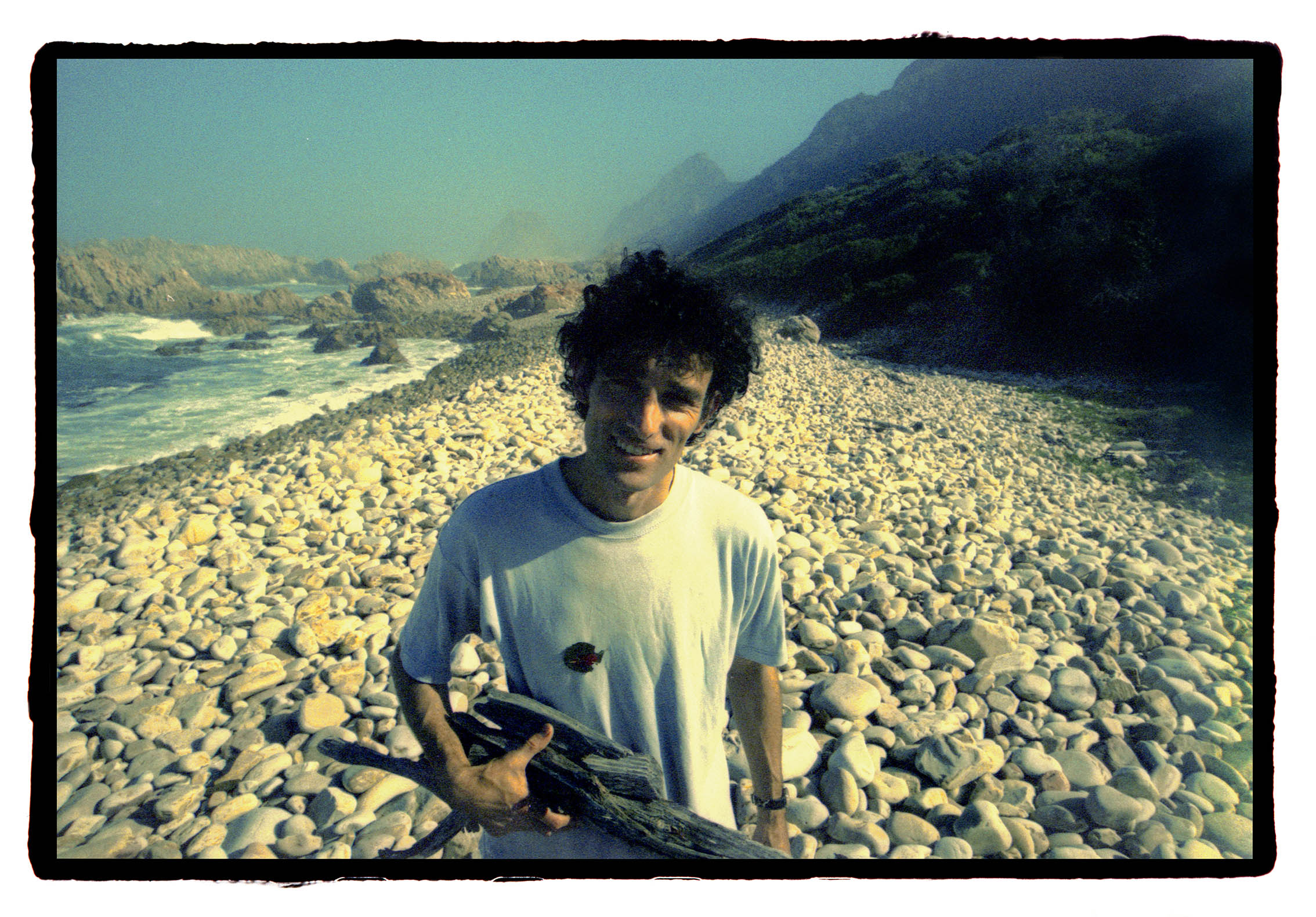
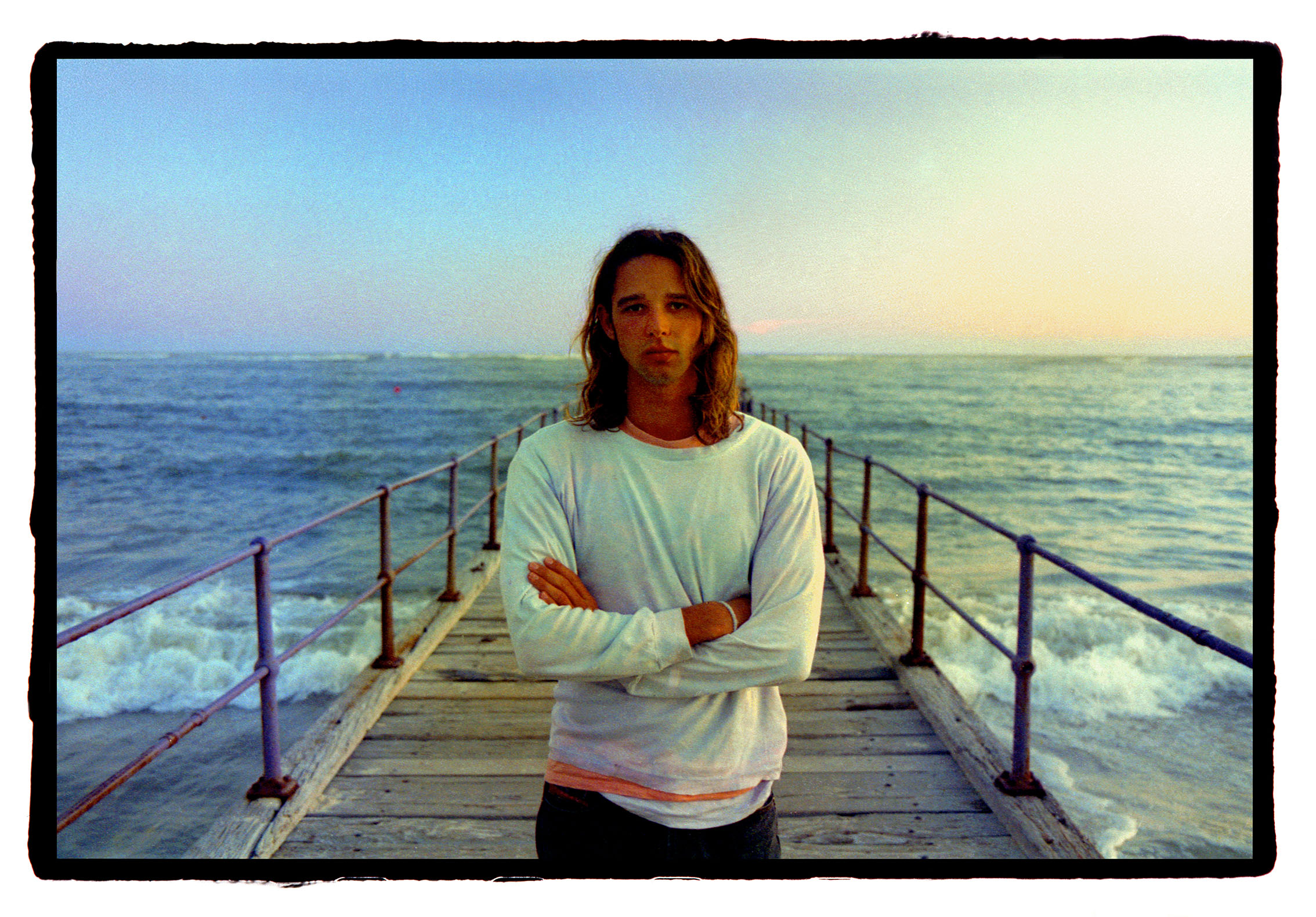
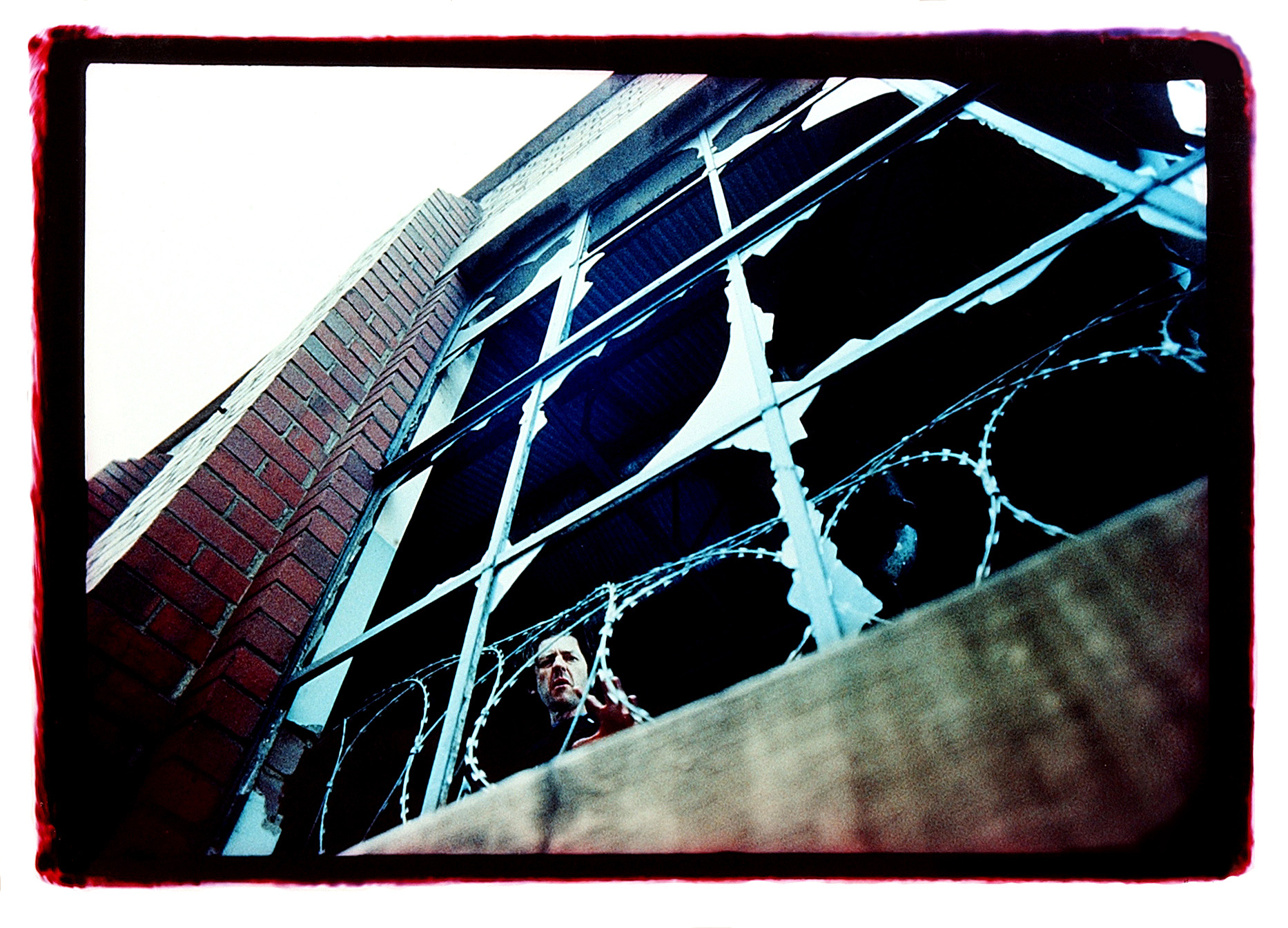
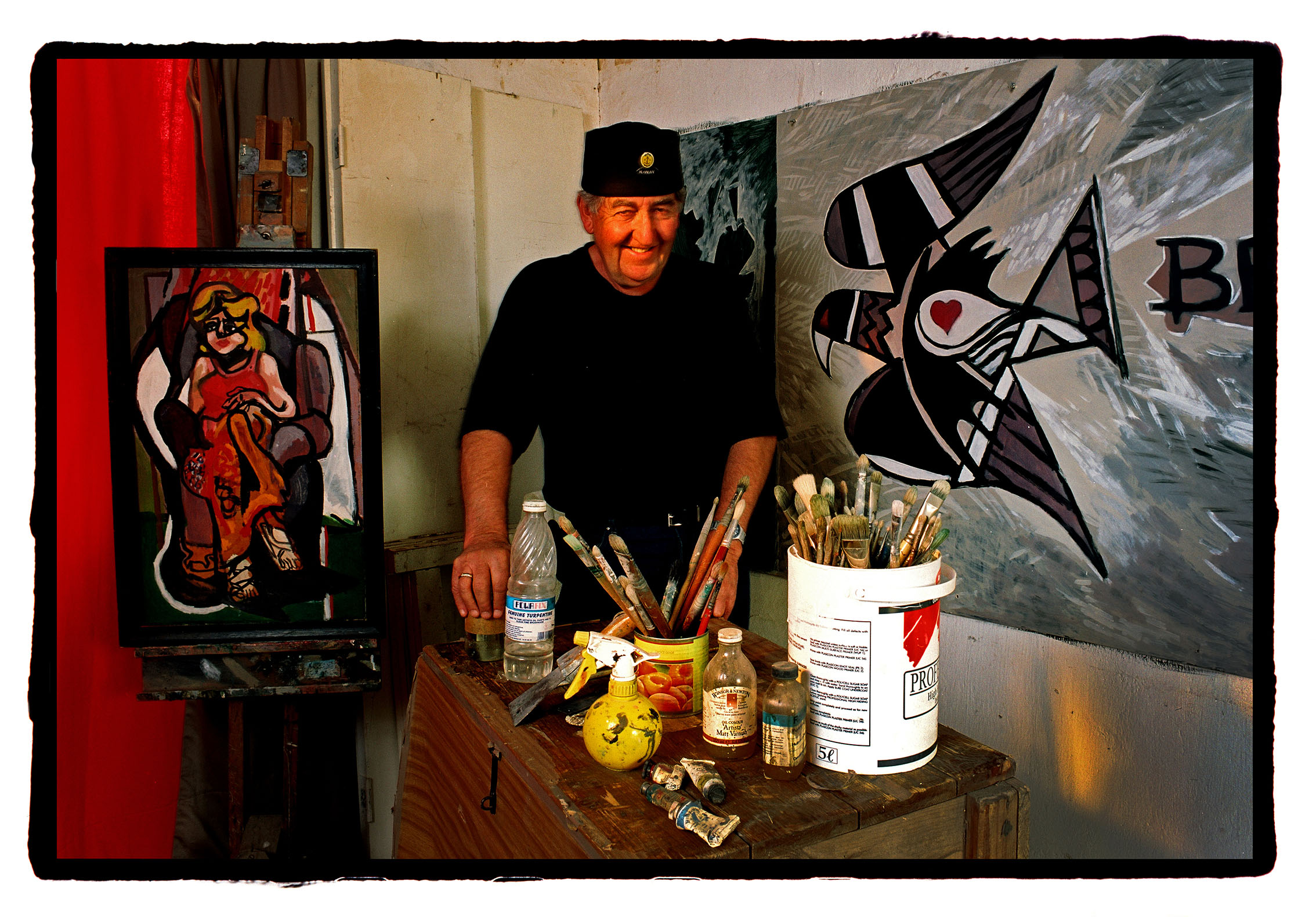
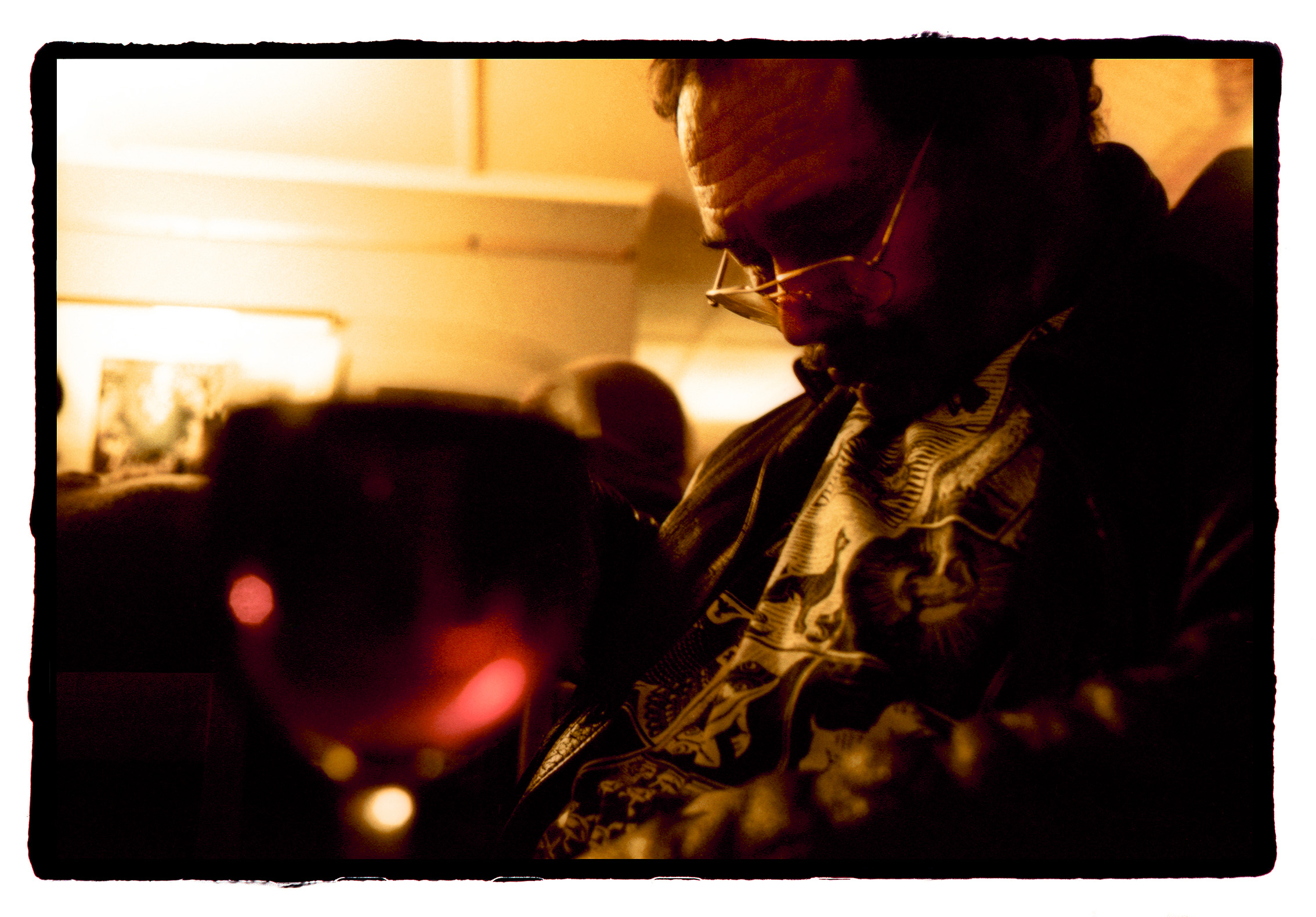
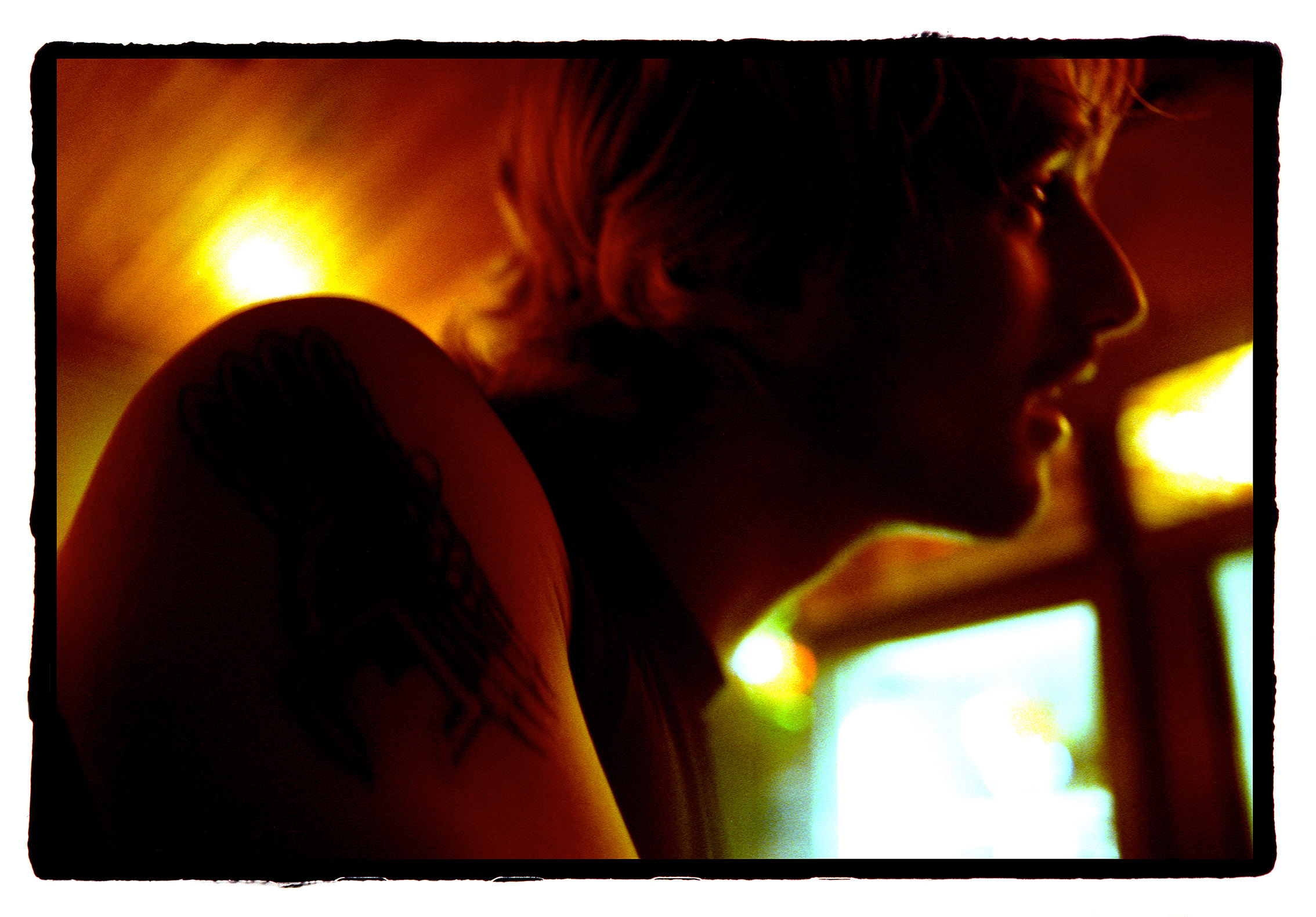
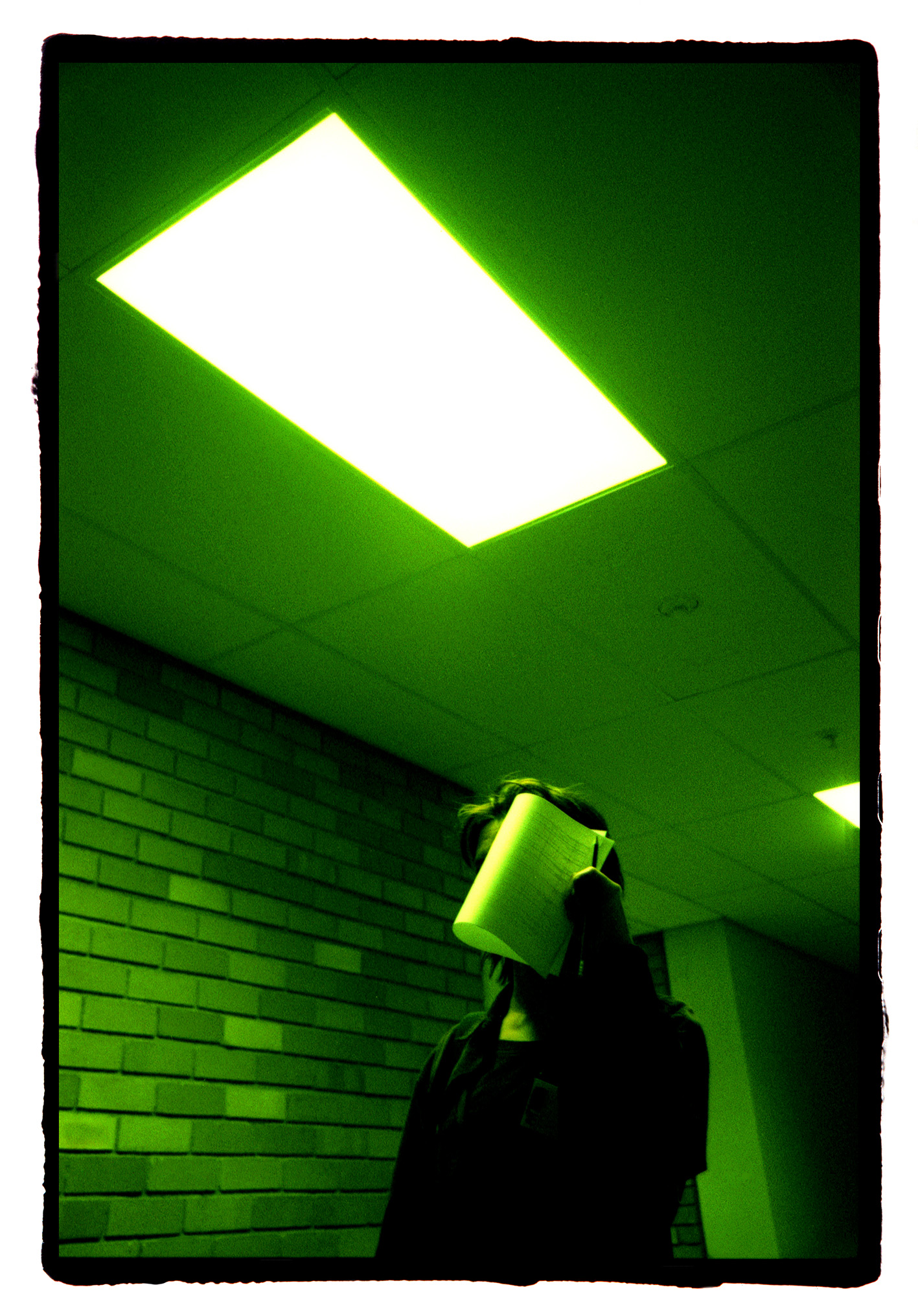
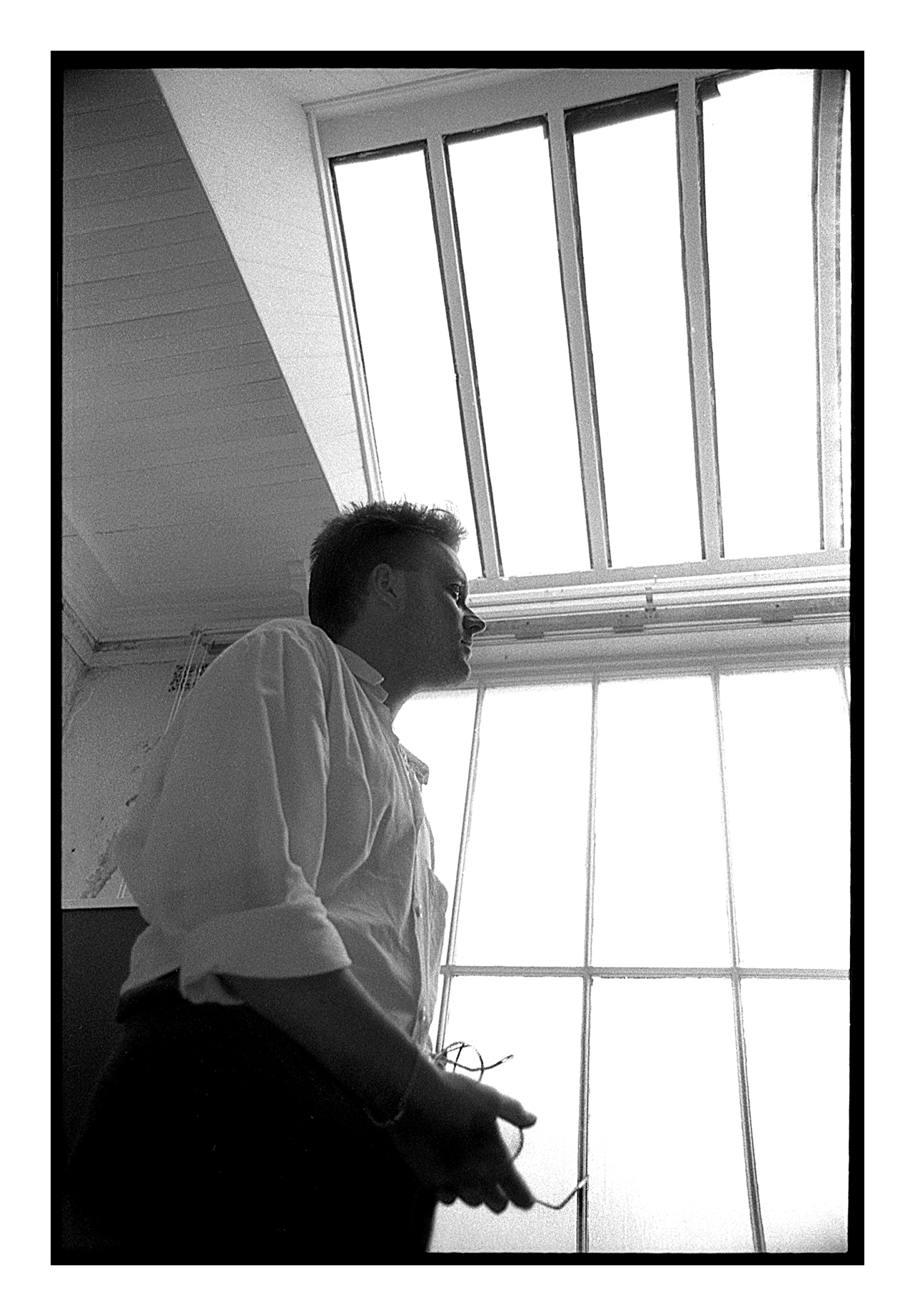
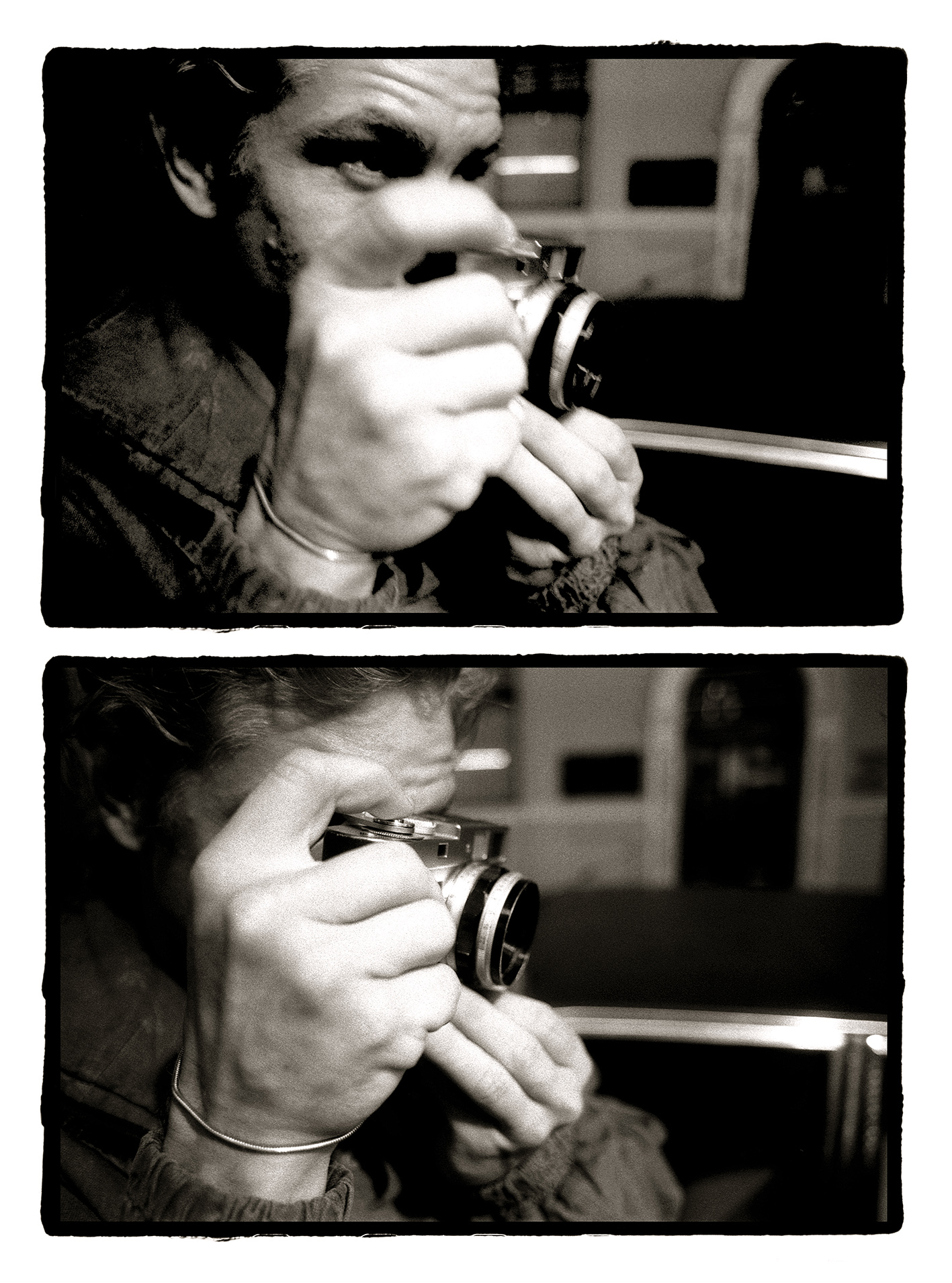
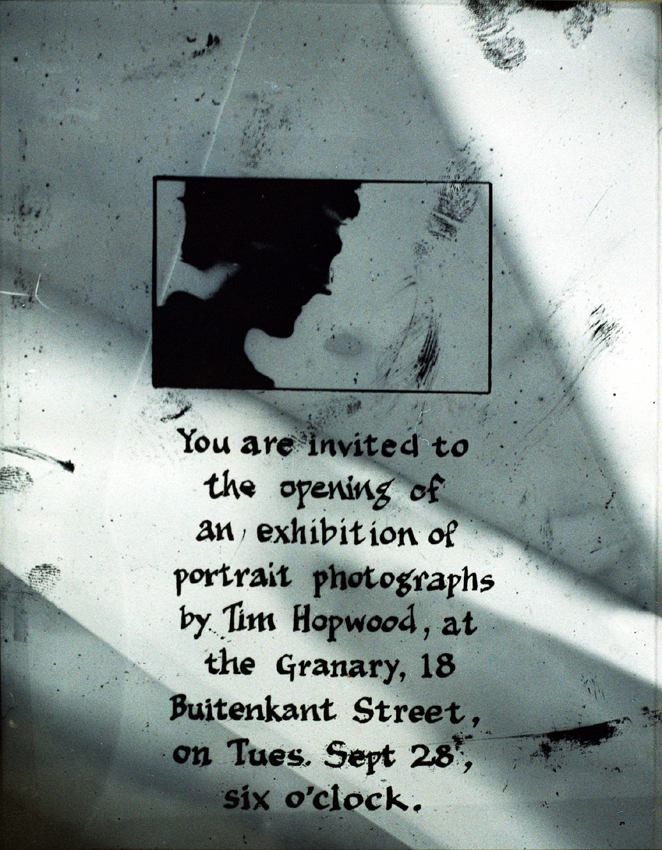
I remember taking a photograph in 1989 of a guy called Norman. He lived about ten miles out of Grahamstown, in...
... some kind of rehab-type place for poor whites. A friend had met him at a bar one night. He had his hand all wrapped up in a filthy old bandage. He walked into town to have a beer and try to meet a girl. I went with my friend to visit him a few days later, and photographed him. But I really didn’t like how it made me feel afterwards. I felt I had seen him as some type of social specimen, and by photographing him, it was as if I had tried to preserve him in a jar of formaldehyde.
Anyway, I never did that again, and when my lecturer suggested I start photographing people, I focused mainly on other artists, musicians and writers: people who I felt were not disempowered in any way in the unspoken contract that exists between the photographer and the subject.
So this body of work is of creative people: friends and others who have passed through my life at some stage or another and whose work I admired, or simply people who's work I loved (like the director Giuseppe Tornatore) and actively sought out to photograph. There was thus always a situation of mutual trust and respect. They’re done in a way that is very out of step with the current vogue for the deadpan portrait. They’re done in a way that I believe speaks of some aspect or another of that person’s creative output. Many were taken in moments of intense or heightened emotion, like just after they had come off stage, if they were actors or musicians.
Exhibited at:
The Cuyler Street Gallery, Port Elizabeth, 1997. The Granery, Cape Town, for the Month of Photography
Read more
Close
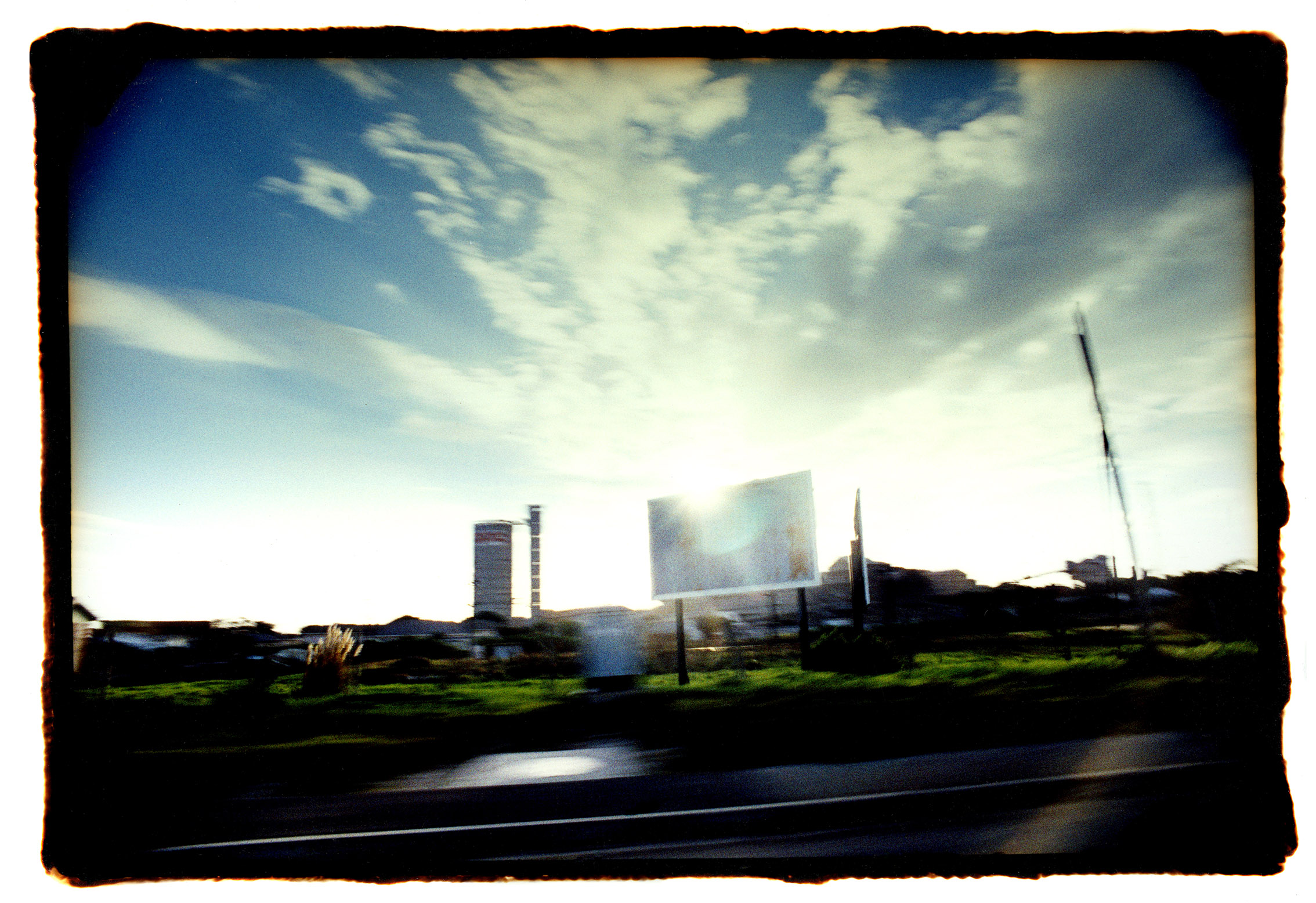
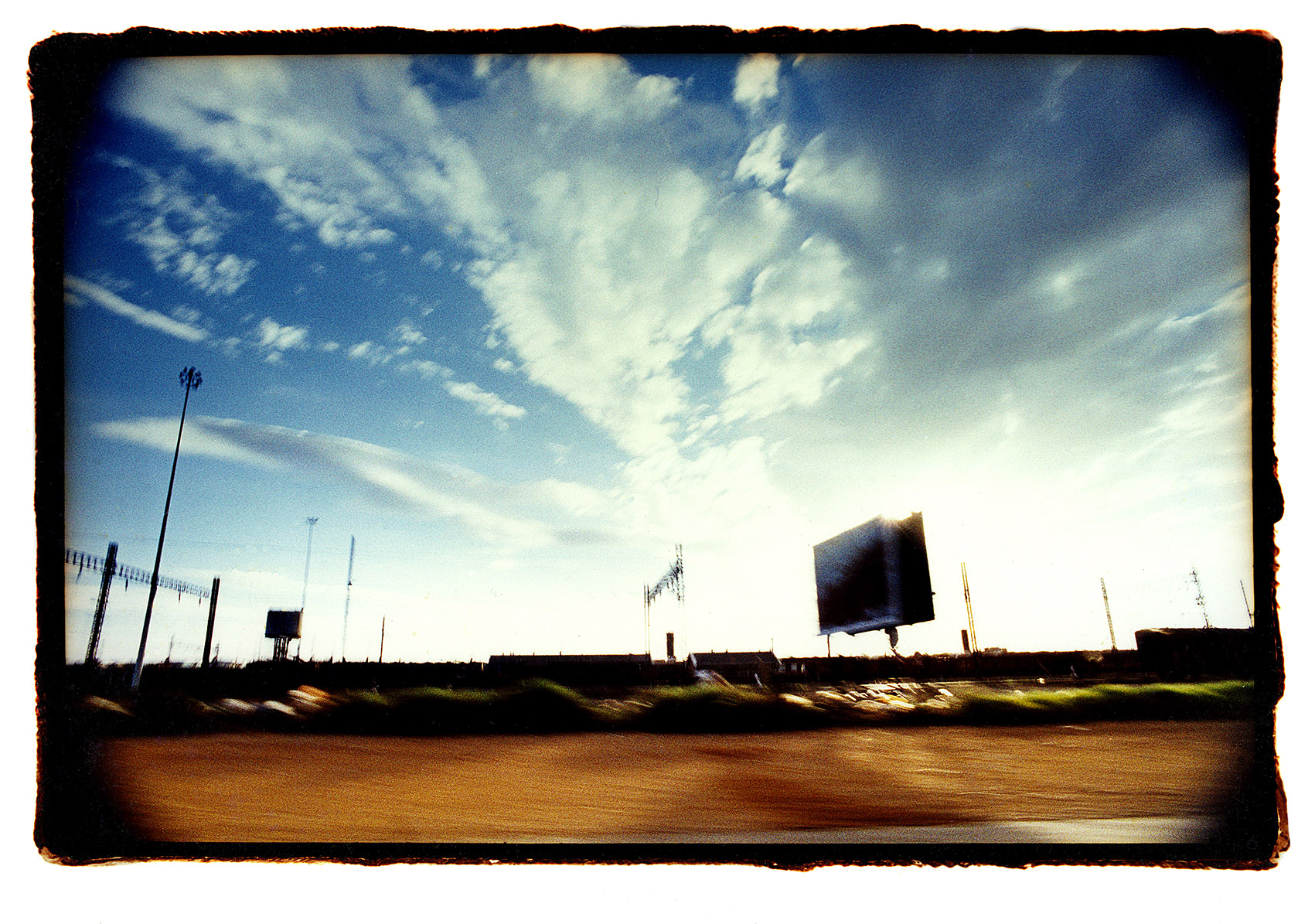
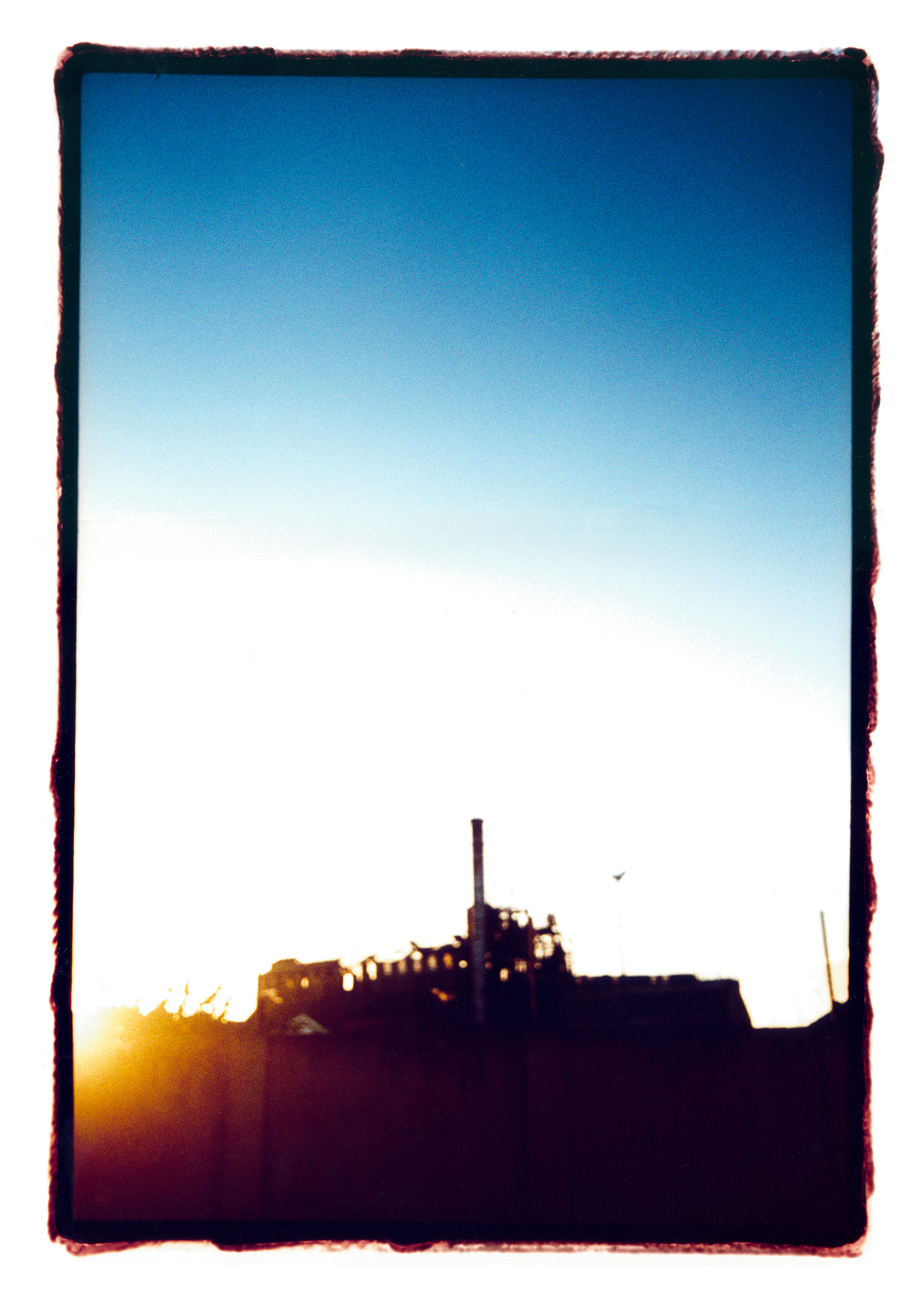
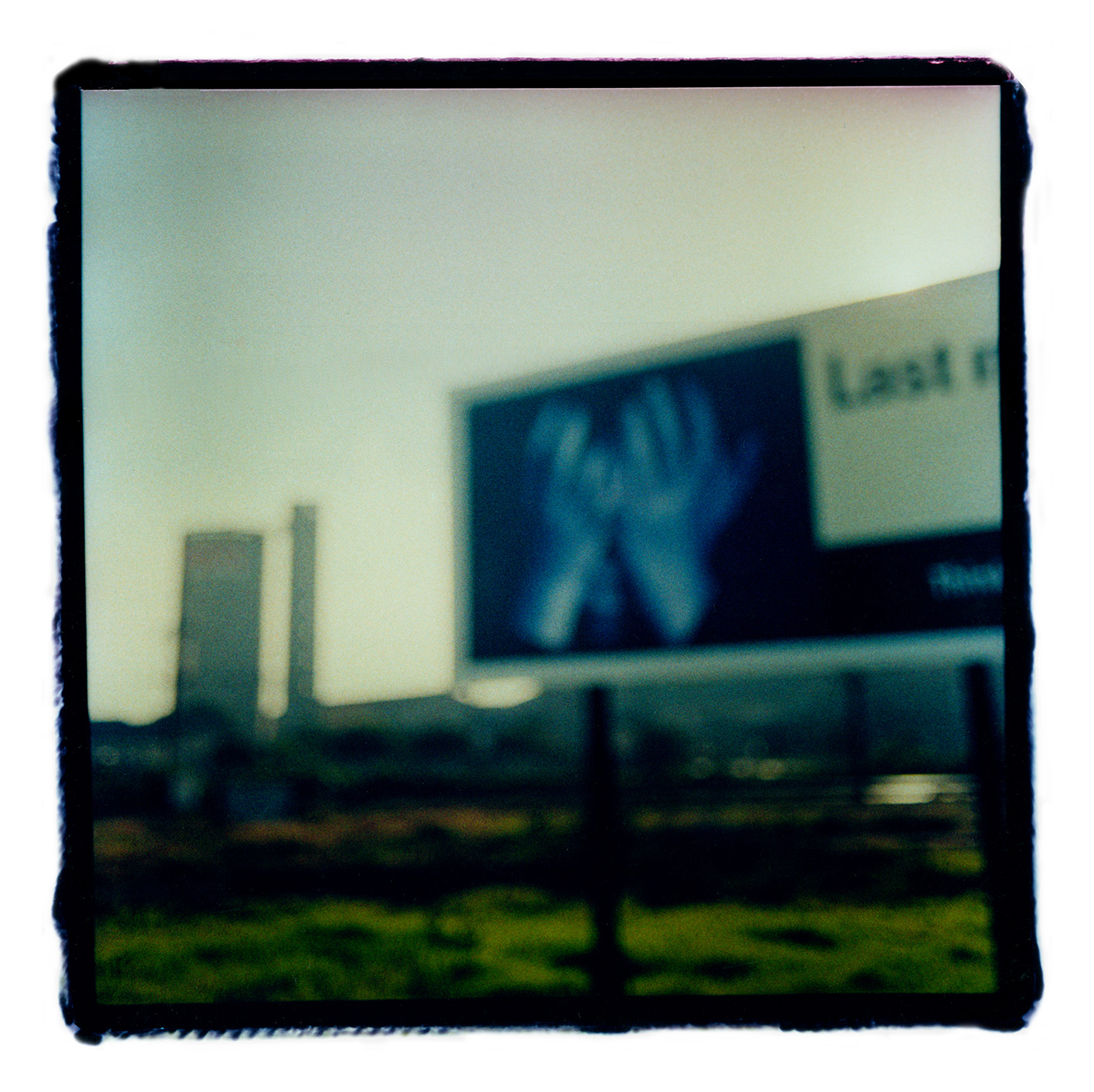
Last. 1997-2000
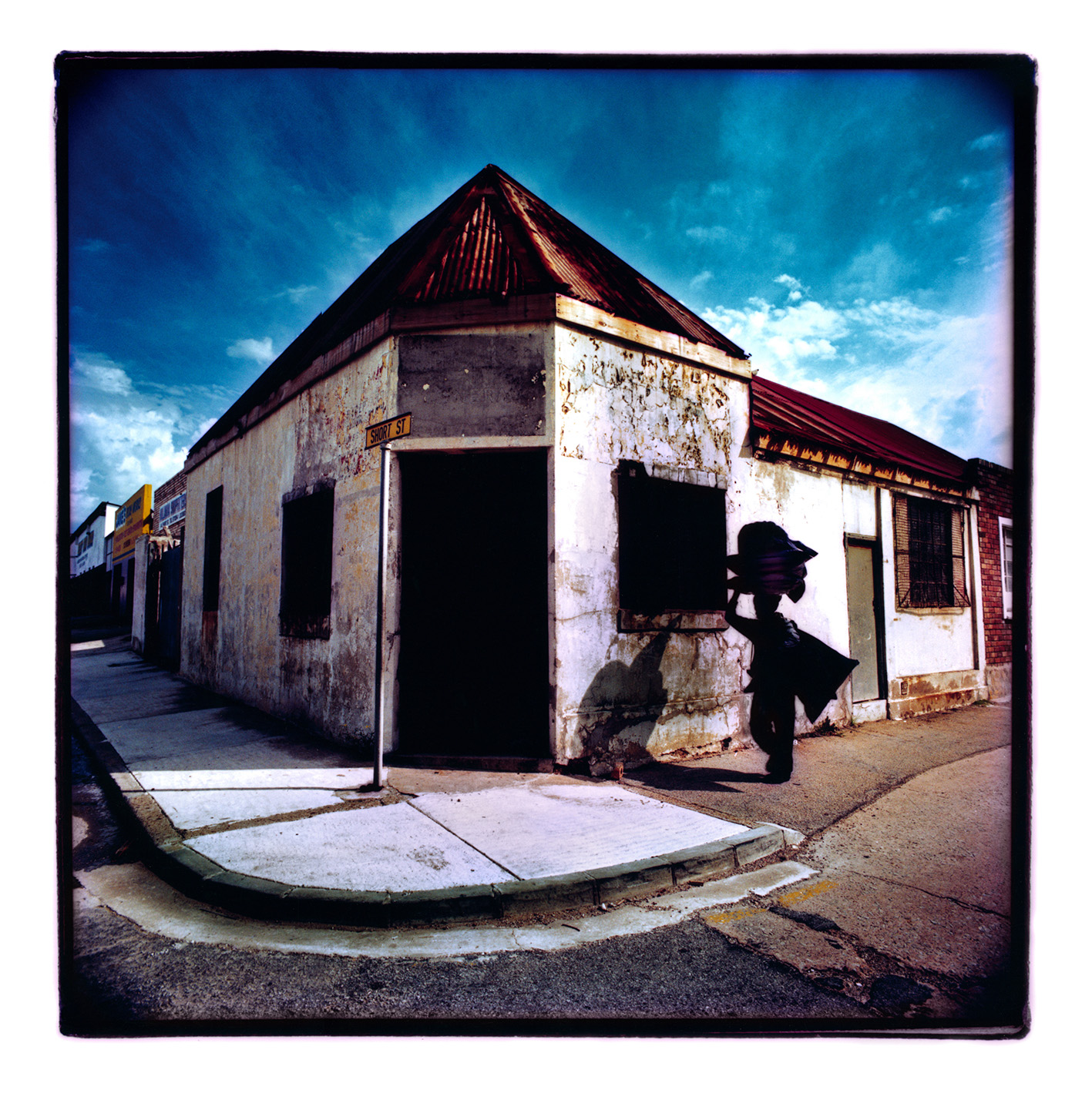
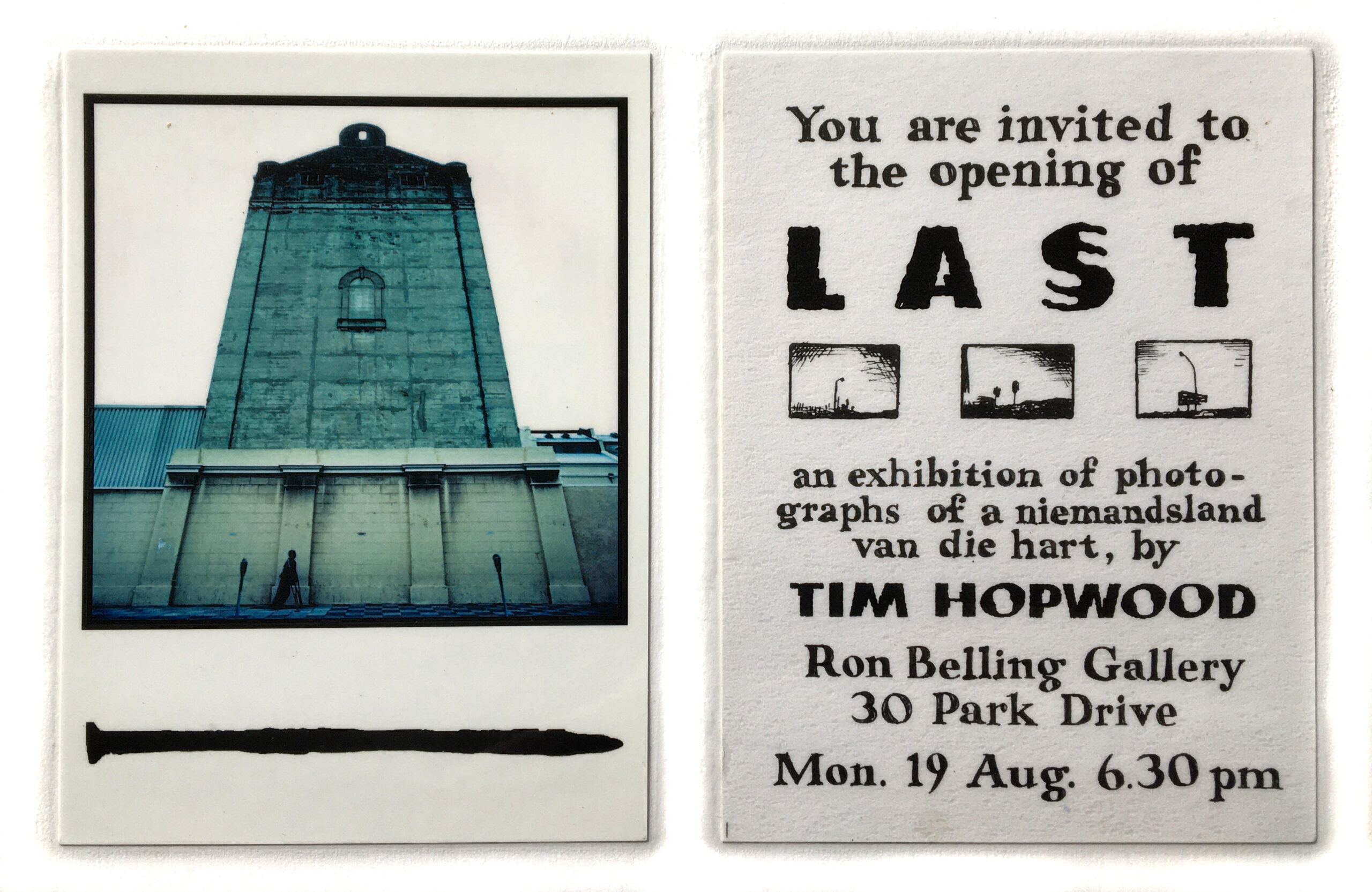
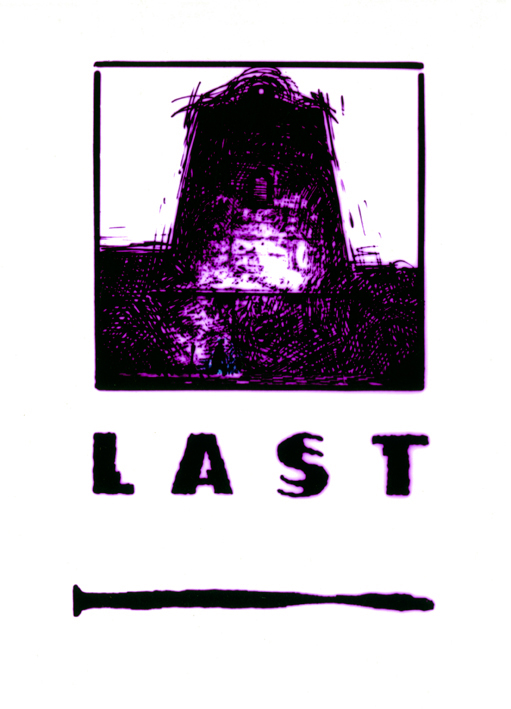
LAST is the culmination of a body of work that began with some urban landscapes taken in the year 1992. Those images can be seen in...
Read more
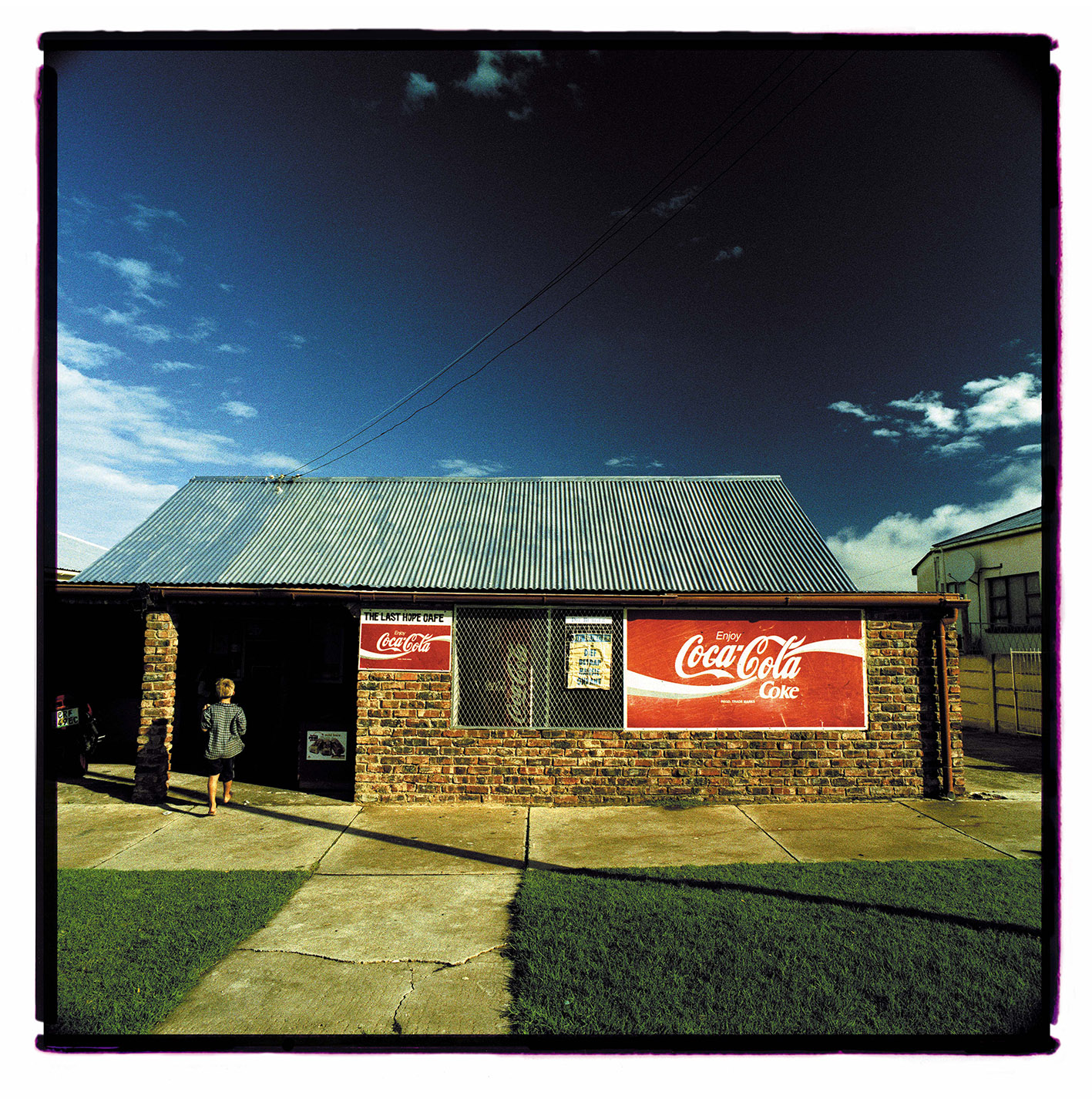
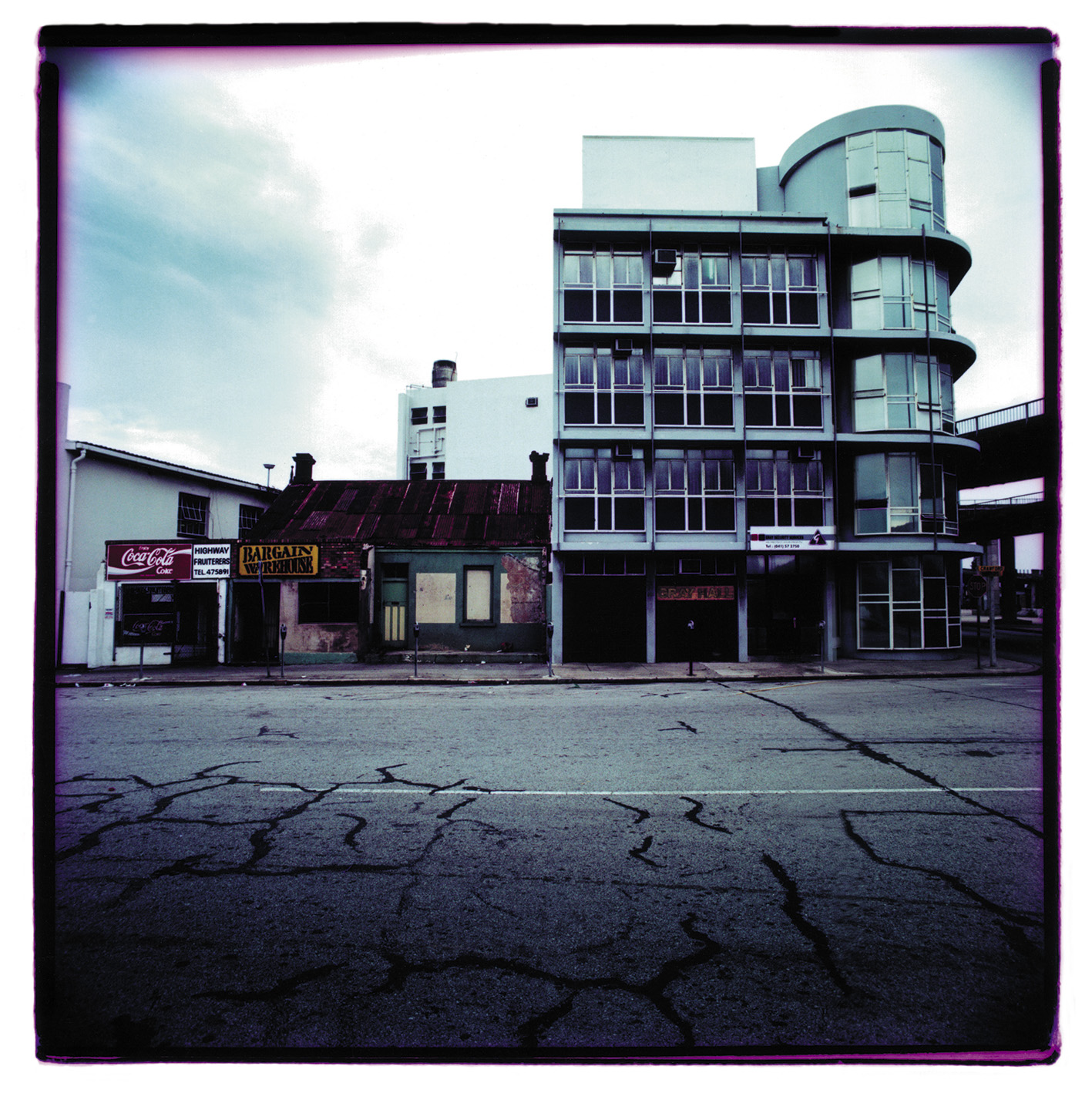
...the section titled Final Year. They really laid the seeds for this entire body of work, begun when I returned to live there, in 1997. I began to photograph the city again. I experienced a rebirth of sorts, for I had never managed to summon any desire to photograph Cape Town, where I had resided in the intervening years. Now it all returned. I began to feel that the empty streets and lonely skies I was now drawn to, were somehow symbols of the collective unconscious of this town that murdered Steven Biko. Sometimes, driving through its deserted and decaying industrial areas on Sundays, I felt that these spaces spoke of something that has been slowly suffocated, and that in some way they held up some kind of mirror, even on a simple aesthetic level, to the miles and miles of bland suburbs of suburban Port Elizabeth.
I took this show to Cape Town for the second Month of Photography. This was the text I wrote for the catalogue of the festival:
I used to think these photographs were just about Port Elizabeth. I saw Port Elizabeth as a cold place, its soul windswept and barren. I felt its heart to be one of darkness, full of dark secrets: the place where Steven Biko was murdered. Every city has a heart, architecturally. If you walk around the heart of our city, you will see its condition. It is dark. A monstrous concrete freeway shuts out the sky. Where there were once gardens outside the city hall, now there is brick paving. So much beauty has been destroyed in the name of progress. None of us like to come here anymore, to sit and bake in the unrelenting heat of the brick paving, or shiver with cold in the wind that blows beneath the freeway. So if I were to say these images are about the heart of Port Elizabeth, there would be a grain of truth in it. But what of the heart we cannot see, the collective heart? Perhaps my images of empty streets and lonely skies symbolise this heart. No-one can tell me that we are not estranged from each other; black from white, male from female. We stand on our differences and point fingers at each other. The problem is with them. If they would change, everything would be okay. And so there comes into being a no-man’s land of the heart, a place within us, collectively, that we yearn to bridge, but which remains largely uninhabited. This, in some respects, is where my images come from.
Exhibited at: The Coldroom, Cape Town Month of Photography, 2002.
The GFI Gallery Port Elizabeth, 2002
Close
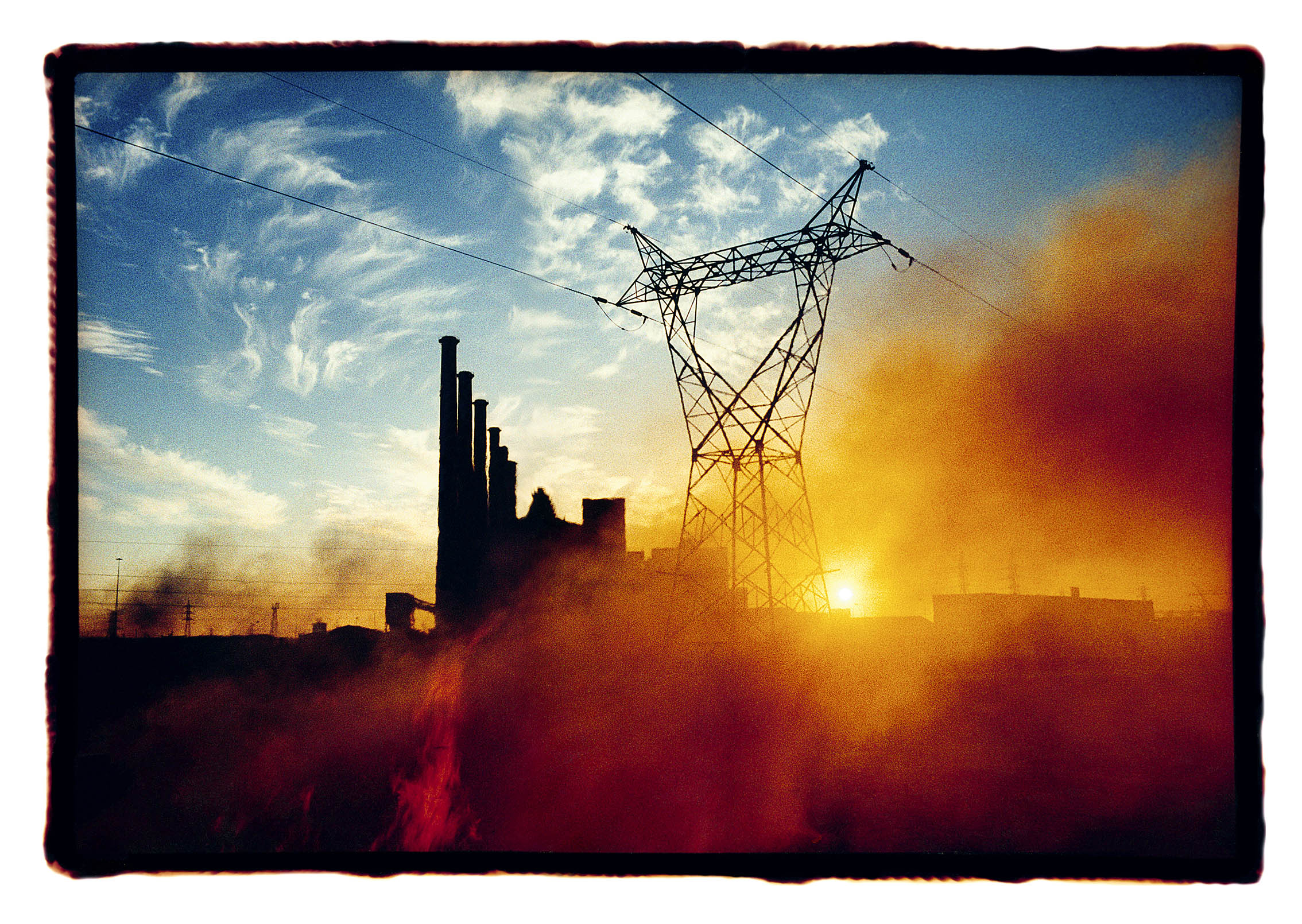
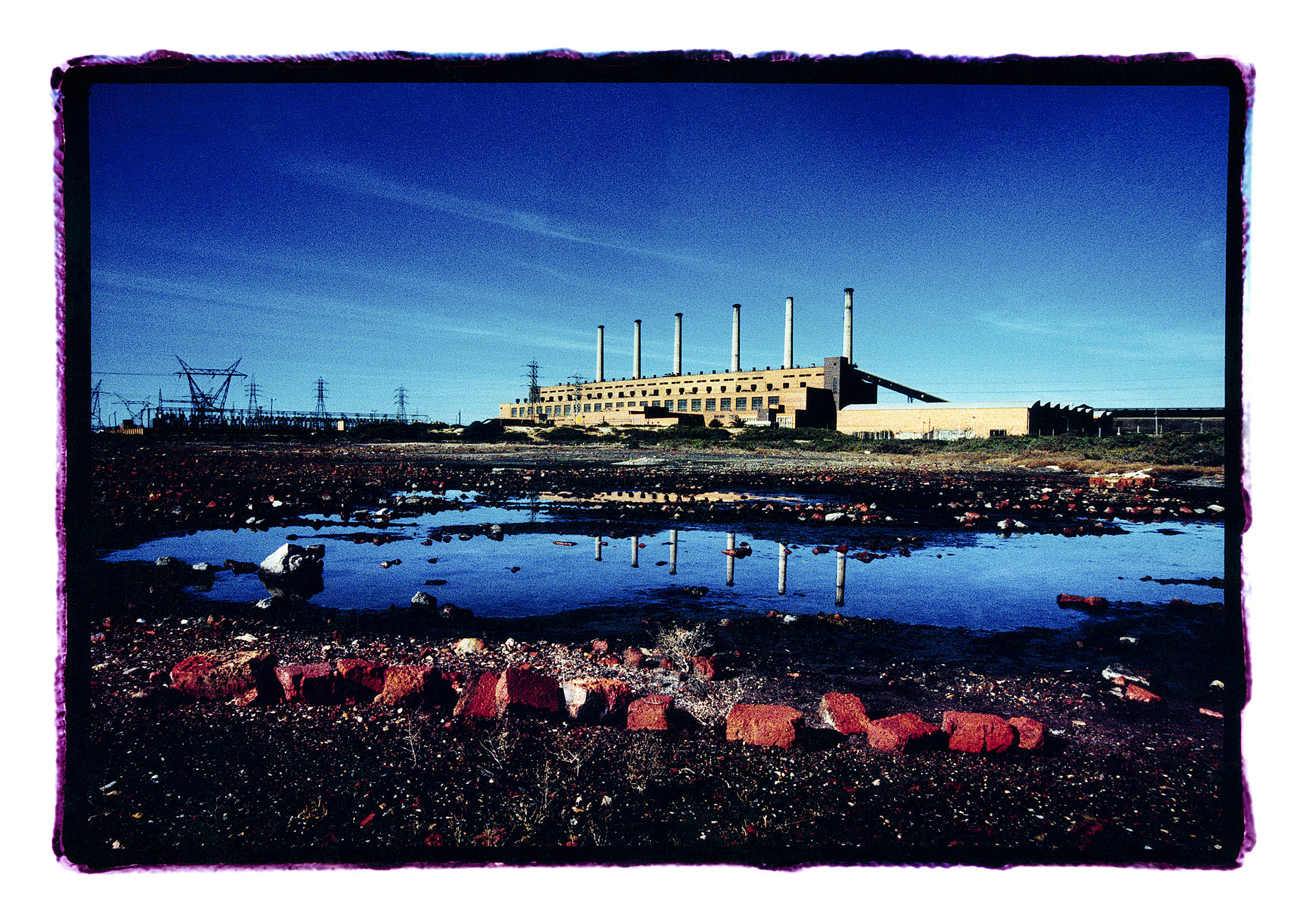
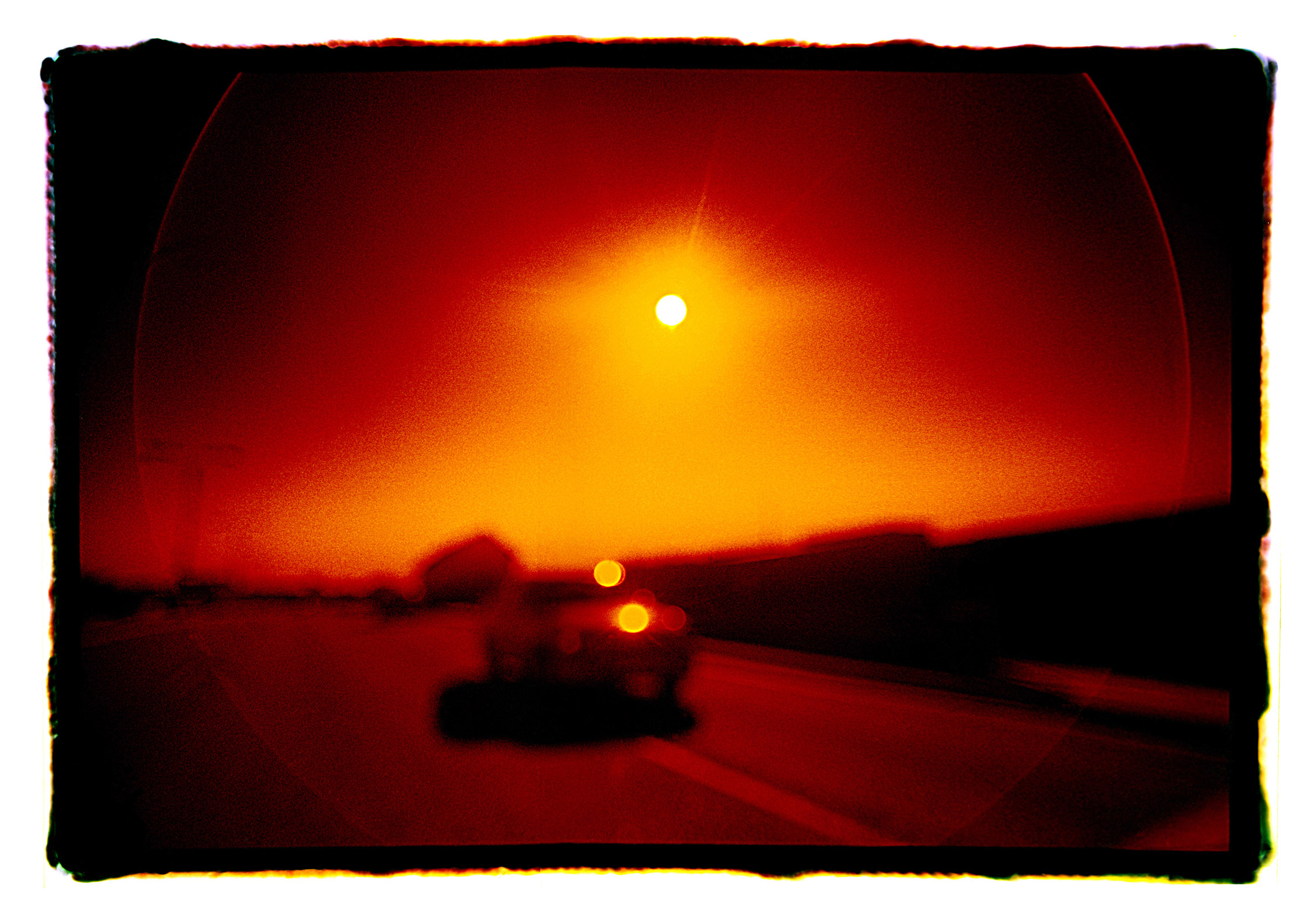
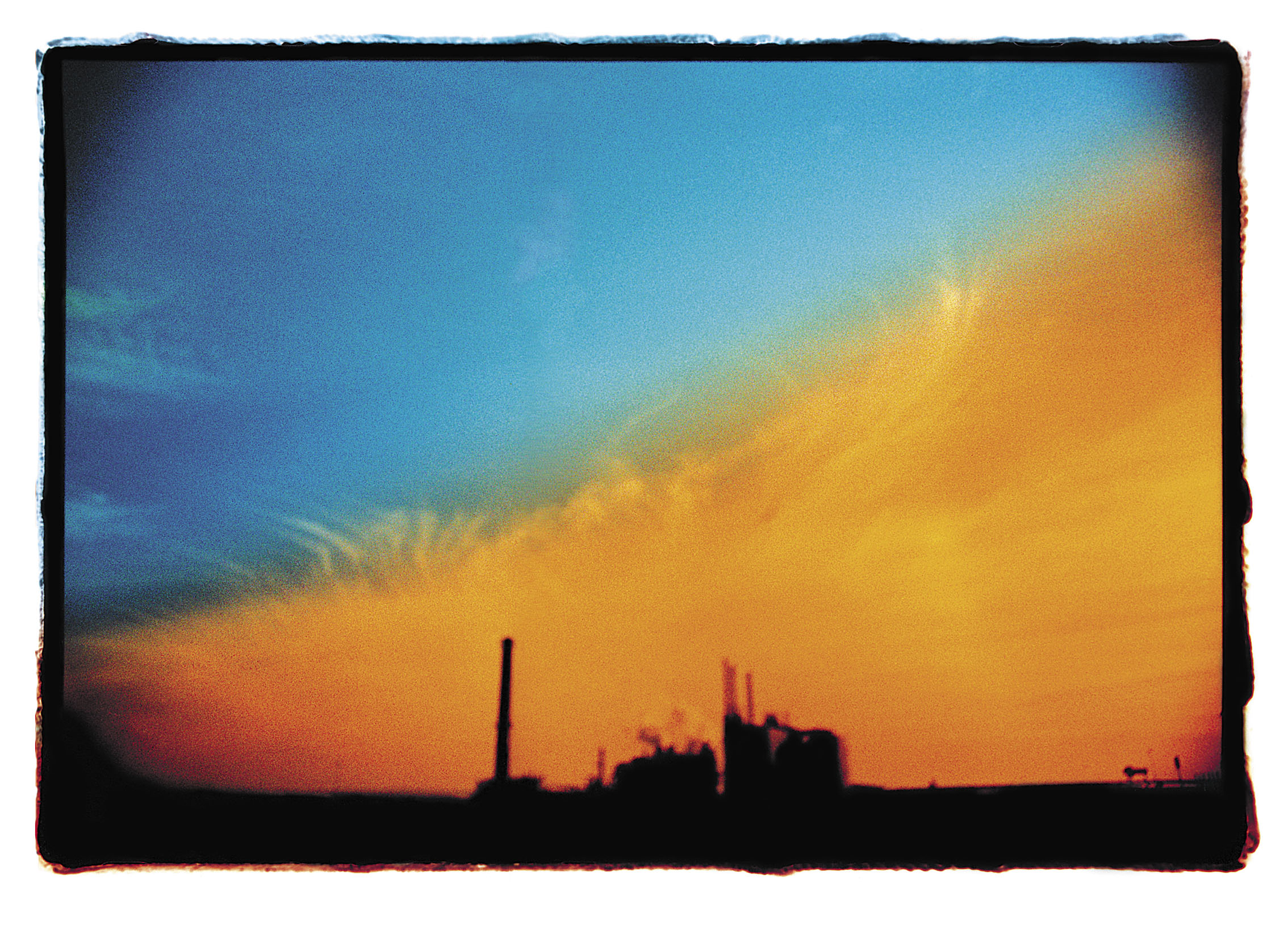
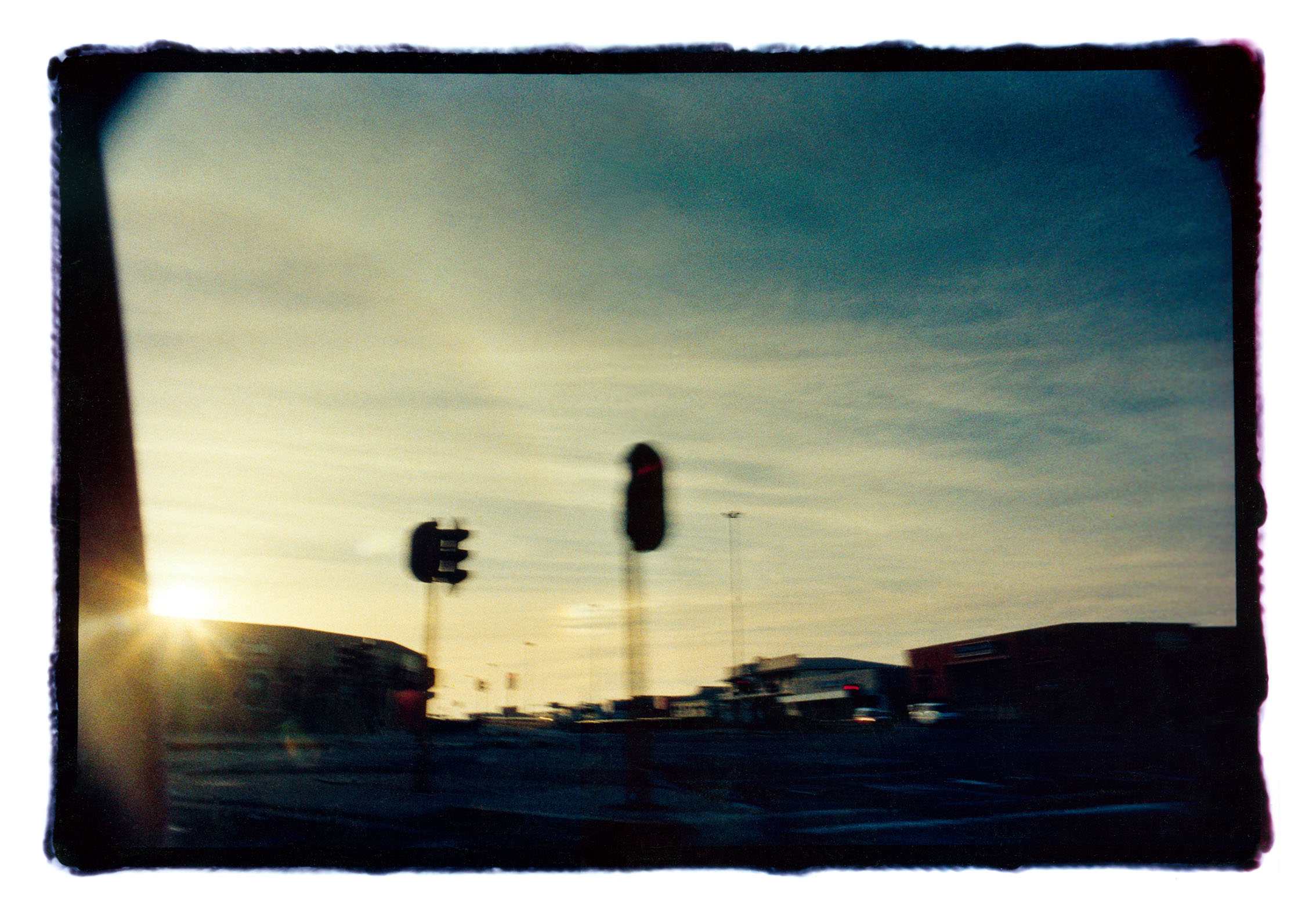
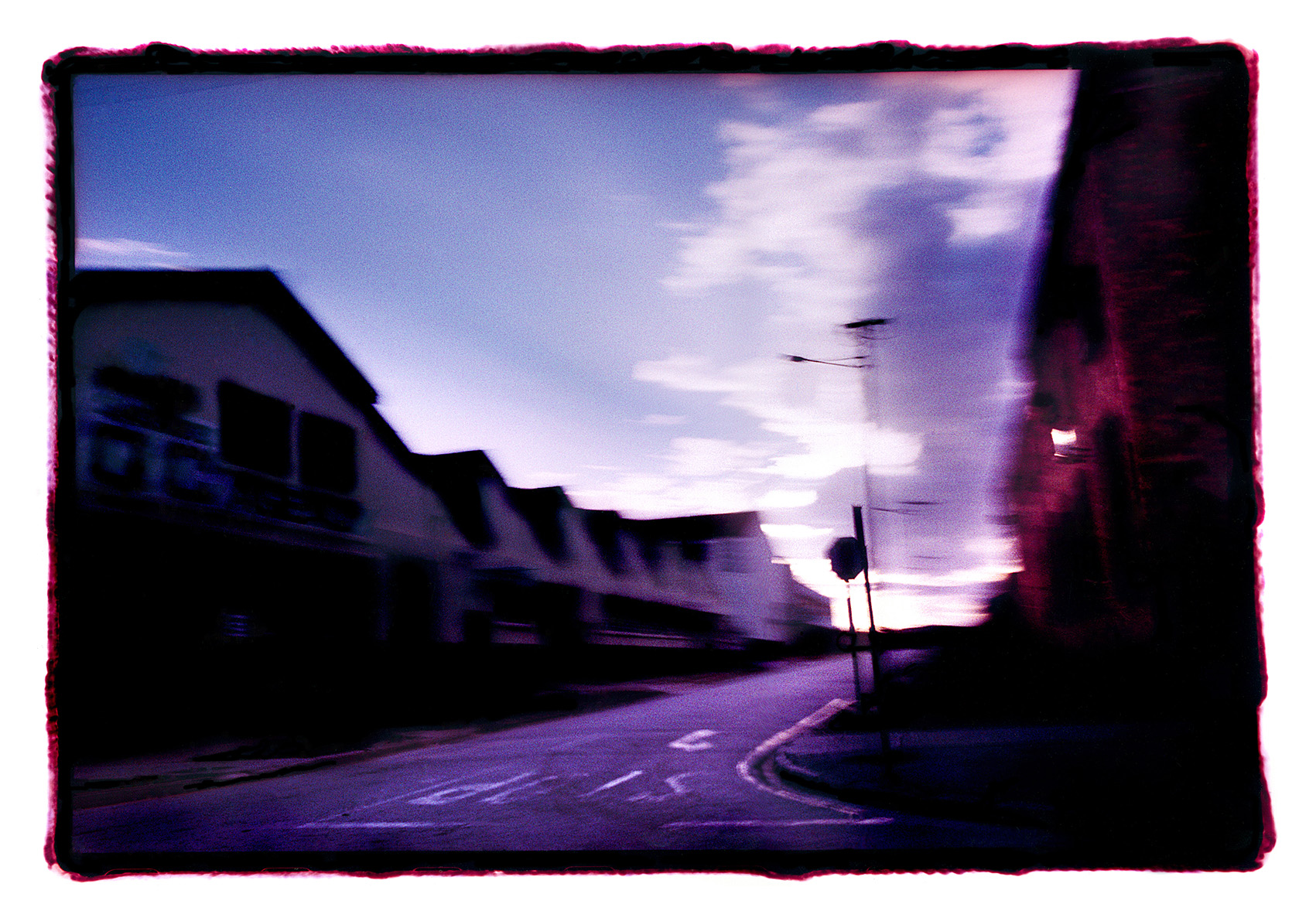

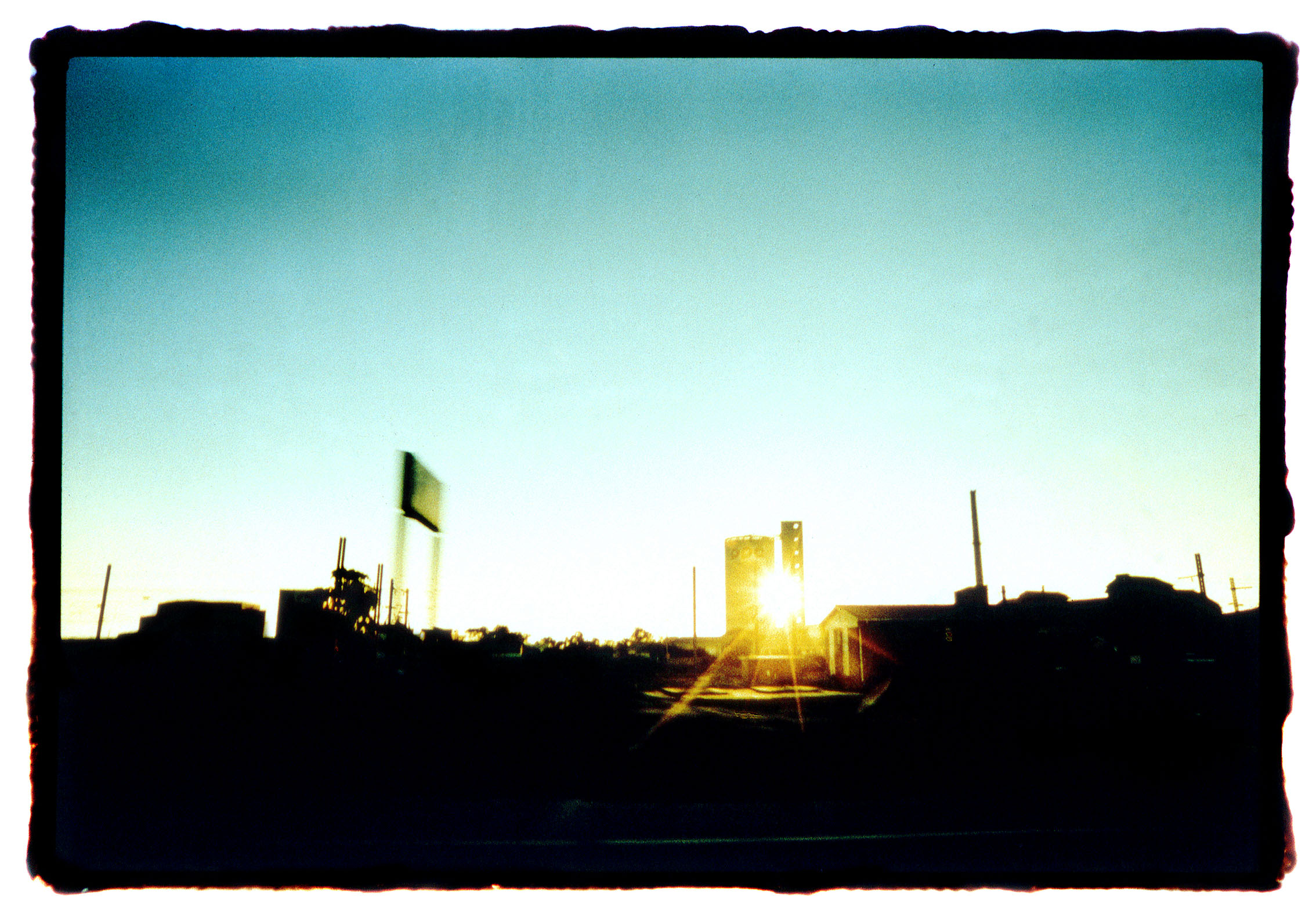
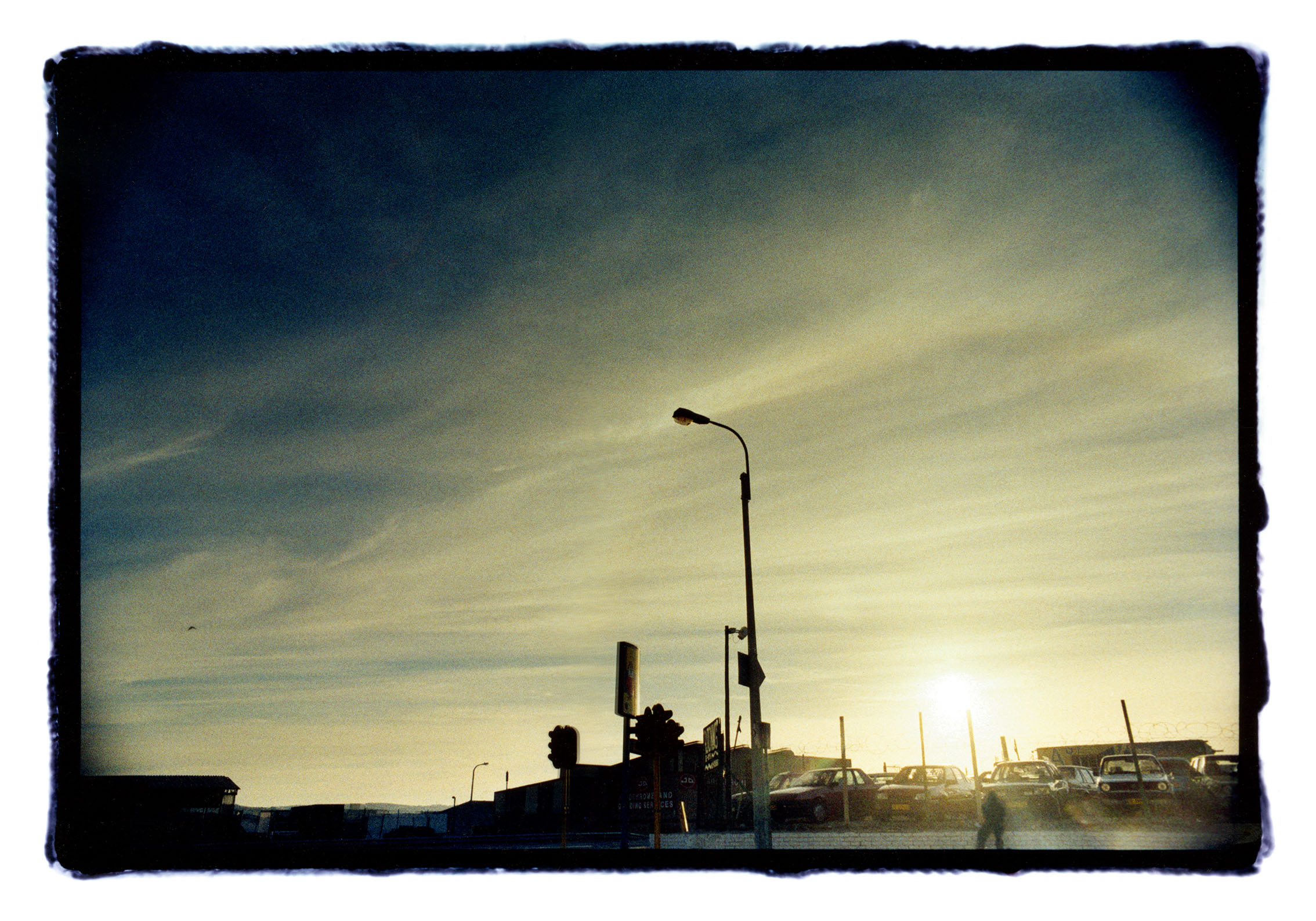
state. 2003
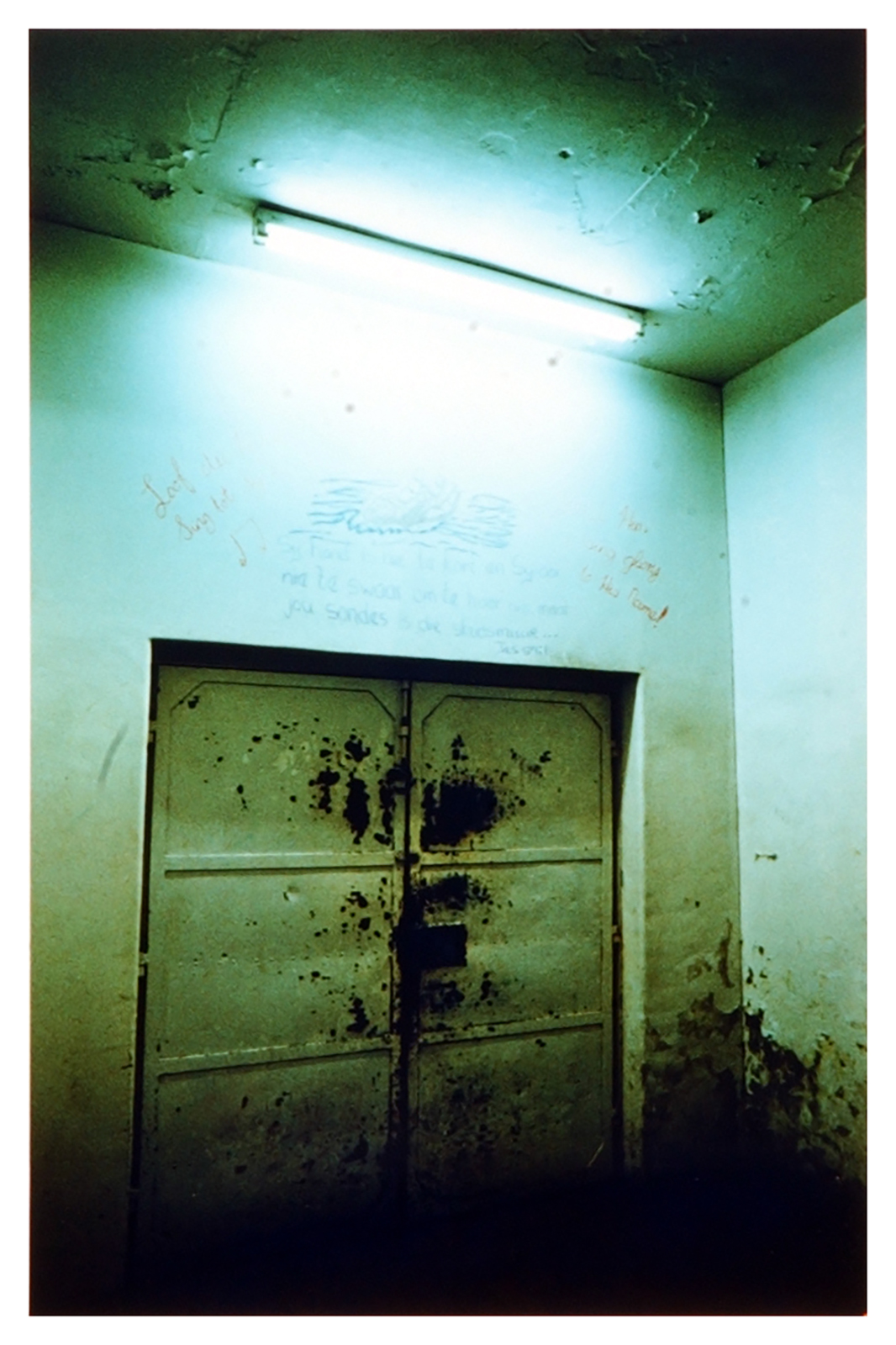
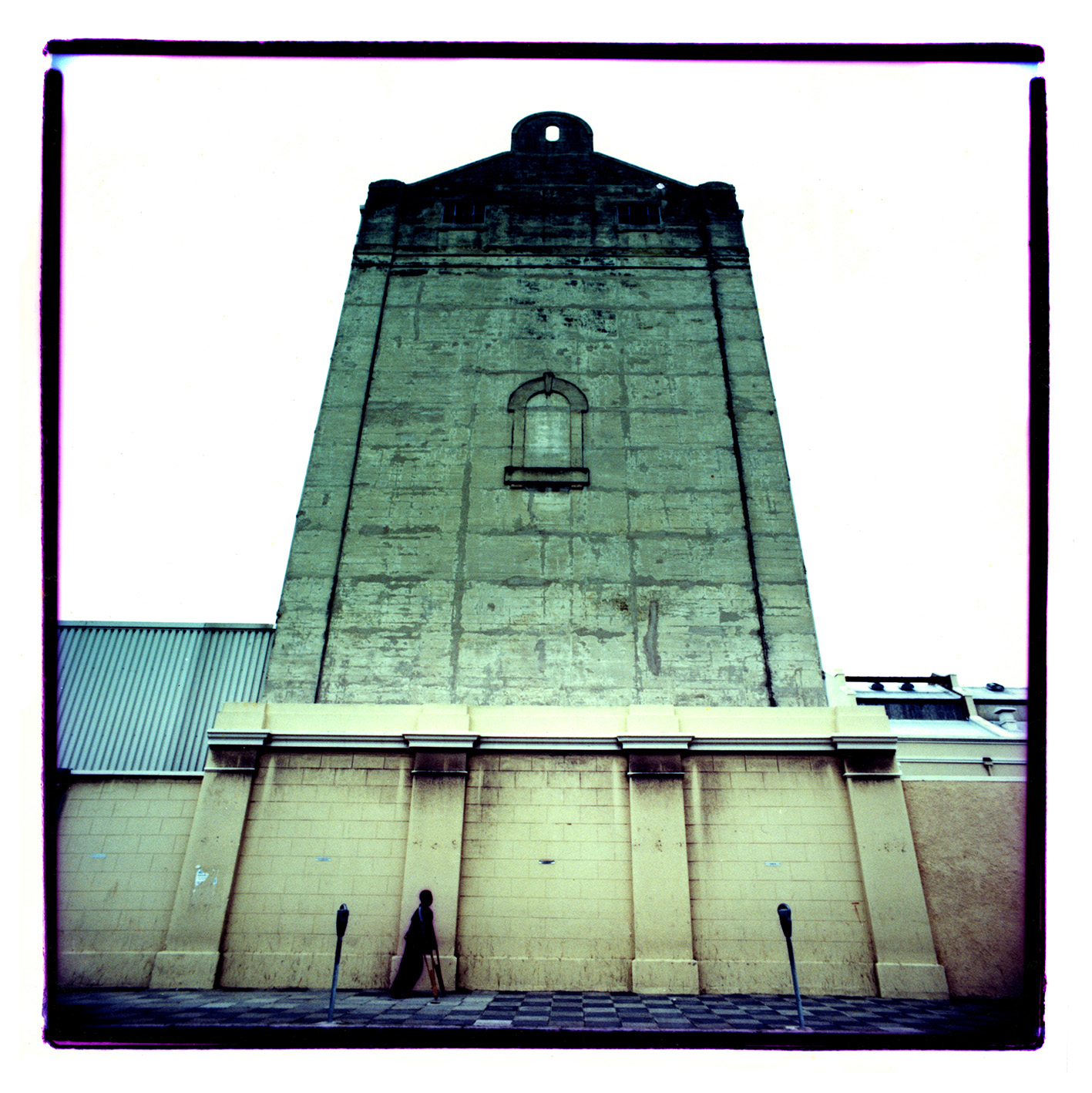
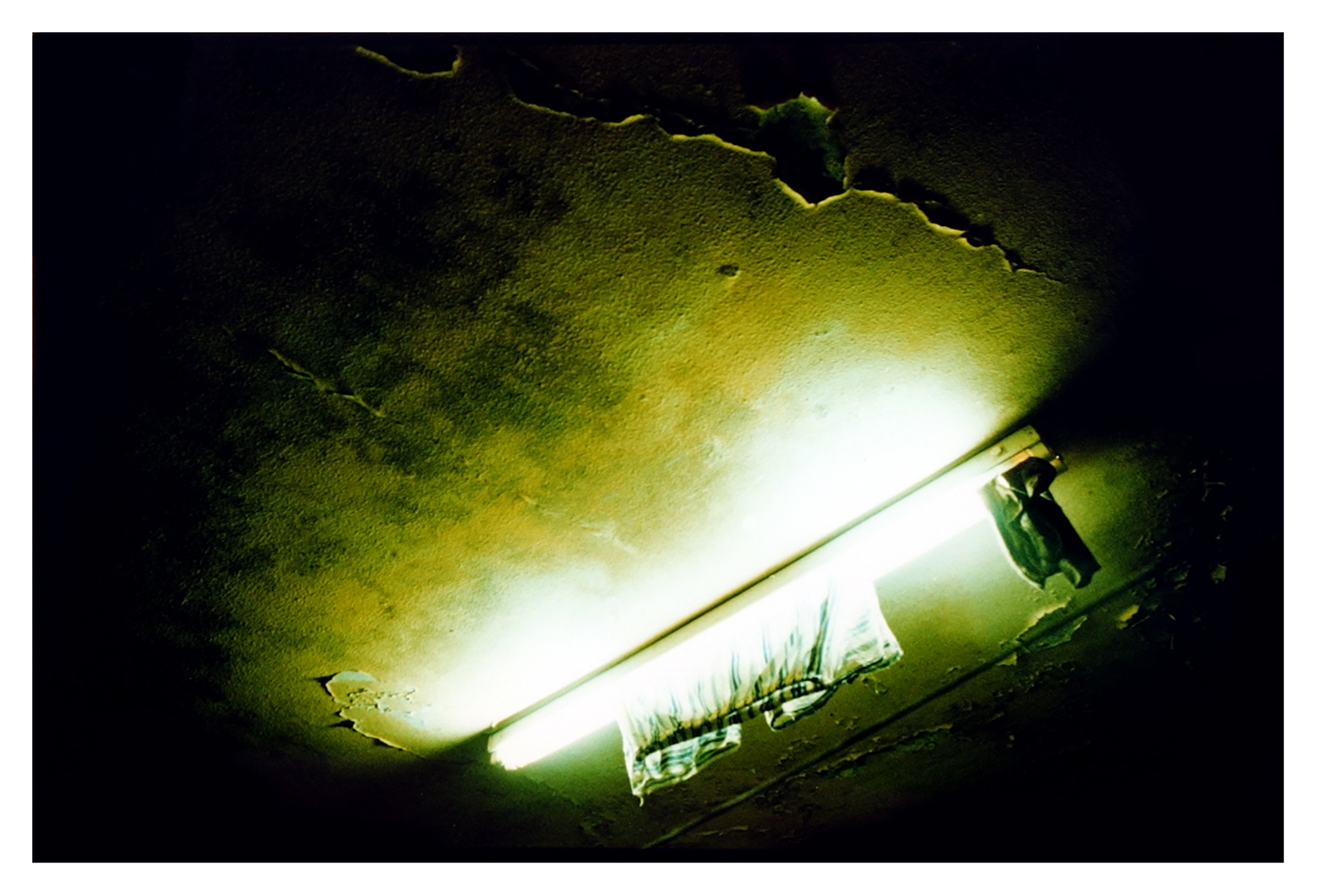
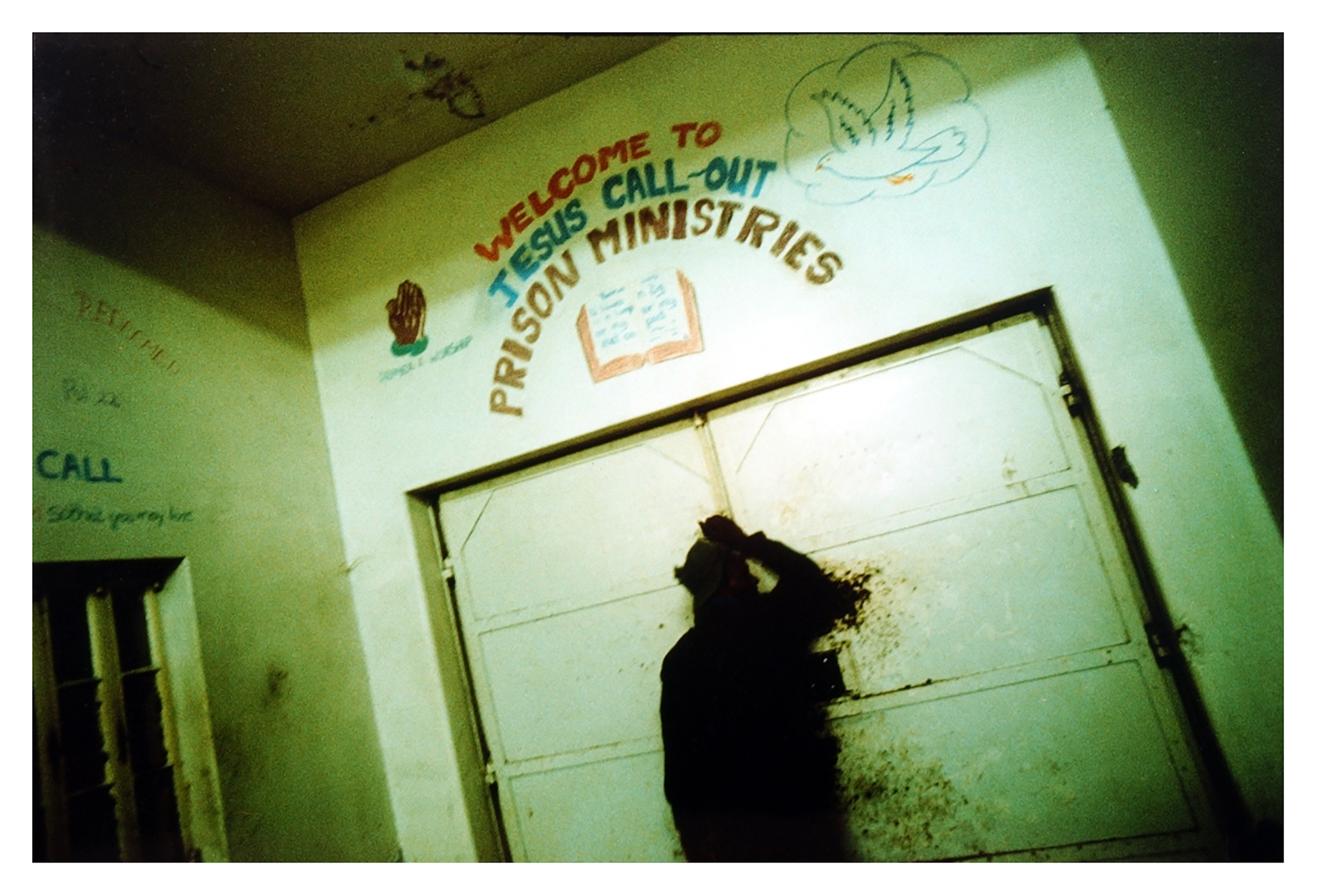
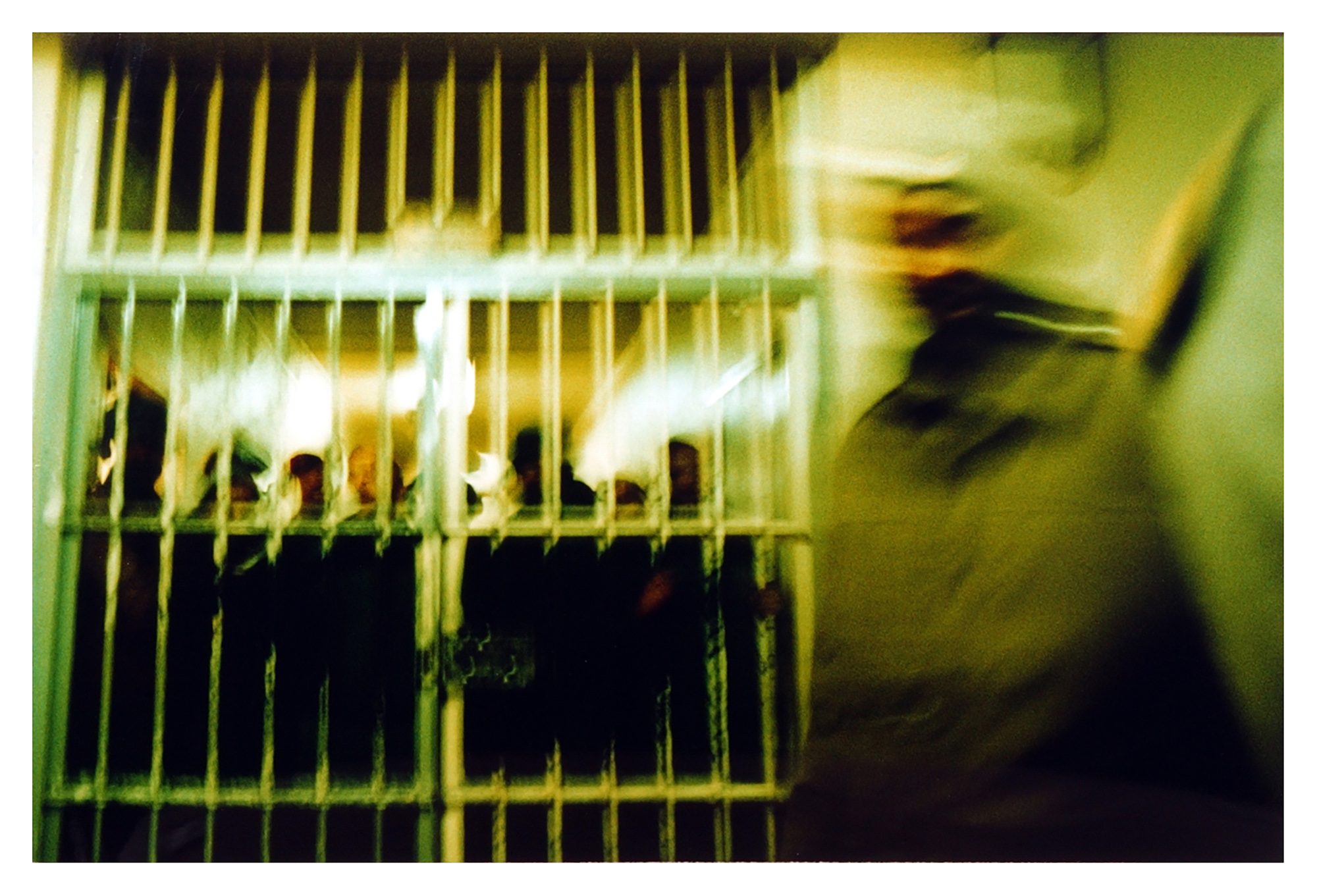
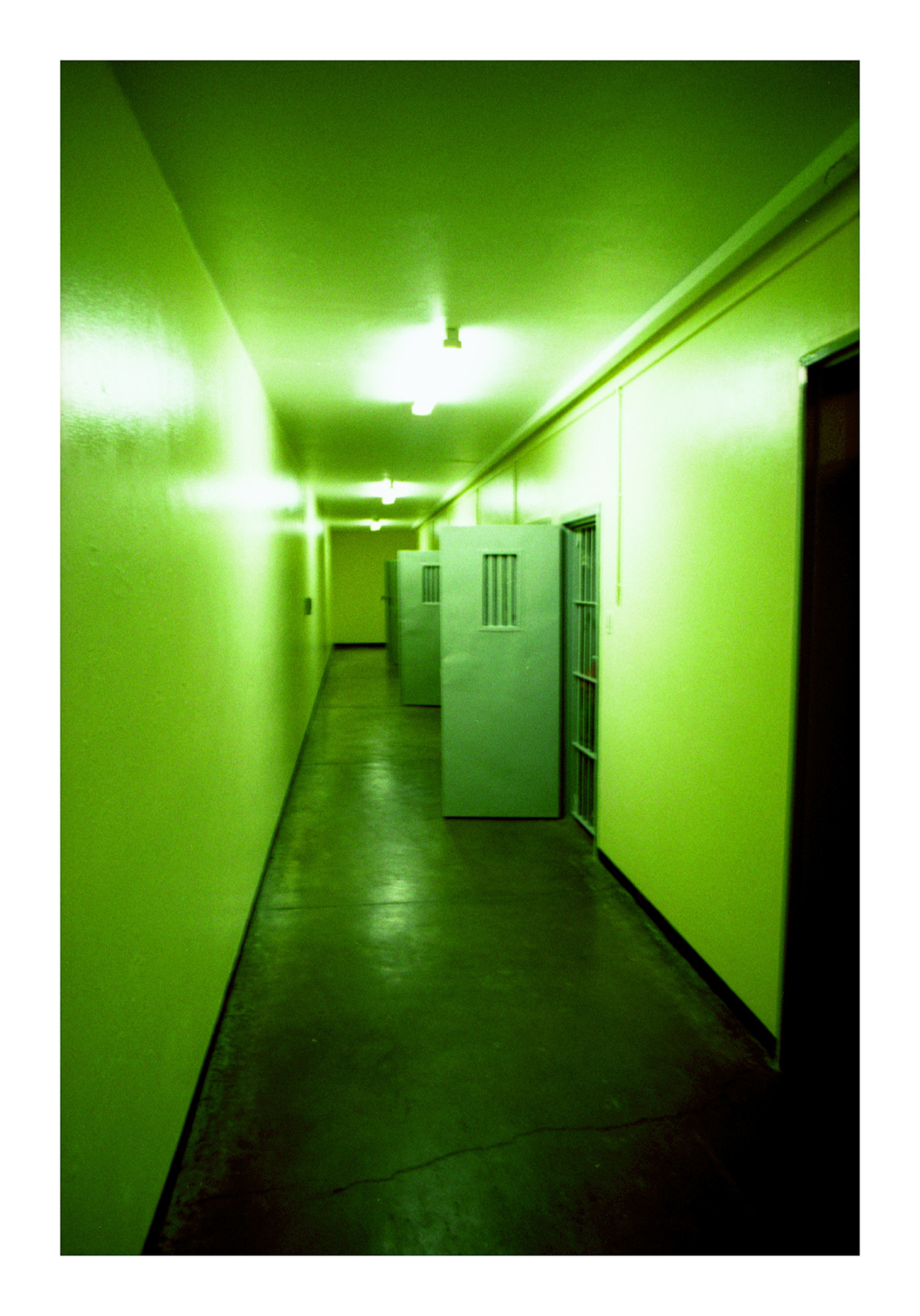
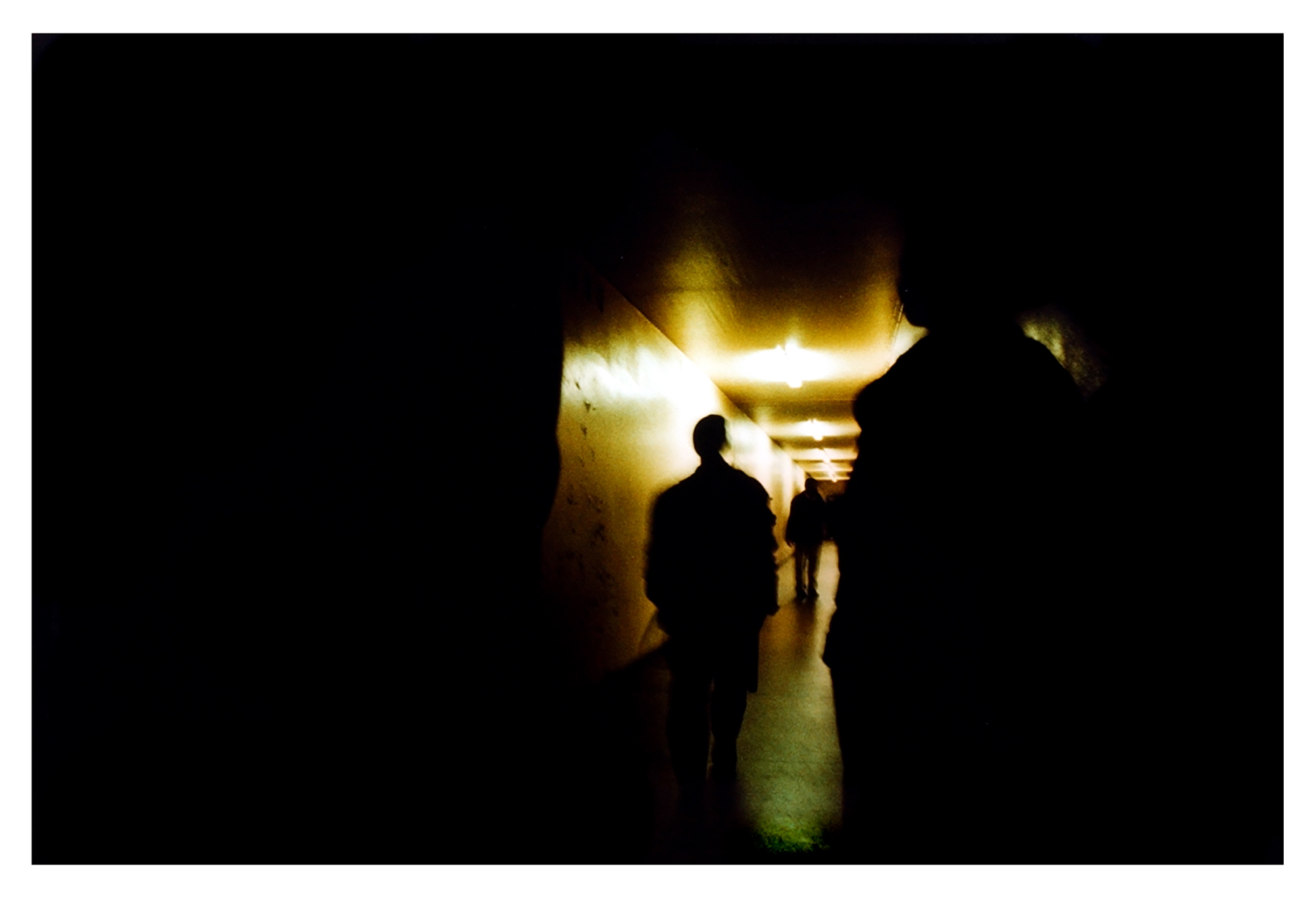
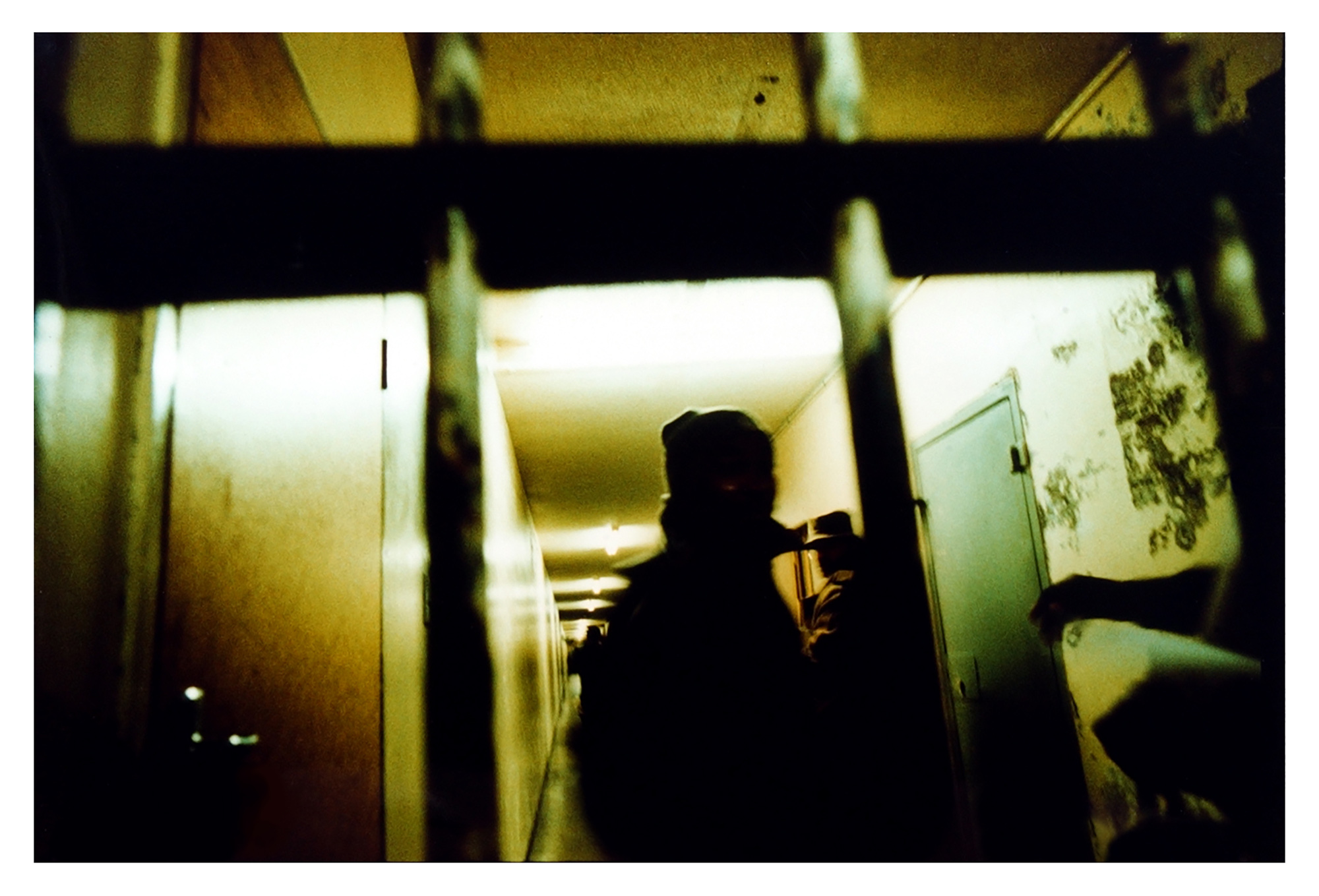
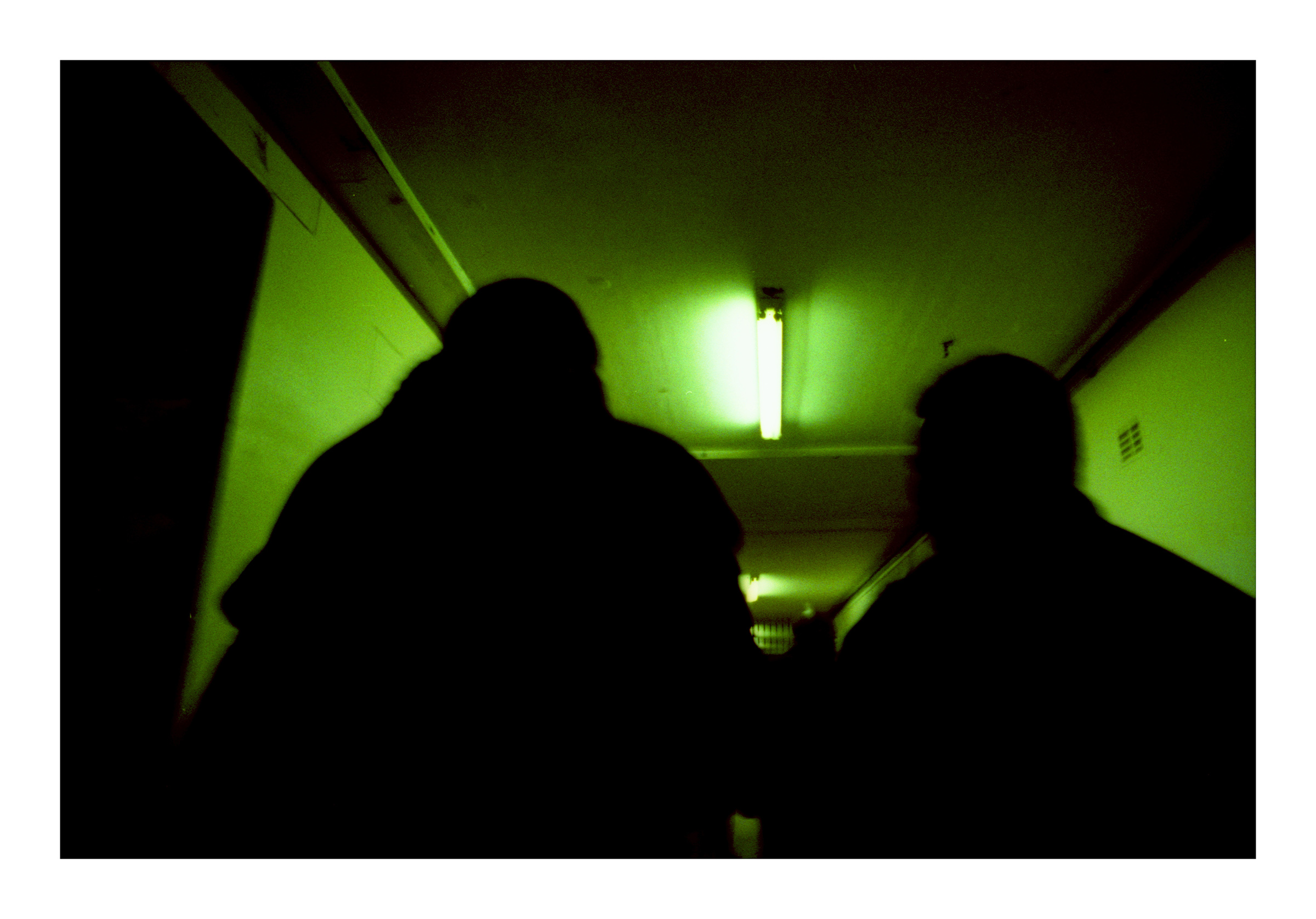
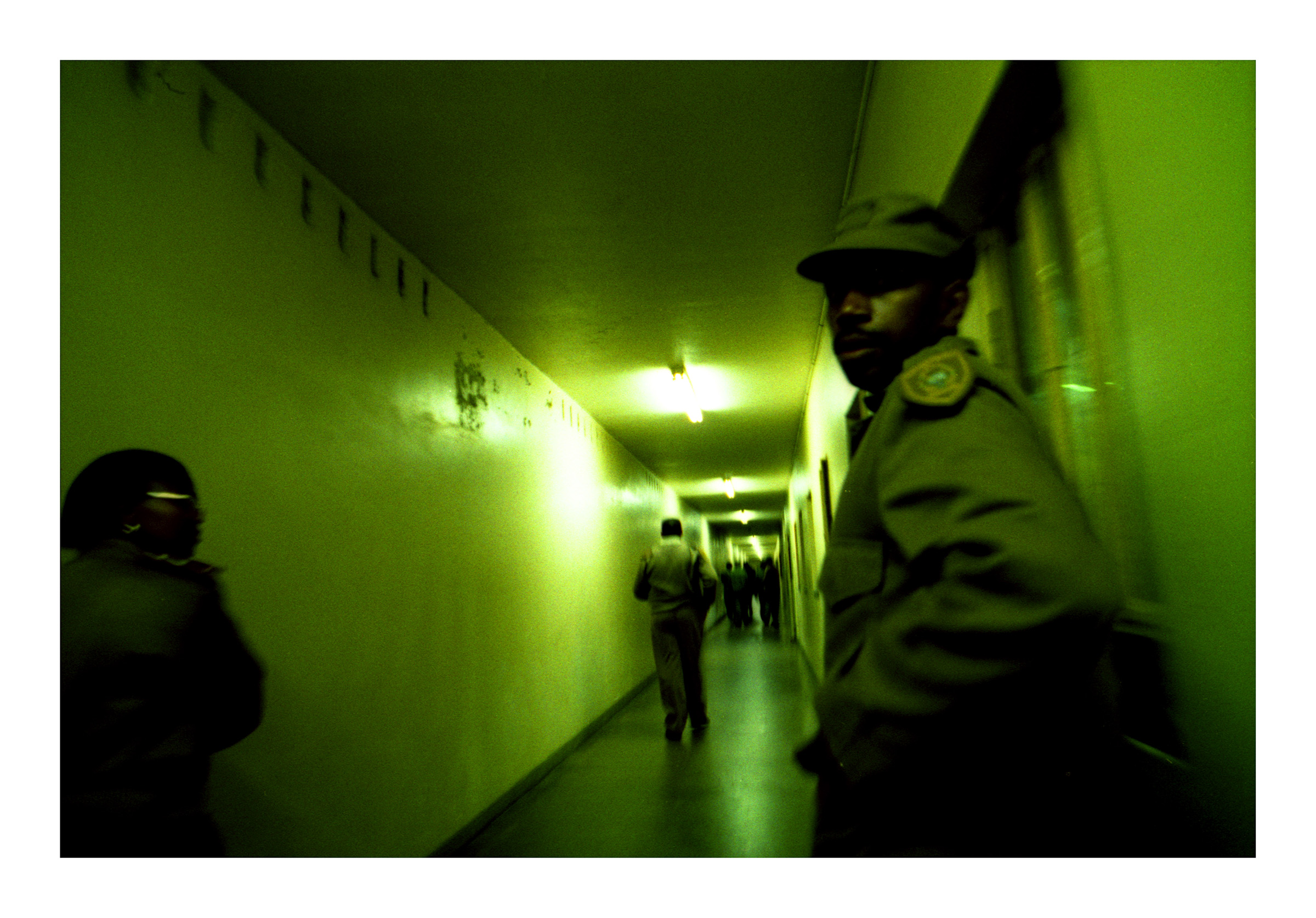
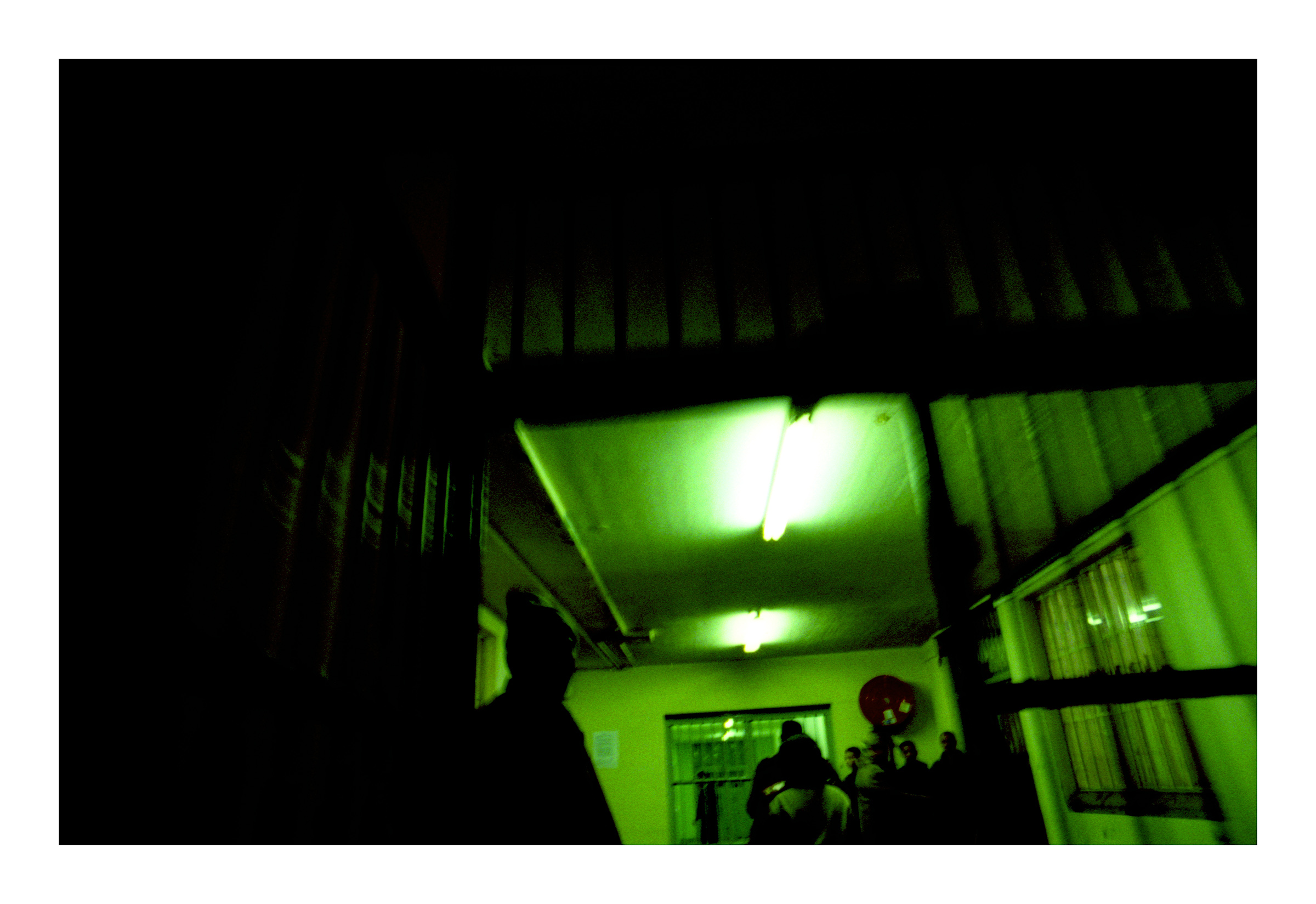
STATE was a group exhibition held at the Cold Room, Cape Town, consisting of essentially three solo exhibitions by Pieter Badenhorst, Marc Pradervand and myself, in three seperate rooms. We each explored aspects of the state, my contribution being photographs taken in St Albans maximum security prison. Just a few are reproduced here, as half of the negatives were in a file that was stolen.
shift. 2003-'05
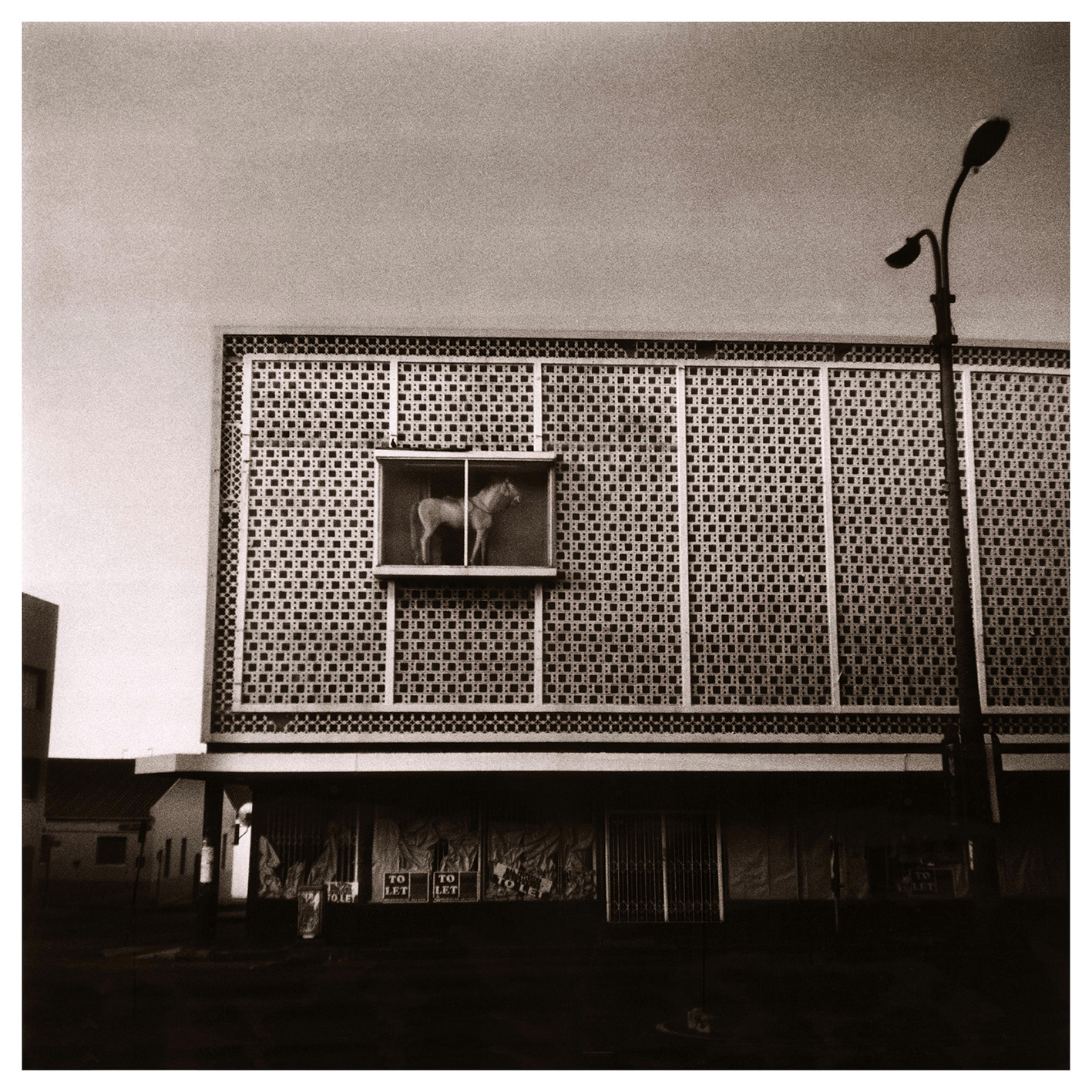
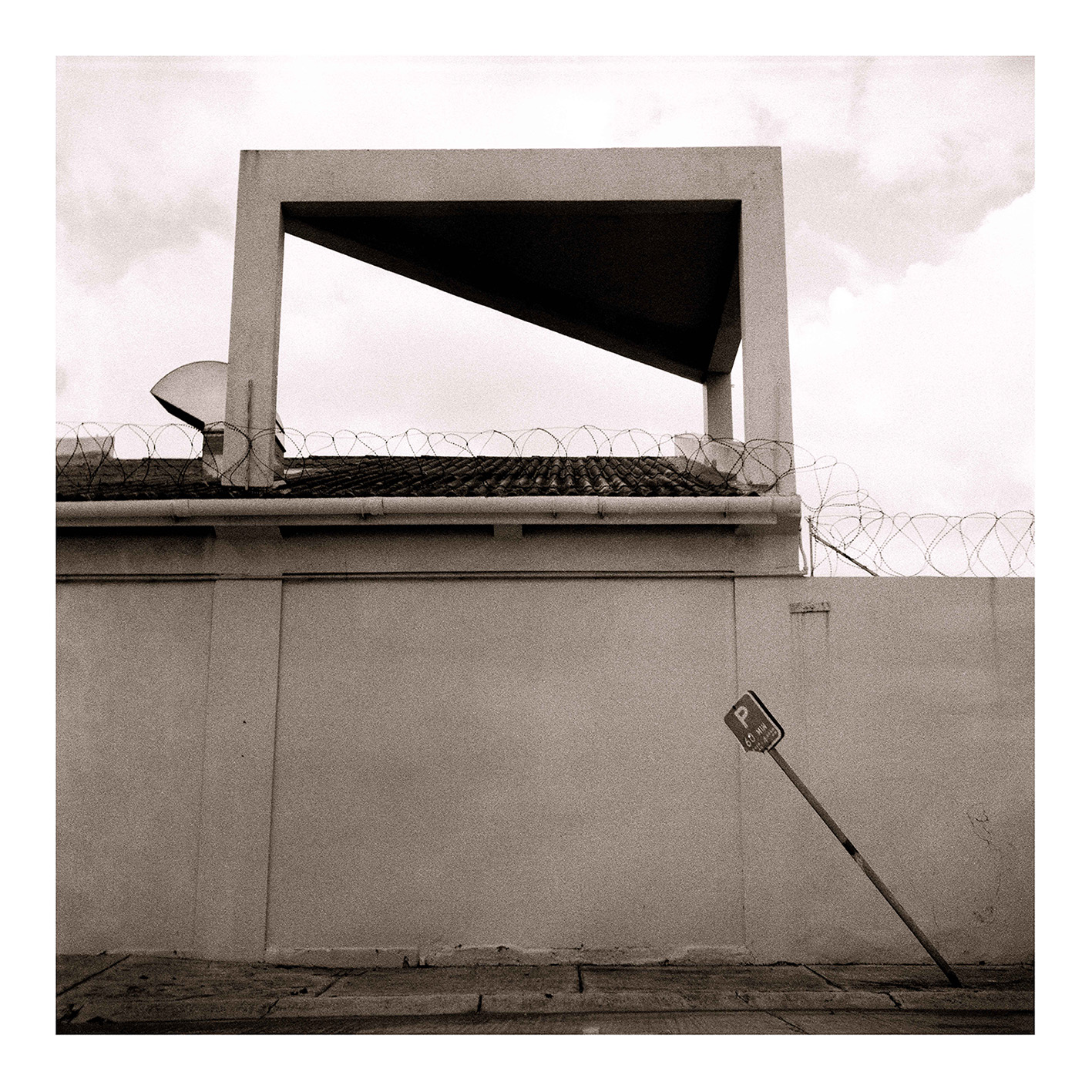
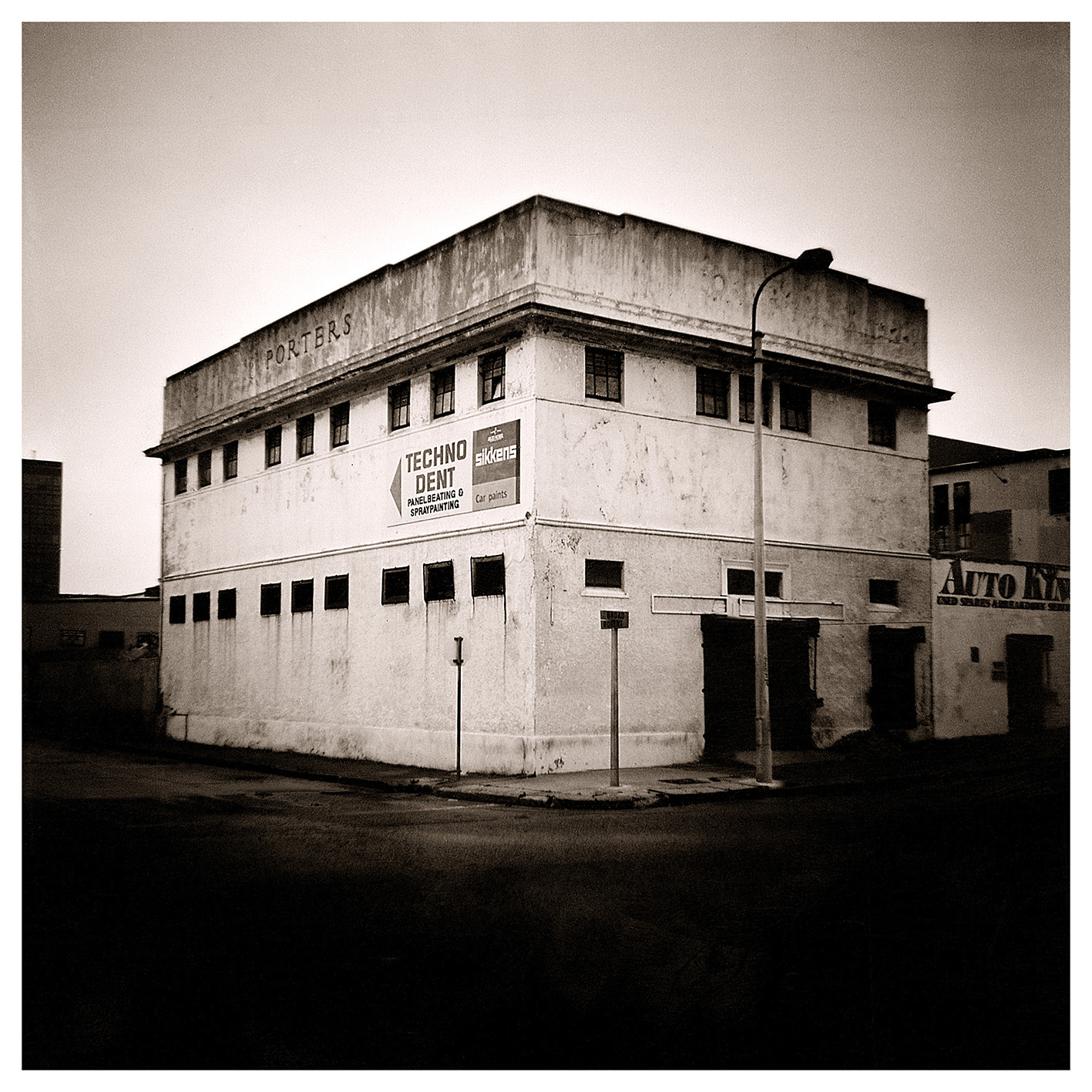
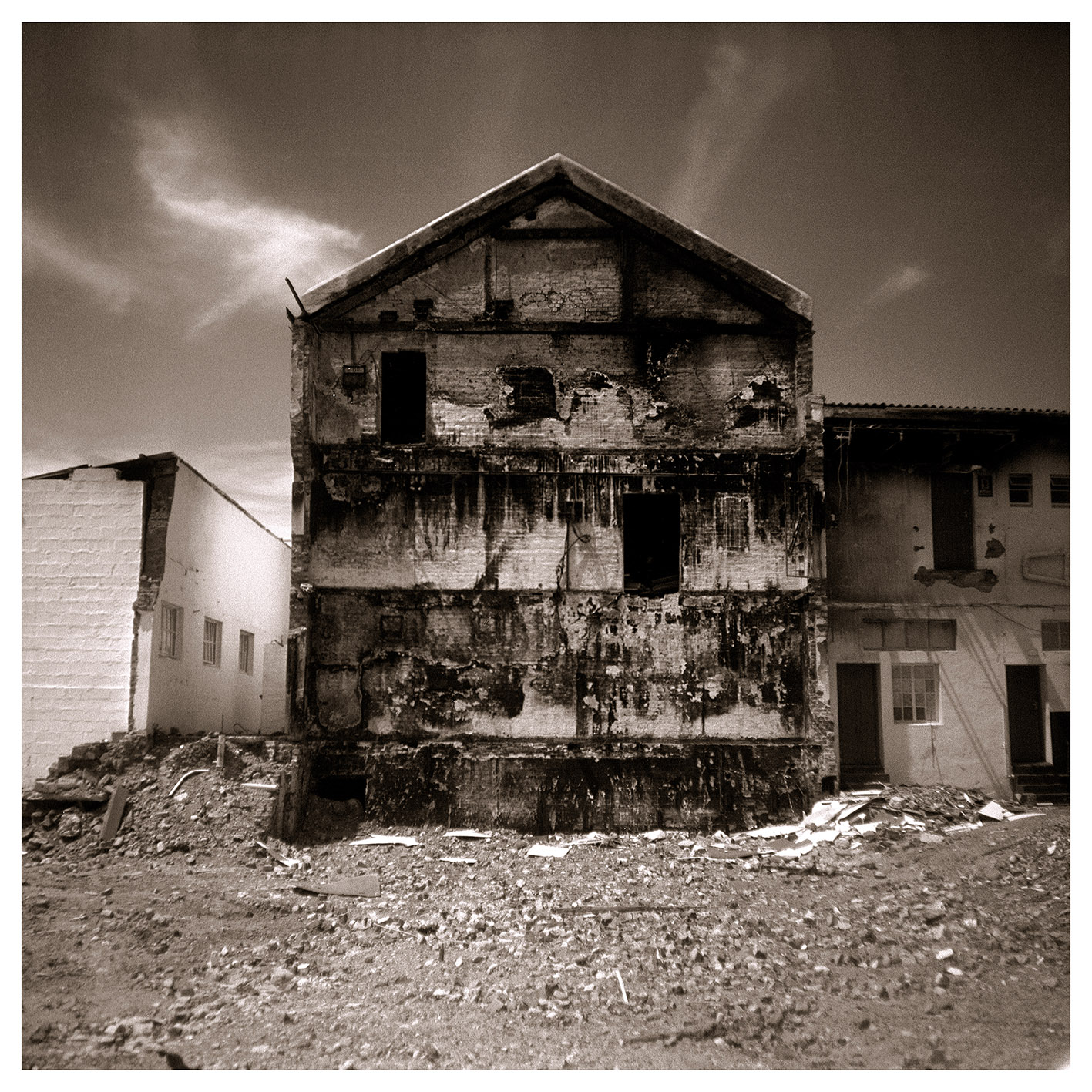
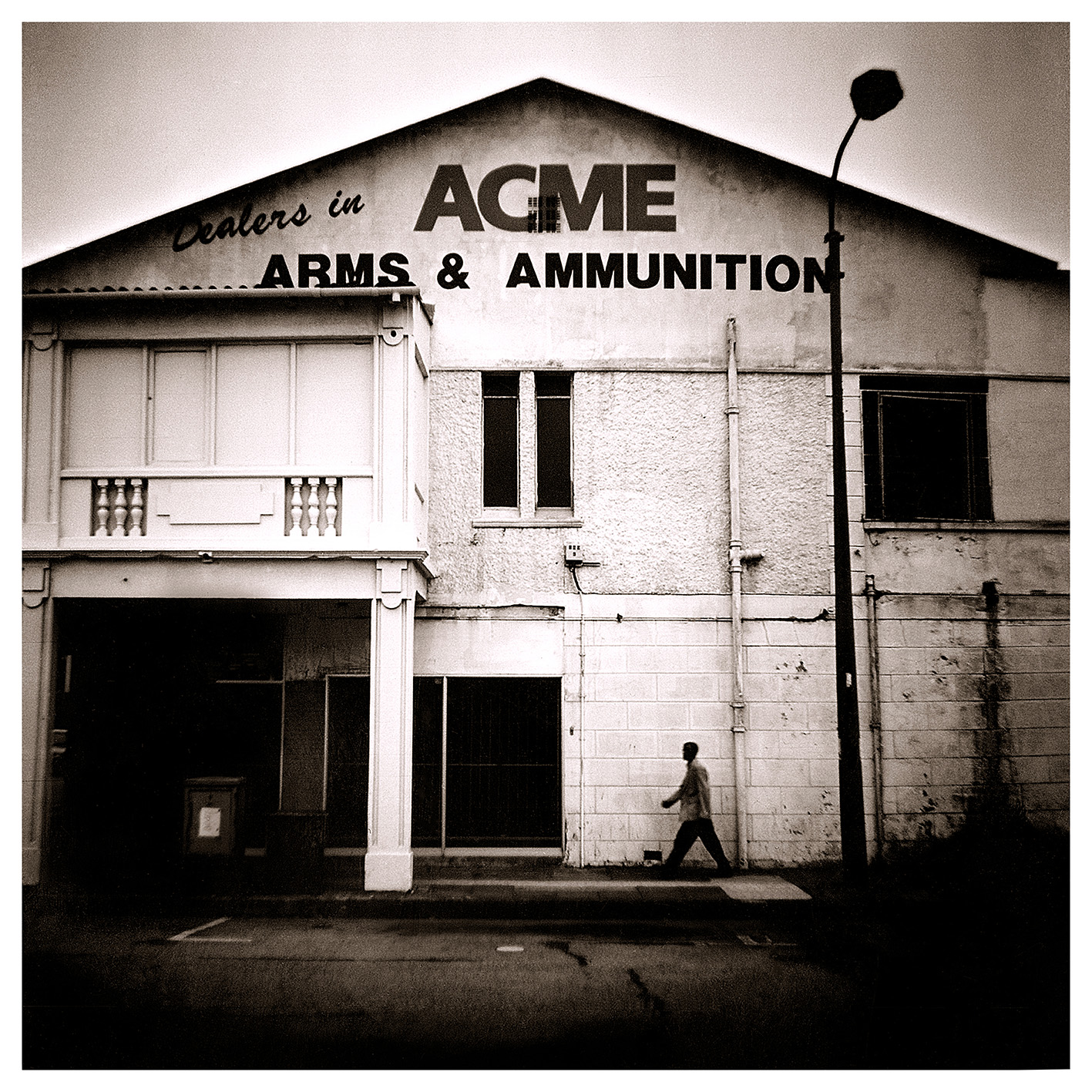
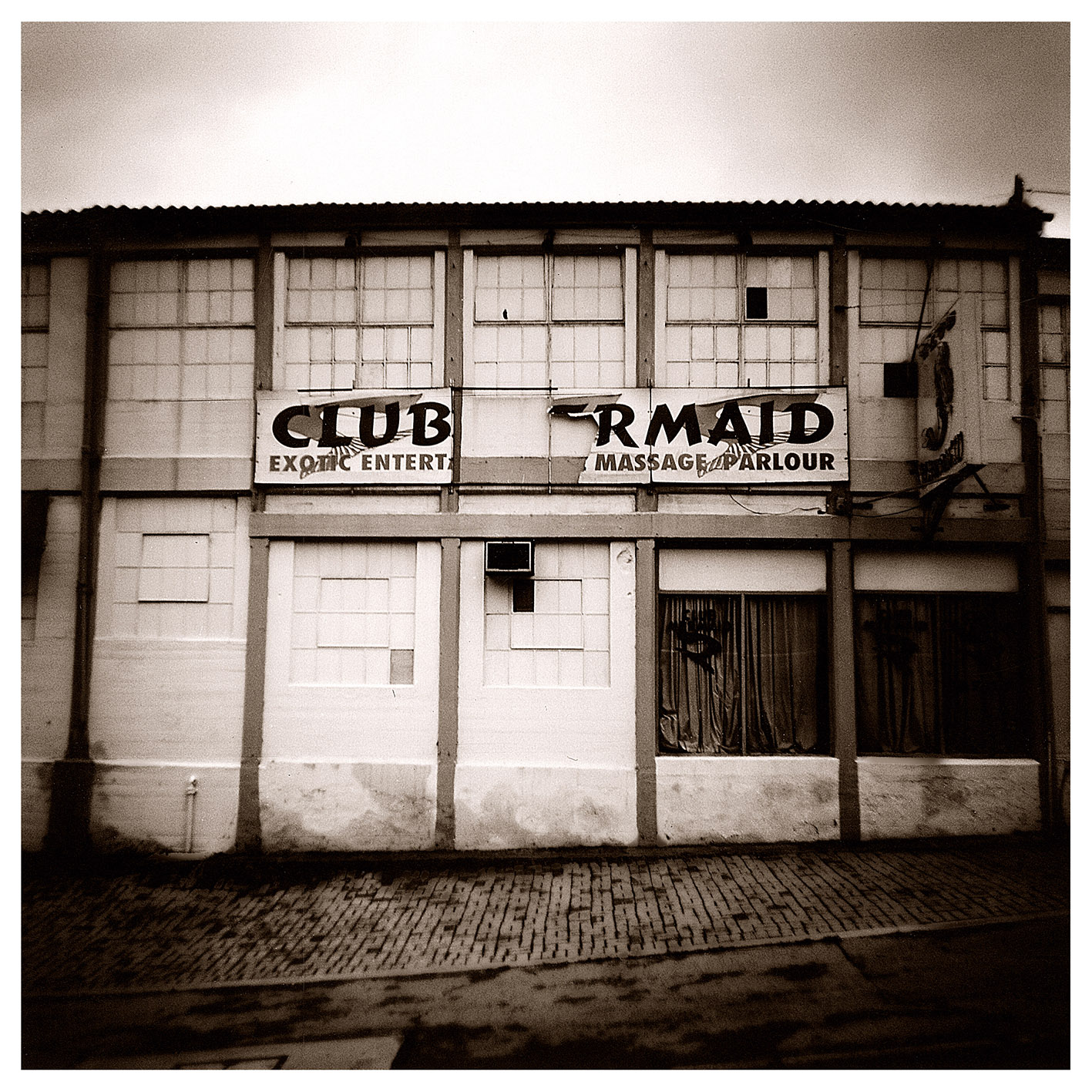
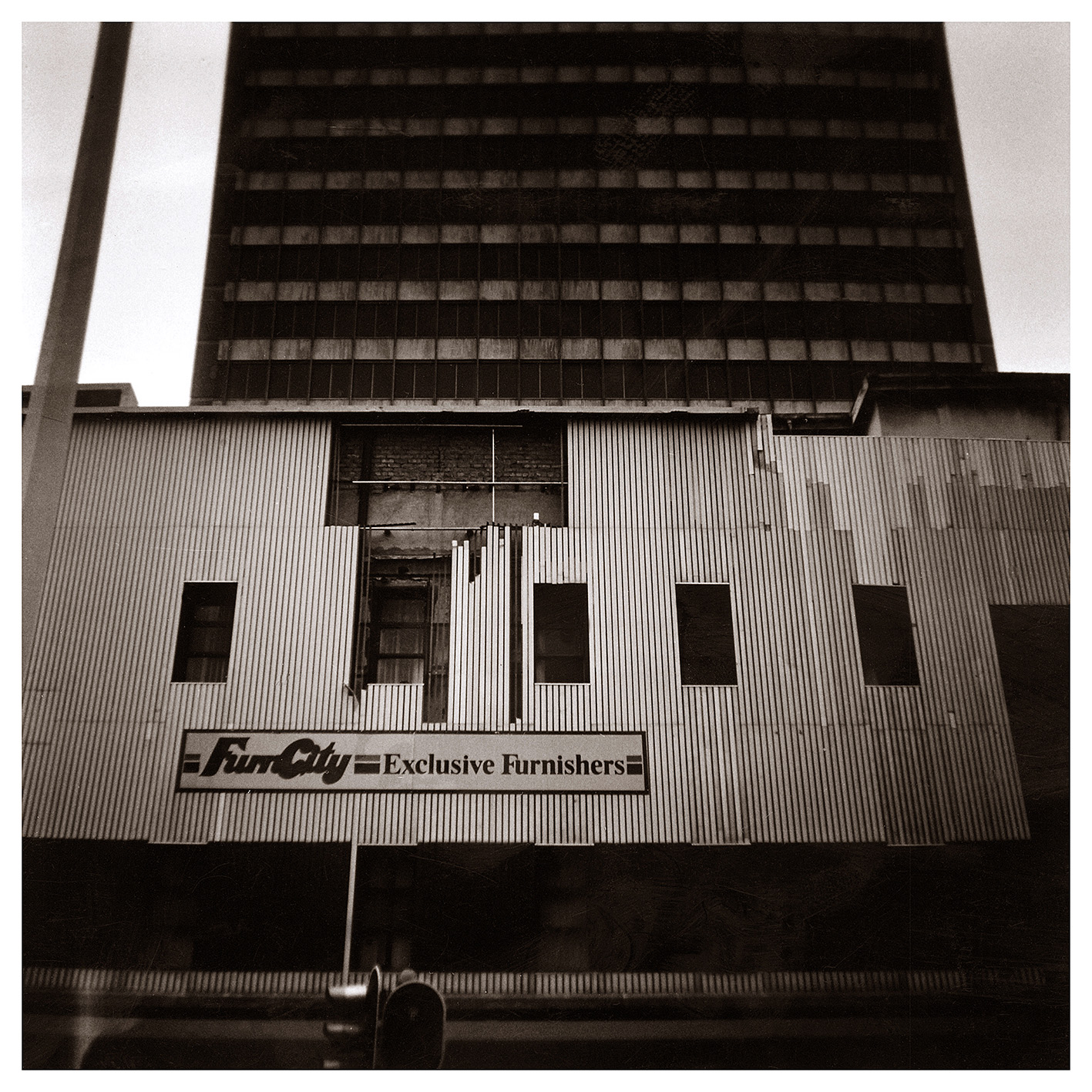

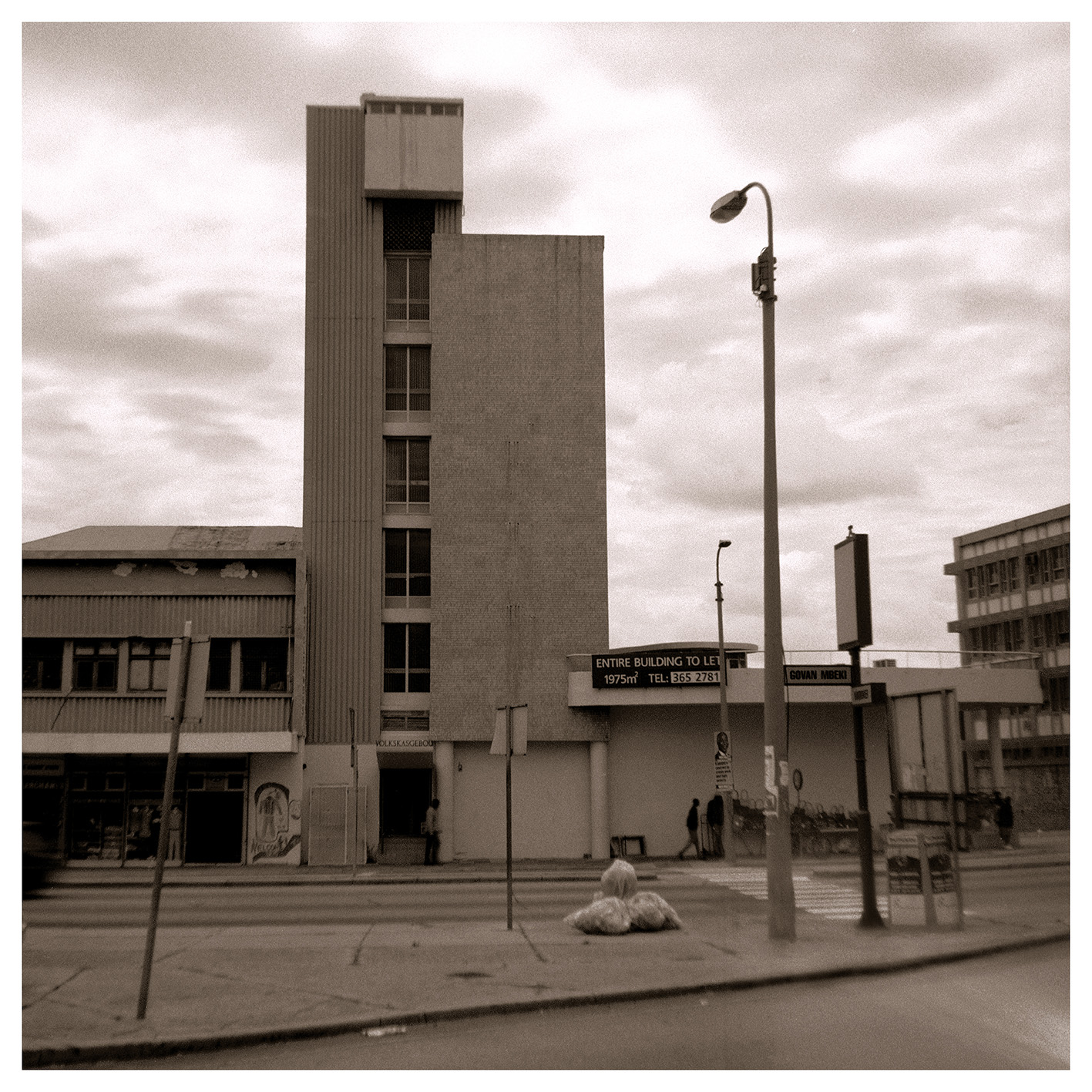
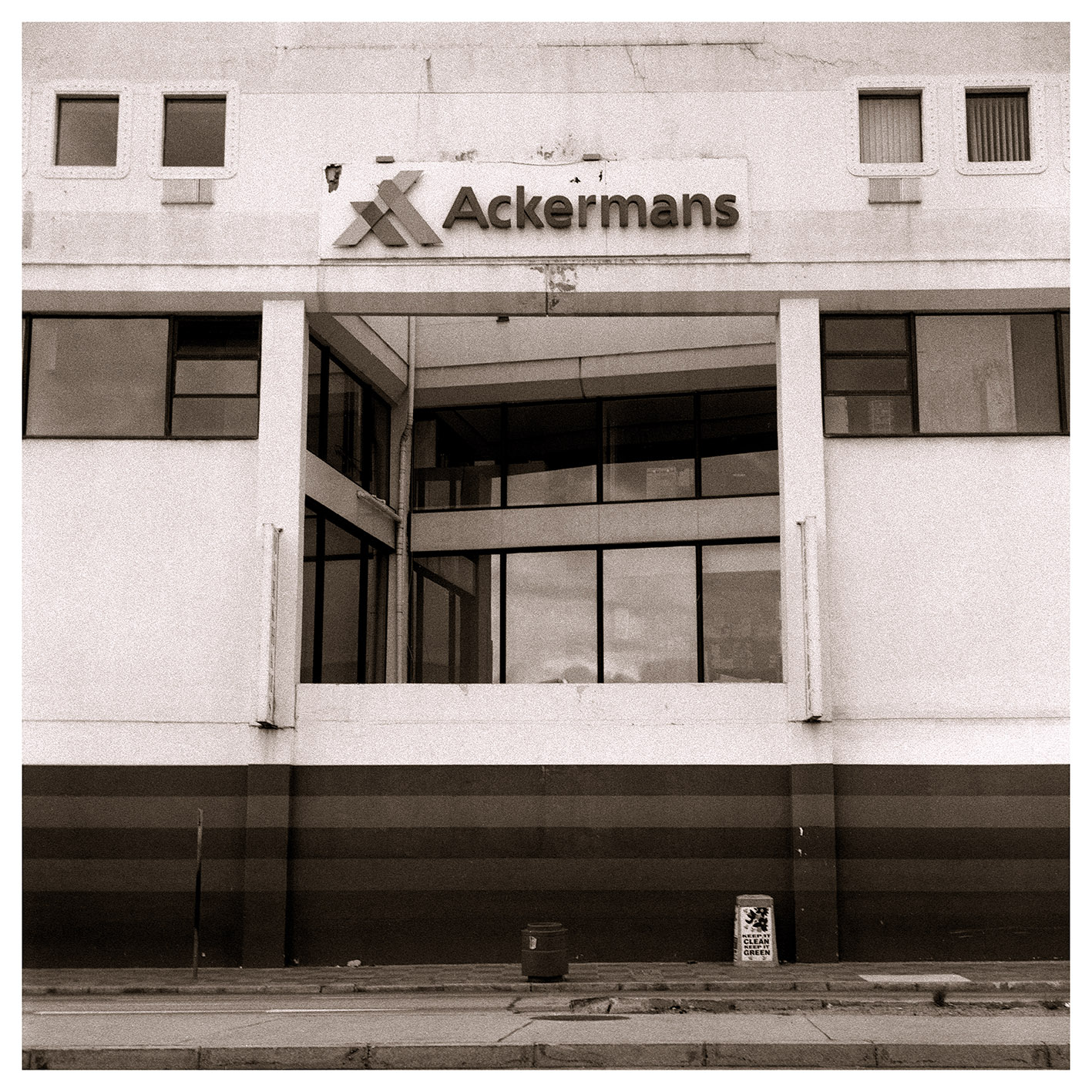
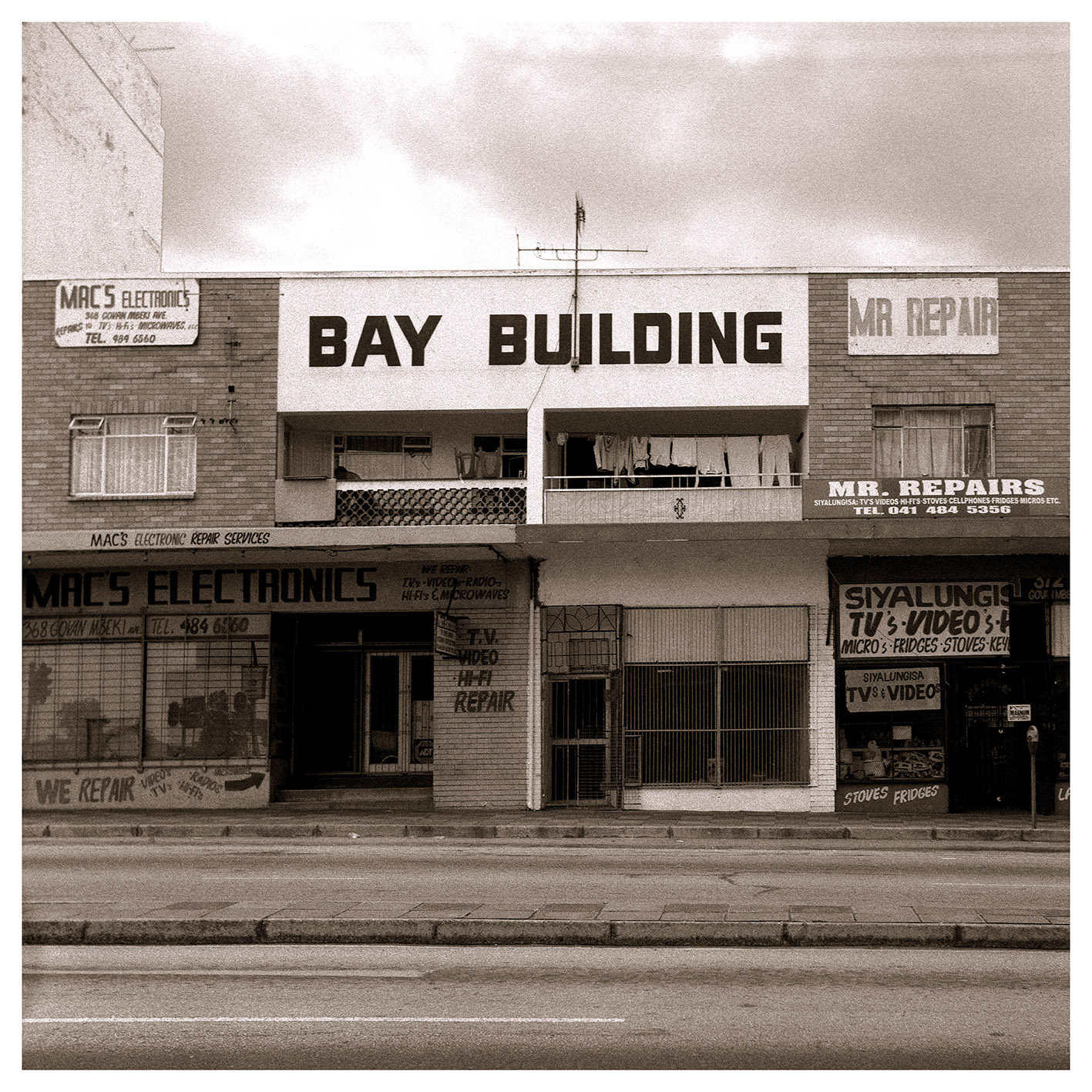
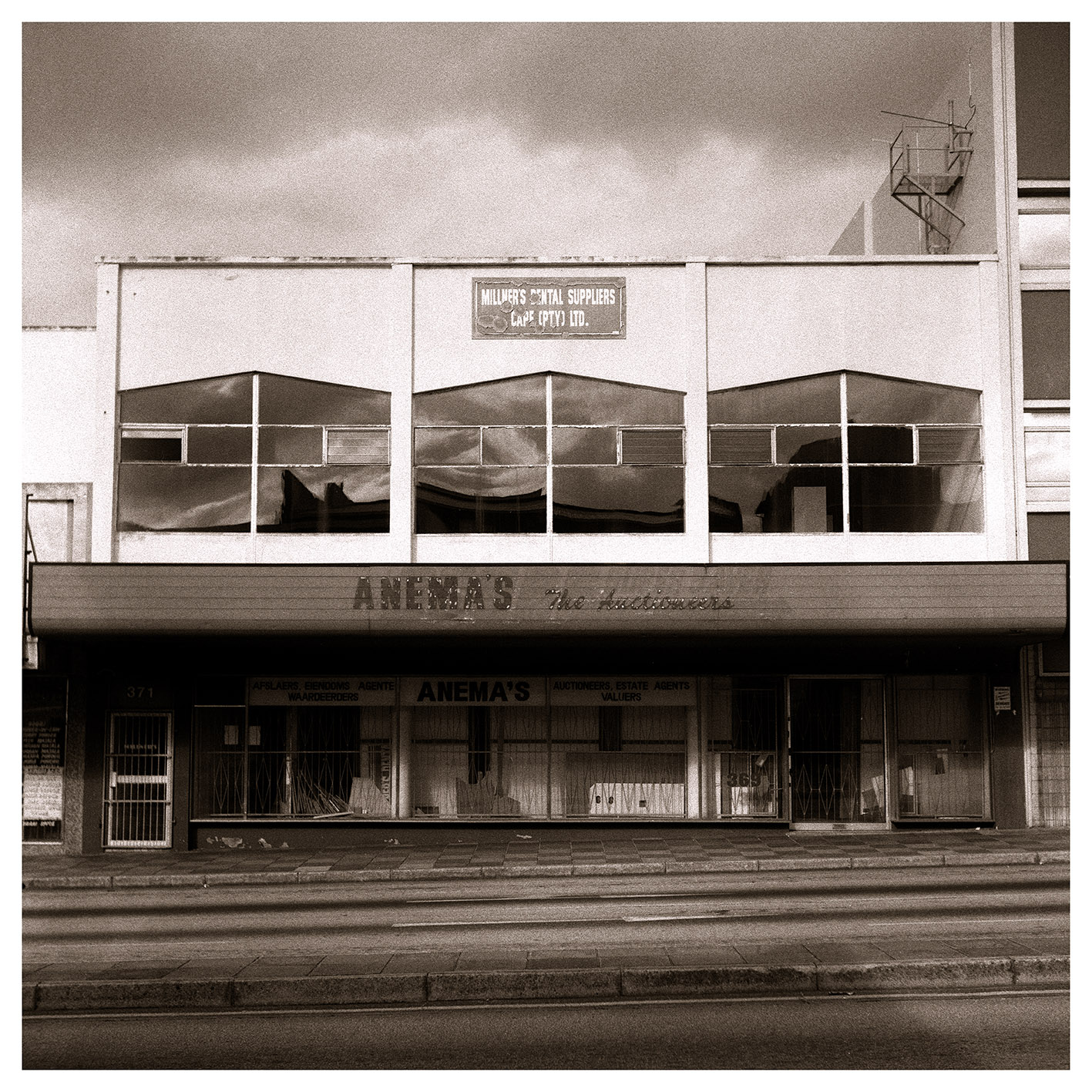
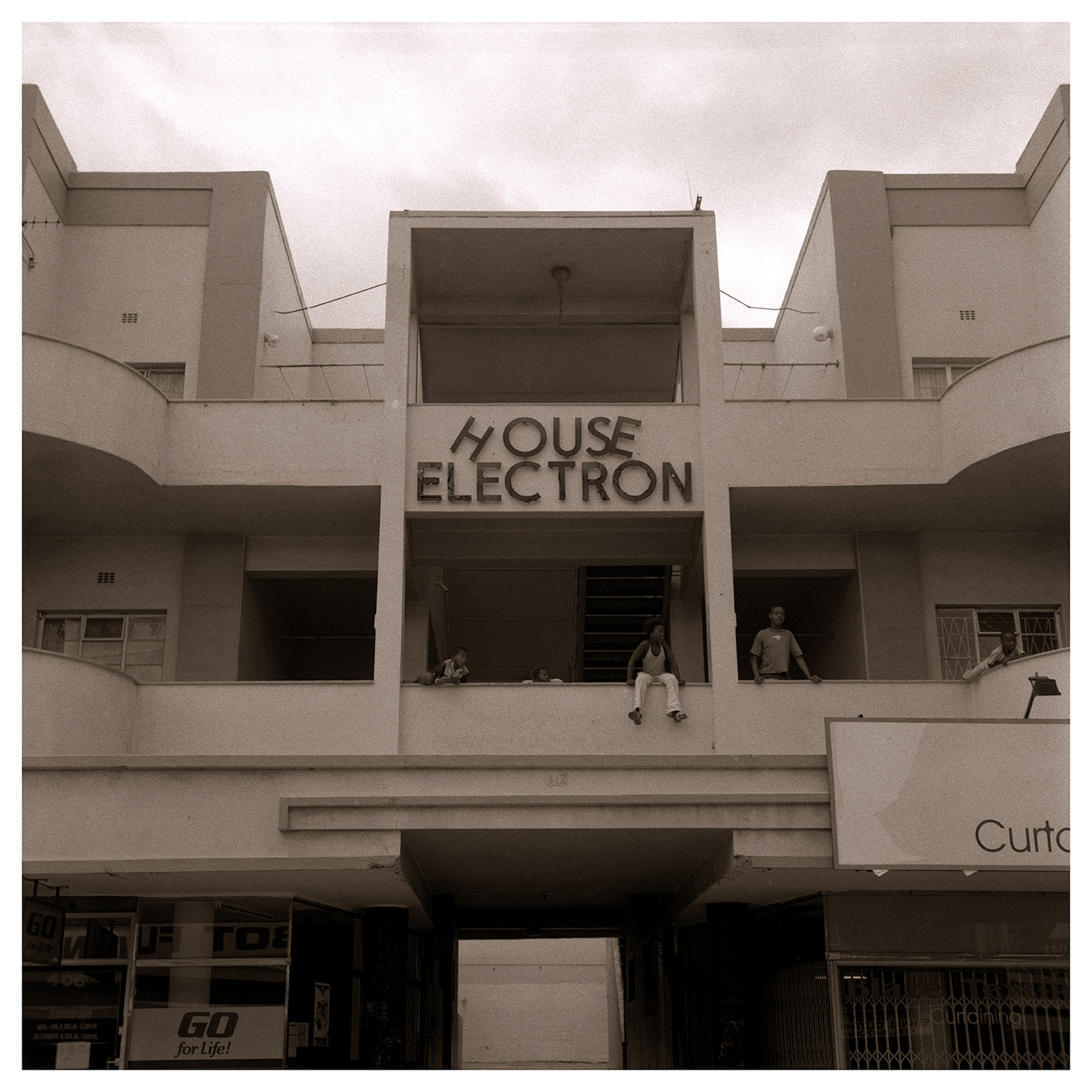
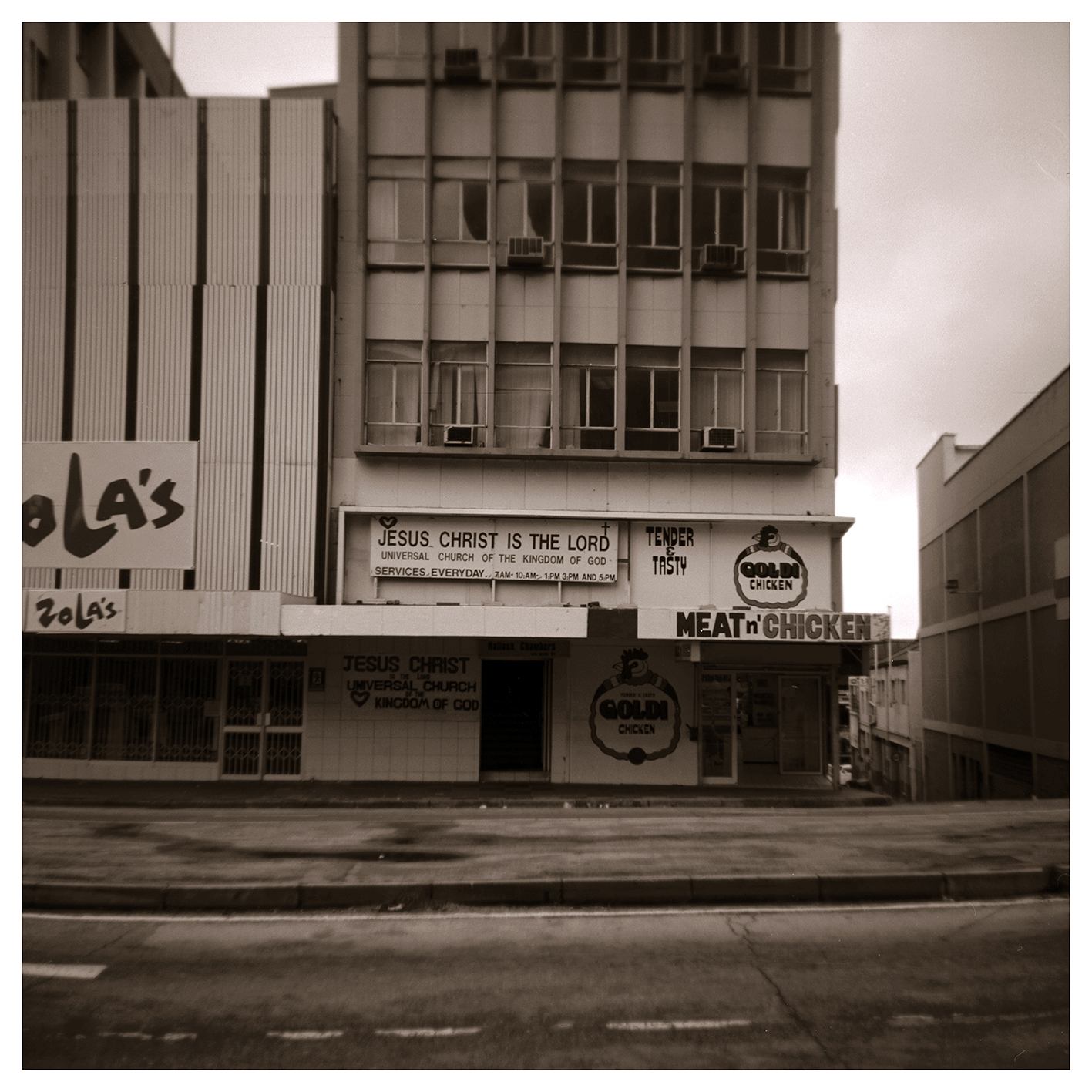
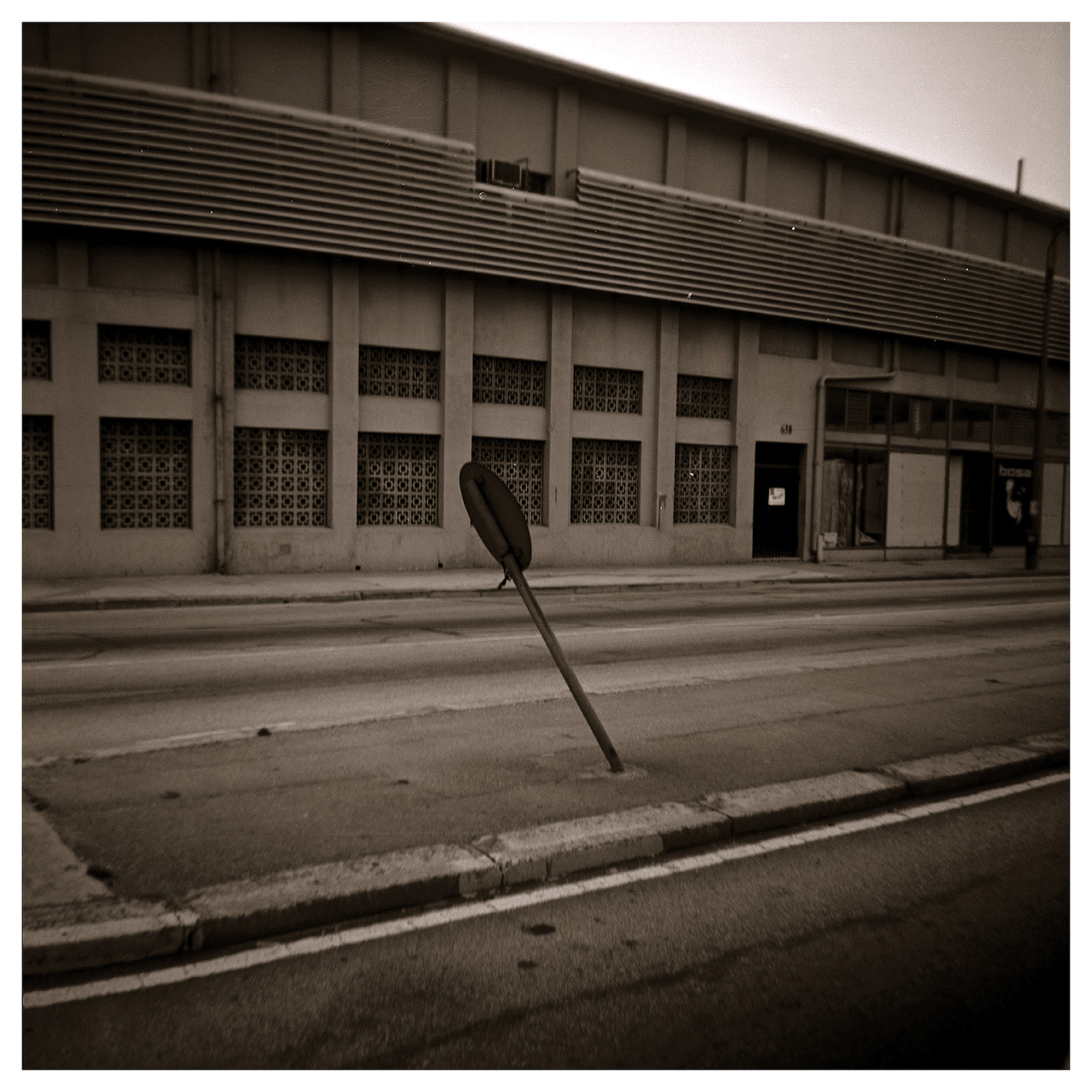
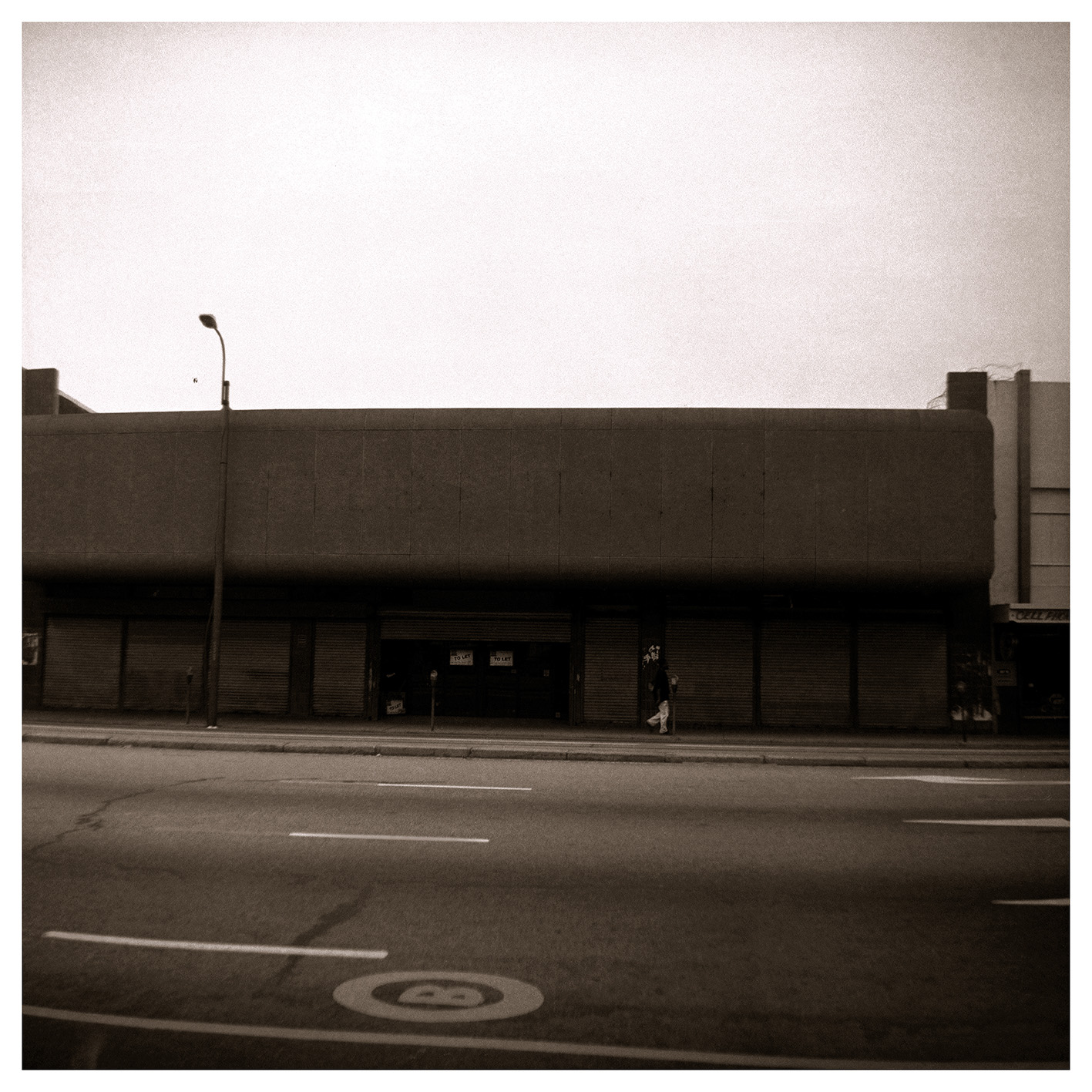

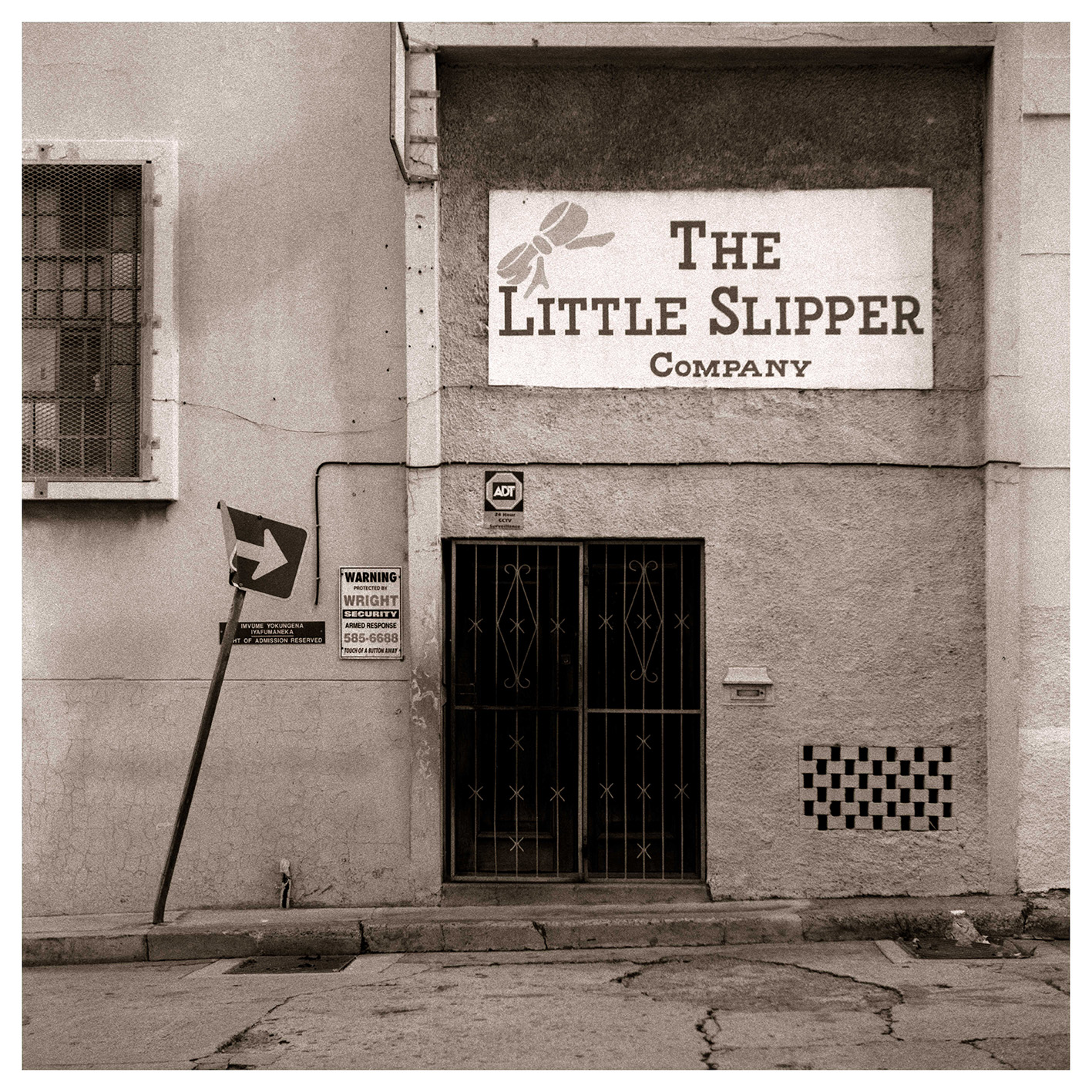

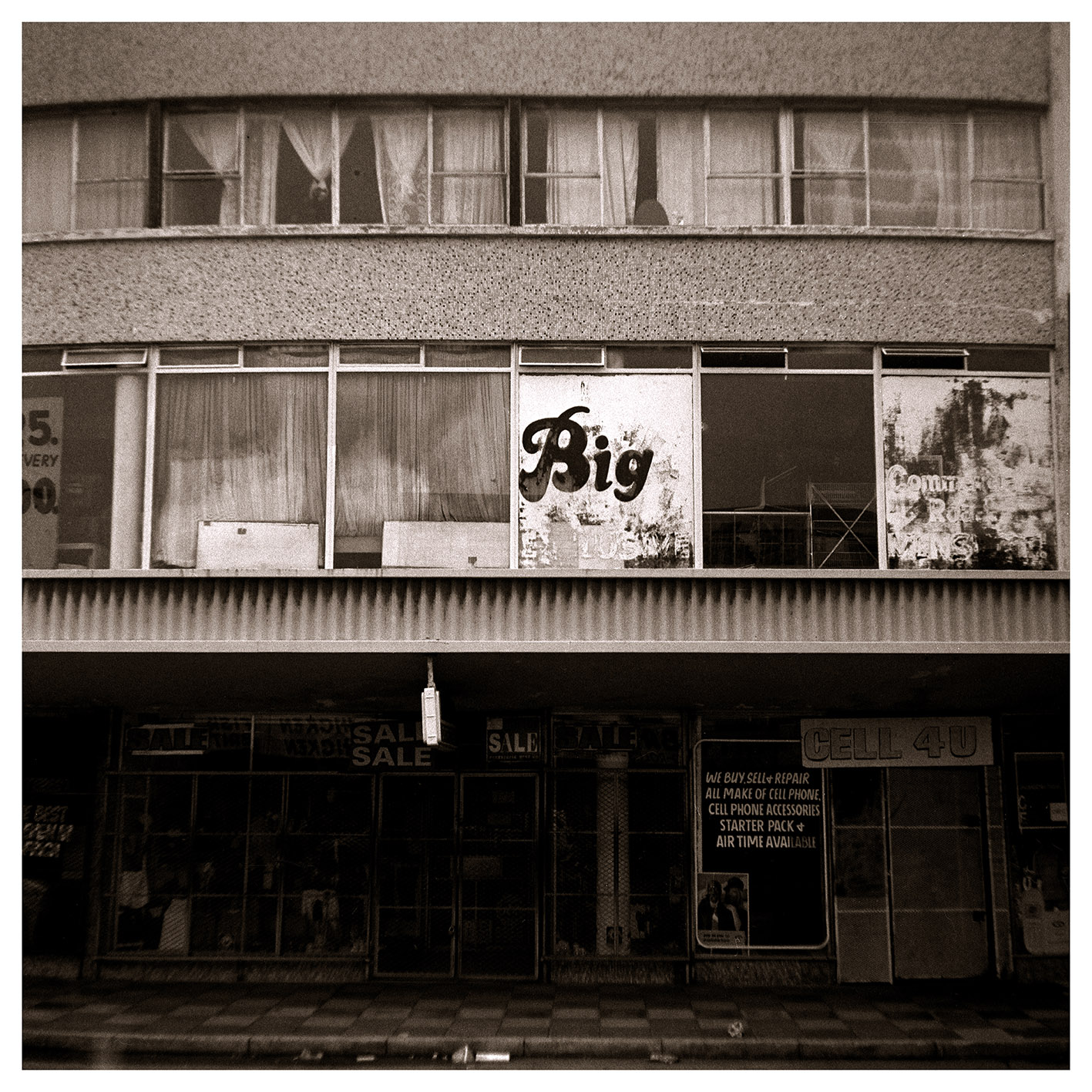


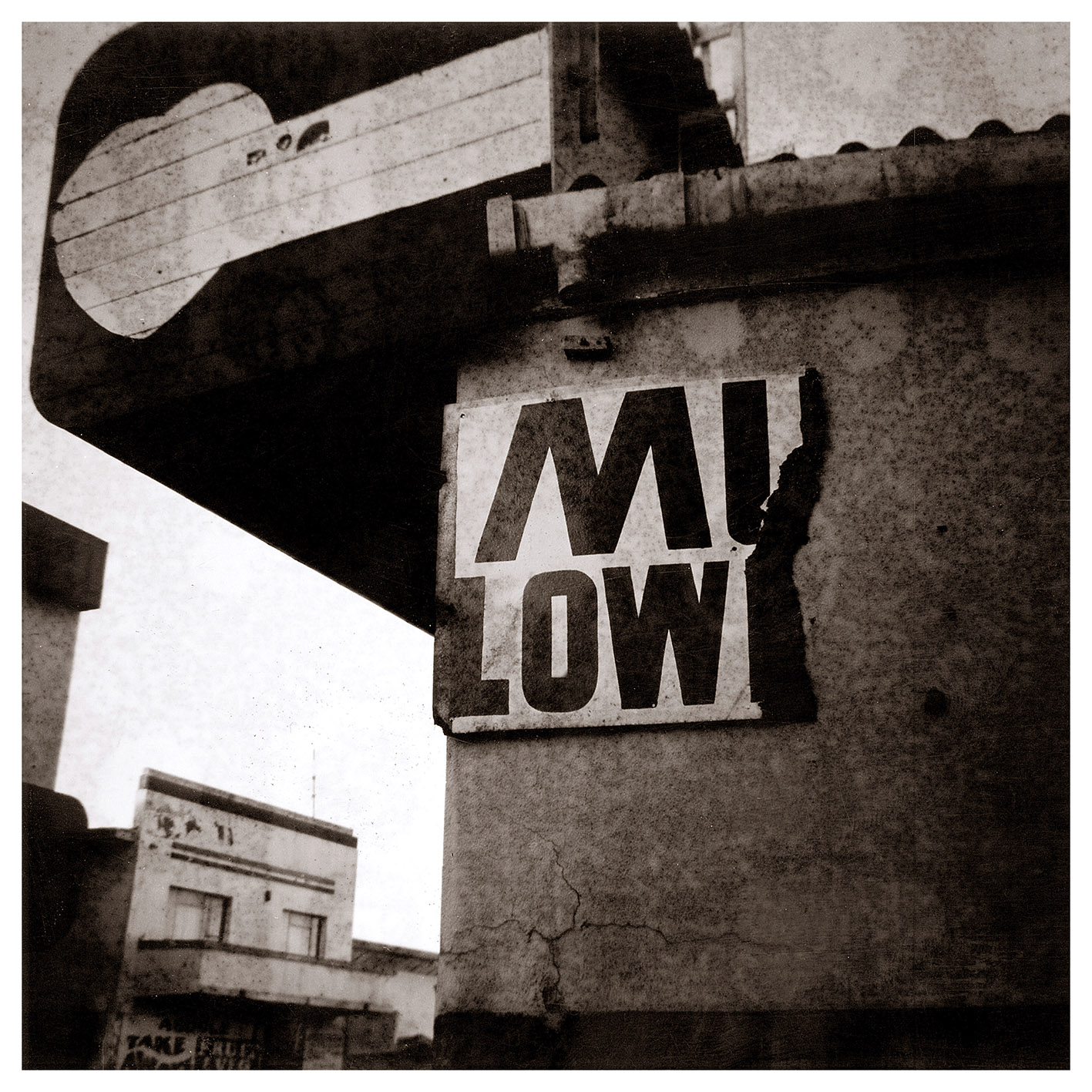
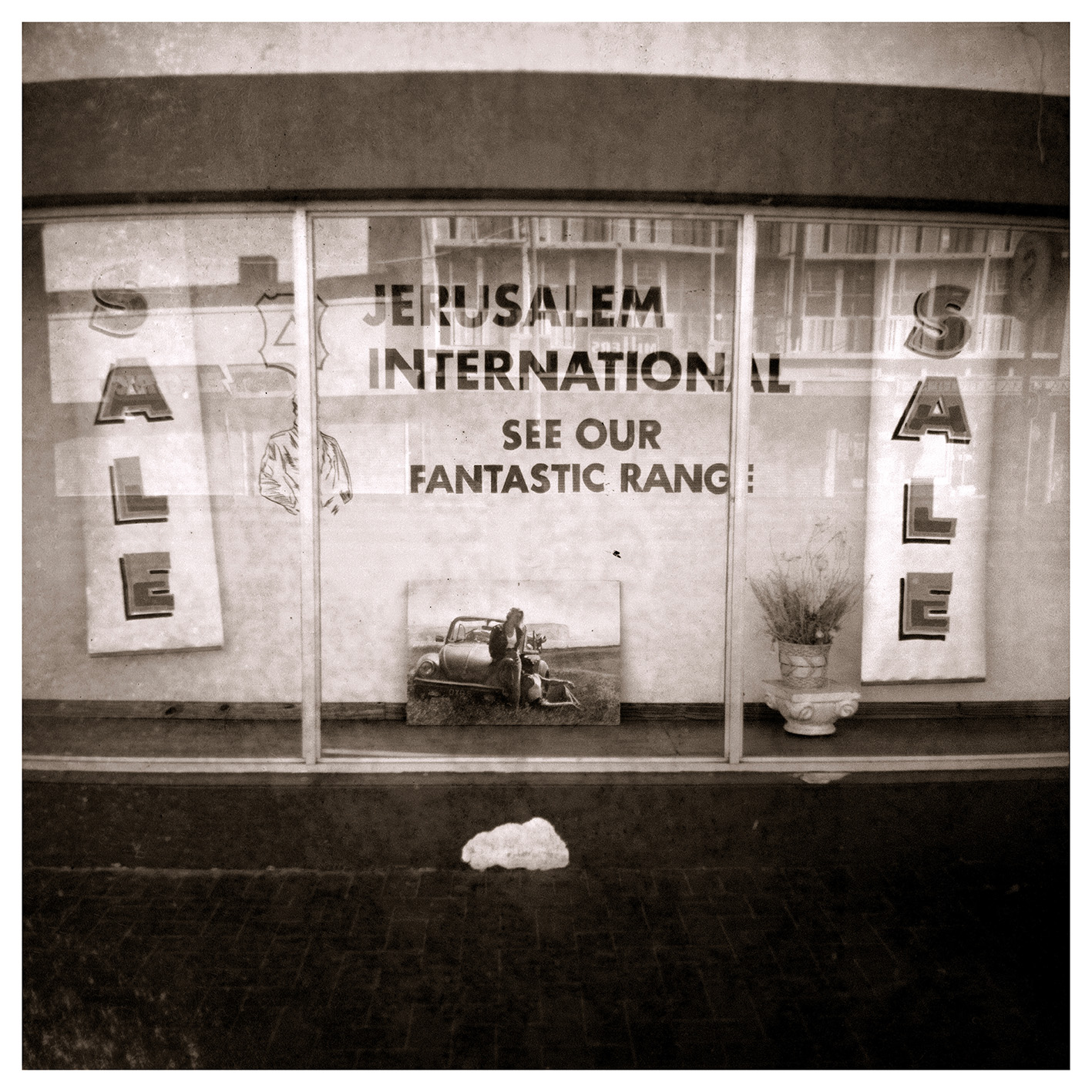

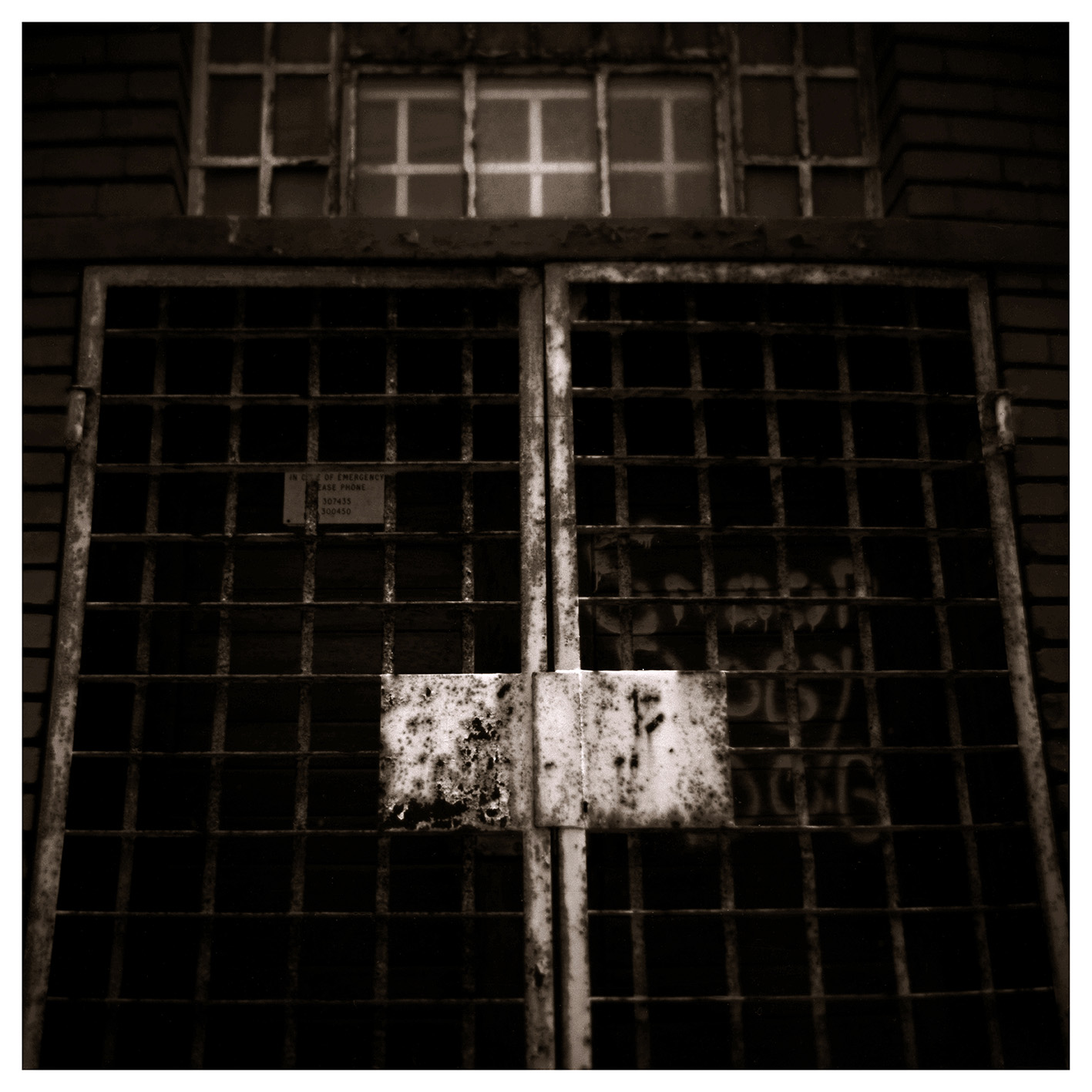

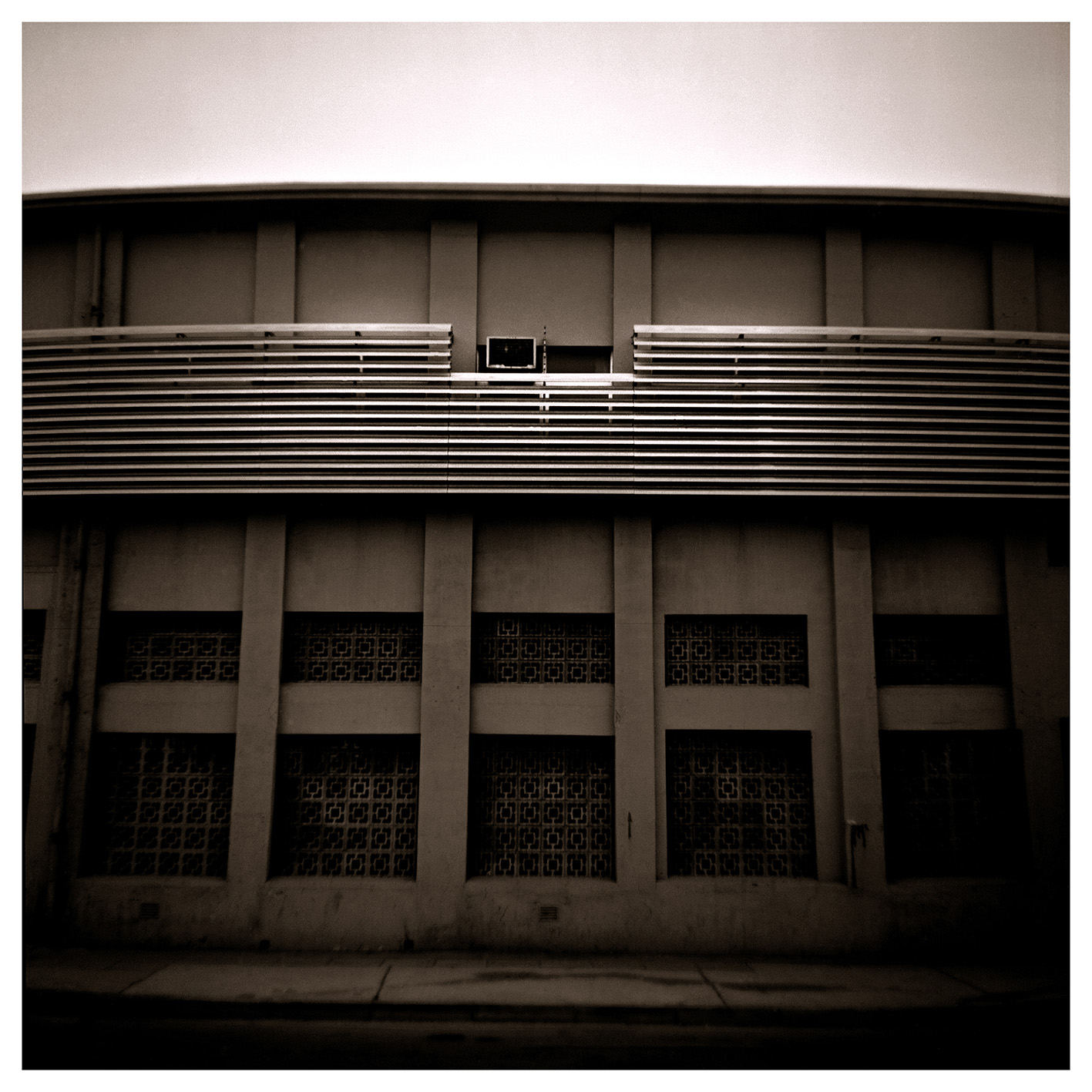
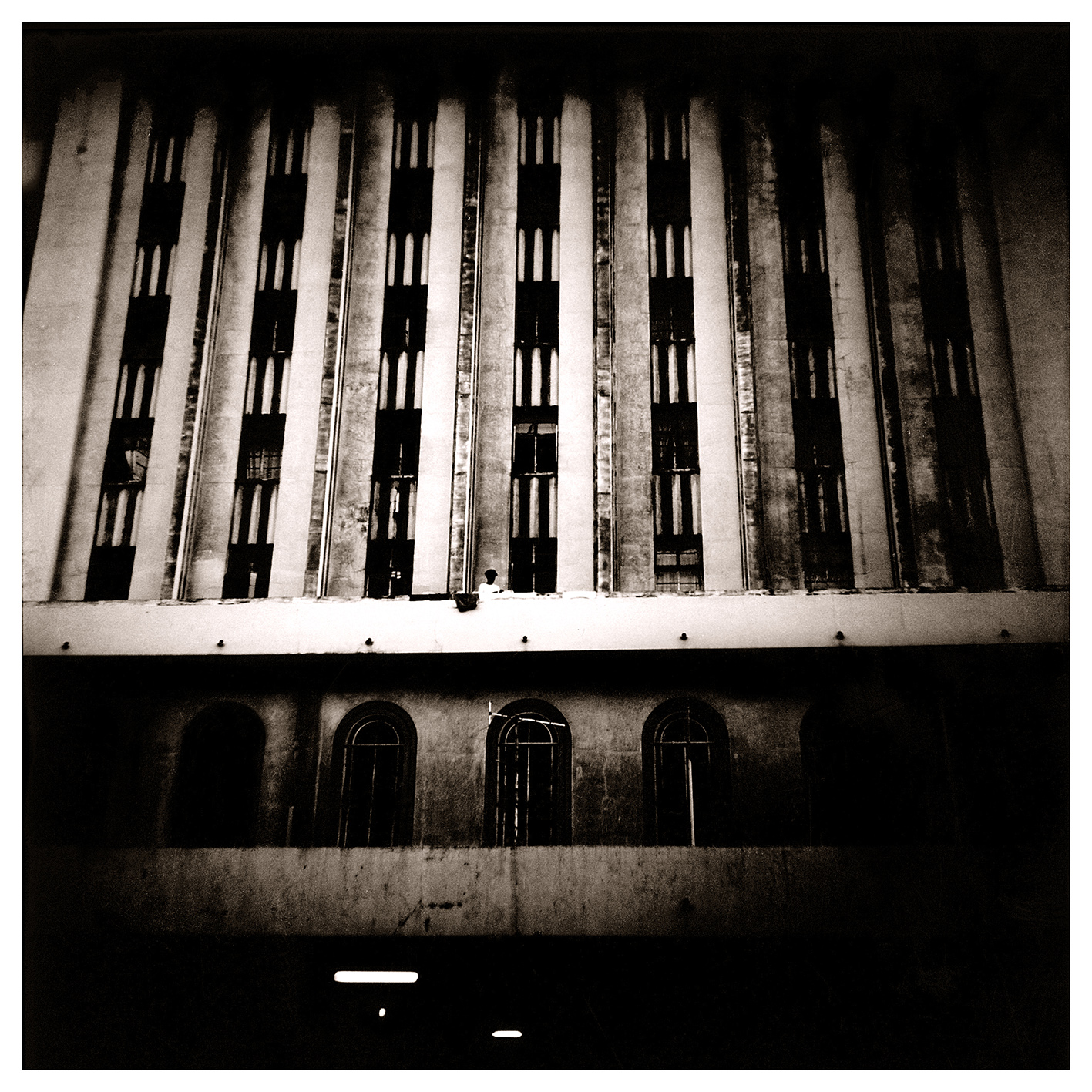
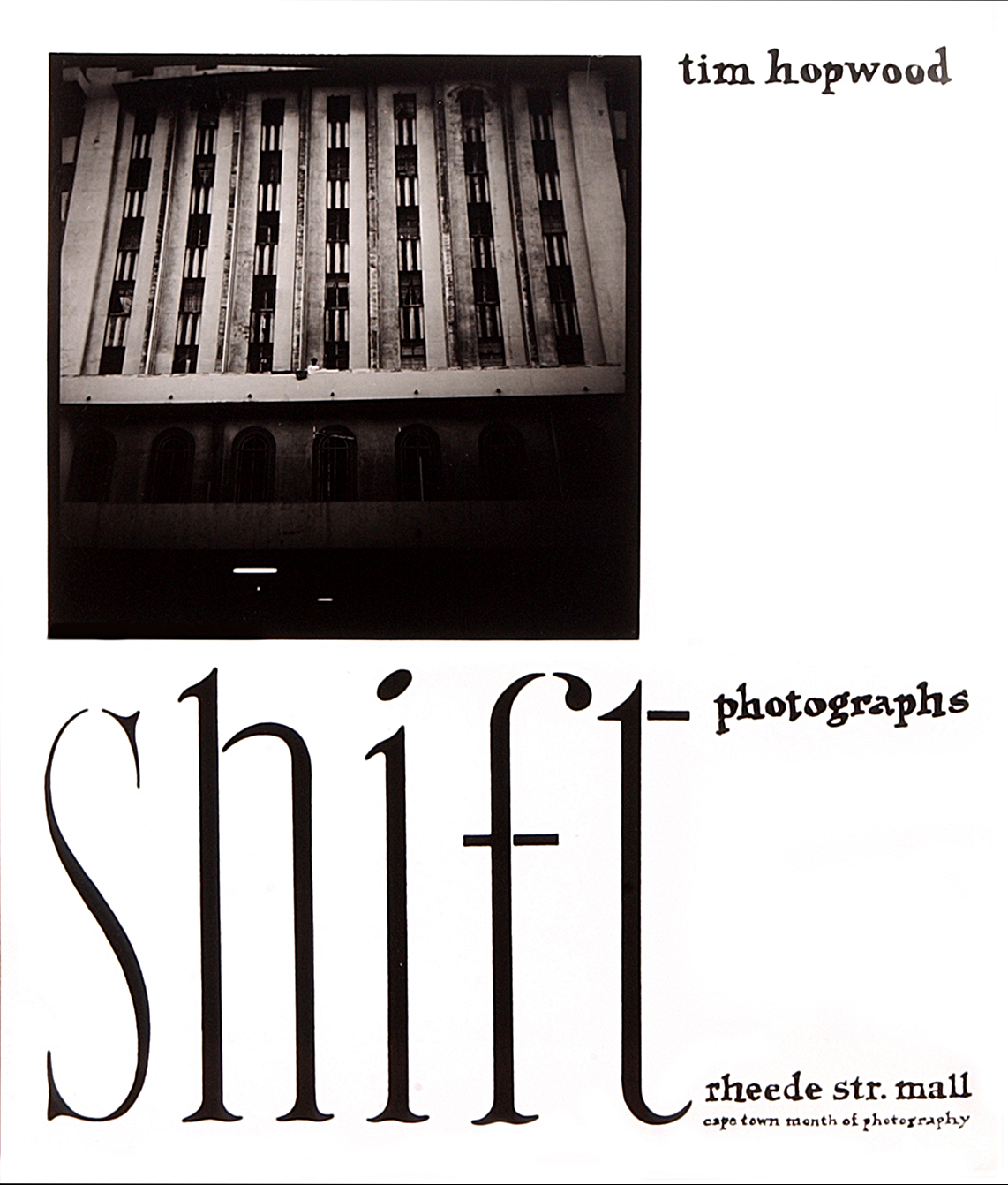
This is a body of work that was exhibited at the Cape Town Month of Photography. Here follows the text as published in the Festival's catalogue:
For the past few years, I have been collecting evidence, so to speak. The evidence provides clues as to both the history and the collective unconscious of the city I live in.
I have been focusing primarily on structures, signage and rituals. For example, I have photographed the life cycle of shopping centres, from birth to decay. These provide clues as to the shifting of economies within the city. I have photographed hundreds of signs of businesses, looking for clues into the manner in which people construct names and claim ownership. I have documented the last standing houses of the Red Location, the oldest structures in any township in SA. I have documented the graffiti on the cell walls in the old post office, where BJ Vorster and later Steven Biko were incarcerated, as well as the decay of Biko House, where he received the beatings that led to his death. I have photographed the annual ritual of the black residents of the city that takes place on New Years Day. I have also photographed extensively the topography in and around King’s Beach: the beauty of the beach when it is covered after very high tides, the stark beauty of the ore dumps and cranes. I have recently begun a series of portraits of the people who use the beach: dog owners, surfers etc.
I am particularly interested also, in the power churches have over the belief systems of people in the city, and have been extensively photographing the monolithic face-brick structures of these edifices of power and control, and how they contrast with the way churches were built a century ago. I am also interested in the nomenclature of blocks of flats and townhouses, as well as the structures themselves; the highly creative nomenclature of taxis (Death Row, Lethal Injection, Titanic etc); as well as the green belt around the river which runs through the city forming huge cliffs flanked by beautiful forests.
I have also, to a lesser extent, photographed people: Construction workers who built the road outside my house, for example. I am about to begin work on a rather unusual subculture: The Small Dog Owners of Central.
Some of these bodies of work are complete. Some, like the taxis, I have only just begun. Some are nearing completion, and some, like the names of flats and businesses, seem as if they will never be complete.
However, this one is complete and, along with the images dealing with Biko, forms the nucleus around which all the others oscillate. It deals with the shift that has taken place in the city centre: How decay has set in to structures with the exodus of white capital, and how, on the other hand, a huge influx of residents of the townships has reclaimed it as a part of Africa once again, and it throbs with sound and energy.
This situation is not dissimilar to what has taken place in most city centres in South Africa and the United States: a shift of business and money to the white suburbs leaves behind what is perceived as a decaying urban centre riddled with crime. In Port Elizabeth and East London in particular, this is an interesting narrative to deconstruct.
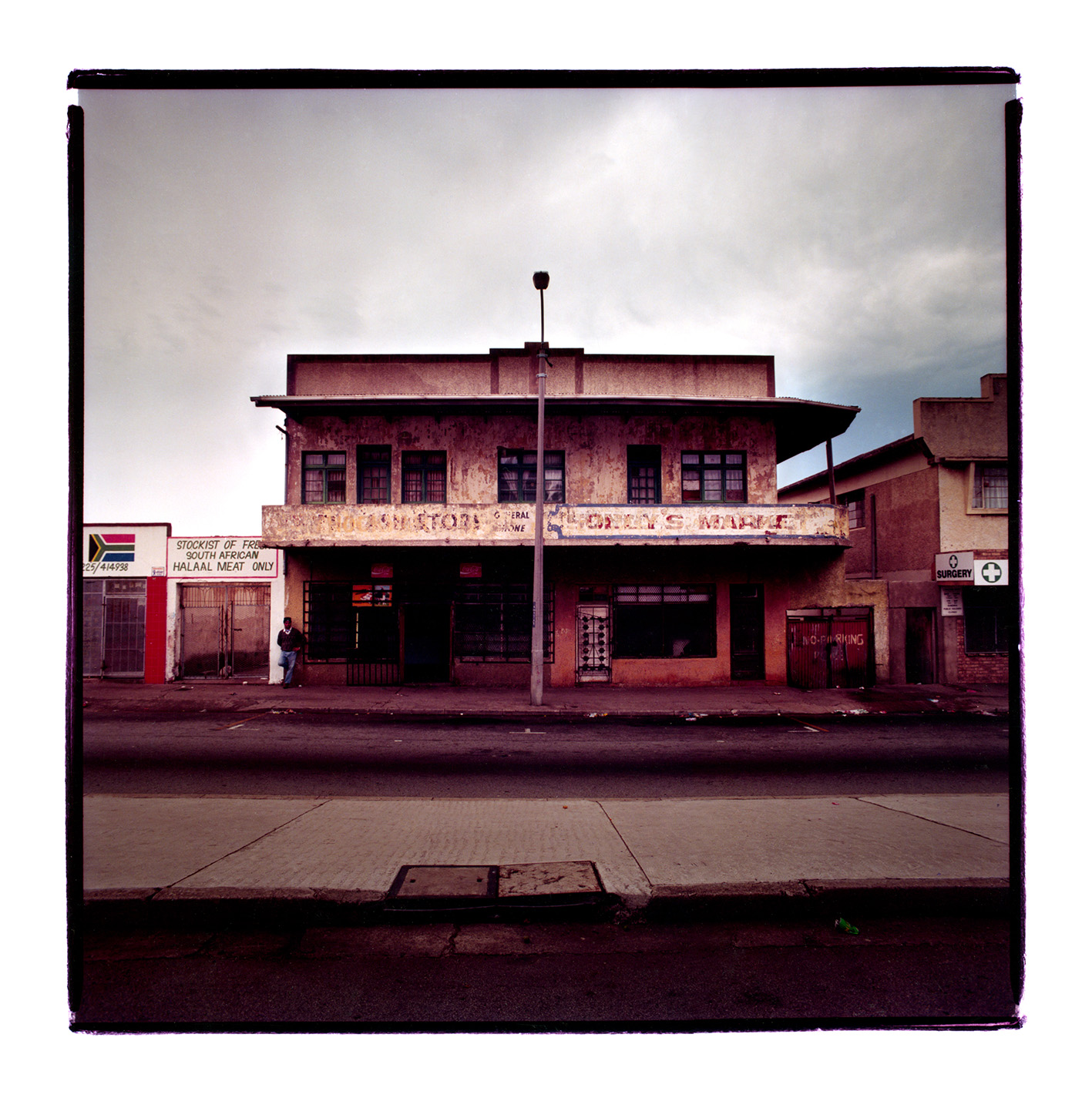
I have attempted to portray the situation not as fact but merely as two different narratives propagated by those standing on either side of a racial divide which is very often constructed by the media. All the images have been taken on Sundays, in and around Govan Mbeki Avenue, when the streets are empty, and the centre is 'dead'. Even in these images, however, residues of a thriving informal economy can be glimpsed: the tables used by vendors during the week, now chained to traffic signs, for example. For the exhibition itself, sounds were recorded on a mini-disc on an averagely busy day. These were played on a tape deck purchased in Govan Mbeki Avenue.
Exhibited at: The Cape Town Month of Photography 2006
Read more
Close
ten days in egypt. 2005
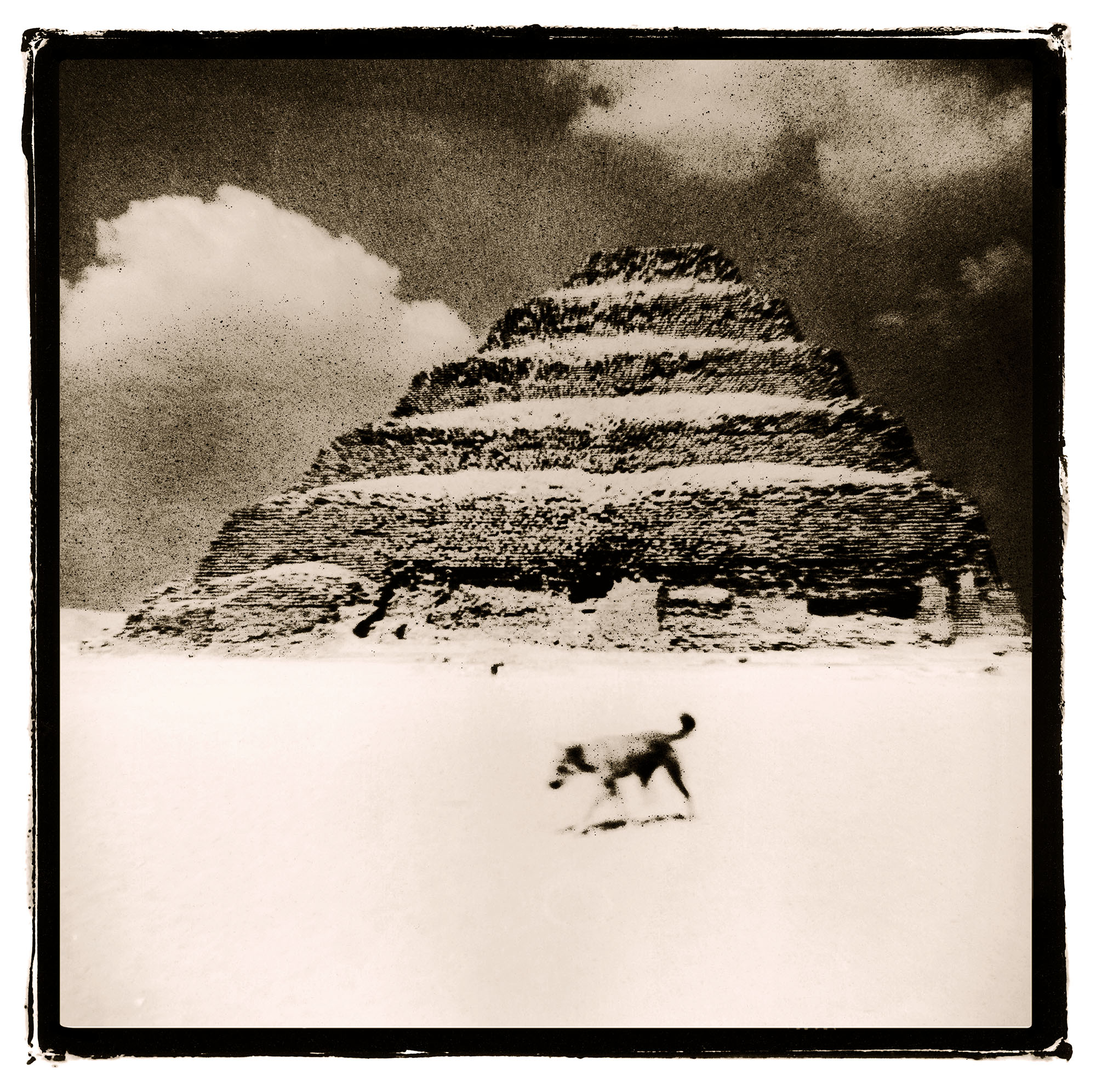
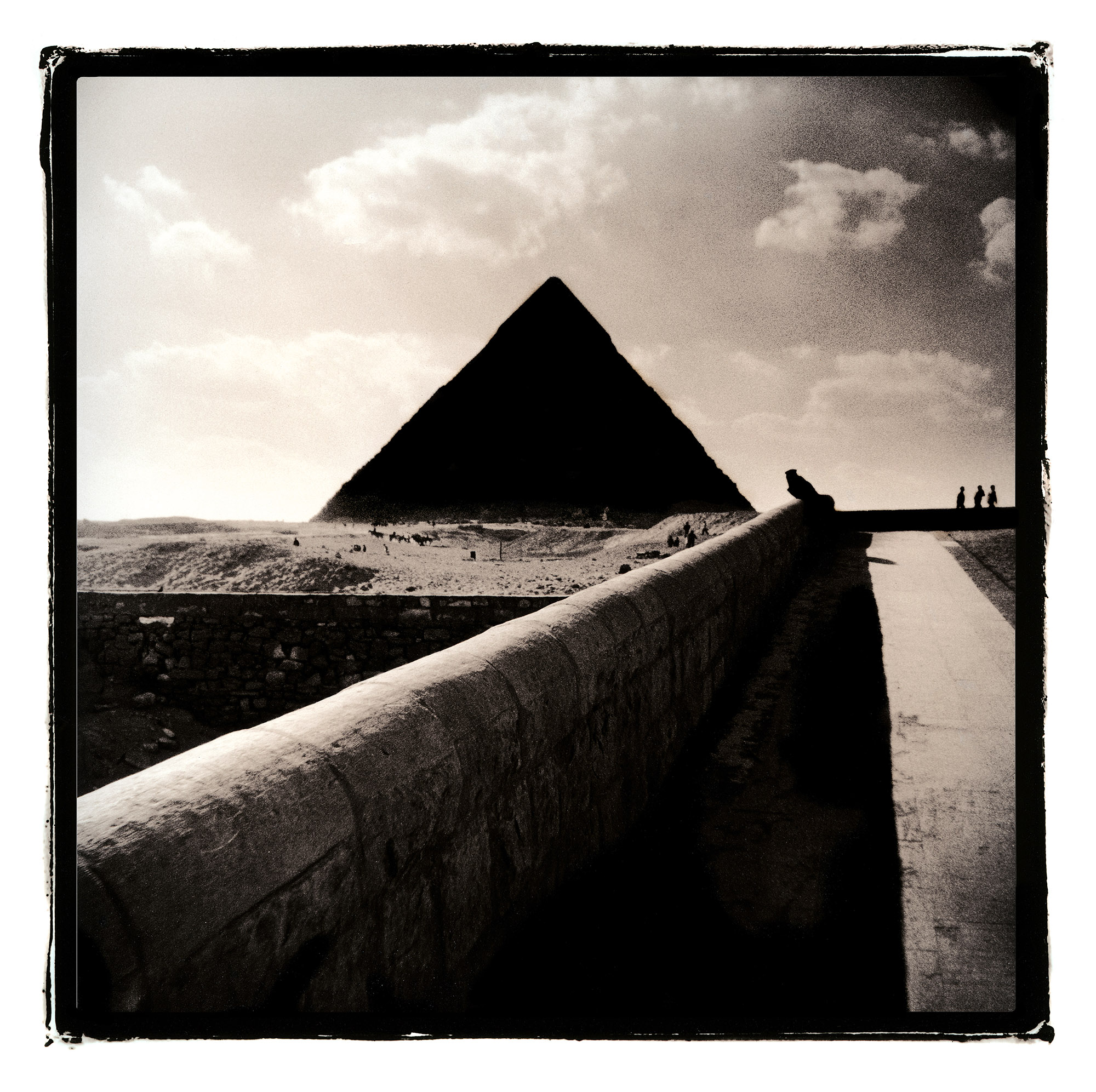
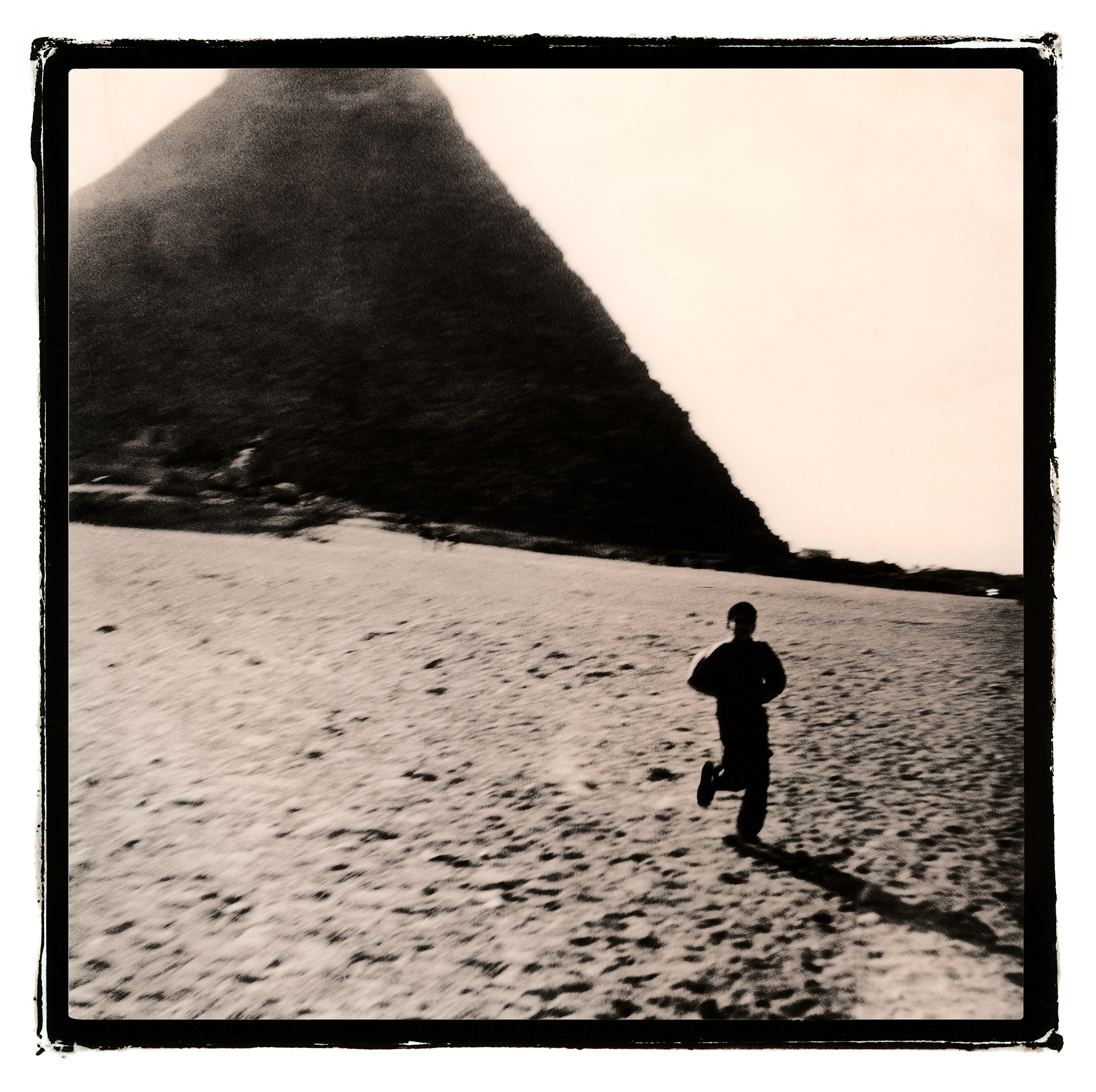


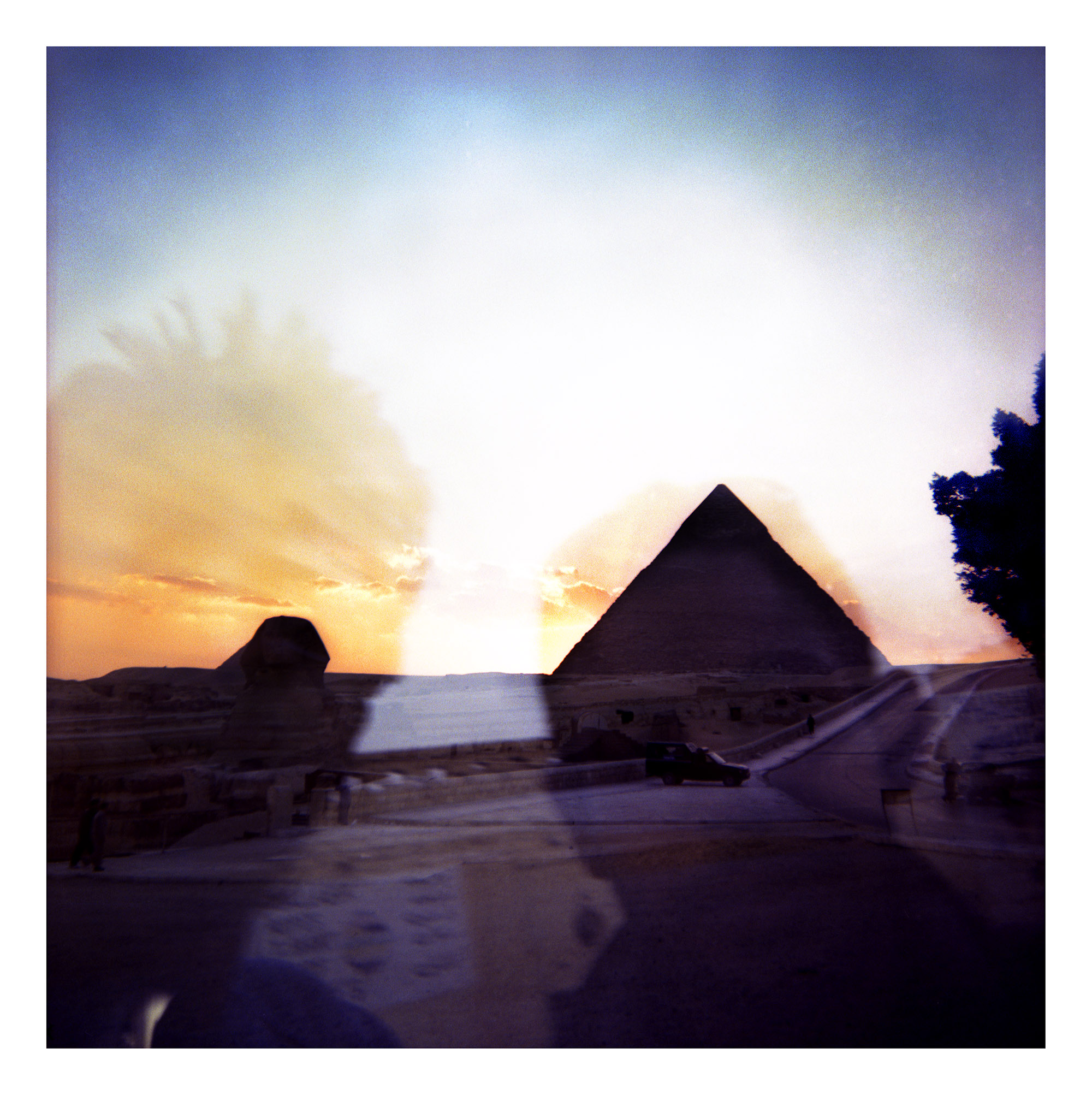
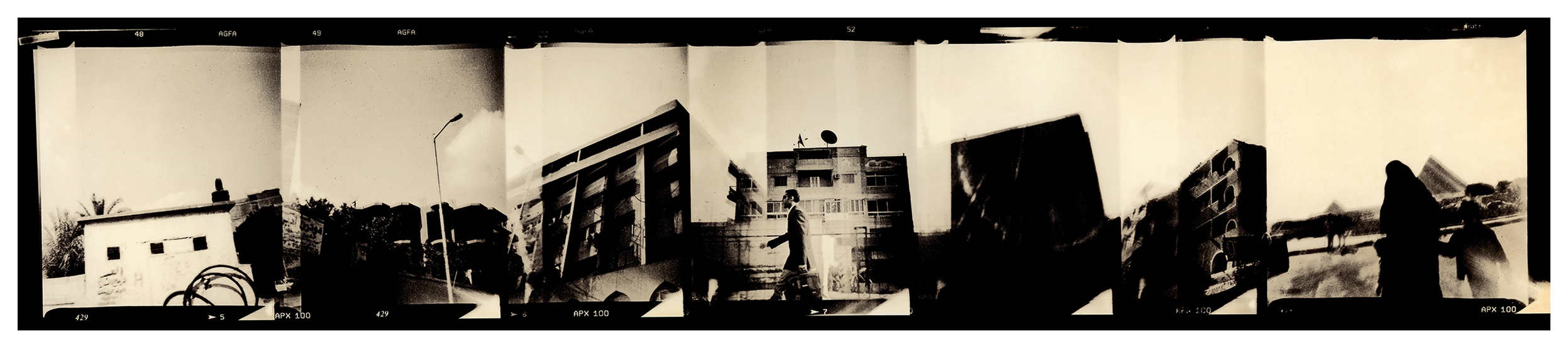
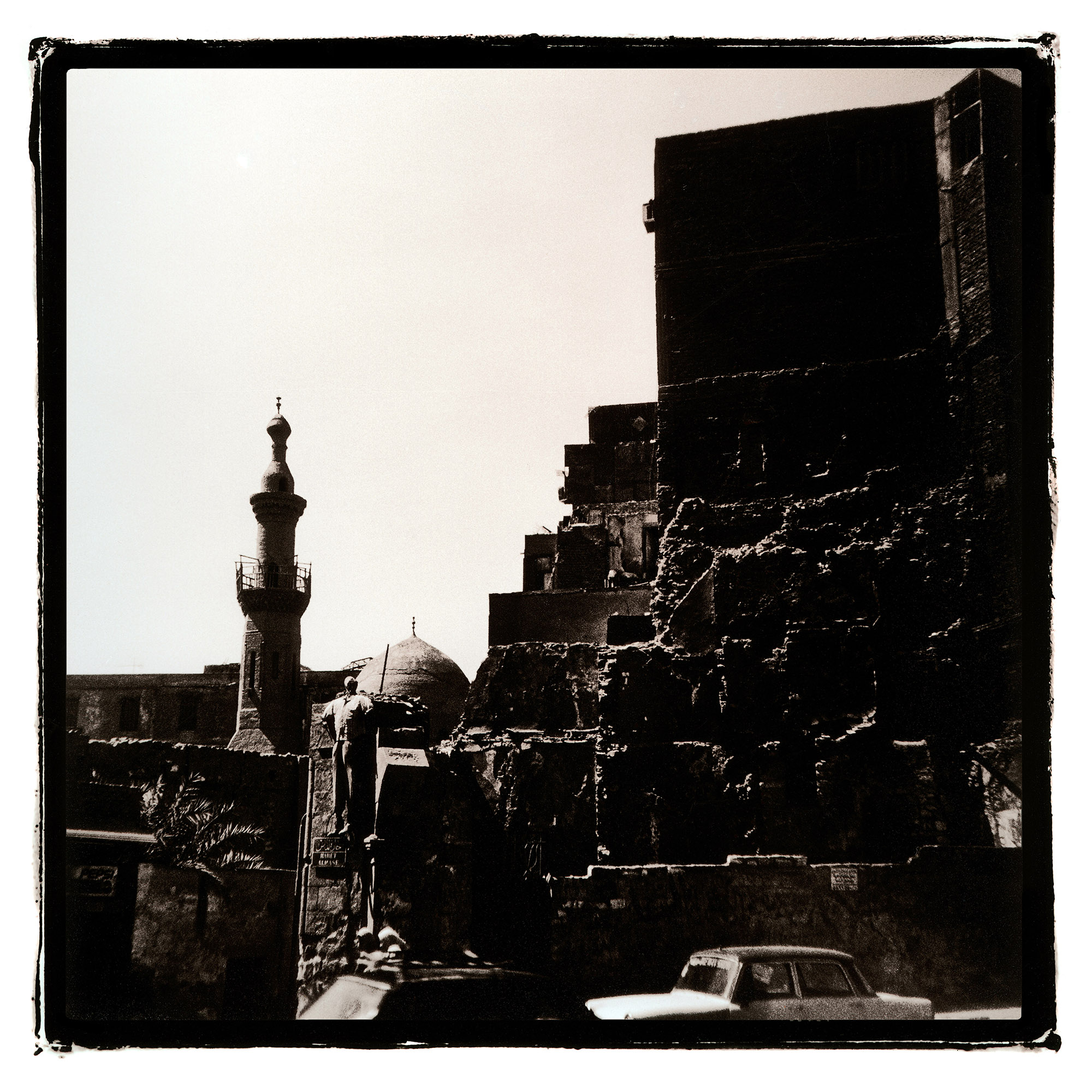
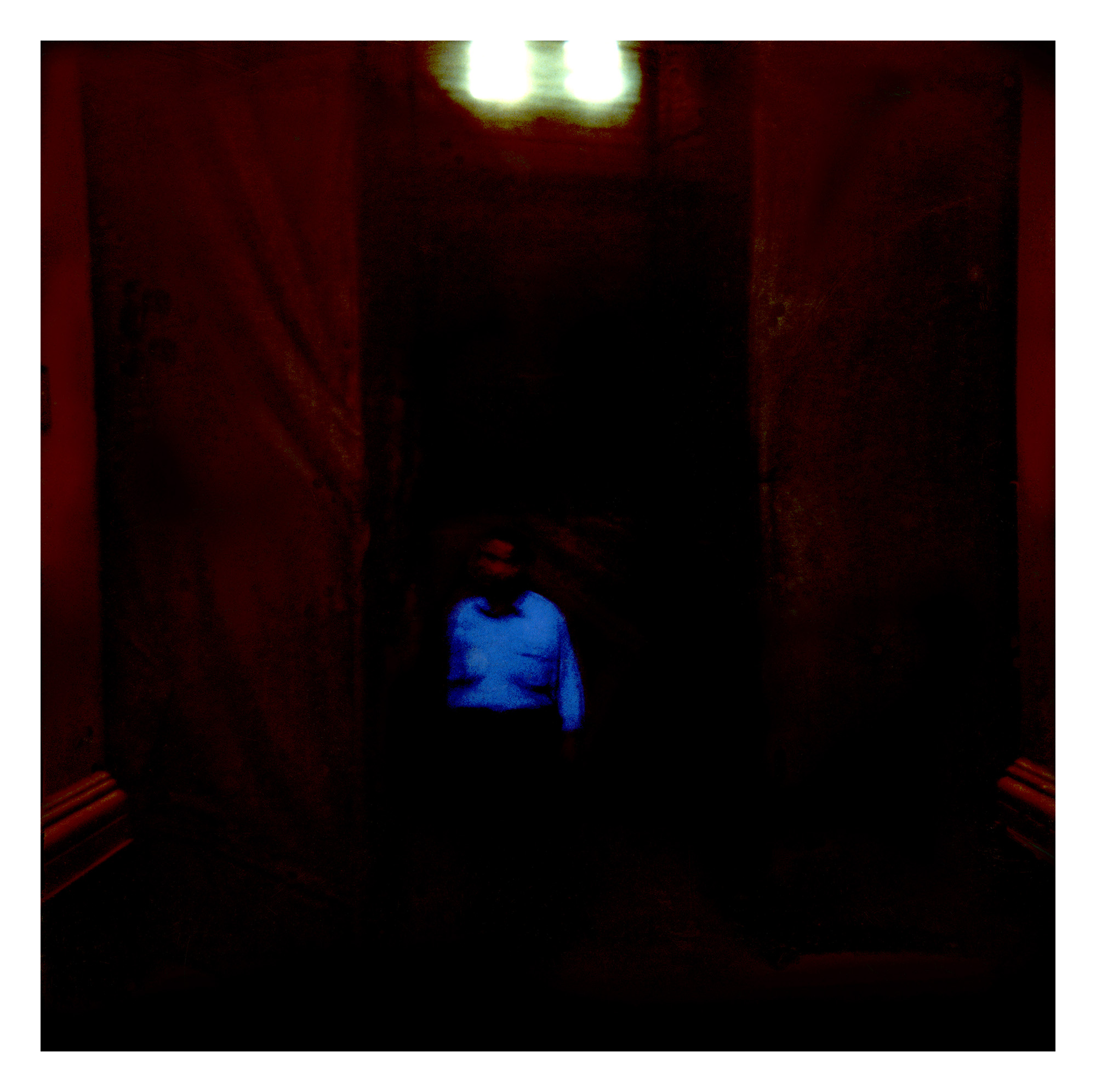
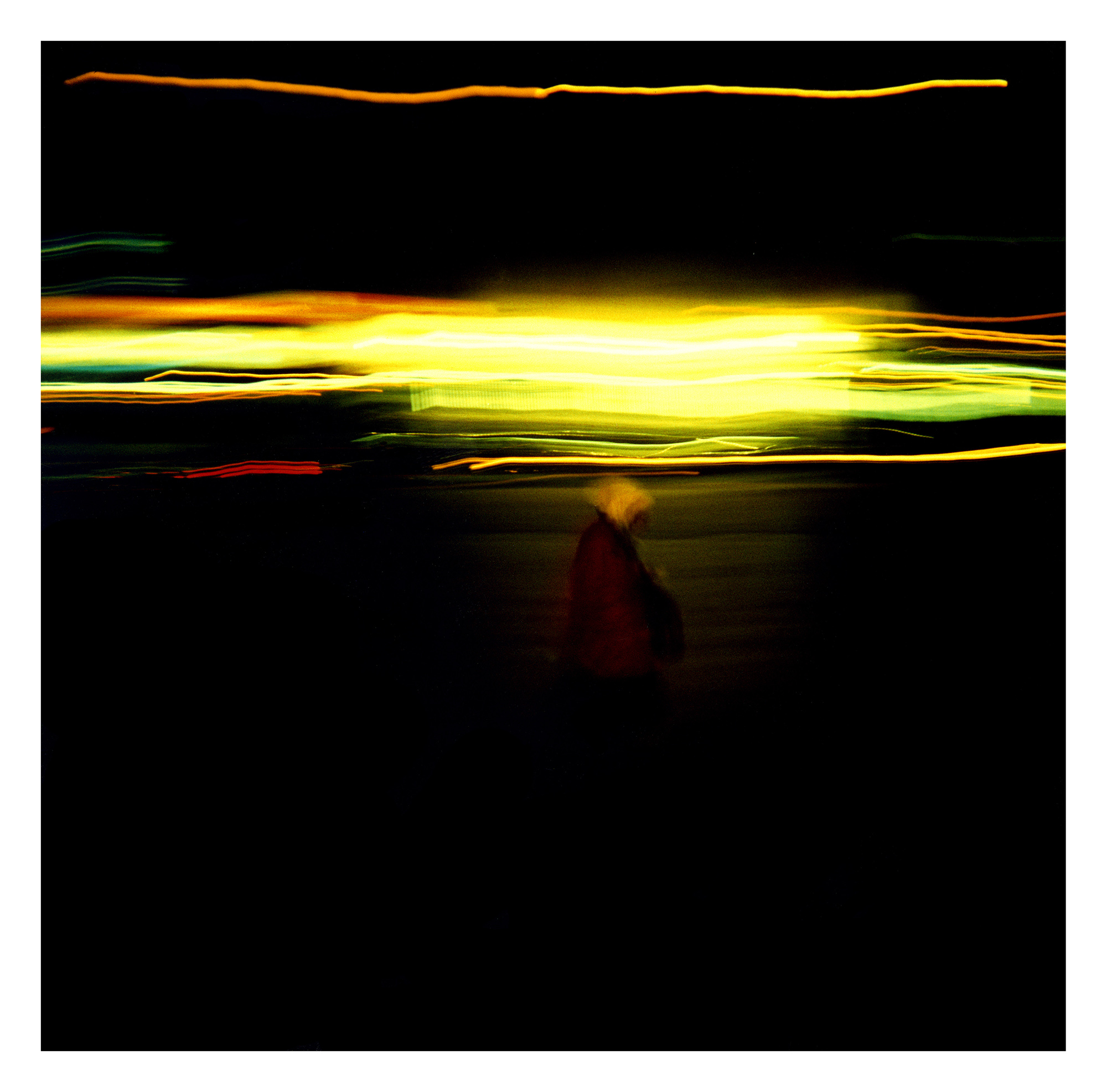

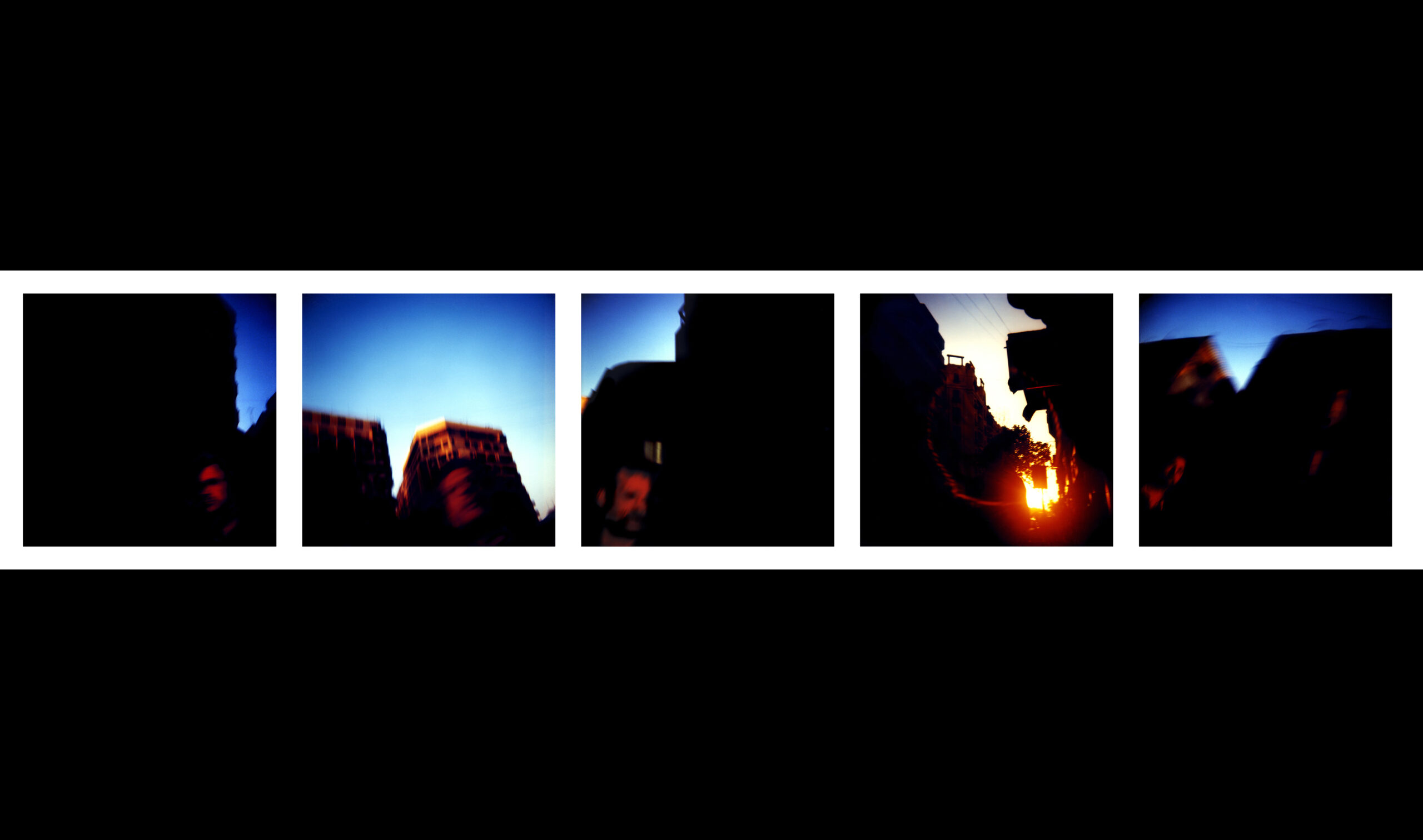
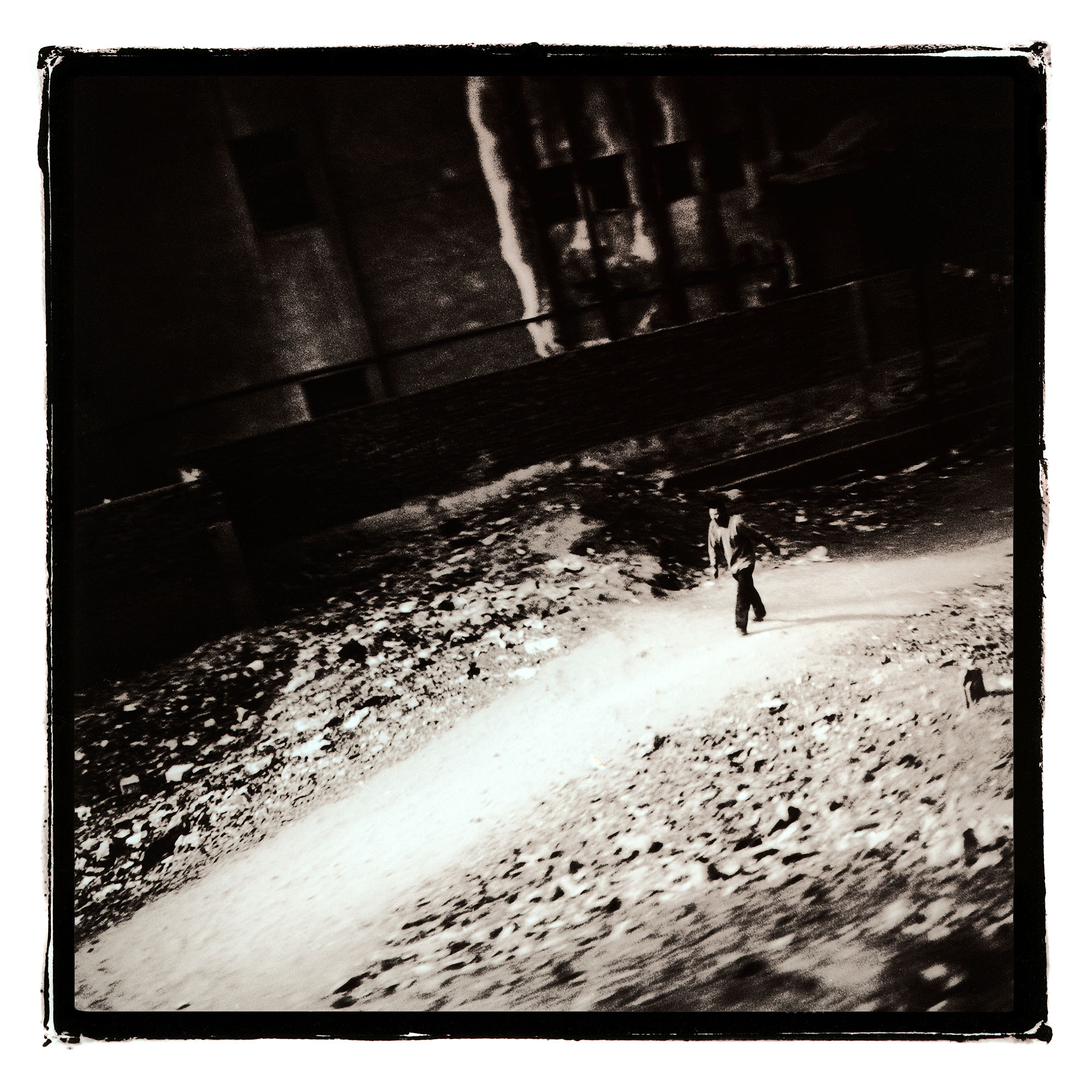
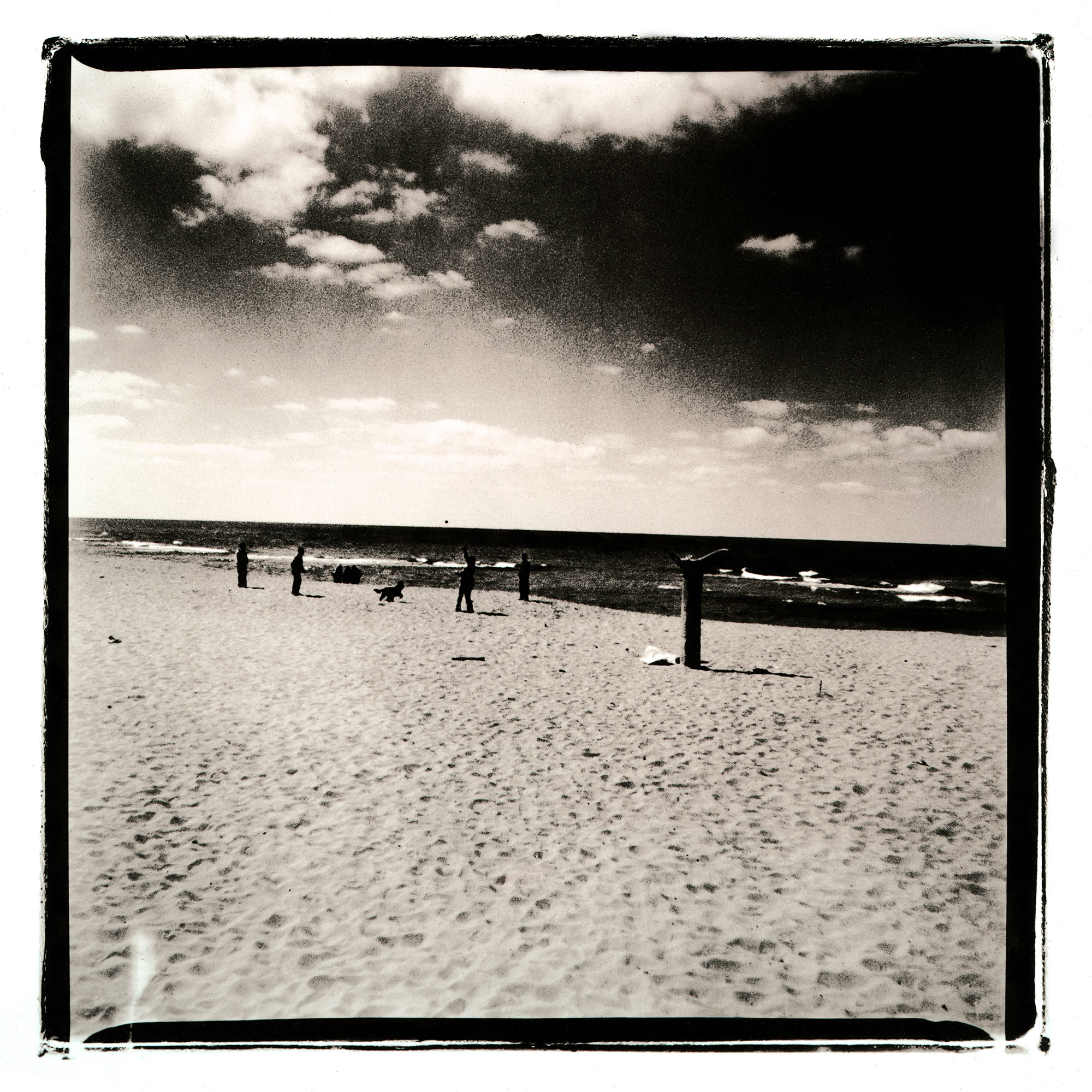
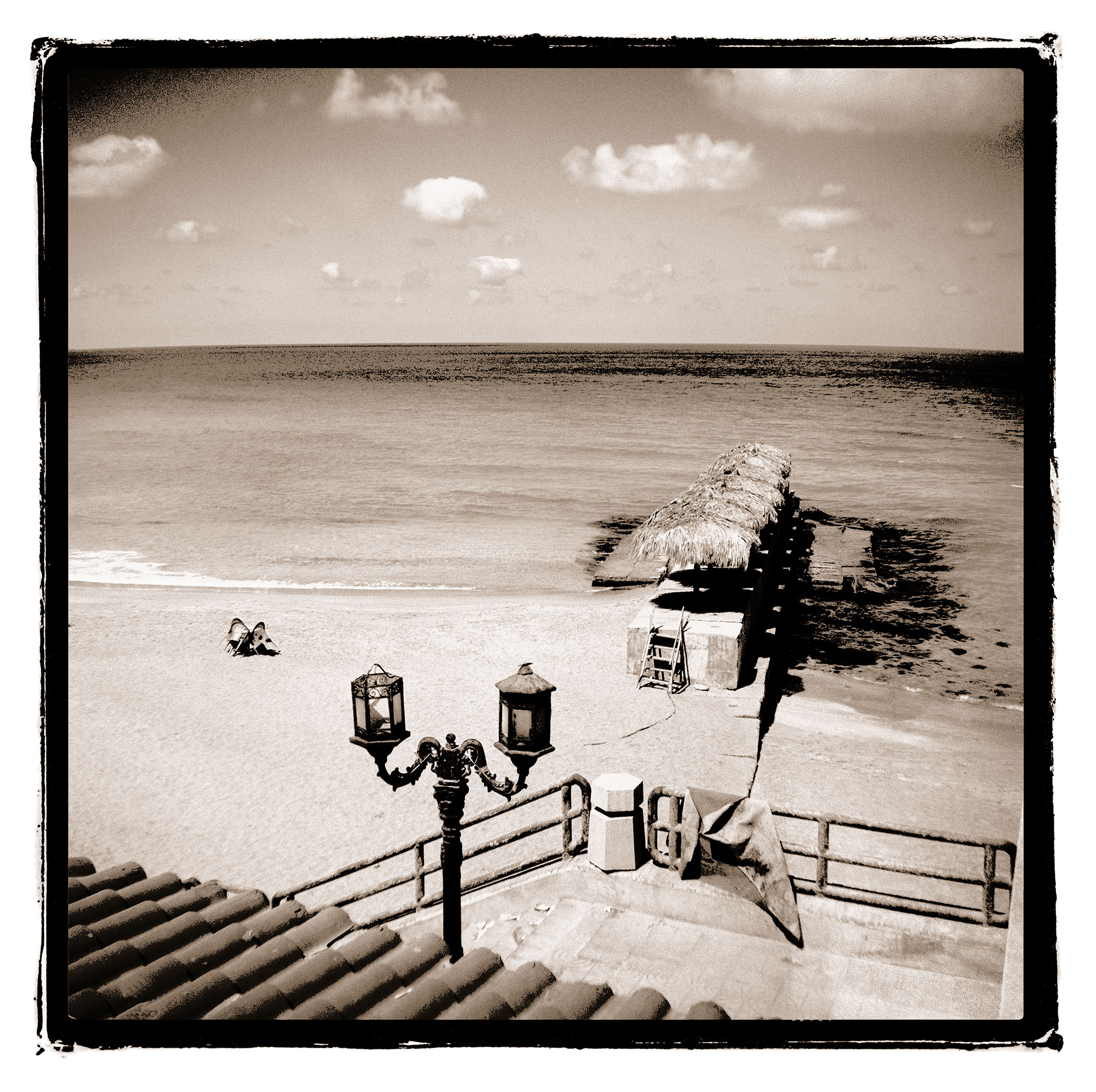
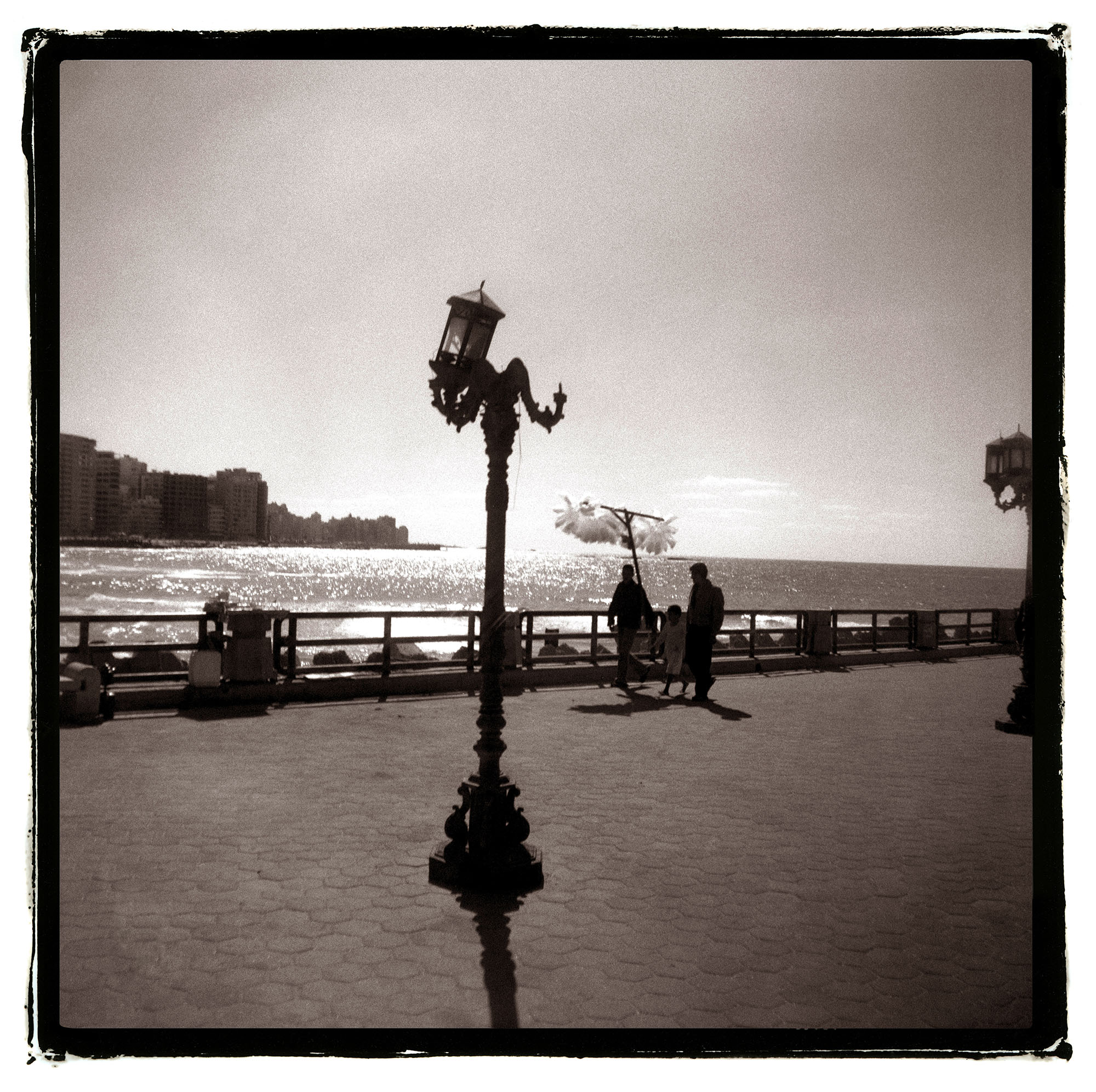
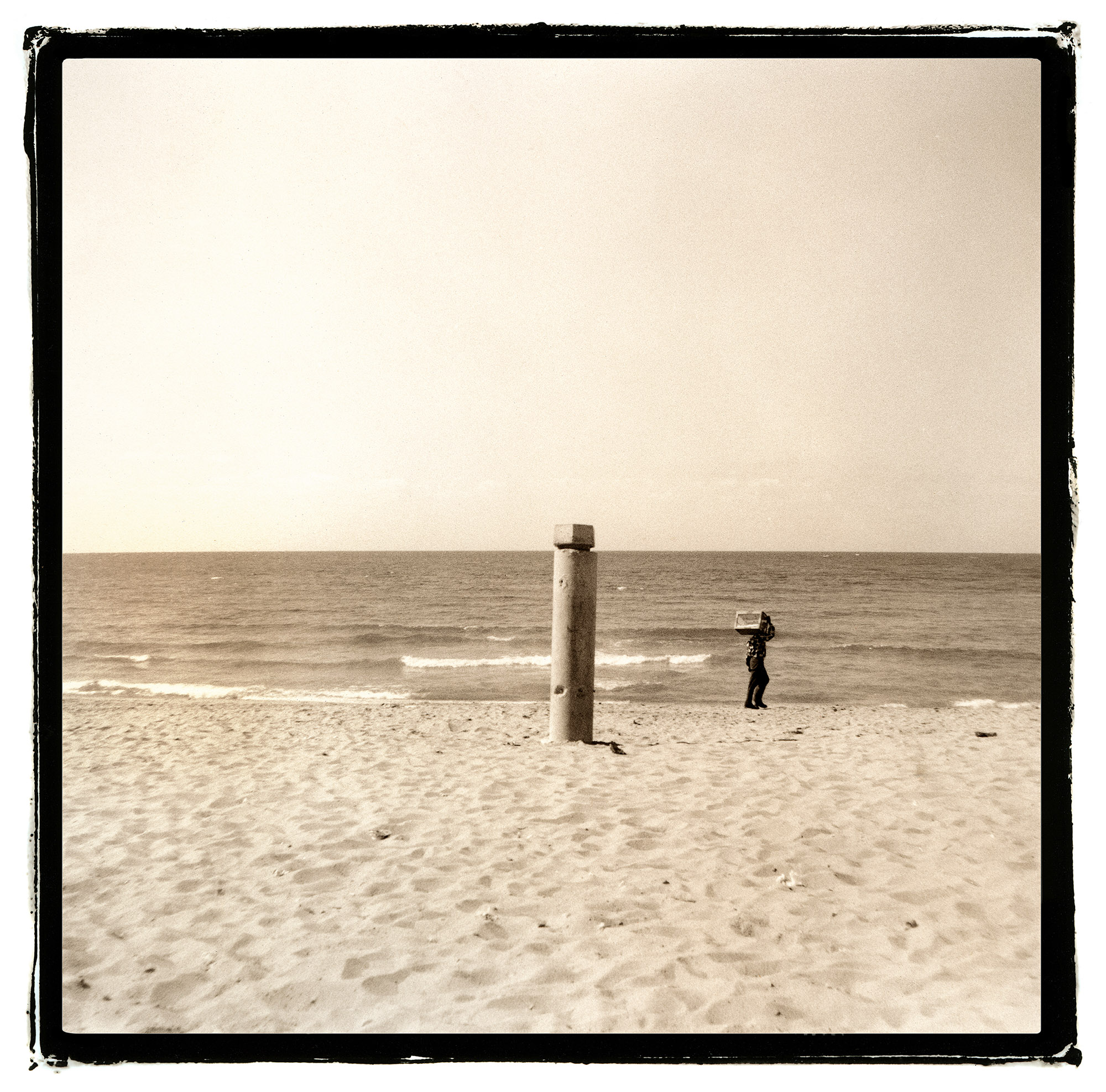
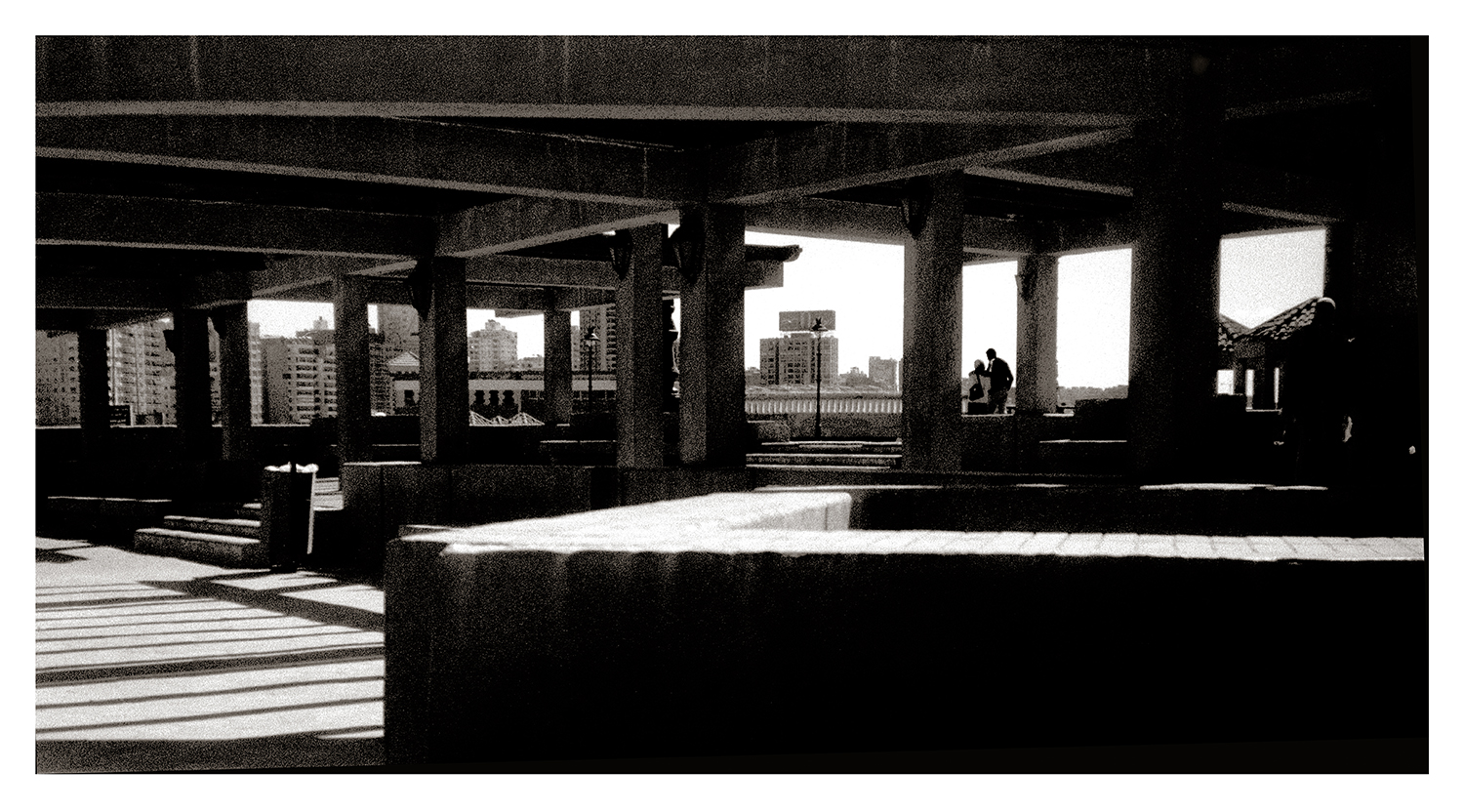
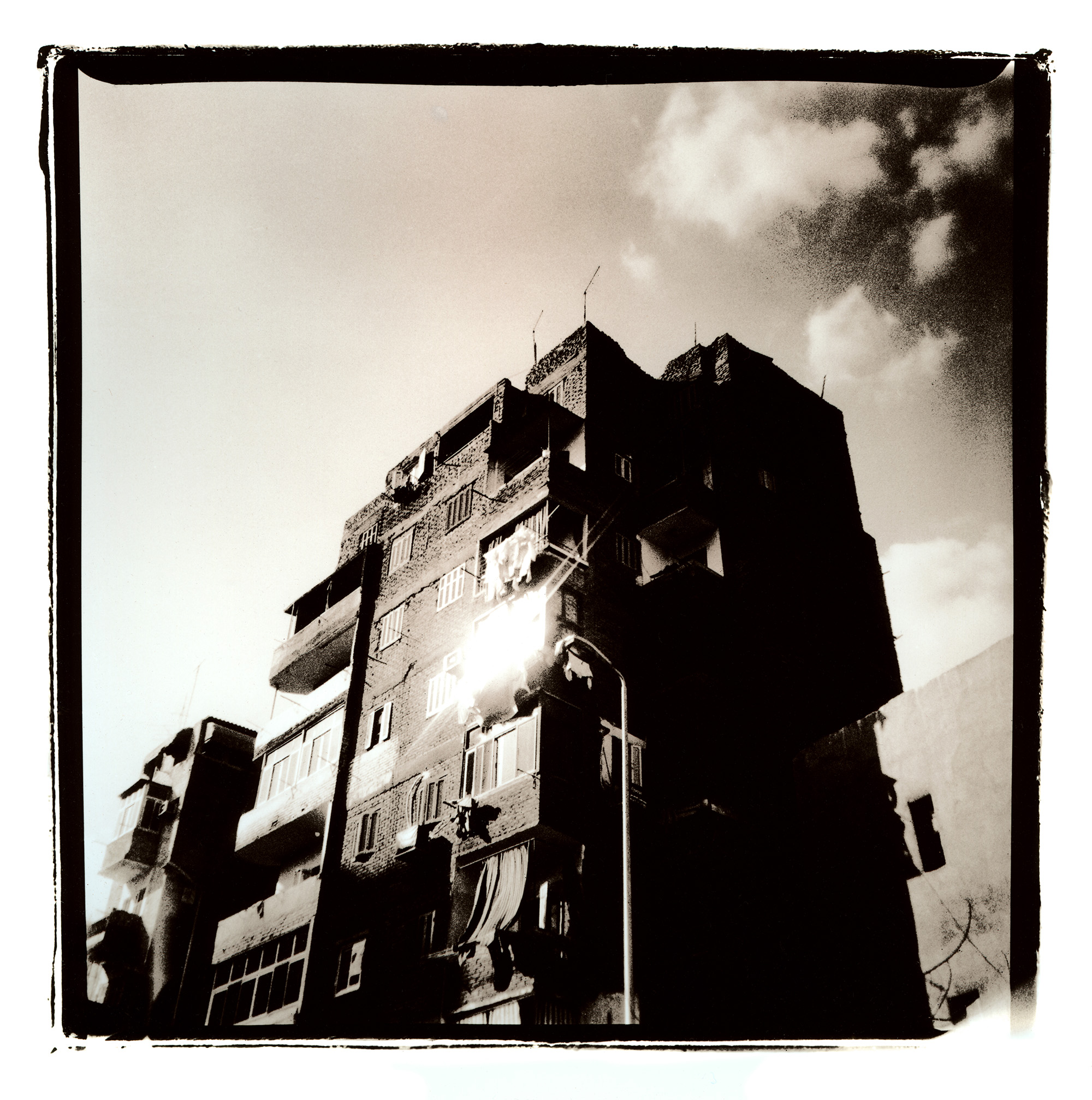
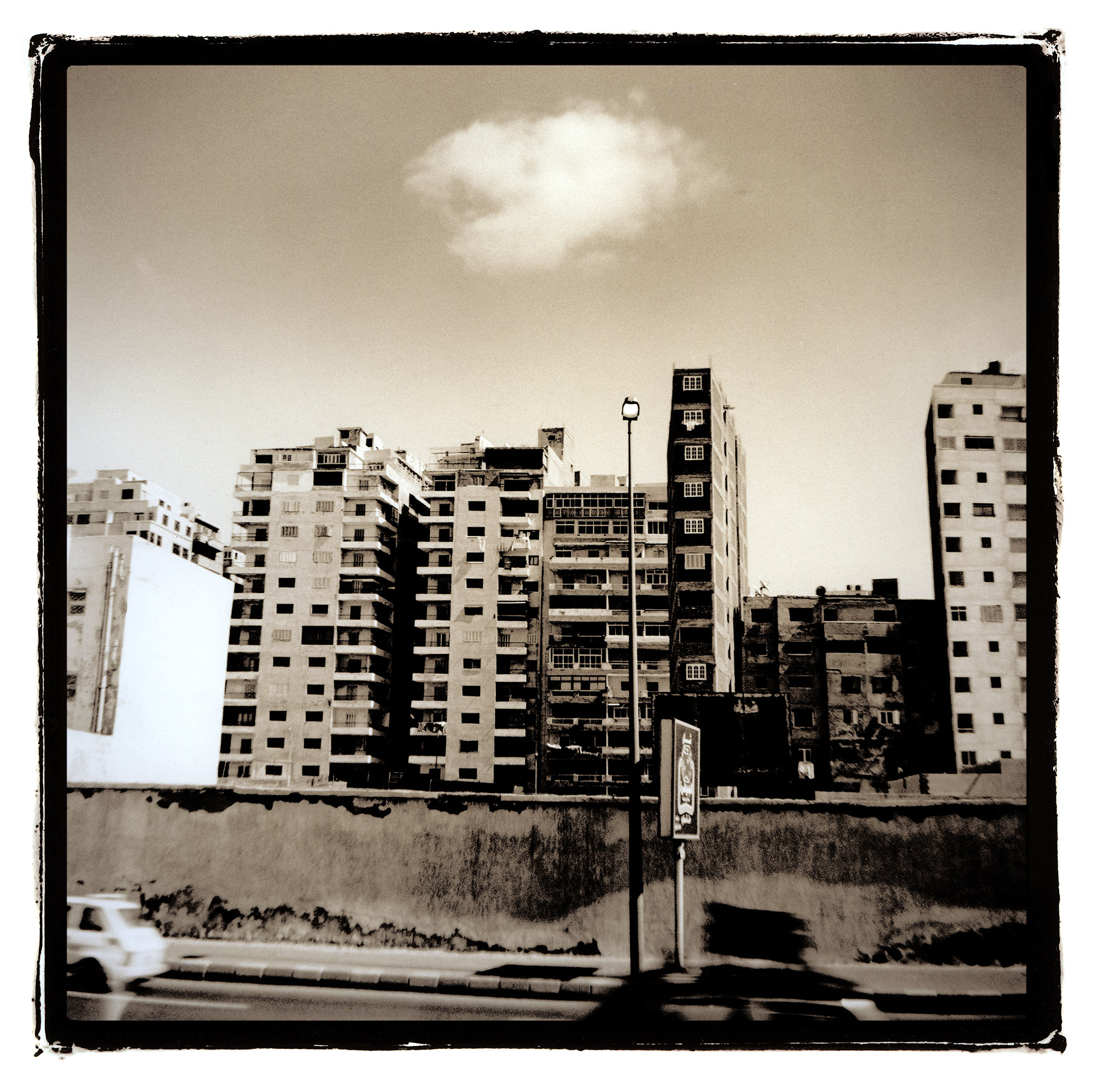
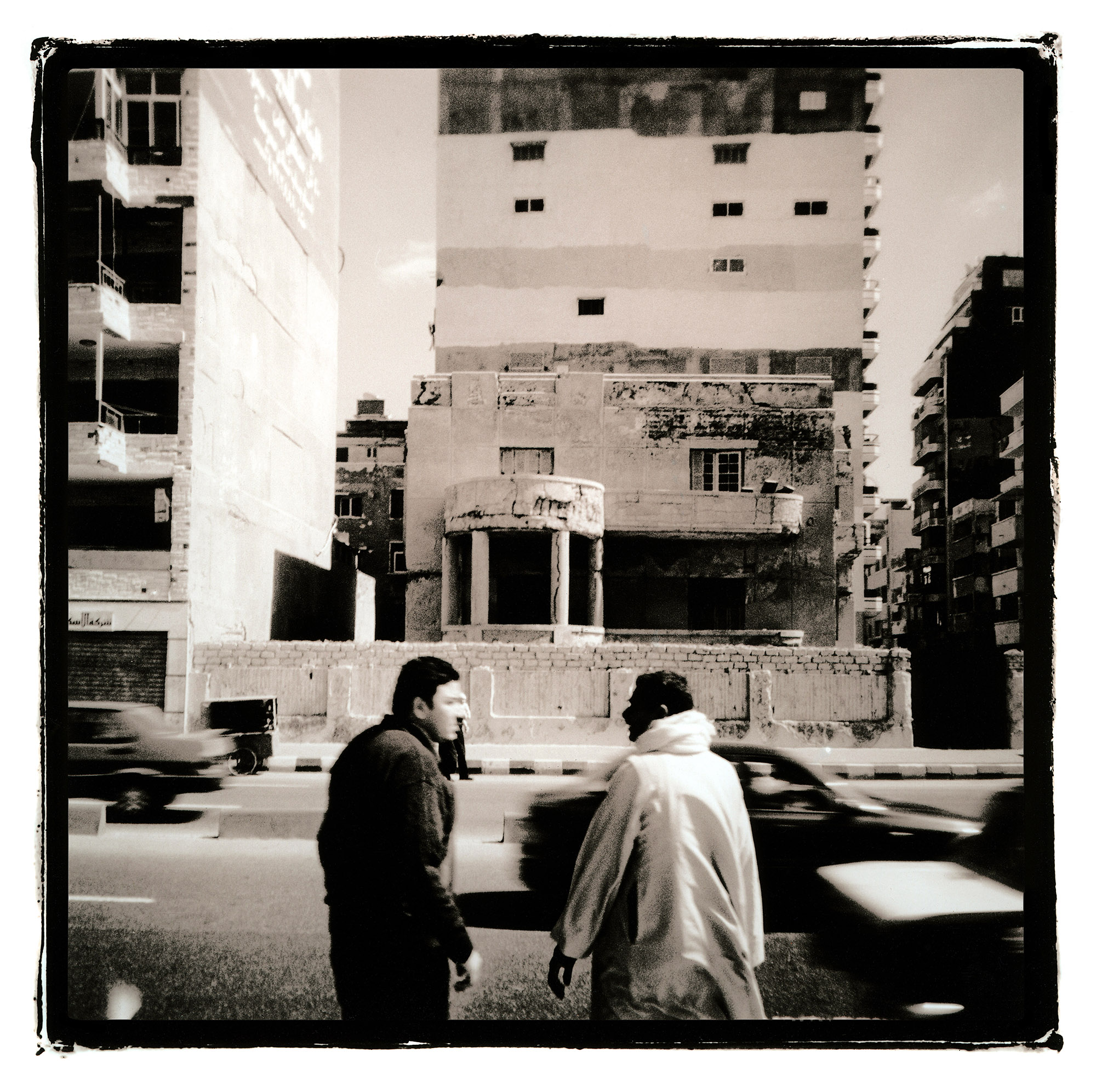
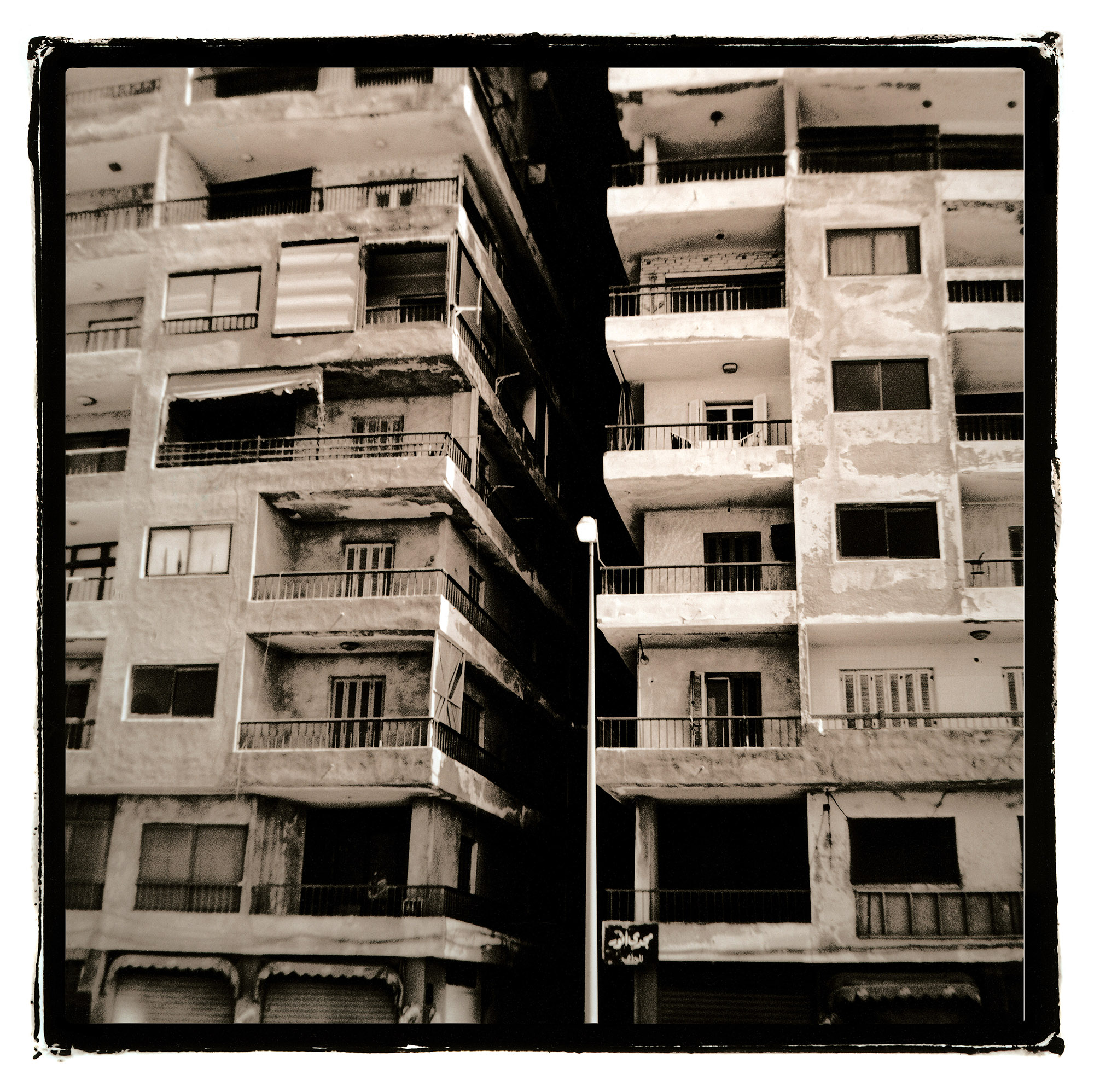
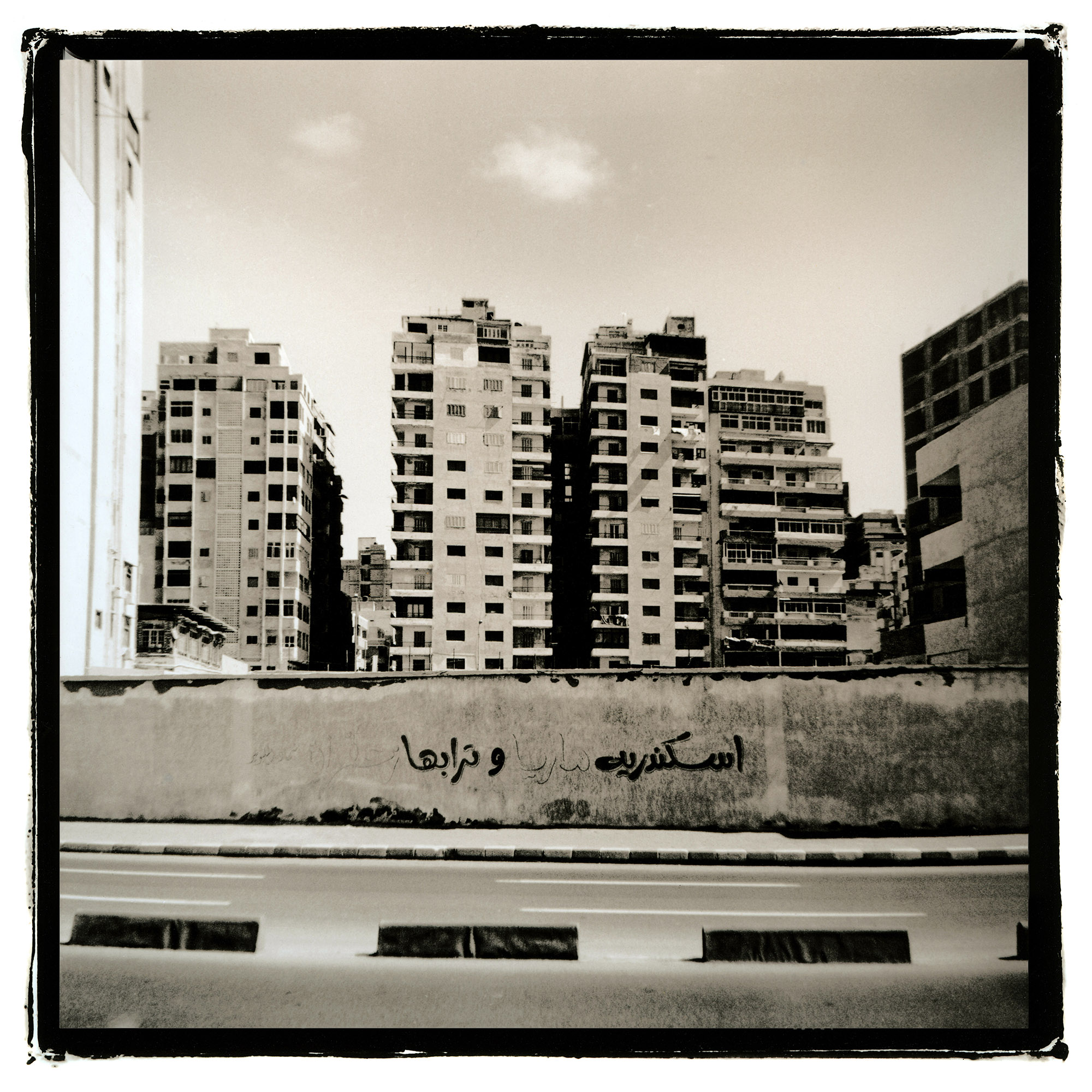

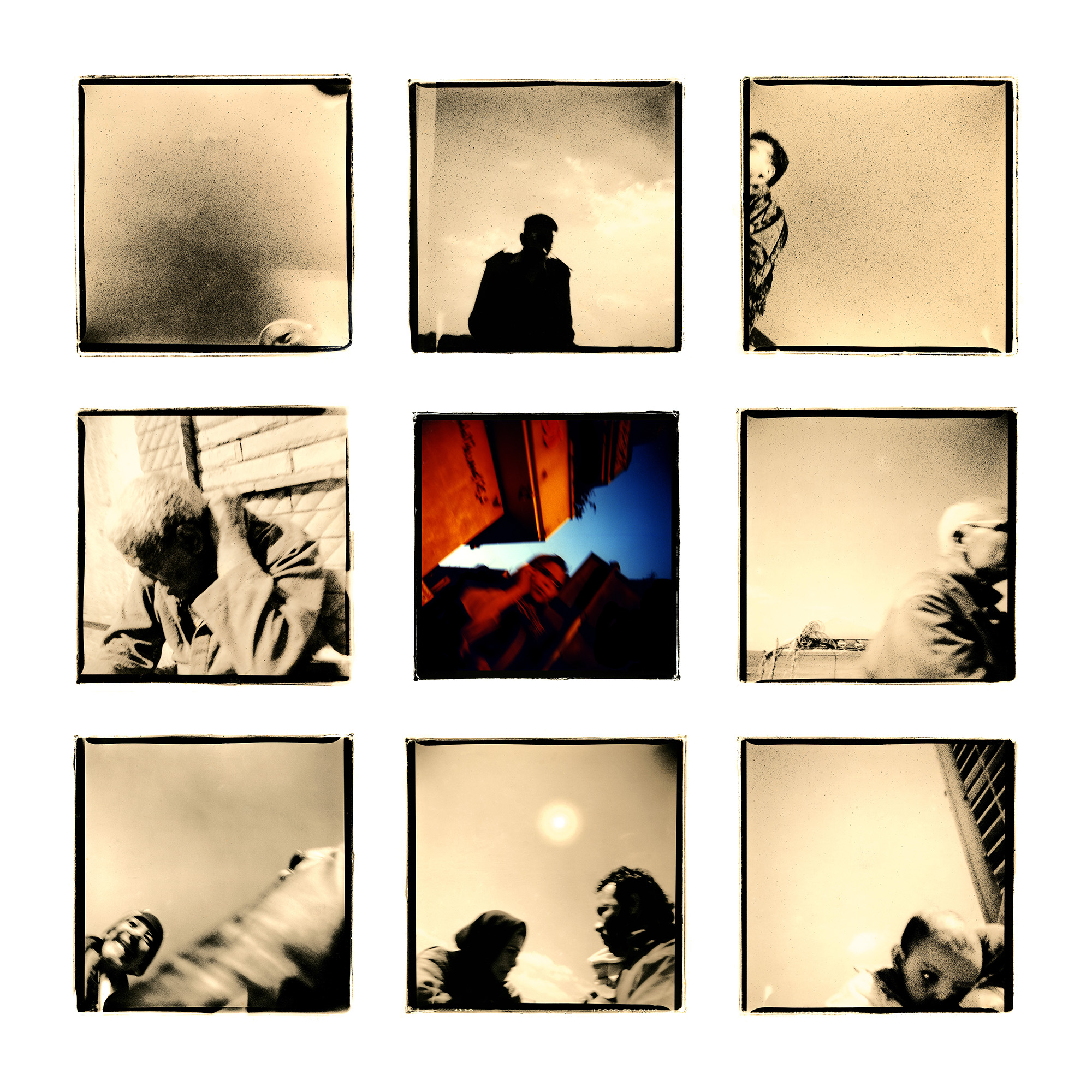
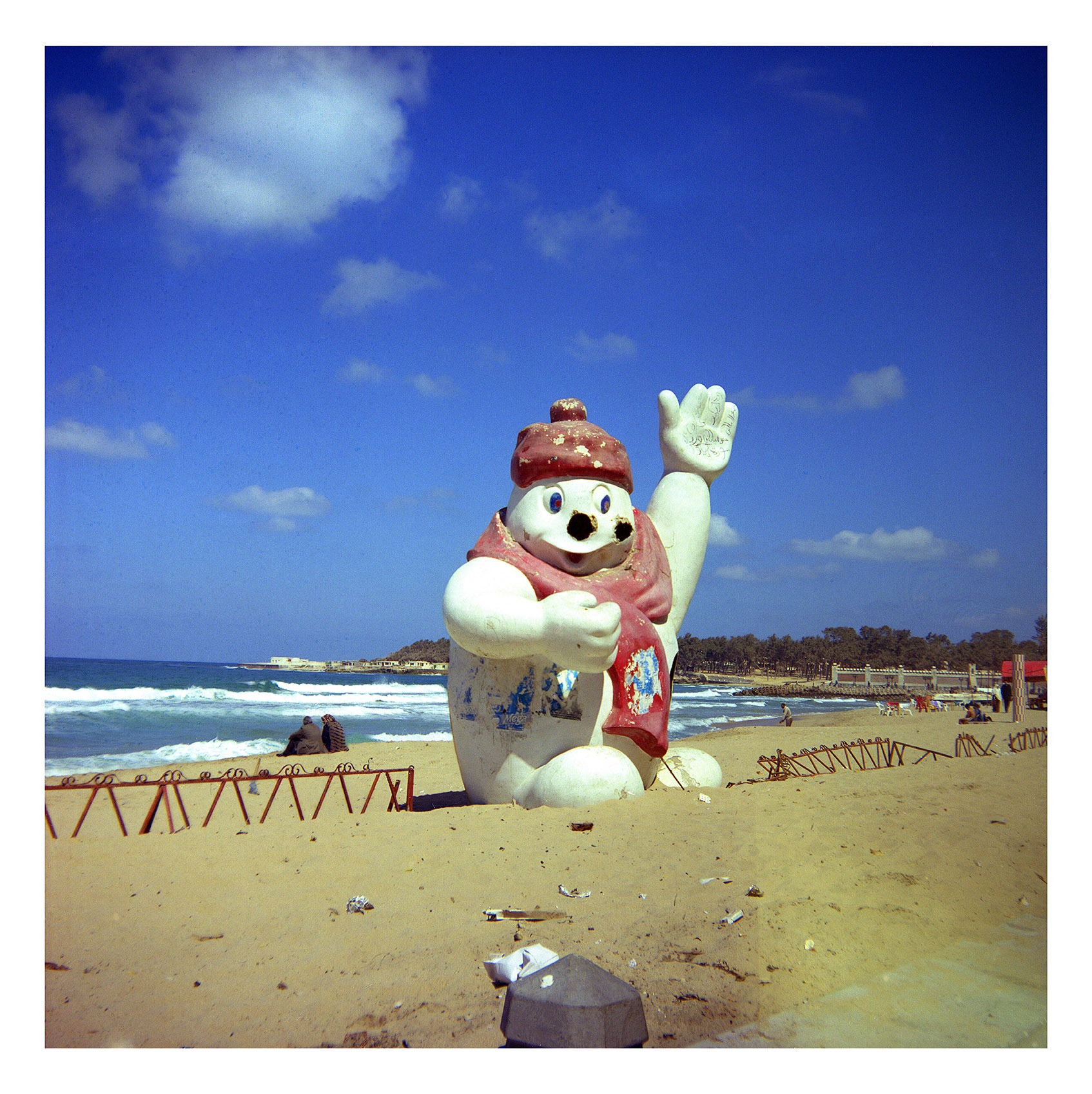
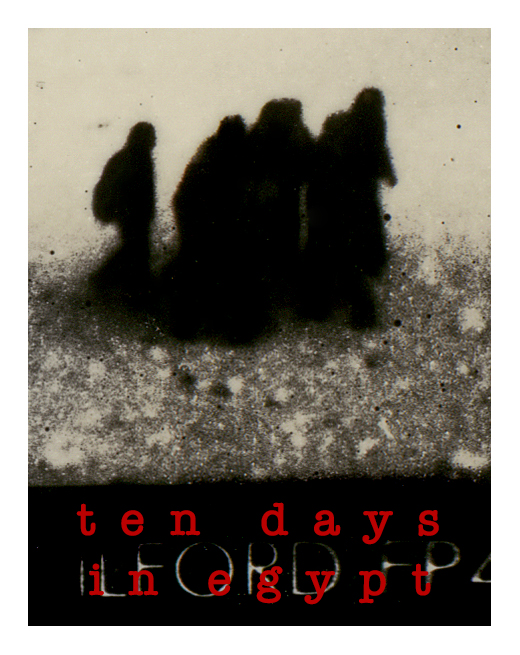
The Trip to Egypt was not really for the purposes of taking photographs. Tim and I were there to attend...
Read more
...and present at the Millenium Ecosystems Assessment conference. The Millenium Ecosystems Assessment was a global research endeavor called into being by the then United Nations Secretary General Kofi Anan. The aim was to assess the damage we have done to the earth (the hidden text being how this damage limits the earth’s ability to serve us).
It seemed apt that this conference happened in a once-majestic culture now crumbling.
Tim taught me how to take pictures by example. I watched him and walked with him and, in time, saw through his lens. I can never say I see the world that Tim sees with the same acute critic’s eye and irony, but I got a glimpse of what he was looking for, what he framed.
Susan Sontag writes about photography with the same unafraid, critical voice with which Tim photographs. She says “all that photography’s program of realism actually implies is that reality is hidden. And being hidden it is something to be unveiled…” She adds “photographers predate implication.”
What did Tim unveil as I followed him around the streets of Cairo and Alexandria, with his spectacled eye scrunched up against the viewfinder? It was not the Egypt of majestic pyramids, ancient culture, hidden secrets, golden tombs, stories etched in walls, immense libraries. It may not even have been the sphinx, always looking out over the desert with it’s face distorted, and swarming merchants setting up shop around its feet selling watered down perfume.
A Hopwood picture of Egypt: pyramids dissolving into a white glare. A mangy dog with legs dissolving into the ground walks past. Pyramids cut up, over-laid, grainy. The crater-like holes in the pyramids, like mine dumps circling the city of Johannesburg. There is nothing of the majesty depicted in tourist pamphlets. Instead we are faced with a truth. An elaborate, decaying tomb, a monument to death (and possibly a fight against death) slowly caving into the ground.
In the city of Cairo, Tim turned his lens to the human subject of Egypt. People appear not as portraits of ‘a kind of person,’ but as images passing through the frame. Lives in motion, falling forward into view or exiting to the left onwards, moving outwards. Shadow-people, hardly there at all. The dust of the desert settles and the footprints of the men and women briefly make their mark, only to be whipped up and blown away in the wind. A mark captured by the lens for a moment. A snap. A shot. A record. Like the record of the pyramids’ mark upon the earth. Seen from space.
In Alexandria, the ancient city famous for its burned-down library, Tim took pictures of the beachfront empty of people. Instead, the beach is inhabited by aging plastic beings that call to mind the darker shades of Walt Disney. Cracked and faded they sit smiling. Another era closing. Another moment passed.
It is a foreign country. It is also a familiar reflection of the castles we build around ourselves. Our security walls, our security lives. Things. Names of things. A building secure in its foundations, secure for a moment, a moment’s moment before that one crack shows. Wherever Tim is and whenever he raises his camera, his eye turns to the underbelly, the unspoken, the unlooked for, the decay of our carefully choreographed lives. He won’t let us look away.
Jane Caroline Burt
Close
this is where the king came. 2003-'06
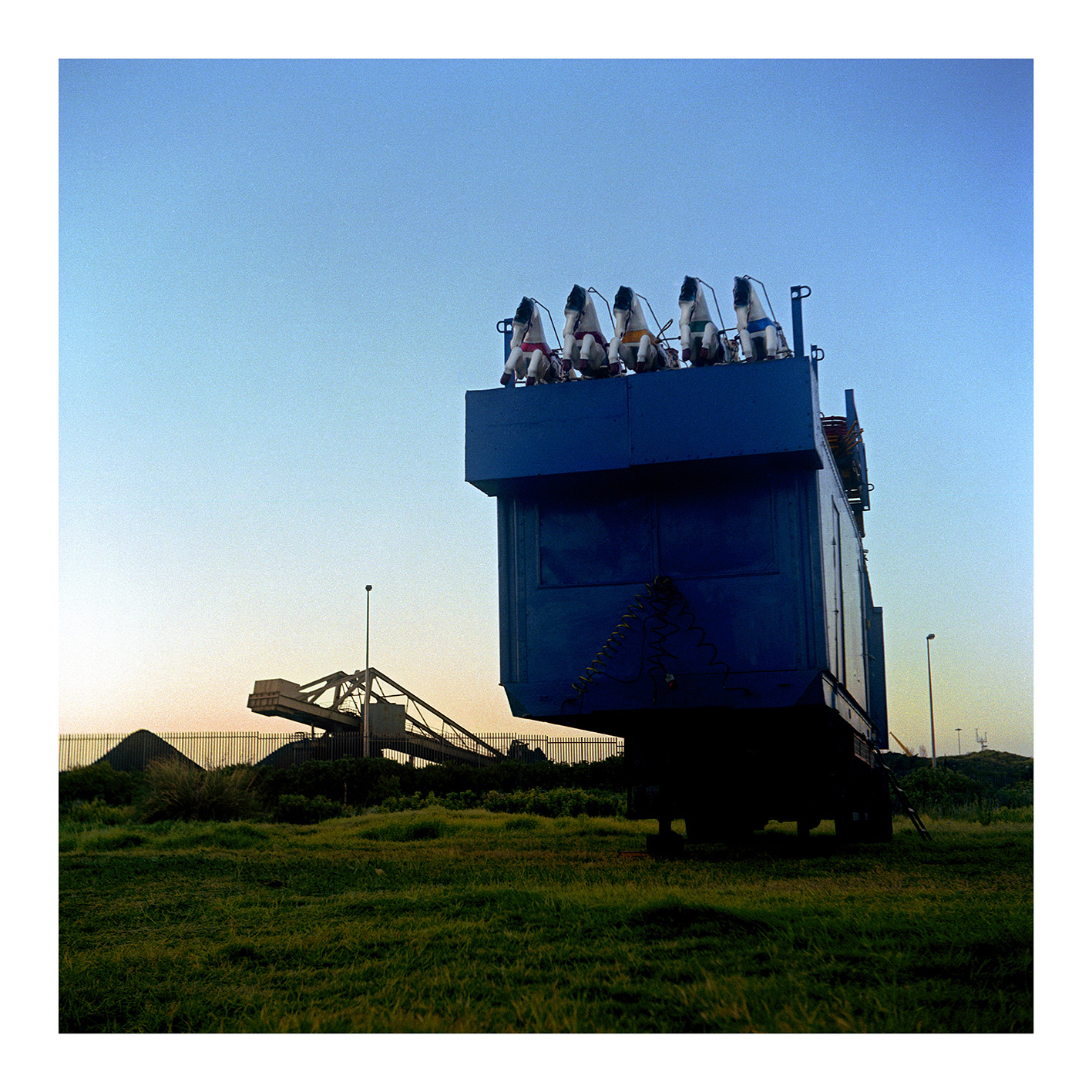
This is my artist’s statement. It is where I am supposed to outline what issues and or concepts my work deals with. This is very...
Read more
Close
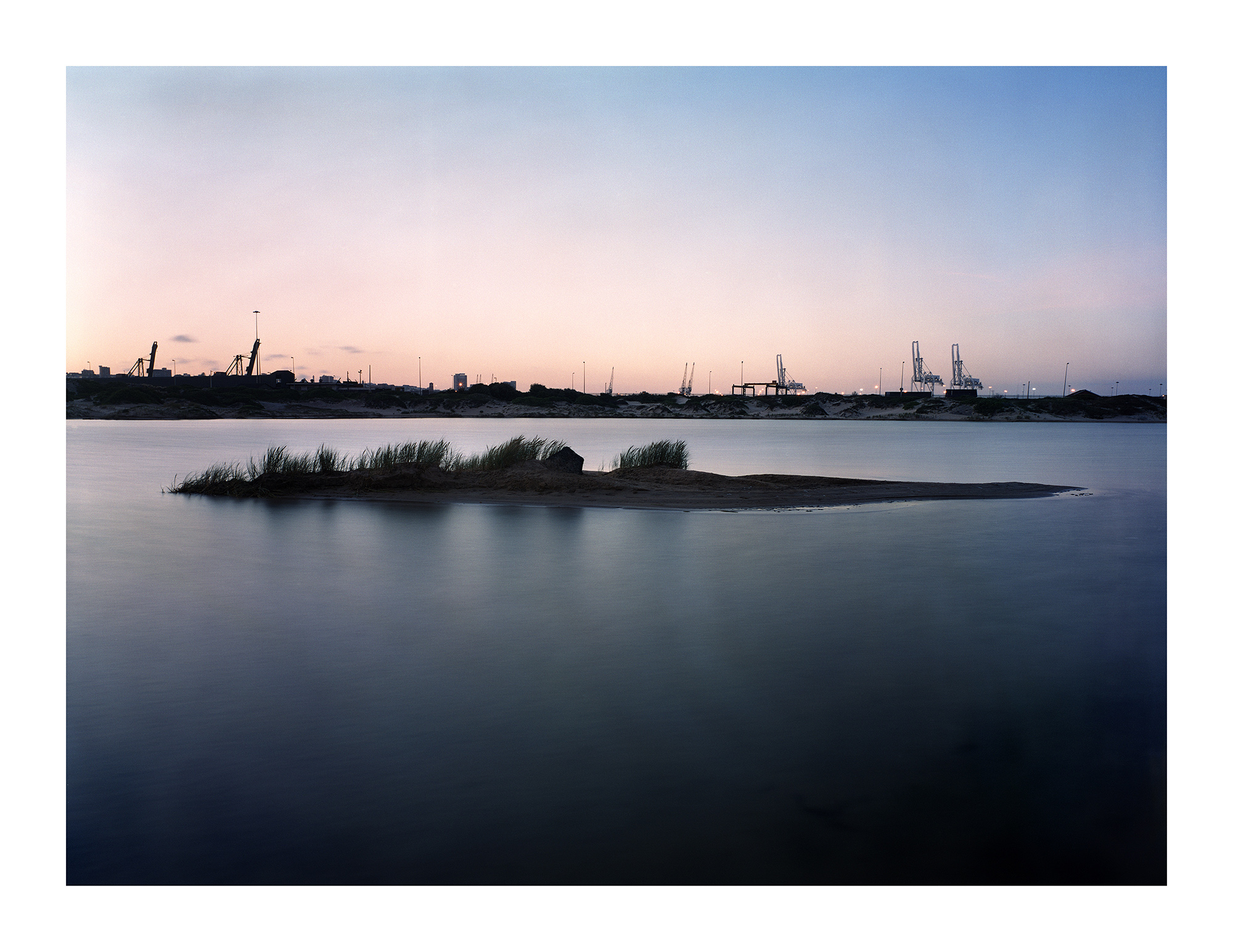
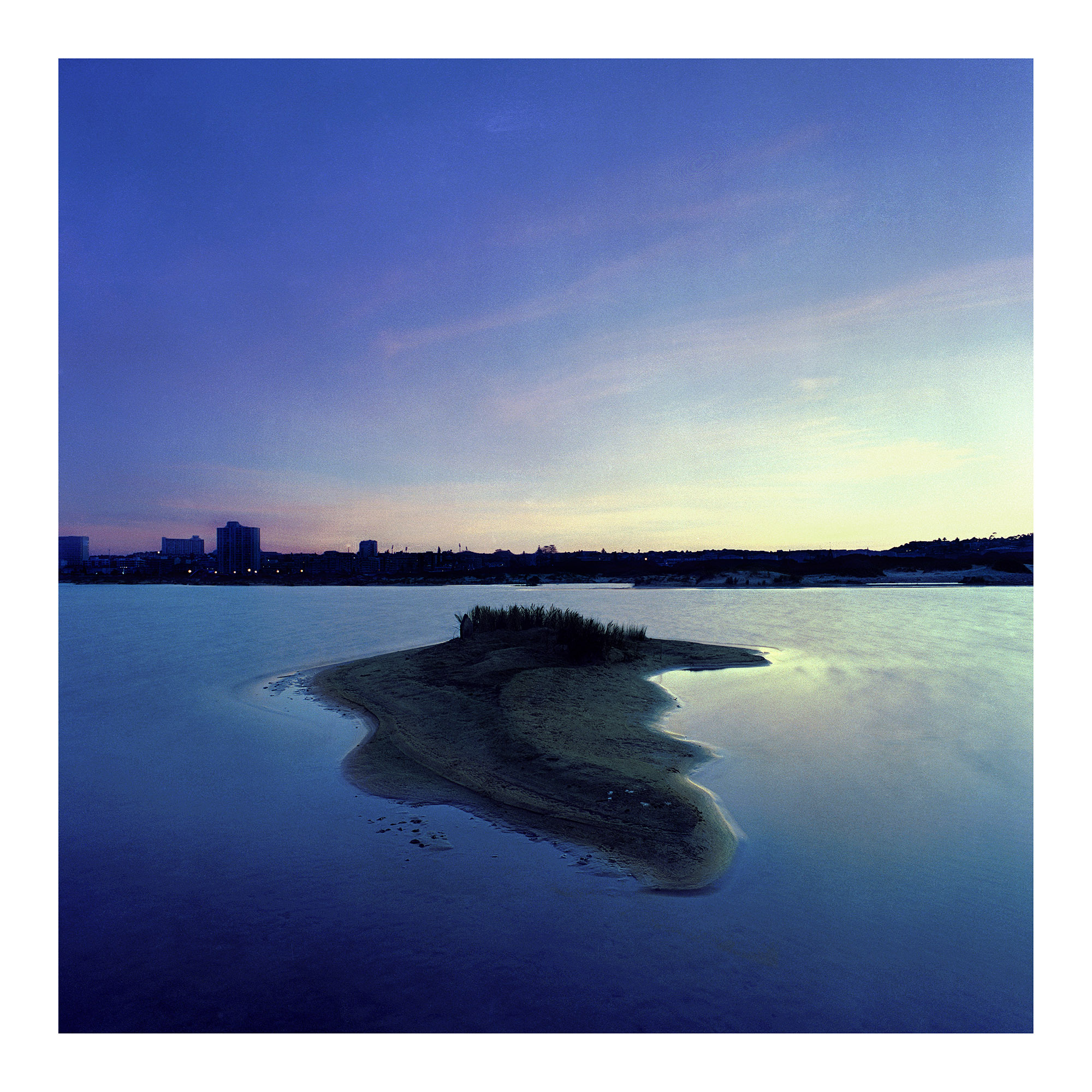
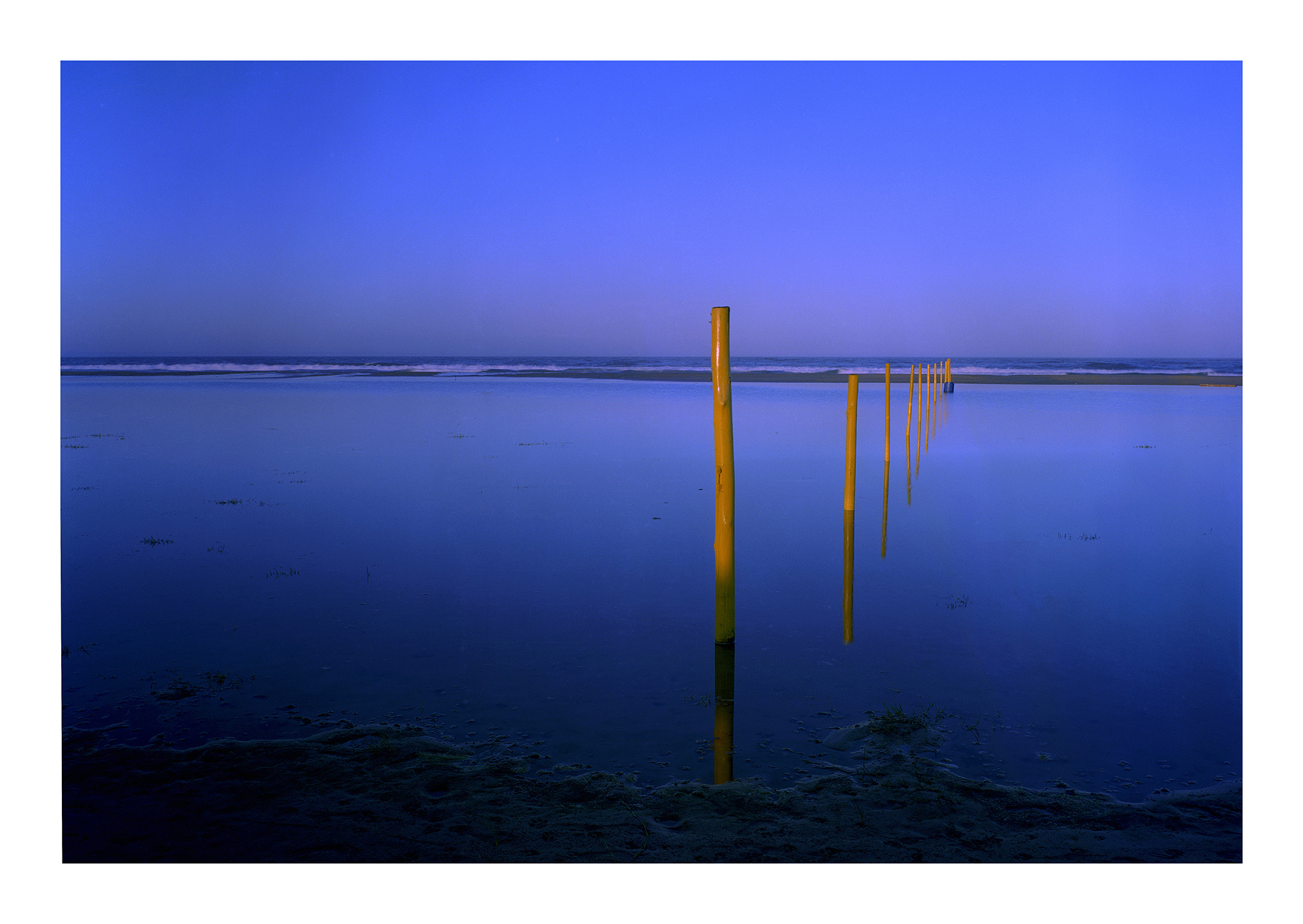
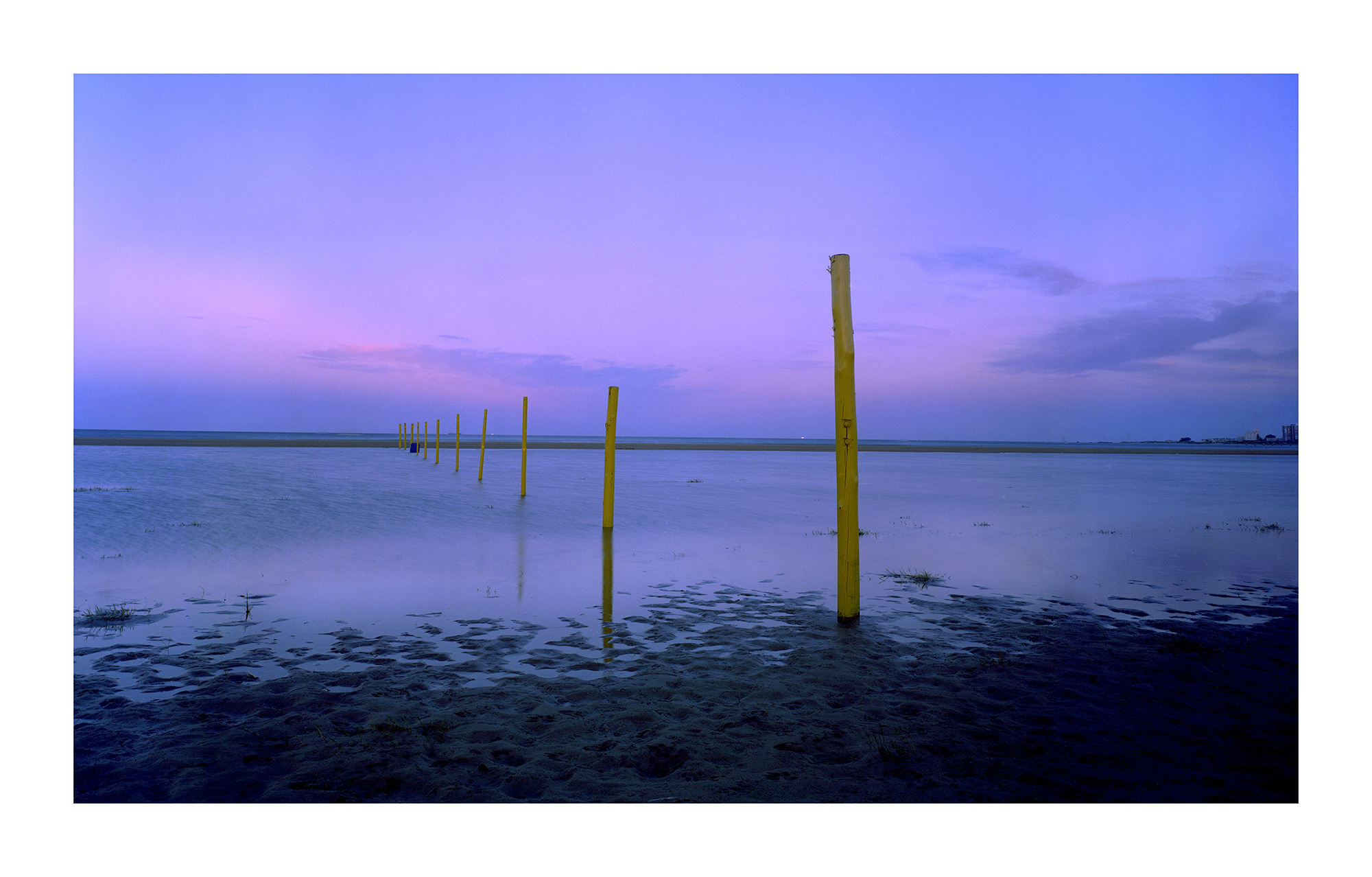
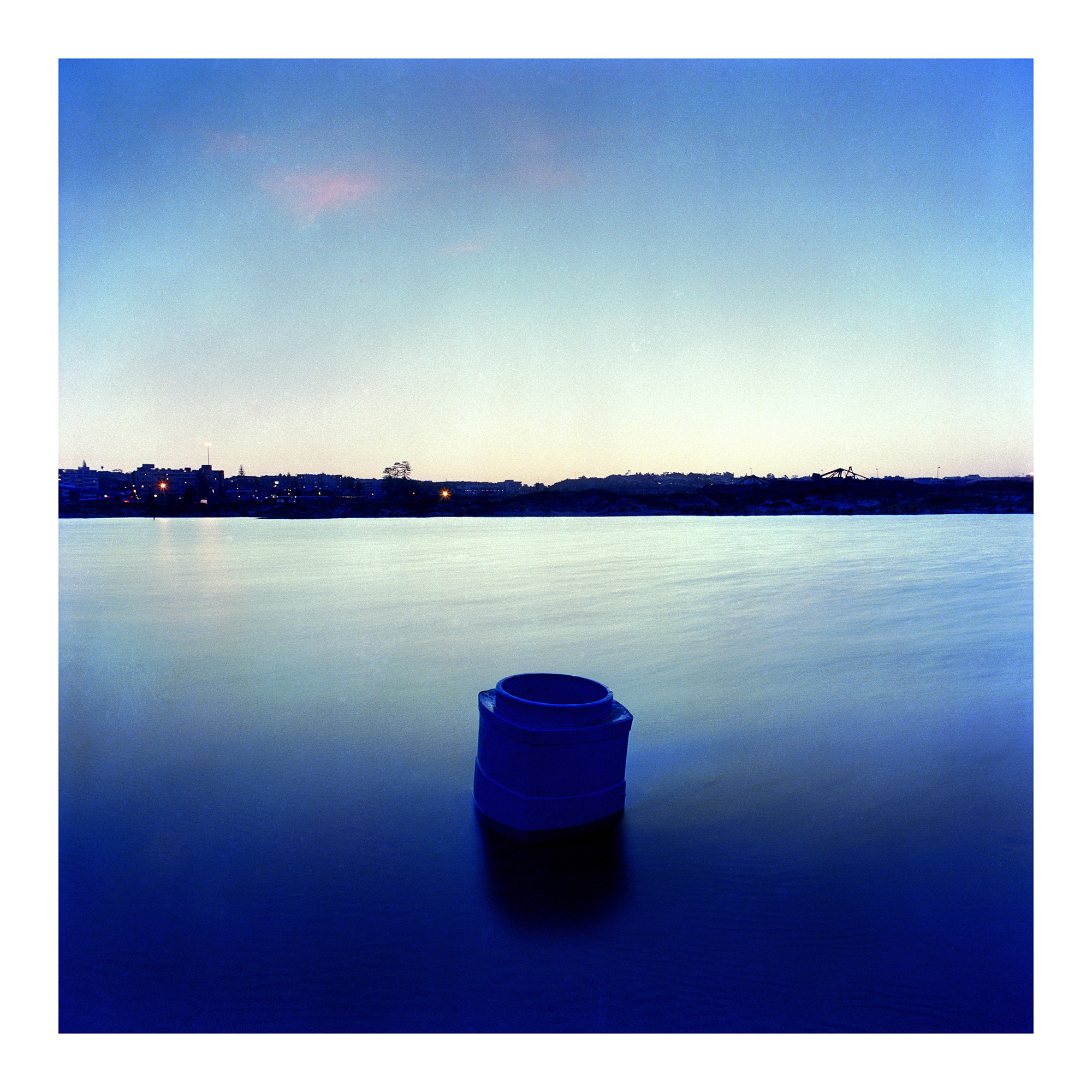
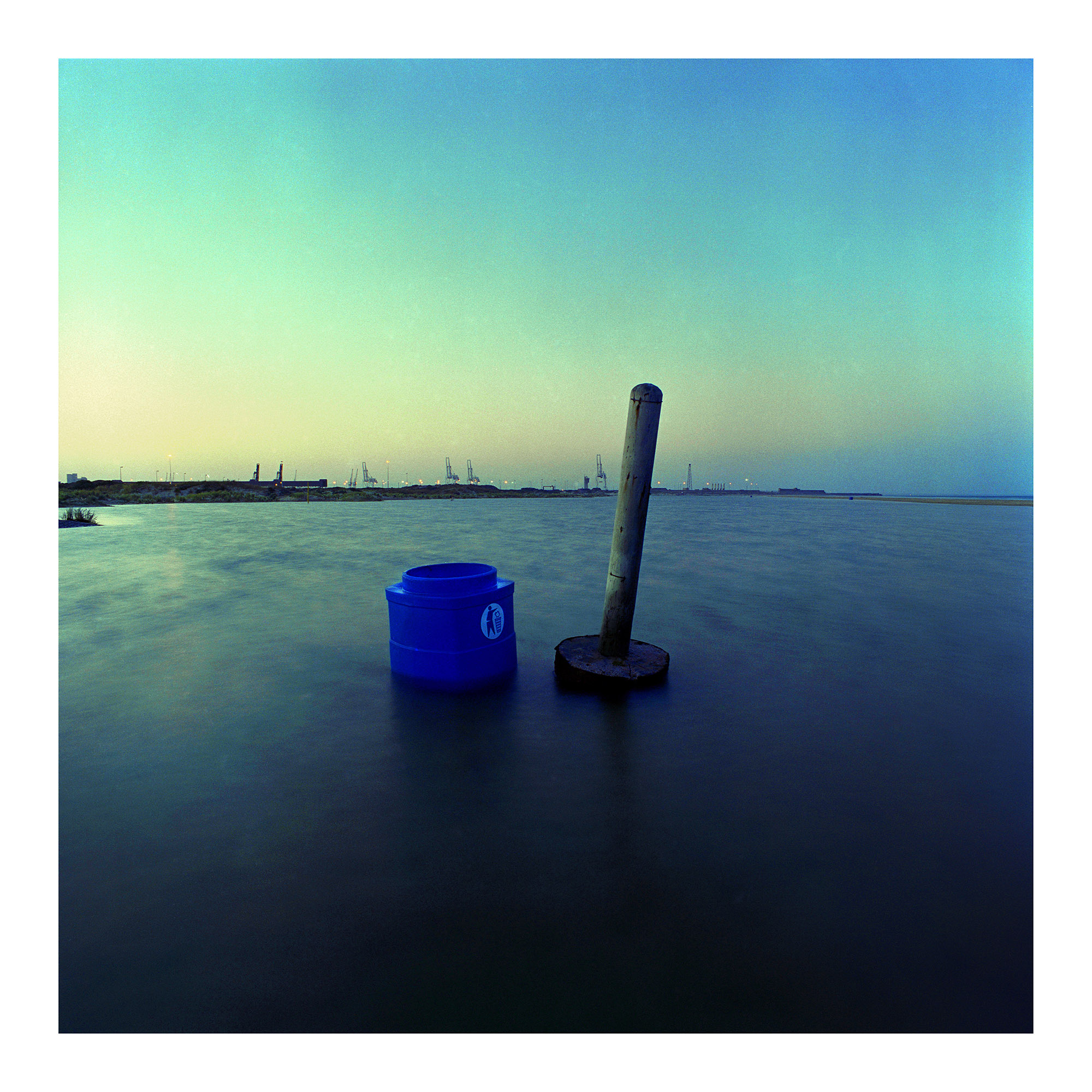

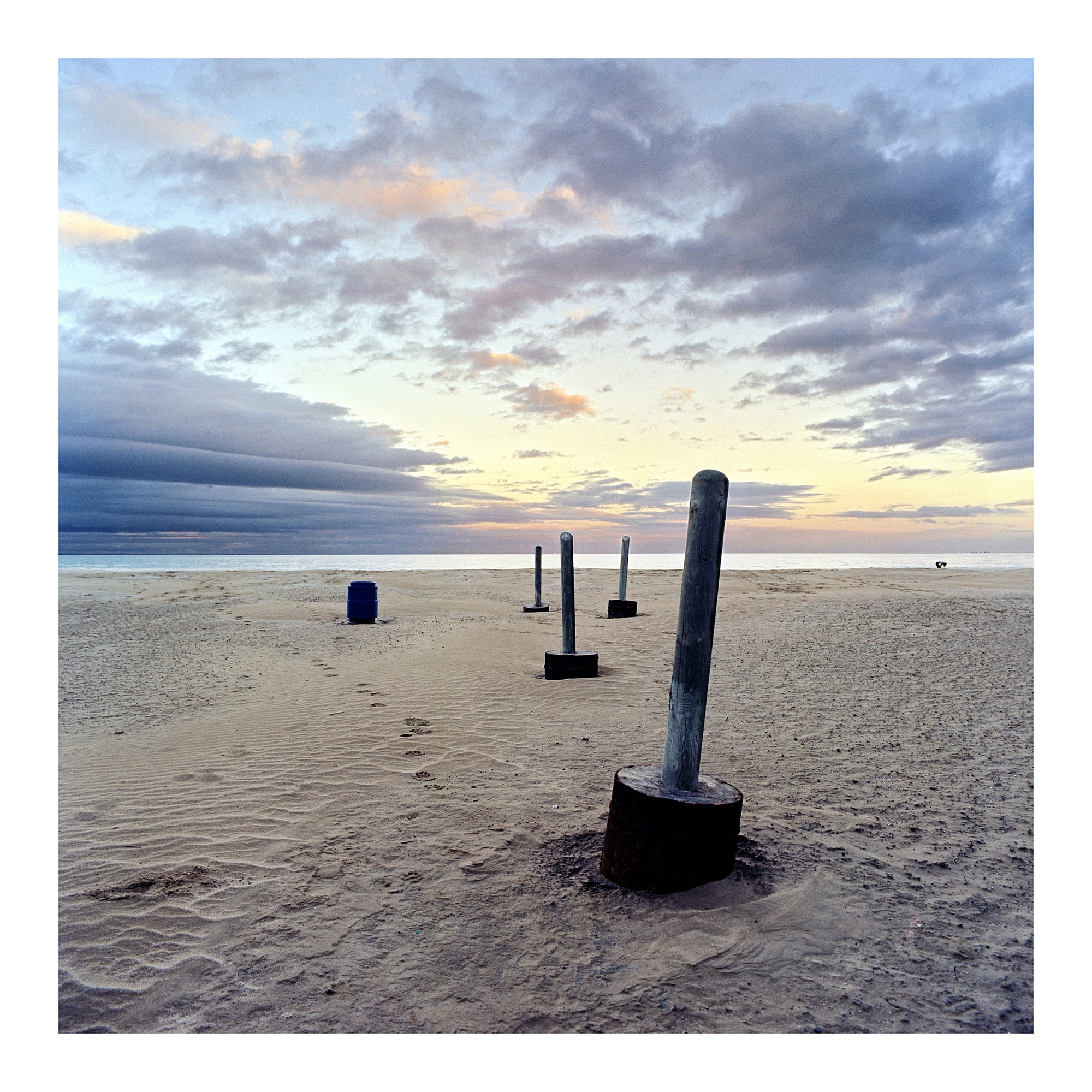
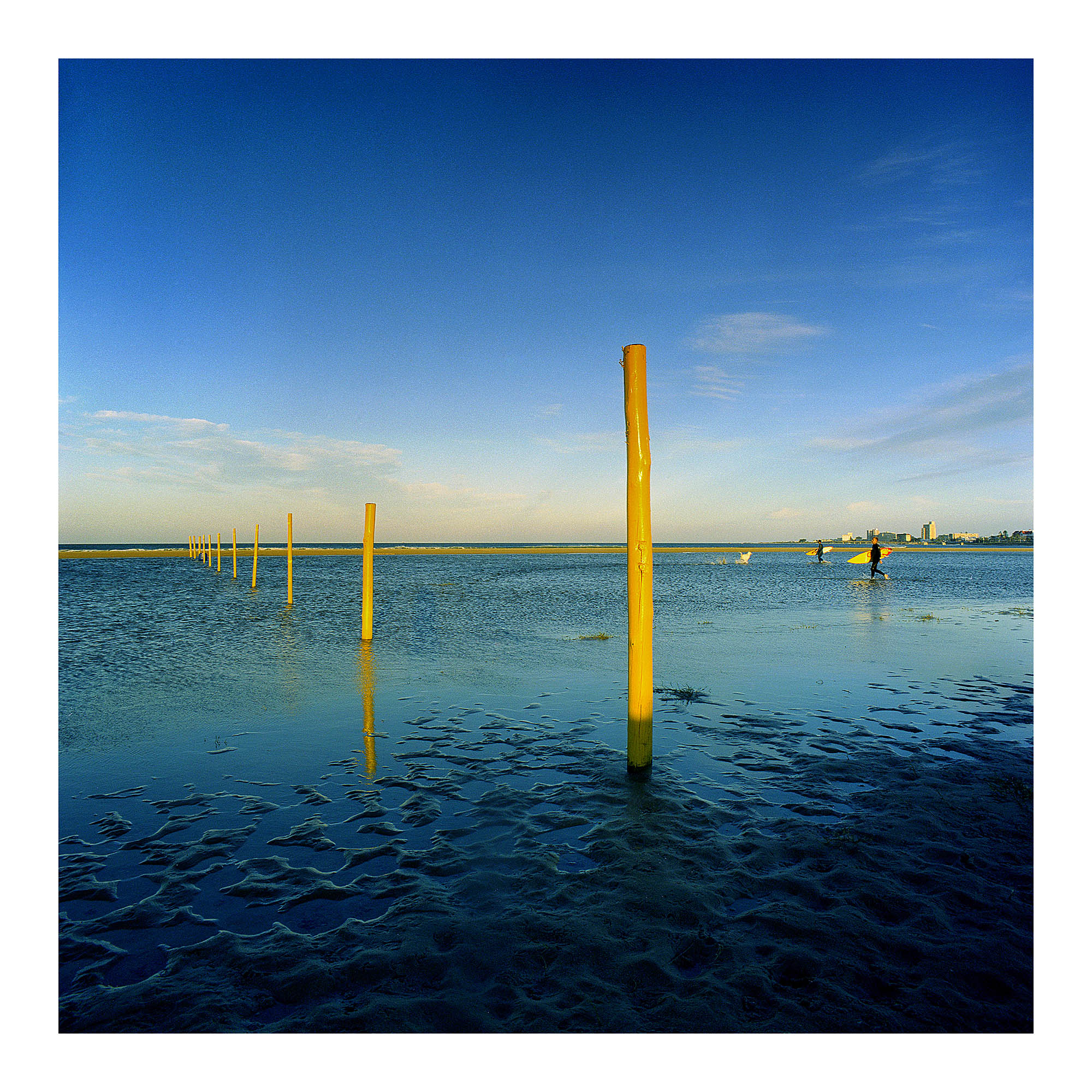
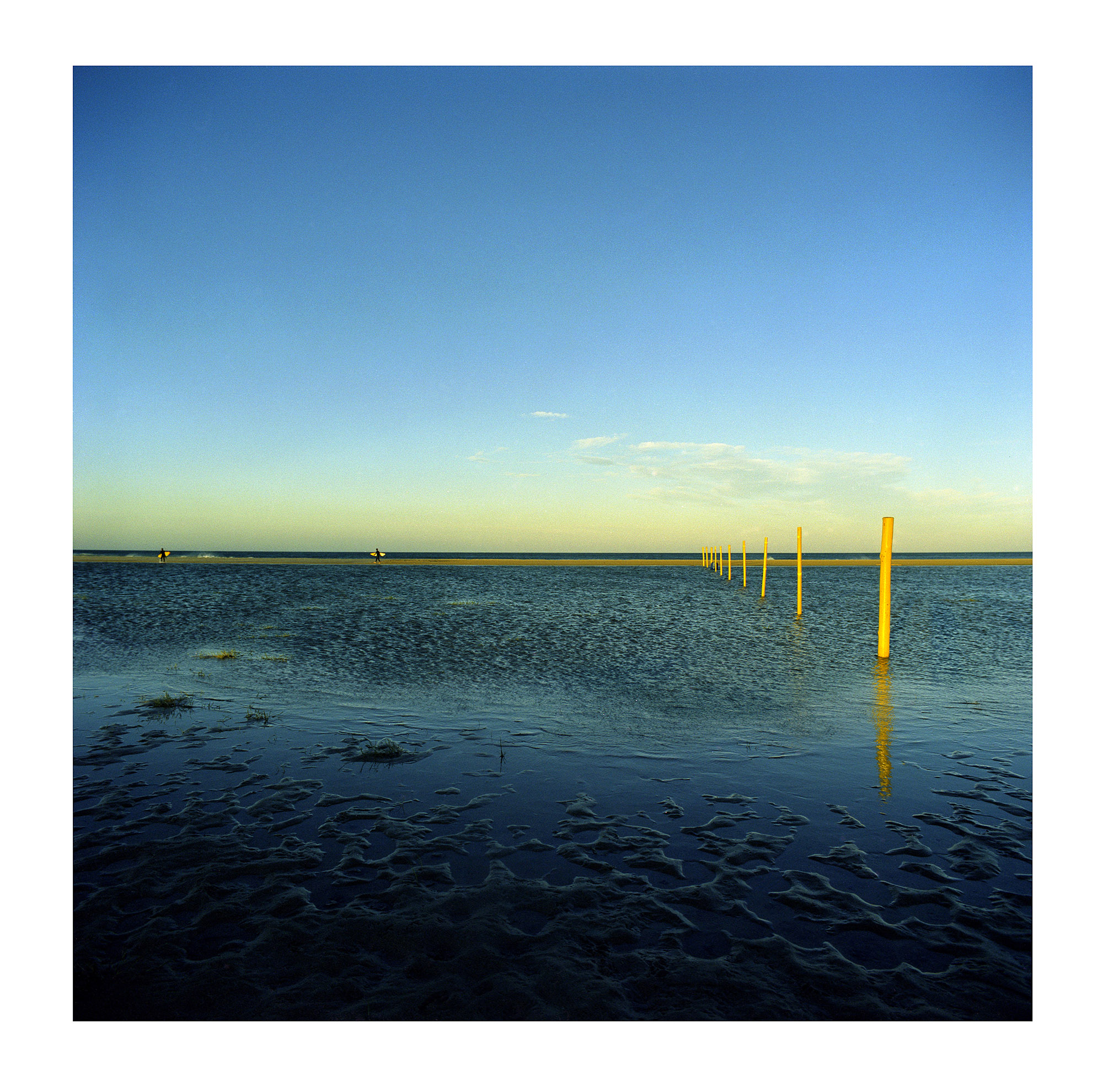


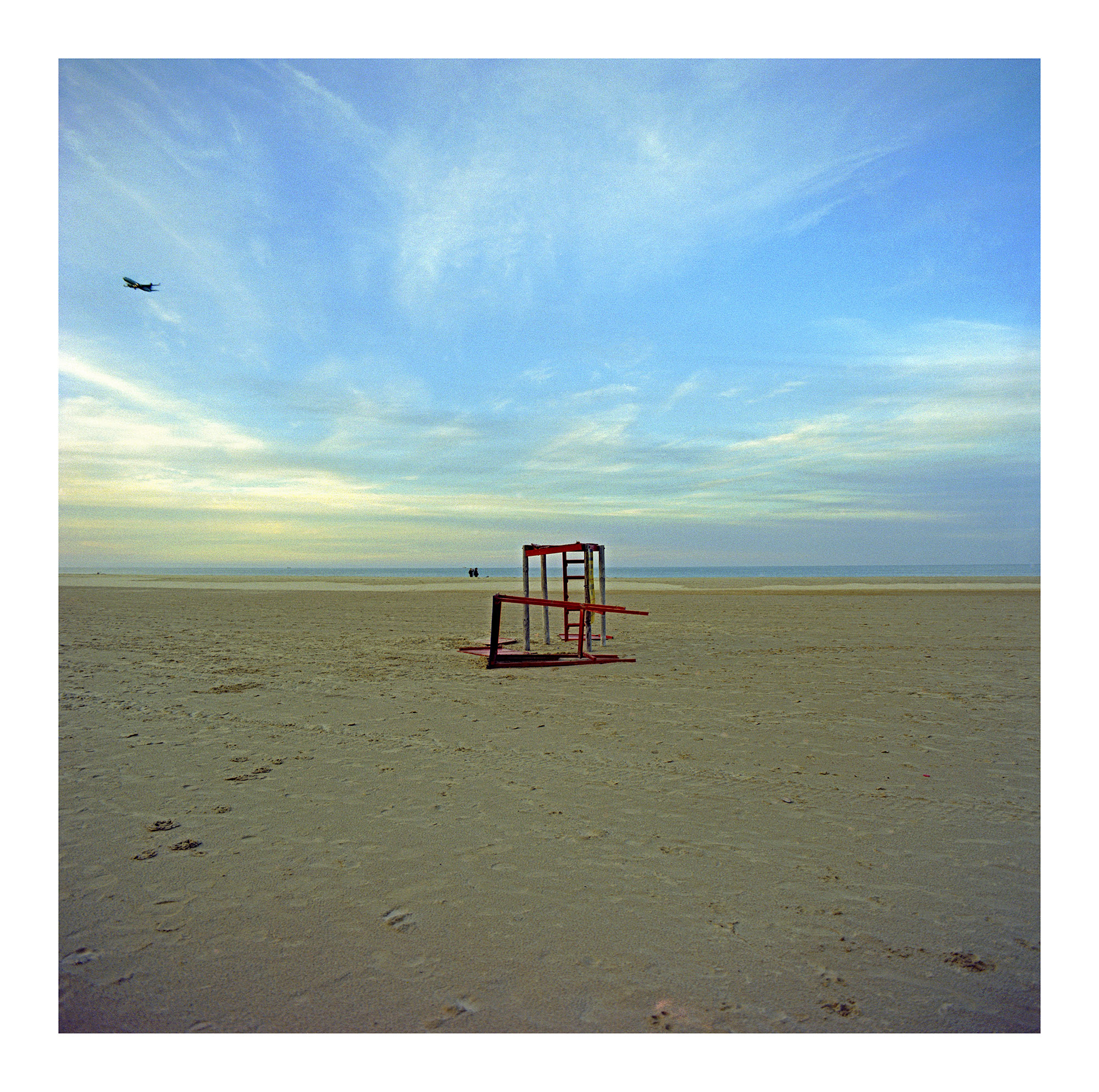
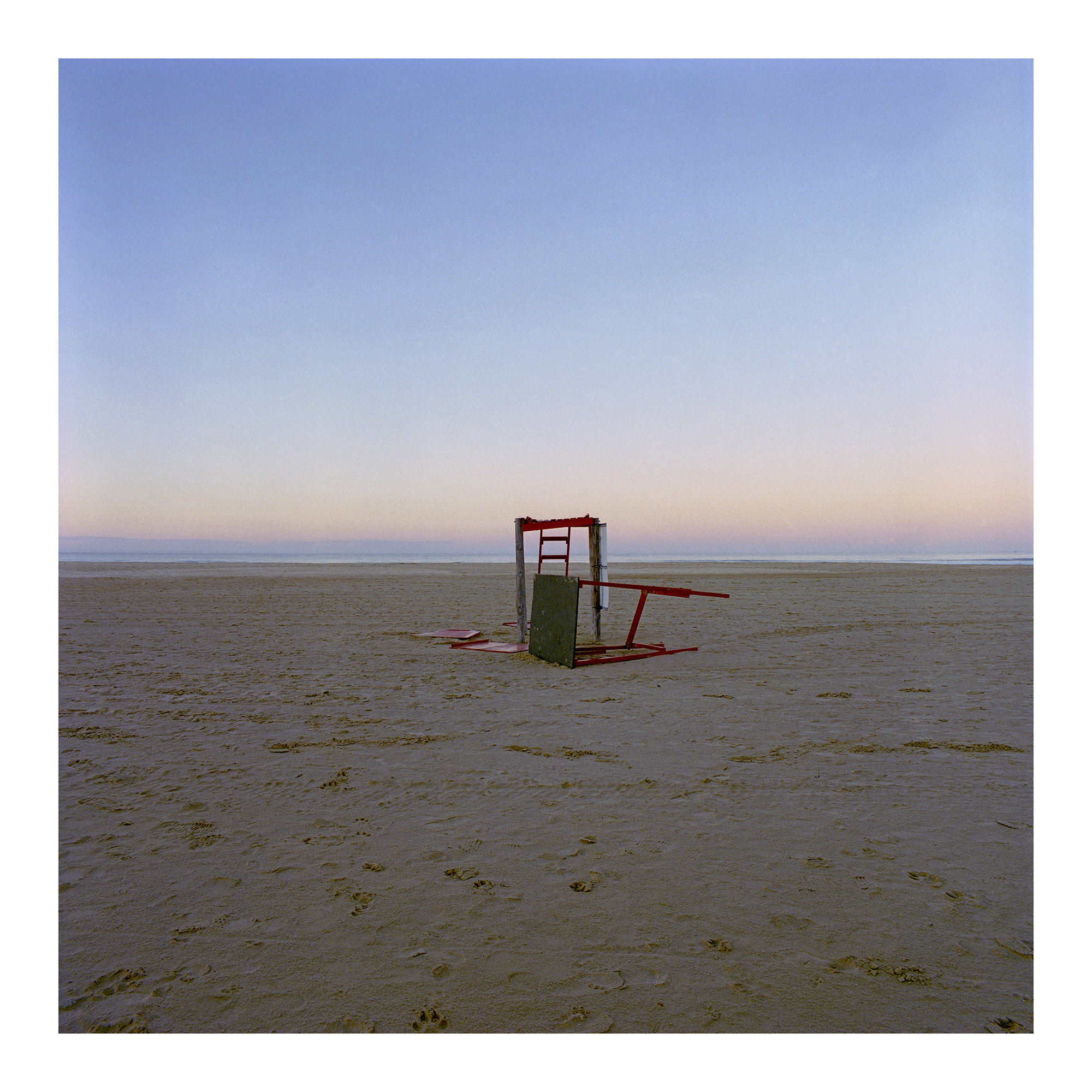
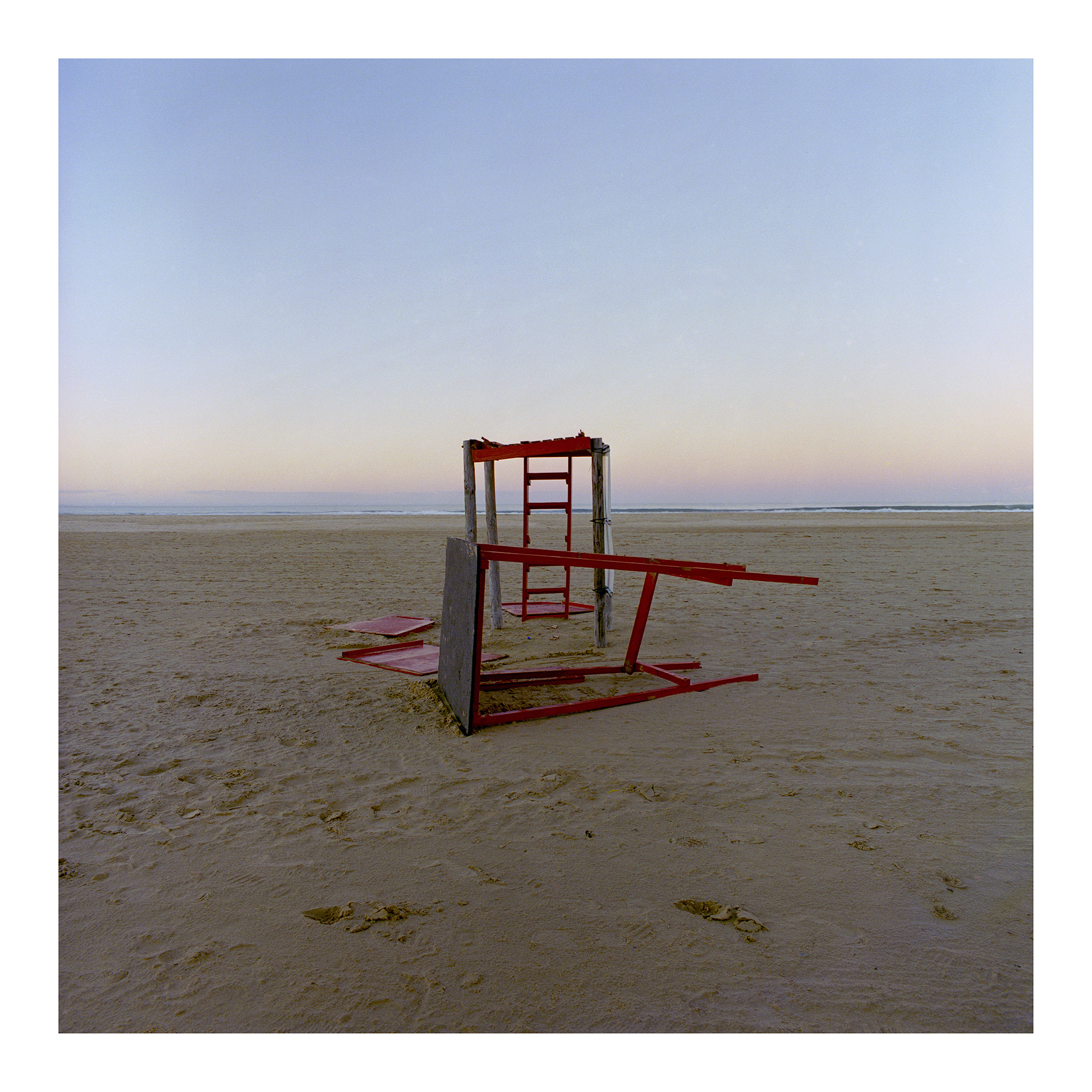
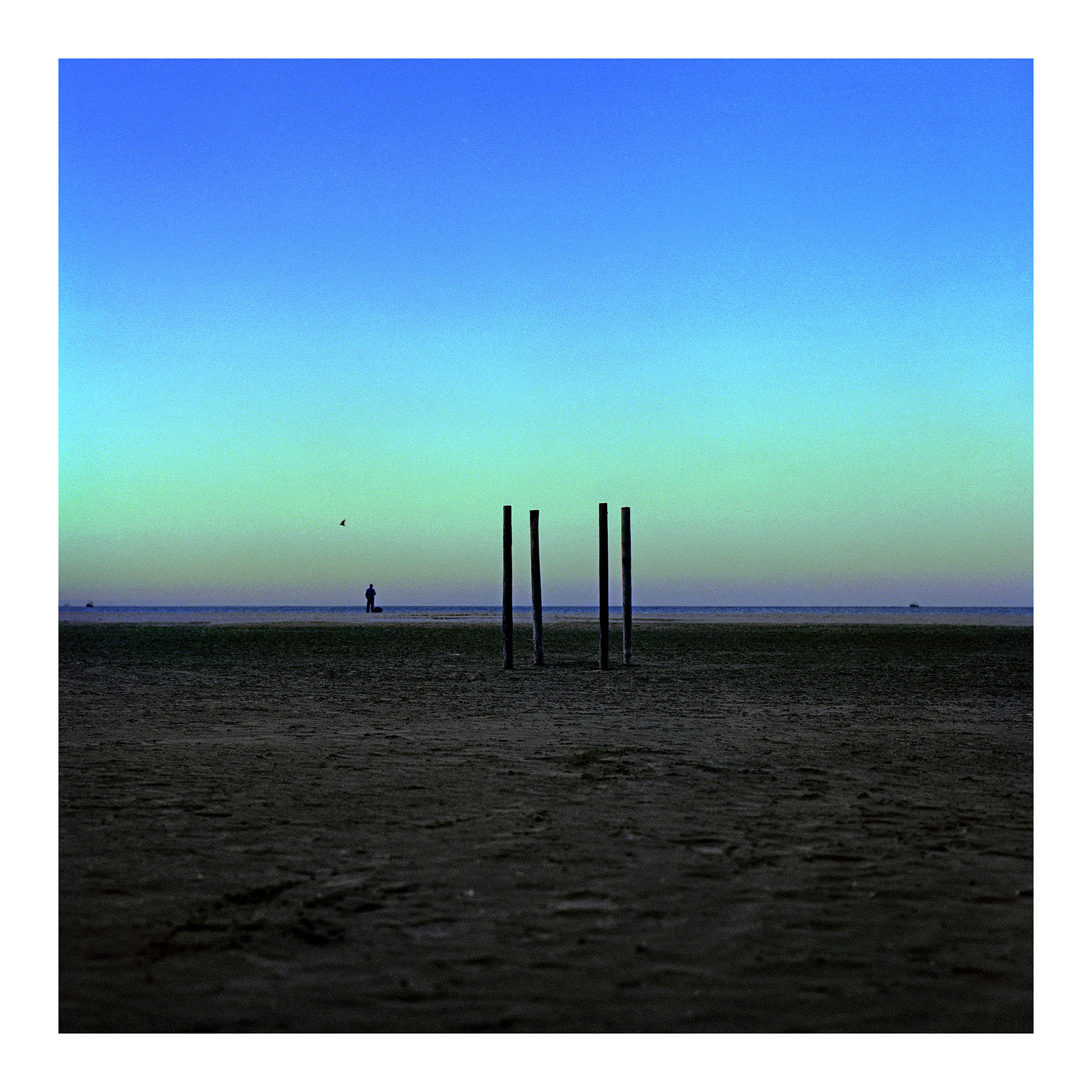
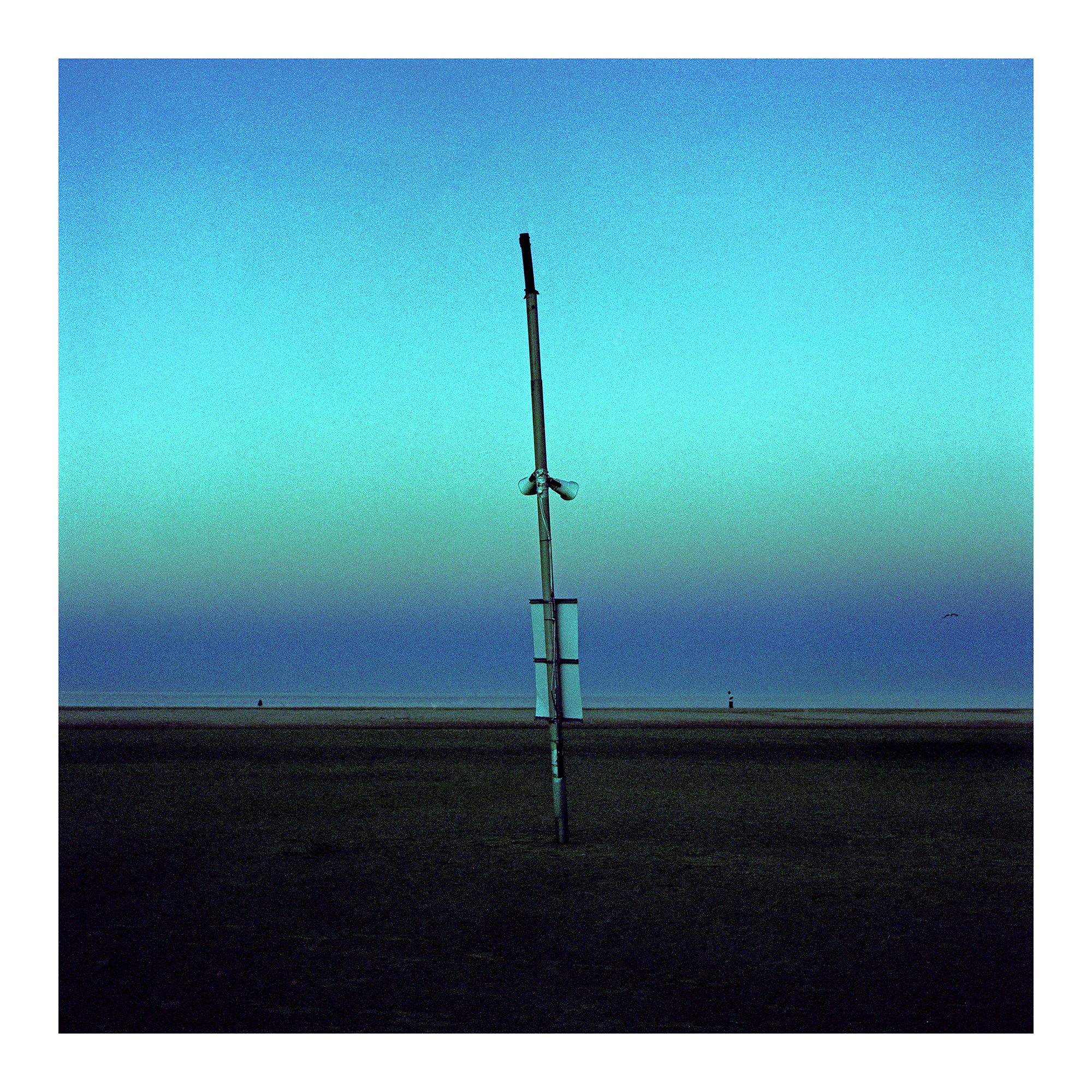
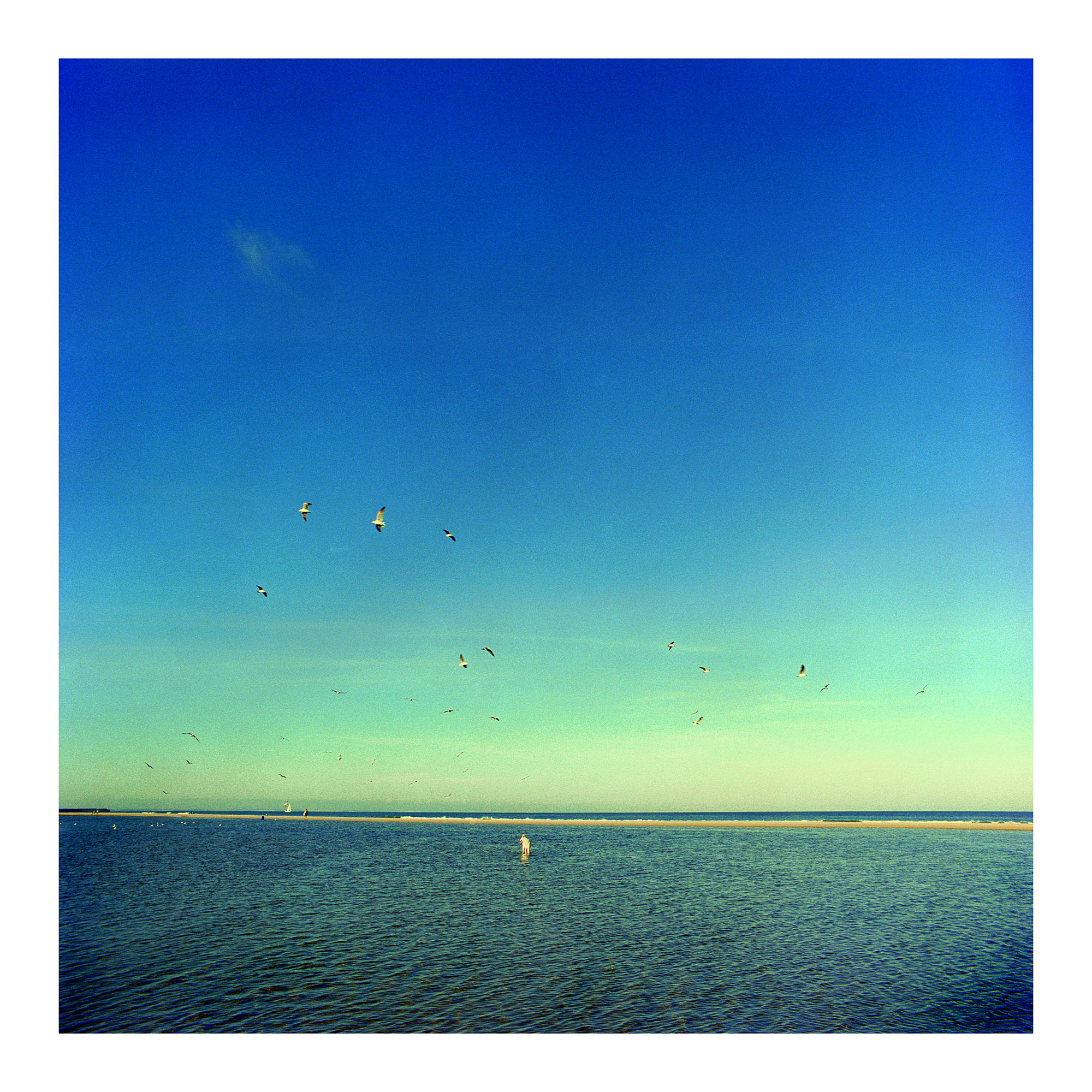


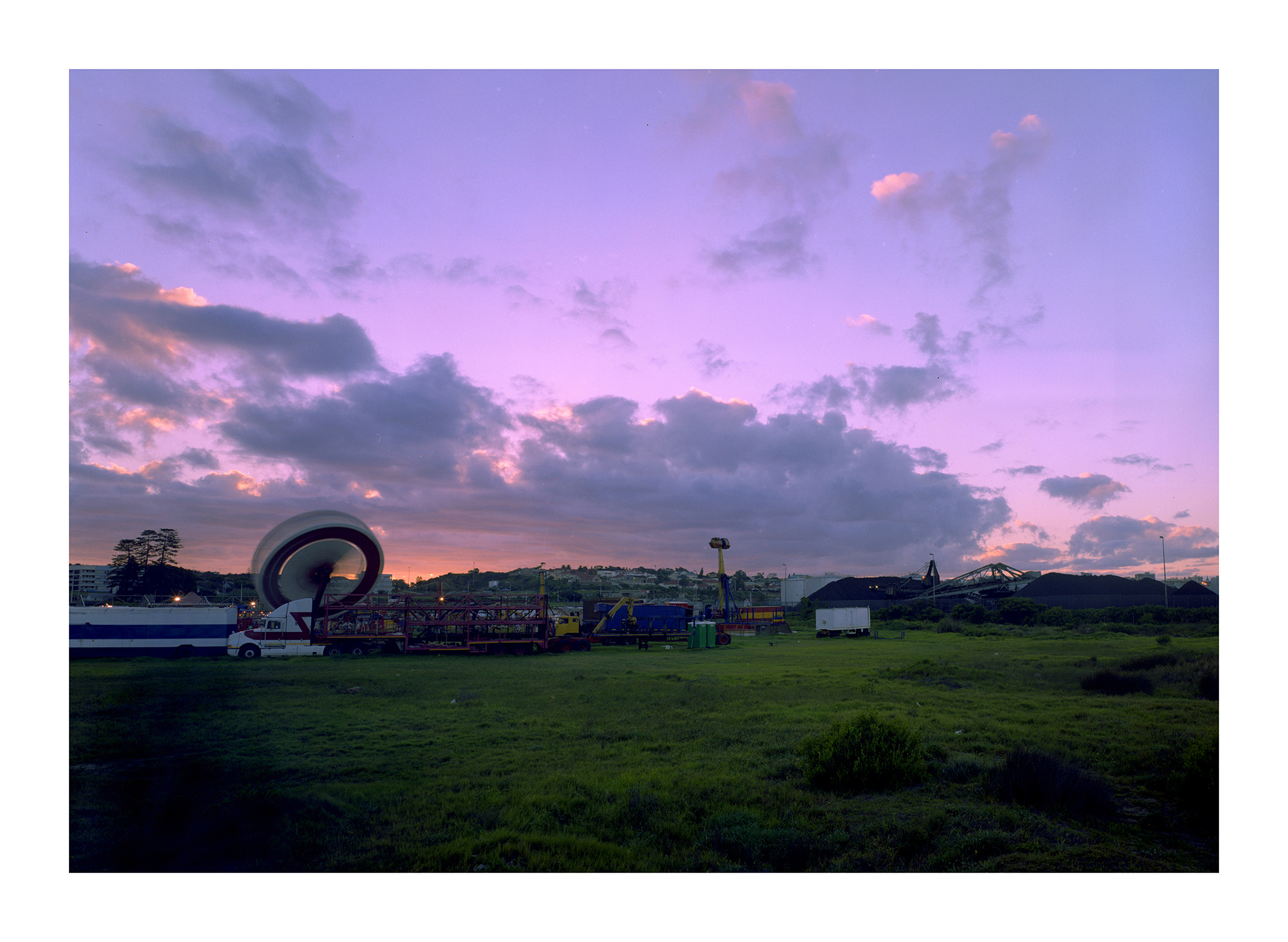
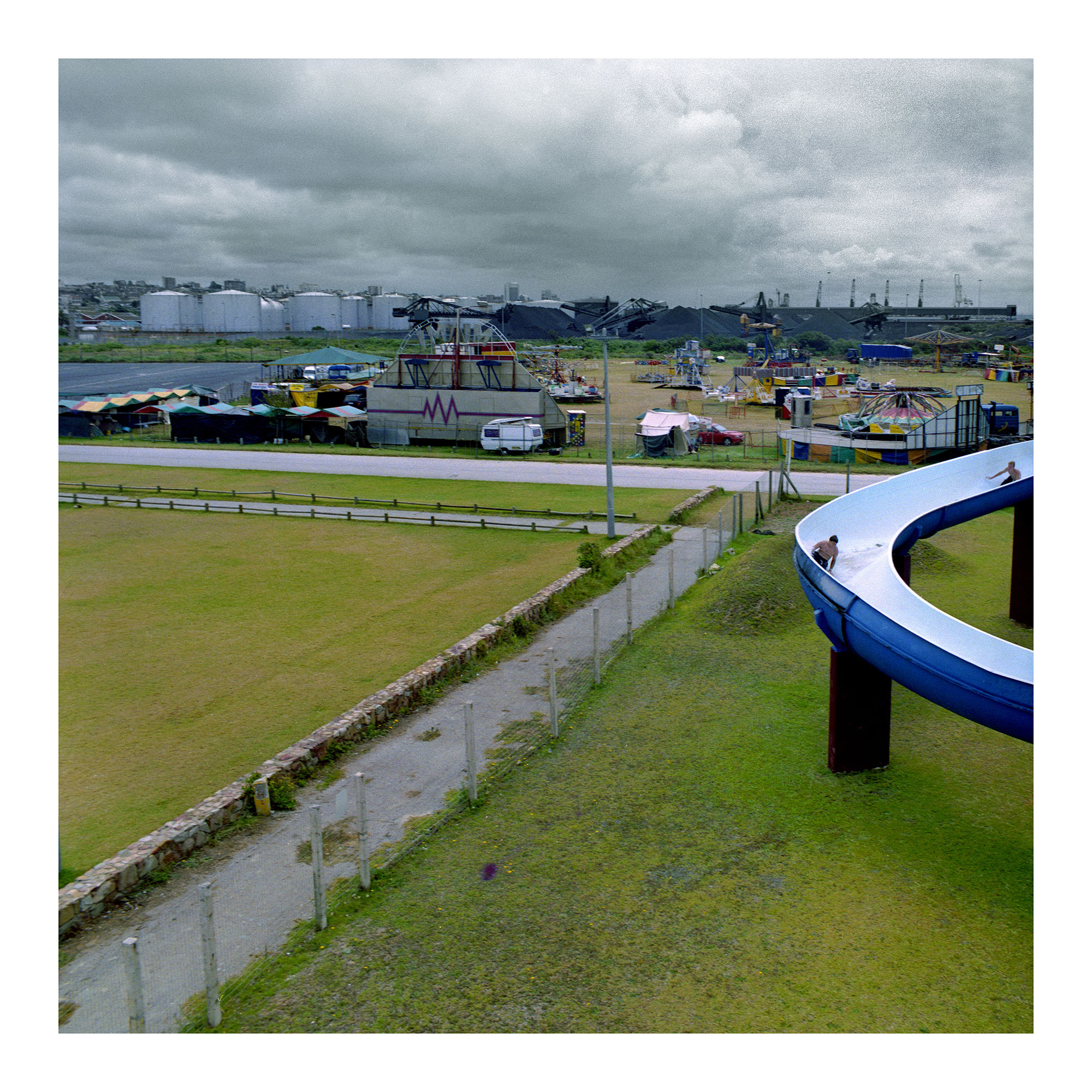
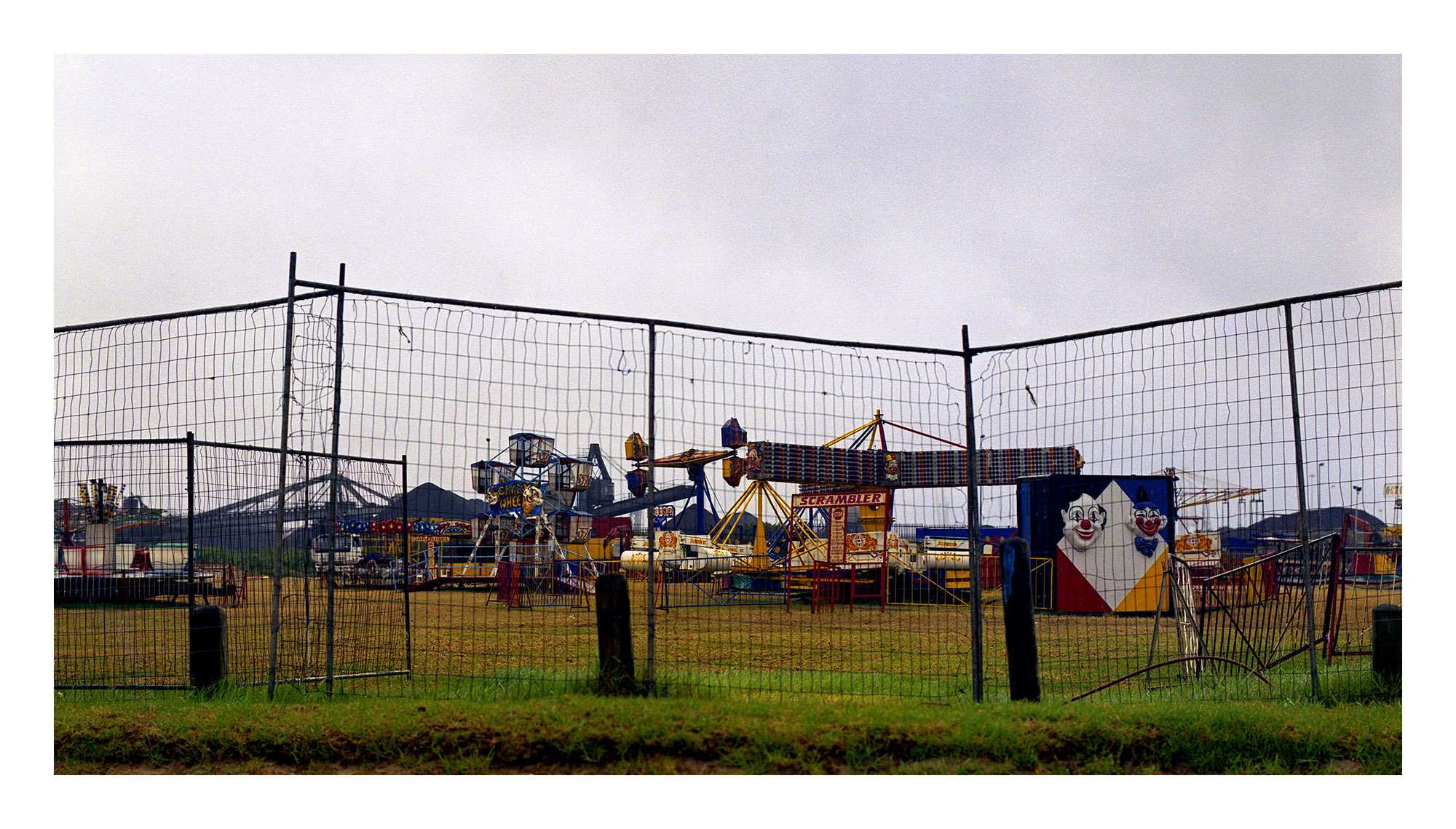
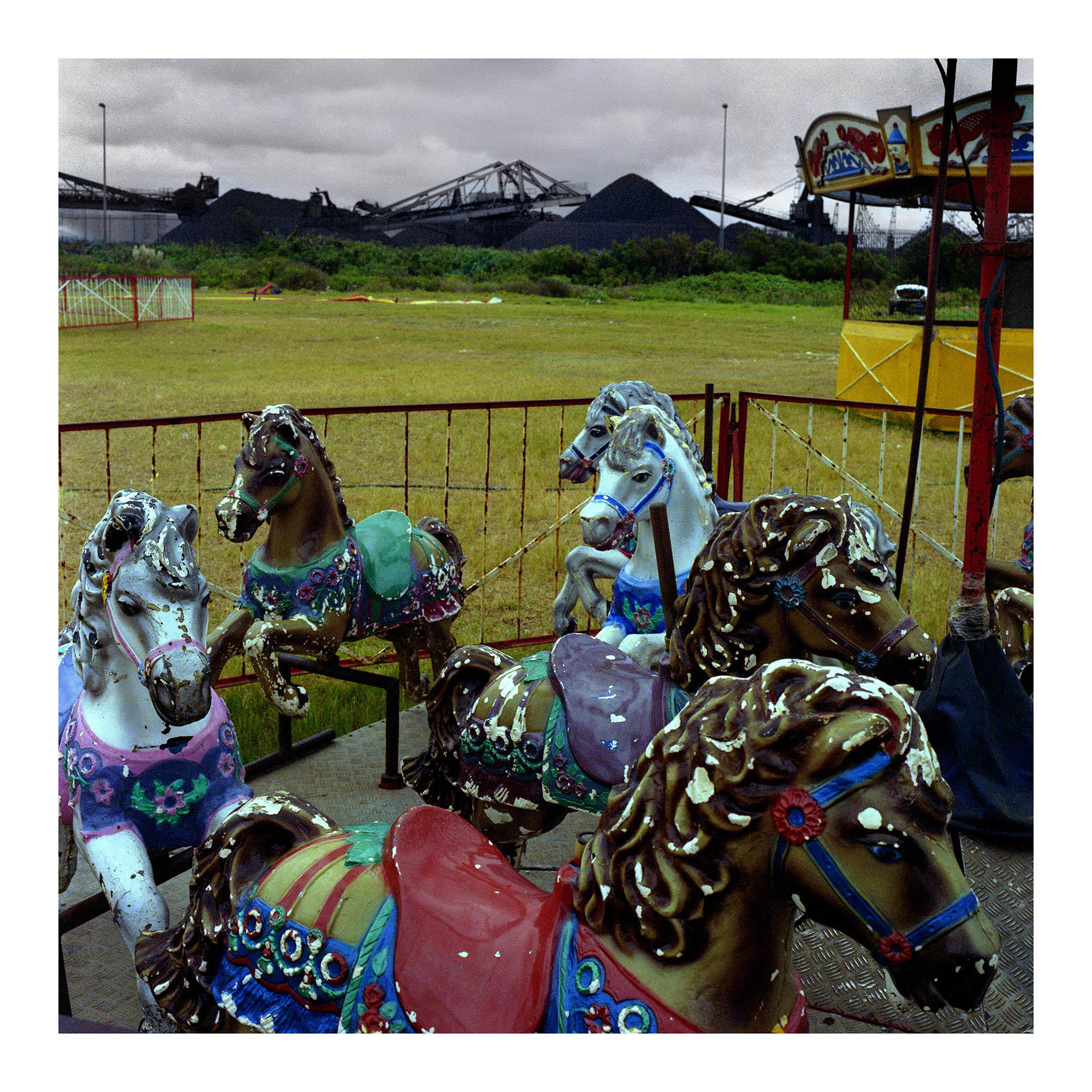
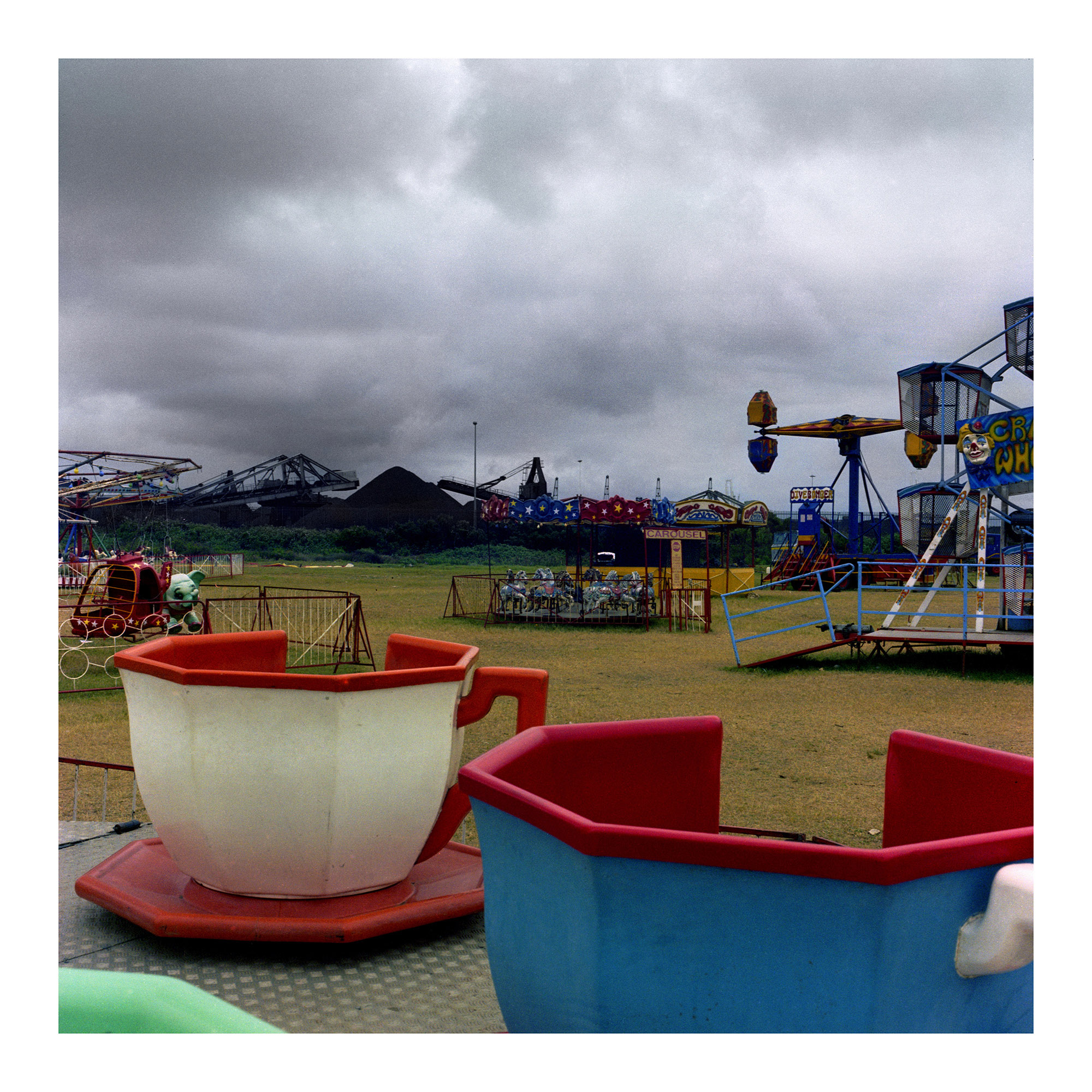
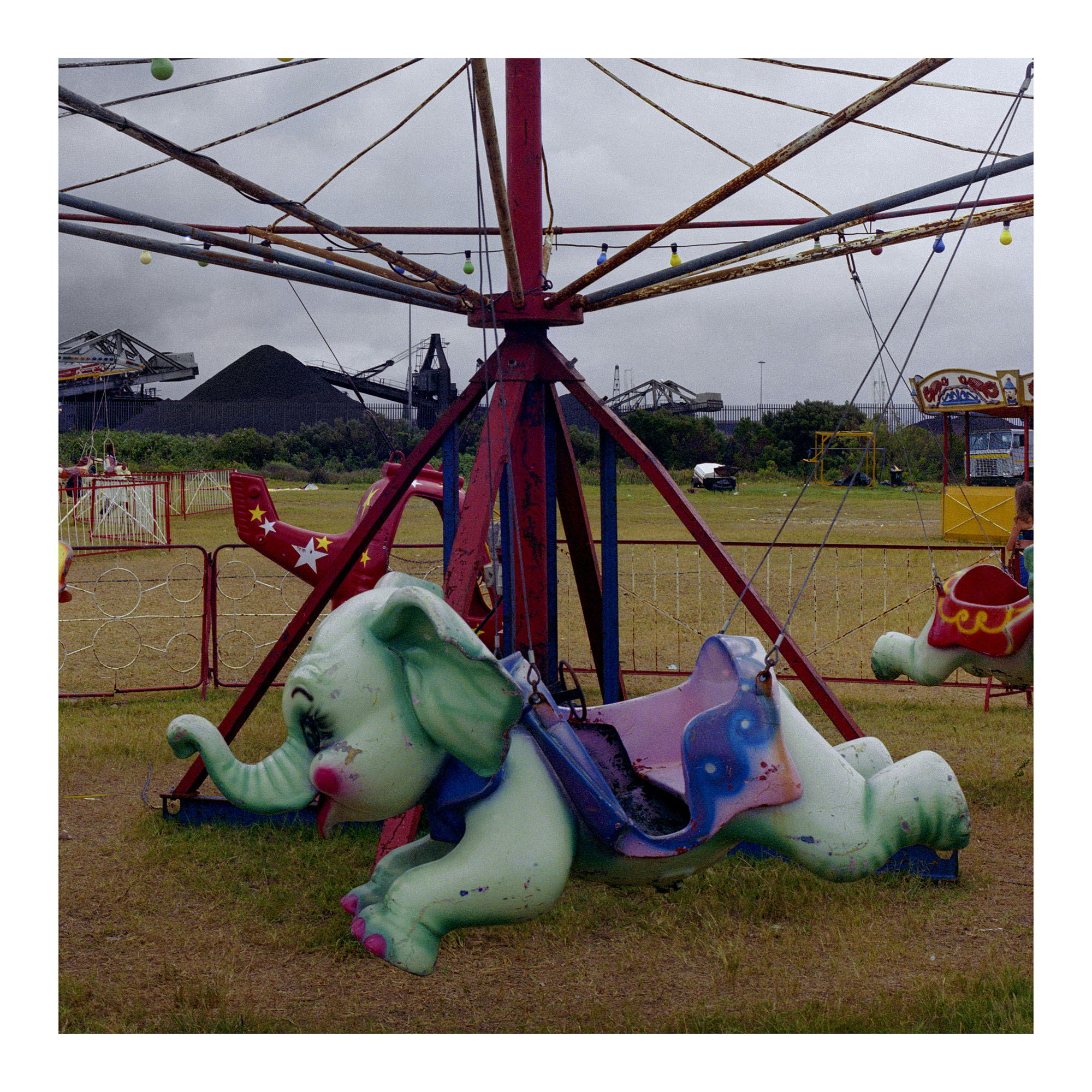
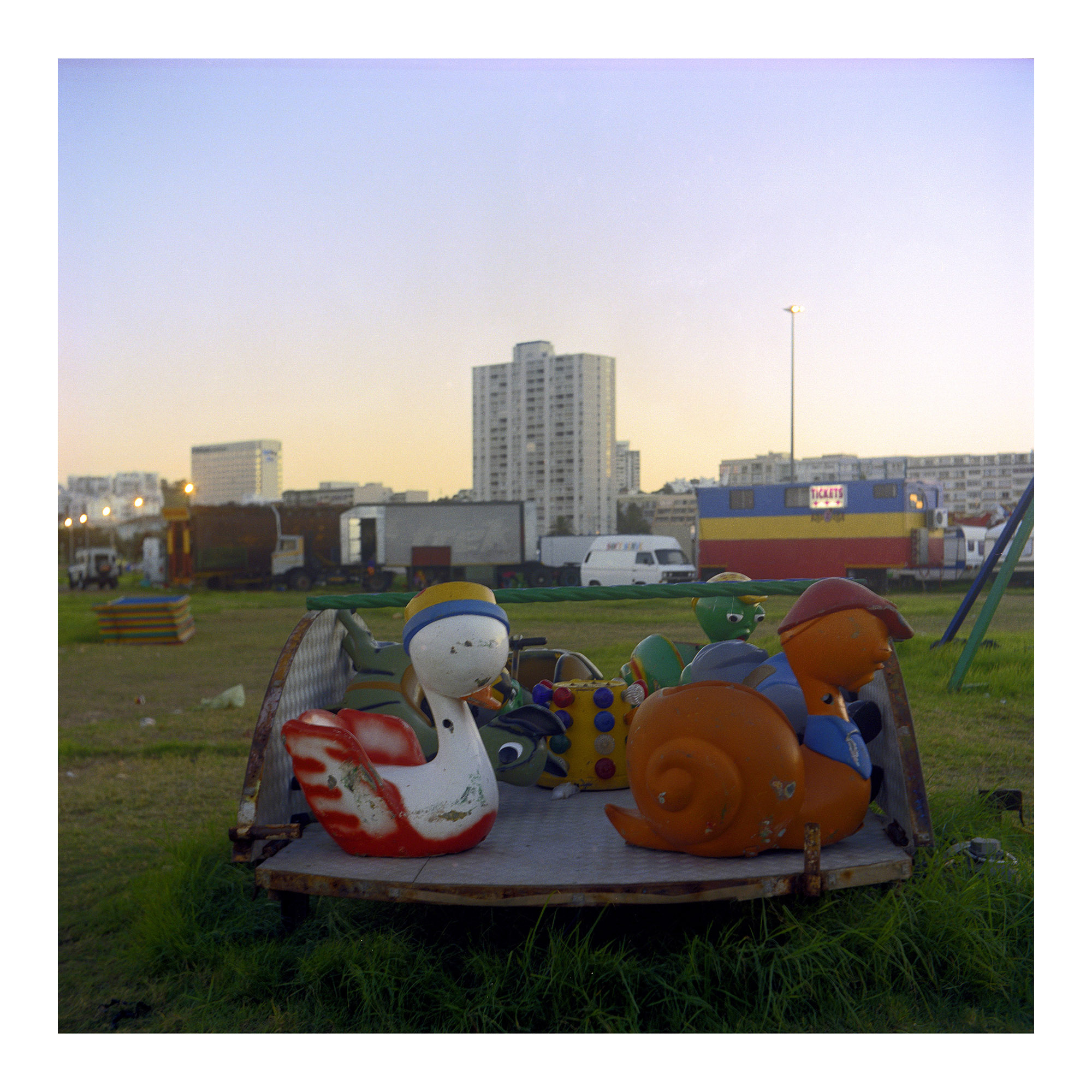
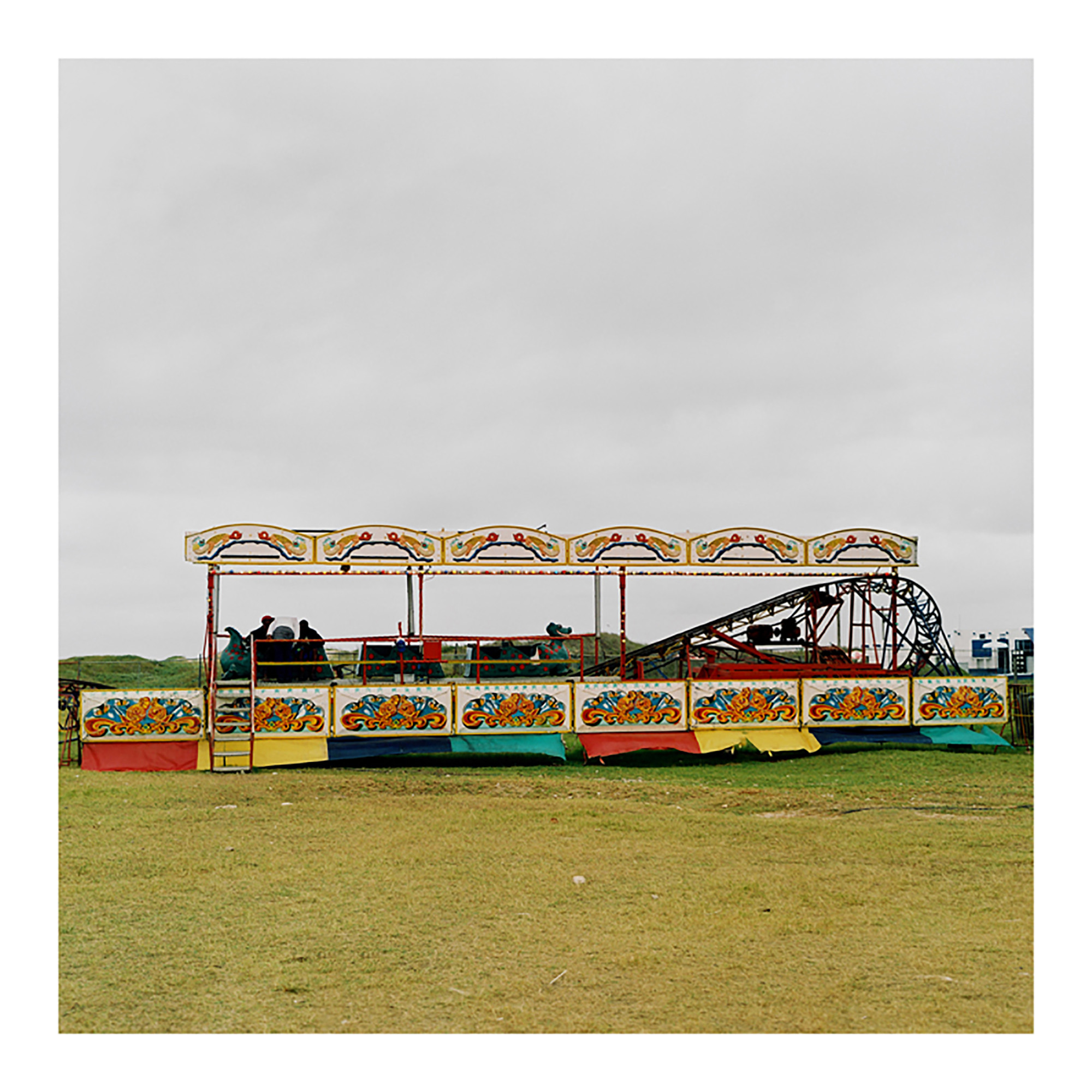
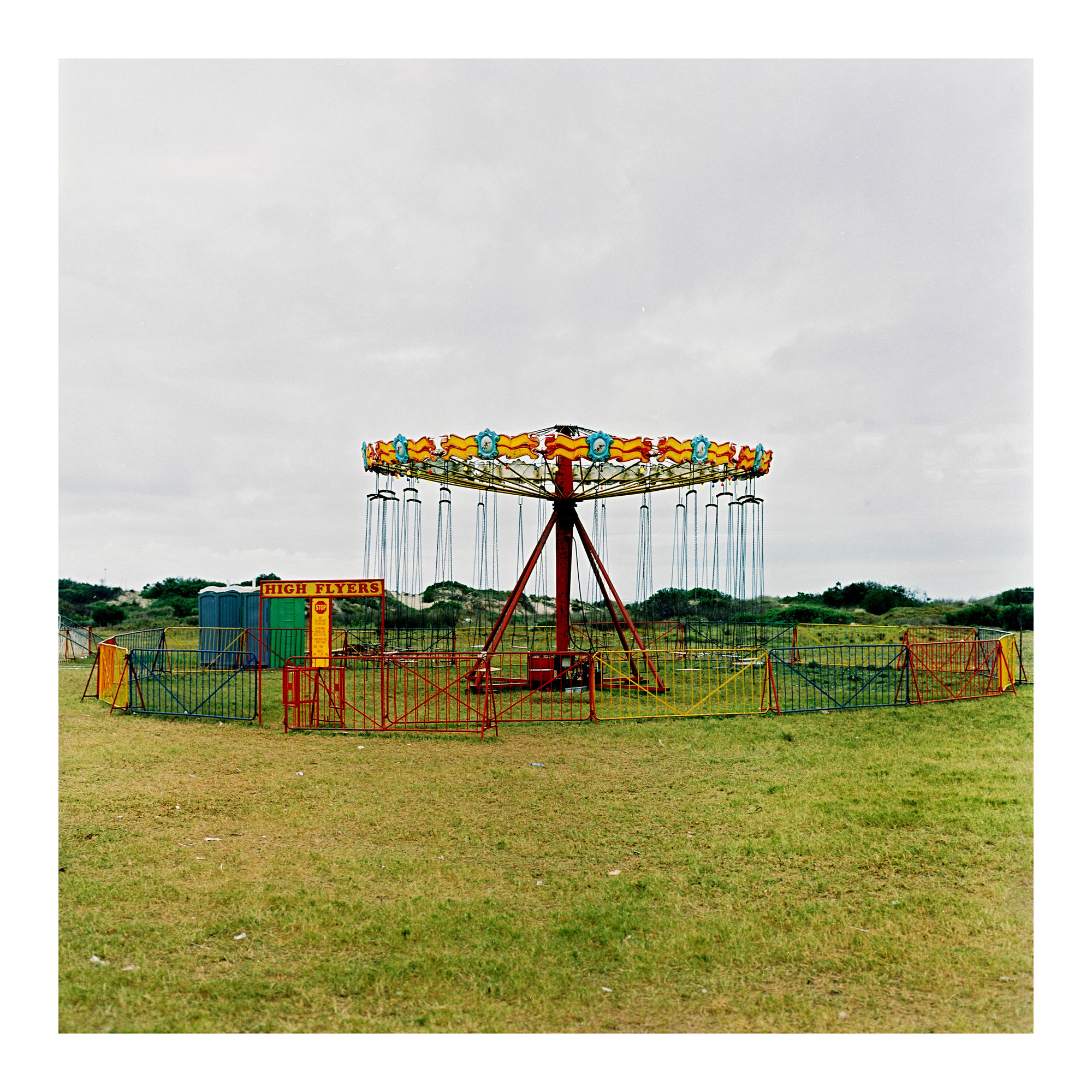

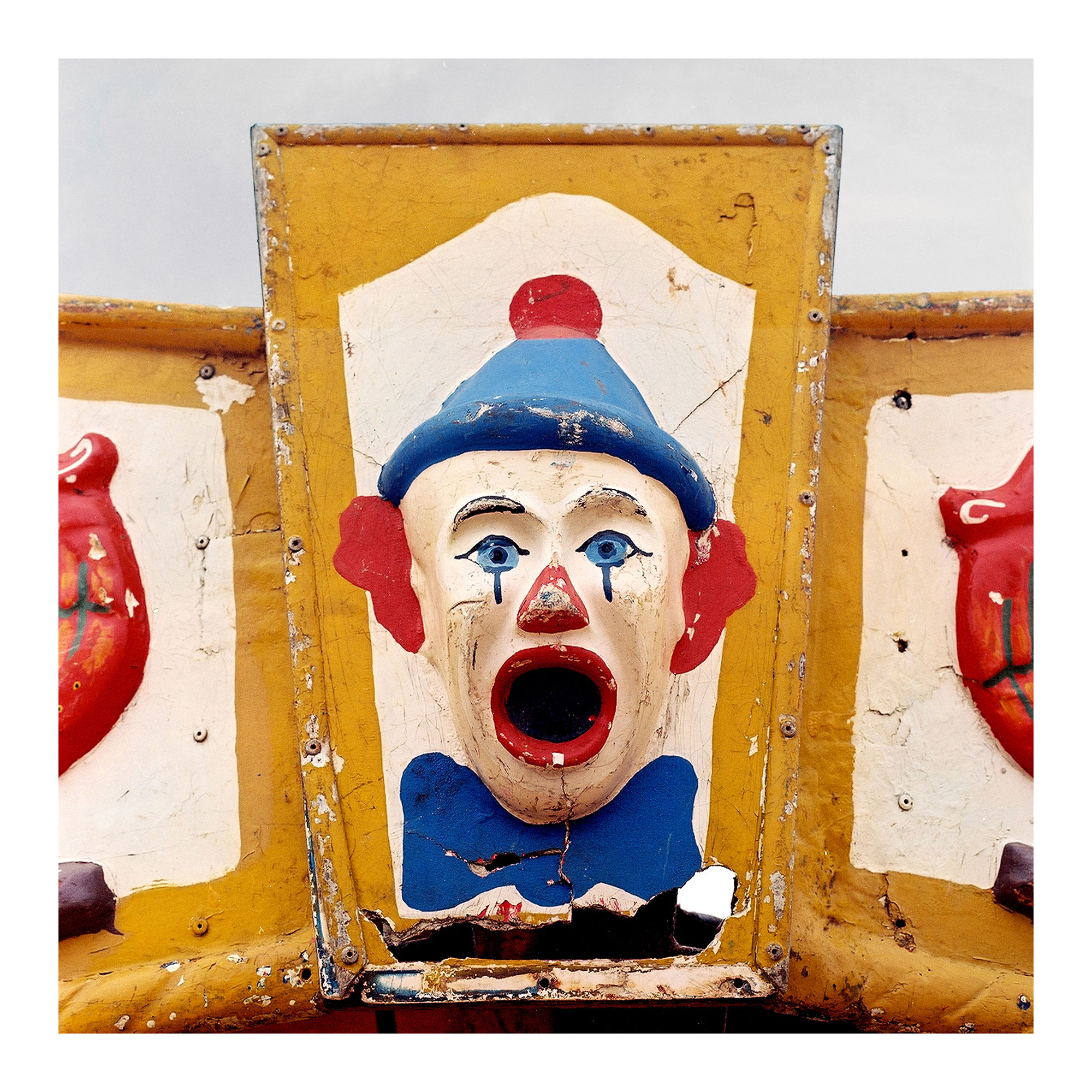
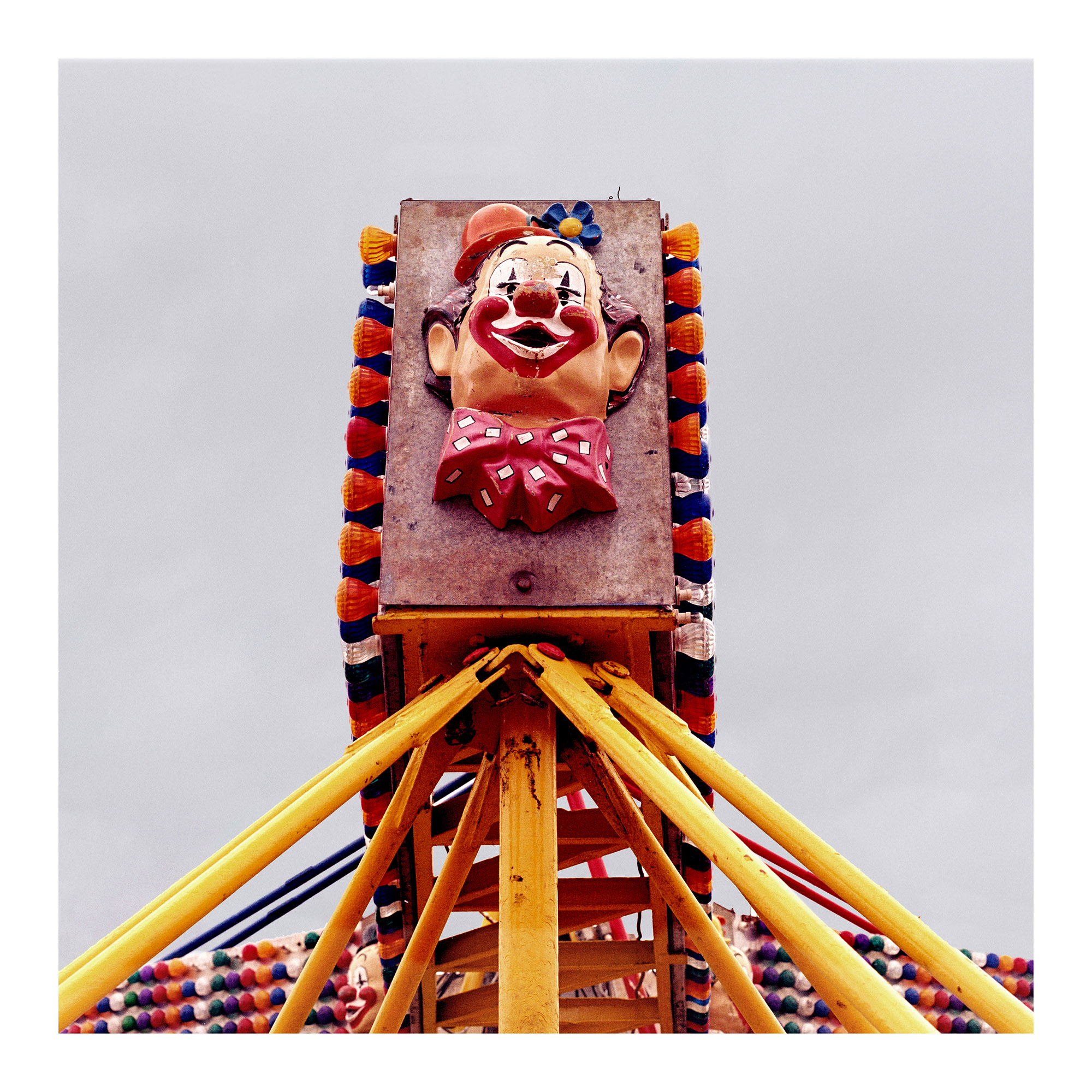
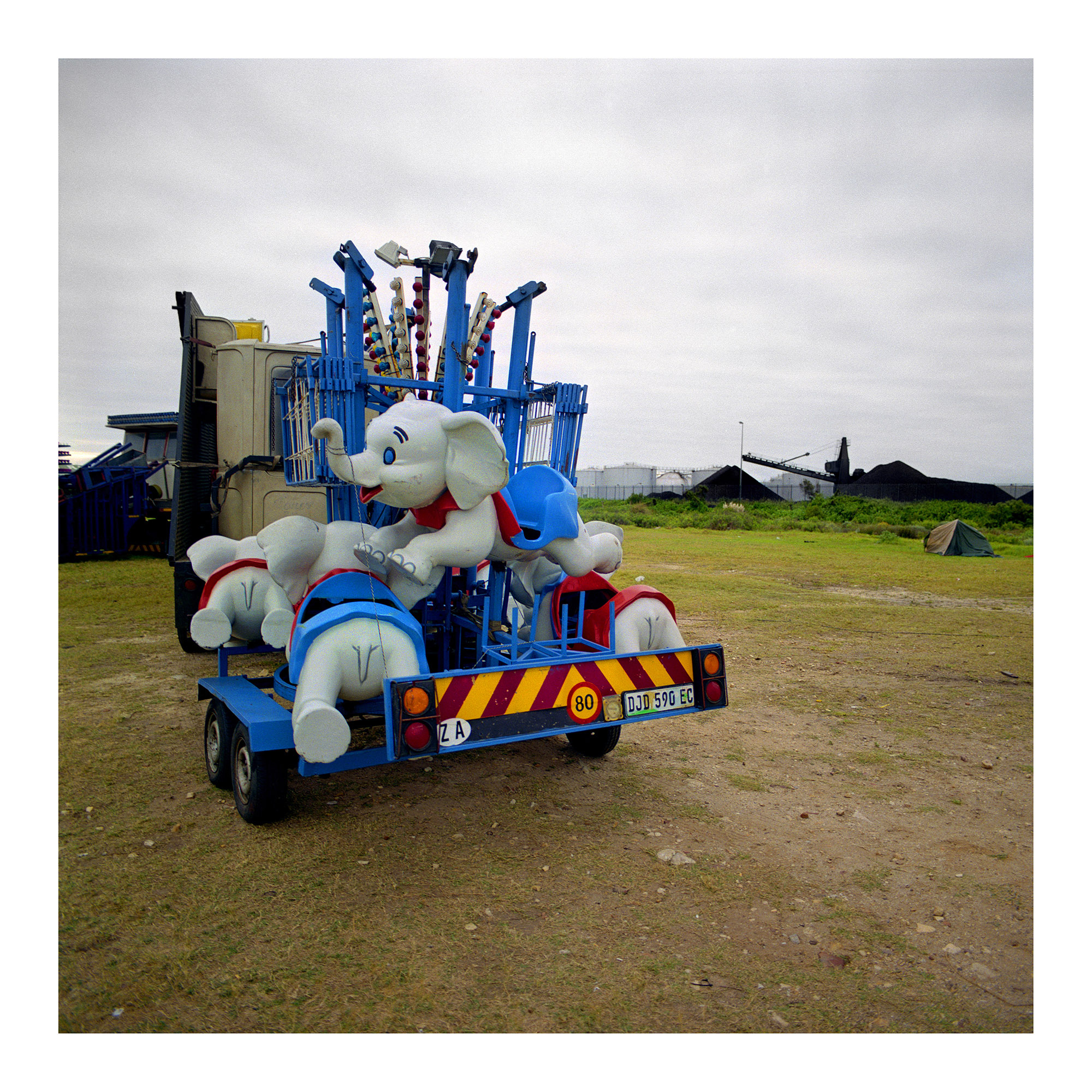
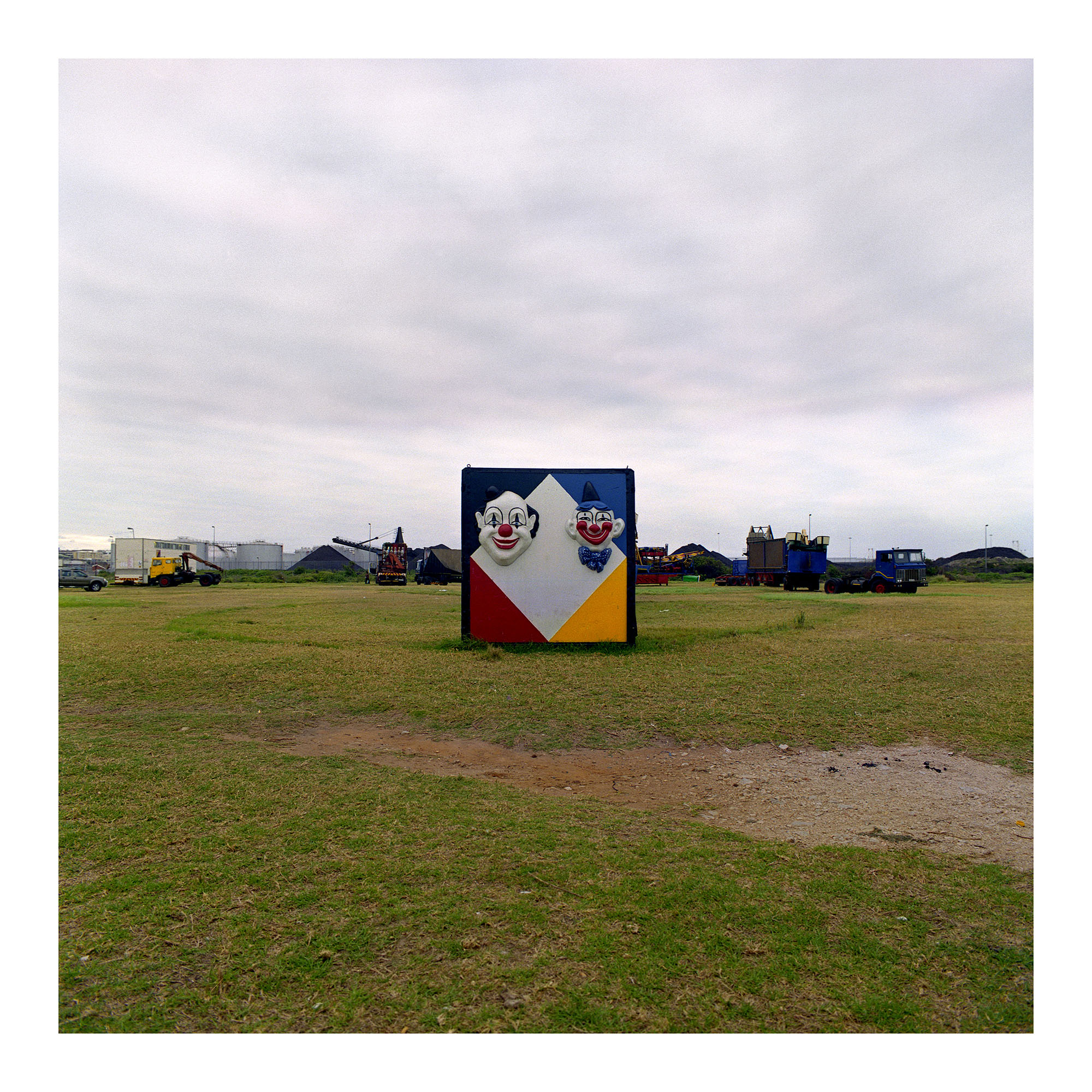
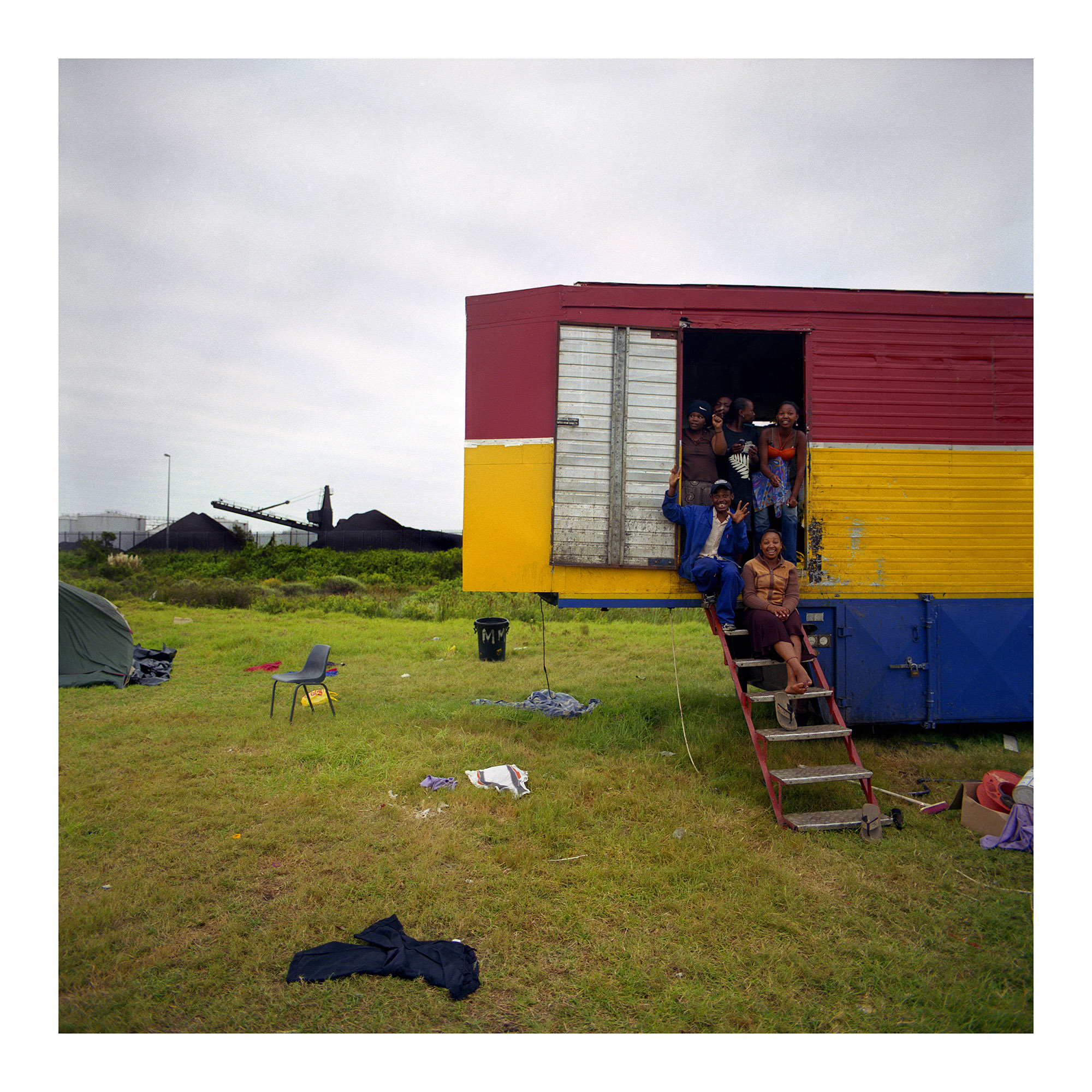
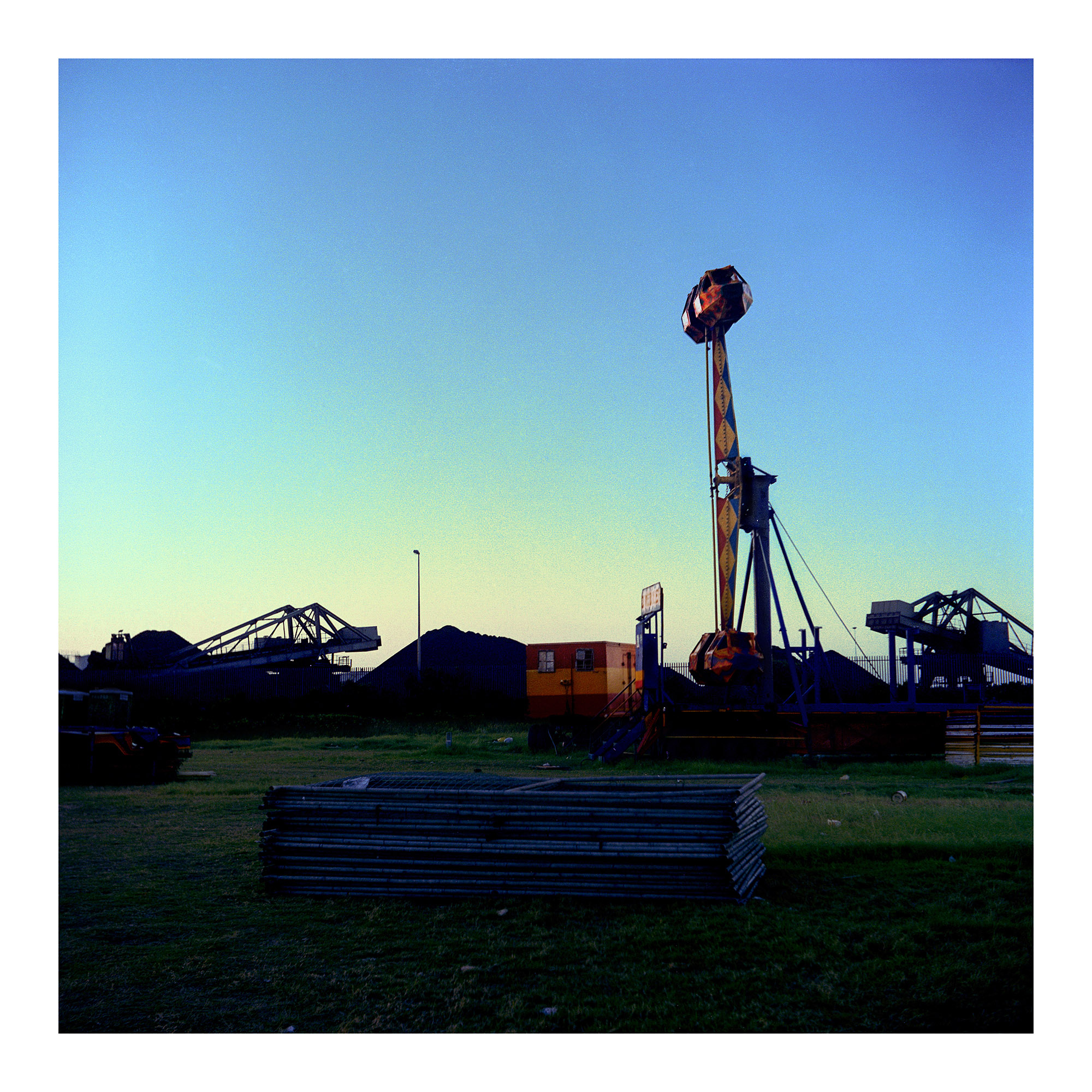
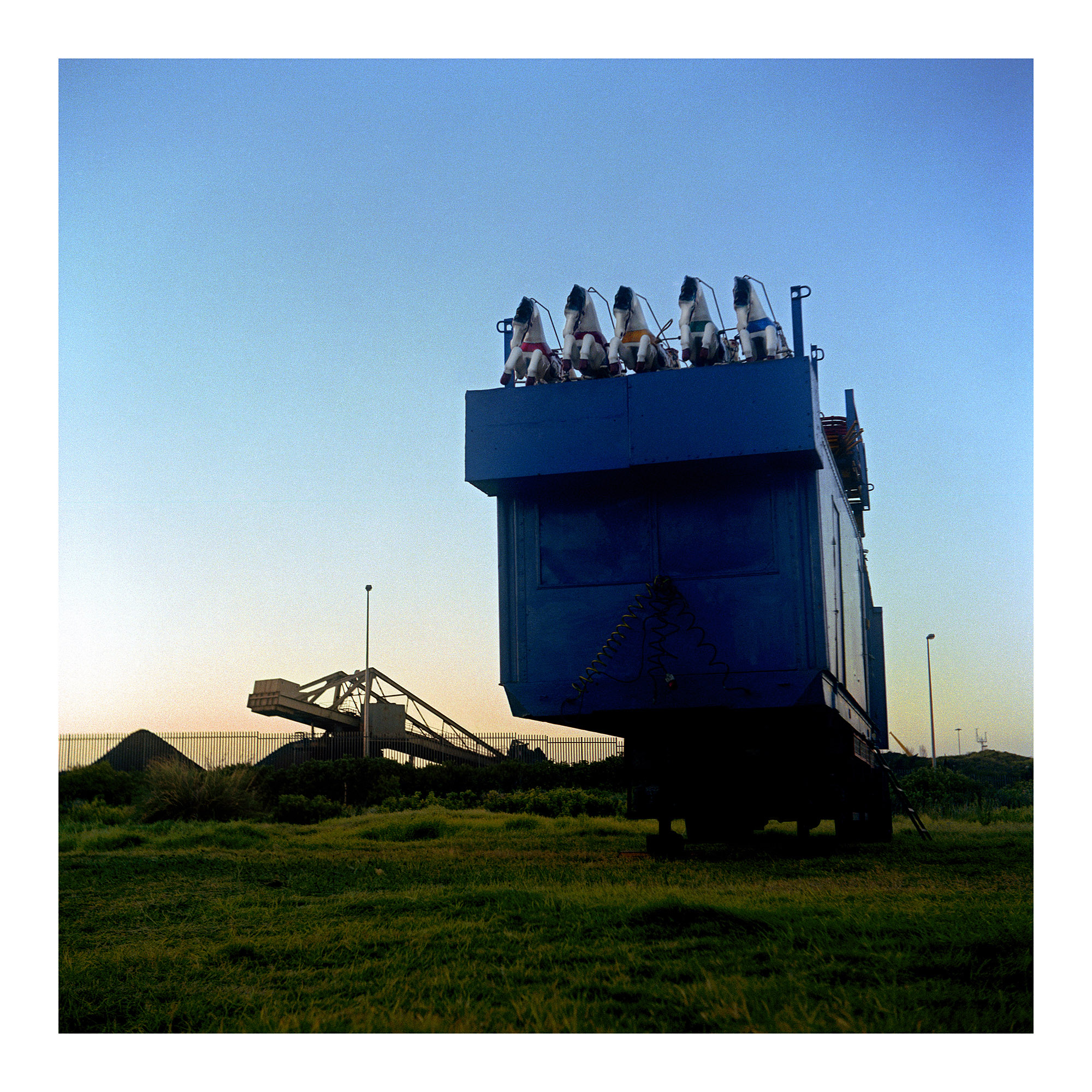
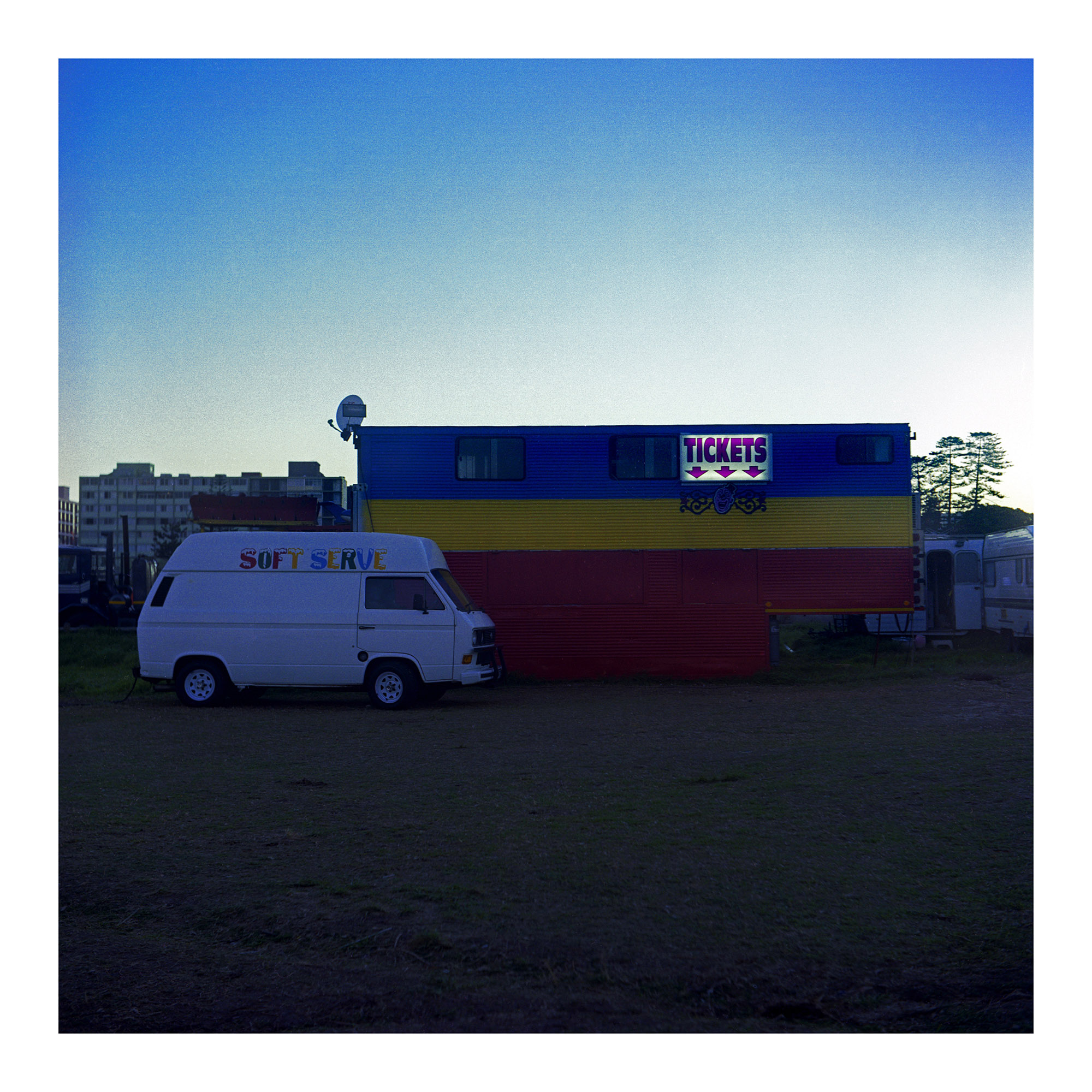





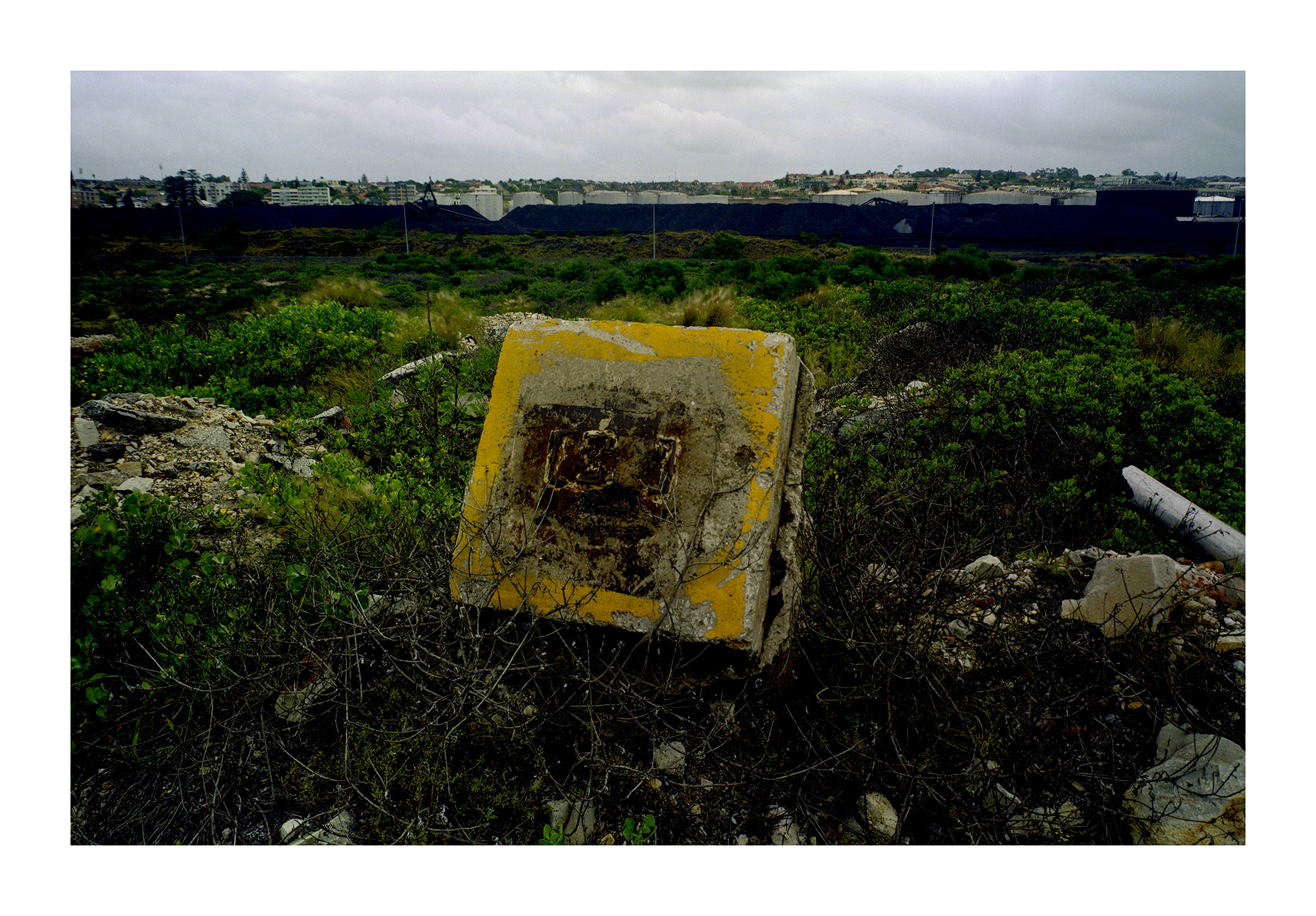
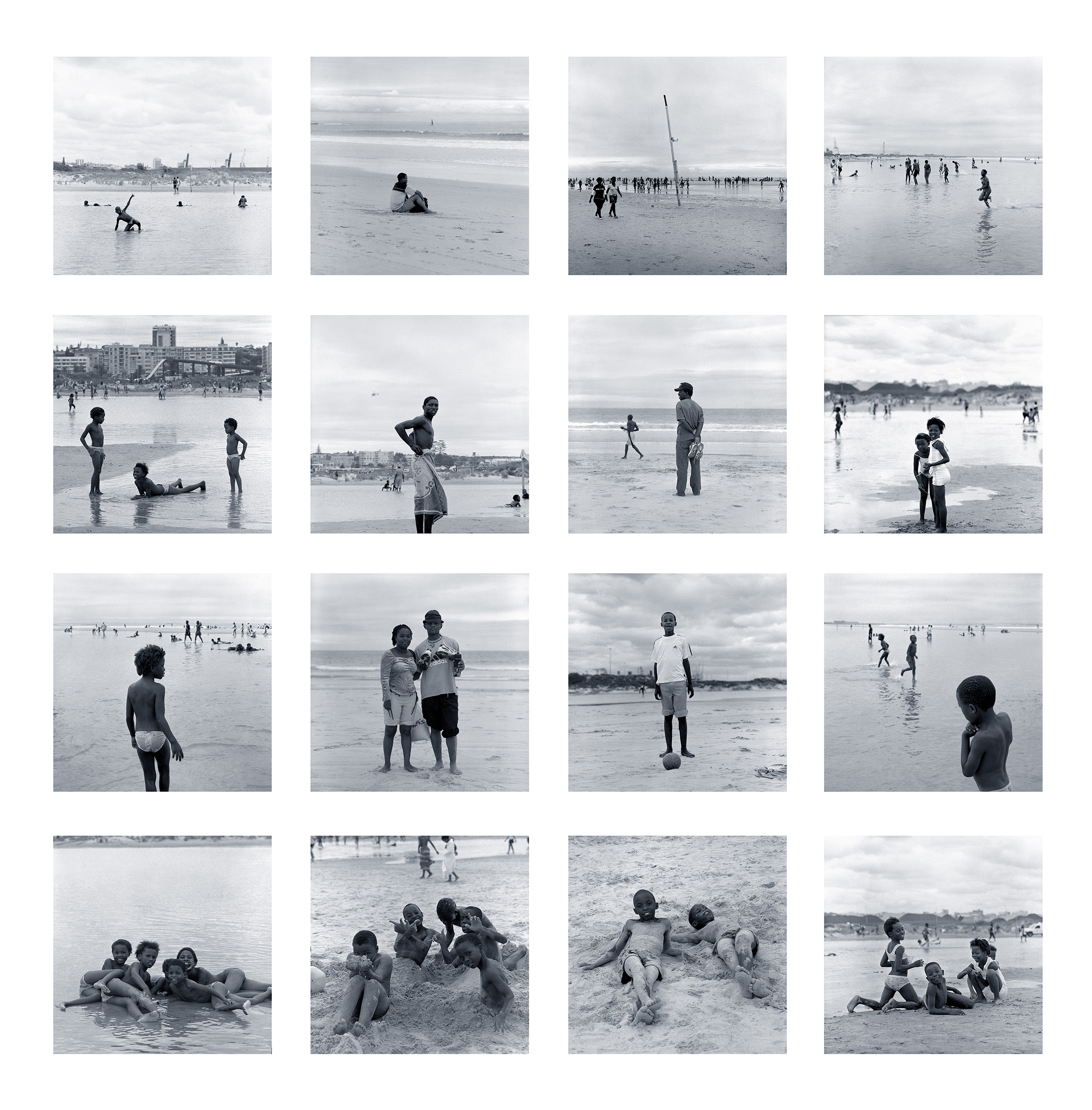

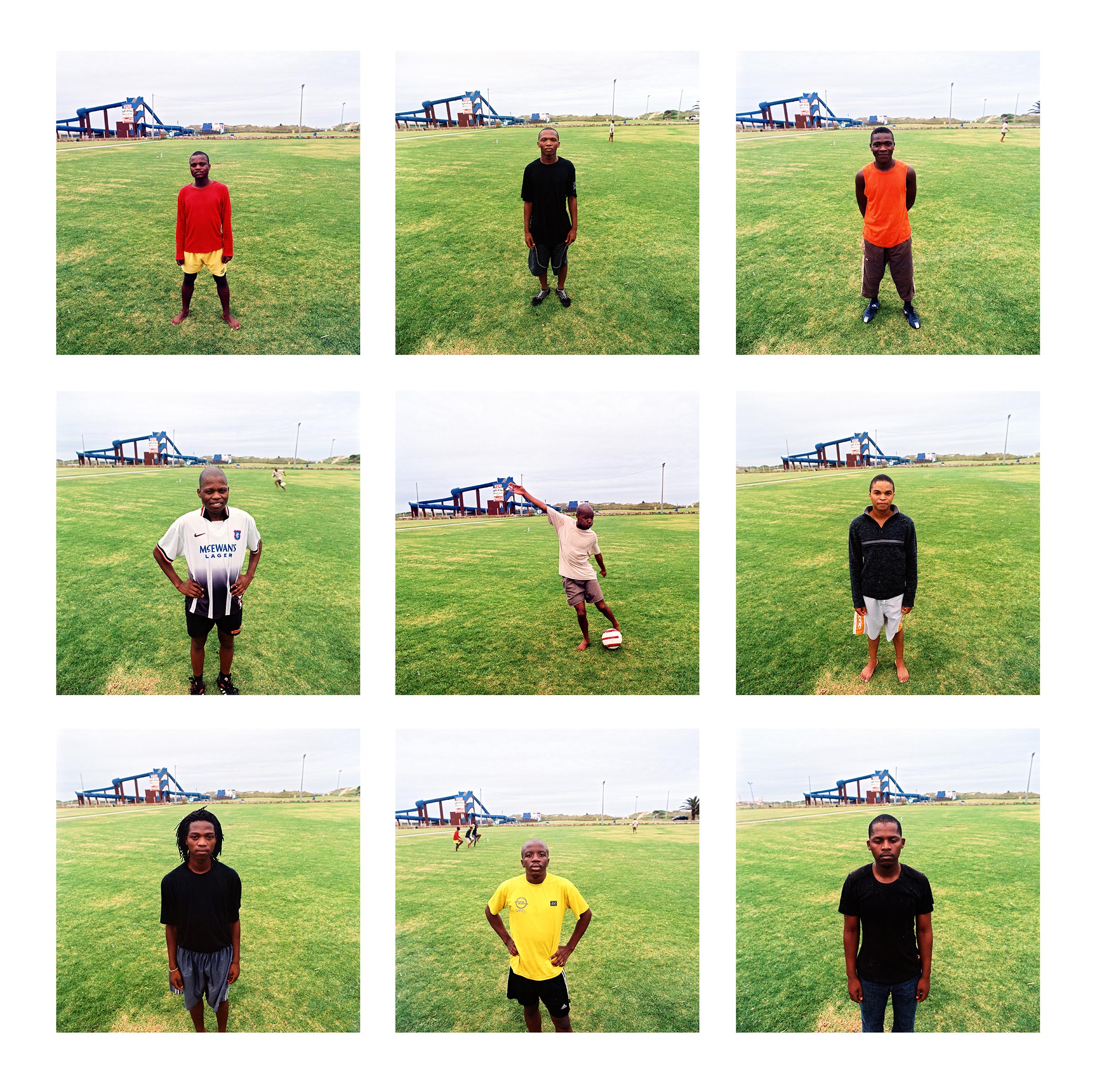

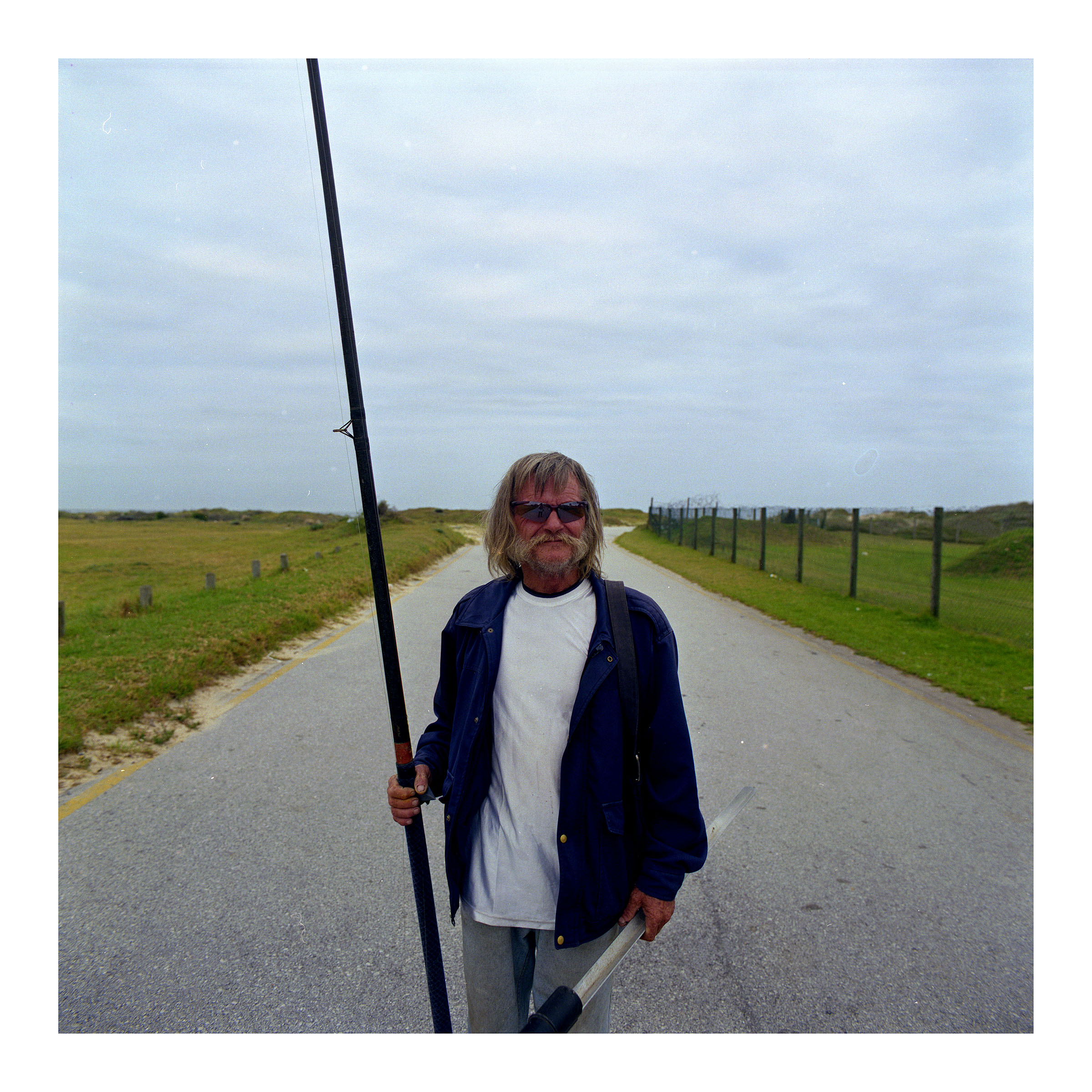
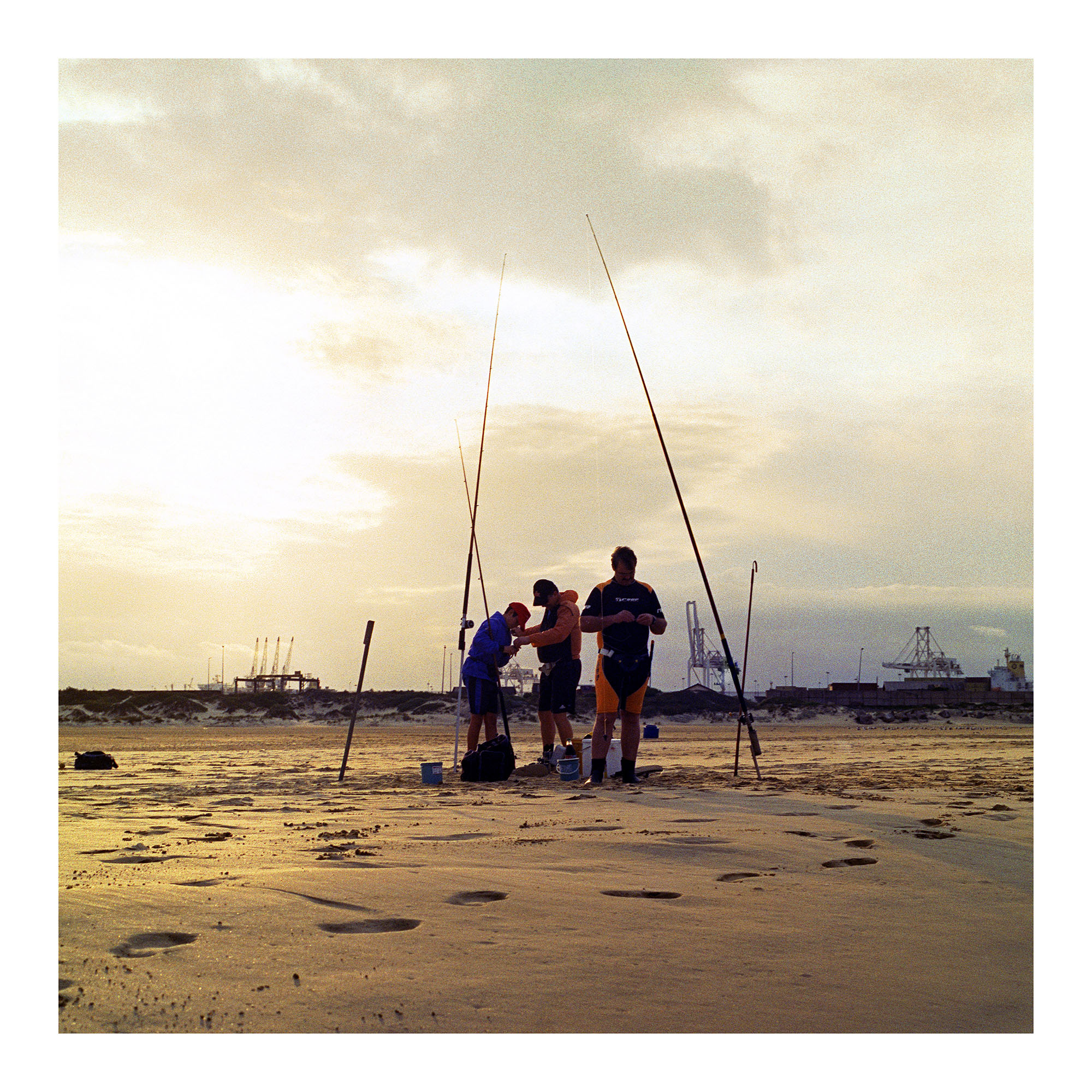
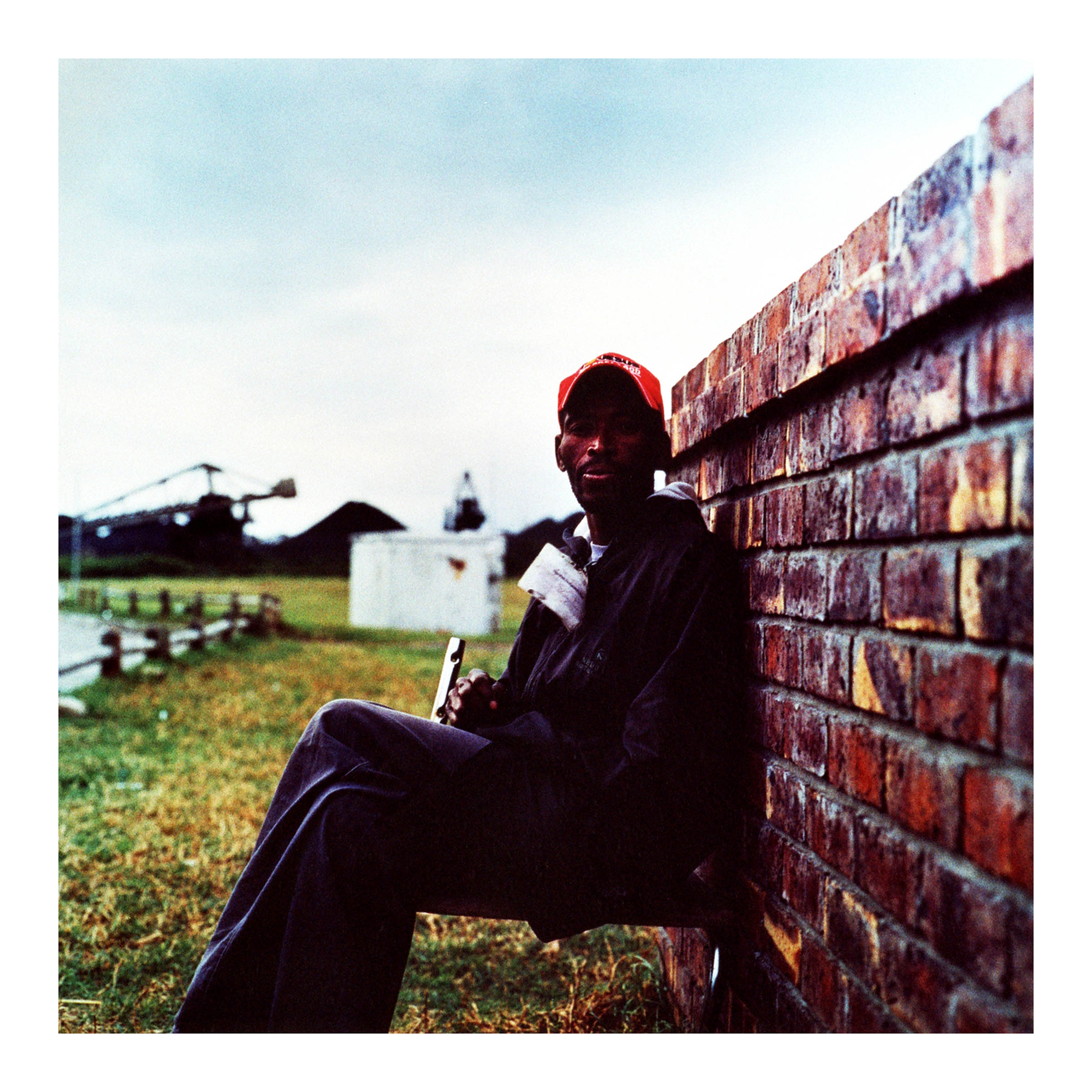
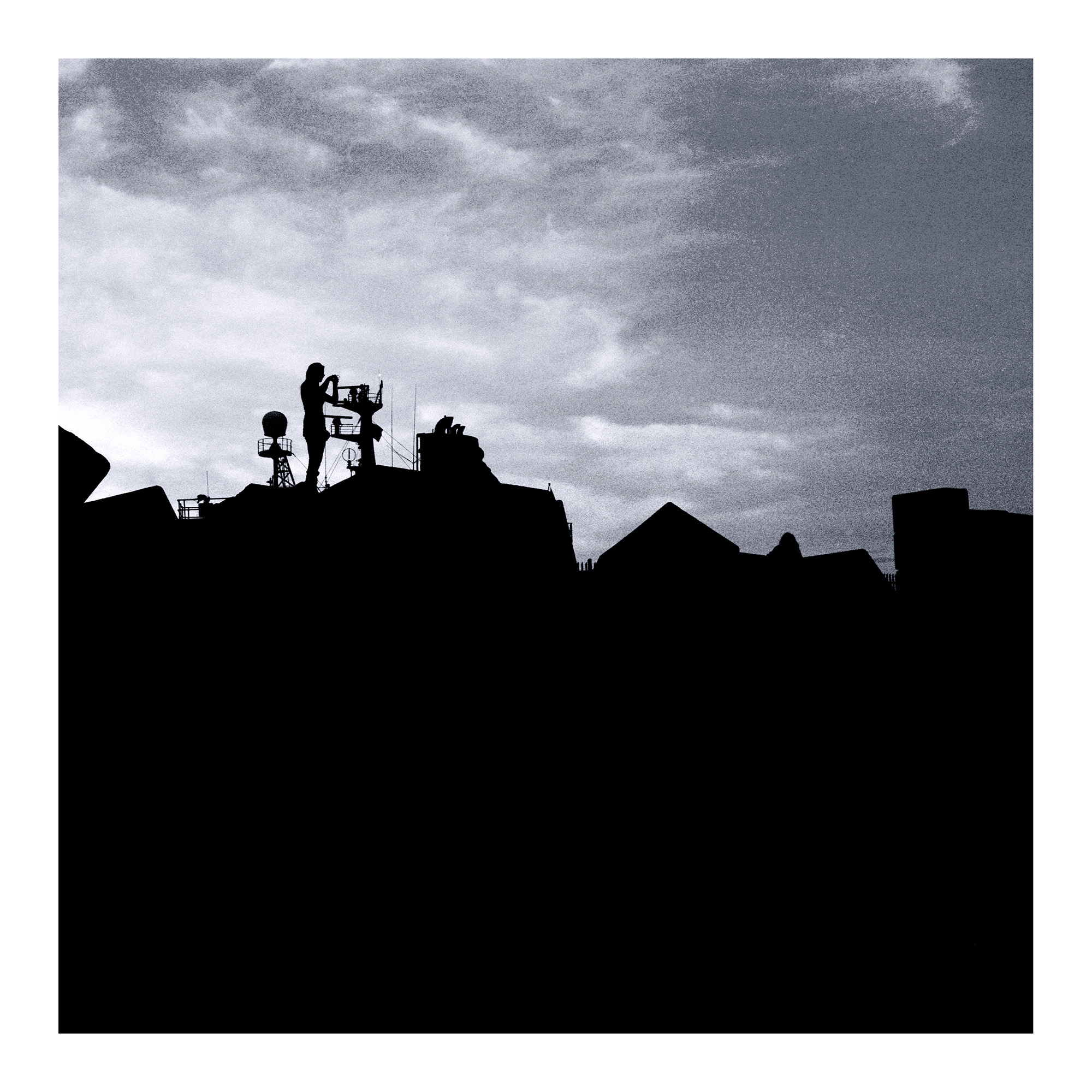
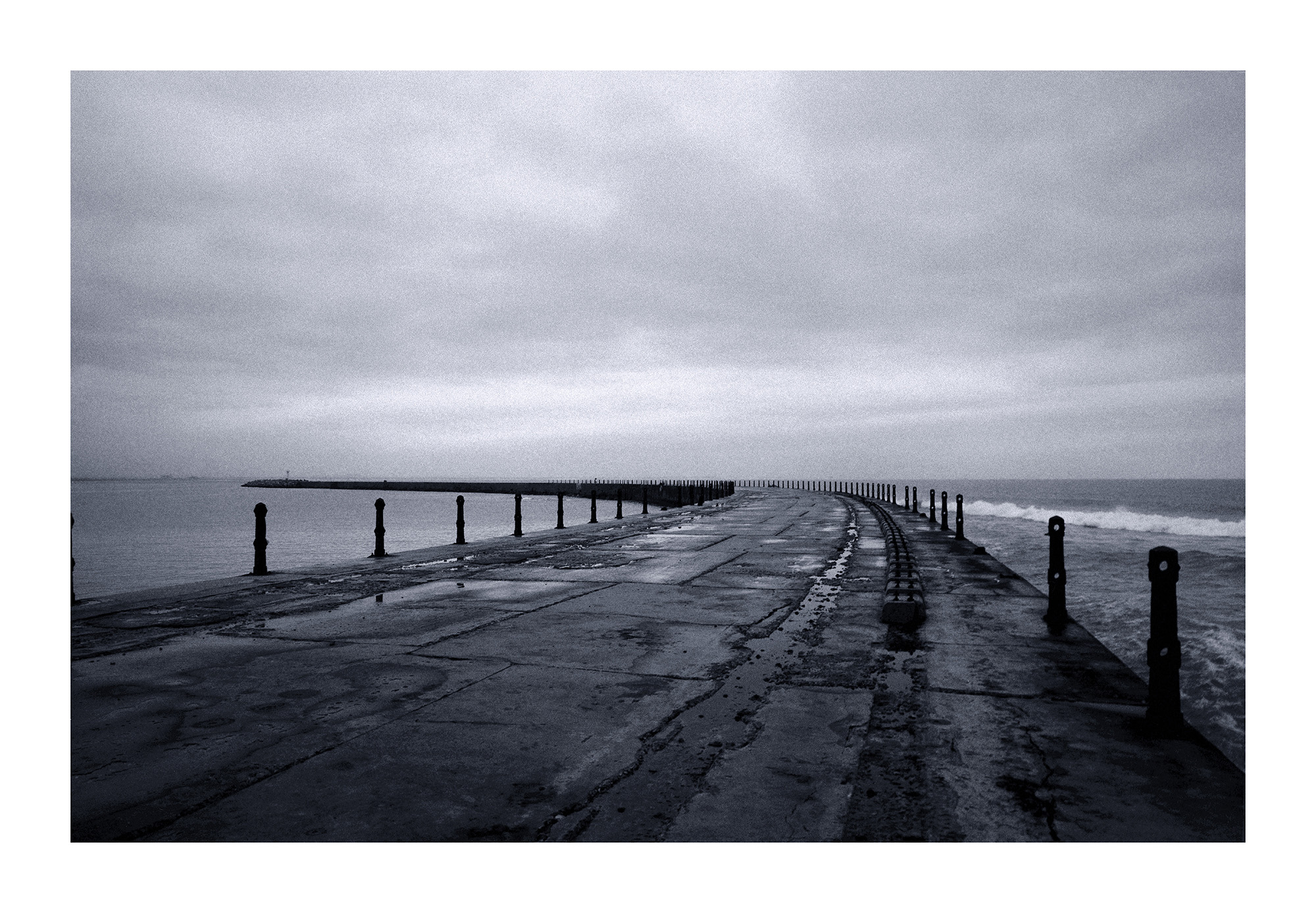
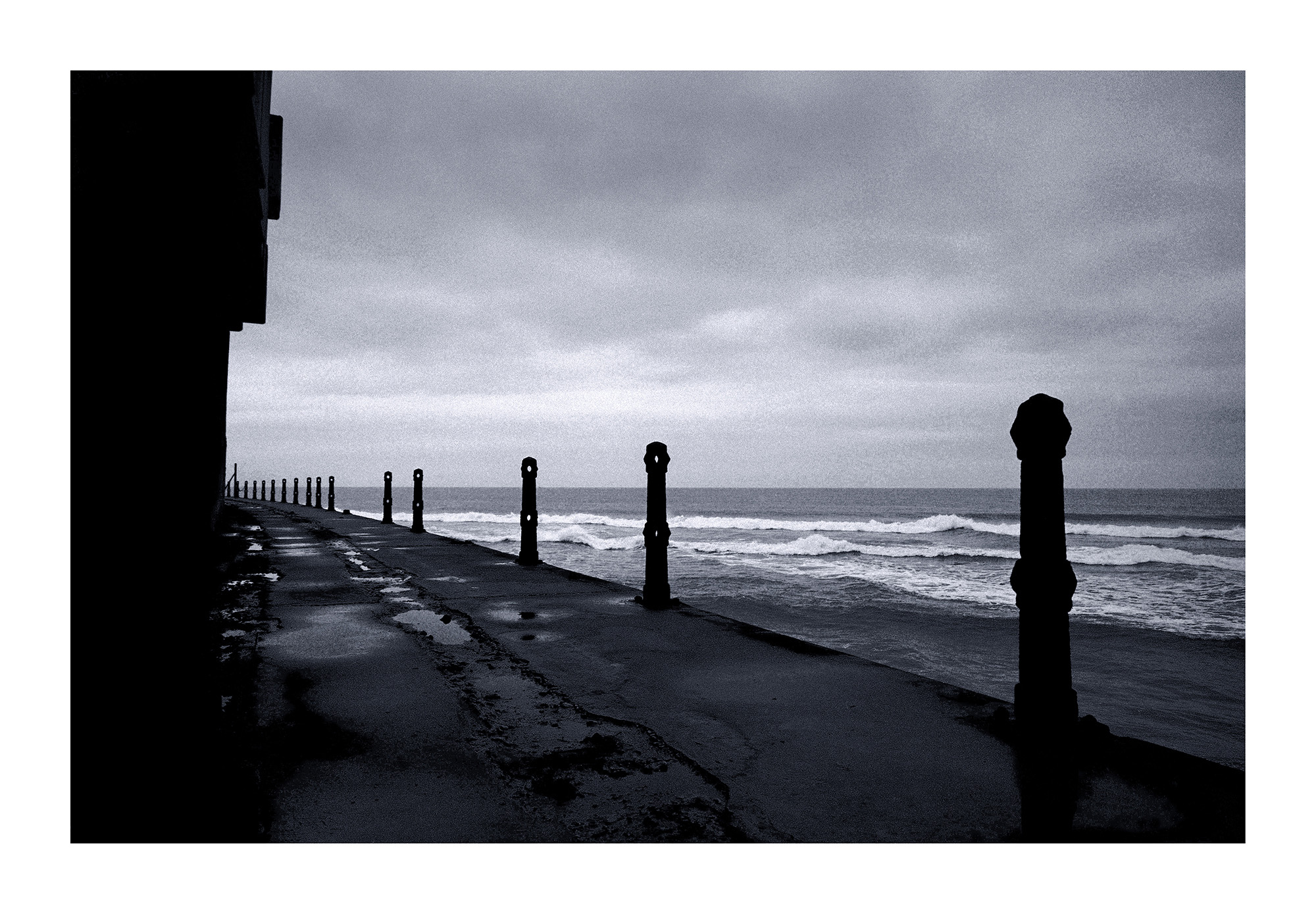
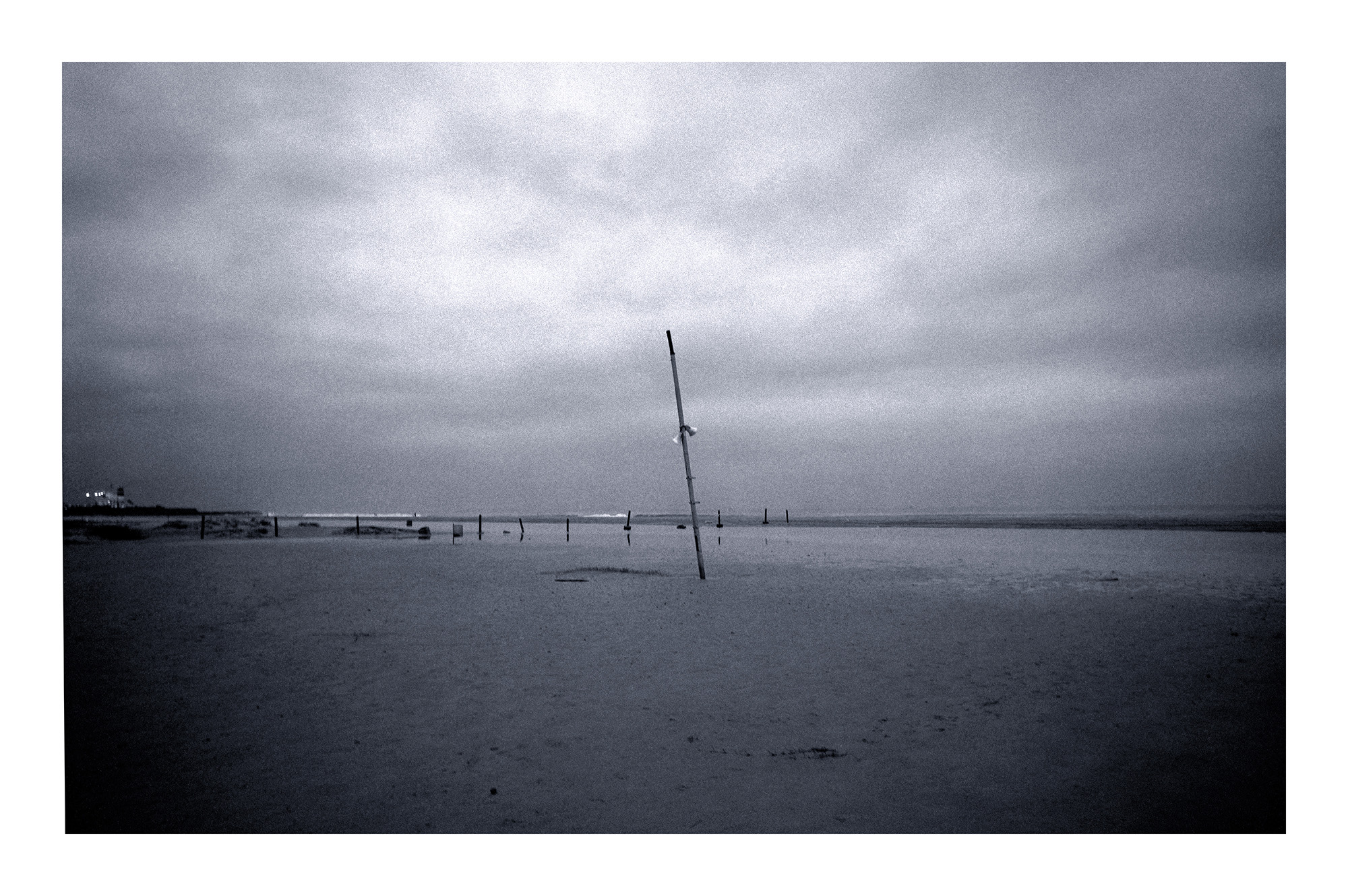
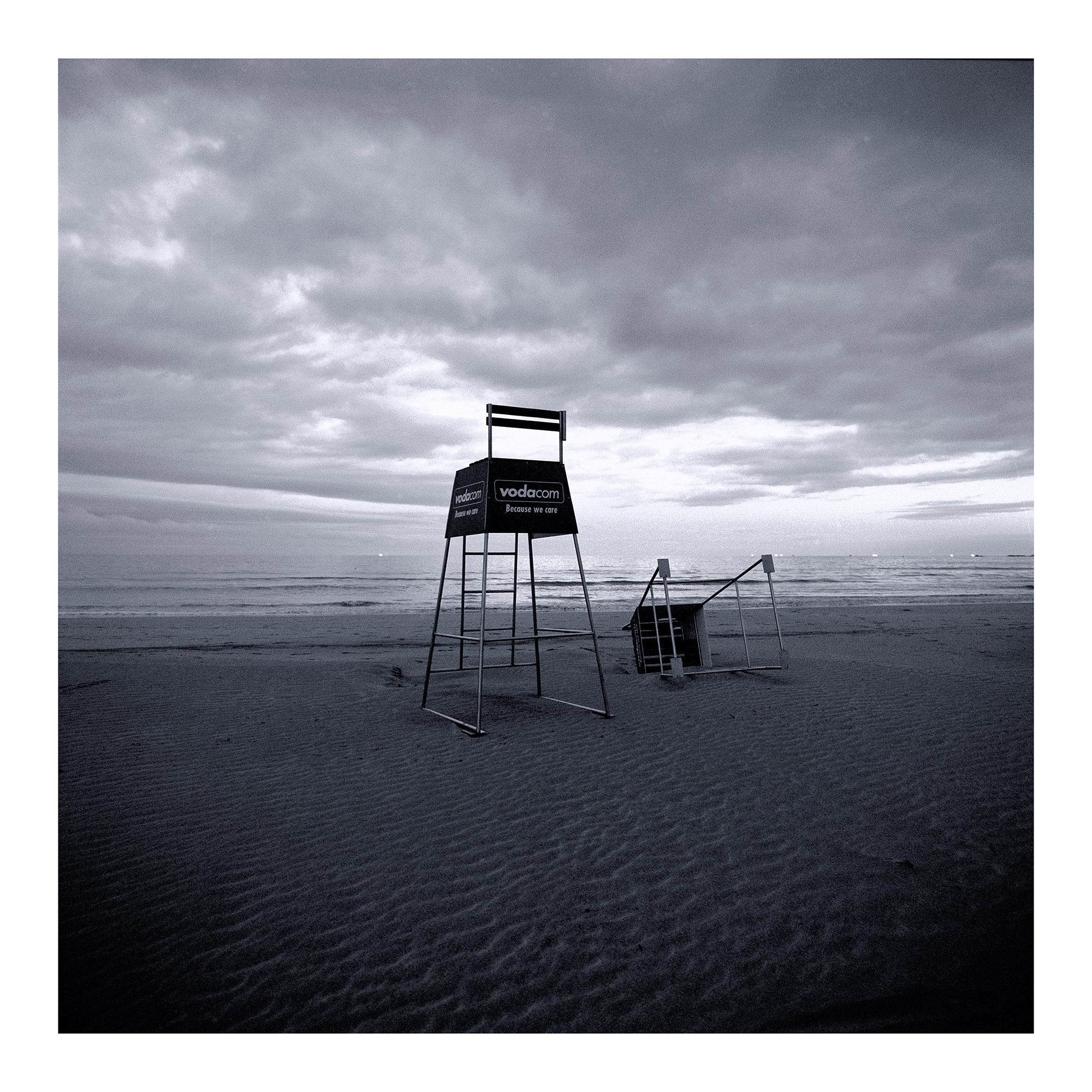
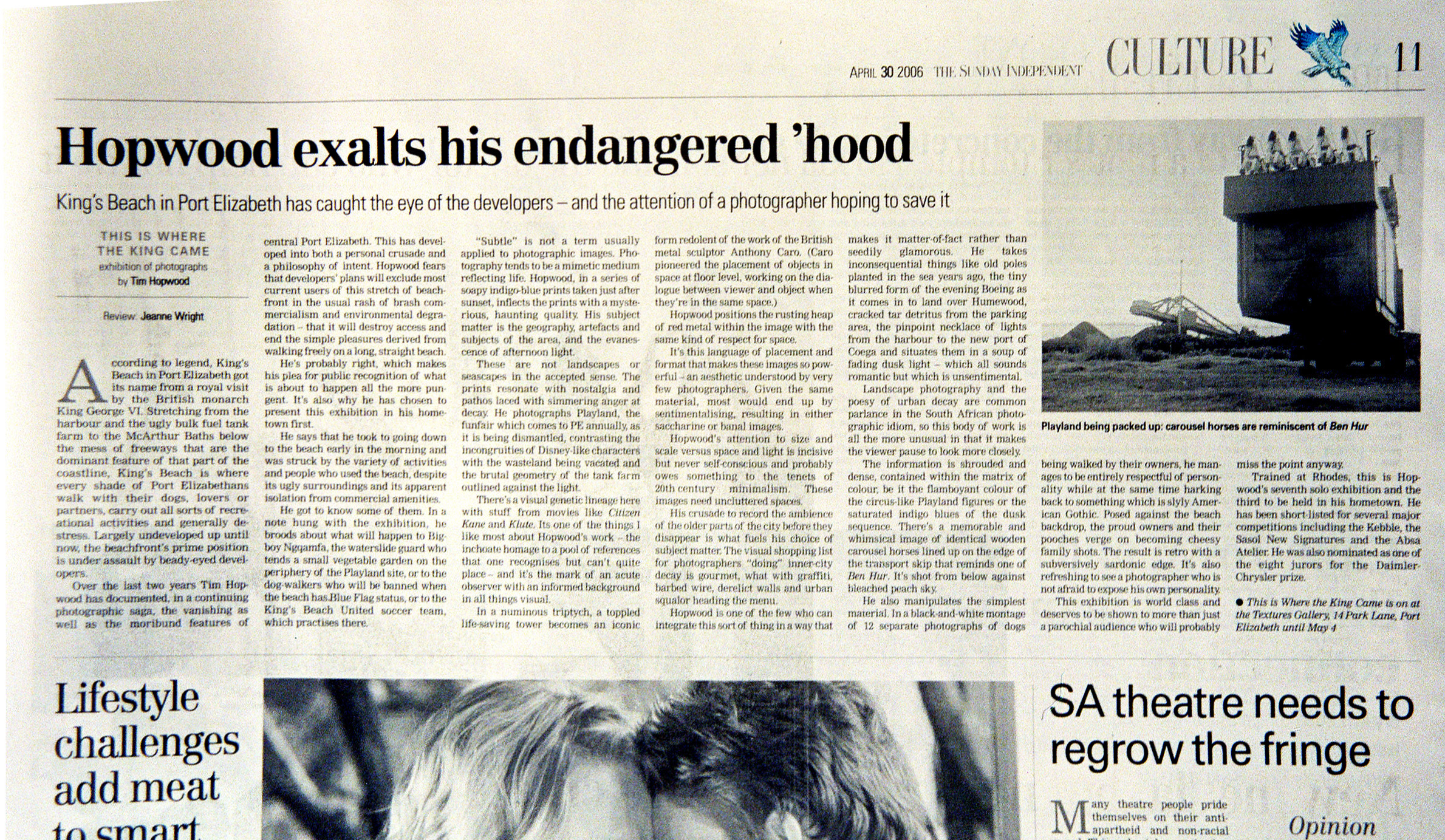
...important in the Art Industry in South Africa, and in that of the so-called developed world.
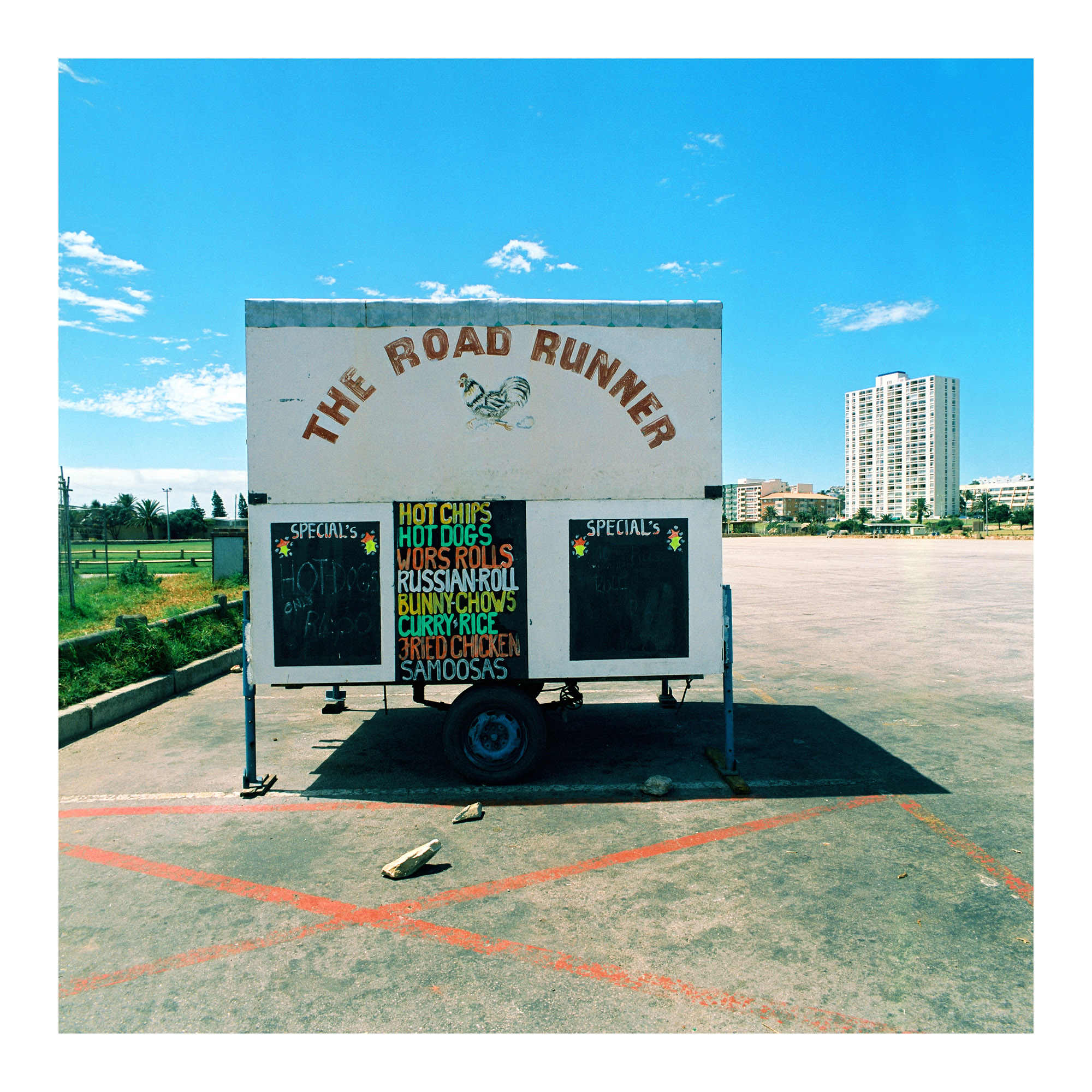
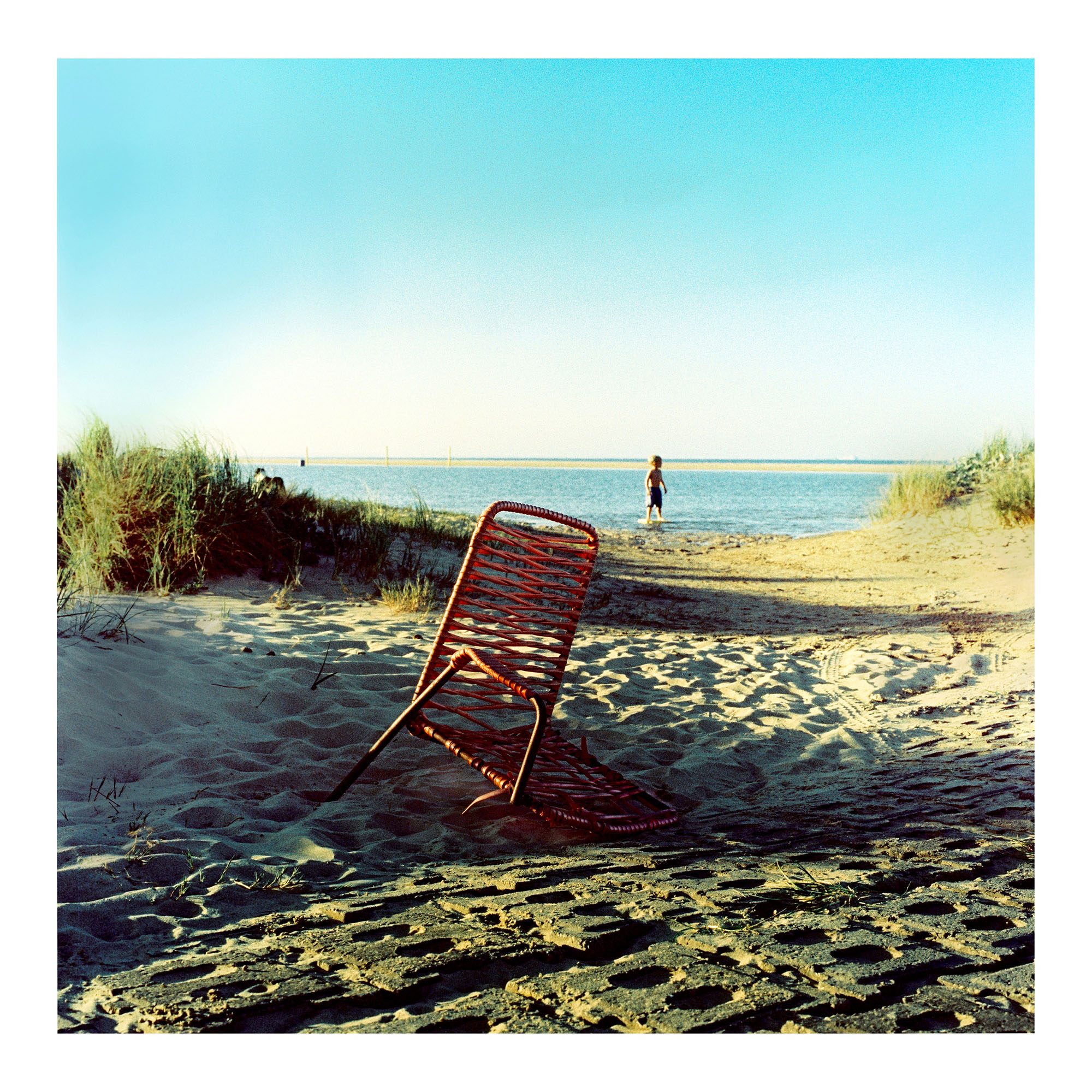
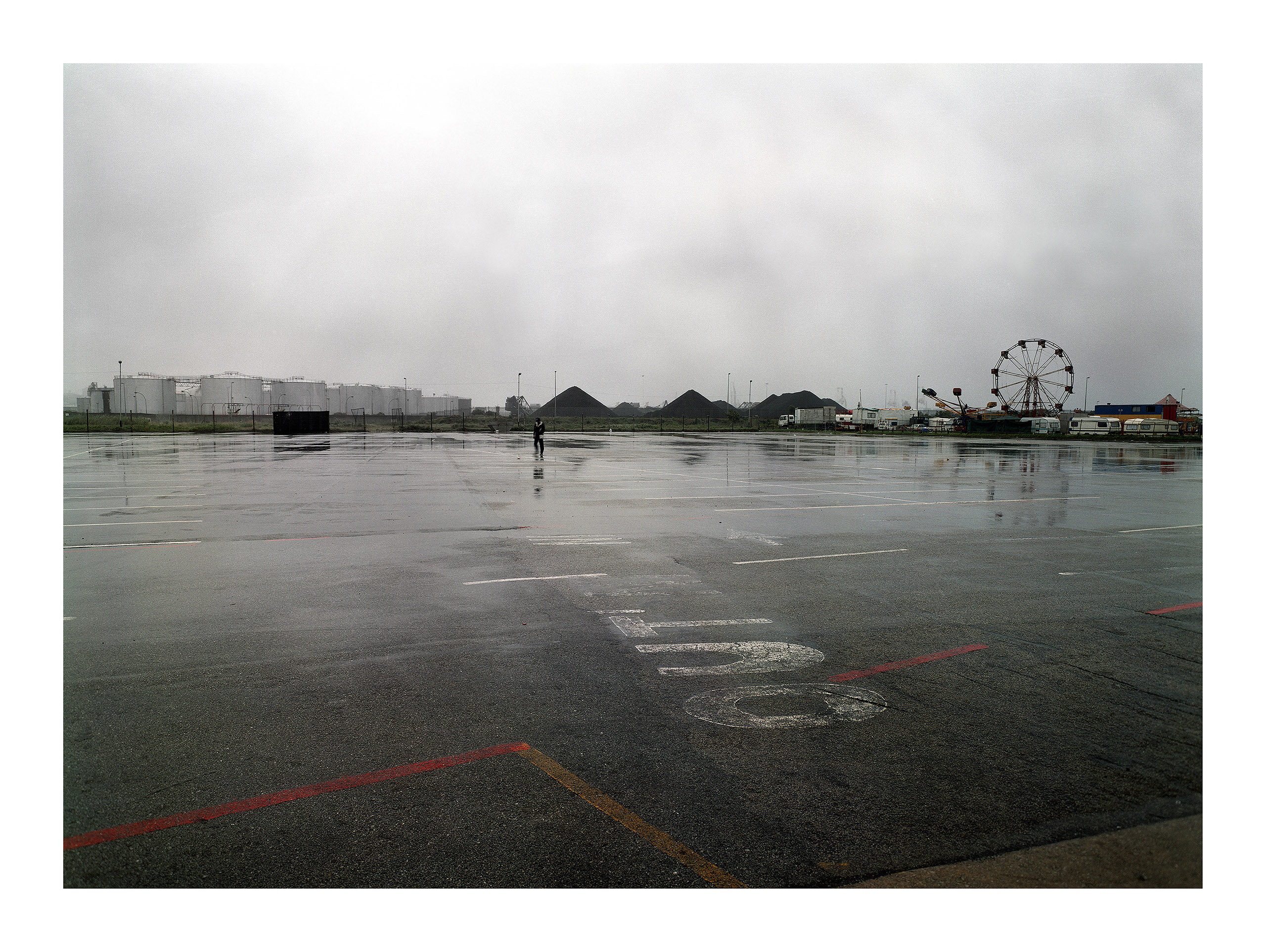
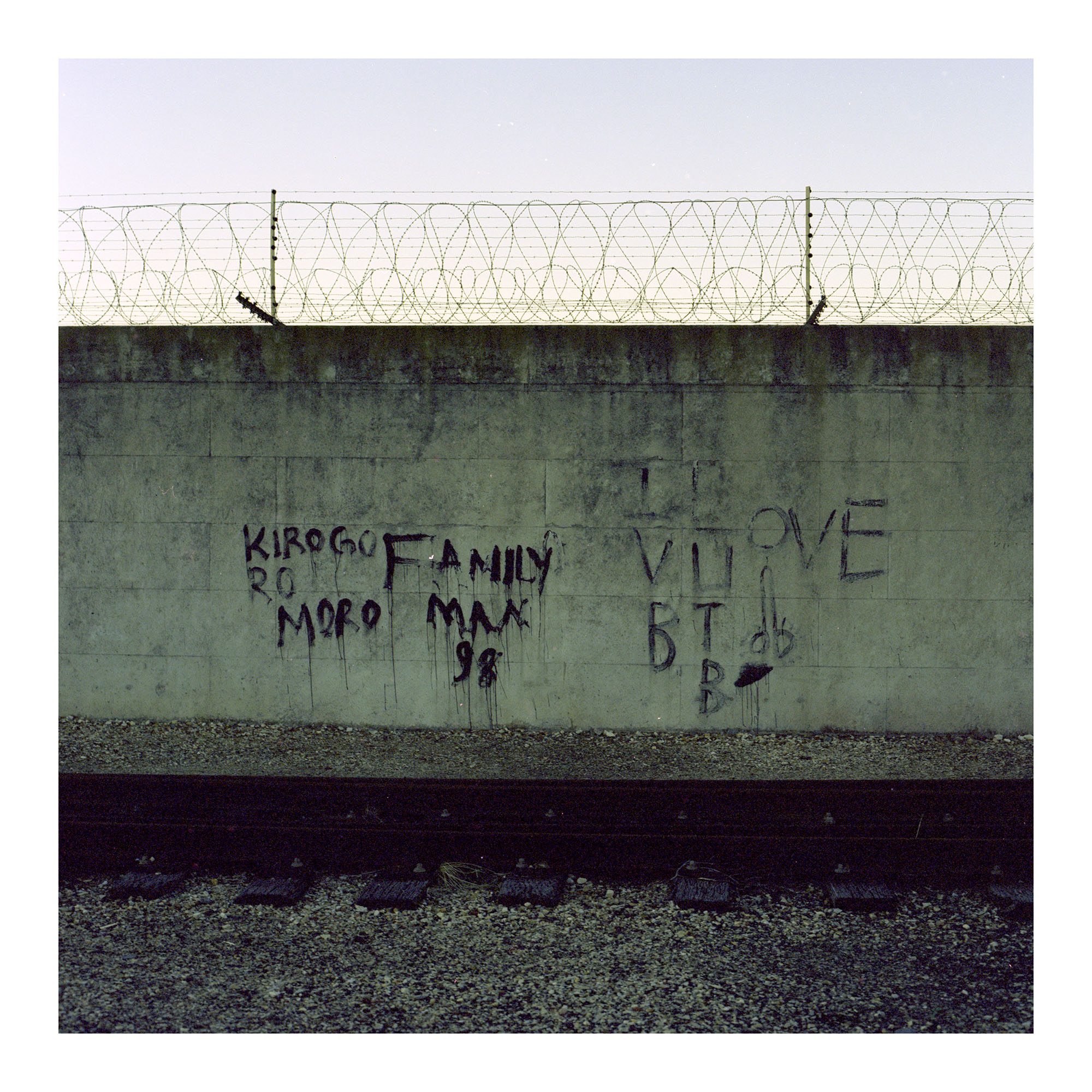
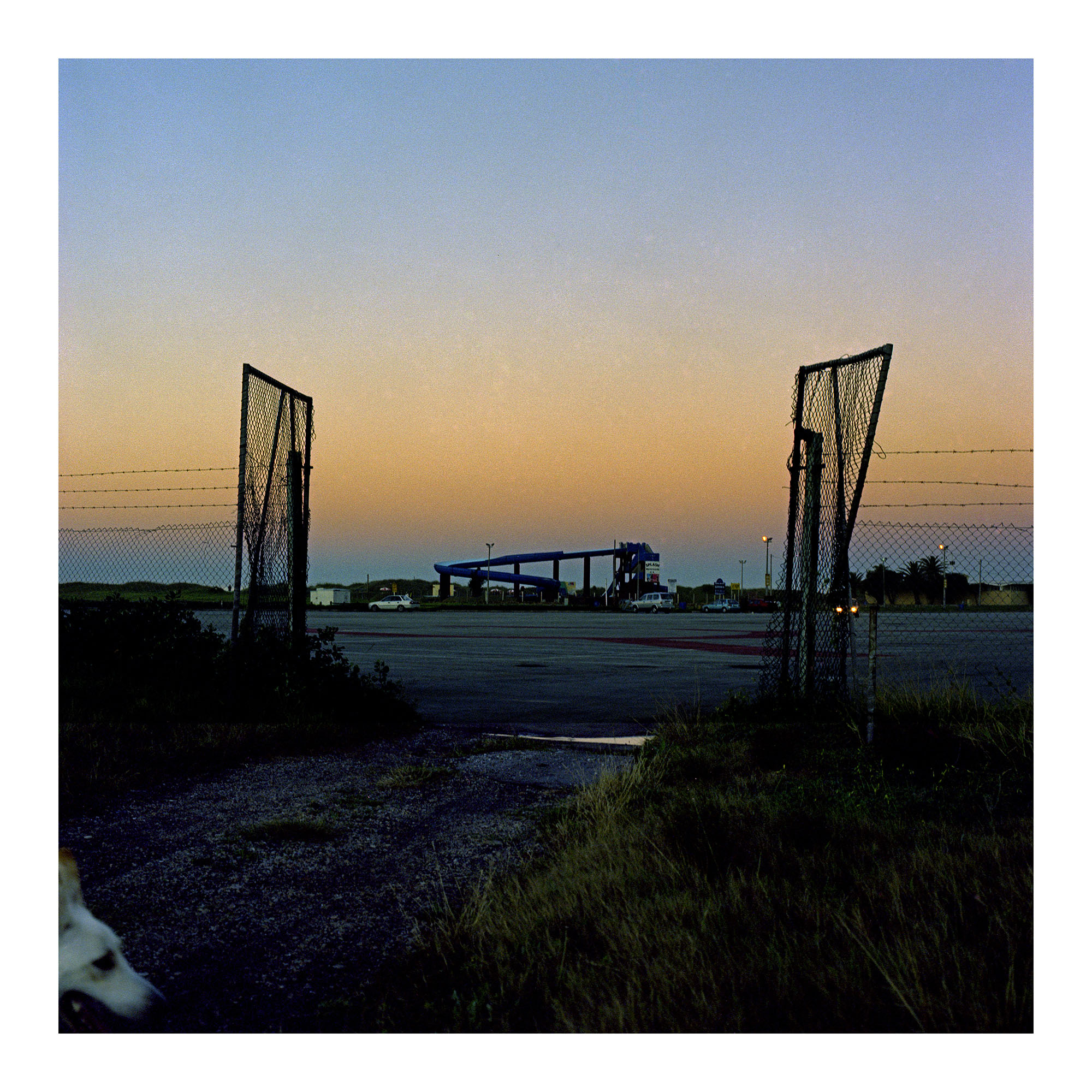
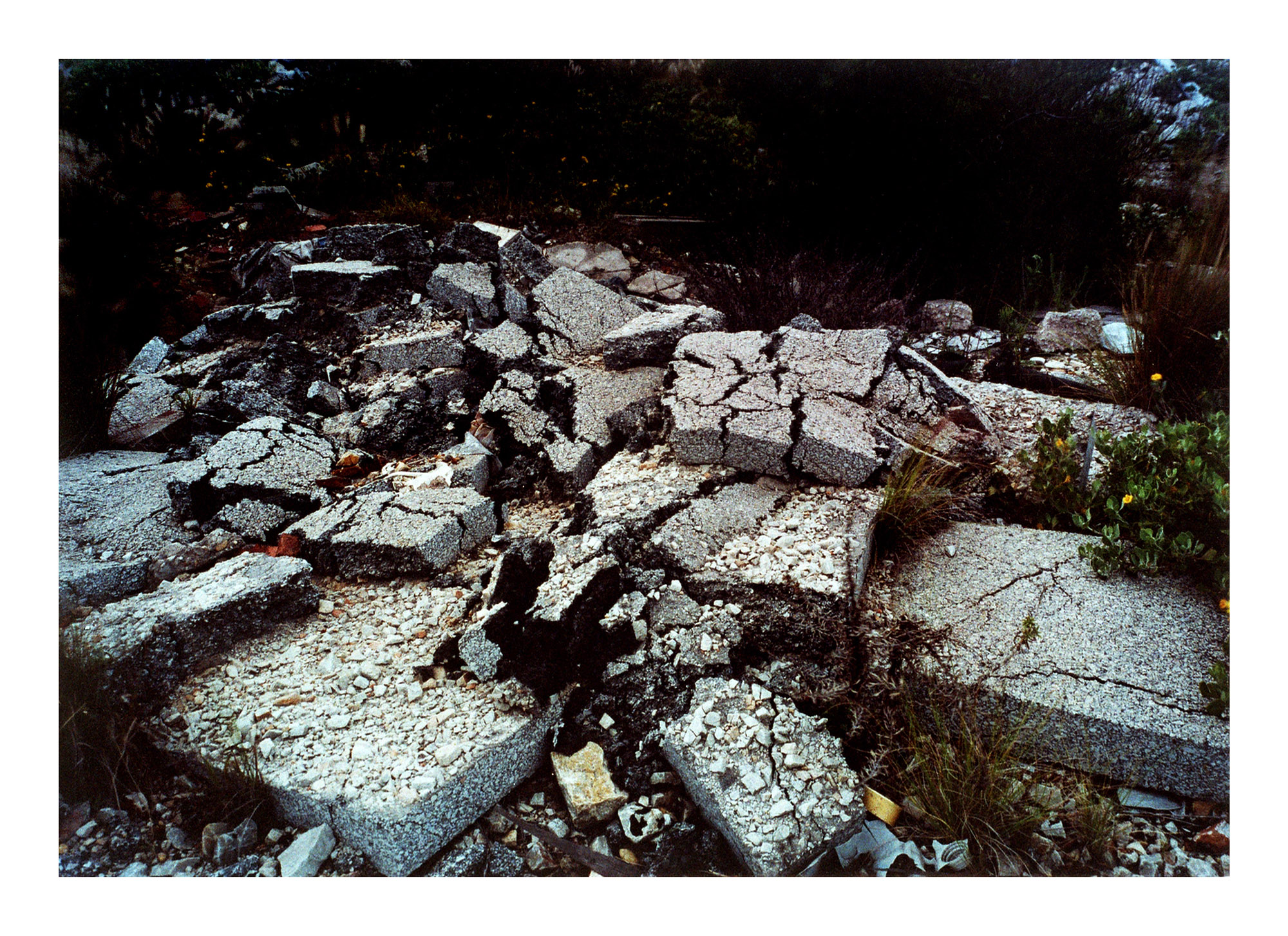
So for example, I might go on to say that my images of Pleasureland deconstruct the notion of leisure and suggest it to be an industry, in much the same way that mining is an industry. Or I may write about how all the building rubble piled up in the bushes between the ore dumps and the beach itself is symptomatic of the environmental disregard intrinsic in the manner in which humans laid claim to land during twentieth century capitalism.
I have often wondered why we do these things, why these artist’s statements are required of us, and how so many artists use them as a means of aligning their work with the issues that the art industry deems important: identity, gender, memory and so on and so forth. Perhaps it is to make the work seem more important than it really is. Perhaps we try to convince ourselves that we make a difference with our work, that we enlighten people in some way or another. Perhaps we foolishly think we have an influence that we really do not. Or maybe it is all simply a diversion from the fact that the most important issue is so complex and requires such drastic changes in our lifestyles and habits that it is easier to just ignore it, and leave it to our children to sort out, while we get busy with all these other Very Important Issues.
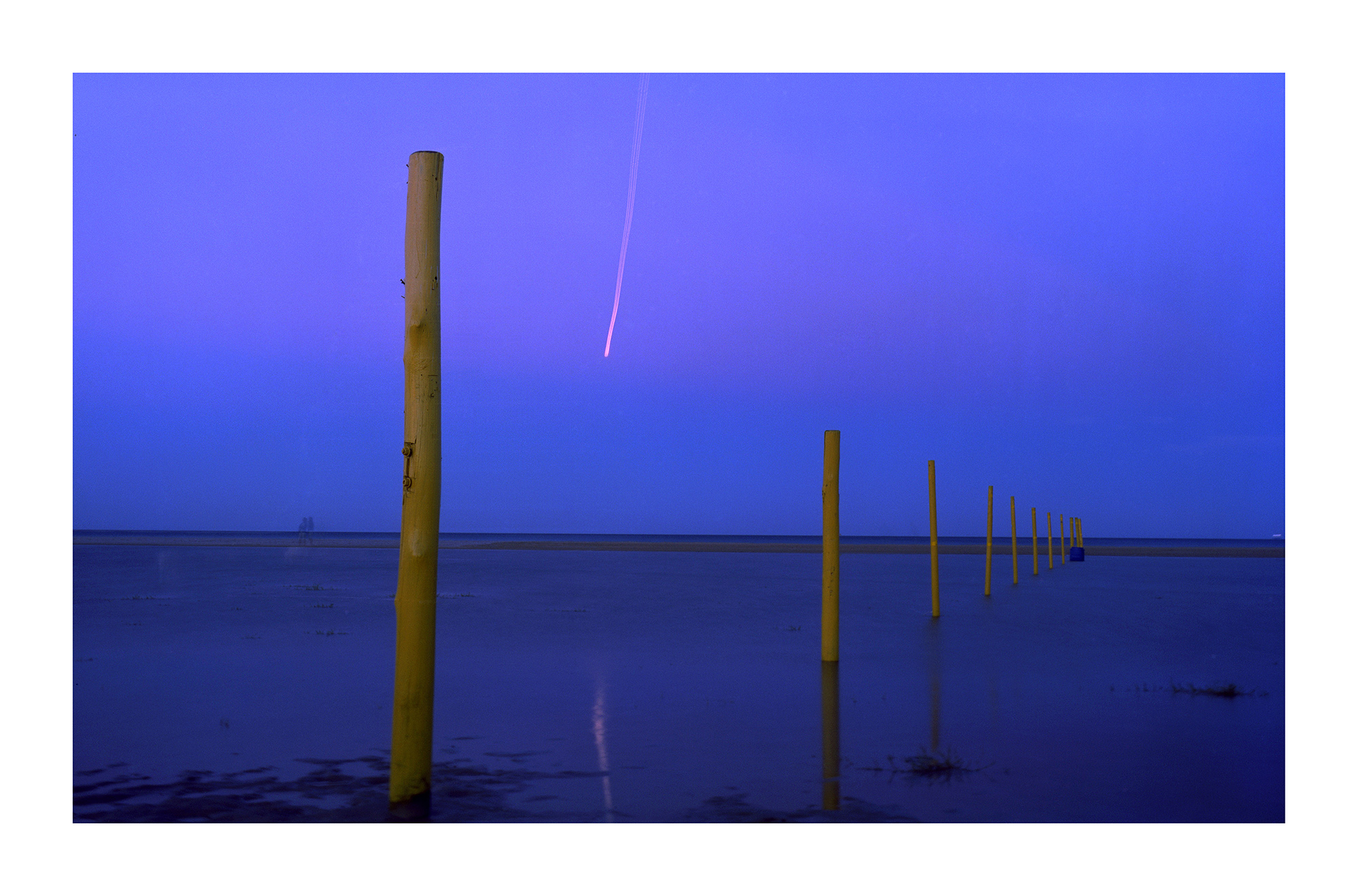
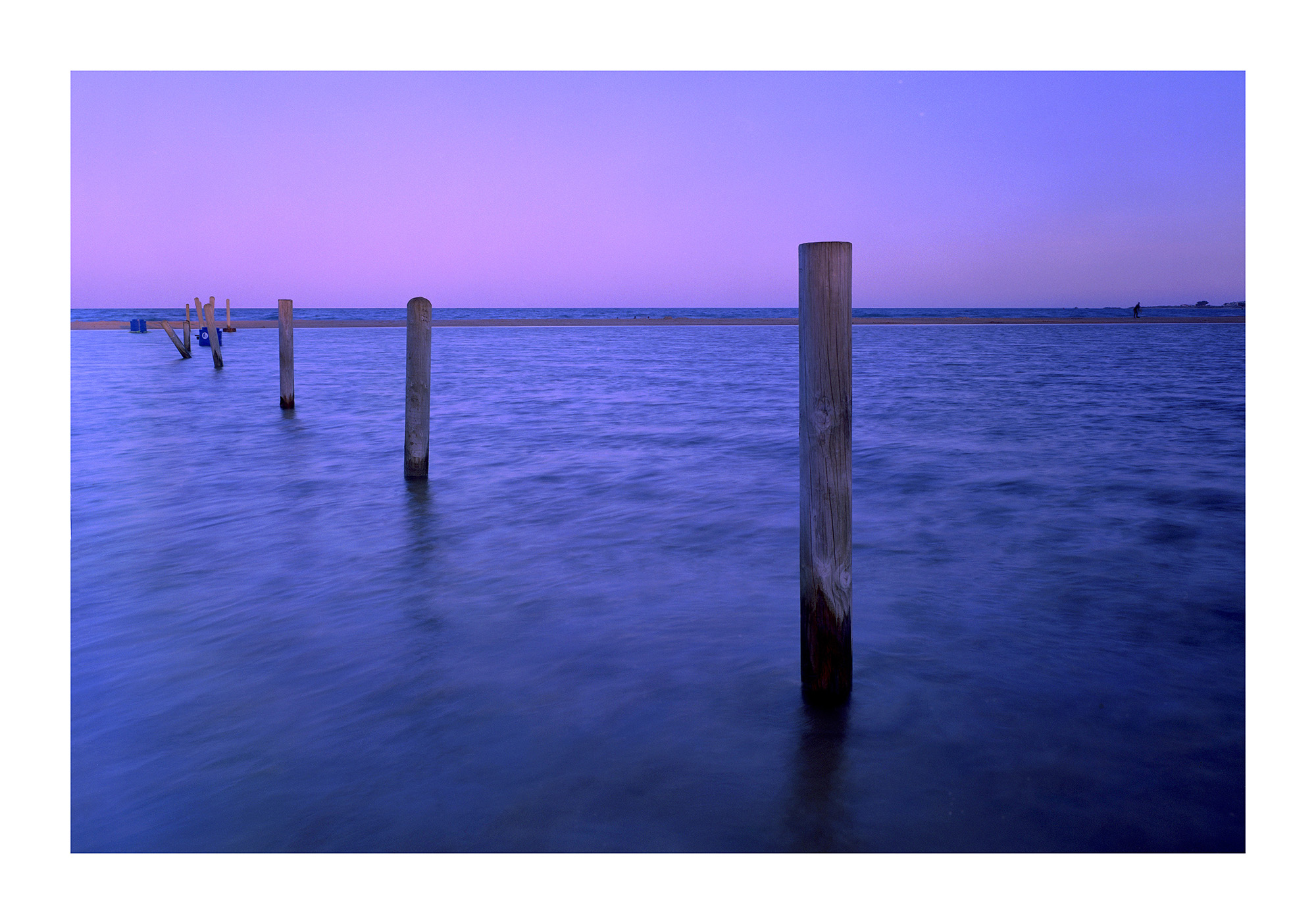
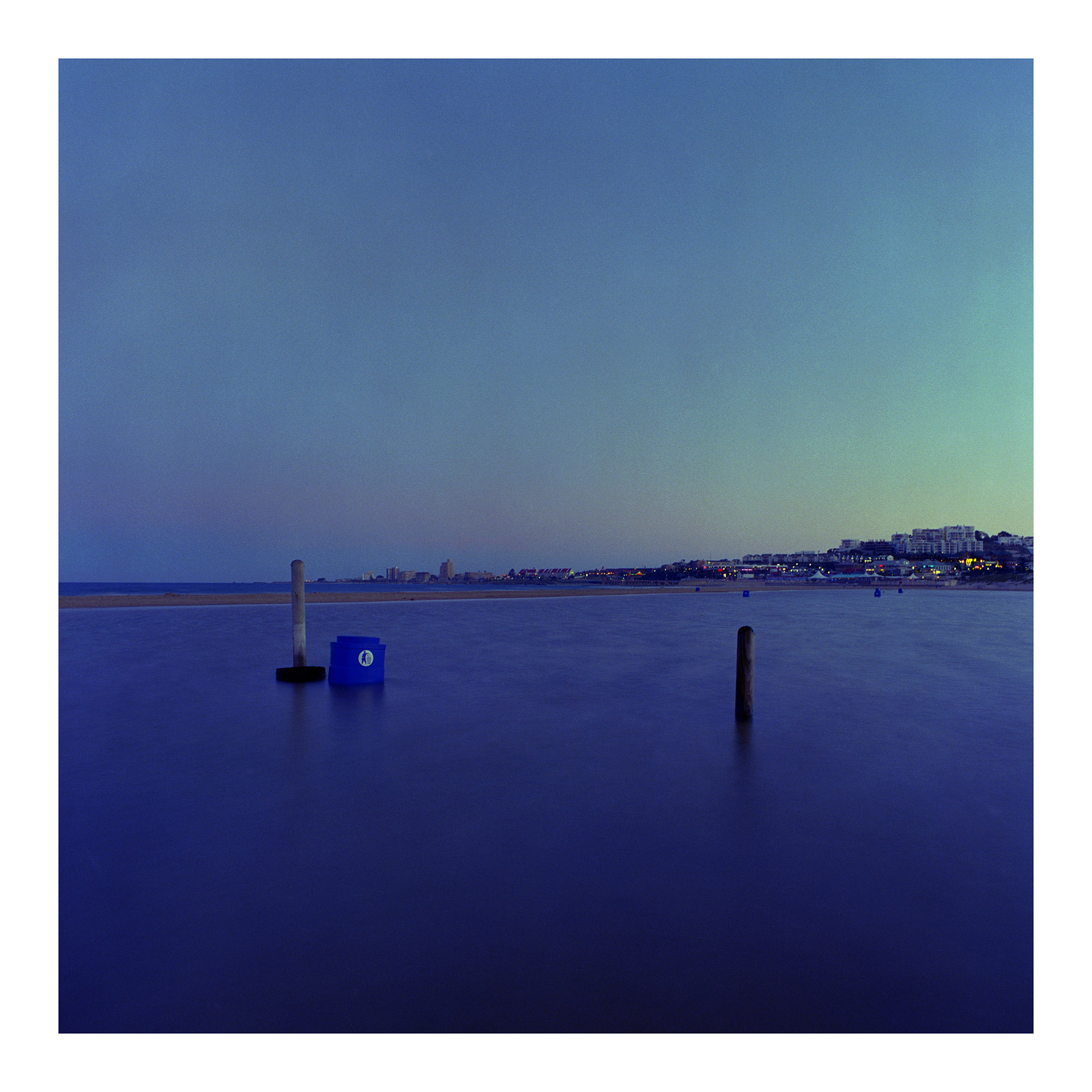
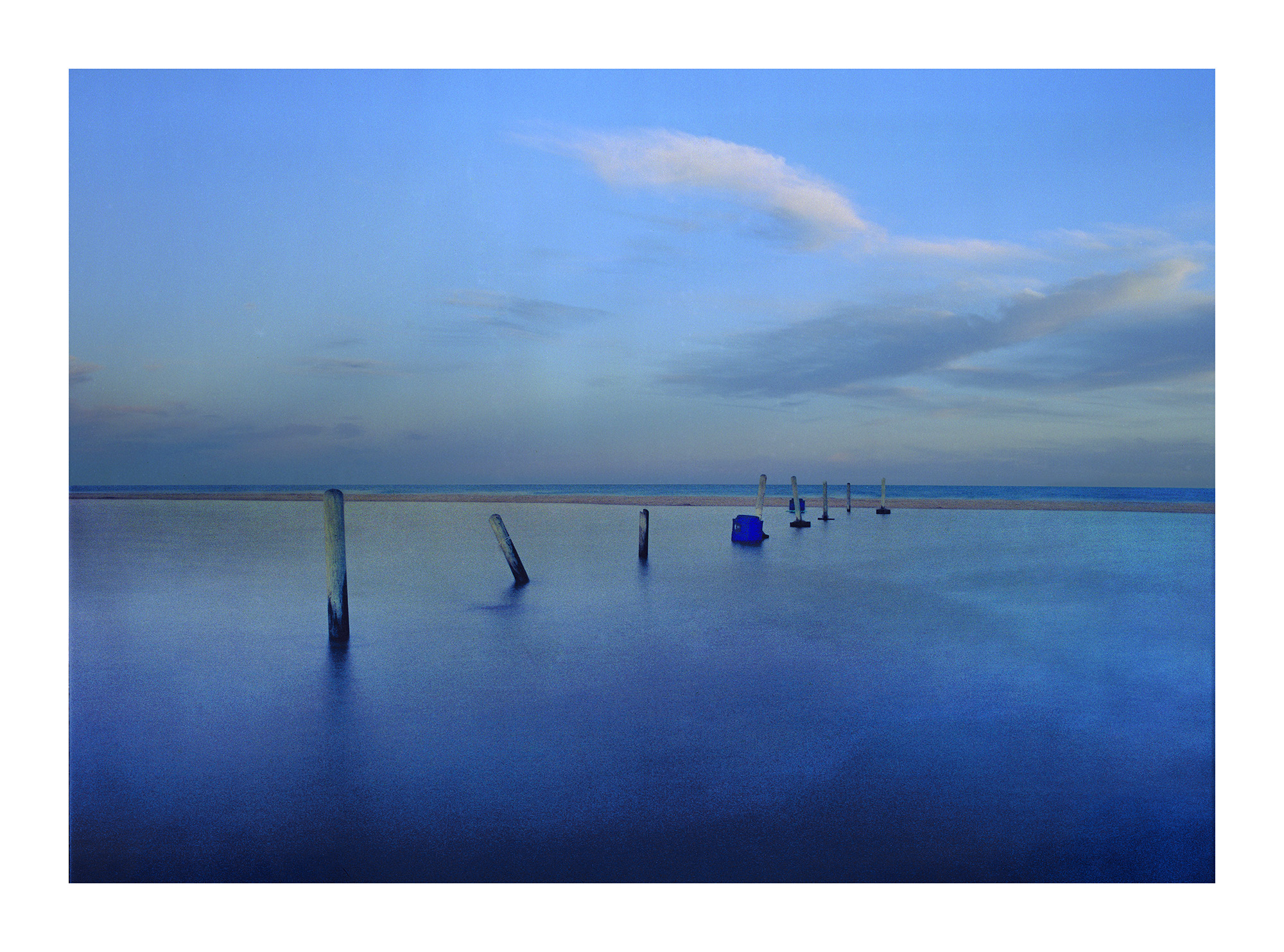
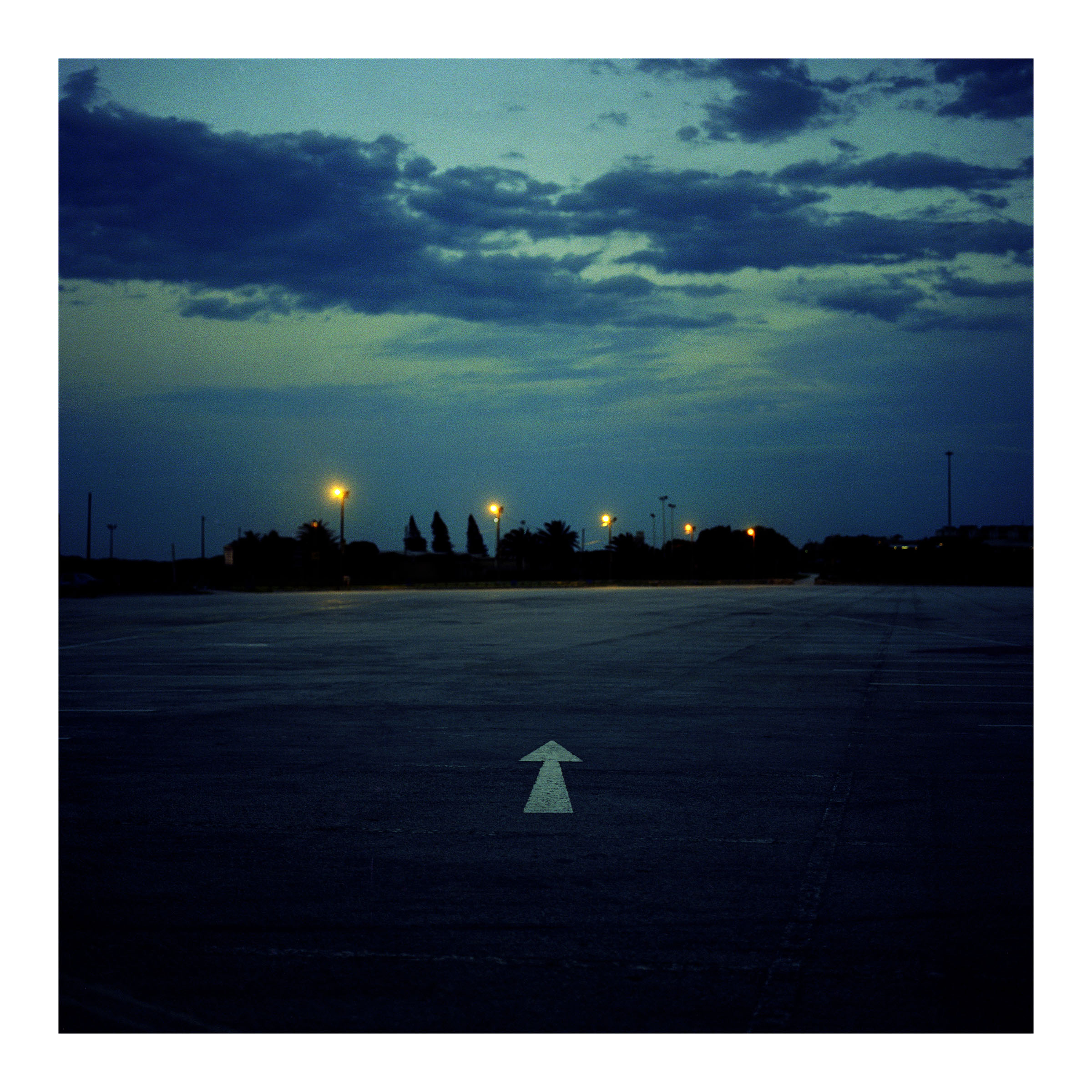
After photographing extensively at King’s Beach over the course of two years, I got to know the area and the people that use it fairly well. I grew concerned that the development that is proposed for the area will, like so many others along the coast of our country, be for the benefit of the rich and the tourists. What will happen to Bigboy Ngqamfa, the guard at the waterslide, who diligently tends his small vegetable garden in the corner of the property that the slide is on? Will he be told one day that he must go now, the tourists are coming, and they do not wish to see such Third World, untidy things as this veggie patch of his. And those who walk their dogs will be told that they may not do this any more because it is now a Blue Flag Beach. And perhaps there will be no more grass for Kings Beach United to practise soccer on. Room will have to made for all the fast-food franchises that will have to built. One is not allowed to voice such sentiments, however, because then it means that you want people to be unemployed.
One cold day, after my photographing was over, I sat in my car in the King’s Beach parking lot and watched a group of four men who had arrived in big expensive vehicles. They walked onto the grass and listened to one of their number. It appeared to me that he was explaining what would happen here one day in the future. With the sense of confidence and entitlement unique to those men who walk this earth believing that they are masters of it, he gestured with big sweeping motions of his hands, possibly of the changes to come, what would be knocked down, what would go where. One of the group broke away and spoke to someone on his cell phone for a few minutes. He also used his hands a lot, in short sharp jabbing movements, followed by a series of karate-chop-like motions and then some dismissive sweeping waves of his hand in the air.
What is the power of a few photographs up against the dismissive violence of such gestures of power and control, backed as they are by money and access to power? Unless it becomes an exclusive playground for rich tourists, I am not against the development of this area. But if I were, that day made it very clear that my voice means nothing, nor does the voice of Bigboy, nor any of the kiteboarders and surfers and dog owners who use the beach.
So I write words to go along with my images, in order to fool myself into believing that what we as artists do is important and will somehow slow the changes wrought on the world by rampant, unfettered Global Capitalism, American exceptionalism that has destabalised large swathes of the world with its vast military power, and the plundering of the last remaining resources. We write too many words, us artists, but perhaps this is appropriate, for the re-arranging of the deck chairs is now a complex manoeuvre requiring many years of study and much careful instruction.
vöelvry. 2012
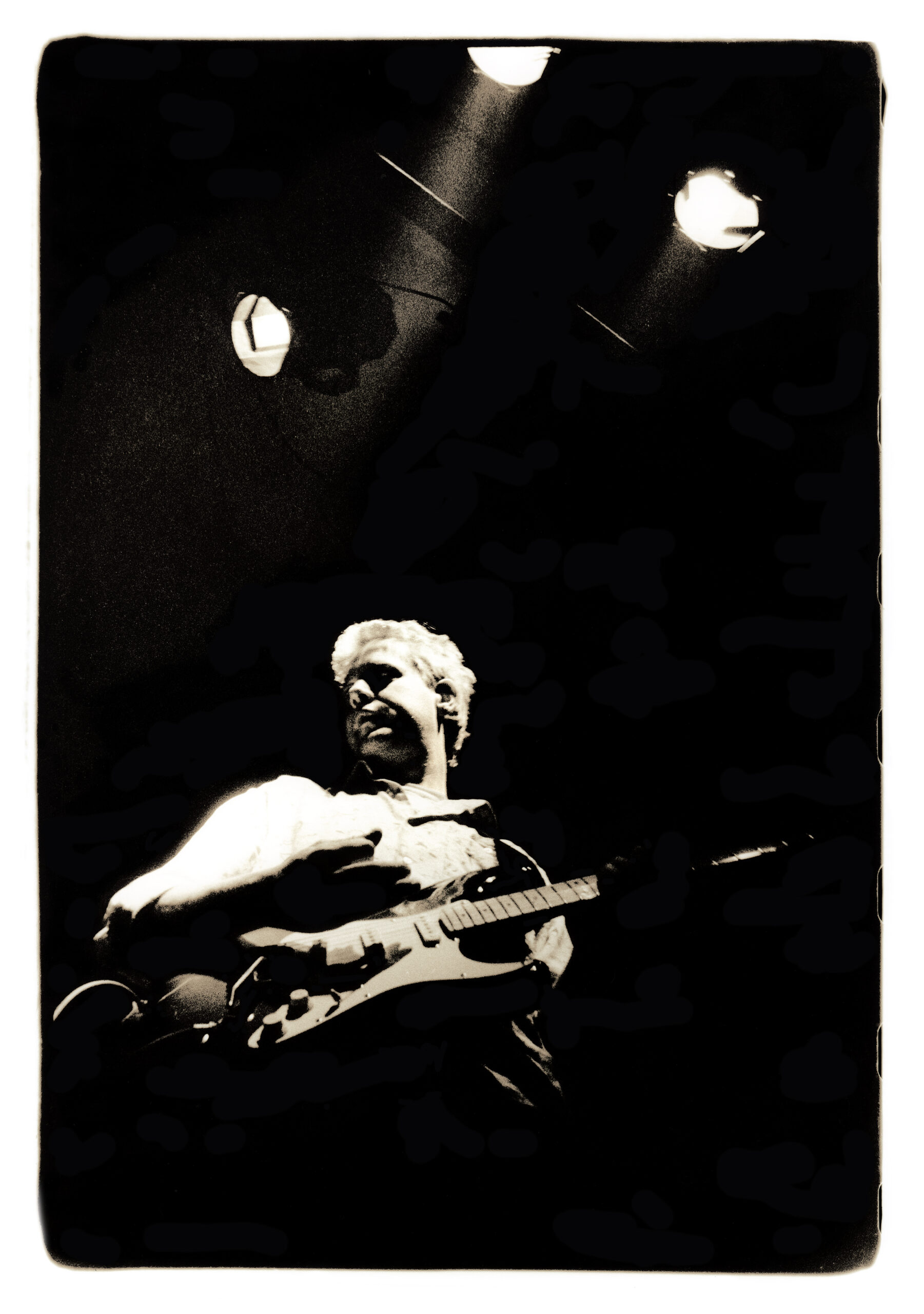
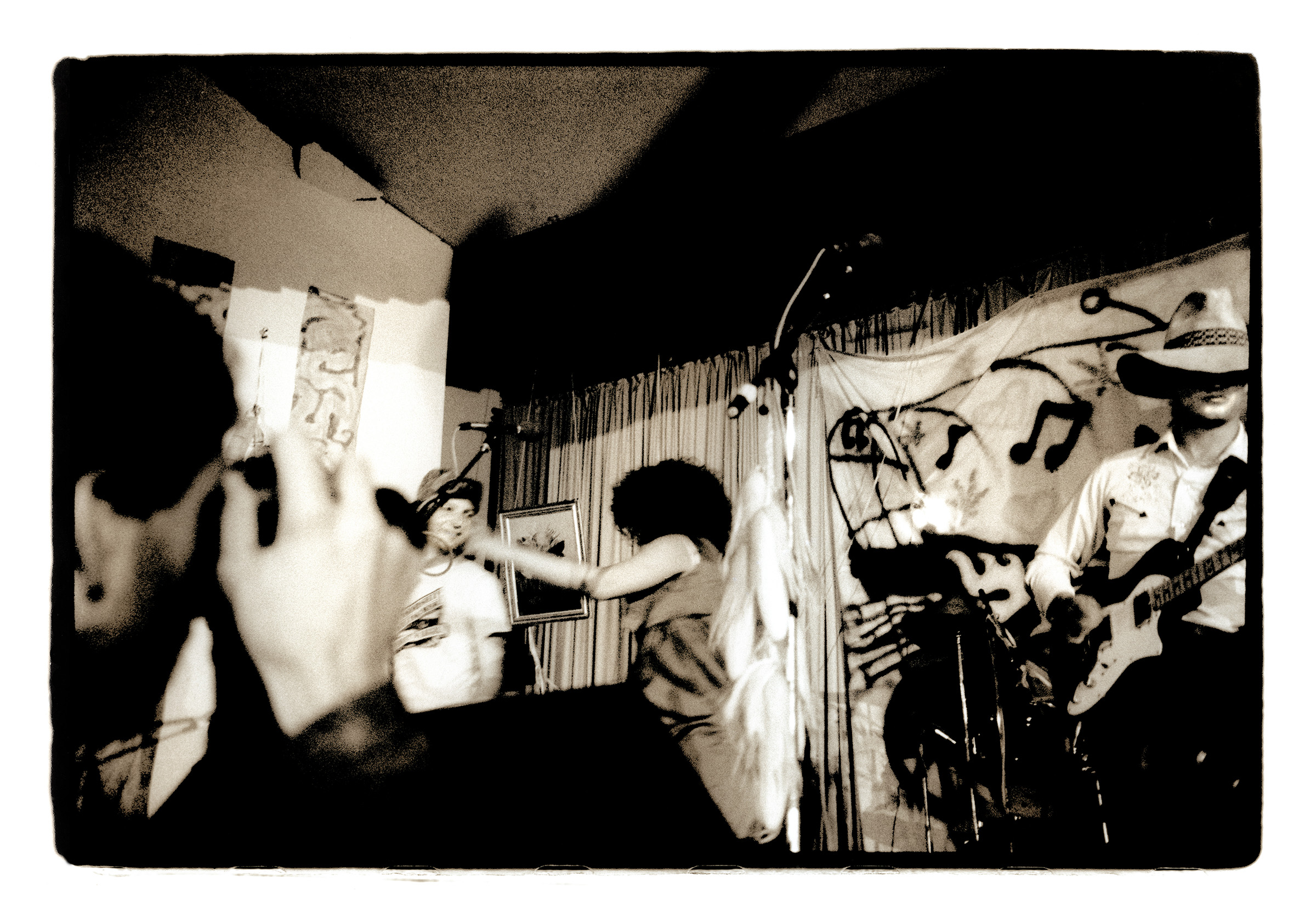
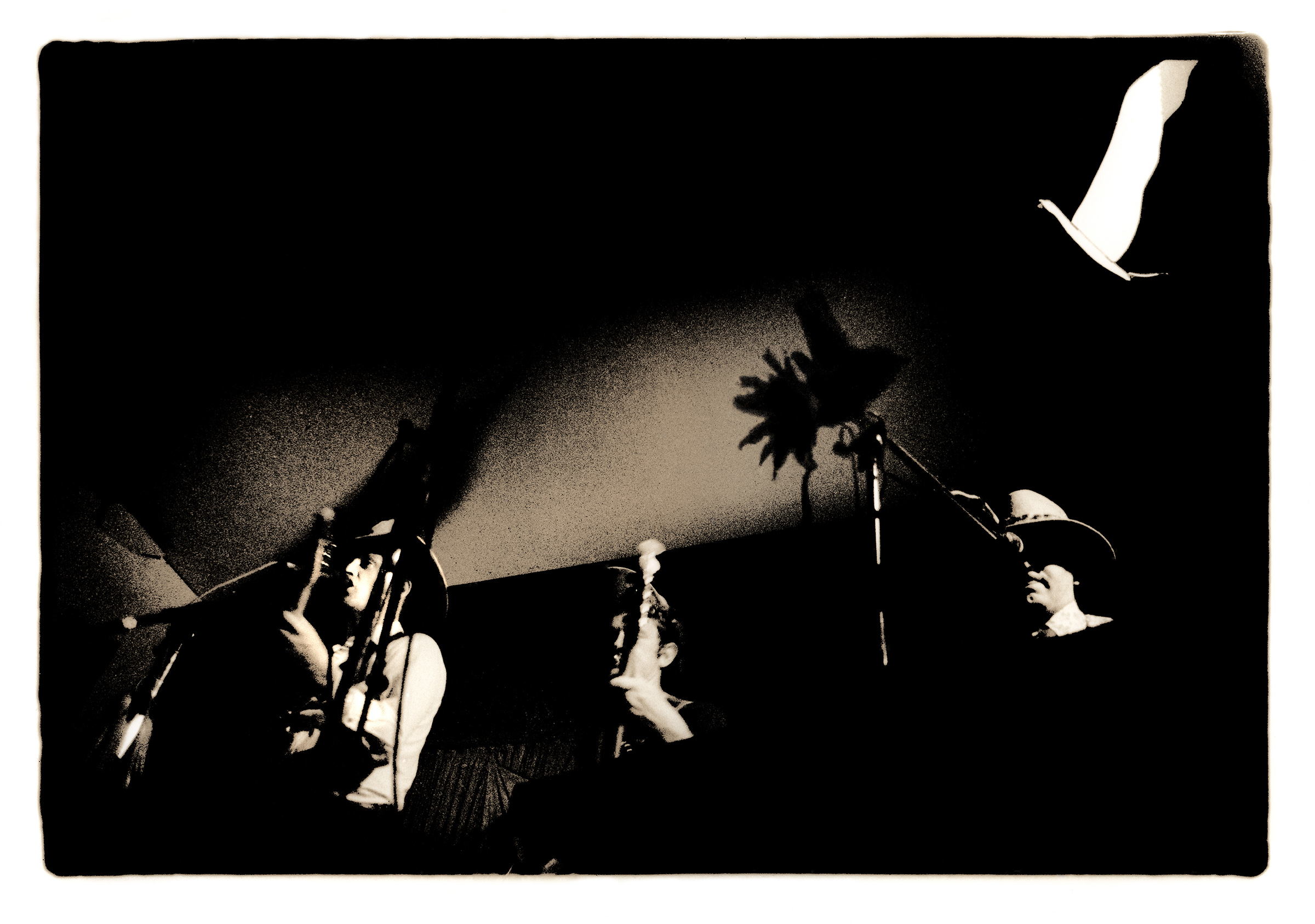
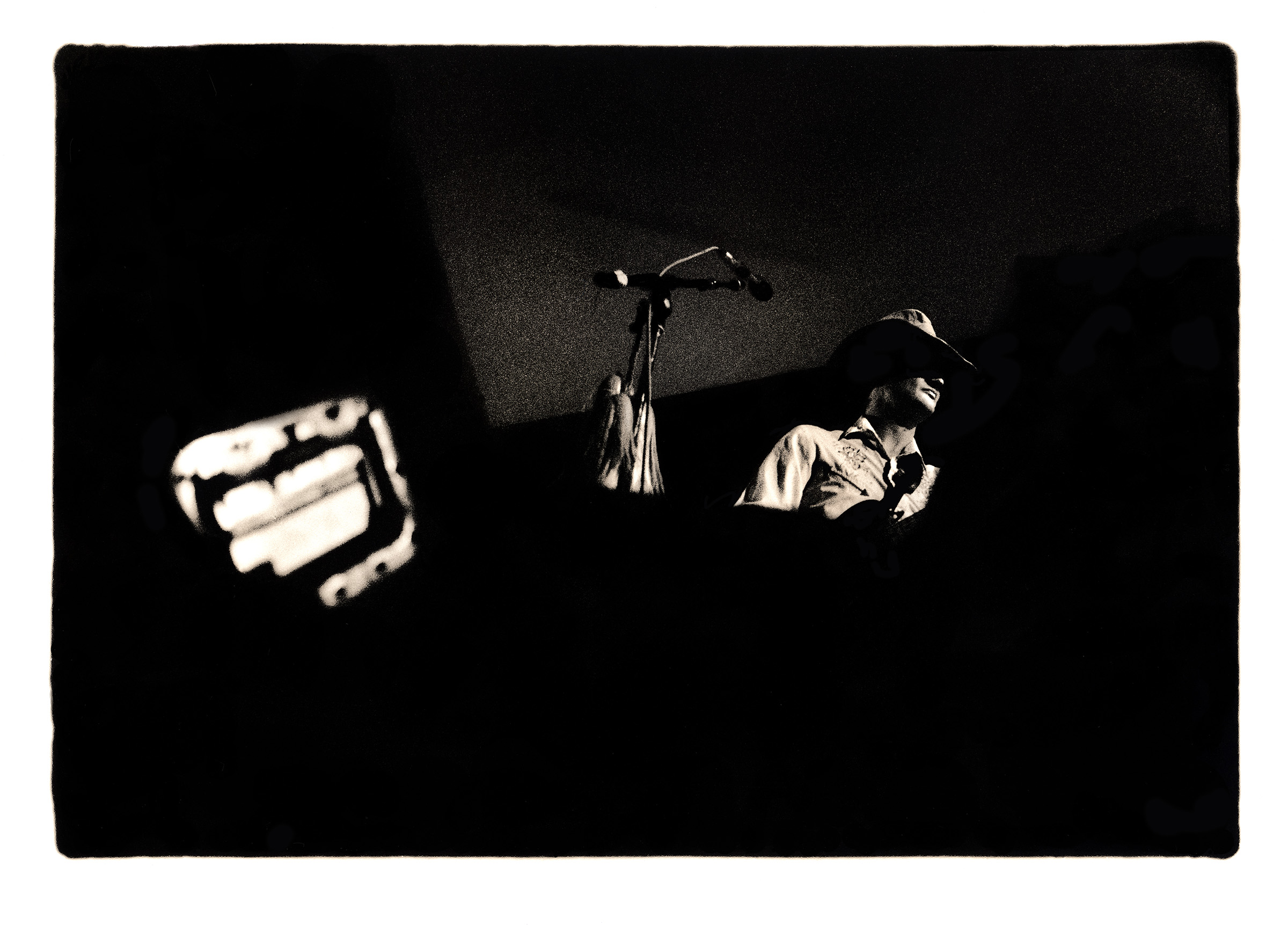
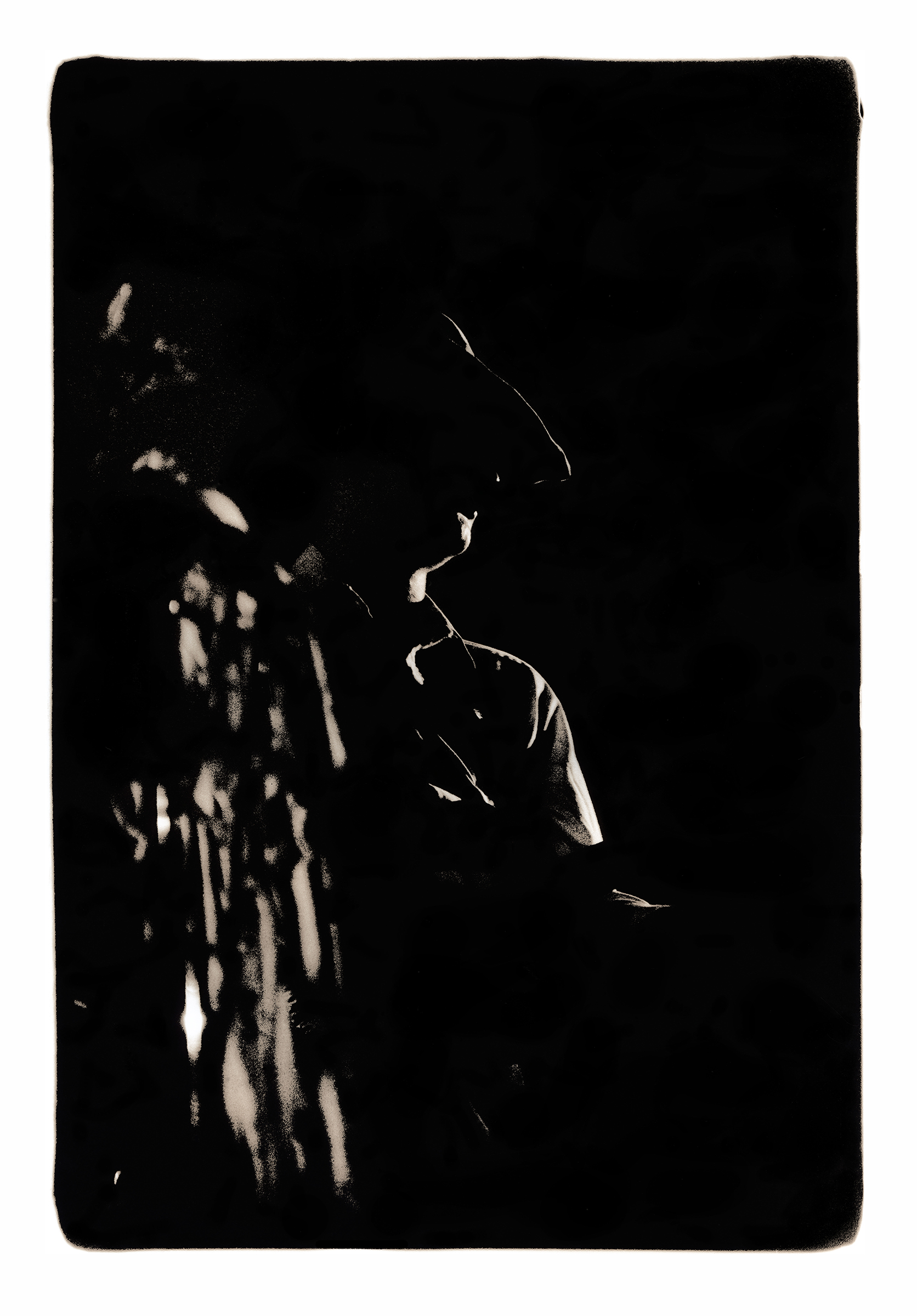

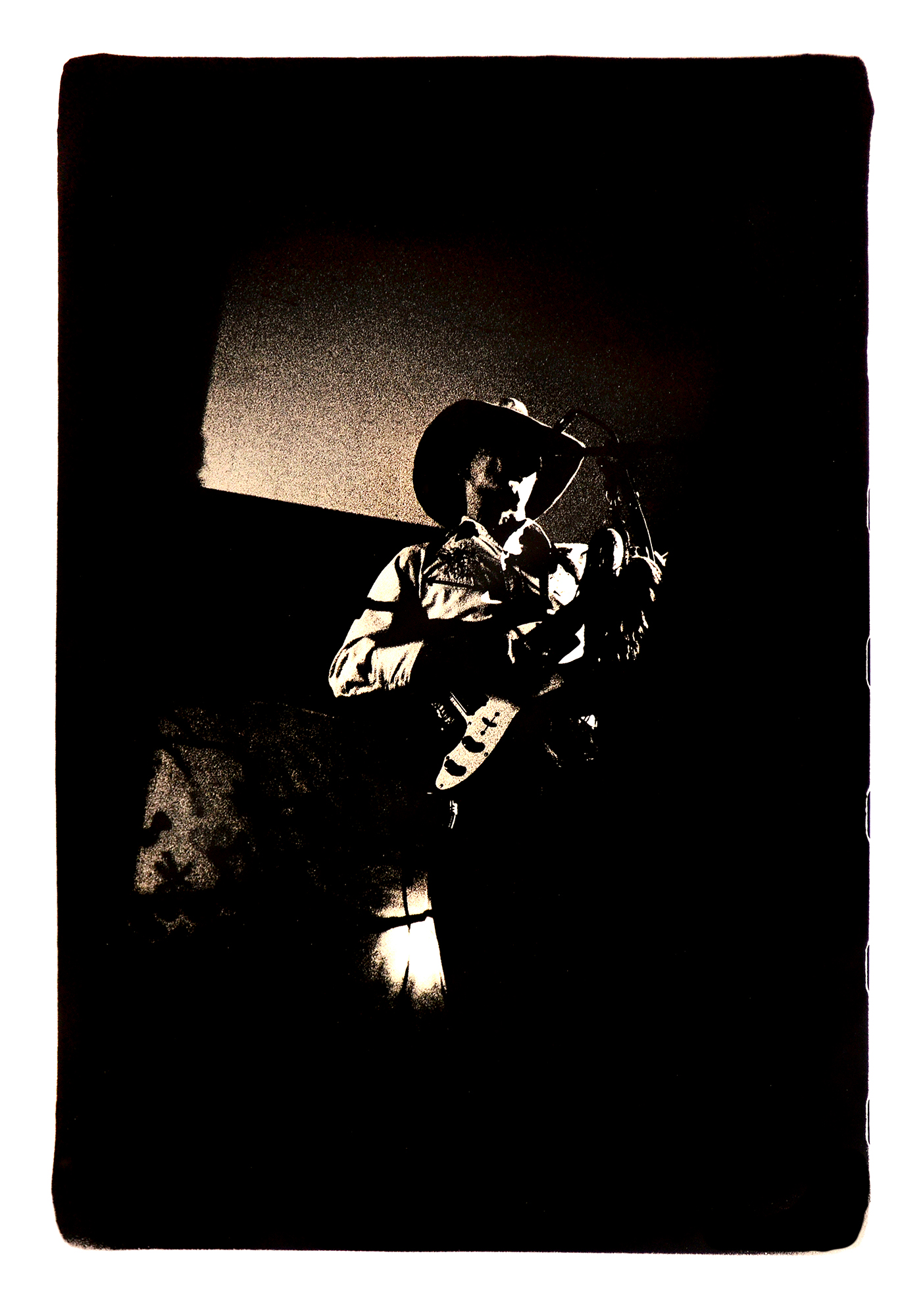
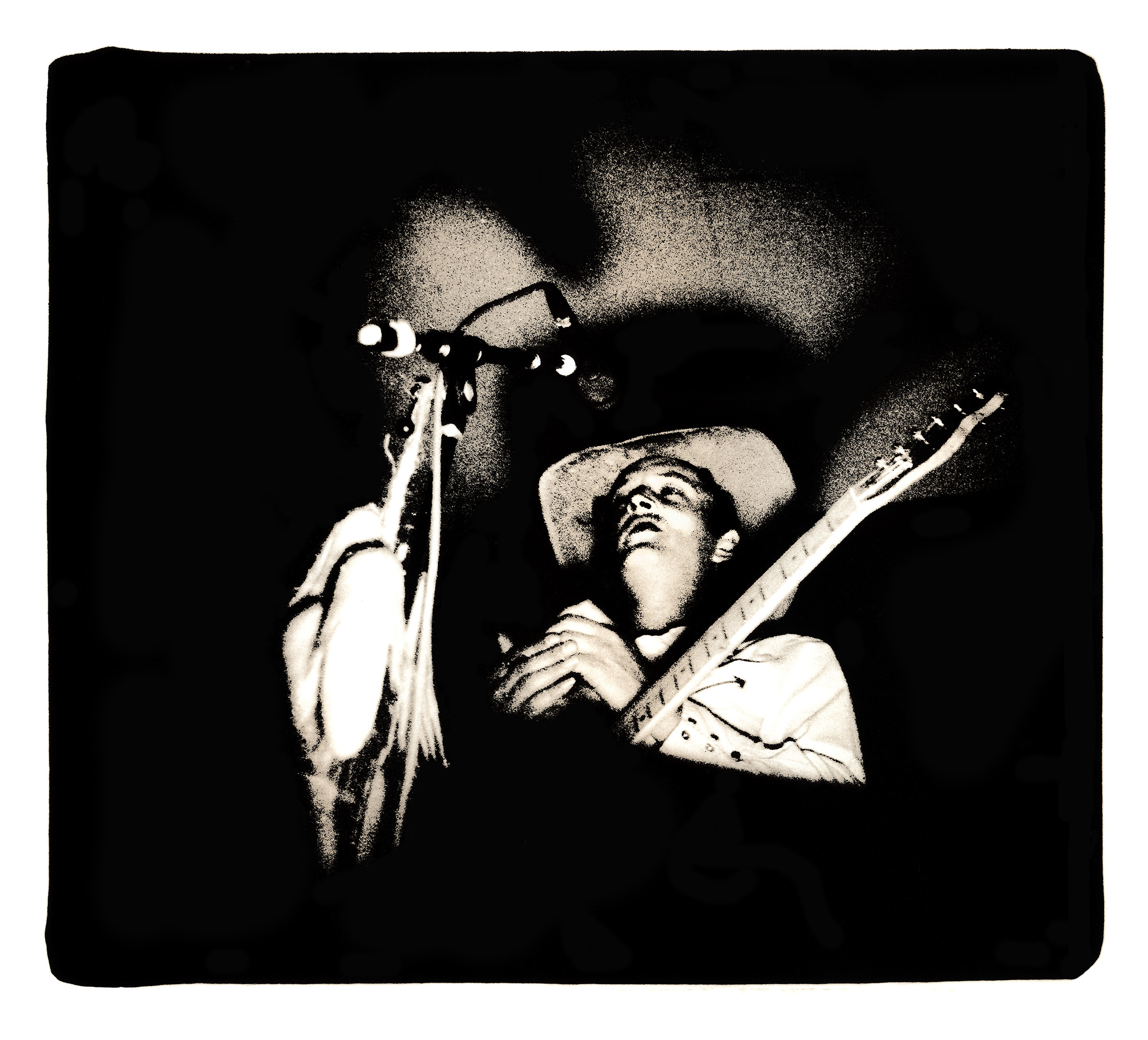
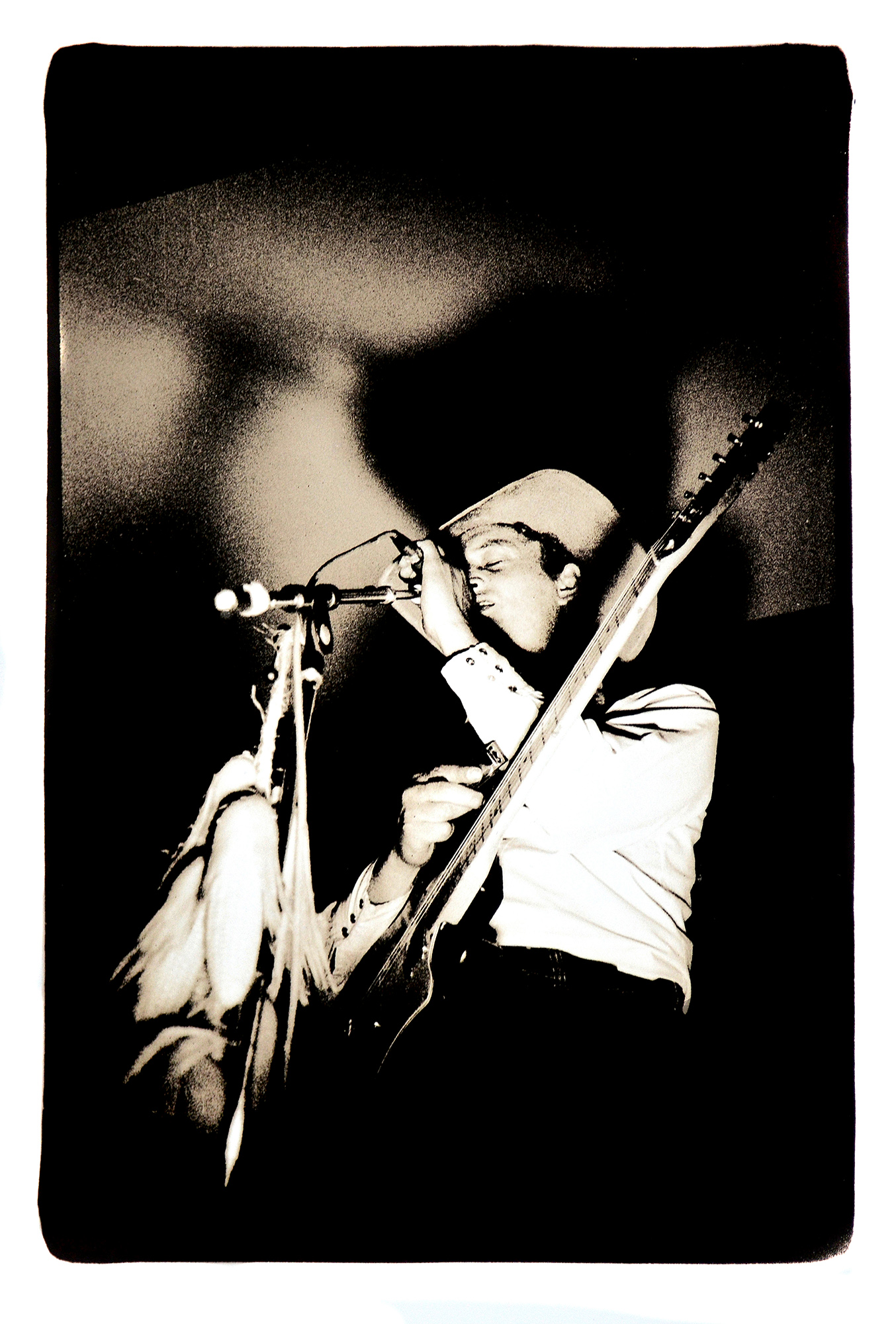
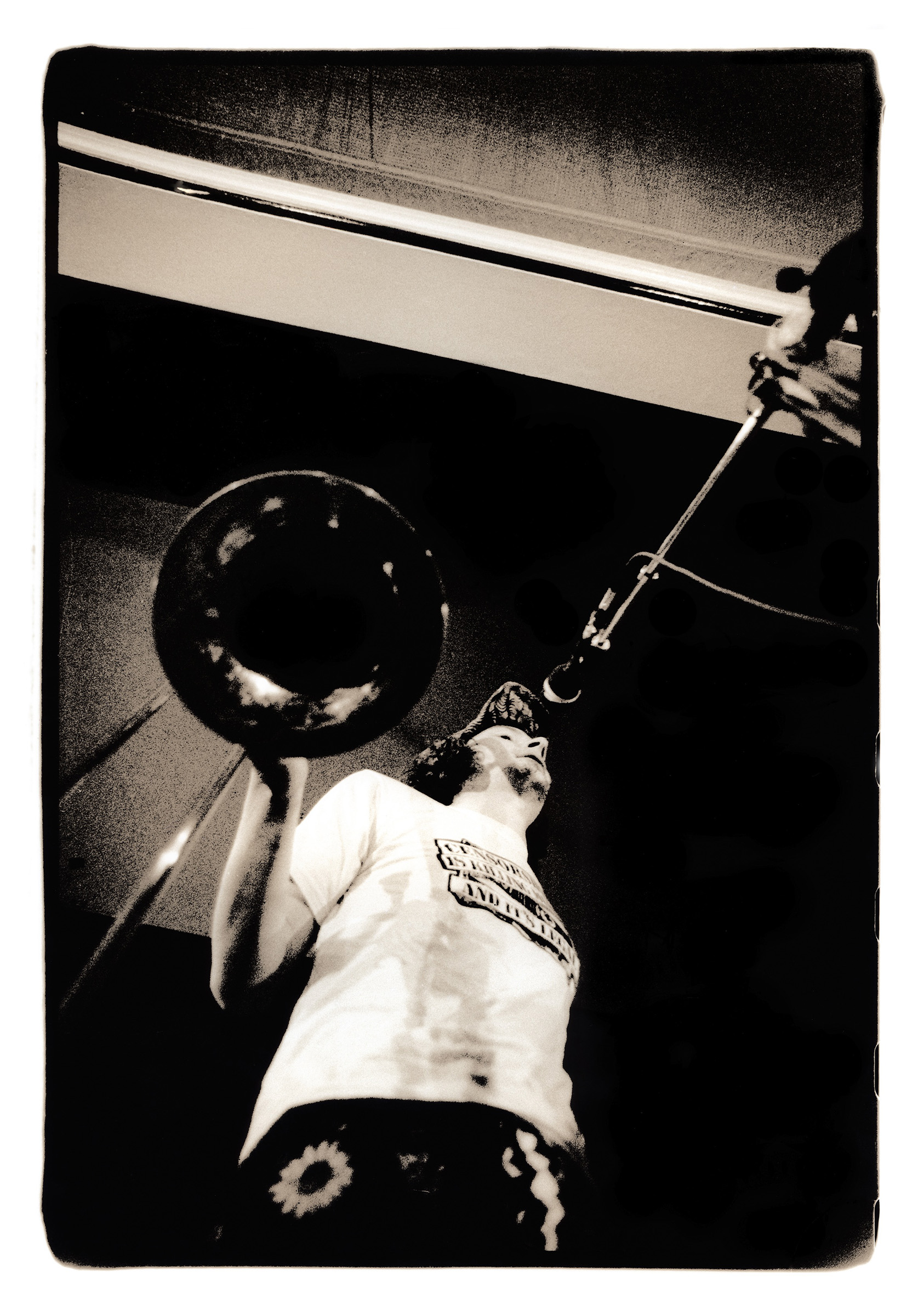
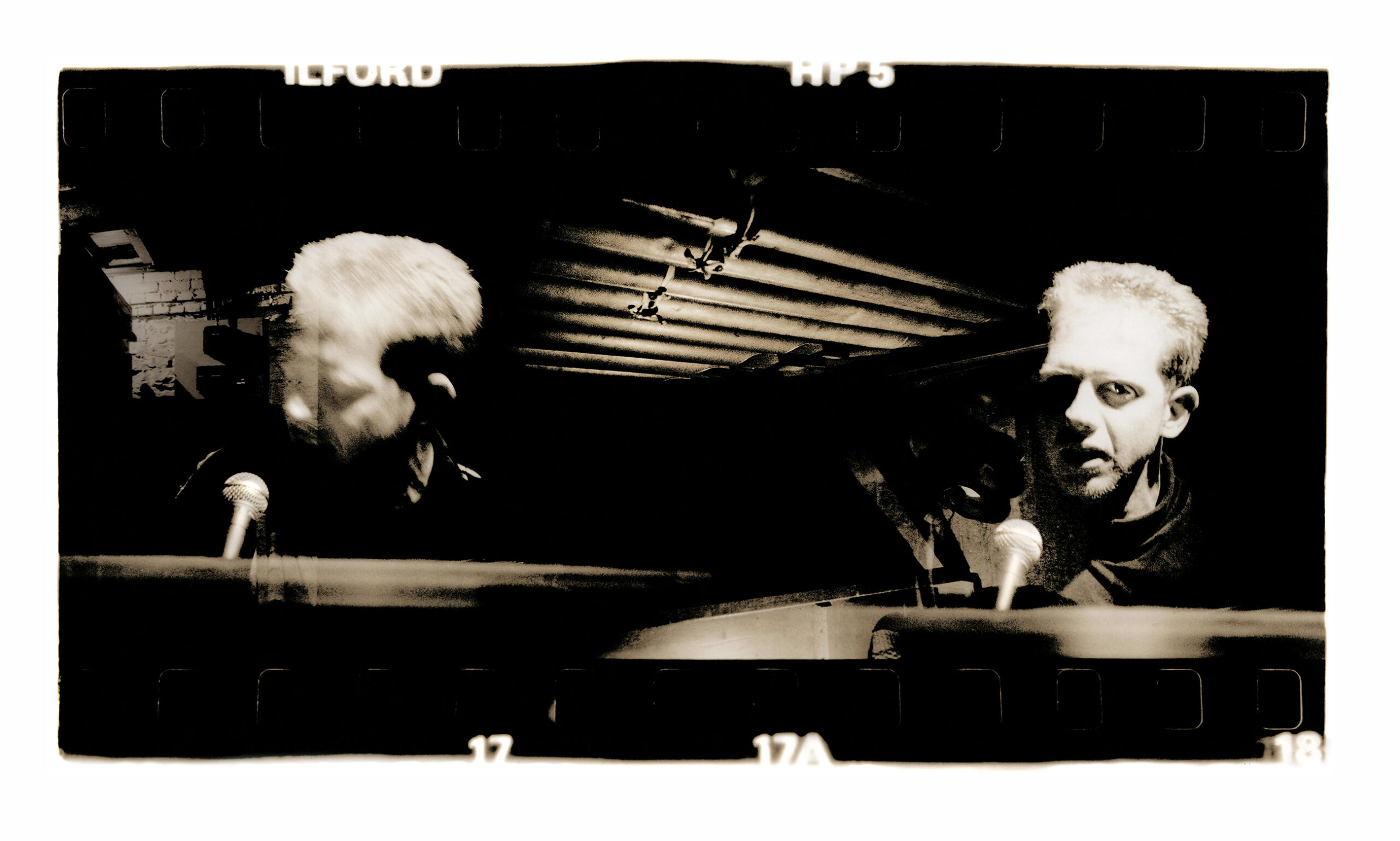
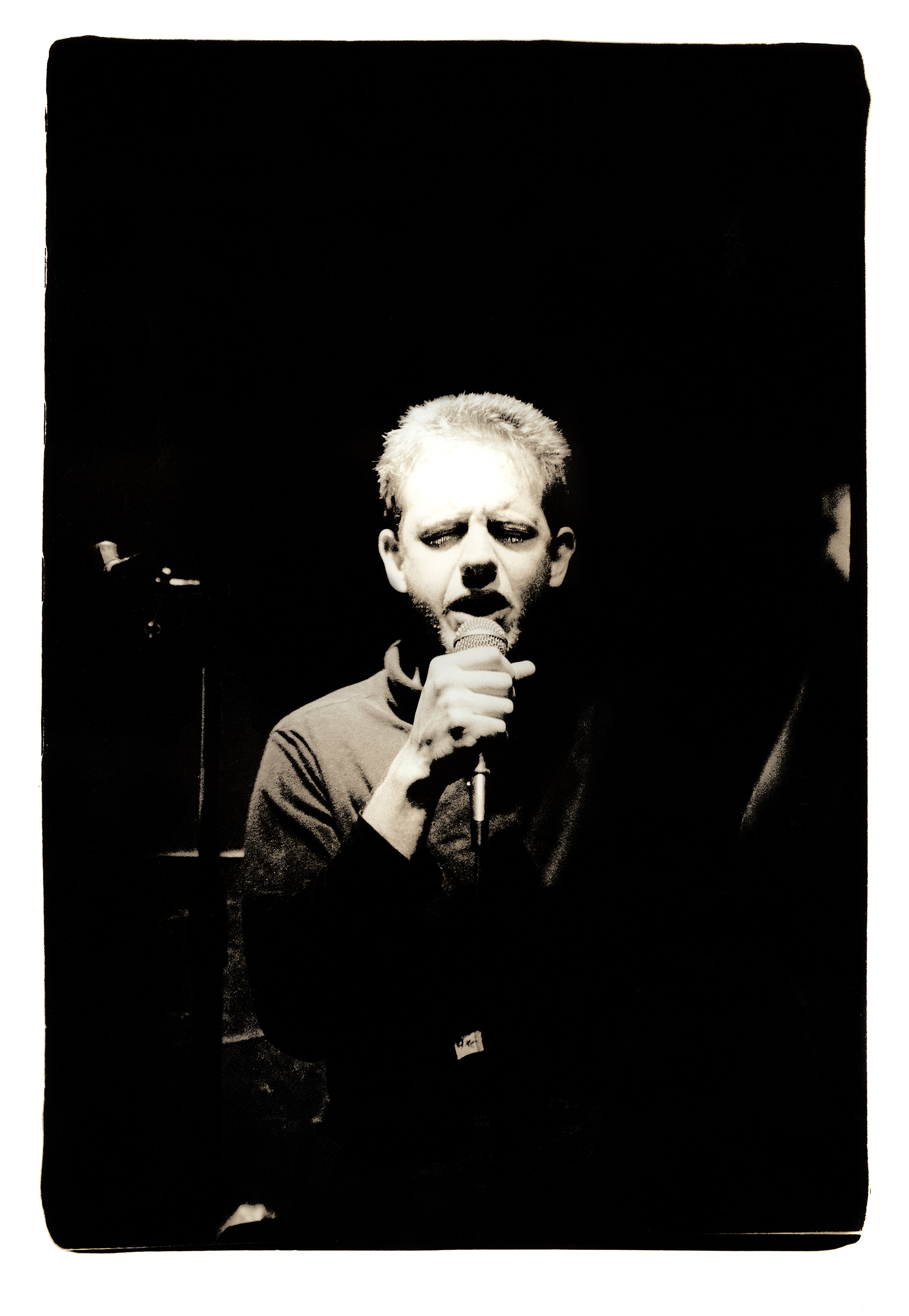
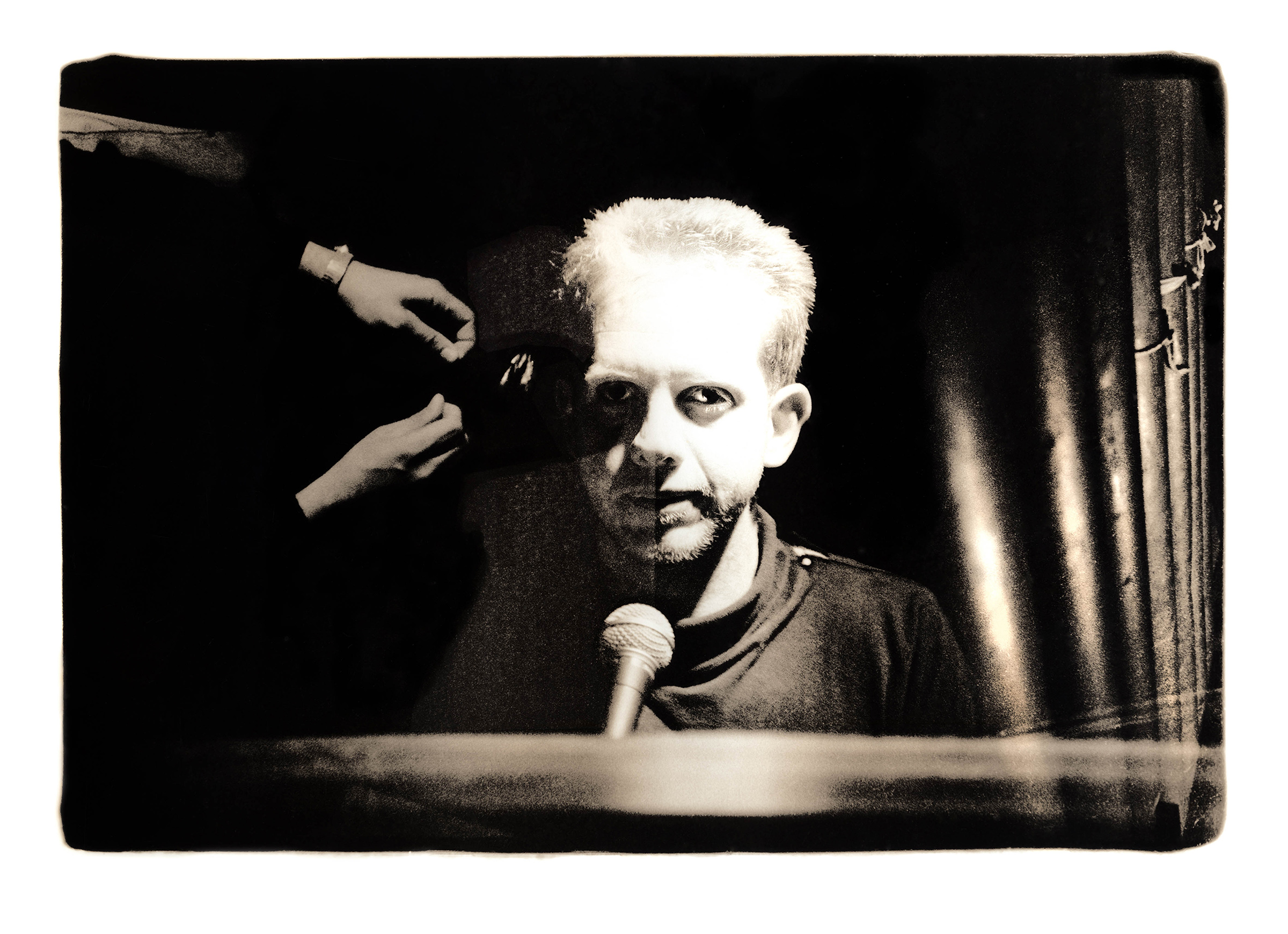


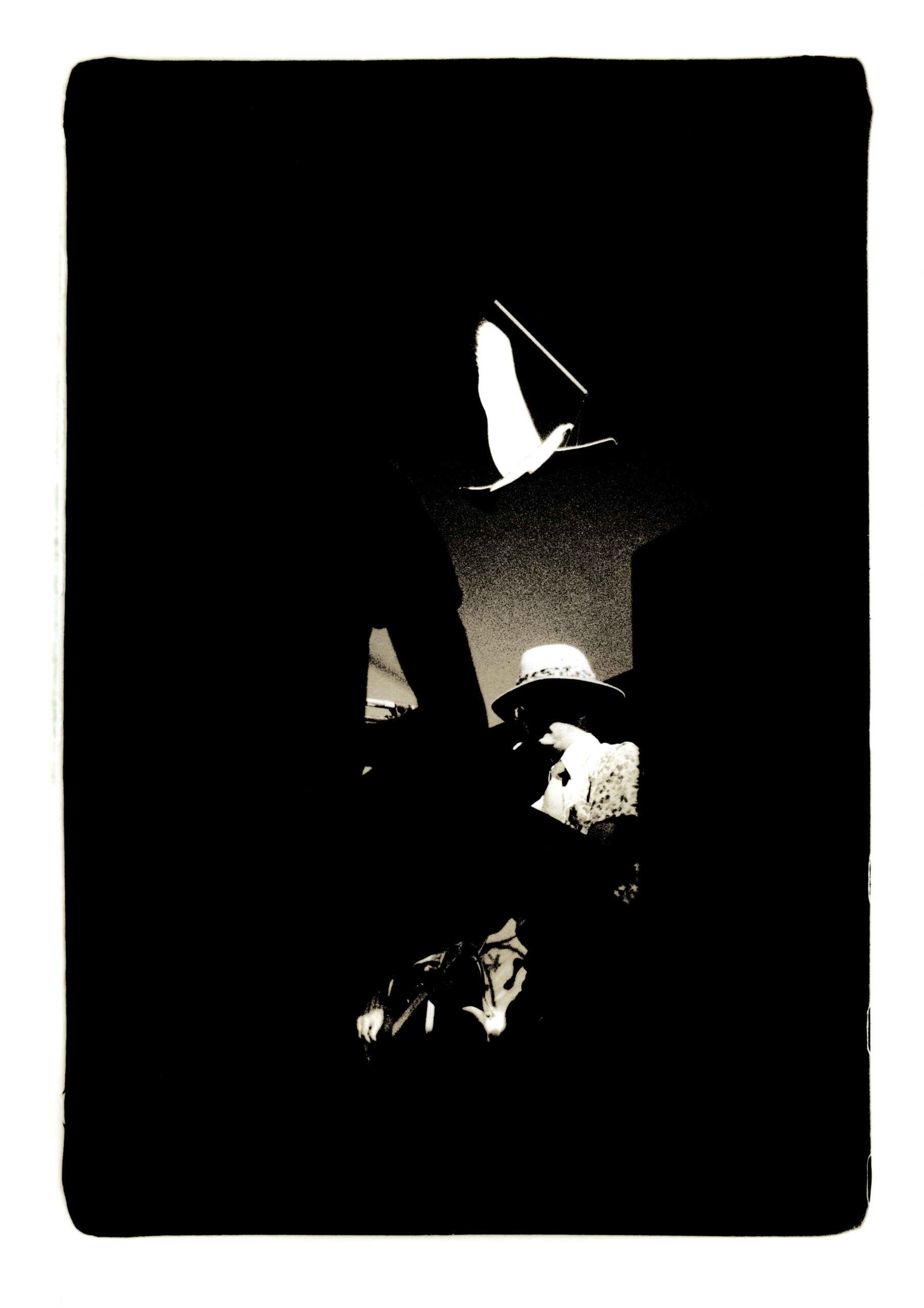
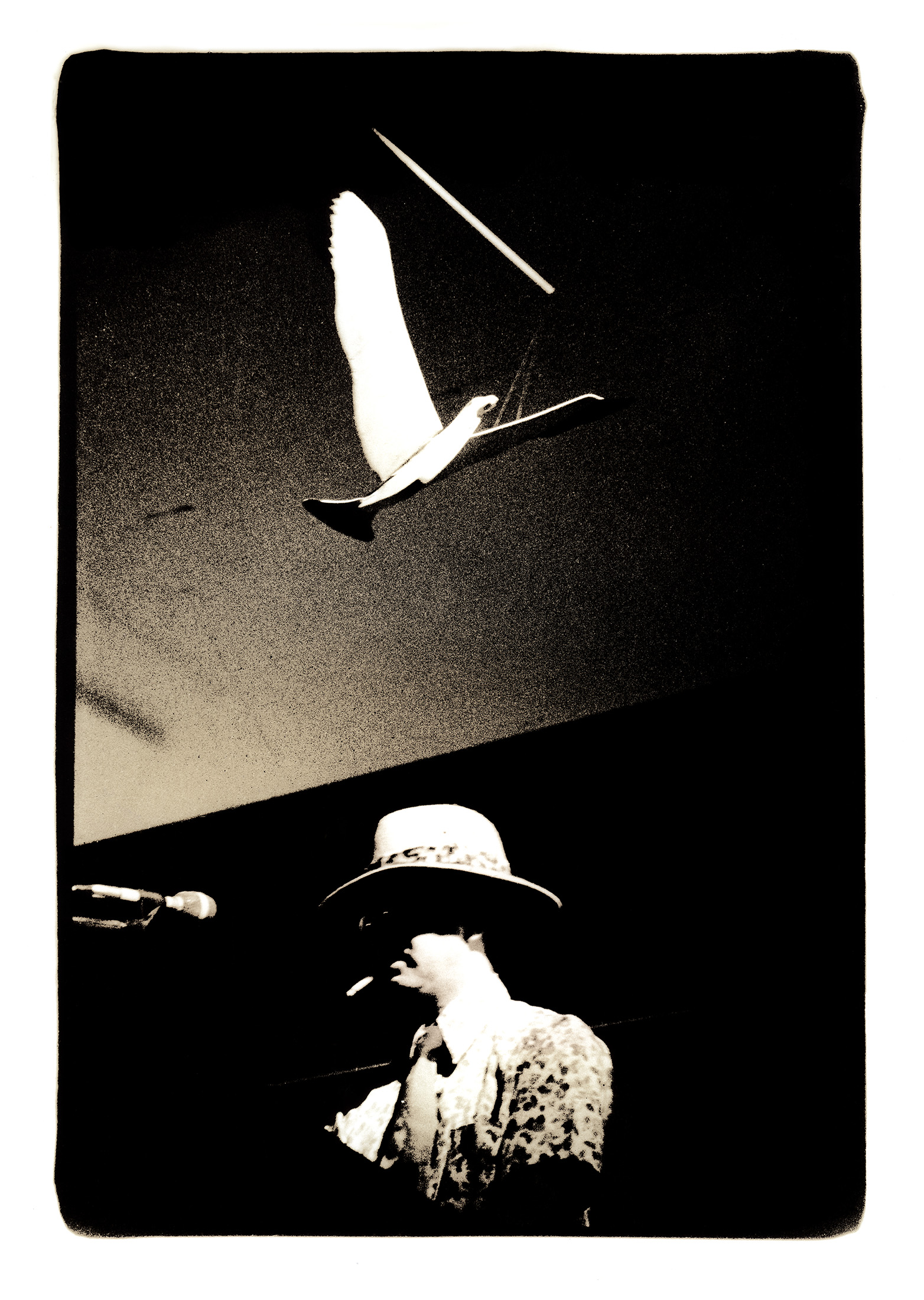
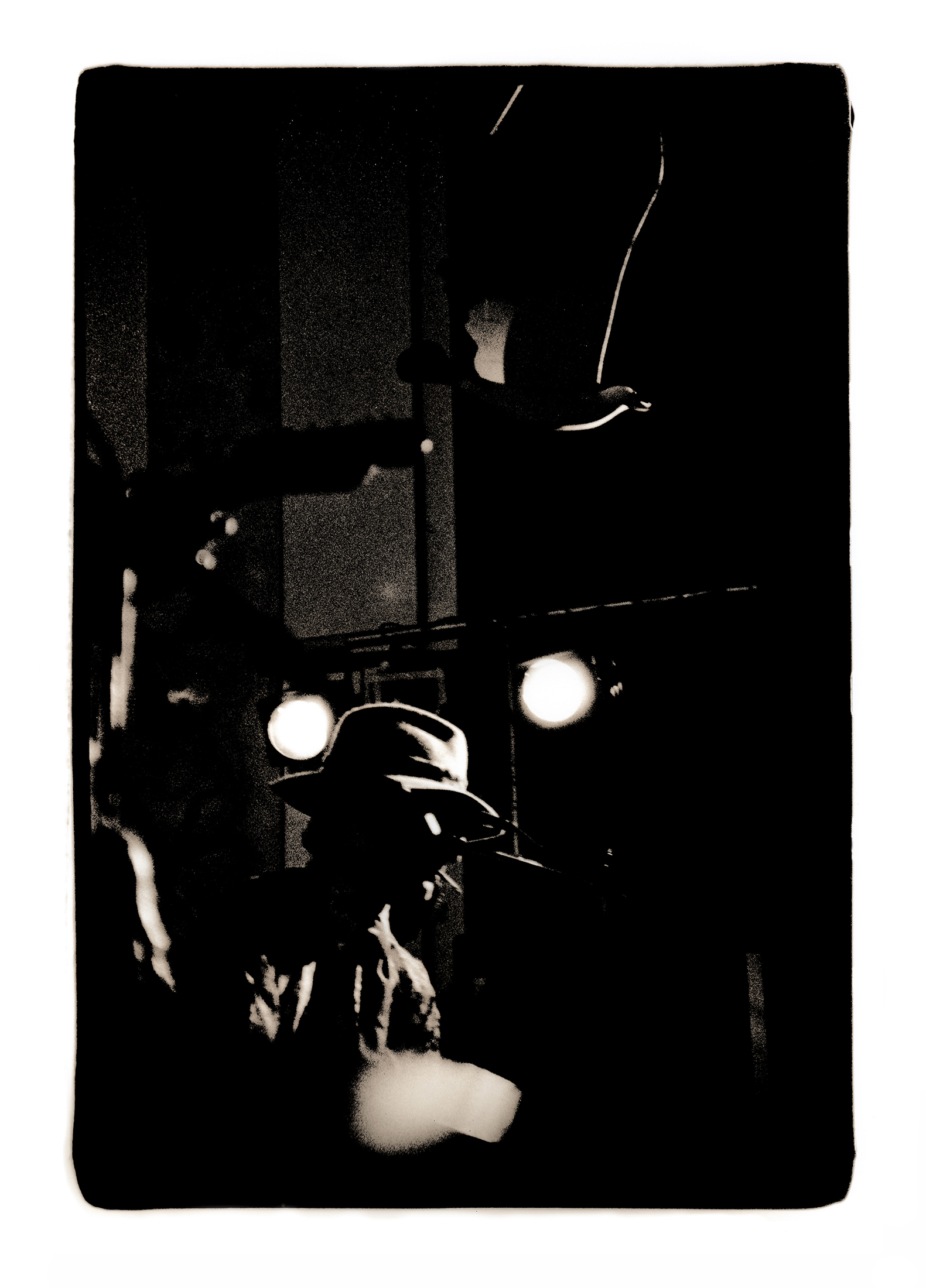
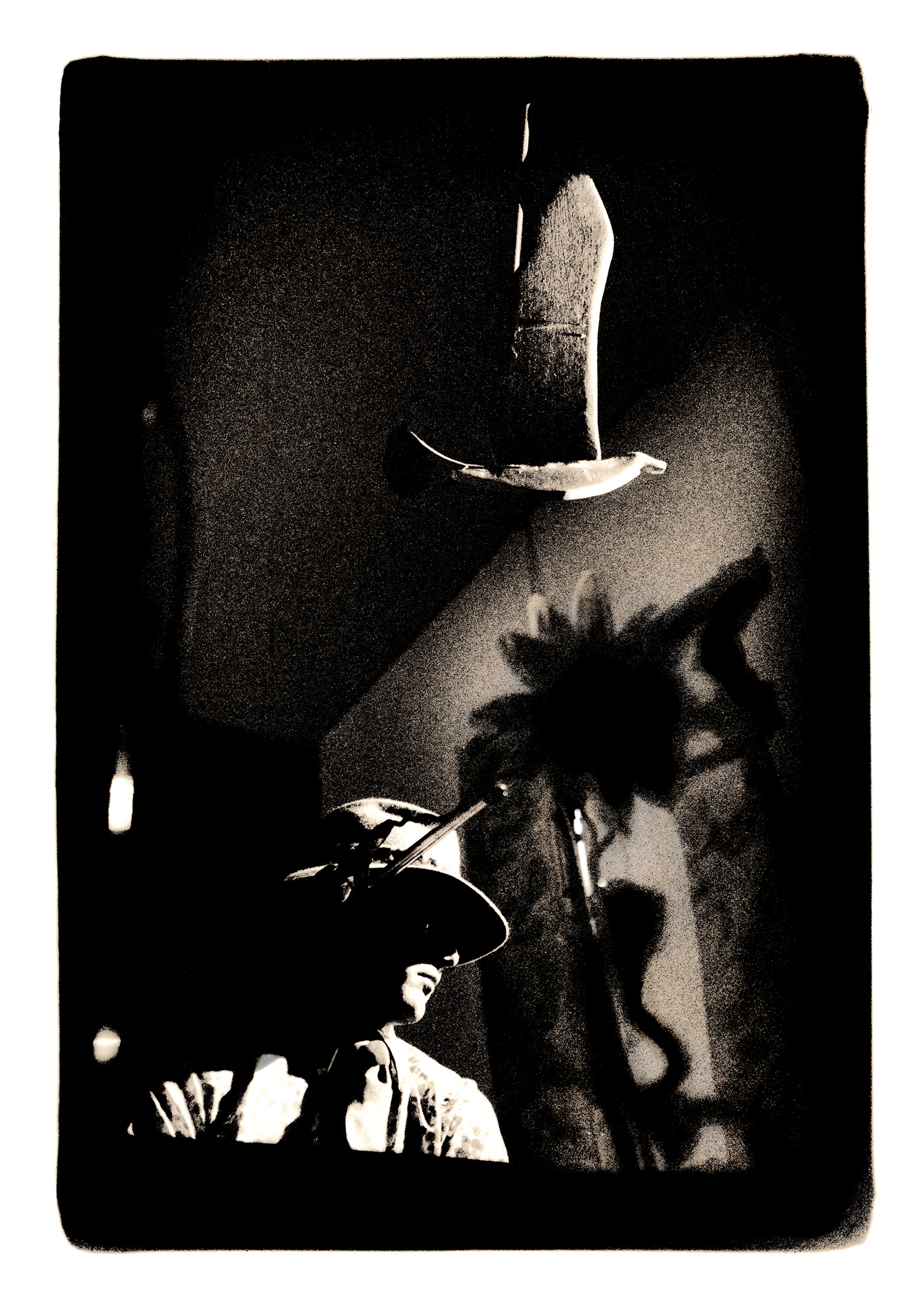
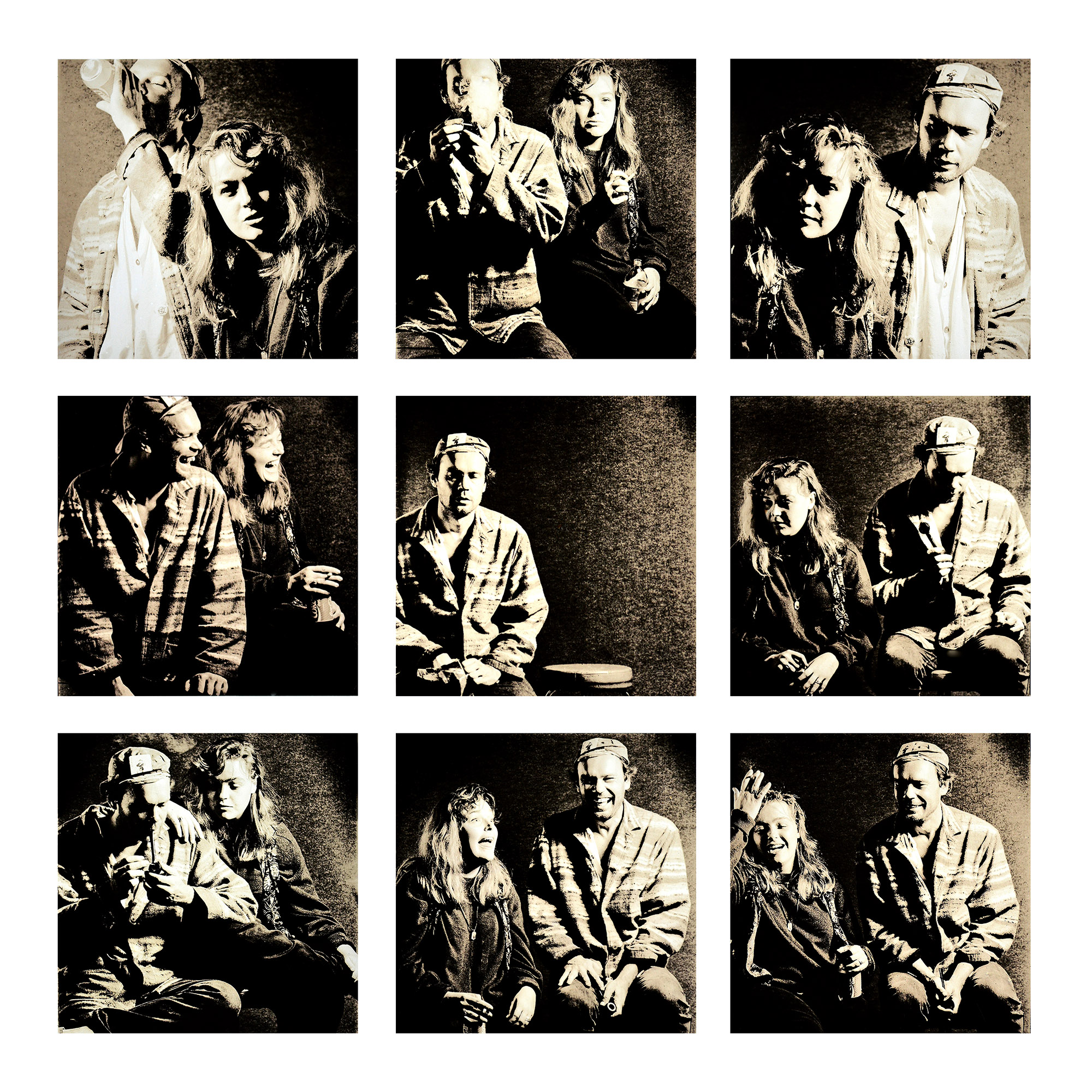
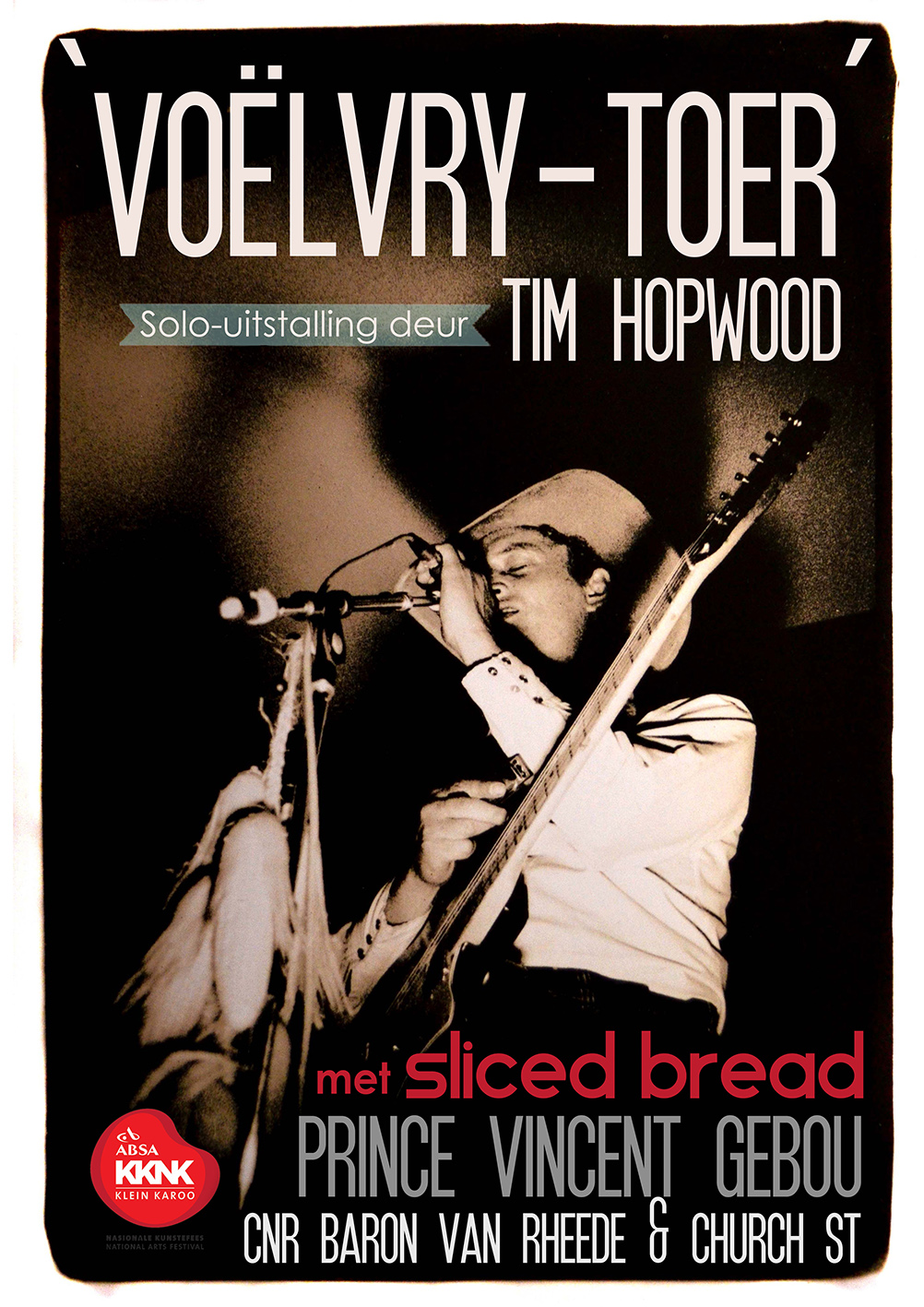
To read the text from my self-published photobook on Voëlvry, click here
Read More
I am back in the darkroom again, after an absence of 6 years. I never went digital. Instead I became a songwriter, after being a photographer for 20-odd years. But now I have started shooting again. And I was persuaded by a young Afrikaans friend to dig out and exhibit my images of the Voëlvry Tour for the KKNK.
So here I am in the only darkroom east of the Sundays River, at Rhodes University, where I had studied from 1989. This time I am staying with friends on a farm just outside Riebeek East, and driving into Grahamstown each day. Each day I churn out my lith prints. They require long developing times, 6 or 7 minutes, and as the developer becomes exhausted, much longer. Longer than standard black and white prints. For the first 5 minutes one sees only a faint, ghostly image. Then the blacks start to come, and quickly they spread over the whole print, like a fire out of control. It’s then that you have to pluck the print and throw it in the acid stop-bath.
Watching the ghostly figures of James Phillips and Johannes Kerkorrel appear is unsettling. The darkroom is a good place for being unsettled, for thinking. Each night I drive the little dirt road back to Riebeek East. The same road James Phillips was on when he had the car smash that led to his death. More than any of the others these last few weeks, I find it is Phillips who I think about the most. He was the only one I never met. I met Kerkorrel several times. I gave him prints, and designed a poster for his show in PE. I shared a commune with Koos for 6 months, and he and Valiant Swart stayed in our house during a Grahamstown Festival. But even though by many accounts it was Phillips who started it all, he is an enigma to me. And he was a soutie, like me.
My father is English/Irish. My mother is English-speaking but is a direct descendant of Jacob Cloete, who came here in 1652. Some Cloetes moved to the Eastern Frontier in the 18th century. In the early 1800s when all those boats arrived full of Scottish and English girls, many of the Boers in the Eastern Province learned to speak English pretty smartly and married Settler girls. So I have Afrikaans blood, but I’m a soutie.
I never knew Afrikaners when I was growing up. I made my first Afrikaans friends when I was 18. I thought my father would dislike them. He hated the government vehemently and would hurl abuse at the TV screen every night. I guess I heard my dad shout “Turn that bloody tit off!” often enough and for long enough before I heard “Sit Dit Af.” He was referring to PW, of course.
But he seemed to like my Afrikaans friends.
In many respects I was a typical English South African, culturally. I listened to all the music my older brothers listened to, music from overseas. I first heard Dark Side of the Moon when I was seven and was completely captivated by it. When I was alone in the house I would play it very loud.
My first experience of a local band was going to watch Juluka in PE when I was 17. It was a life-changing experience. From then I attended the Four Winds Folk Club every Sunday night, in a dingy downtown hall. But there wasn’t much in the way of protest music, and certainly nothing in-your-face. But it was live, and that was all that mattered.
In 1989, I went to study photography under Obie Oberholzer at Rhodes University. My best friend was a guy called Roger Christian from Cape Town. He had all these subversive Shifty Records tapes: The Kerels, Corporal Punishment, Illegal Gathering and Kalahari Surfers. But I never liked them much. I was outta reach by then.
You see, I had come to loath all the eighties music. Maybe because it spoke of nothing. What did a band like AHA have to say to me, living in a country at war with itself? I hated all those bands. Modern Talking, OMD, Howard Jones, all those horrible keyboards. People who say the eighties had the best music have rocks in their heads. When I hear white South Africans reminisce about the eighties and say it was all about bad hairdos and great music I wonder what planet they were on. The eighties were about riots in the townships, civil war, PW, brutal repression and the Total Onslaught. They still play Modern Talking on Radio Algoa in PE, can you believe it. Never heard them play Koos or Kerkorrel. And James Phillips? Forget it.
At high school I had begun listening to some of the eighties junk coming from overseas. But when I left school and spent 3 years at the PE Tech Art School, I joined the Bluesway Record Library. And that was the end of the eighties for me. I went back in time, back to all my brothers’ music: Neil Young, Dylan, Van Morrison, Rodriguez, The Doors, Pink Floyd. And I discovered some of my own: John Martyn and Nick Drake. So I guess, musically, the stuff Roger played was too anarchic for me.
Then in 1985, I heard the Waterboys' This is the Sea, and U2’s Joshua Tree, and watched with delight as all that keyboard rubbish died, and heartfelt guitars were back. I found out years later that This is the Sea had been a favourite of Koos Kombuis and his friends. There was something in that album that was incredibly transcendental and redemptive, and very real and sincere, too. And I guess that’s what we all wanted: redemption. We carried so much guilt and so much anger. It was a crazy time, especially in a conservative city like PE. You could easily pretend it was all OK, and not think about it. But if you did think about it, the truth would, like Riaan Malan said, "bury its poisonous claws in your head and drive you insane."
So by the time Voëlvry passed through Grahamstown I had, to a large extent, drifted off, musically speaking. But I went with Roger to the gig that night, in the town hall.
We were a bit late and had missed Koos’s set. Not that I would have known. Few of us in Grahamstown had heard of him. We walked in on Bernoldus Niemand en die Swart Gevaar.
It was a brutal assault on my senses. From never having seen a rock band in my life I suddenly found myself being blasted into orbit by what was probably the tightest, loudest outfit in the country. What struck me like a sledgehammer was the sound of Hanepoot van Tonder’s trombone. It was so fucking loud, in that small space! As if having just walked into a war zone, I hauled my camera out and immediately began shooting. By the end of their set I had shot off almost all my film. I think I had only brought two or three rolls anyway. I know I must have shot at least a few of Kerkorrel that night, because three months later I weasled my way into his Grahamstown festival show for free by giving him a print of himself. And it was there, that night, that the strangest most bizarre coincidence happened.
Once again I had only taken two rolls of film with me. We shot carefully in those days, no banging away like a monkey that people do in the digital era. Two rolls was enough. And Obie was teaching us how to see well, and expose well, and think before you shoot.
I came to the second roll and shoved it in. What I didn’t realise till the next day was that it was a roll that had already been exposed. I had shot a few rolls a few weeks prior as part of a little photo essay I did on a guy called Louis, who was the church organ player at the Anglican cathedral. I photographed the rituals he went through before he practised, how he ascended the narrow little flight of stairs to the organ bare-footed, and took shots of him putting on the shoes he would leave there, tying the laces, then some of him at the organ. So that’s what I saw when I took the film out to hang in the dryer: Kerkorrel super-imposed over a kerkorrel.
I was devastated. It was a mistake, and Obie told me I was a fuck-up for being slapgat with my film. That was the way we all worked. Chance played no role in photography. That all changed with me over the years, but at that time, that’s the way I was. I liked the fact that it was Kerkorrel over a kerkorrel, but it hadn’t been intentional. It wasn’t precise. I printed only one or two shots from those gigs, and carried on my photographic journey, which was at the time not a documentary one. I only looked at those shots again many years later. After the Voëlvry book came out.
The year after Voëlvry, my digs-mates and I got a call responding to an add we placed in the Mail and Guardian, offering accommodation during the festival. It was from some guy in Stellenbosch called Louis and he was bringing some bands to Grahamstownt. The bands were Koos and Valiant Swart’s bands.
So I am one of the clever God-despising liberal students Koos writes about in Short Drive to Freedom. I am the one who went pale when I saw the pile of dagga Acid Alex was contemplating, and disappeared for the remainder of the festival. It makes for a good story, but the truth is more mundane. I did indeed go pale, because our house often got raided by the cops, as there were NUSAS people living there. But I had my first exhibition at the festival, so I had to sit at the venue every day. And I also had a job as assistant to the exhibitions manager for the festival. Besides, in those days I didn’t despise God at all. I was too shy to say boo or bah to anyone, let alone God. That was Jimmy Roth and Mark Stein, who would go on about how they’d like to fuck God up the bum, but Koos only got to know them the following year, and I only got to know Koos the following year too, when he returned to live on the property for about 6 months. I think he liked Grahamstown 'cos none of us treated him like a big star. I think what Koos has done is blend me, Jimmy and a few others into one persona. But it made for a good story, and a good story it is.
Those 12 days with the Swart Kombuis living in our house were completely insane. Especially to our landlord, who nearly had a baby when he saw the wreck they left. He threw his toys. Breach of contract, this that and the next thing. Fortunately Jimmy got most of the blame, because he was an economics student and "should have known better."
On the last day the plumbing collapsed, flooding the bathroom and passage. They never used the dustbin. Acid Alex did most of the cooking. Potato peels, chicken carcasses, leftover rice and all the rest were simply thrown in the corner of the kitchen in a pile that got very large. Their manager, this Broodryk fellow, seemed to operate at an extremely high frequency. You never saw him at the house. But you’d see him all over town in his kombi putting up posters, handing out flyers, constantly on a mission. I began to wonder where he found the time to even take a shit.
My question was answered by Irene, the lover of my friend Vos Van der Merwe. They had come to stay for a few days and one day she was taking a bath. Suddenly the door burst open and the volcanic eruption of energy that was Louis marched past her to the toilet, stating, more than asking: “Mind if I have a shit?” and simply pulled down his pants and took a dump with Irene still sitting in the bath.
Another friend from PE called Gary came to stay for a few days, but only lasted one night. He was straight out of school and the Swart Kombuis was all just too much for him. When he came across one of the groupies taking a piss standing over the toilet, with the door wide open, he fled.
Various people made the lounge their home, and if I or one of my friends woke up in the night, it was easier to go take a piss in the garden than to negotiate one’s way through the lounge past all the bodies, some sleeping, some passed out in post-coital slumber and some still copulating.
Both the lounge door and my bedroom door opened onto the veranda, and one night, on hearing a knocking, I opened the door on a small very dishevelled man. He looked like he had been in a fight and he had scabs on him. He reminds me a bit, now that I think back, of Conrad Botes the time I met him in Cape Town, when he had just, a few days before, fallen off his motorbike. Come to think of it maybe it was Conrad Botes. He was often in Grahamstown those years, selling Bitterkomix.
“Excuse me I’m looking for the Black Kitchen.” Rubbing sleep from my eyes, it took me a second or two to register. “Oh, right… Swart Kombuis. Go through this door alongside here.”
One night I walked into my room tired, and probably a bit drunk, to find a thin figure, probably a girl, asleep on the floor, with a blanket thrown over her. I went to Koos and asked “Who’s that girl asleep in my room?” to which he replied “No, that’s your friend Ric." Ric was a sculptor from PE who I never ever saw eat anything. He just drank lots of whisky and took loads of drugs. He’d spent his first night at the festival sleeping in the autobank room on campus.
And so it was that the only documentation of that time I have access to is Ric’s sketchbook, where he wrote down snippets of conversation and did little drawings. He hung out with them every day, and from him I gathered they had a routine. They would wake up around midday, long after I'd gone off to work, or to my exhibition. Then they would drink and smoke. They rarely left the house. A multitude of people would drift in and out. They never saw any shows or exhibitions or anything. Then at about 10 pm Louis would arrive in the kombi and load them all up to take them to their show in a basement at PJ Olivier Hoërskool. I went to one of their shows with Ric and Vos but all I recall is that it was very loud, and extremely hot and smoky.
It is my greatest photographic regret that I did not photograph what went down in that house. My approach then was to construct images, not photograph life as it unfolded. Dumb, but it's where I was at the time. And anyway, I was too shy. I think Koos took that shyness as some kind of aloofness, or even rudeness, because after a few days he came to me and said, “Hey listen we been living in your house since, like, last week, and we don’t know you. Come have a drink with us.”
So I sat with them in the room with the fireplace, and drank. Then I smoked a joint, which made me much, much more shy. It was a no-win situation. I do recall though that Acid Alex was the joint-roller. He had a huge pile of zol in front of him and for the two or three hours I sat there with them all he did was roll joints. Enormous joints. As soon as he had finished one, he would fire it up and pass it on. Then he would immediately begin work on the next one. I’d never seen anything quite like it.
Apart and aside from all this mayhem (although in no way aloof or anything) seemed Valiant. He lived in one of the outside rooms, and it was him that I gelled with the easiest. We spent a great deal of time discussing the music of Van Morrison. We thought the same albums to be his best ones. My friends from that time will laugh when they read this, and say, “Well that’s pretty much all you could talk about back then.” They wouldn’t be far wrong.
The following year Koos returned to stay on the property, and I got to know him better. I photographed him and his companion, a drama student whom I knew called Laurien Myles. I took them into the studio and set up lights and all that. I thought that was the way we were supposed to do portraits. I kinda regret not doing snaps of all the lazy days sitting in our lounge talking kak and laughing, but I guess I sensed that neither Koos nor I would have been comfortable doing that. He liked the anonymousness Grahamstown gave him.
After that first sojourn, he had left a small book of his poems at the house, handwritten. It was in one those cheap little Oom Dik books. I had no idea how to contact him, this being pre-cellphone era and Koos being somewhat… nomadic. So I hung onto it, knowing I would run into him again, which I did.
But in the interim I returned to my parent’s house in PE for the December vacation. One day I left it on the coffee table in the lounge after I had been reading the poems again. My dad found it and called me to the lounge.
“Who does this belong to?” he asked.
I went sort of cold and began trying to remember how many if any of the poems had made reference to illegal substances, or goening, or anything like that.
“Oh, uh, it belongs to this guy called Koos who stayed in our house… Why?”
“These are the most beautiful poems I have ever read in Afrikaans,” he said.
Years later, when listening to Koos (which I did a lot: Niemandsland became one of the seminal albums of my life, and for some reason we always played it loudly in our digs when we cleaned the house on Sundays. It seemed the right album to play while sweeping out the shit) I often reflected on that. And on the incredible genius of Koos, who, with a few poems, could break through all those barriers of age (my father is old, he fought in WWII) and tribe (he loathed the Nats with a passion). But I guess I kind of lost sight of the fact that my old man had never loathed Afrikaners in general. How could he? He married a kind-of-Afrikaner.
Did Voëlvry change my life? Absolutely. I sought out, from then, only musicians who sang about us here now. I became very close friends with the first two white songwriters in PE to start doing this: Anton Calitz and Dave Goldblum. Their music helped me make sense of my identity as a white boy in PE at the end of Apartheid. I designed all their posters for them. Later I discovered the music of Chris Letcher and Mathew van der Want and became a huge fan of theirs.
And, more importantly to me, six months after Koos and Valiant stayed in the house, I picked up a guitar myself. And the first two songs I ever performed publicly (at a really dodgy biker bar in PE in 2004, with Merrisa Du Plooy), the songs that helped me find my voice, were Onder in my Whiskey Glas and Famous Blue Raincoat. Because Koos Kombuis and Leonard Cohen are in the same league to me.
It also made me see my own tribe quite differently, and realise that I’m not really part of that tribe. My tribe now is not English-speaking white South Africans, but musicians and artists and writers and photographers of various colours and language groups. And outside of this little tribe I feel quite foreign.
Voëlvry never did for us souties in general what it did for many Afrikaners. If it did I wouldn’t find myself thinking about James Phillips and crying while I drive that little road to Riebeek East. Few of us gave a fuck about him.
And when people come up to me and say, after I write a funny slang song in the vein of David Kramer, “Hey Tim, you should write more songs like that. Stop all that depressing stuff about how we’ve lost our way,” I think, yeah. And be like James Phillips: bleeding in a ditch with the knowledge that people only saw him as a joke. Fuck that shit. I'd rather make a living building decks and kitchen cupboards. Which is what I do in PE.
I know there are some younger people who dis the Voëlvry guys. And academics who downplay what that whole thing did. But I’ve seen on the Voëlvry documentary what those gigs on the Afrikaans campuses did. I was there when the show passed through Grahamstown. The effect was not the same. On campuses like Stellenbosch it was "a helluva thing," to quote Willem Moller.
To me, the most poigniant moment of that Voëlvry documentary is when Koos tells the story of Ryk Hattingh, who comes right up to the front of the stage while Koos is playing, and crying like a baby, begs him: “Vat dit weg! Vat dit weg!”
“Hy’t nie bedoel, “Vat ons weg” nie," said Koos. "Hy’t bedoel Vat dit weg. Vat hierdie ding weg. Julle kan dit doen. ”
And although us souties on the whole never experienced that, for me, the Voëlvry movement helped me to begin to embrace my inner Afrikaner, and leave some of the musical baggage of my tribe behind in the process.
Close
perish. 2015
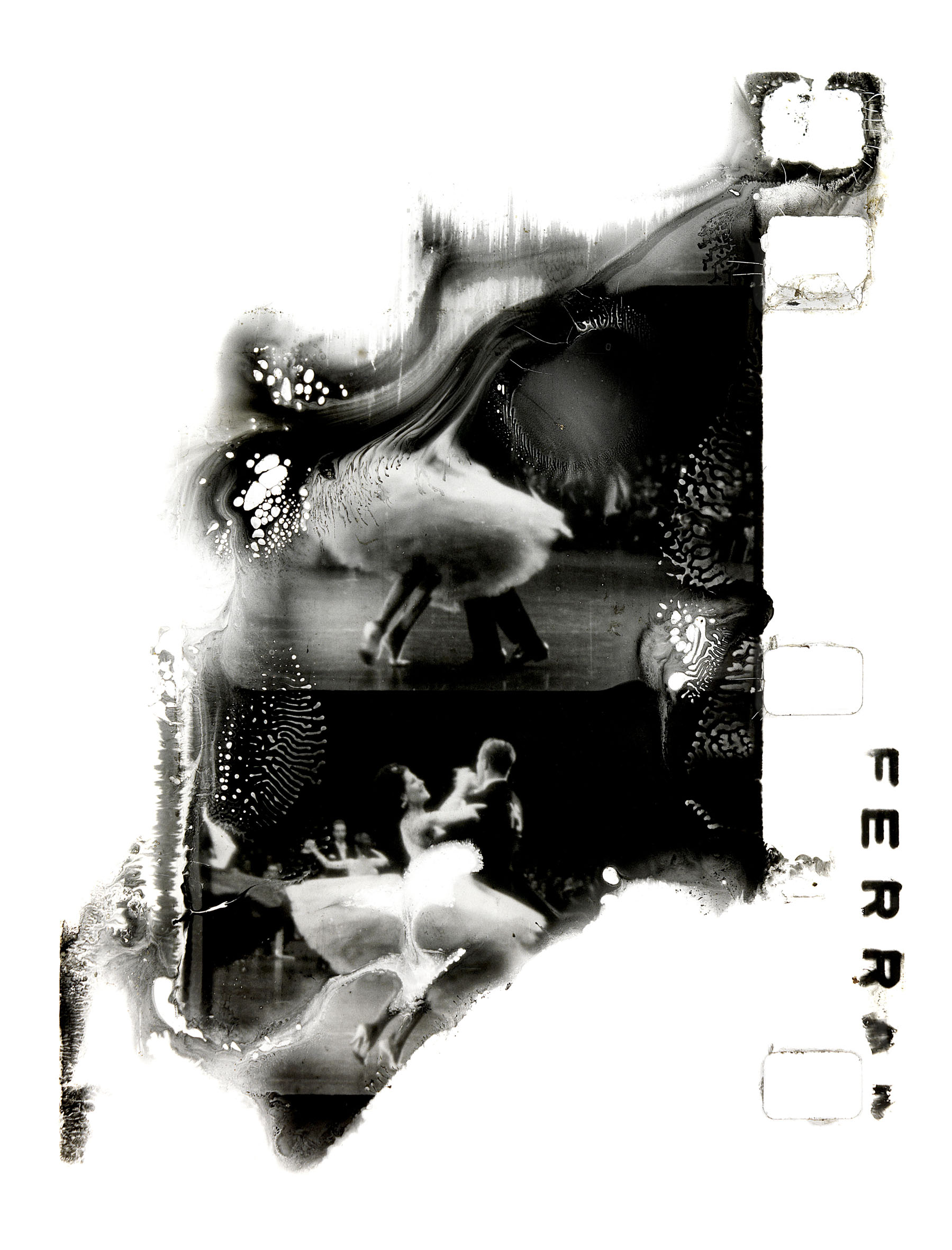
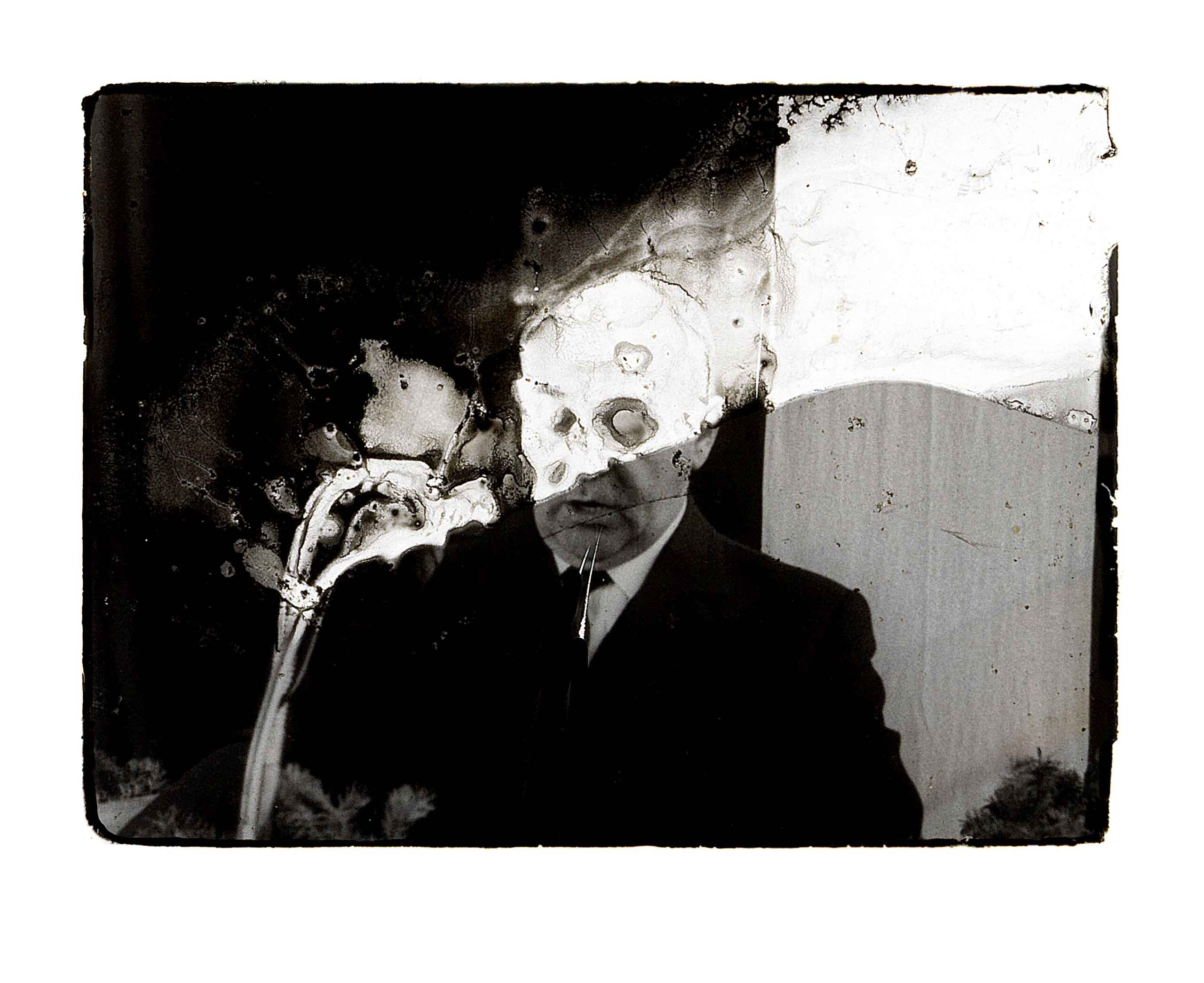
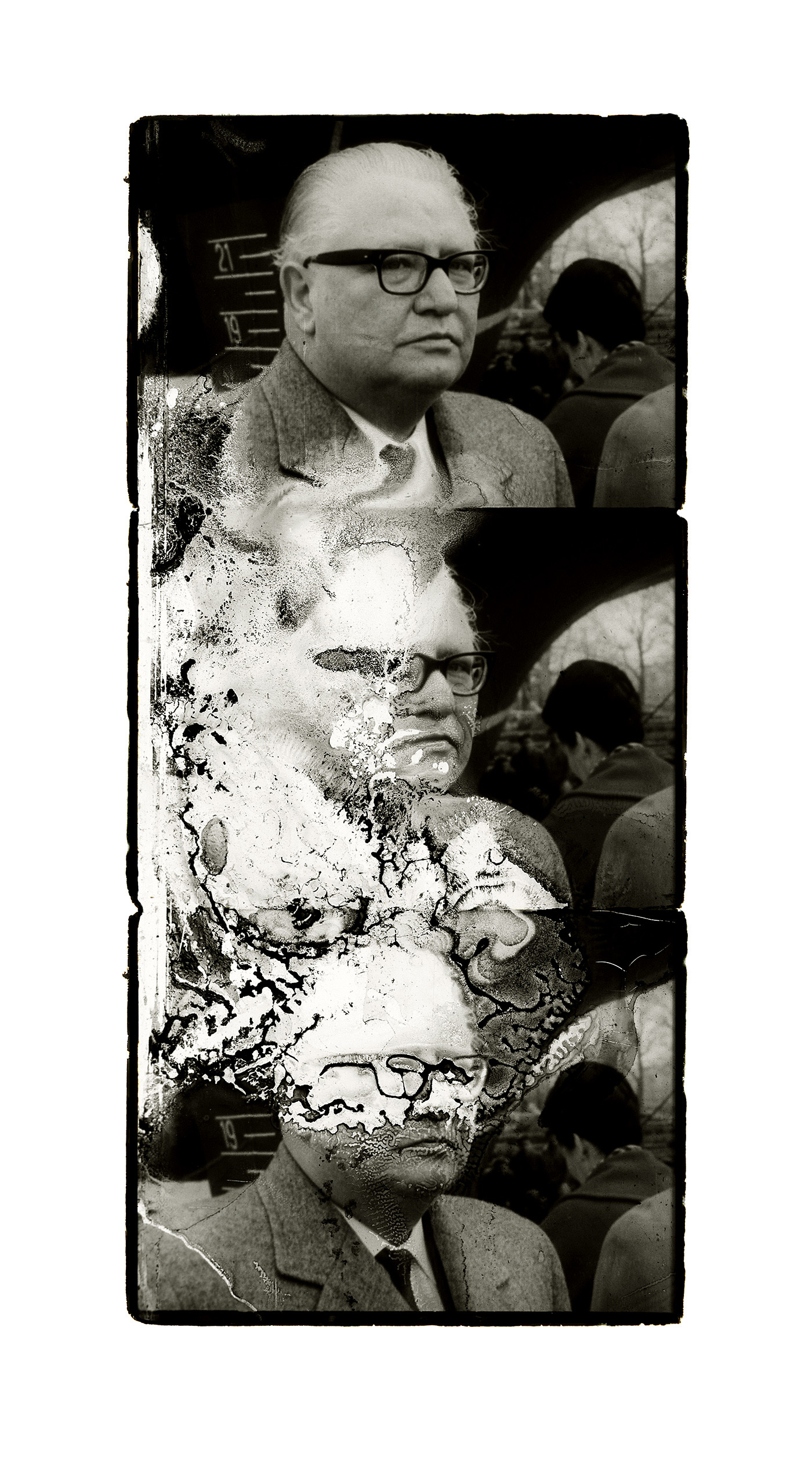
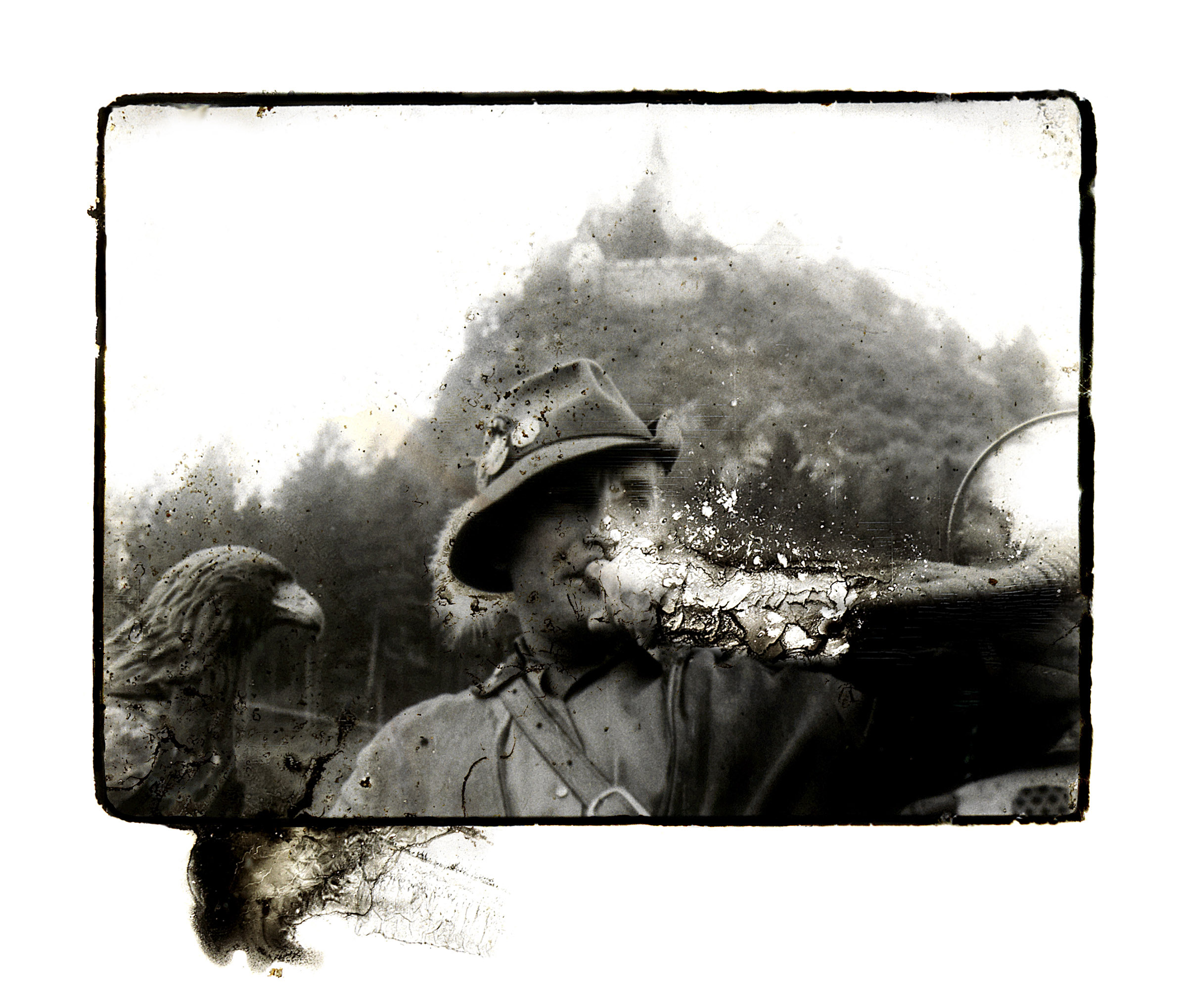
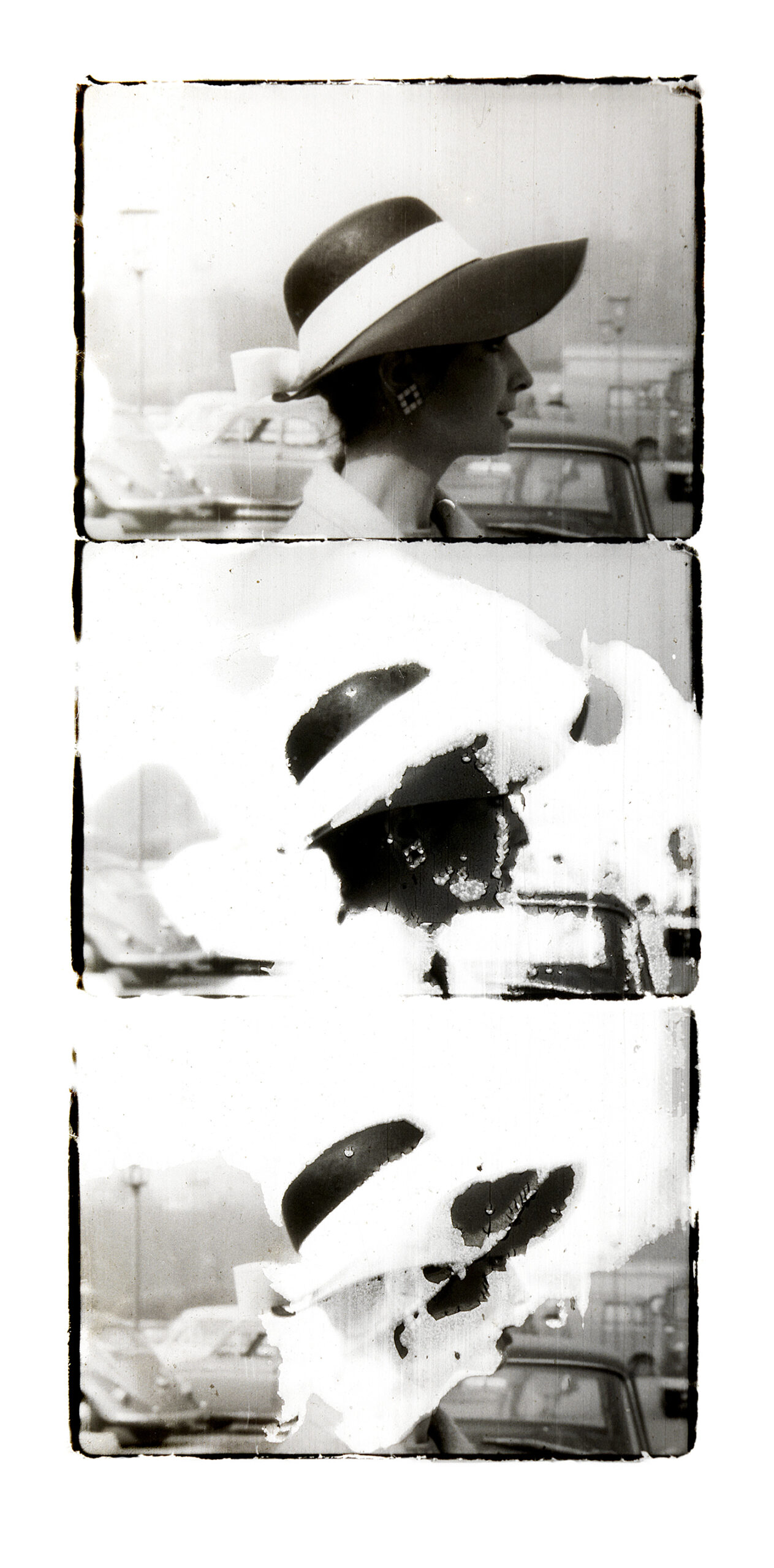
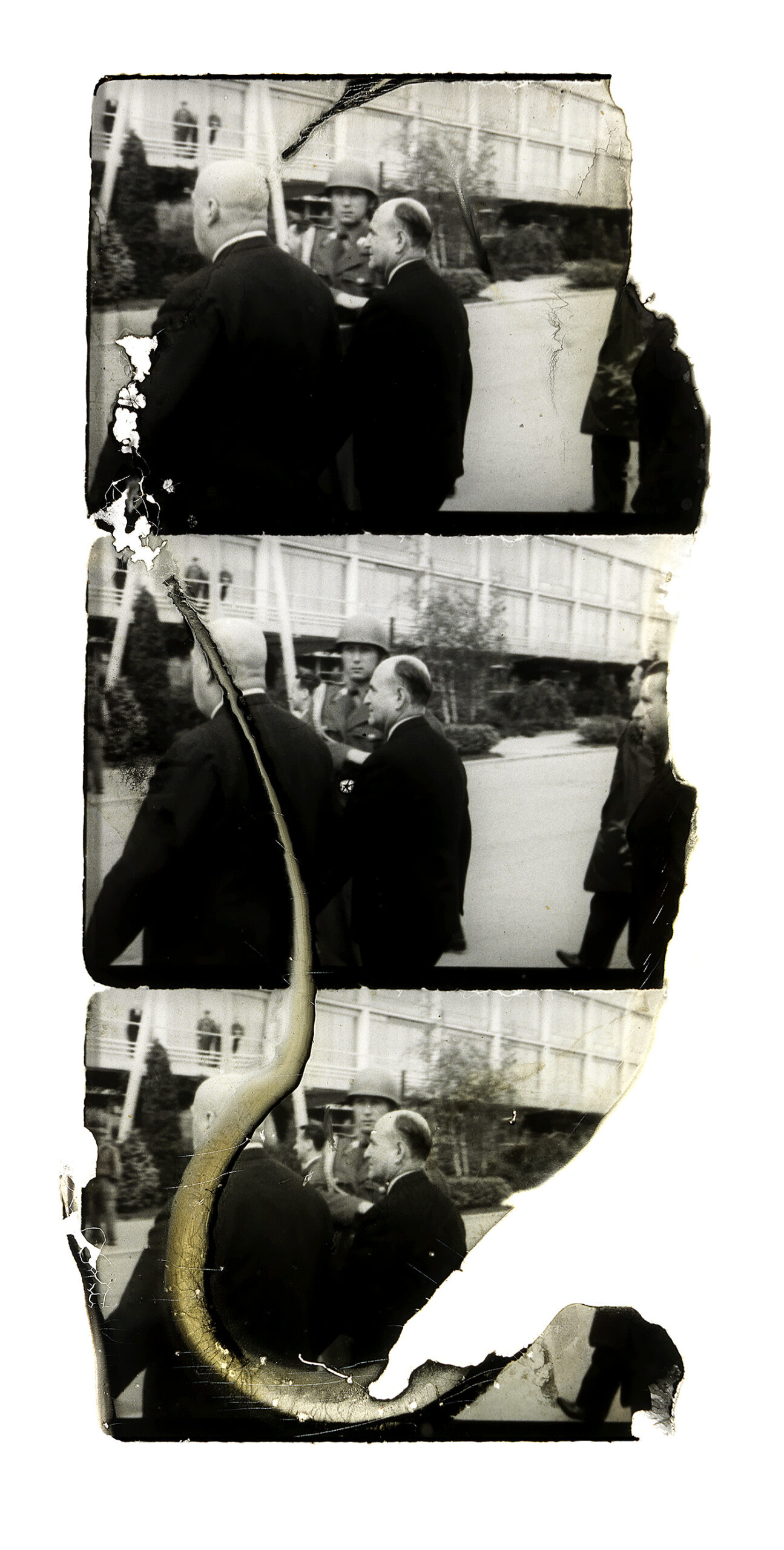
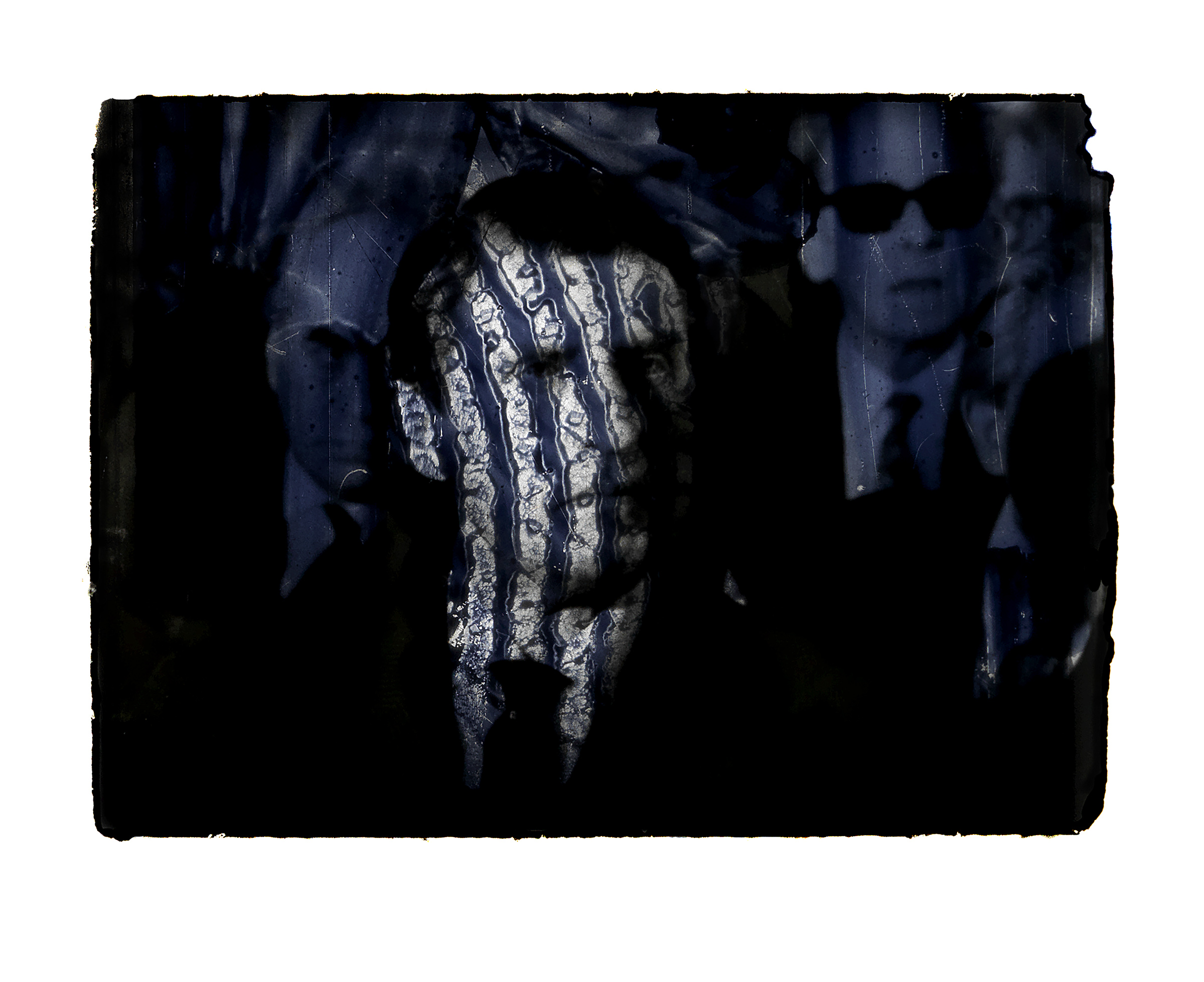
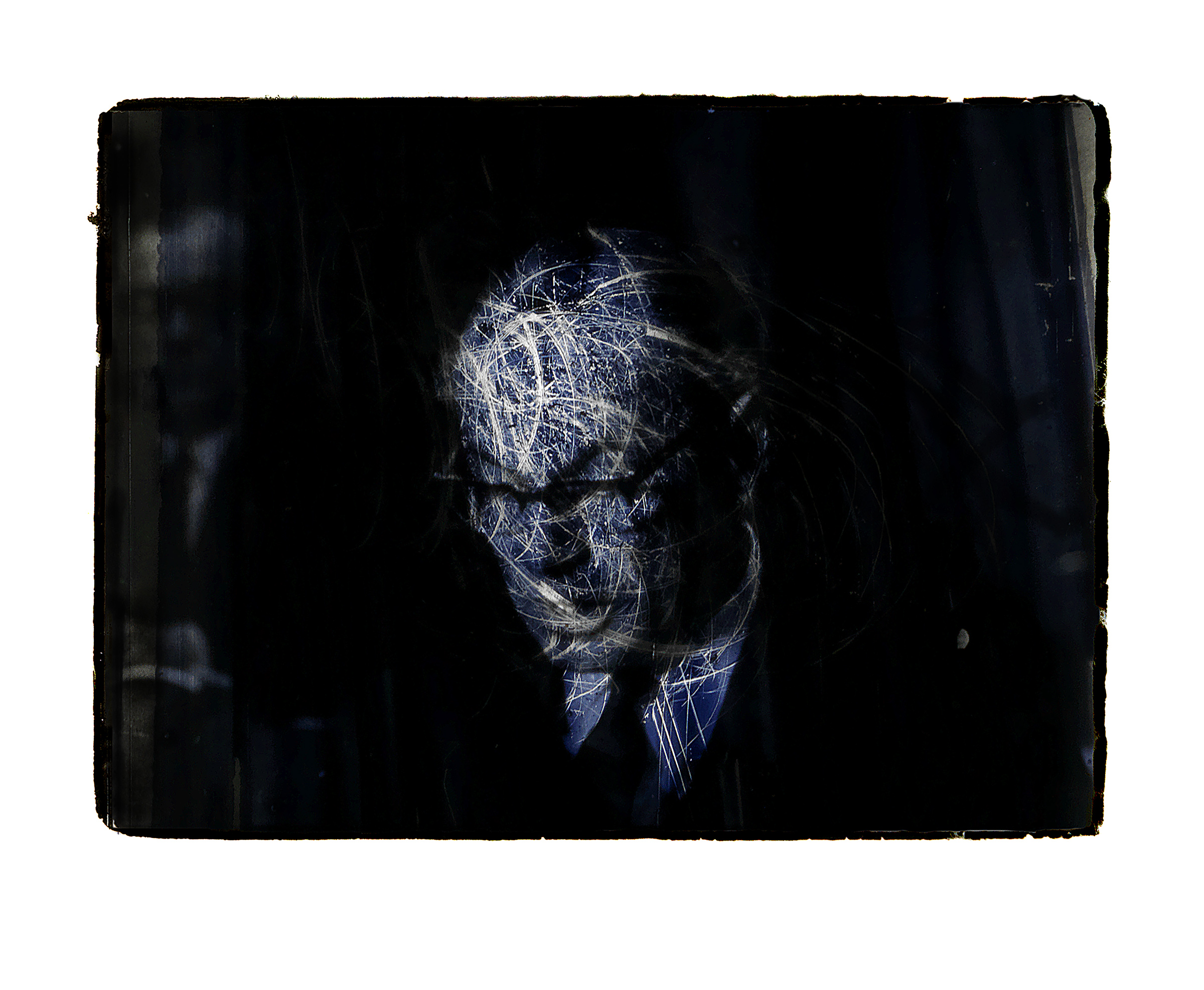

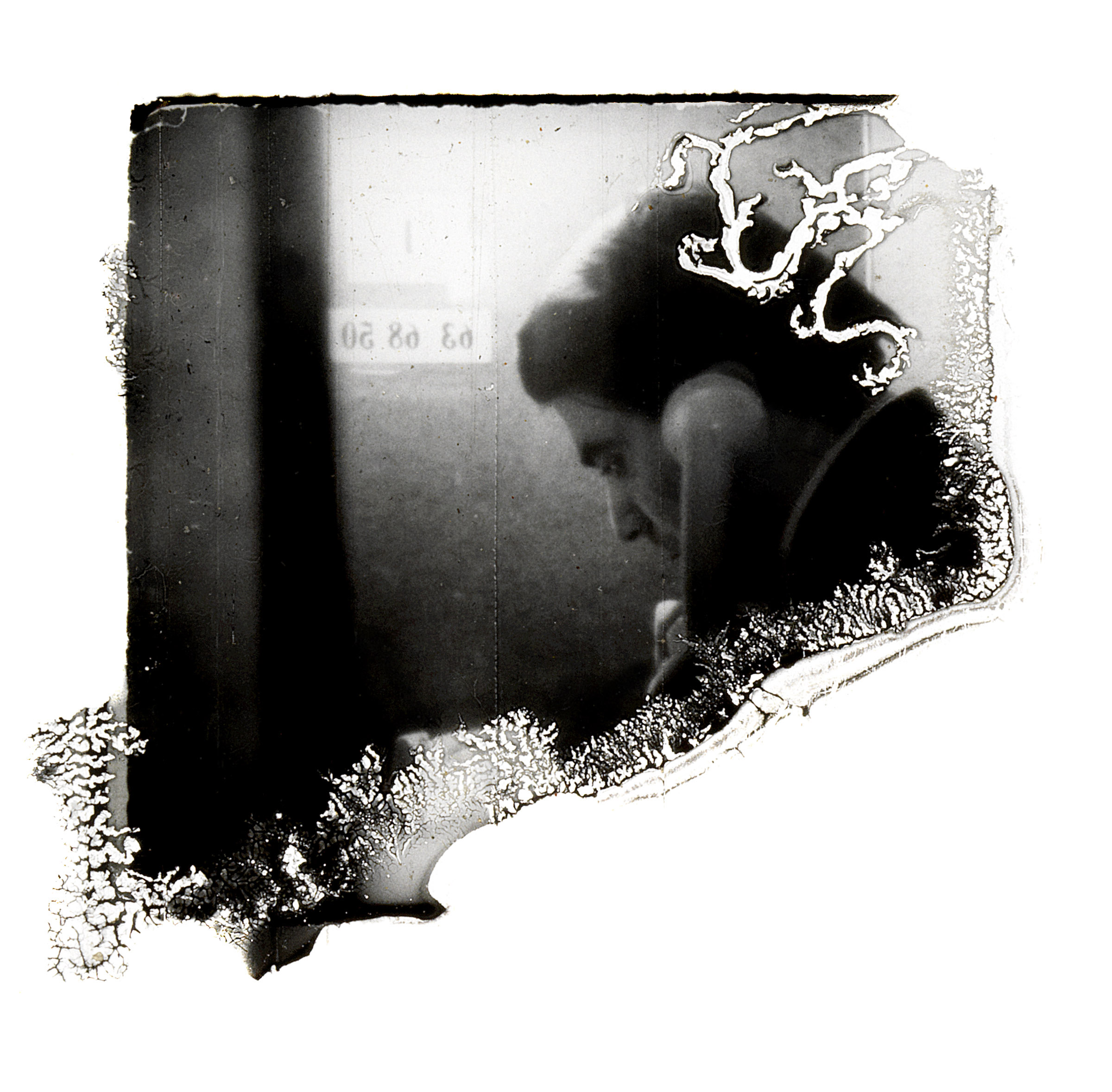
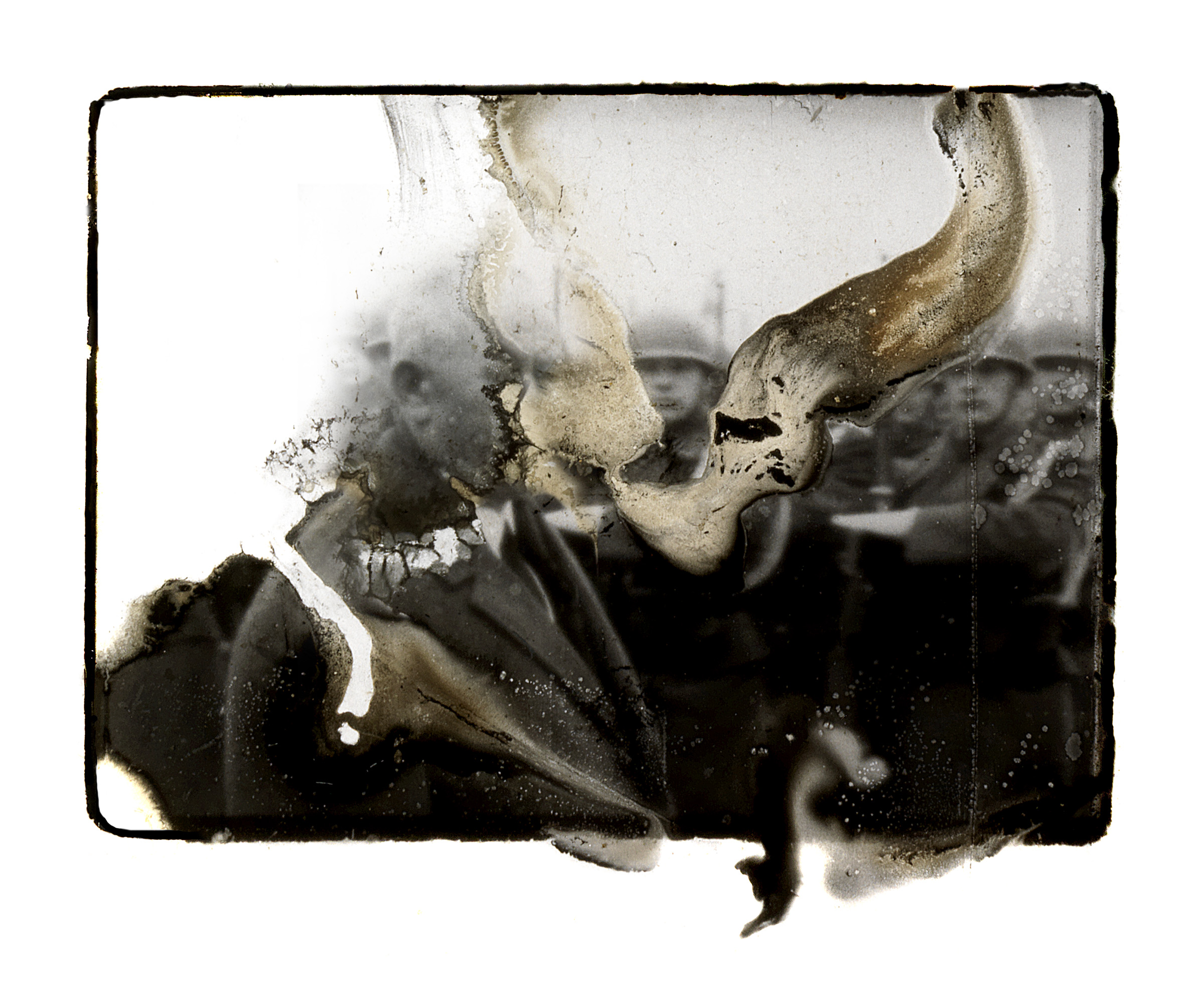
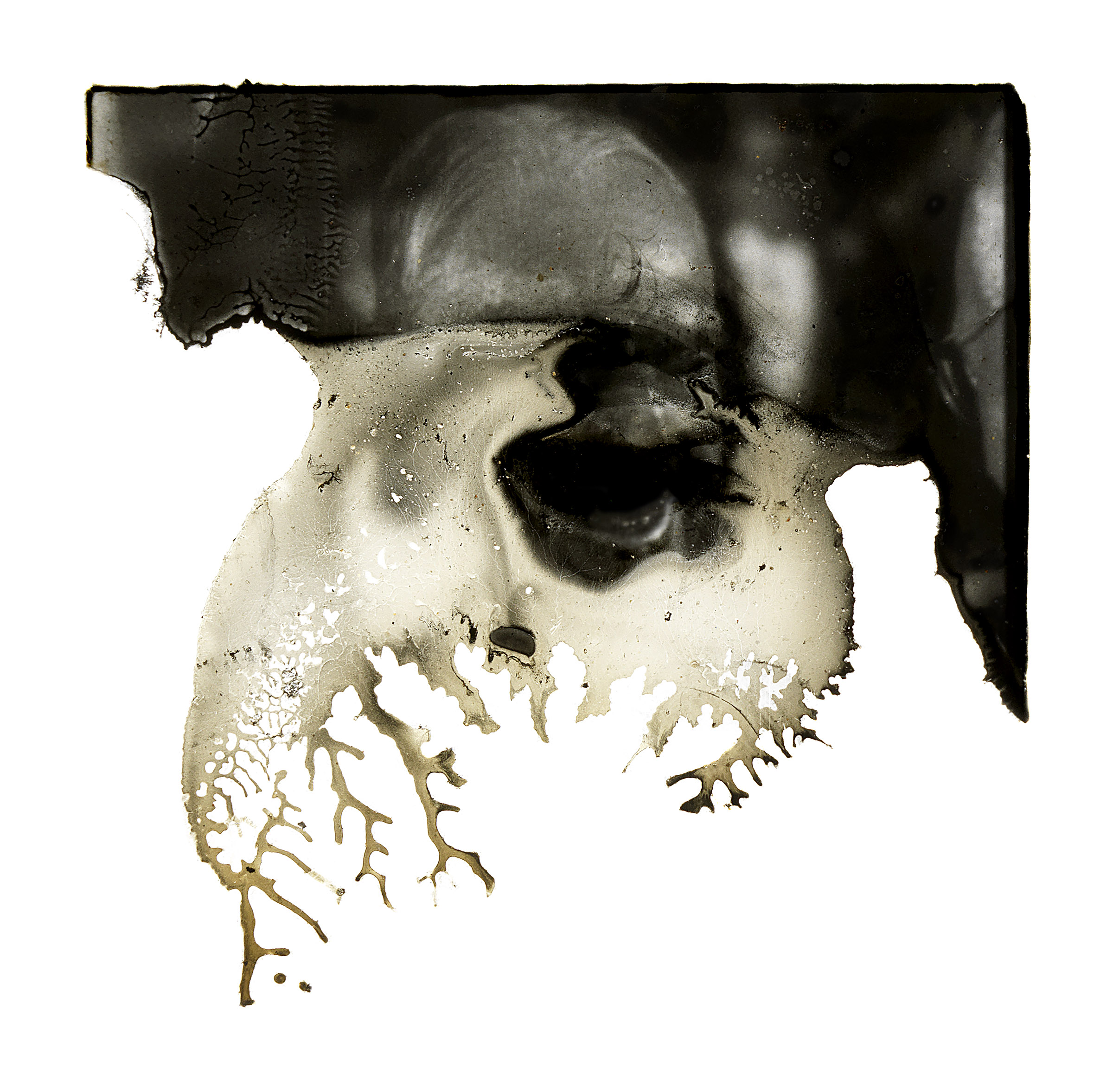
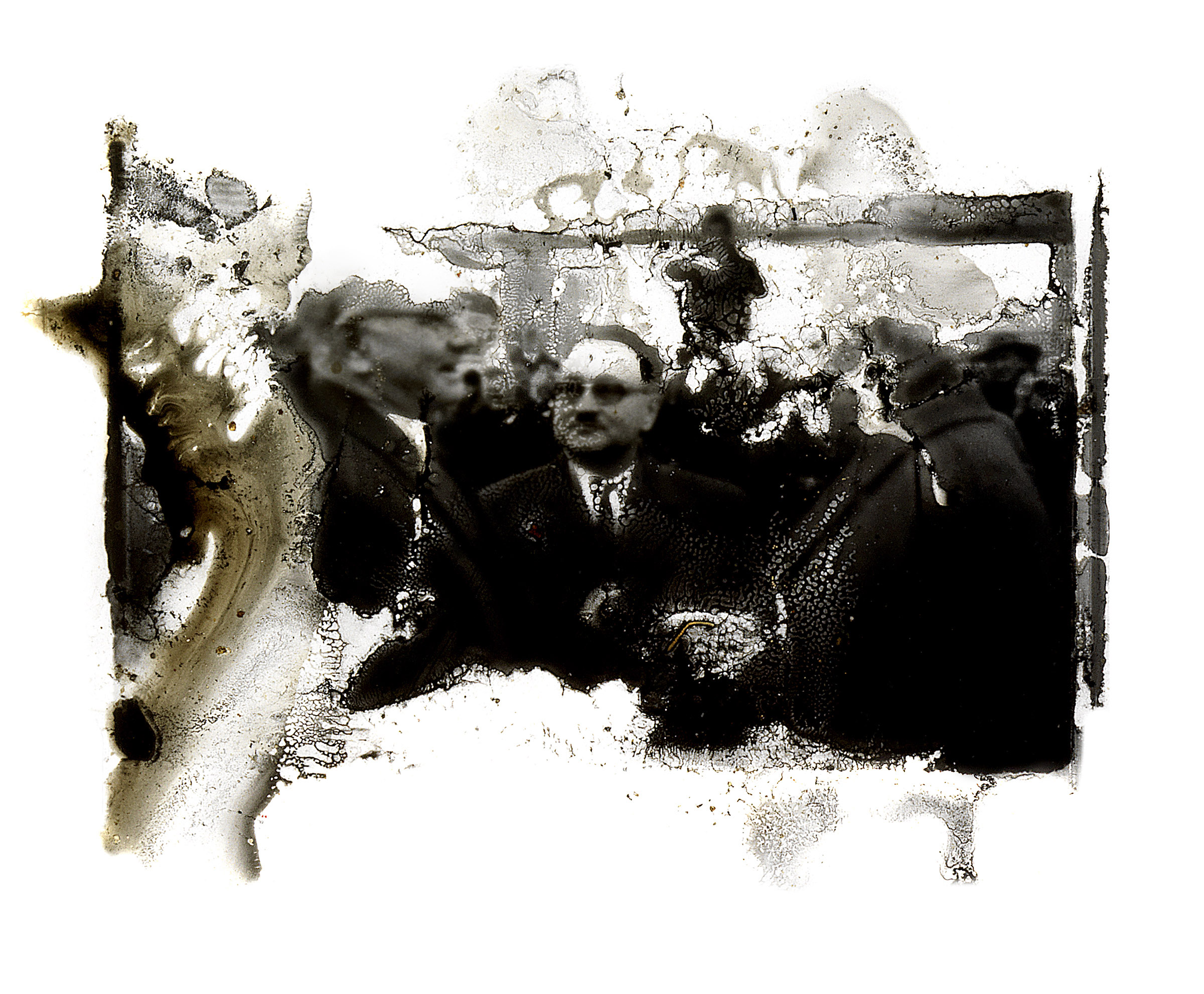
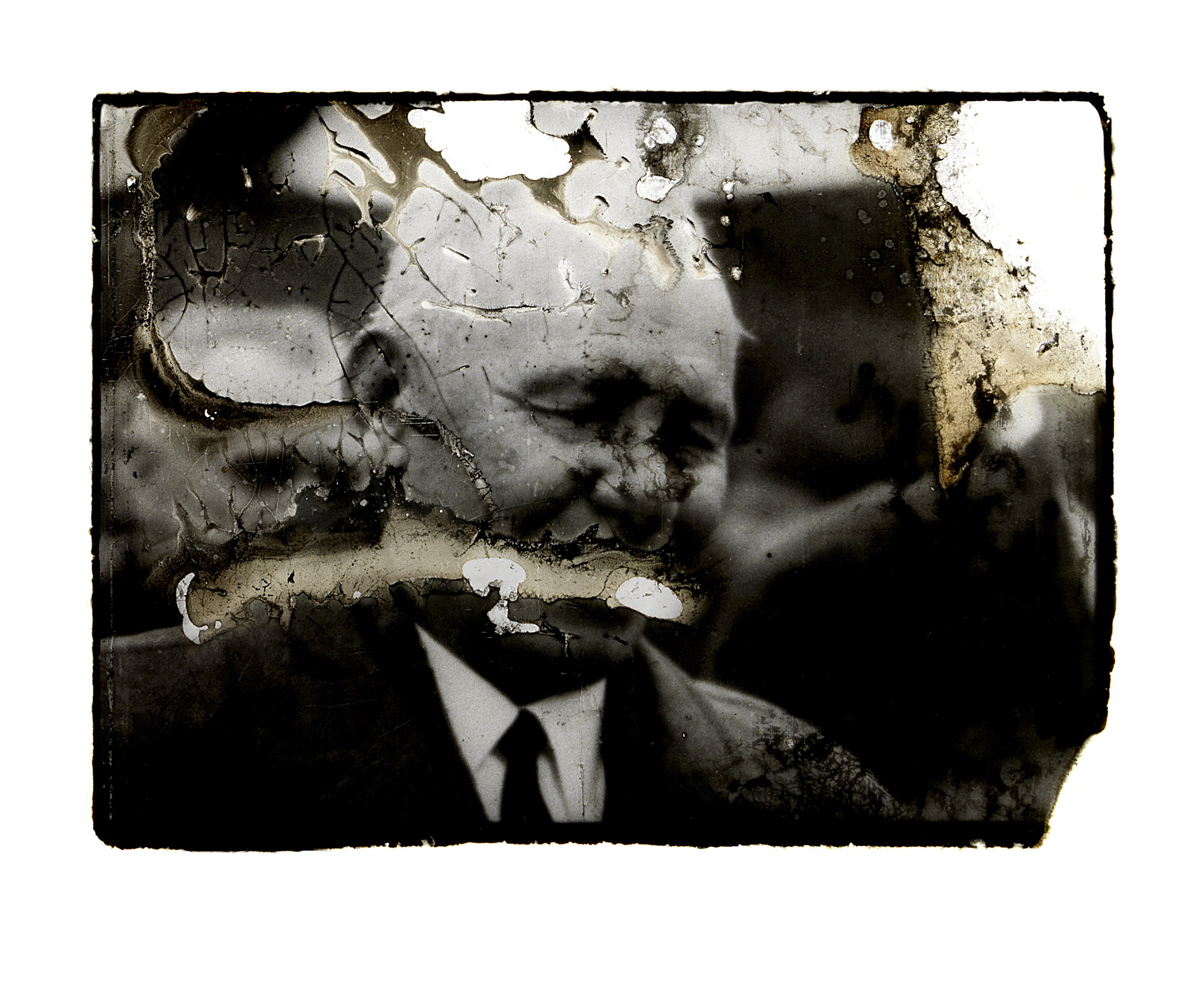
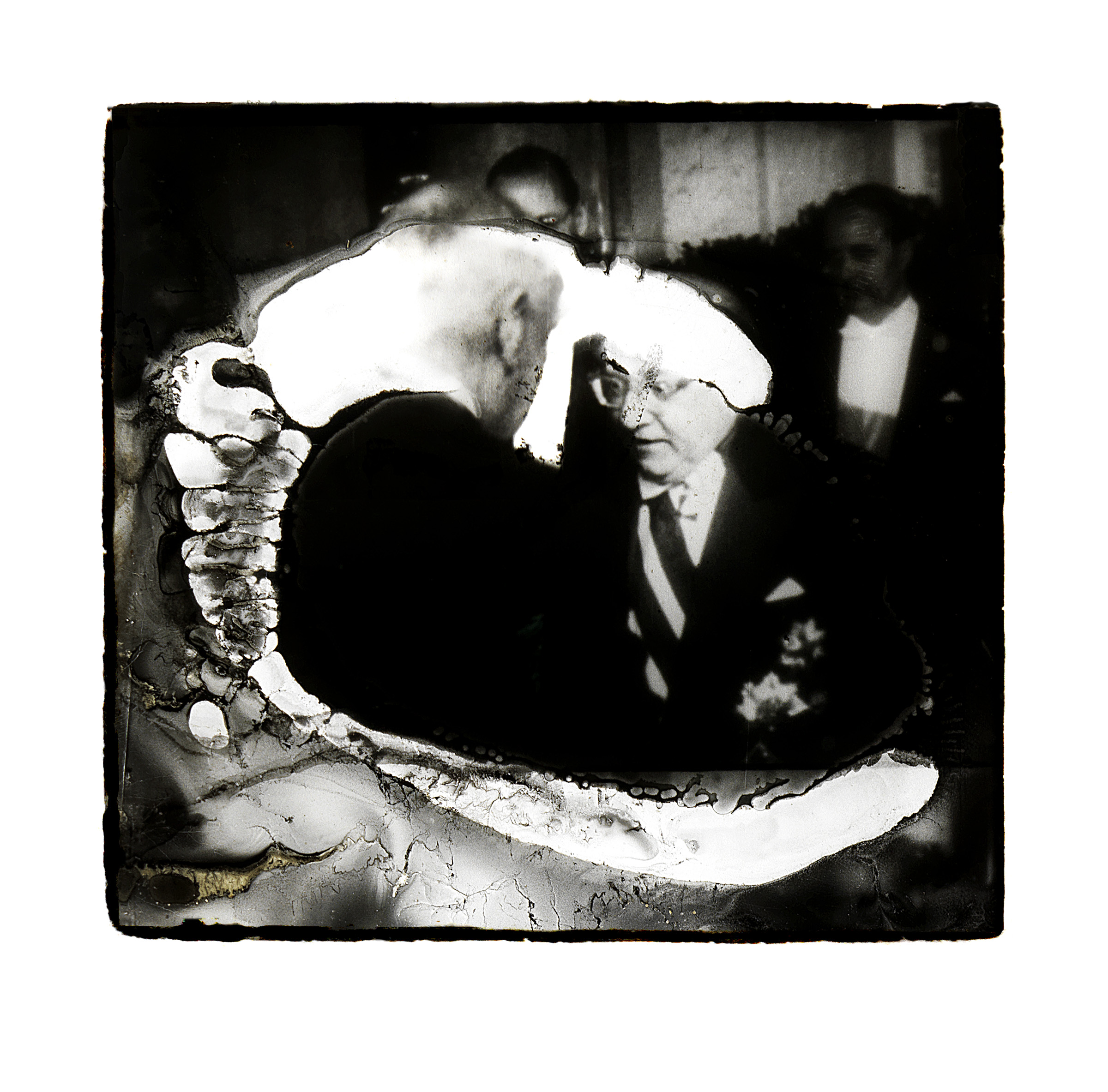
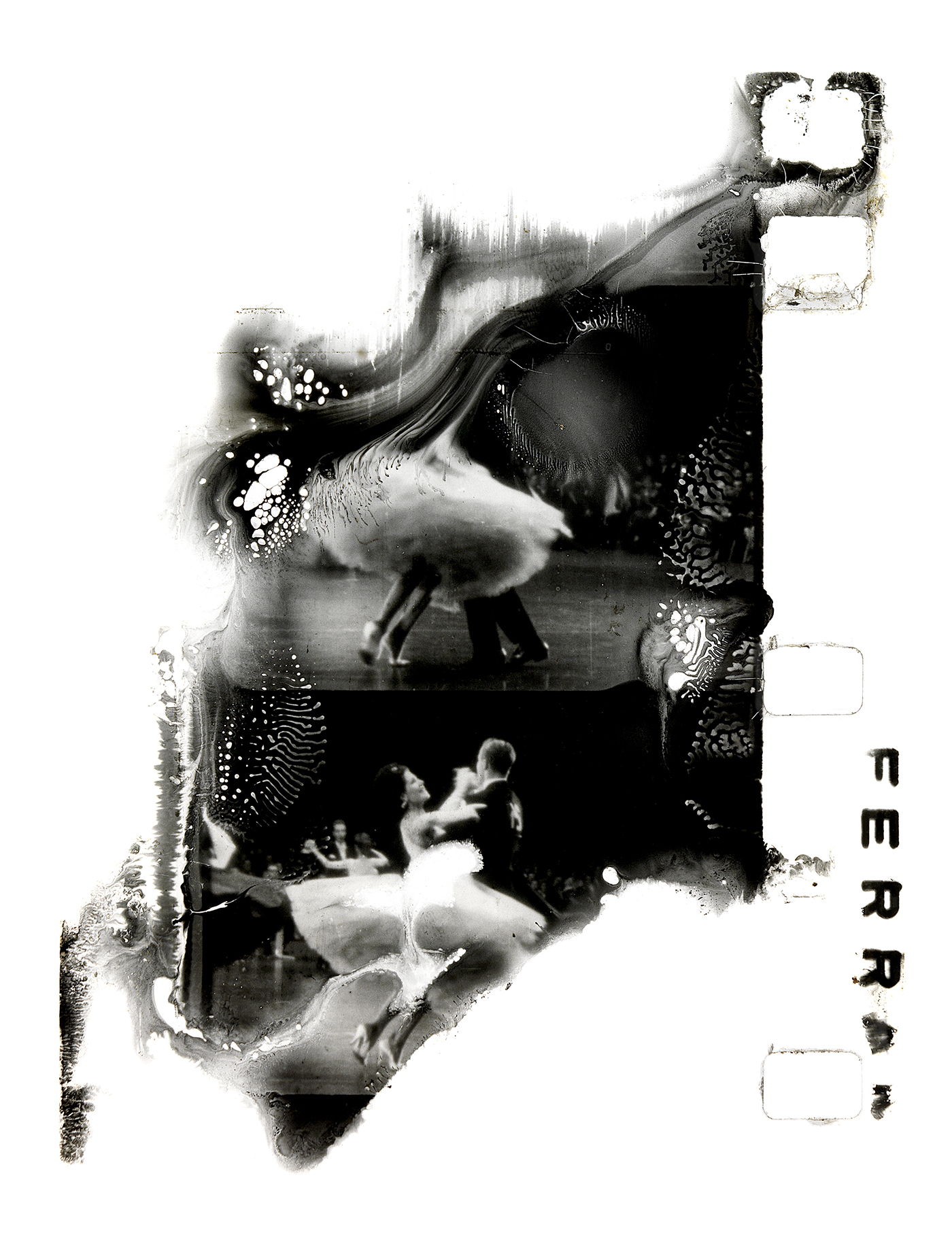
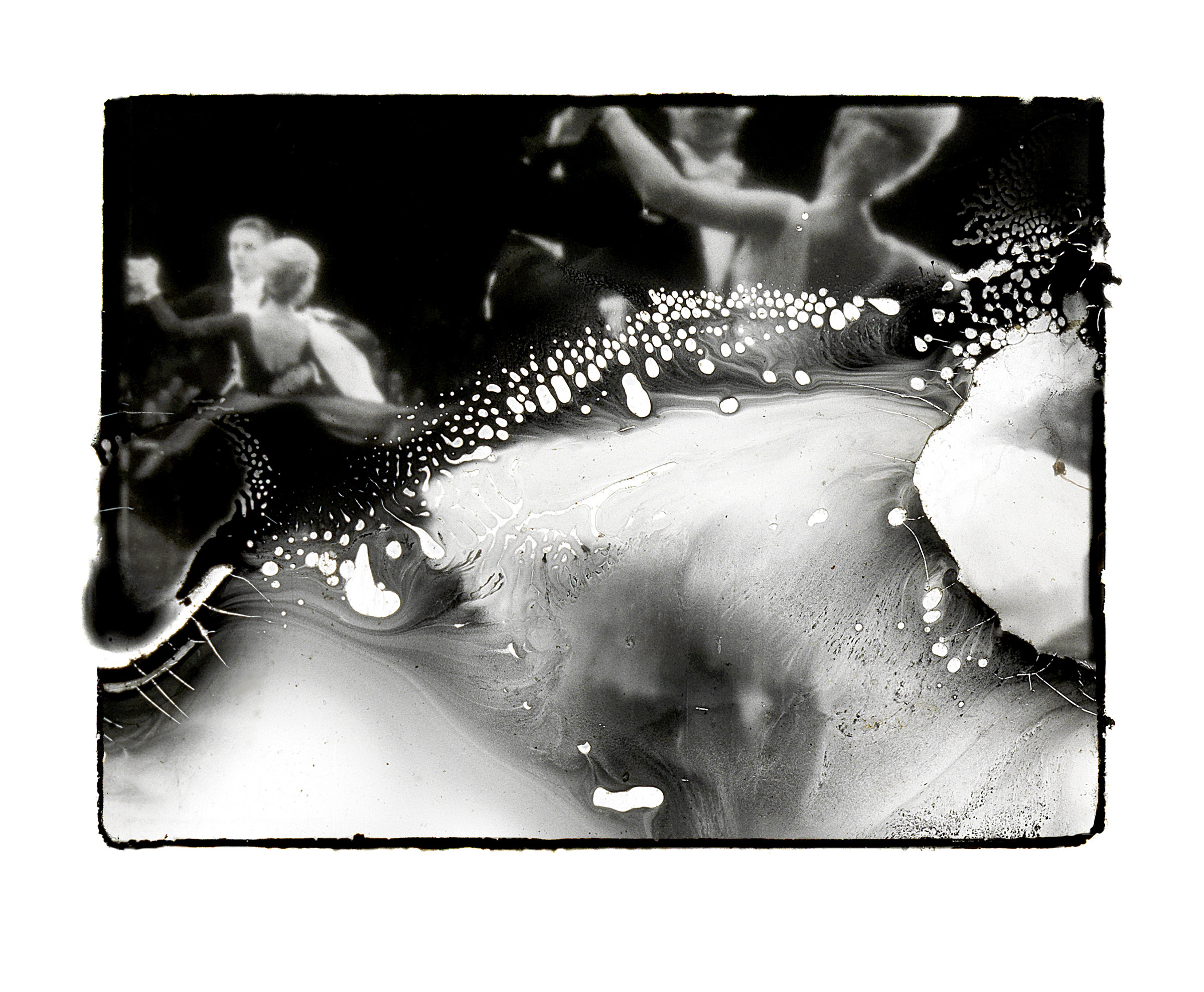
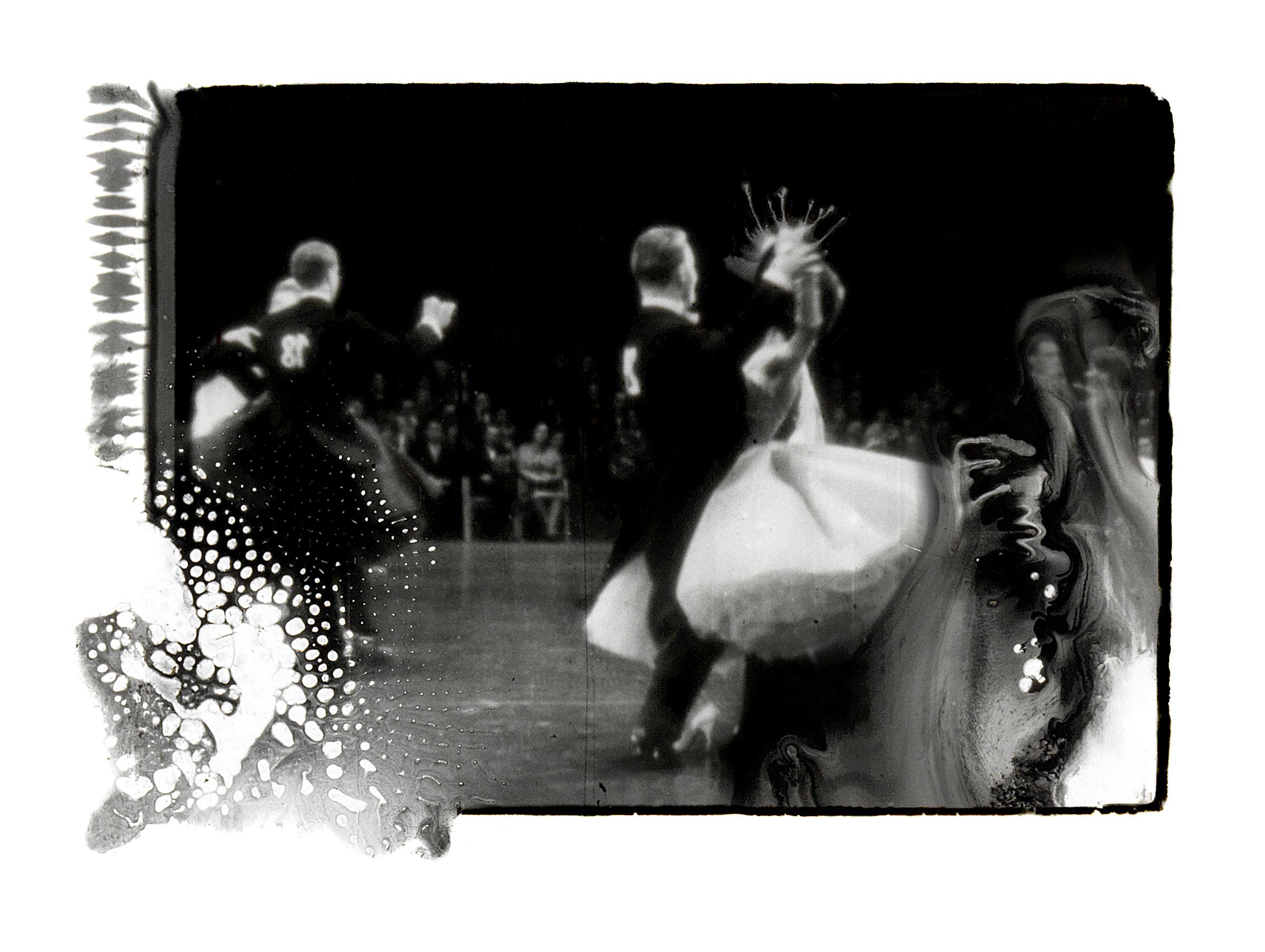
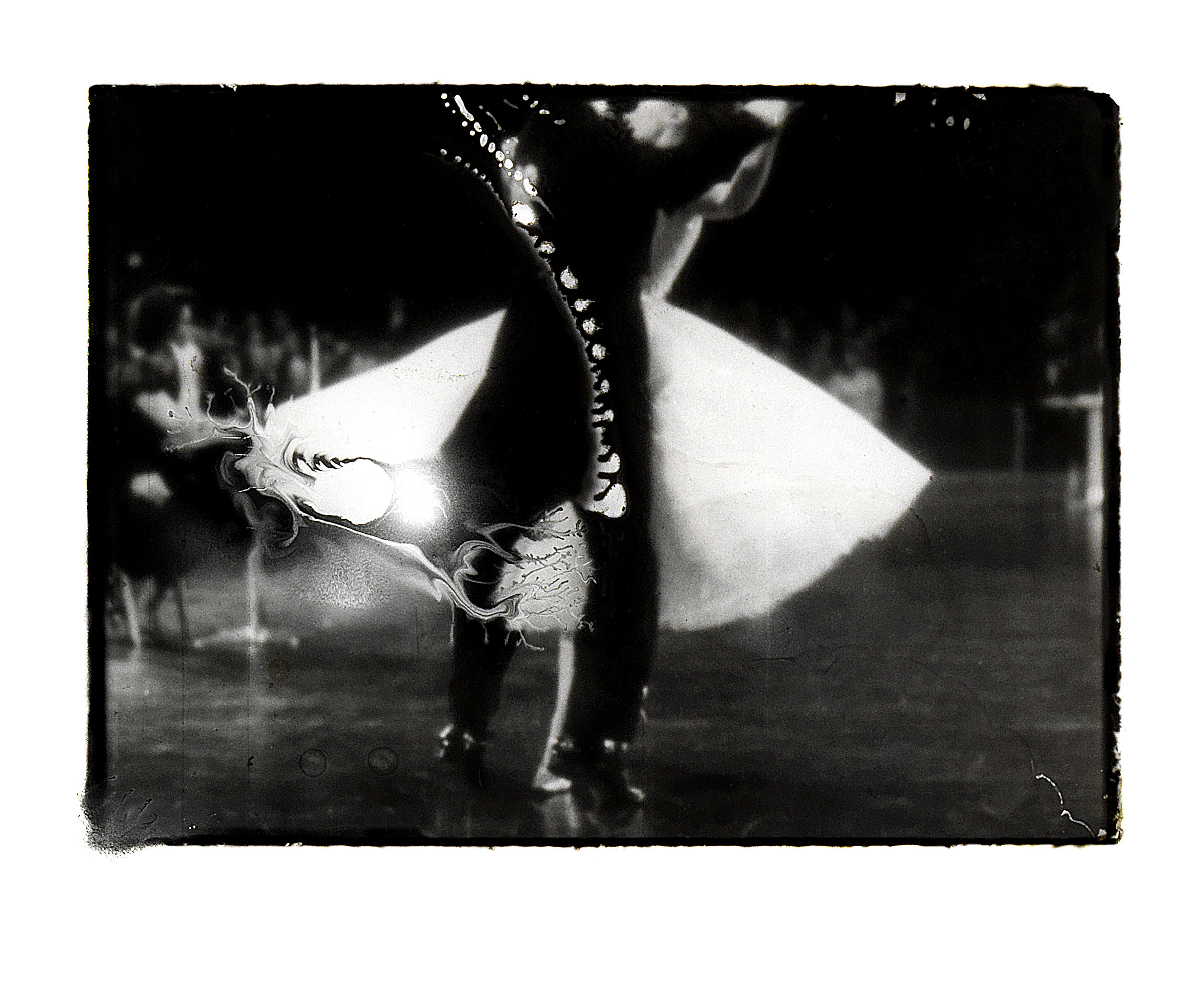
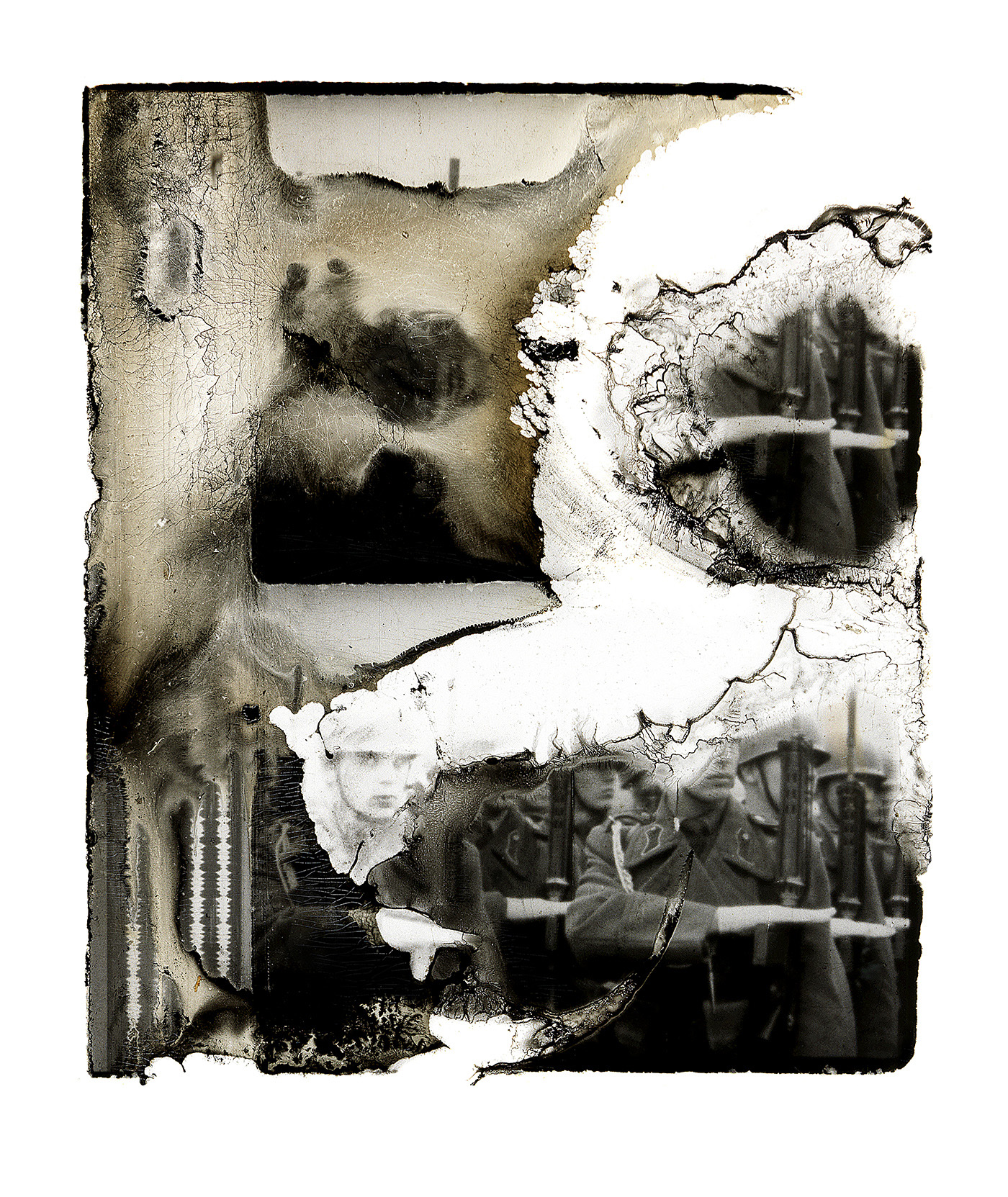
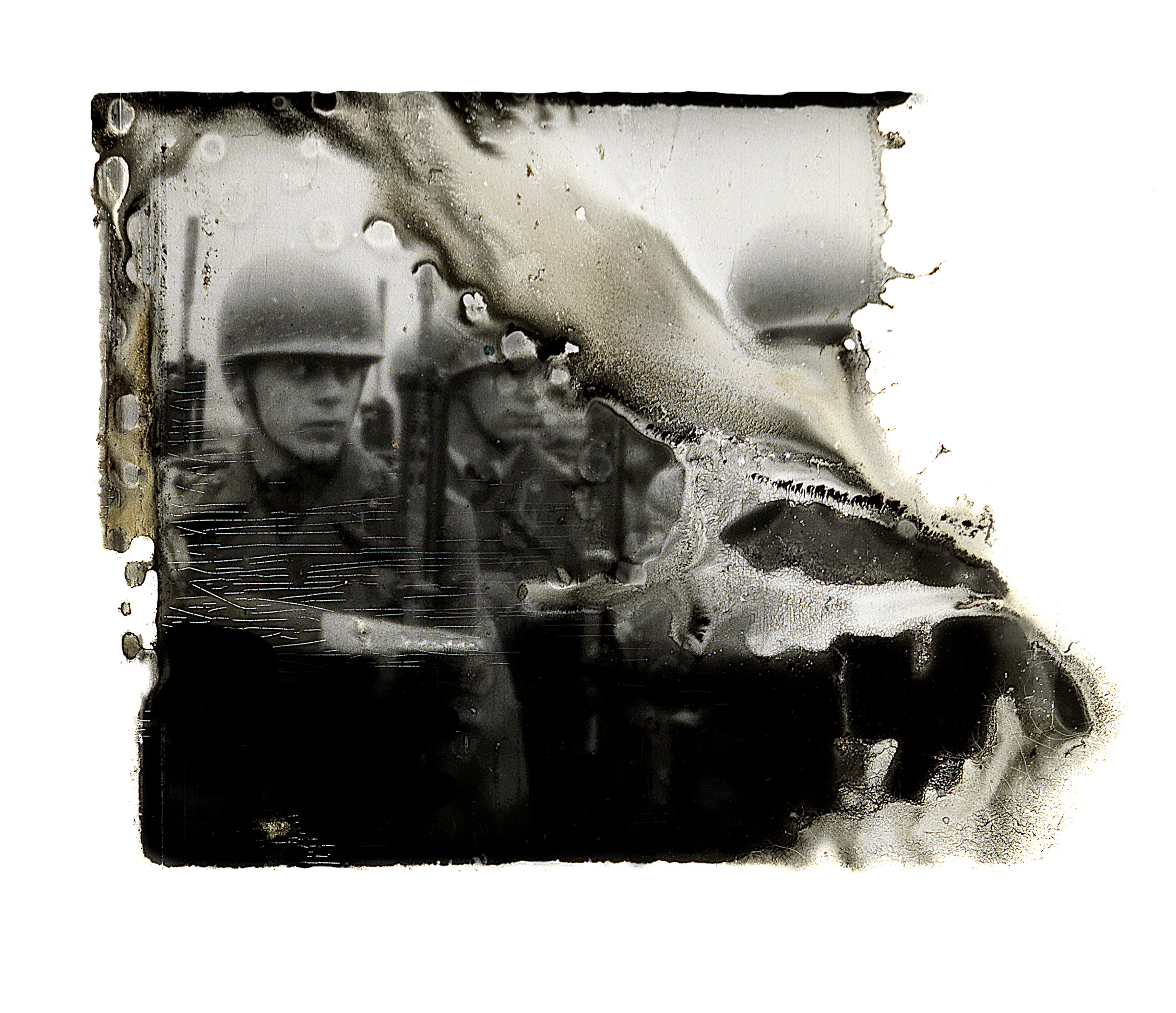
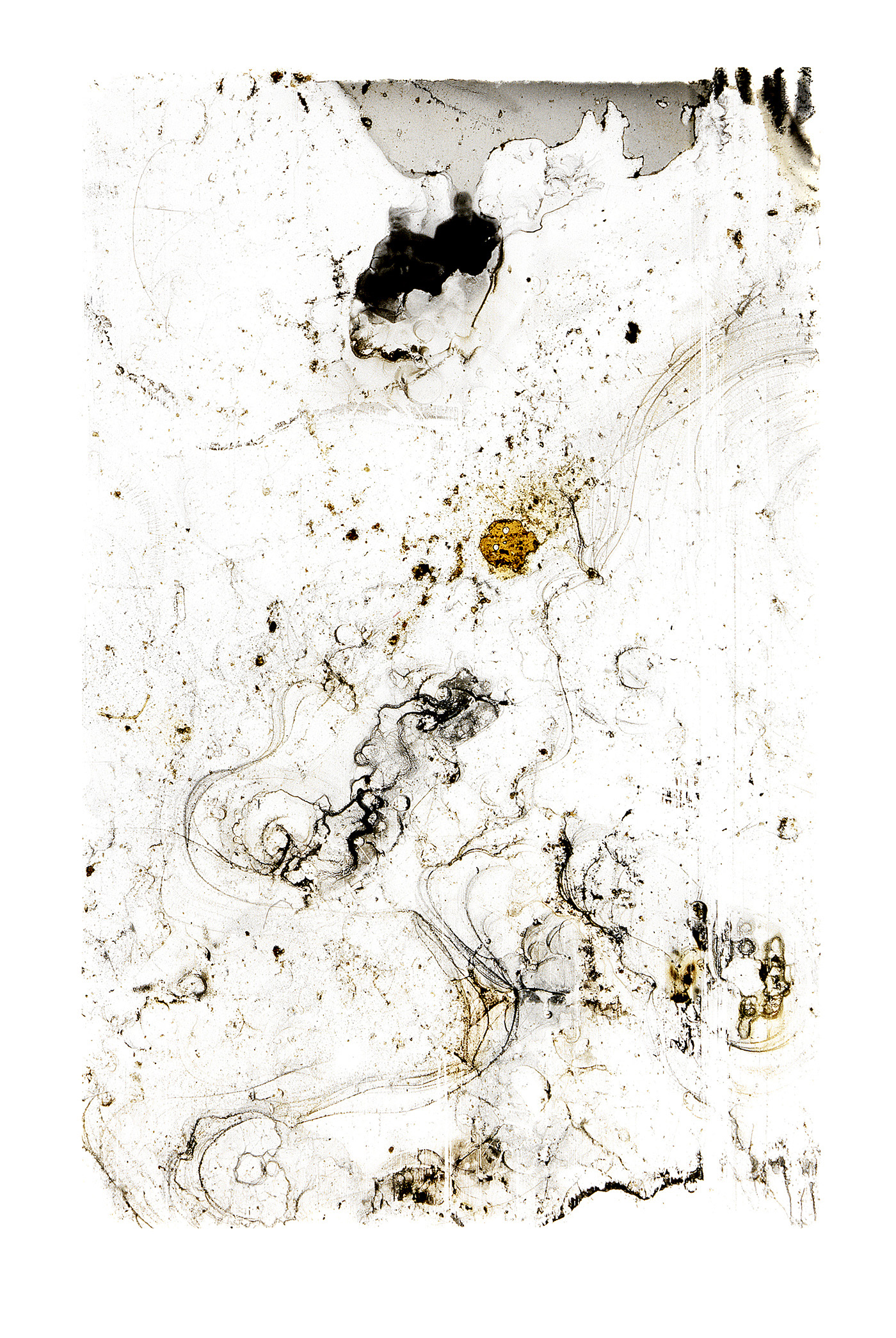
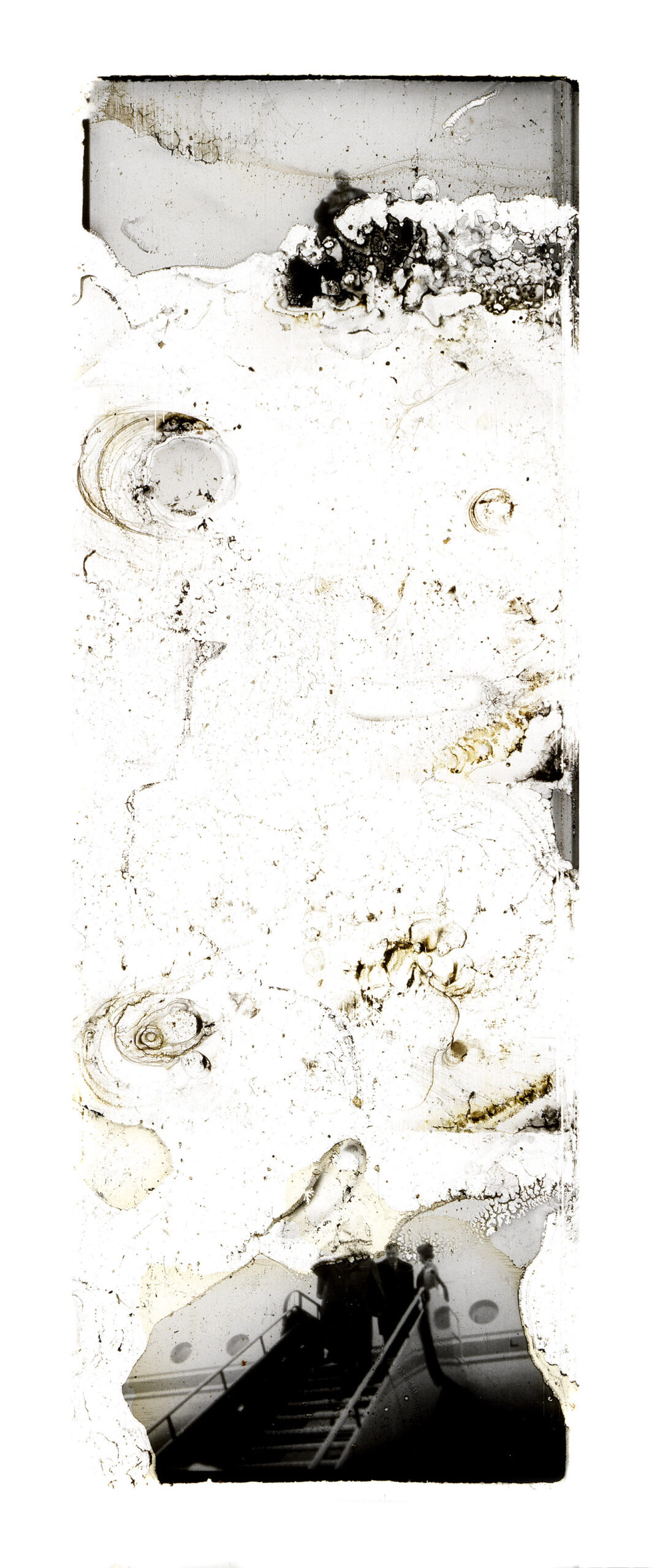

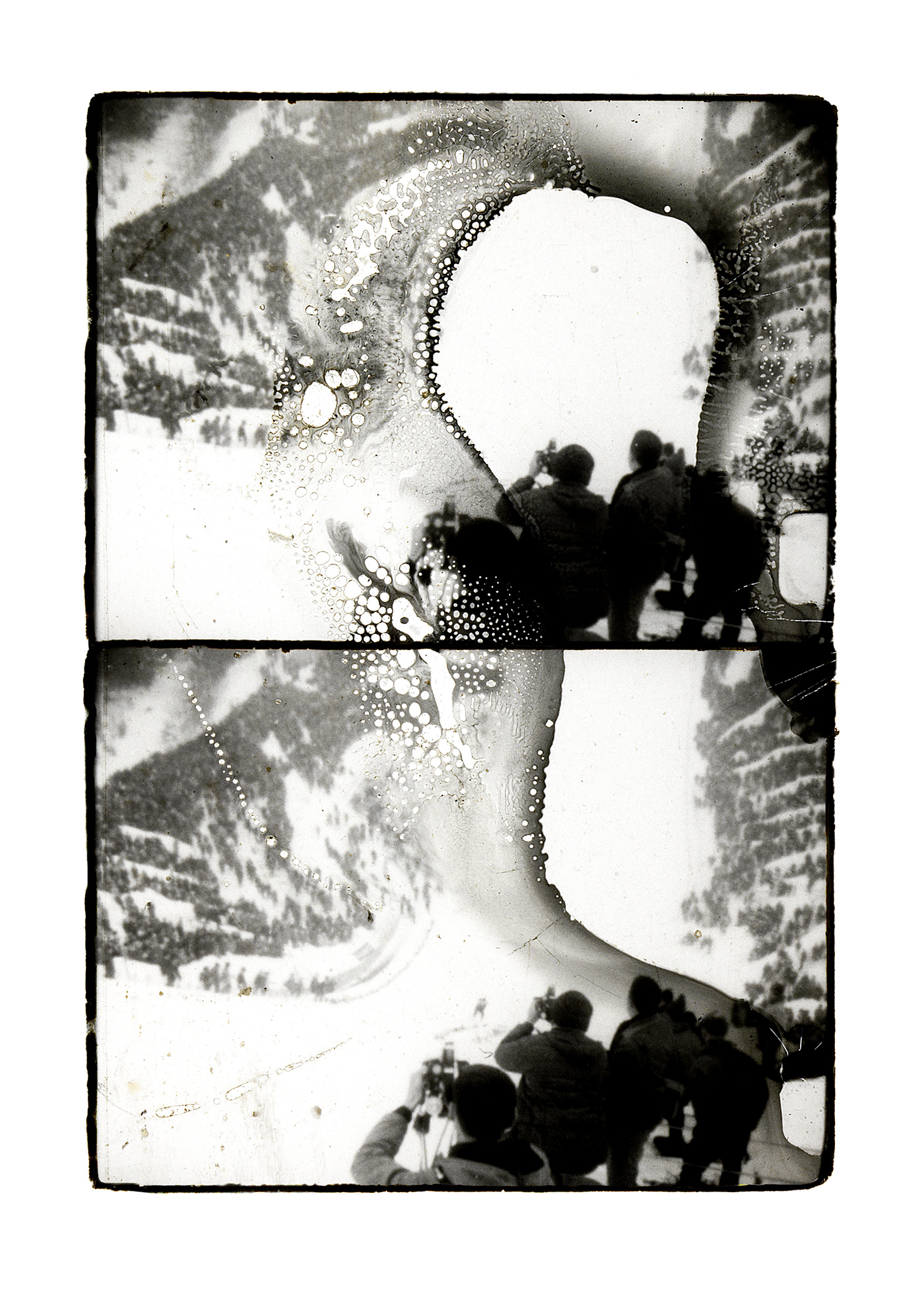
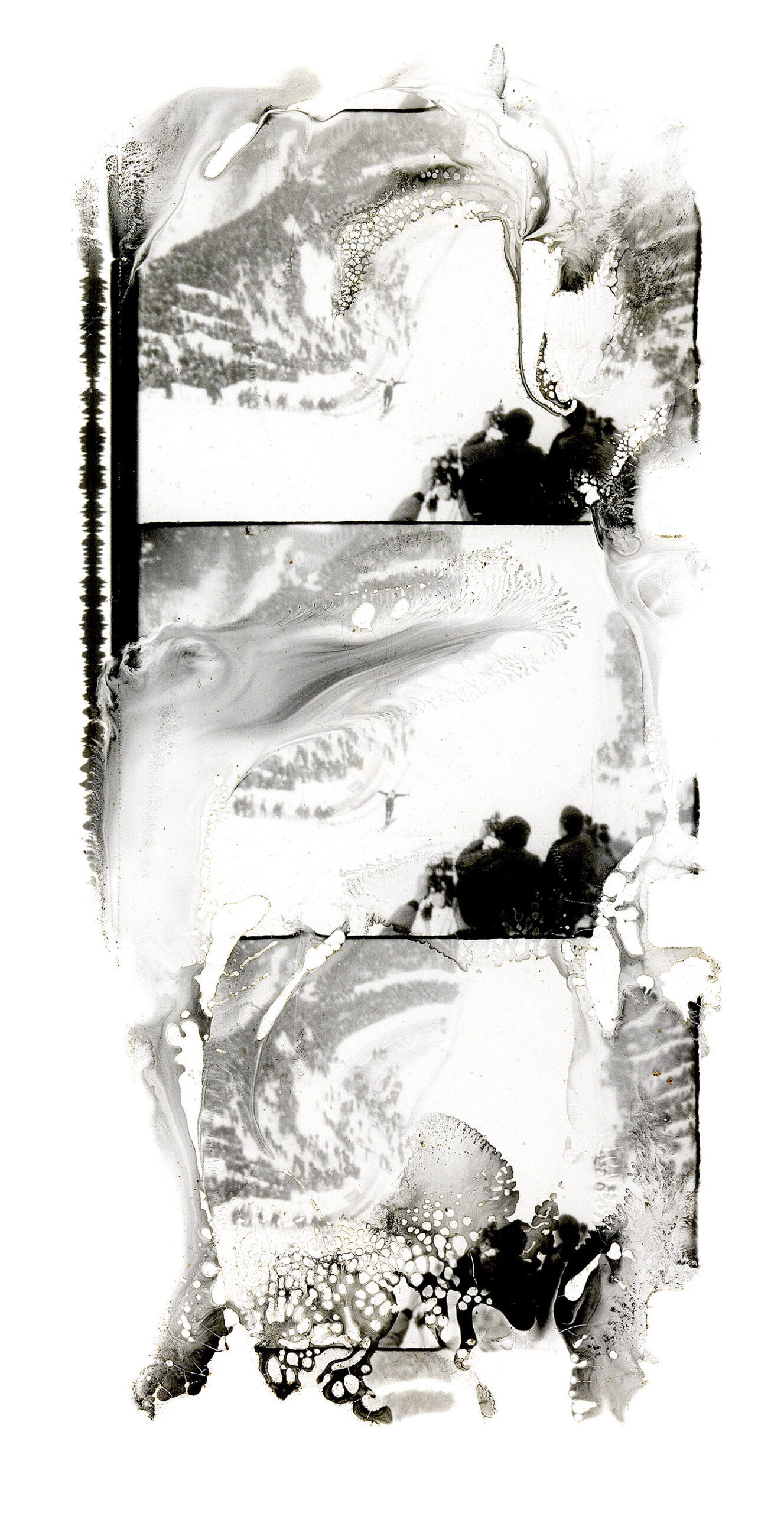

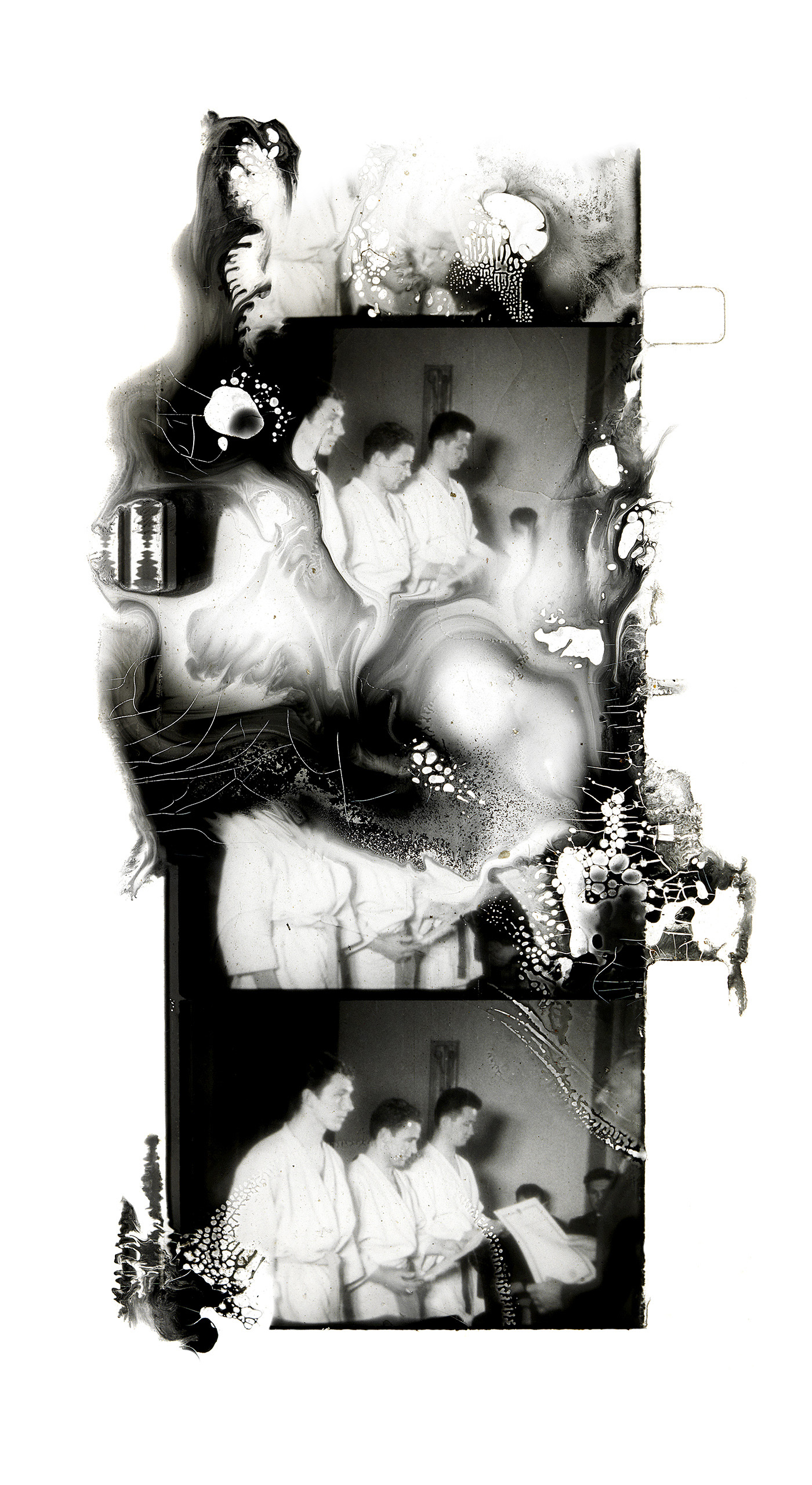
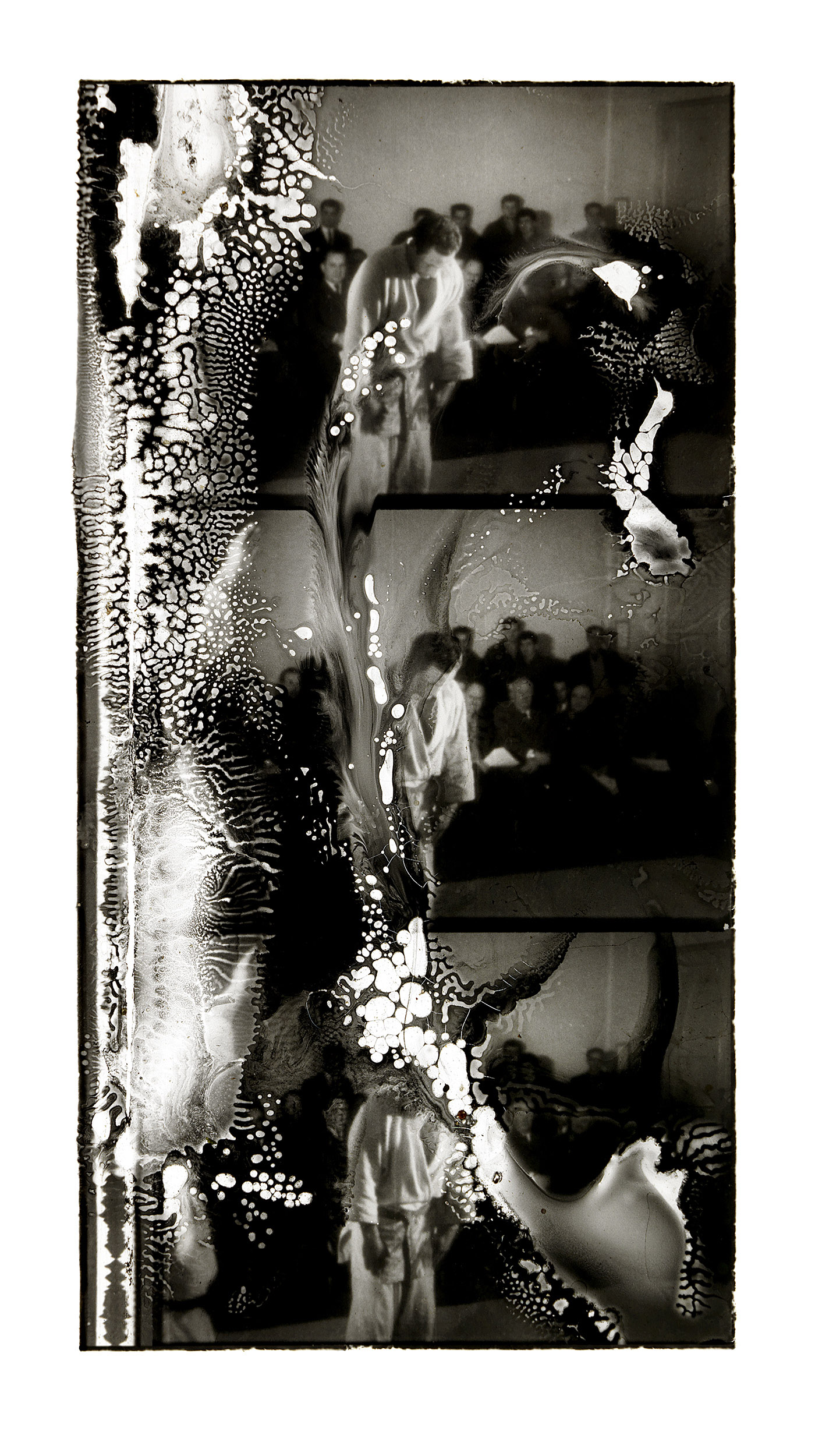
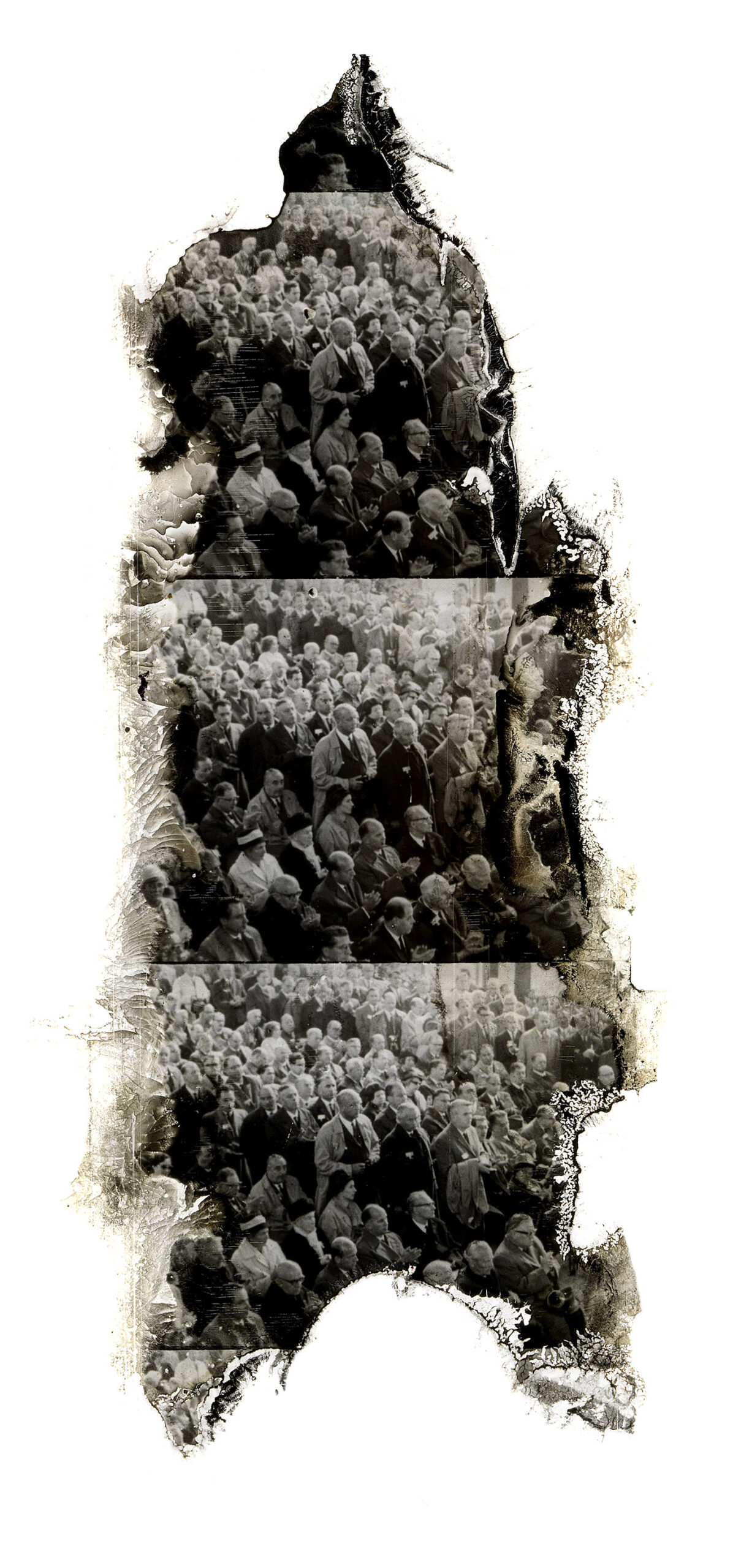
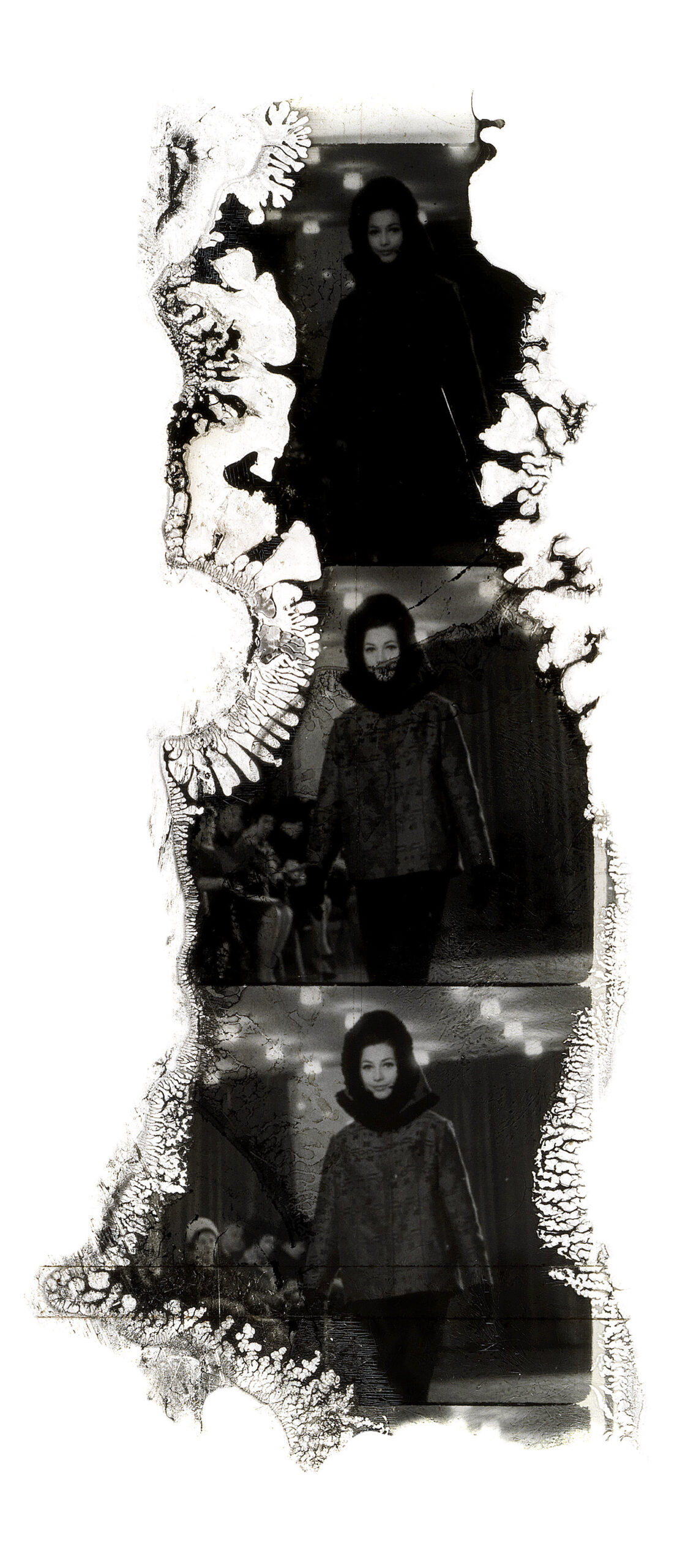
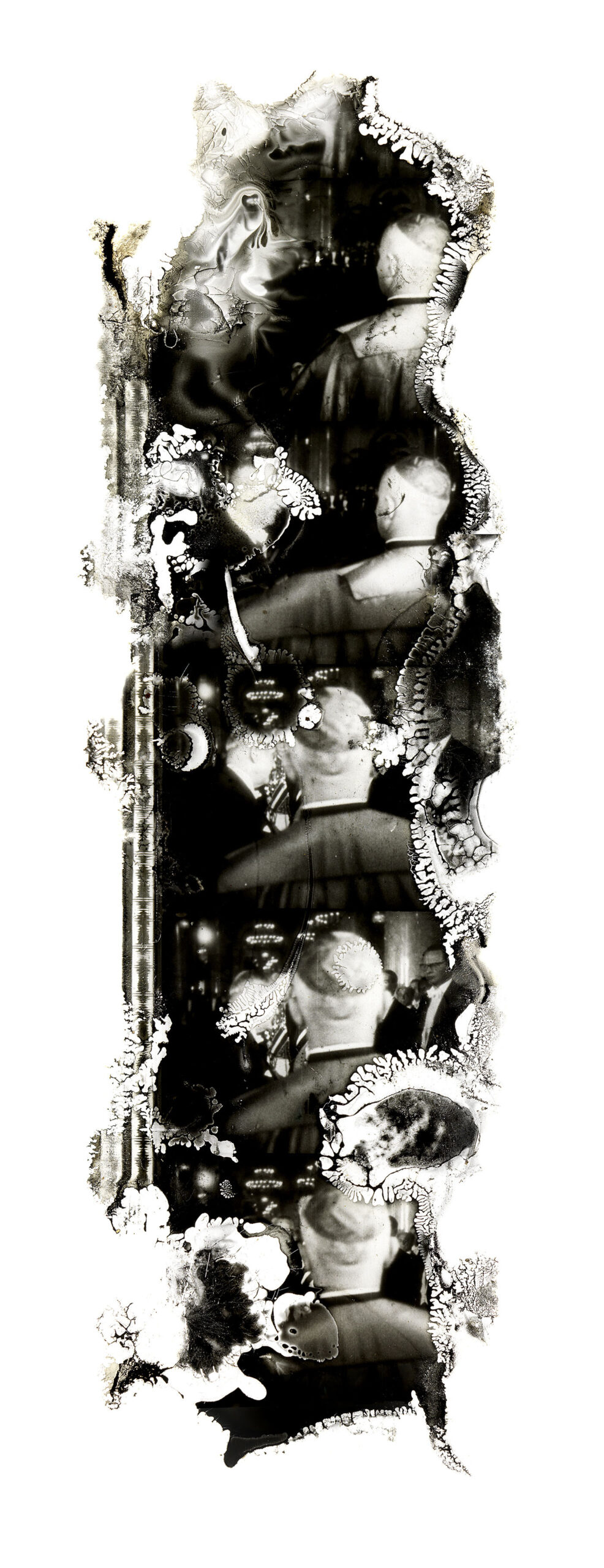
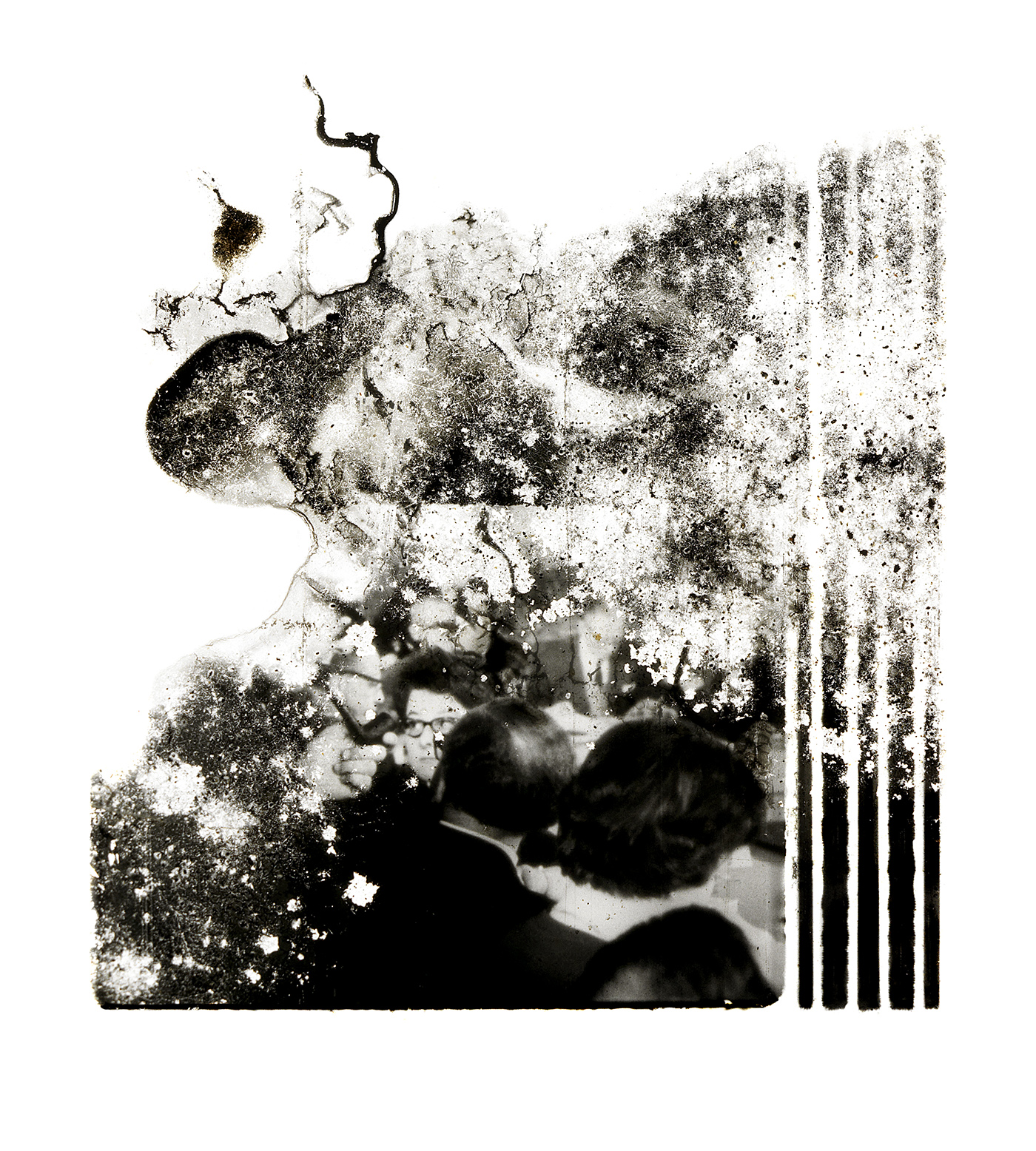
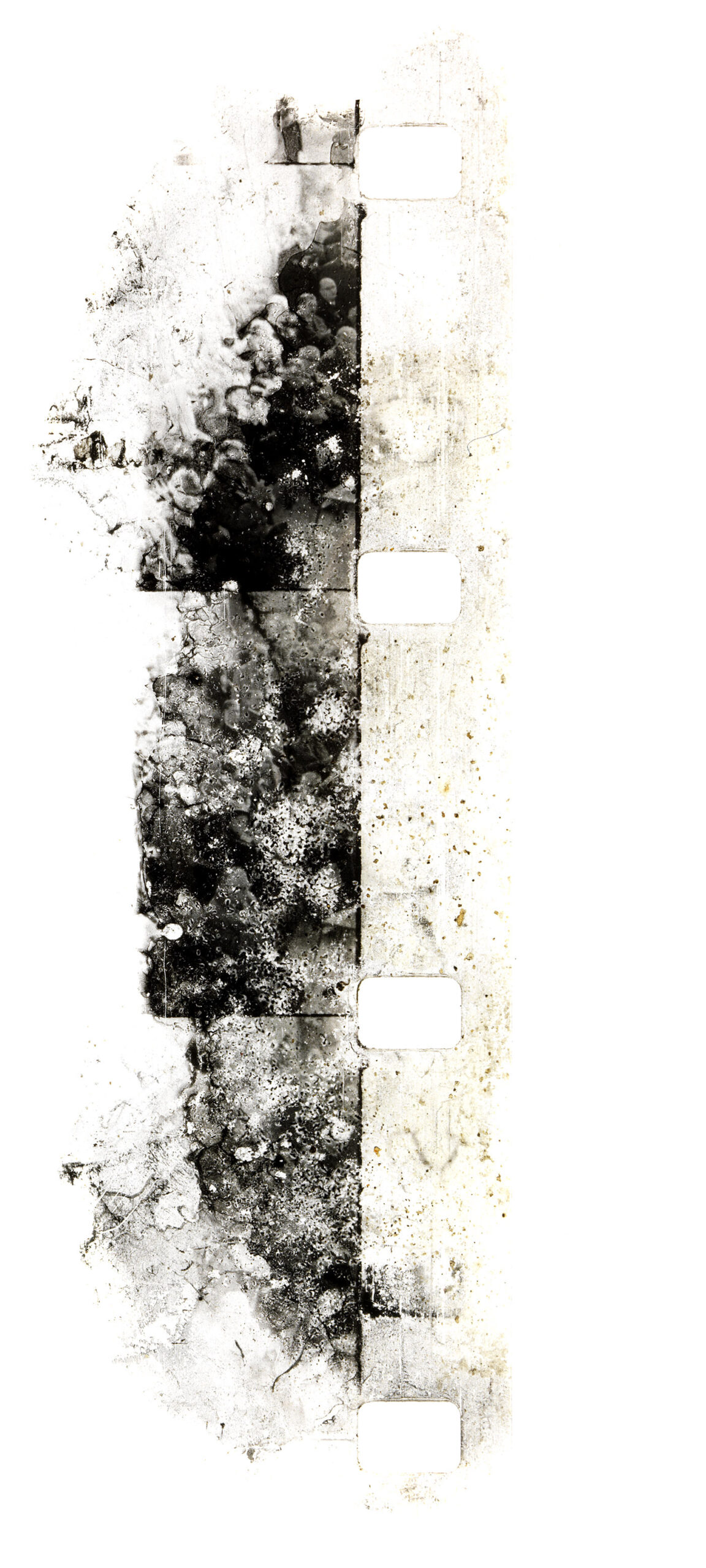
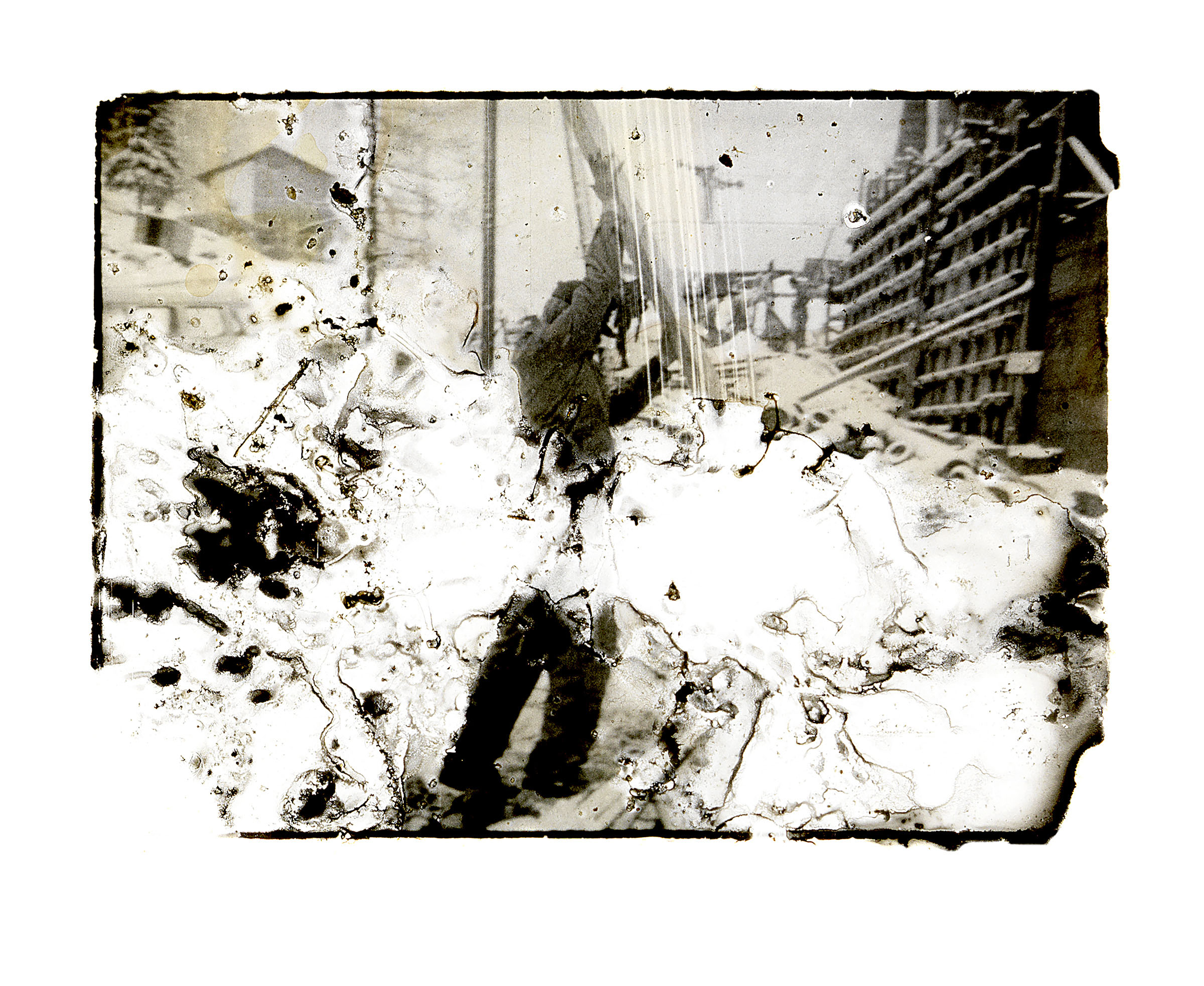
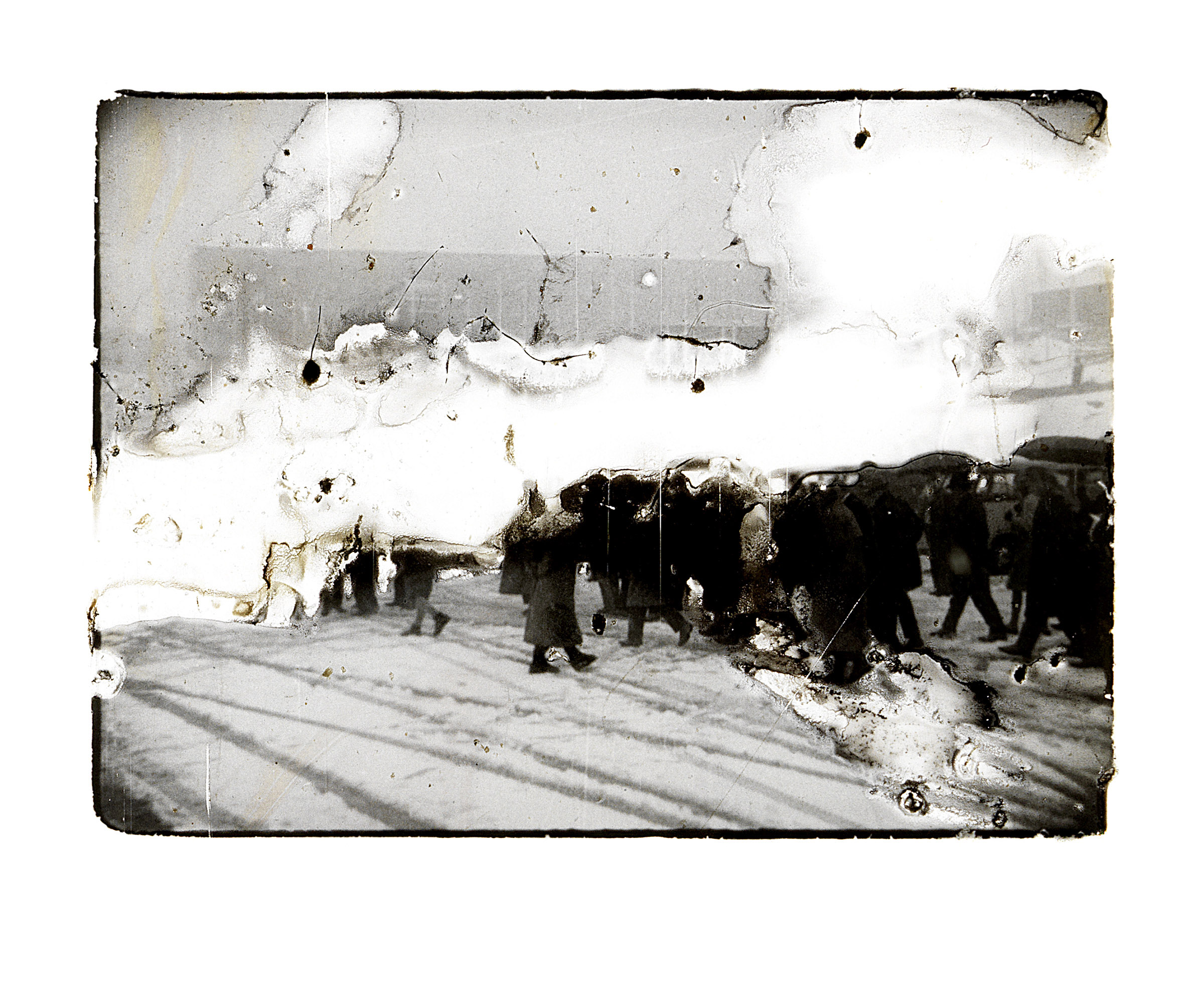
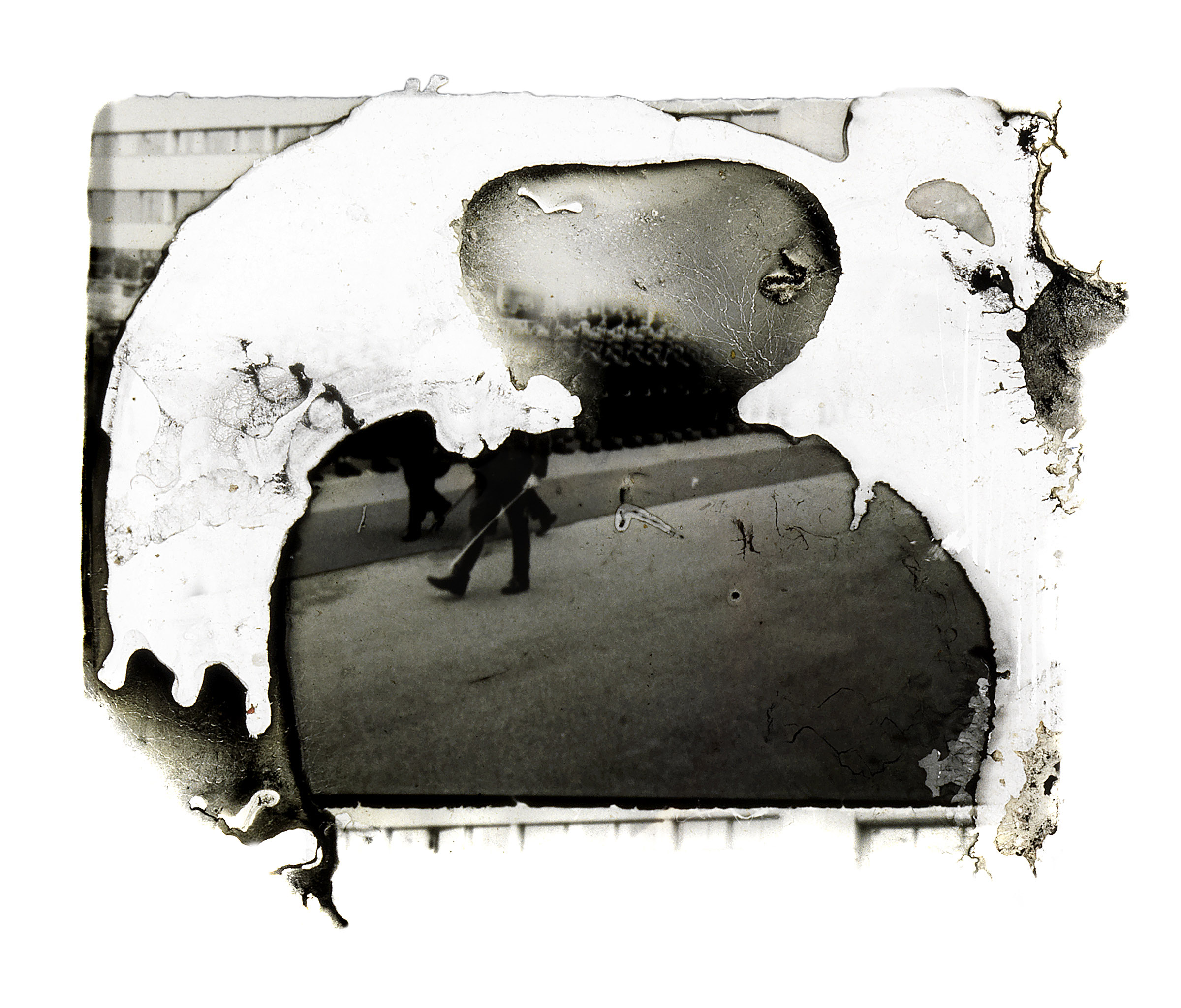
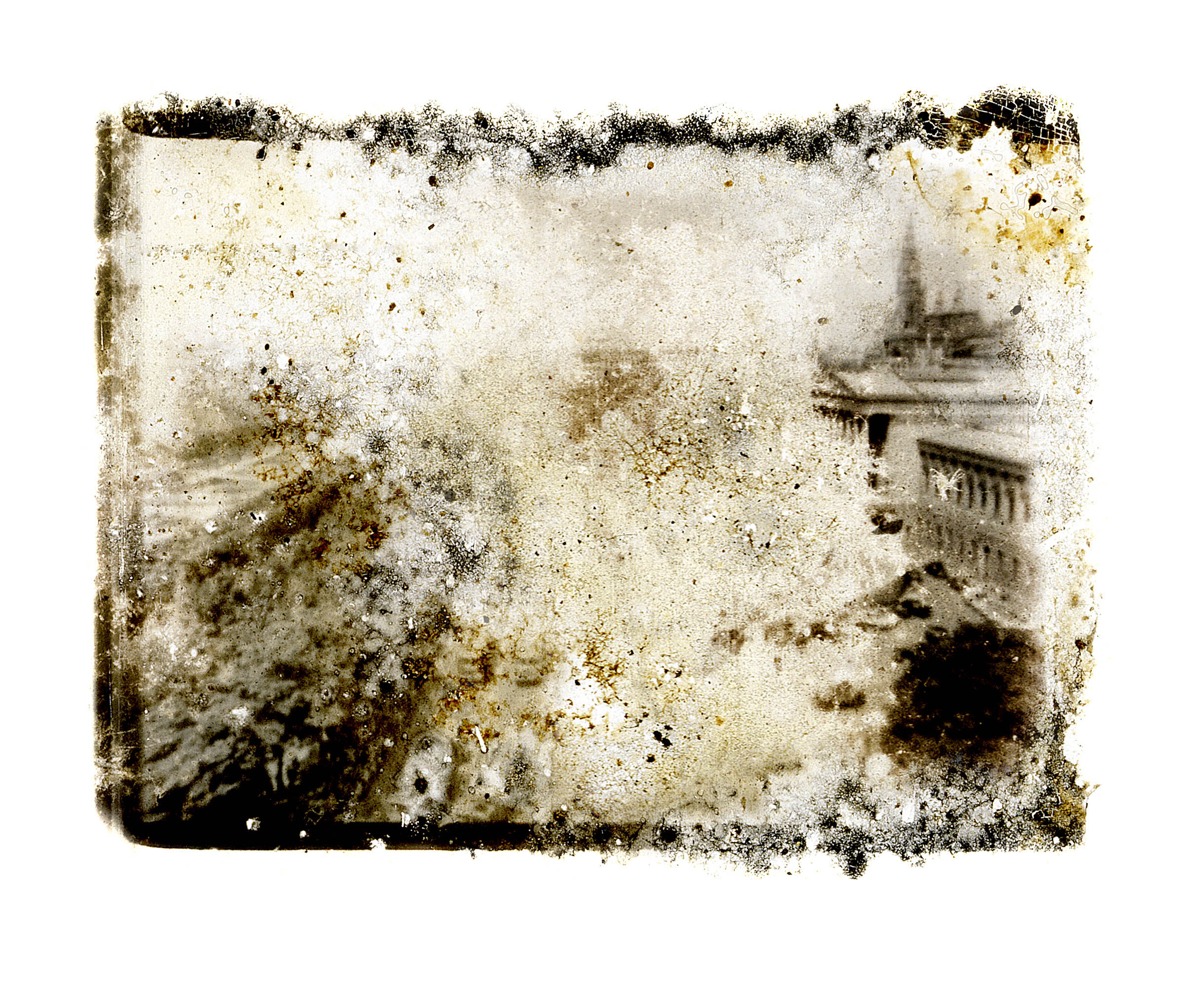
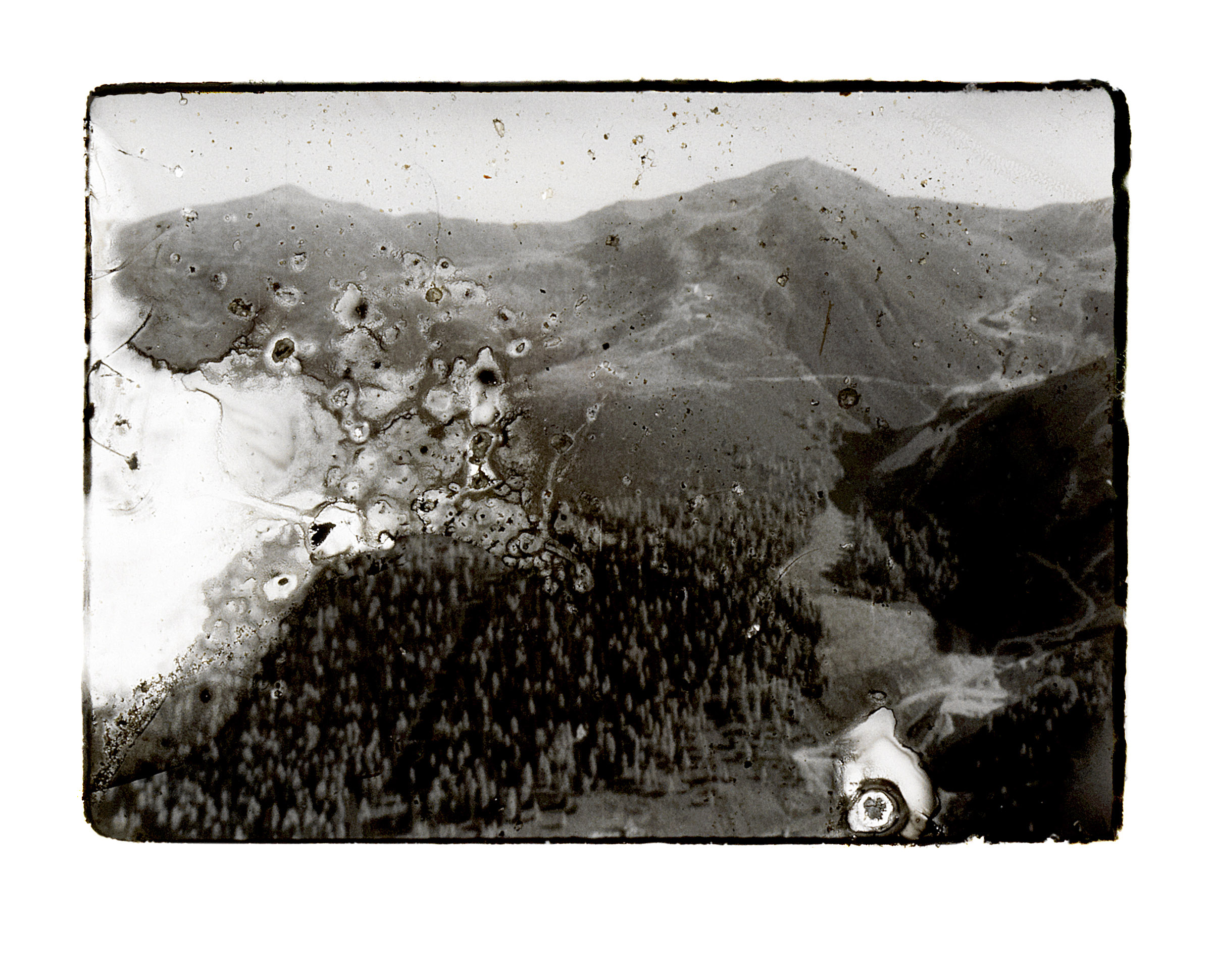
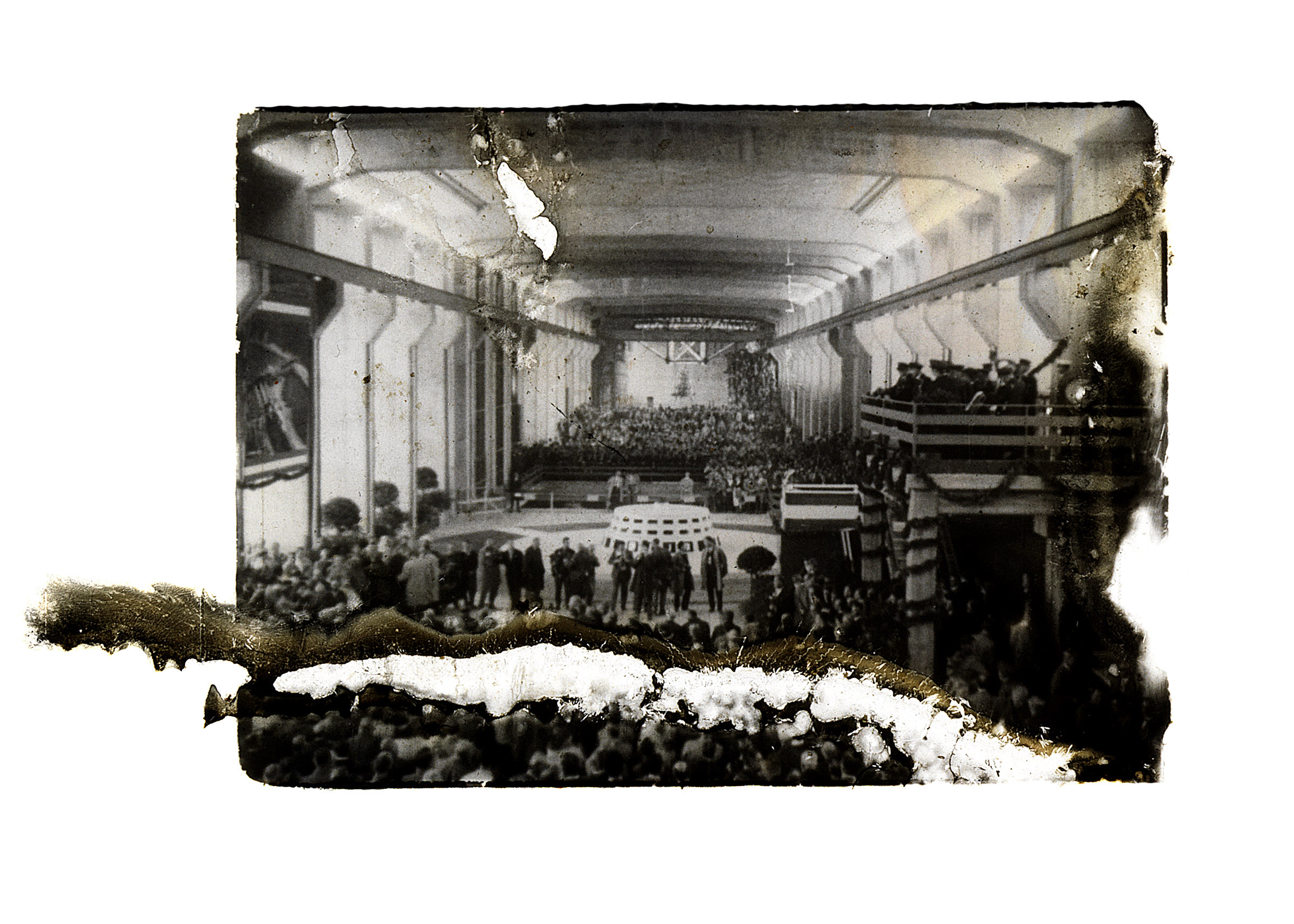

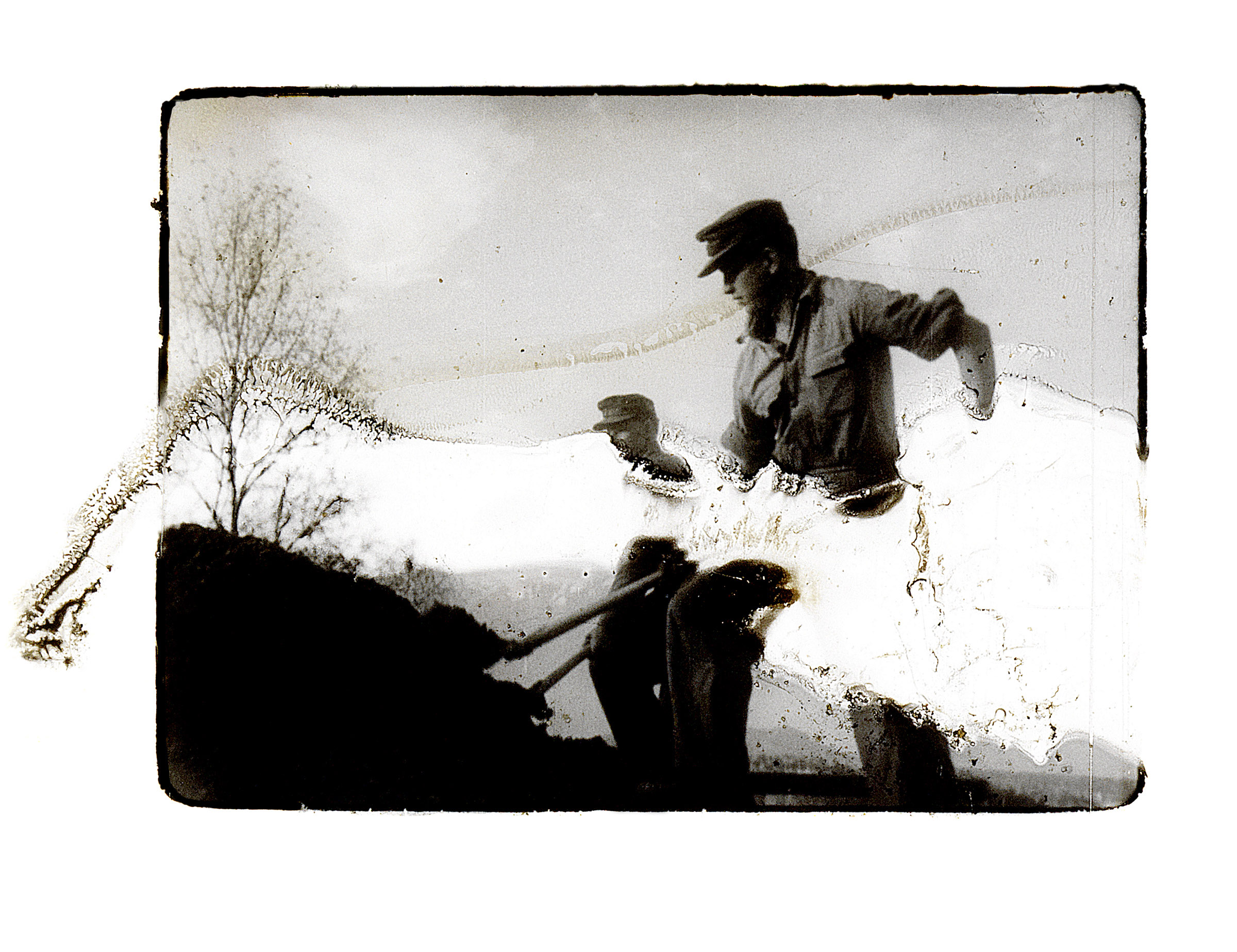
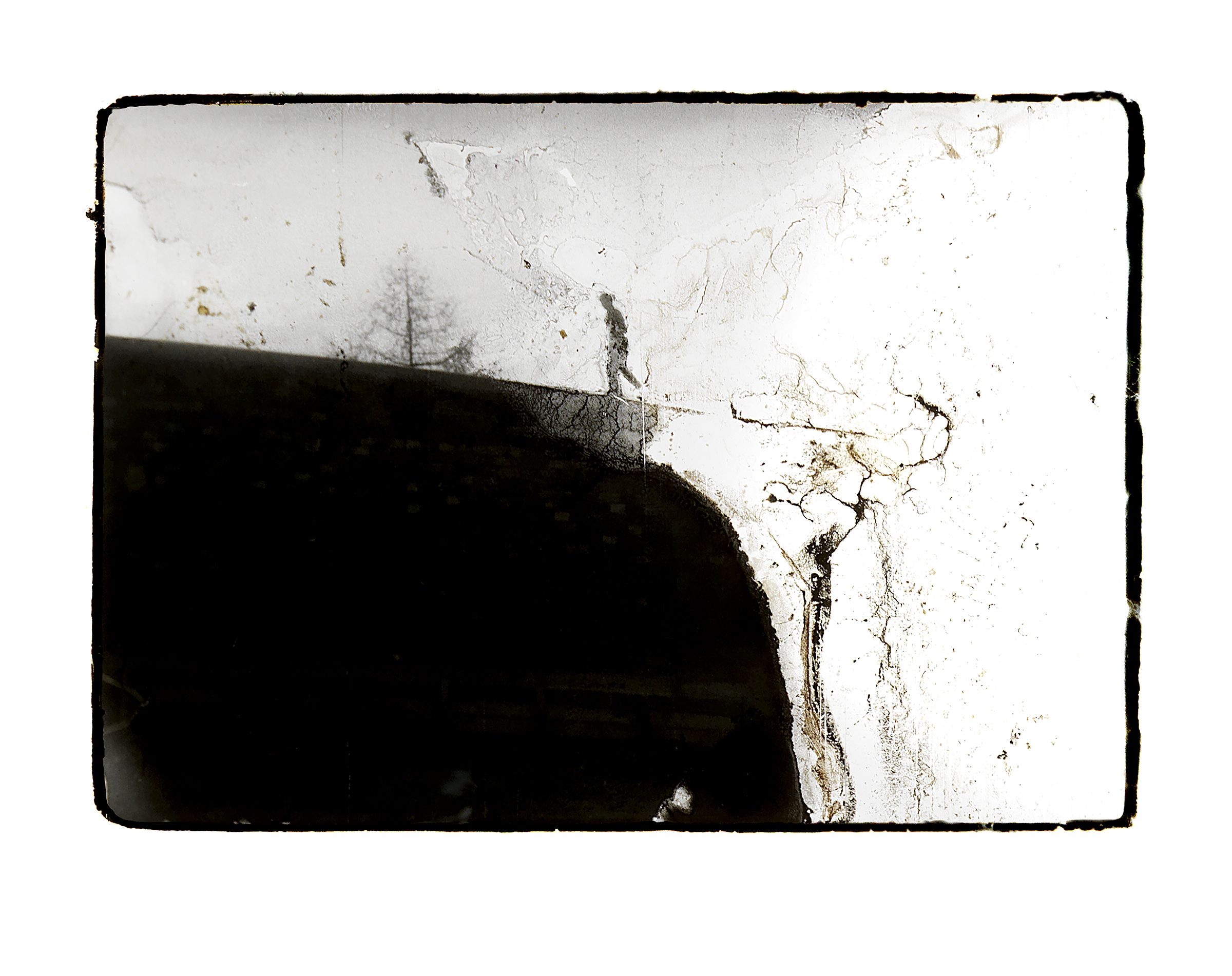
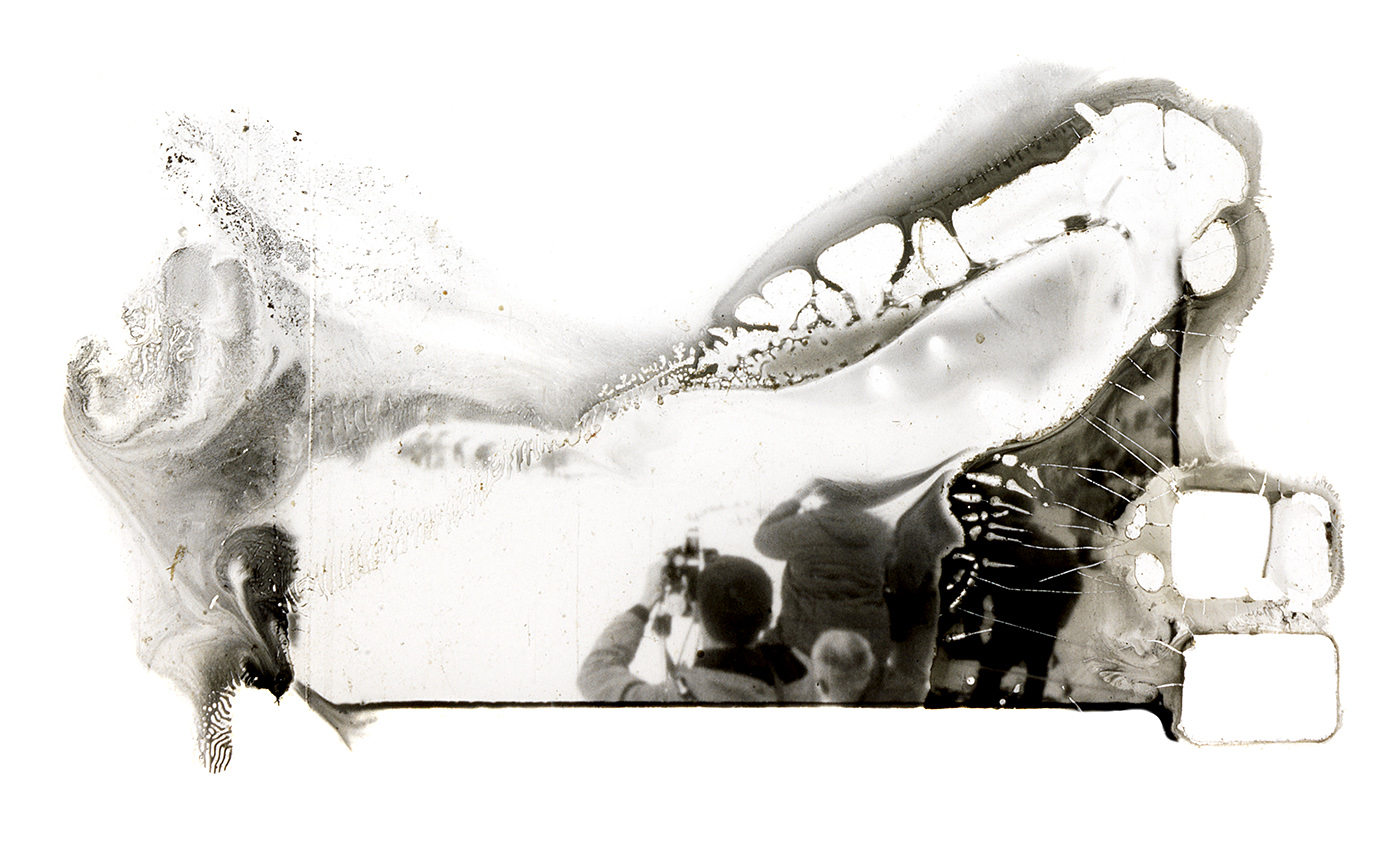
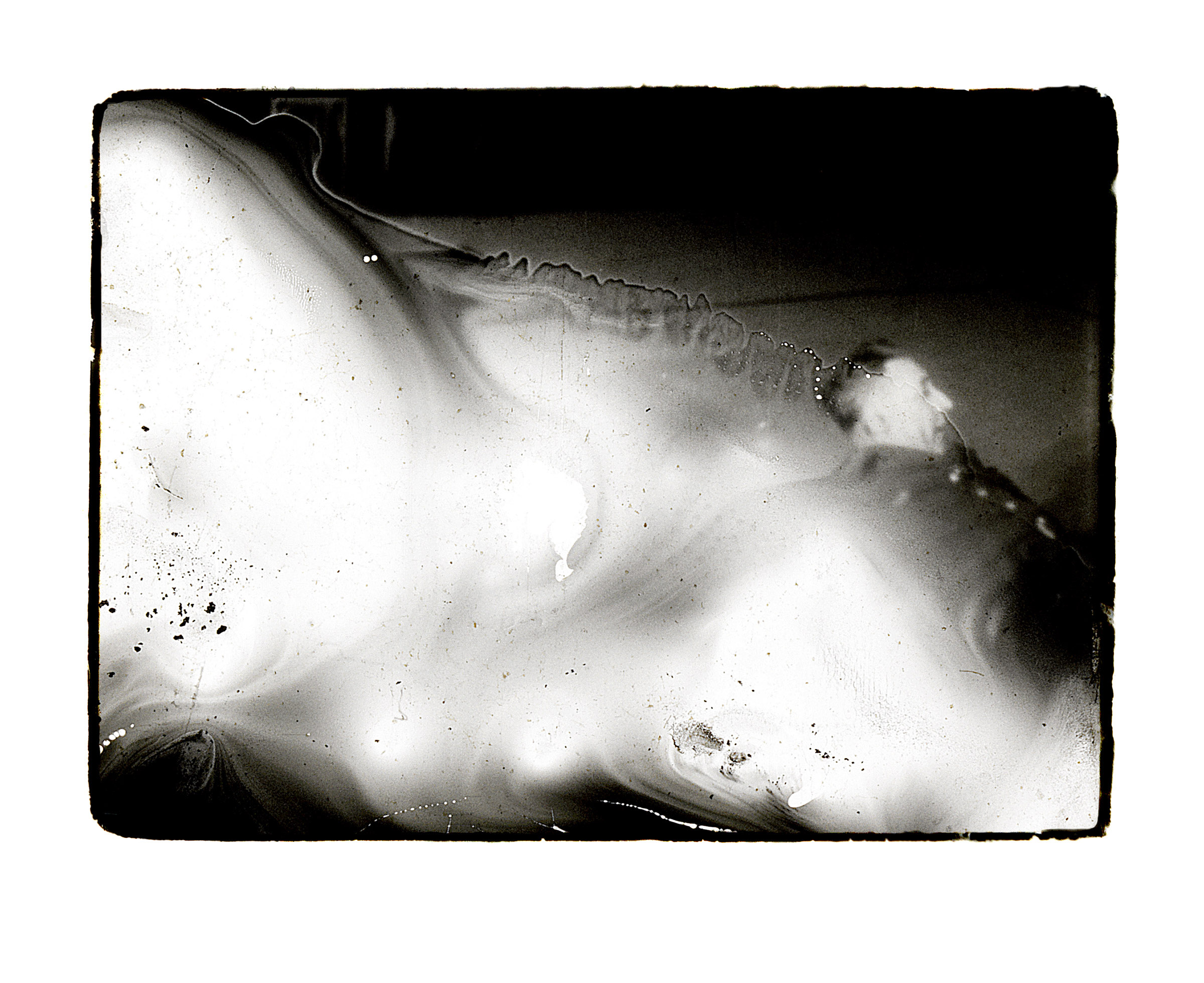

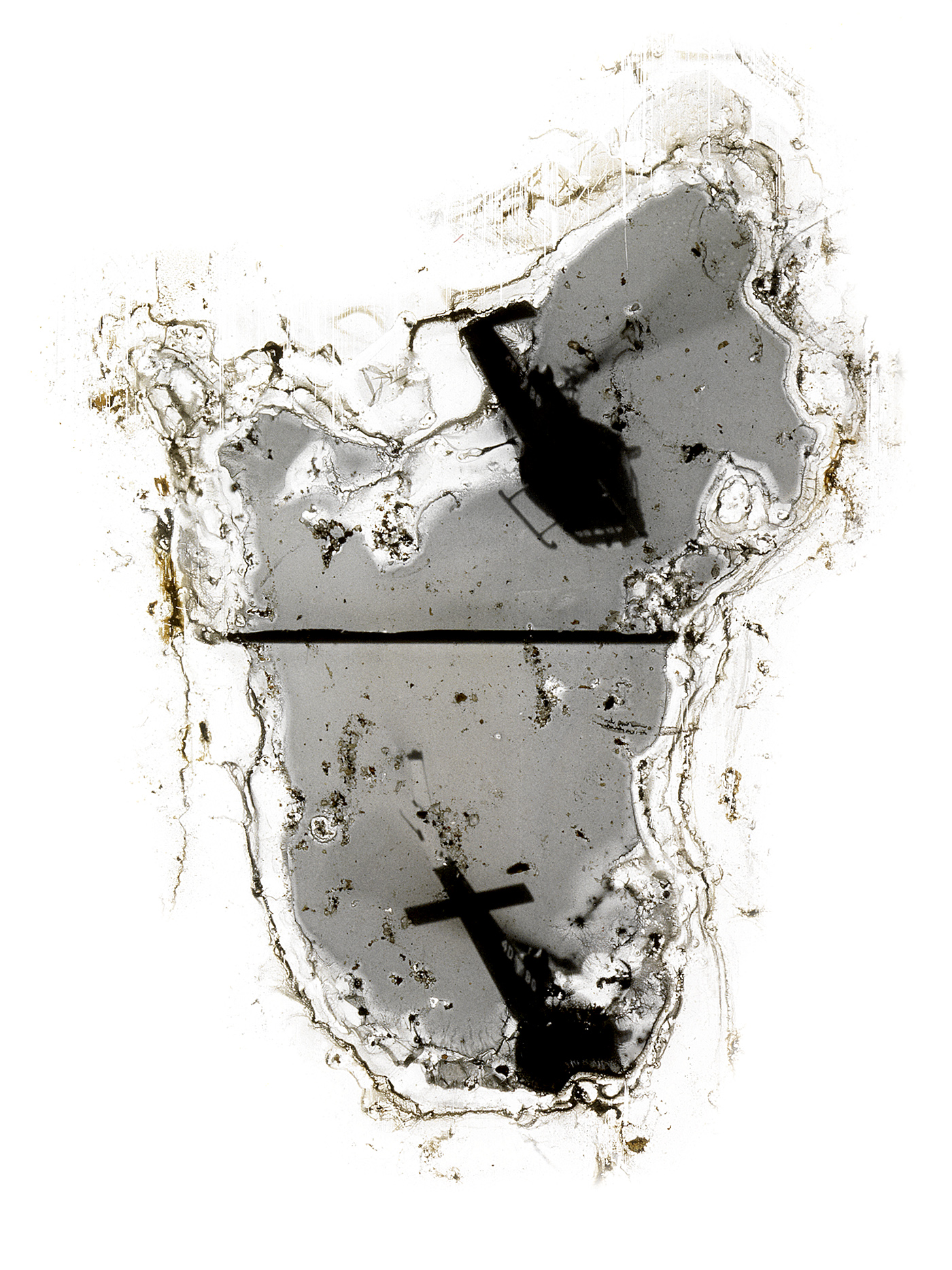
This body of work comprises individual frames of old Austrian news reels from the late 1940s. The films were found in a box on...
Read more
... an ostrich farm in Malmesbury, and have, through exposure to heat, and probably some moisture at some point, decayed in the most bizarre and unusual ways. The degradation of the emulsion of the film has created strange transformations, often eating around shapes, resulting in terrible mutilations of the human form. I have been going through miles of film, isolating individual frames. At first I attempted to scan the selected frames, but the scanner could not handle such tiny source images. I then attempted projecting them onto a screen and photographing the images. This also proved unsatisfactory. I have recently settled on photographing them on a light table with a friend’s digital Hasselblad, and have finally found the results pleasing enough to be able to enlarge the images to the size I wanted.
The films themselves deal with Austria’s economic recovery after the war, so there is a lot of footage of industry, factories, workers, politicians etc as well as footage of parades, ballroom dances, exhibitions and other leisure activities.
I spent a few months splicing sections of the film up and combining them with each other and with bits of other films. I took a needle and scratched on individual frames, sequentially, to create a kind of animation. Other sections of film I degraded further using bleach, and worked on others with a koki pen. The images on the wall would be accompanied by these video projections.
I toyed with the idea of working on the images on photoshop, incorporating text etc, but decided that the images were beautiful and strange enough in and off themselves. They have something of the feel of a Francis Bacon painting: figures smudged and contorted into unsettling shapes, grimy and infused with analogue ‘noise’. I think they speak, in a strange oblique way, of something of the human condition. They resonate strongly with the notion of mortality, and since this is a theme that runs through much of my photographic work, perhaps this is why I was drawn to them.
If I were to attach a theoretical underpinning to them, I would write about submerged histories that, despite every effort to bury them, insist on breaking through the fog of indifference to our pasts. In the case of Austria and Germany there was a conscious obliteration of the past, with the help of the Allies, after the Nuremberg Trials. No attempt was made to understand why it had all happened. Goering (the only one who was willing to explain why) was not given the space to speak.
And so, with the end of the trials, Germany simply restarted, at Year Zero, to borrow a phrase from Rossellini’s bleak masterpiece. Every possession and scrap of clothing belonging to the Nuremberg trialists was burned and the ashes of their bodies were thrown in unnamed secret places. The past was obliterated.
But these submerged stories, consciously buried and never spoken about by what was, by the 60s, the older generation of Germans, resurfaced in the most unforeseen and violent way in the student left and particularly the Baader-Meinhof Gang, who believed that the fascists not only walked among them, but still controlled everything. The way to expose them, they reasoned, was through violence. By violently provoking them, their true nature as fascists would emerge.
Similar things happened in London in the 70s, where the buried history of 700 years of oppression of the Irish began to surface in terrible ways with a spate of IRA bombings that revealed that there was long-standing bitterness in Ireland regarding their history and England’s role as a colonising power.
So when the films flicker on the screen and these violent bursts of decay and mutilation disrupt, momentarily, the footage of serene vistas of ballroom dancers in great halls, or scenes of Austrians diligently rebuilding after the war, or viewing fashion parades, I cannot help but ponder that these are symbolic of the violent eruptions of memory that threaten, at any moment, to burst through our cosy narratives of progress, happiness and prosperity, especially in those corners of the globe like ours, whose histories are so entwined with power, destruction and hubris on the one hand, and phenomenal technological progress and economic growth on the other.
The voices of the spat-upon and shat-upon and lied to will always burst through the complacent fogs of indifference.
Close
other bodies of work
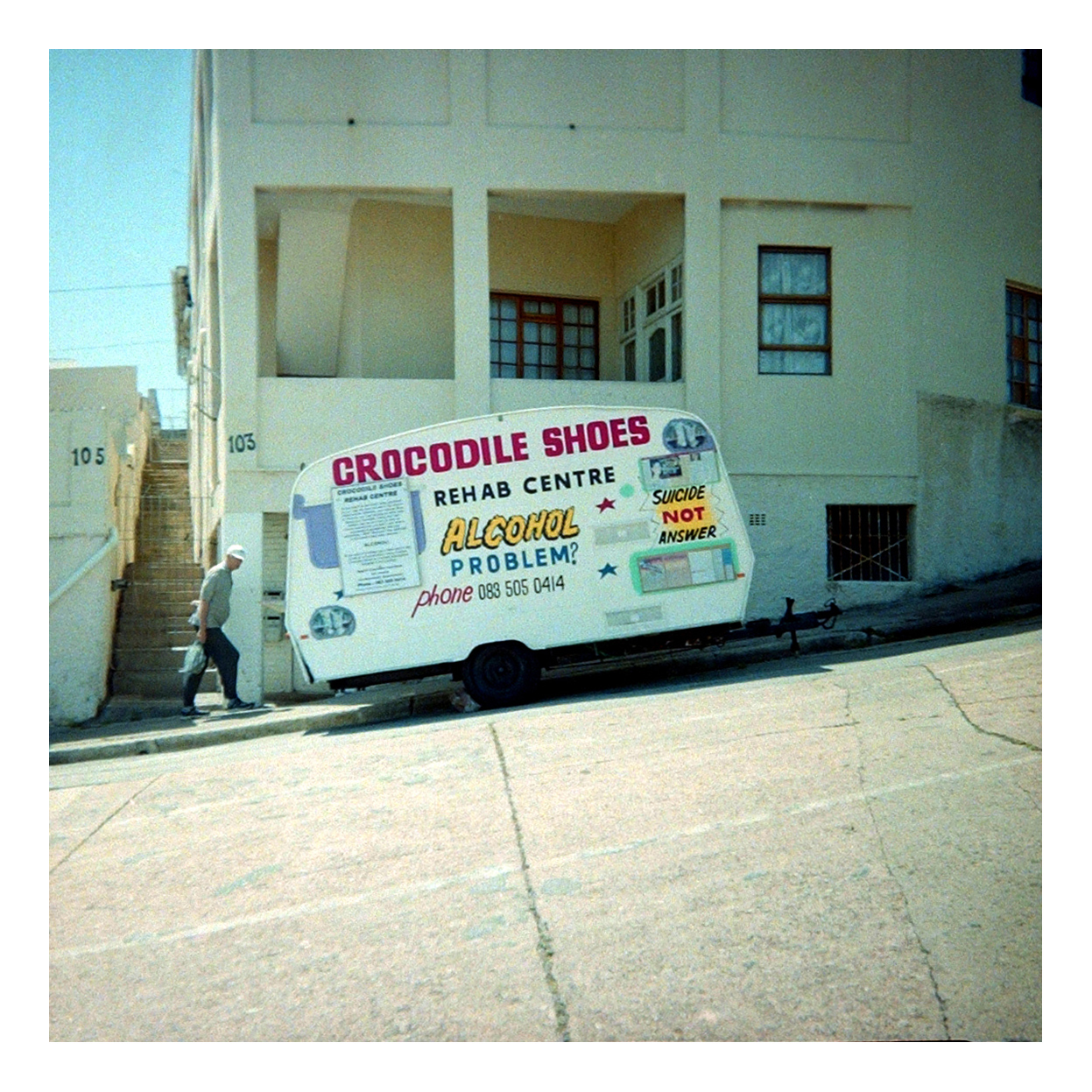
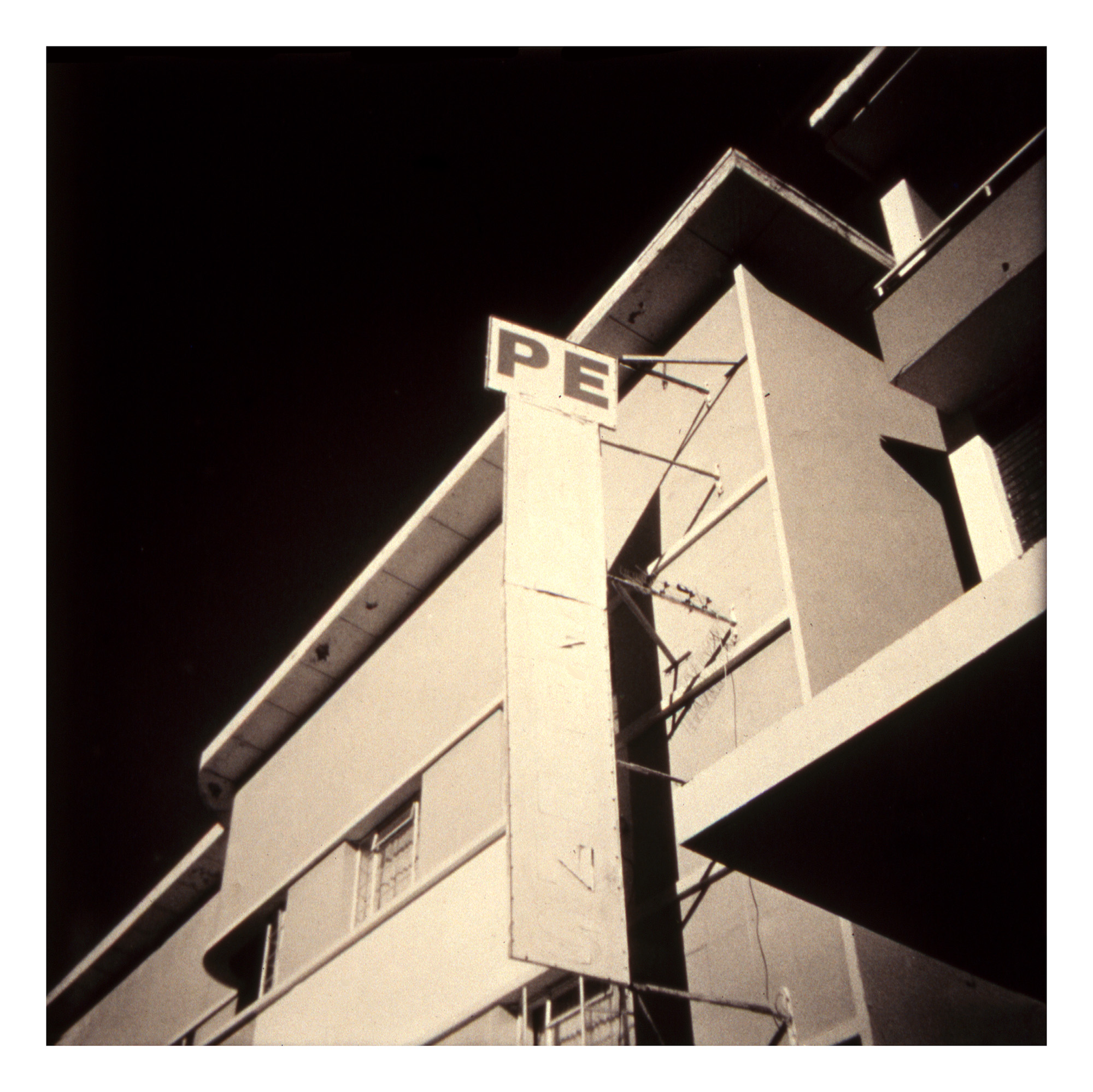
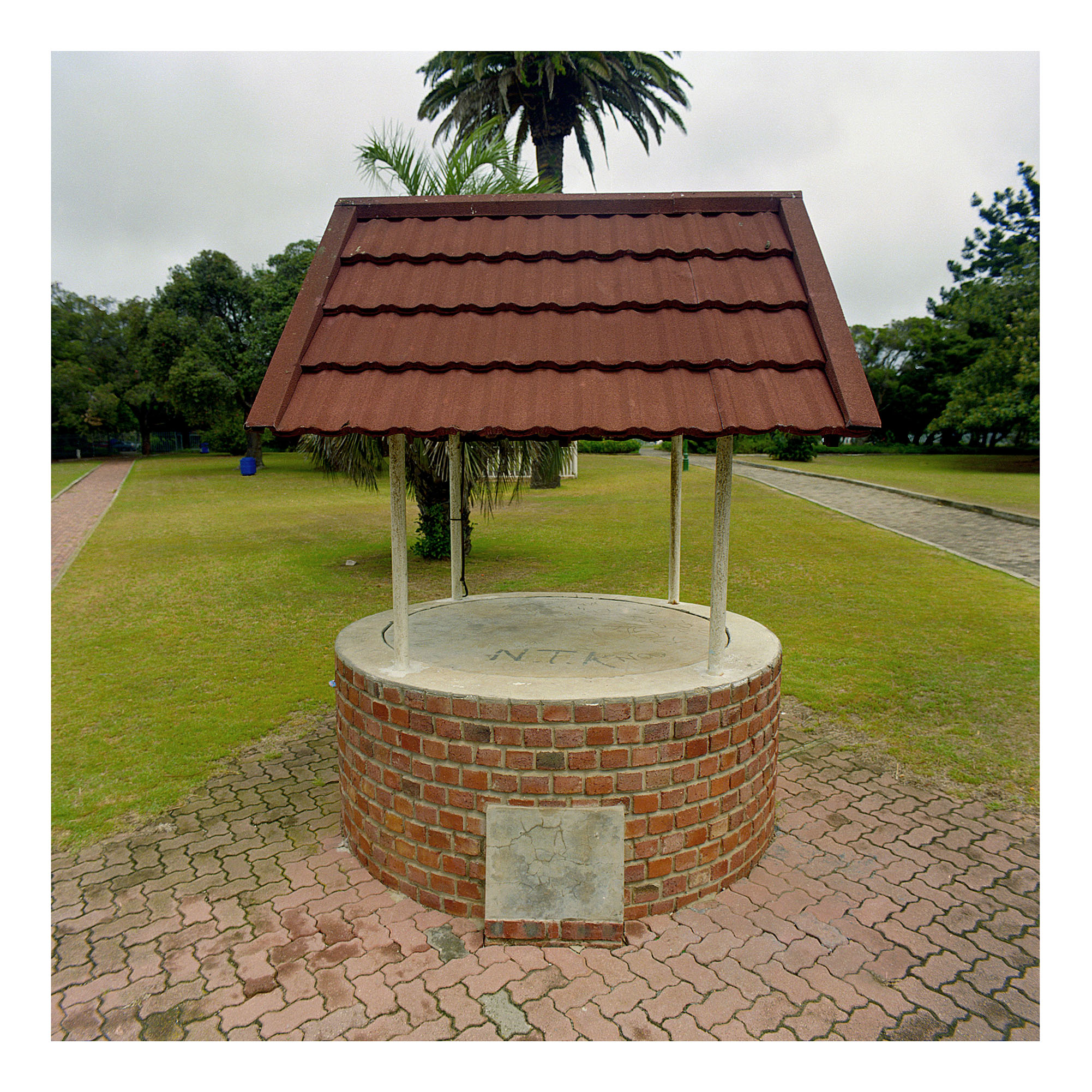
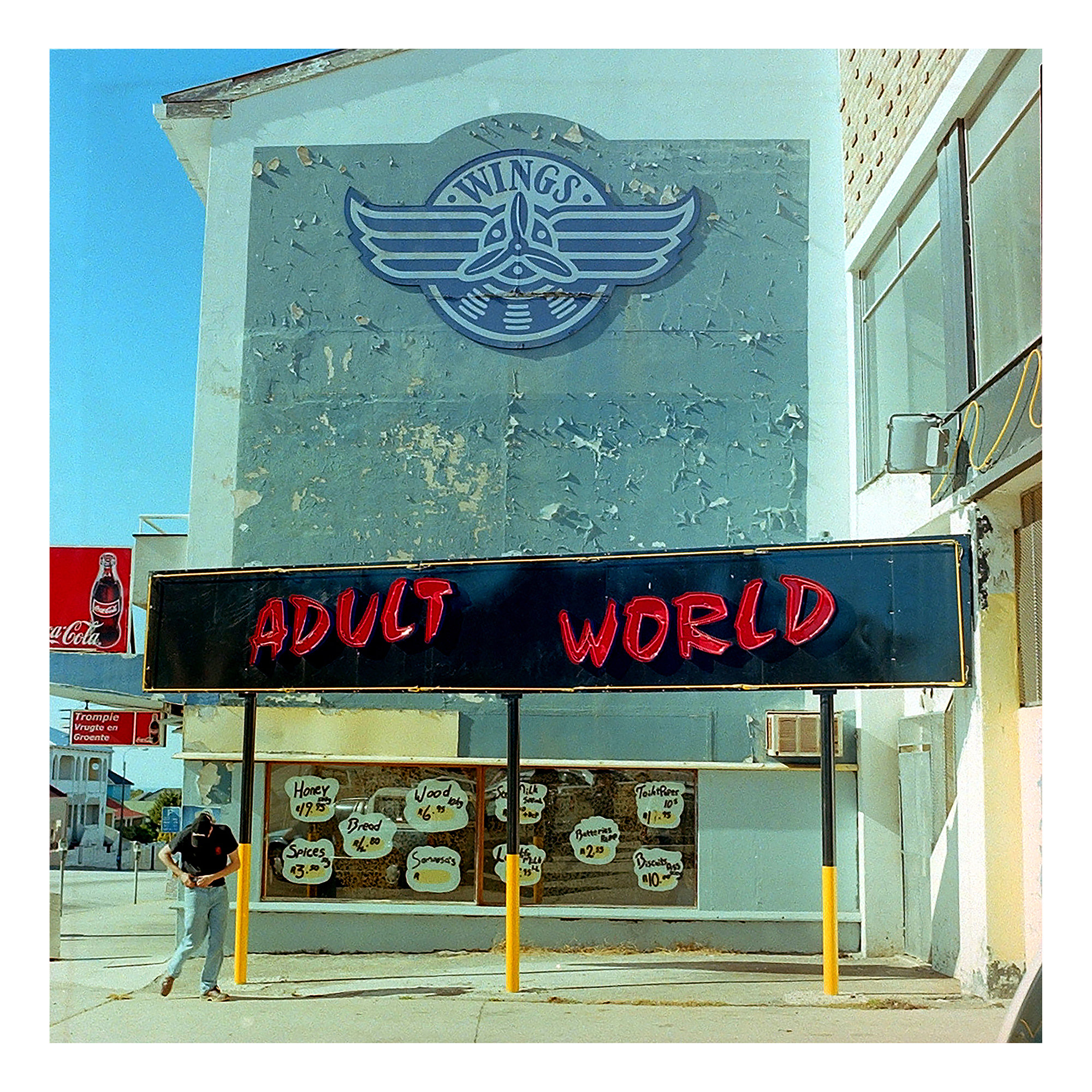
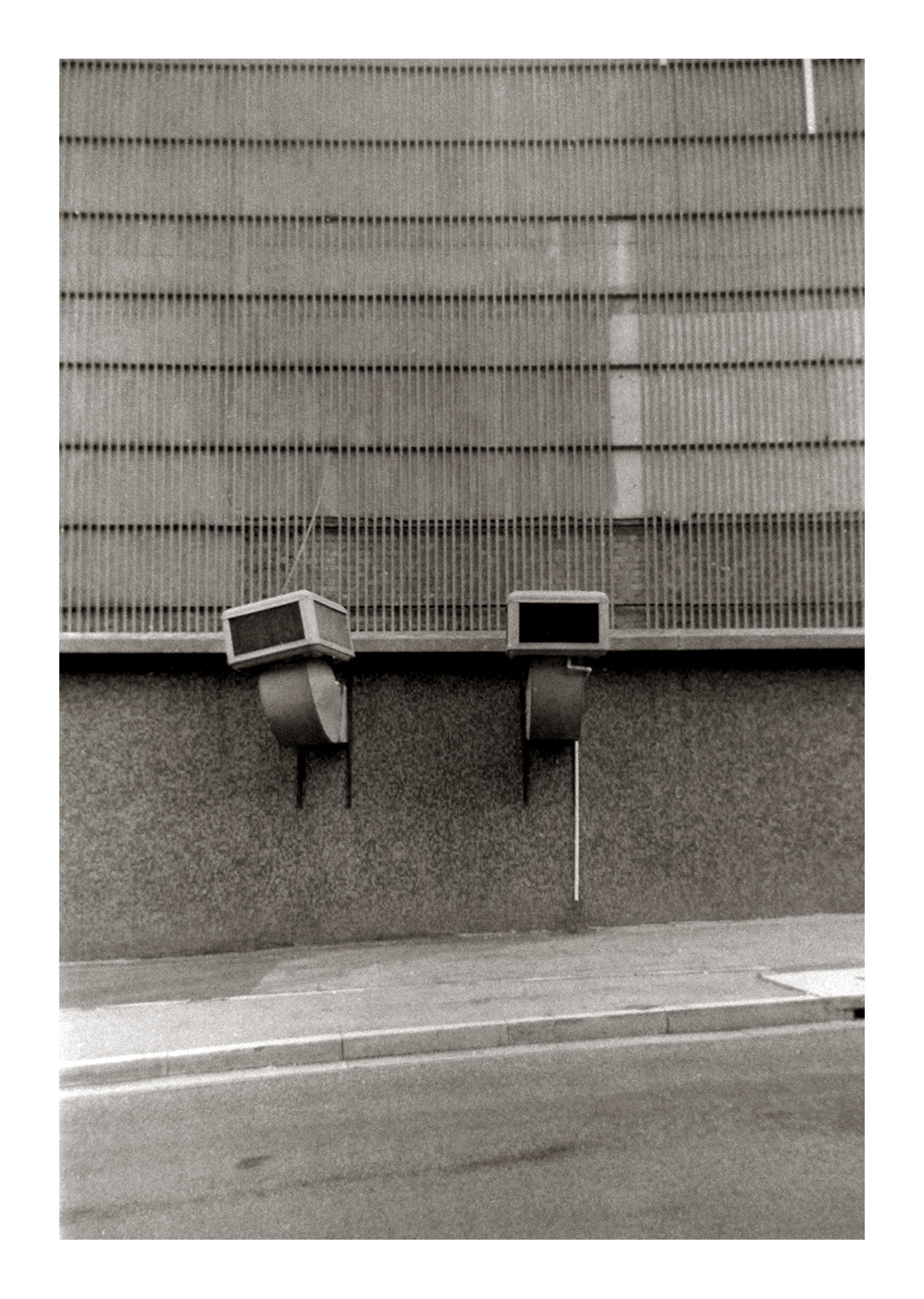
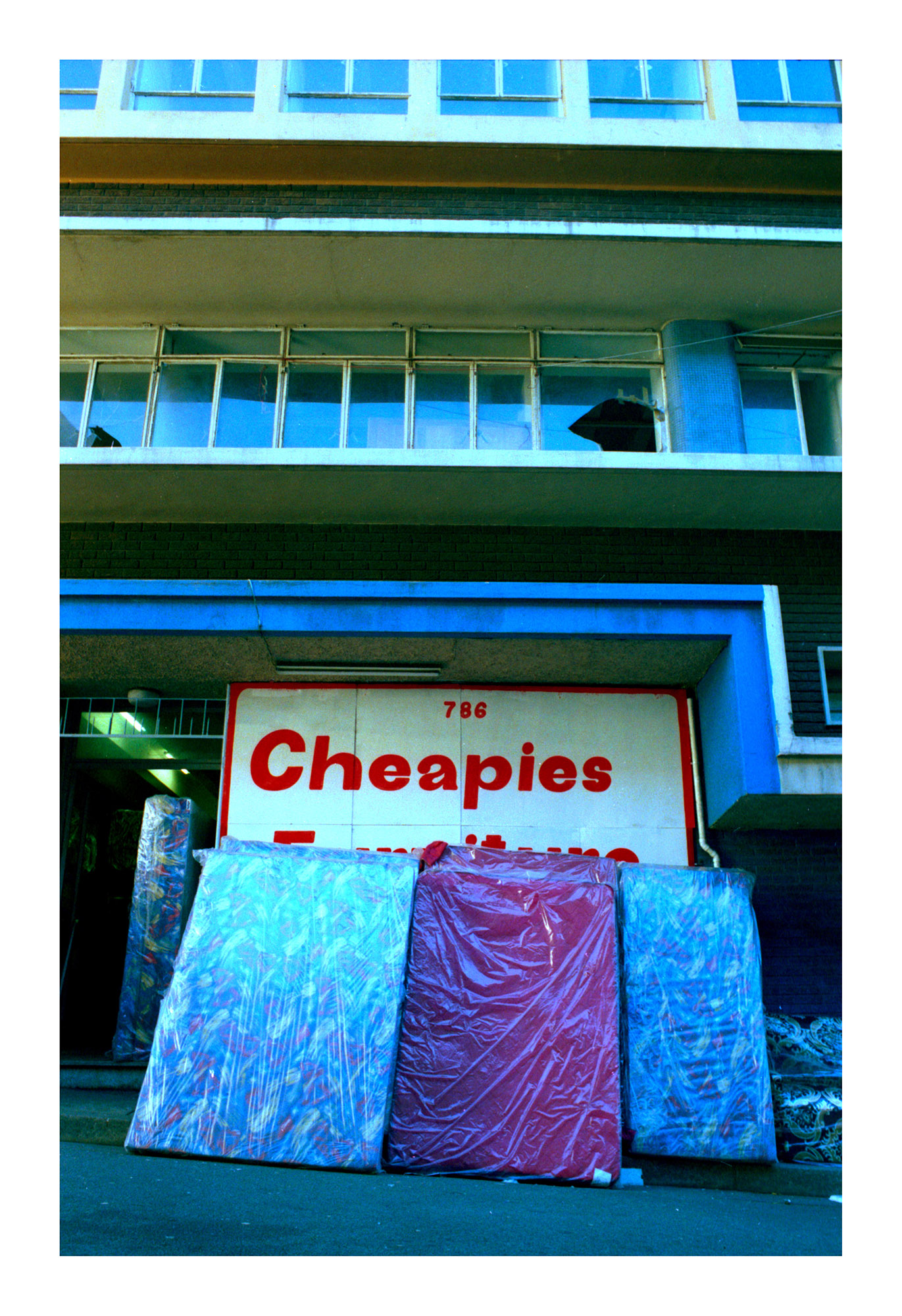
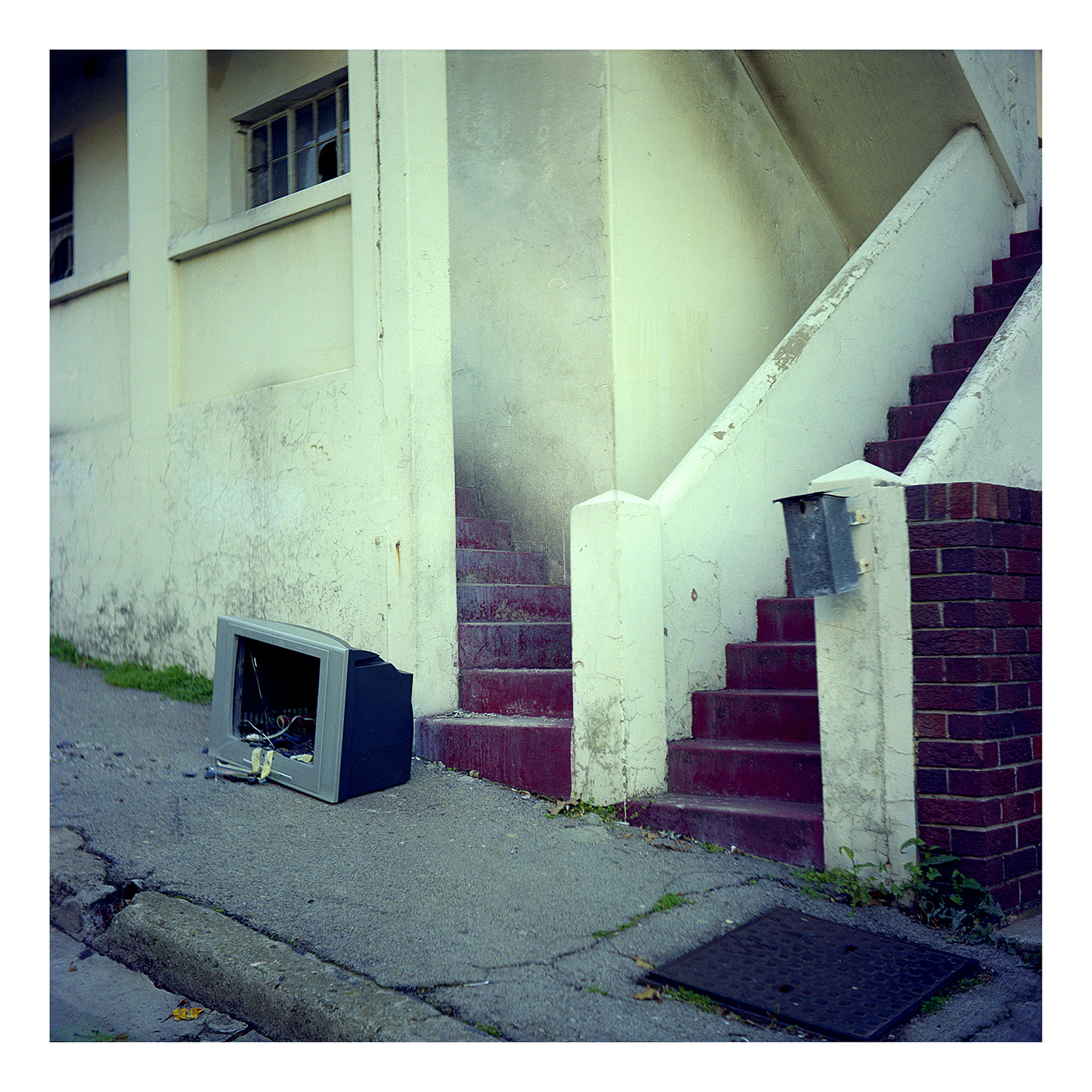
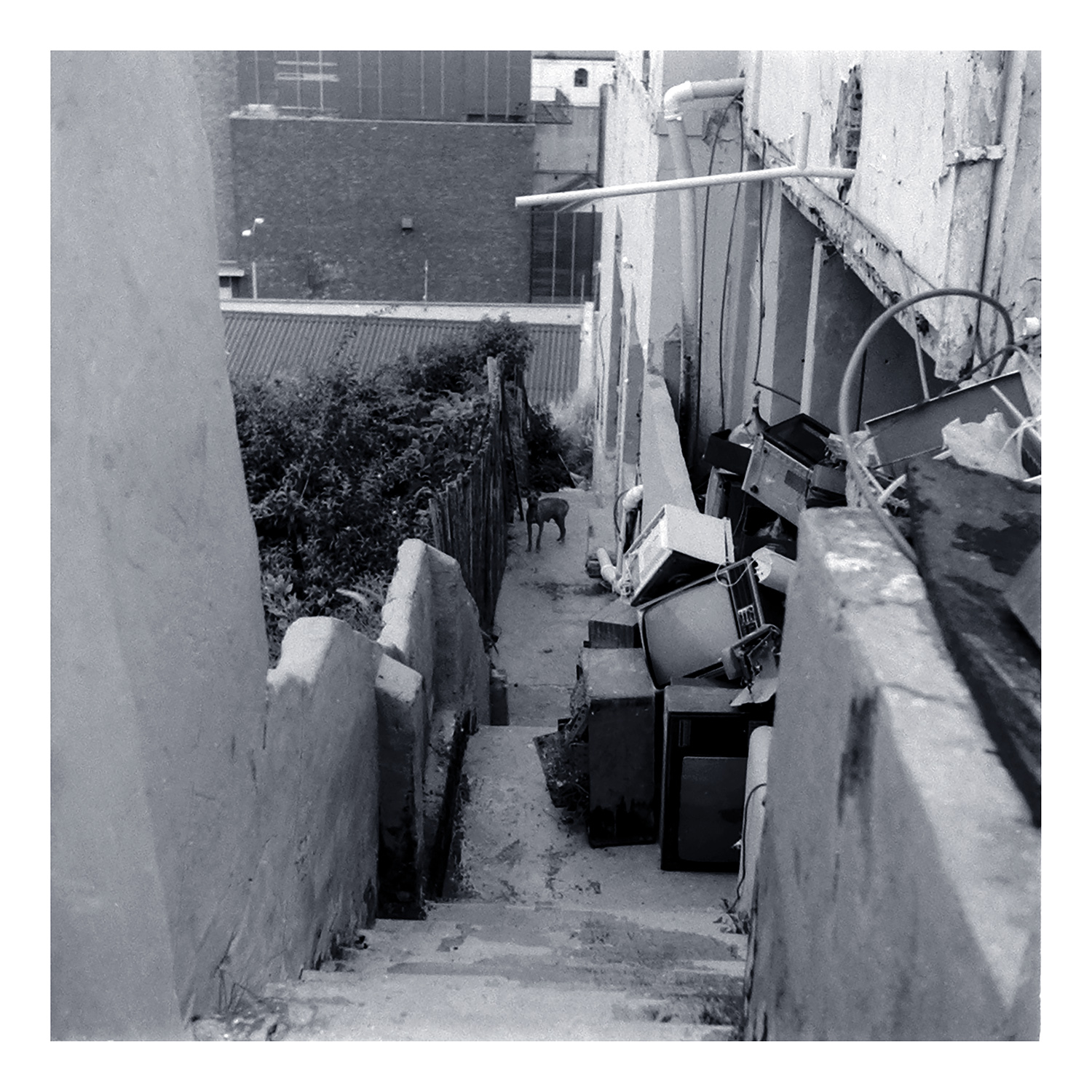
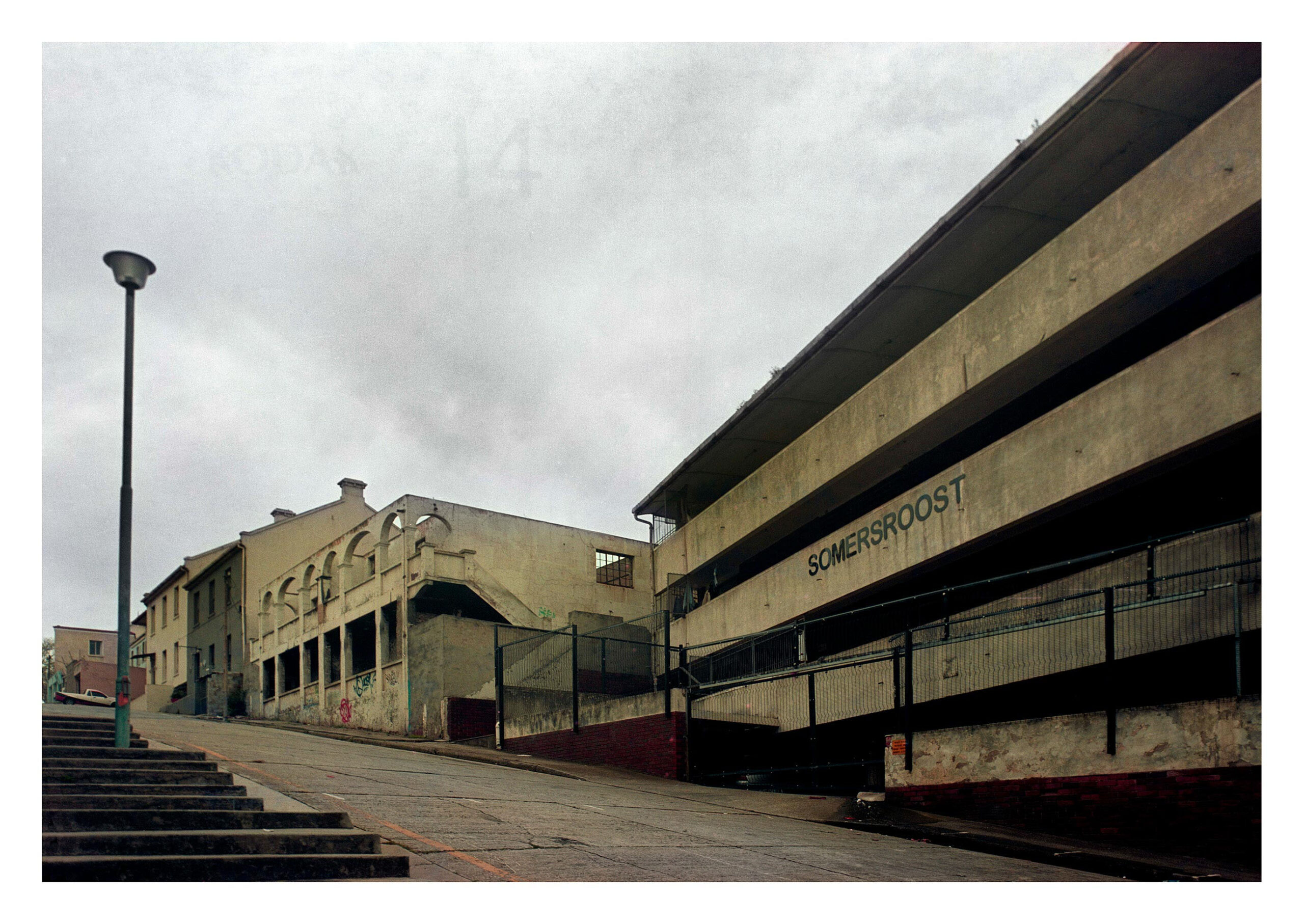
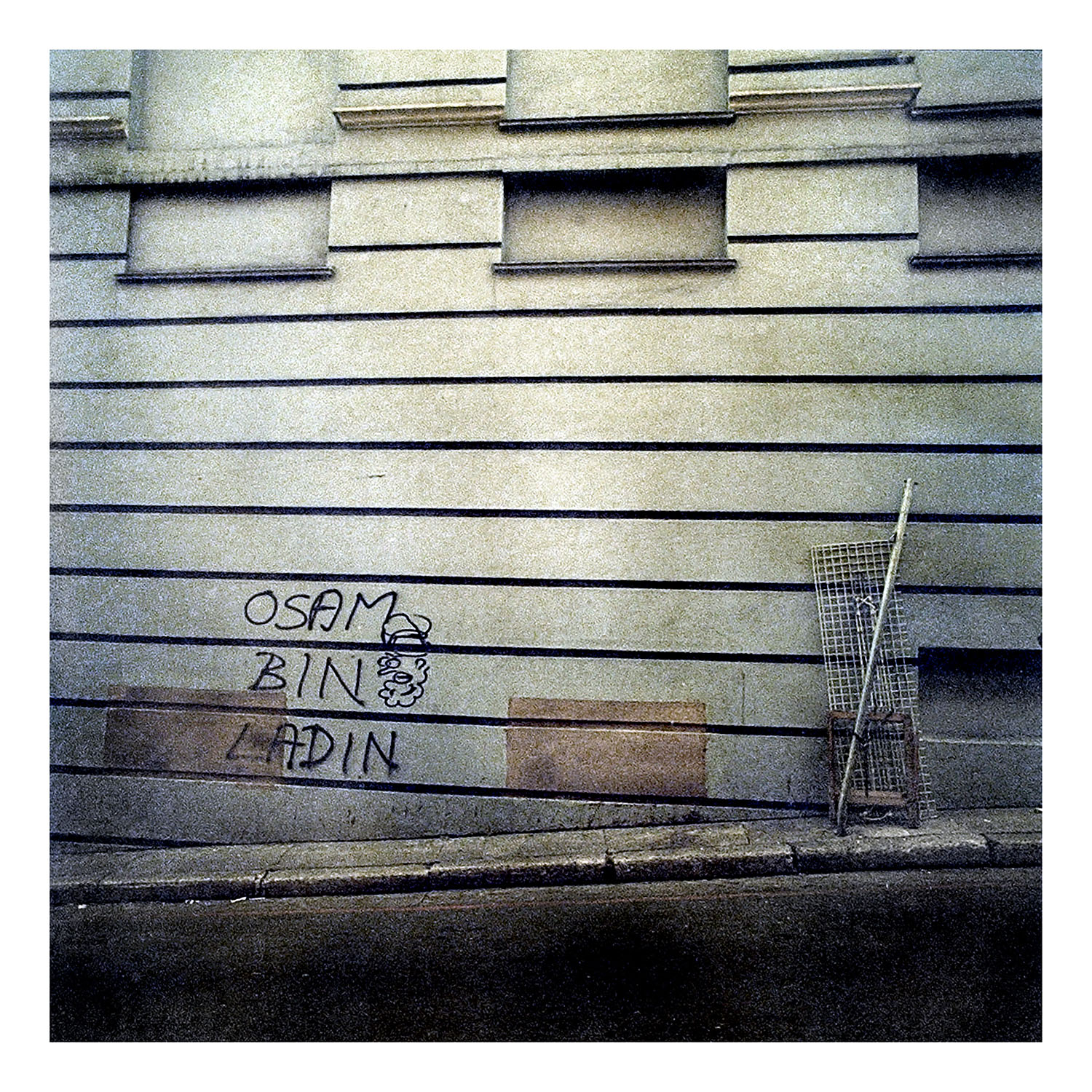
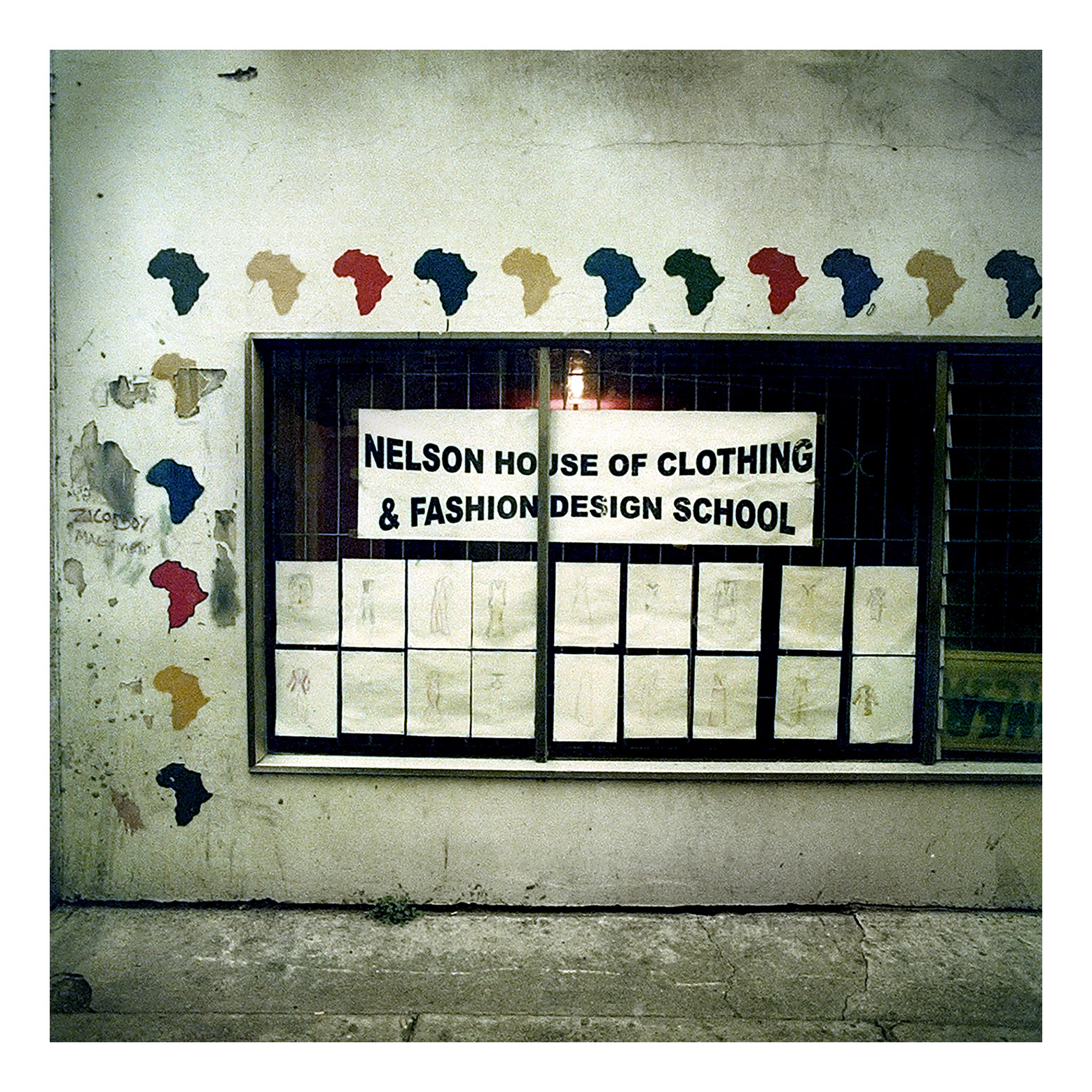
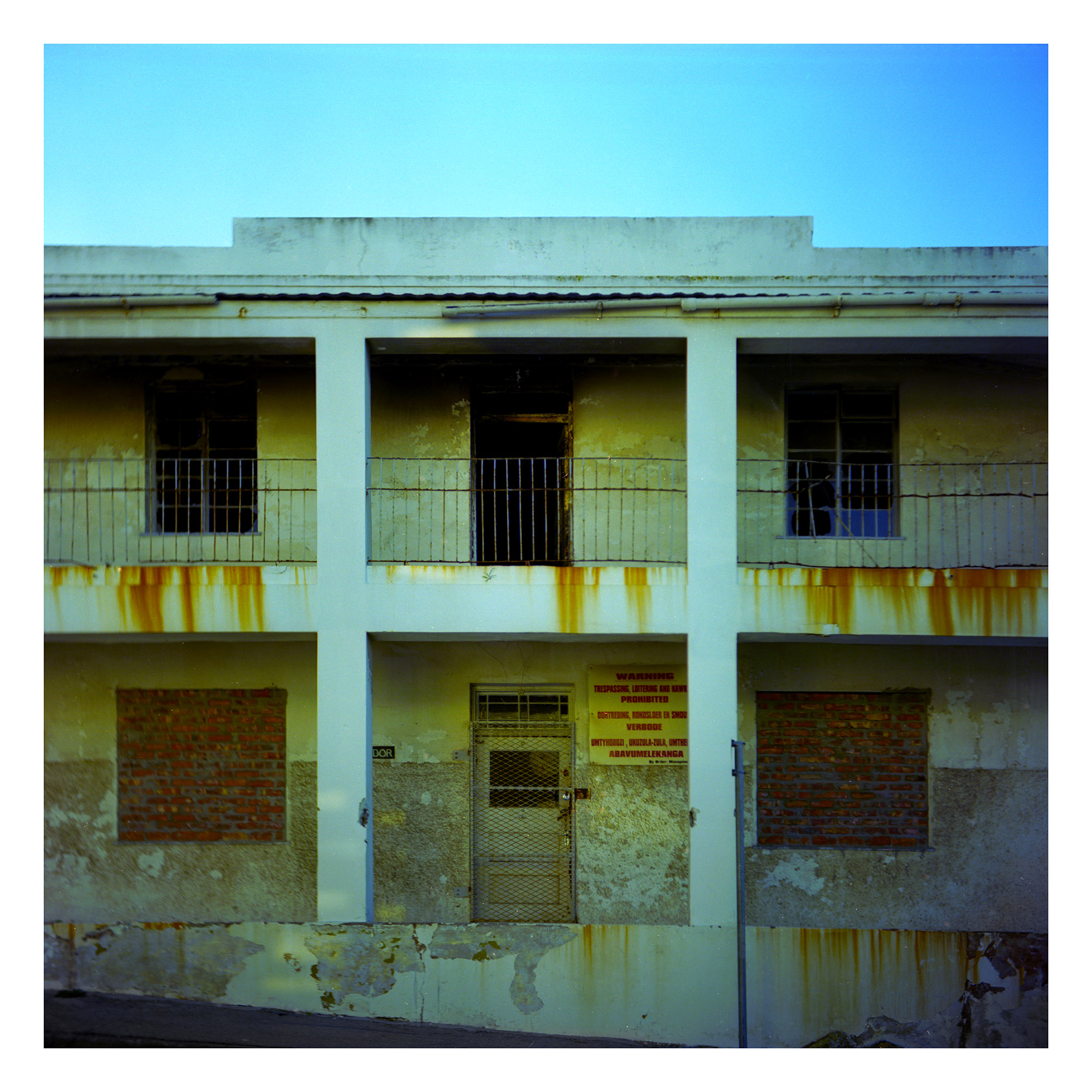
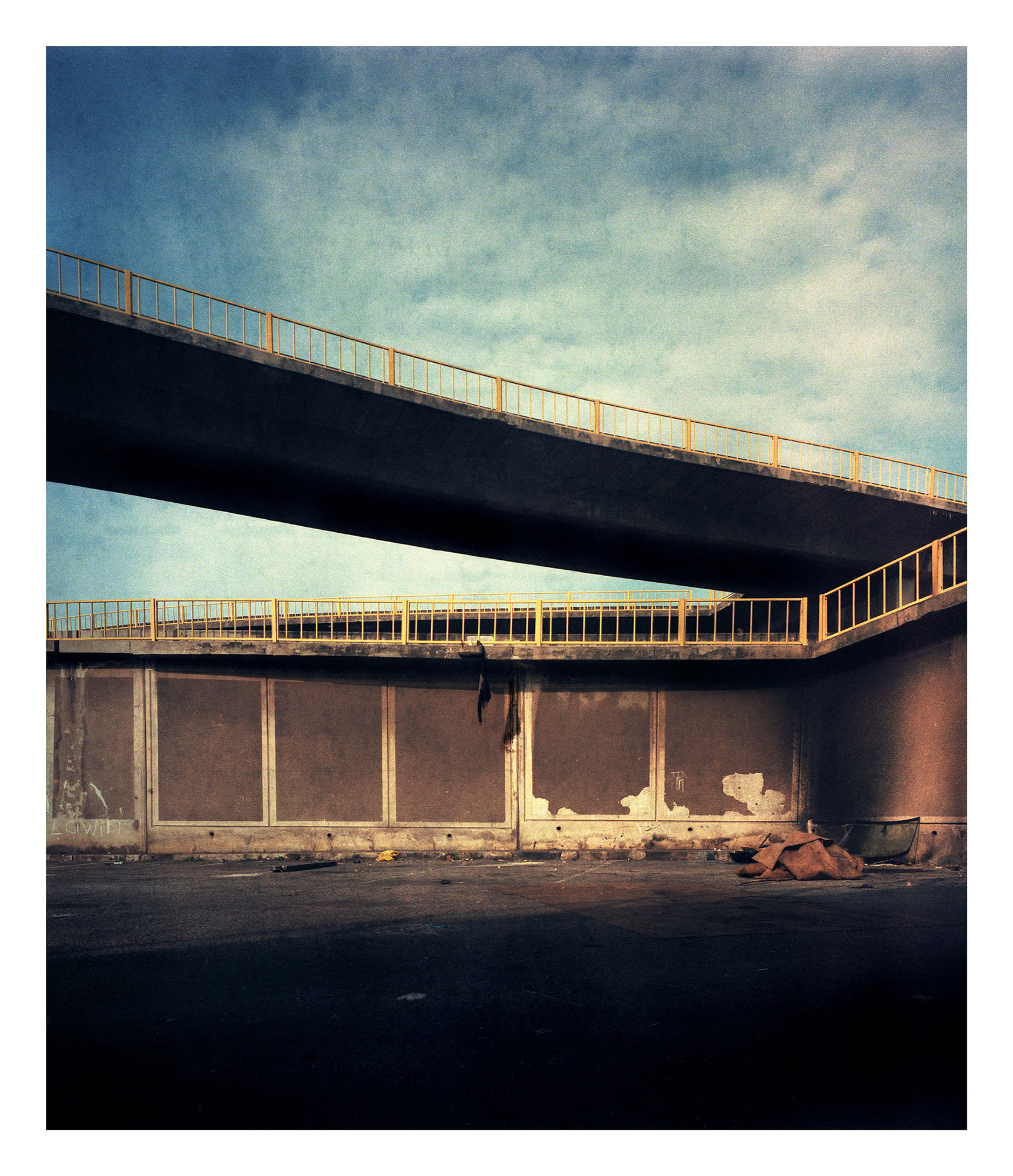
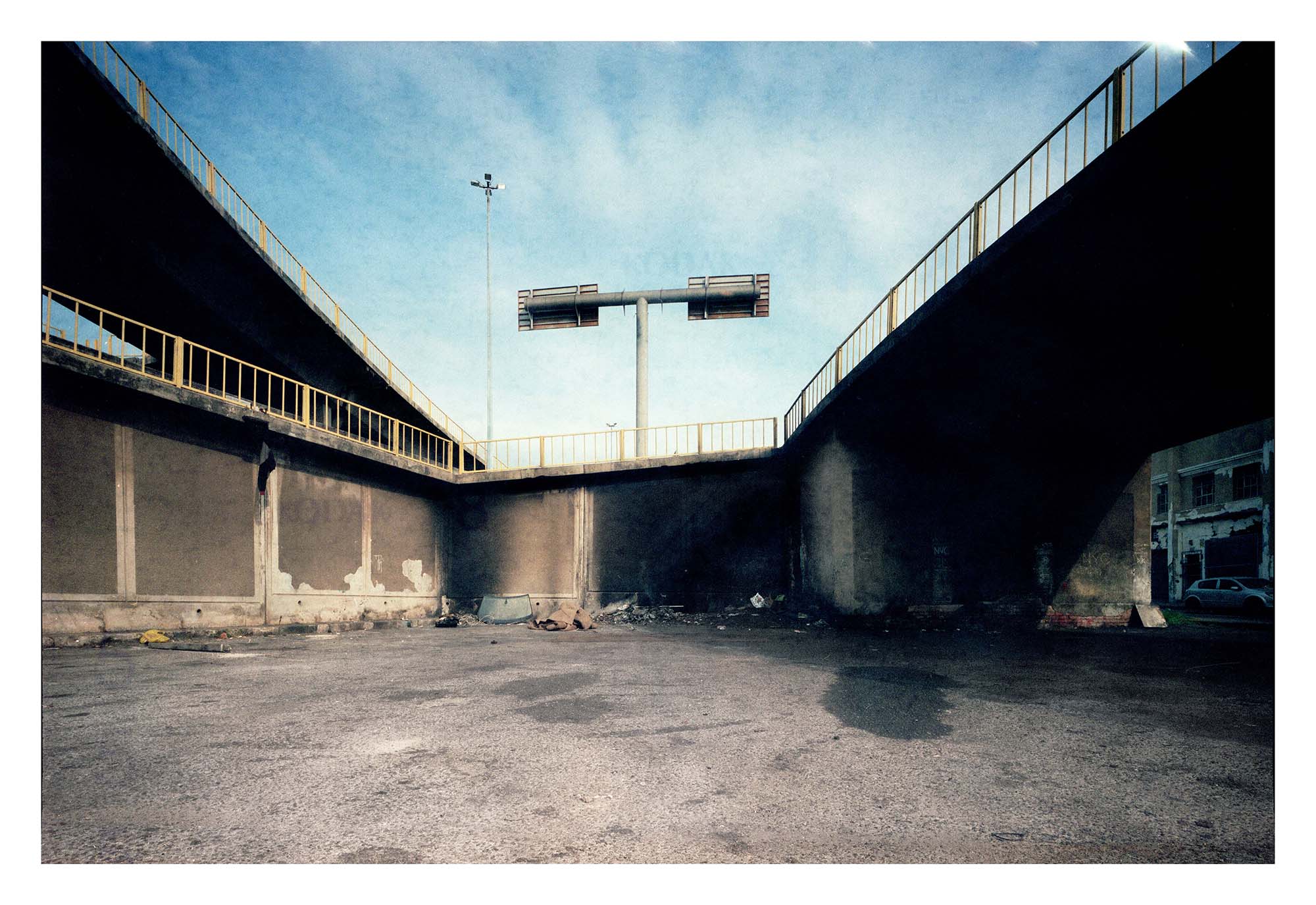
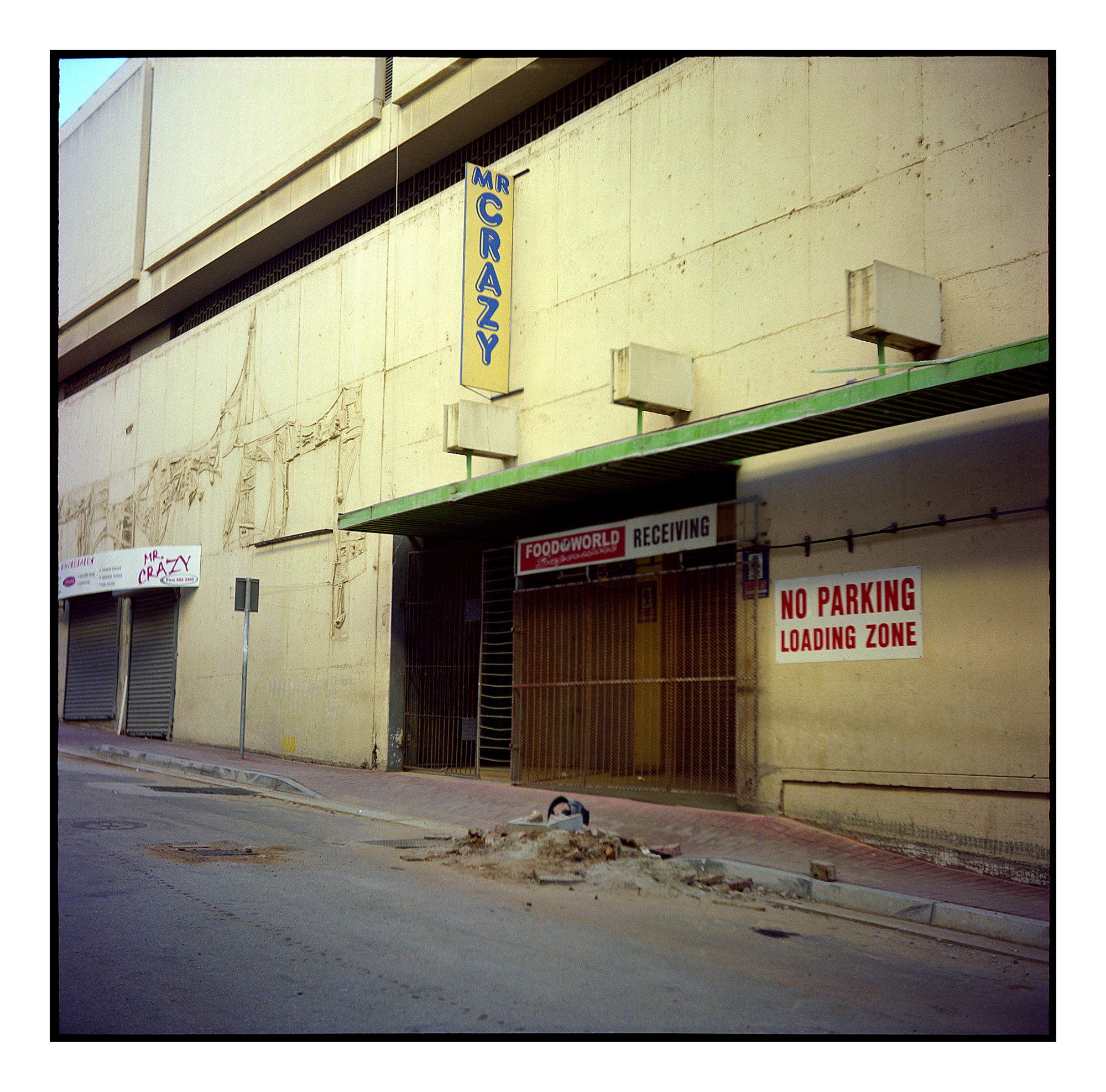
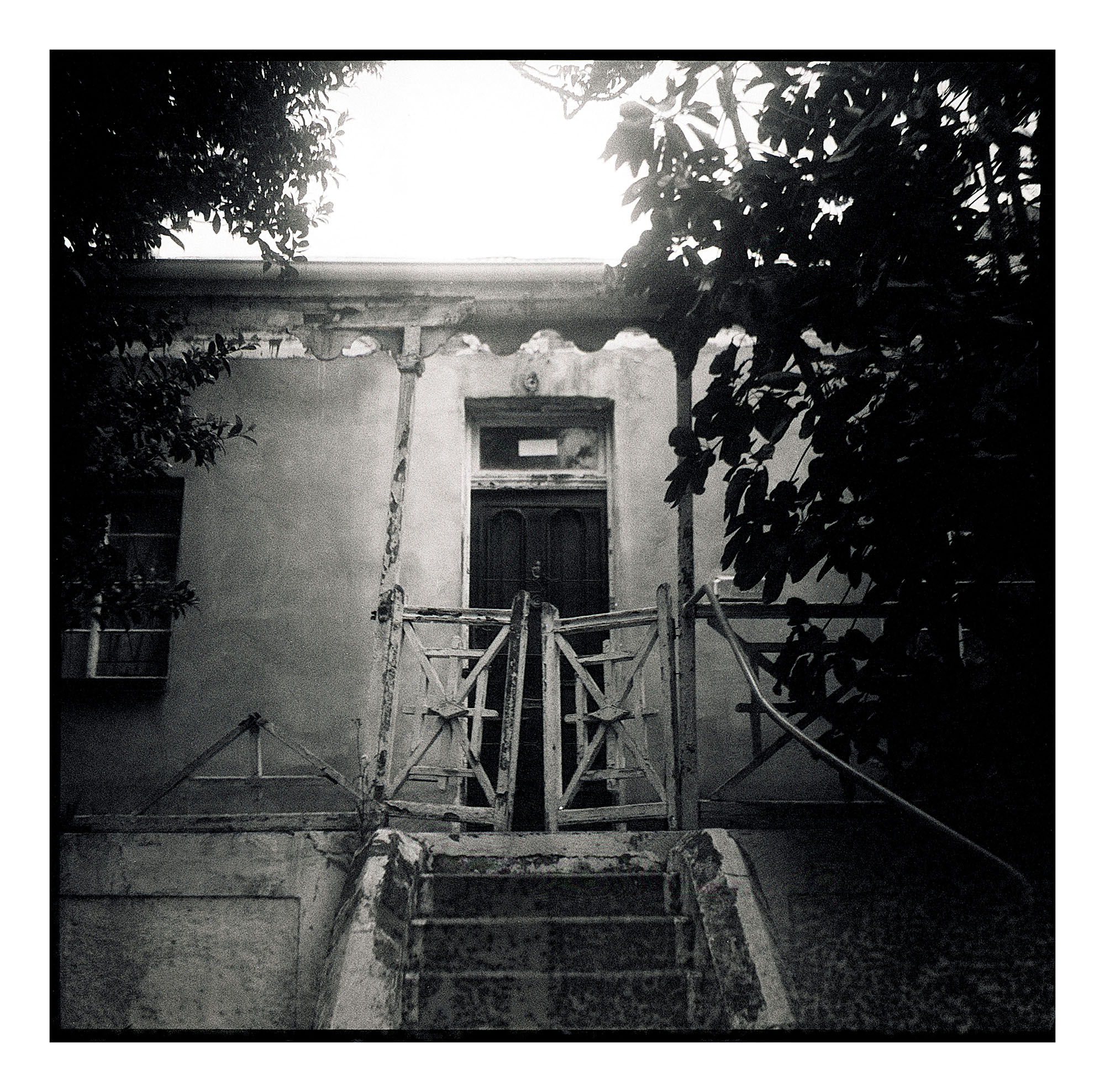
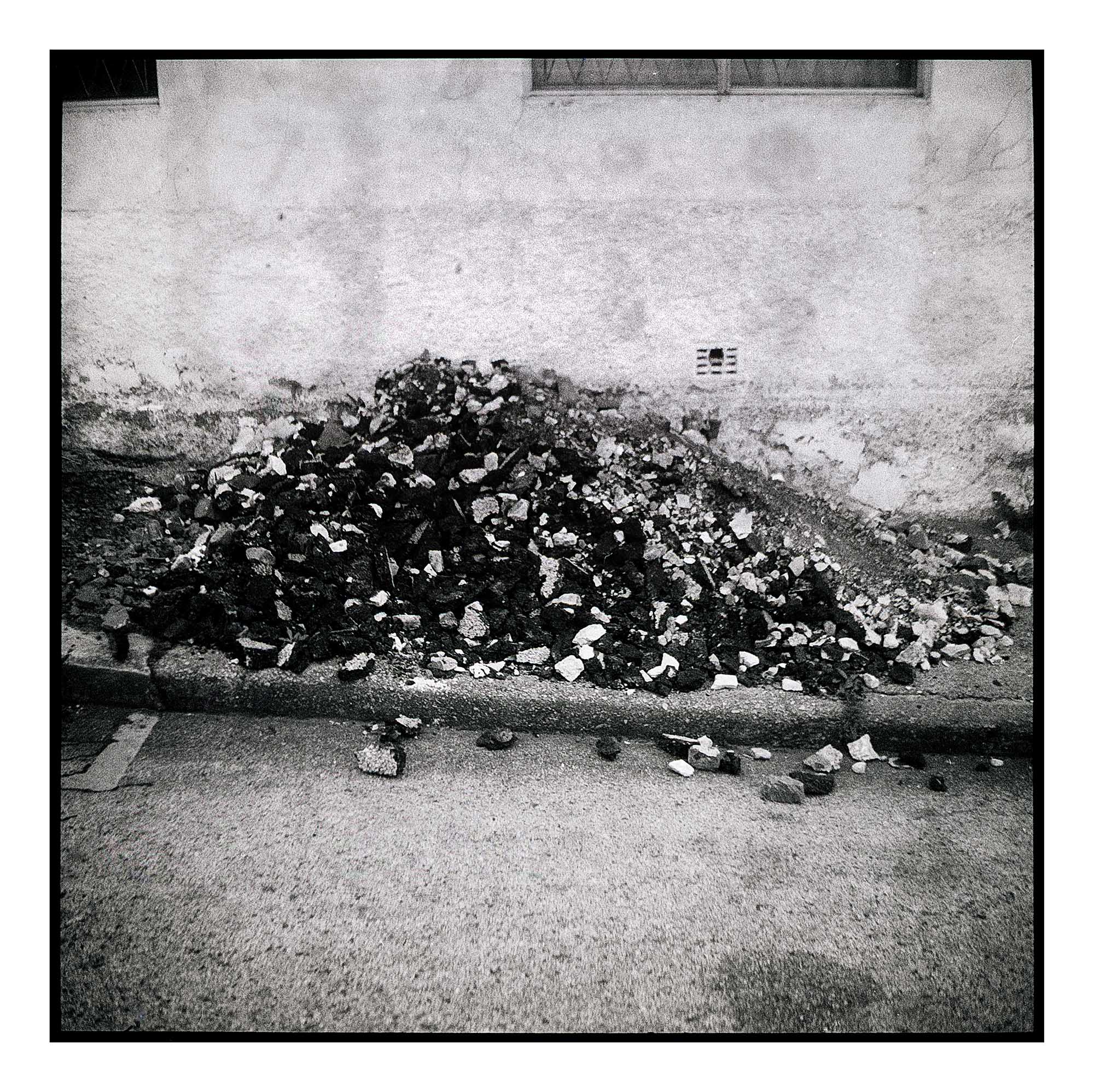
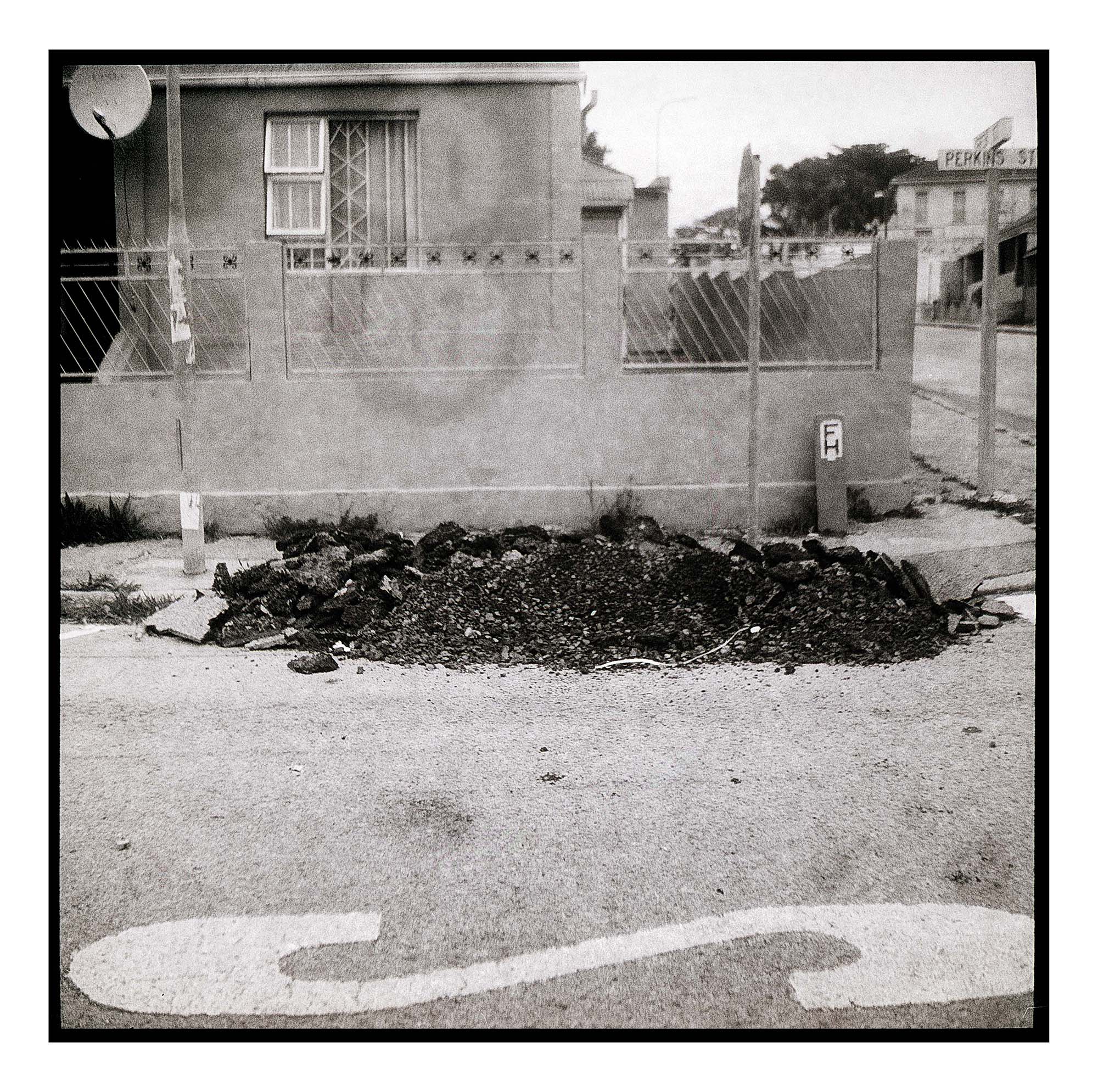
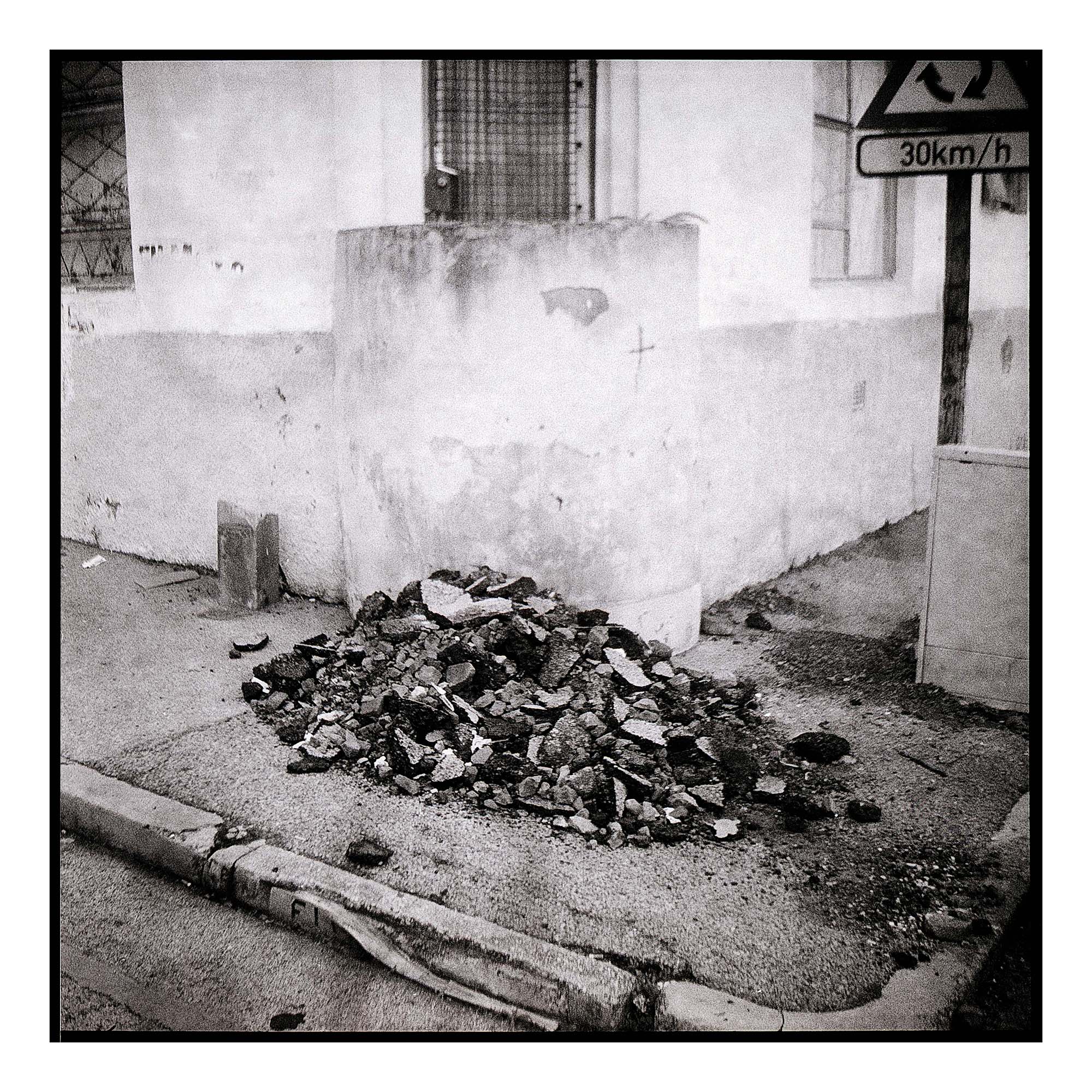
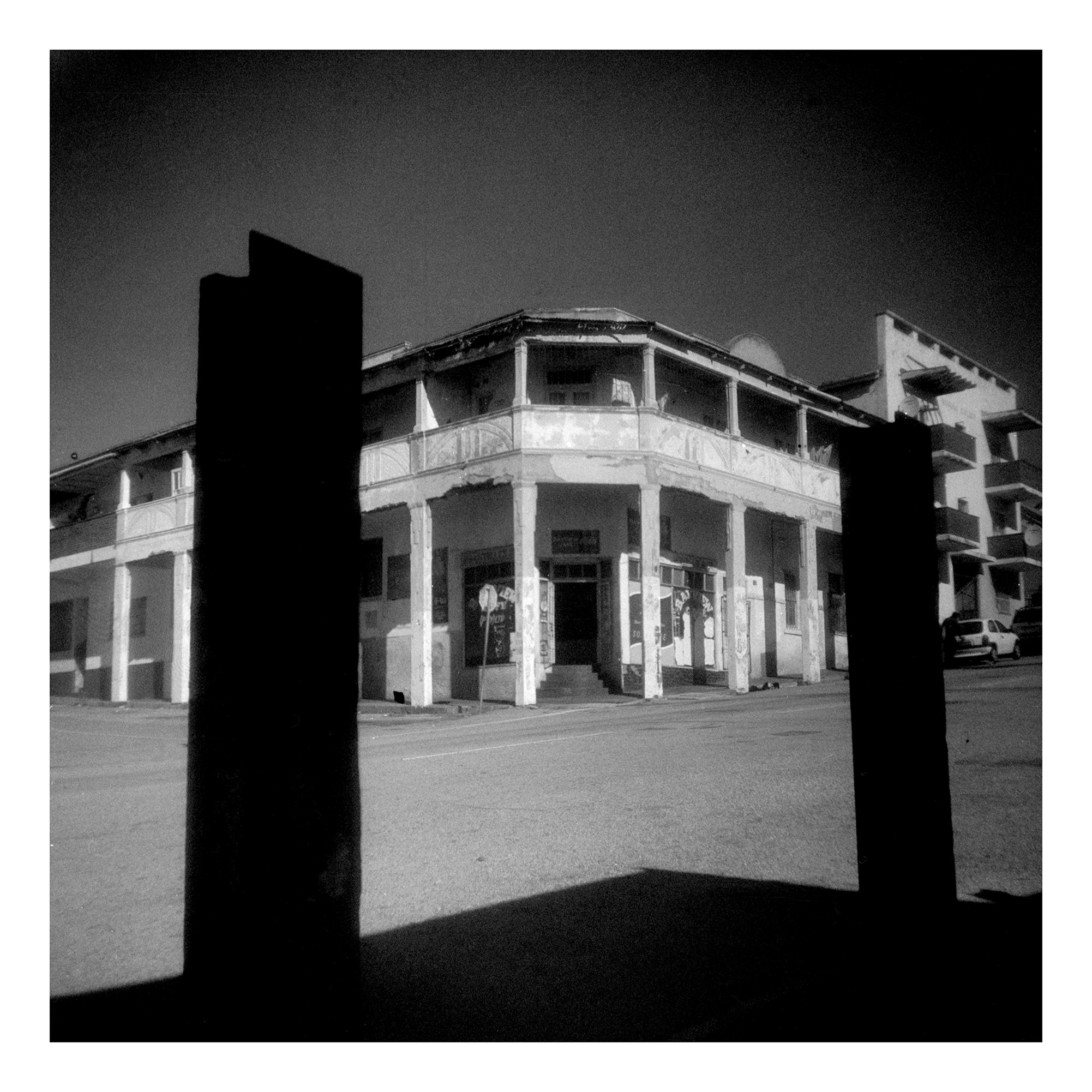
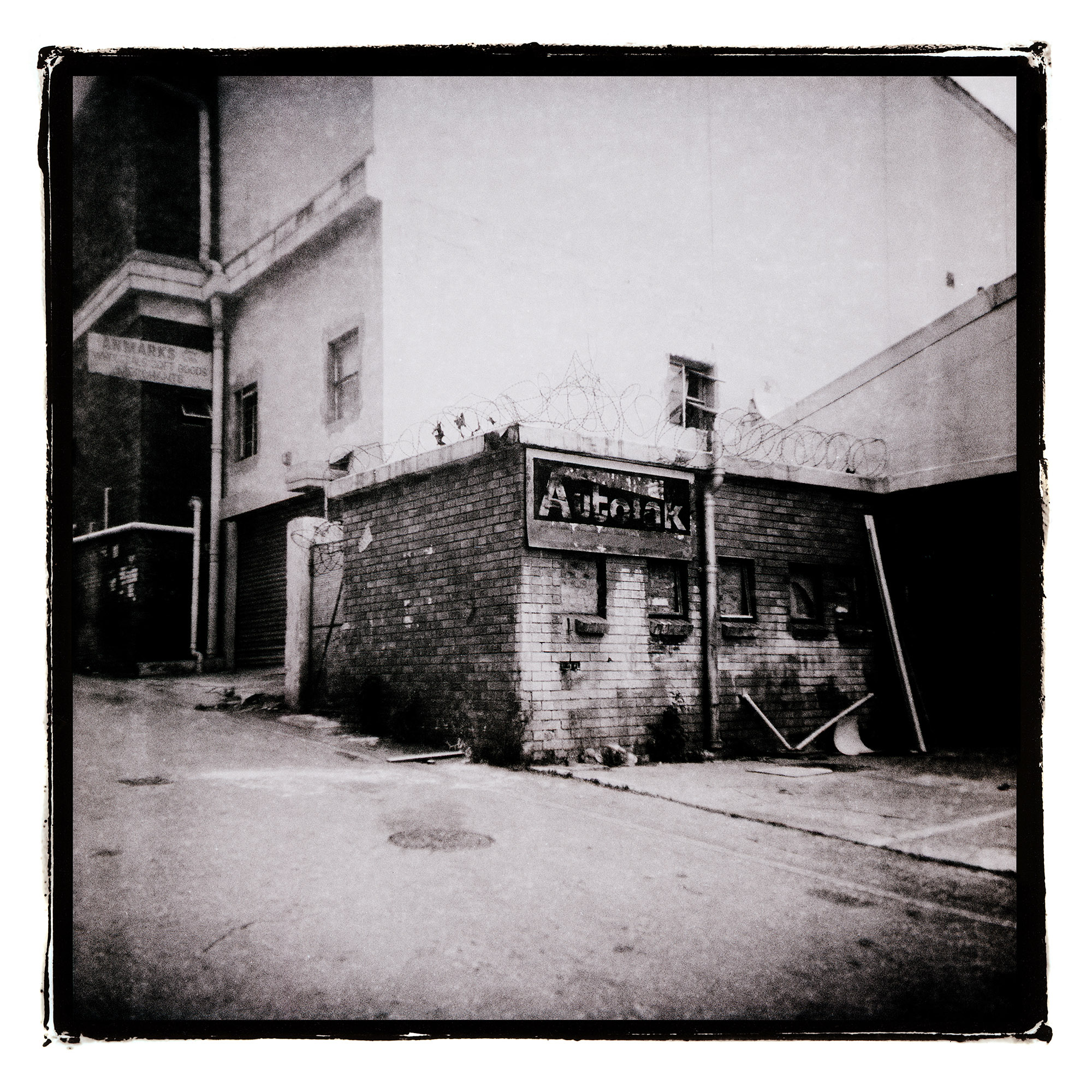
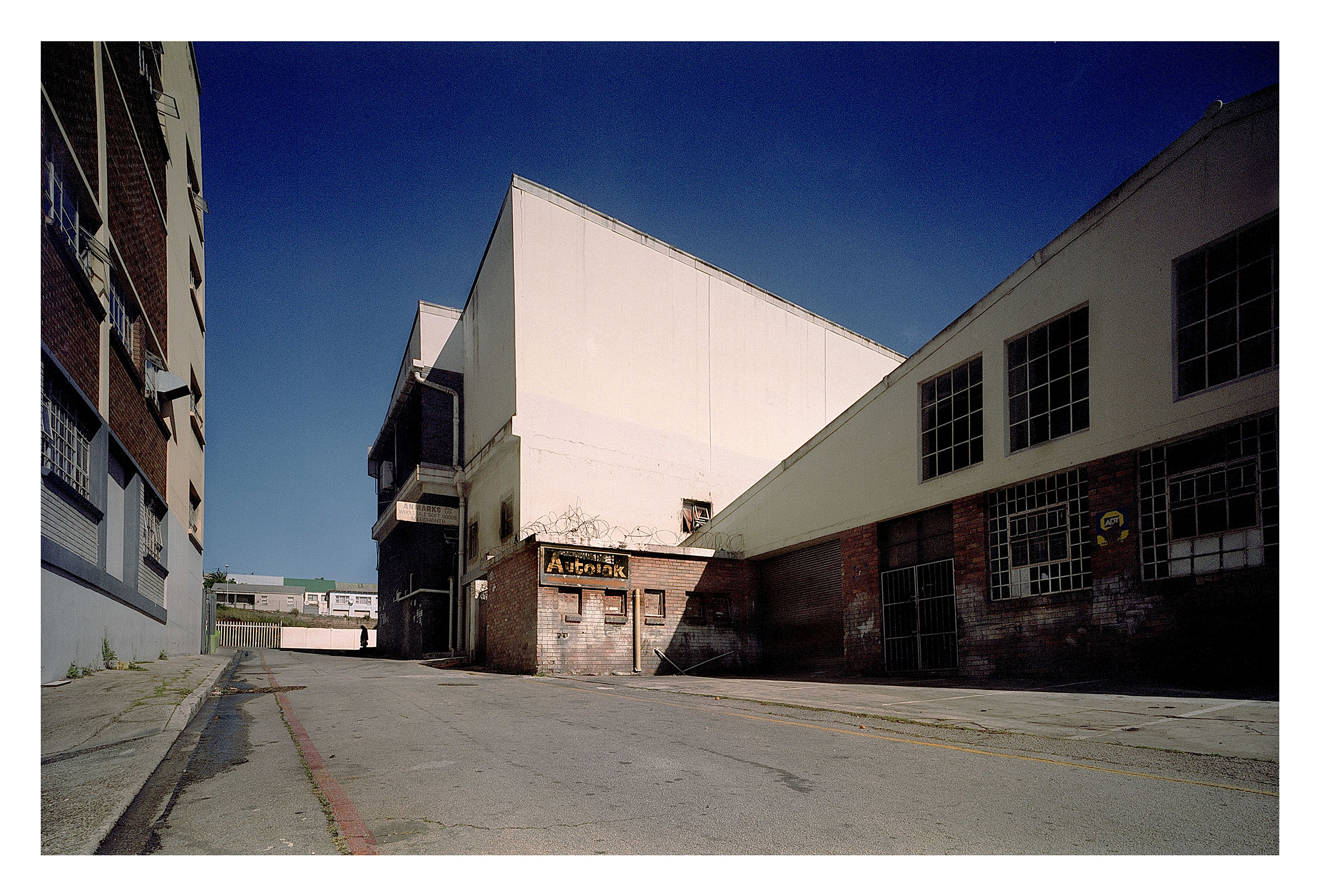
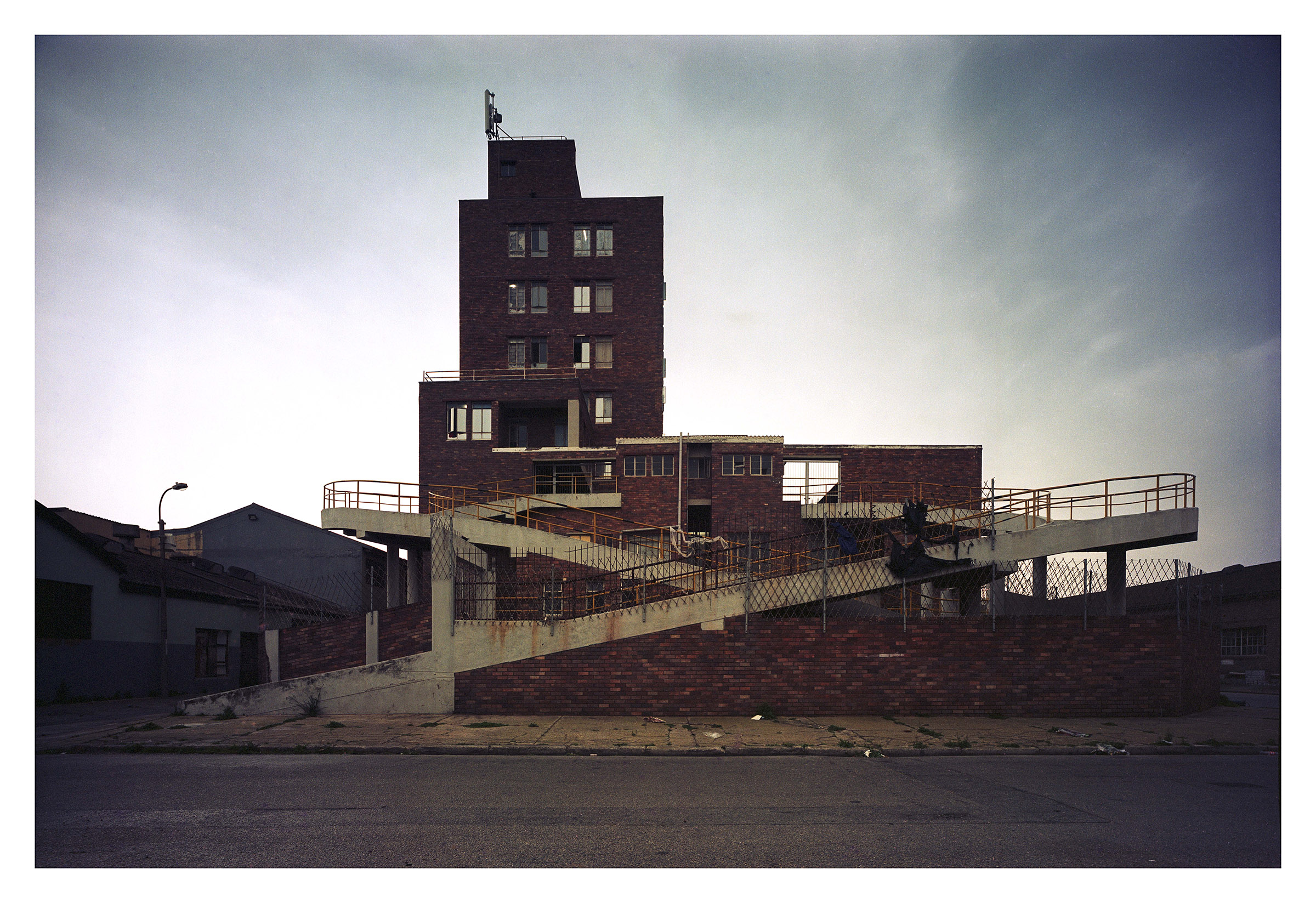
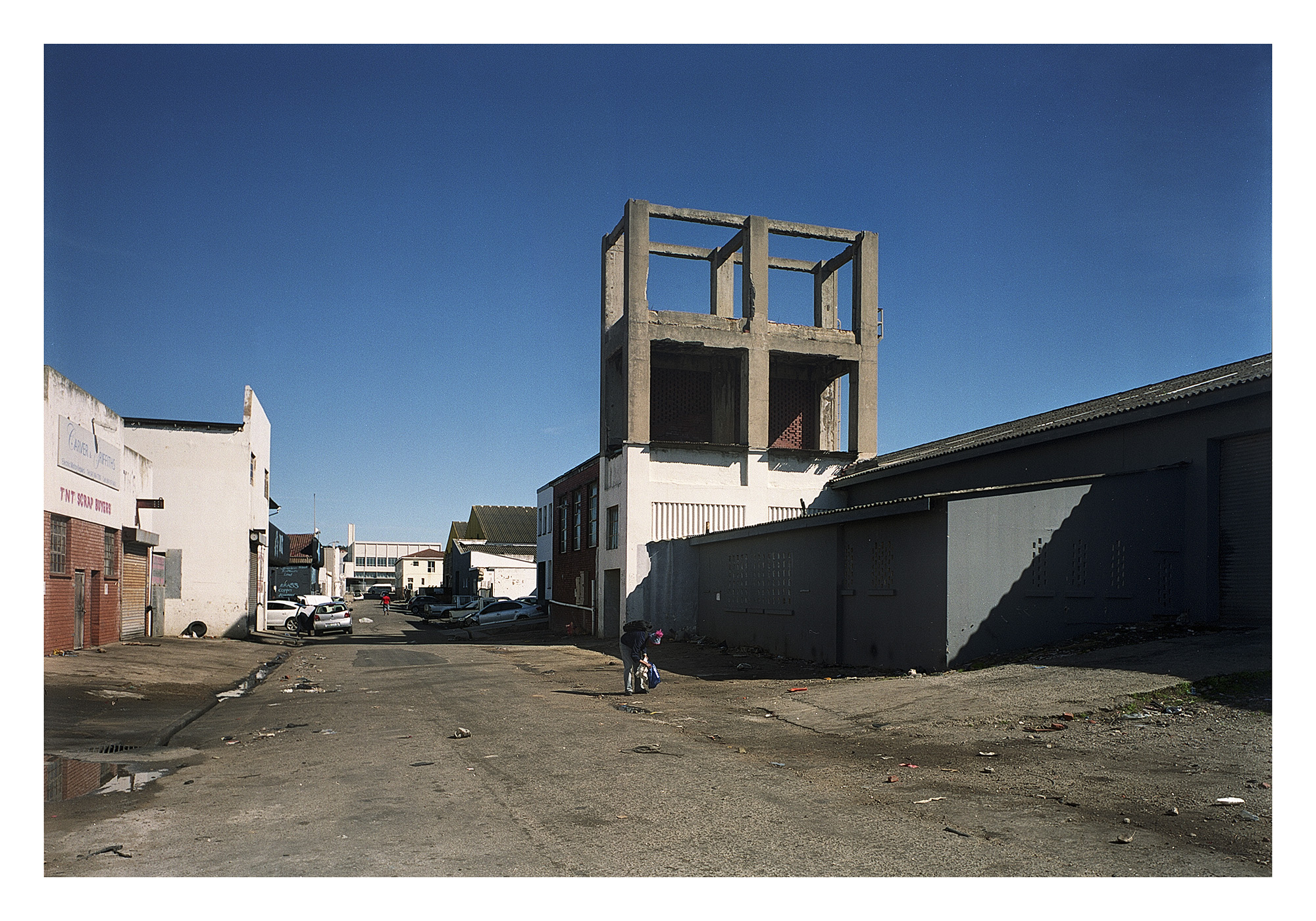
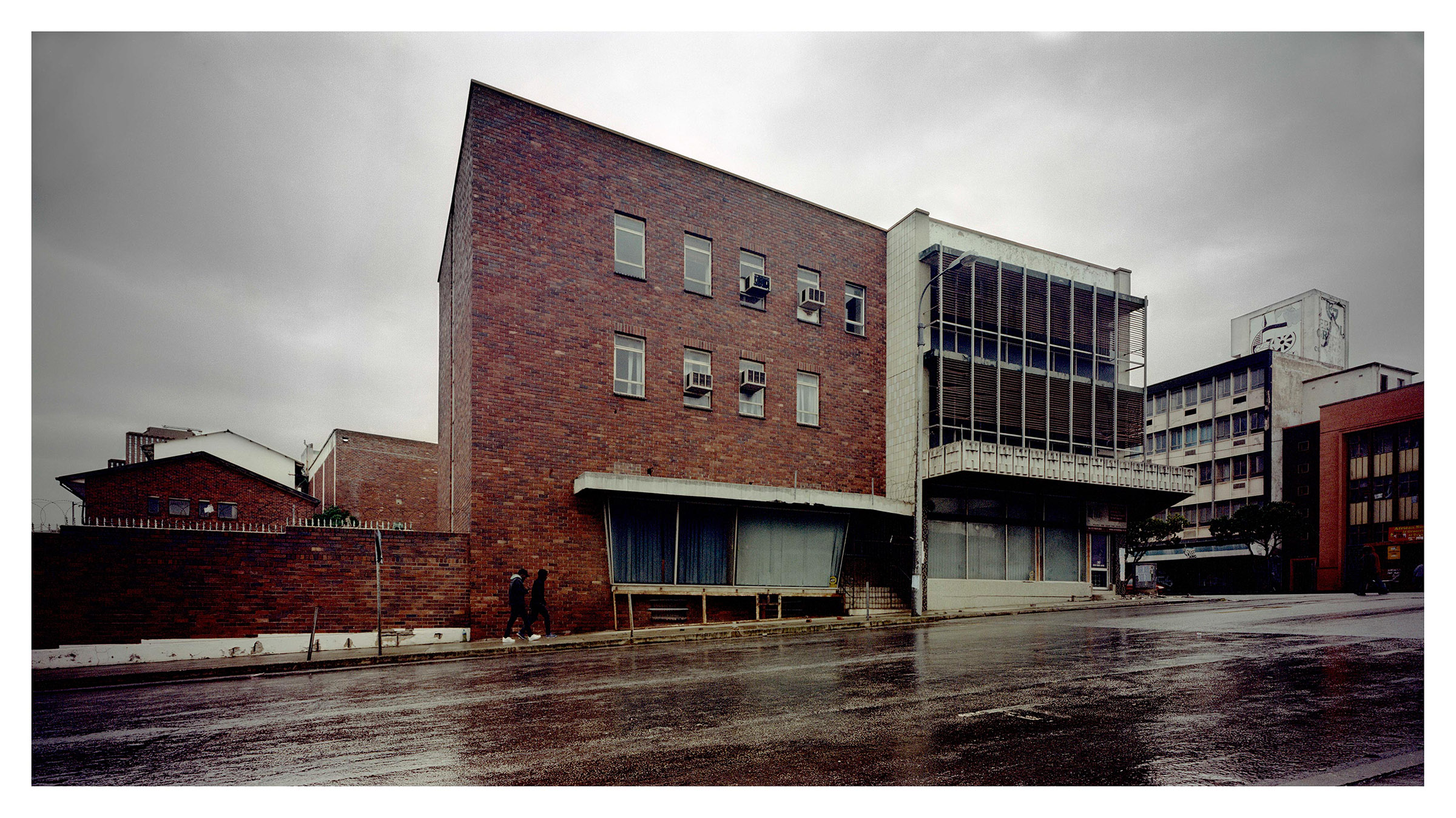
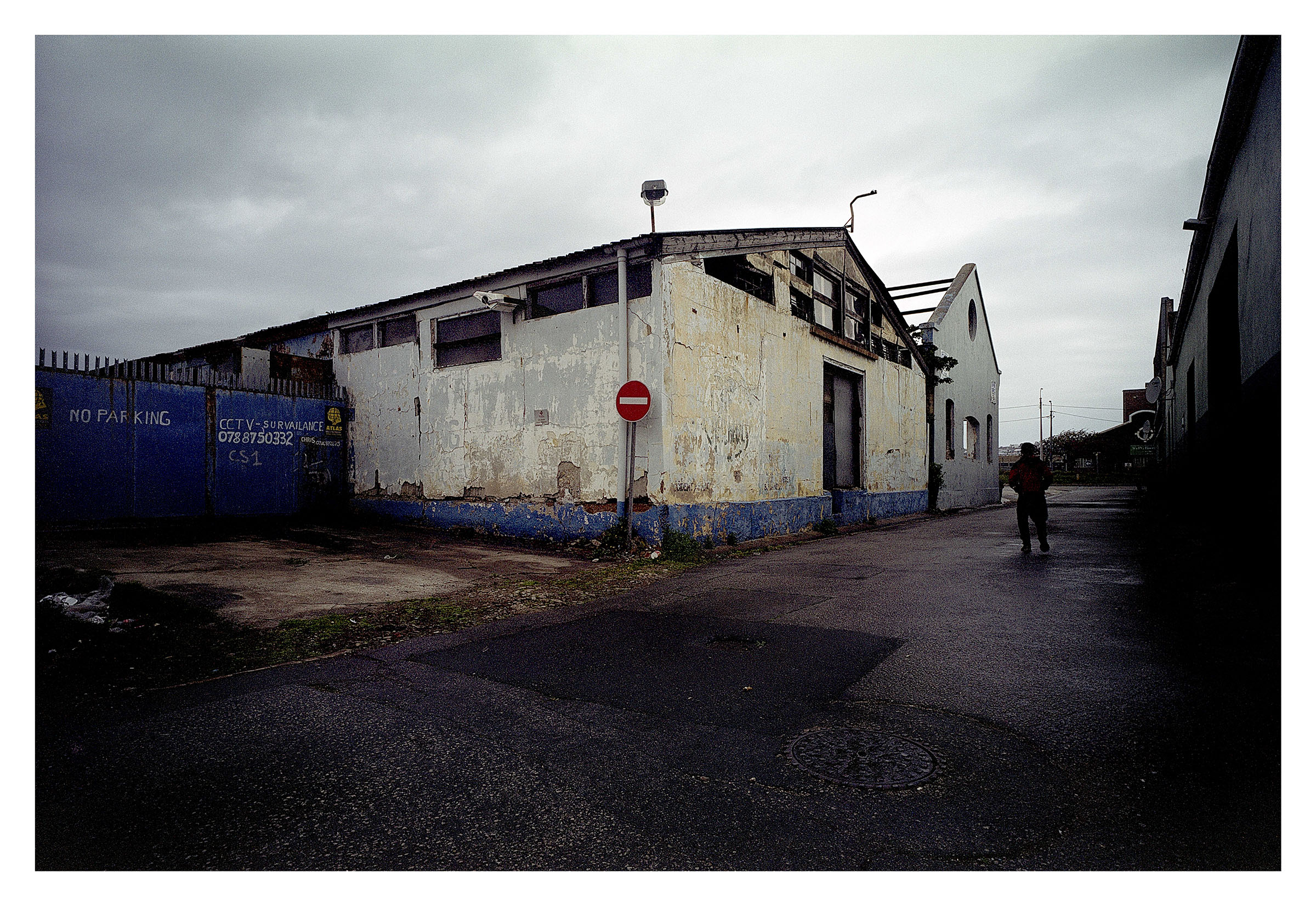
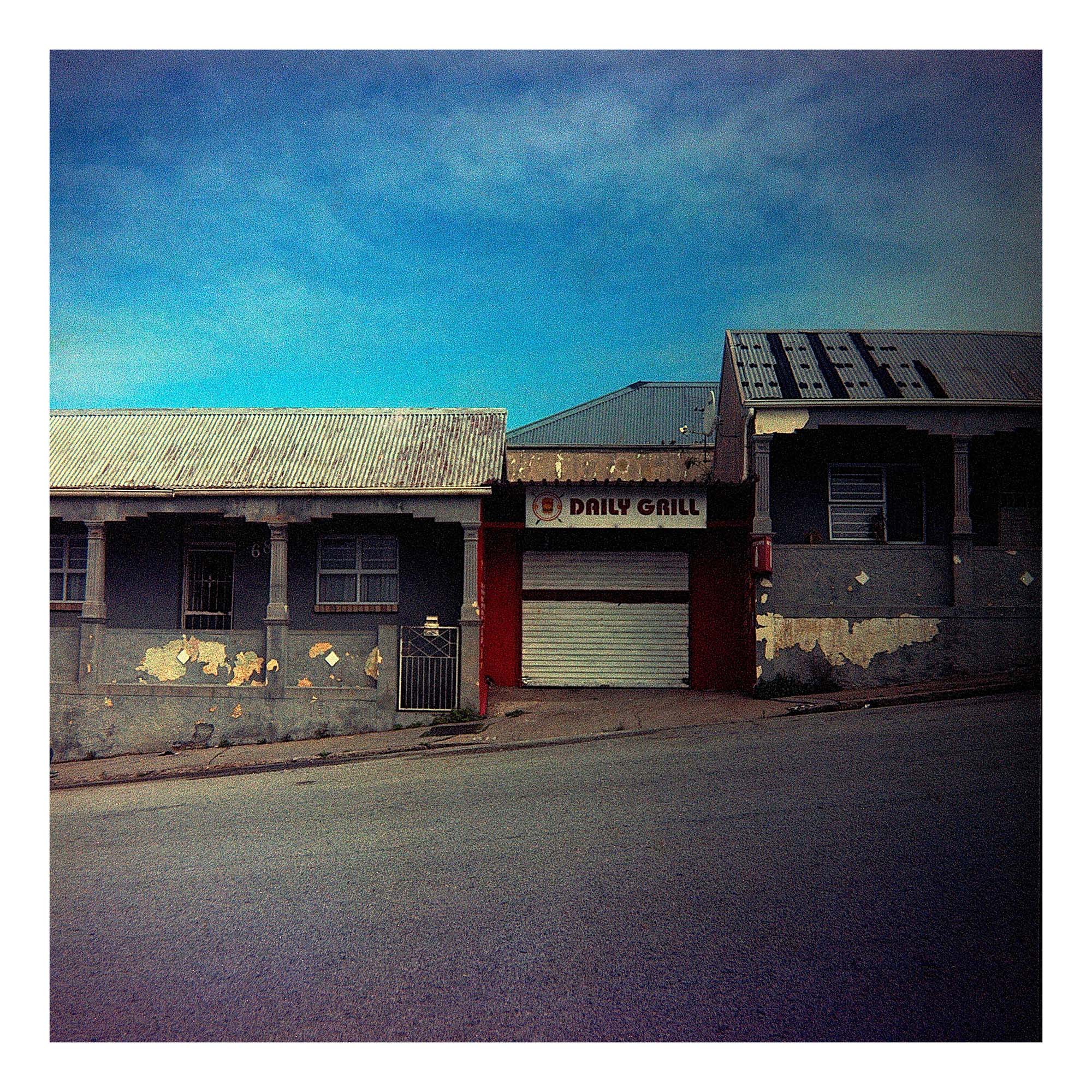
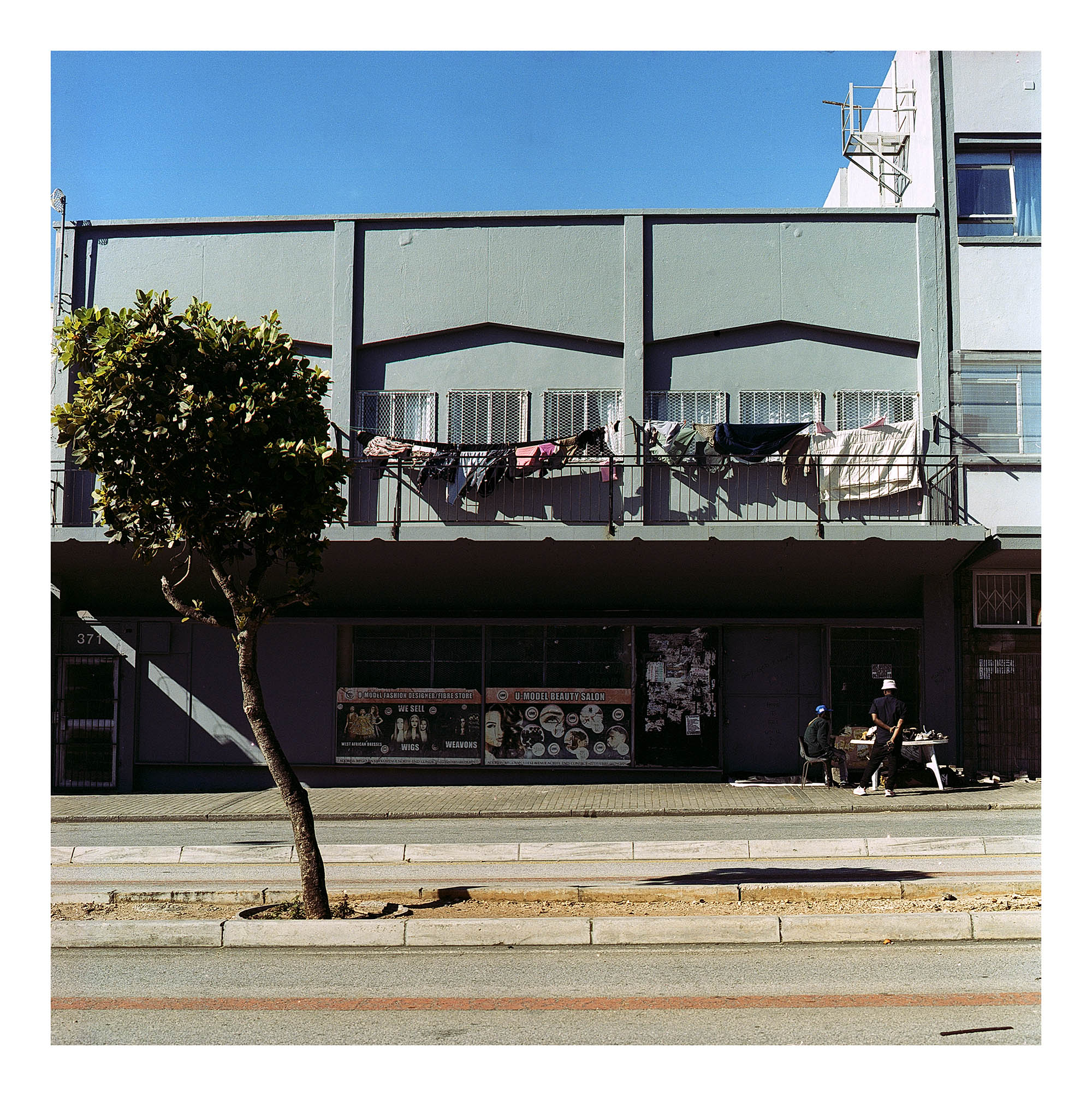
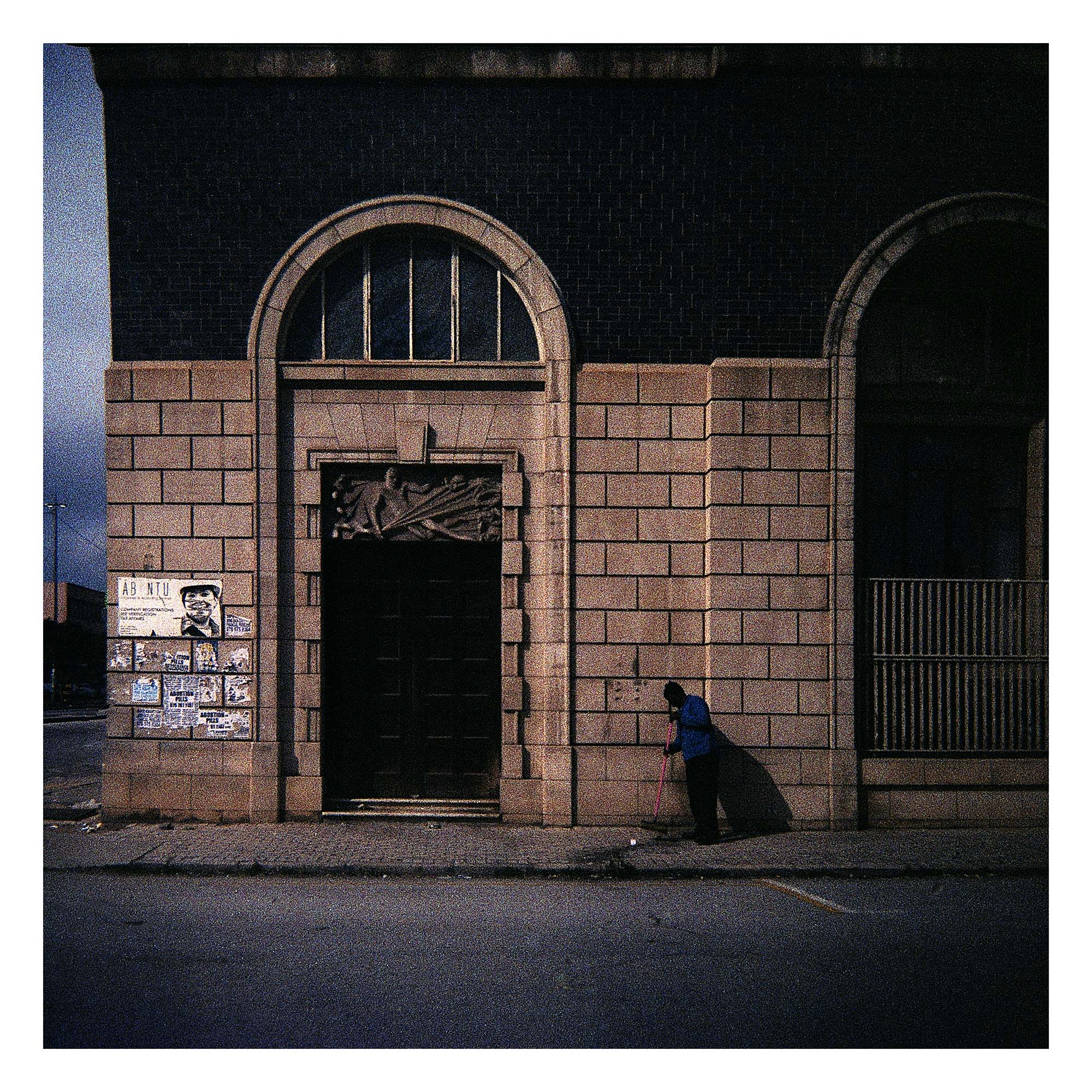
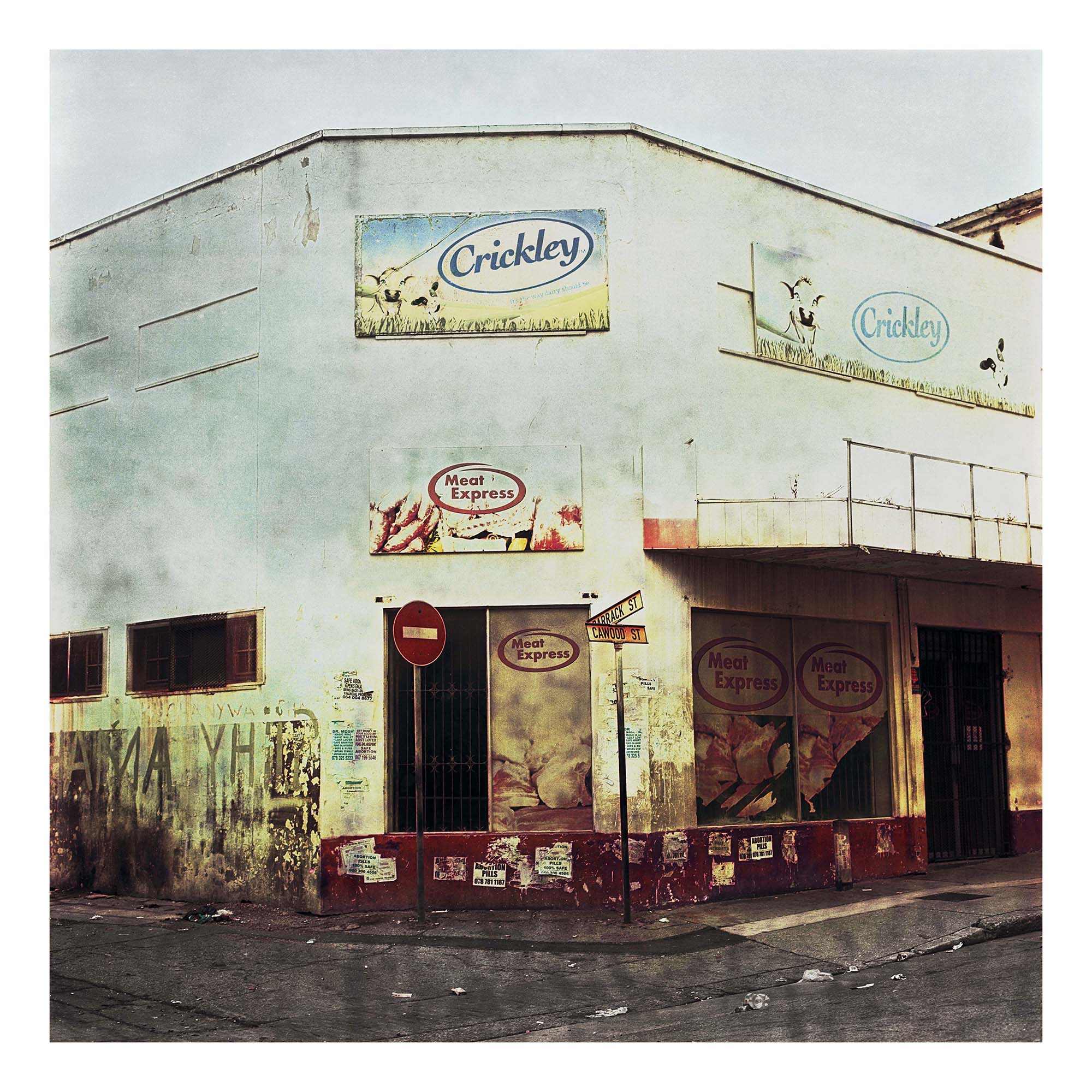
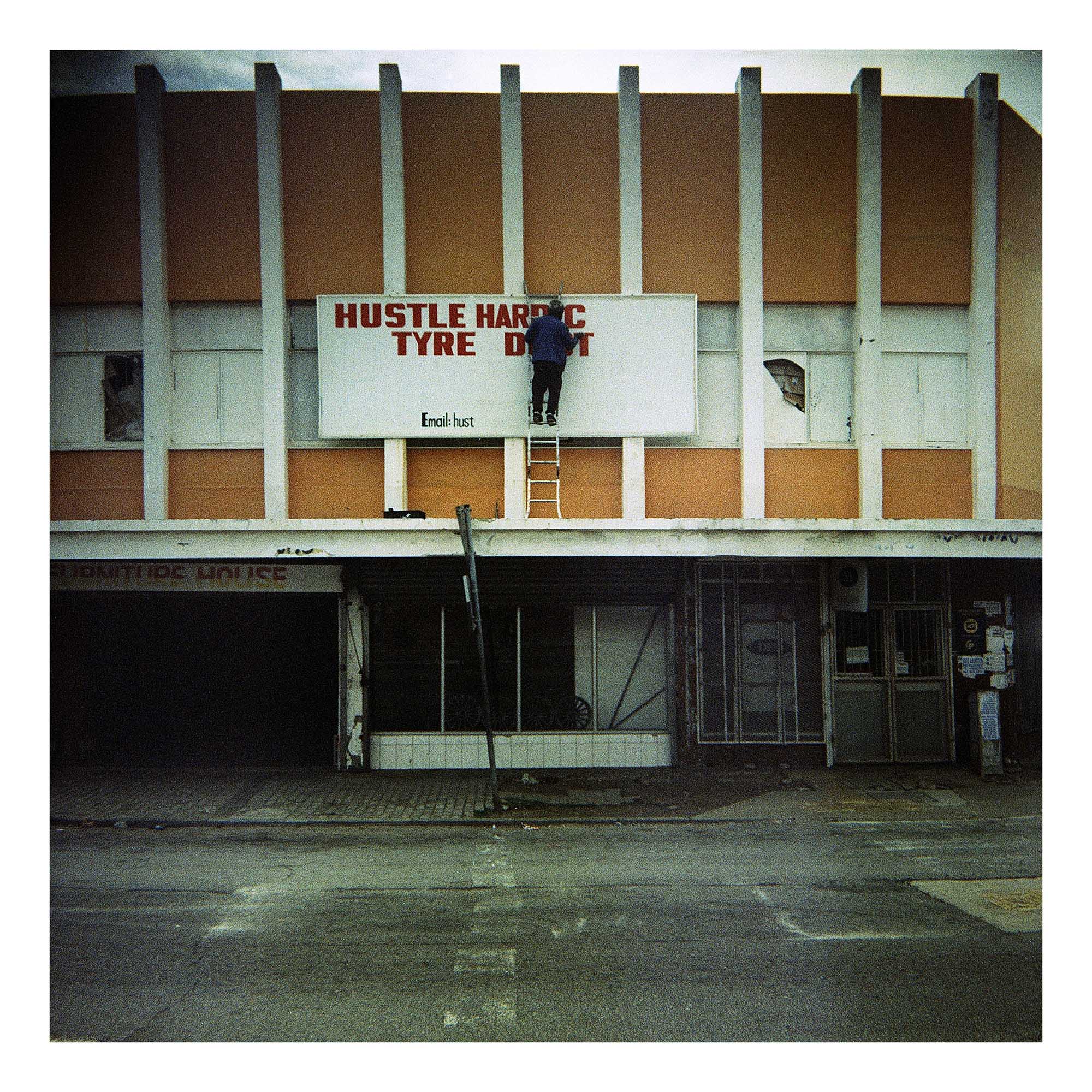
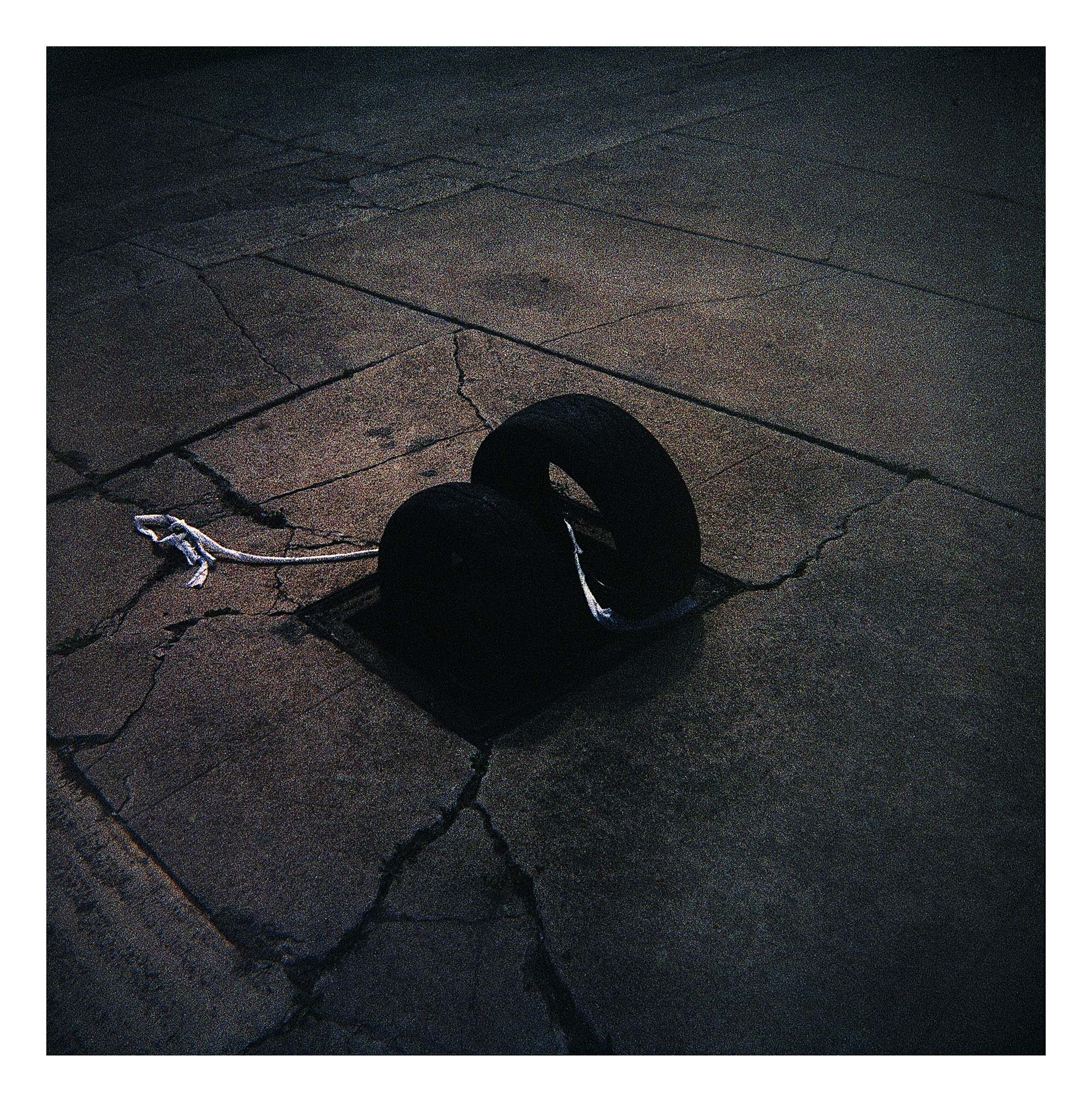
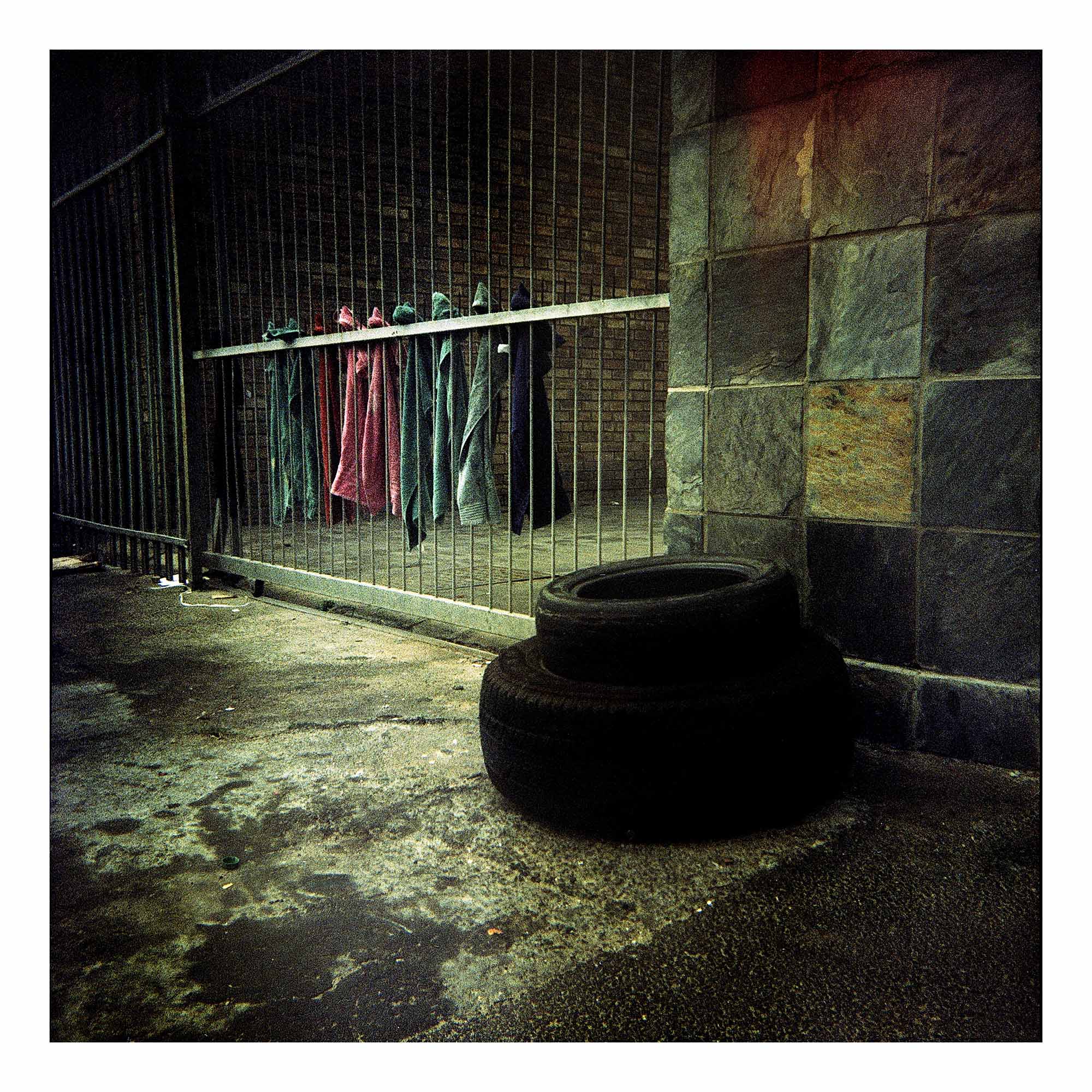
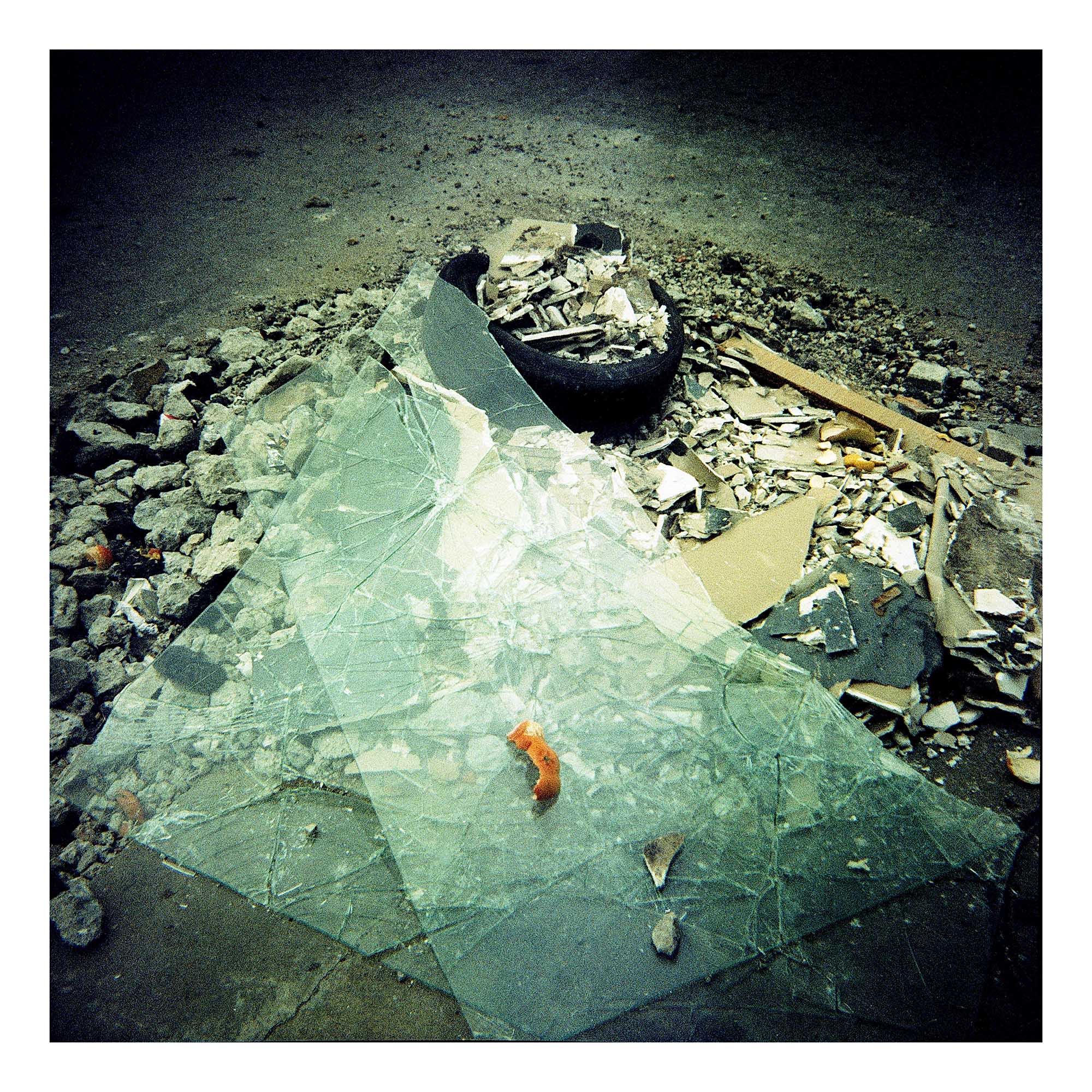
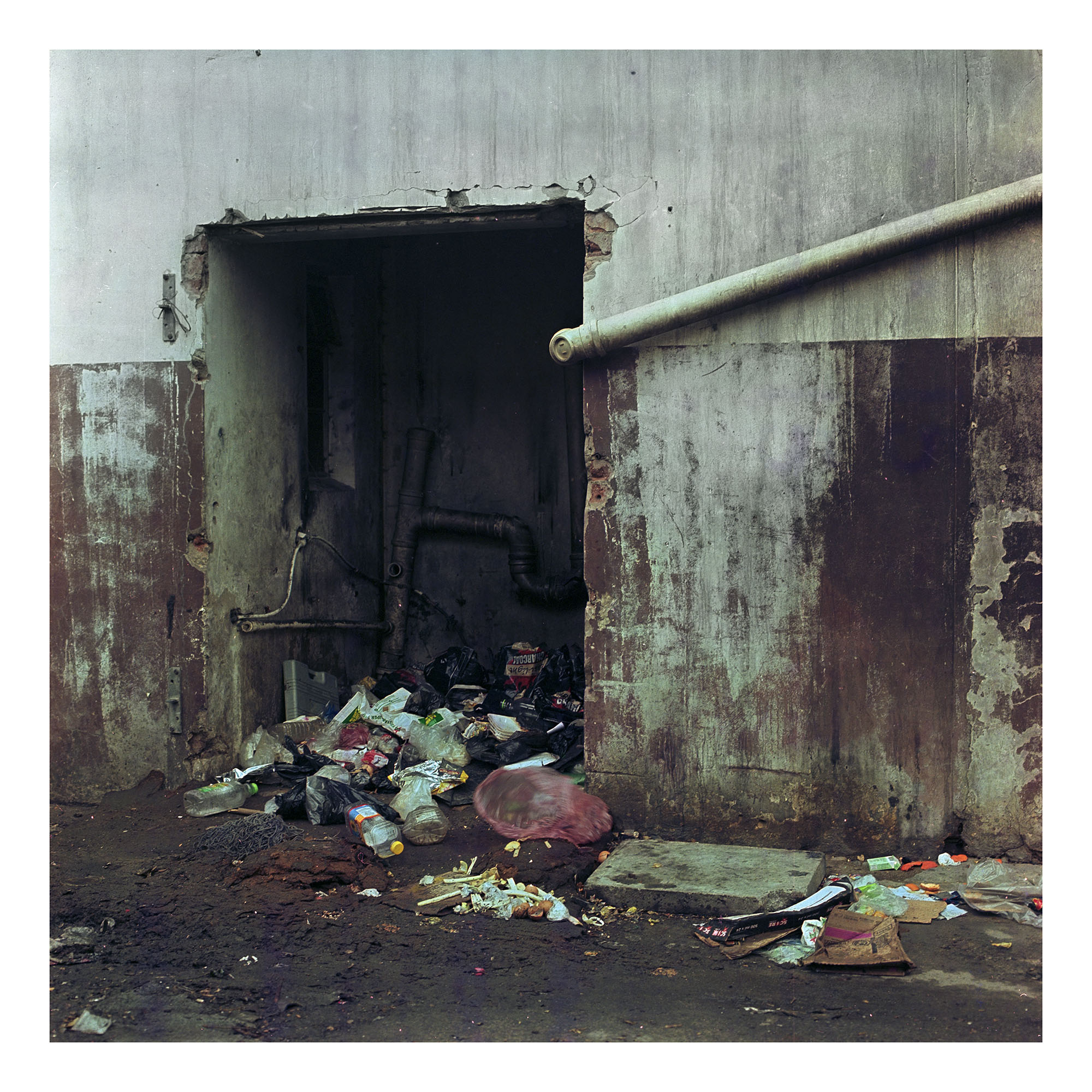
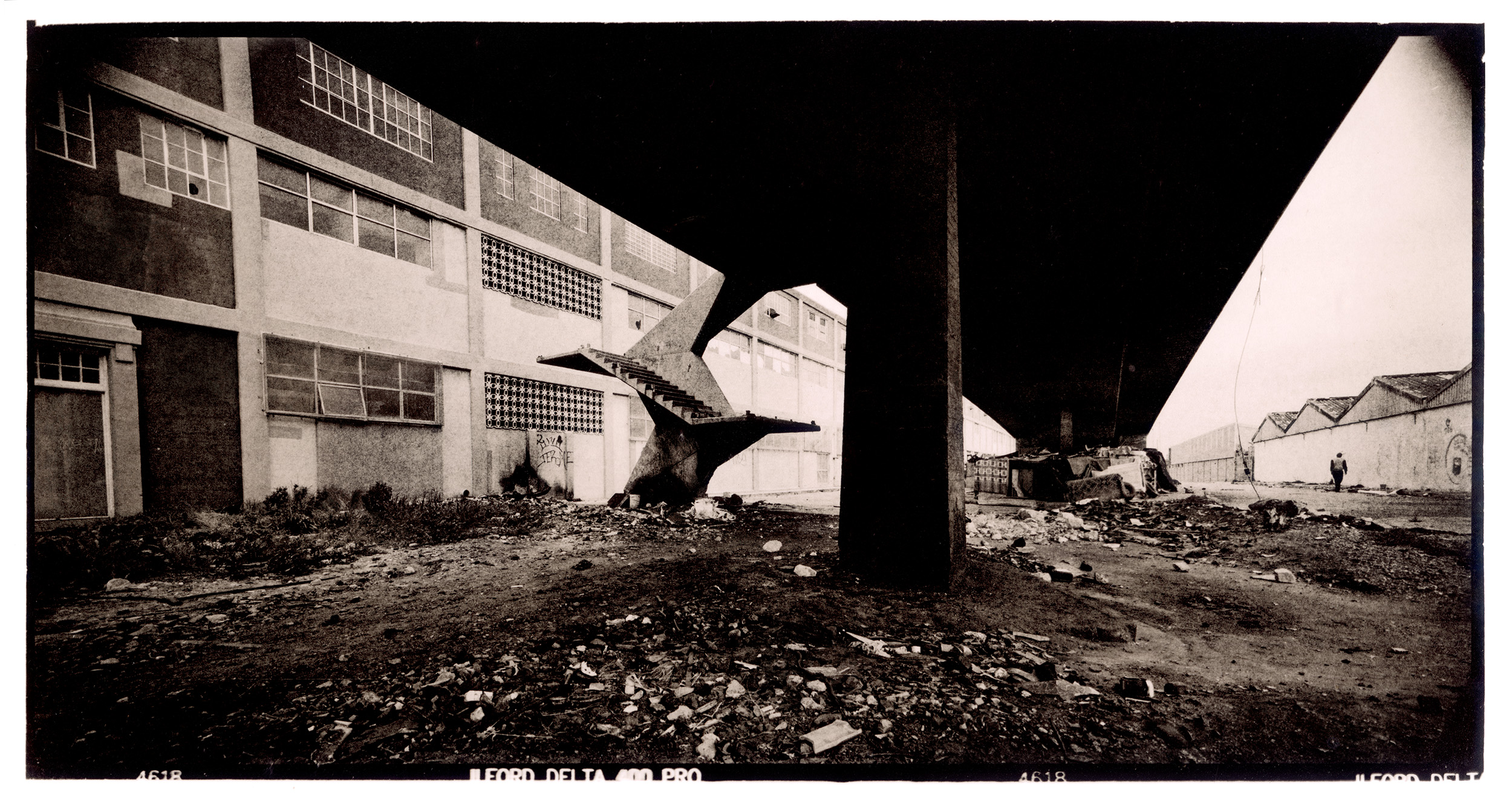
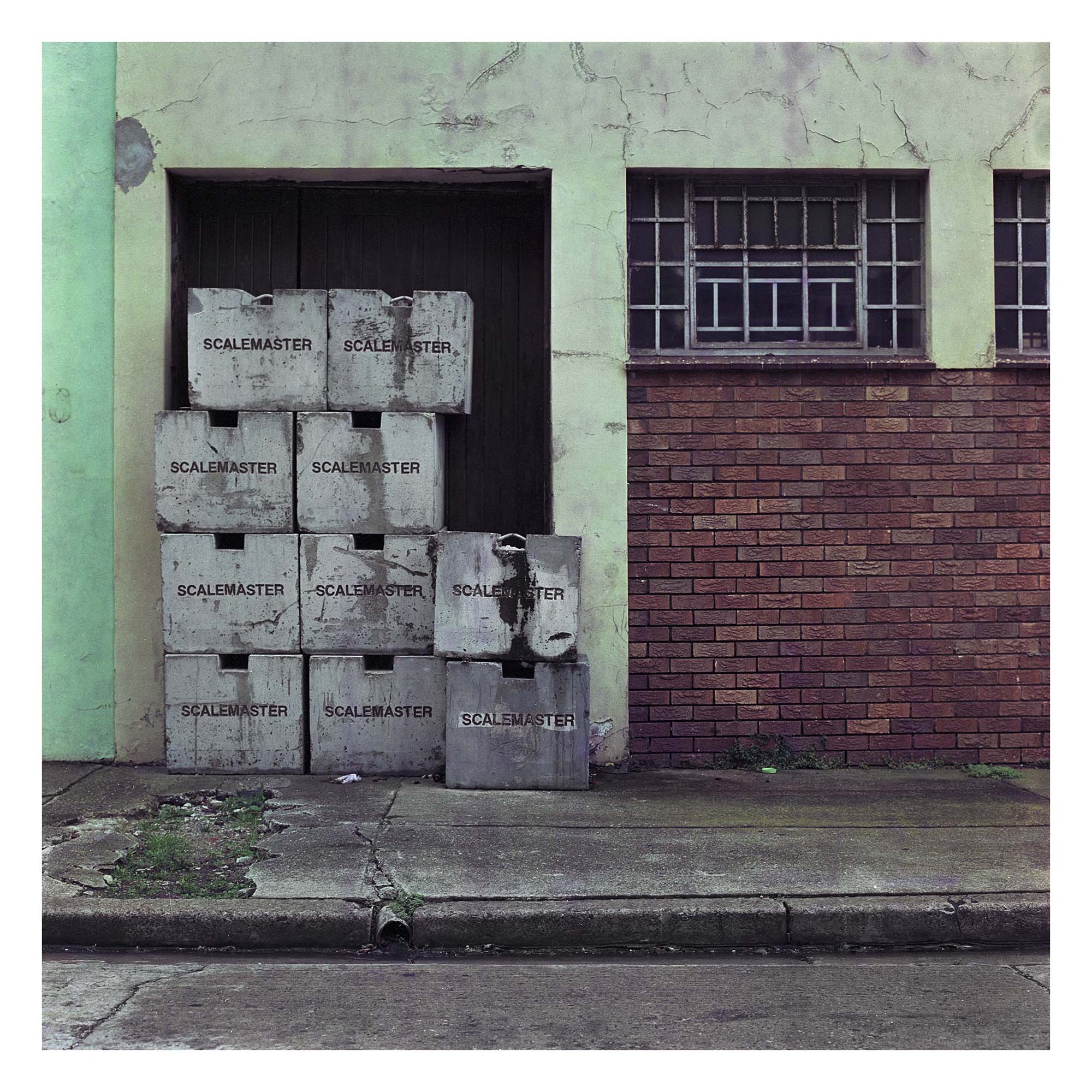
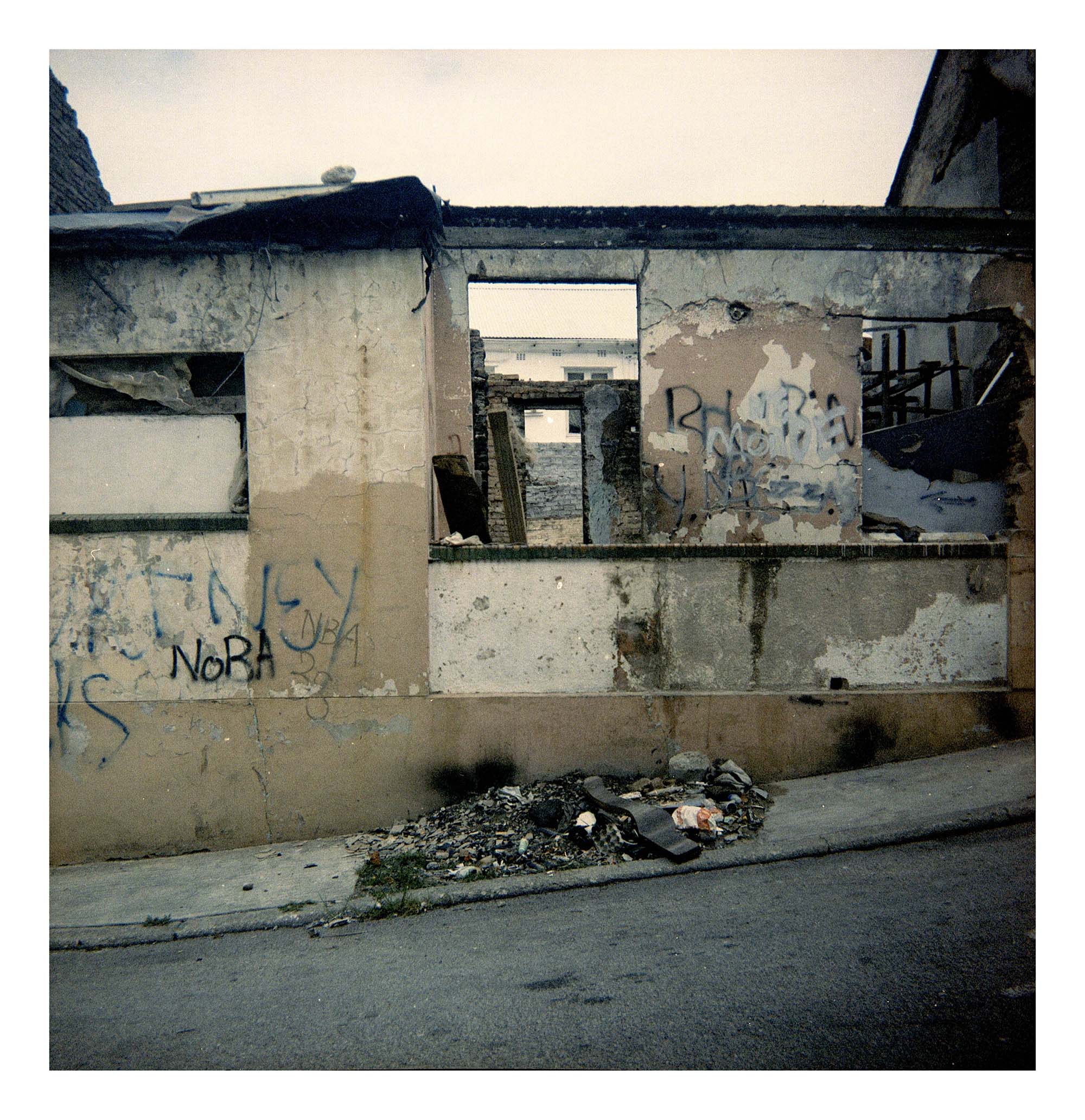
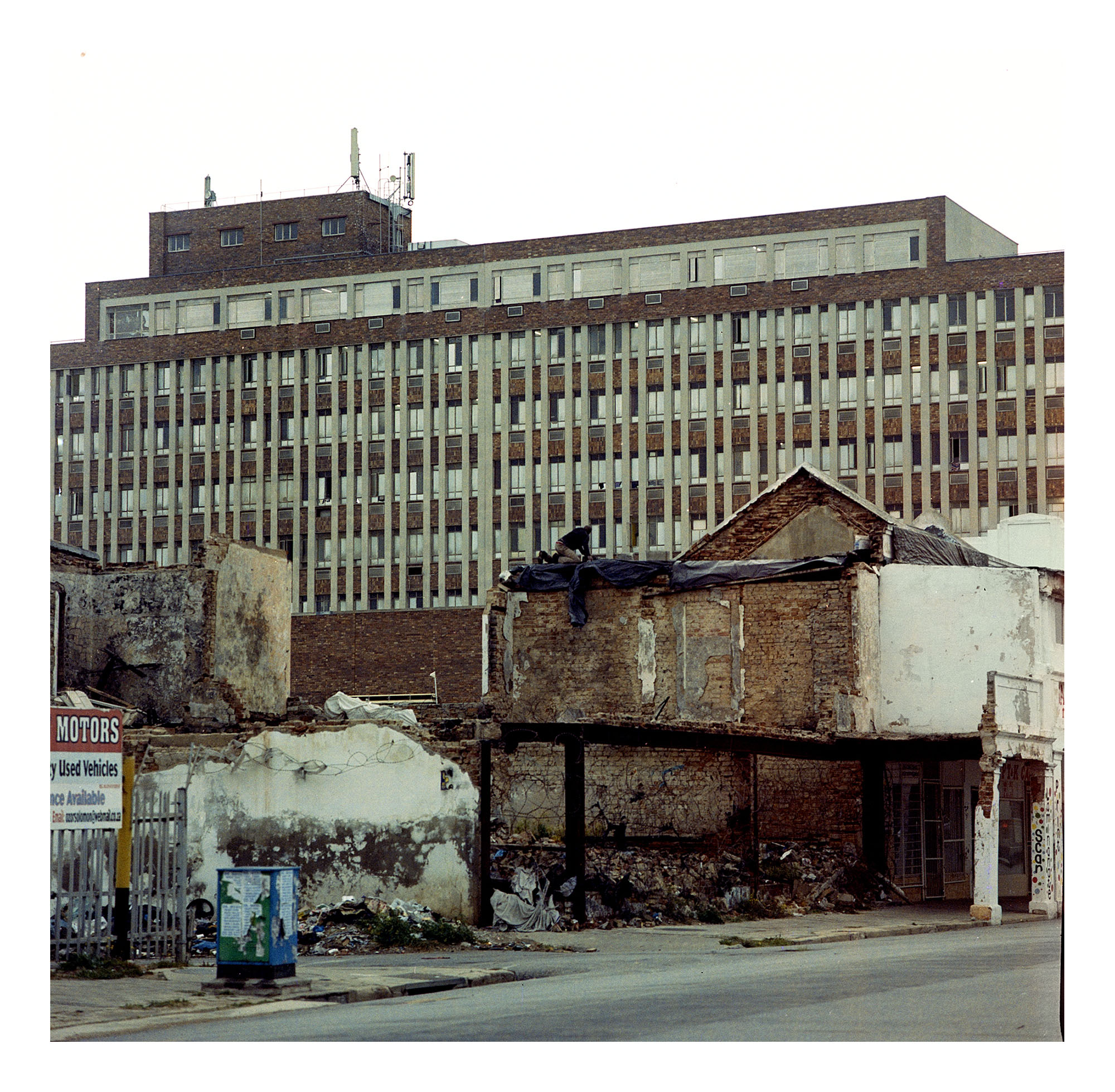
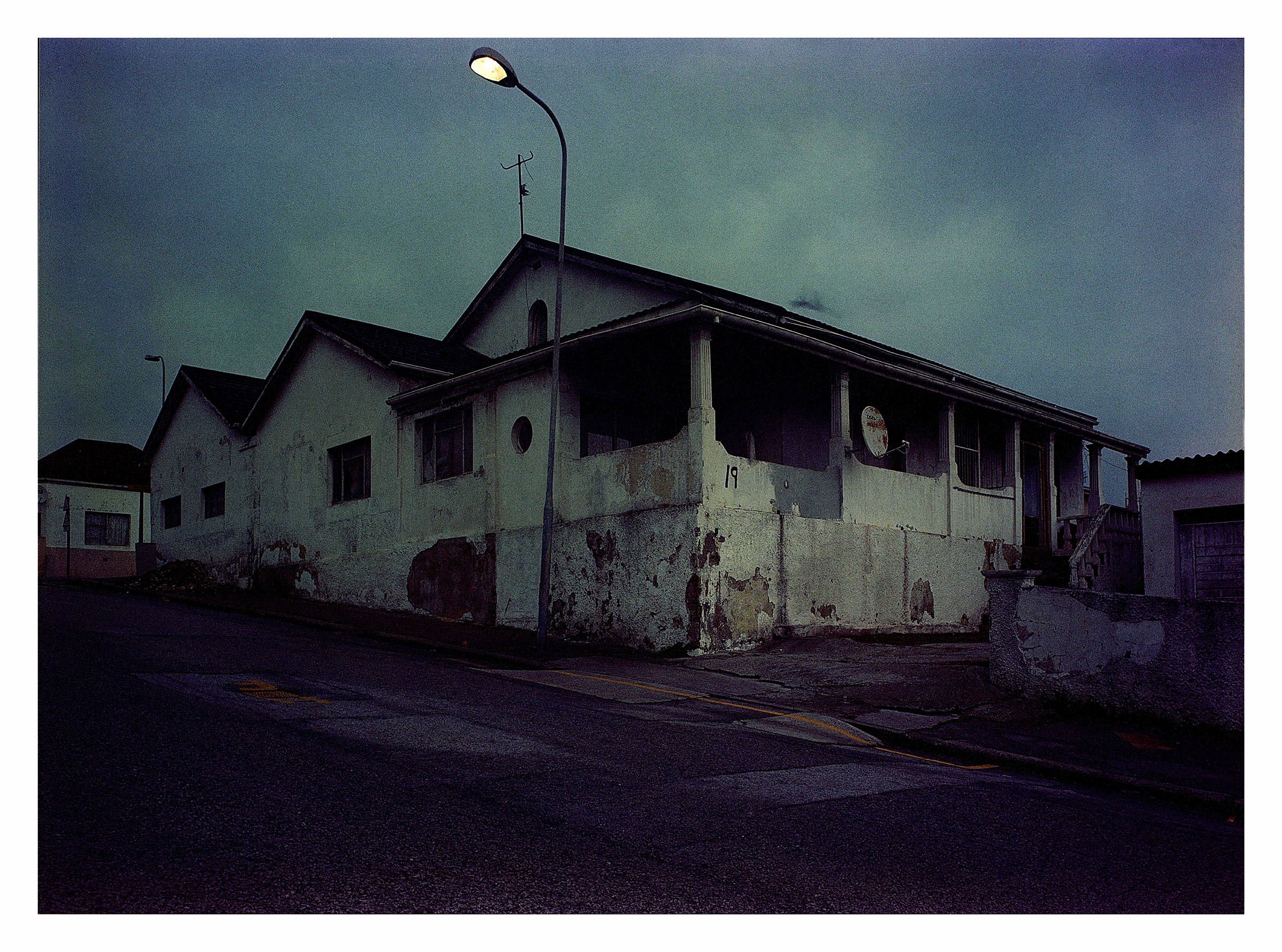
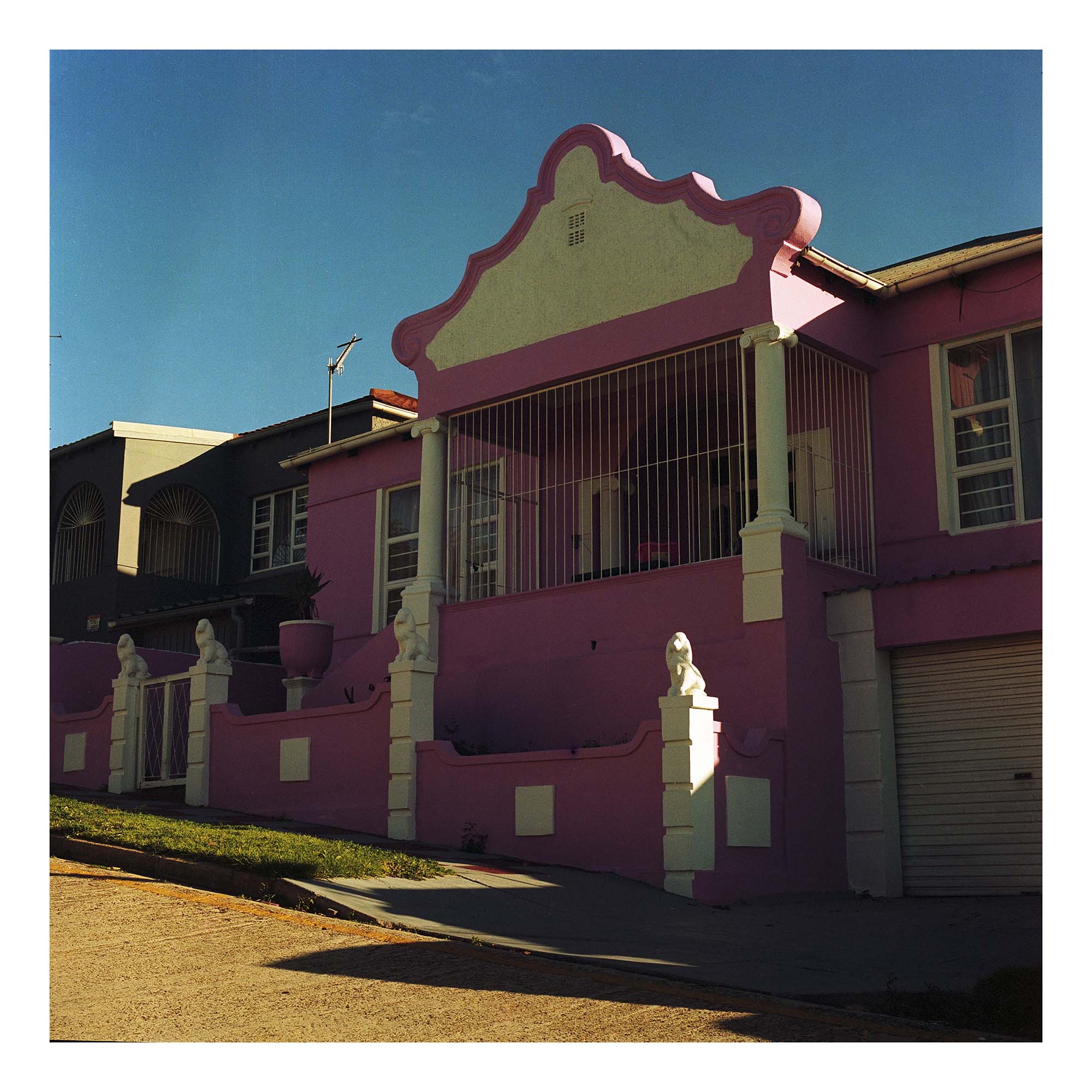
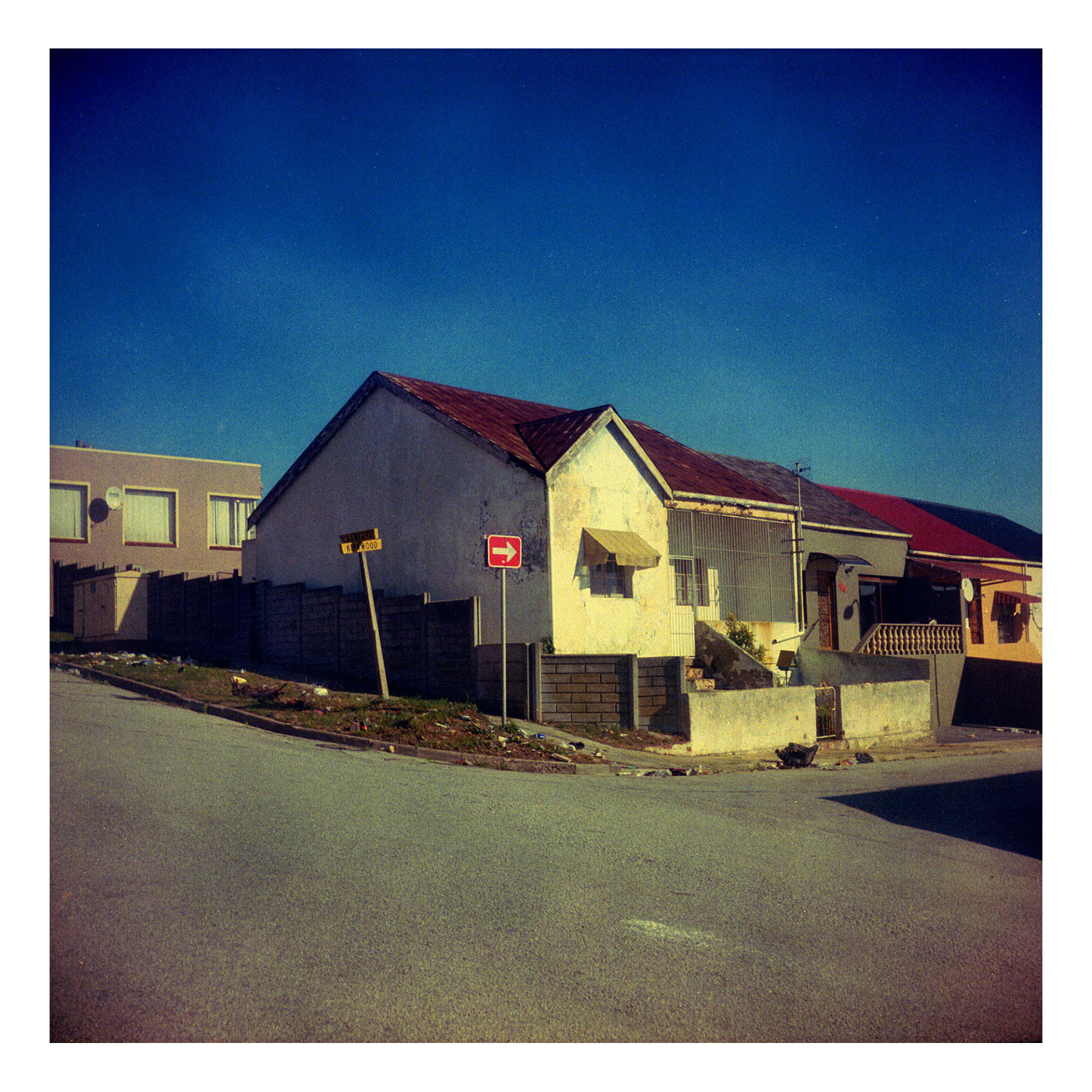
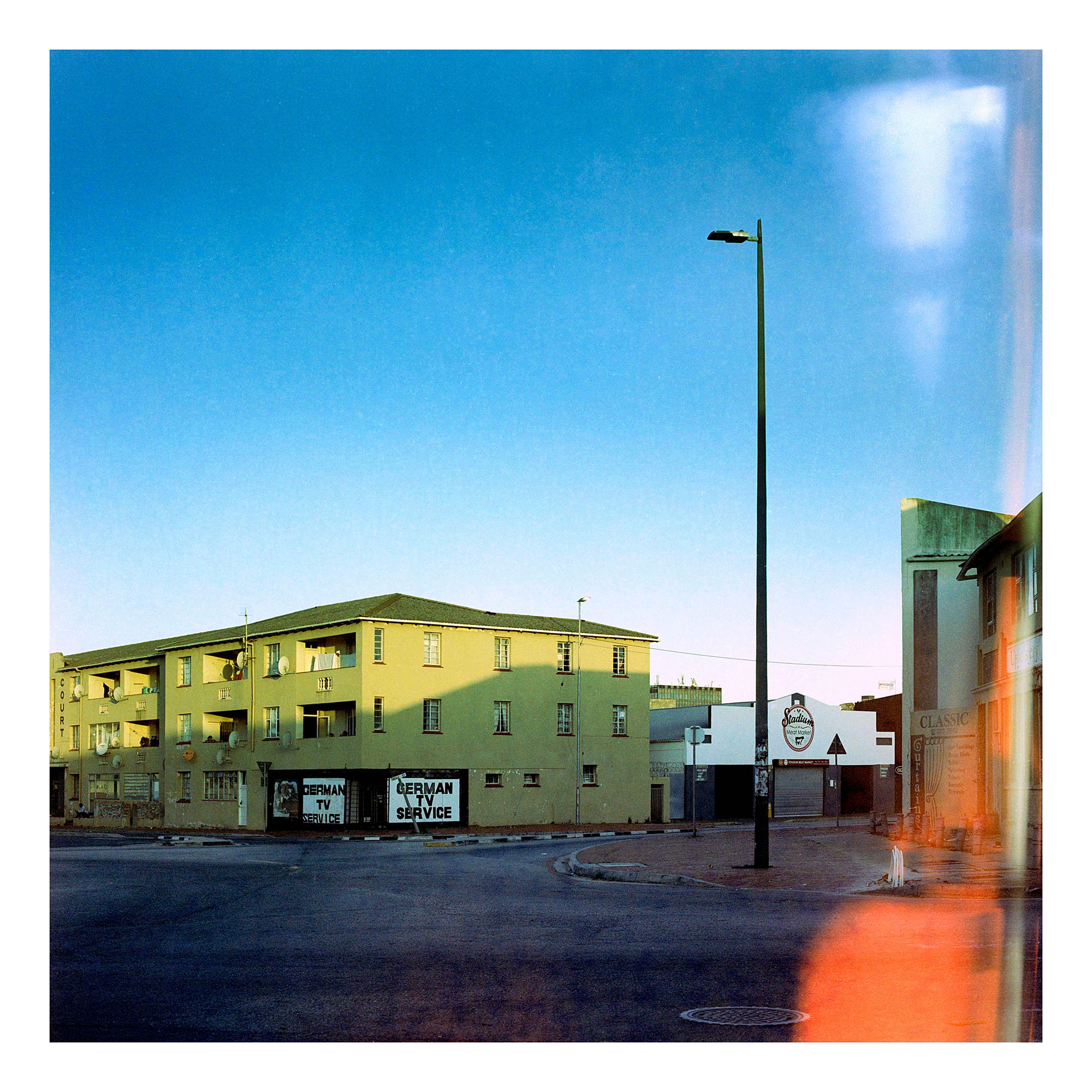
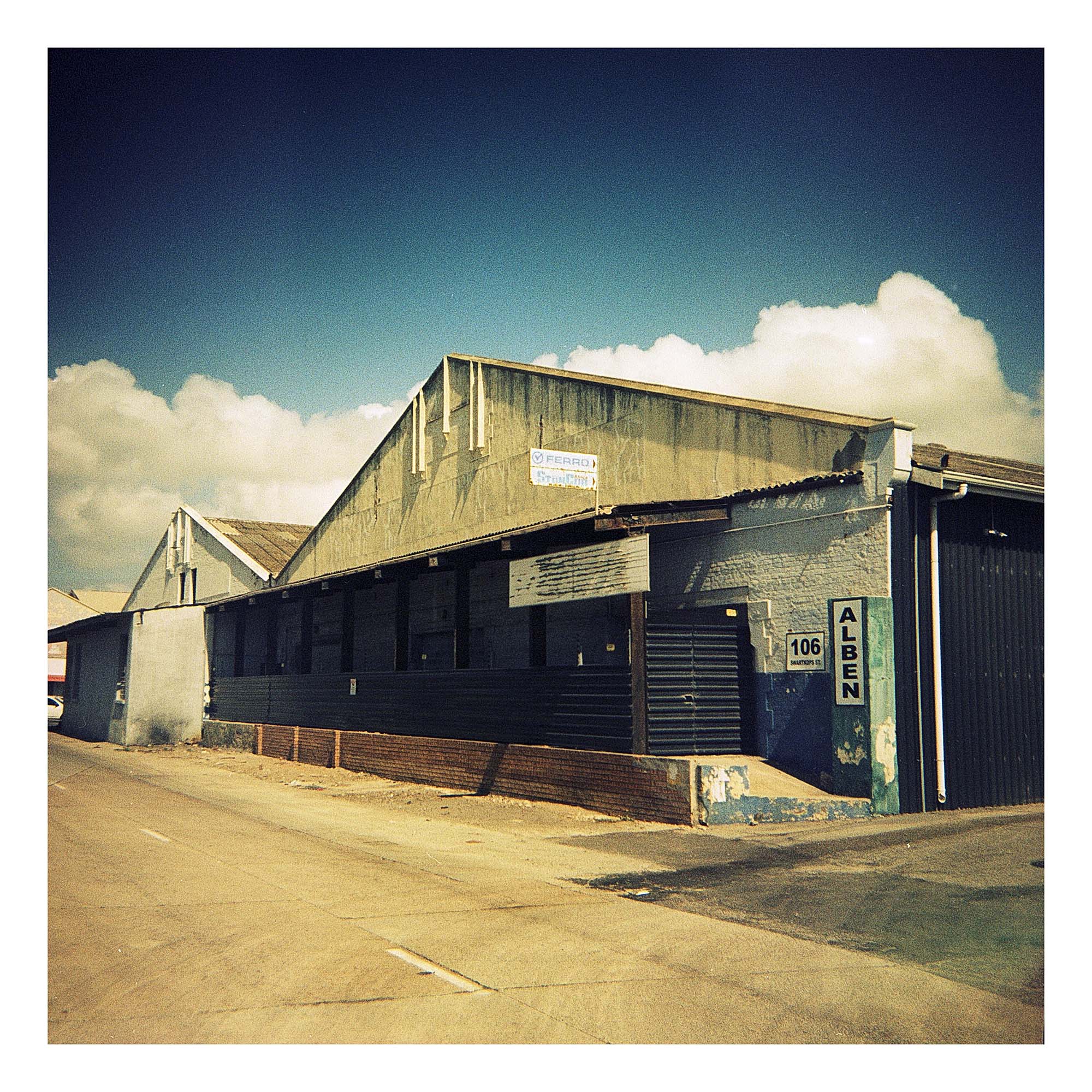
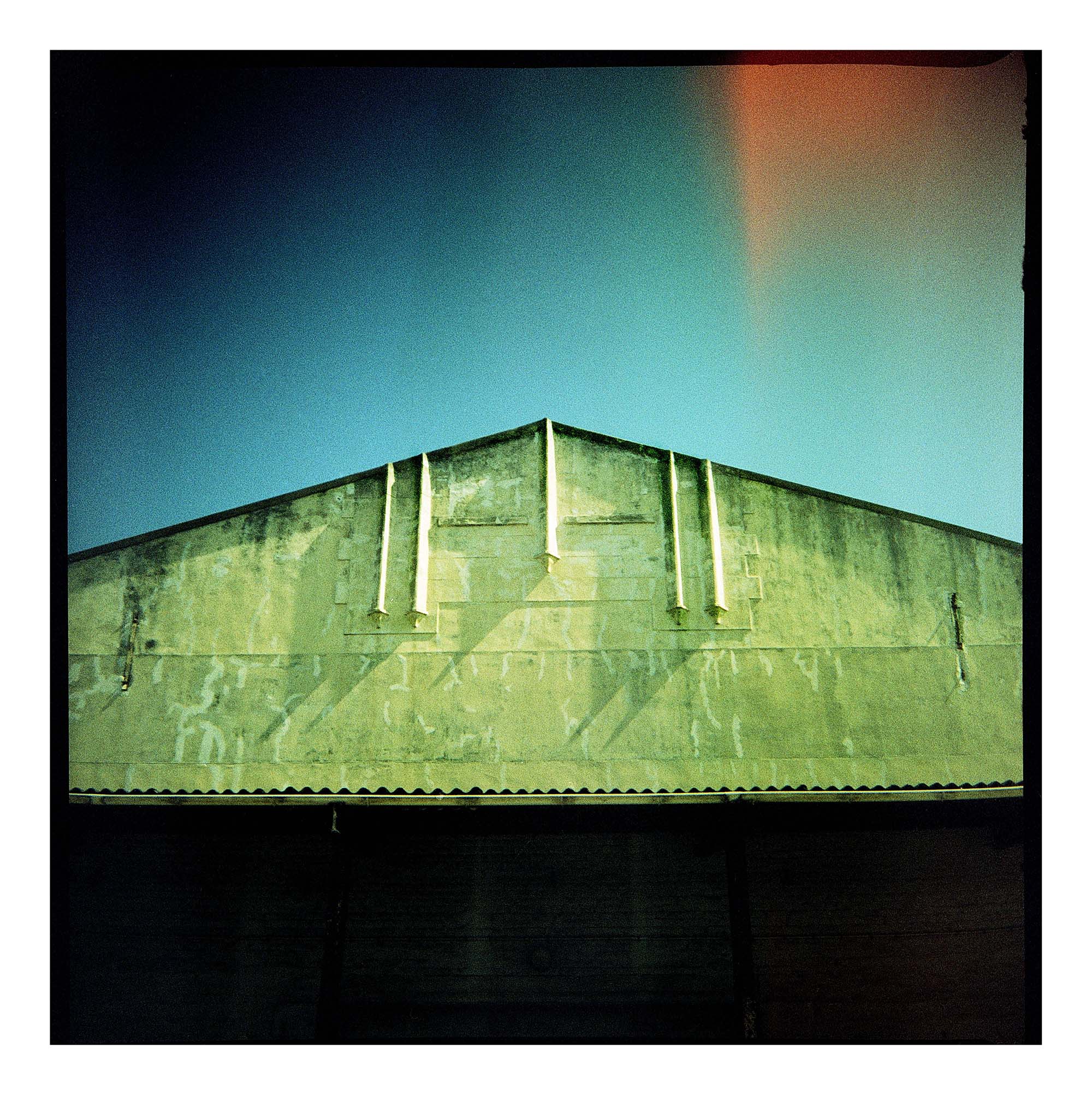
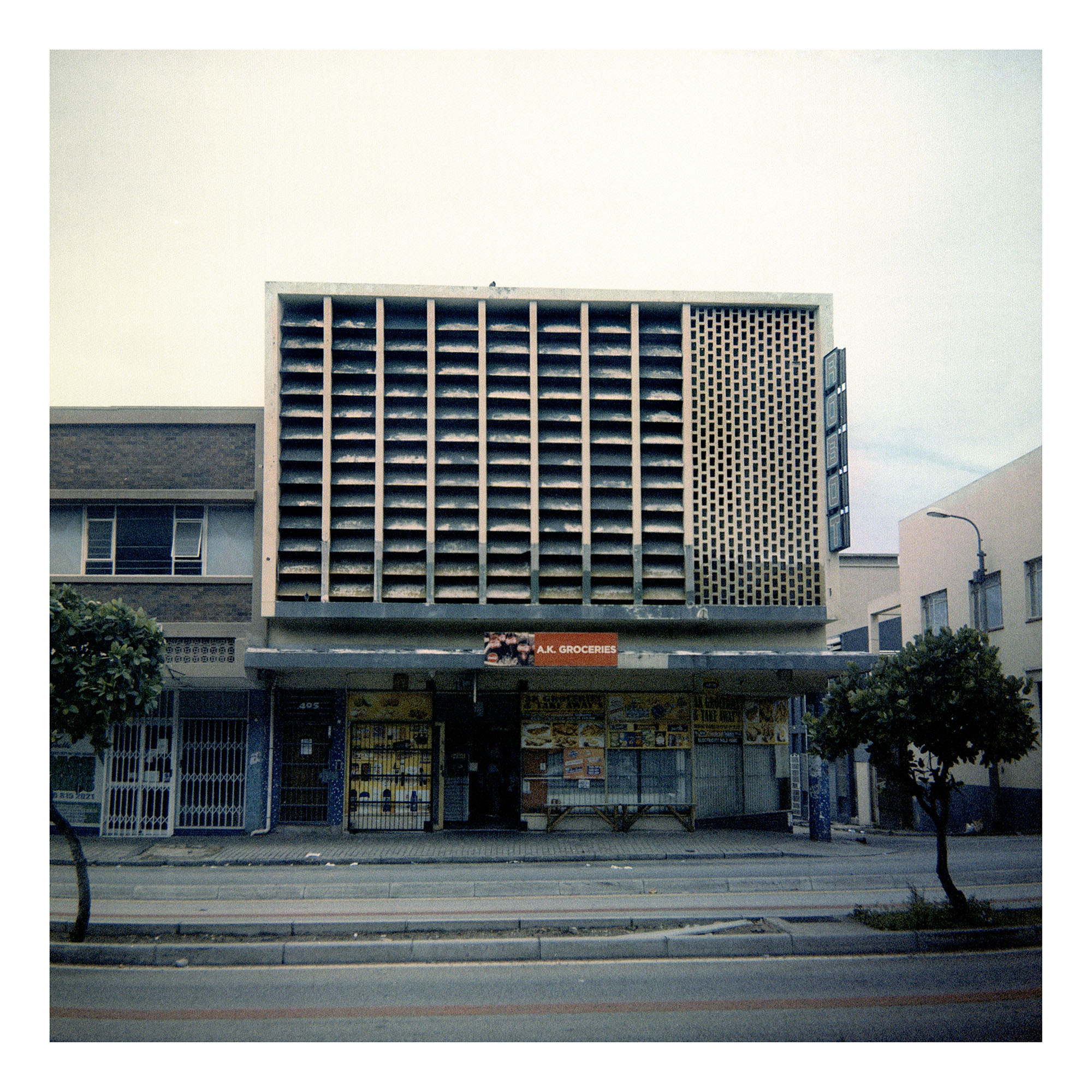
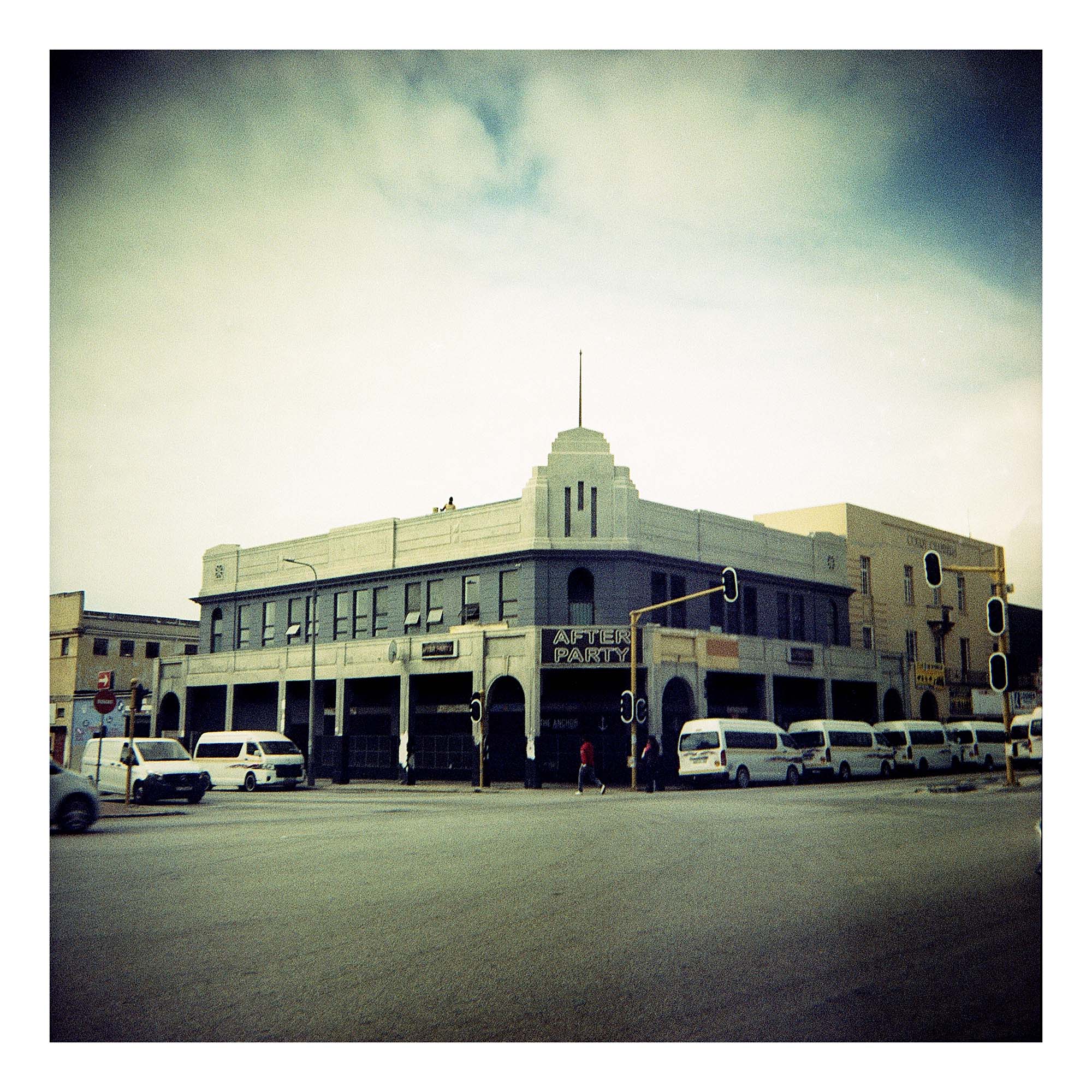
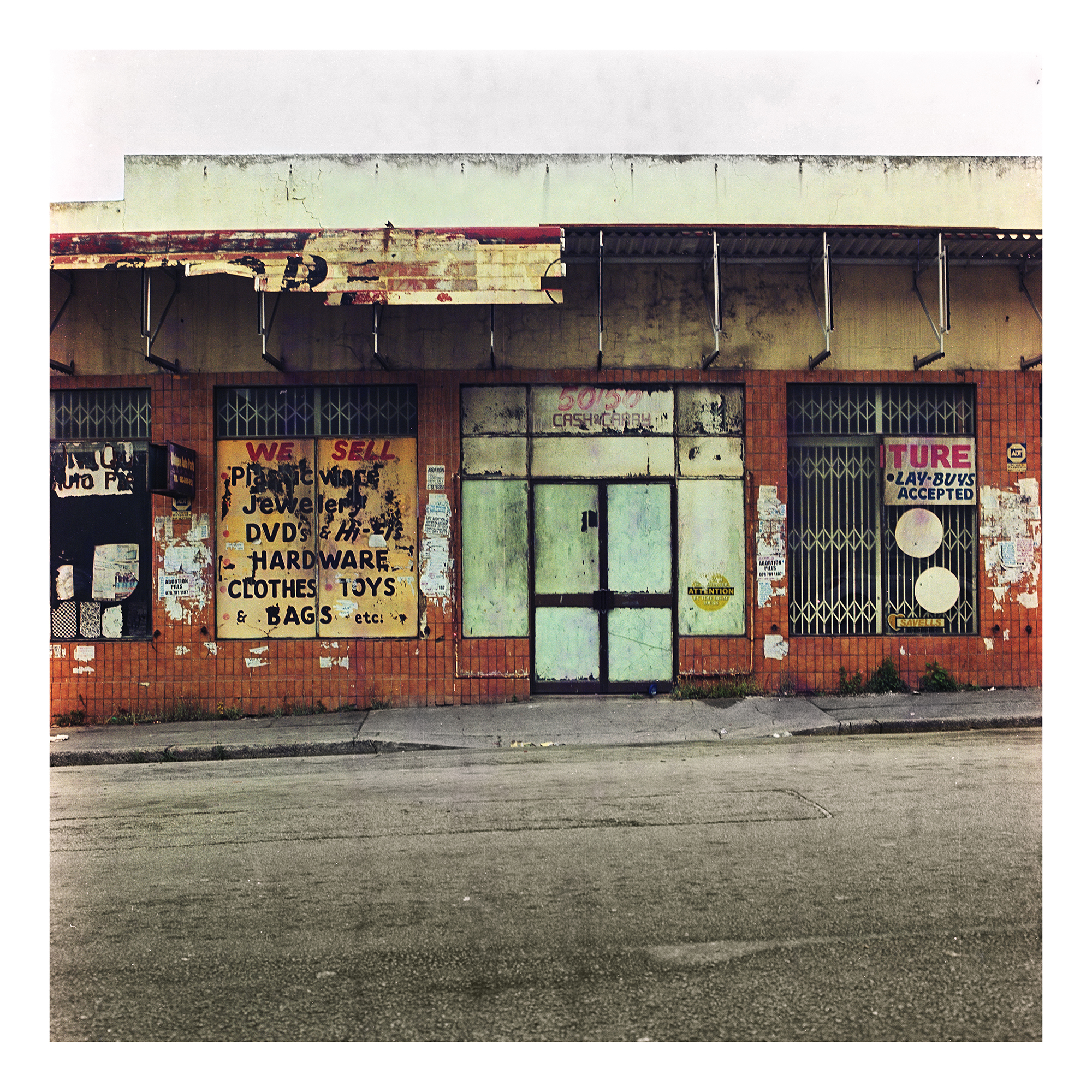
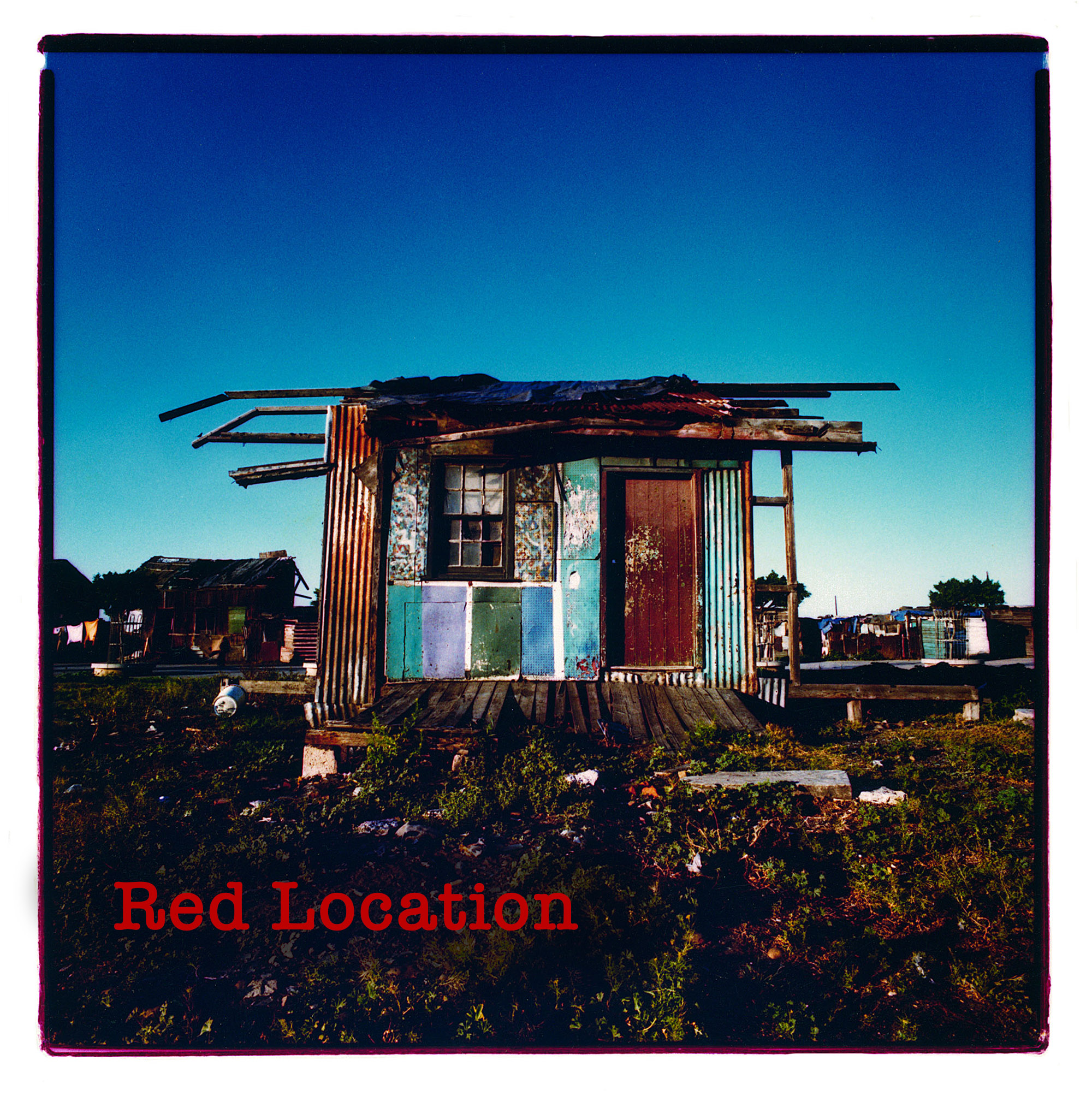
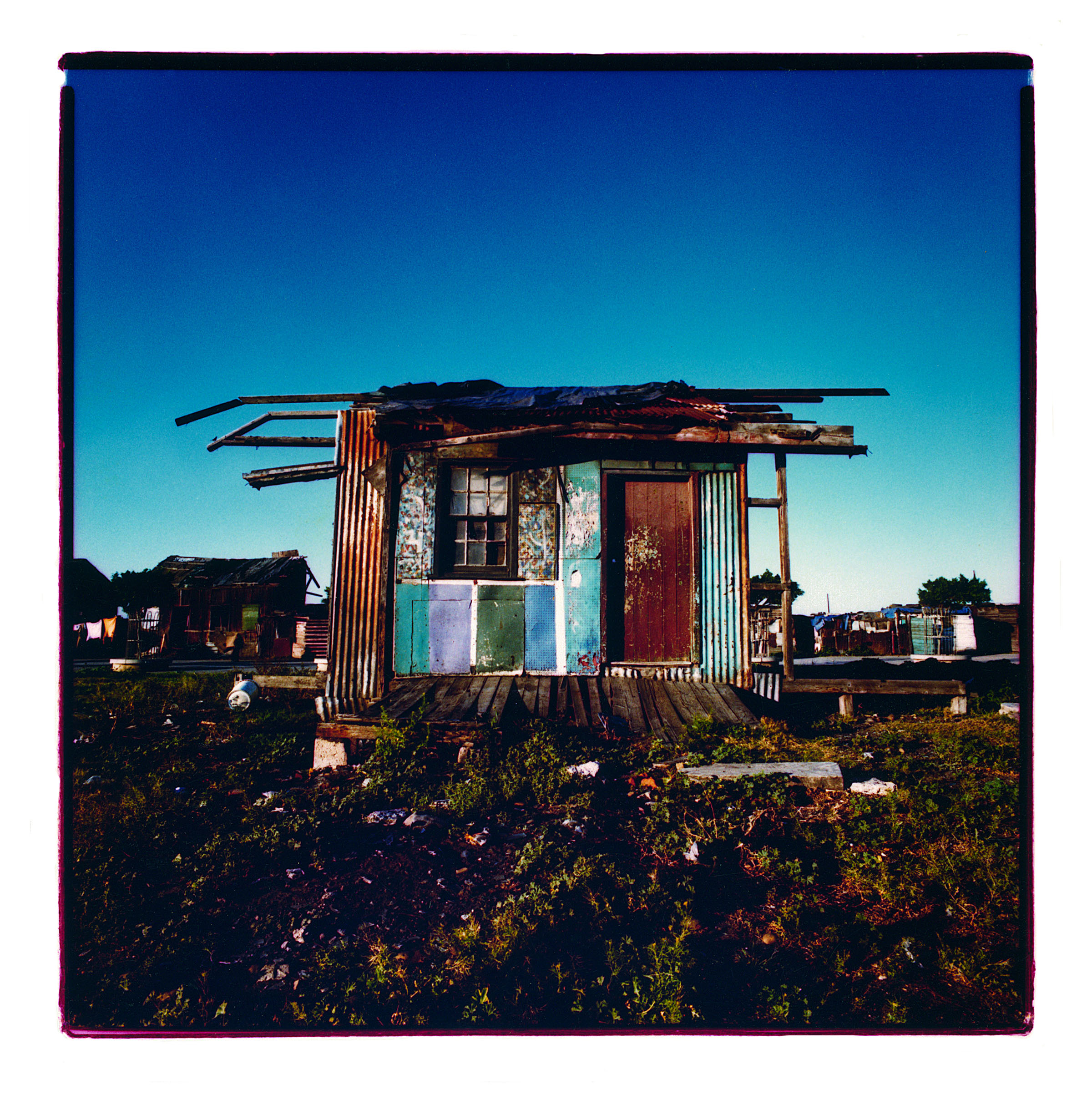
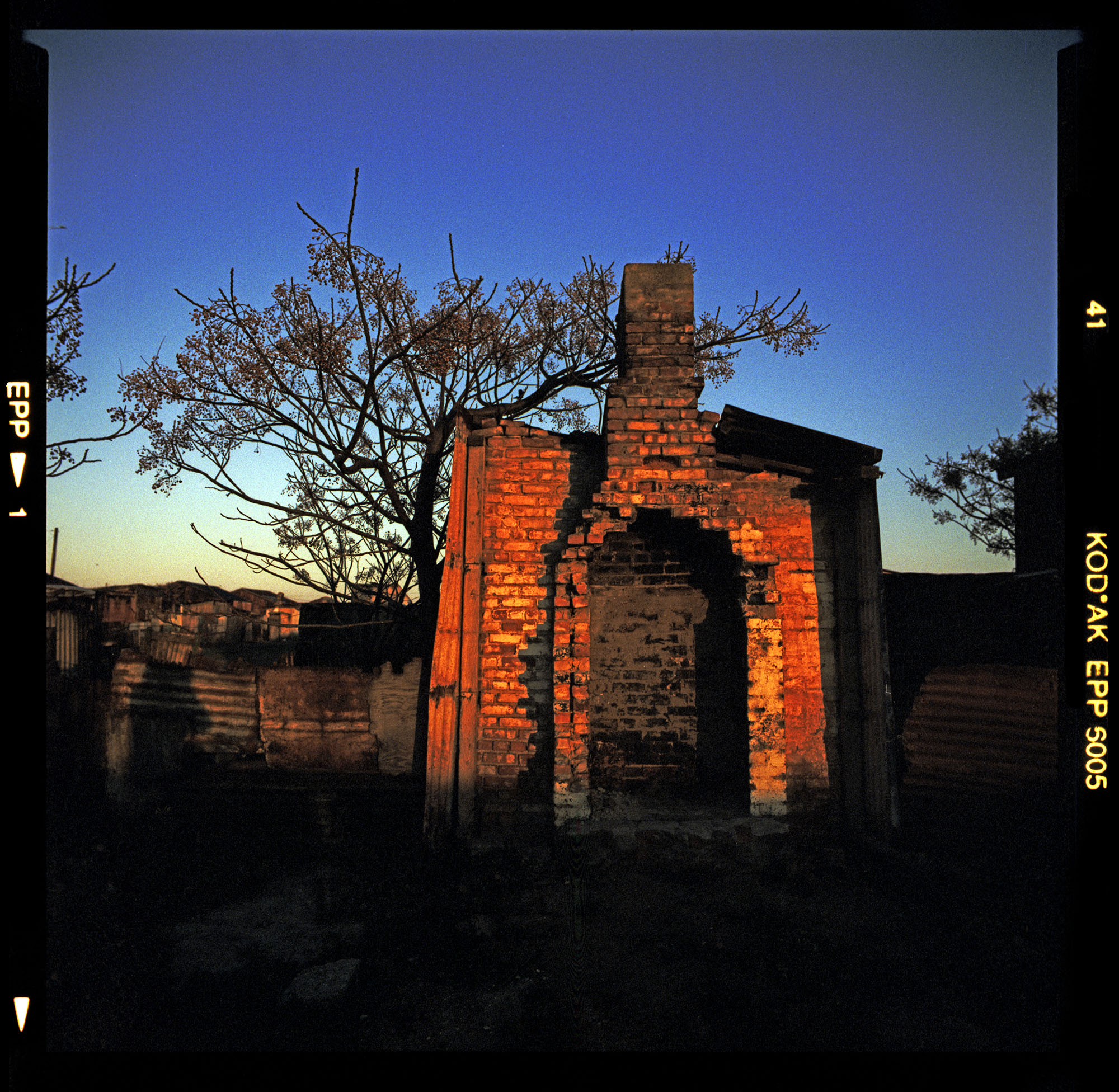
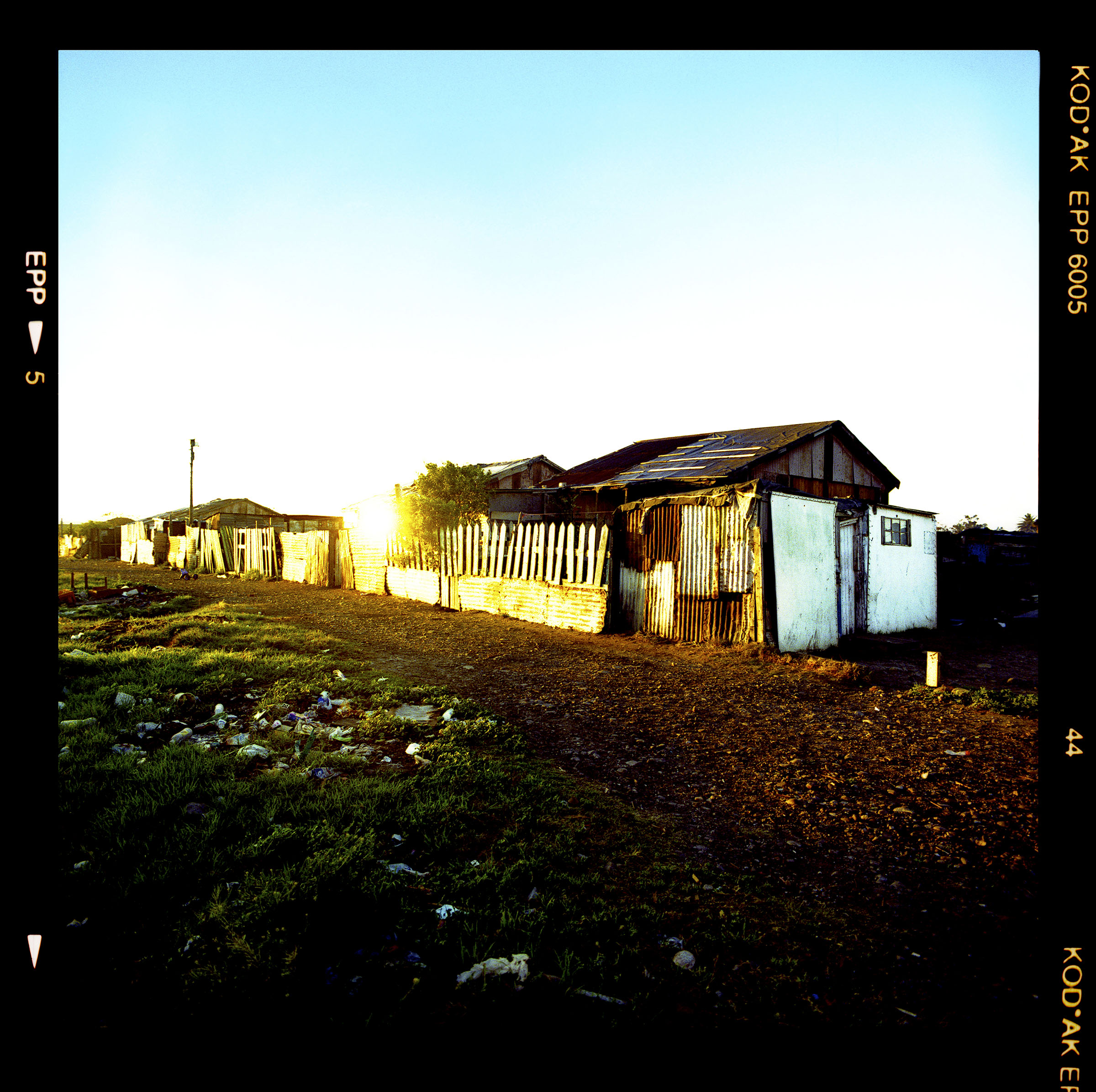
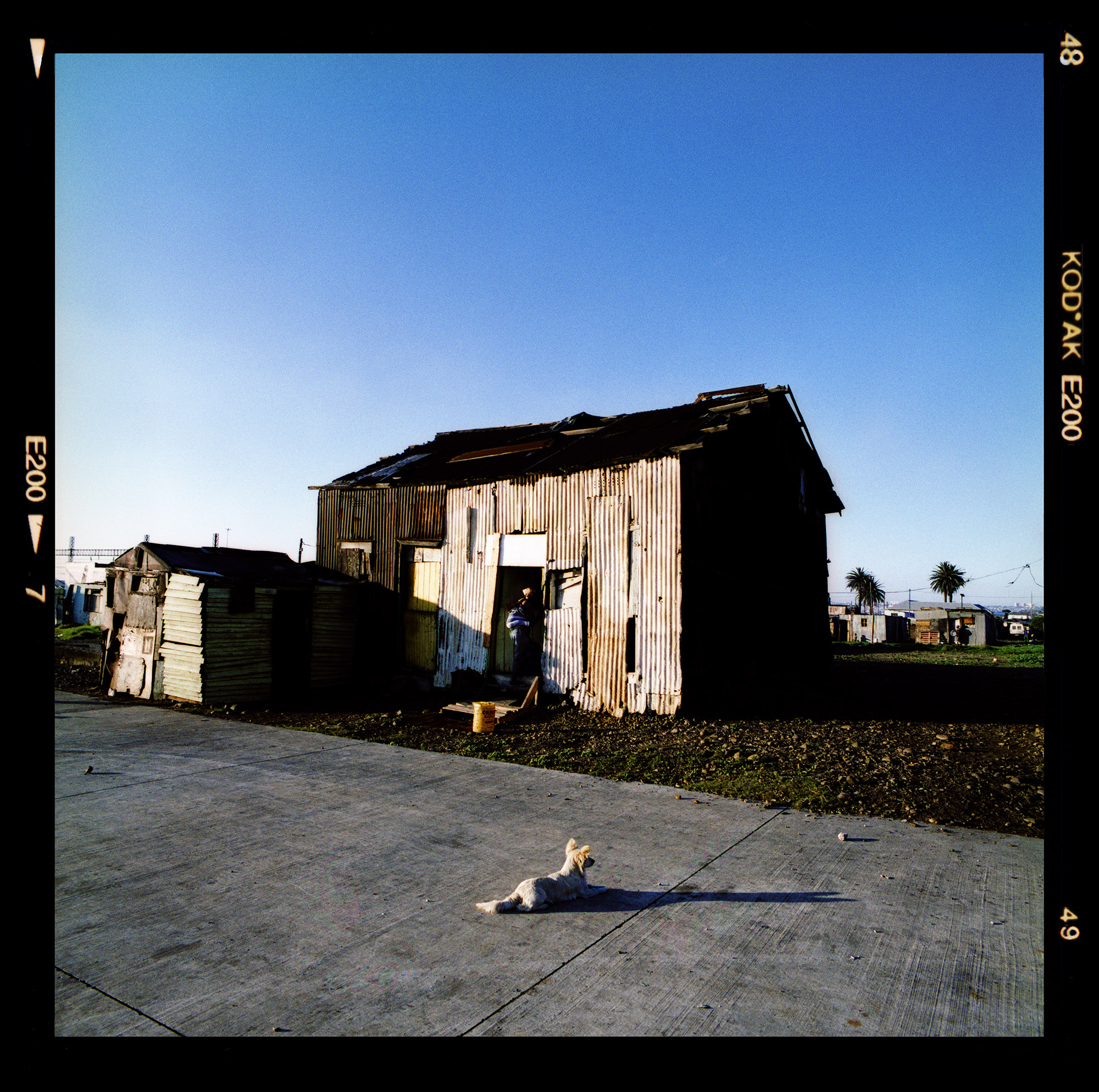
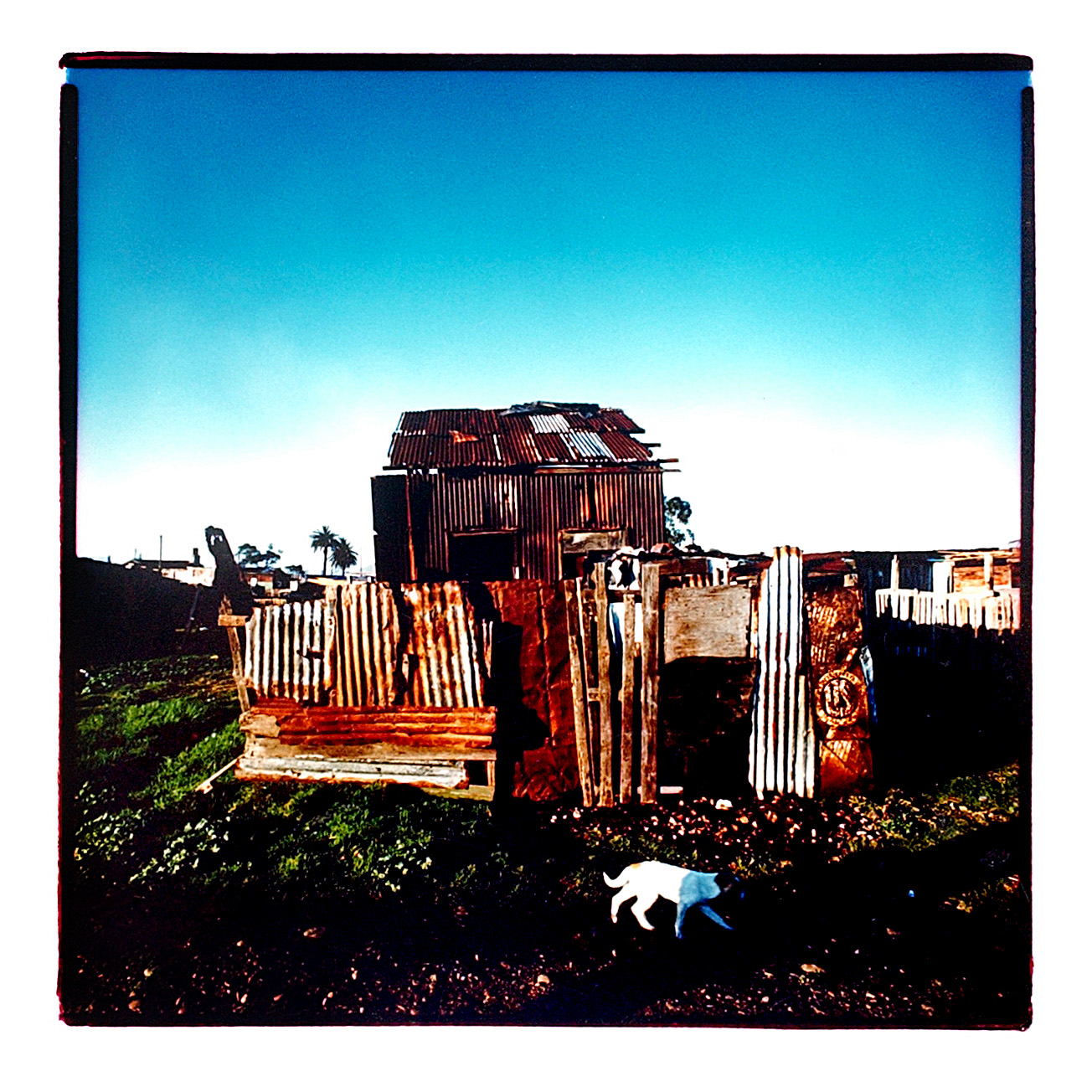
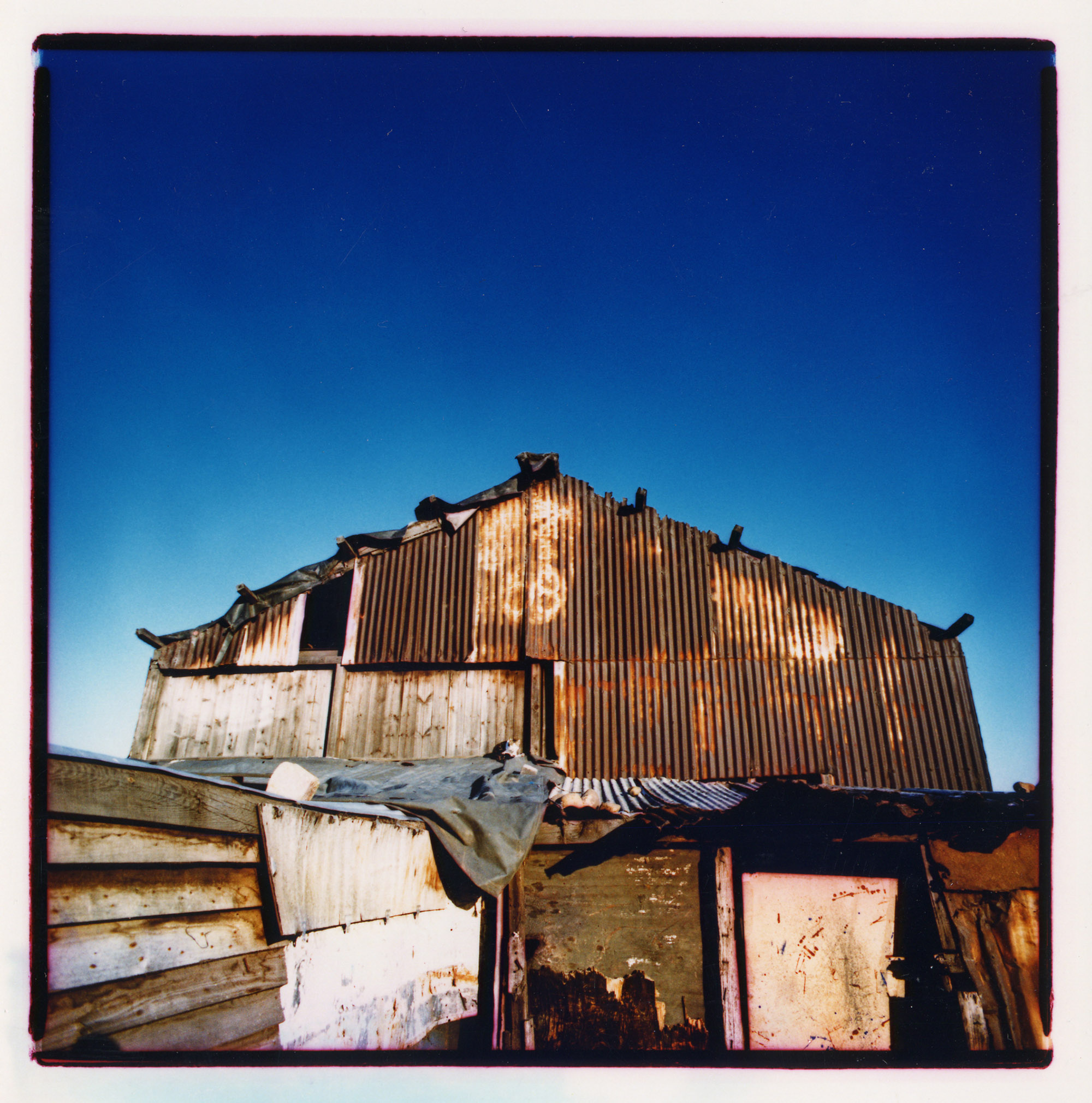
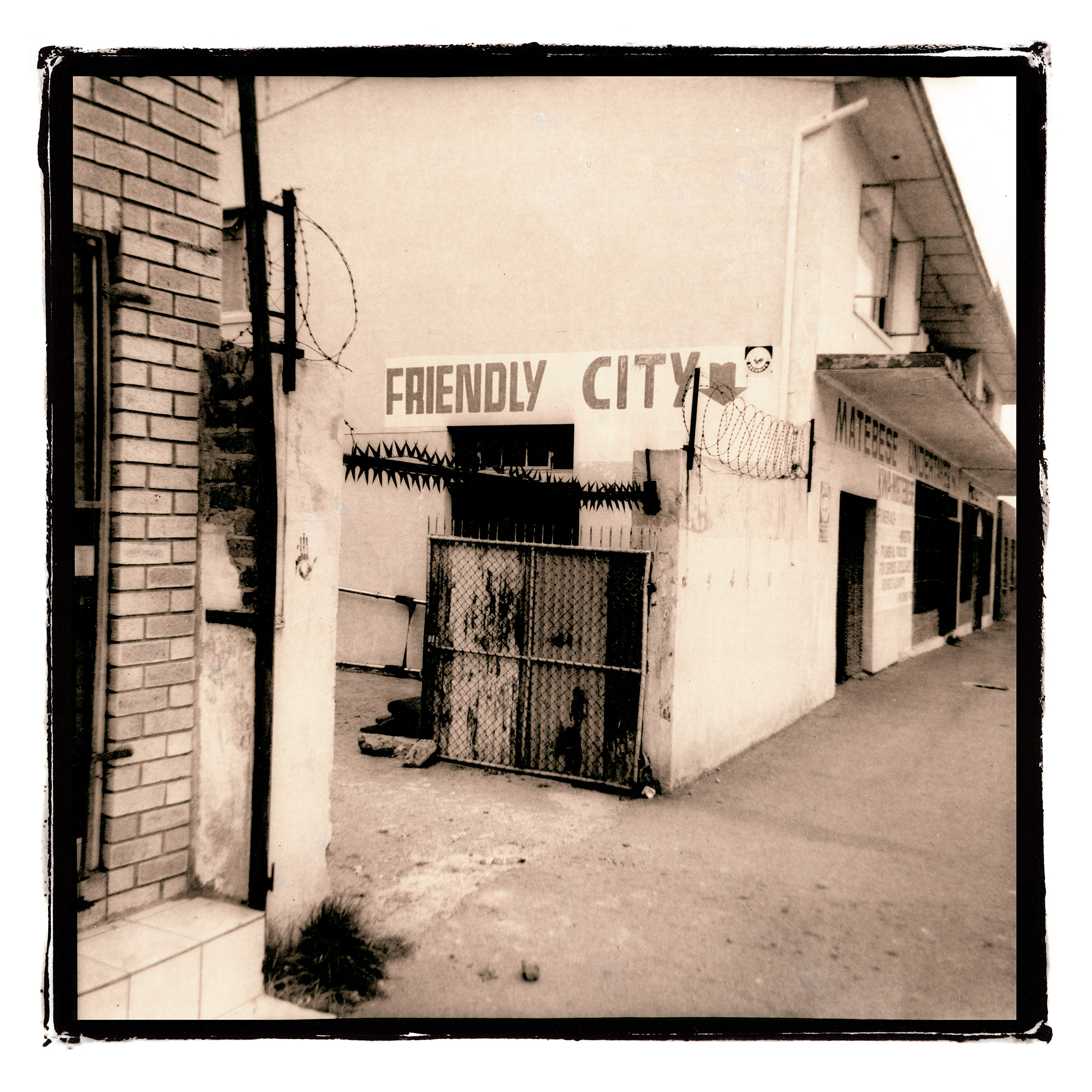
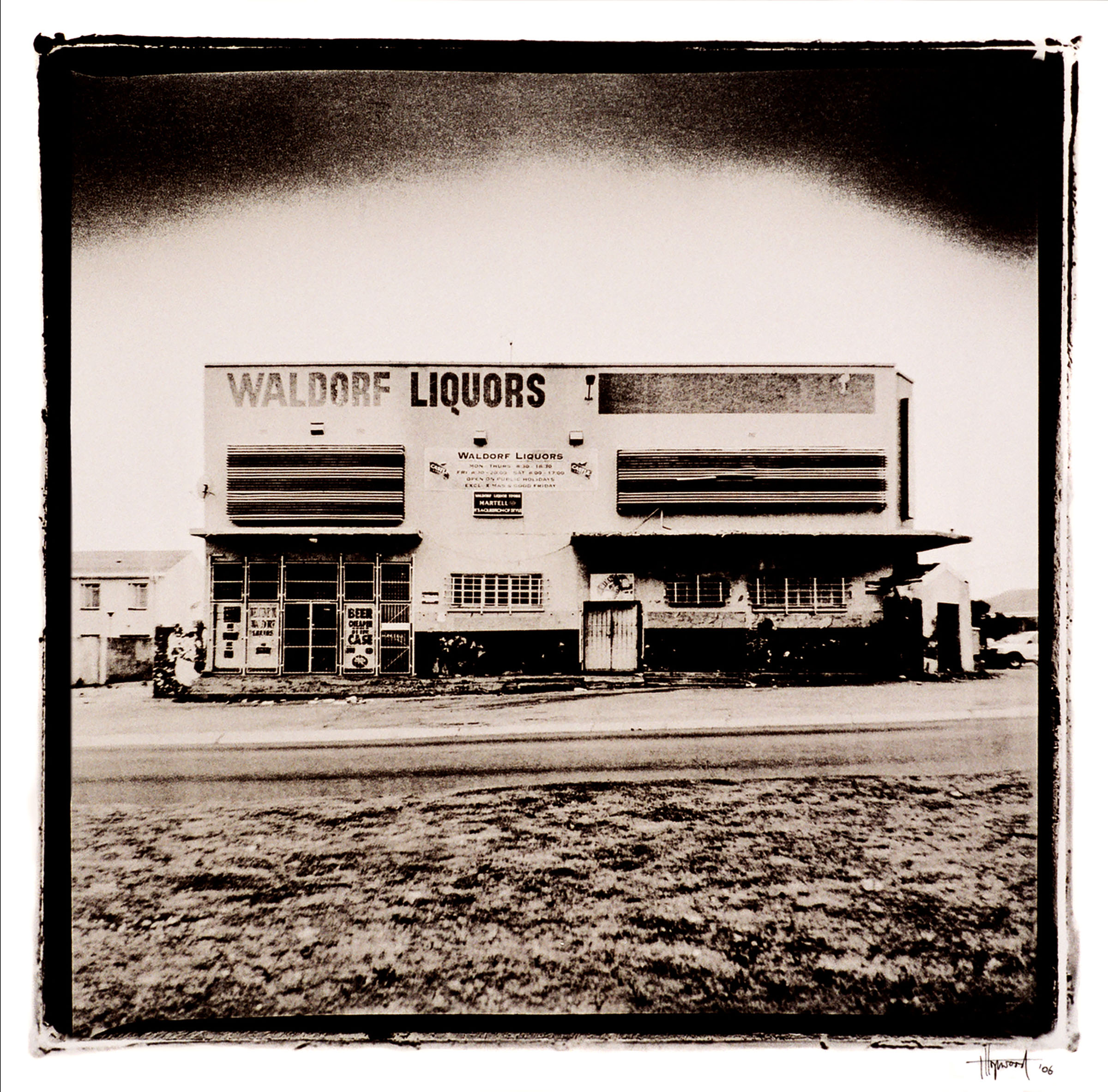
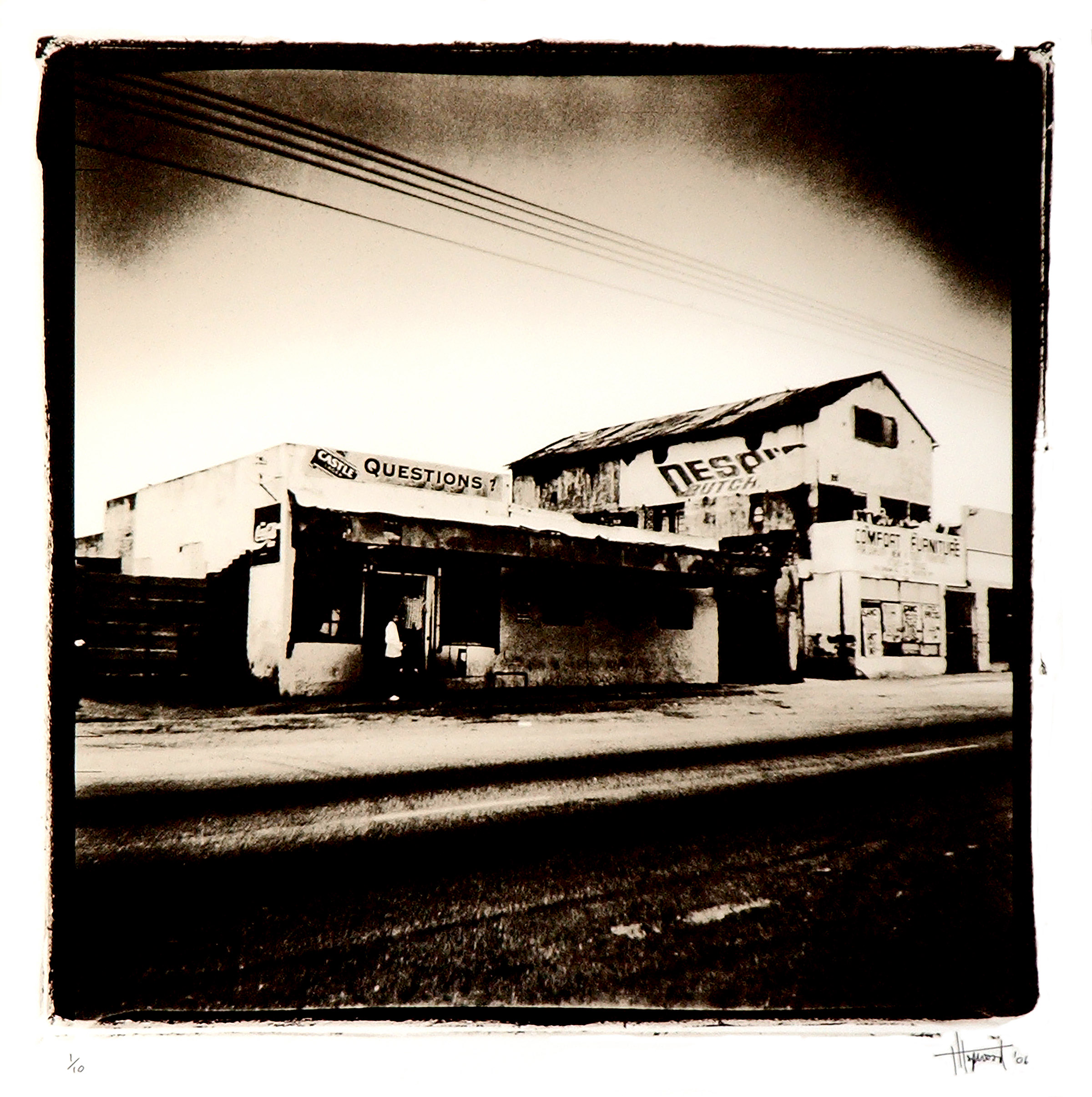
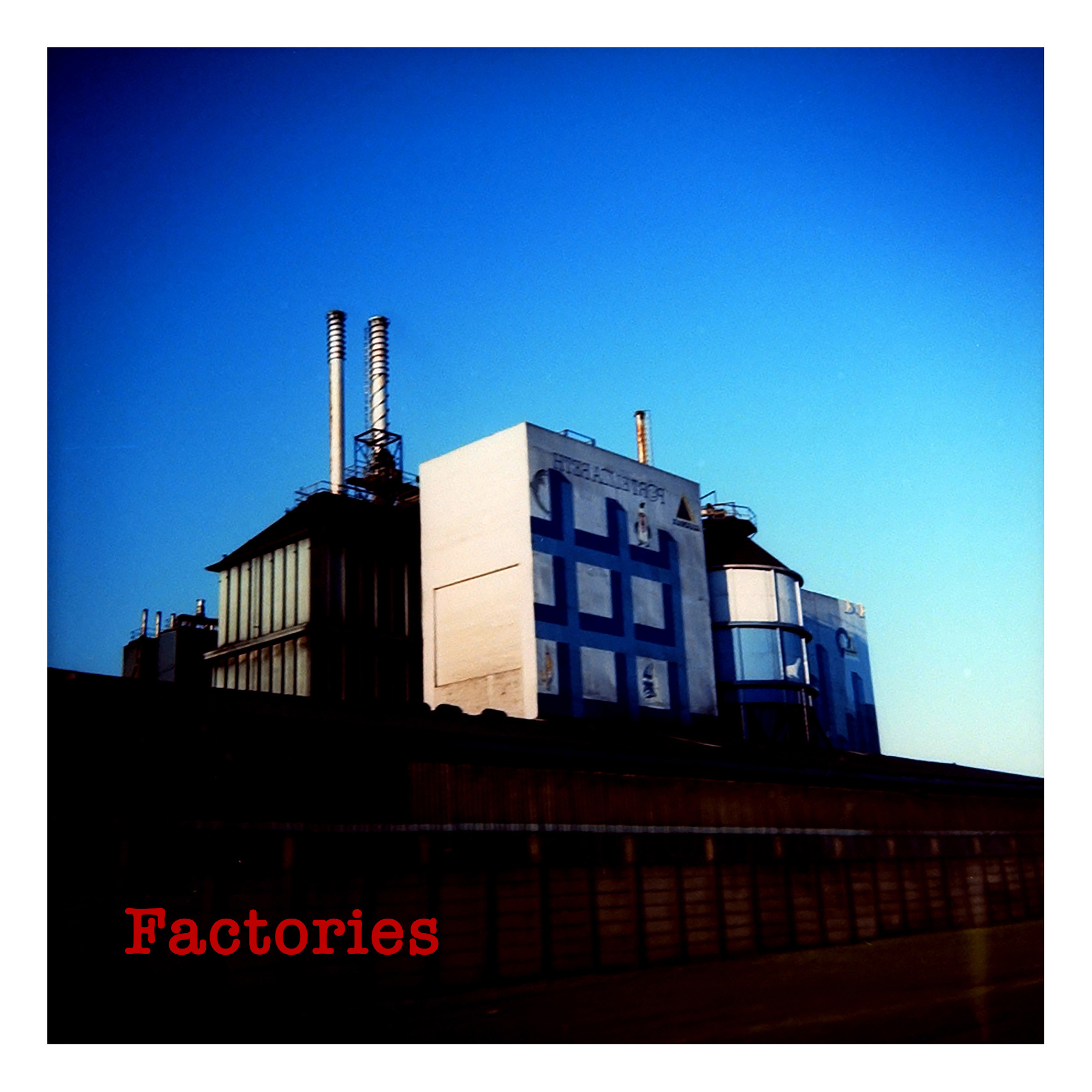
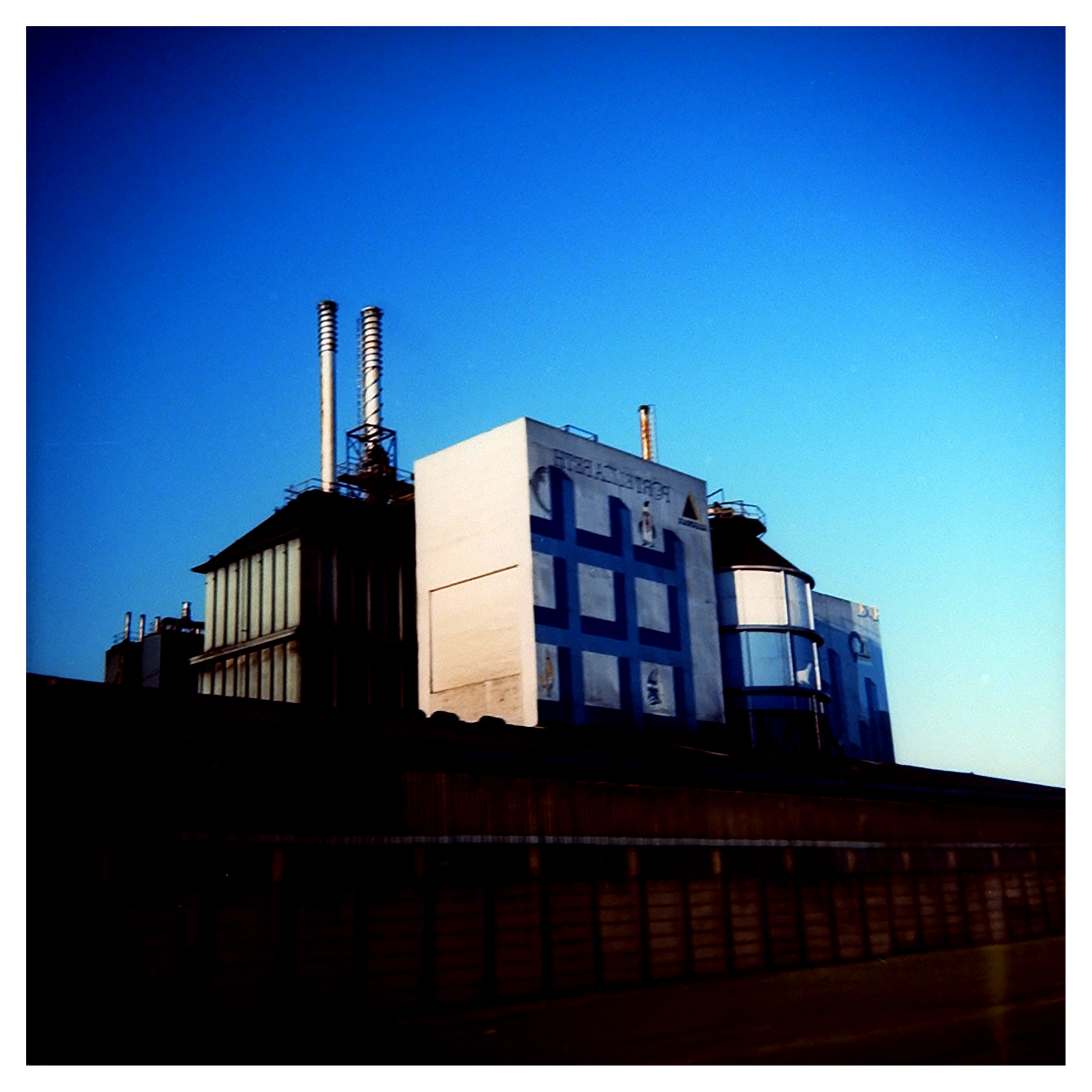
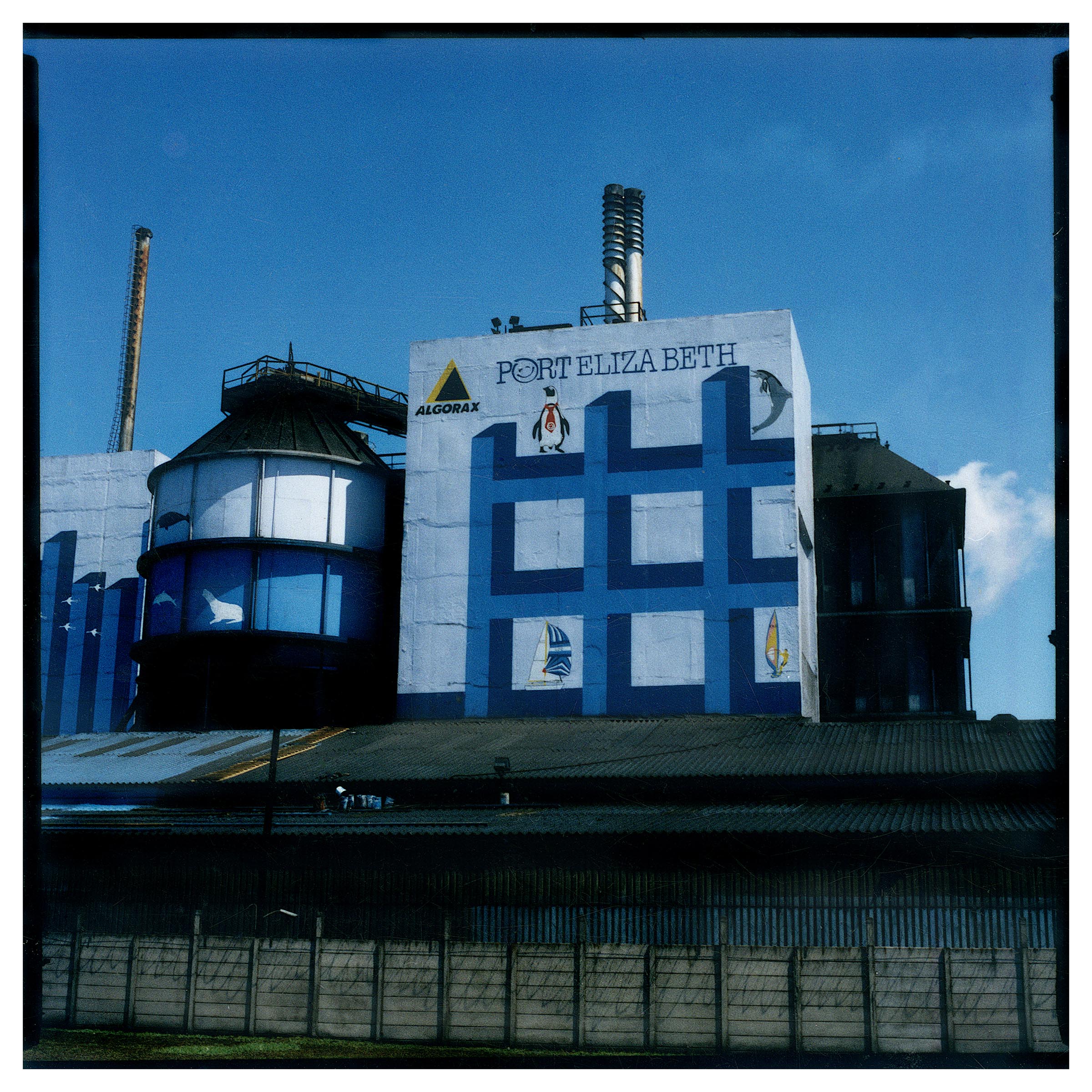
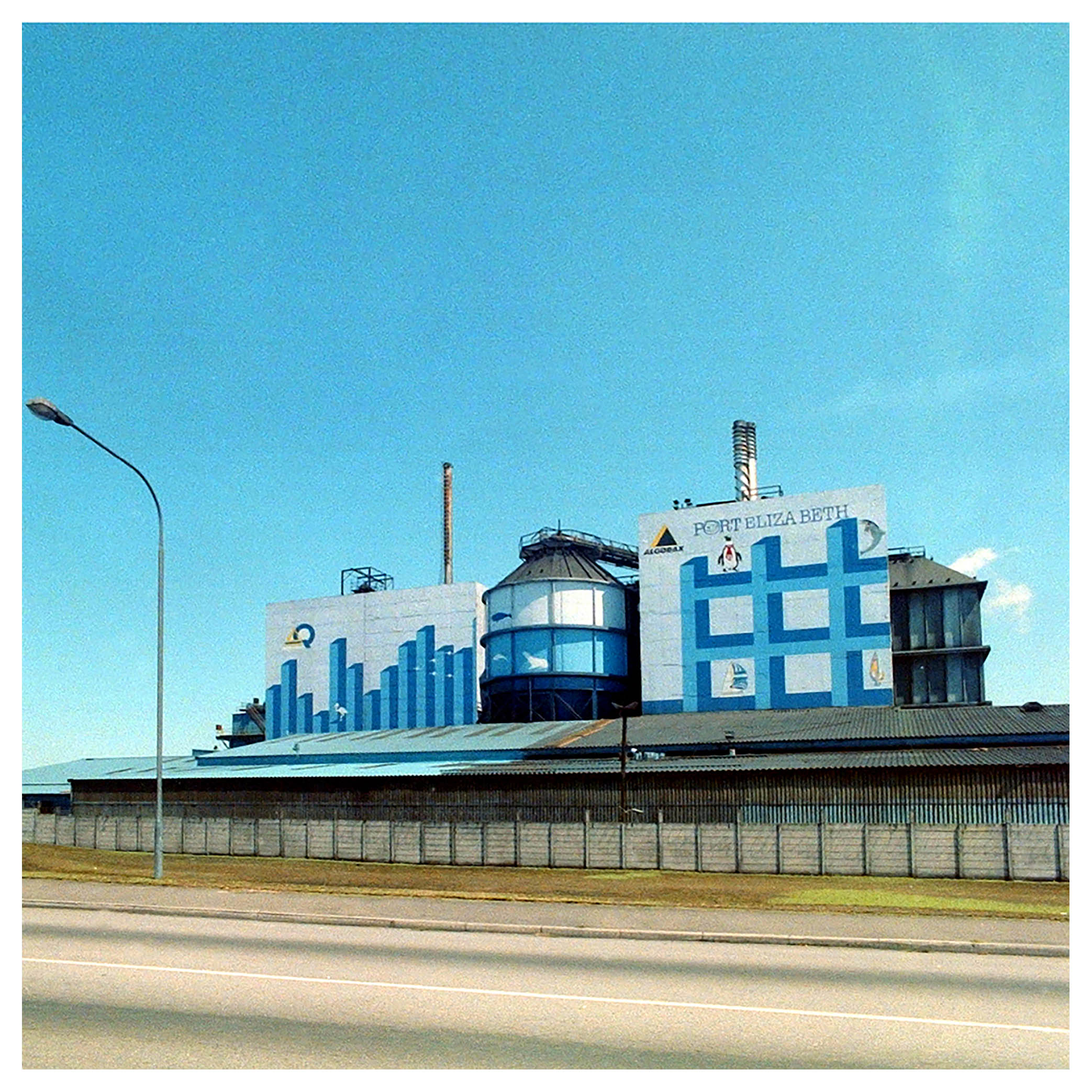
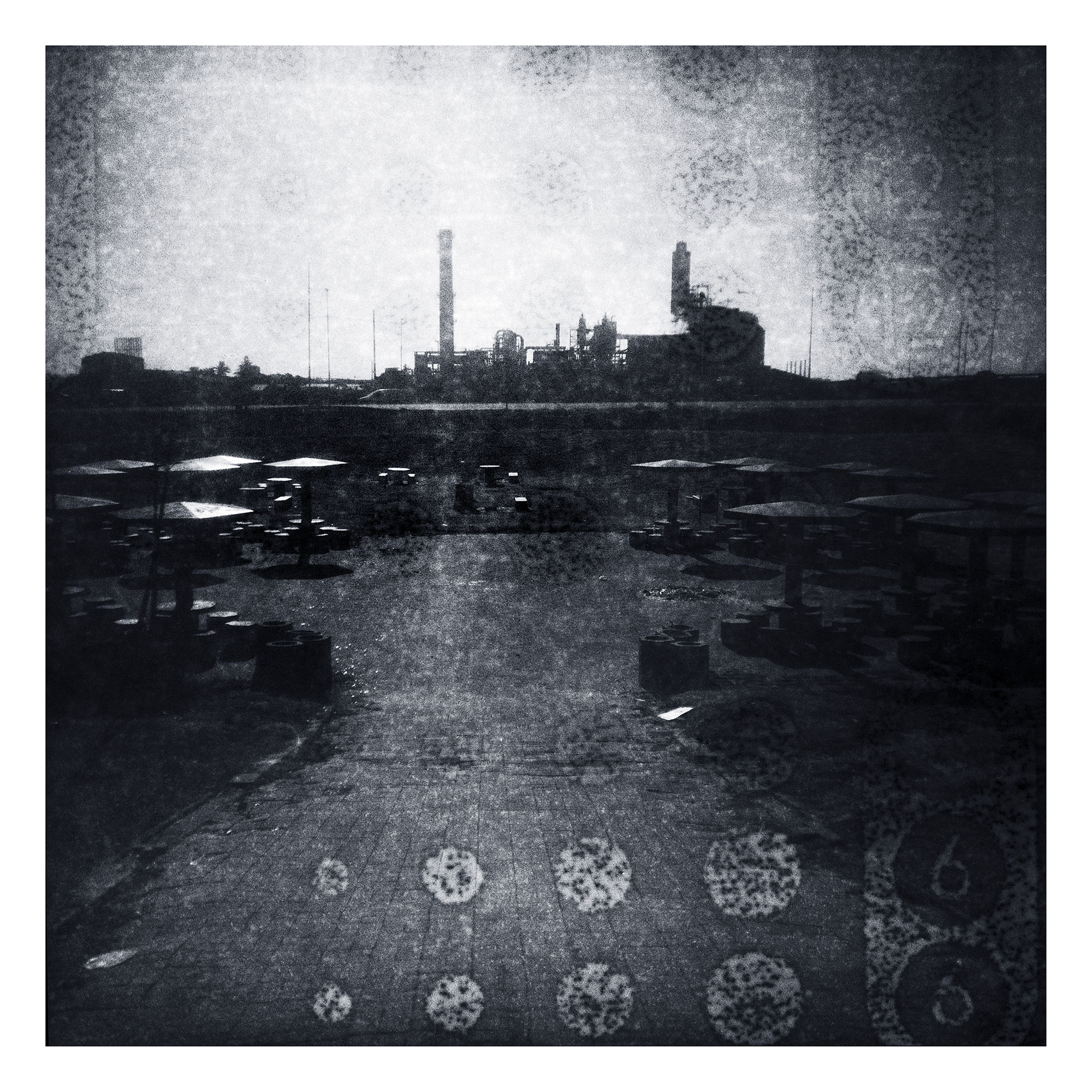
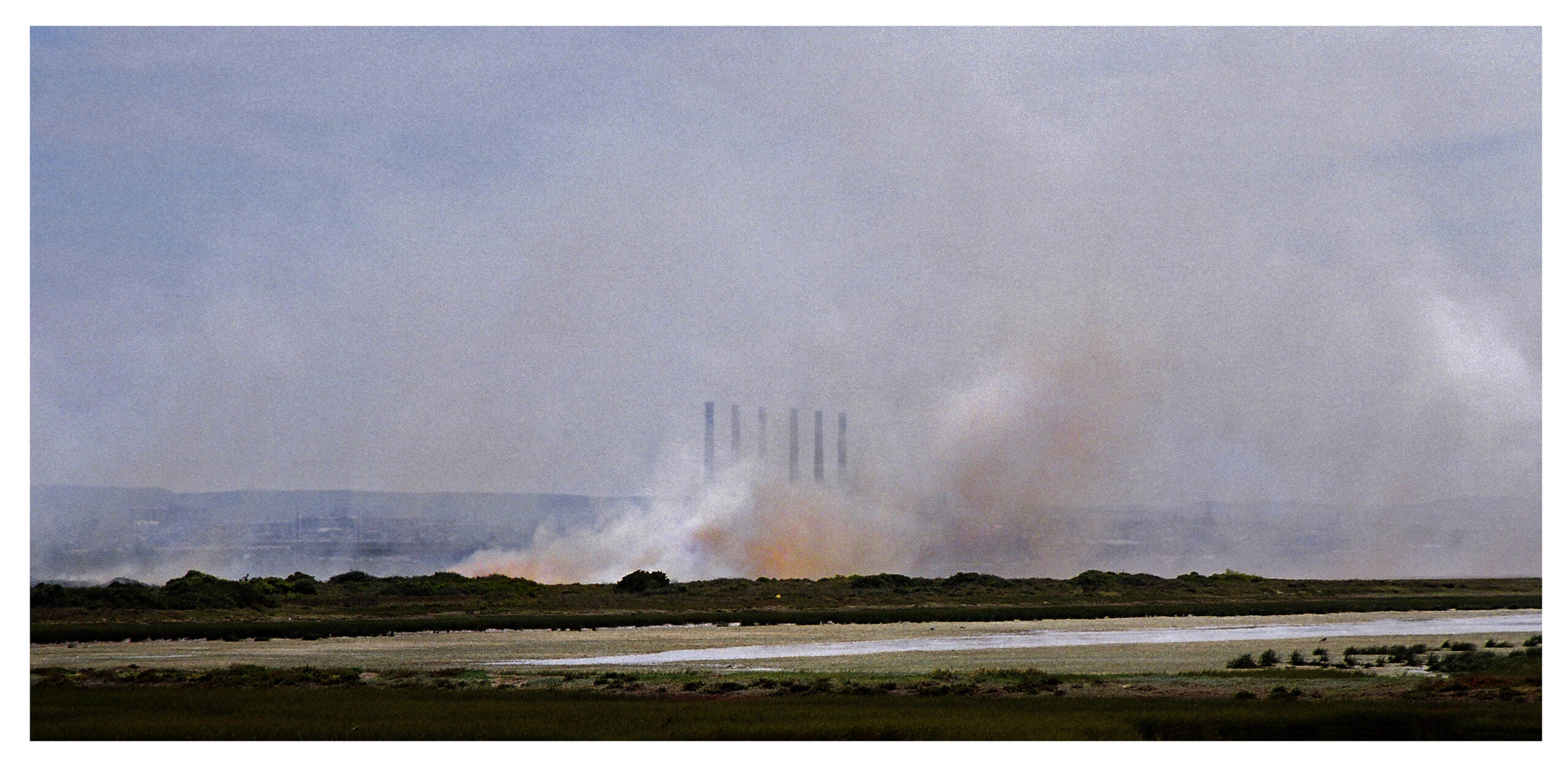
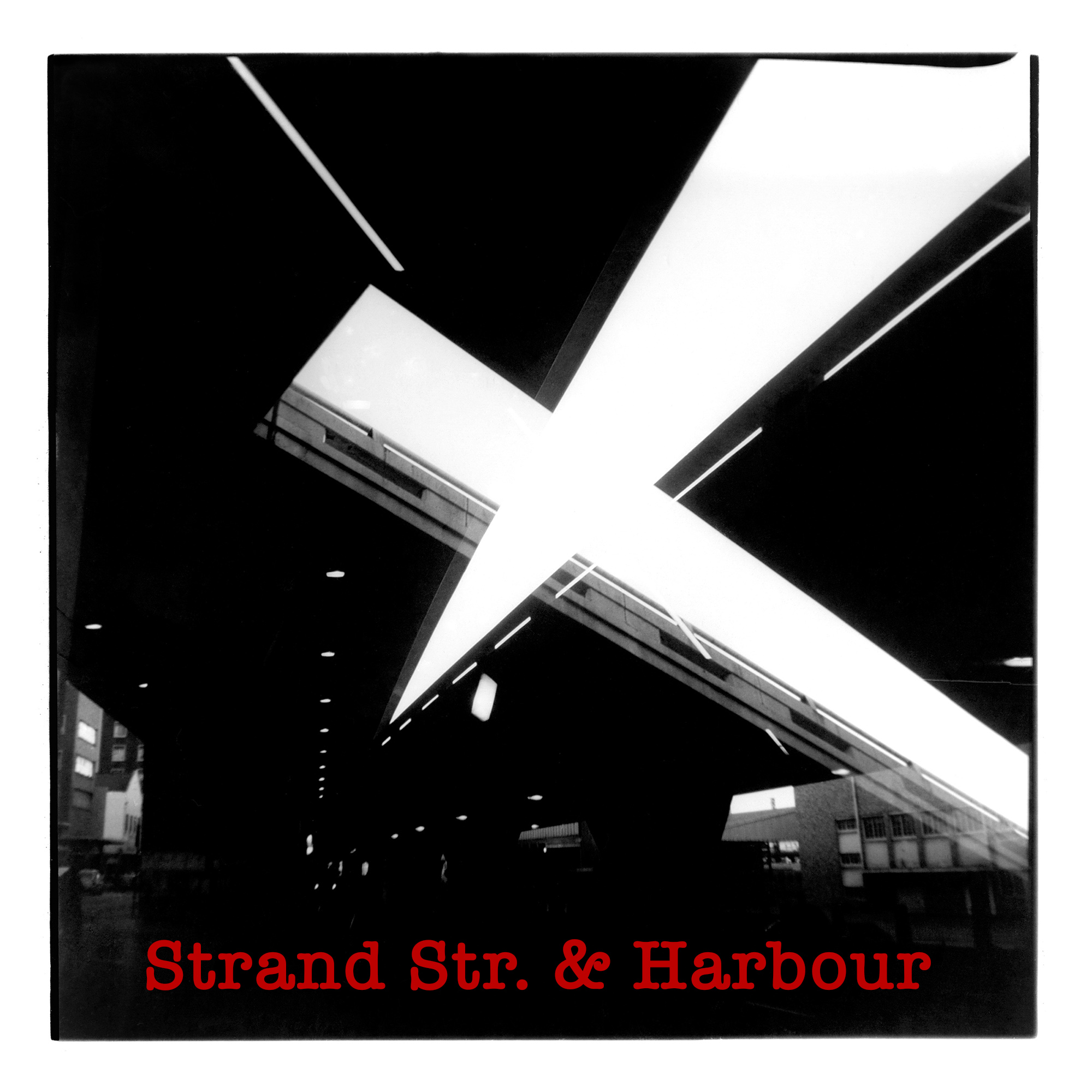
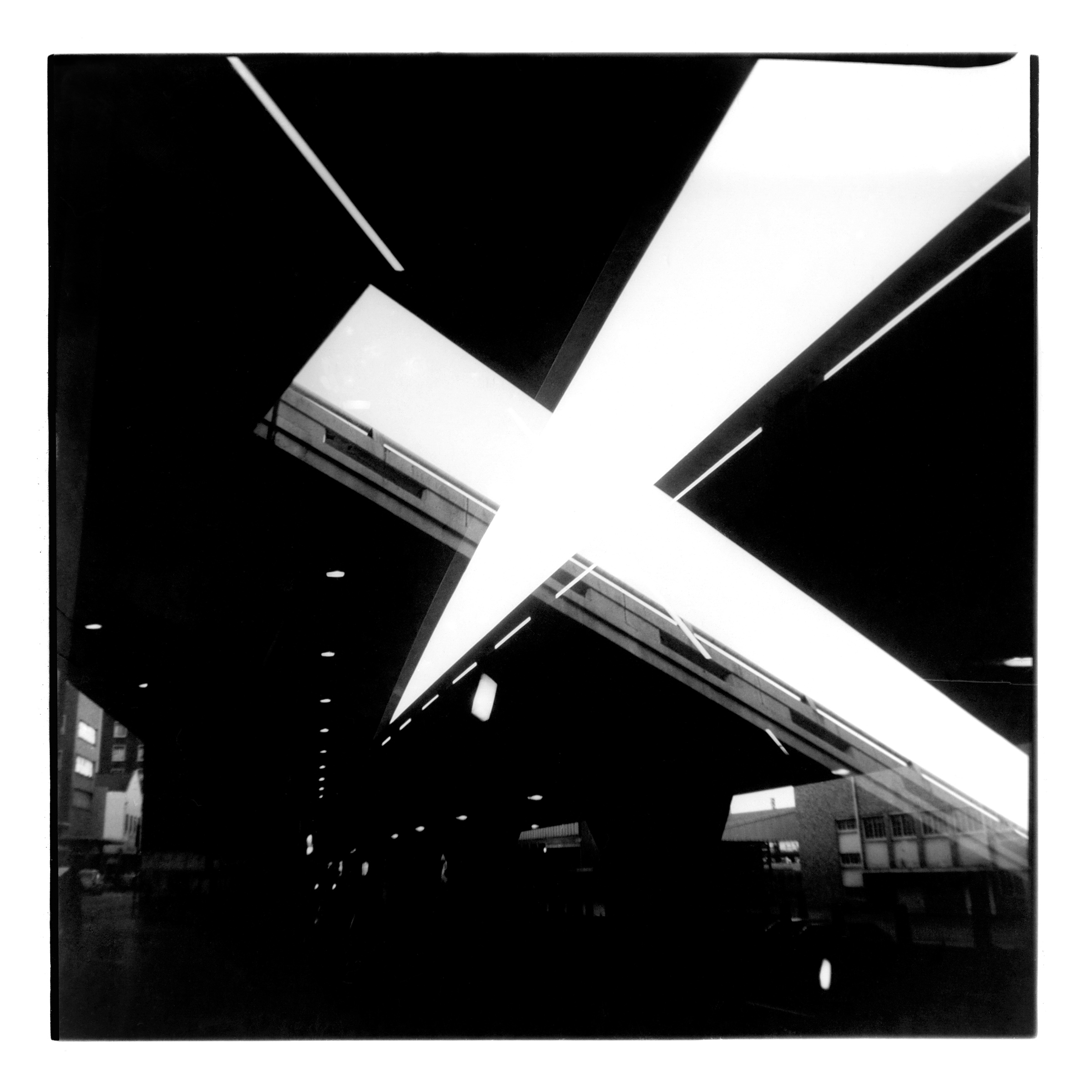
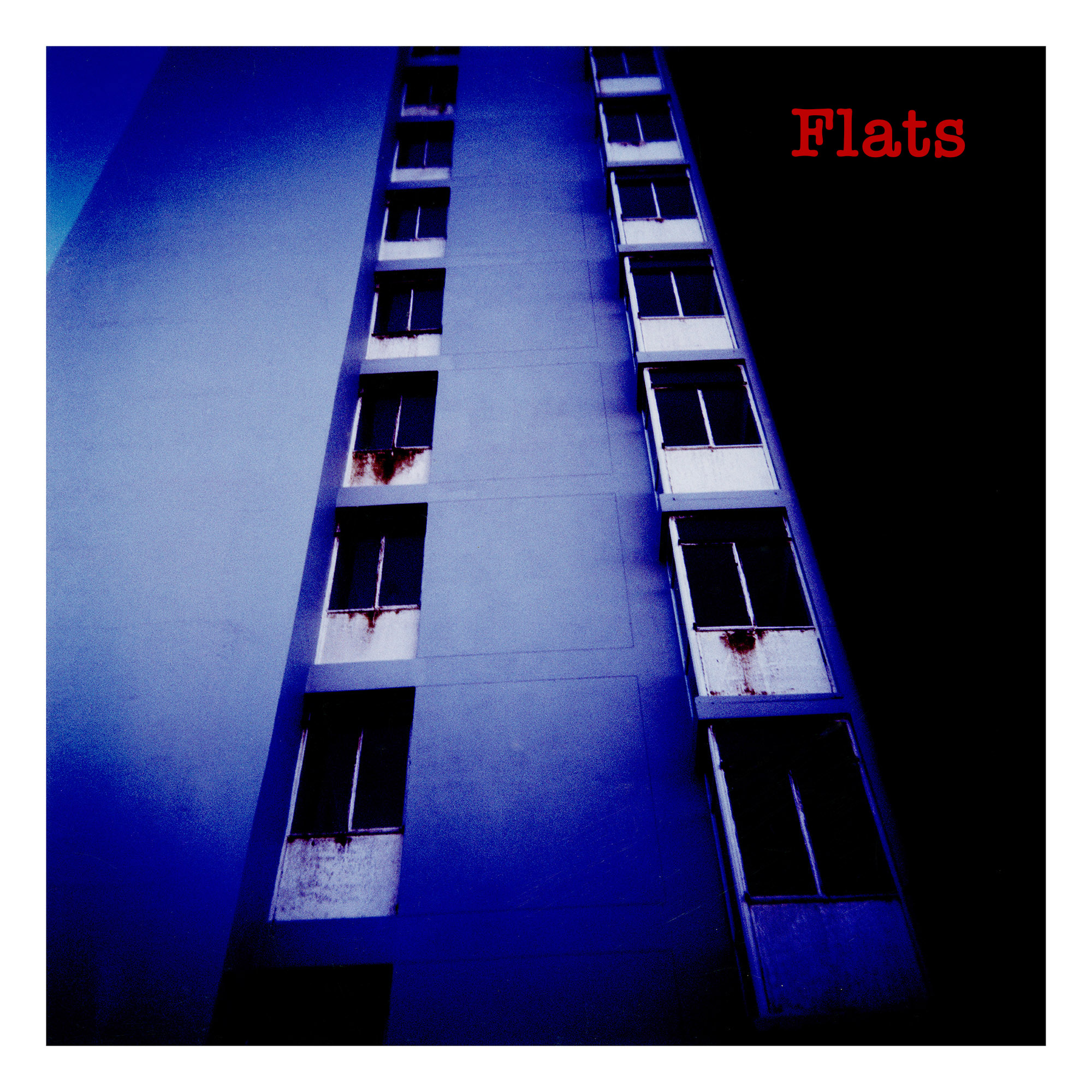
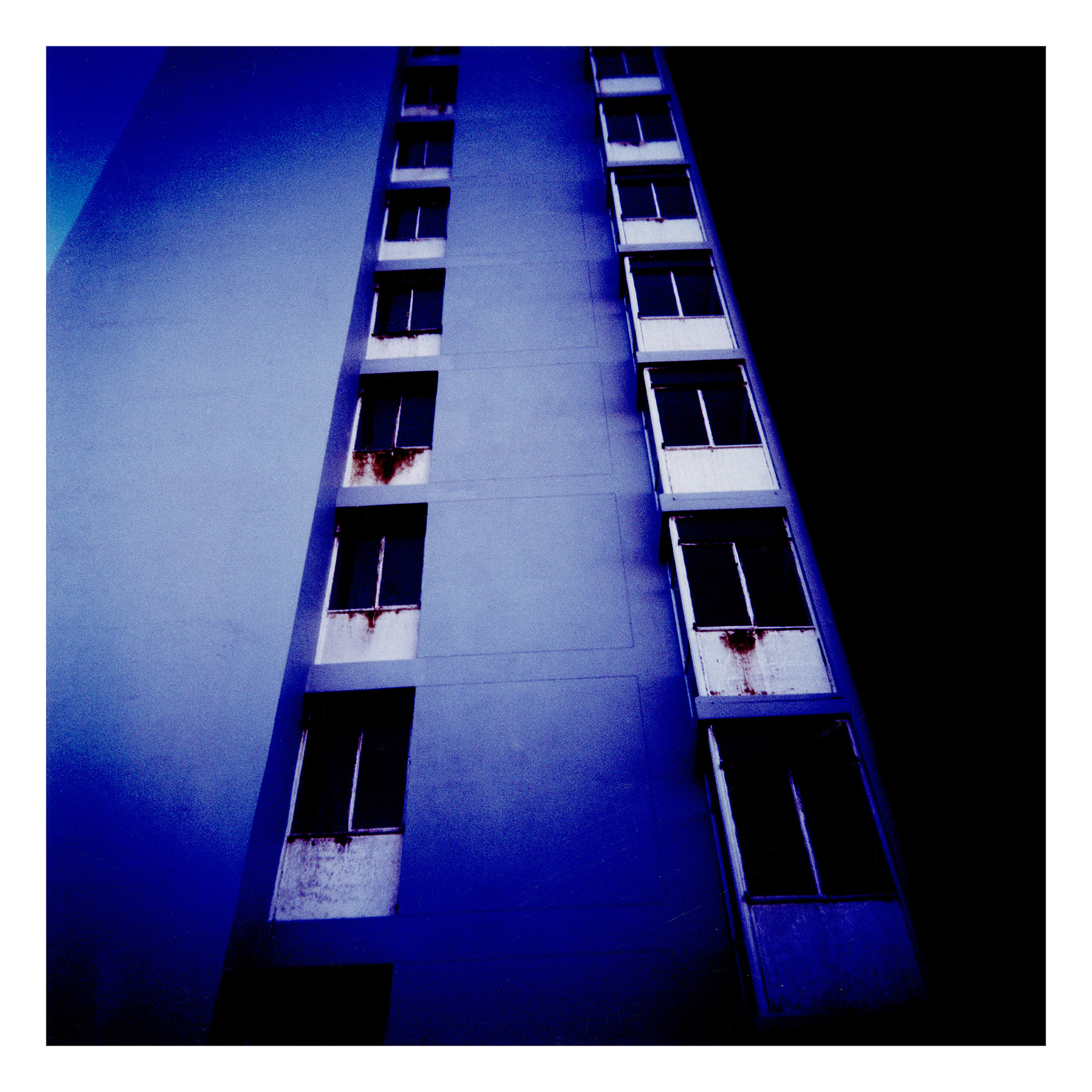
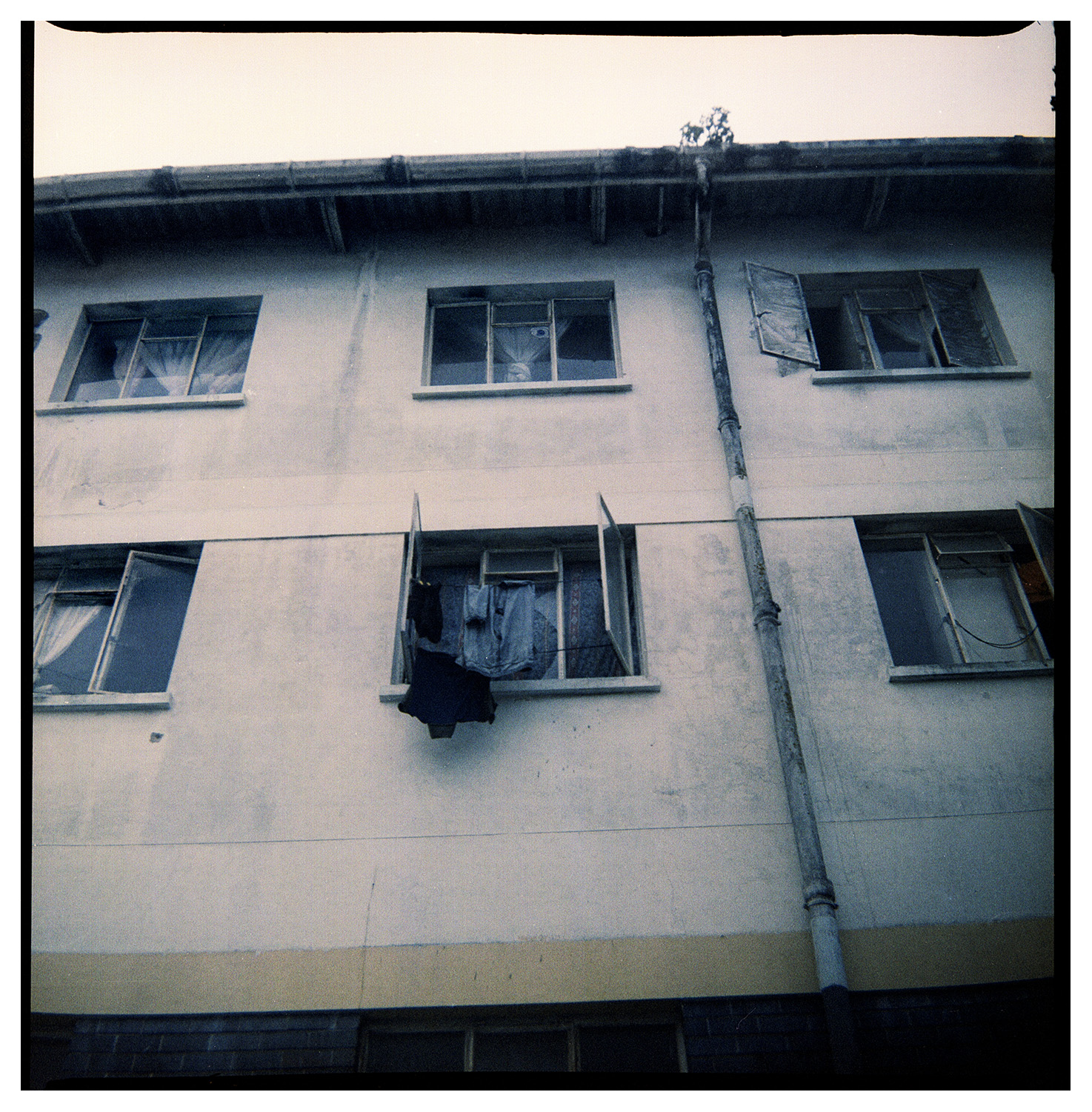
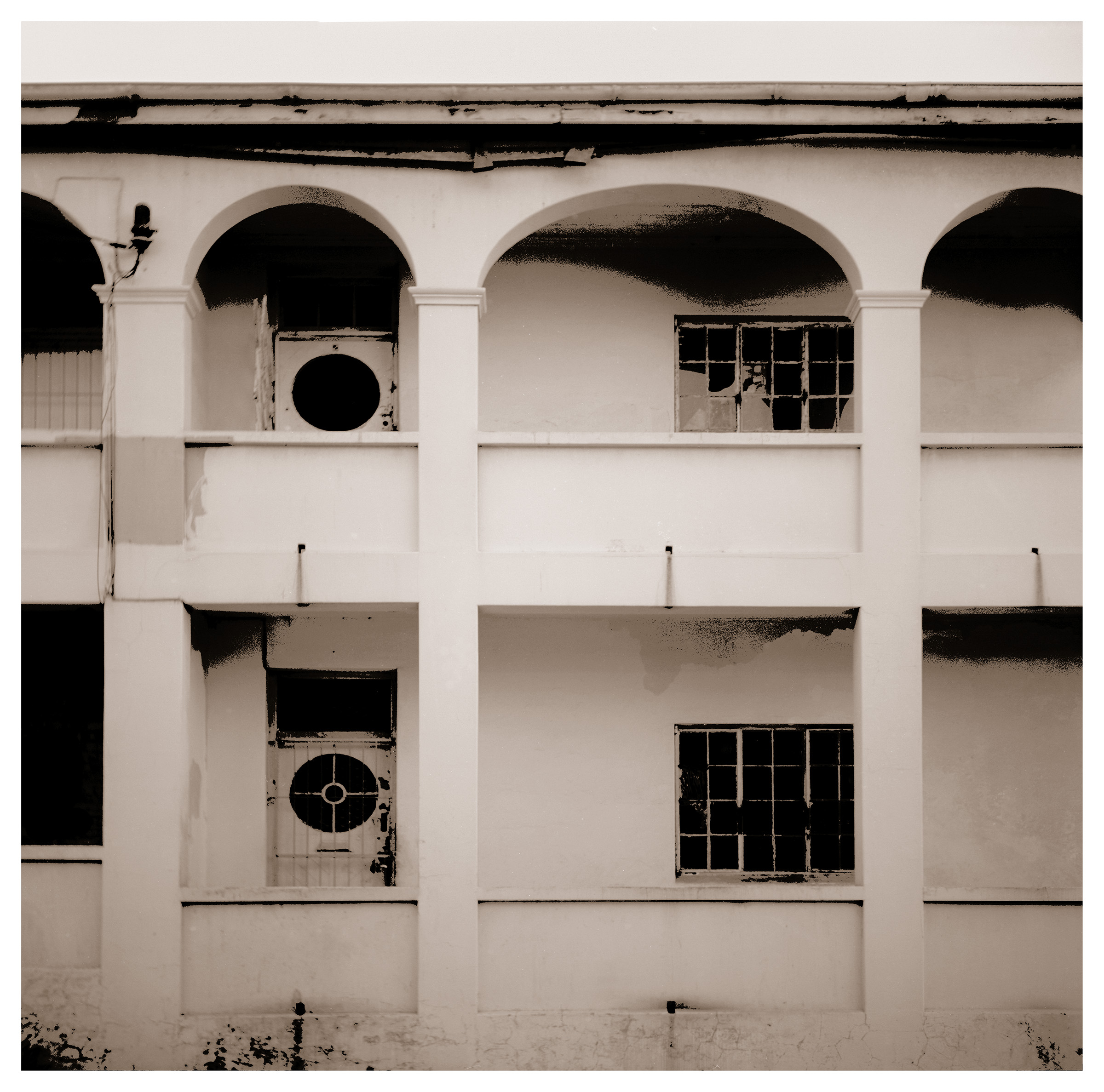
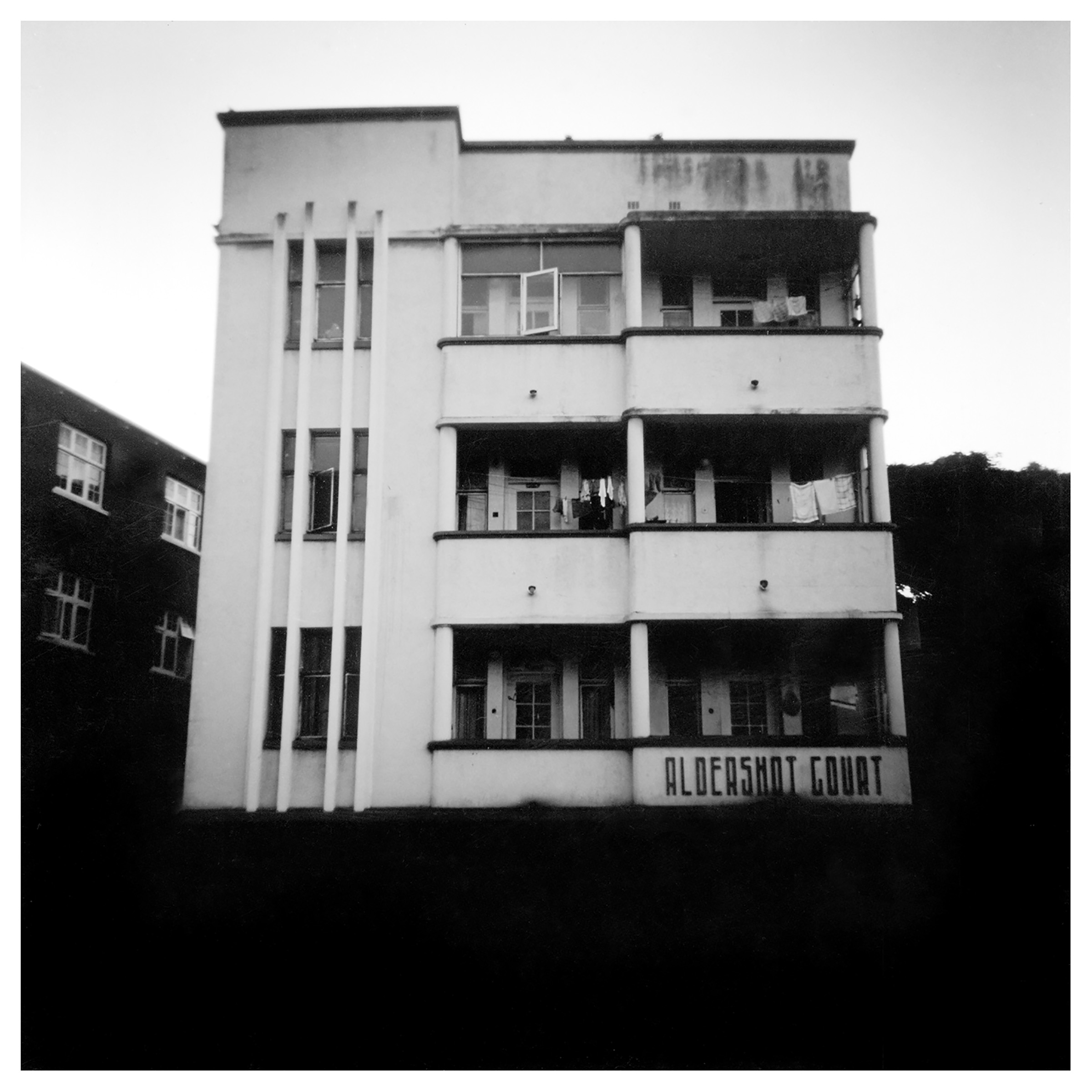
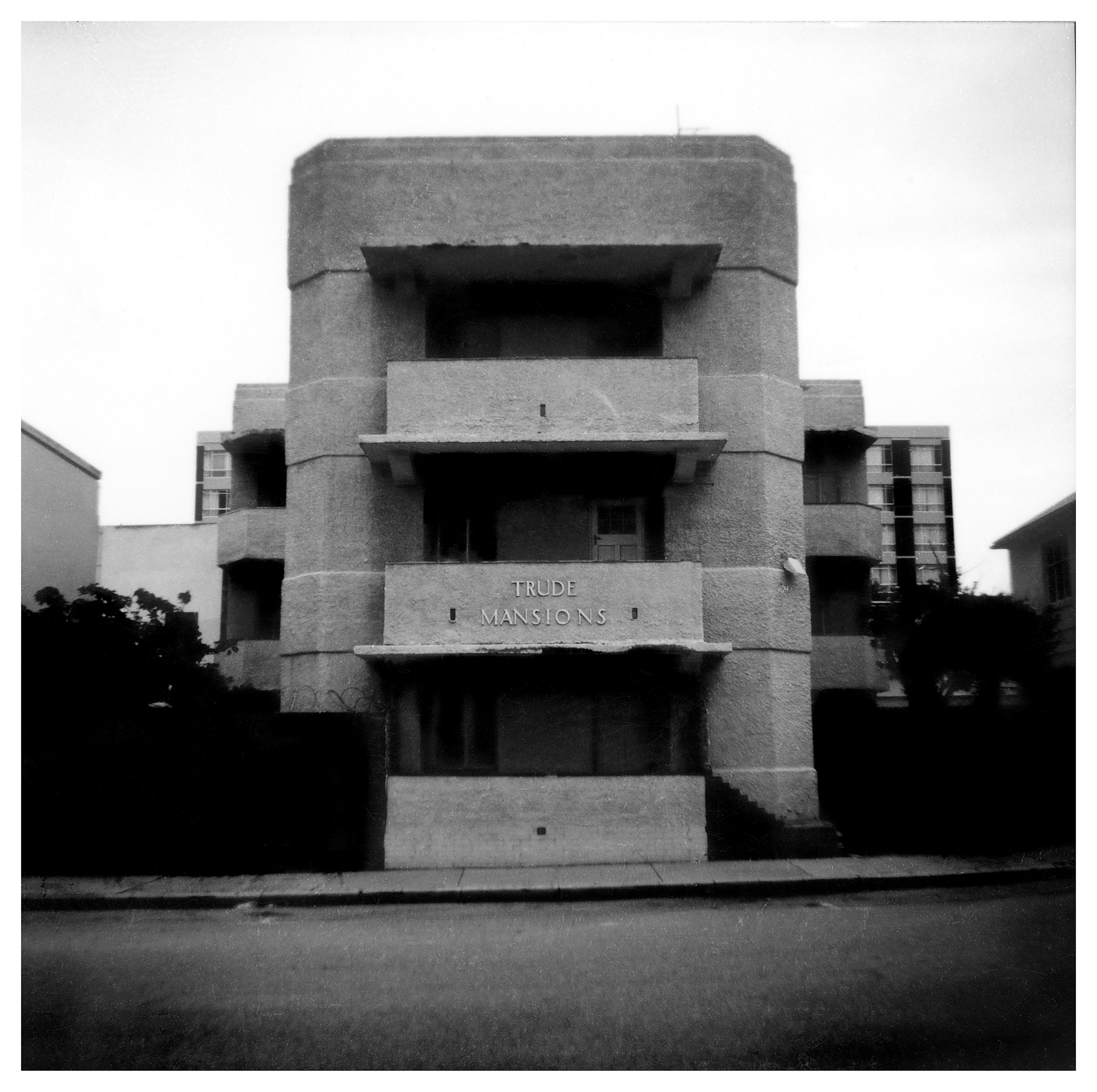
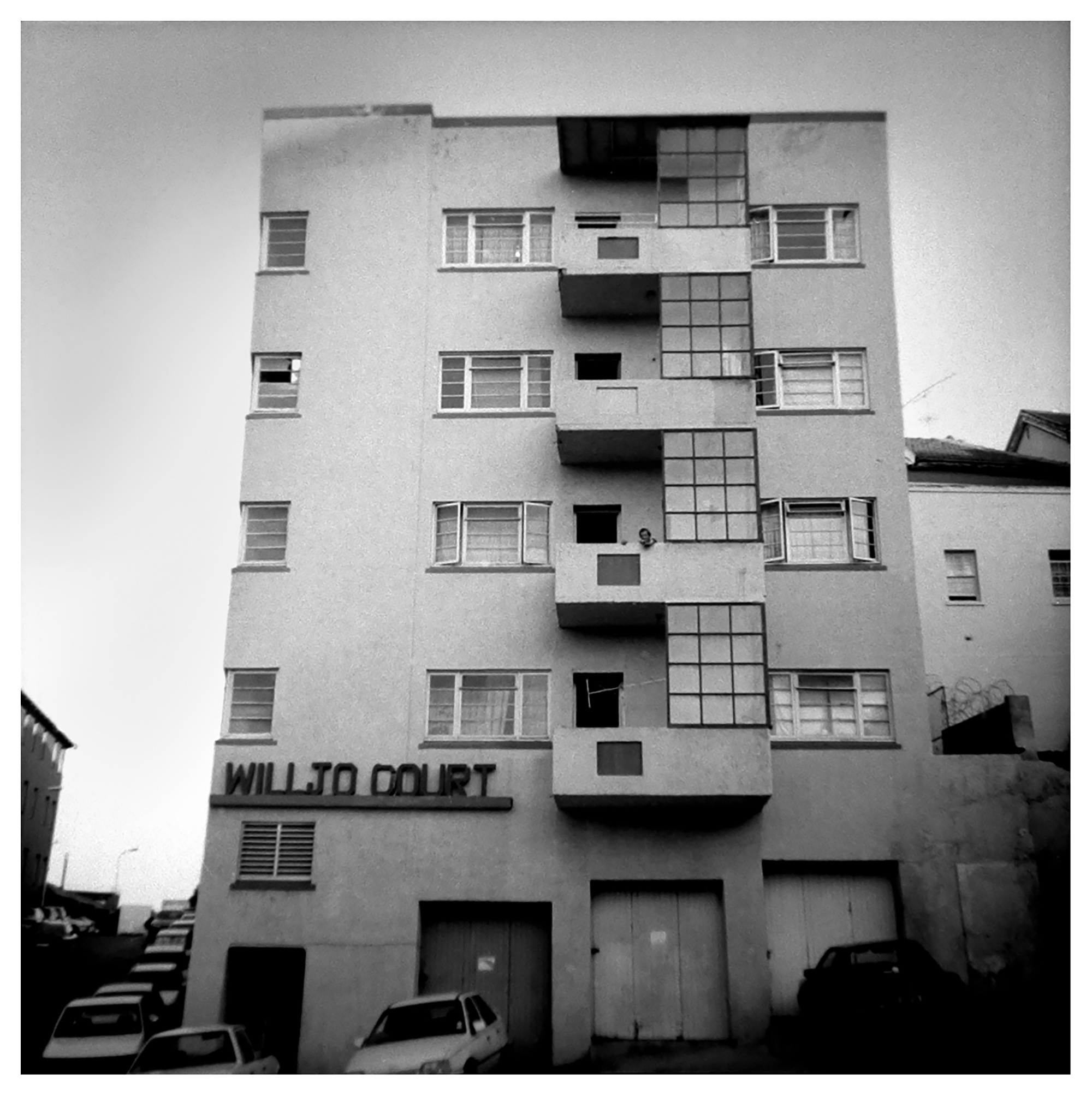
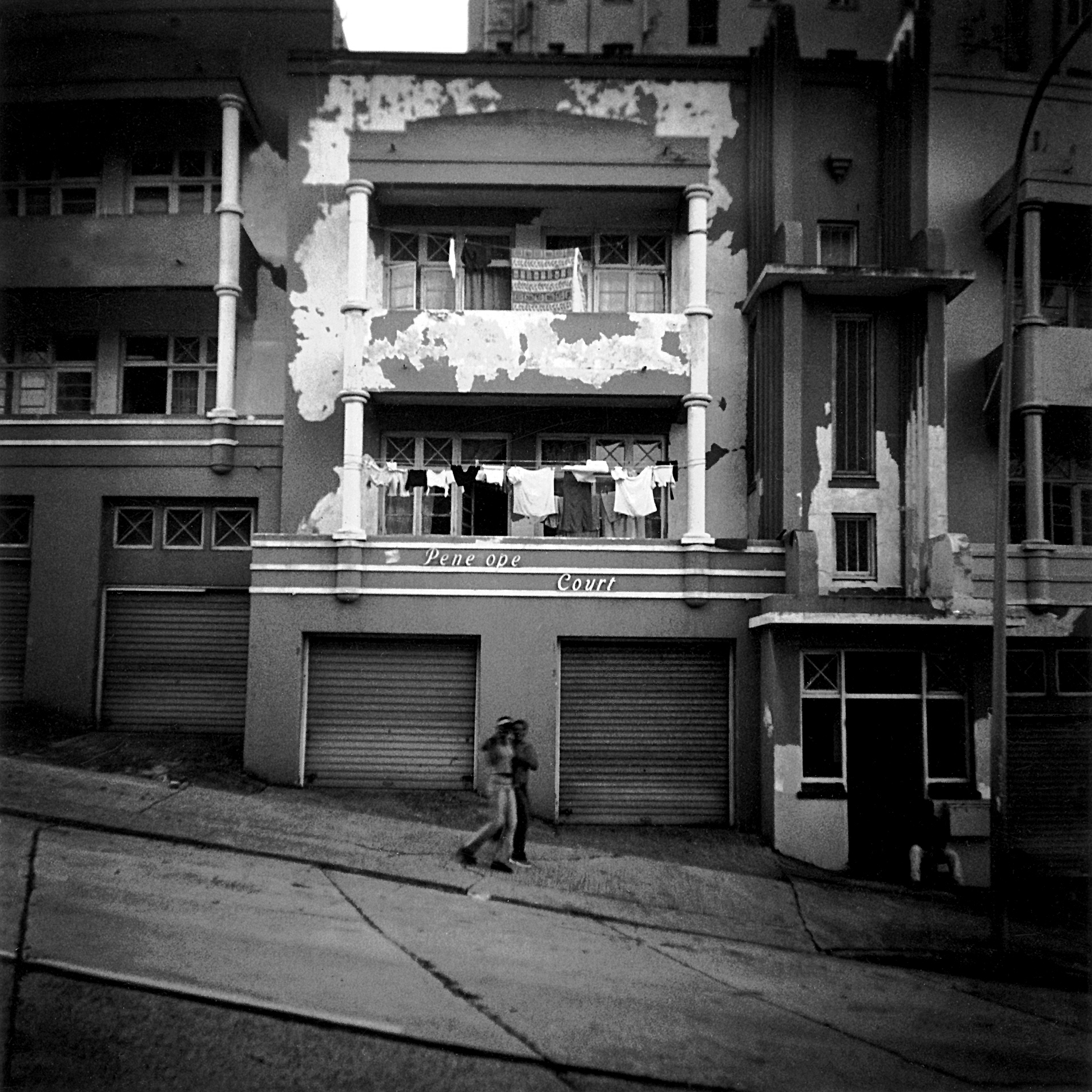
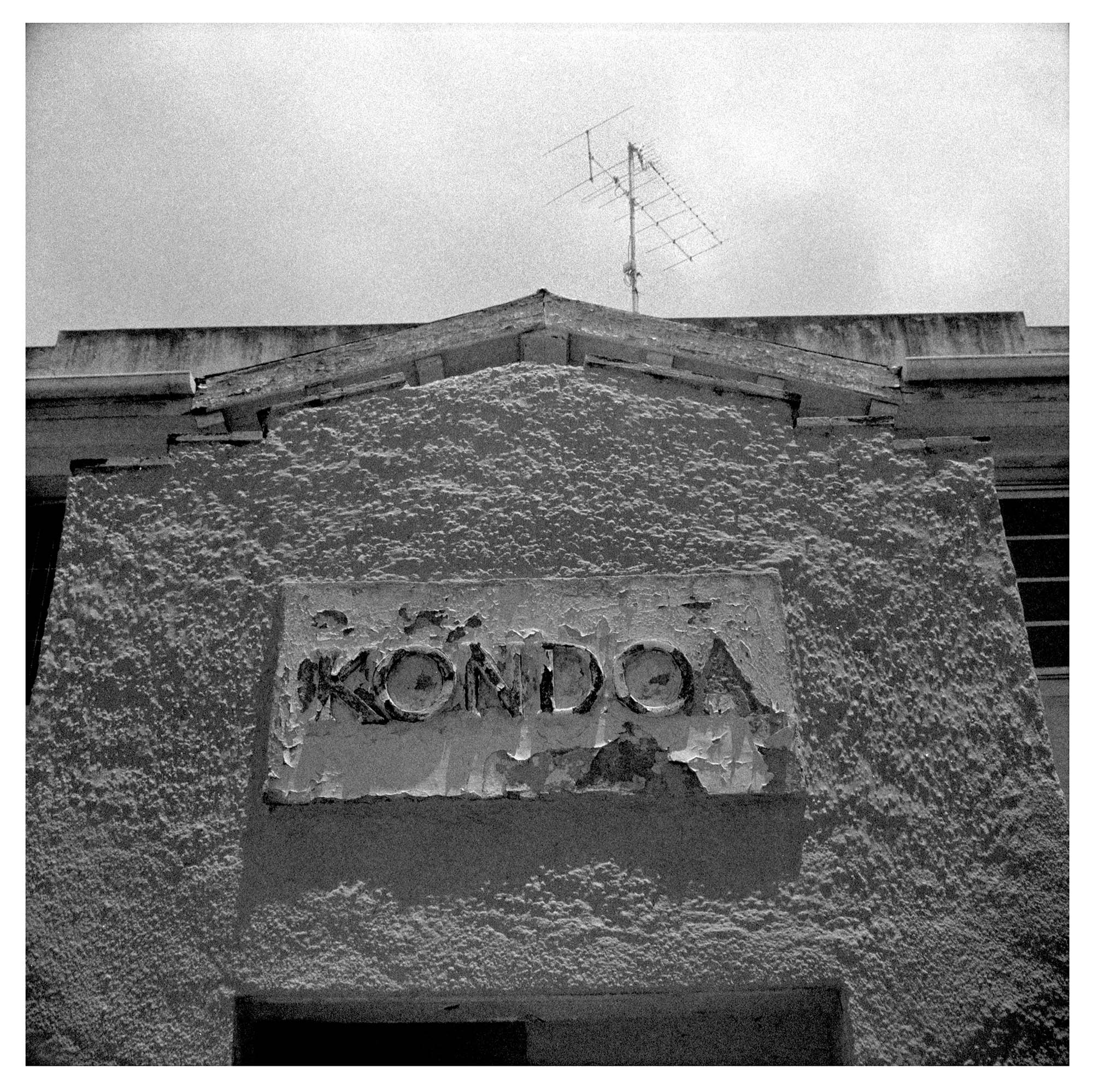
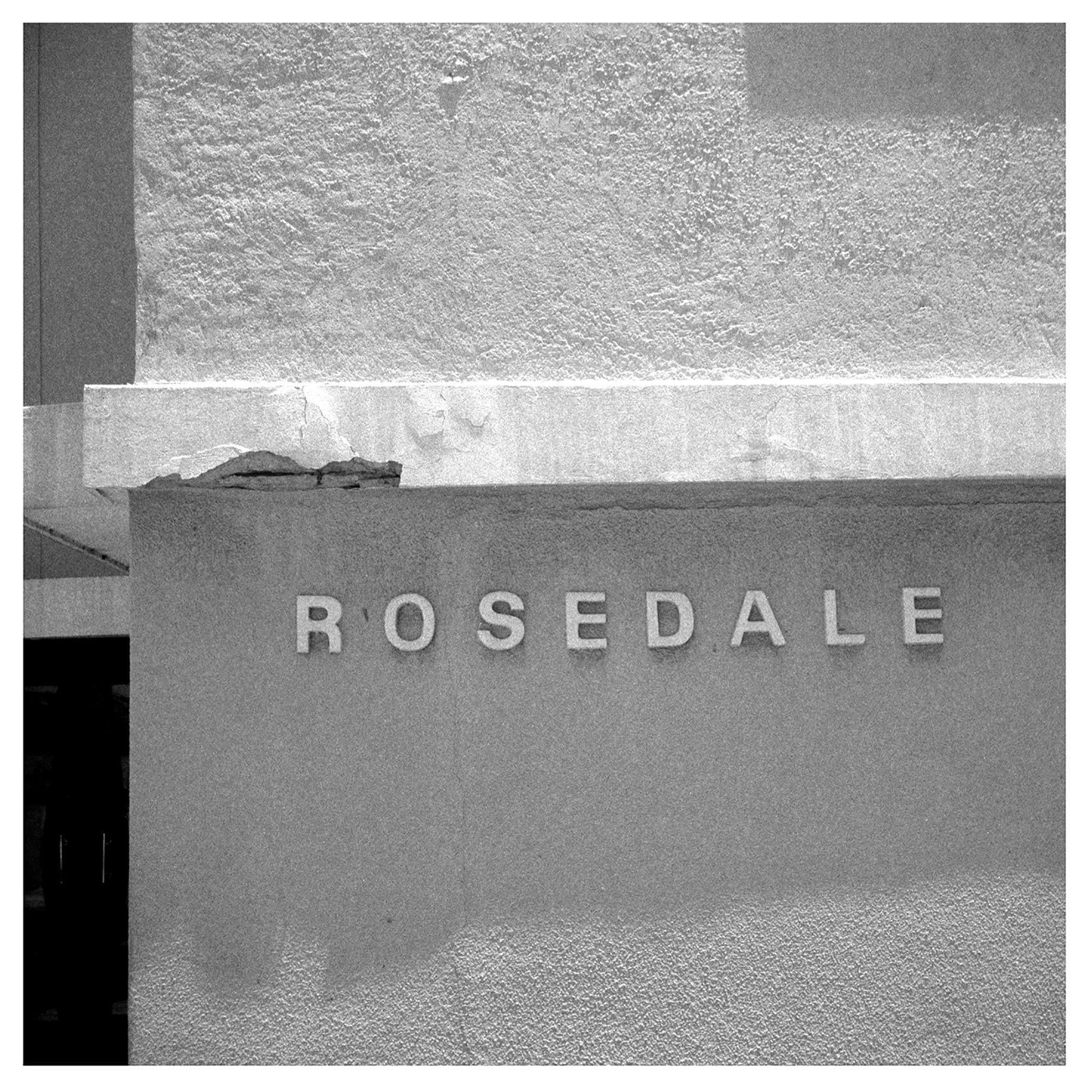
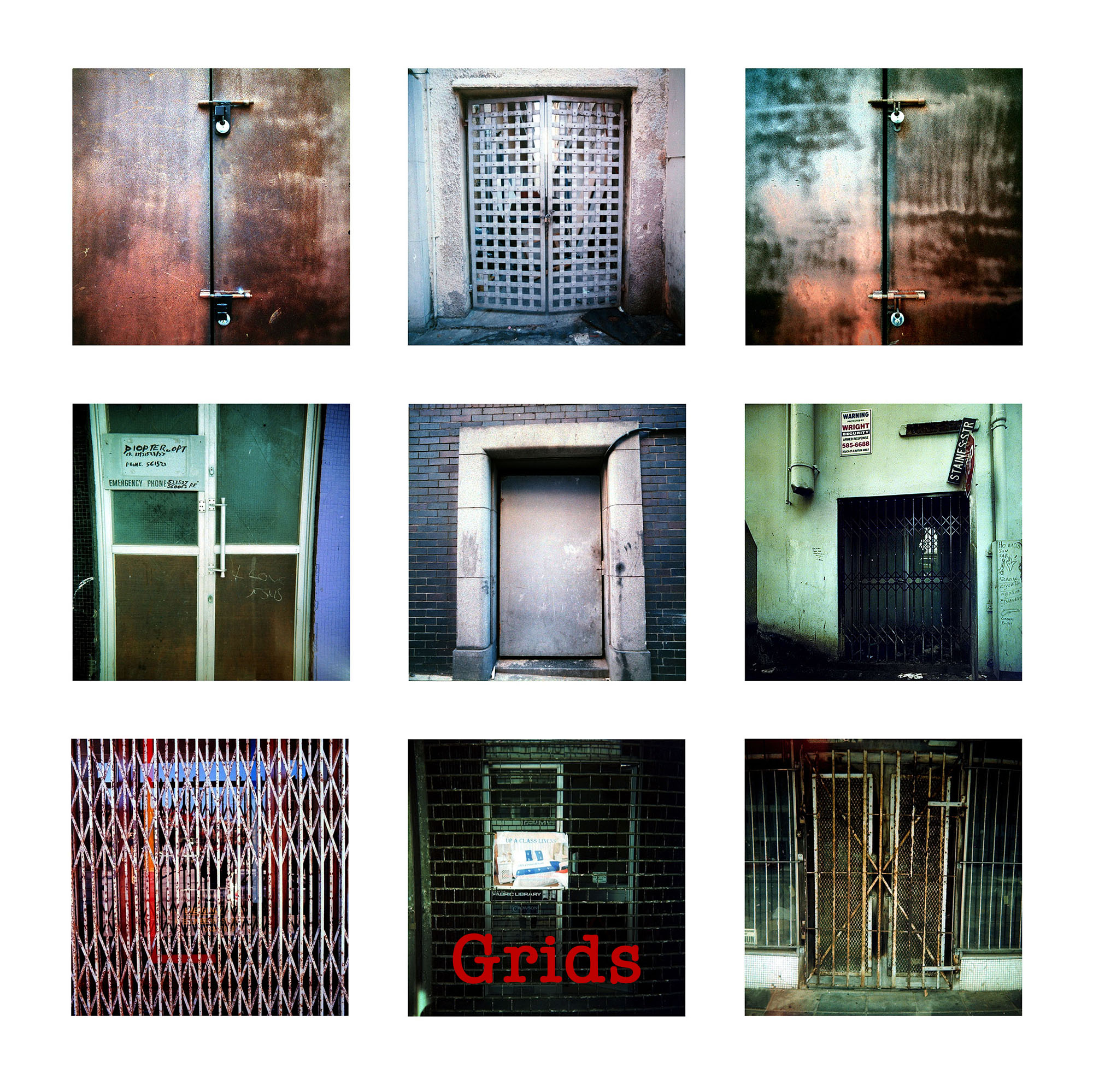
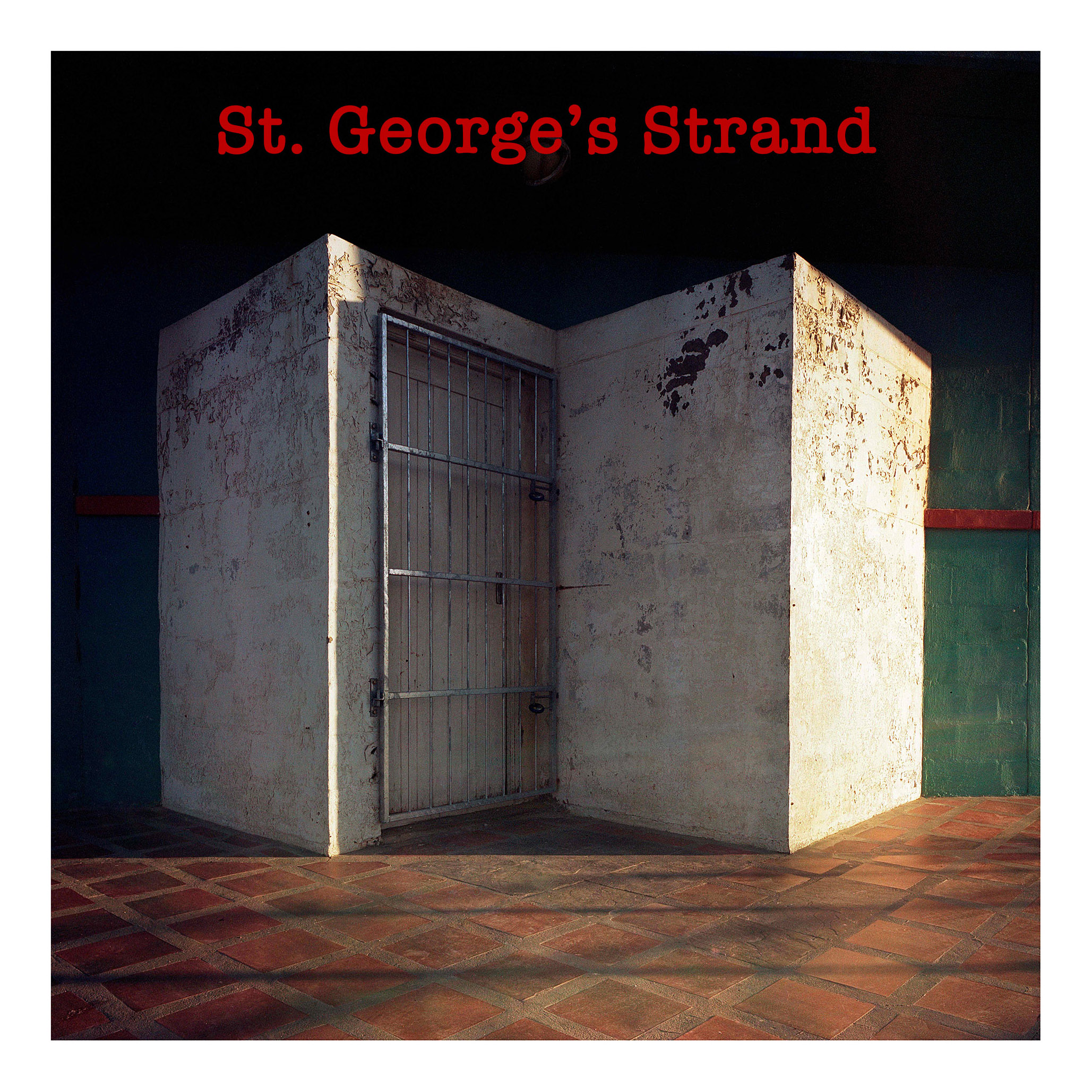
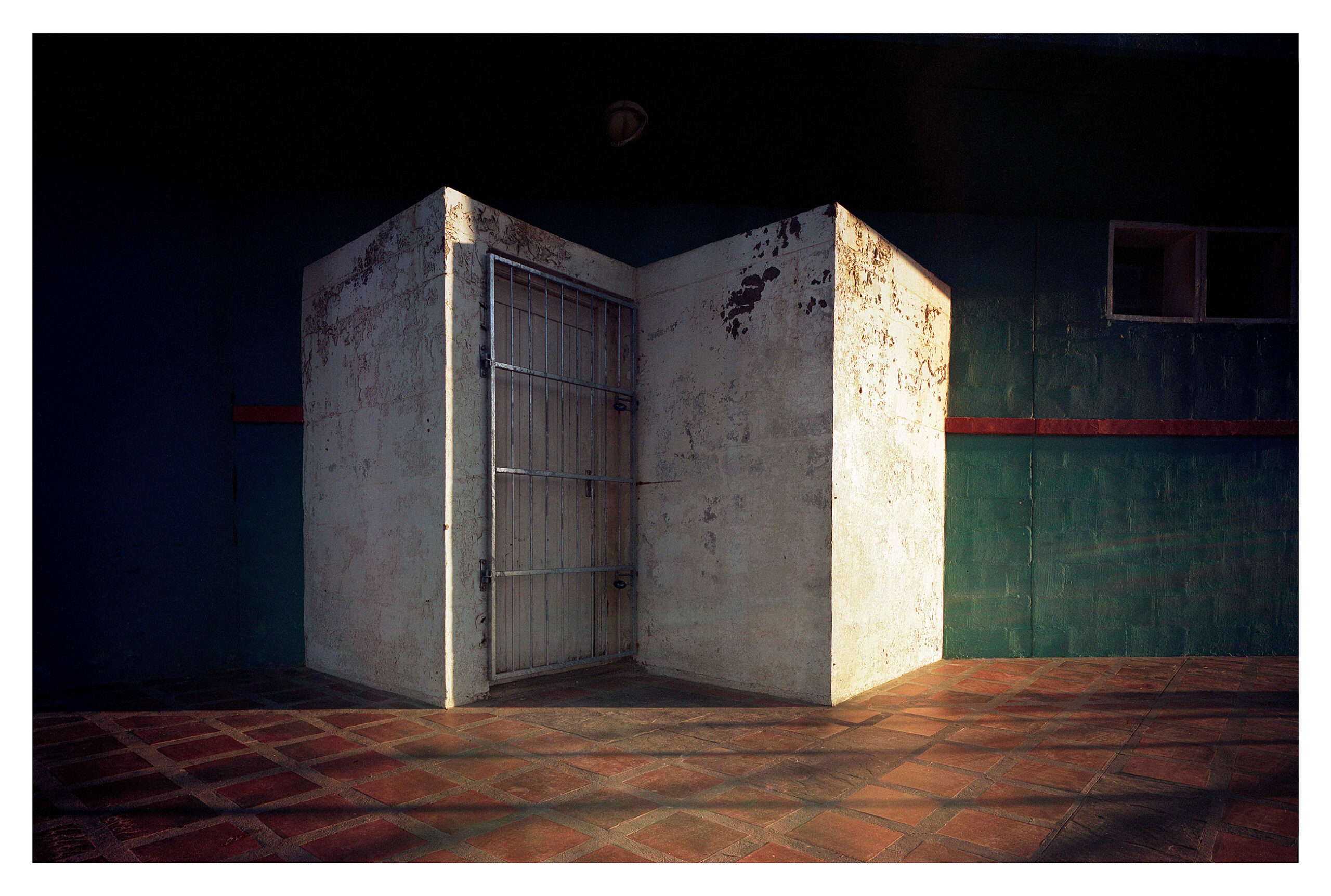
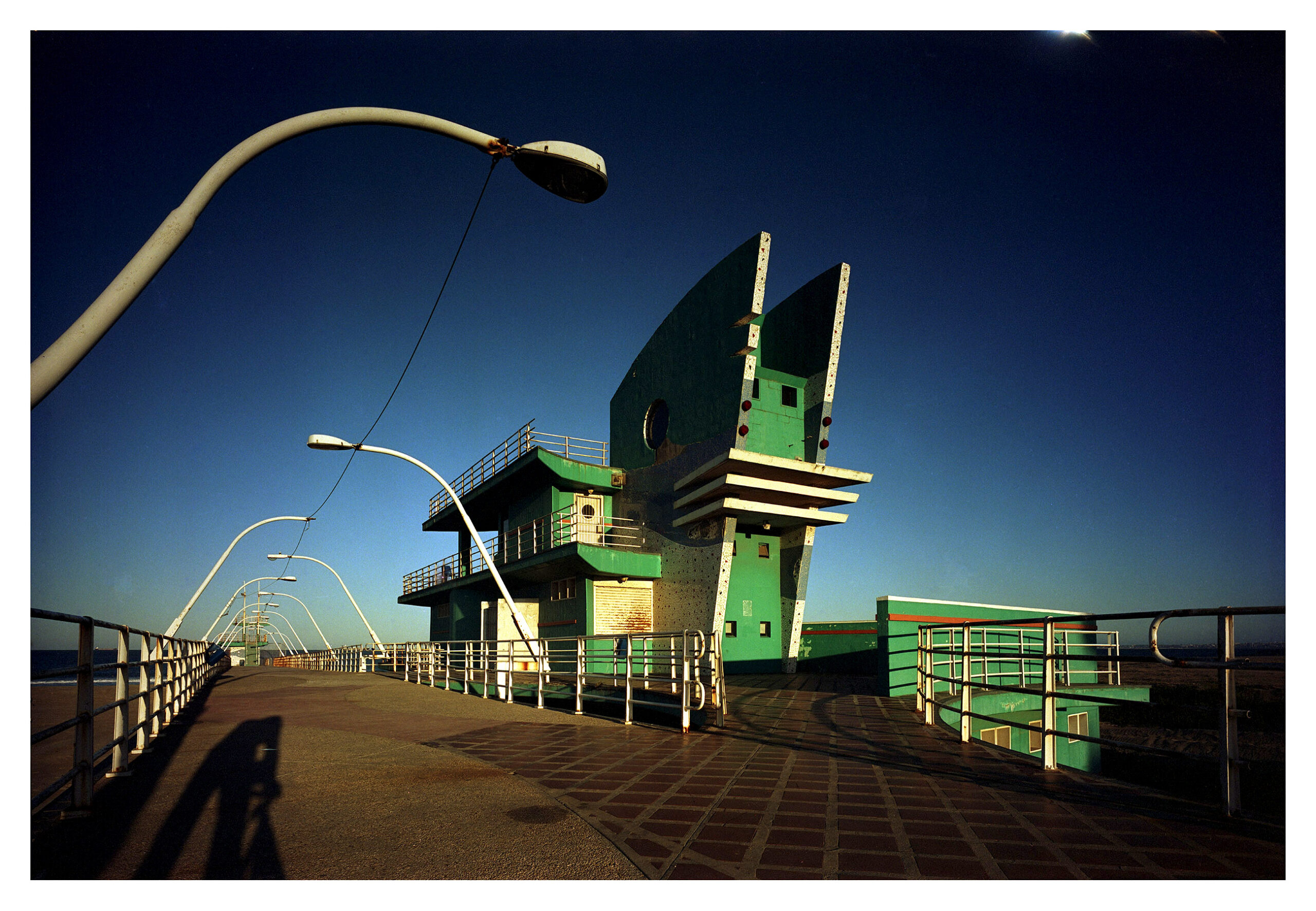
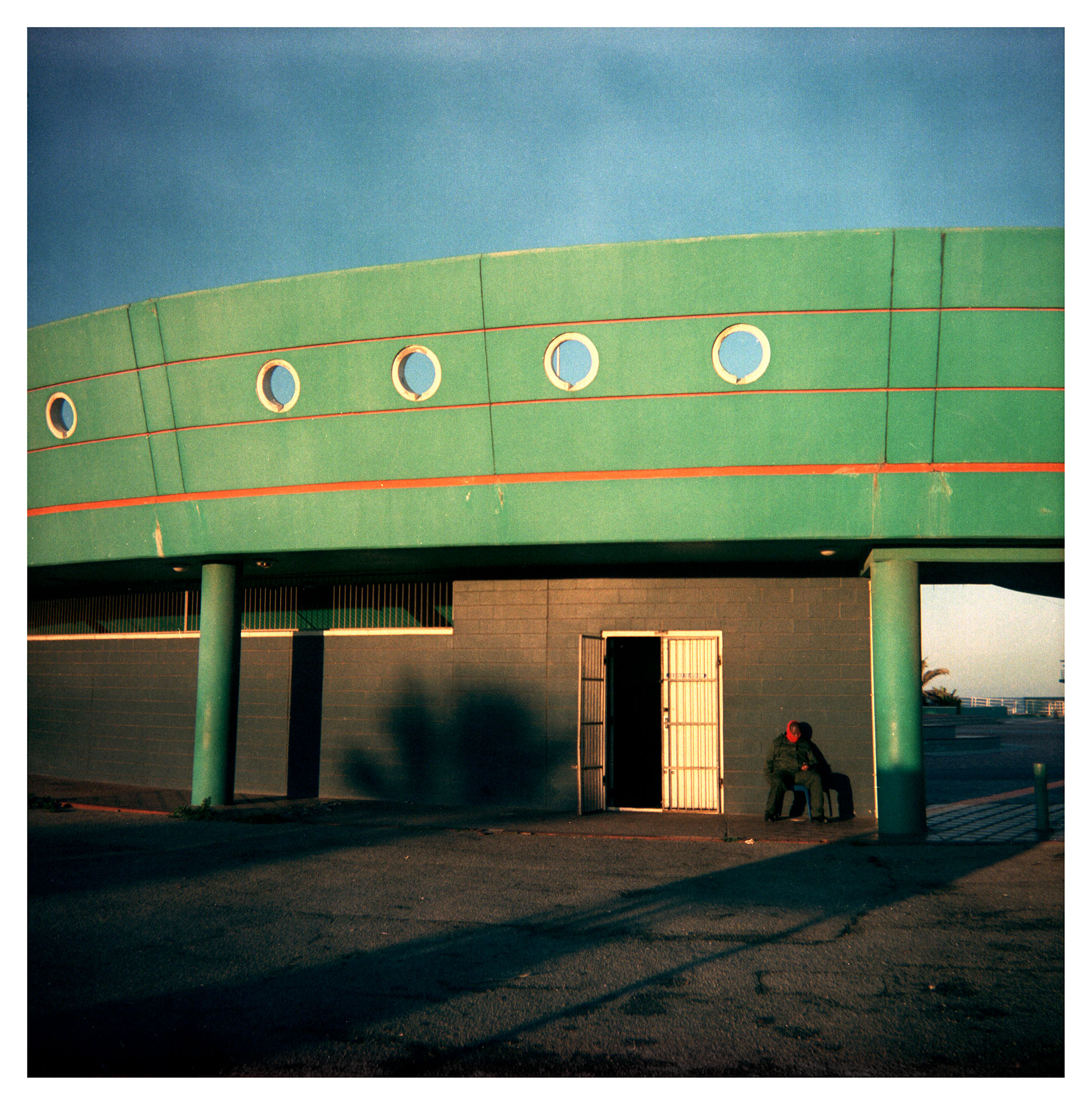
port Elizabeth/gqeberha.
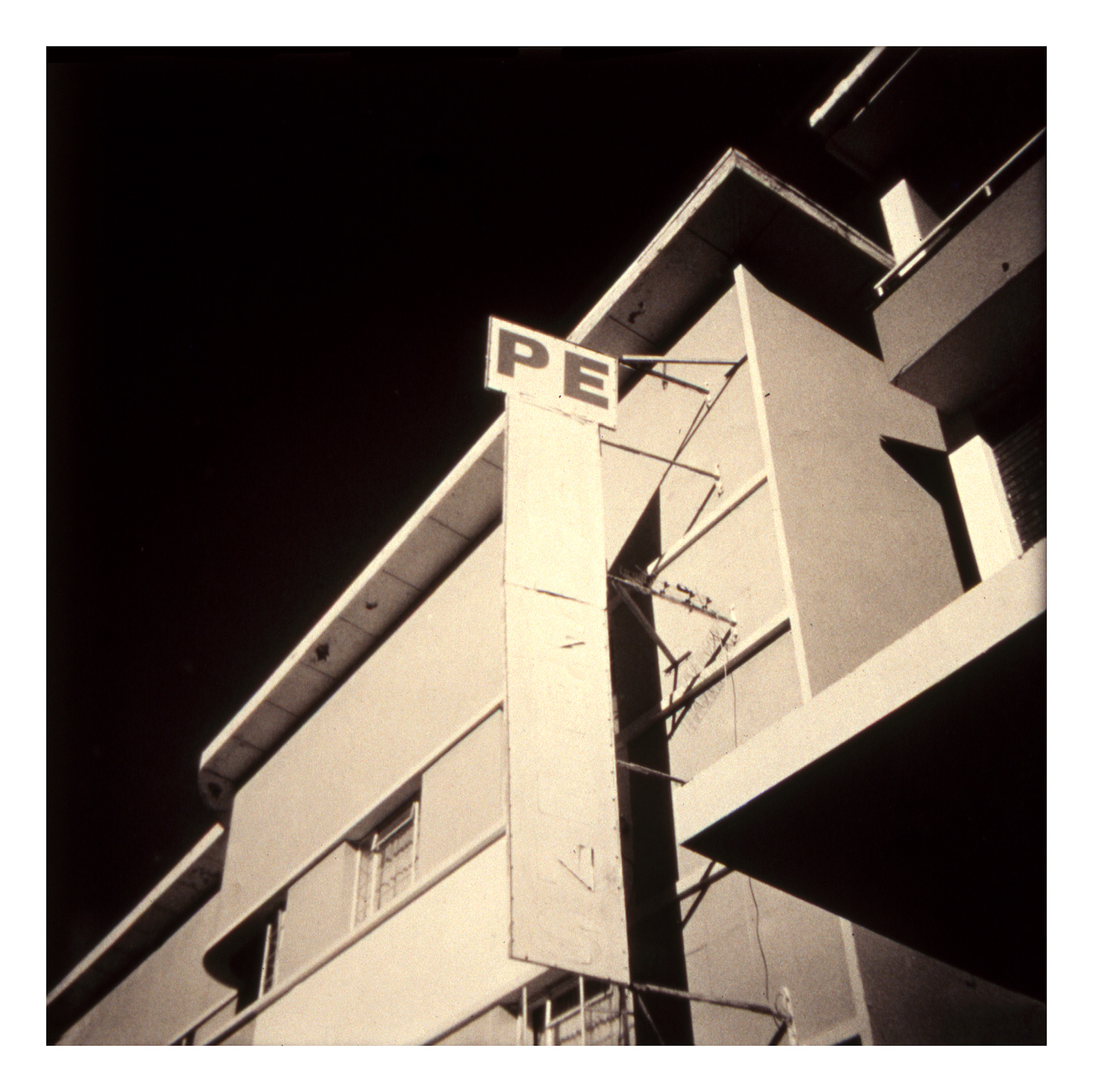
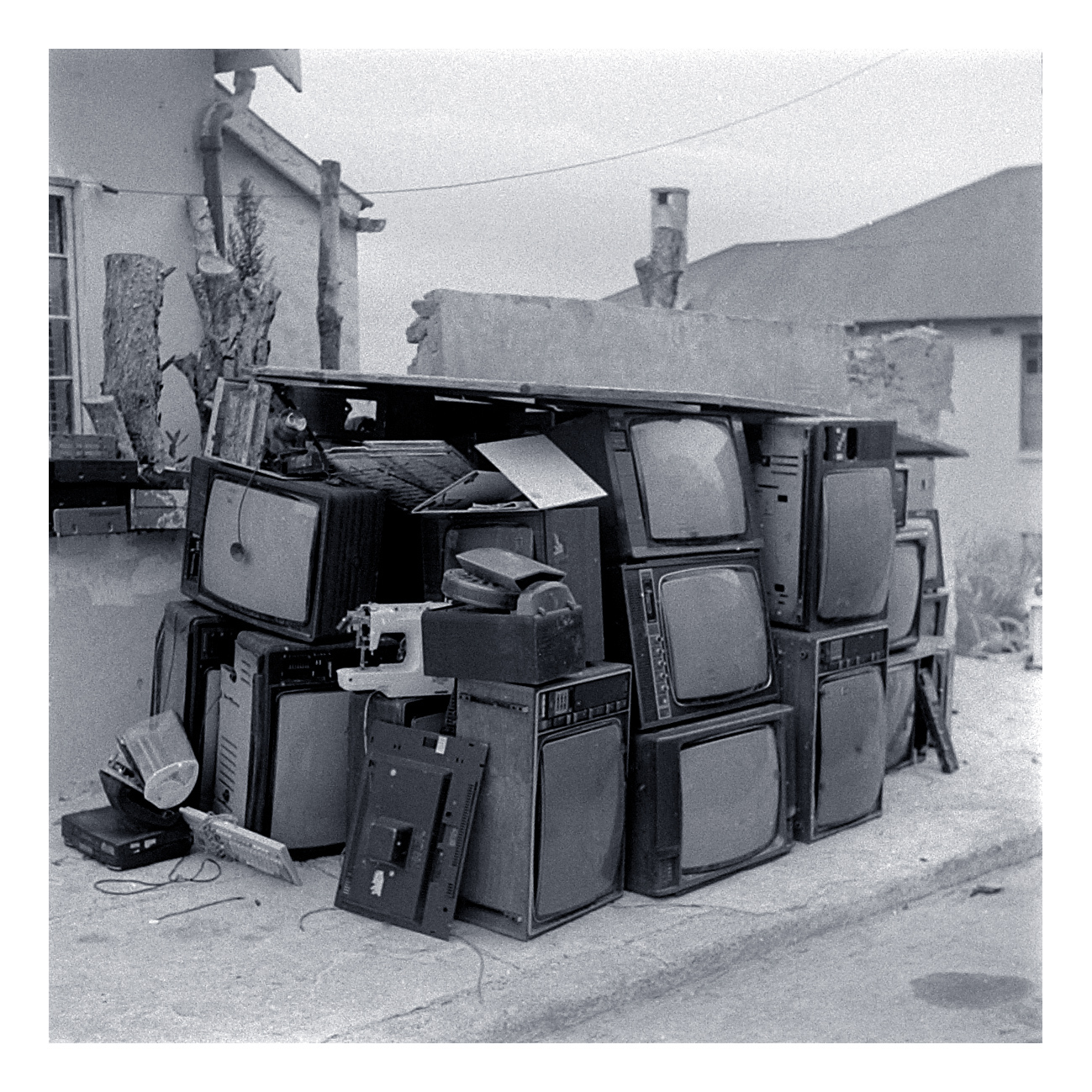
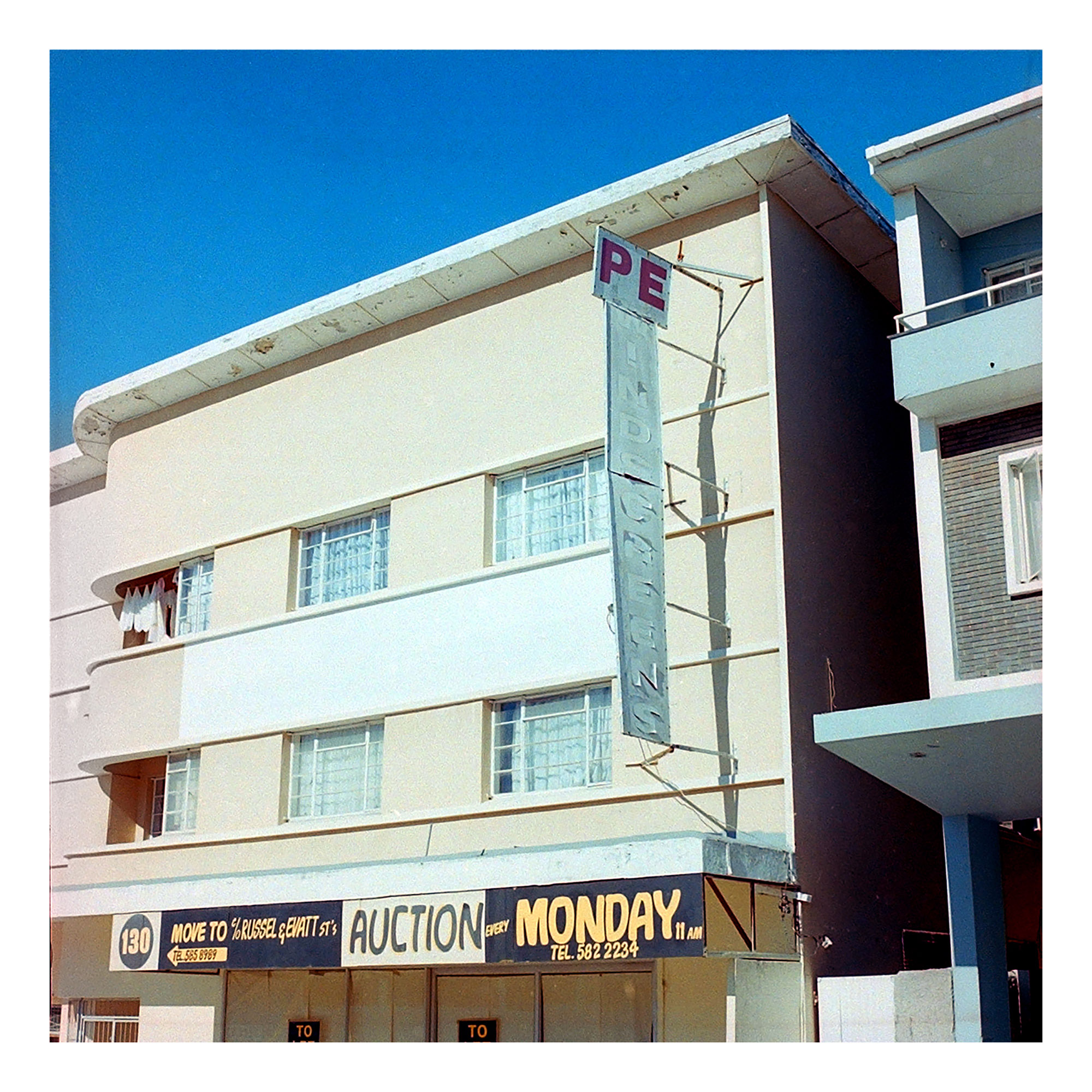
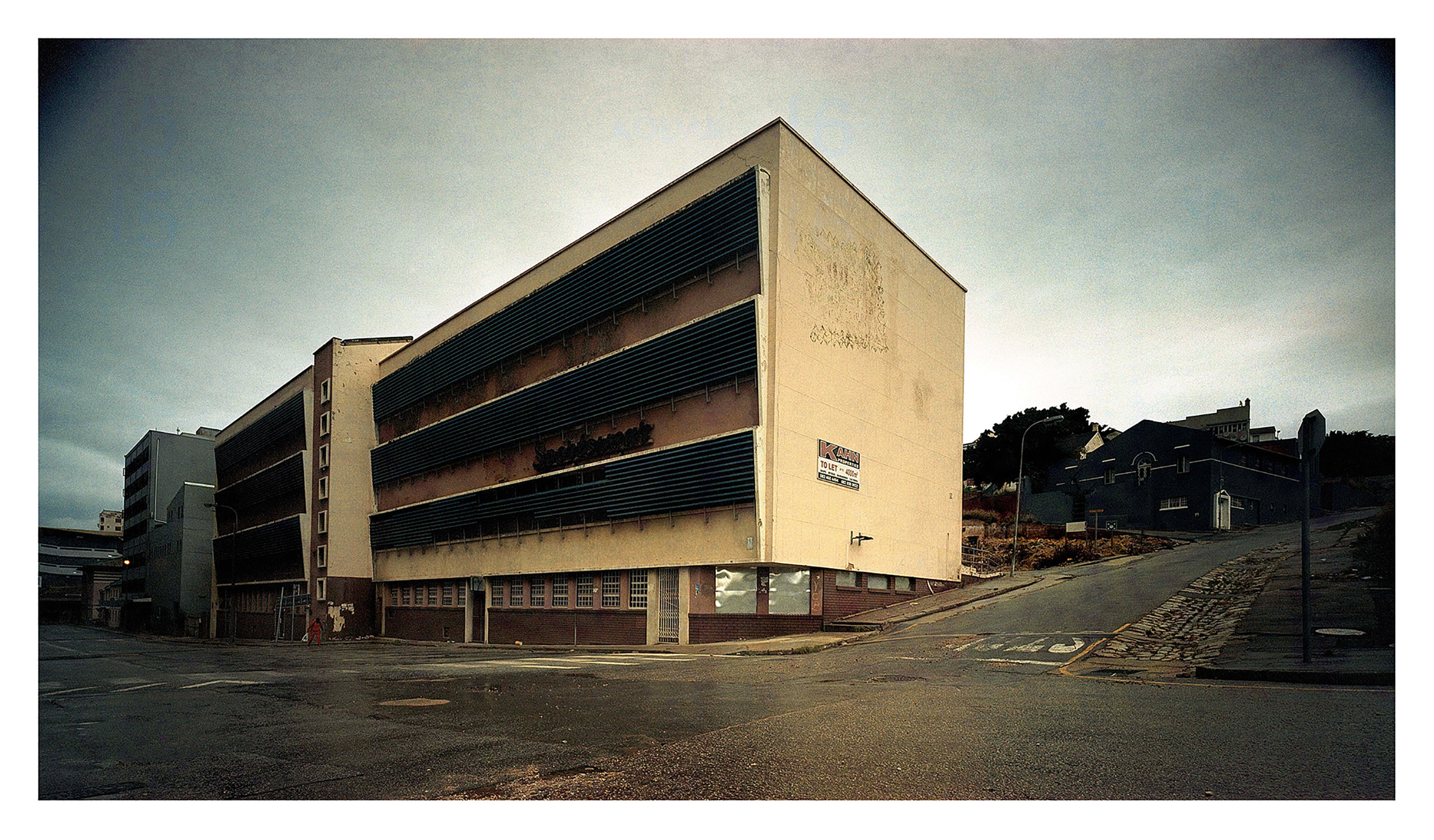
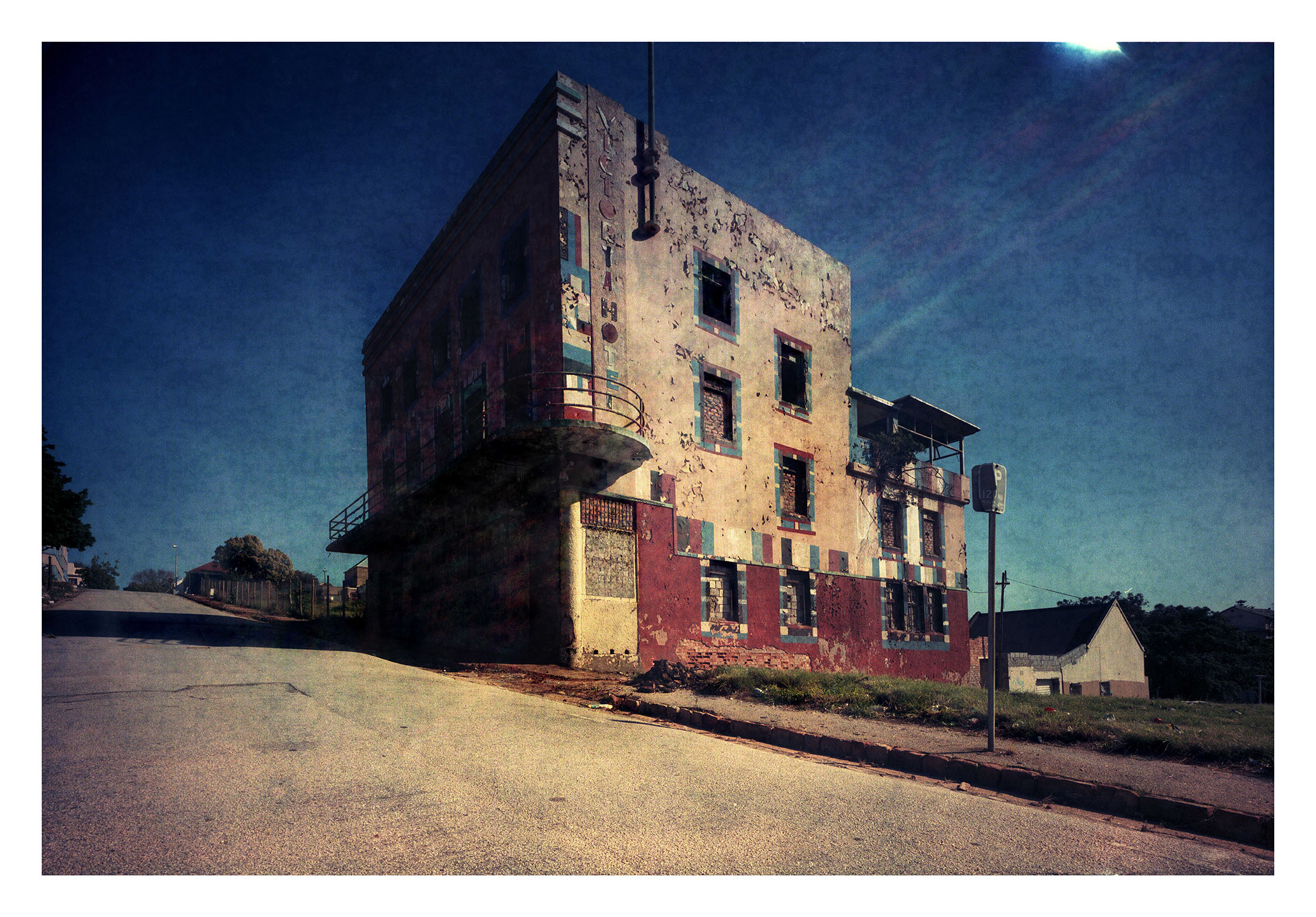
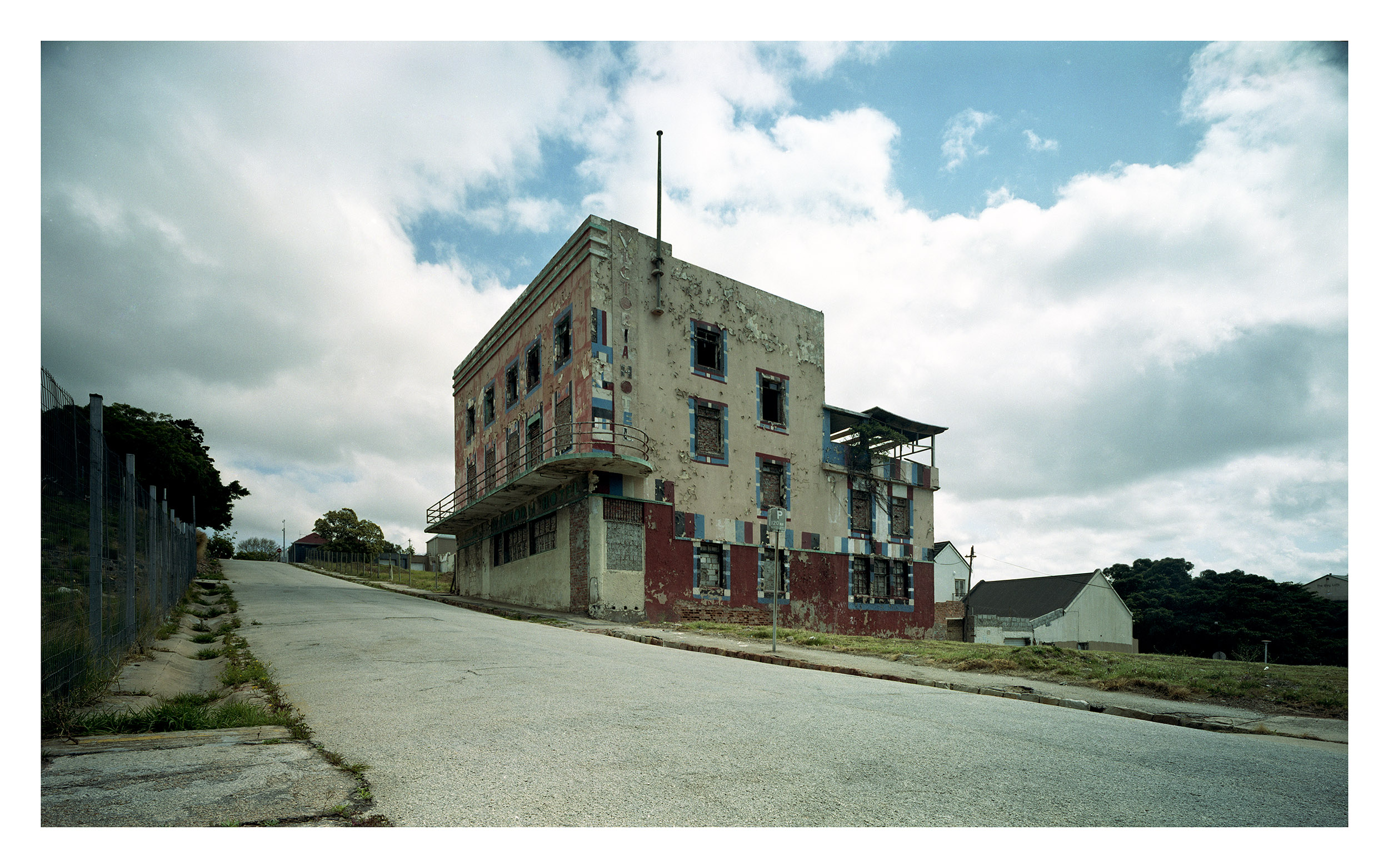
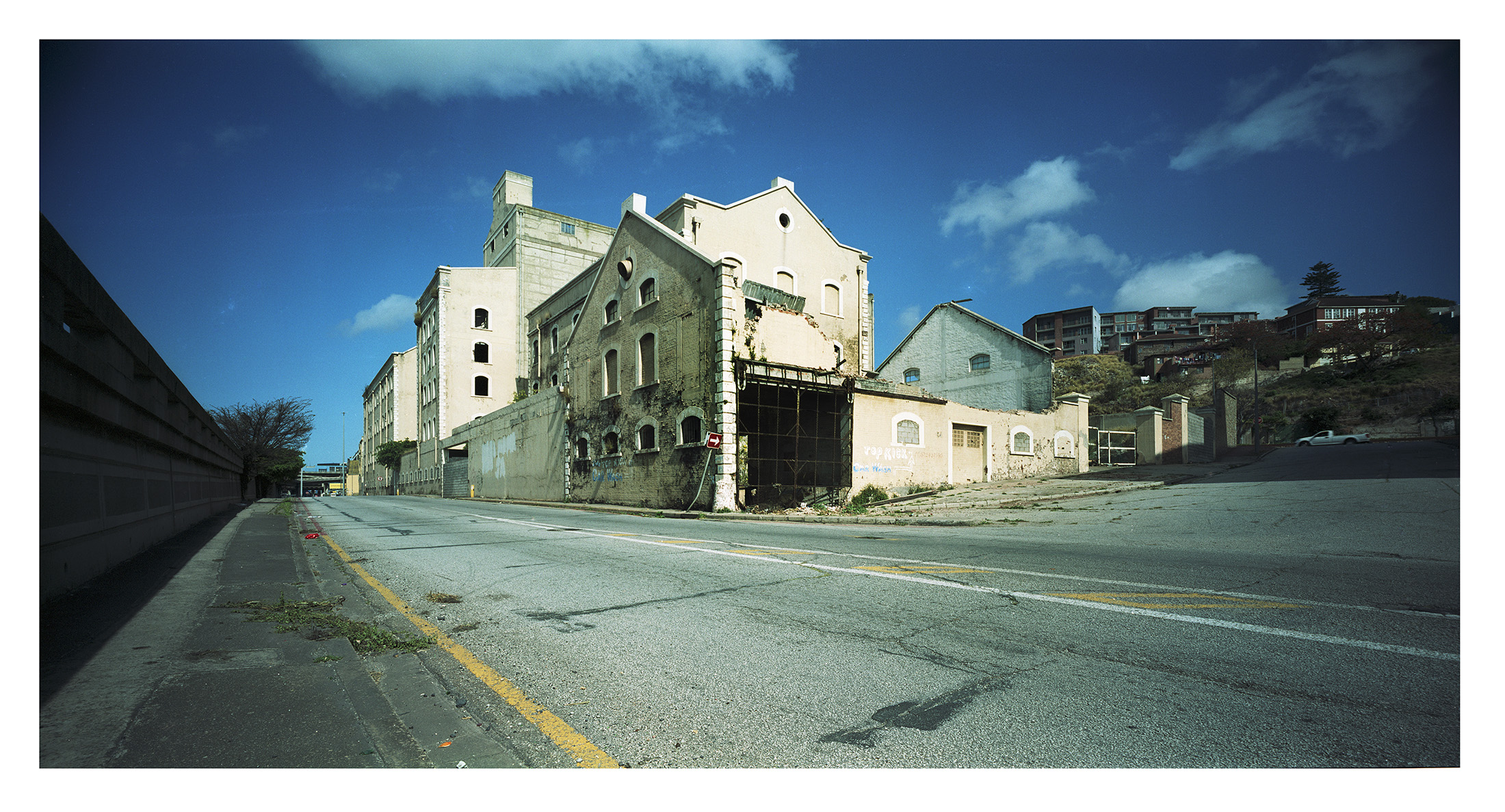
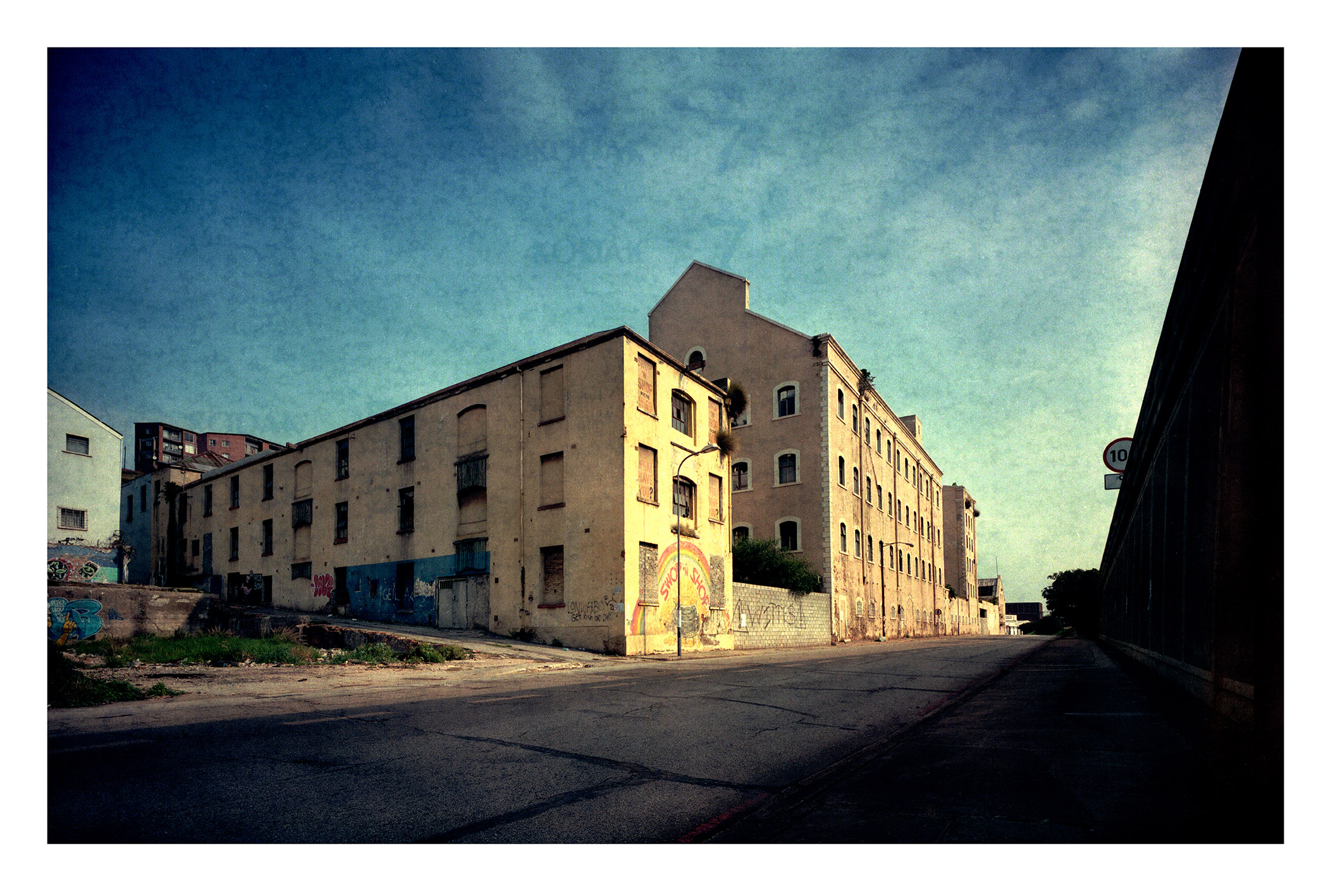
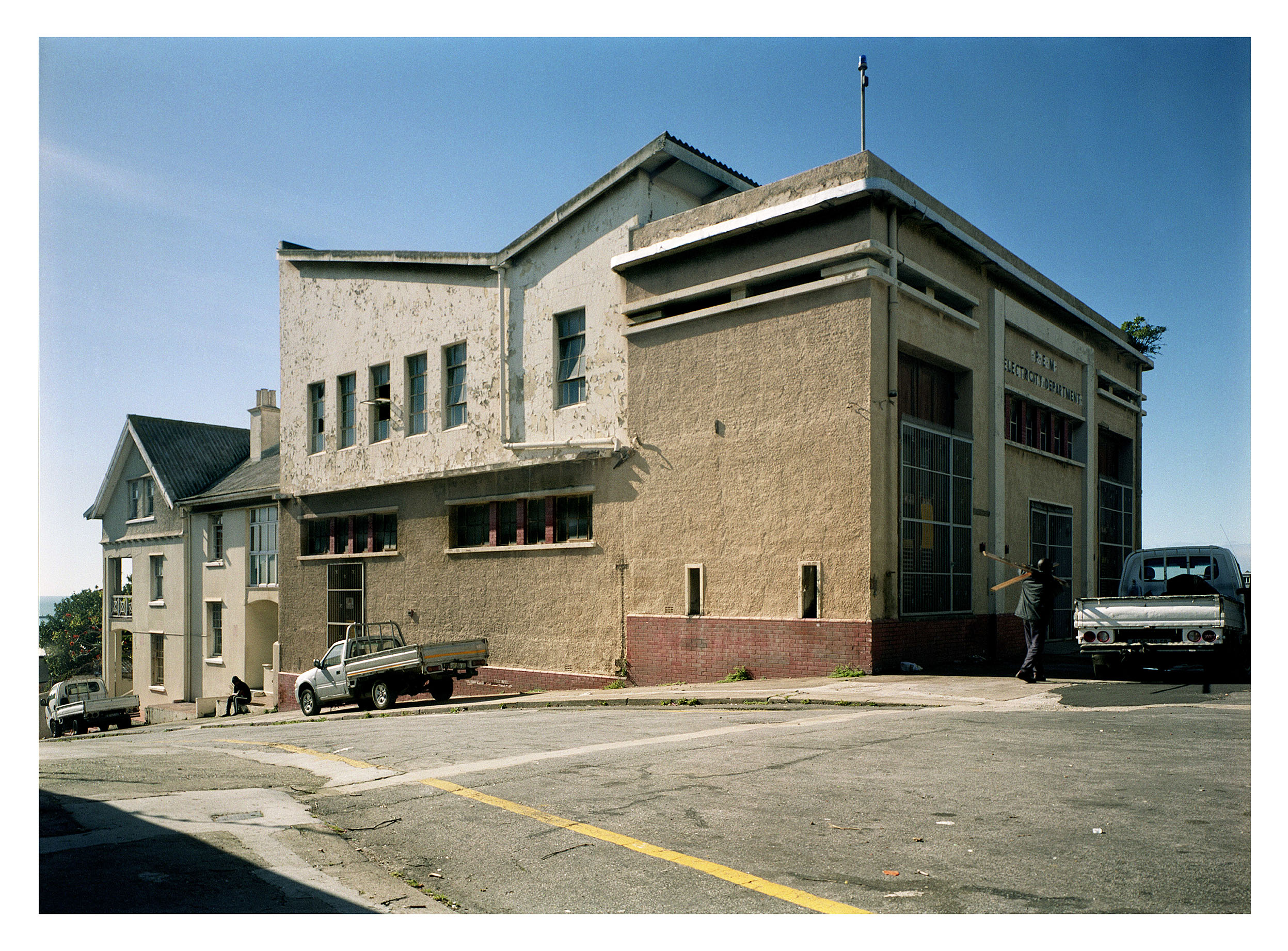
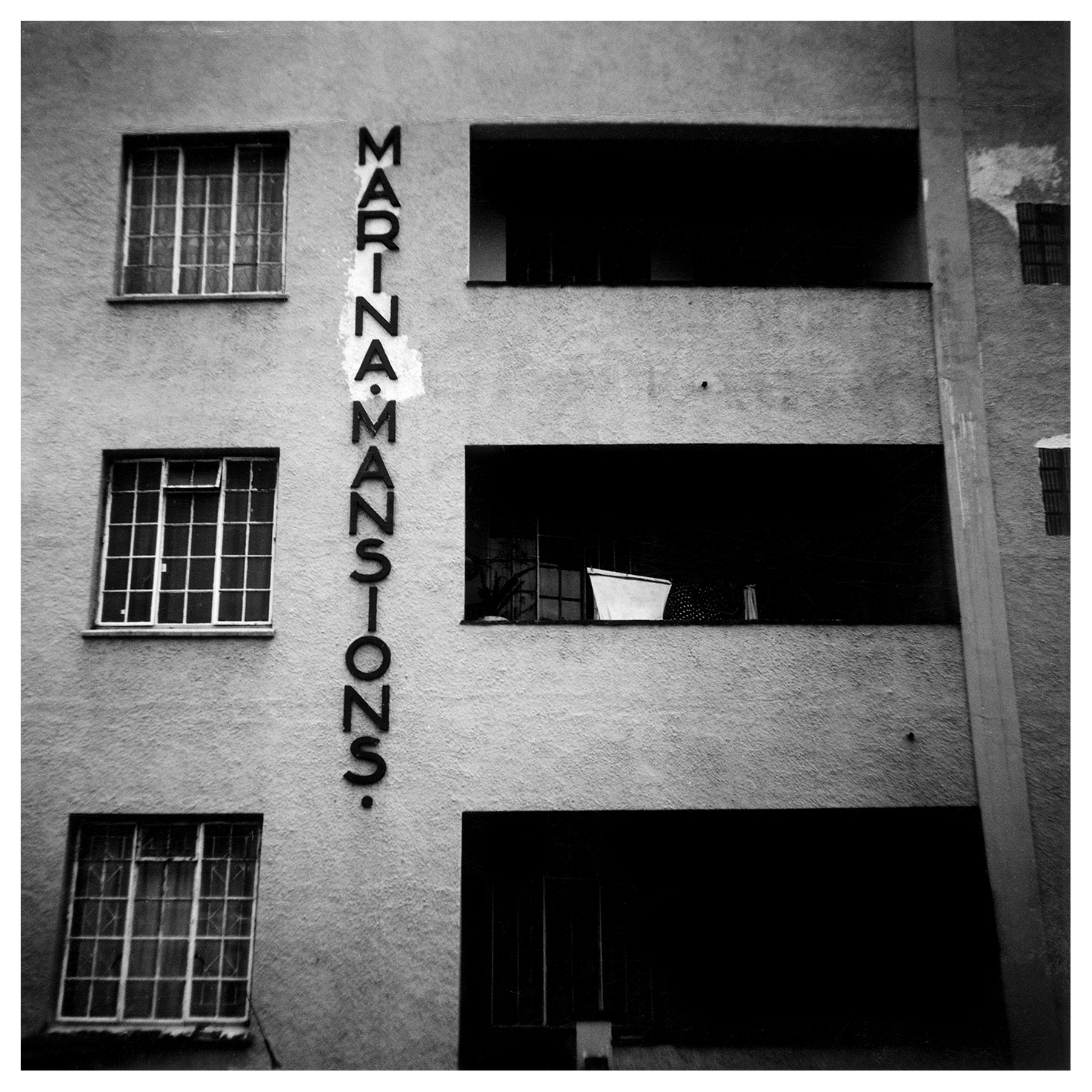
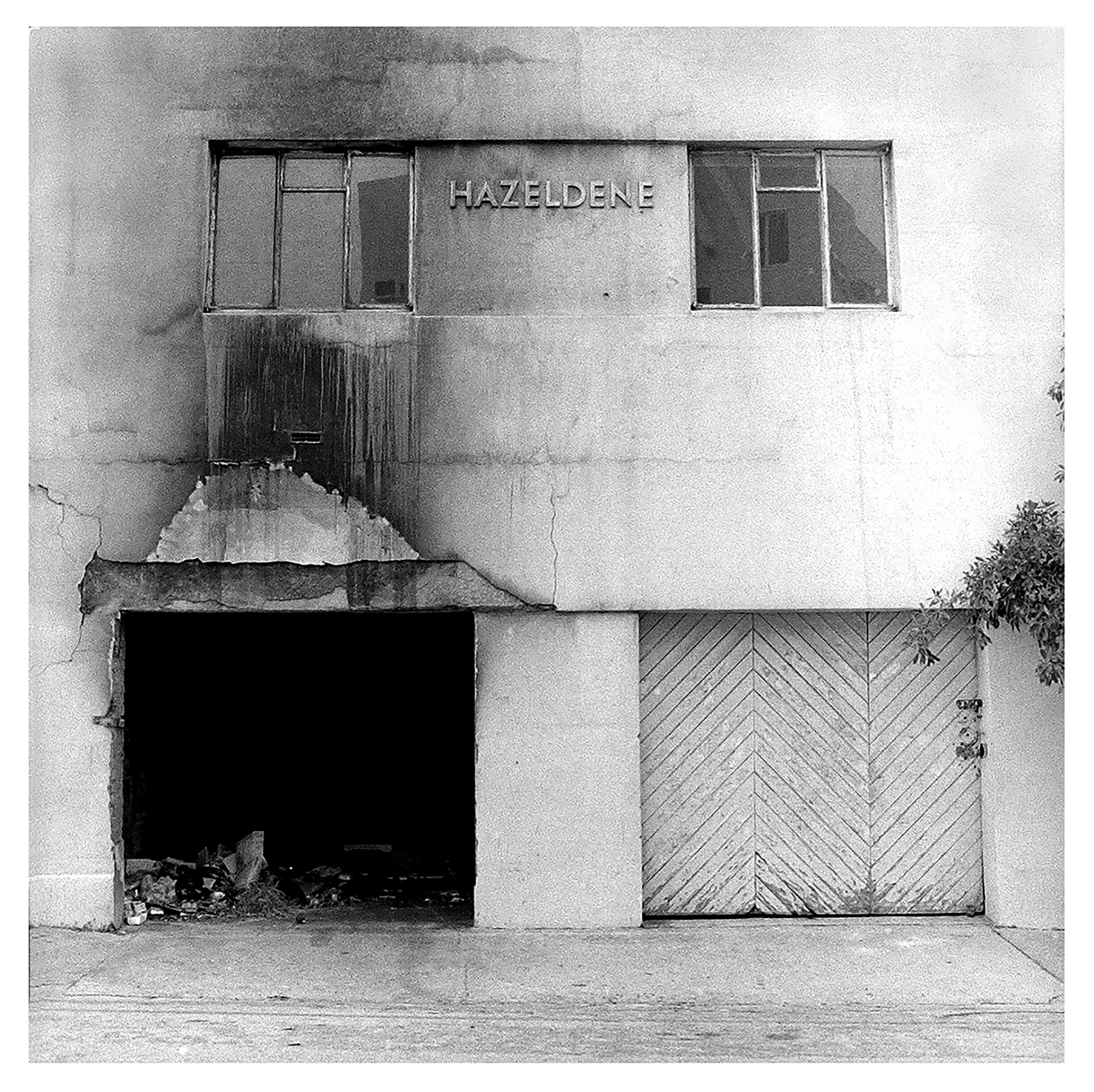
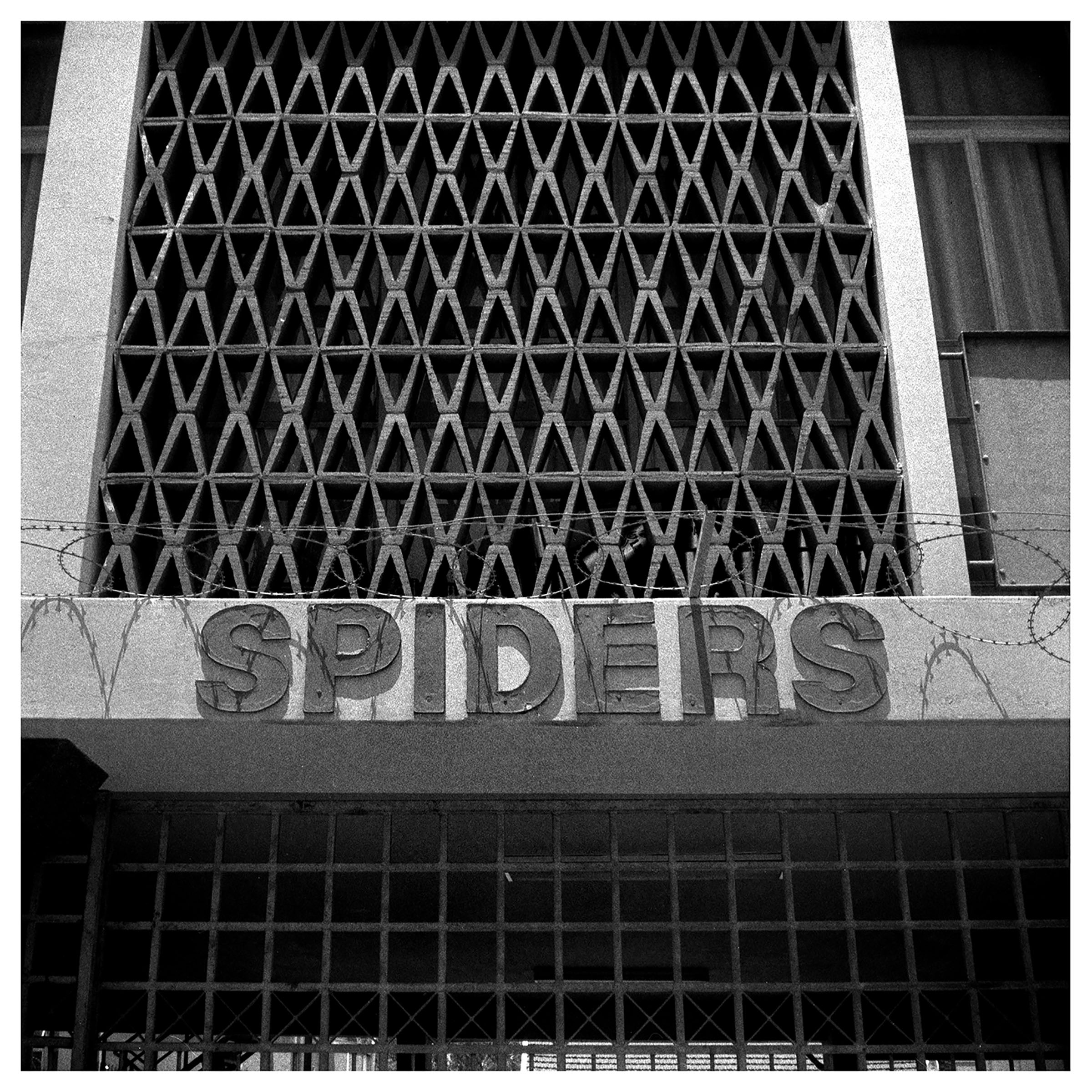

A selection from the an assortment of other projects on the city, some half-completed before my negatives were stolen, some begun recently.
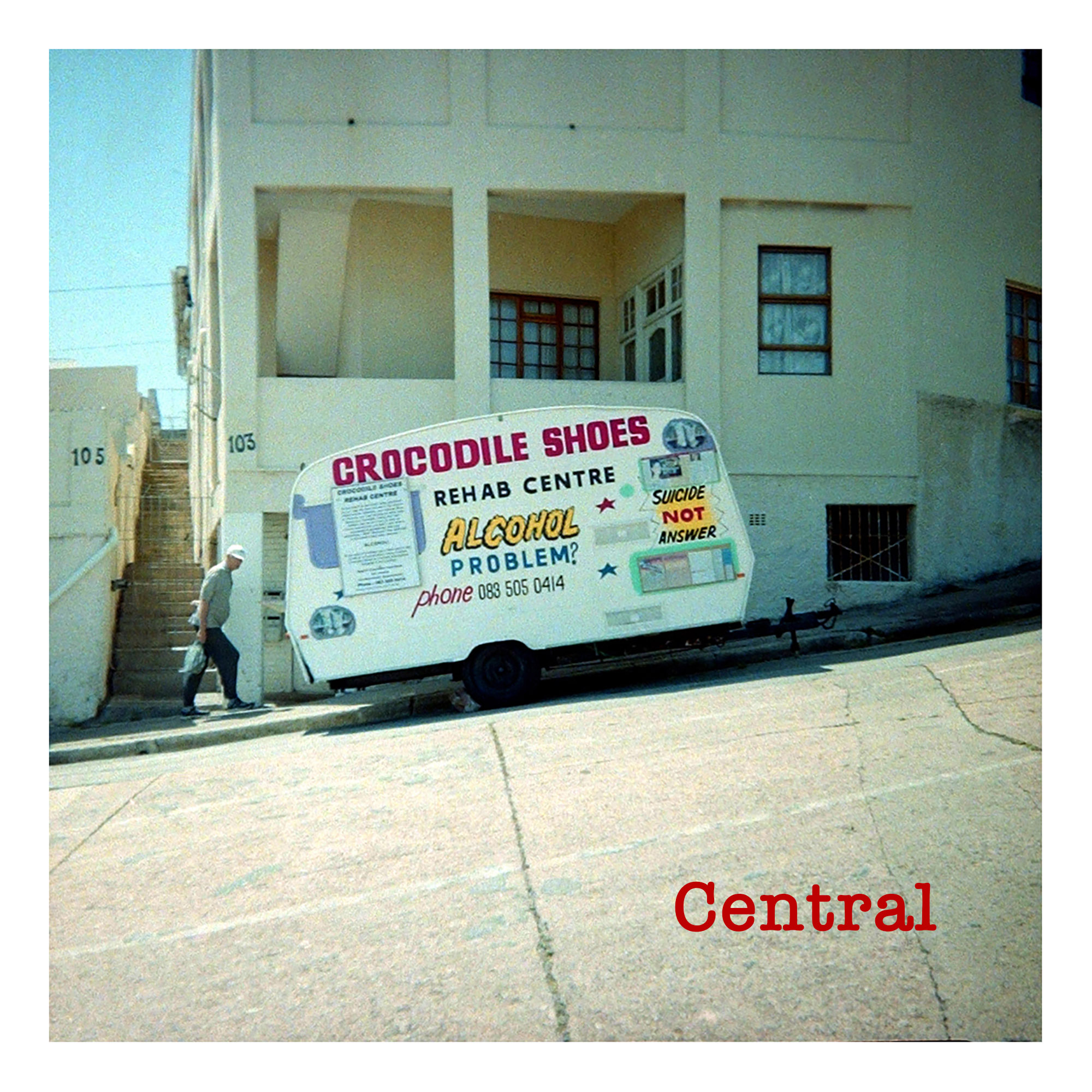


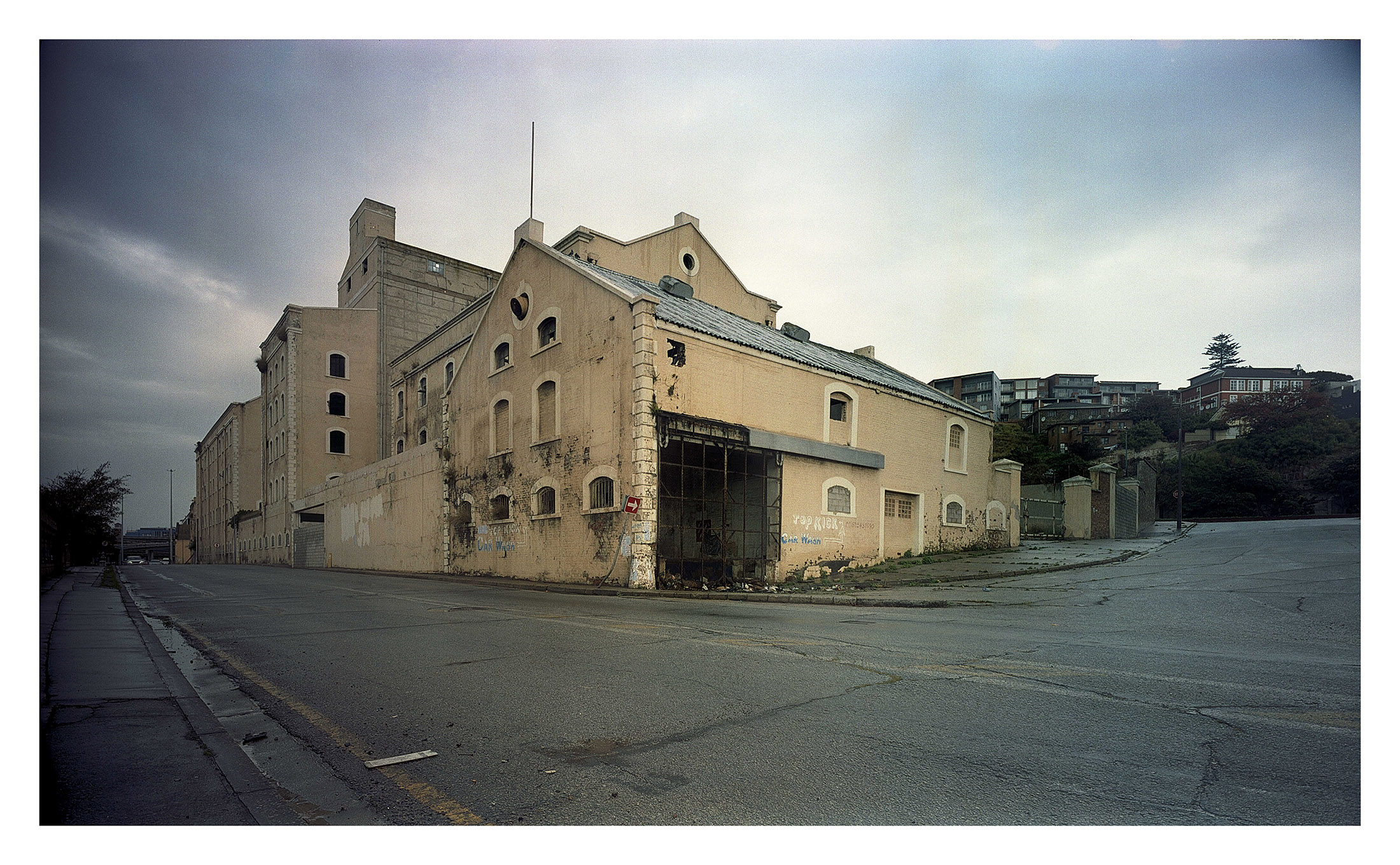
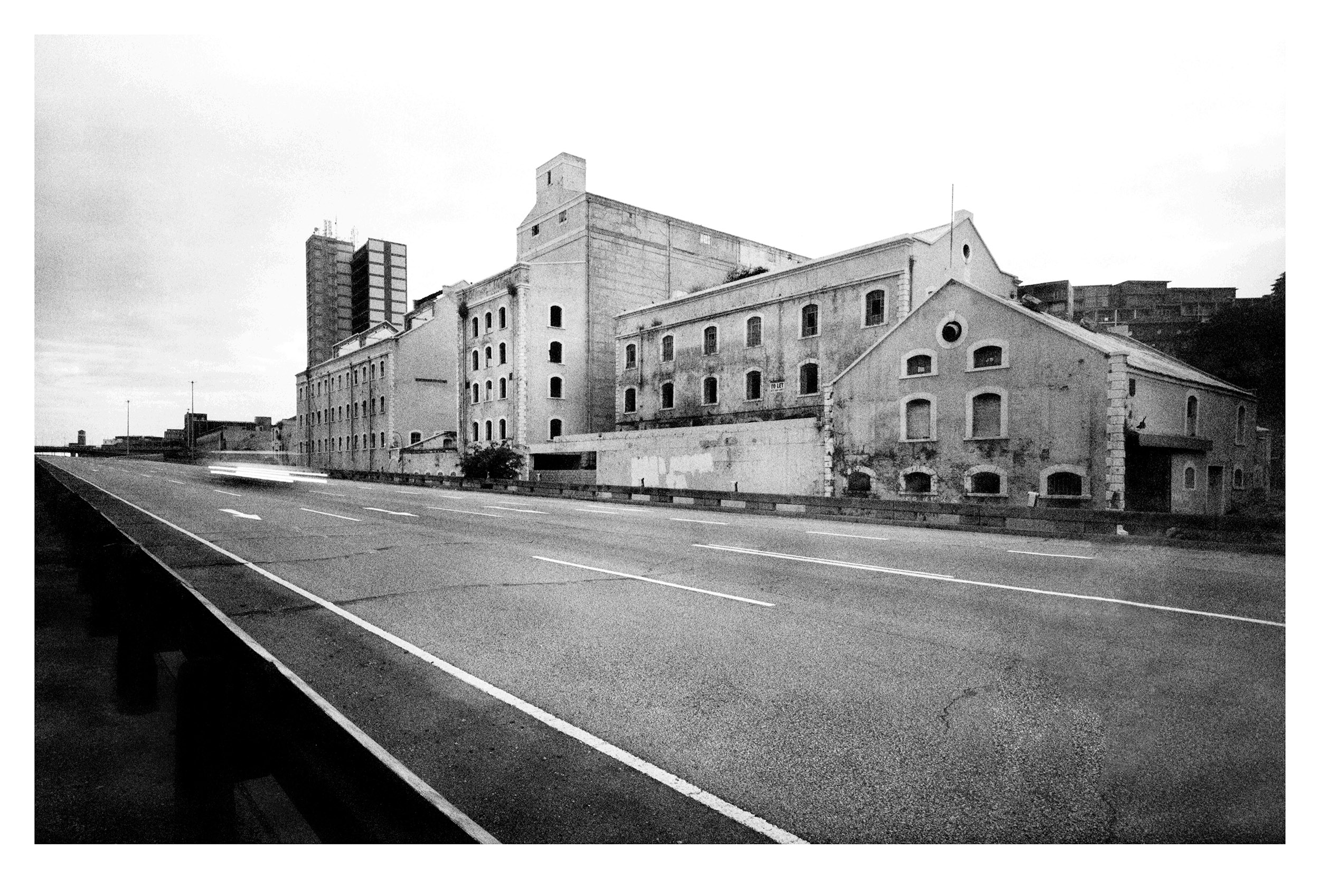
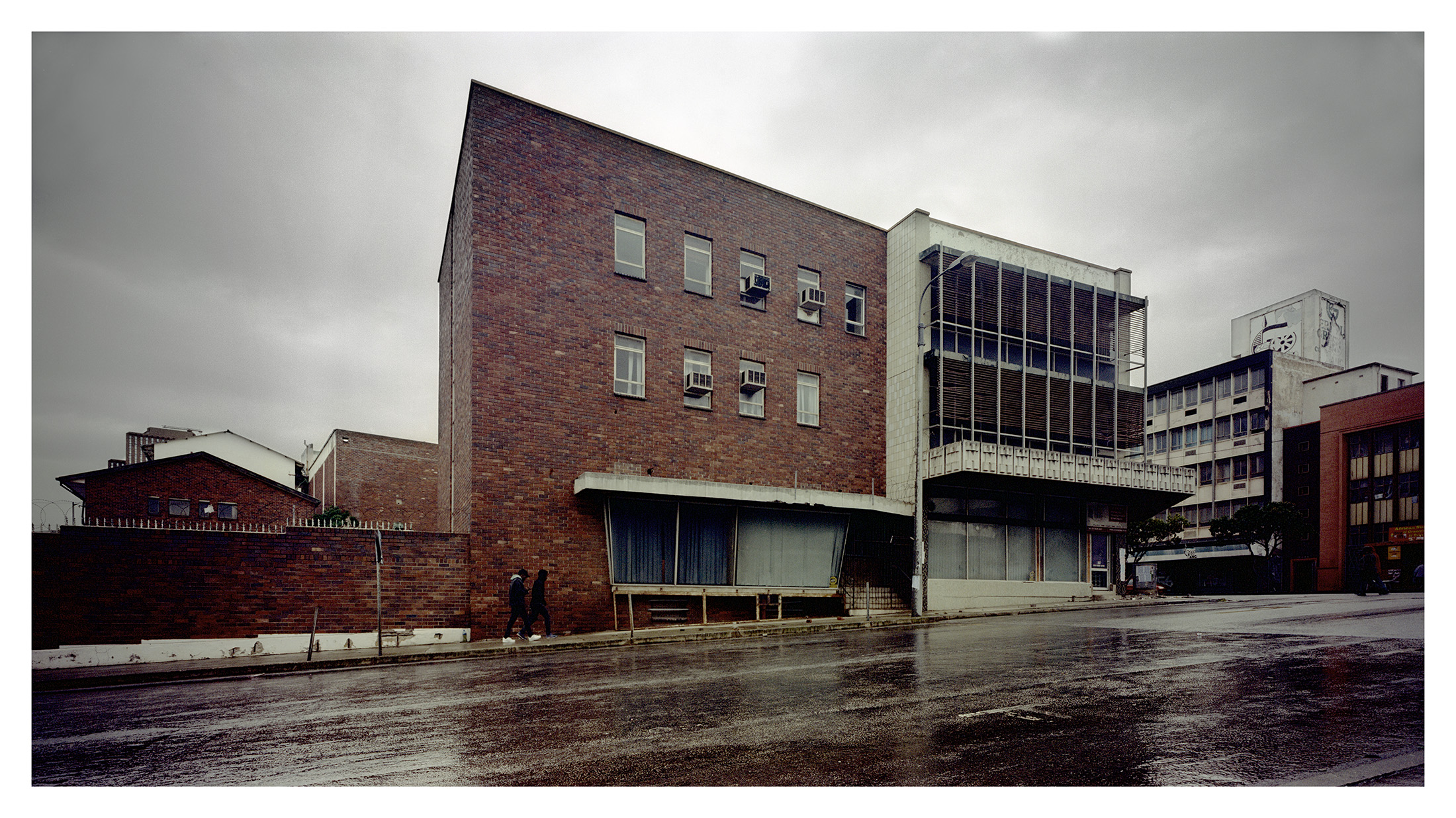
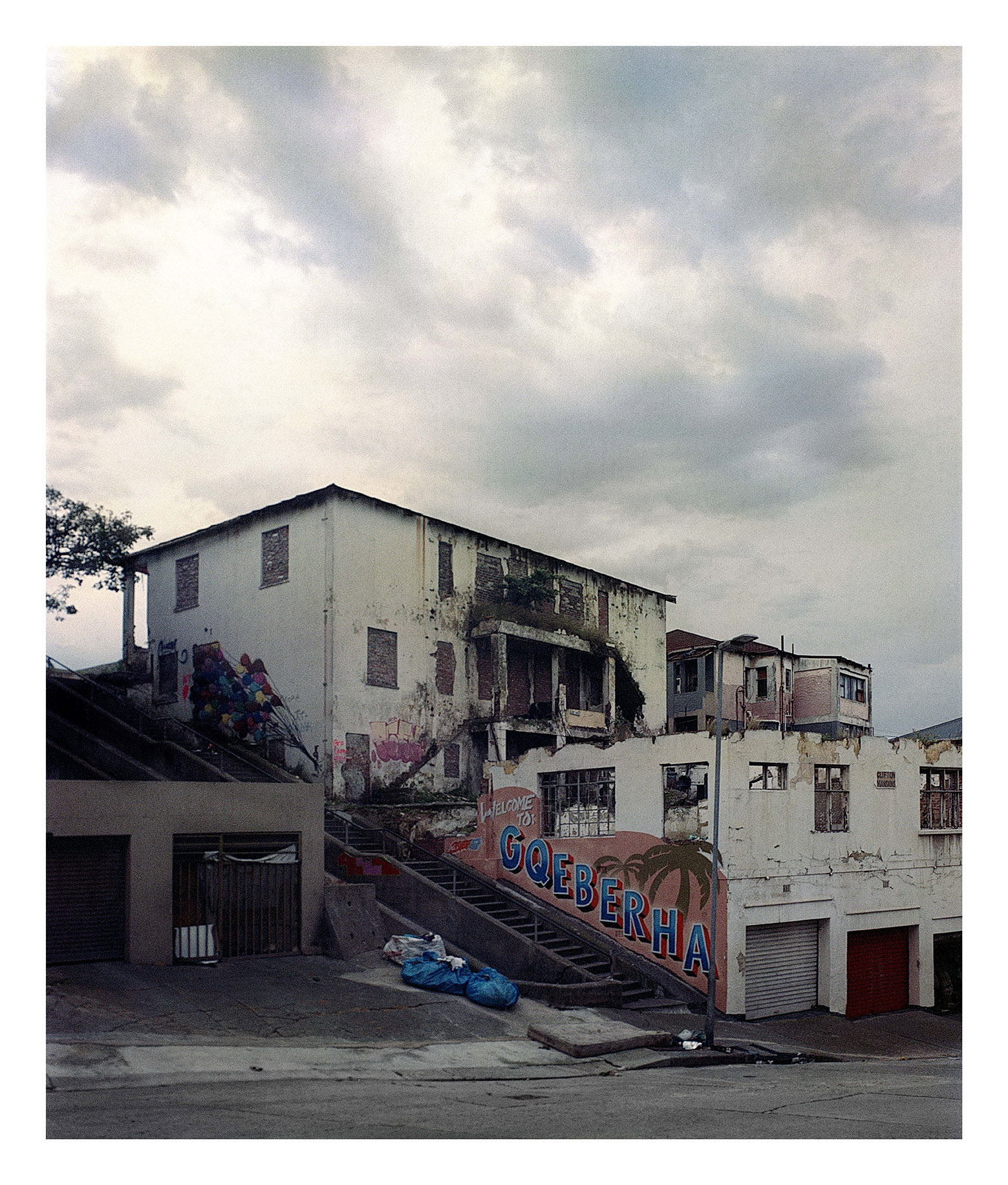


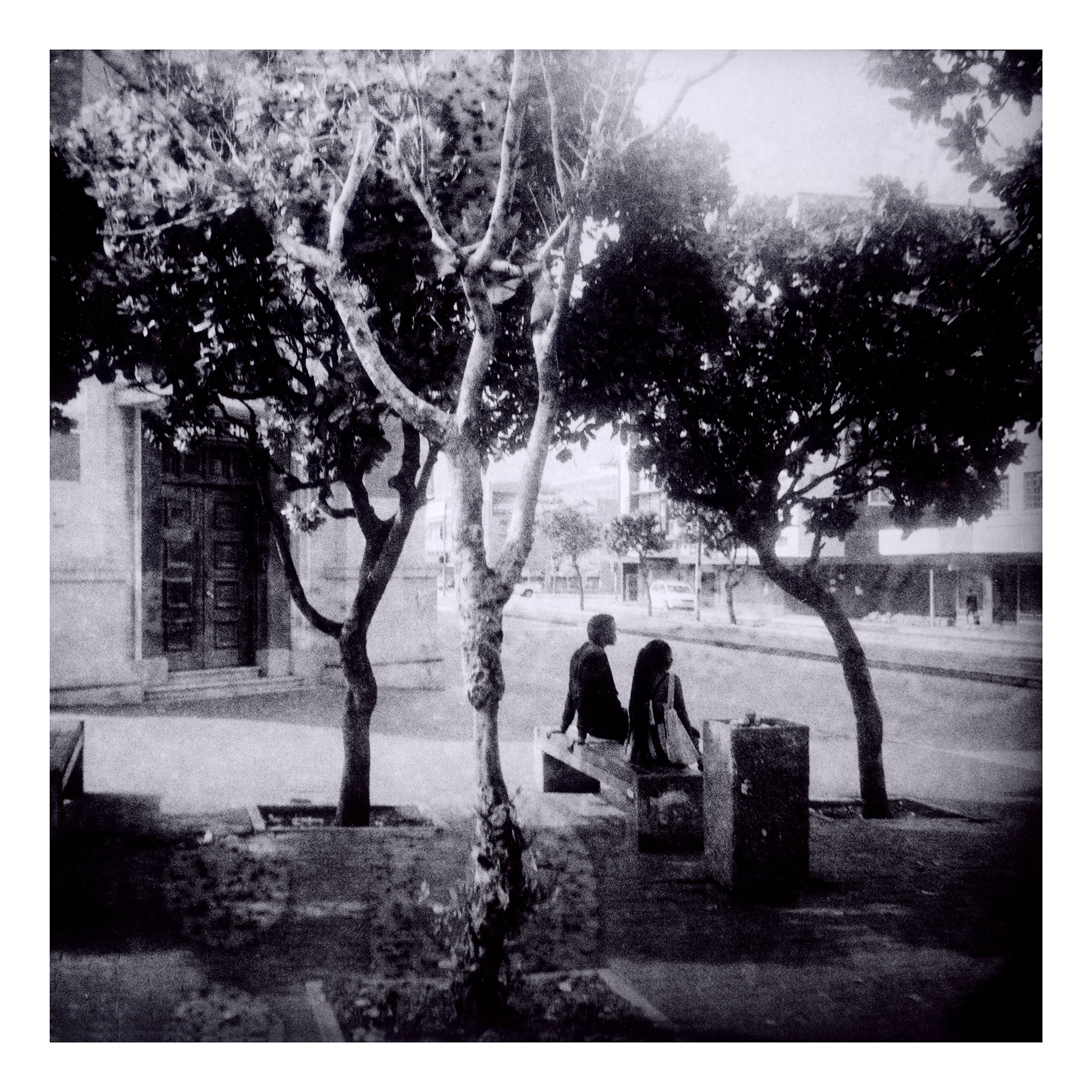


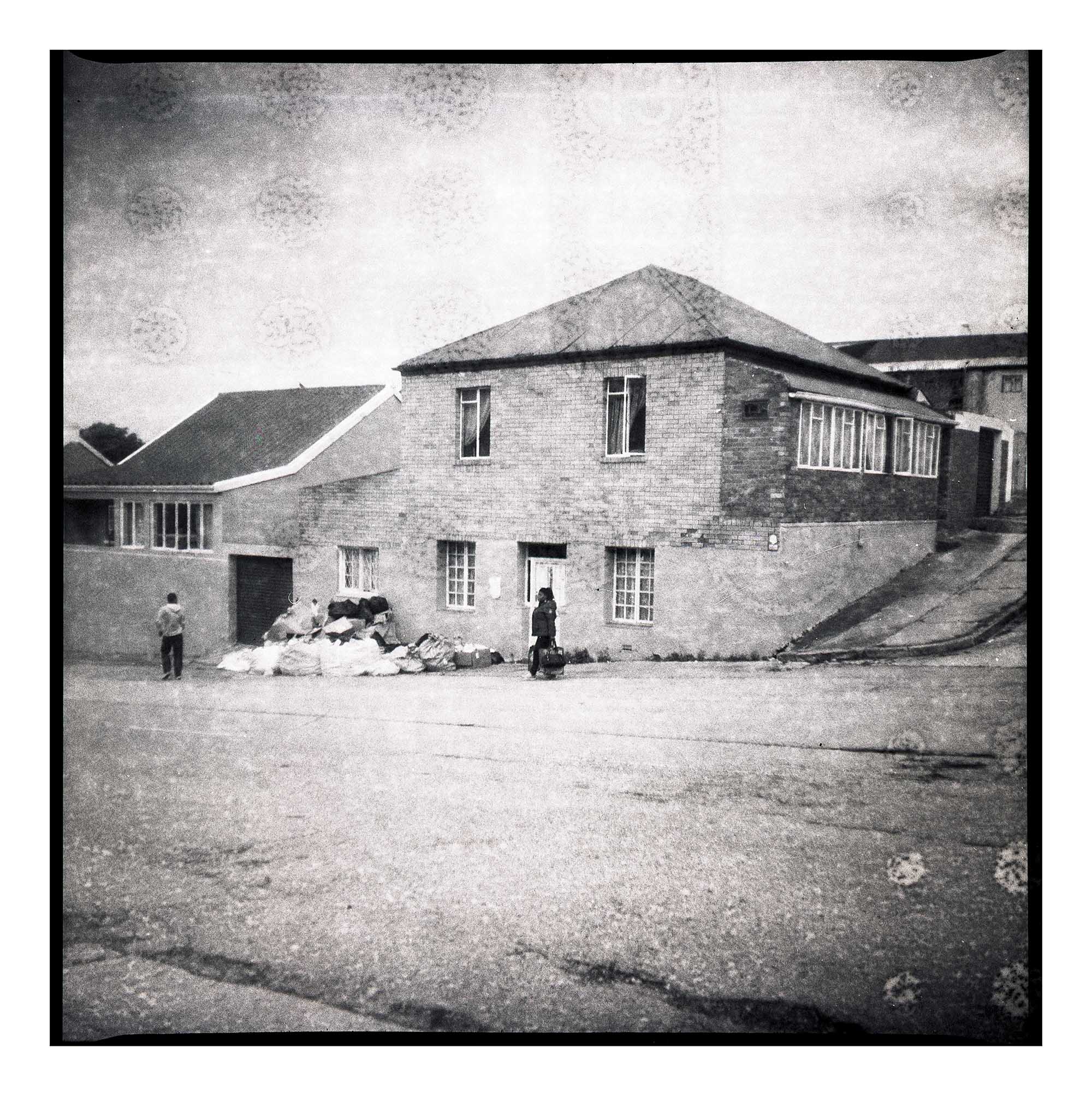
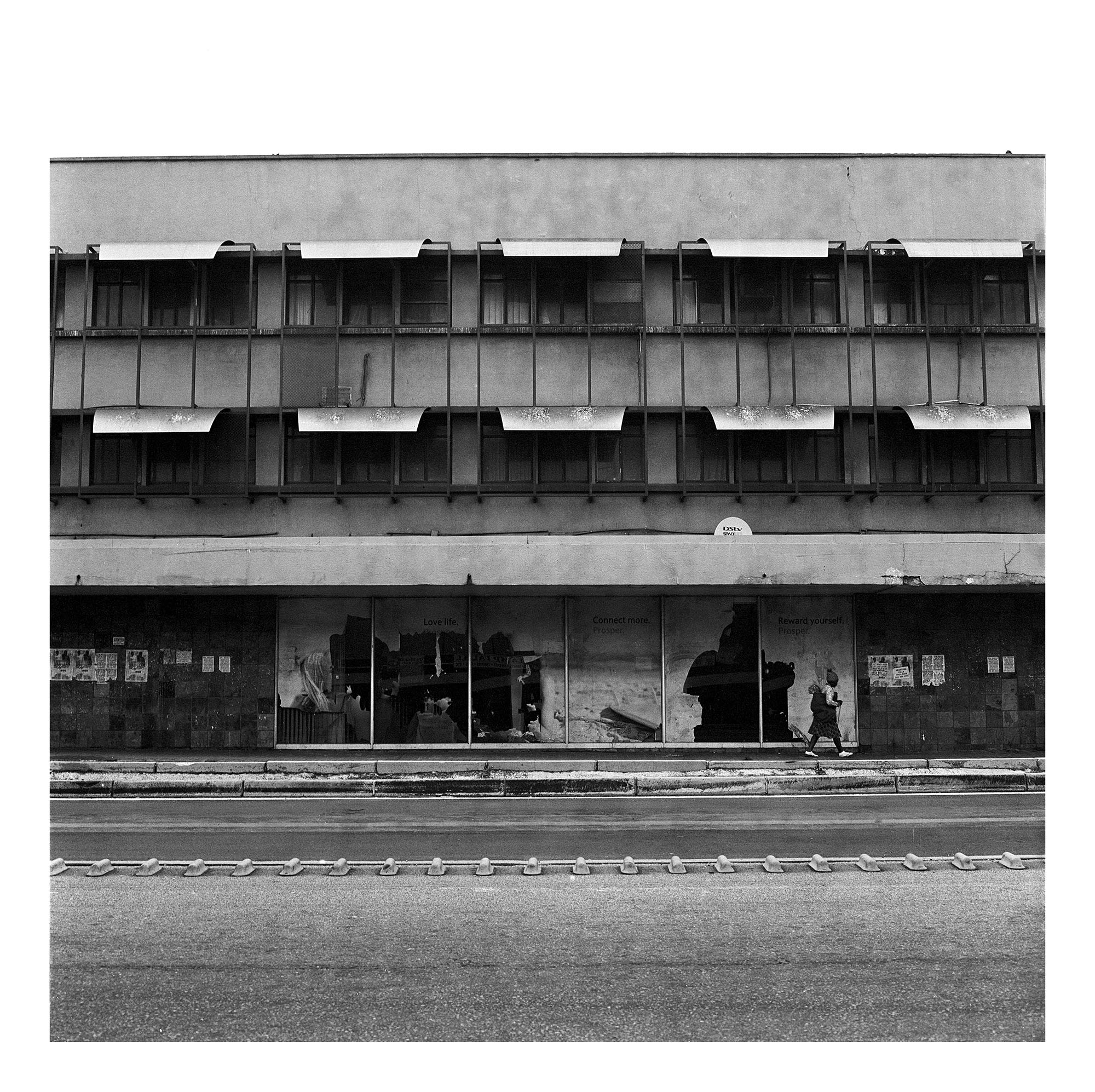
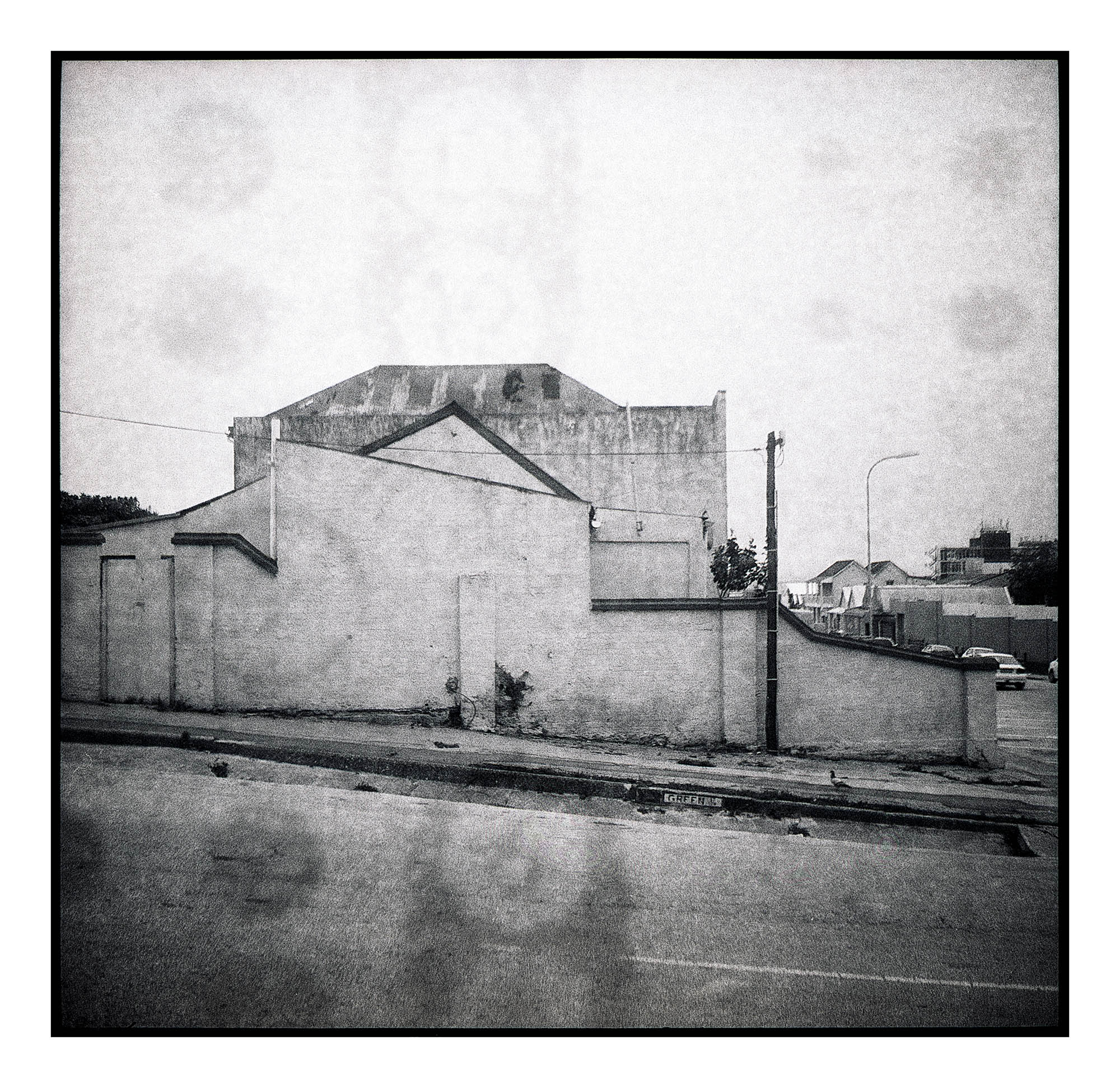







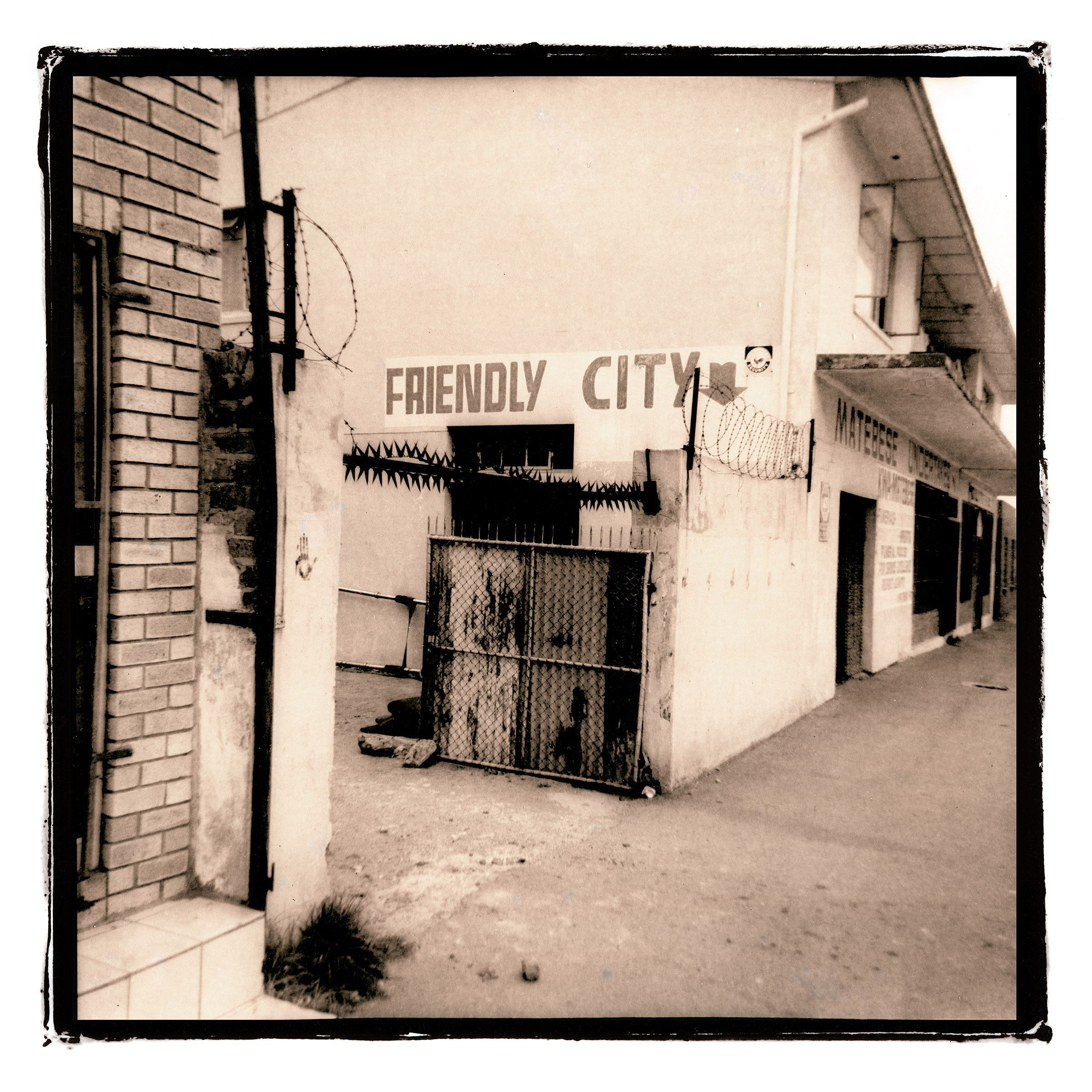
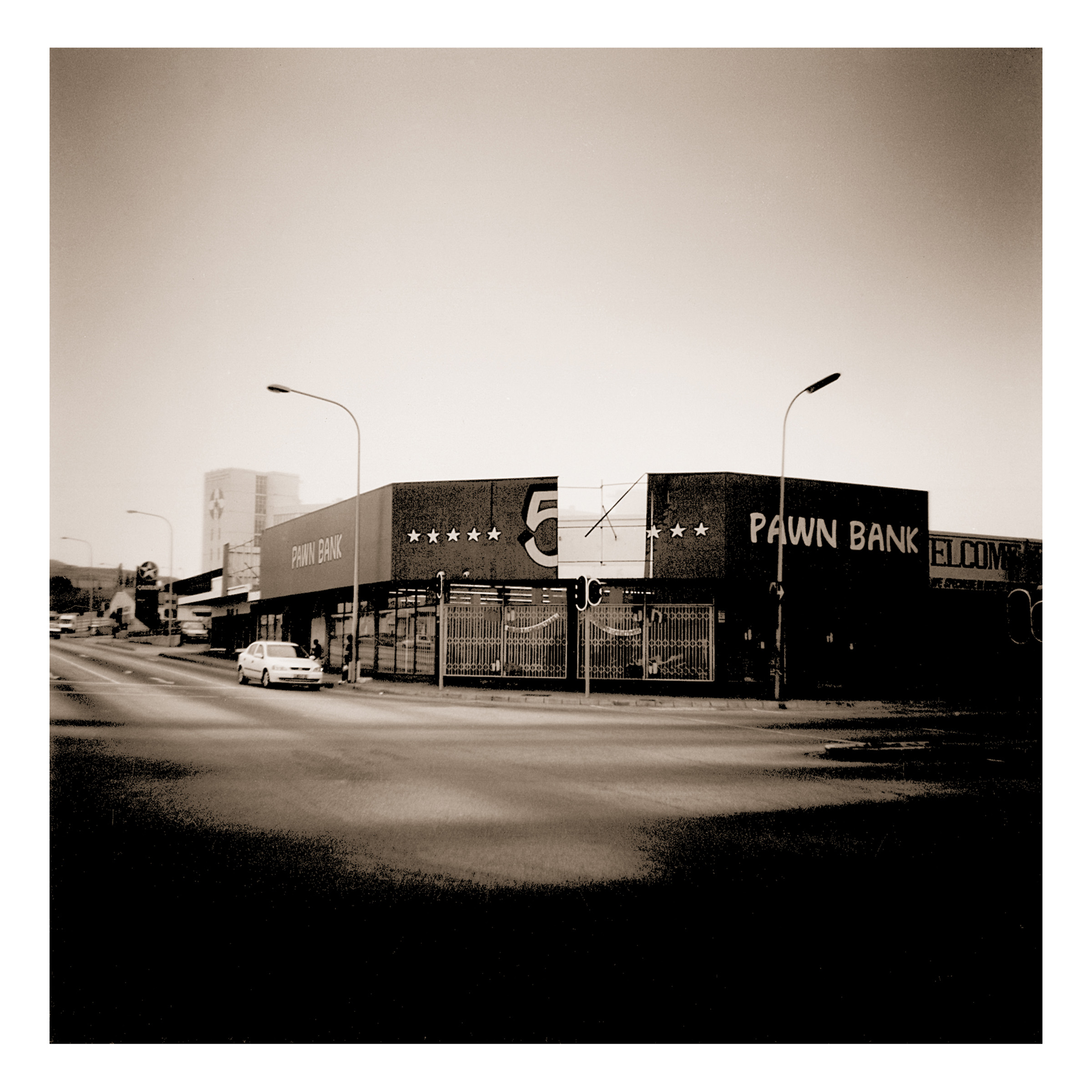
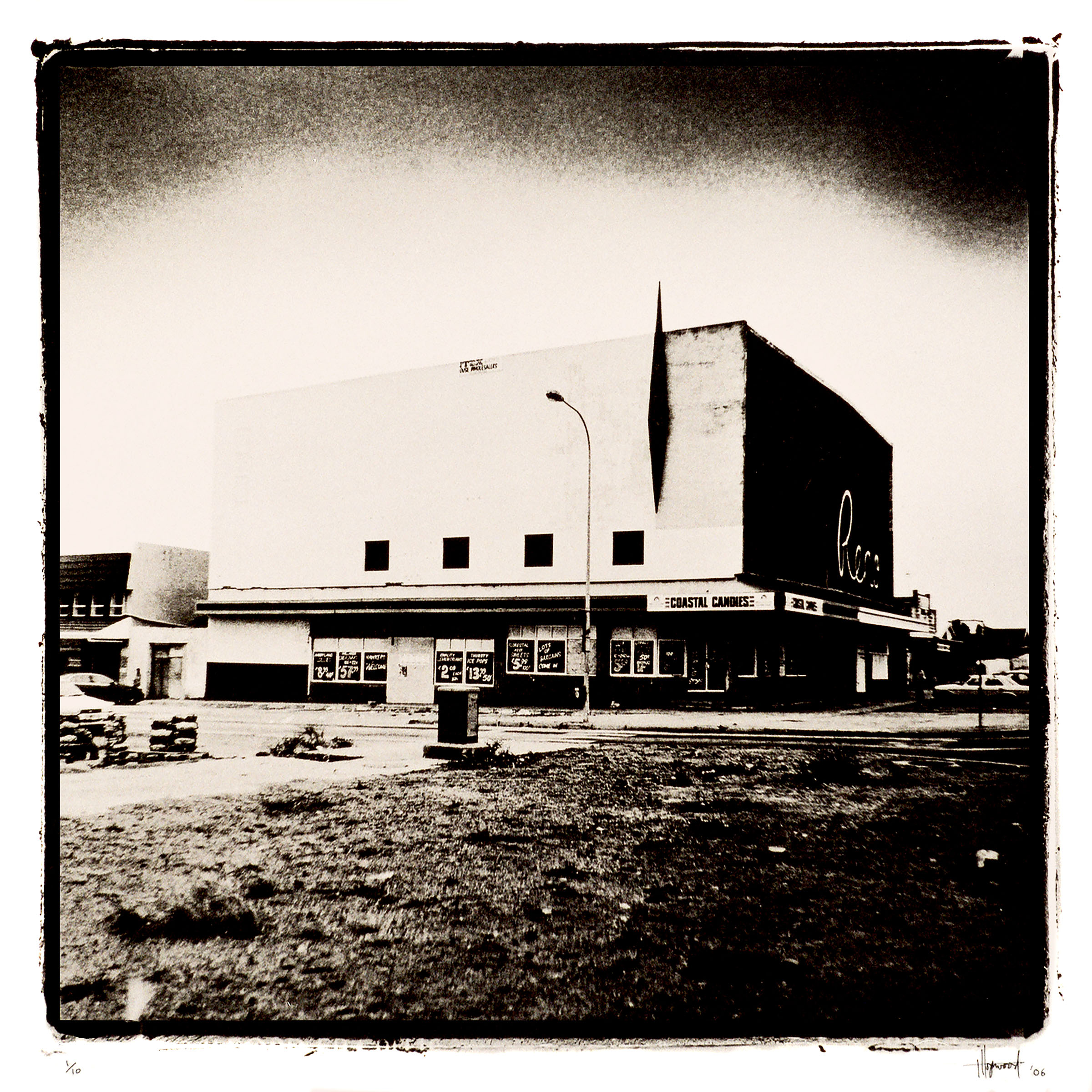
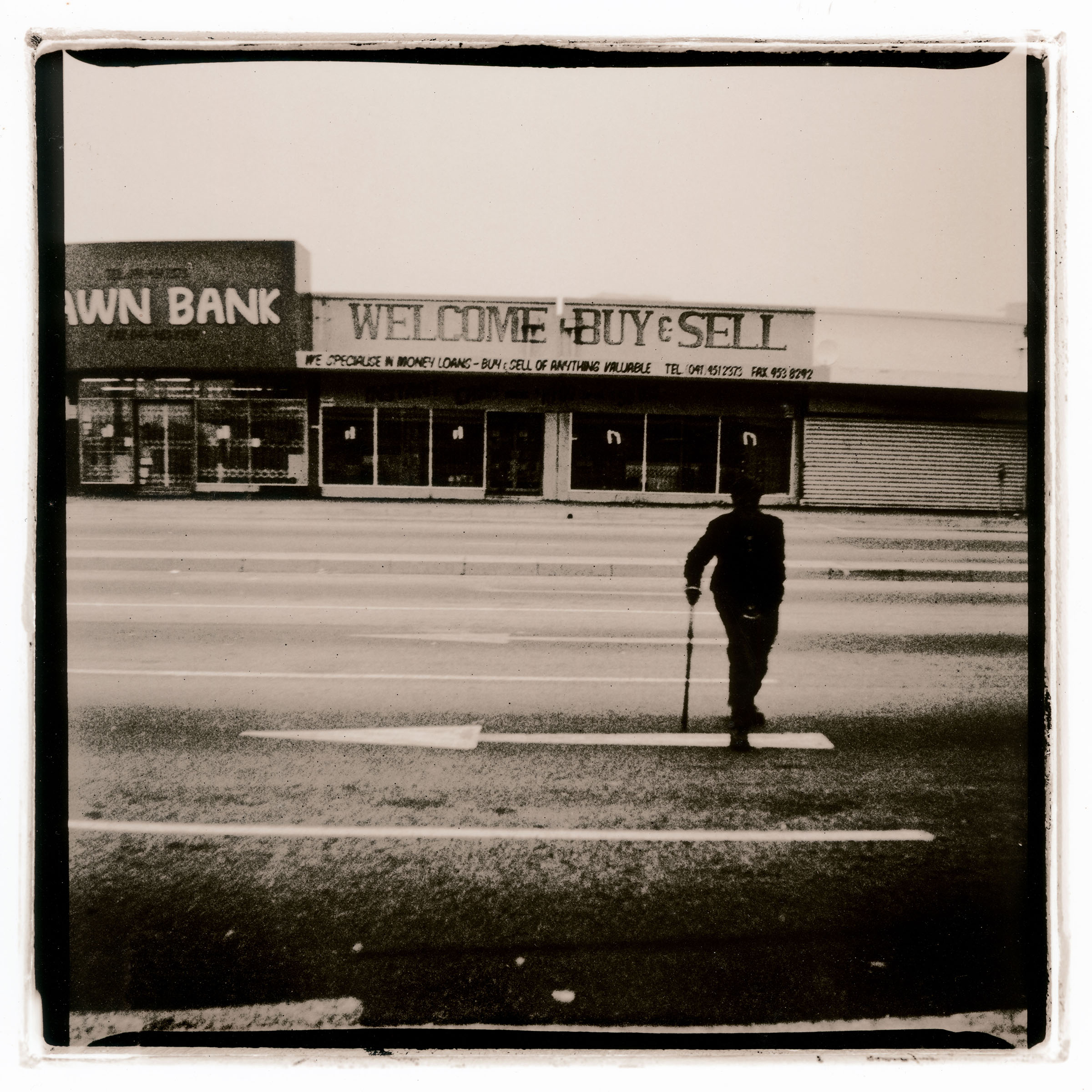



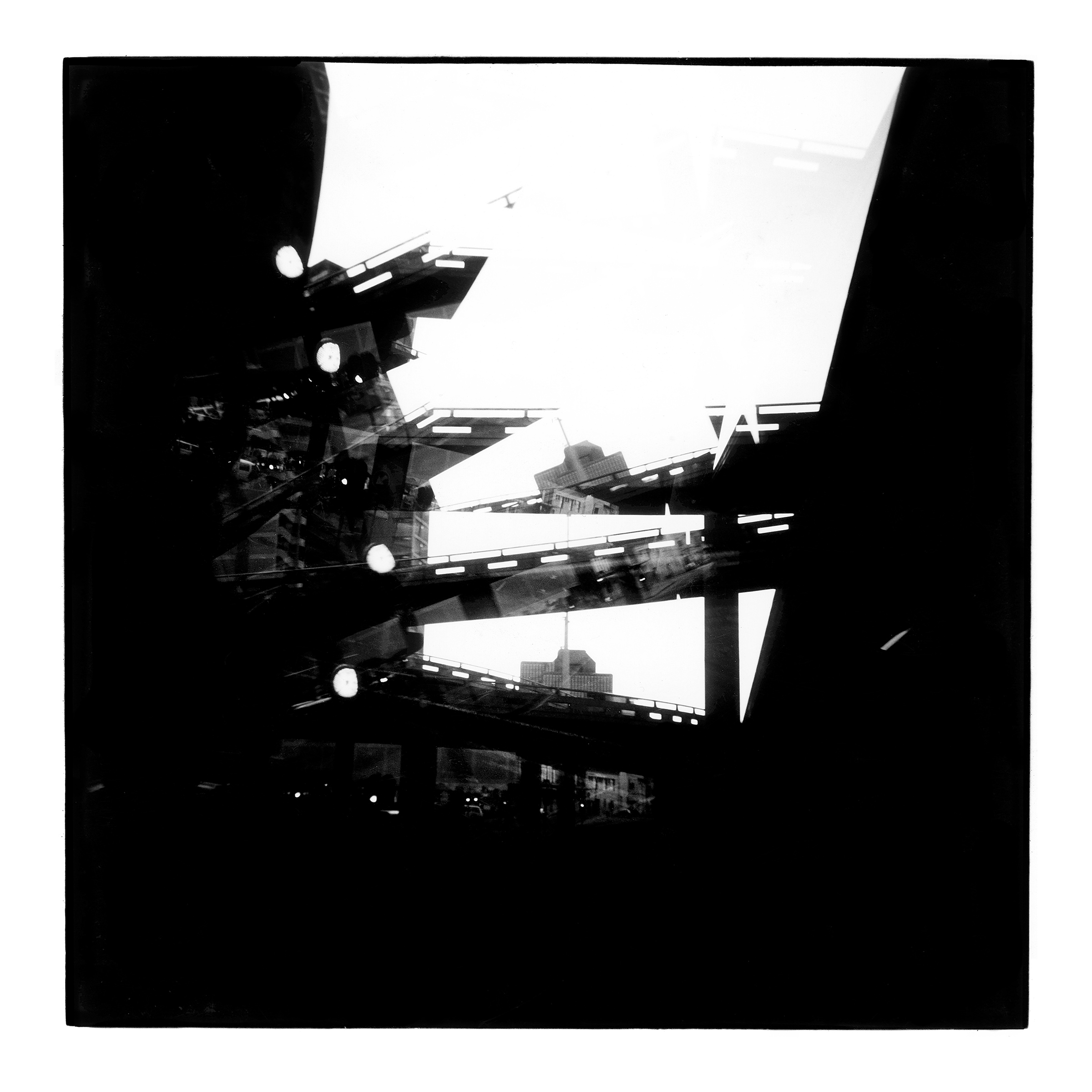
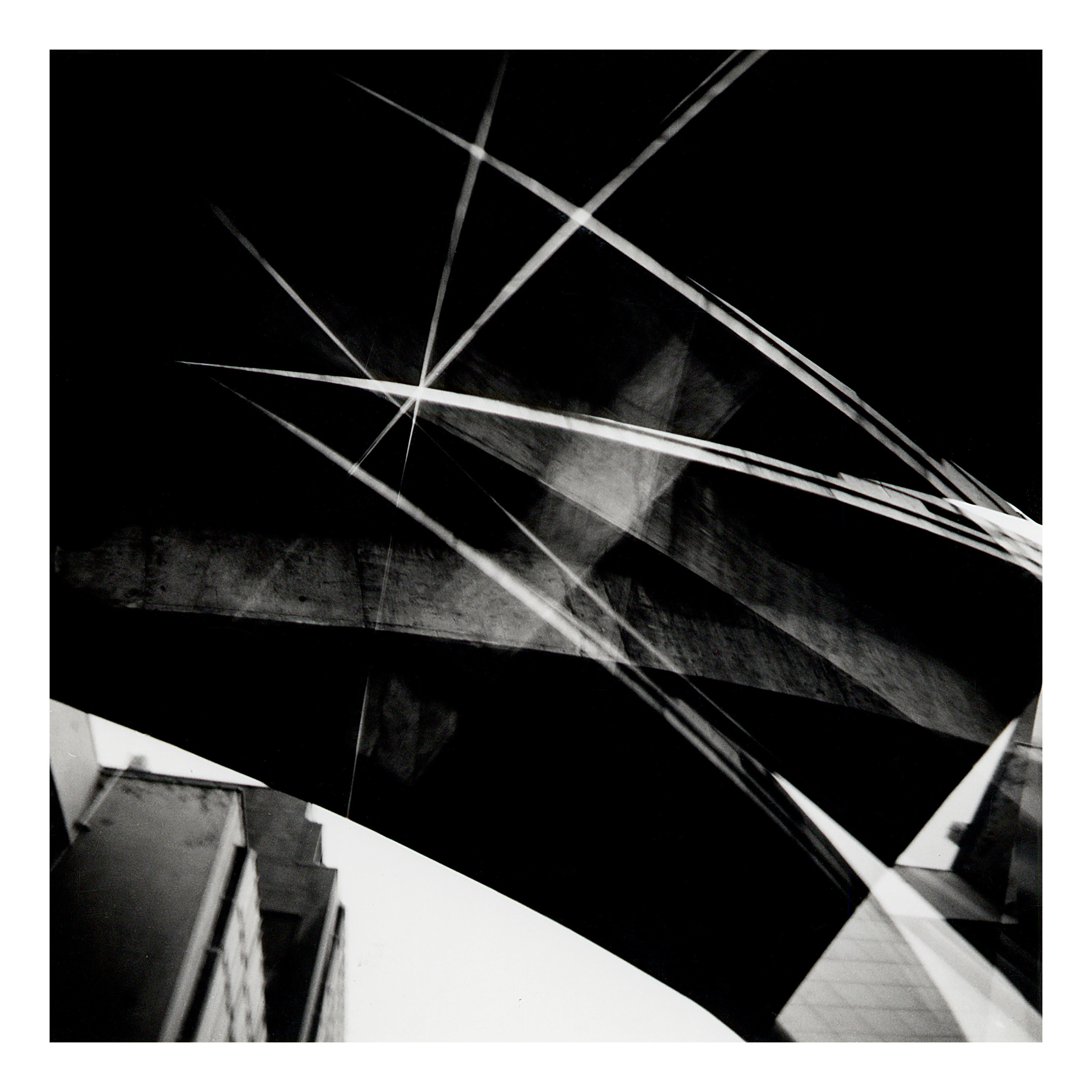
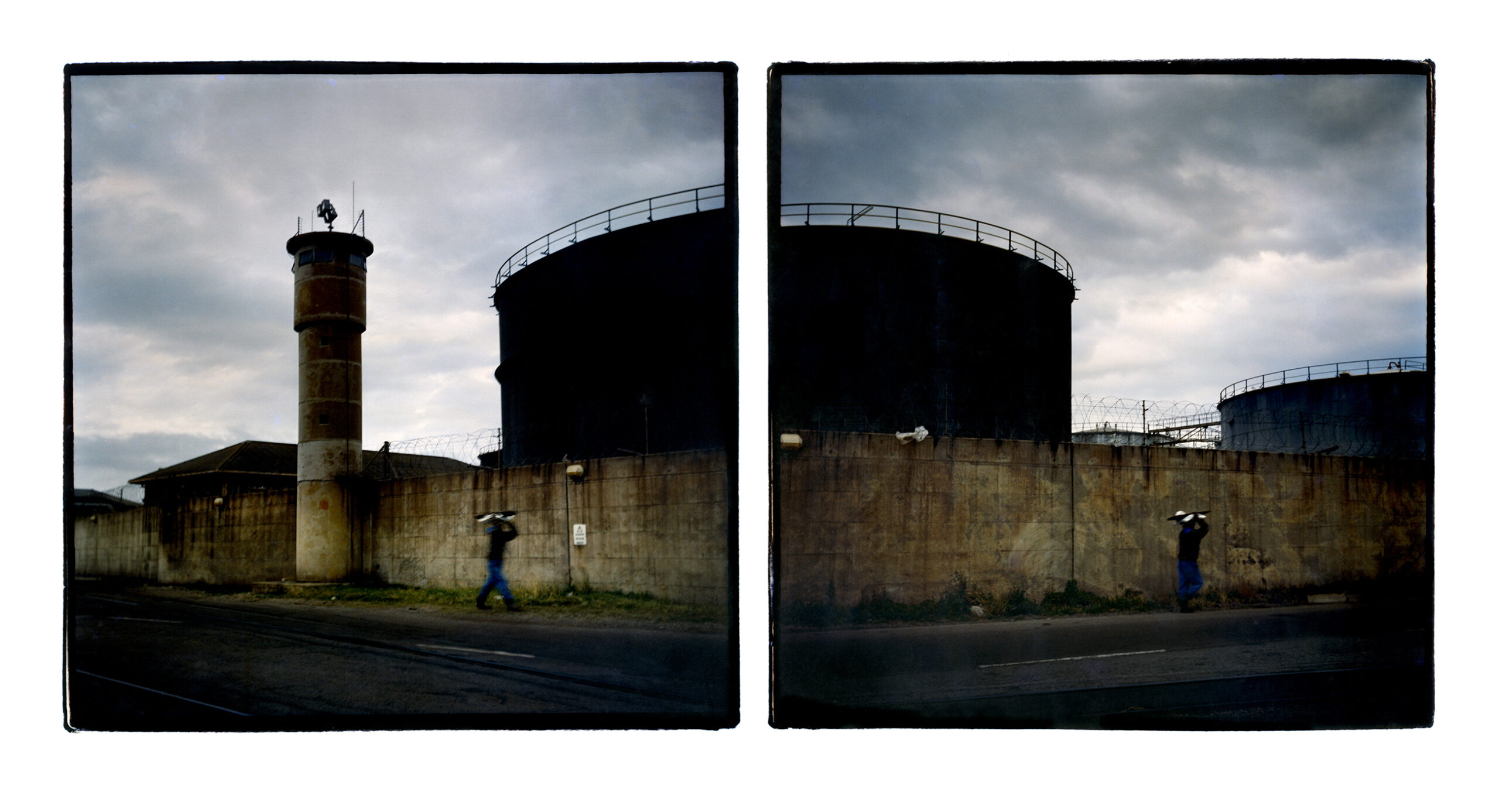
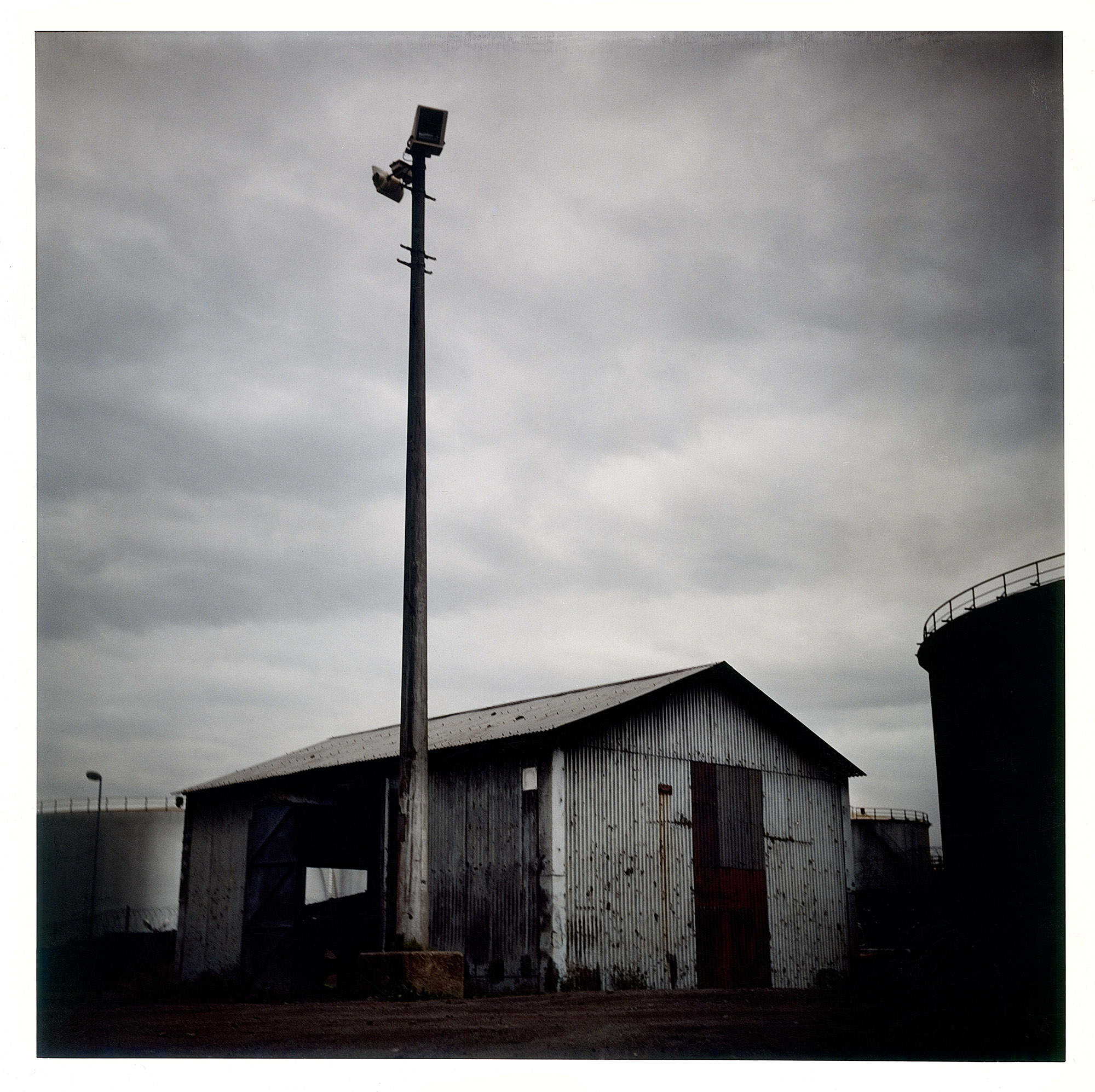








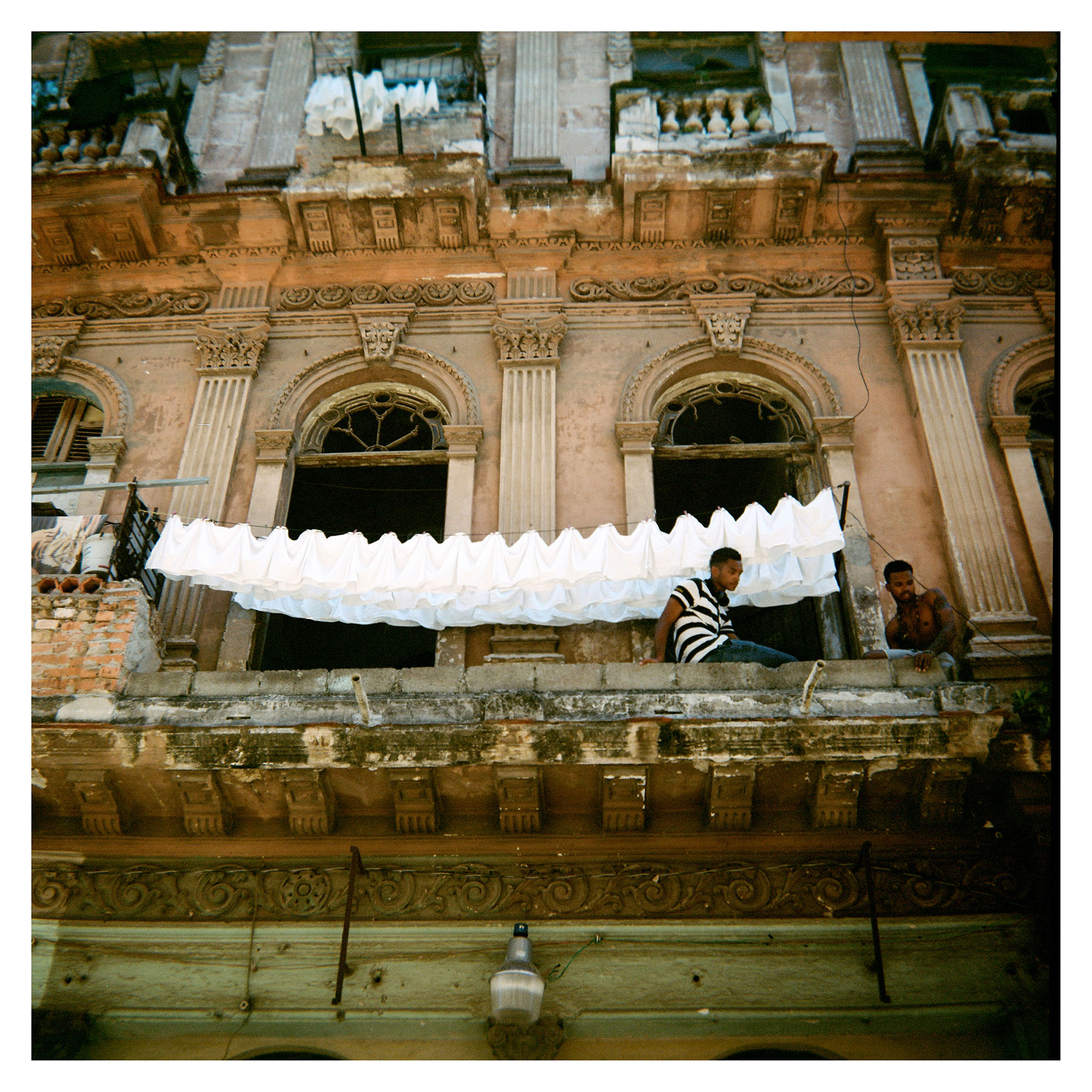
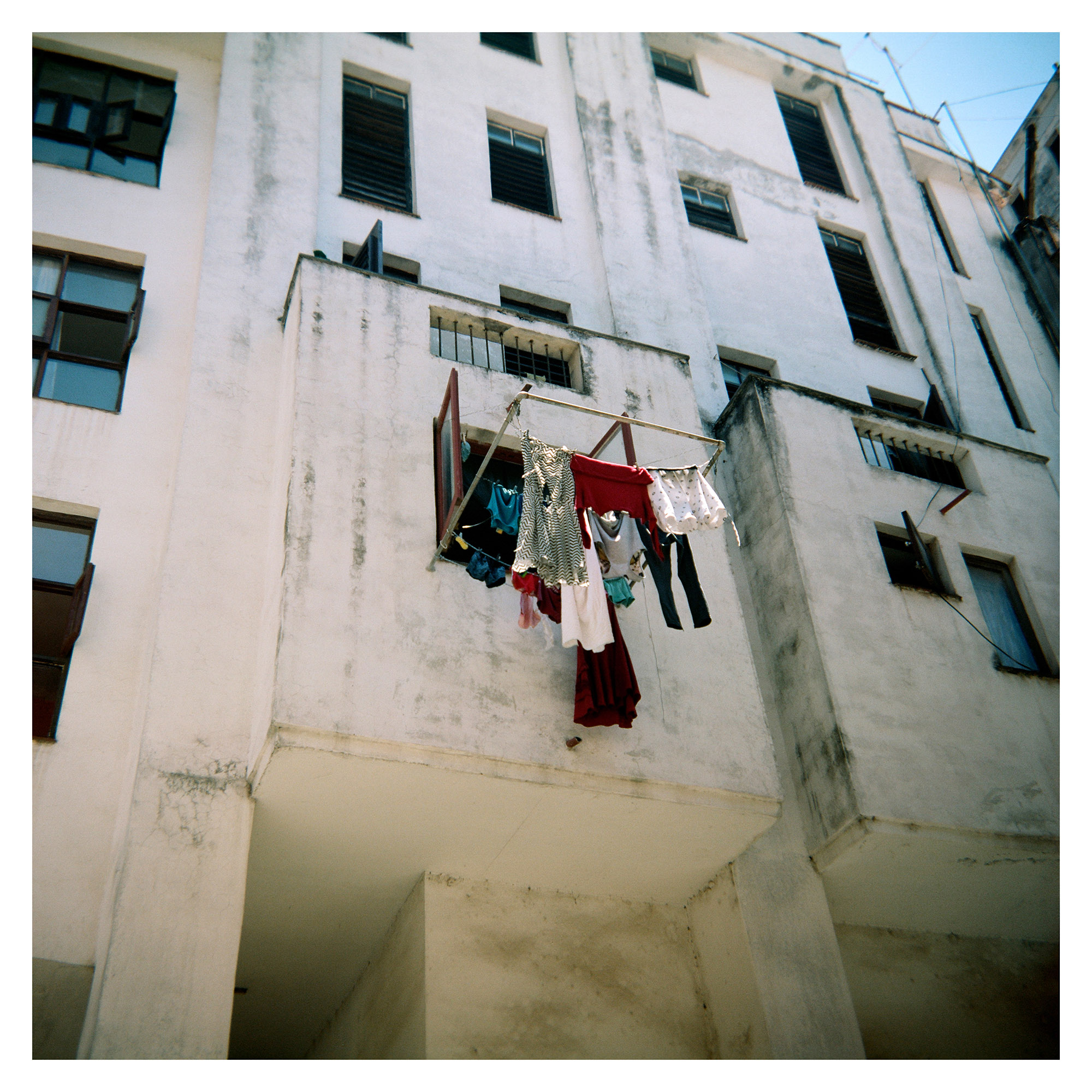
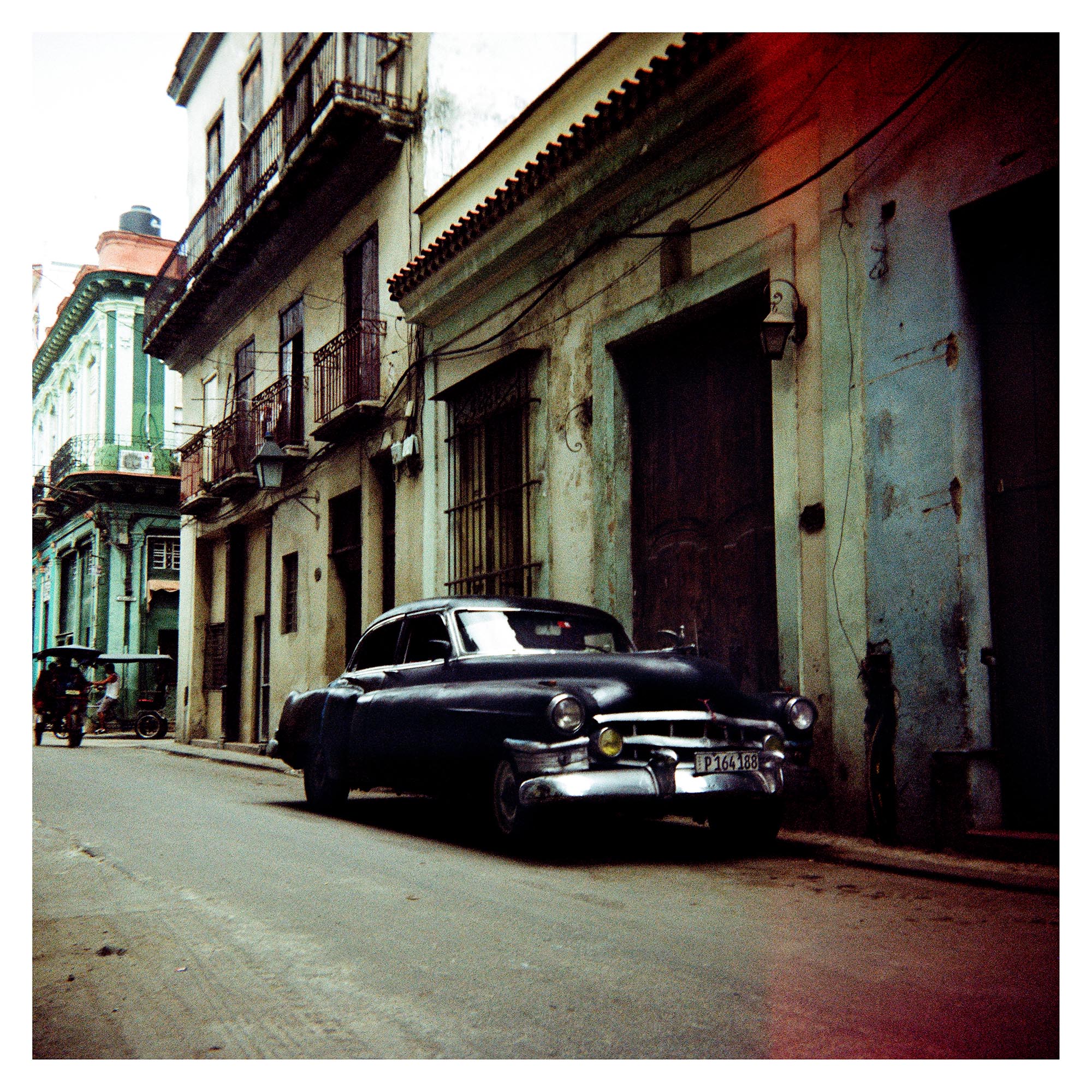
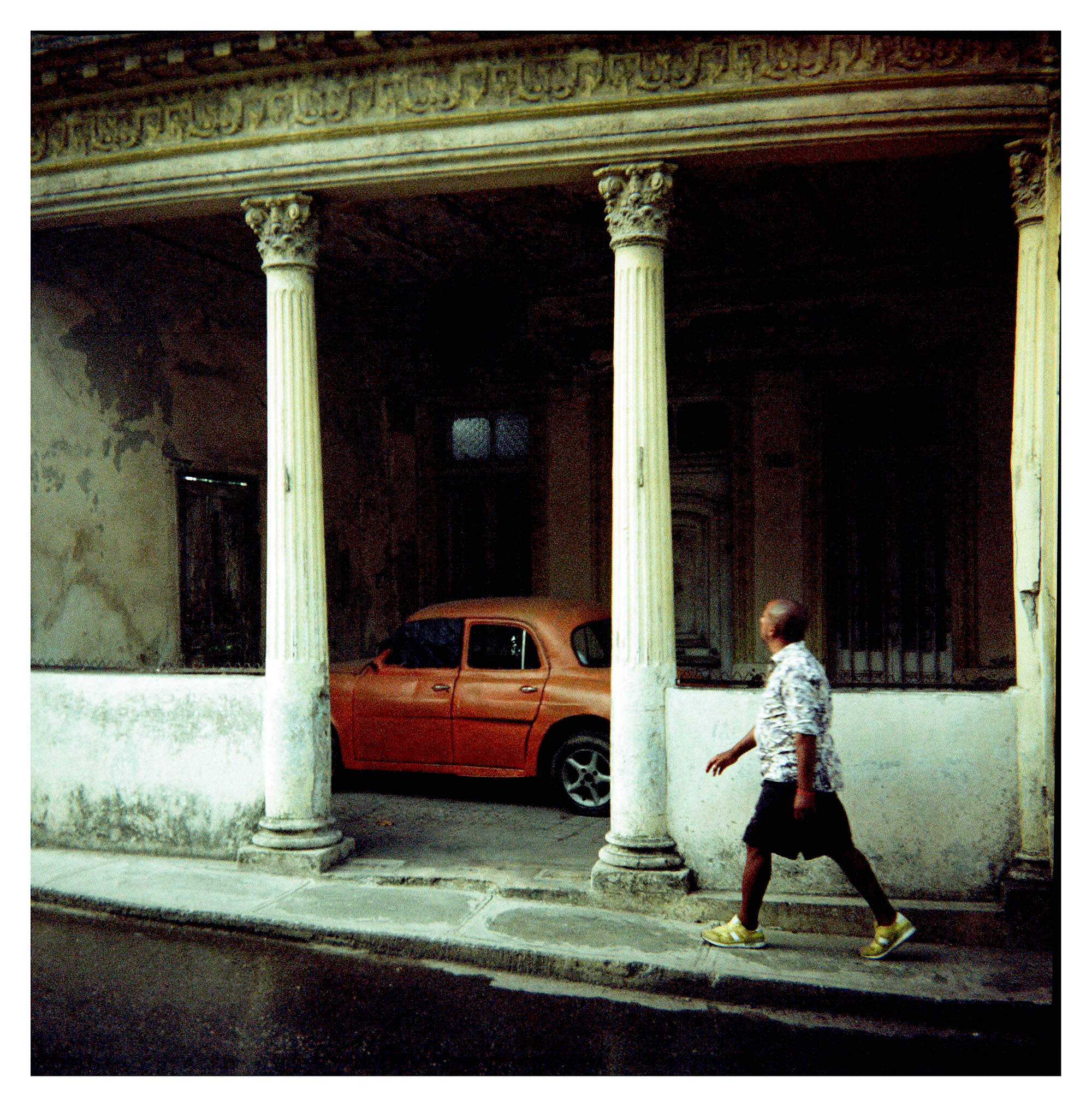
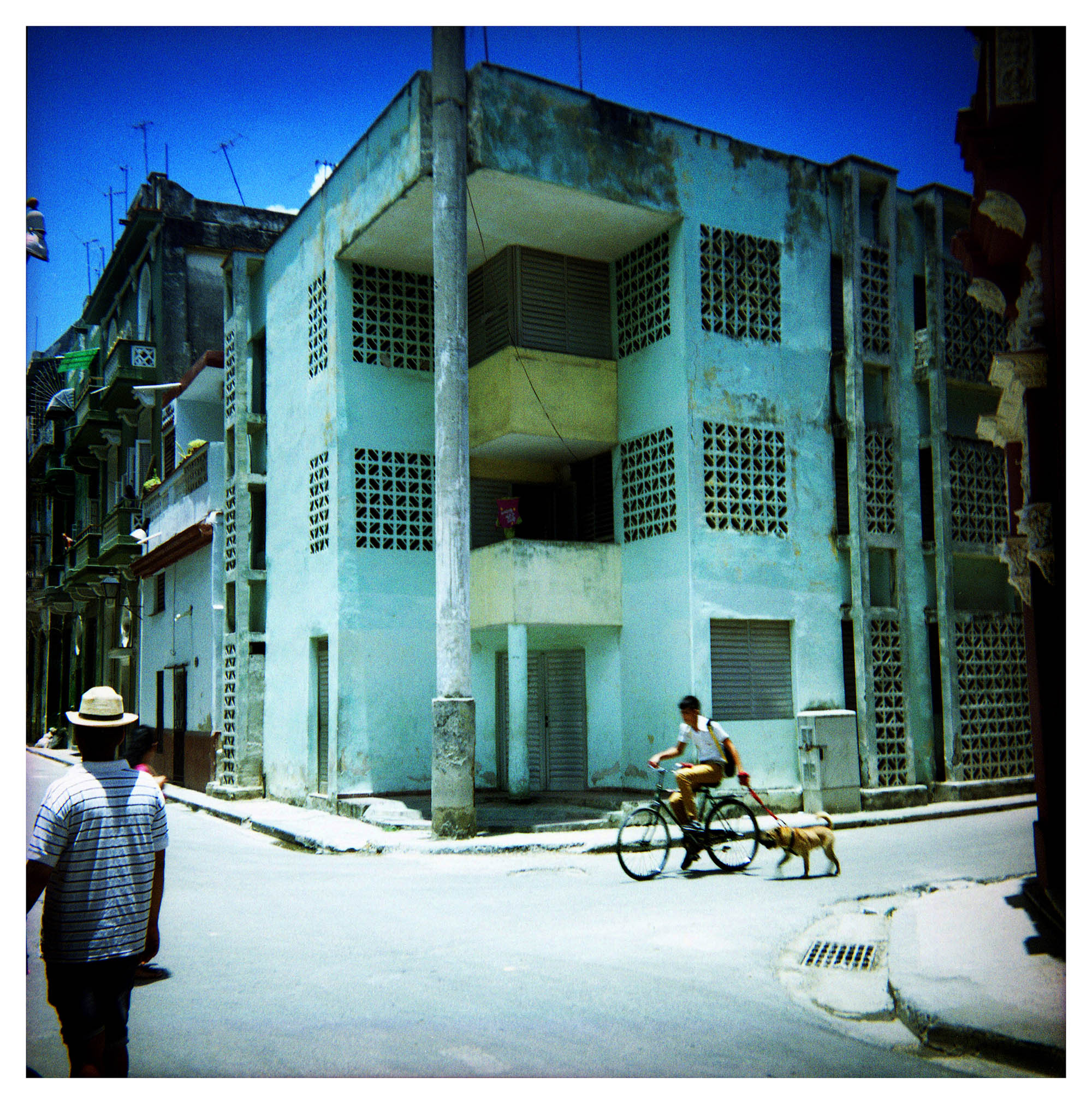
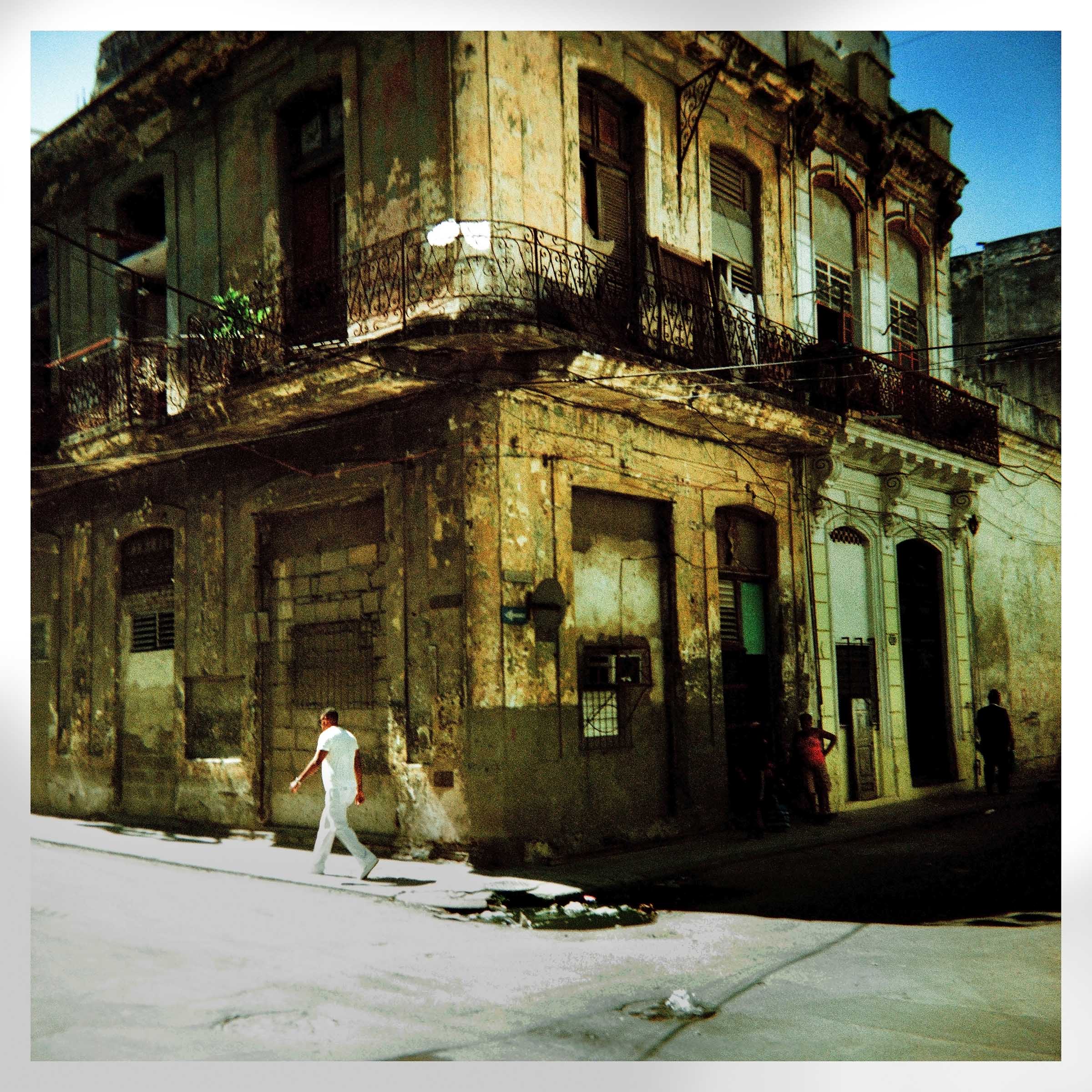
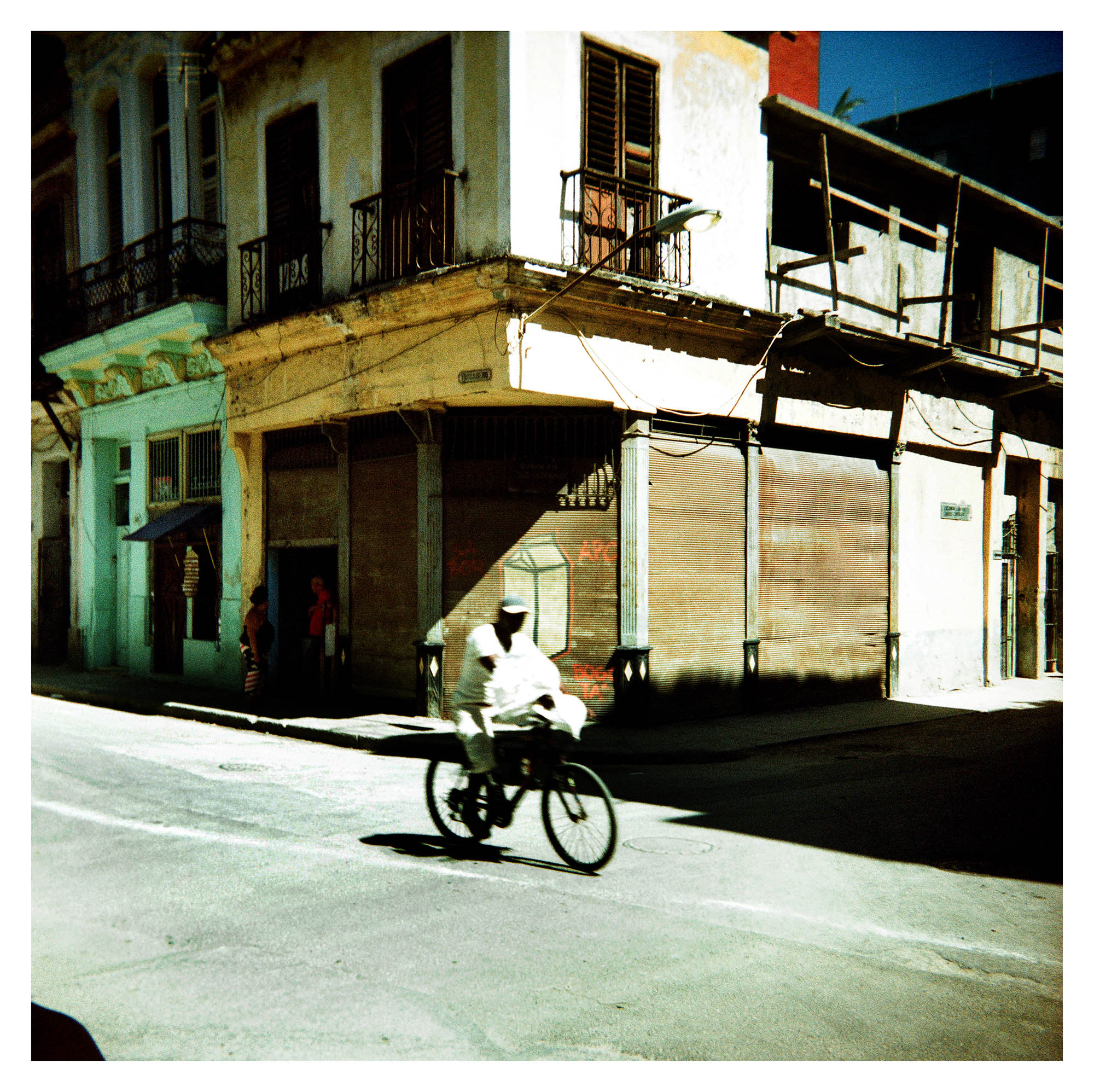
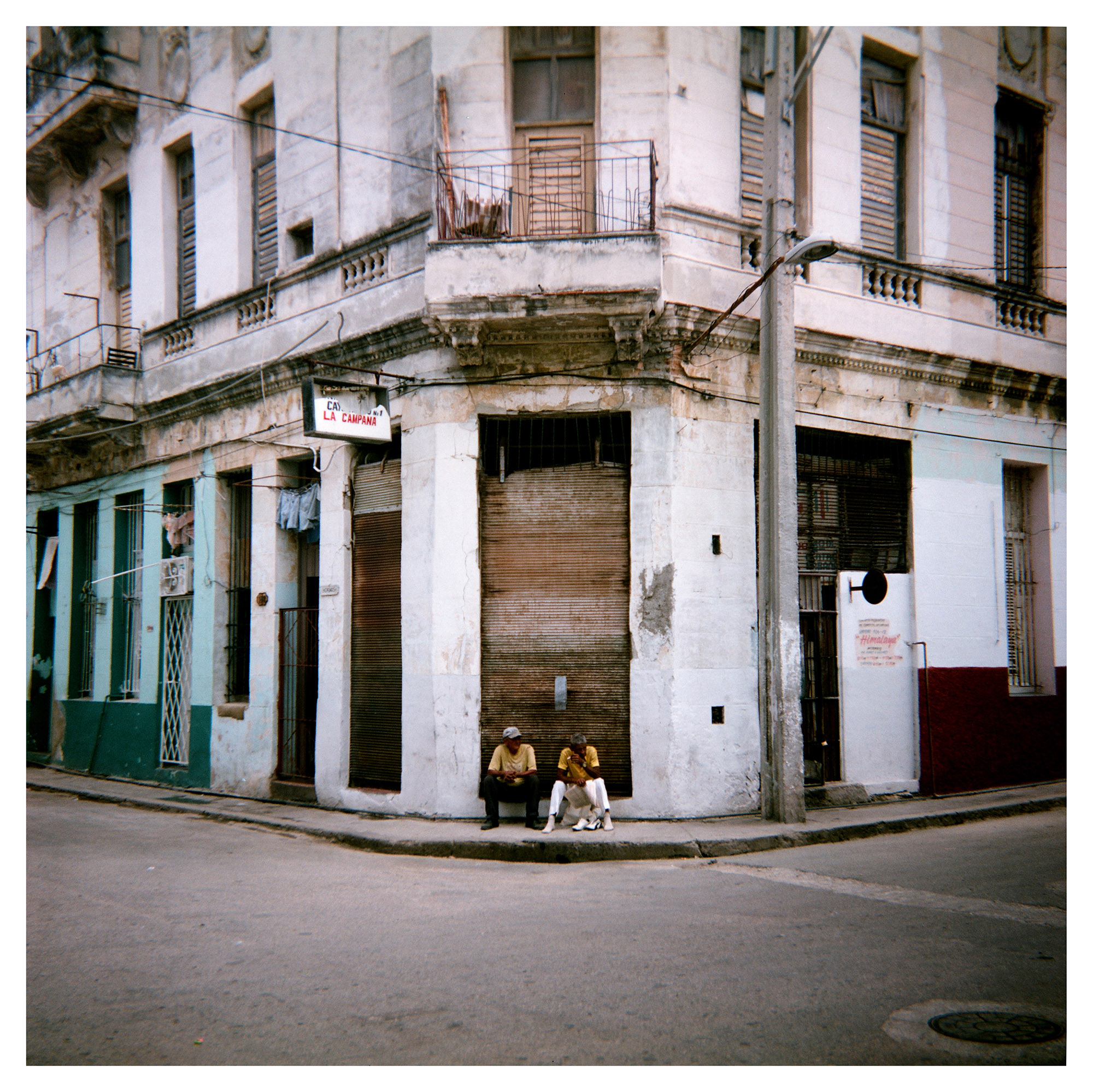
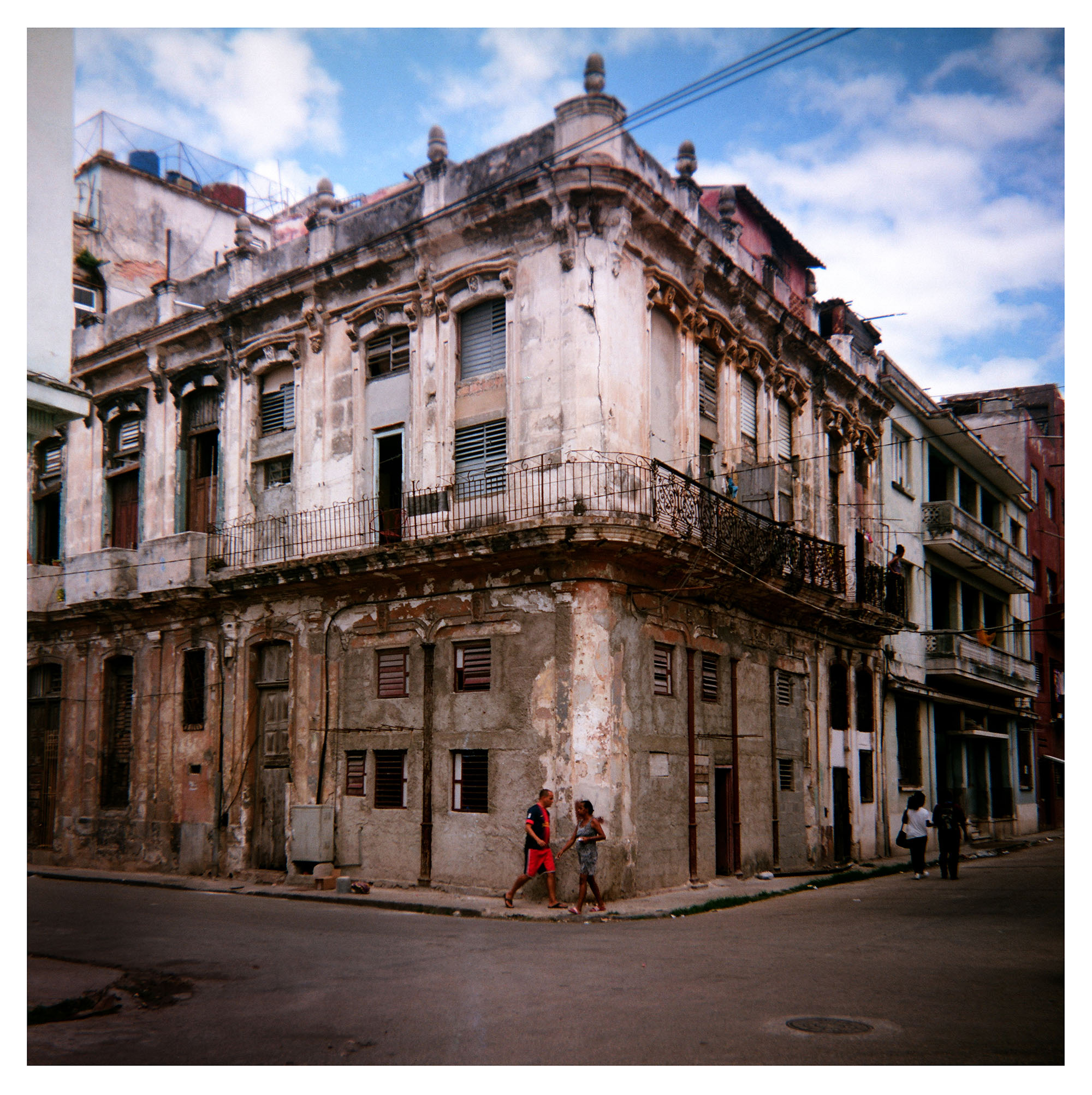
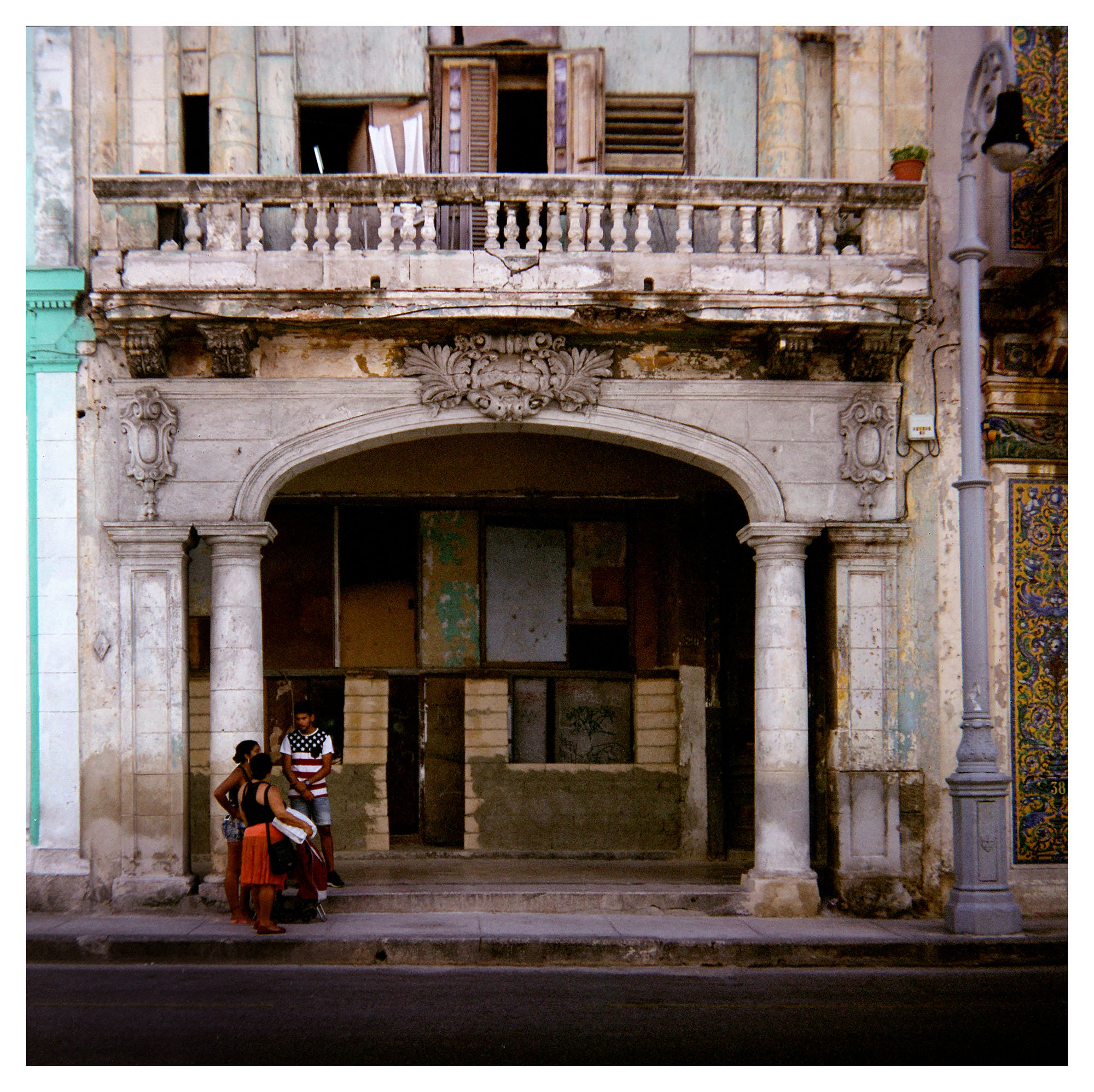
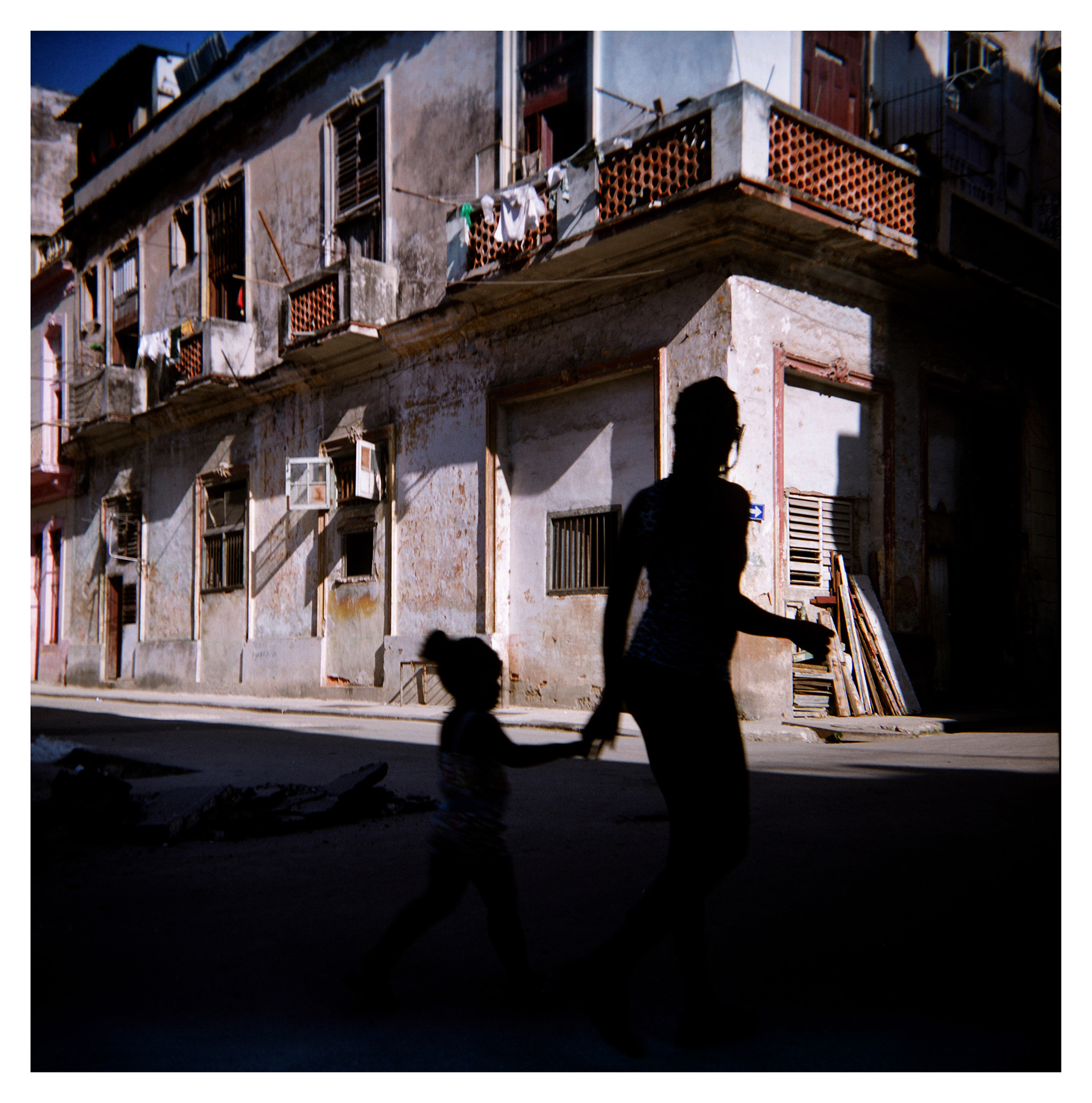
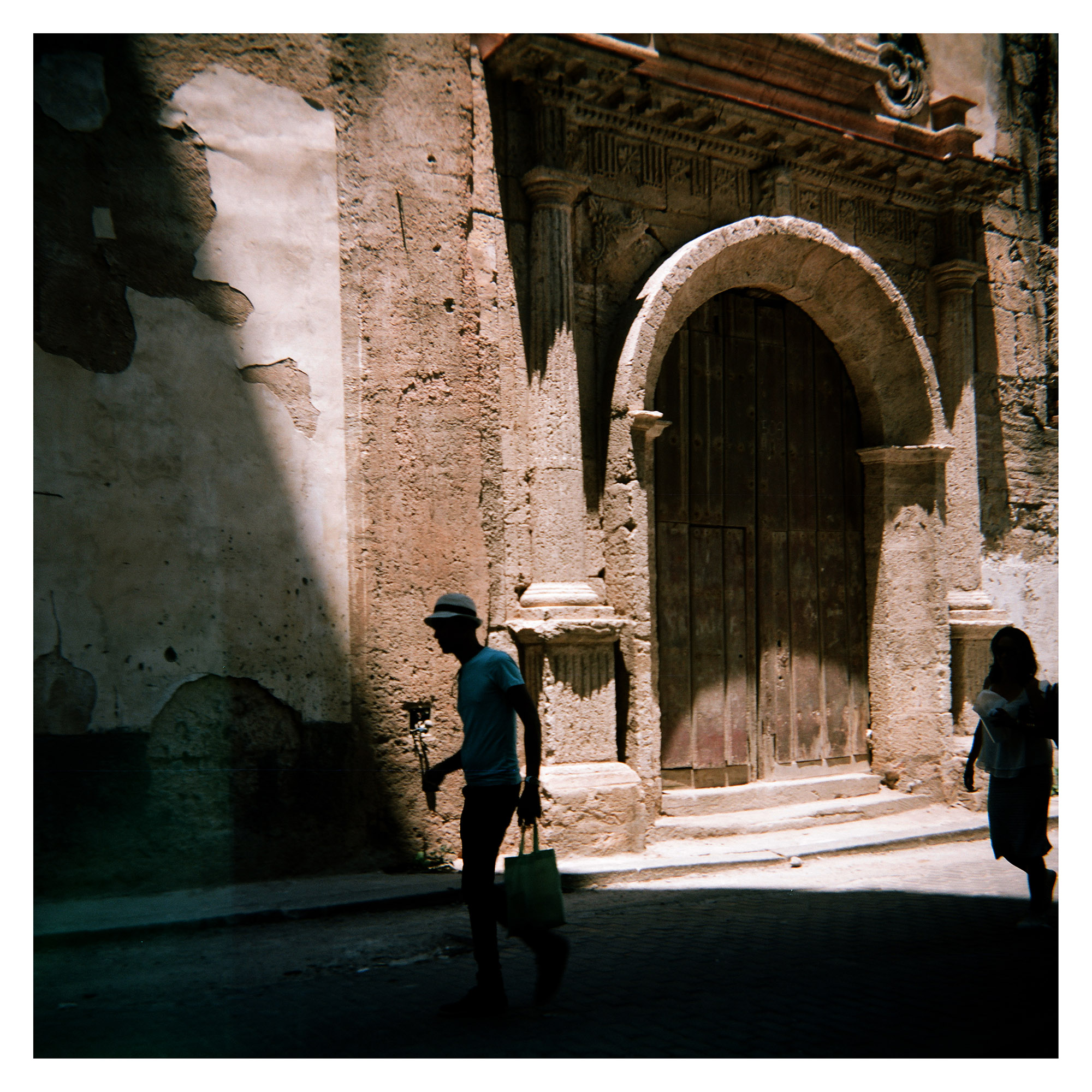
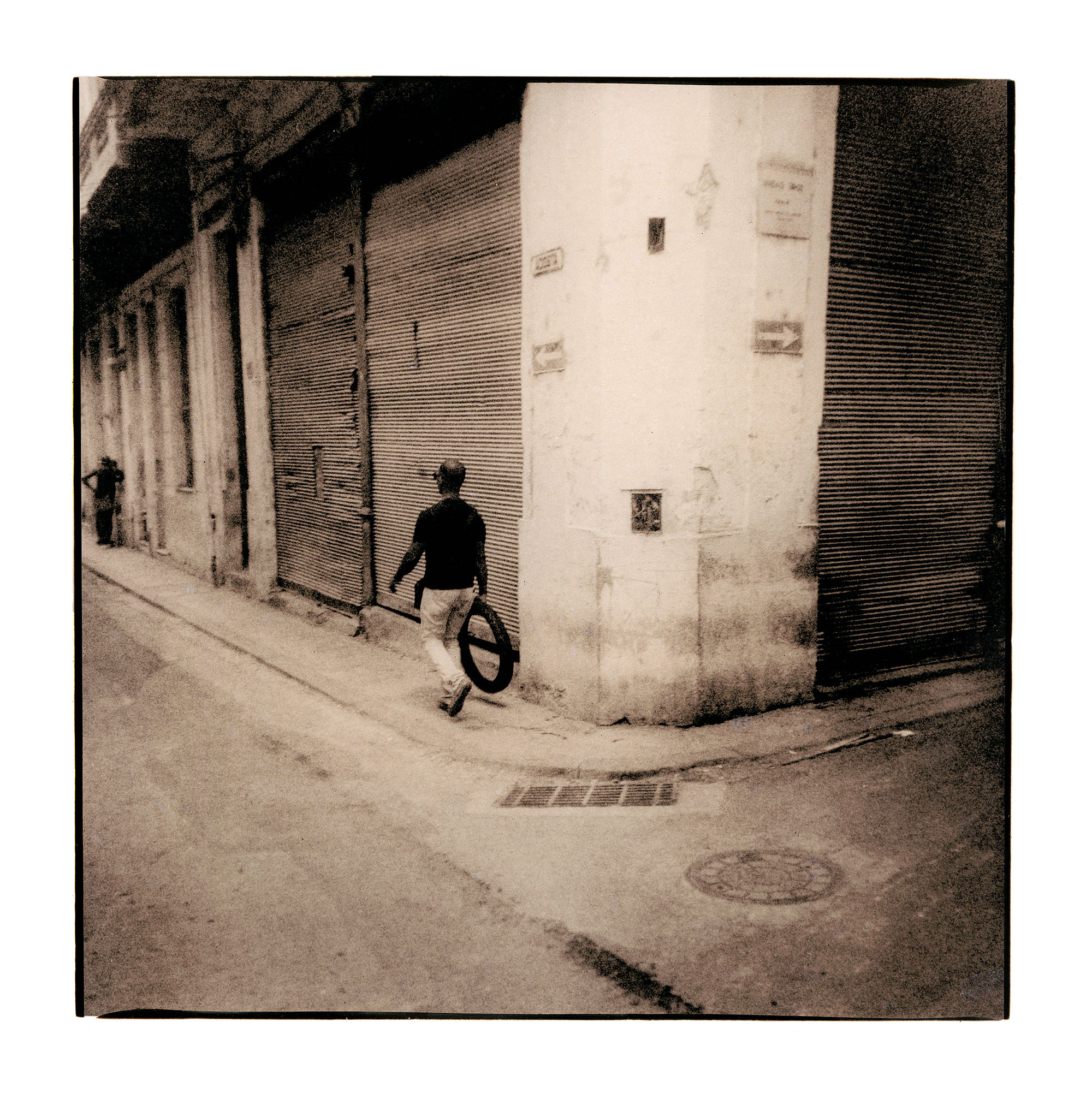
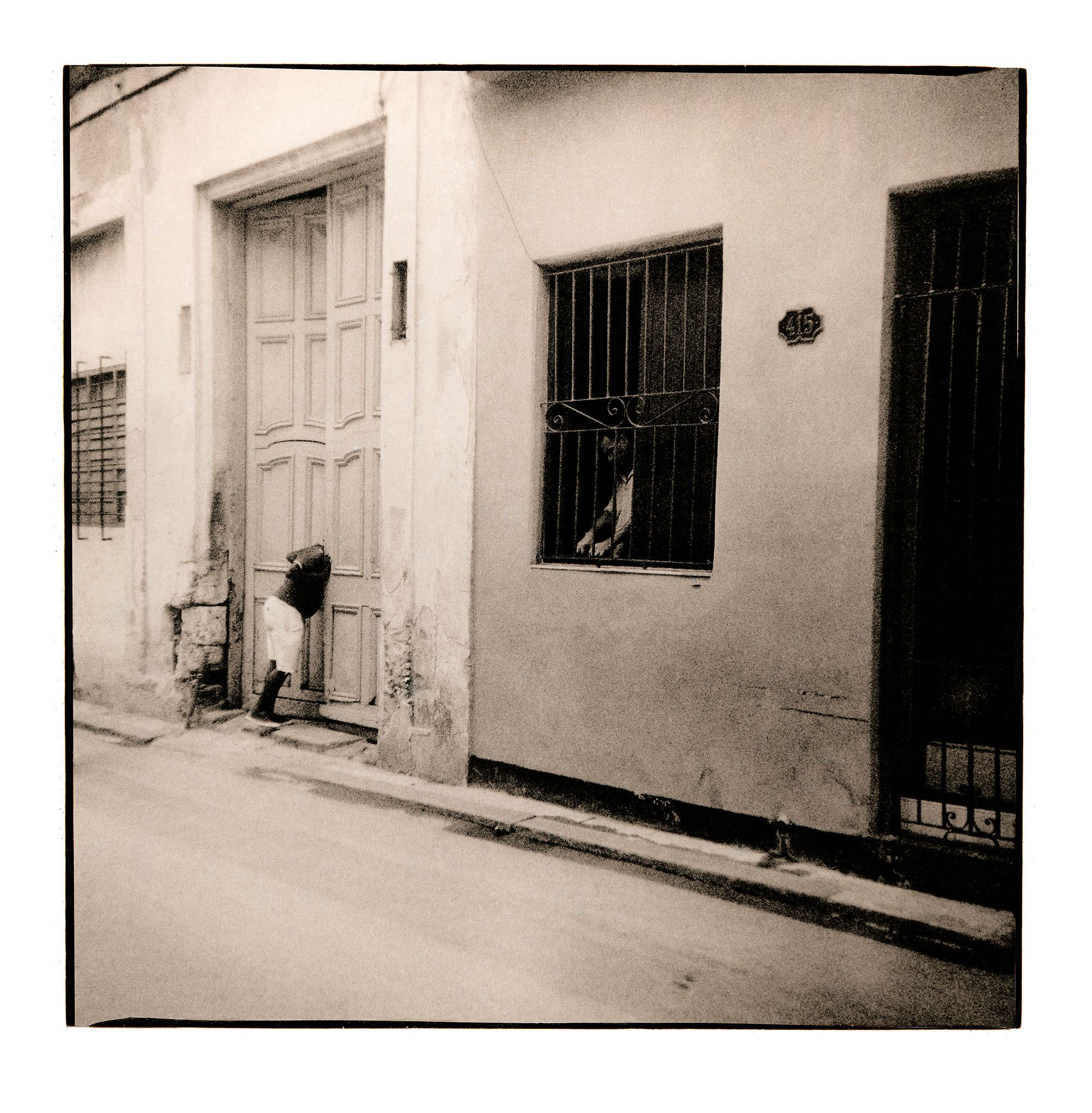
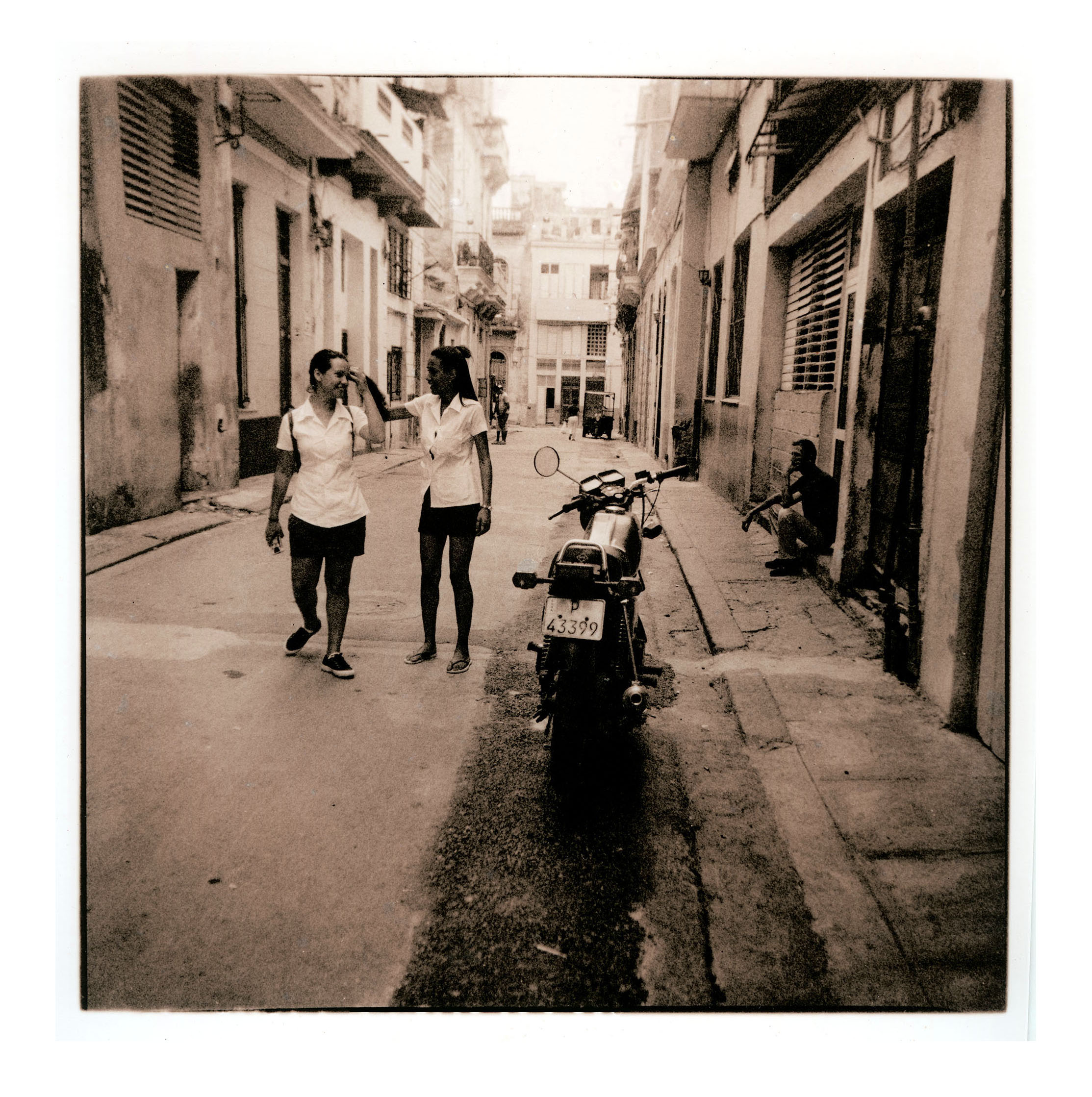
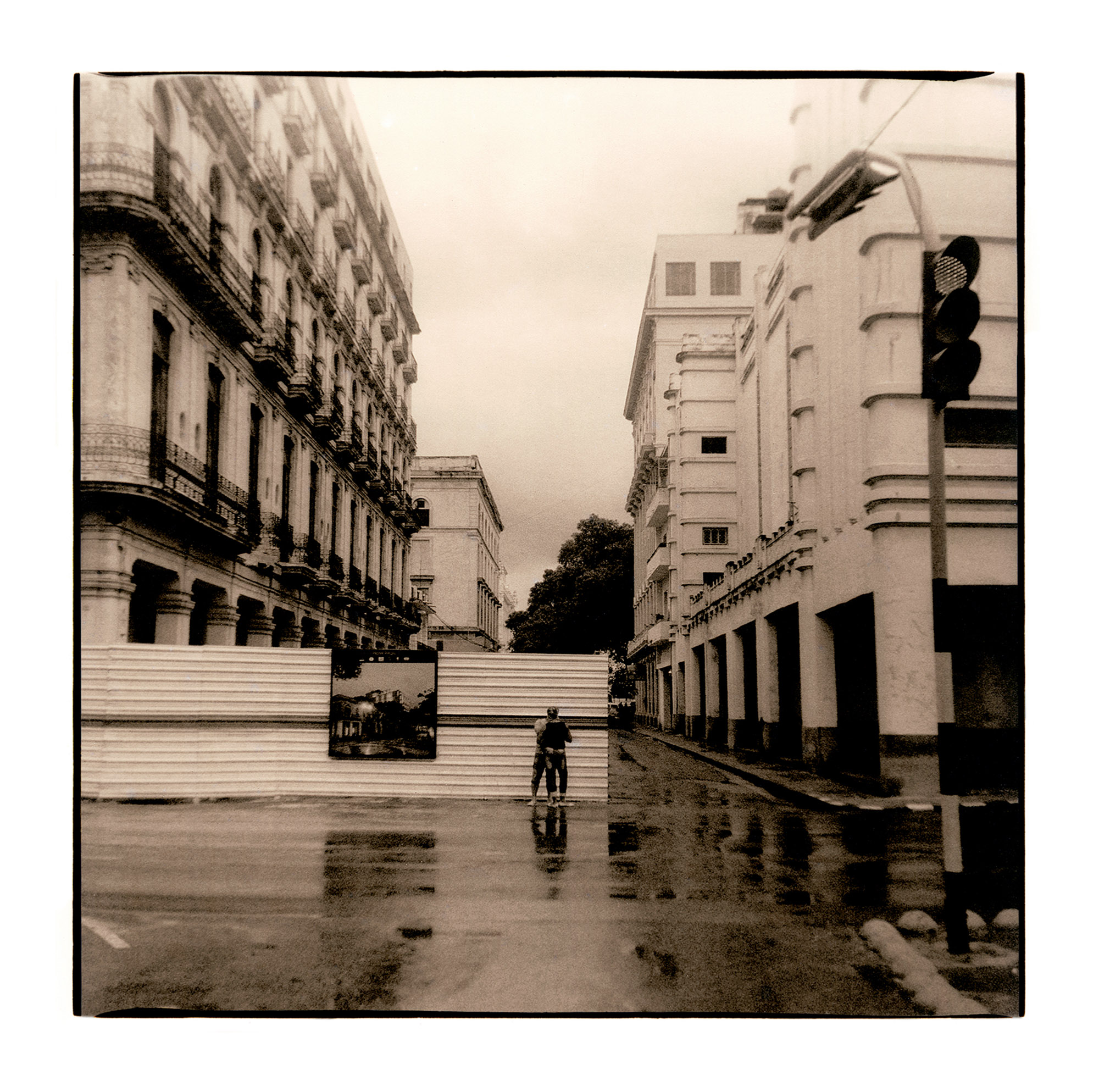
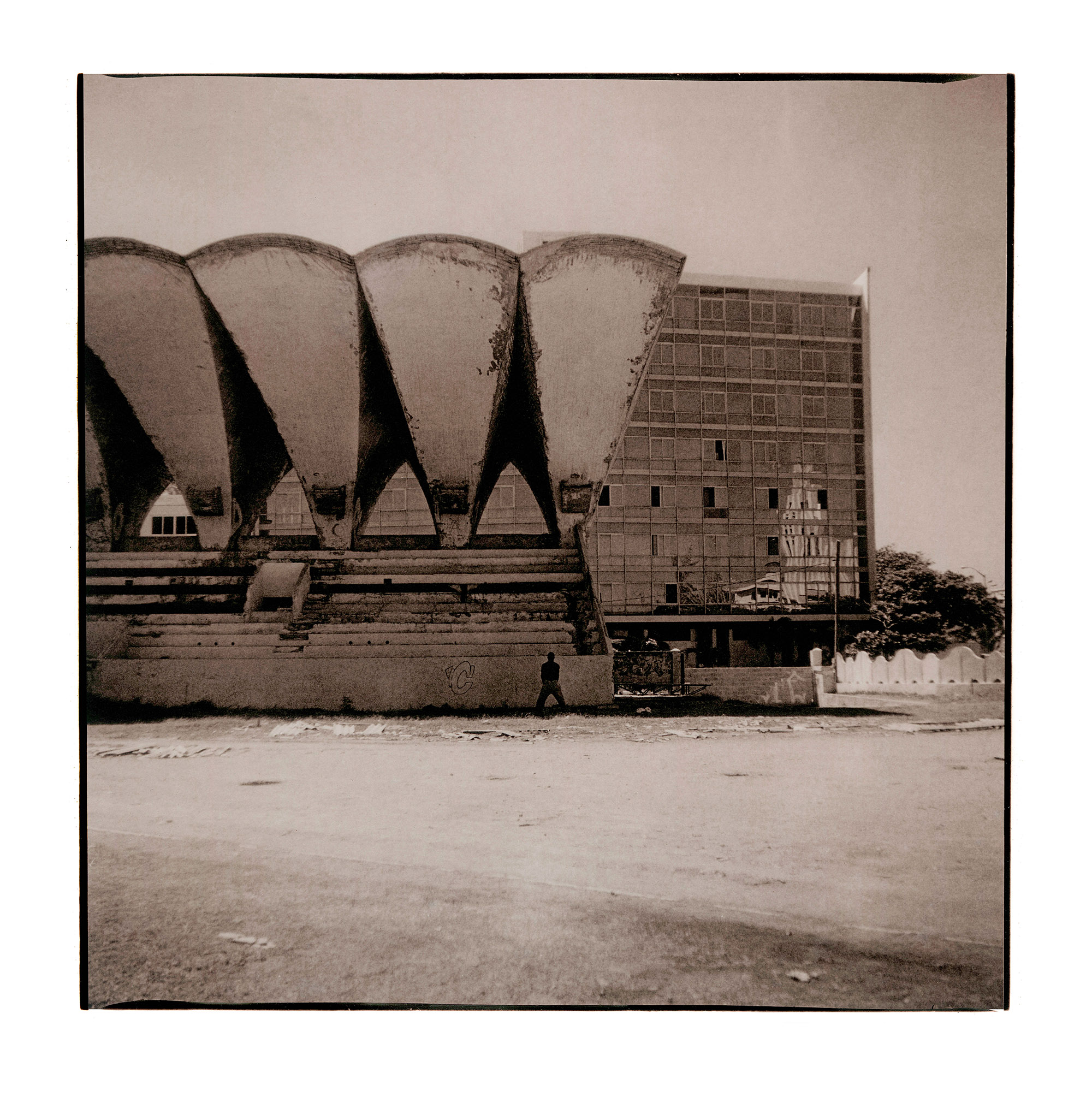
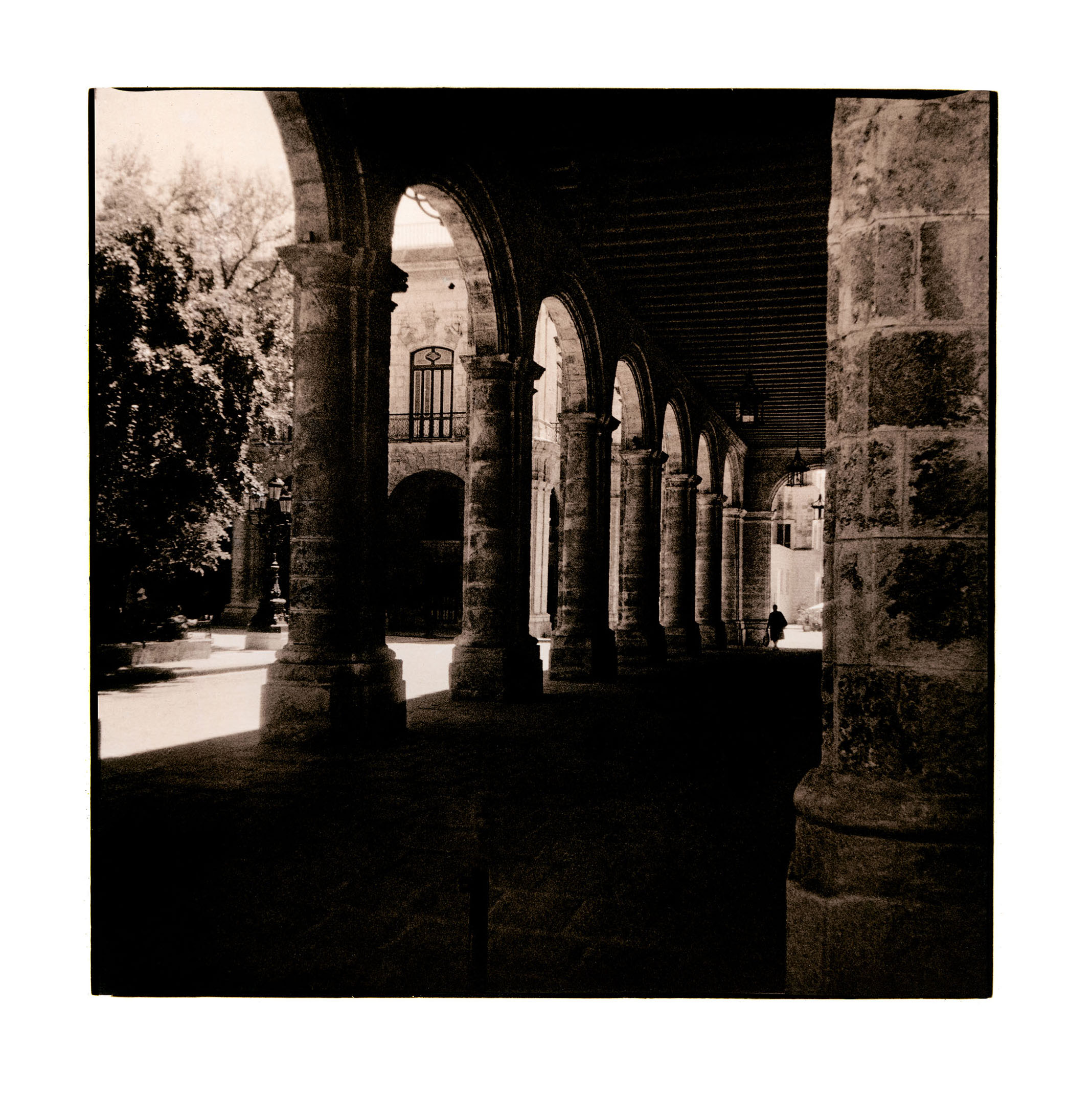
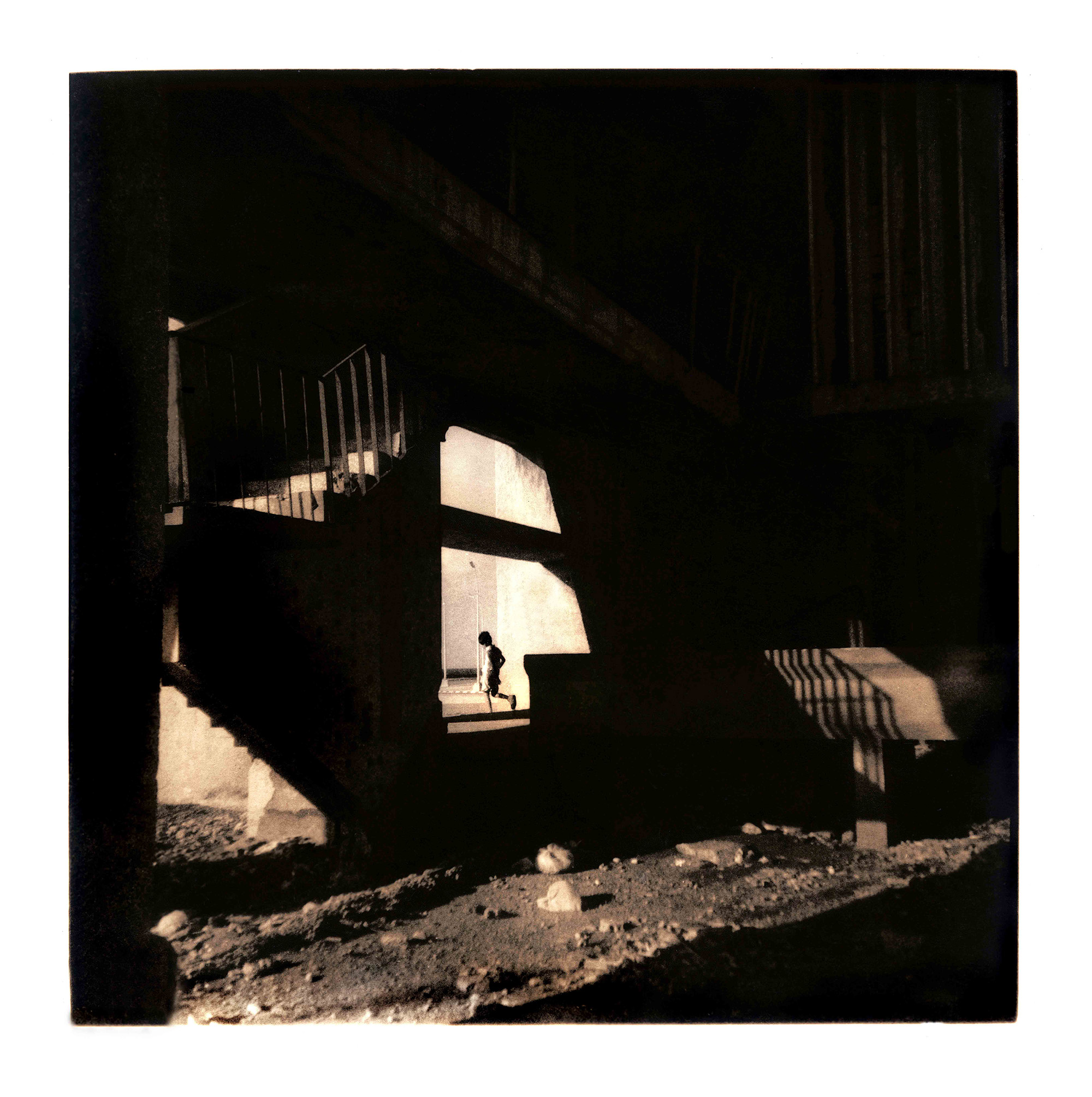
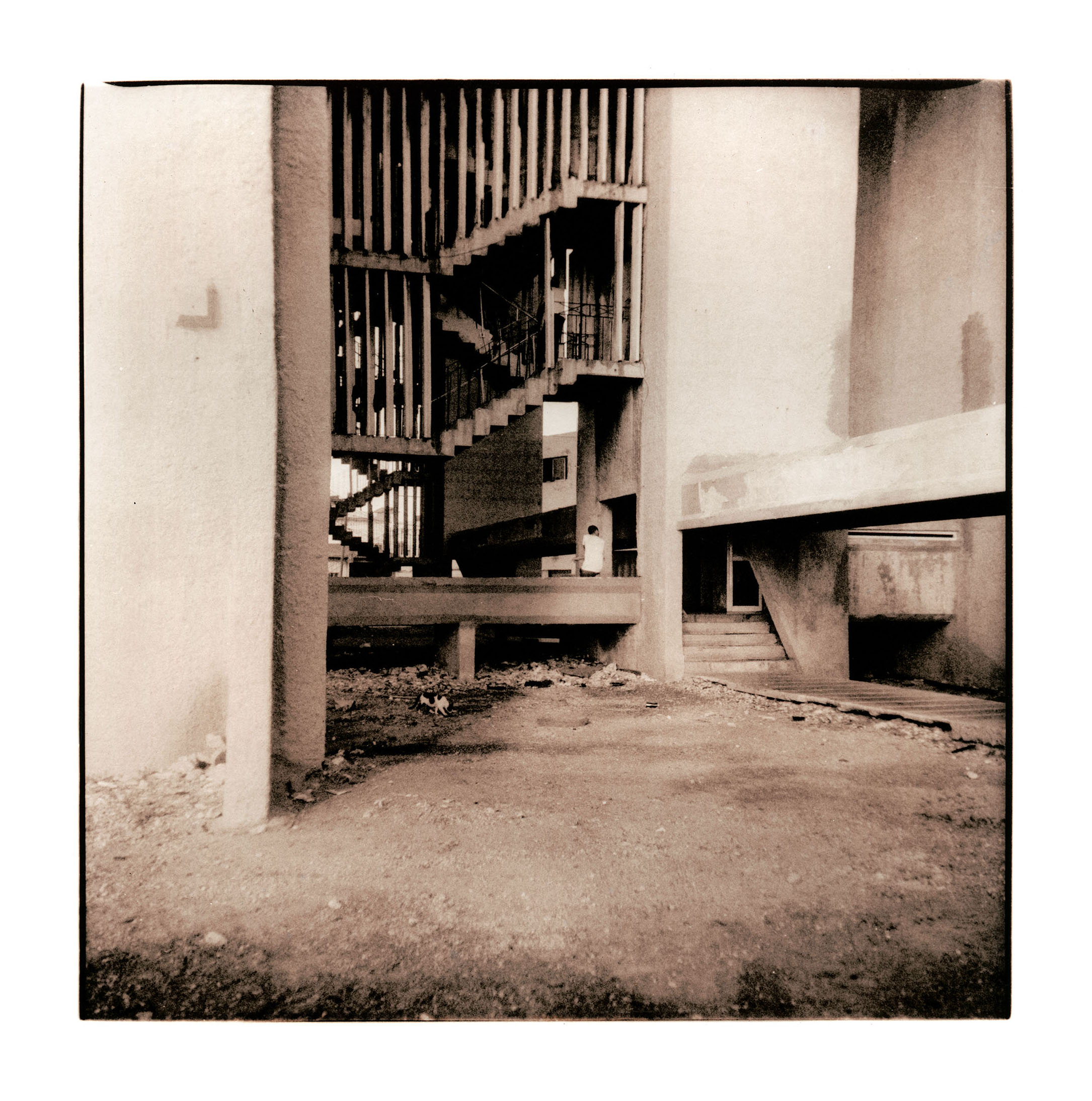
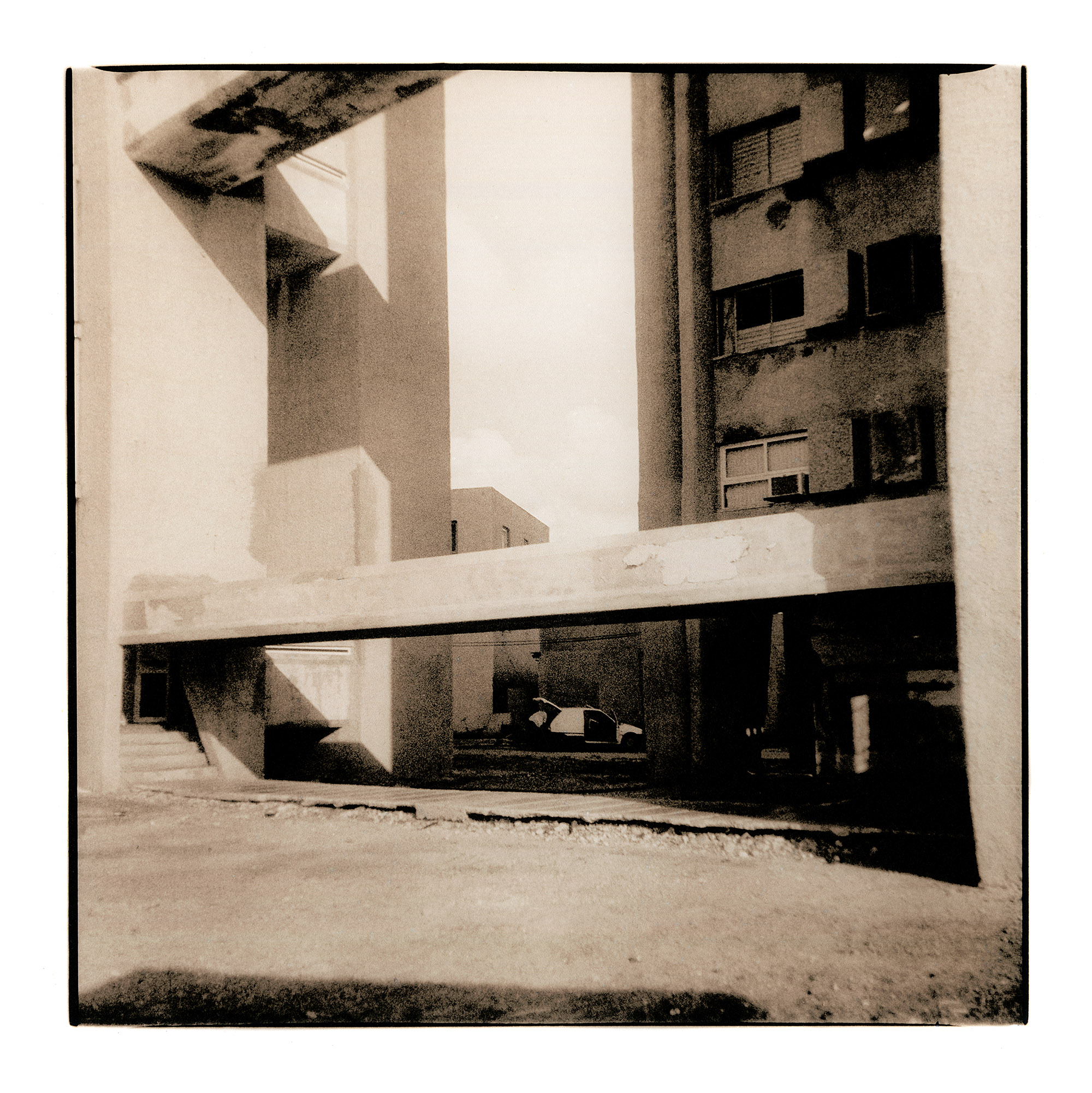
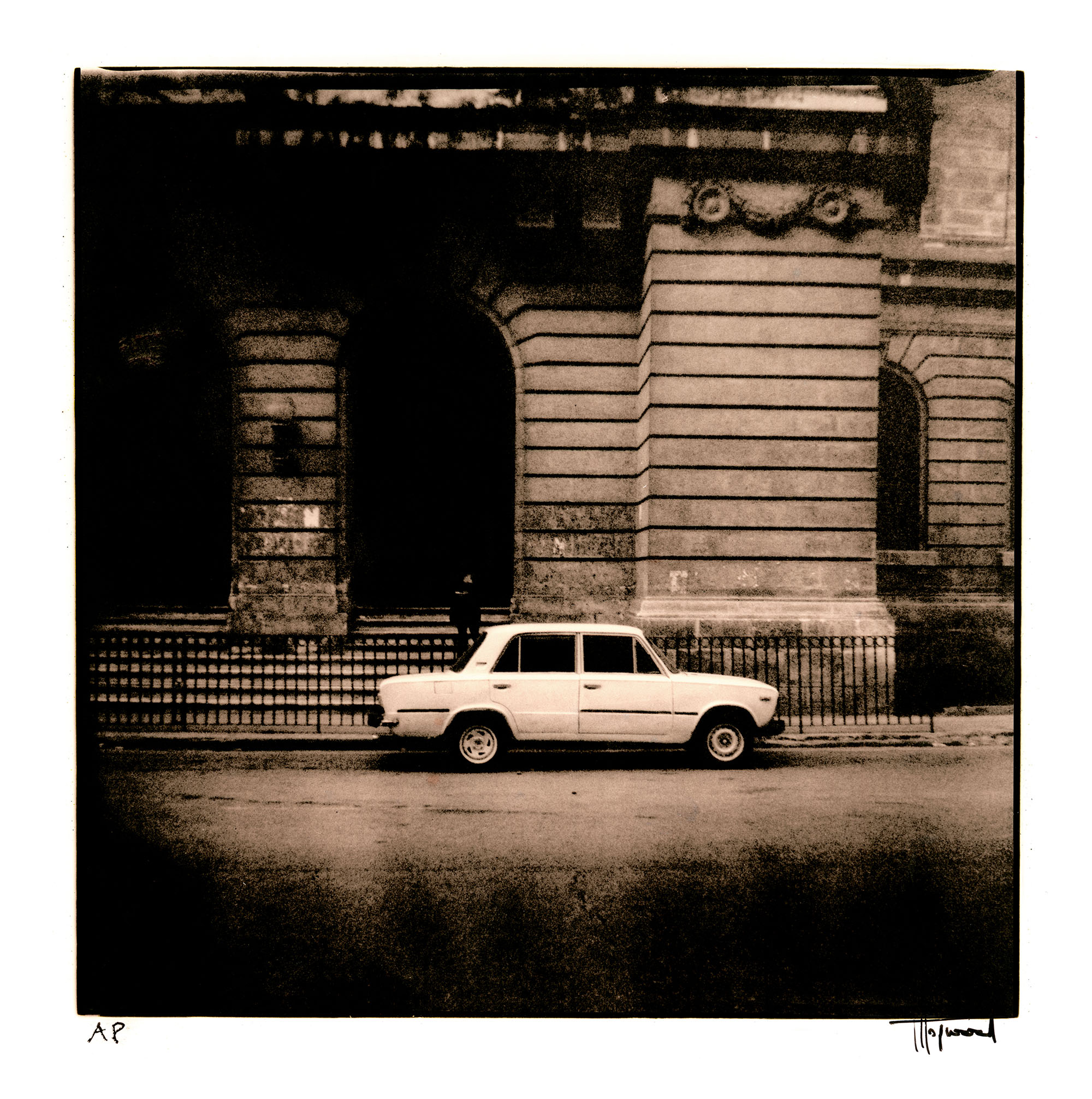
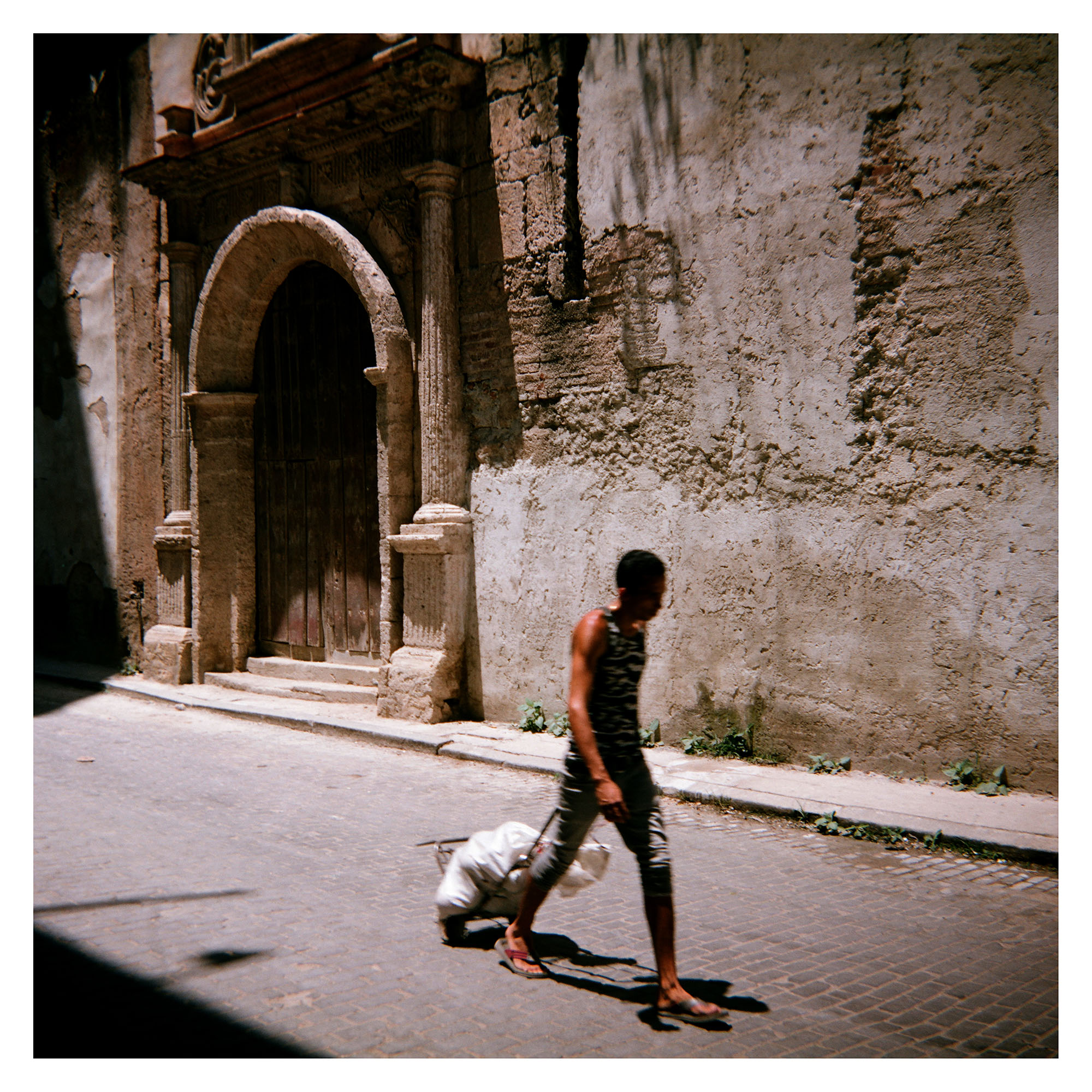
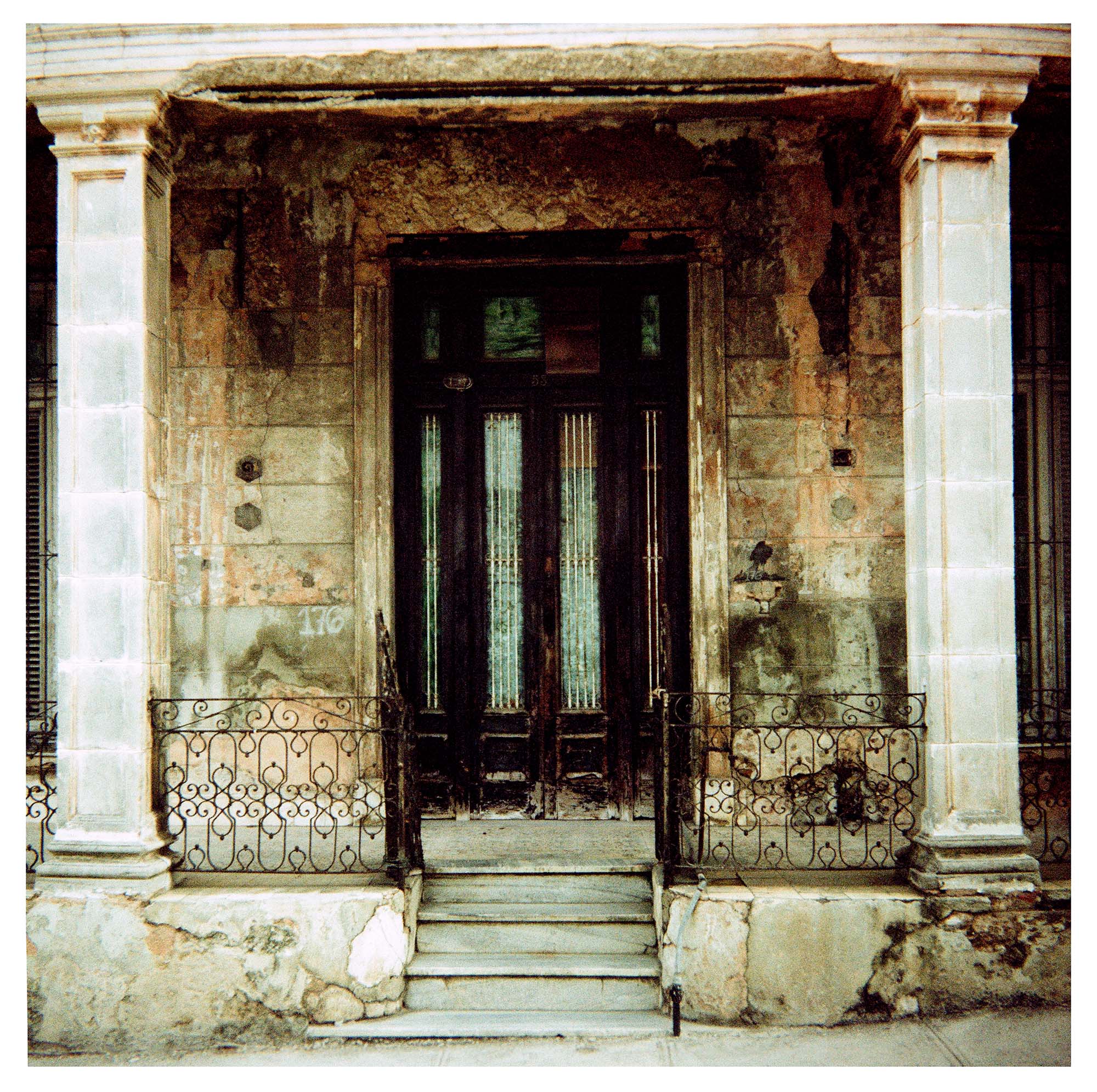
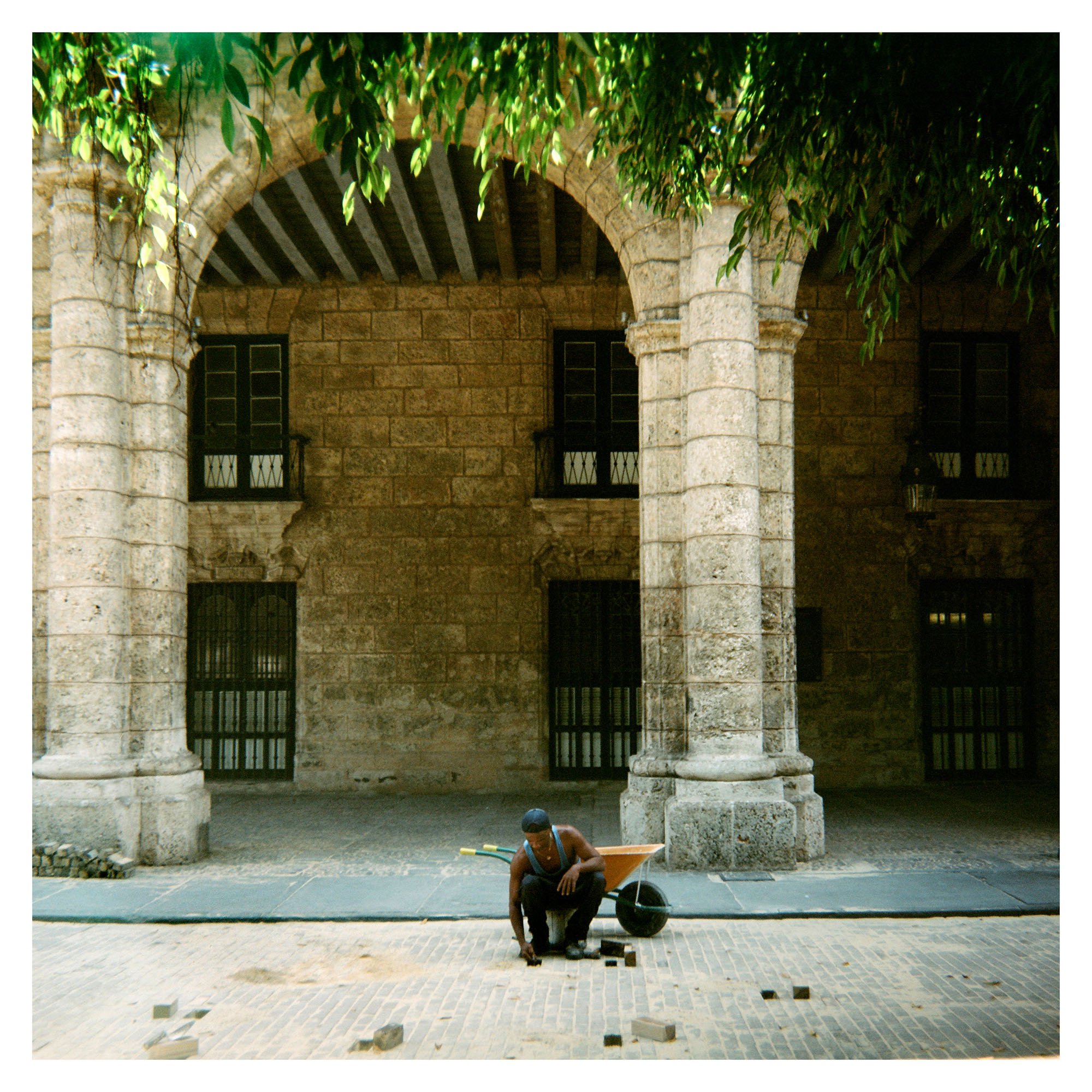
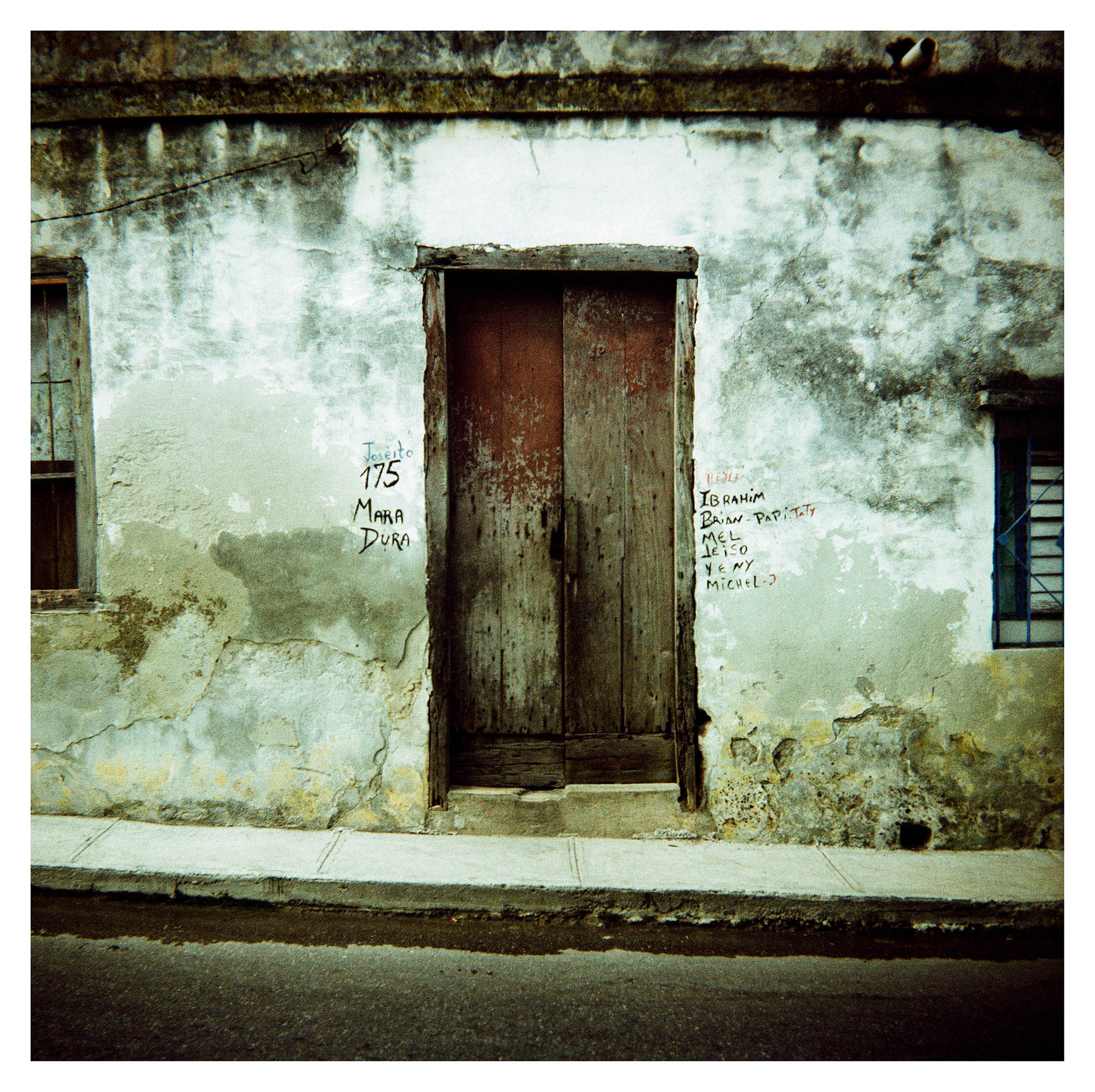
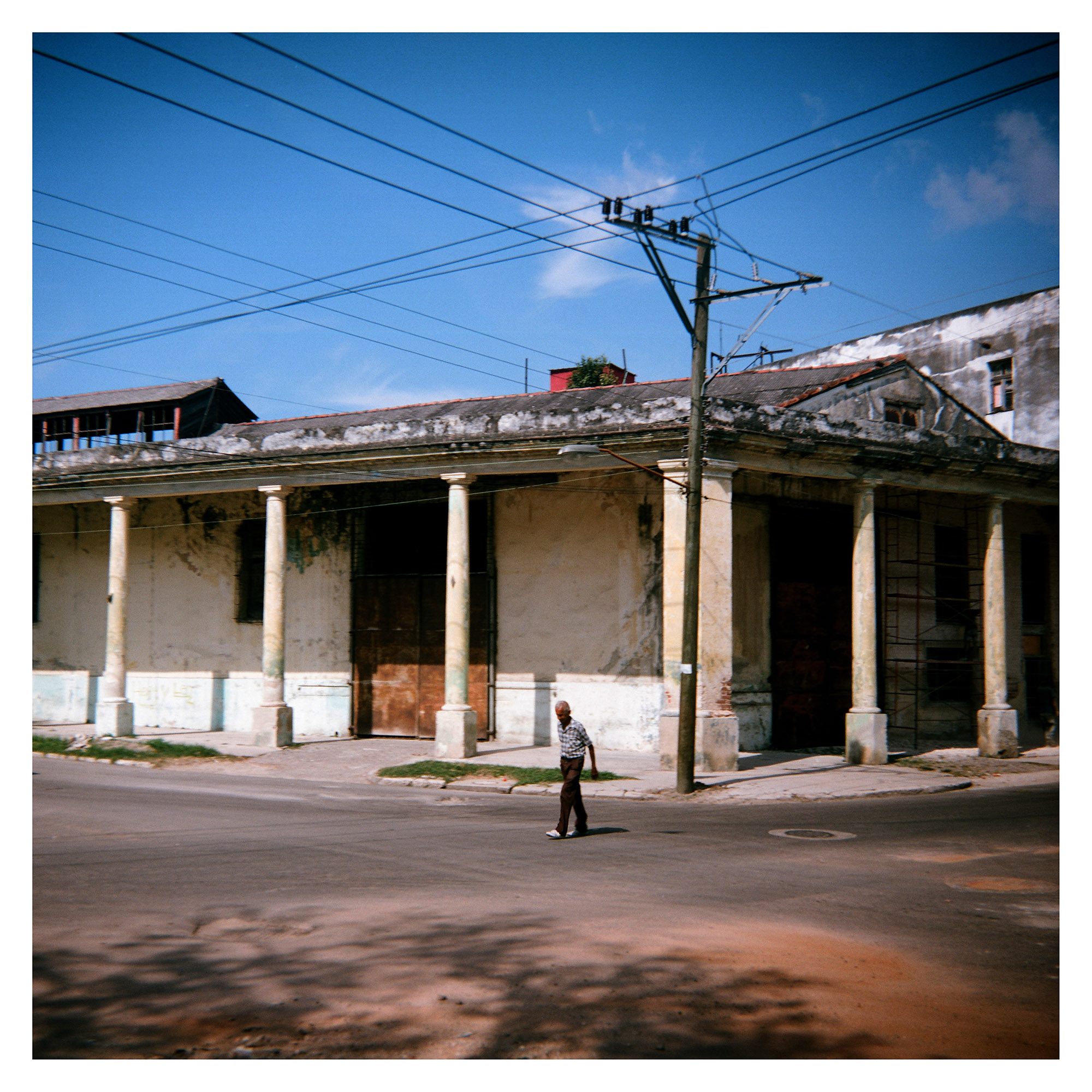
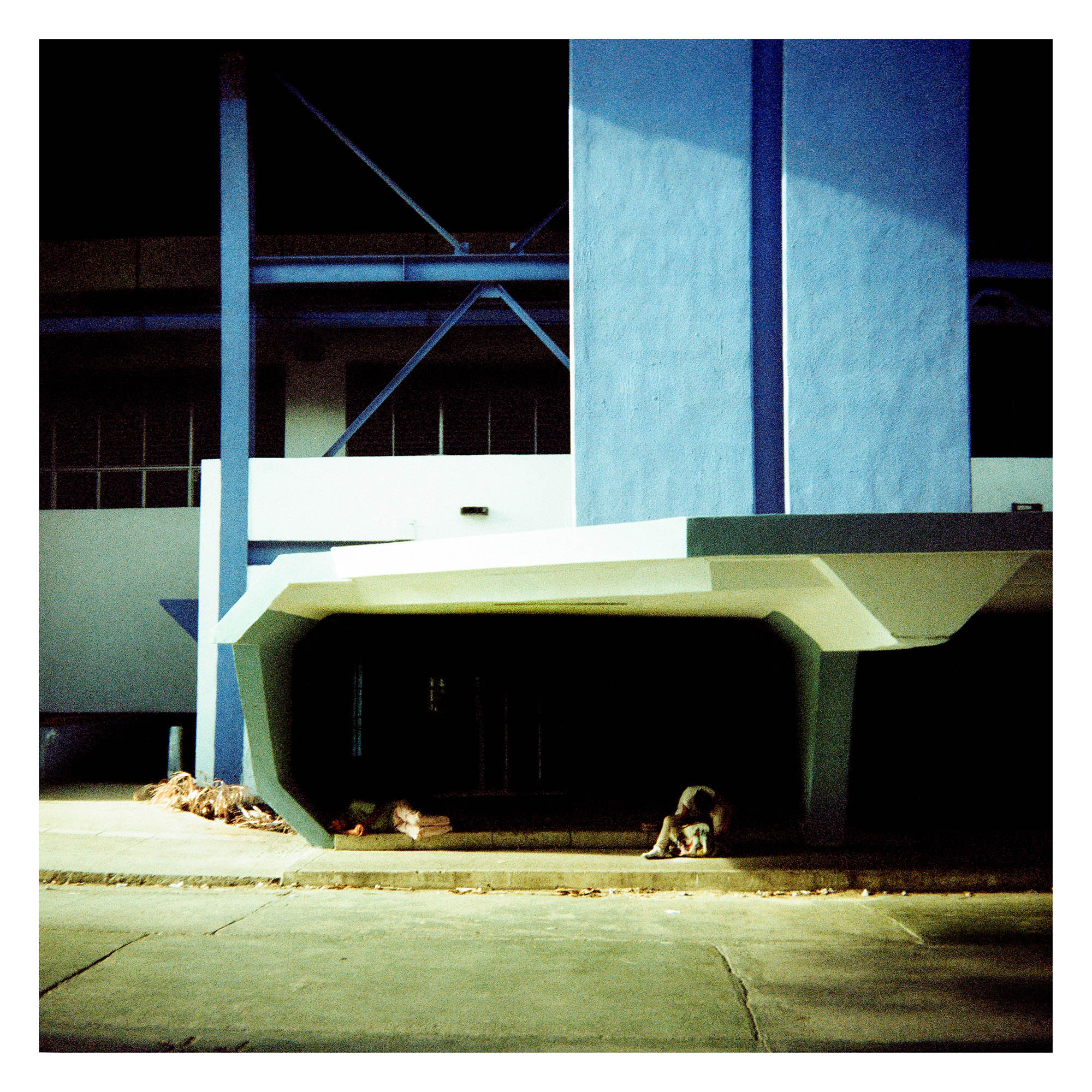
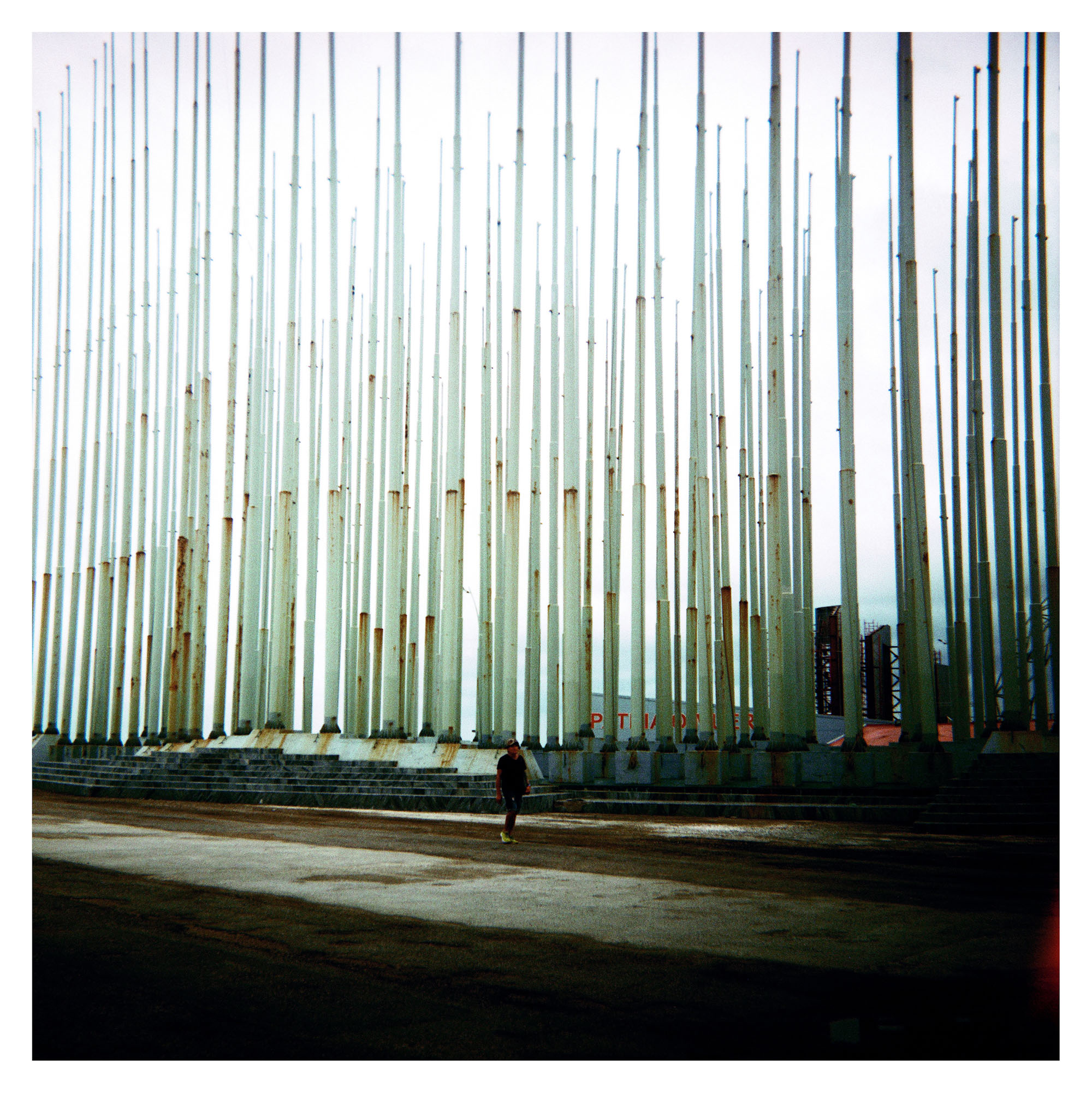
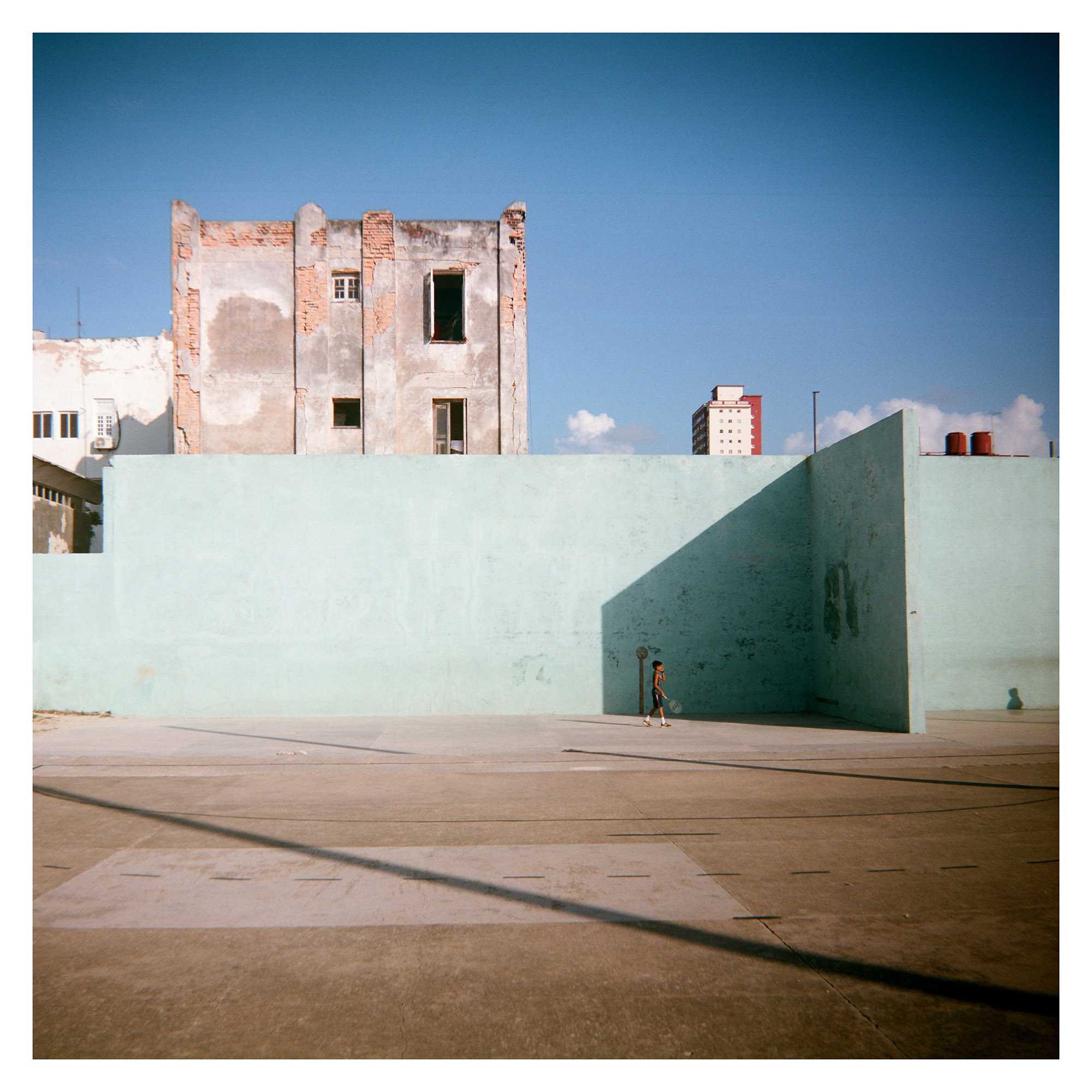
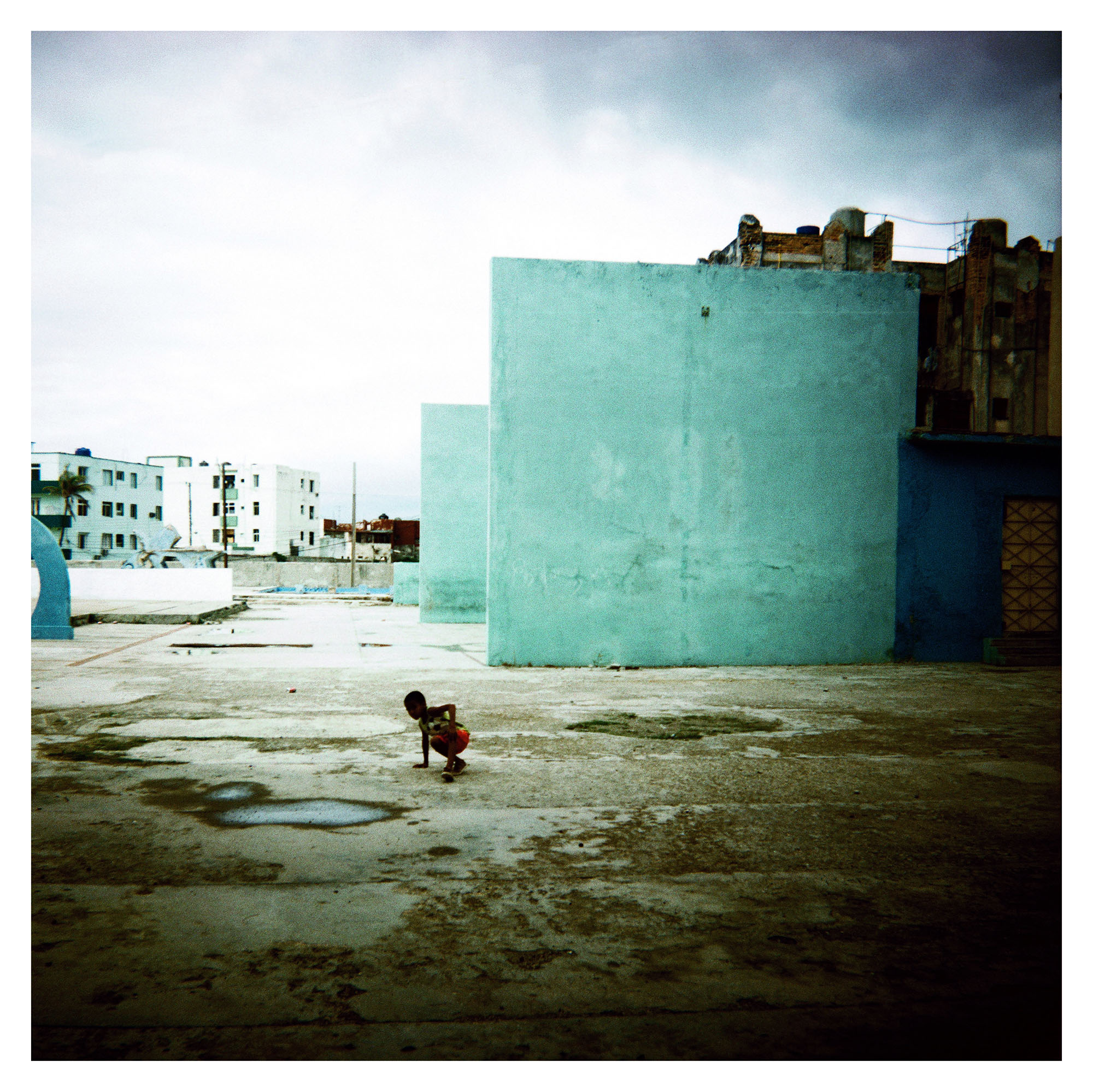
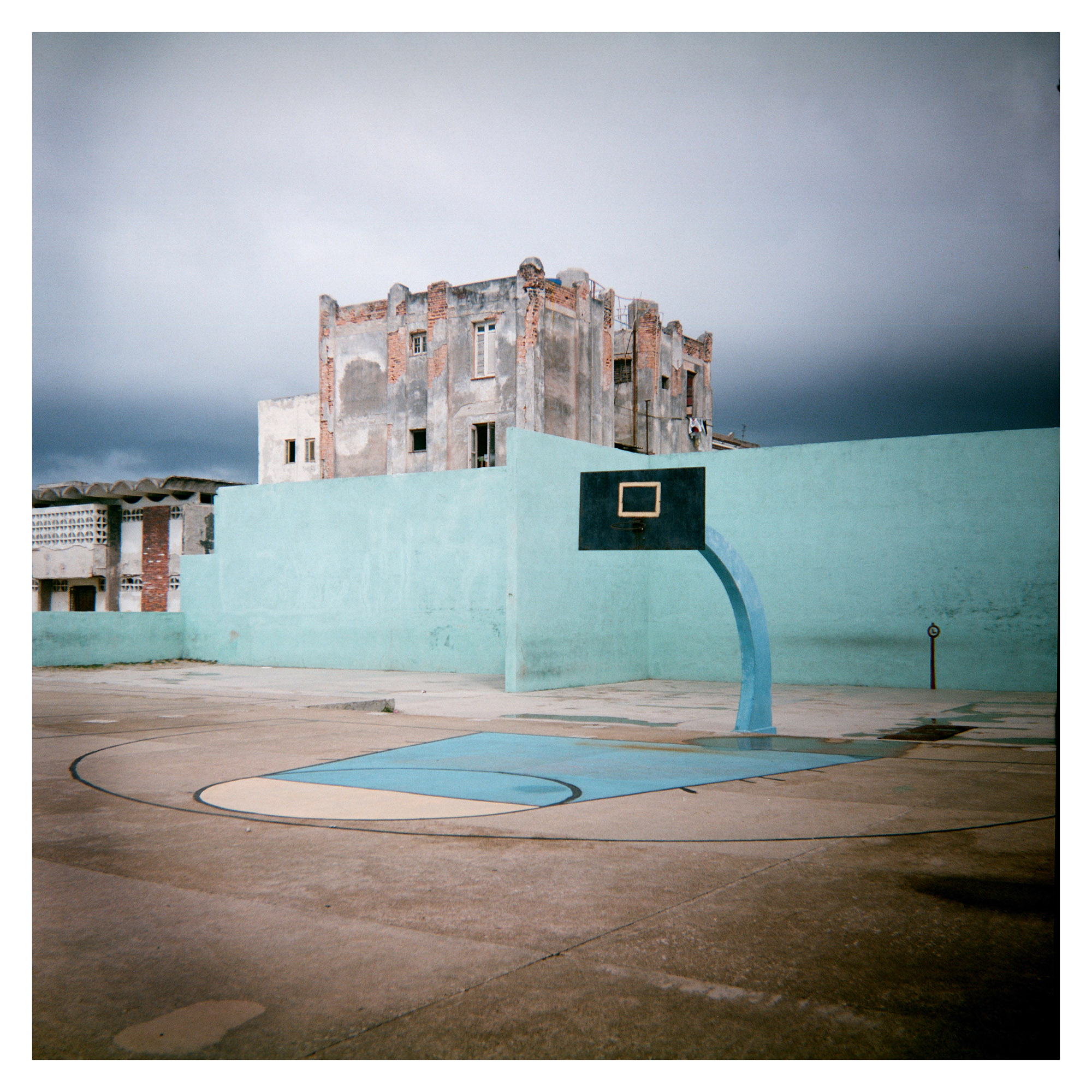
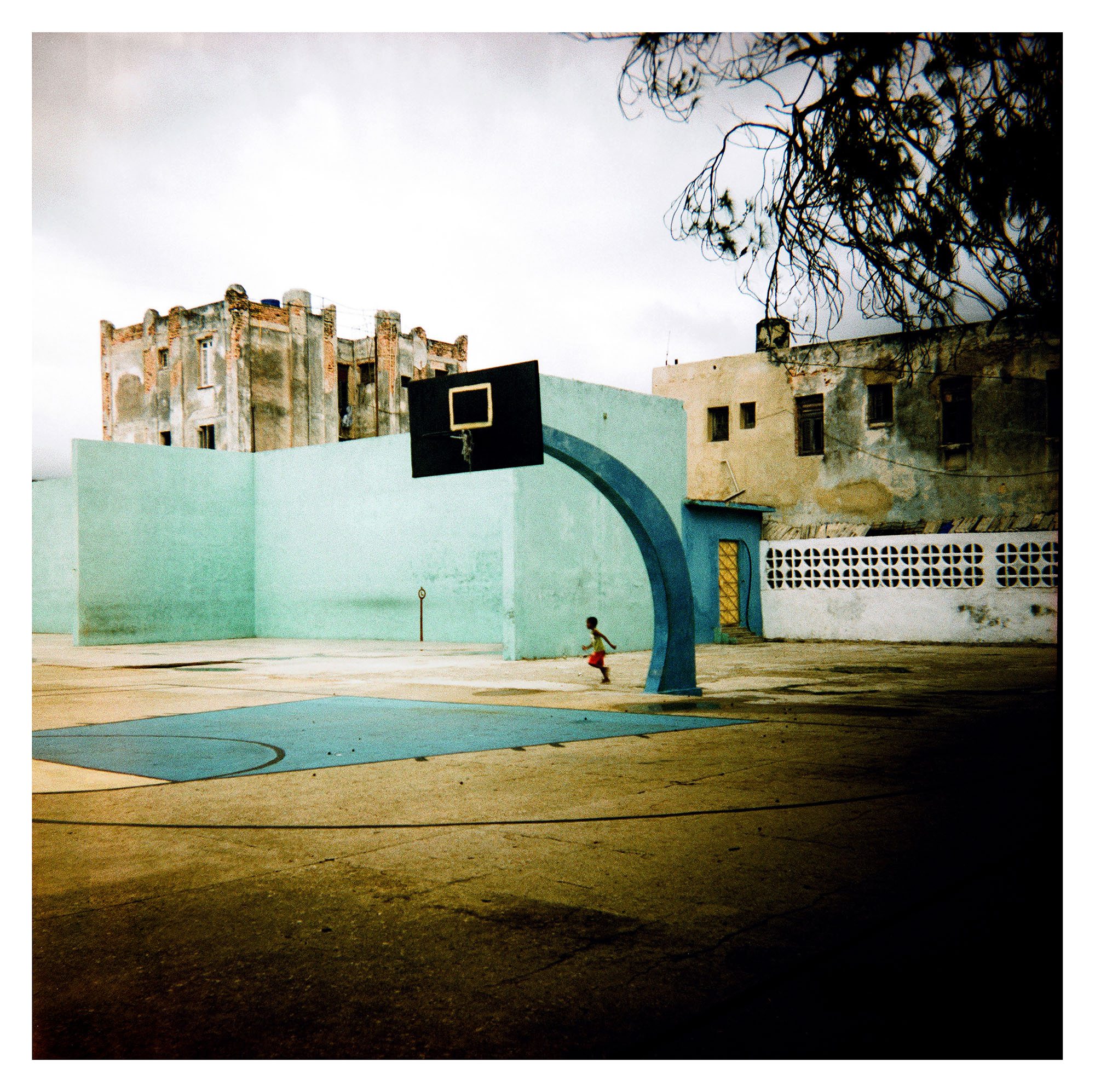
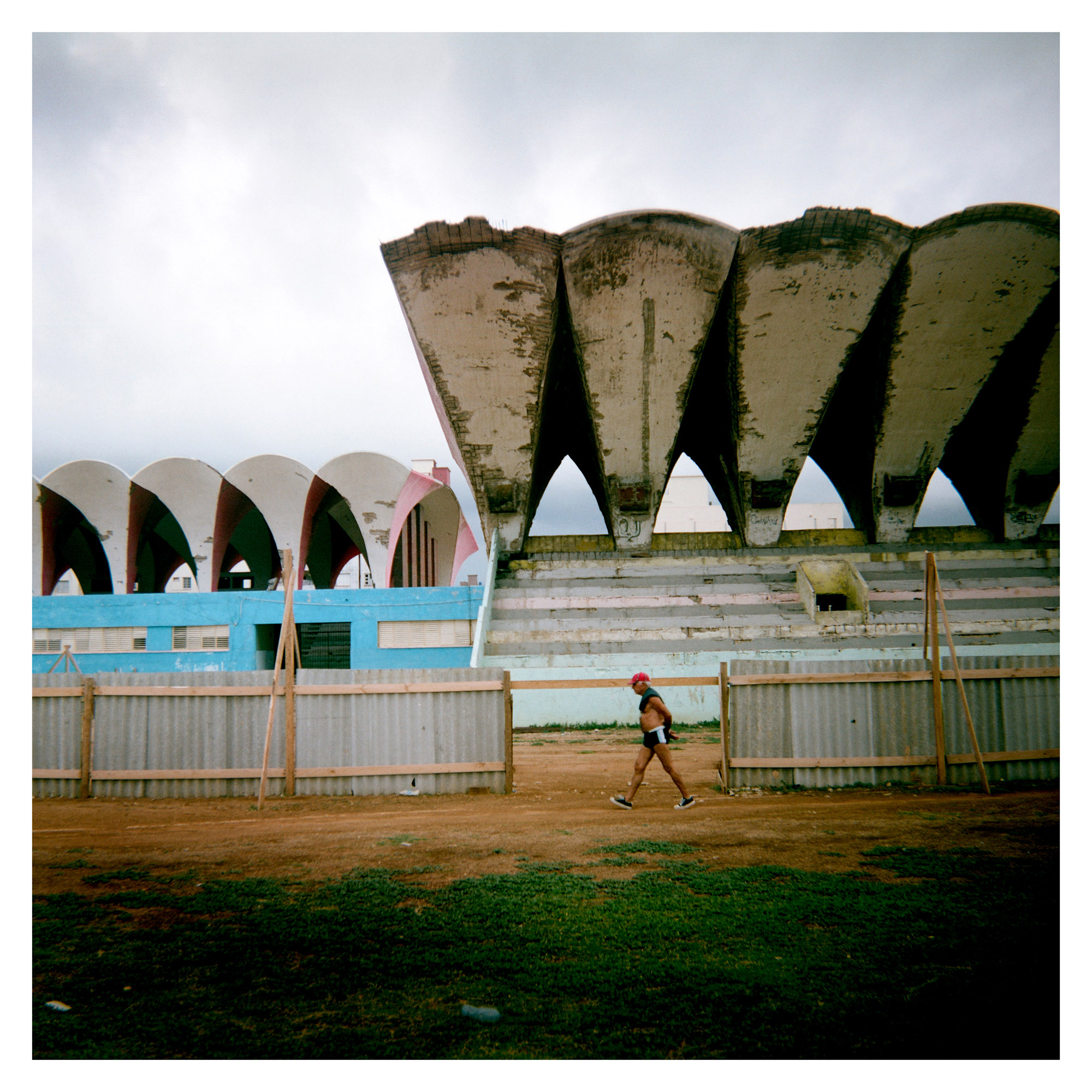
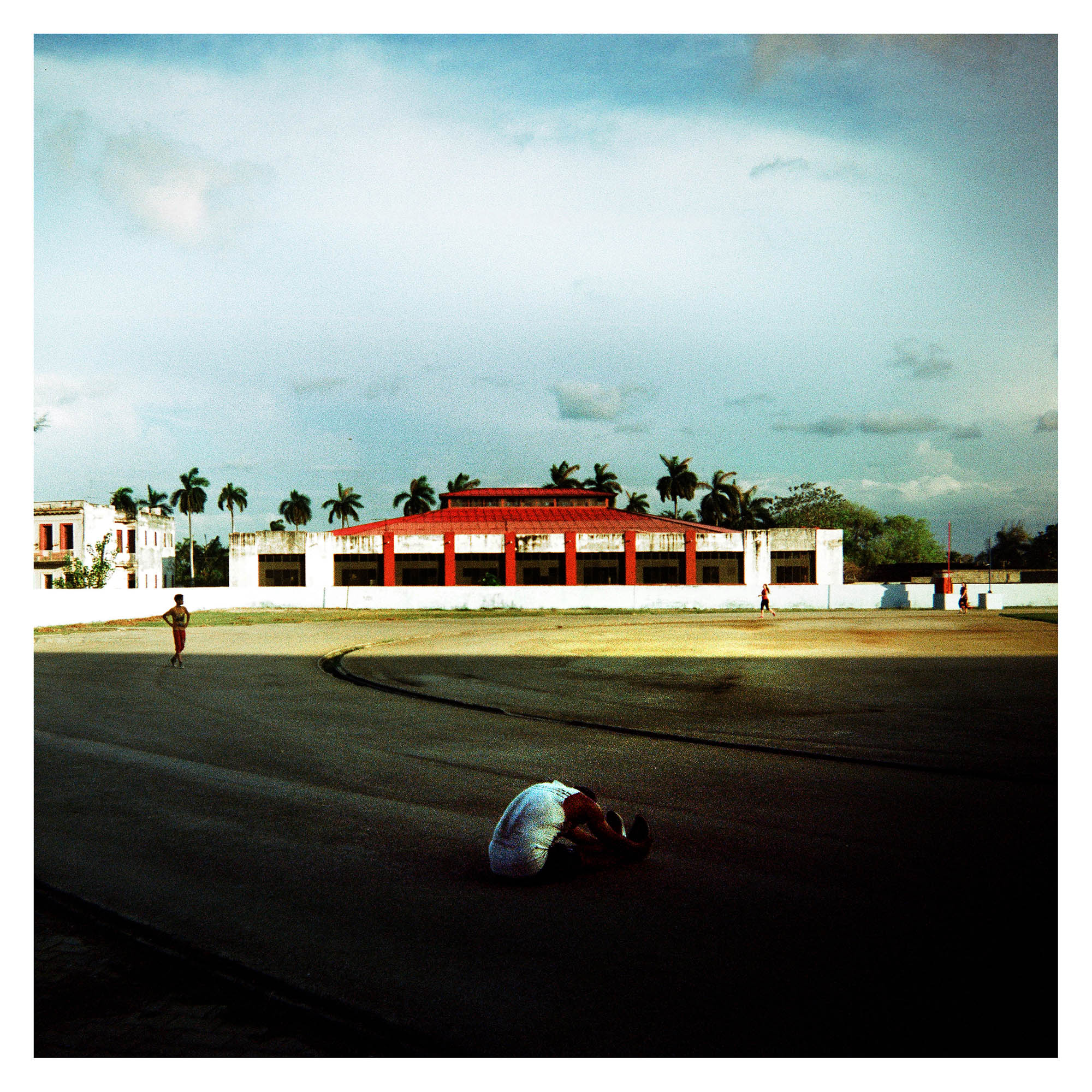
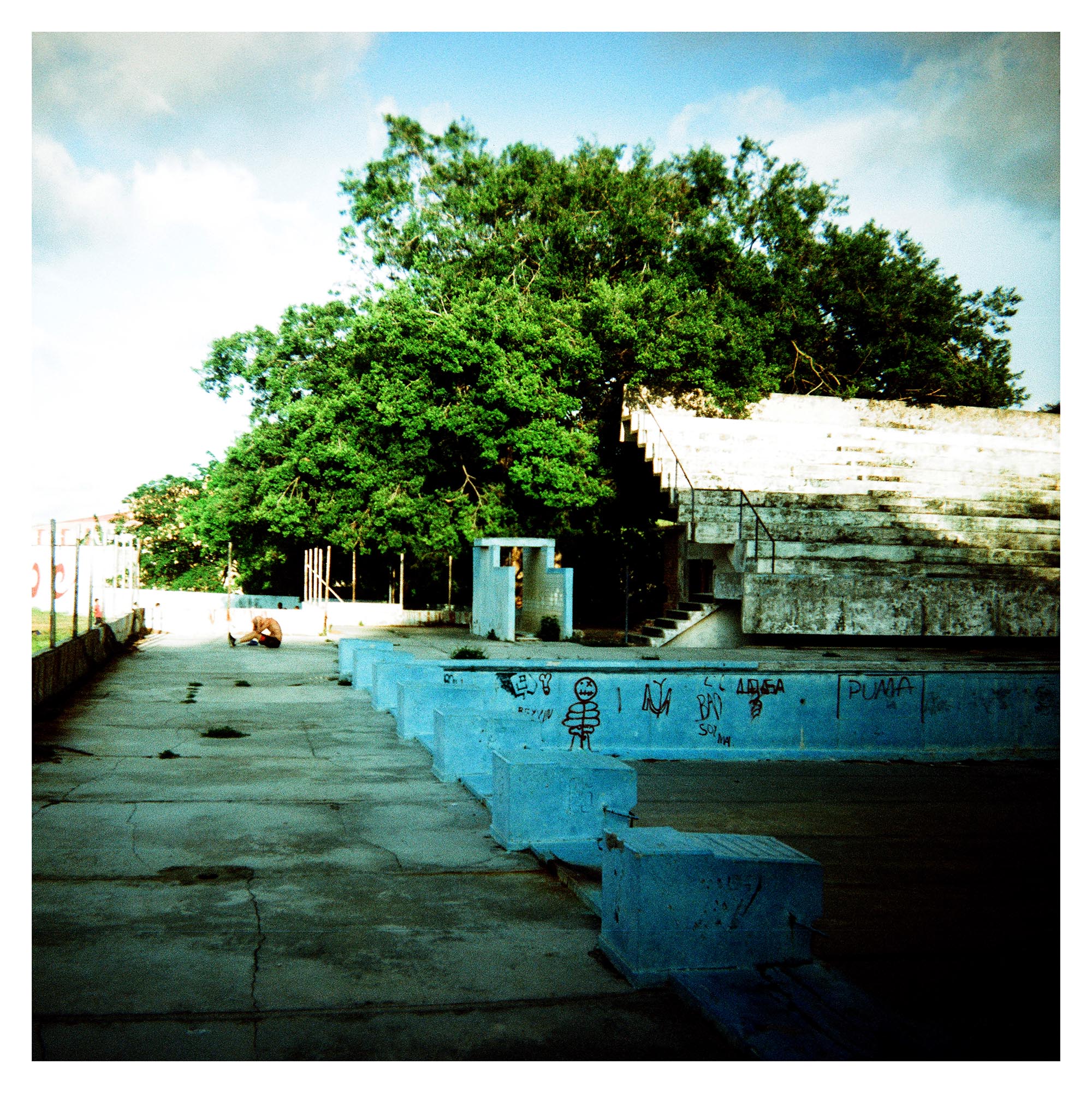
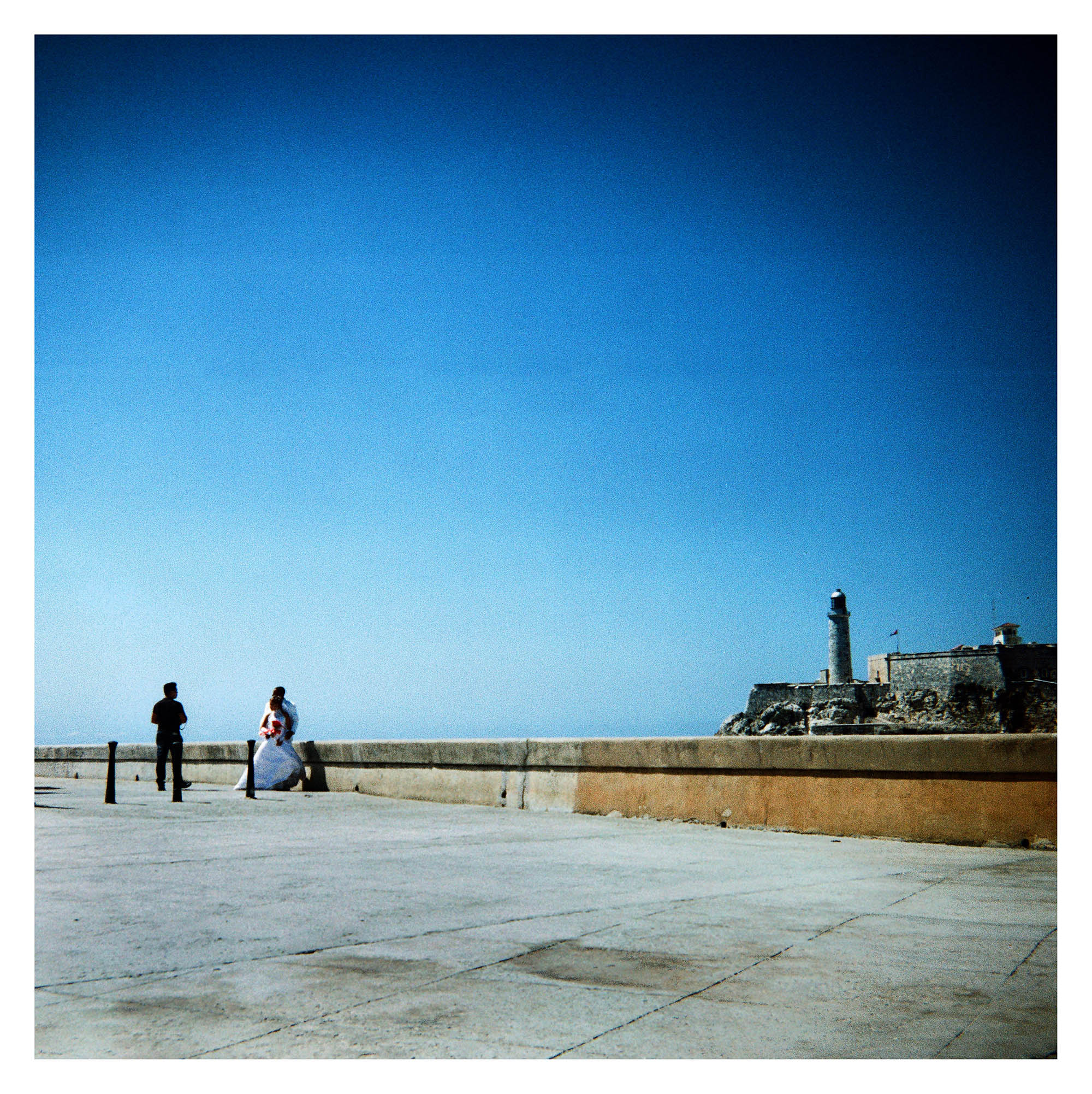
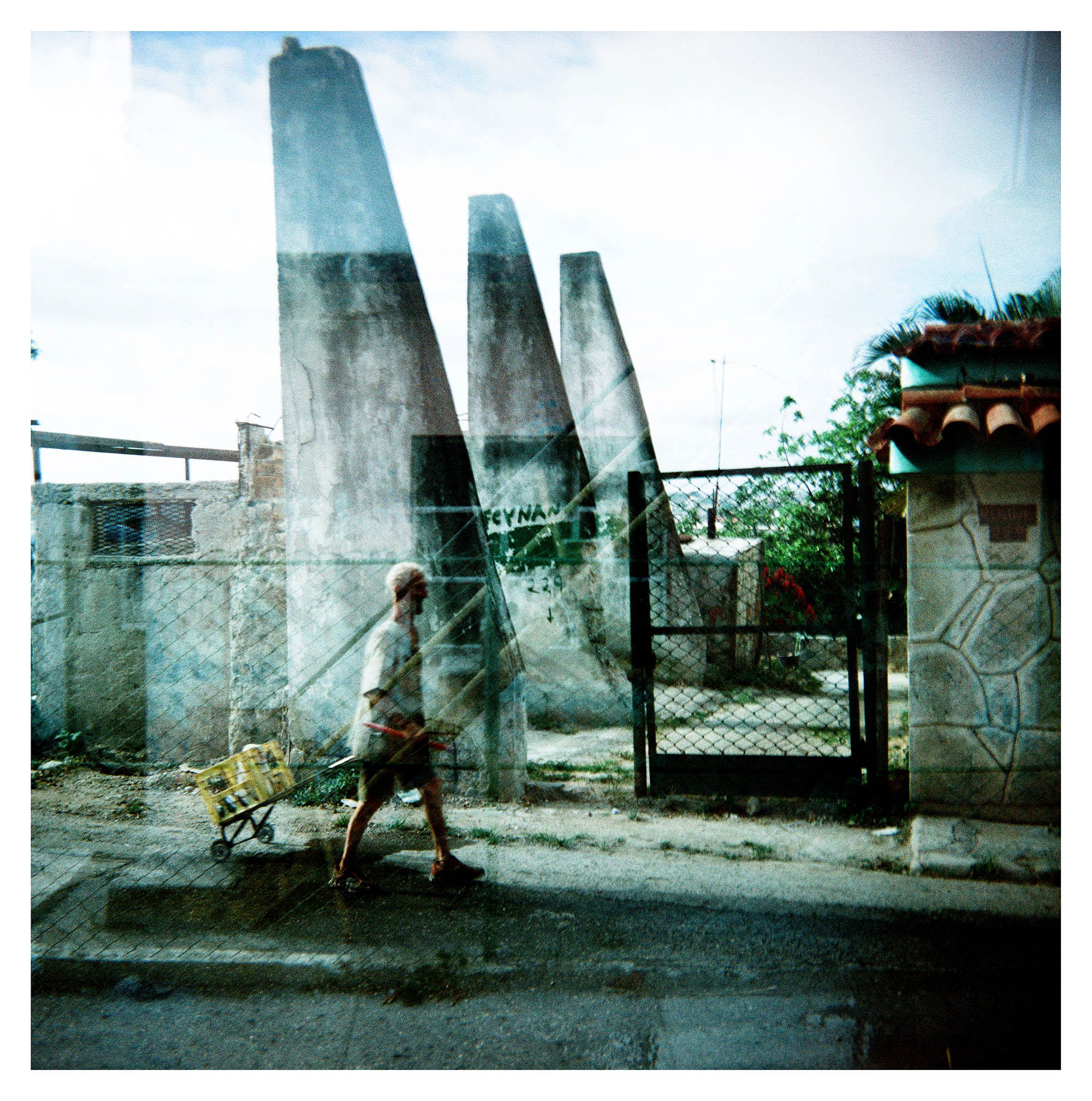
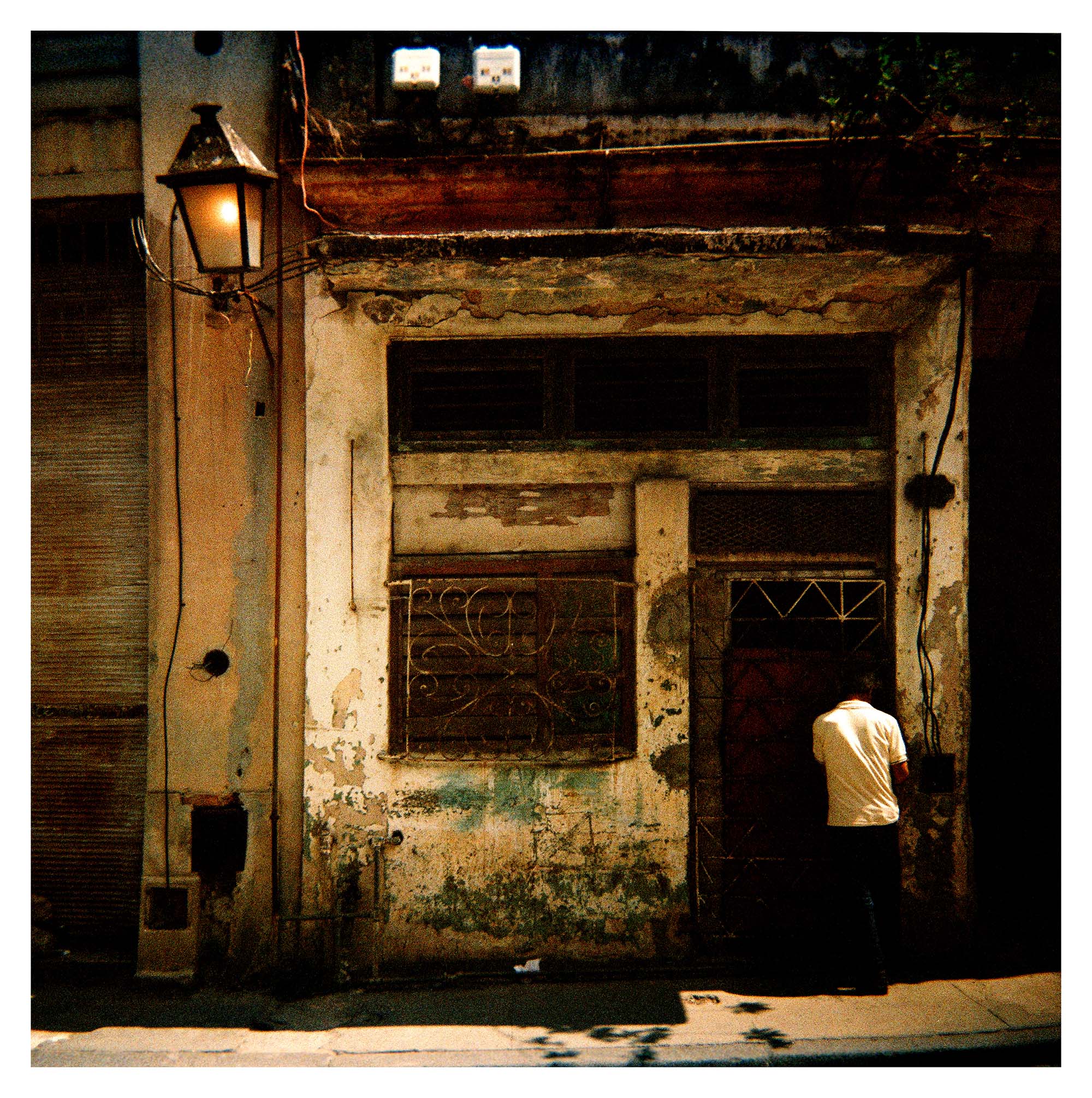
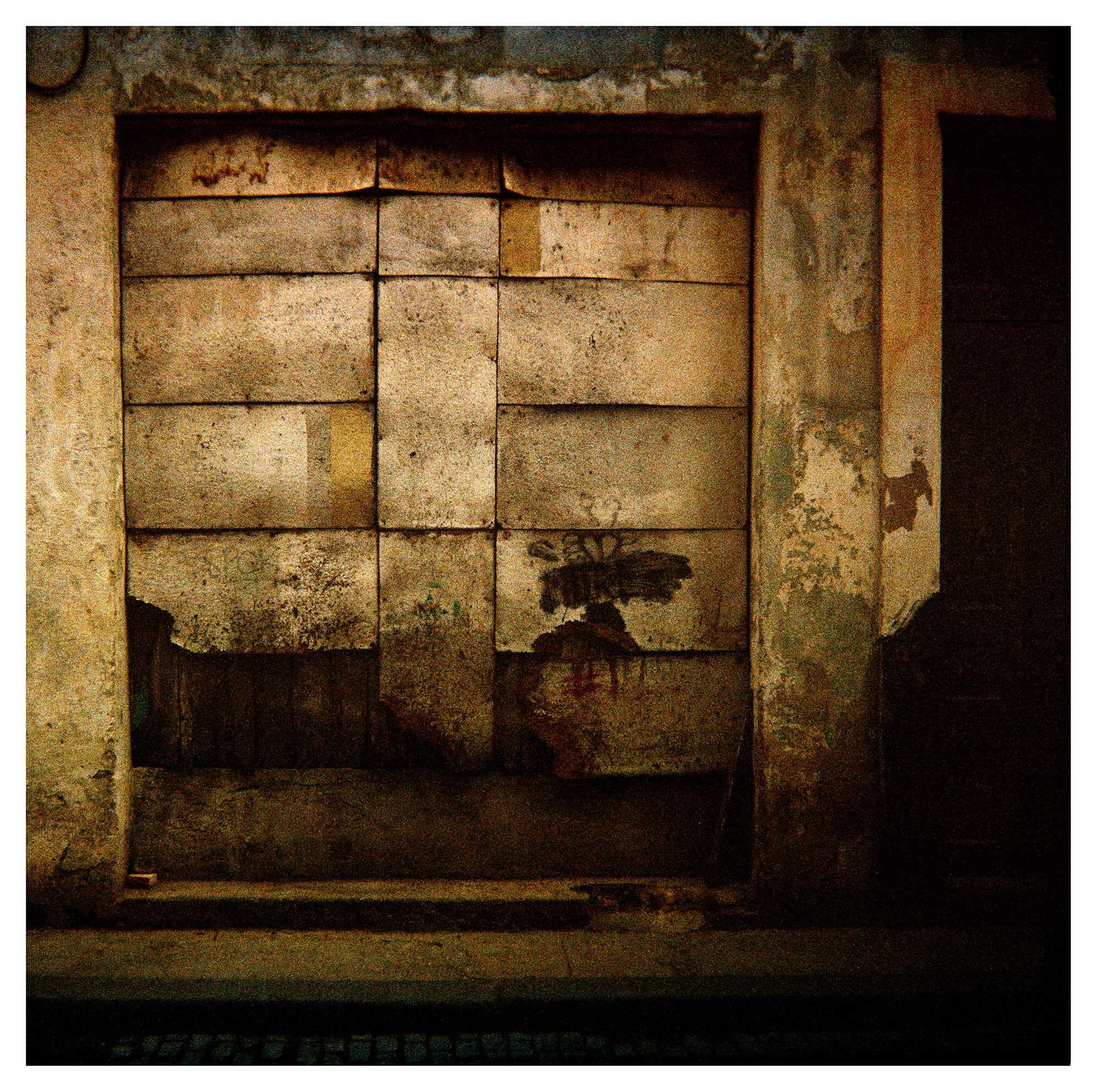
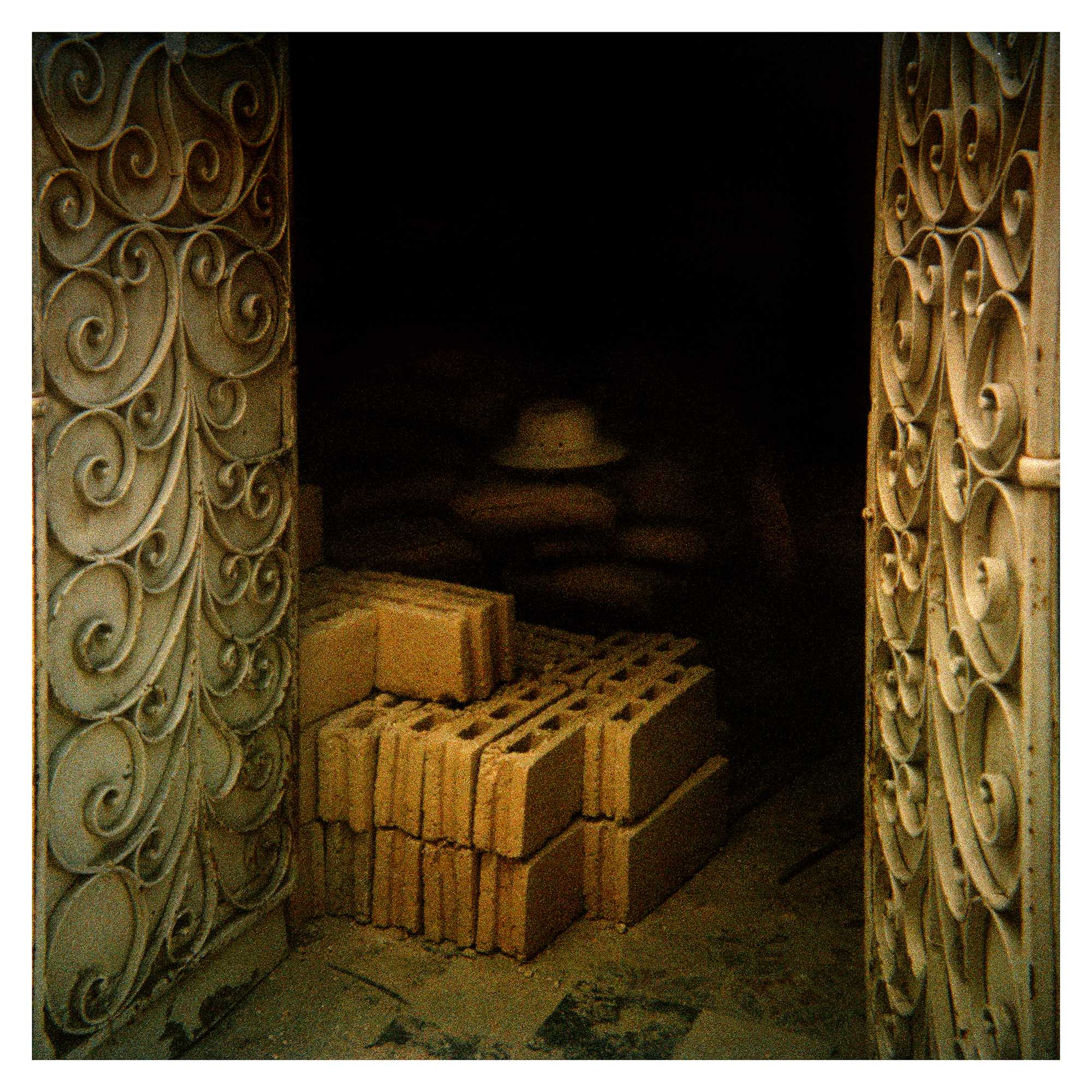
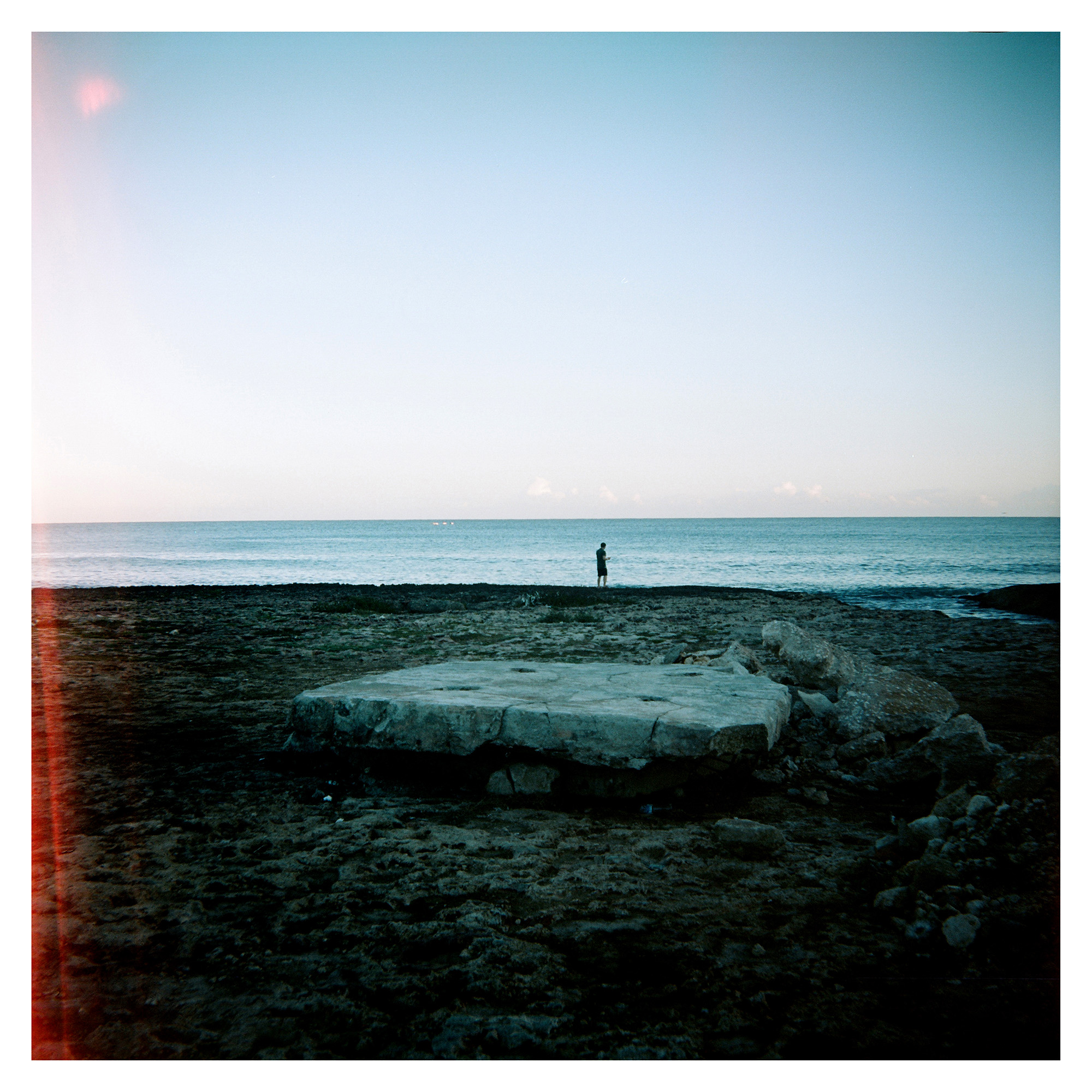
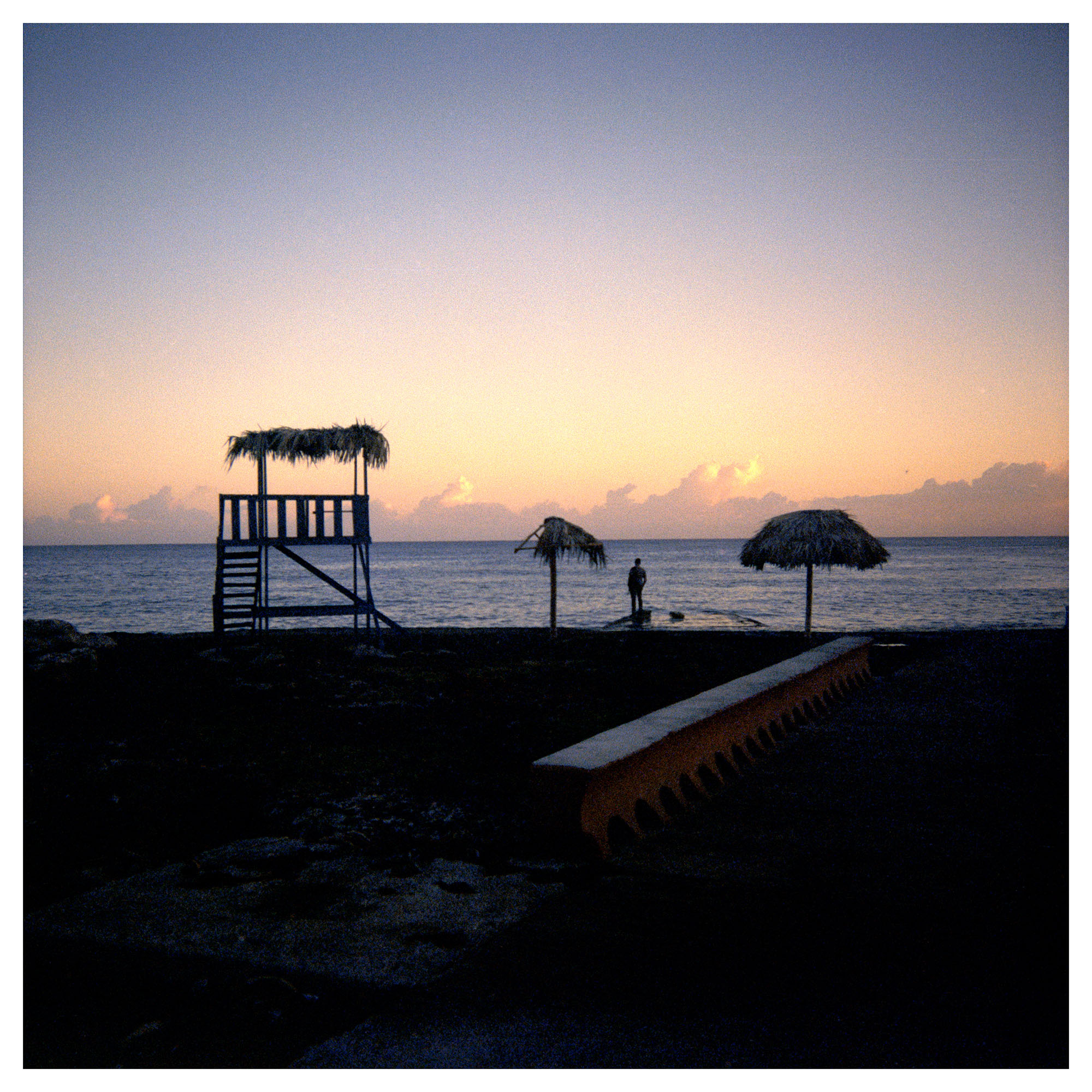
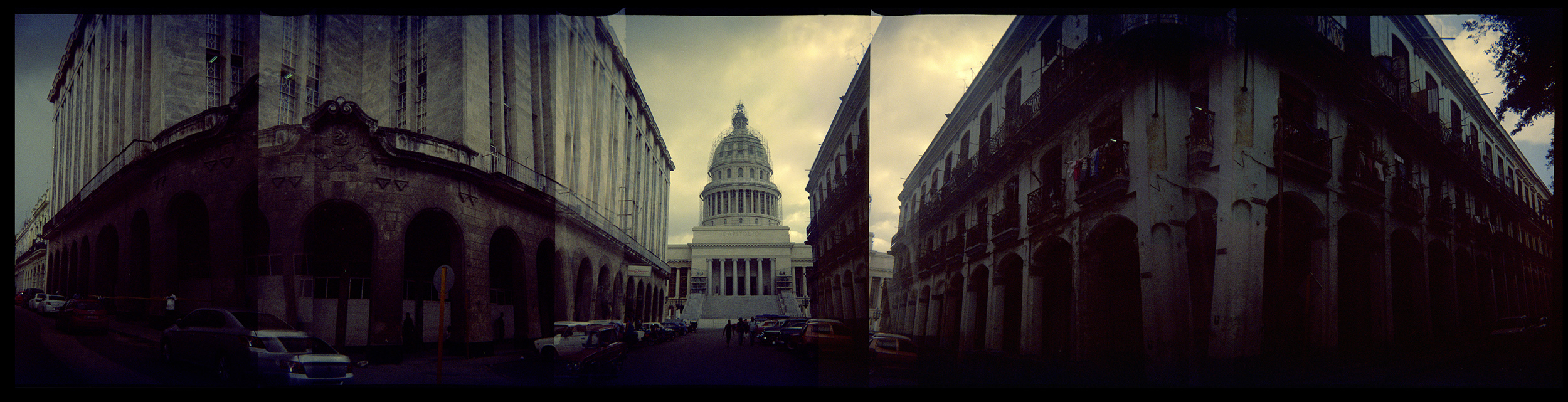
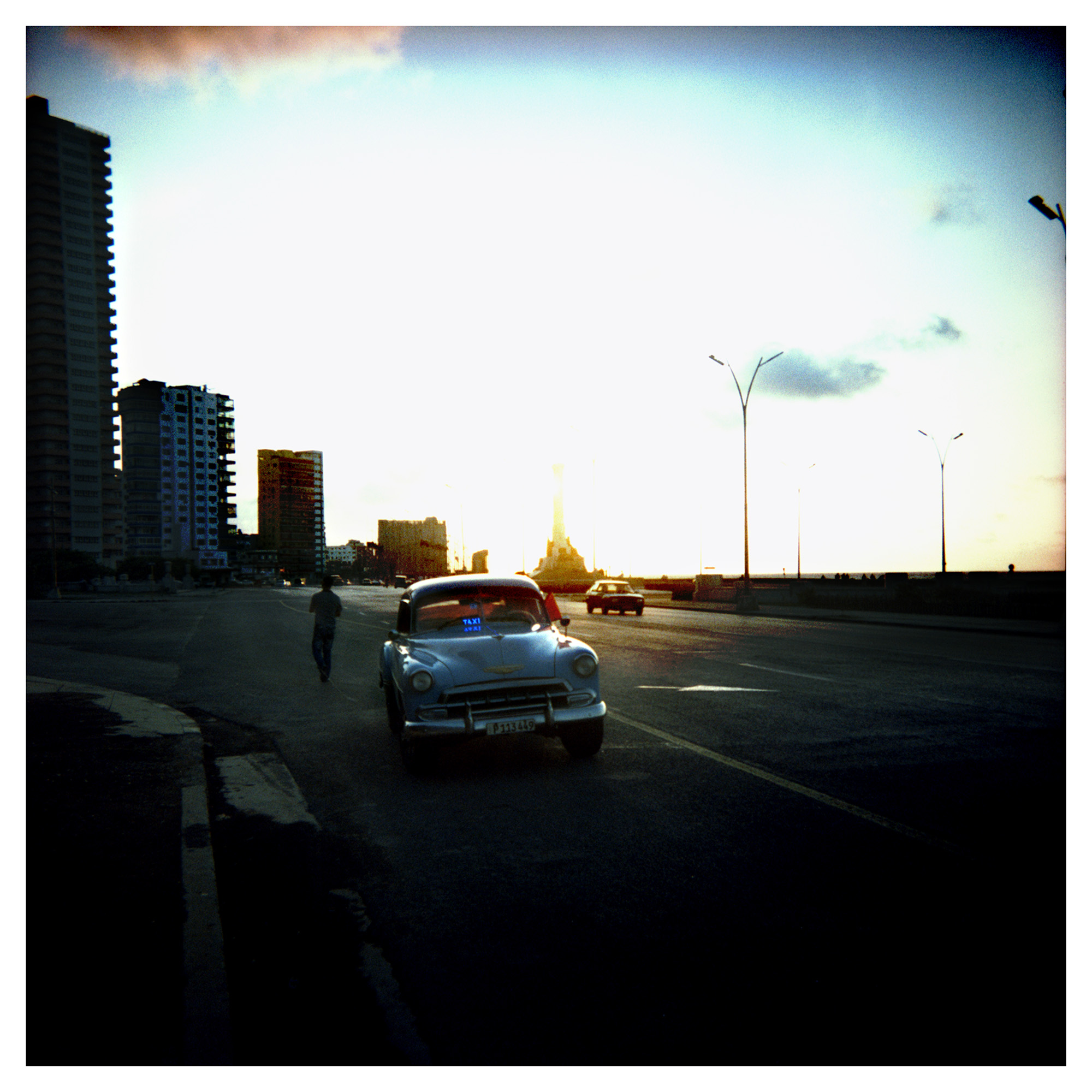
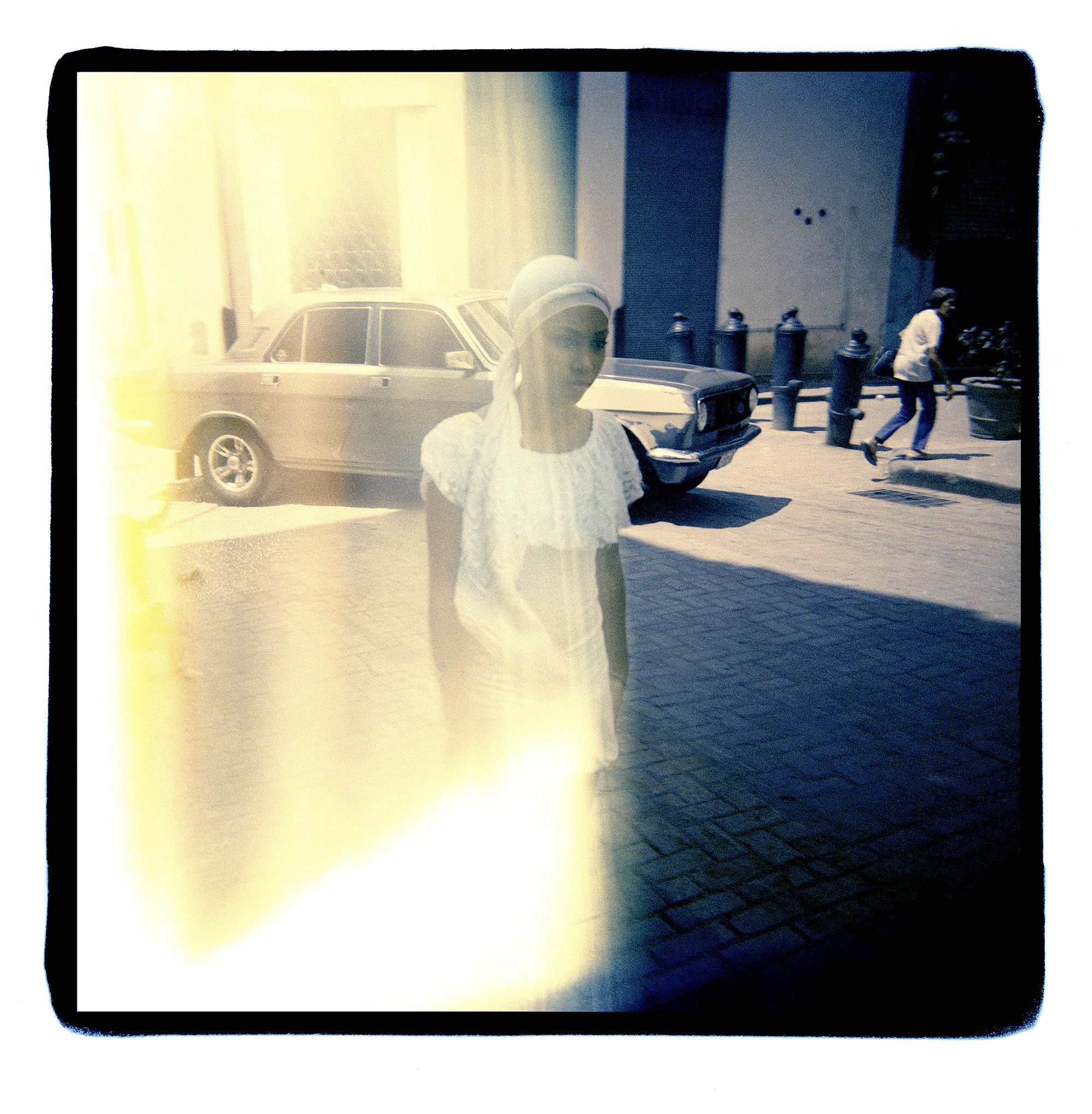
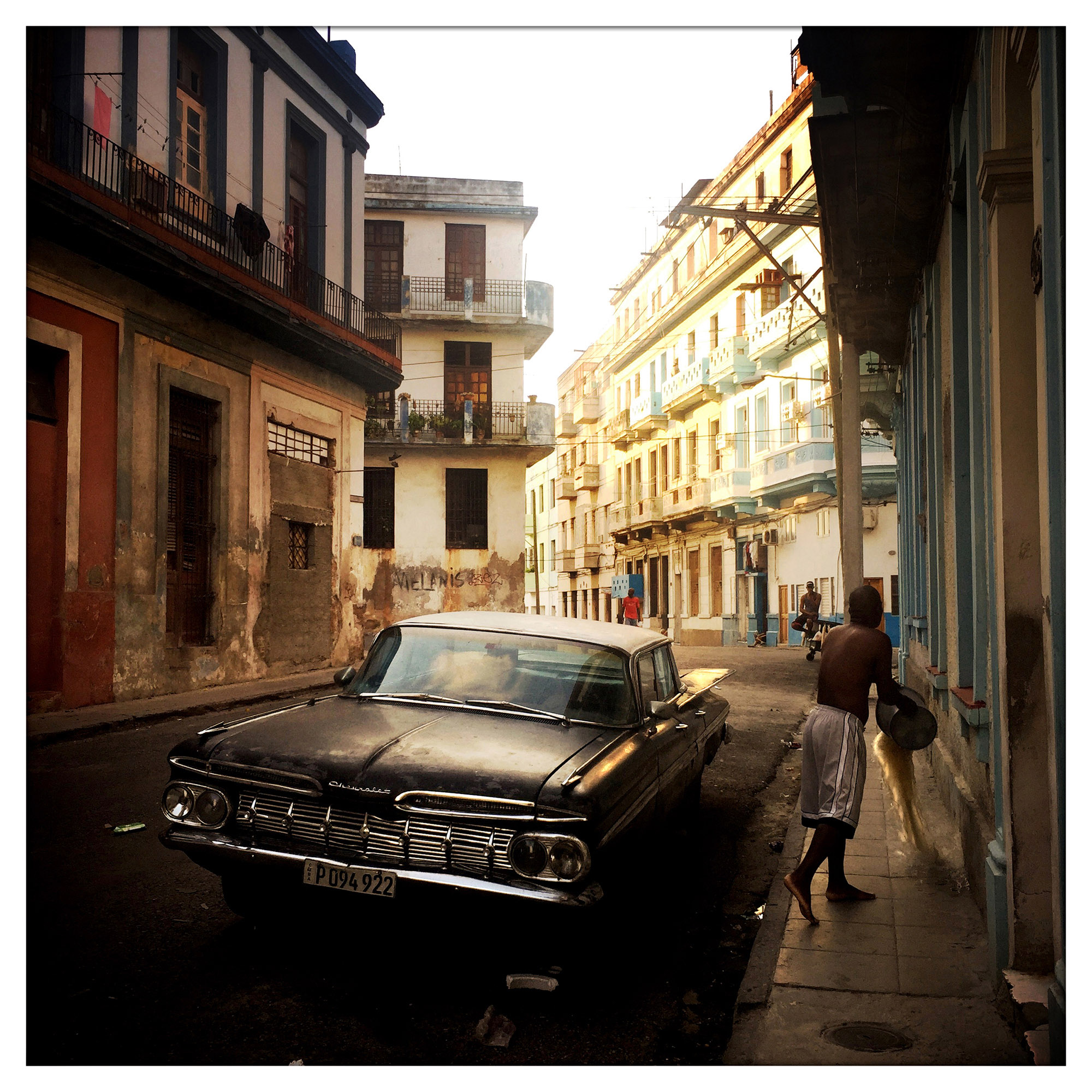
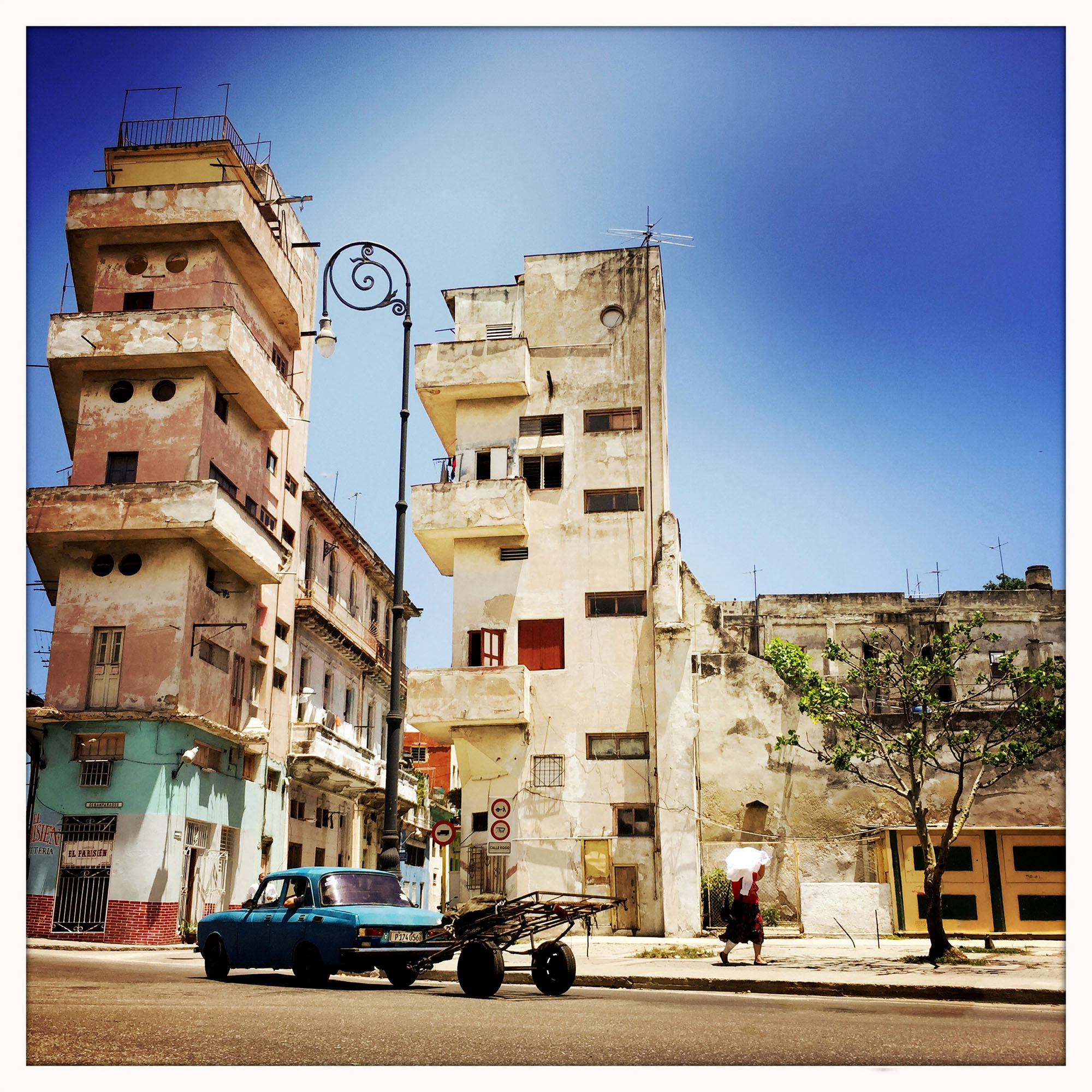
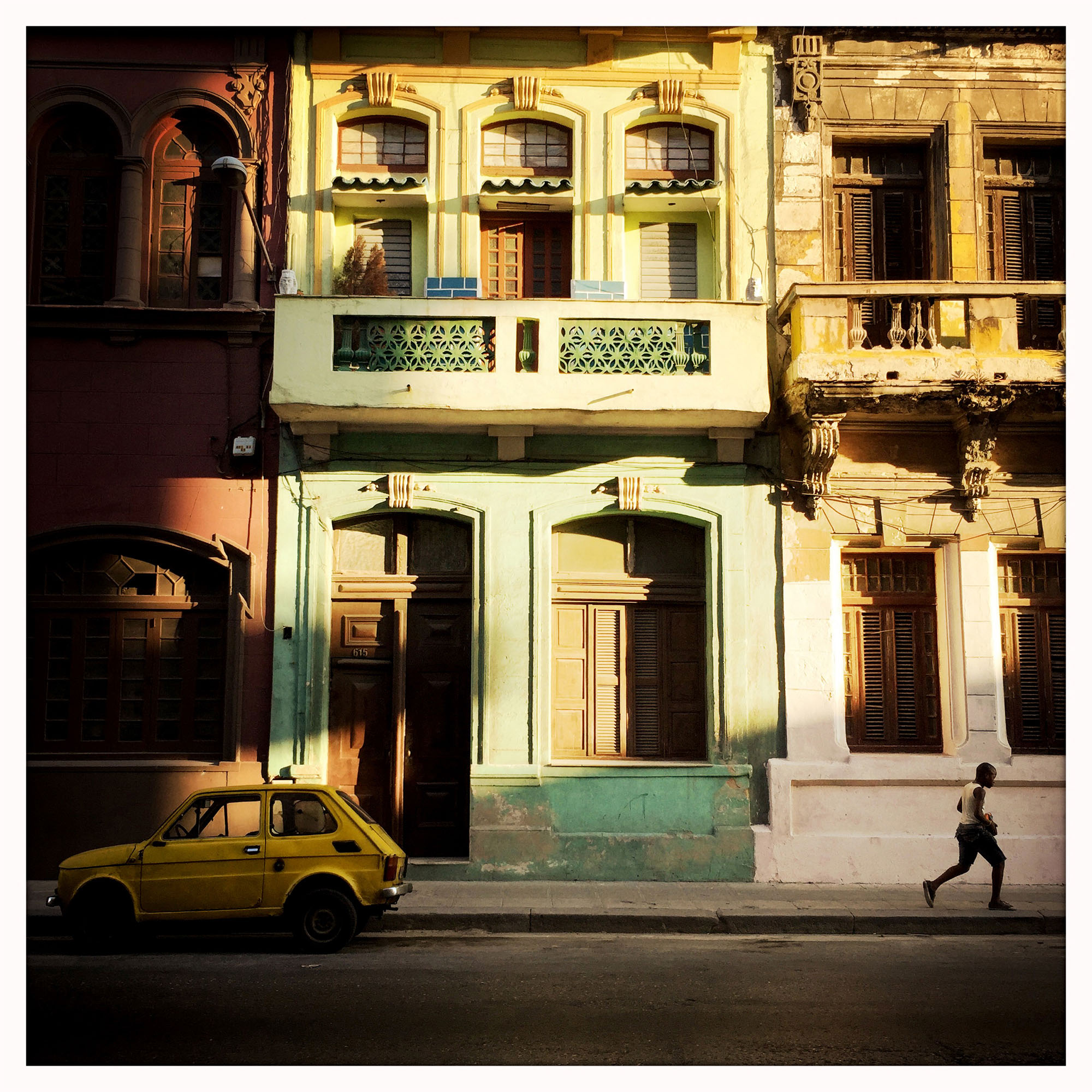
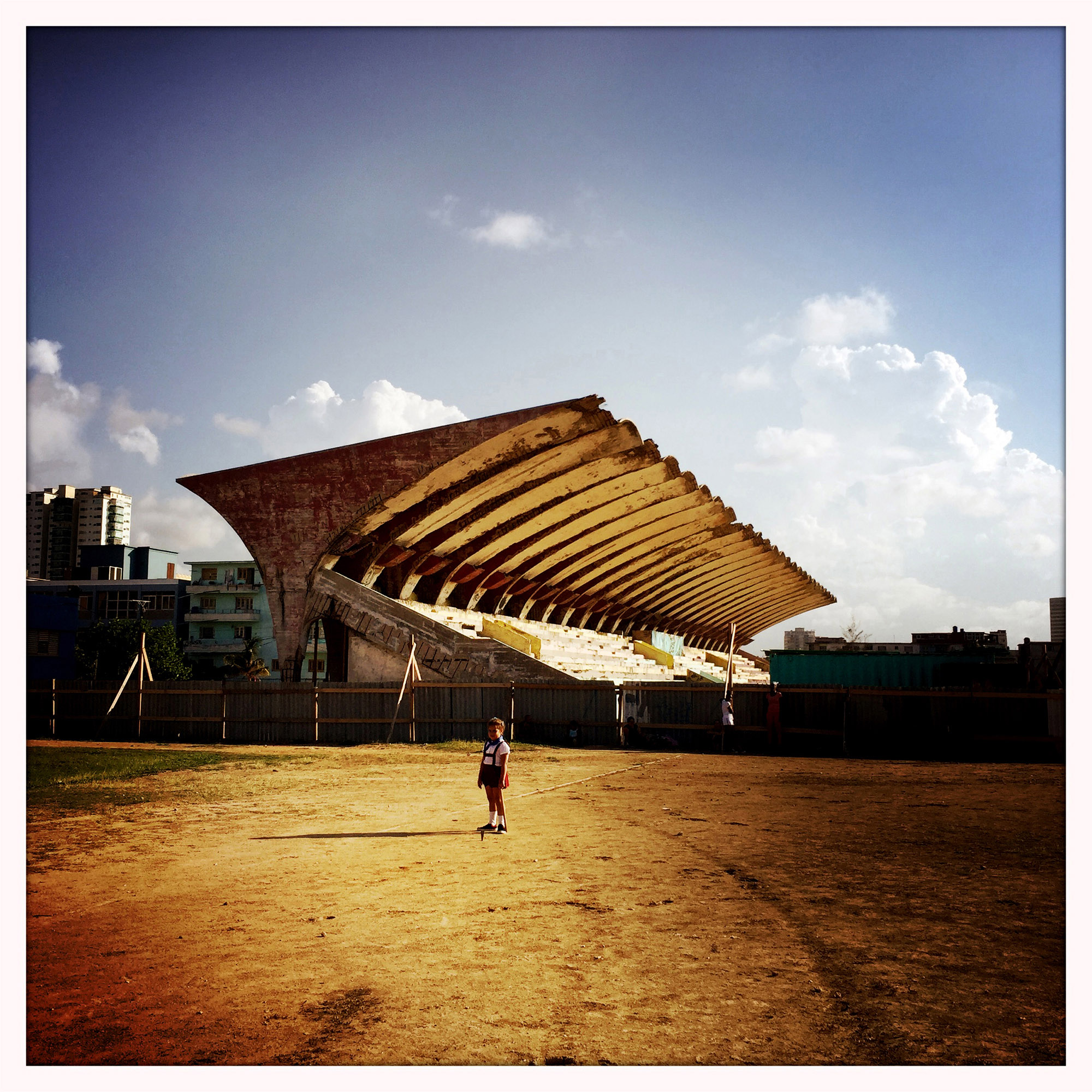
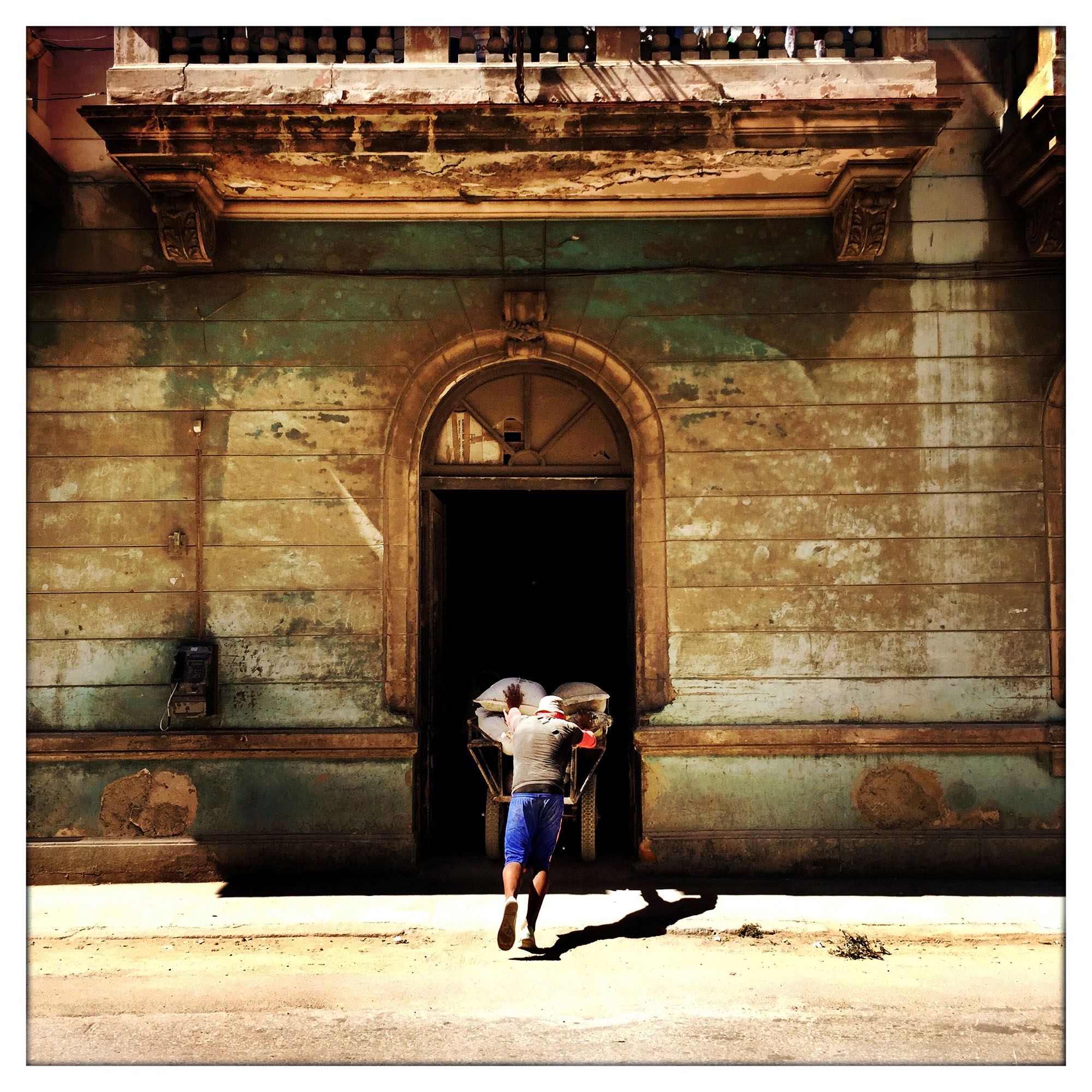
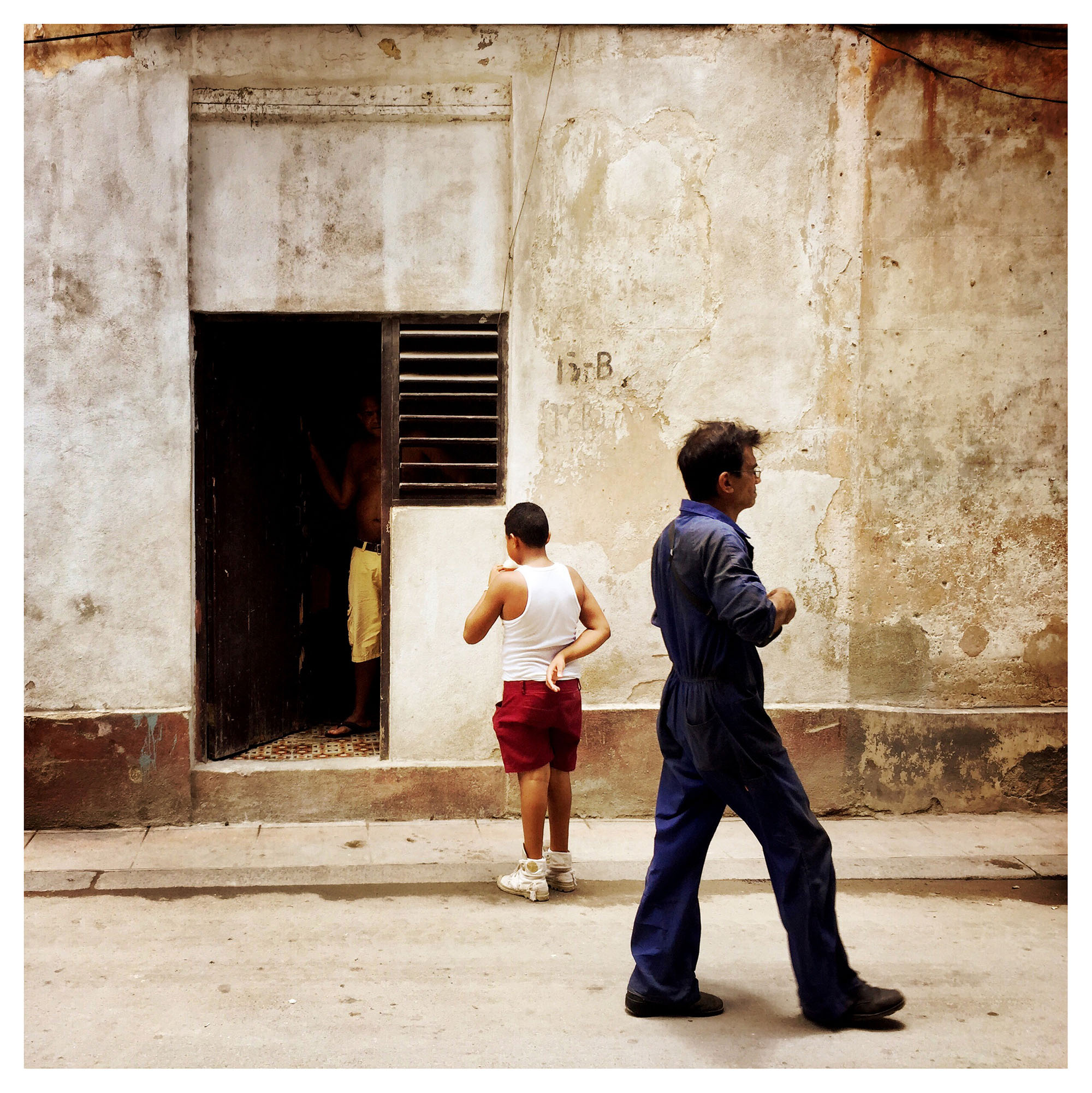
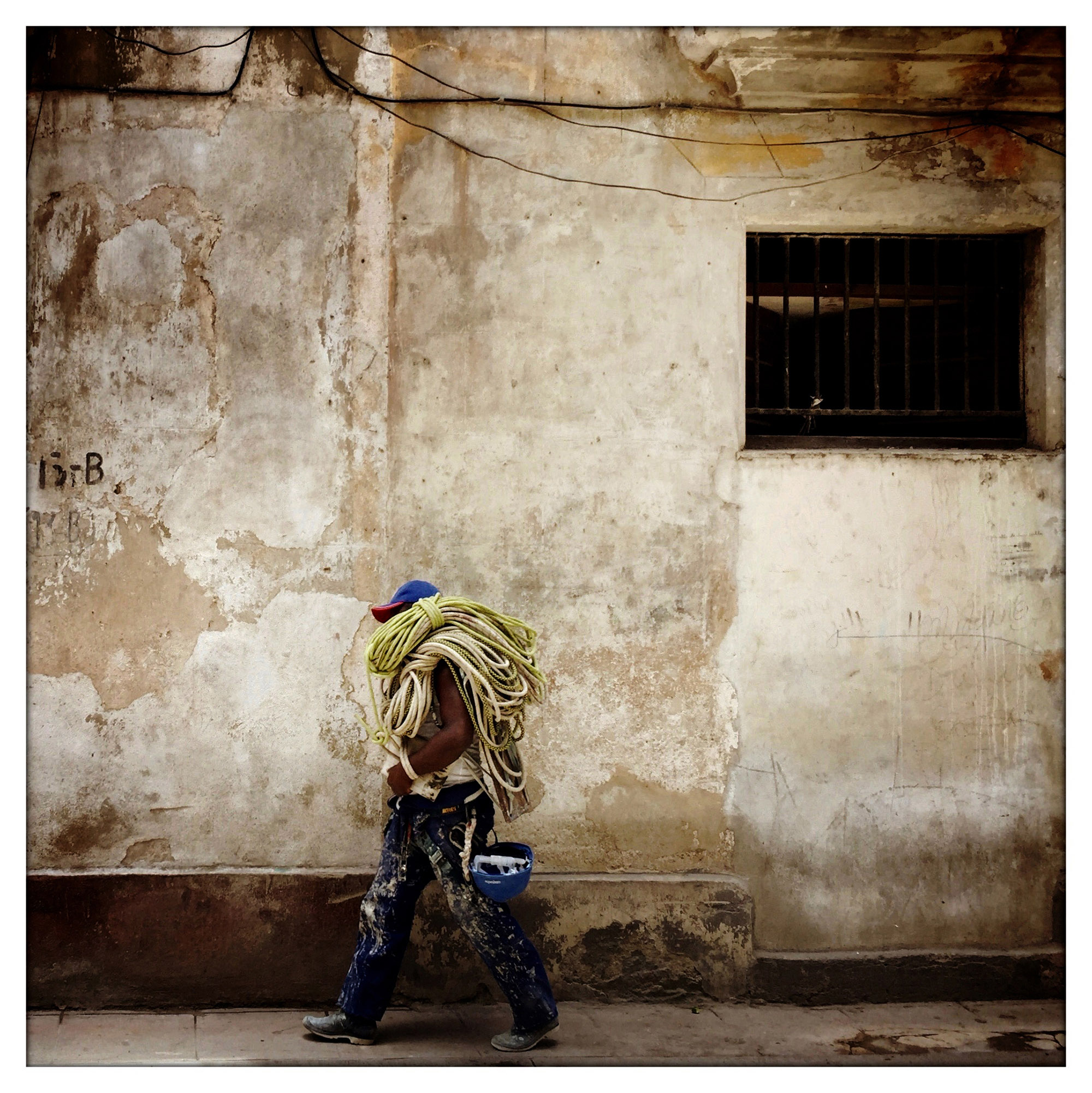
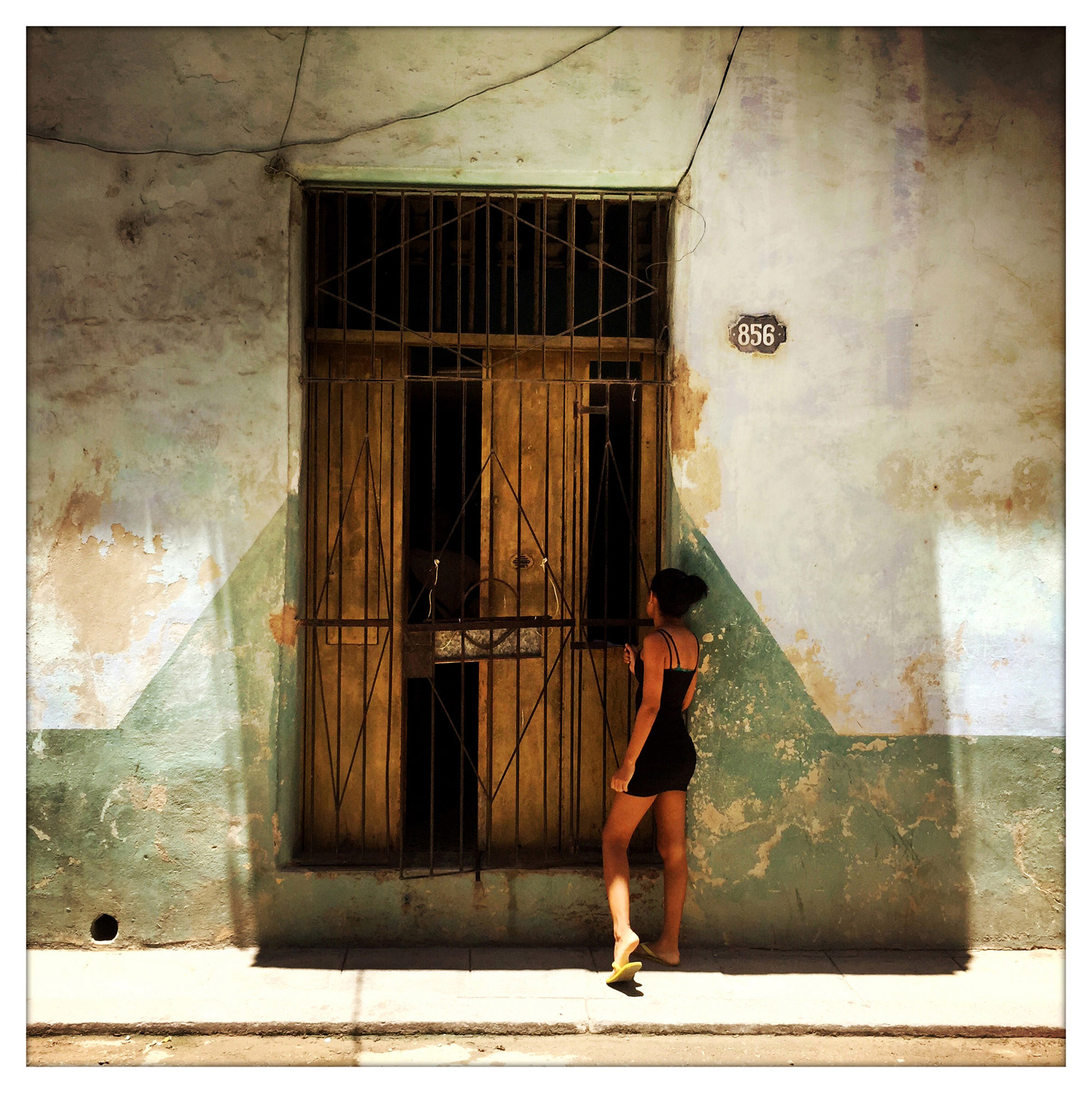
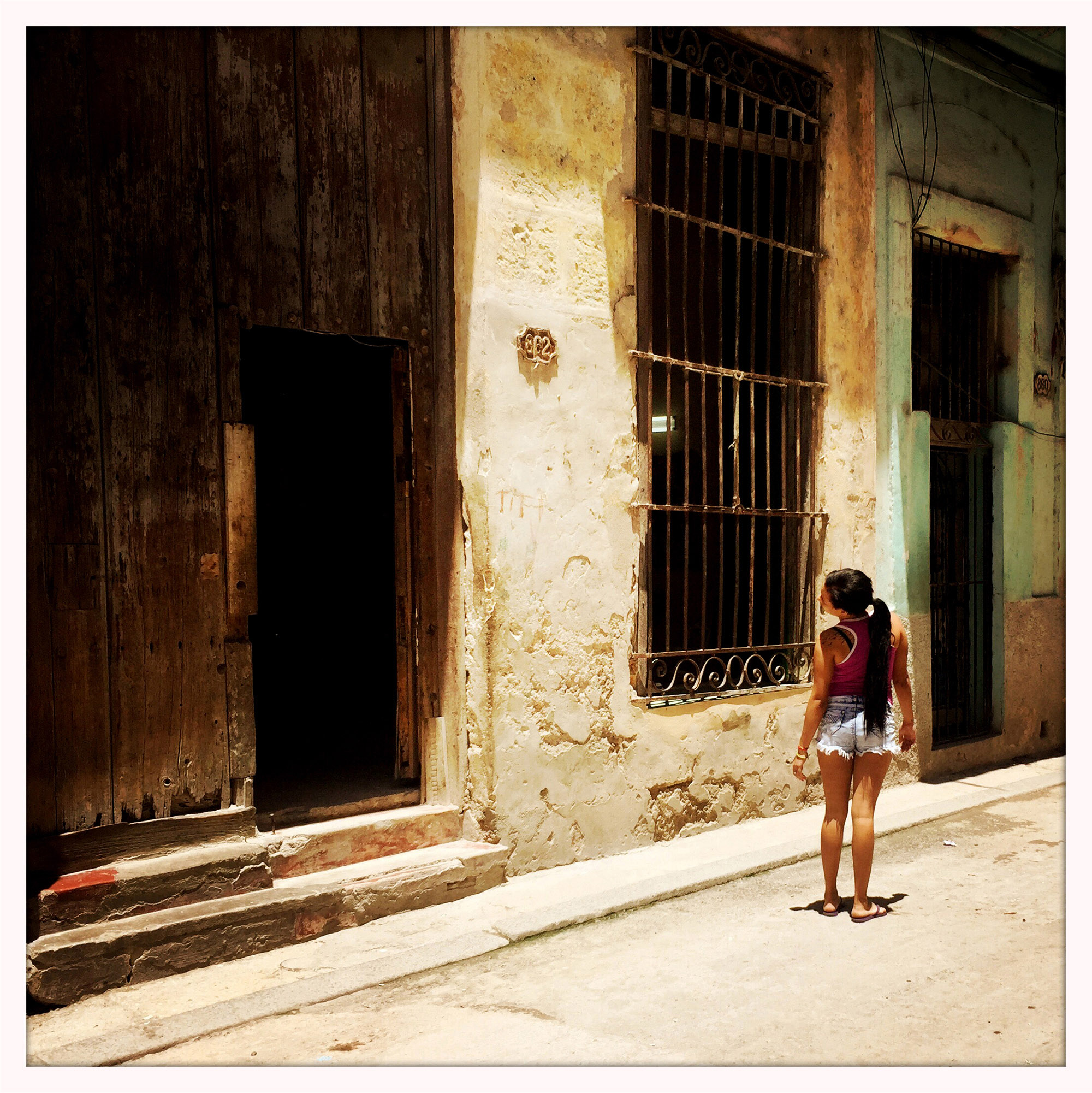
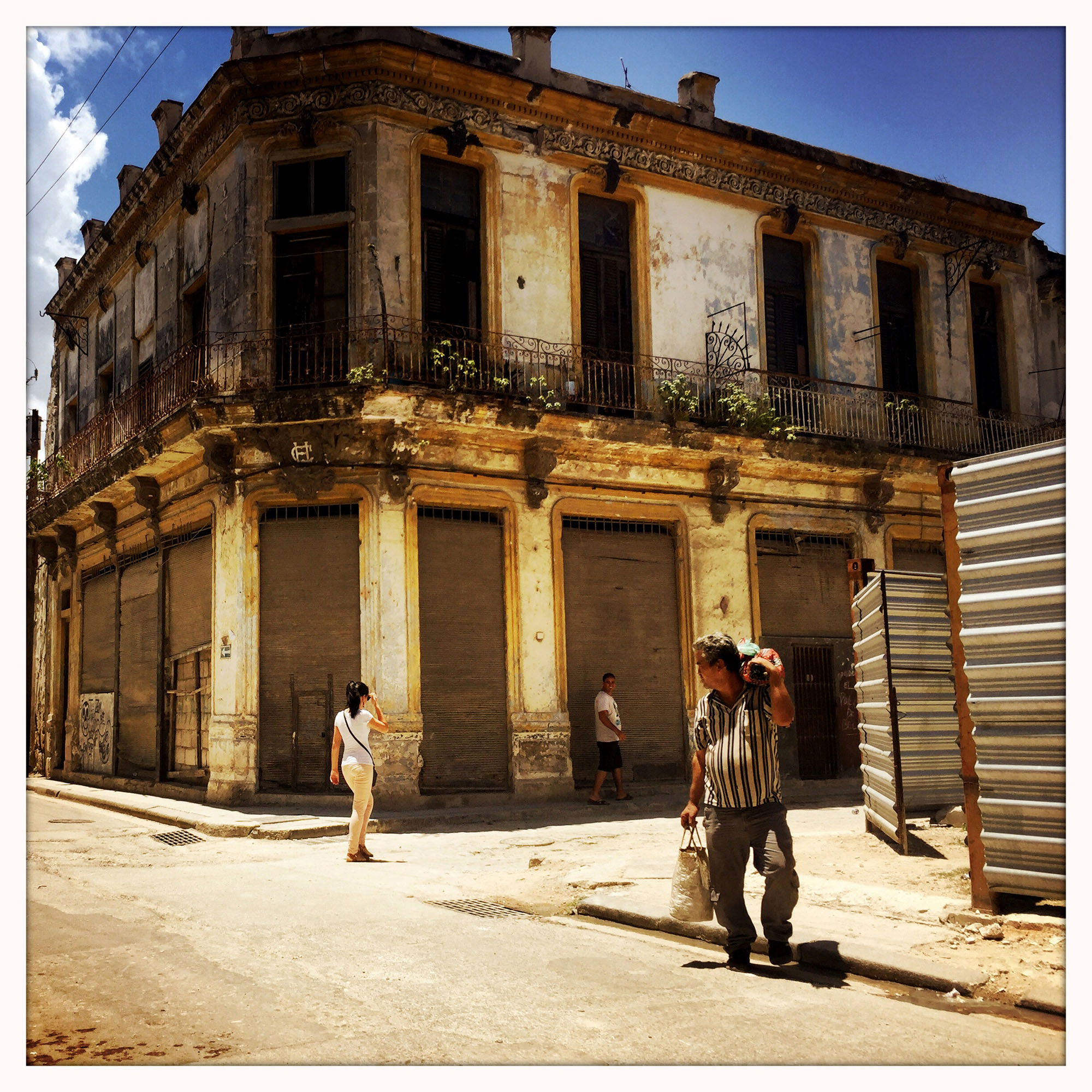
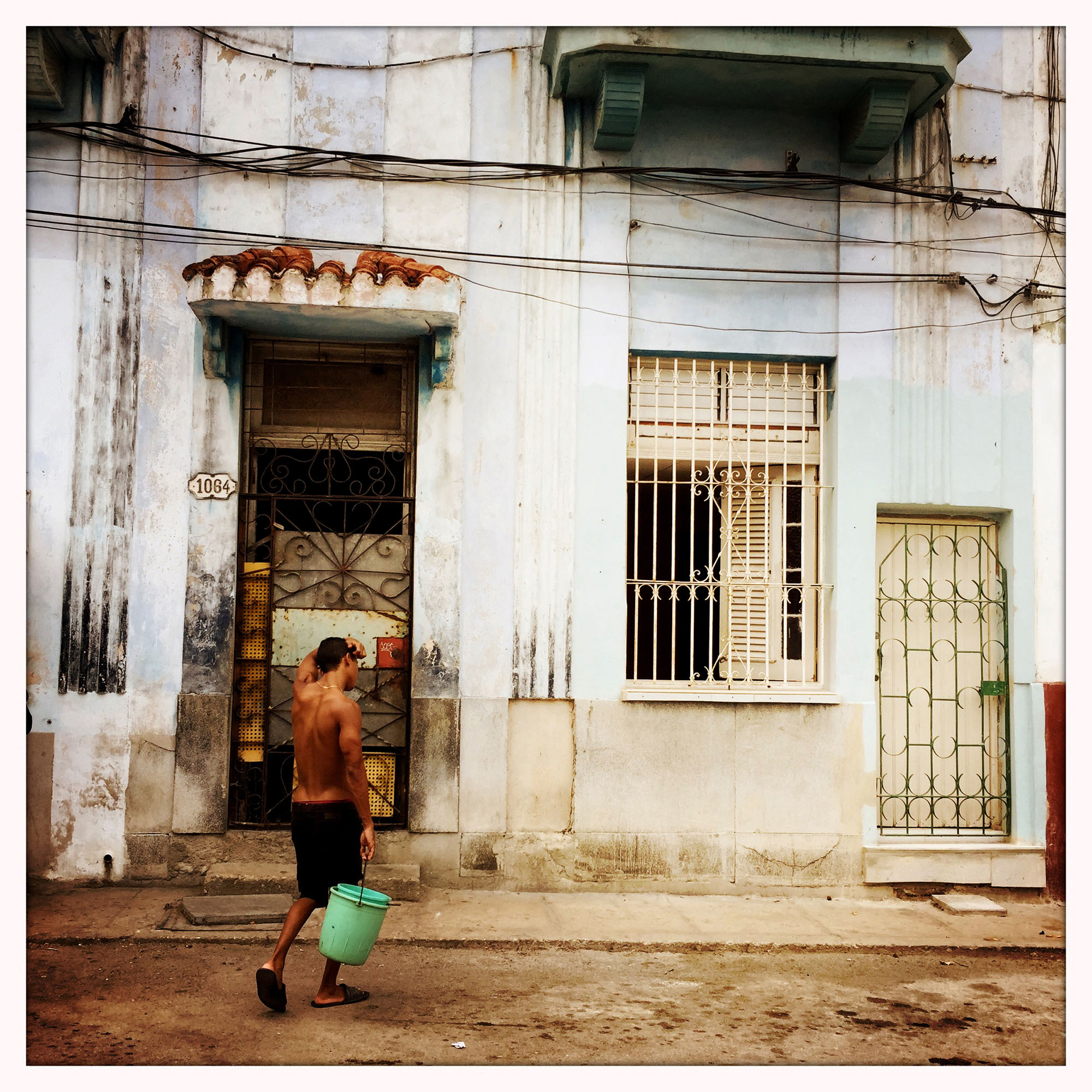
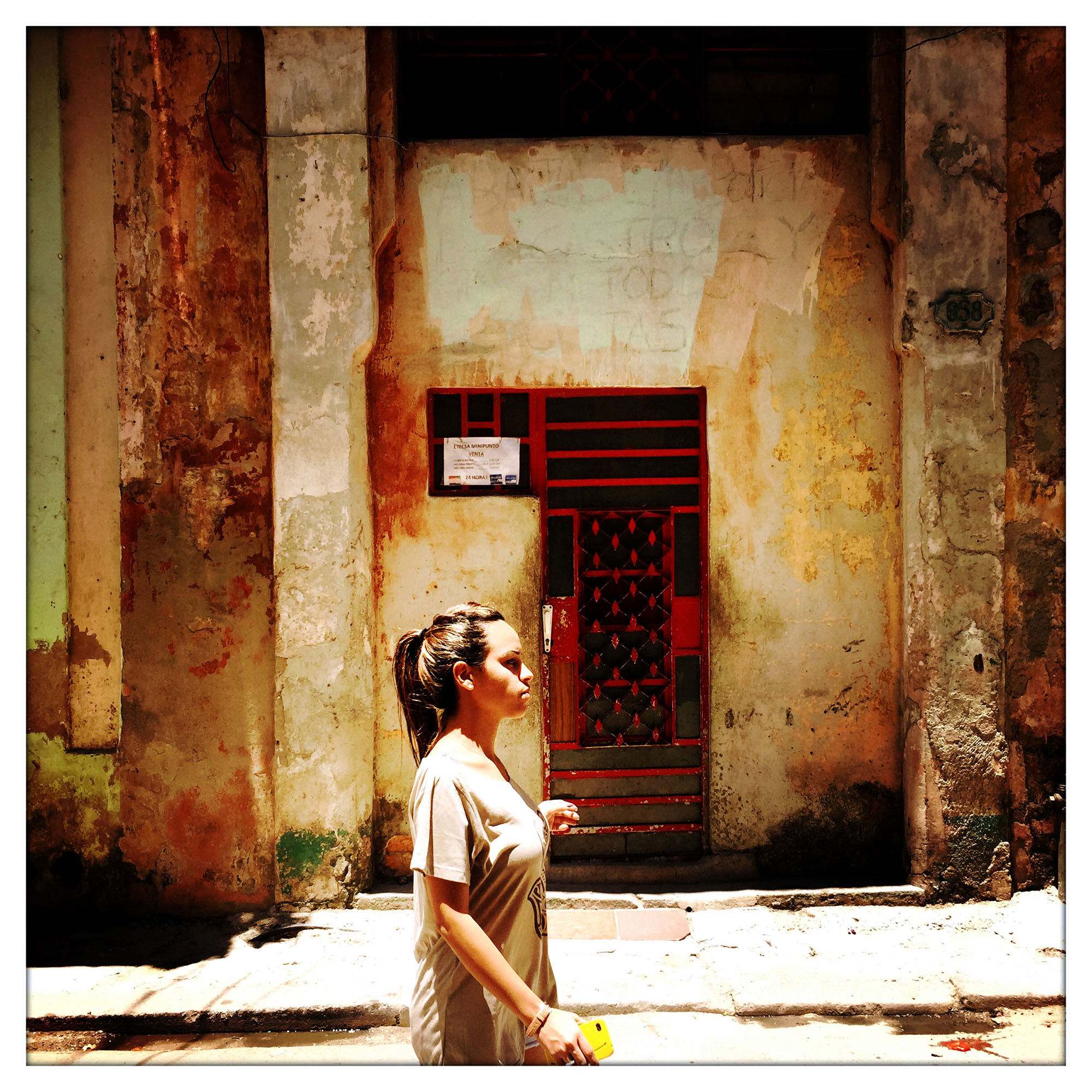
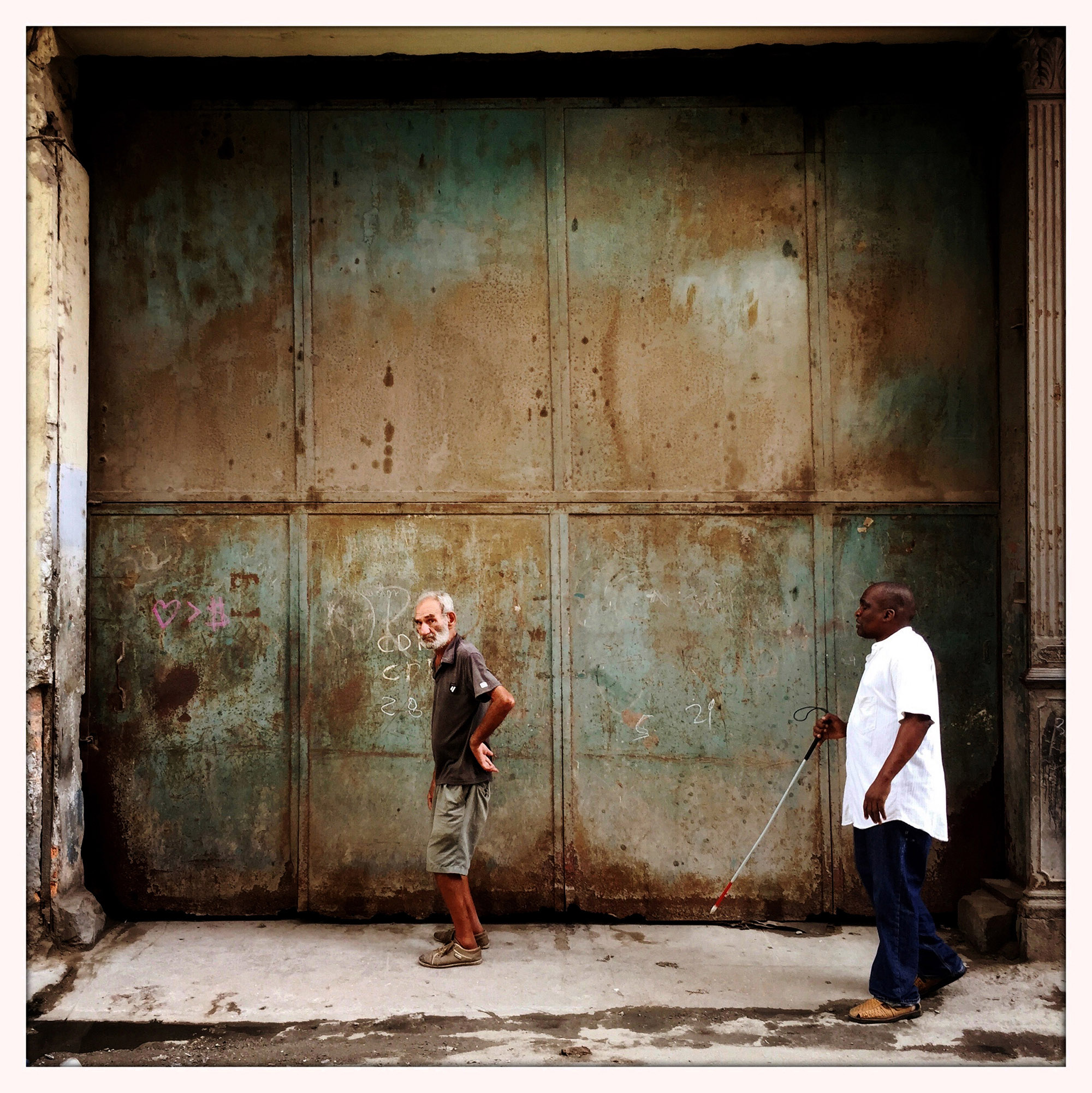
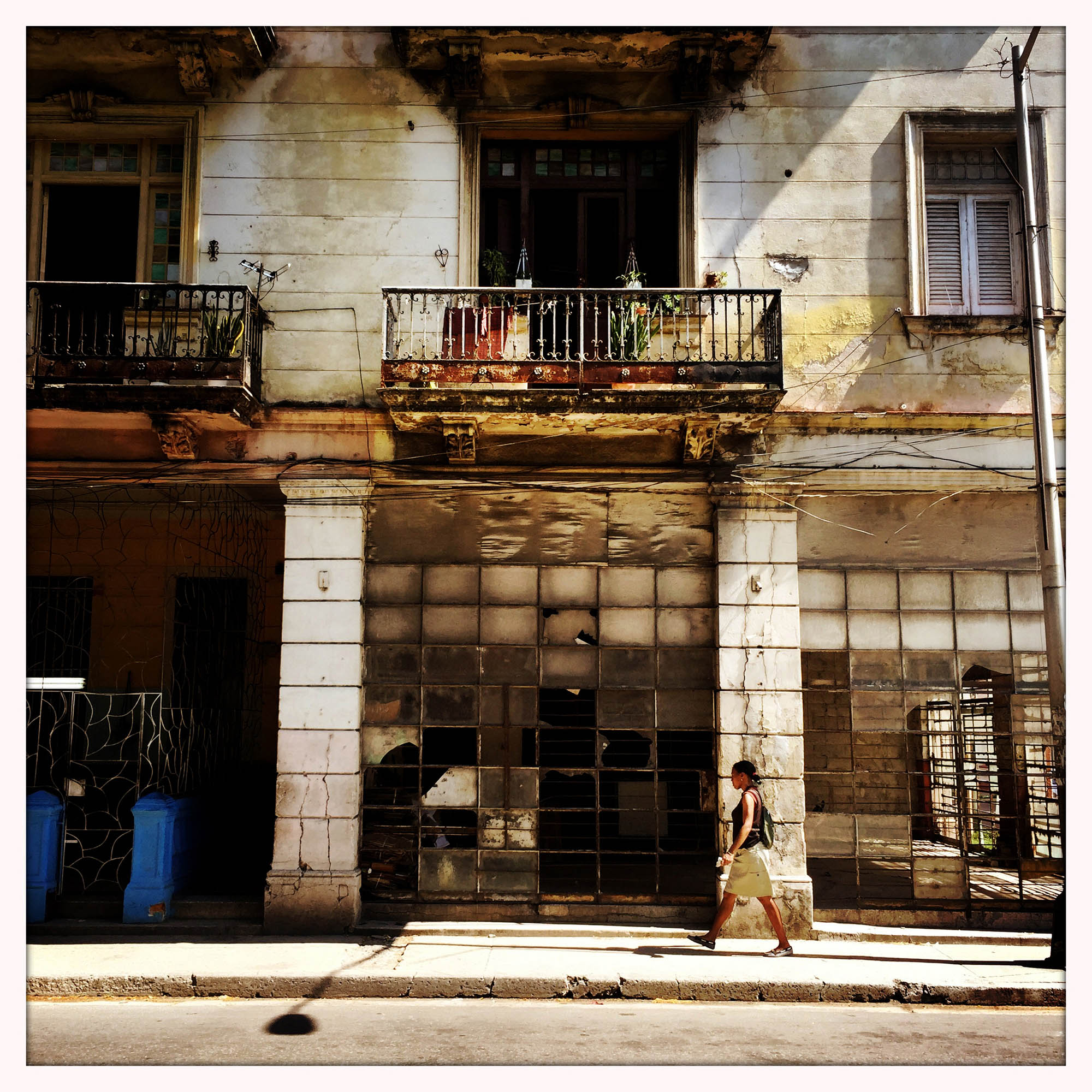
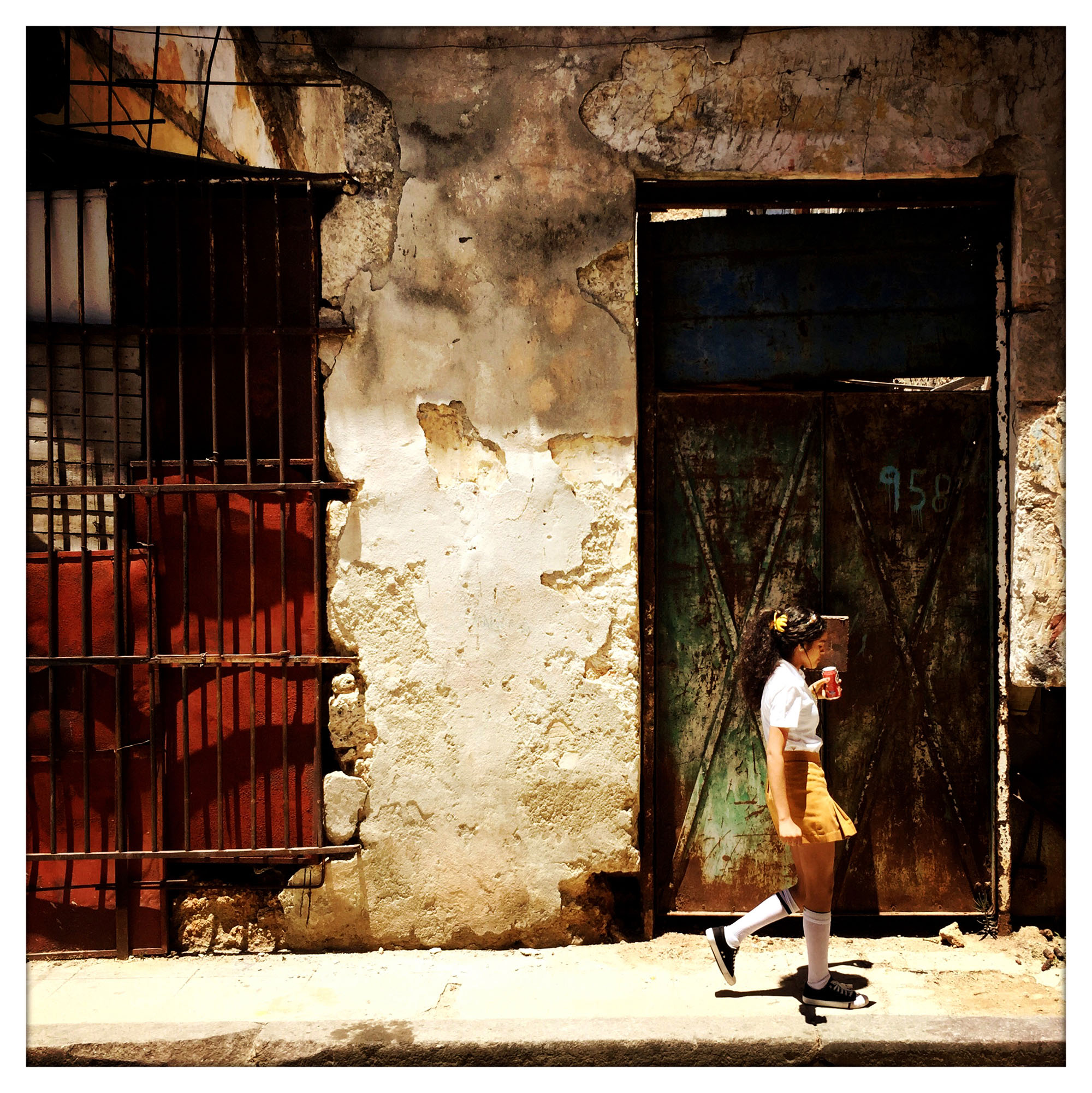
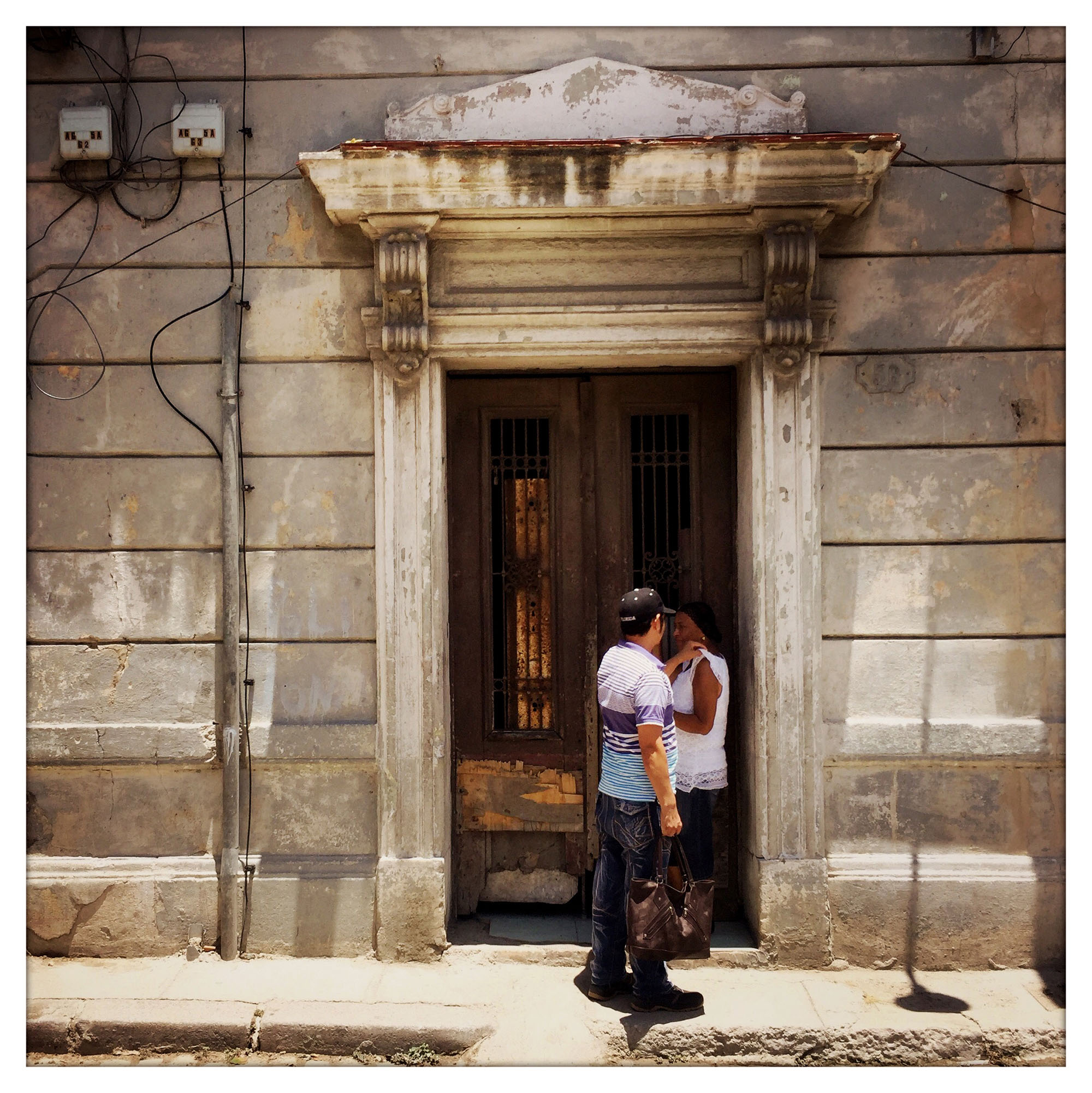
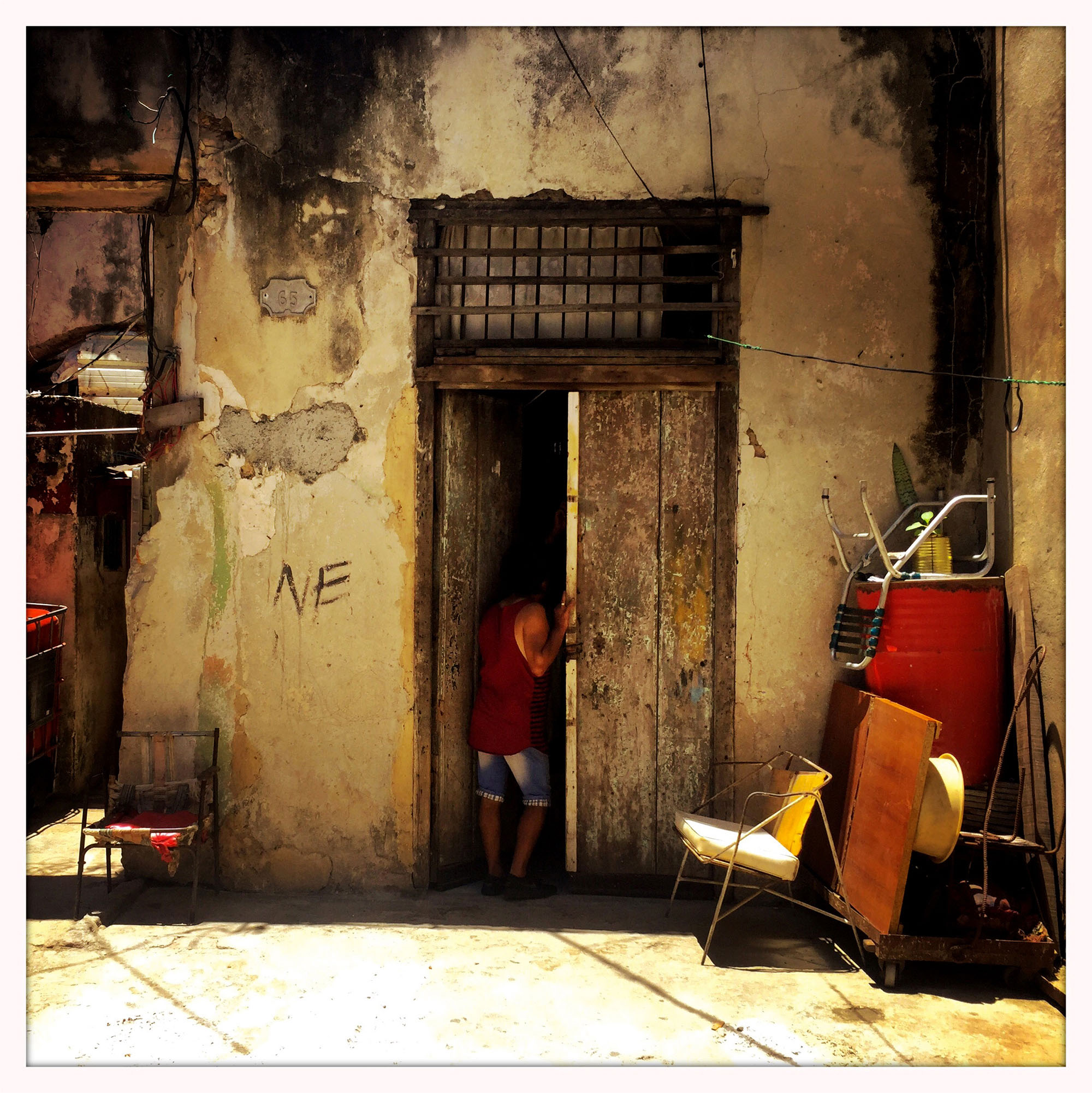
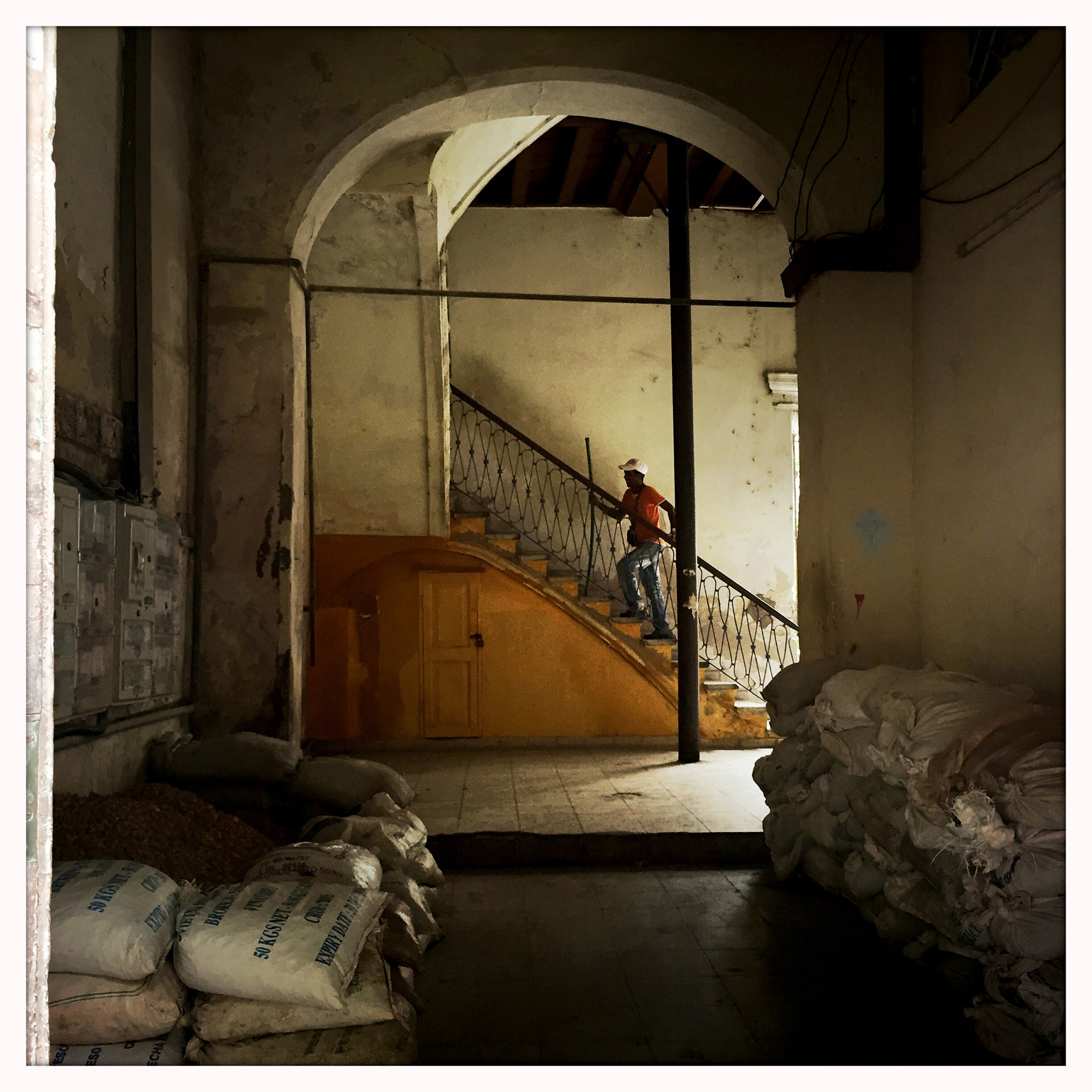
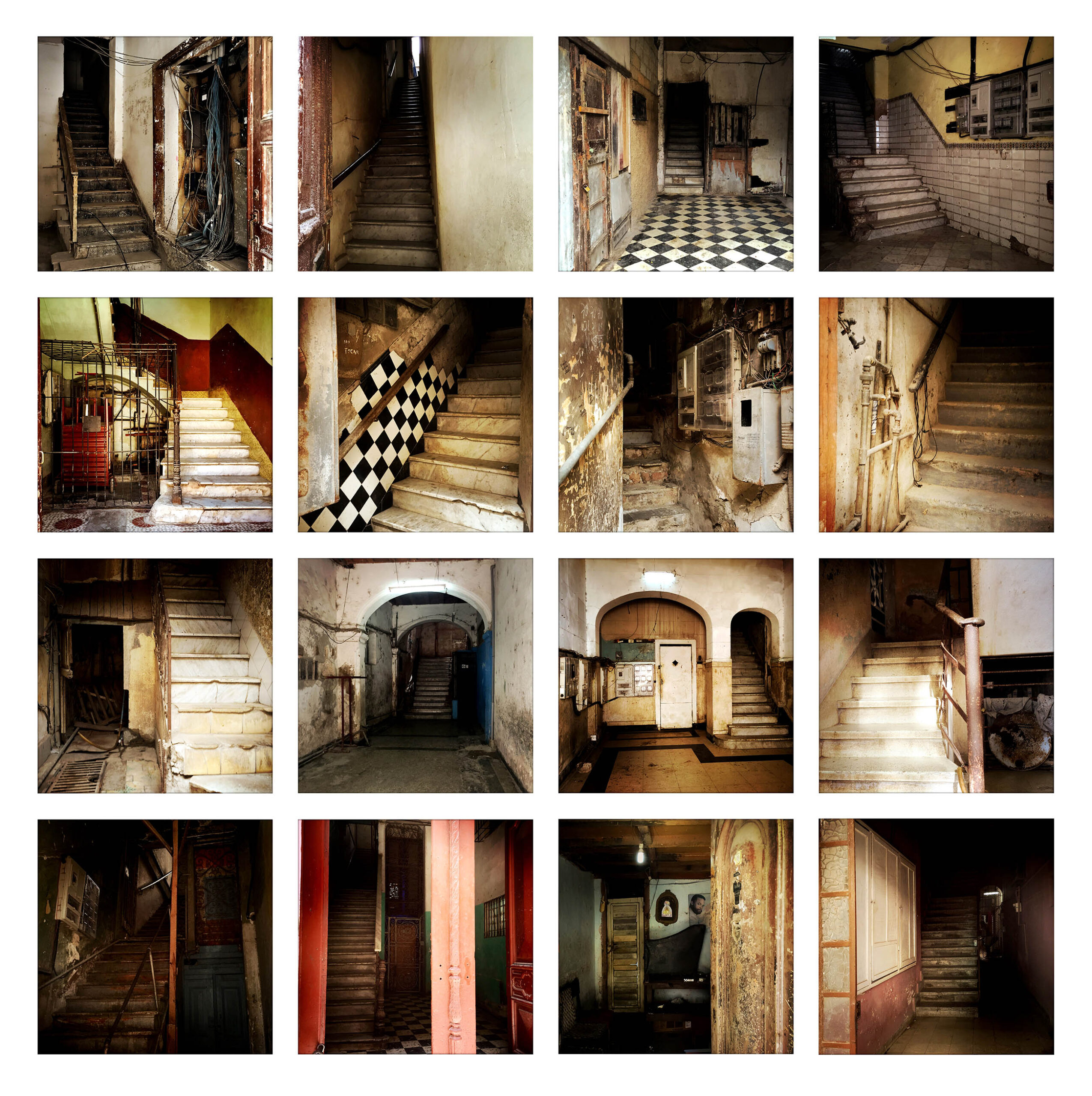
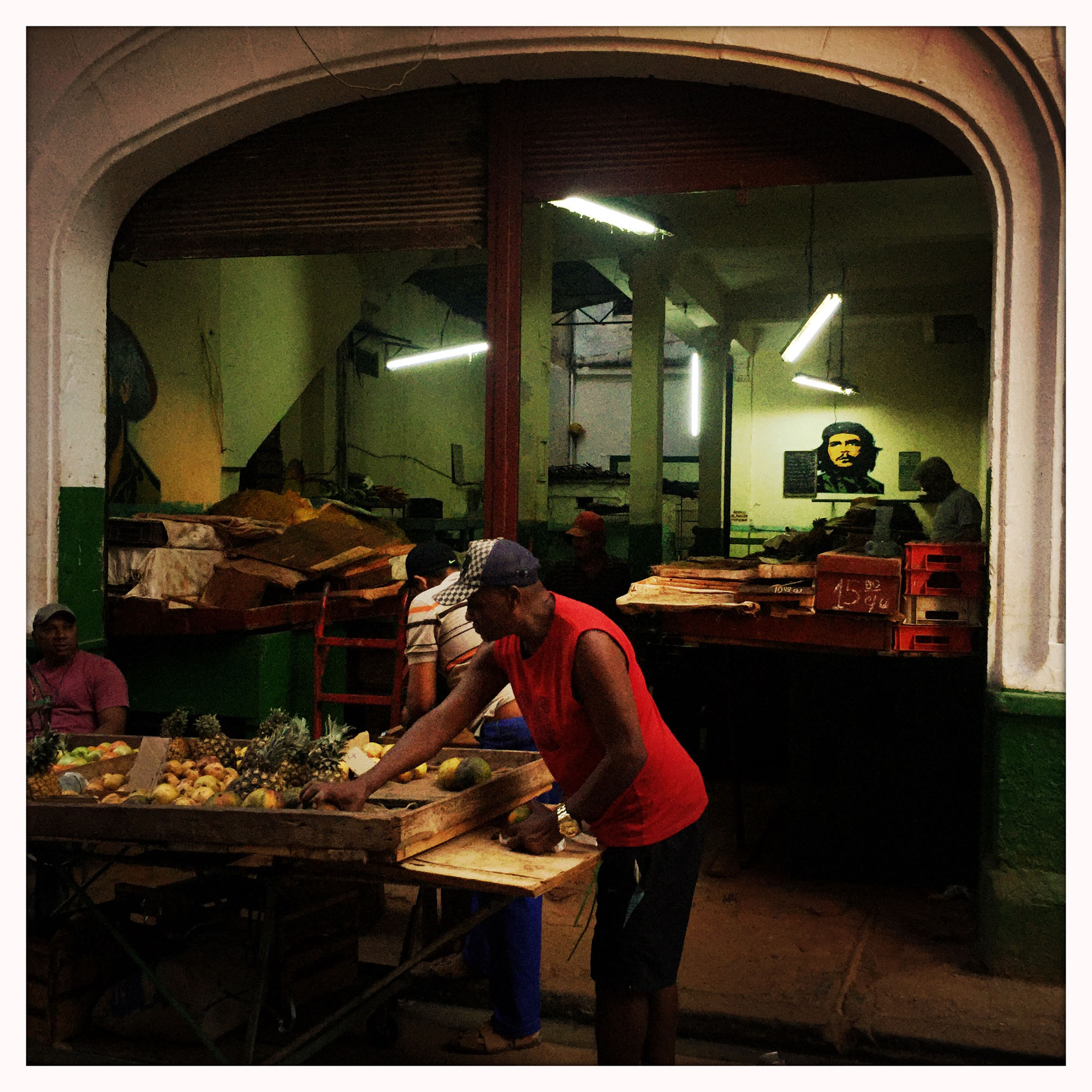
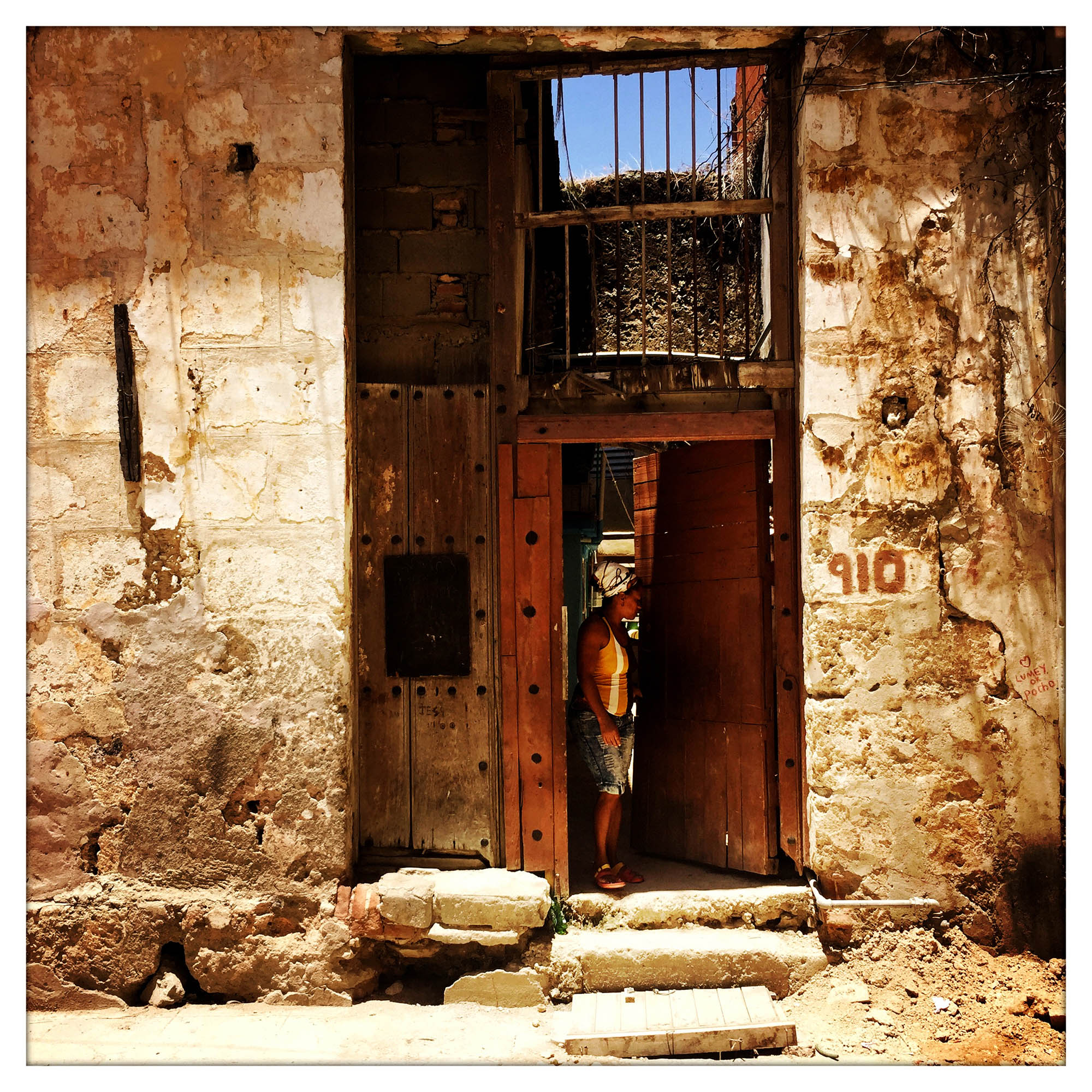
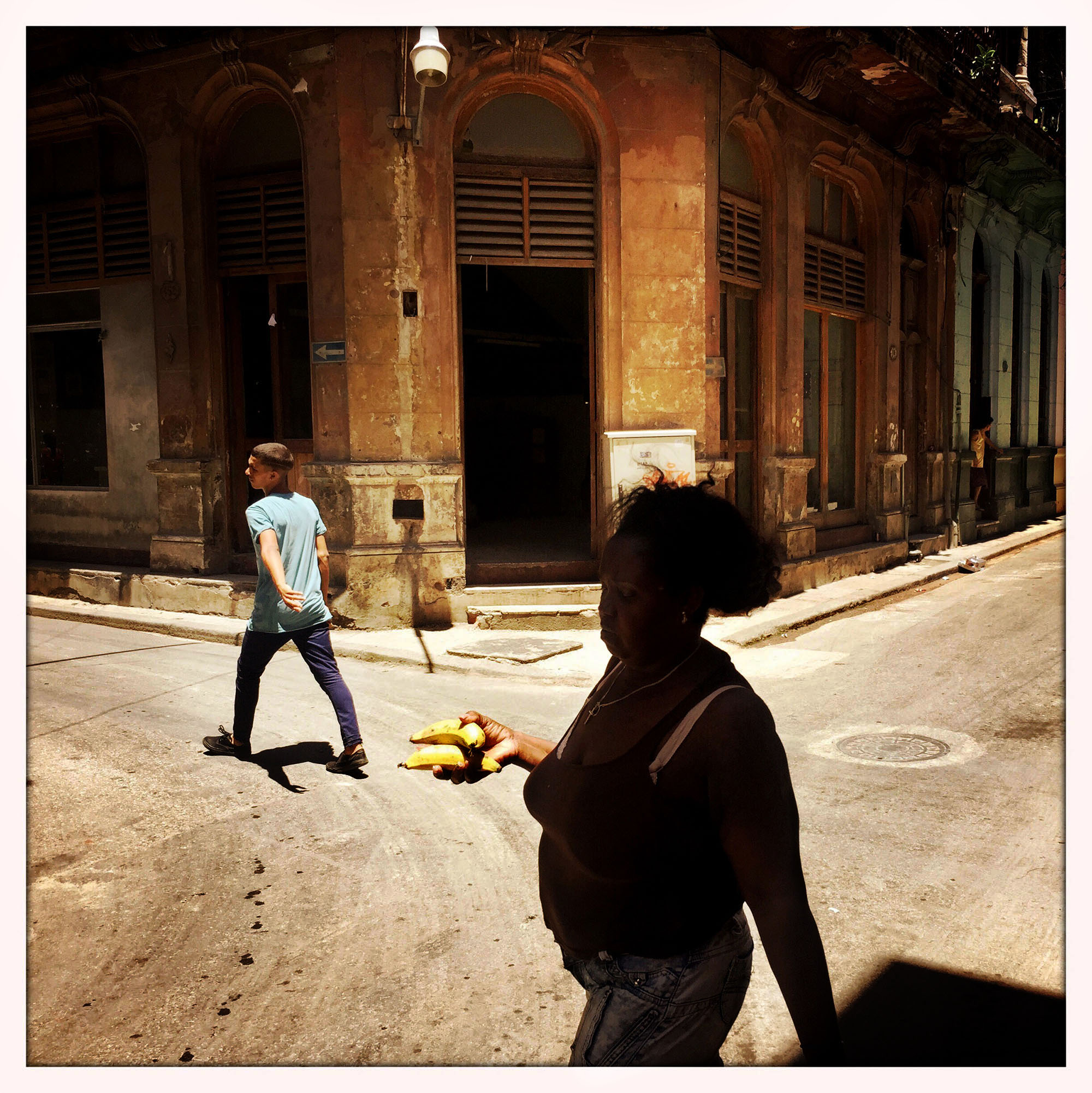
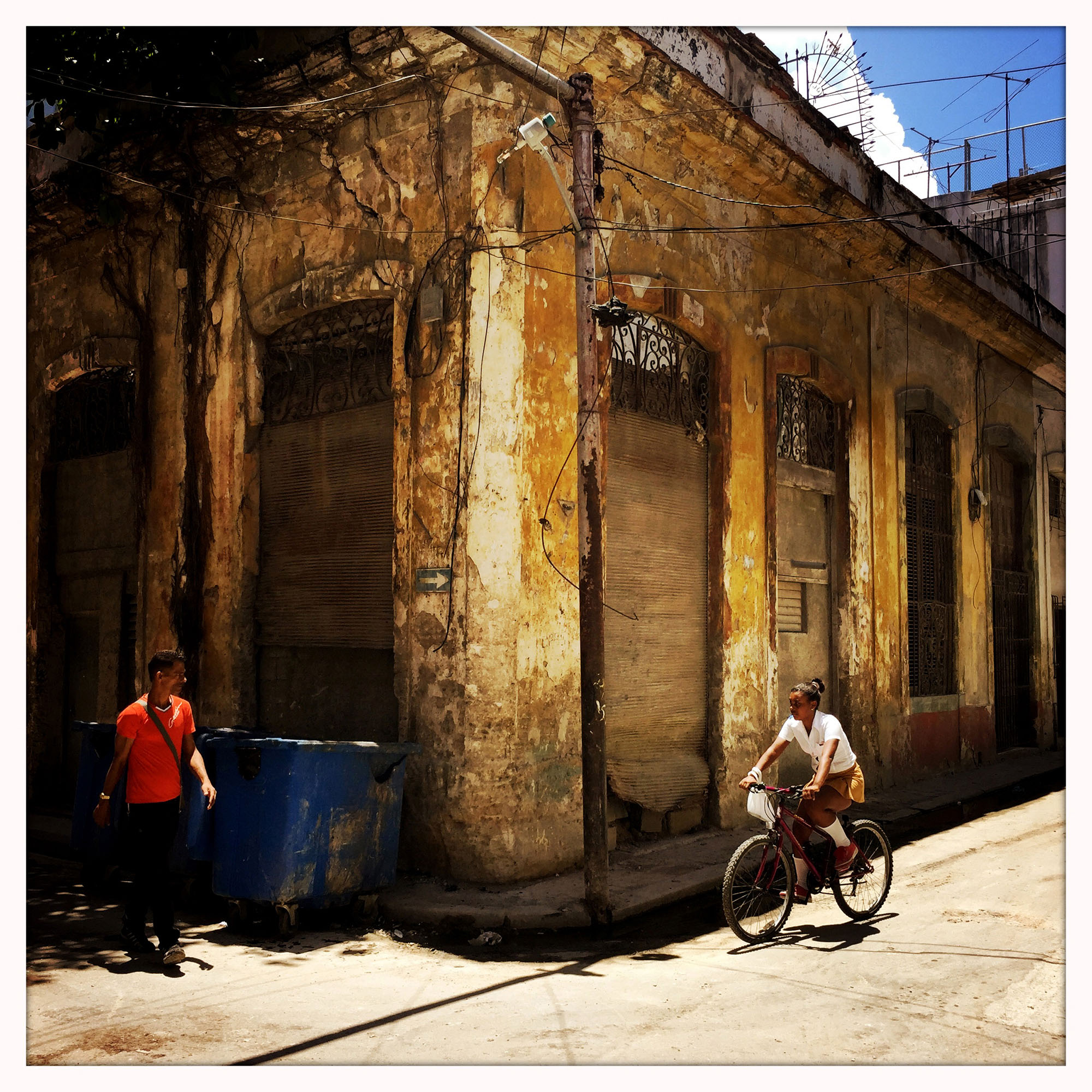
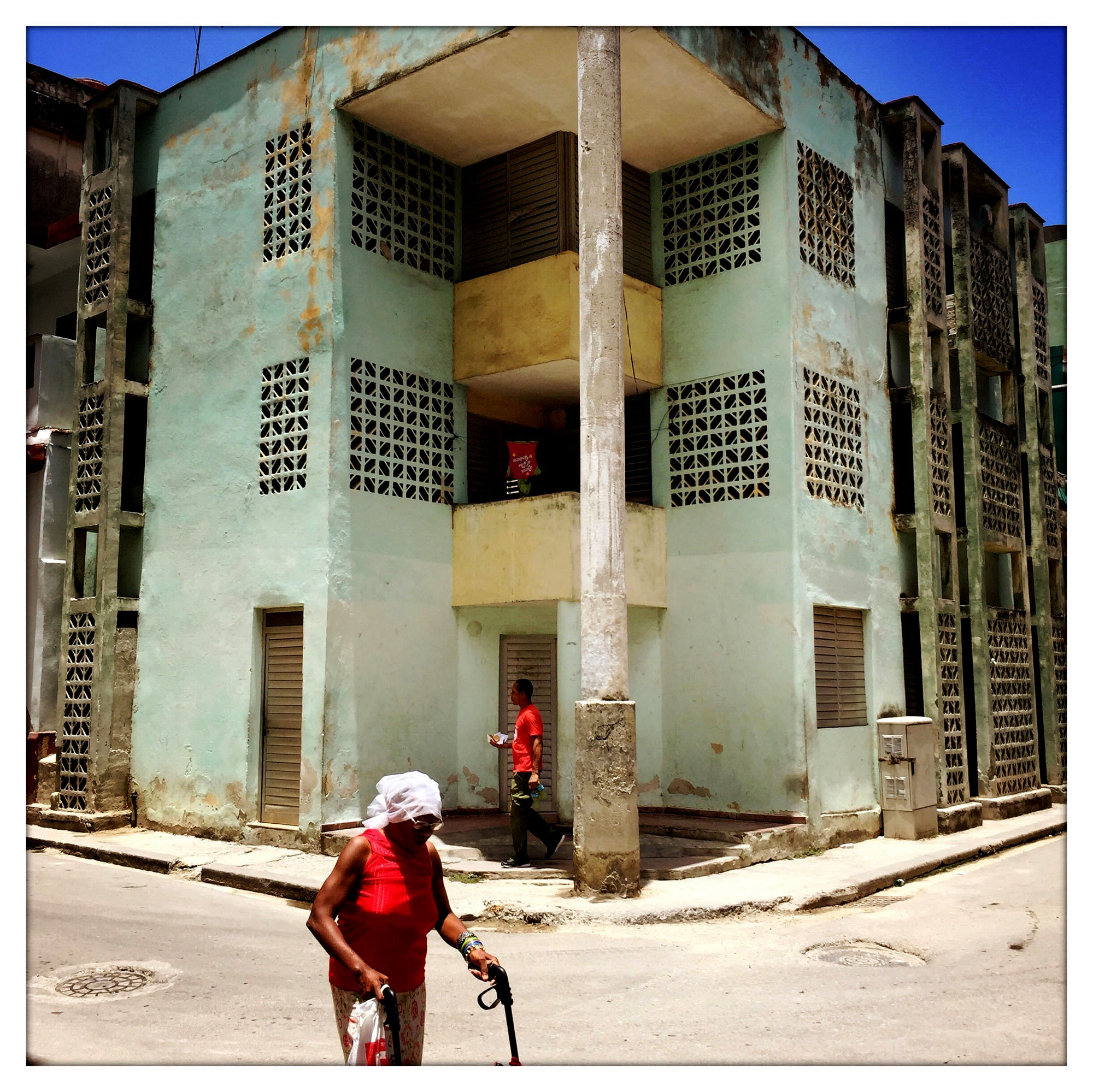
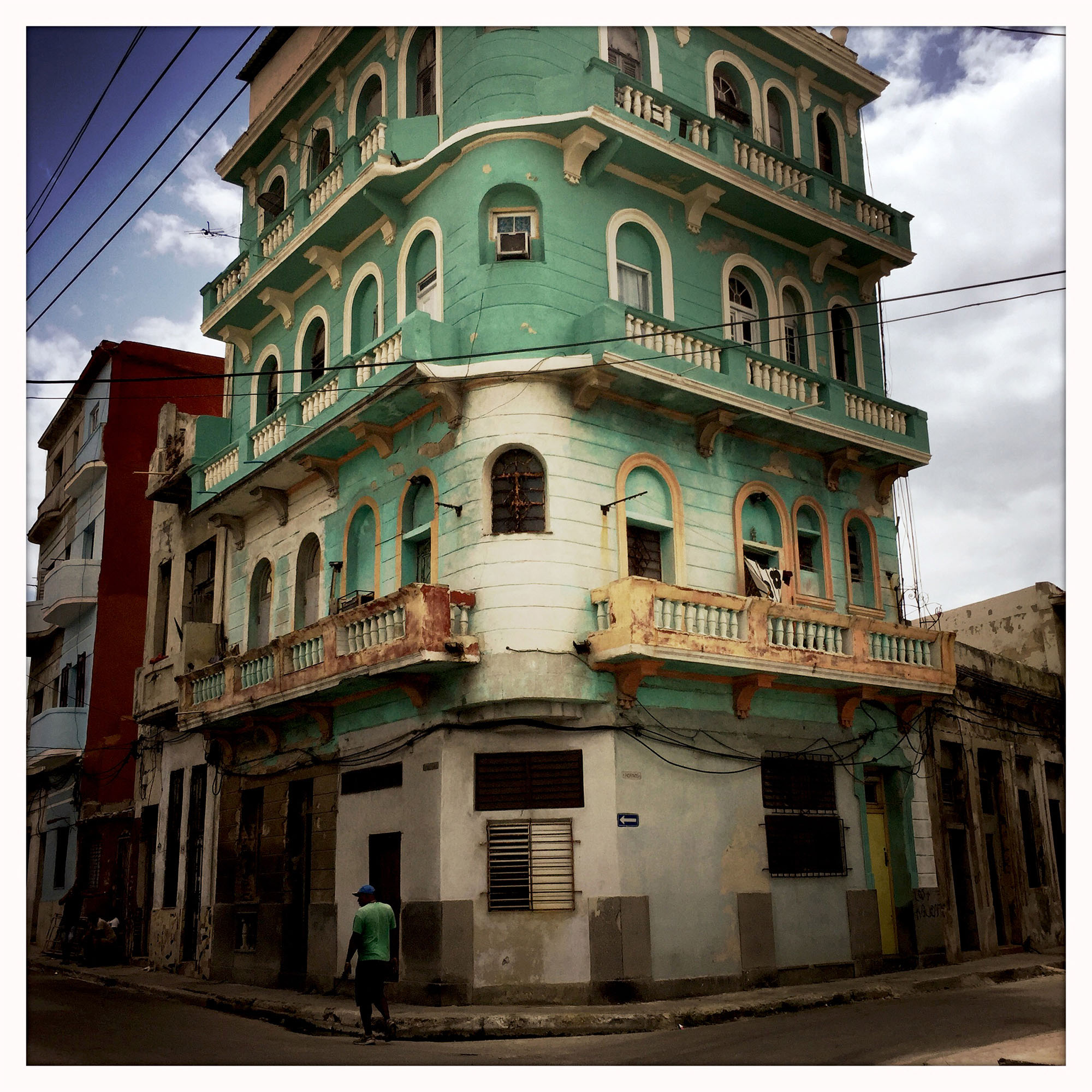
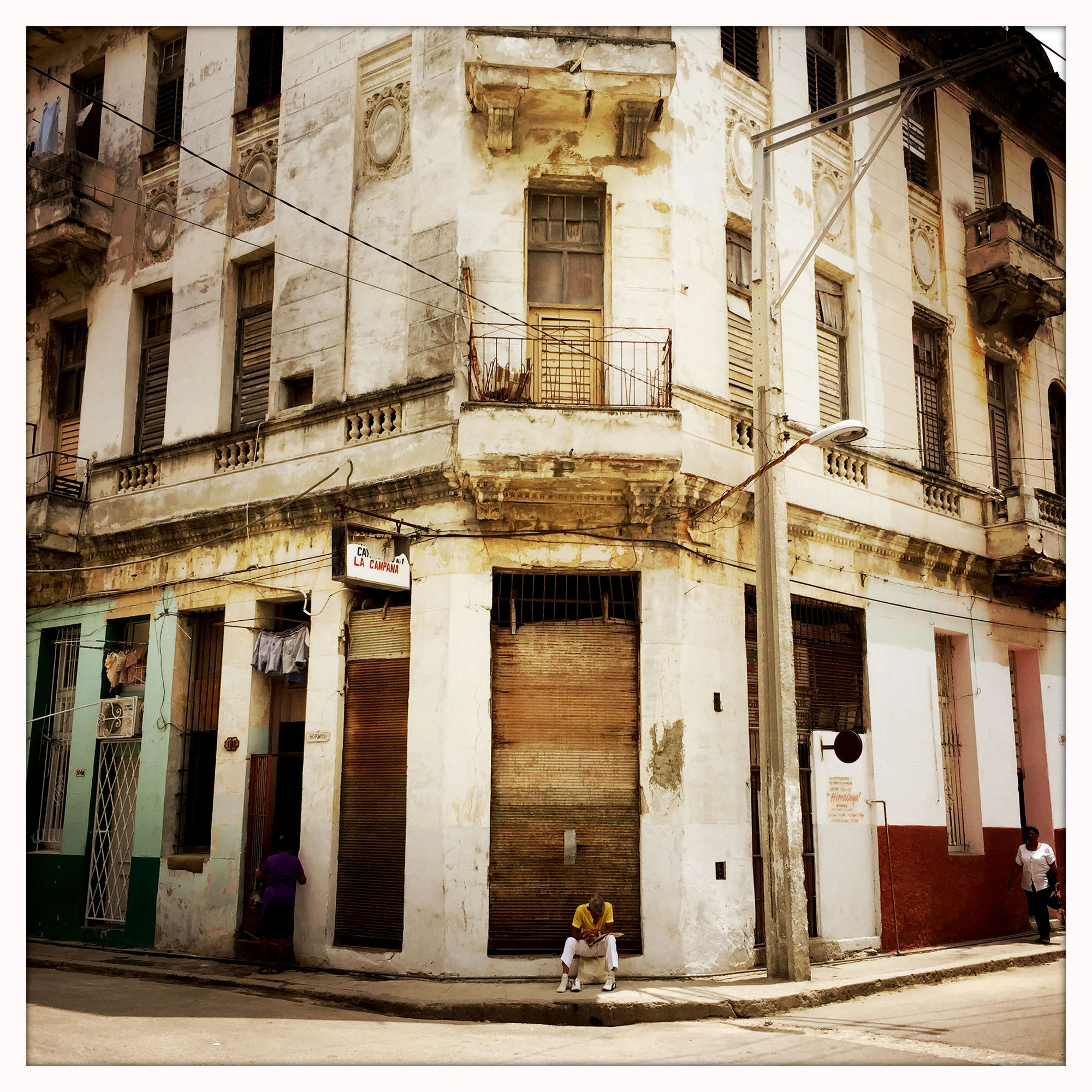
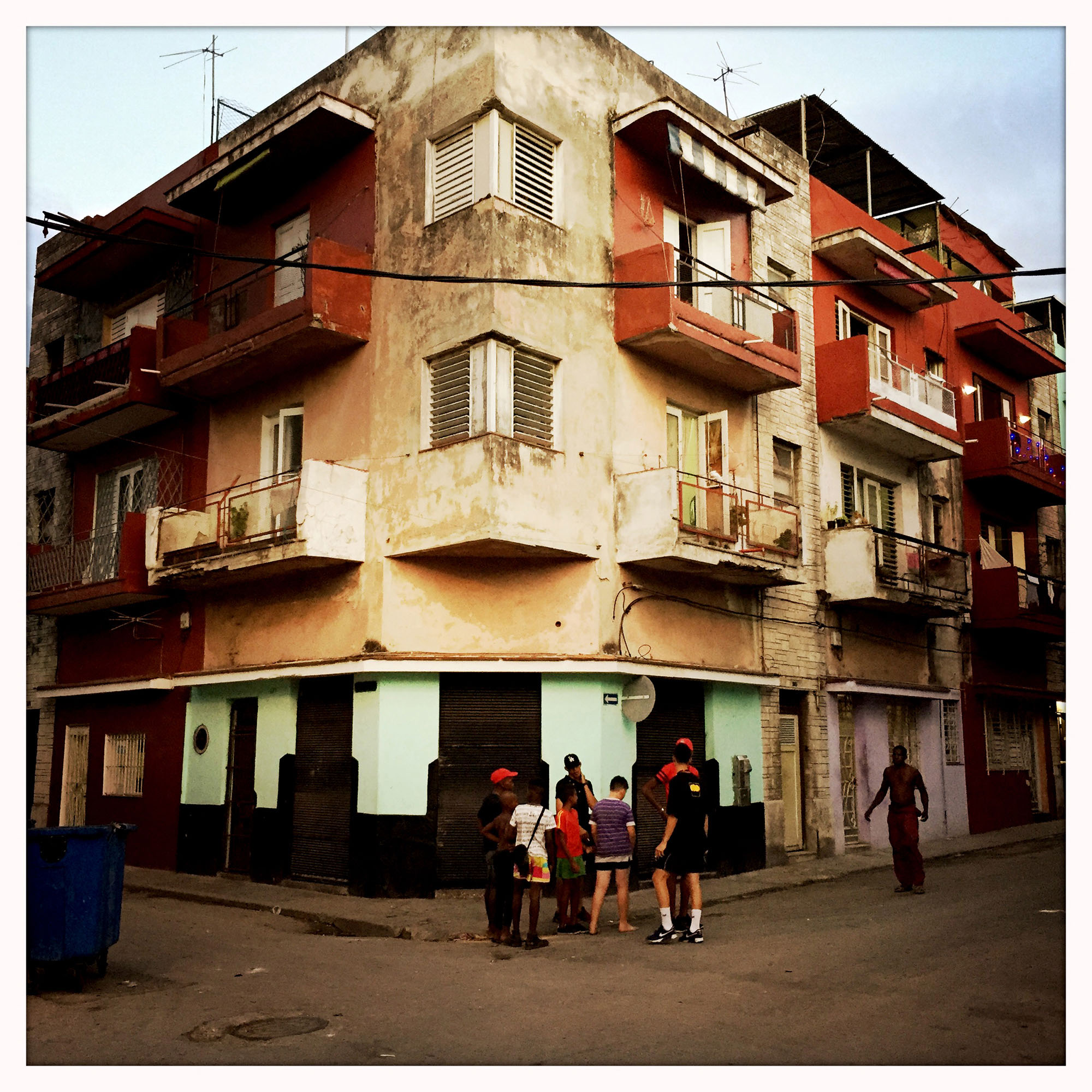
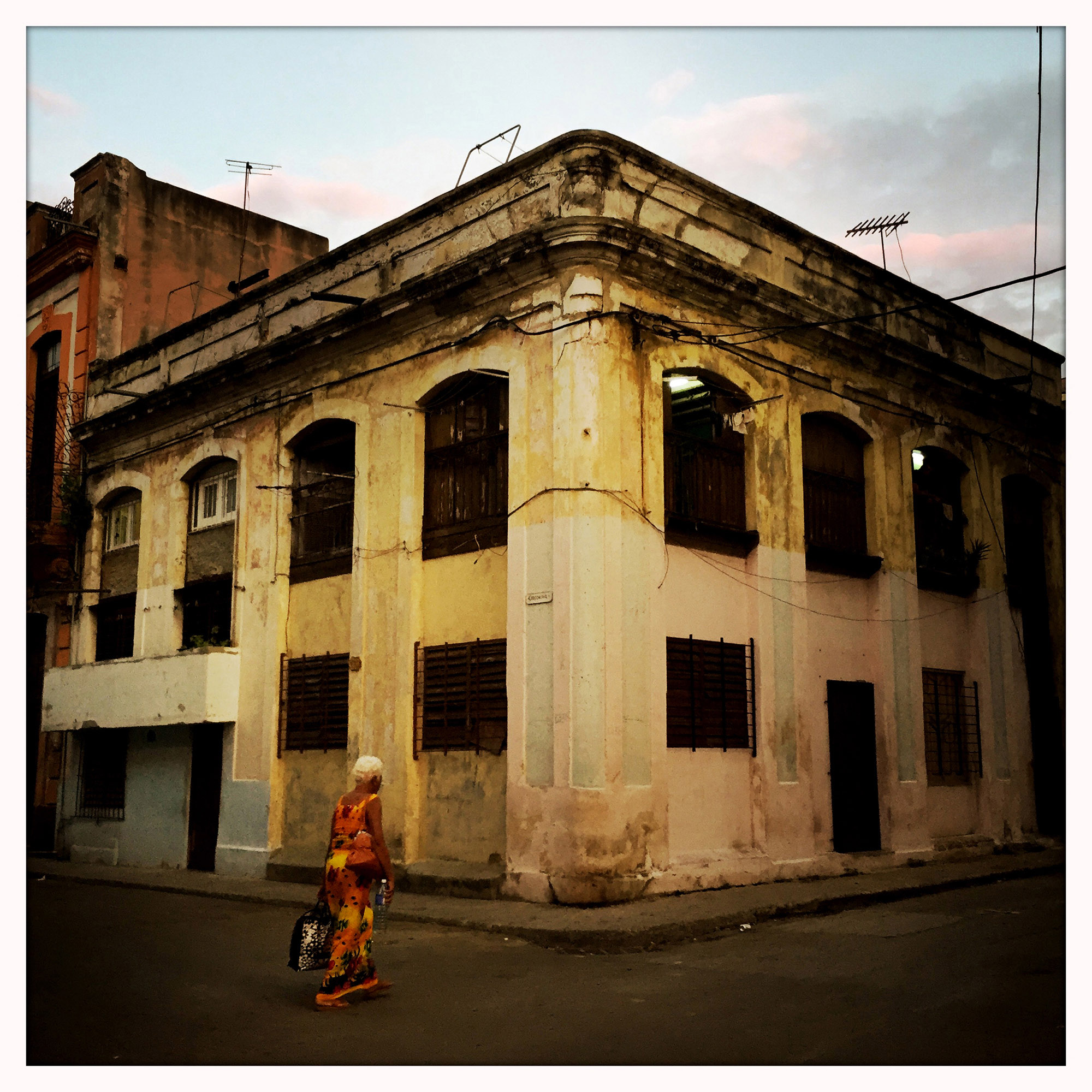
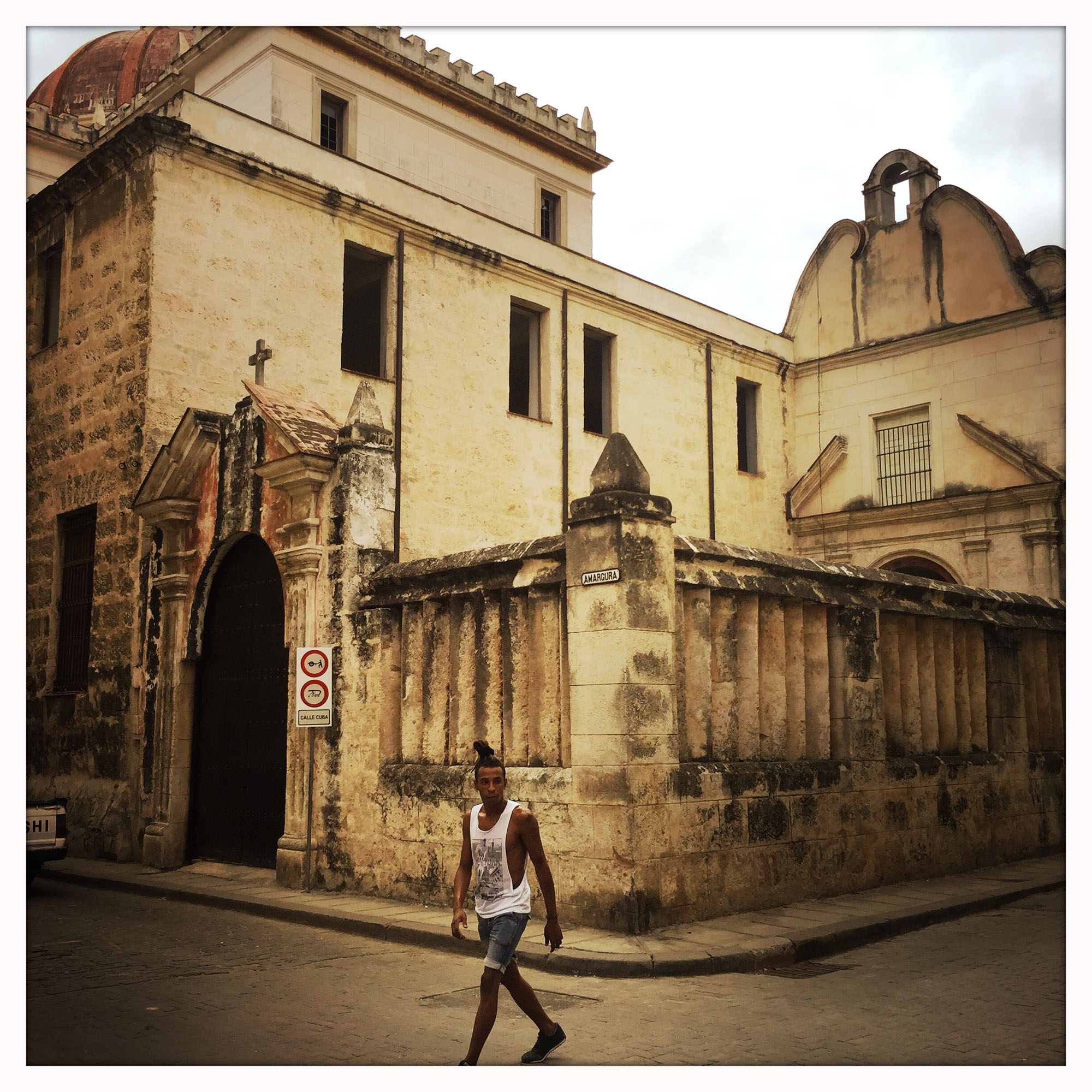
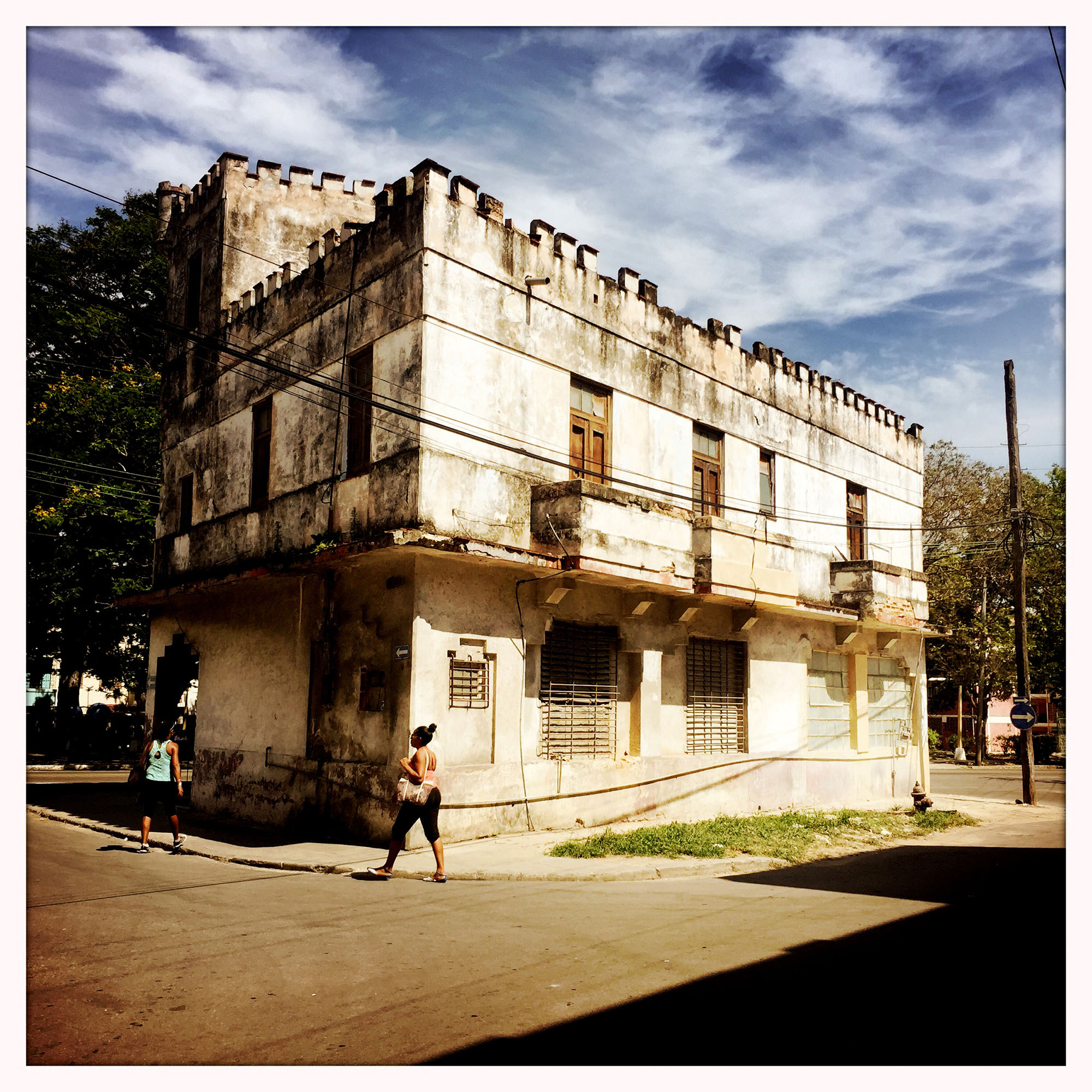
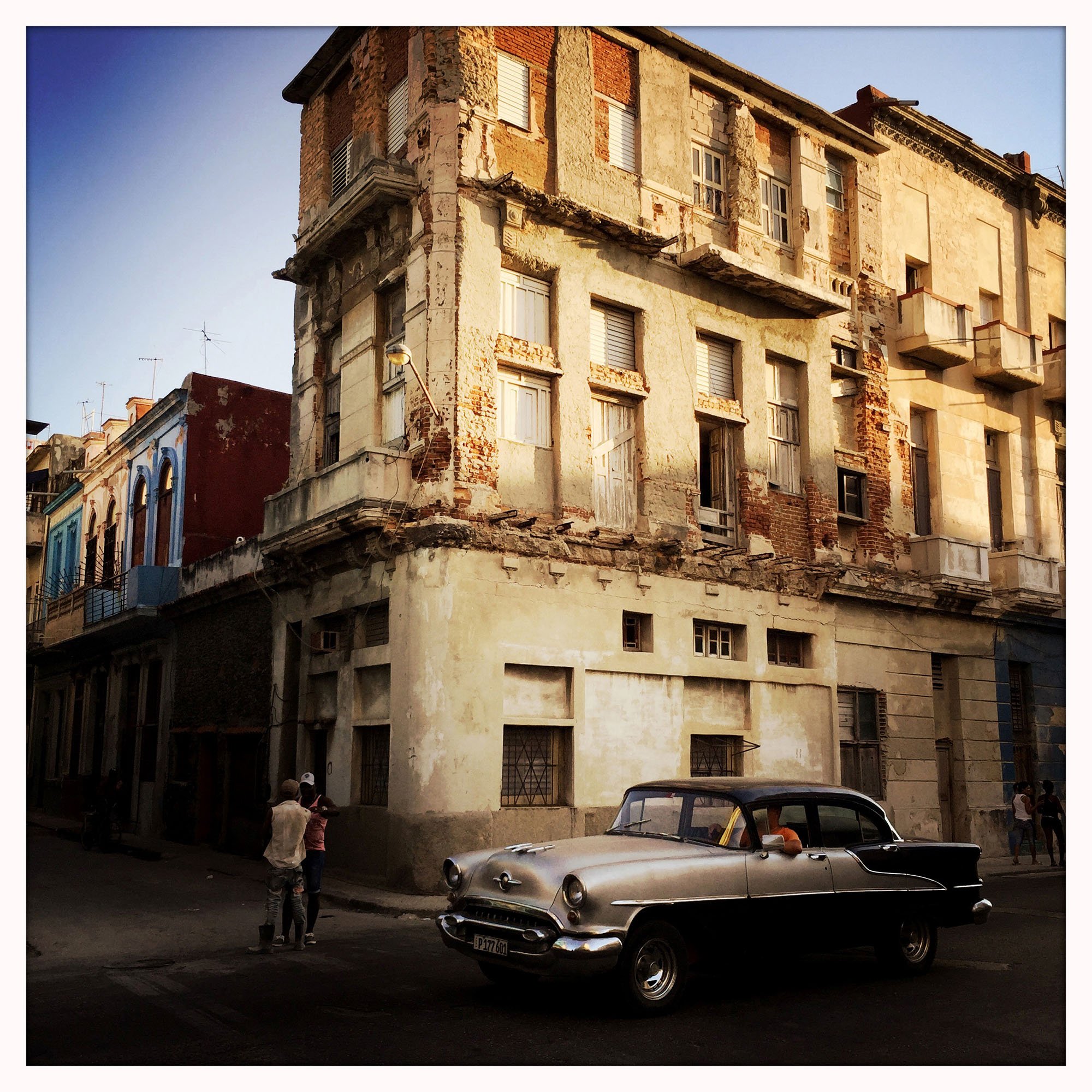
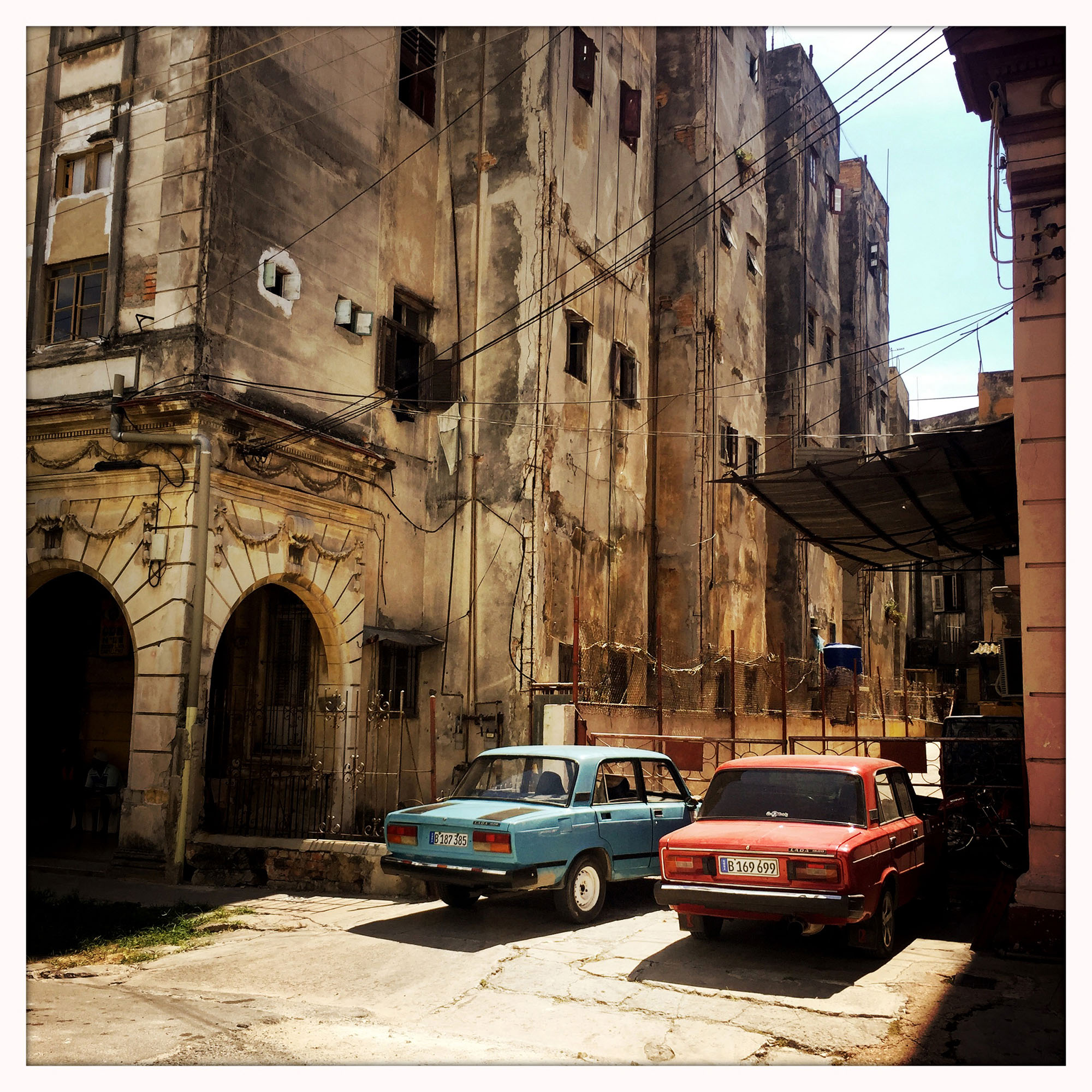
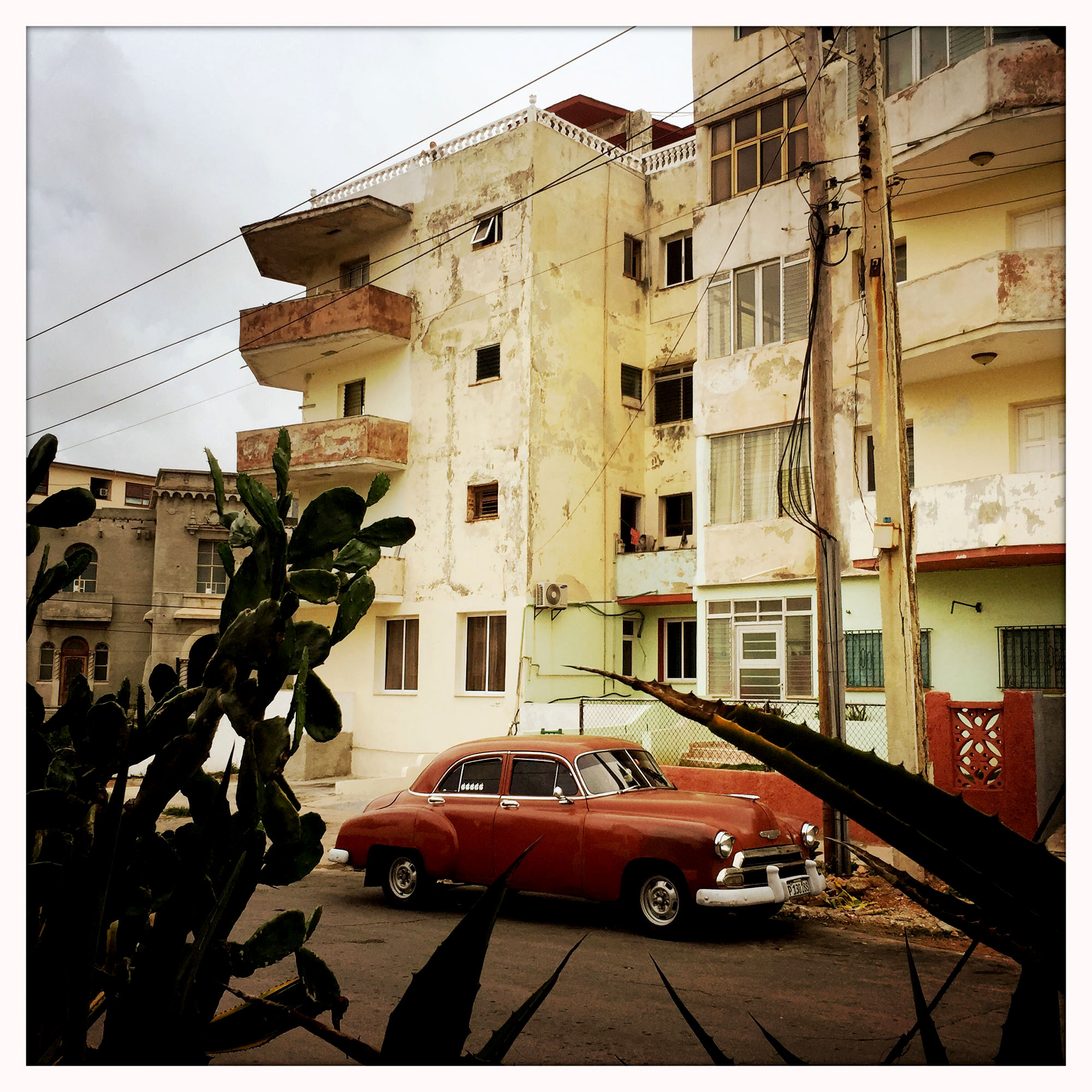
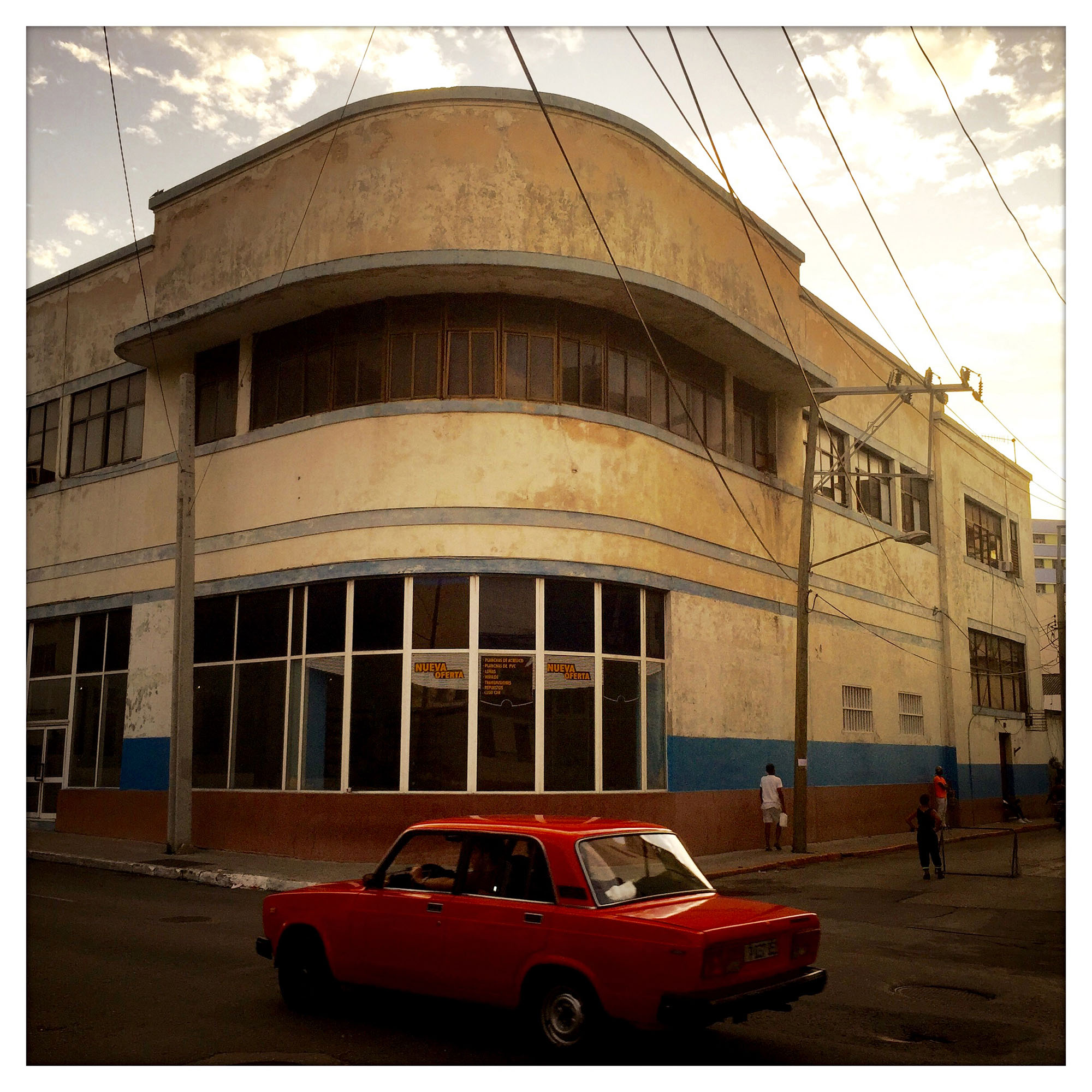
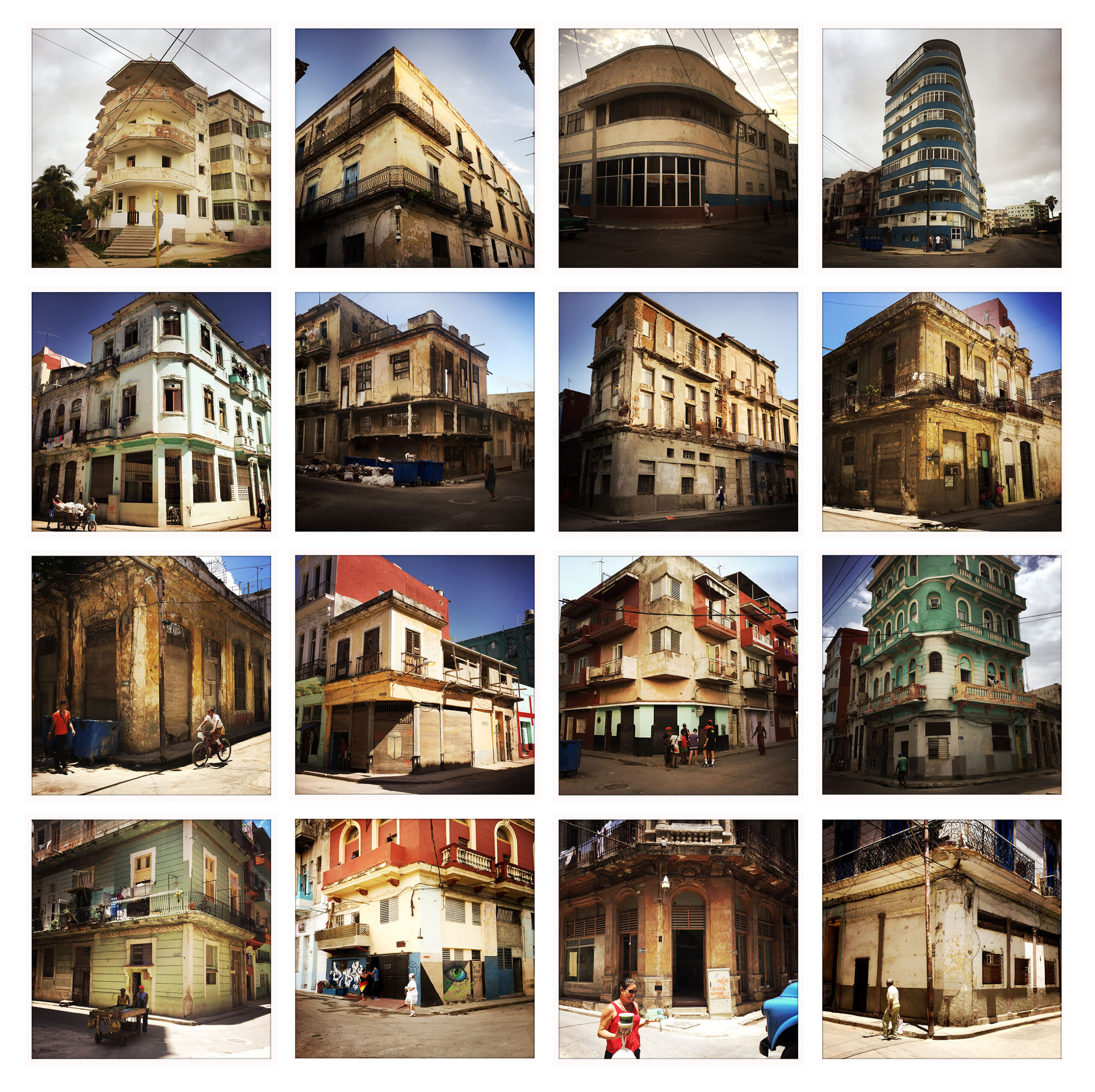
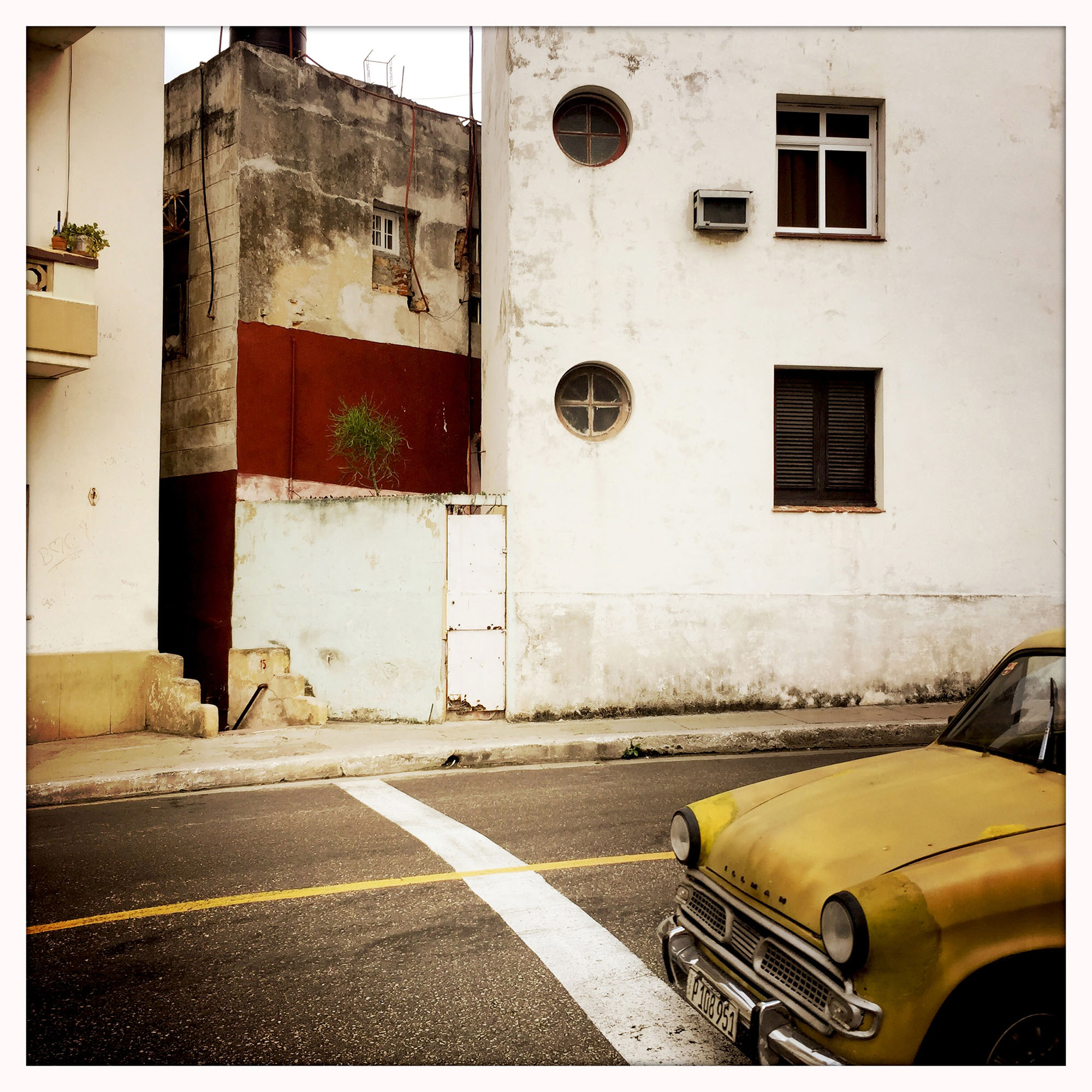
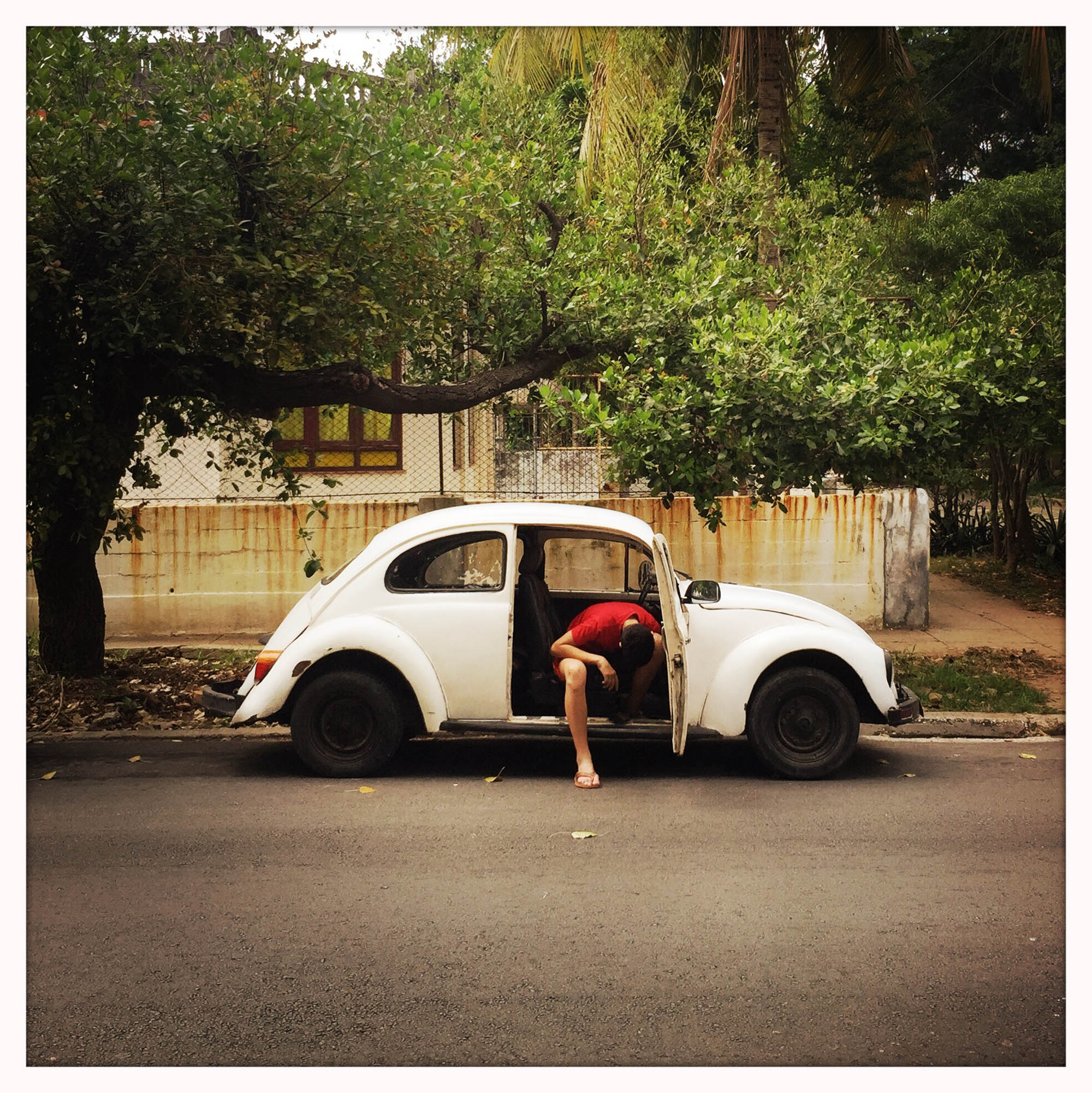
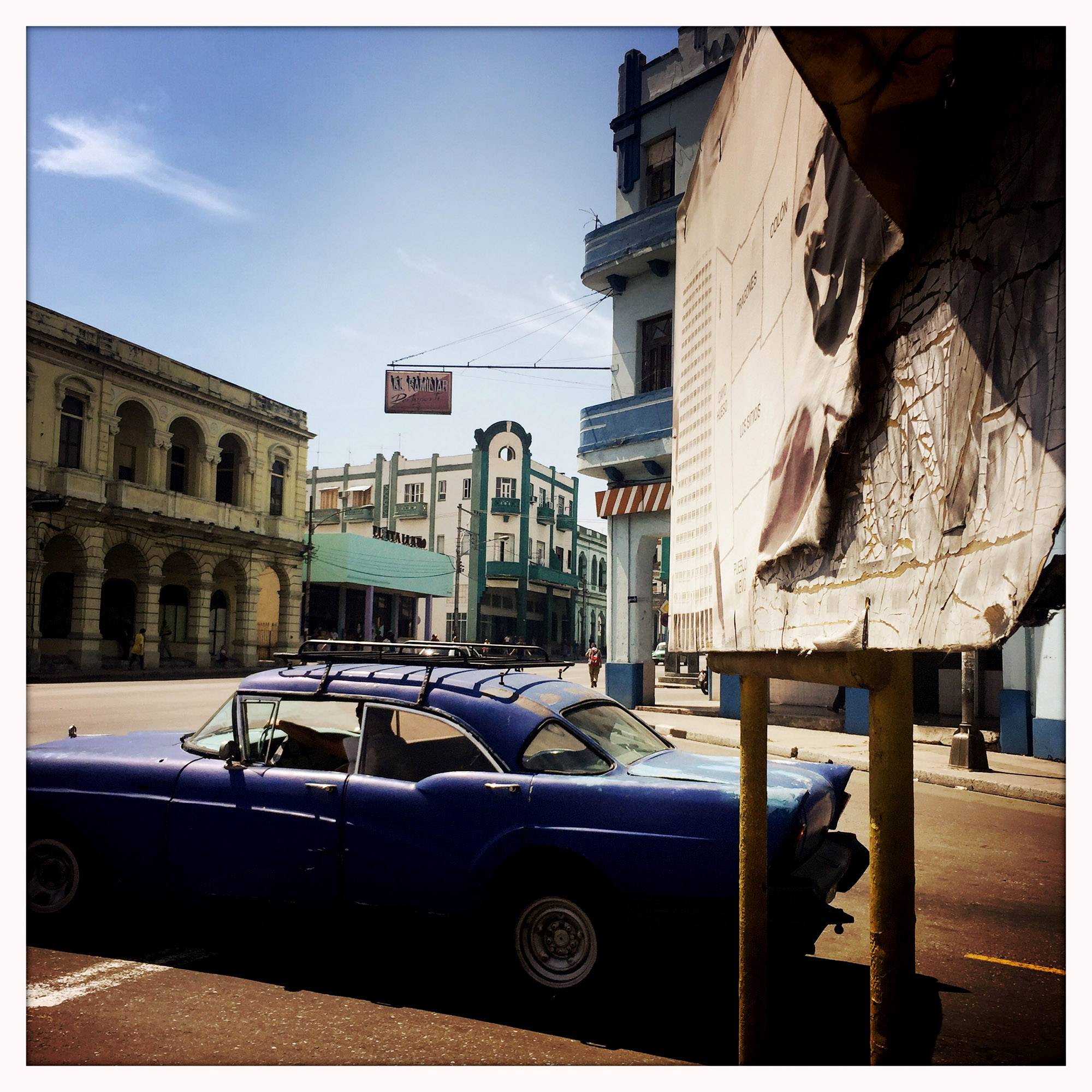
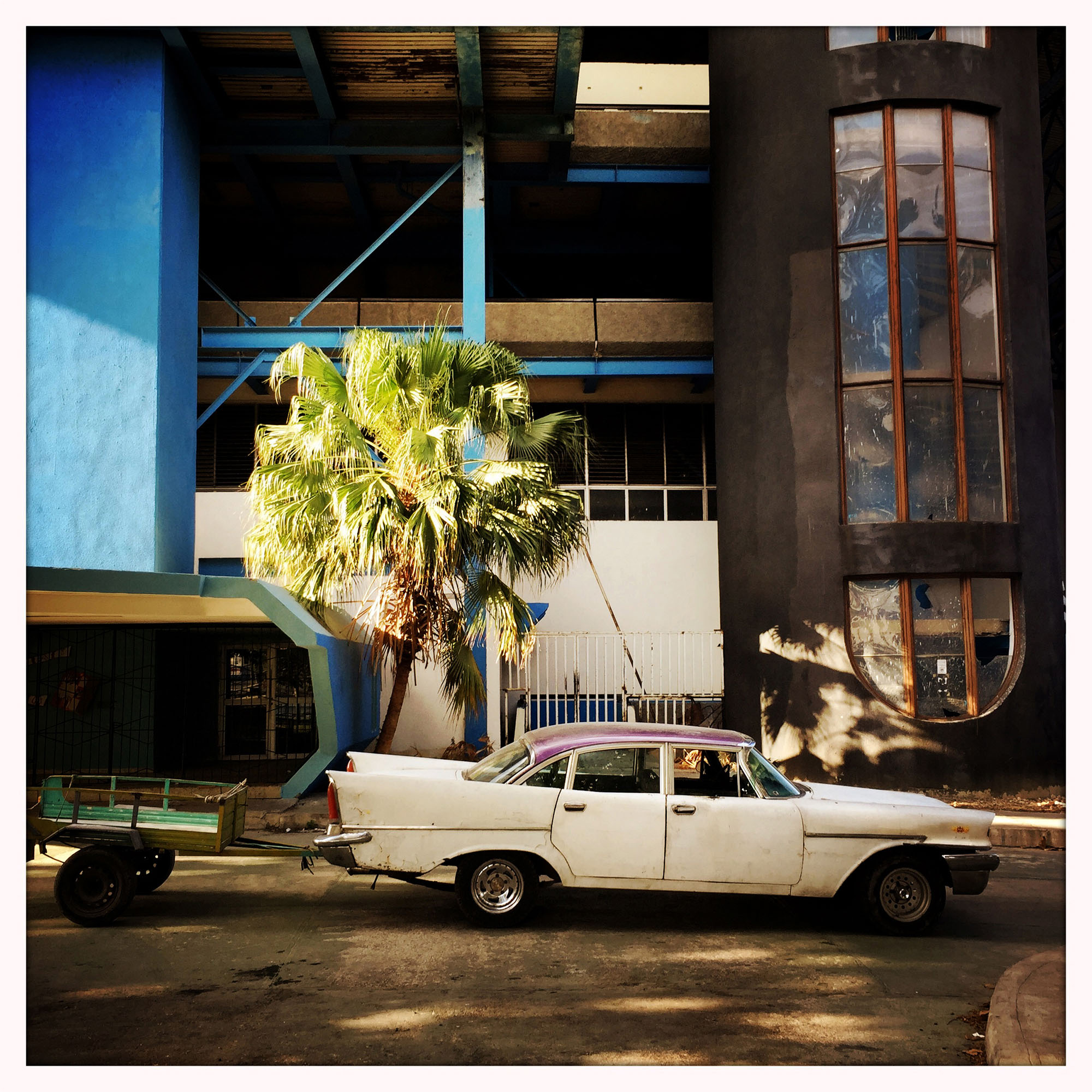
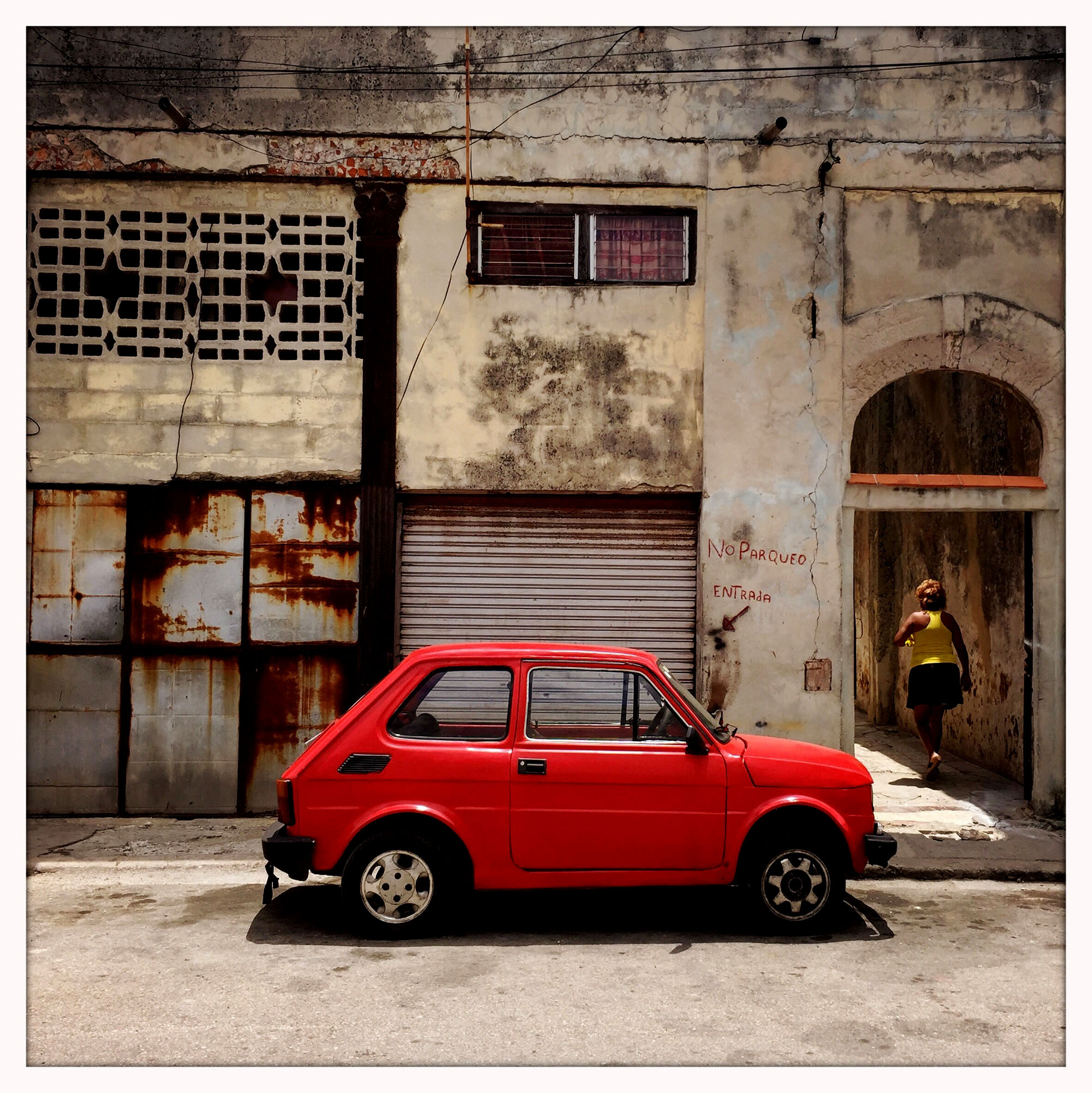
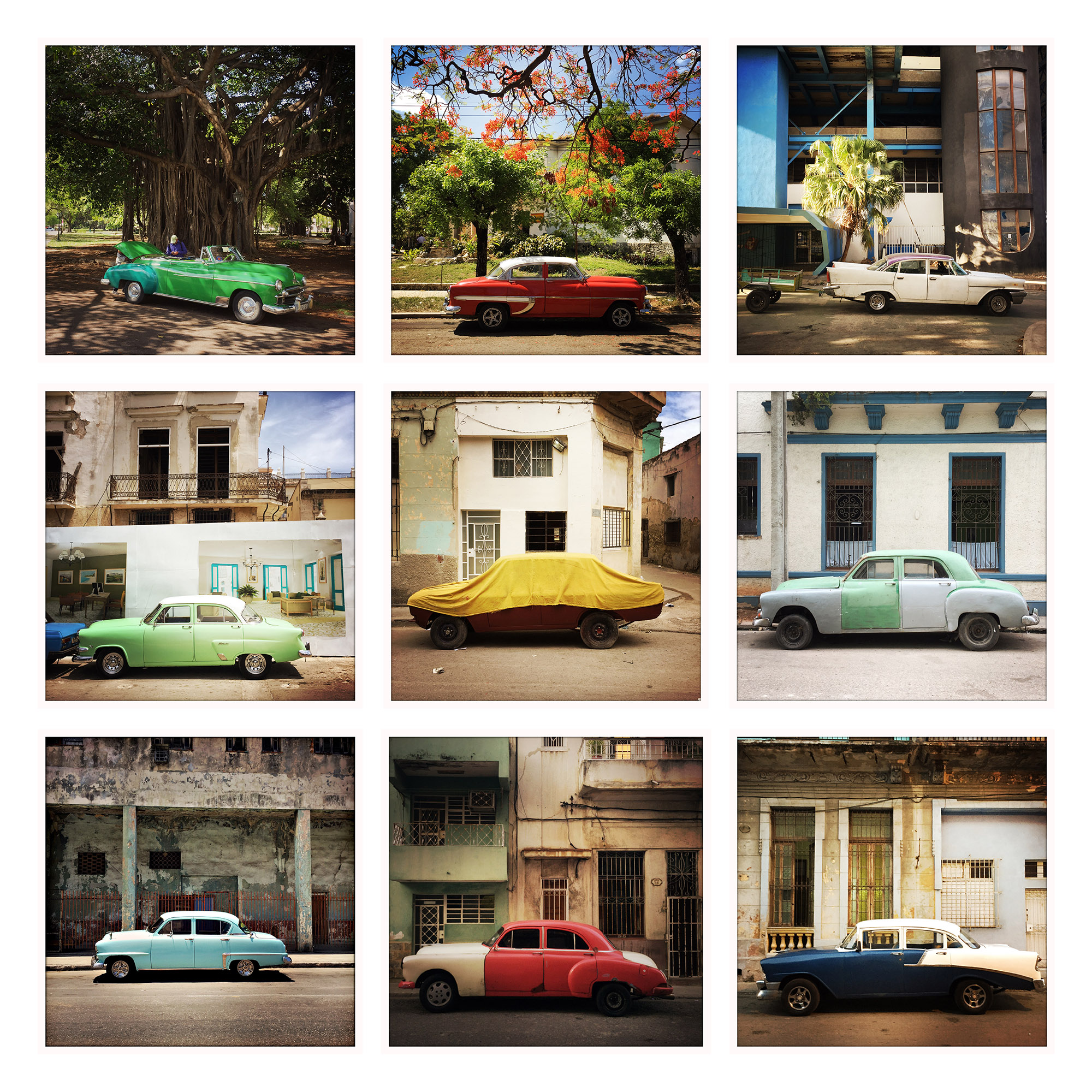
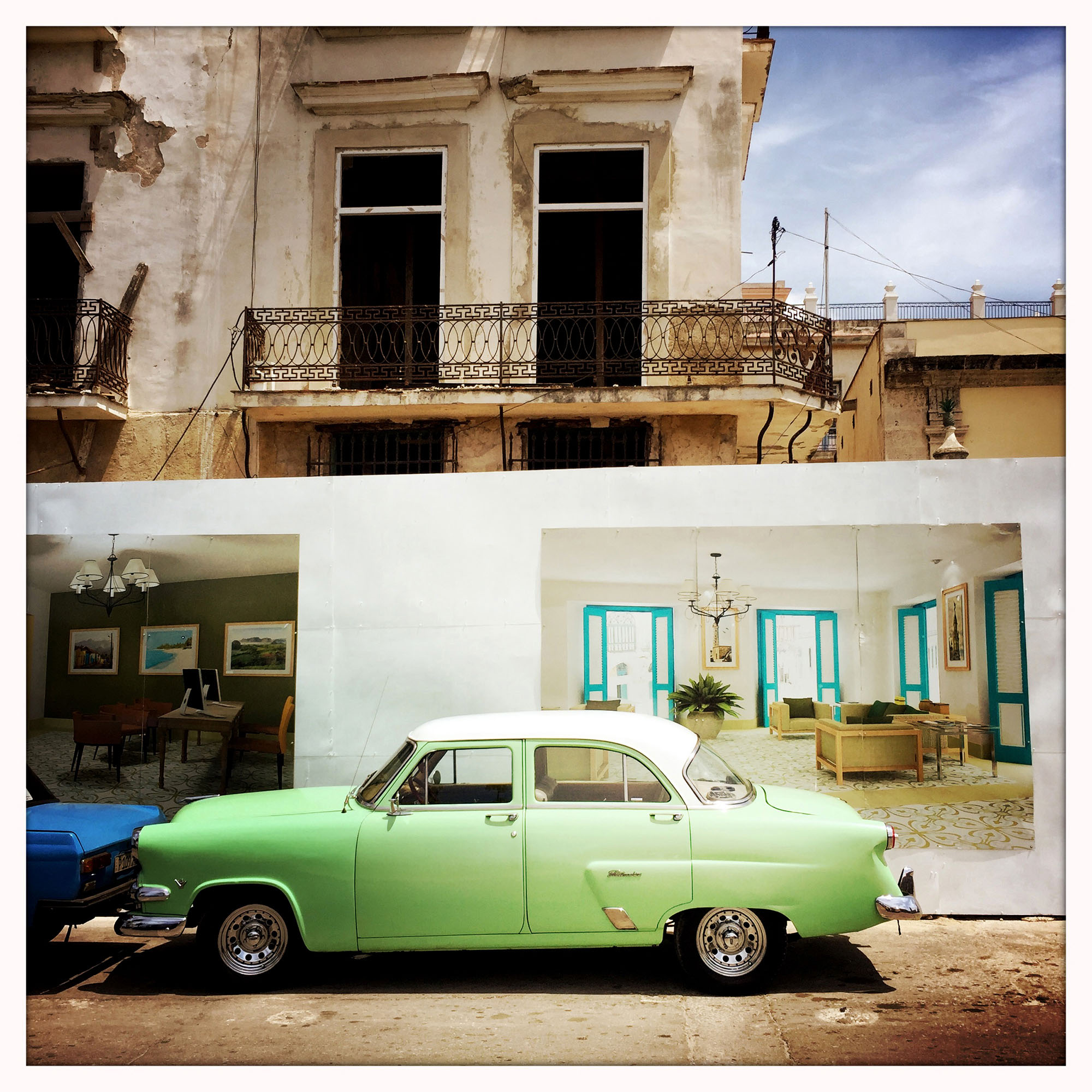
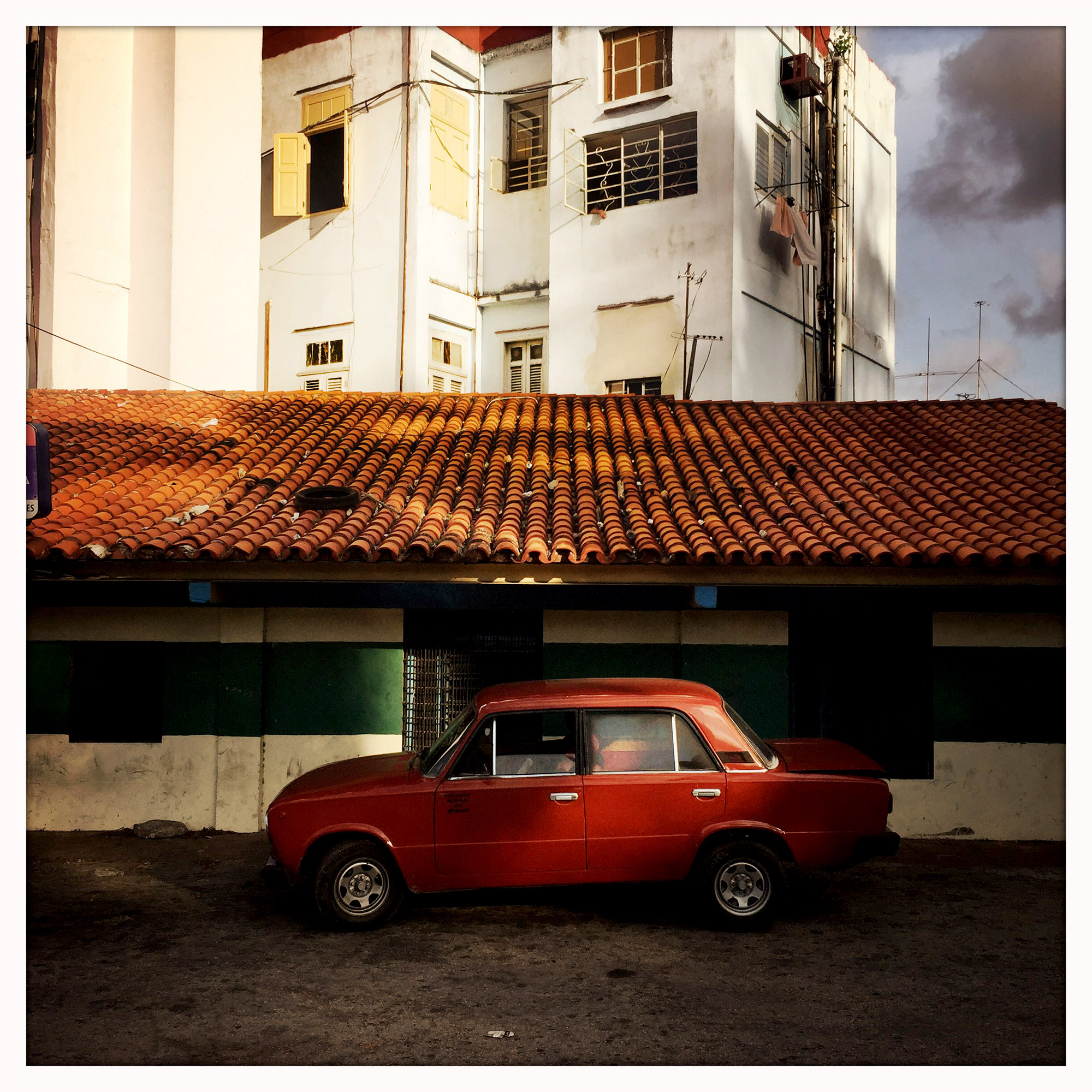
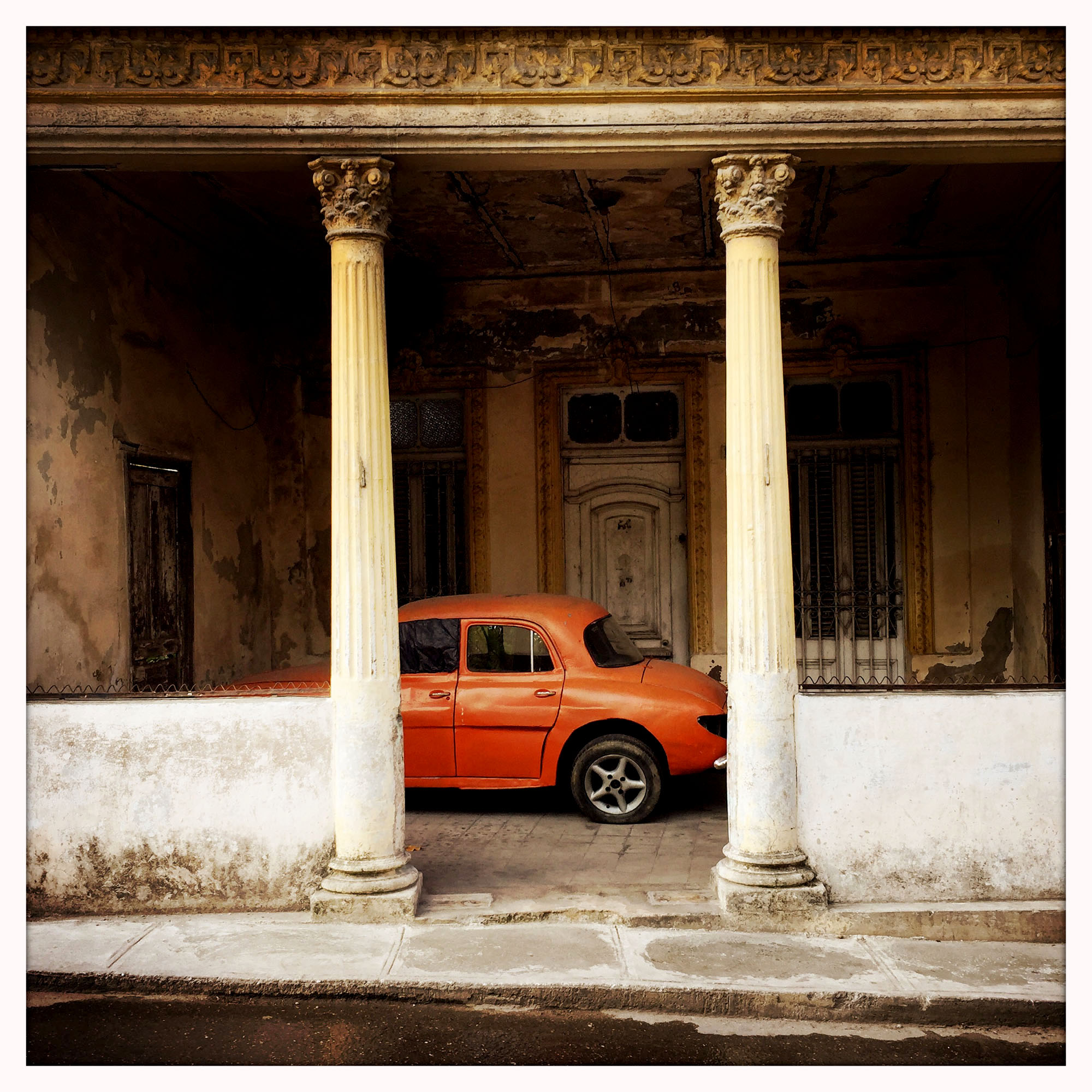
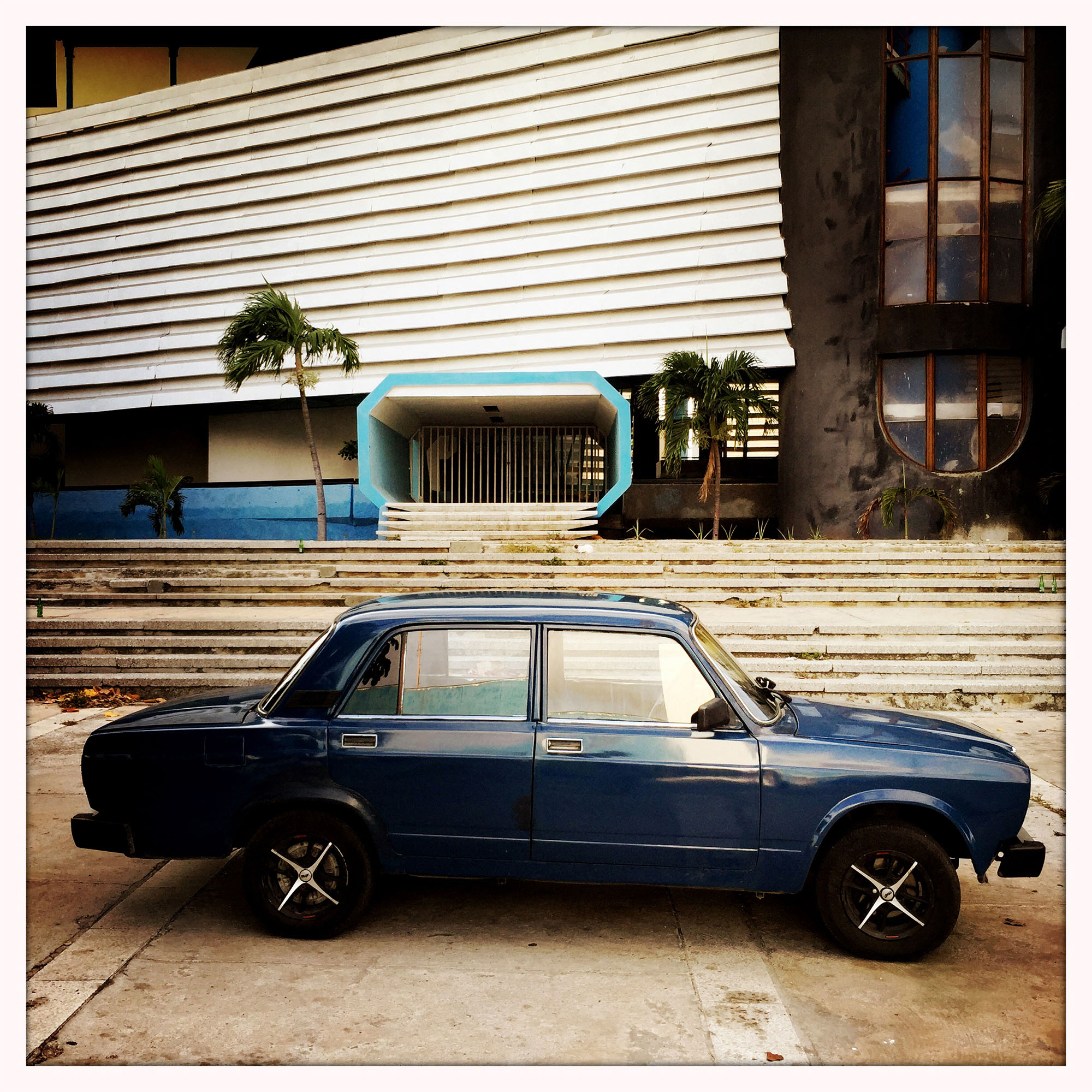
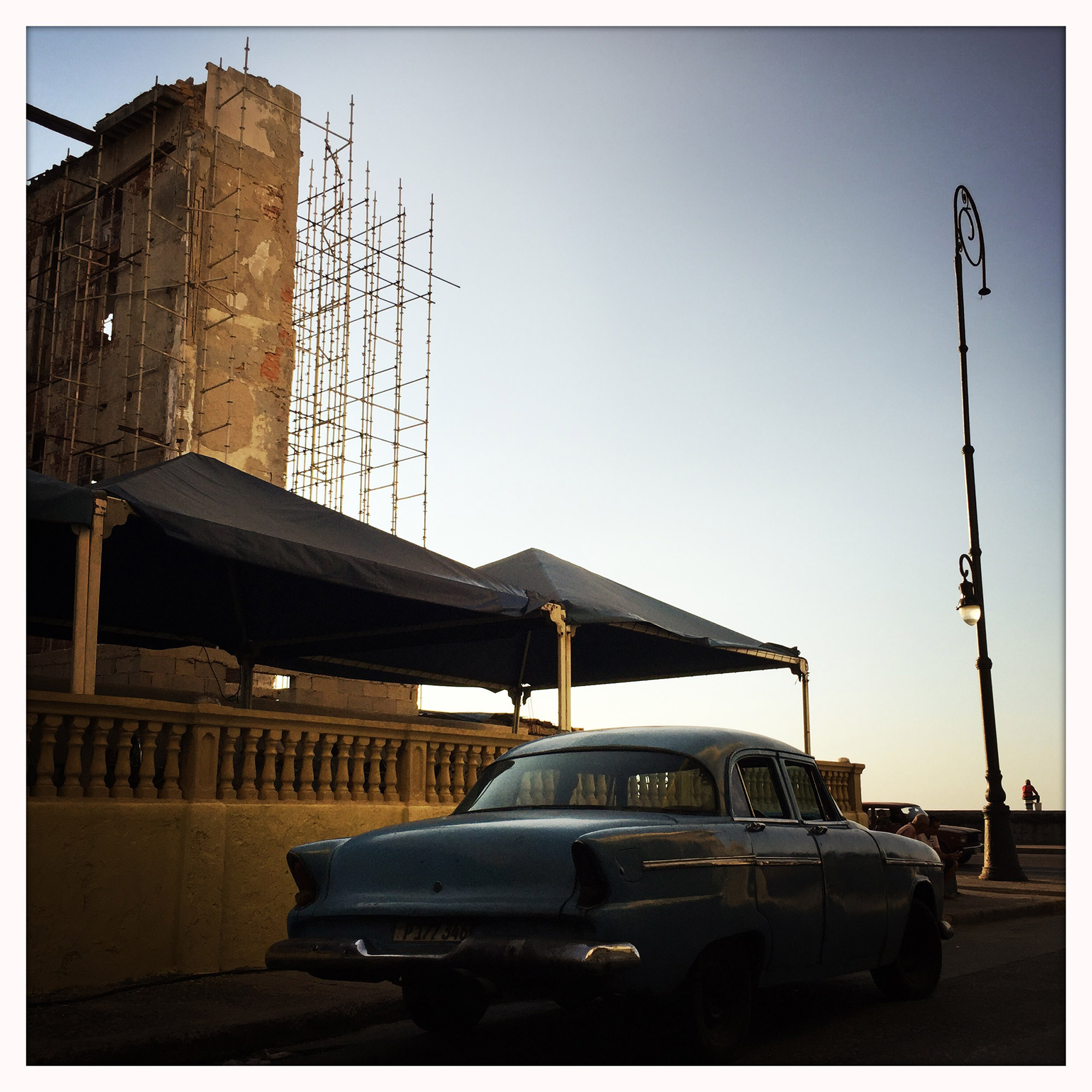
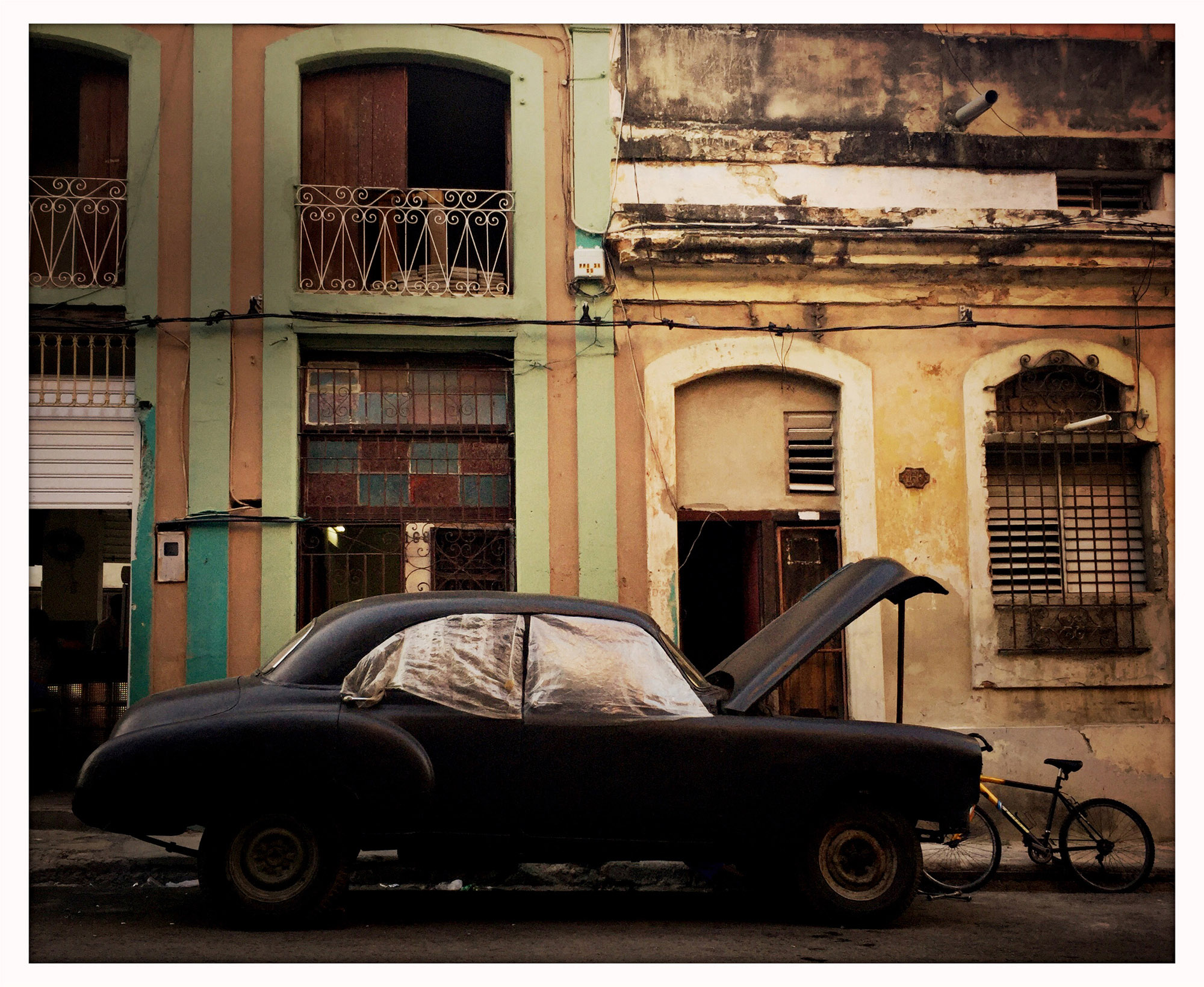
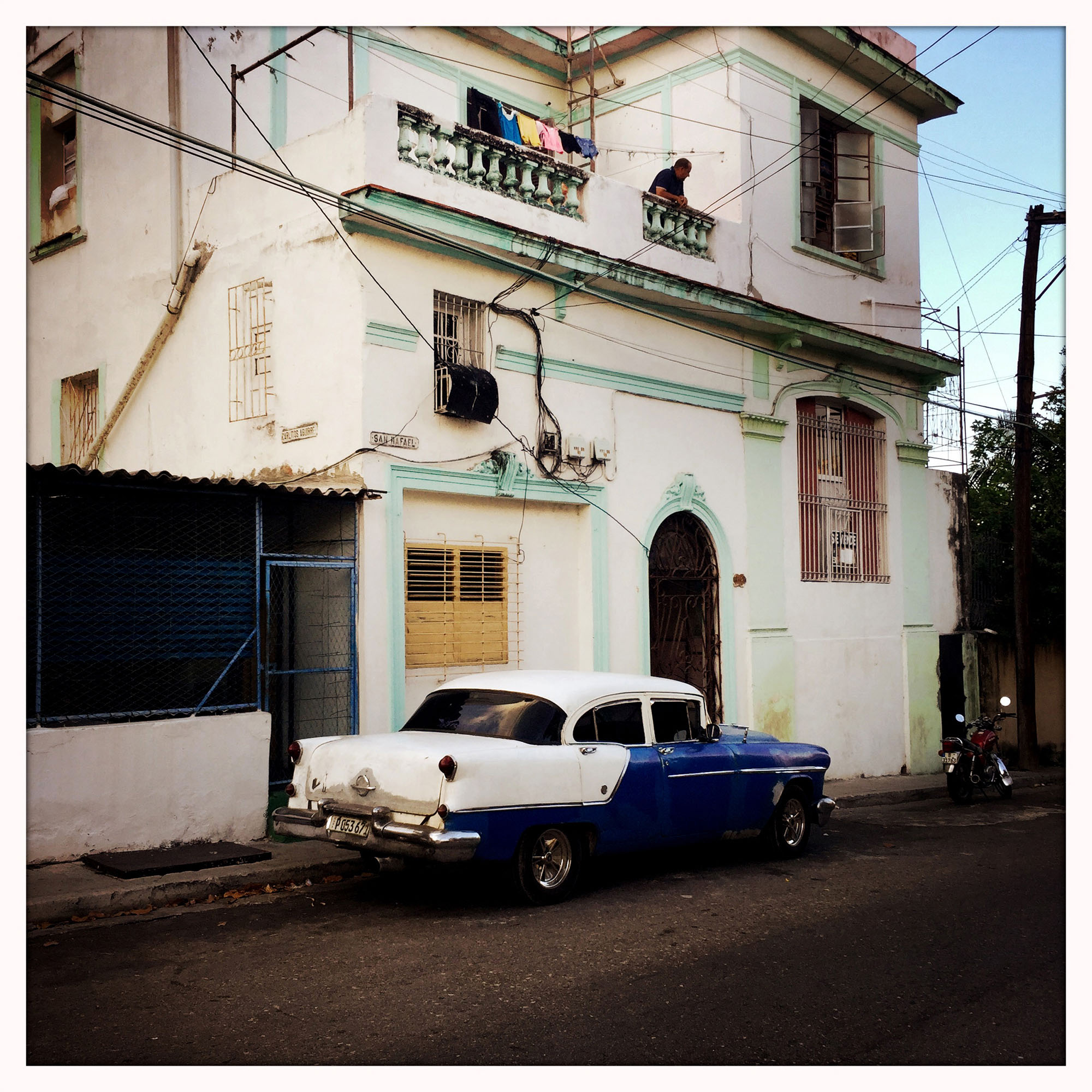
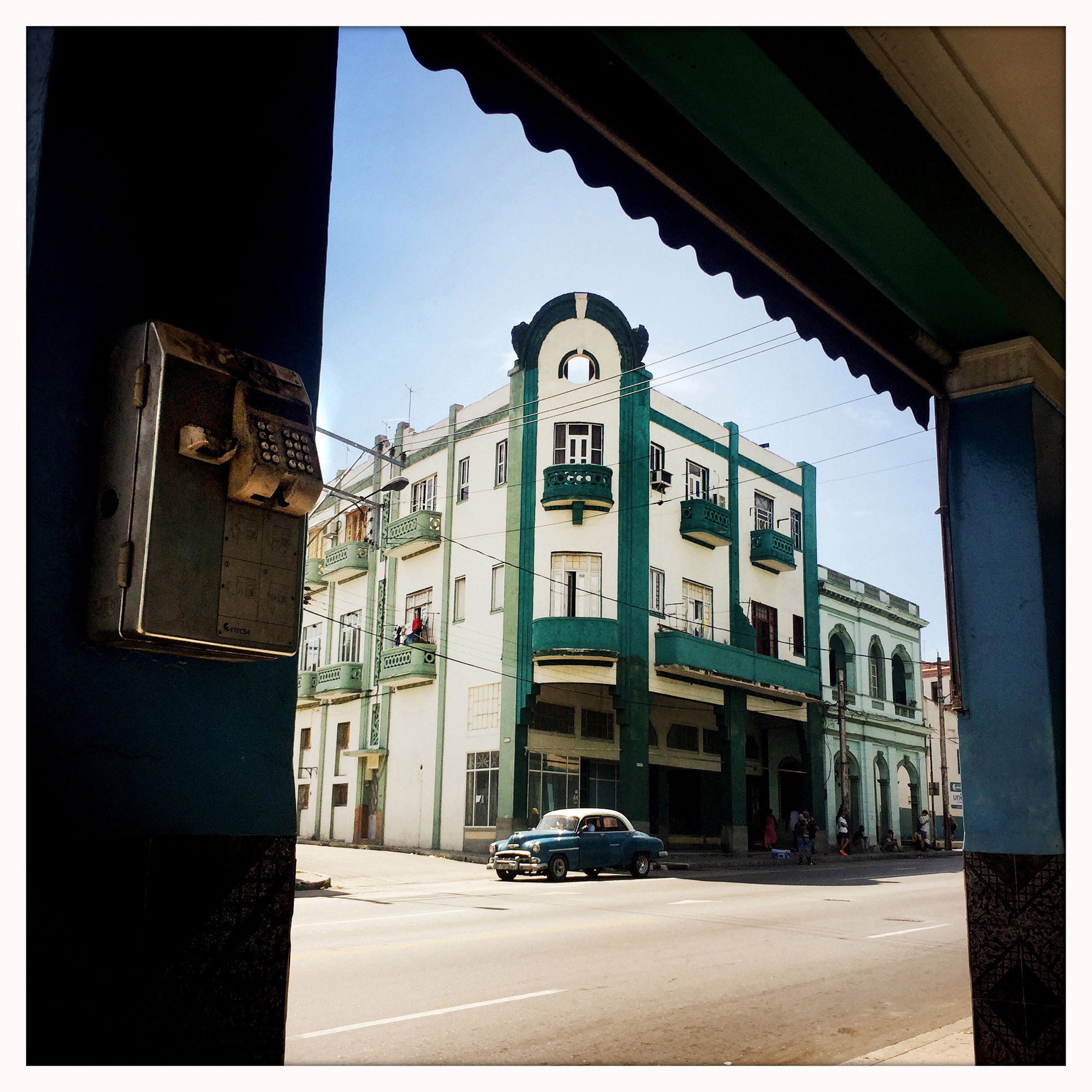
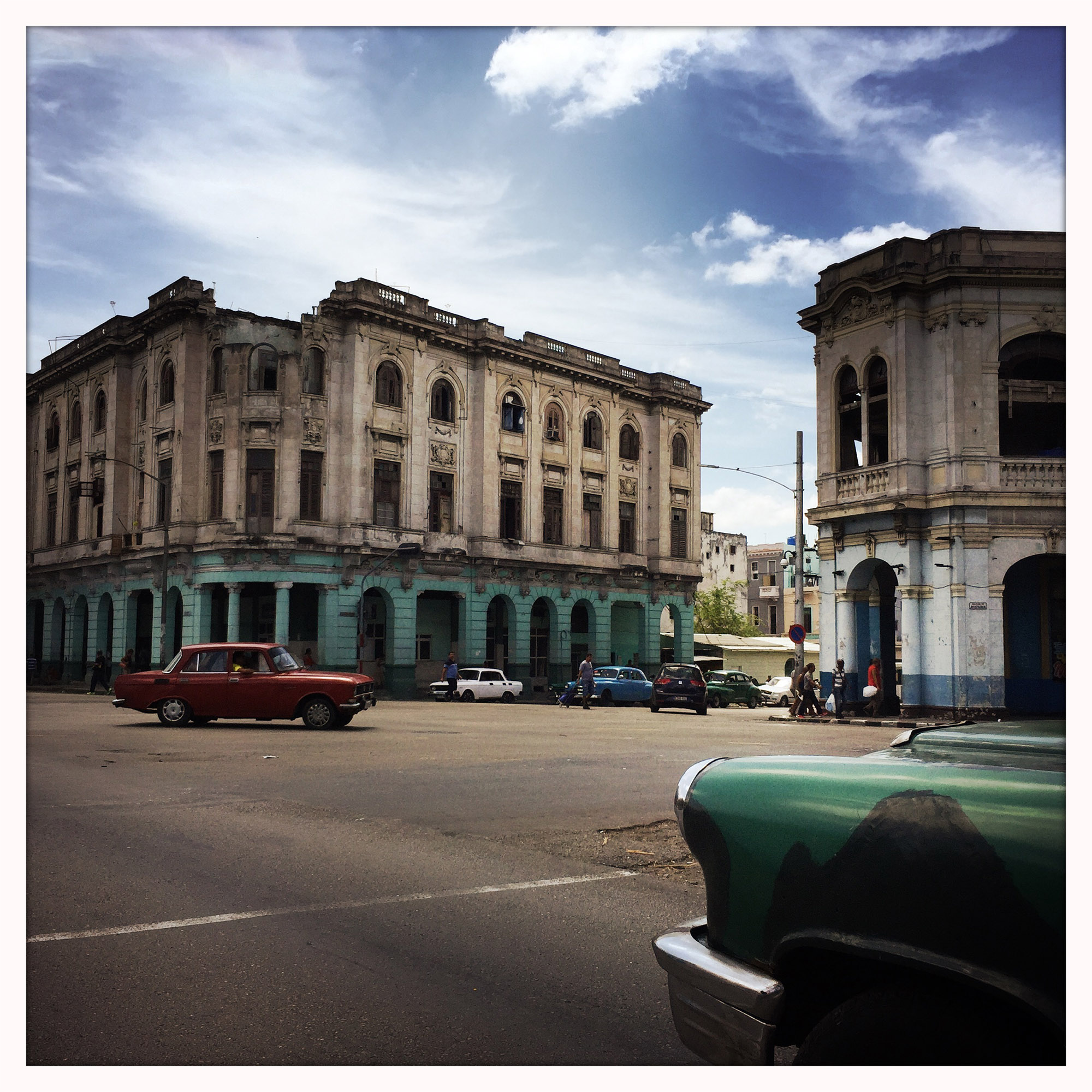
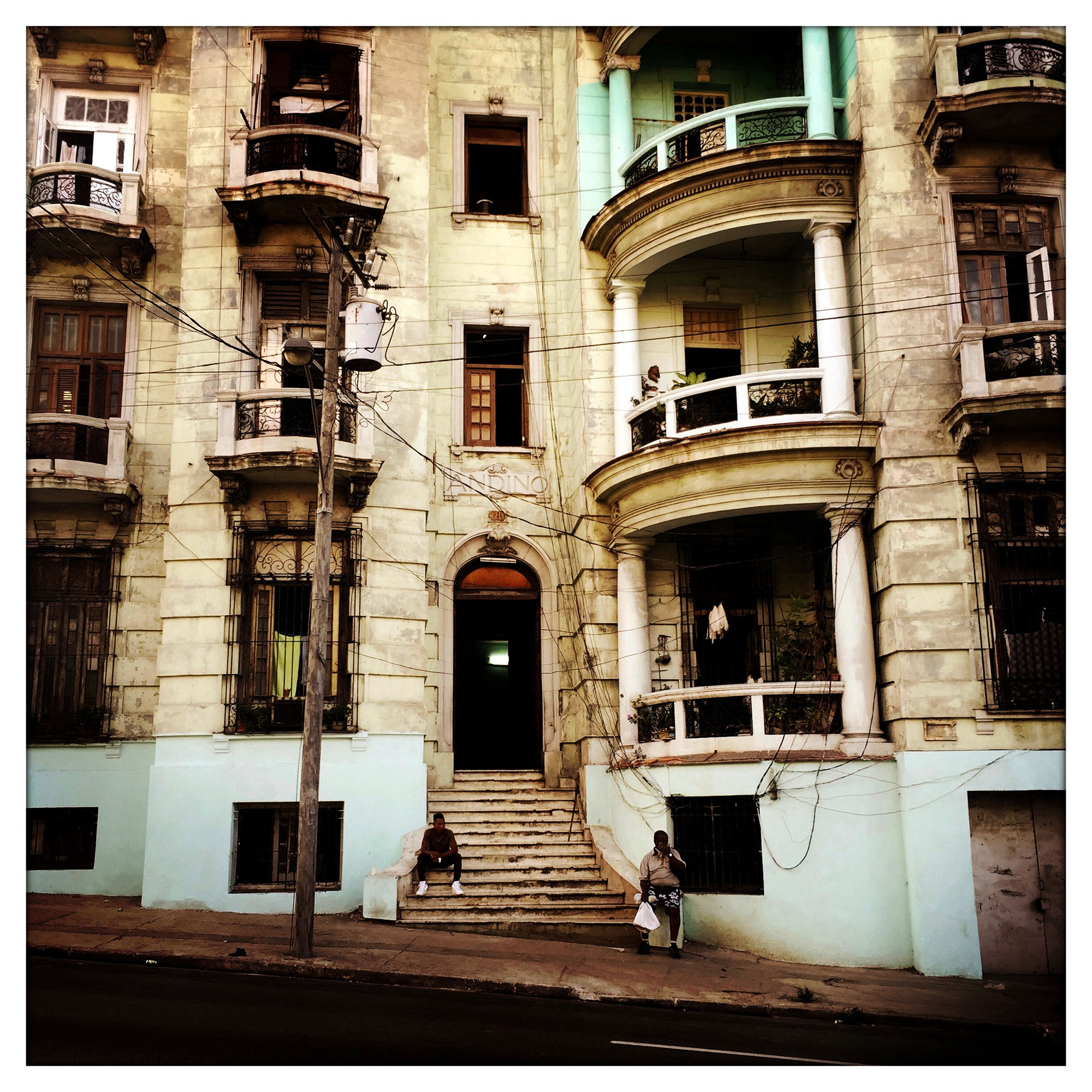
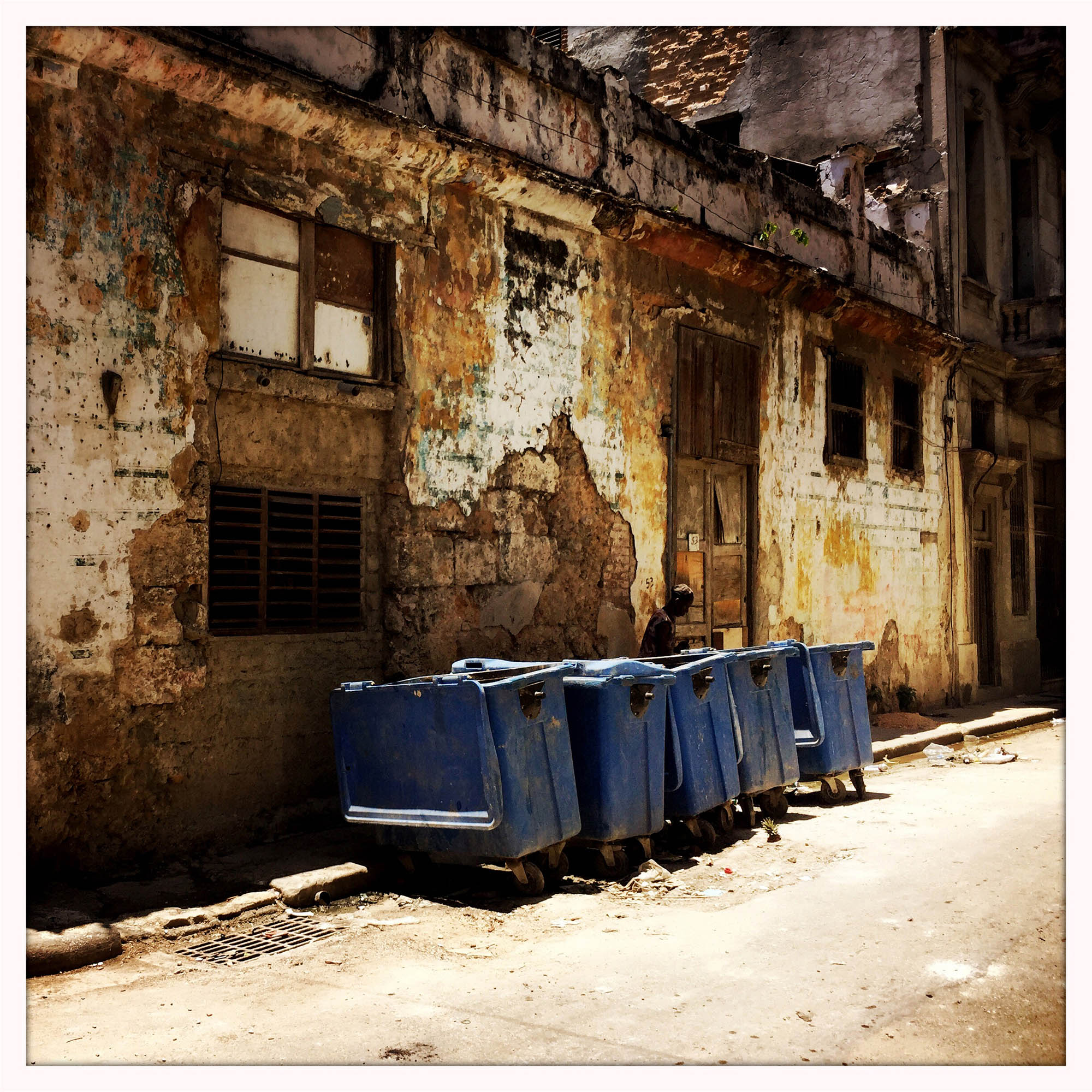
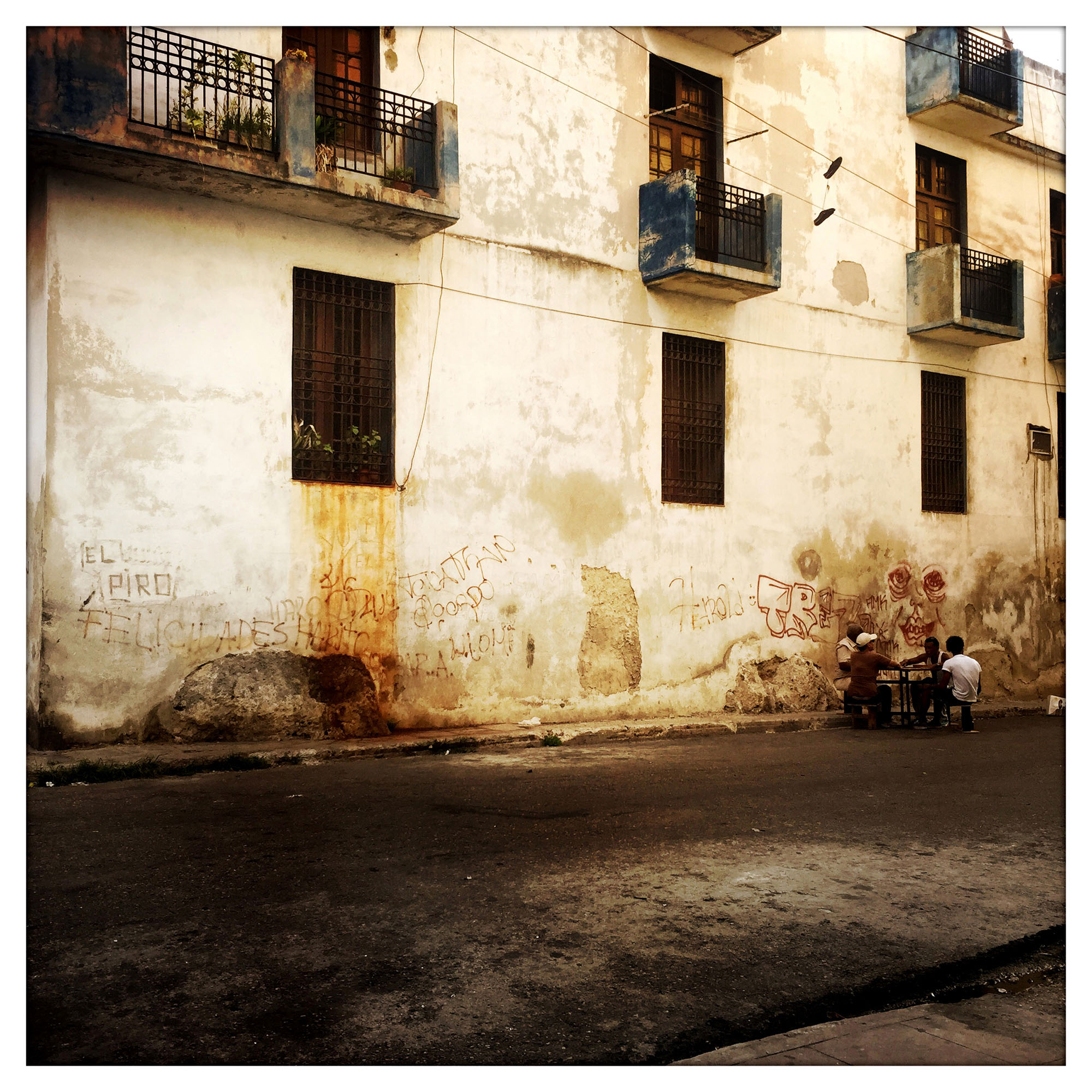
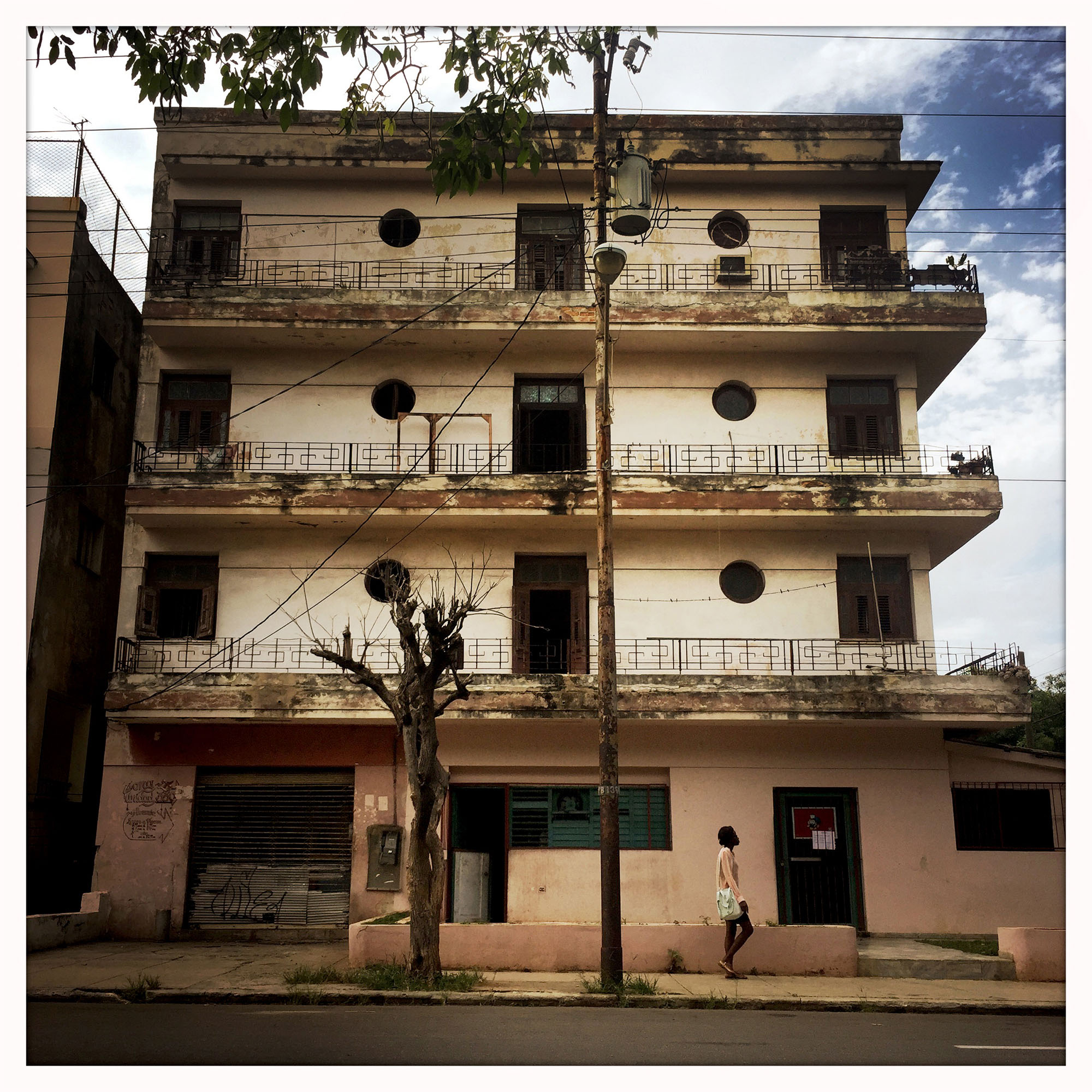
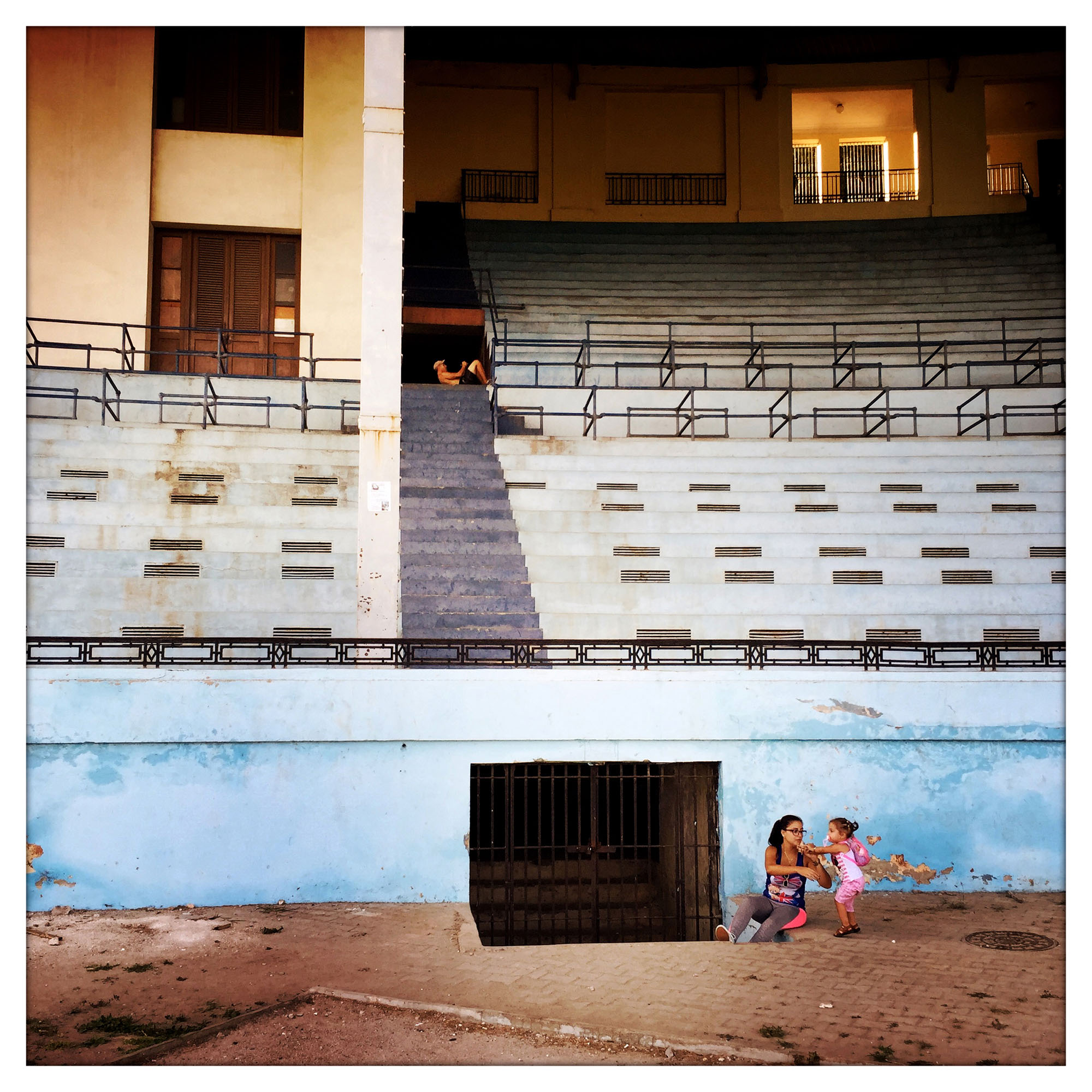
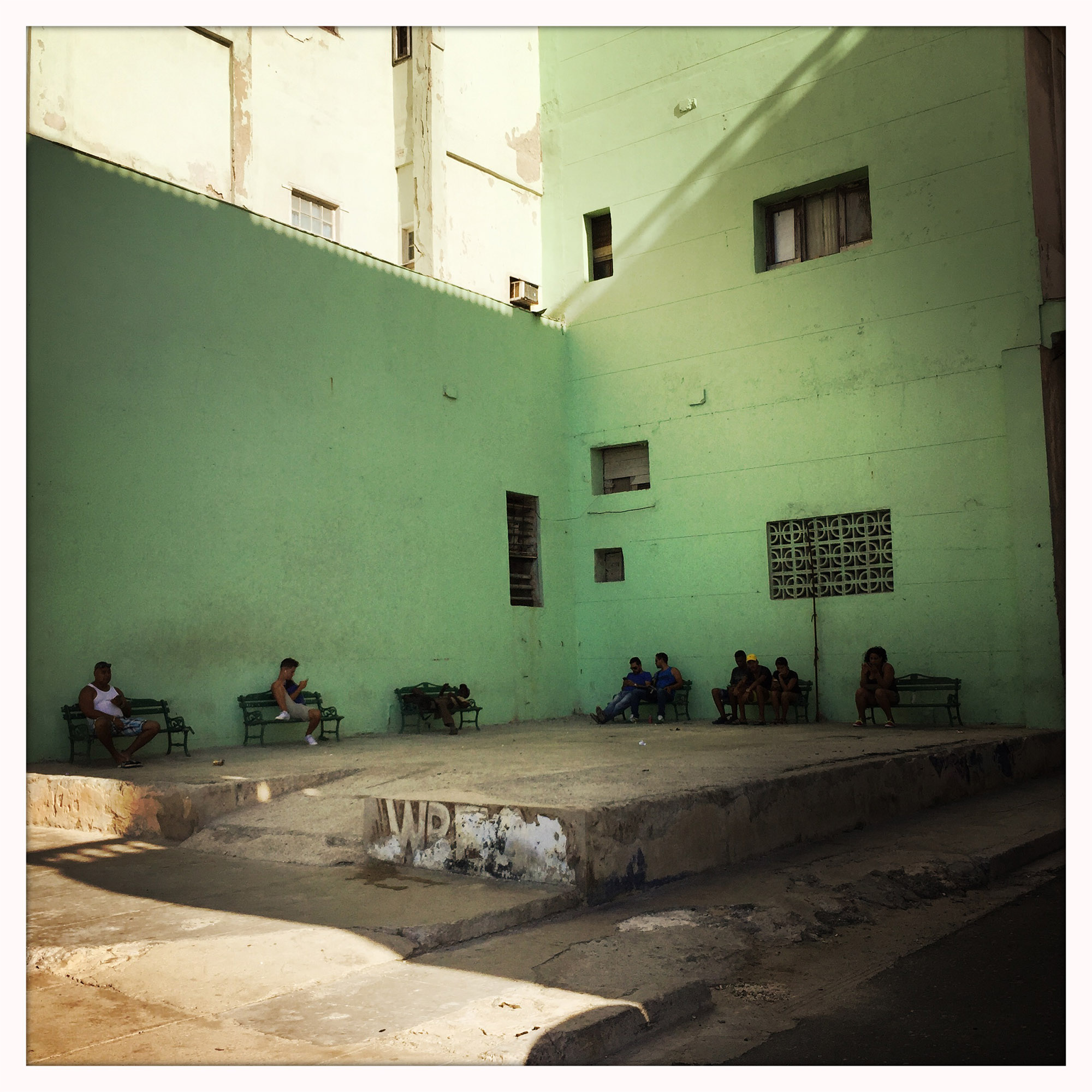
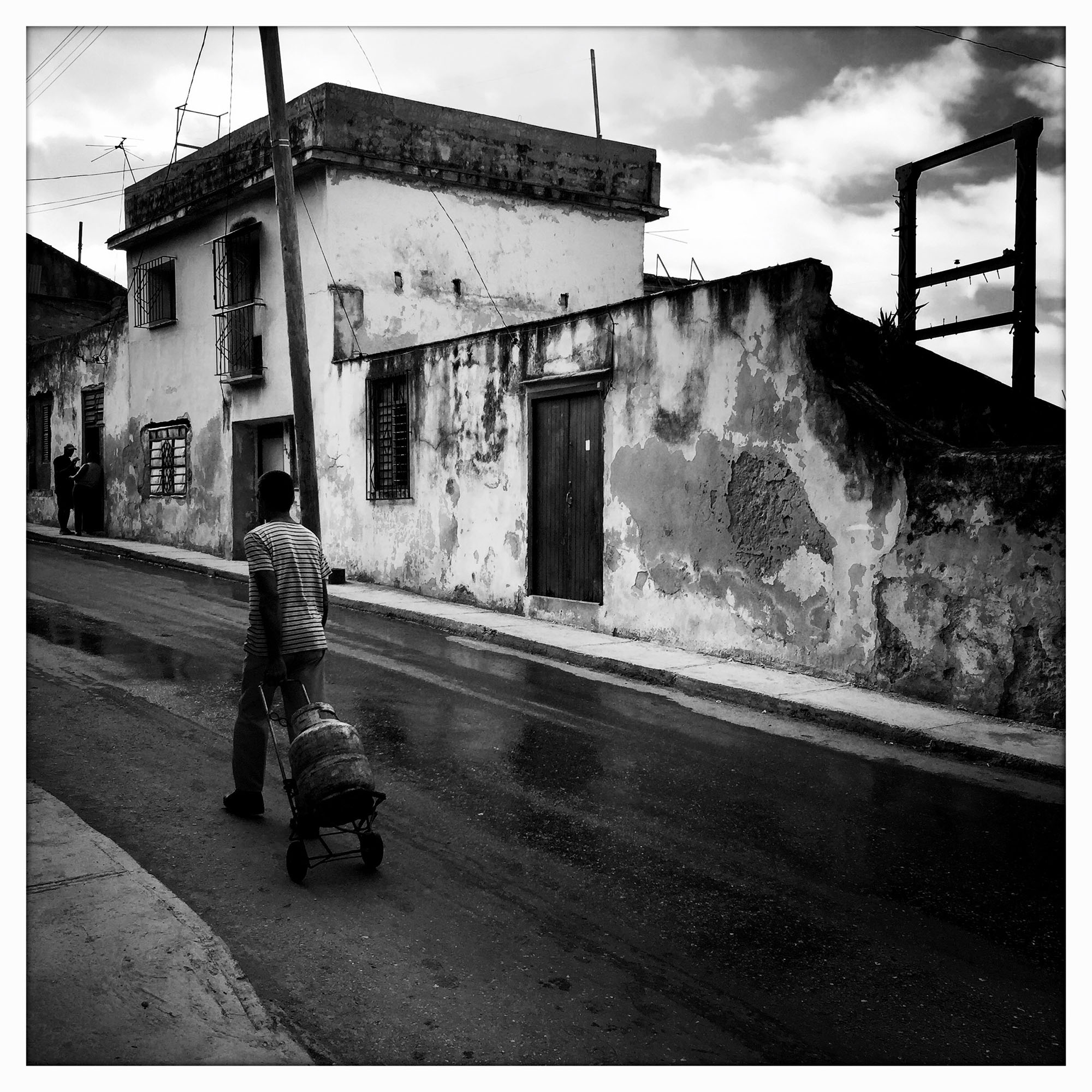
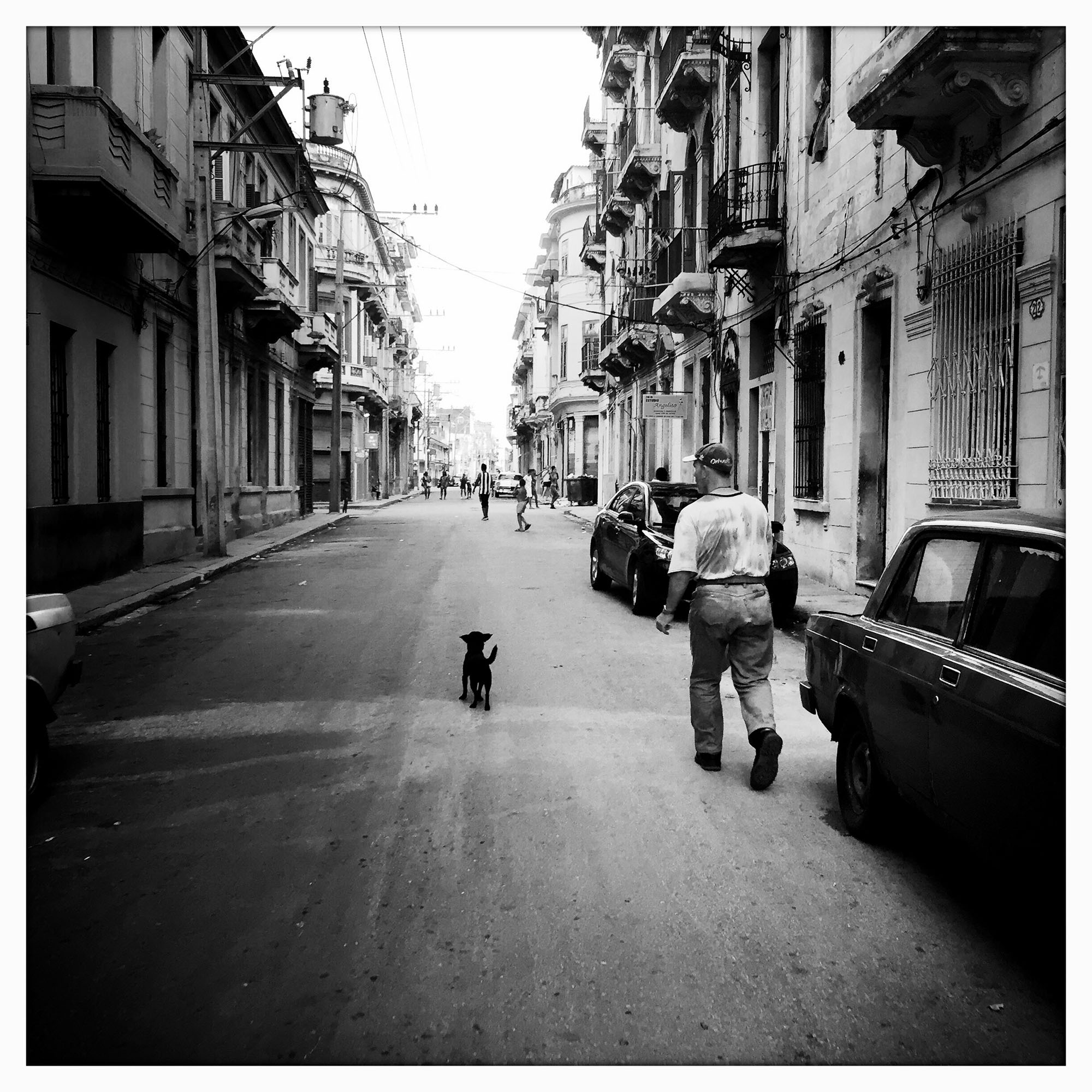
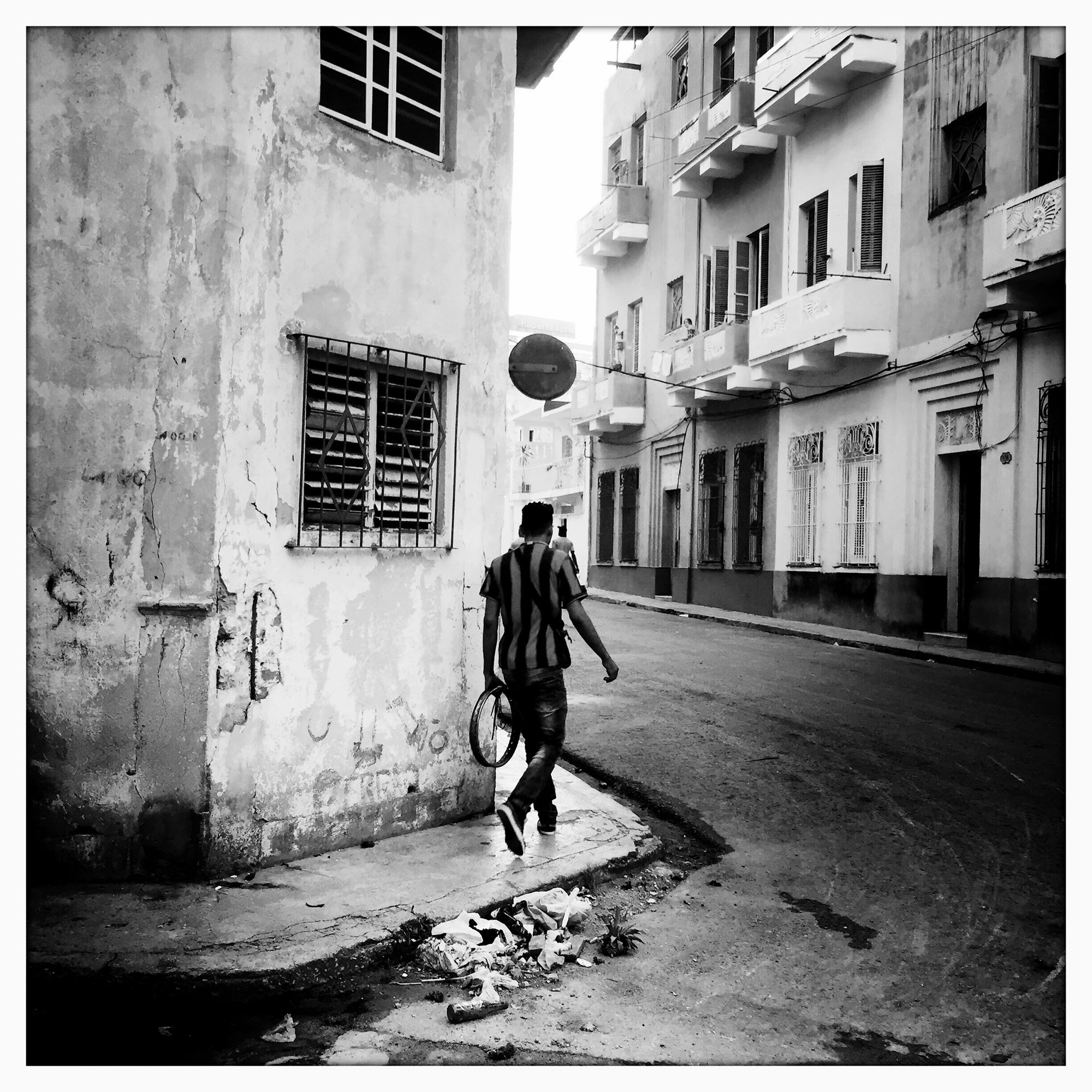
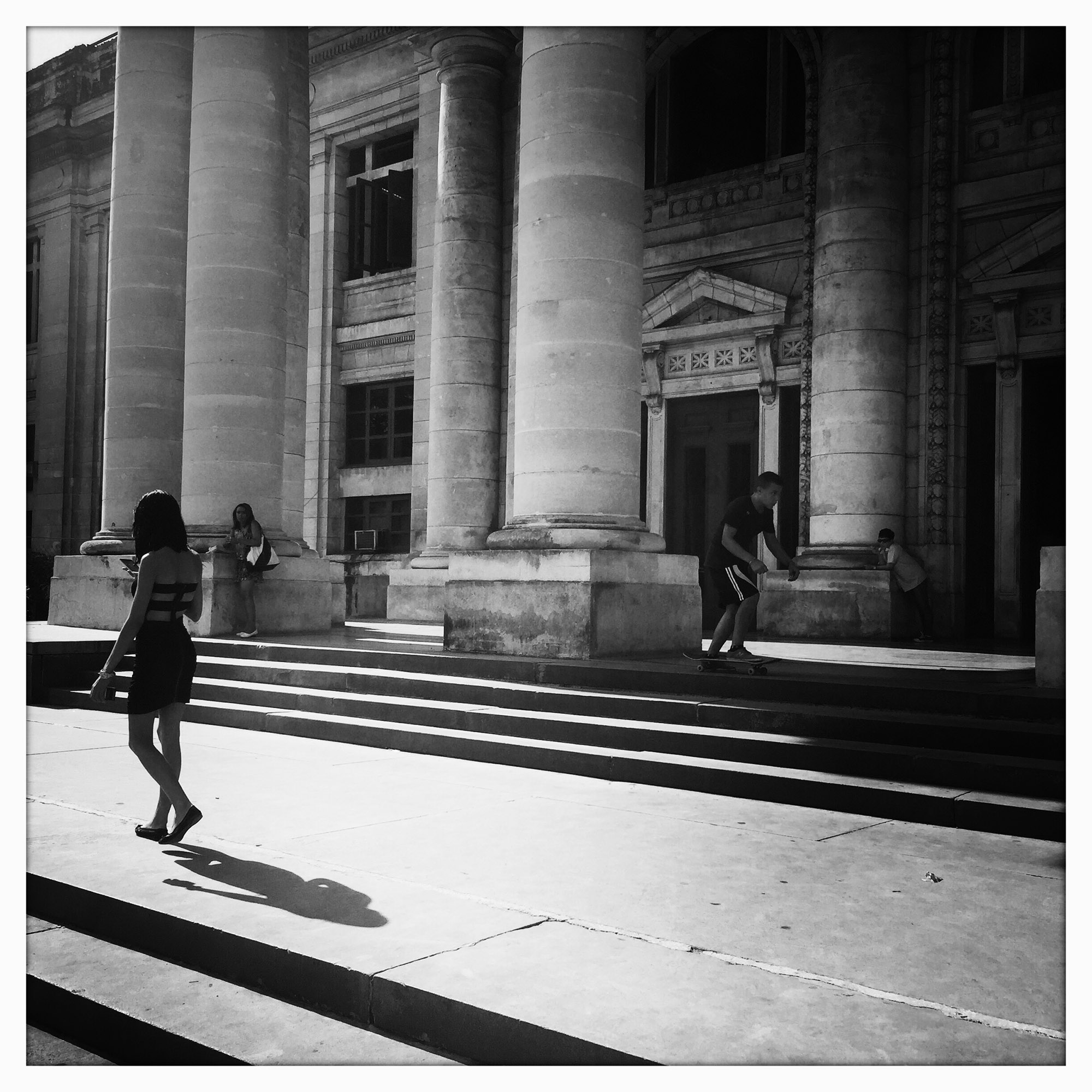
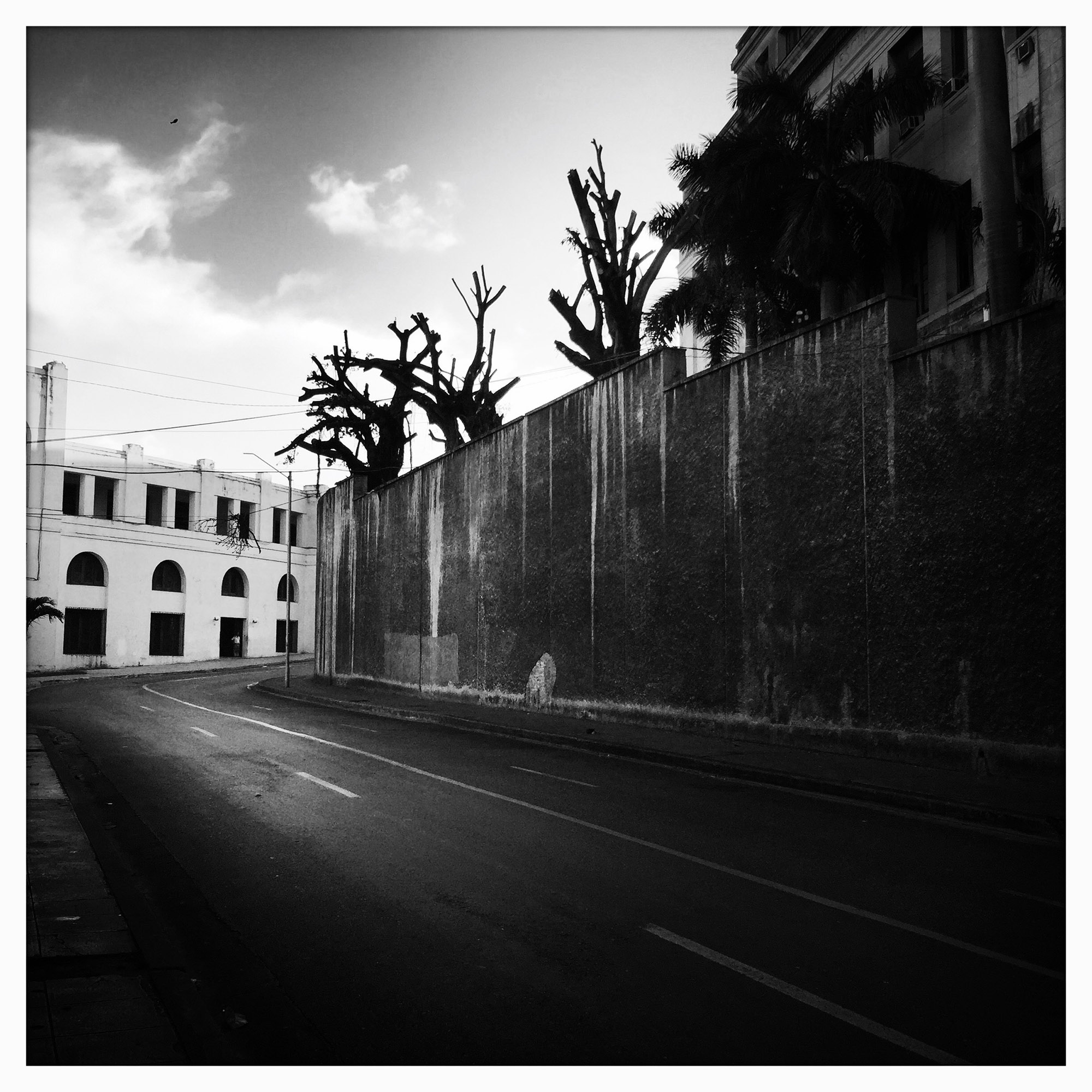
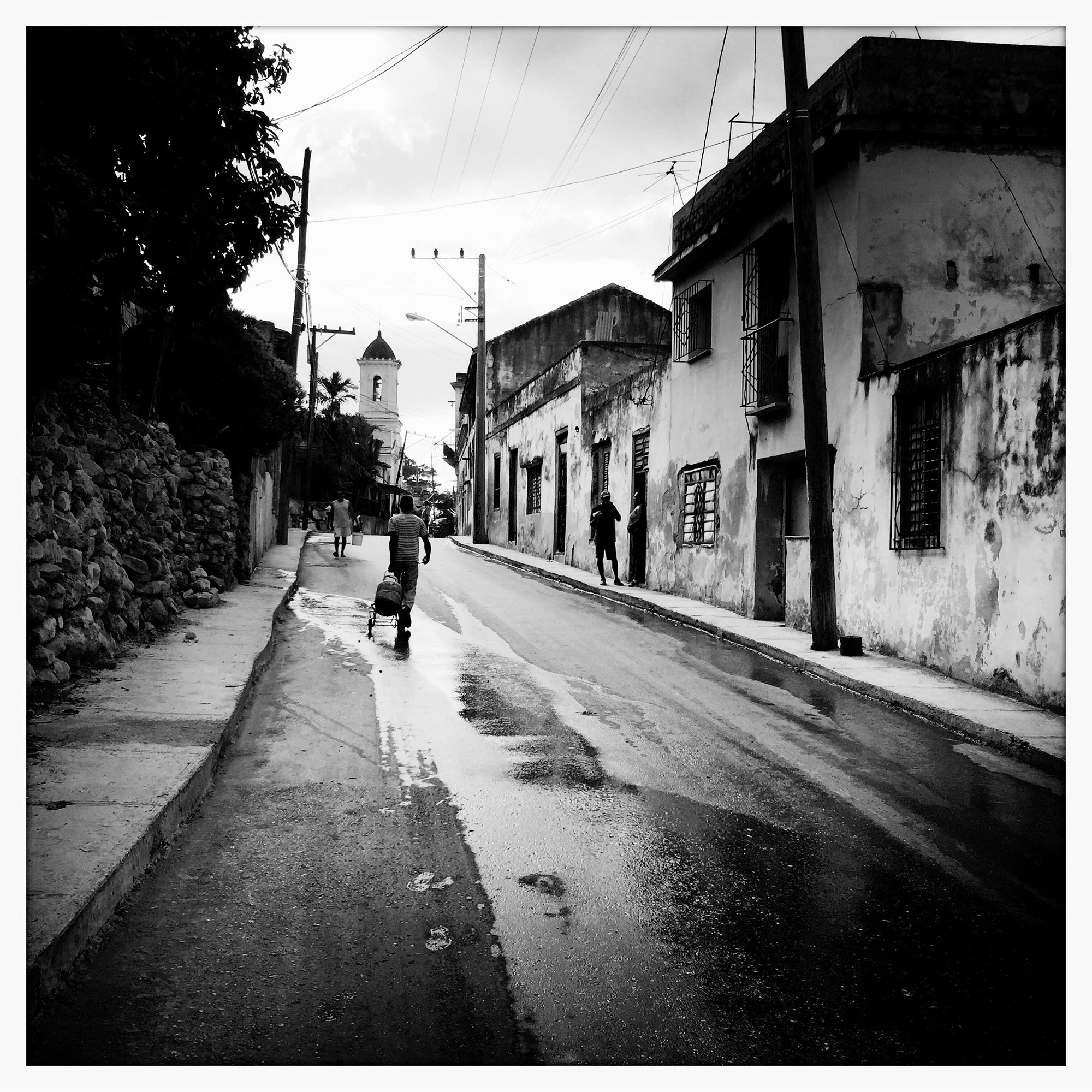
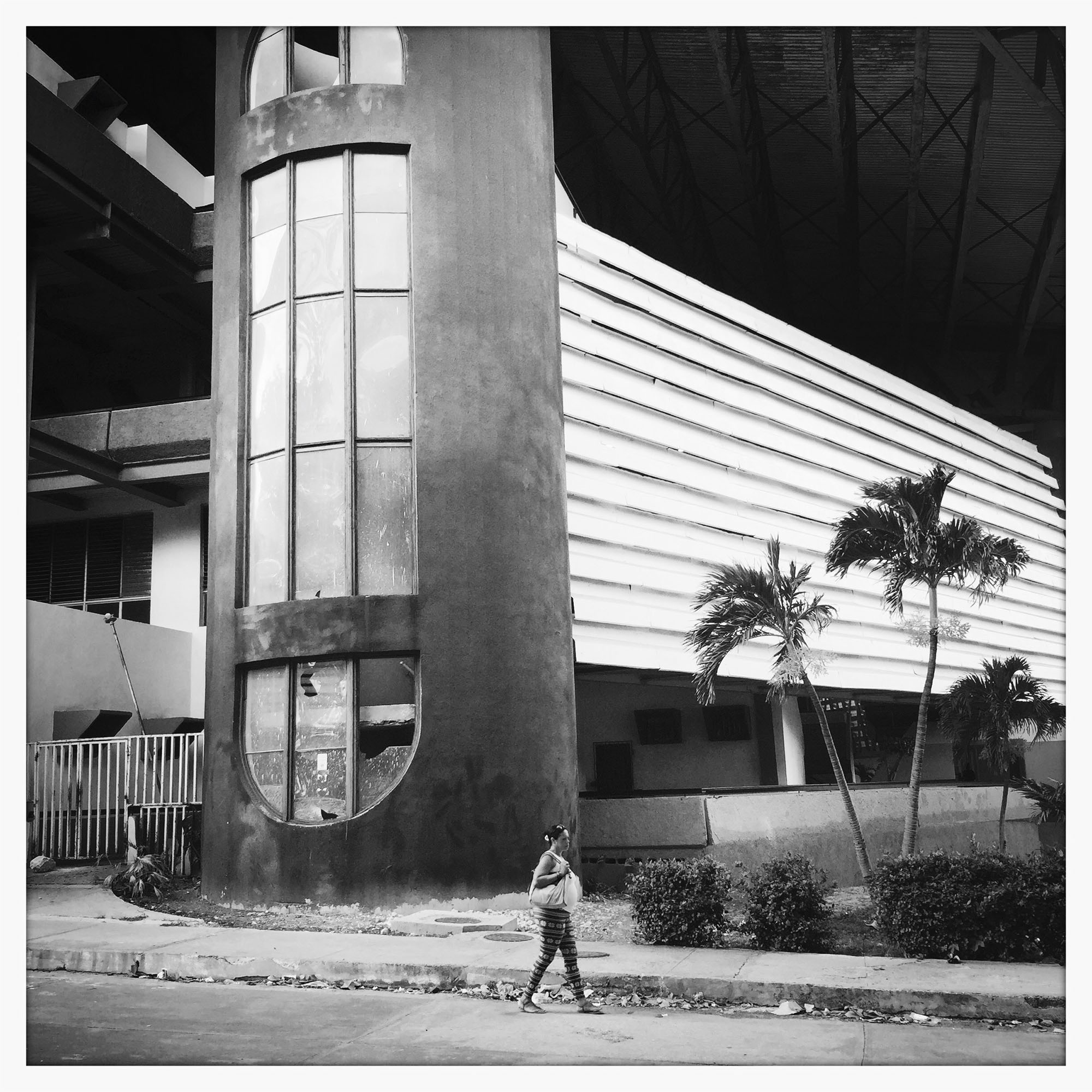
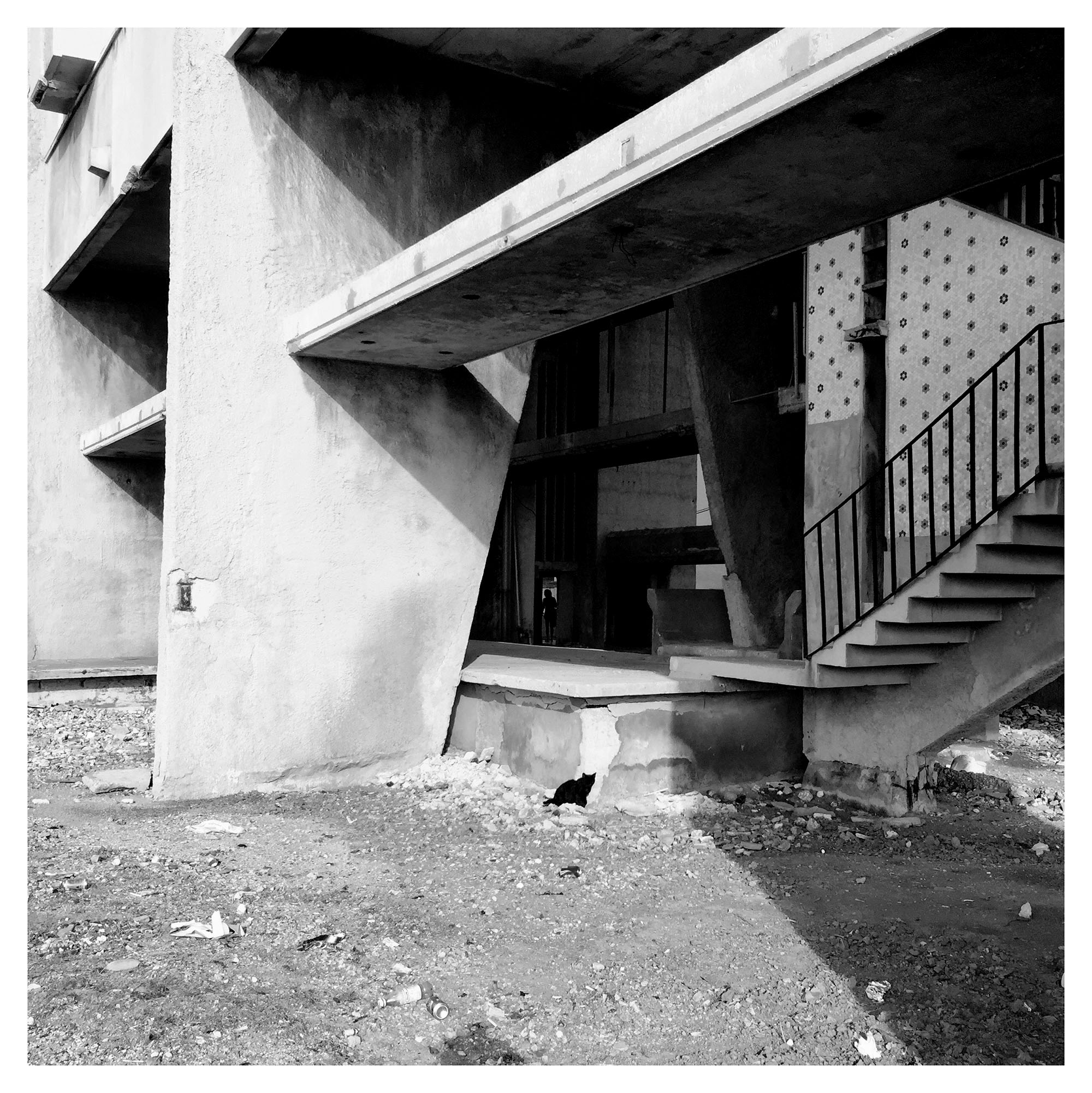
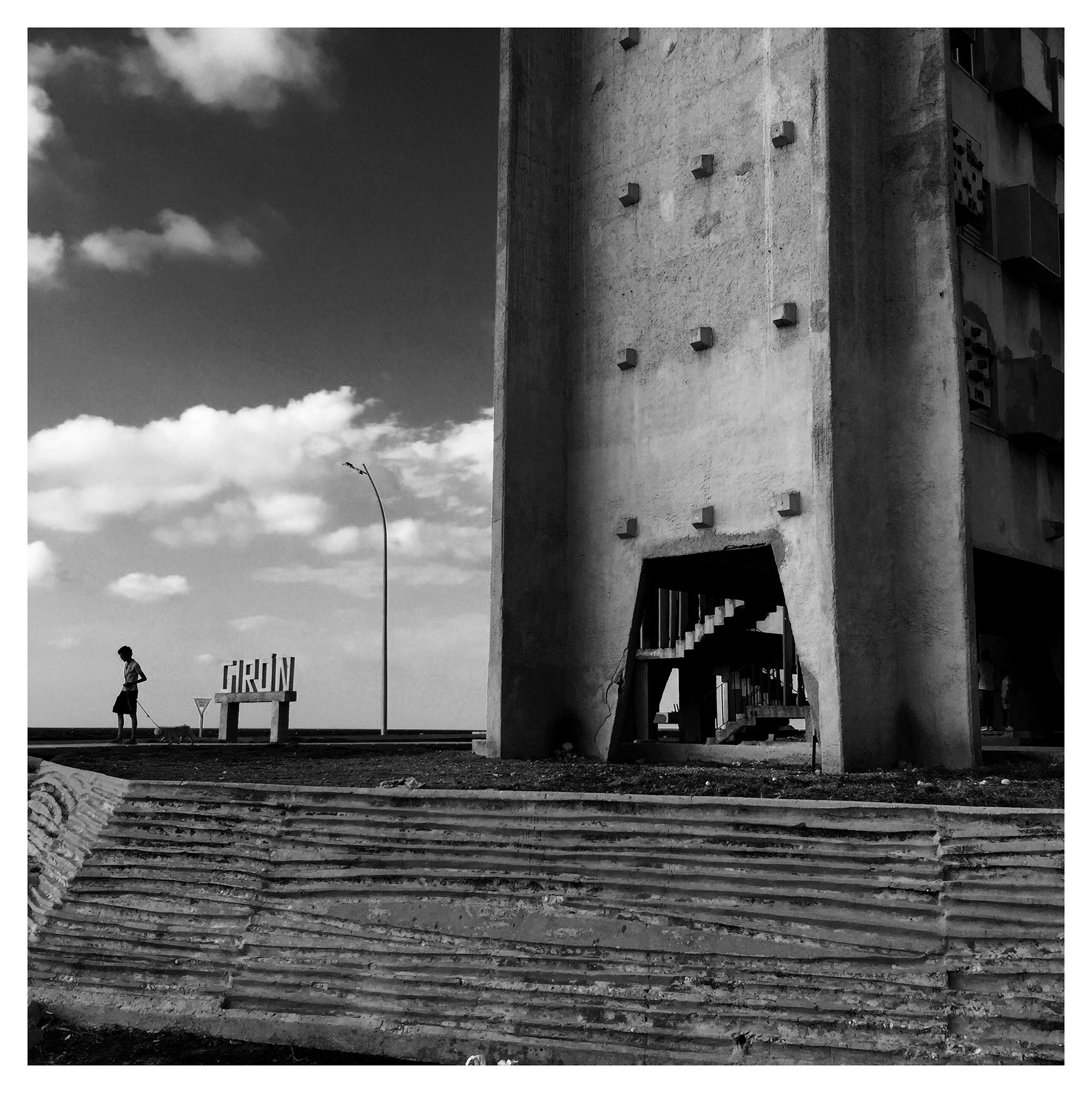
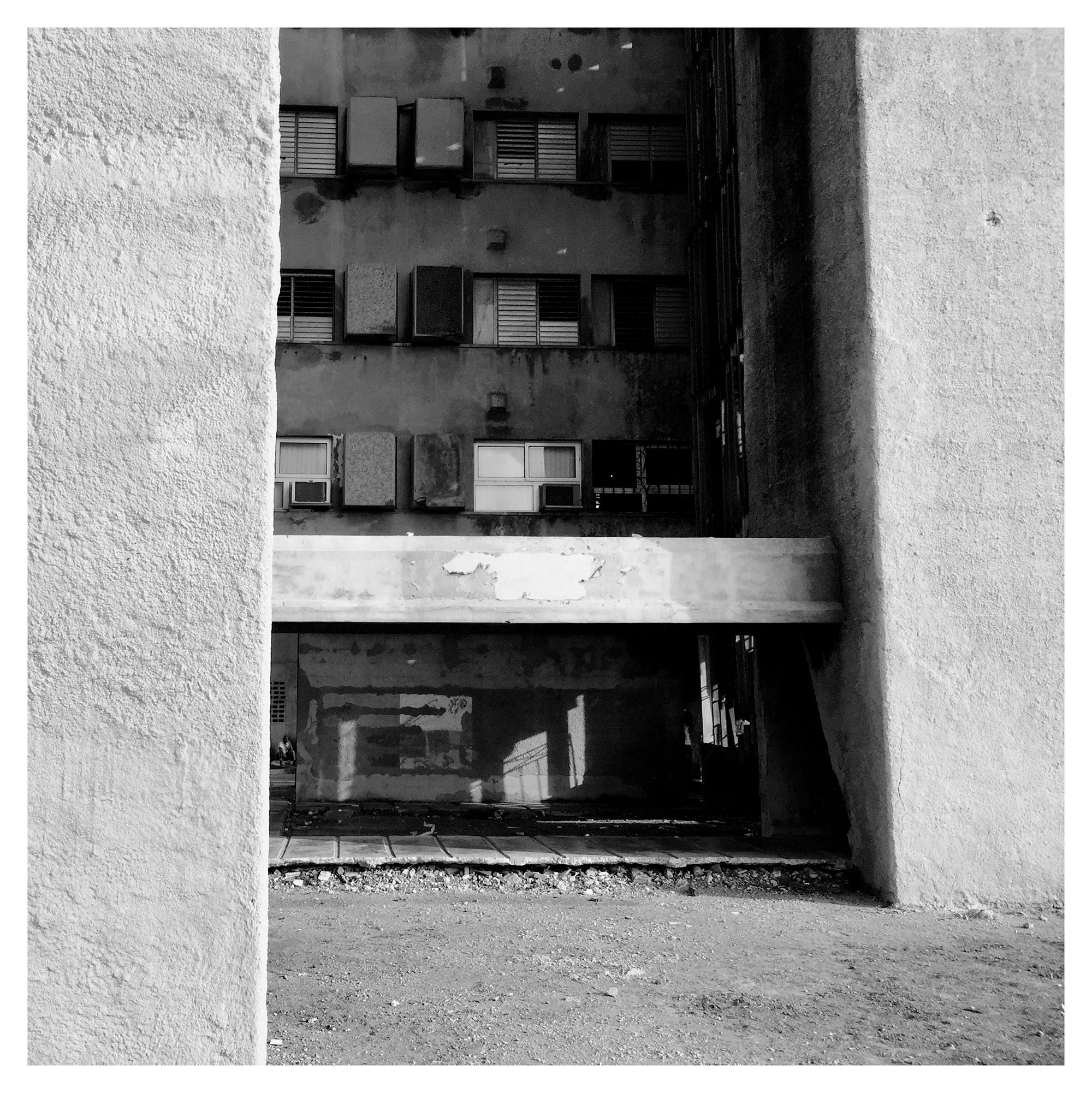
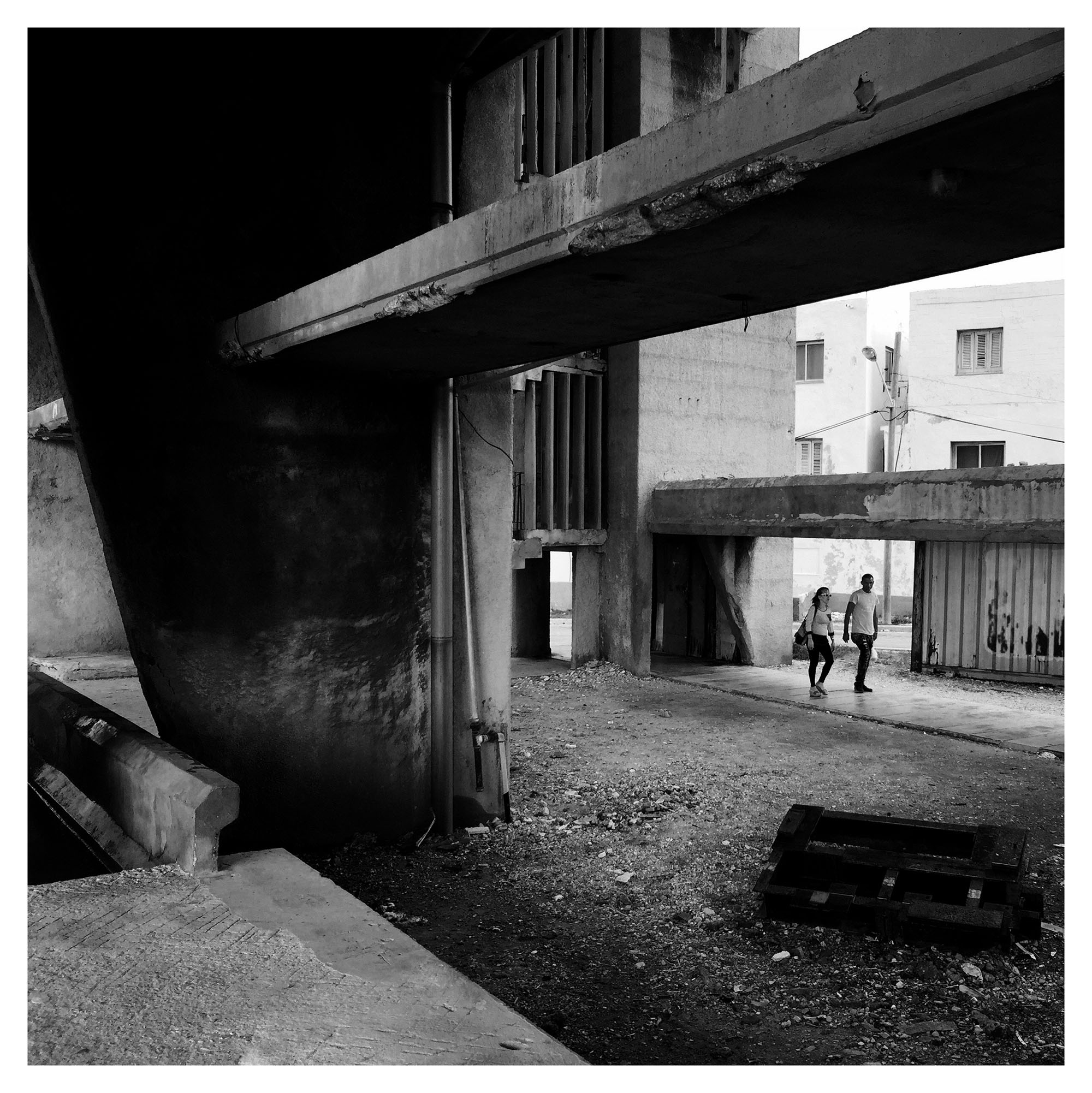
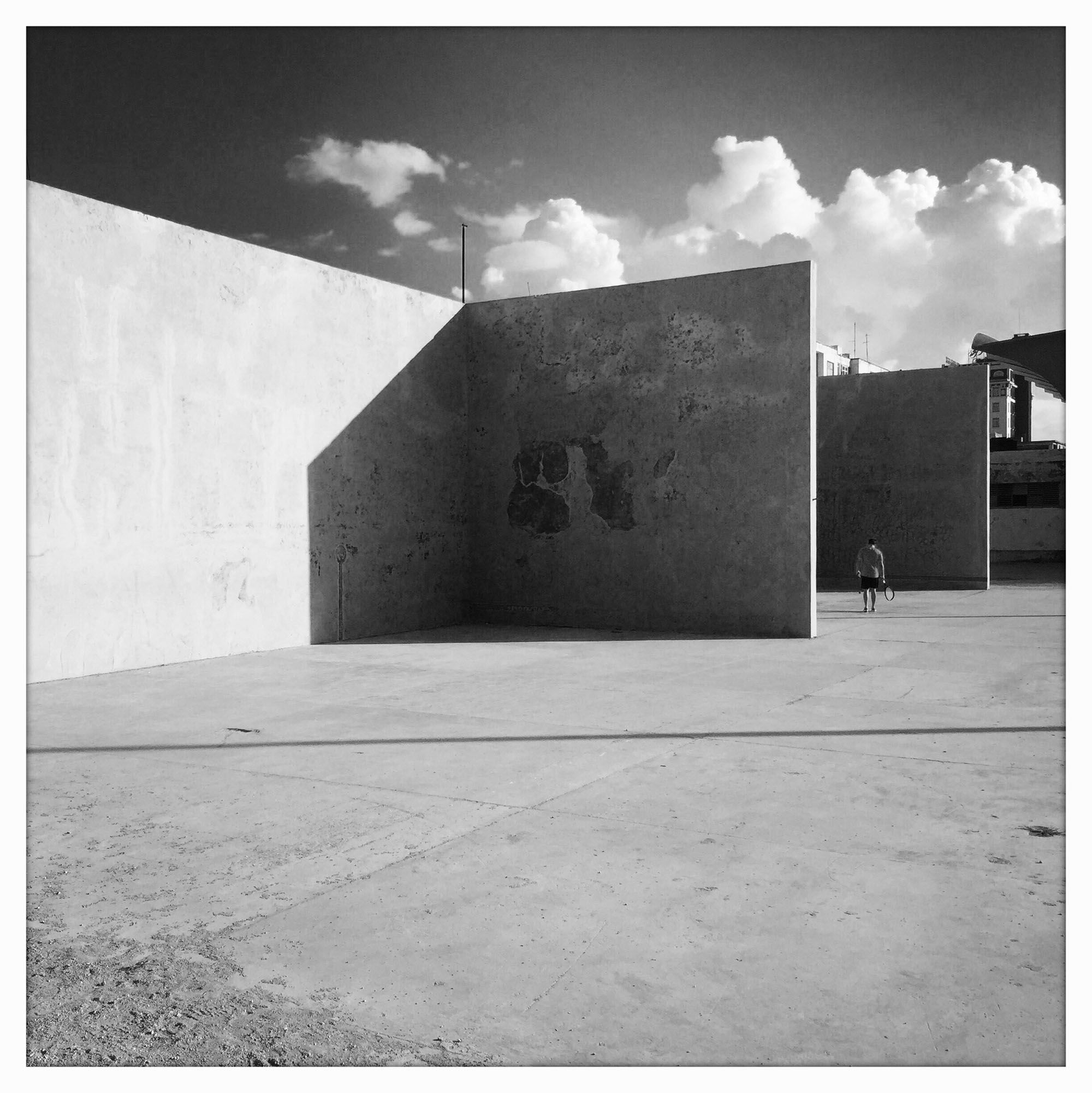
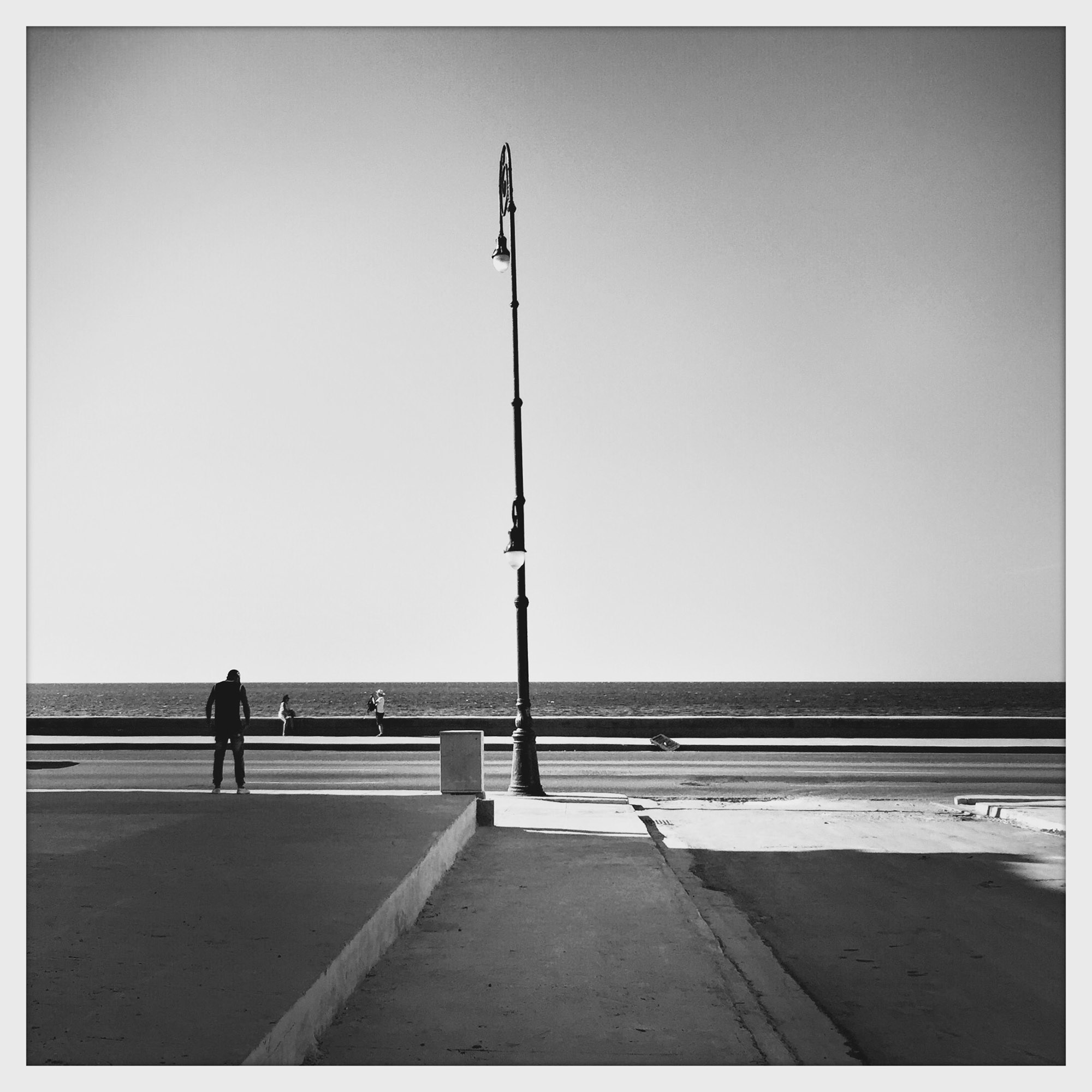
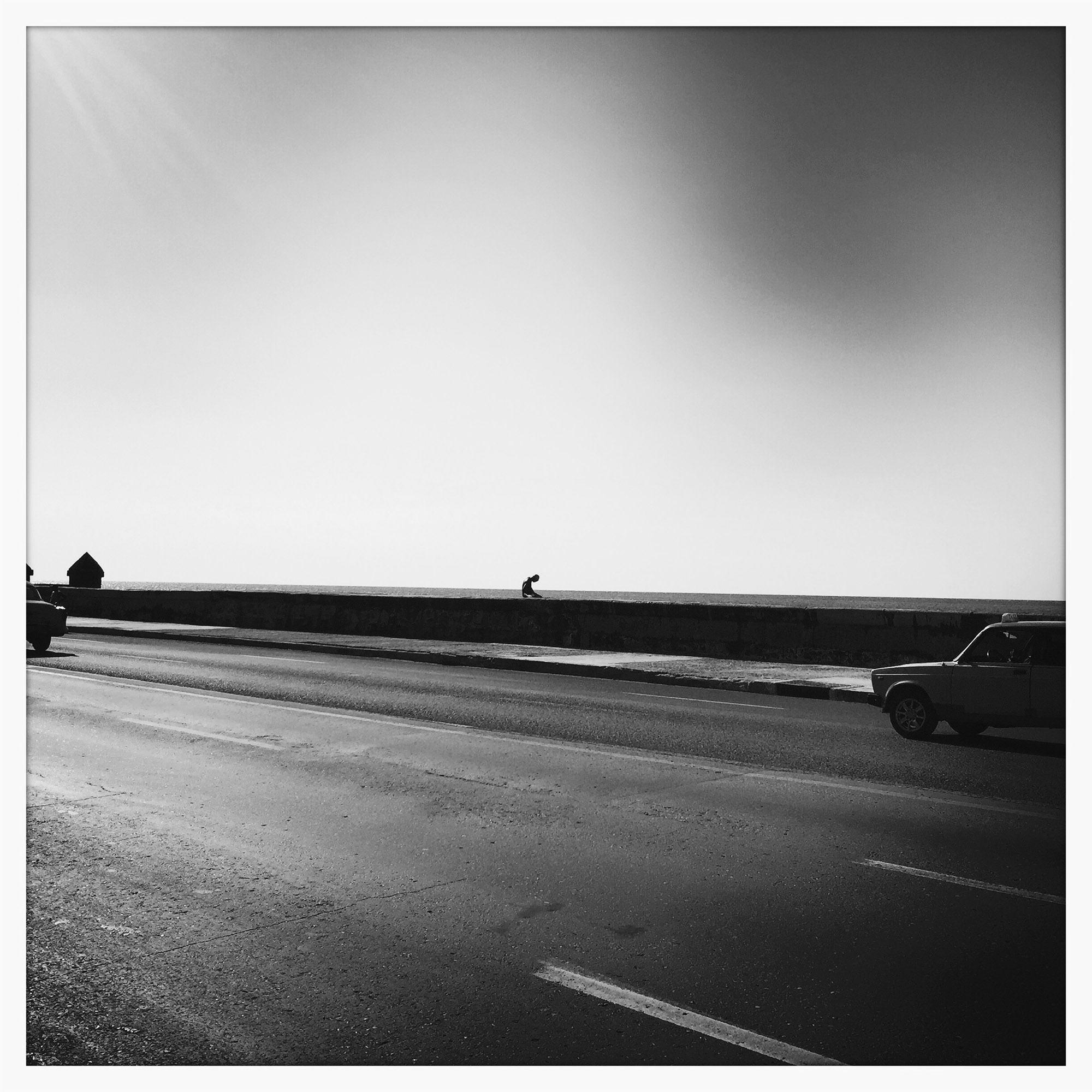
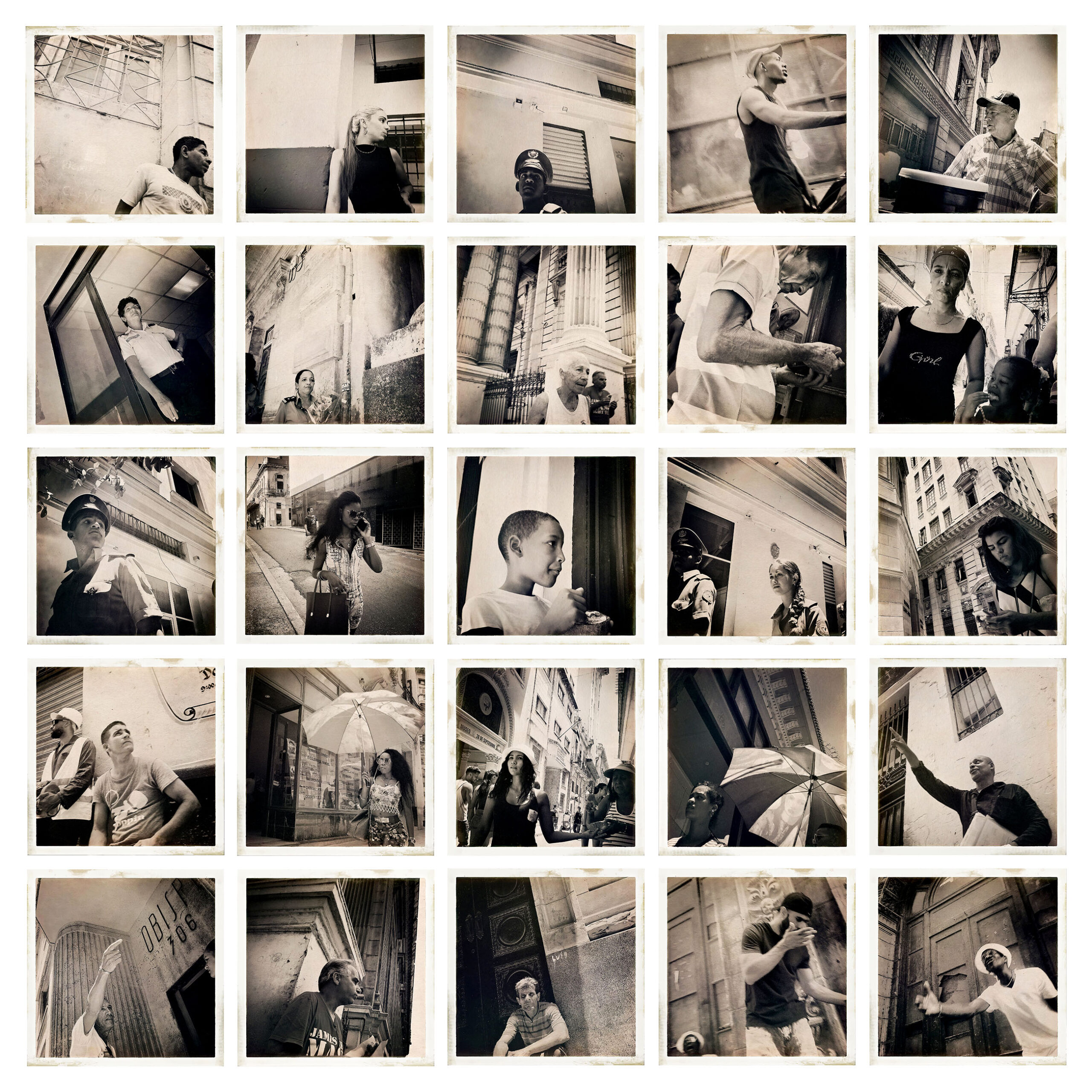
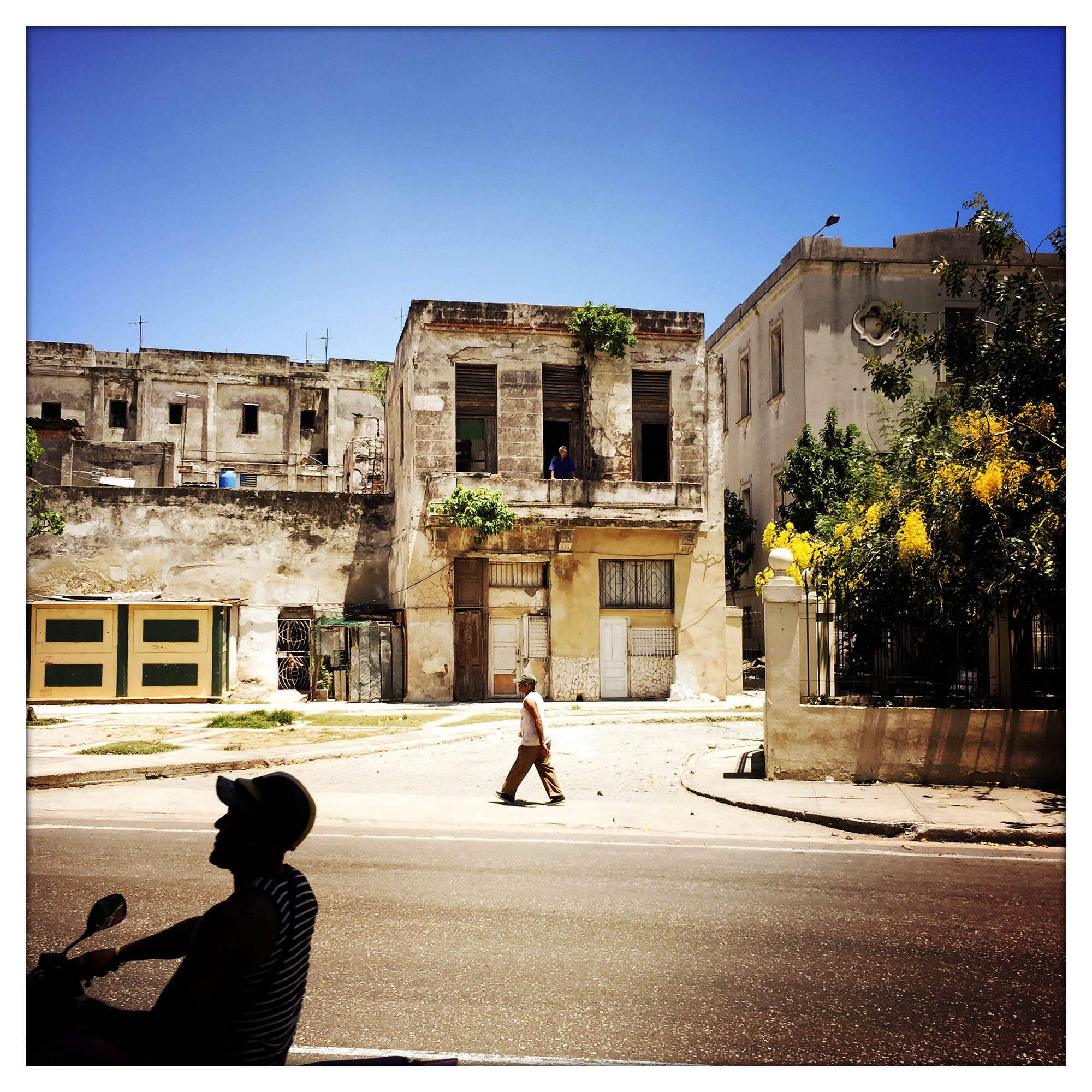
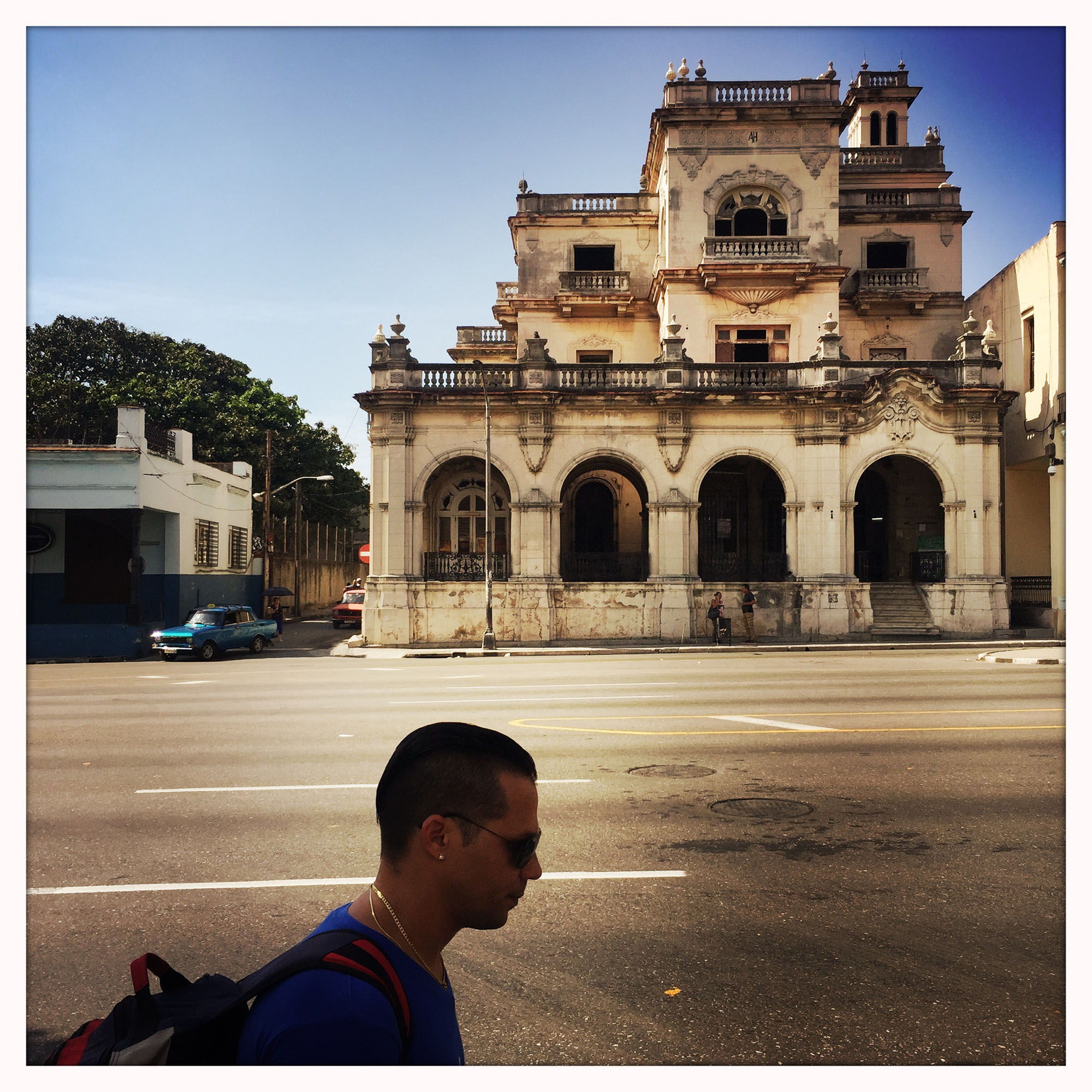
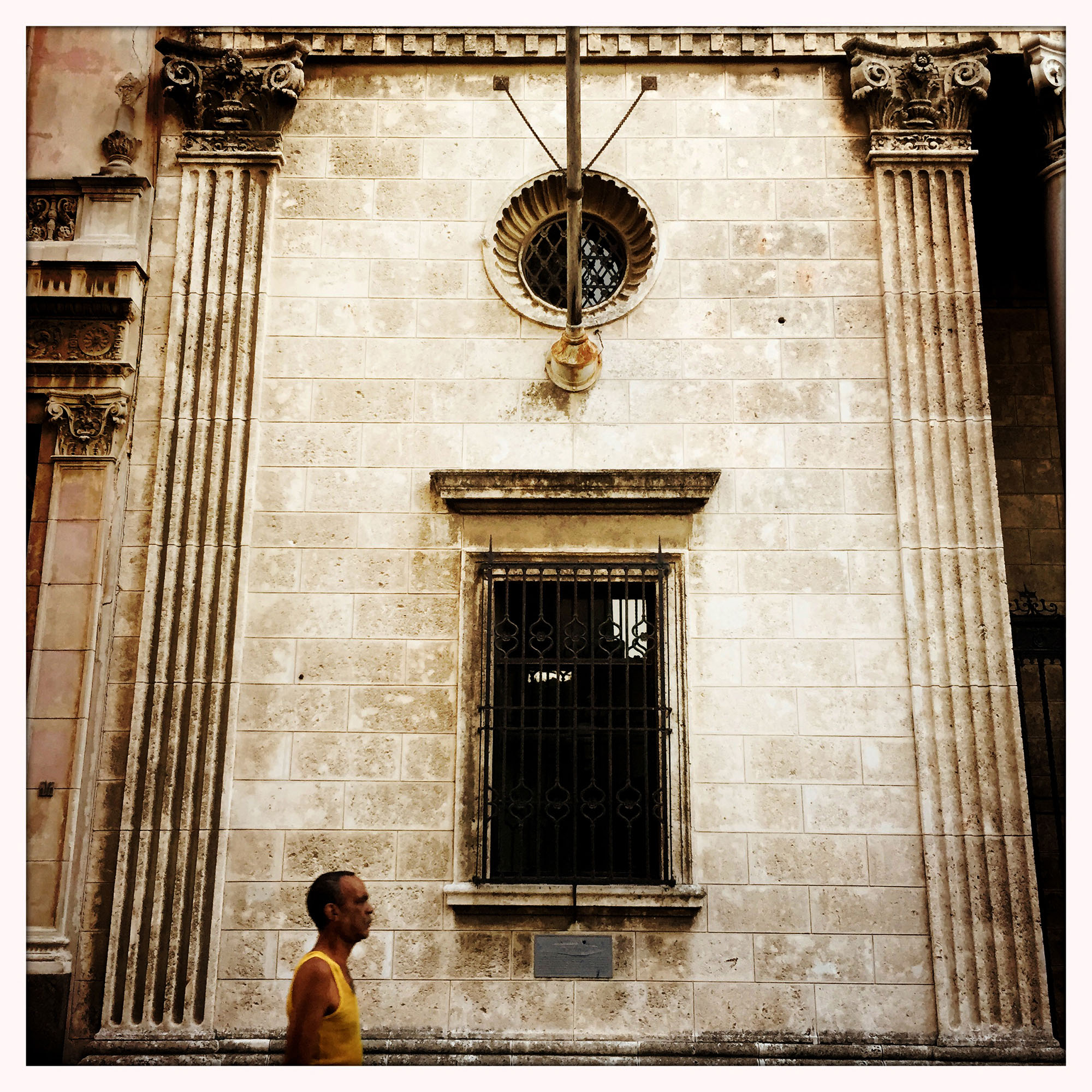
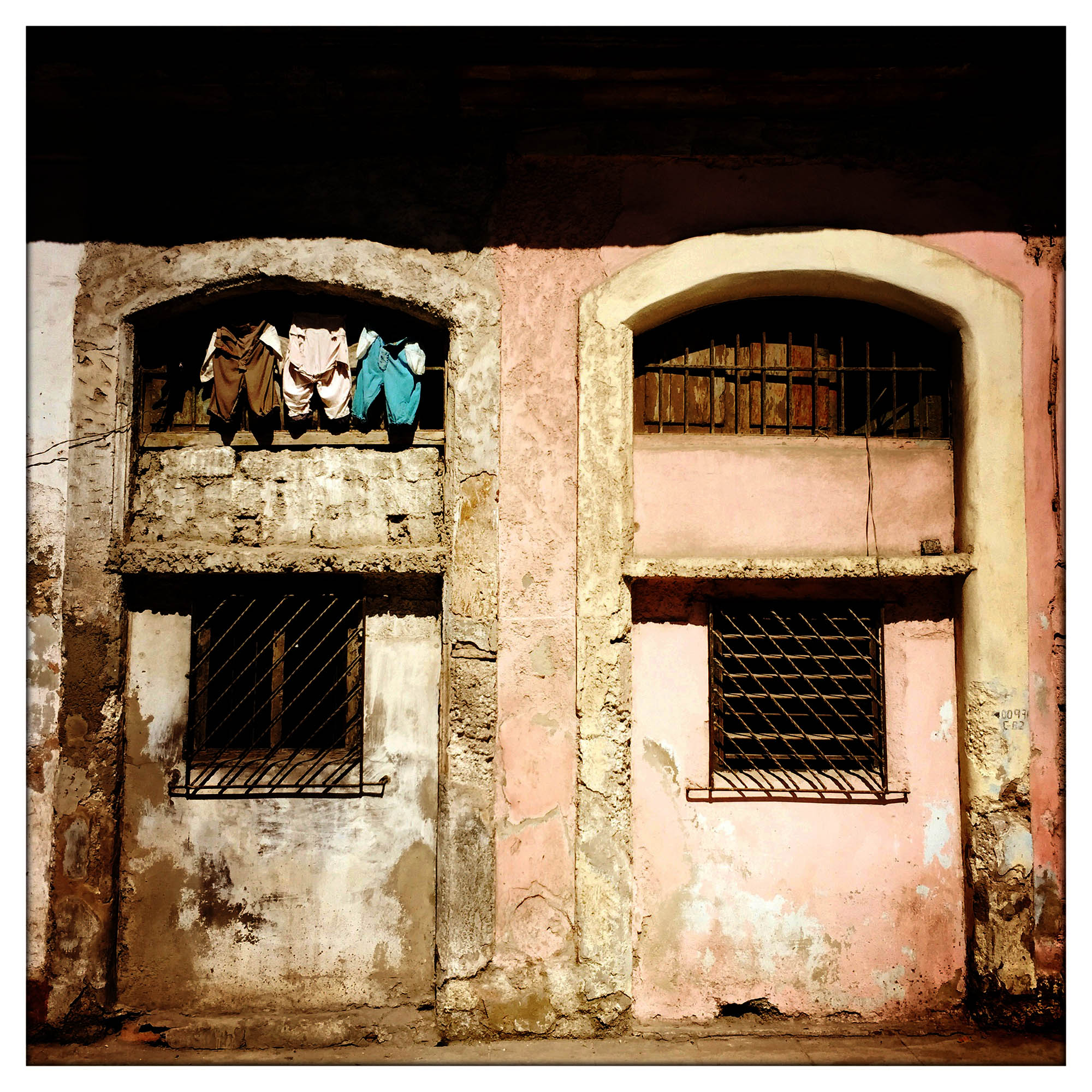
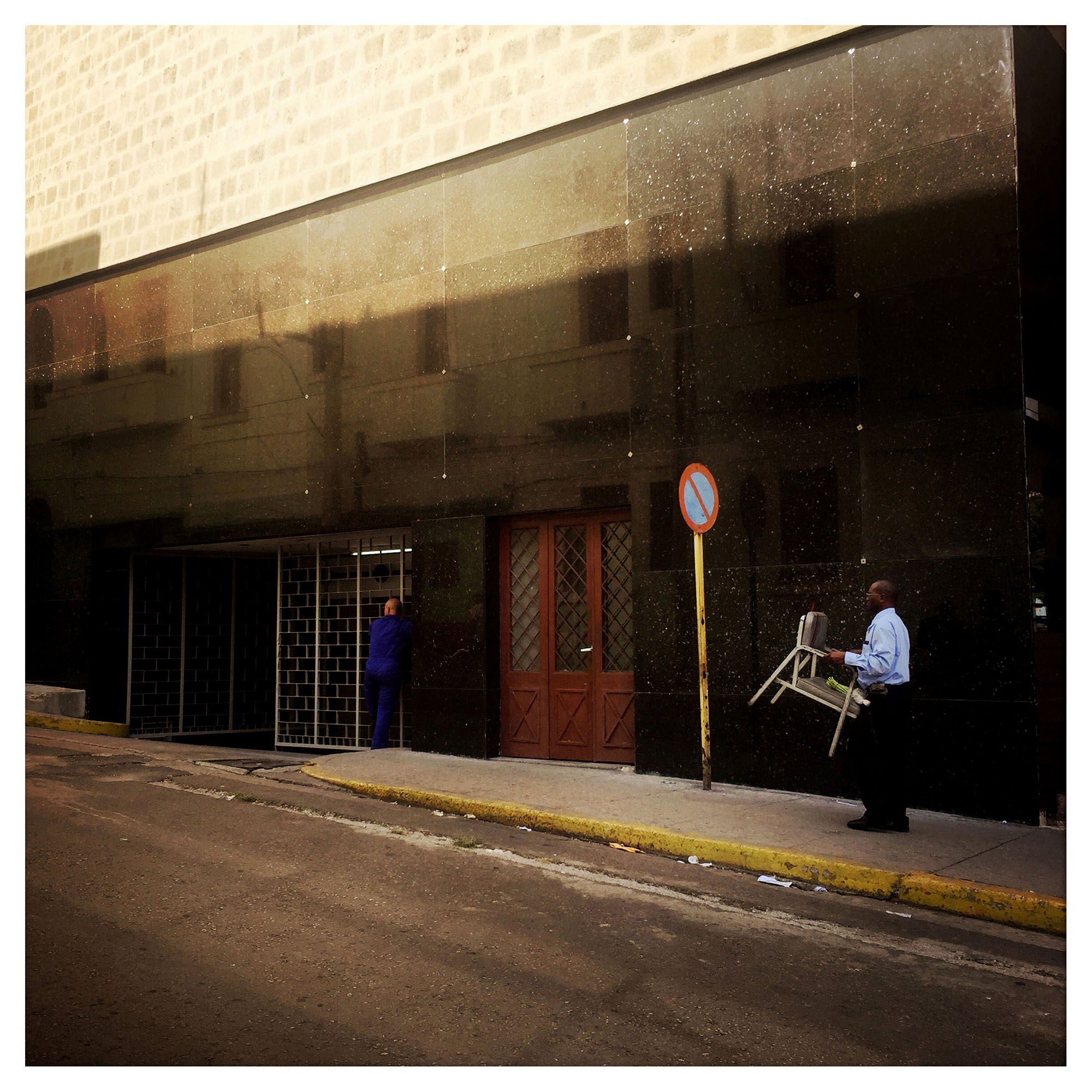
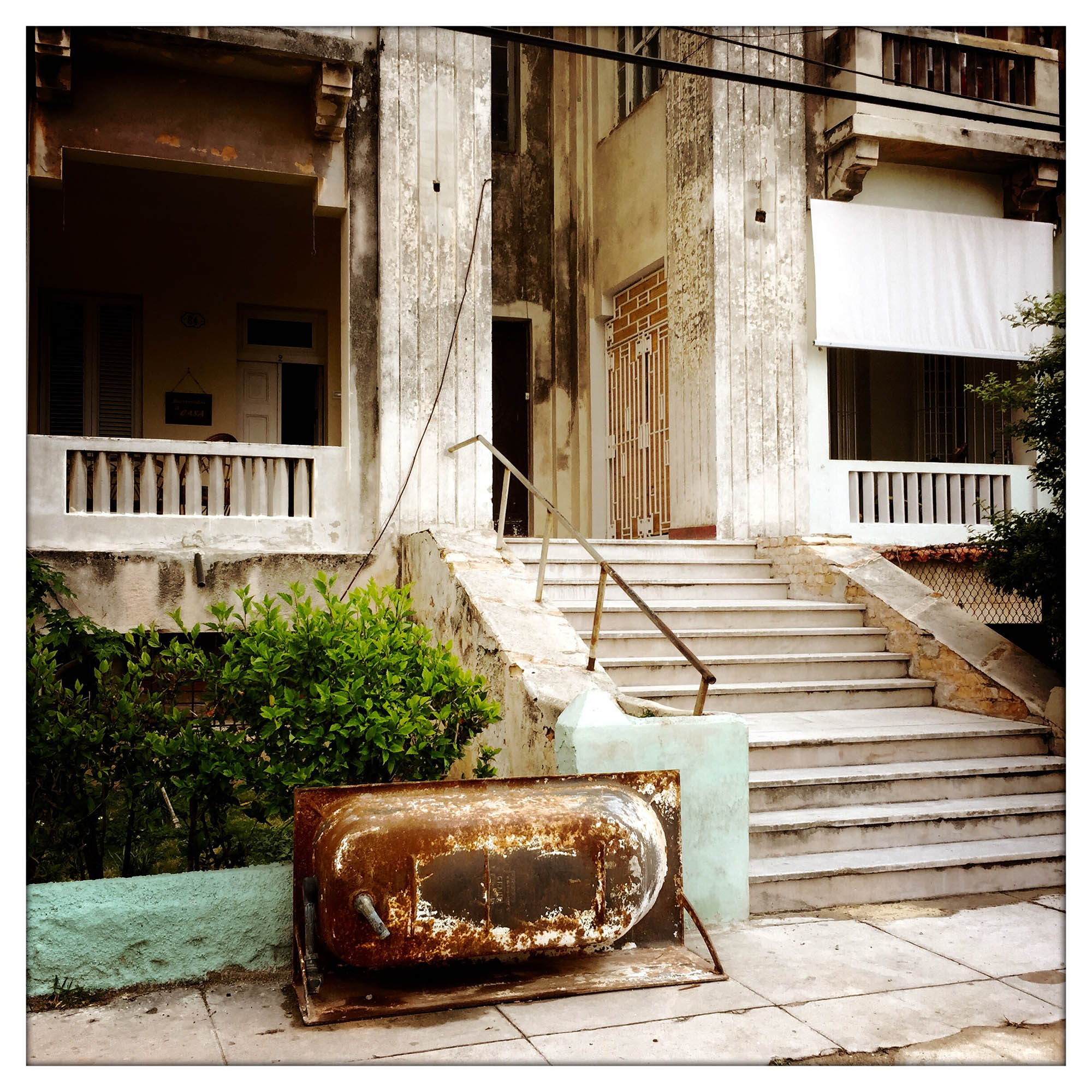
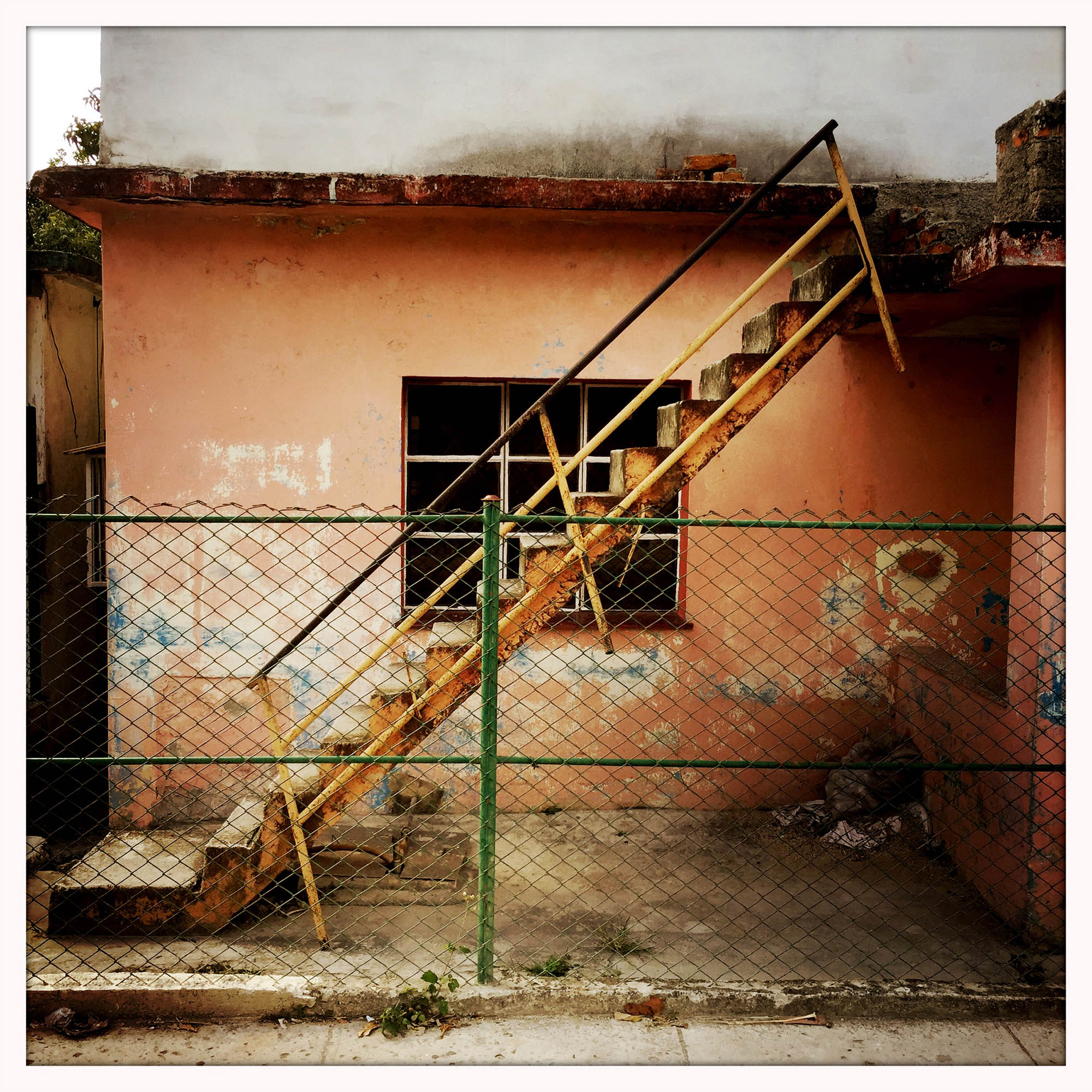
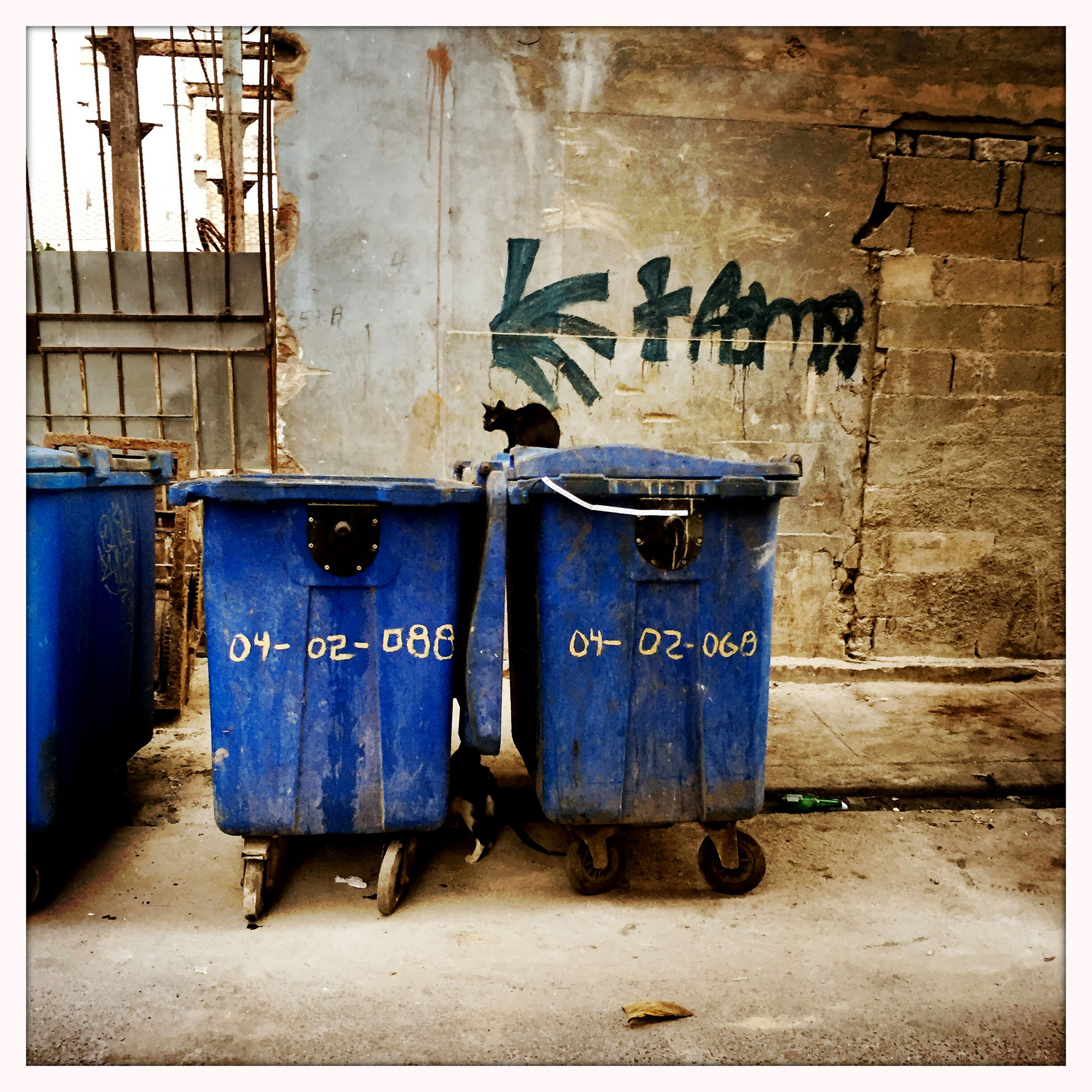
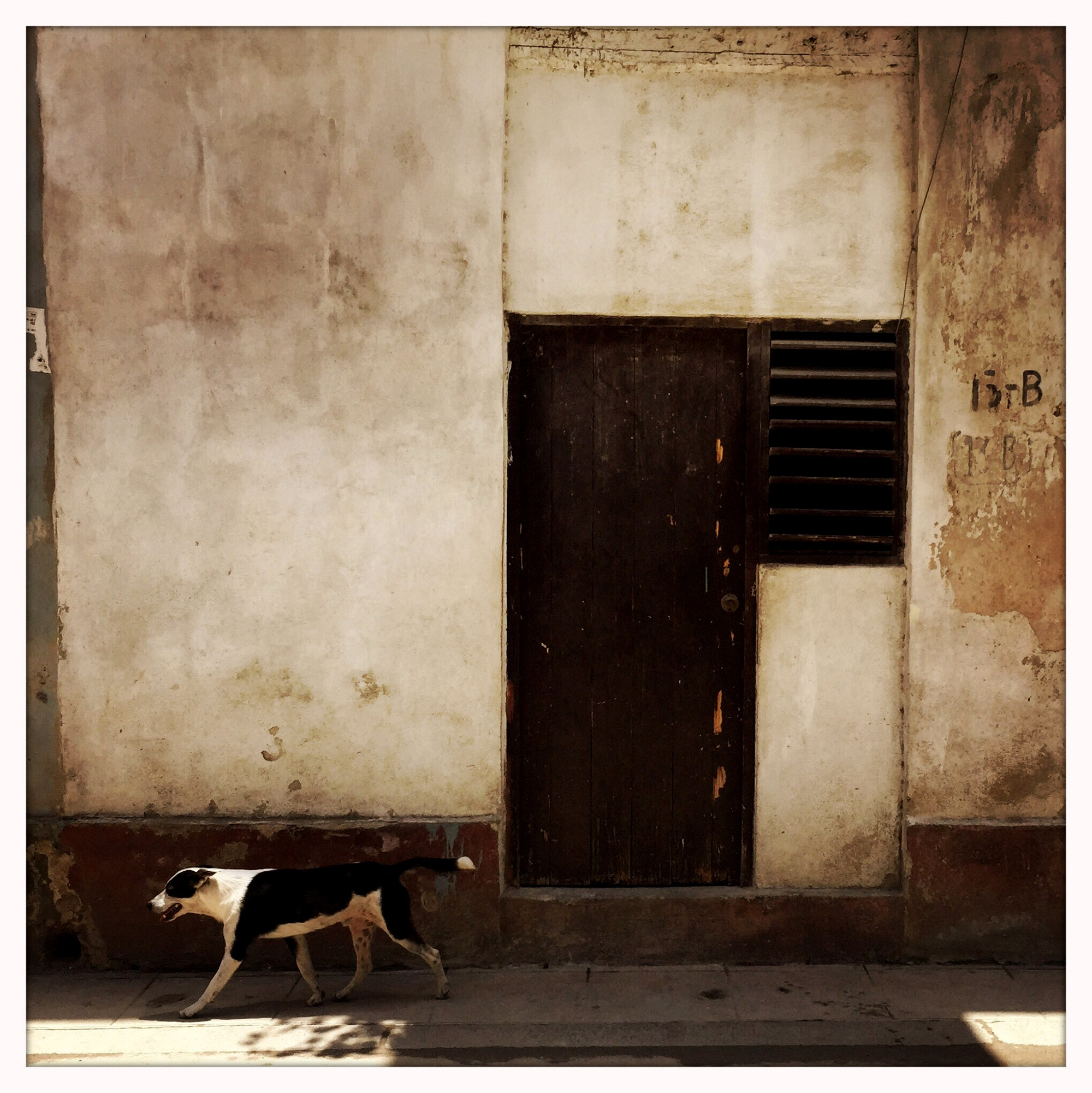
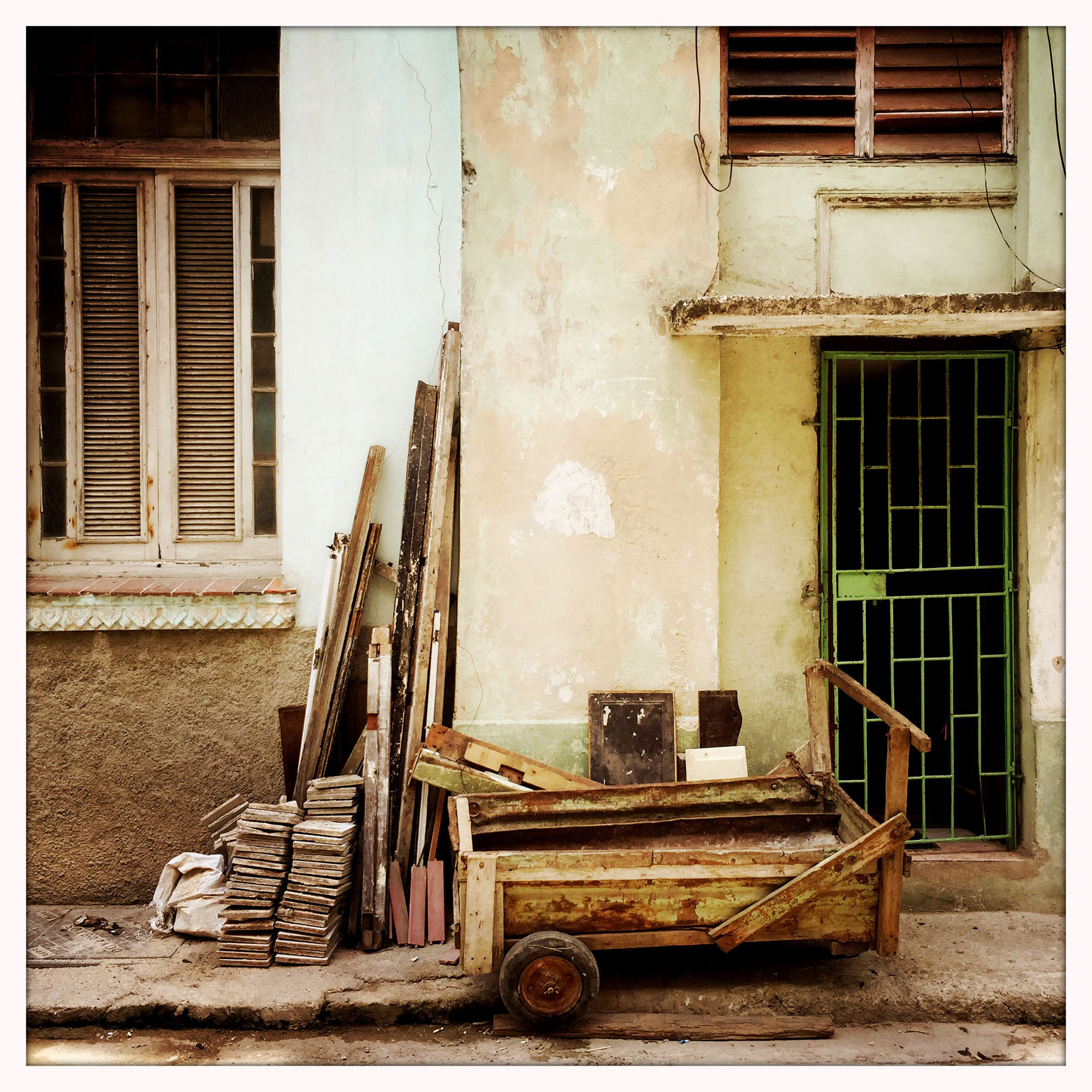
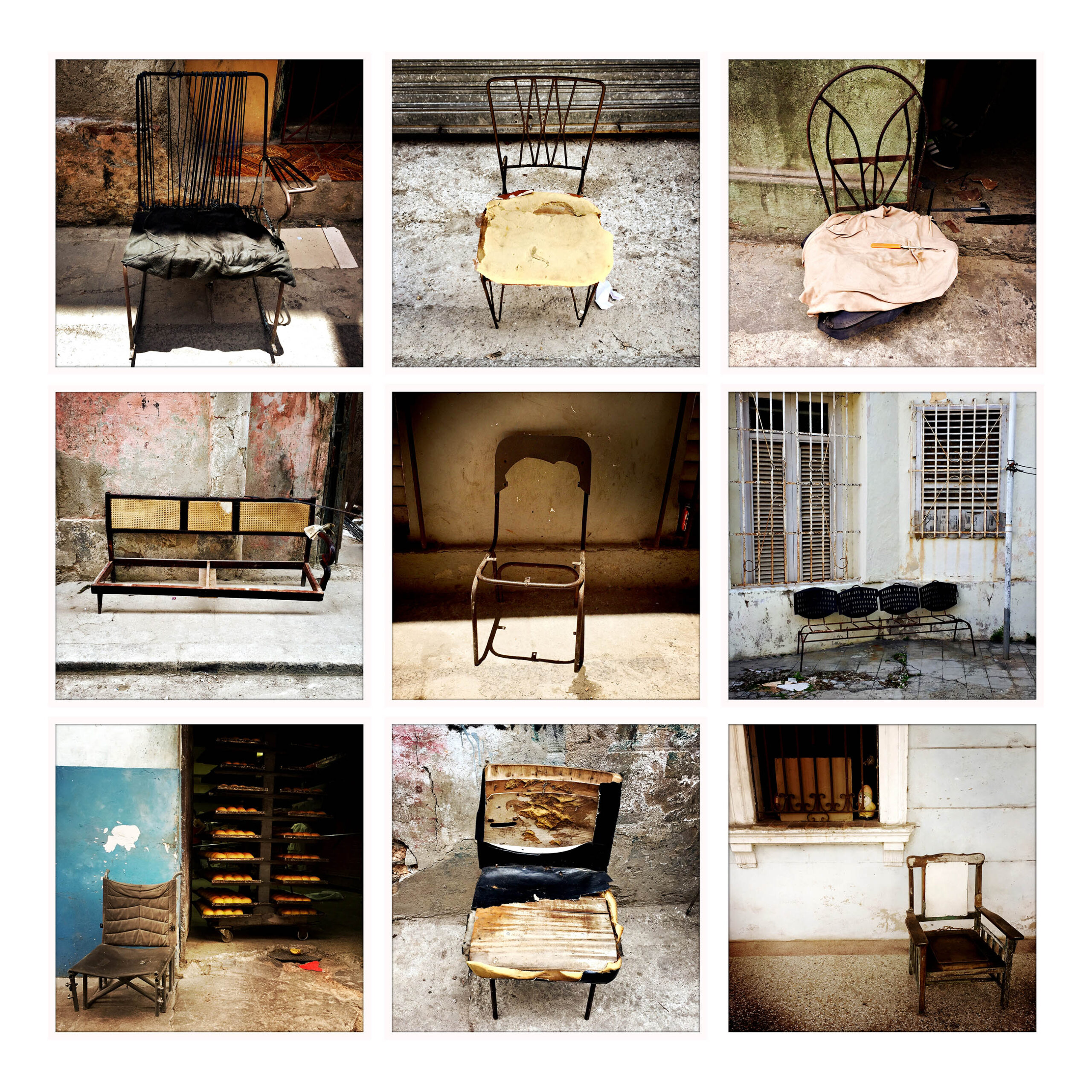
ten days in Havana. 2017
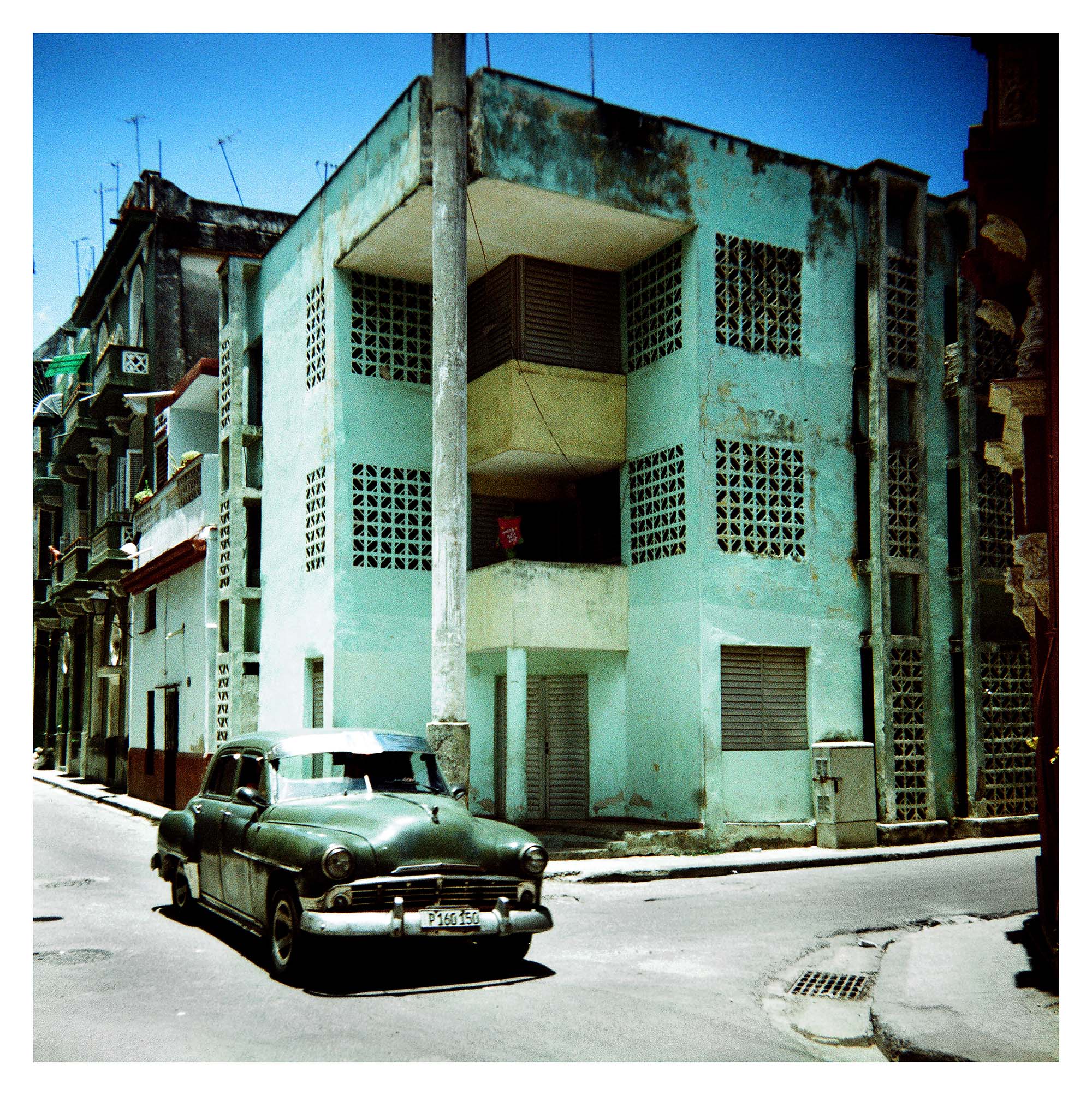
Images taken on a ten day trip with friends to Havana, some shot on roll-film, some on my iPhone using the Hipstamatic app.


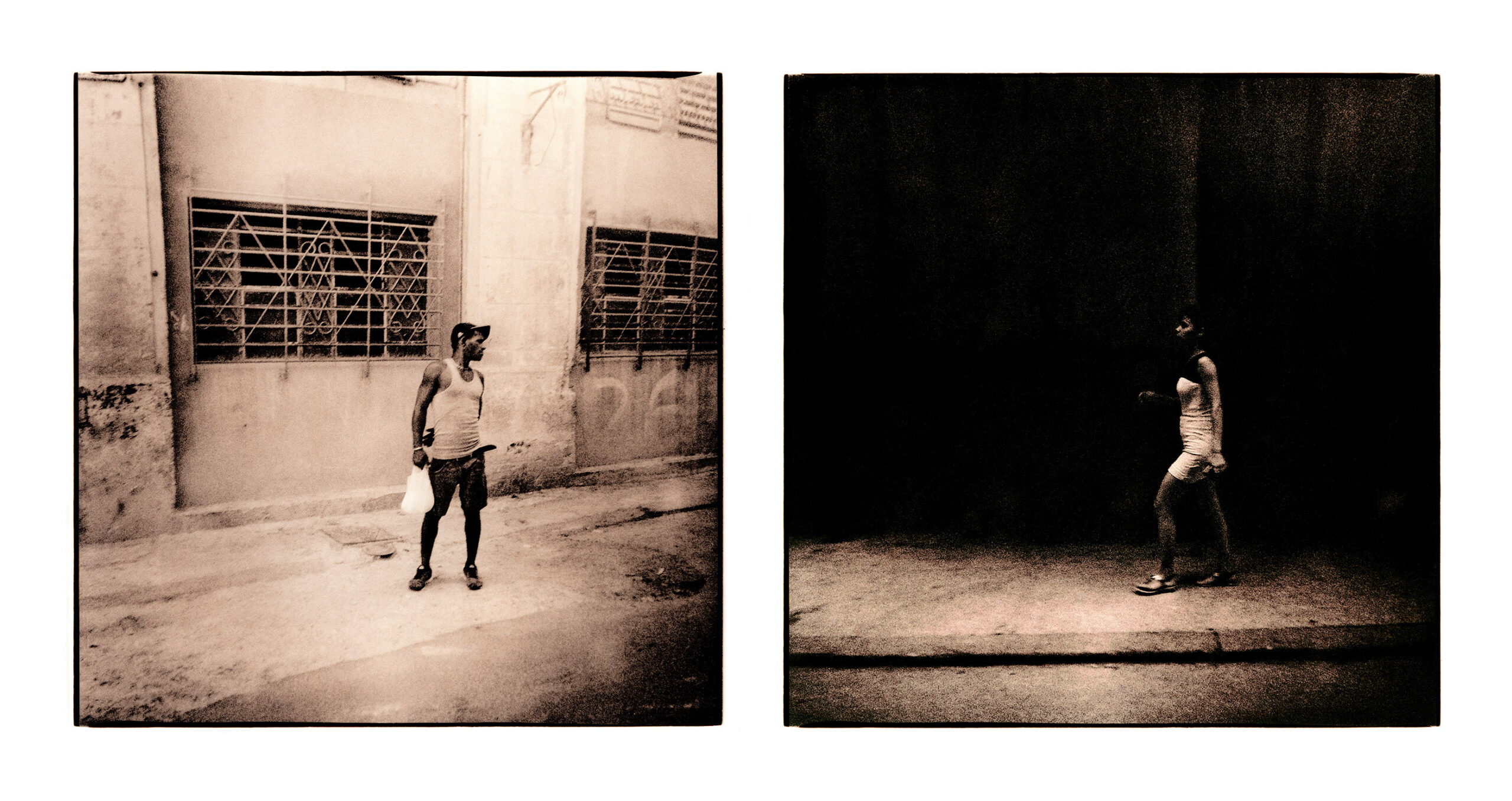
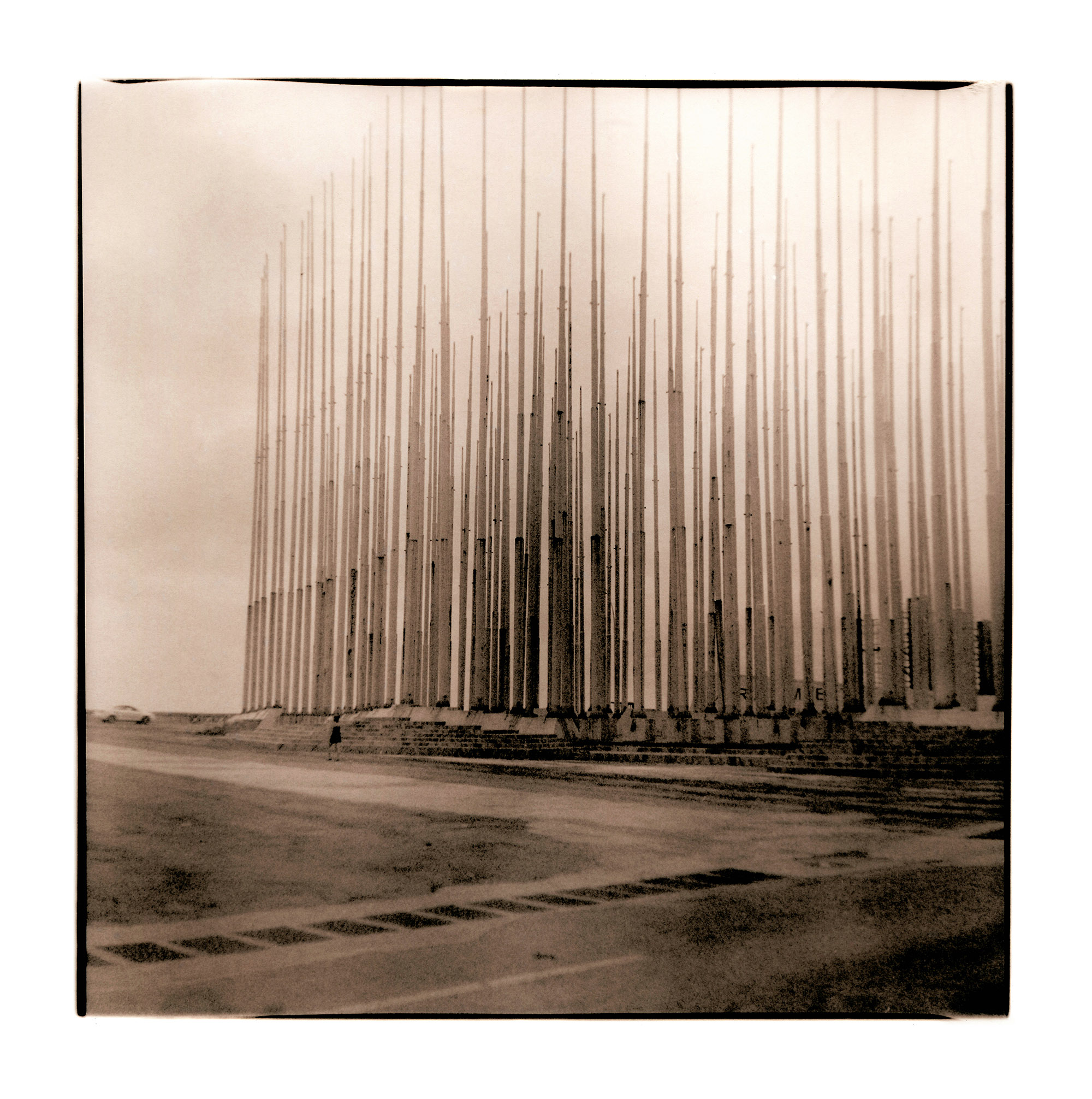
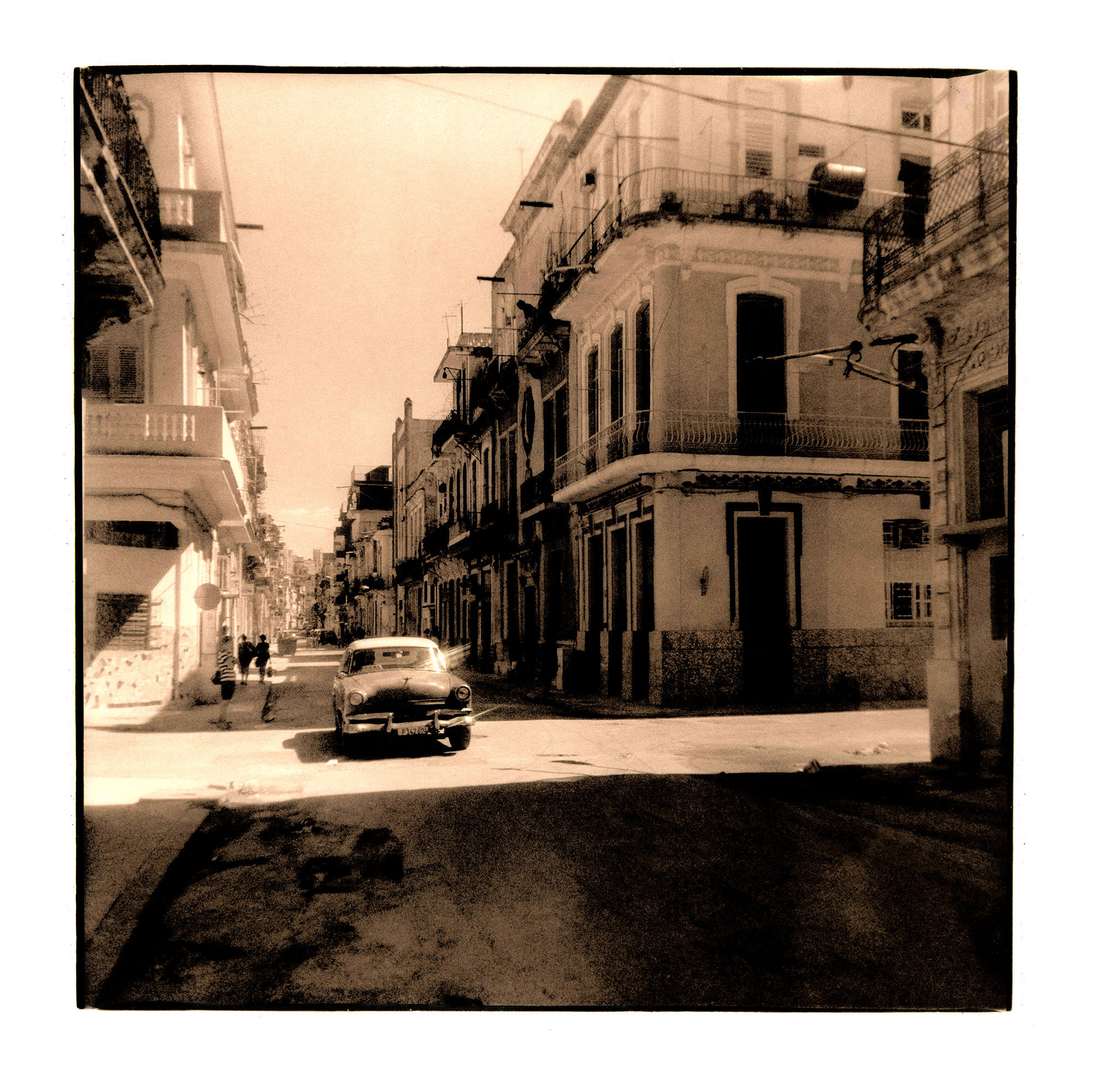
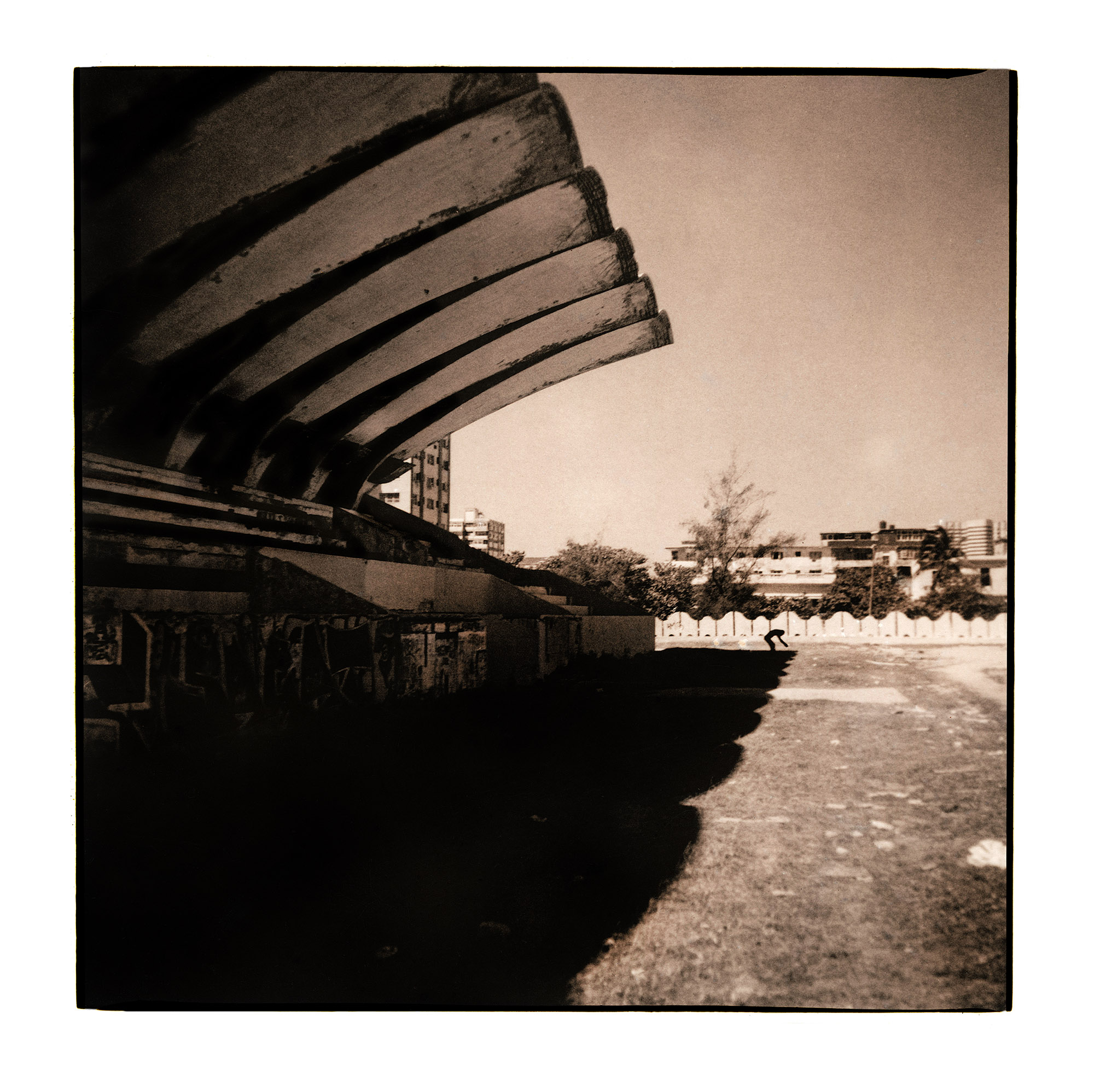


















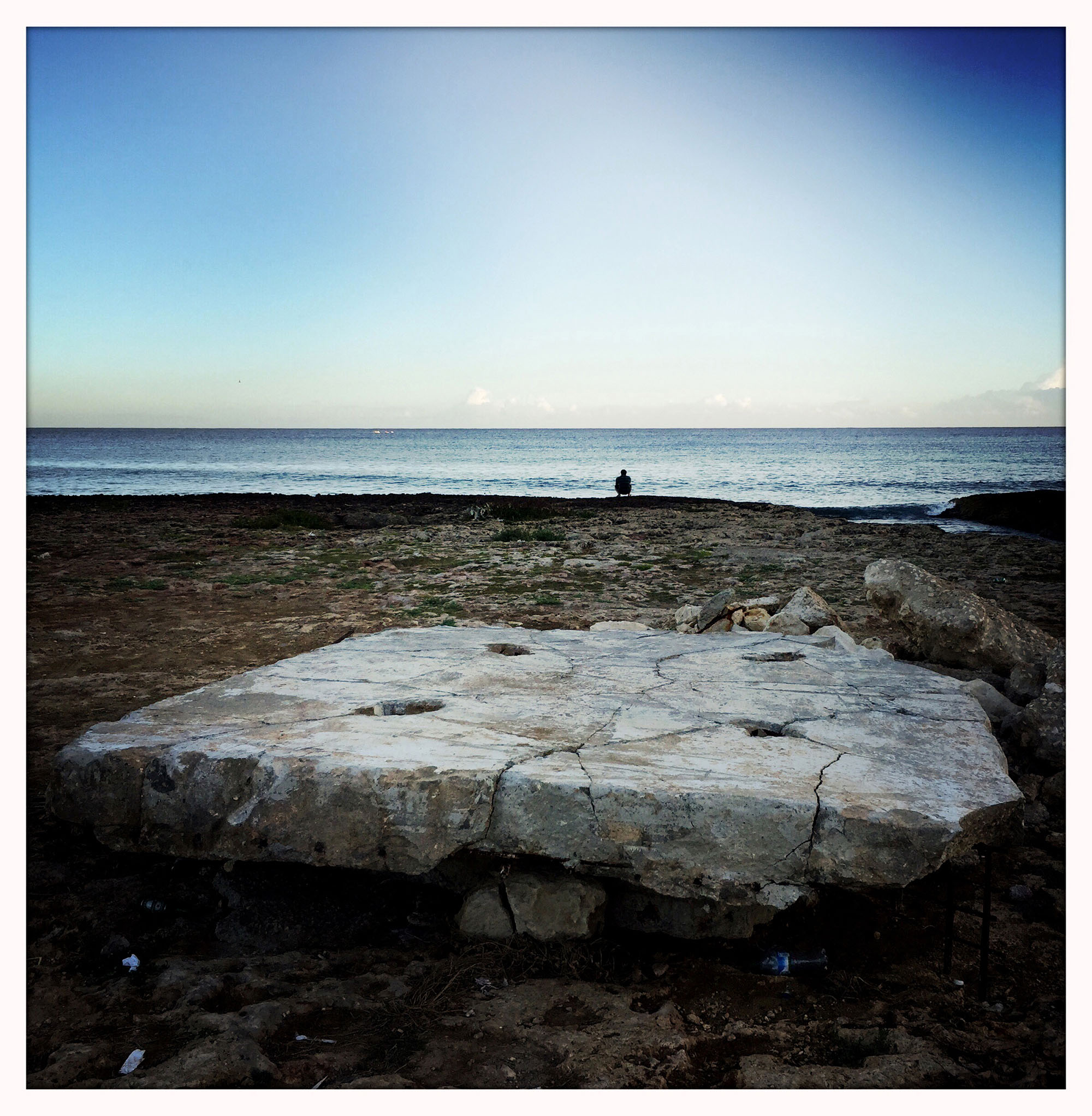
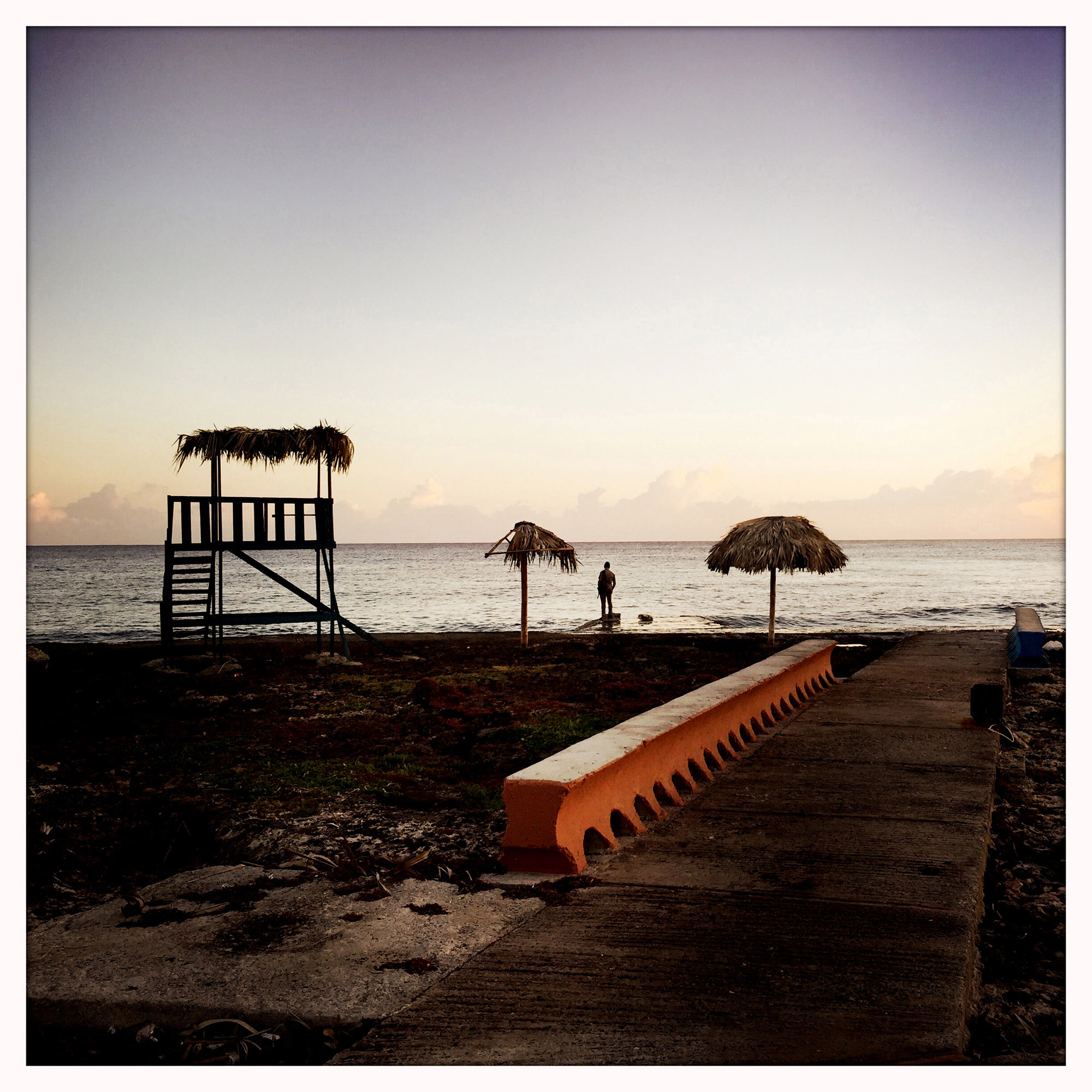
Landscapes
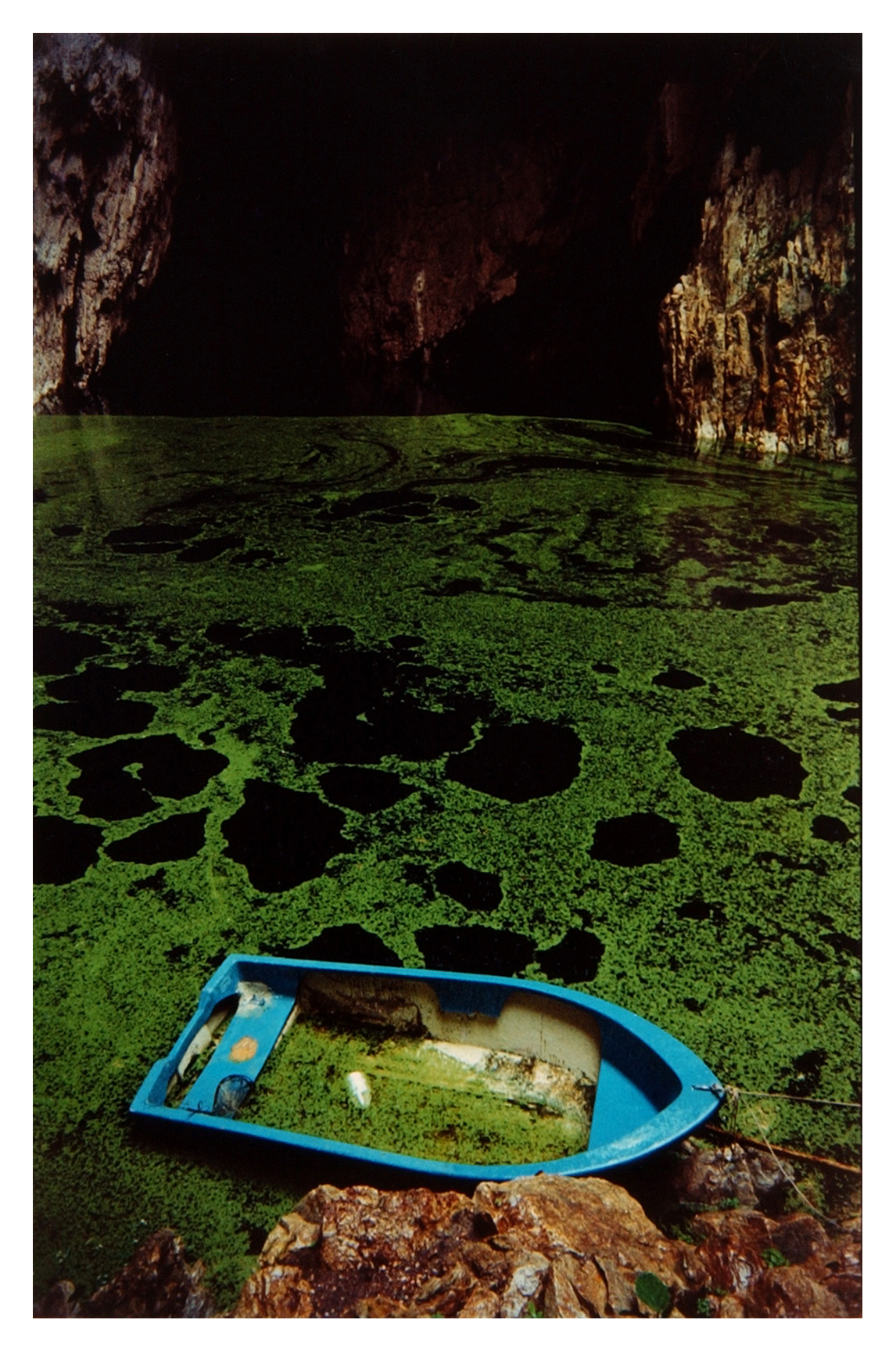
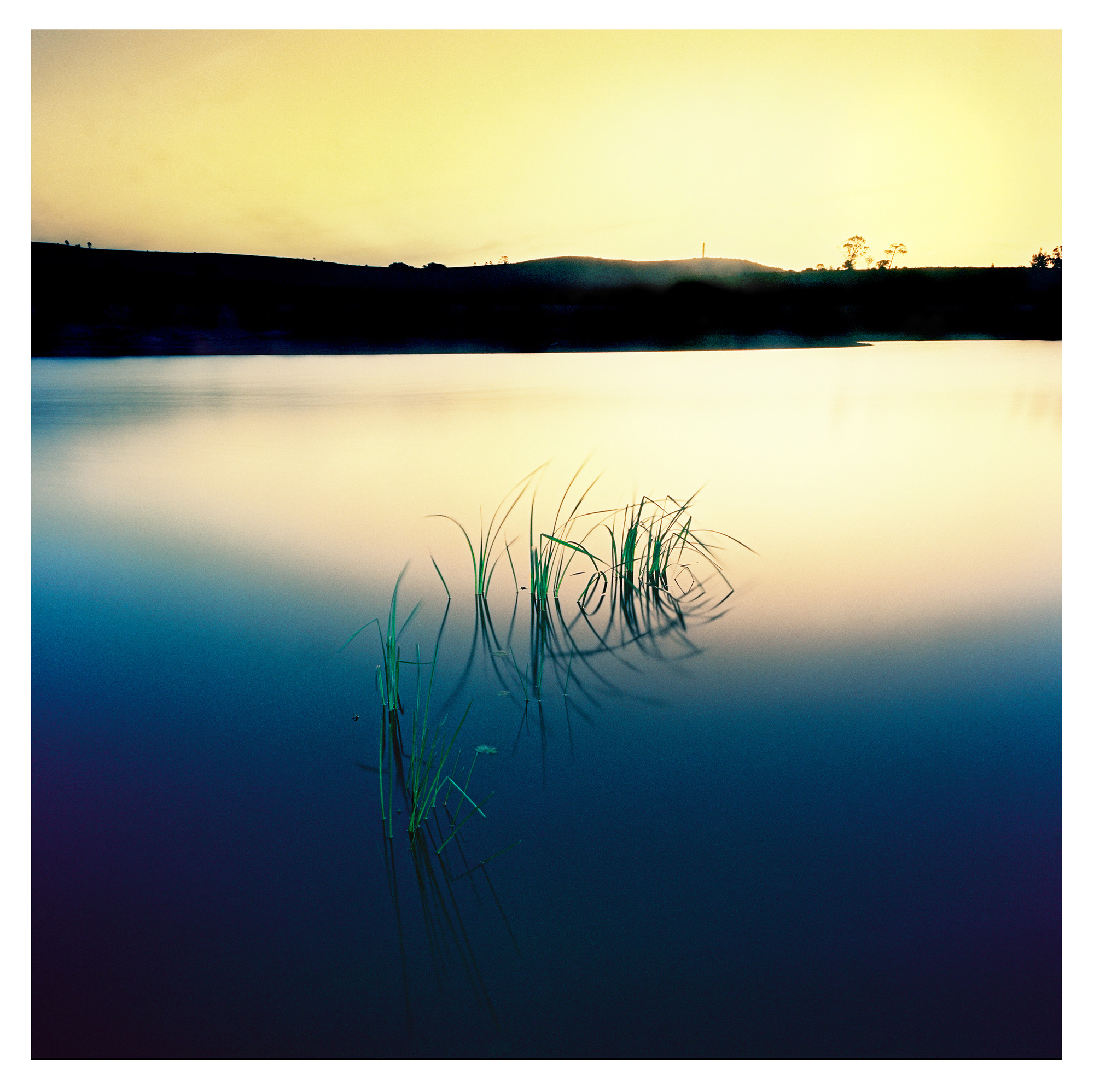
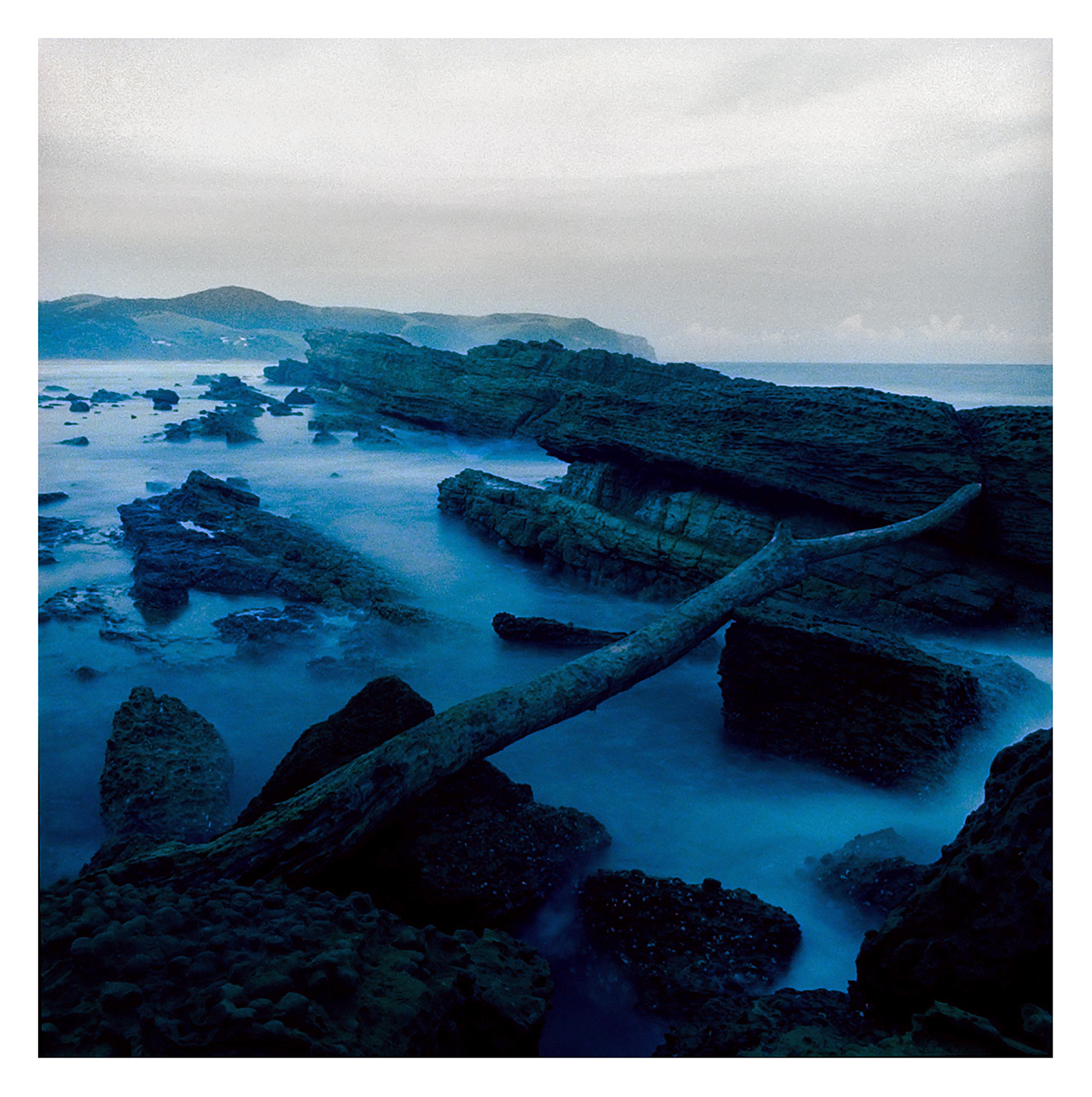


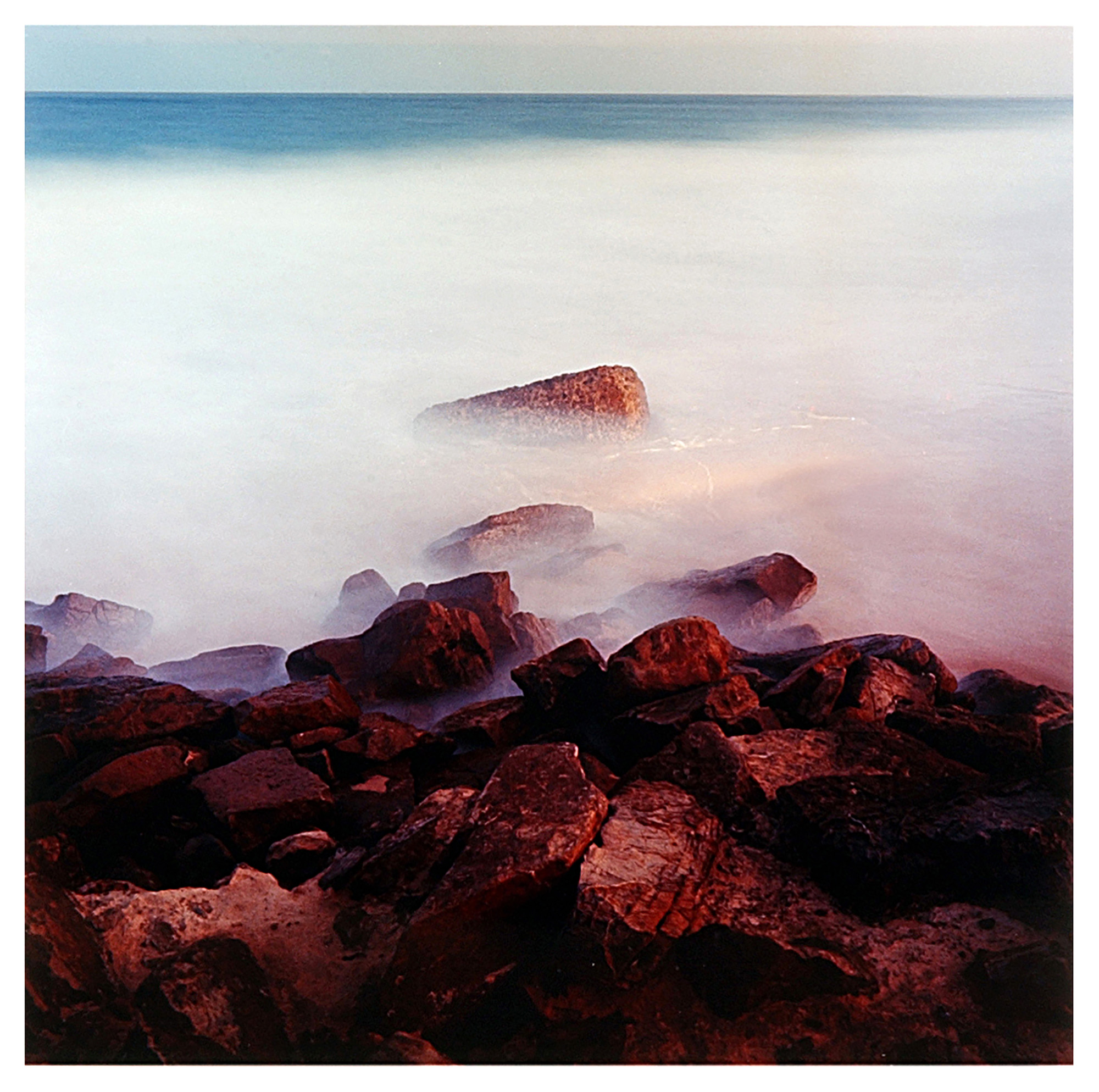
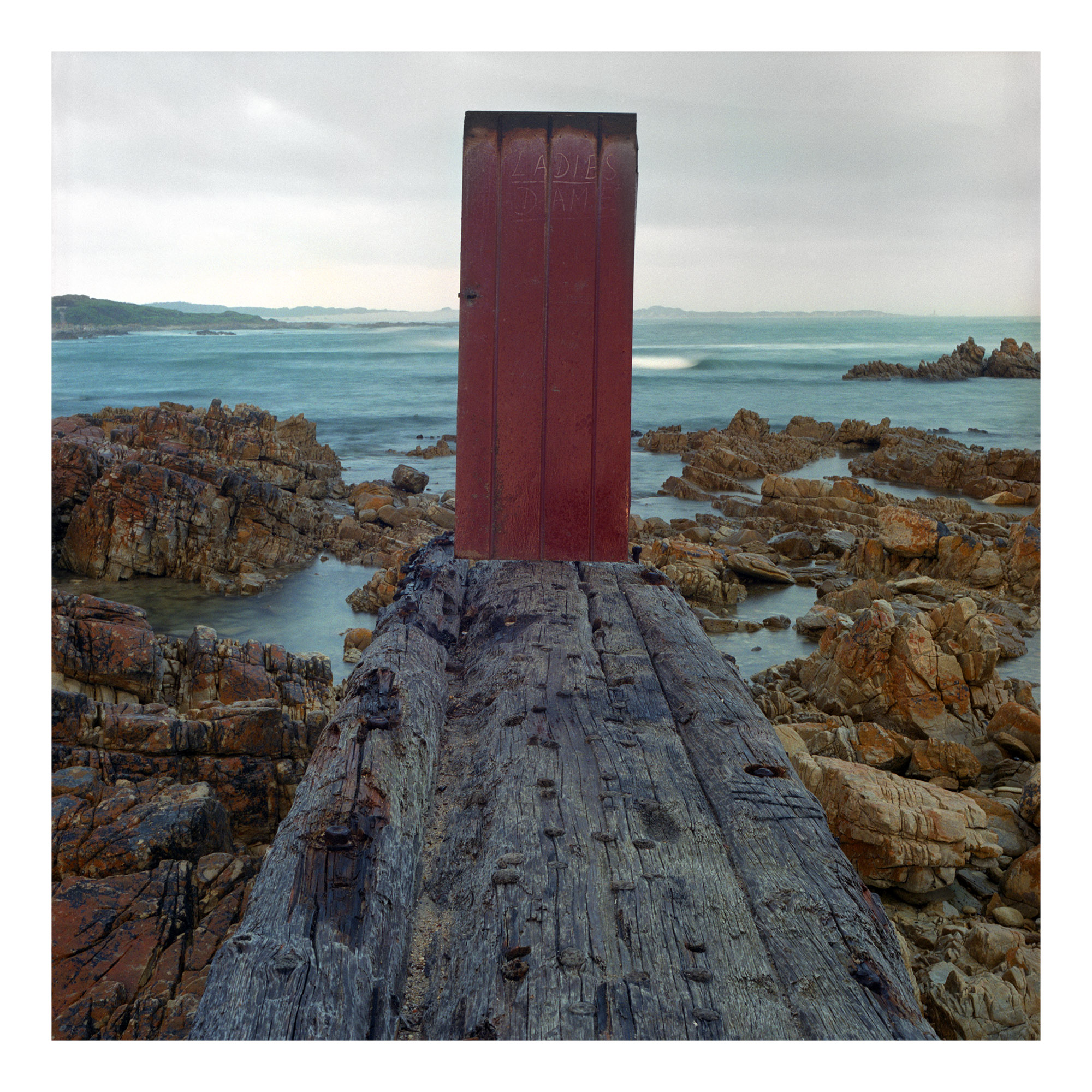
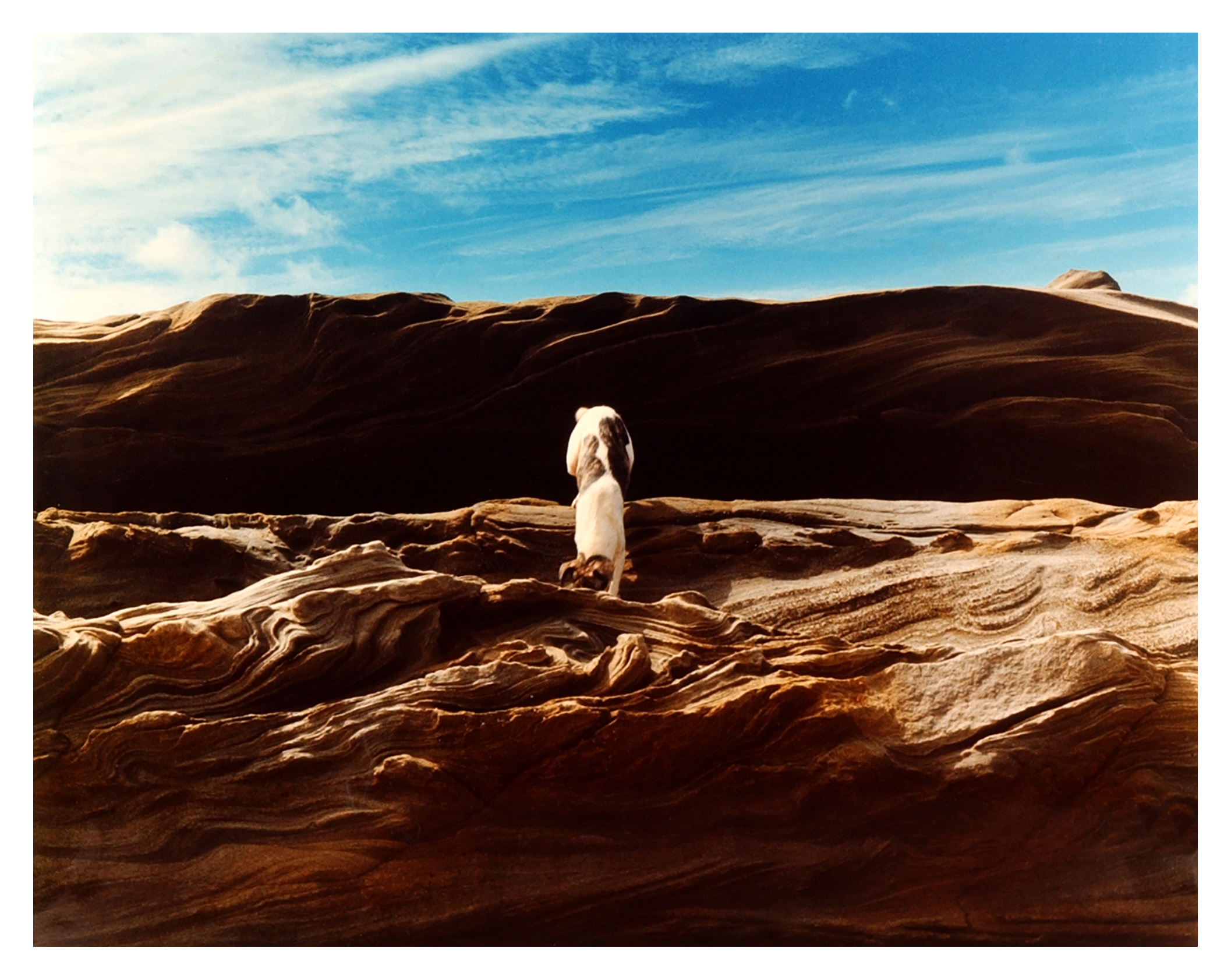

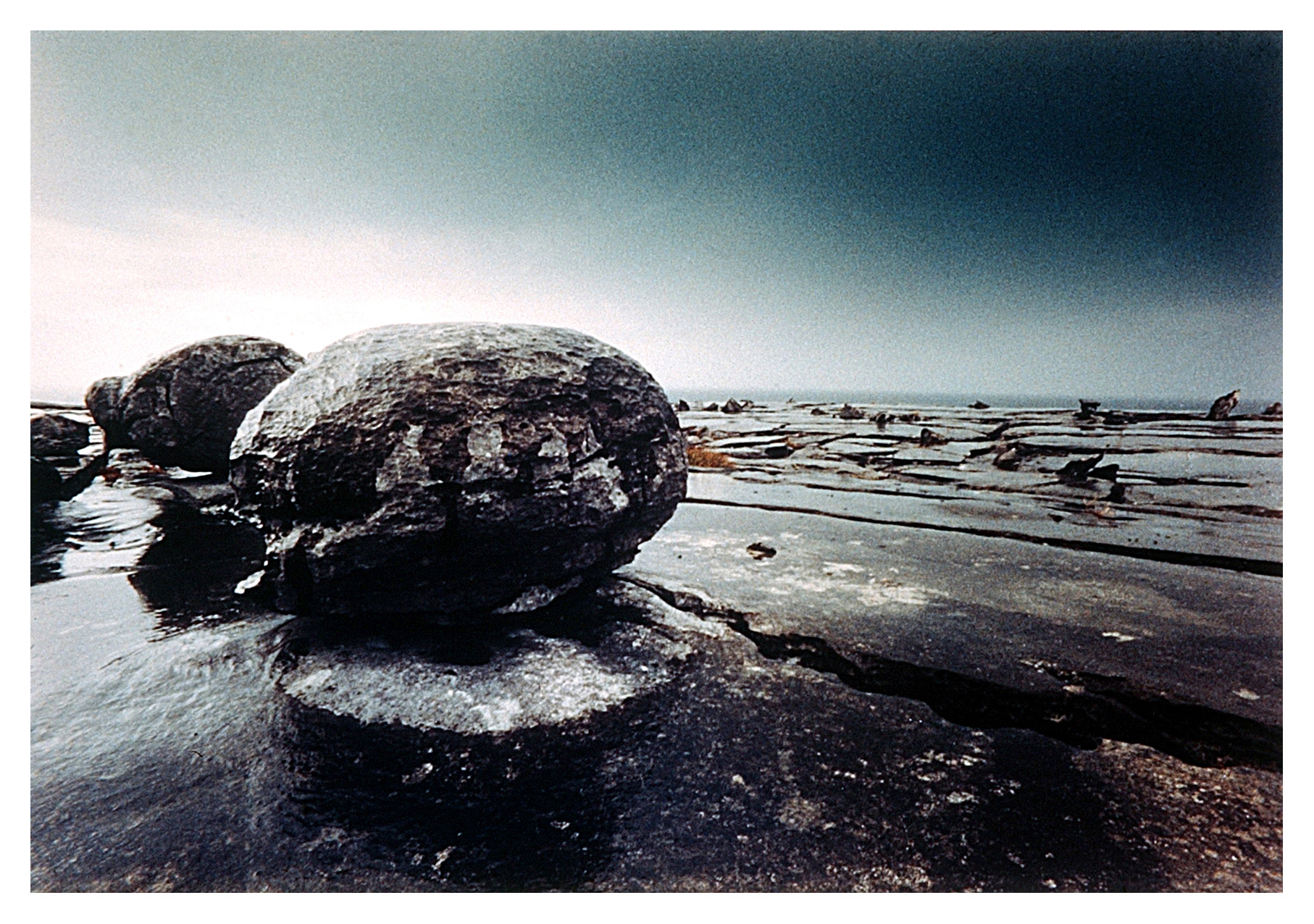
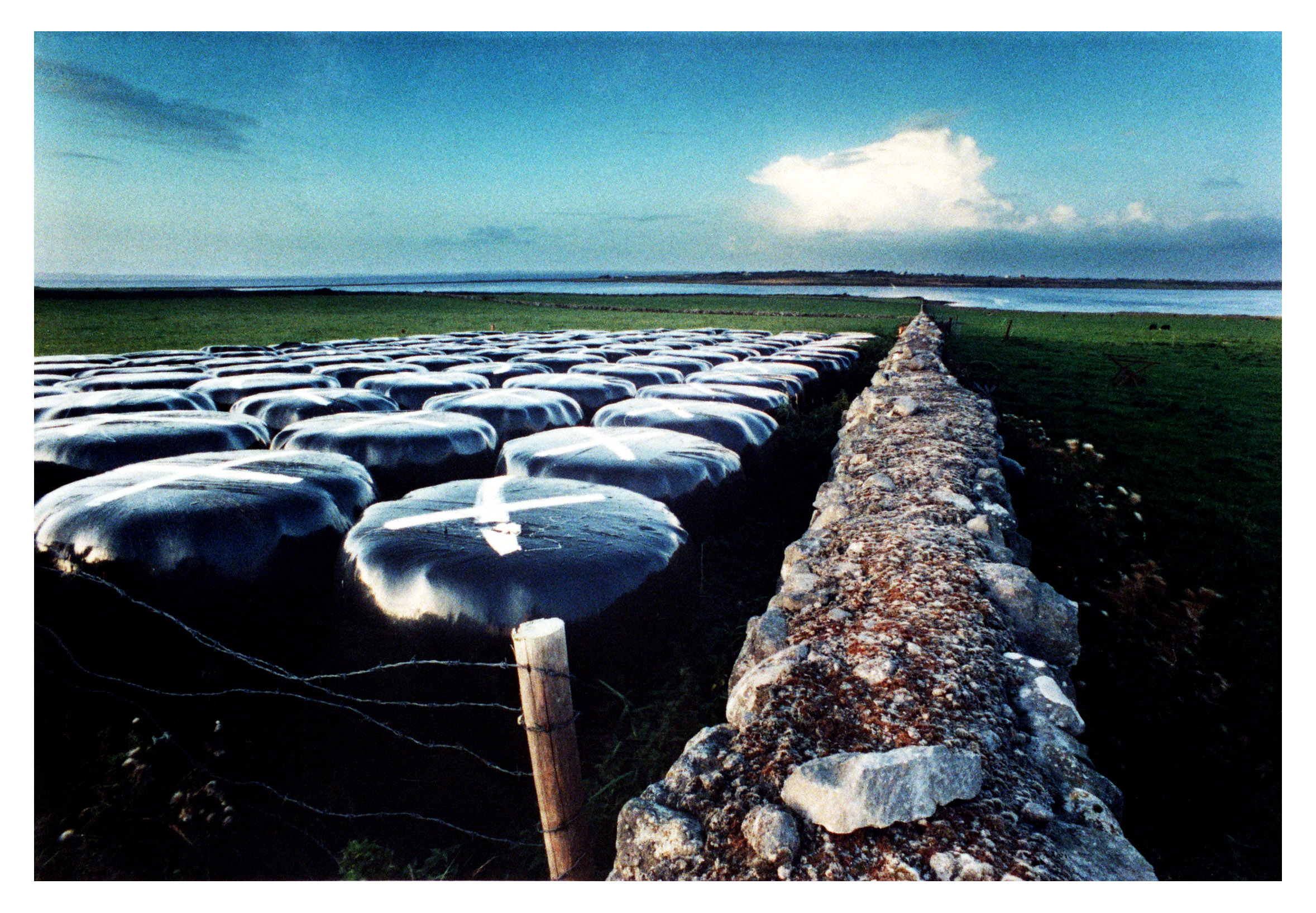
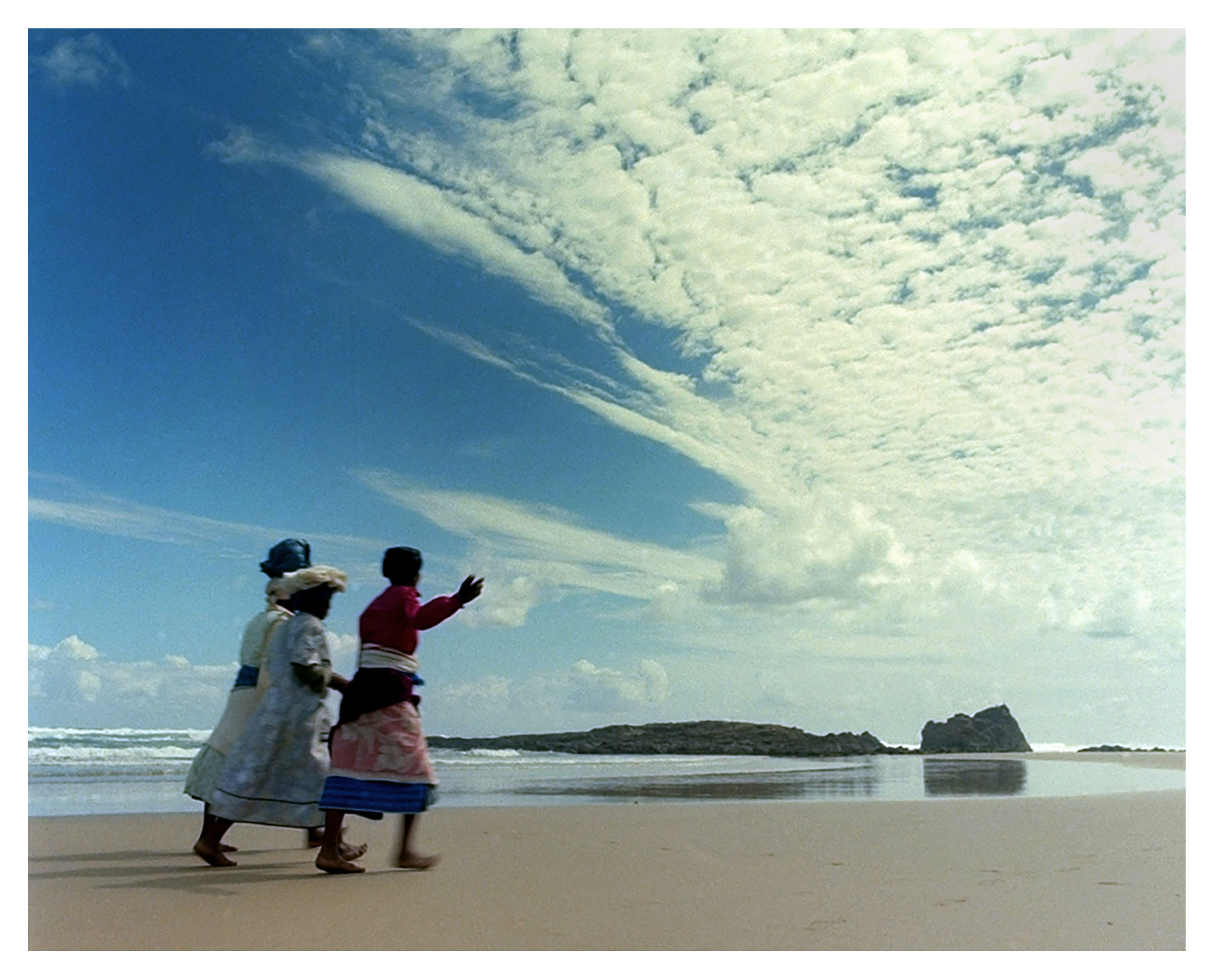

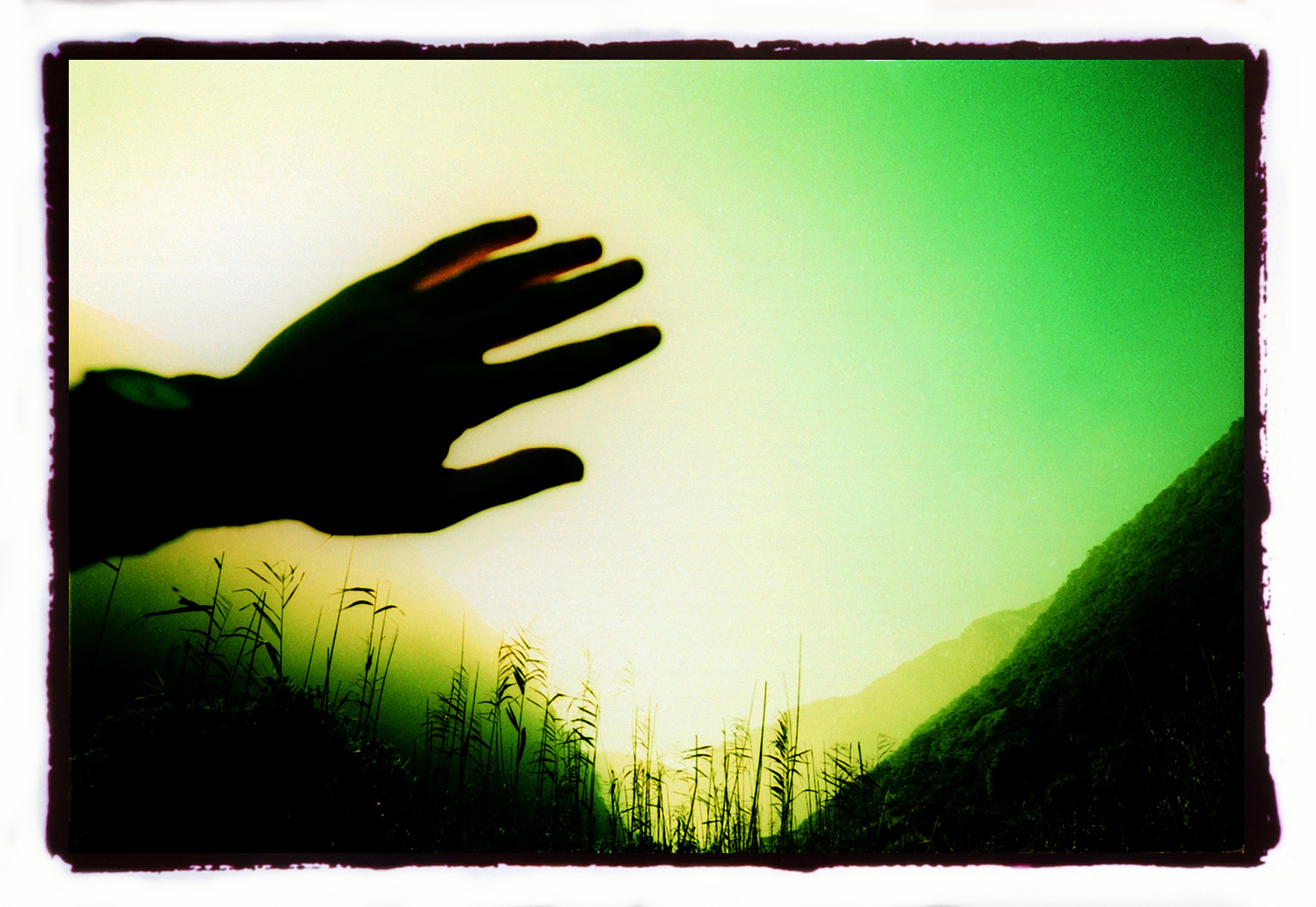
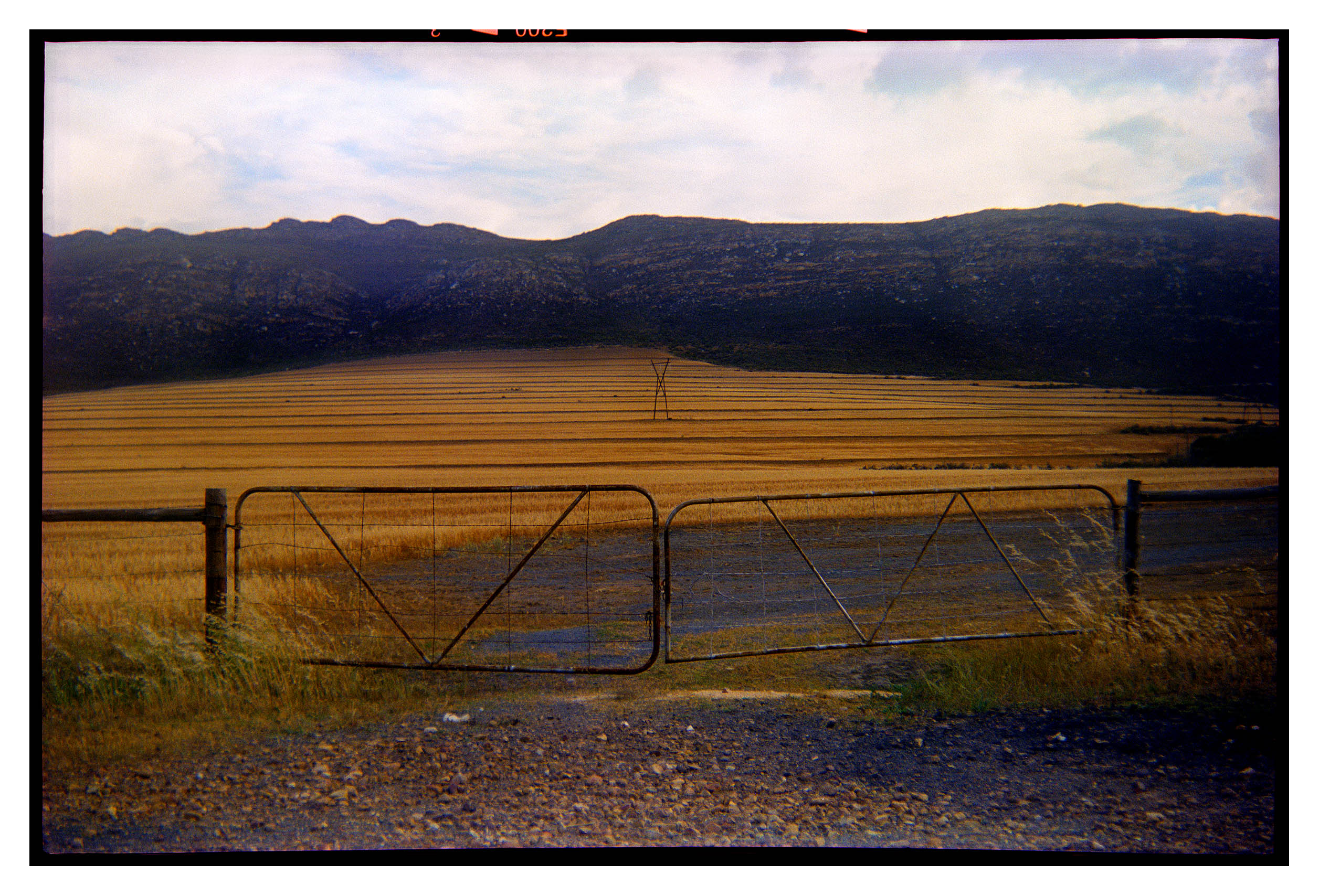
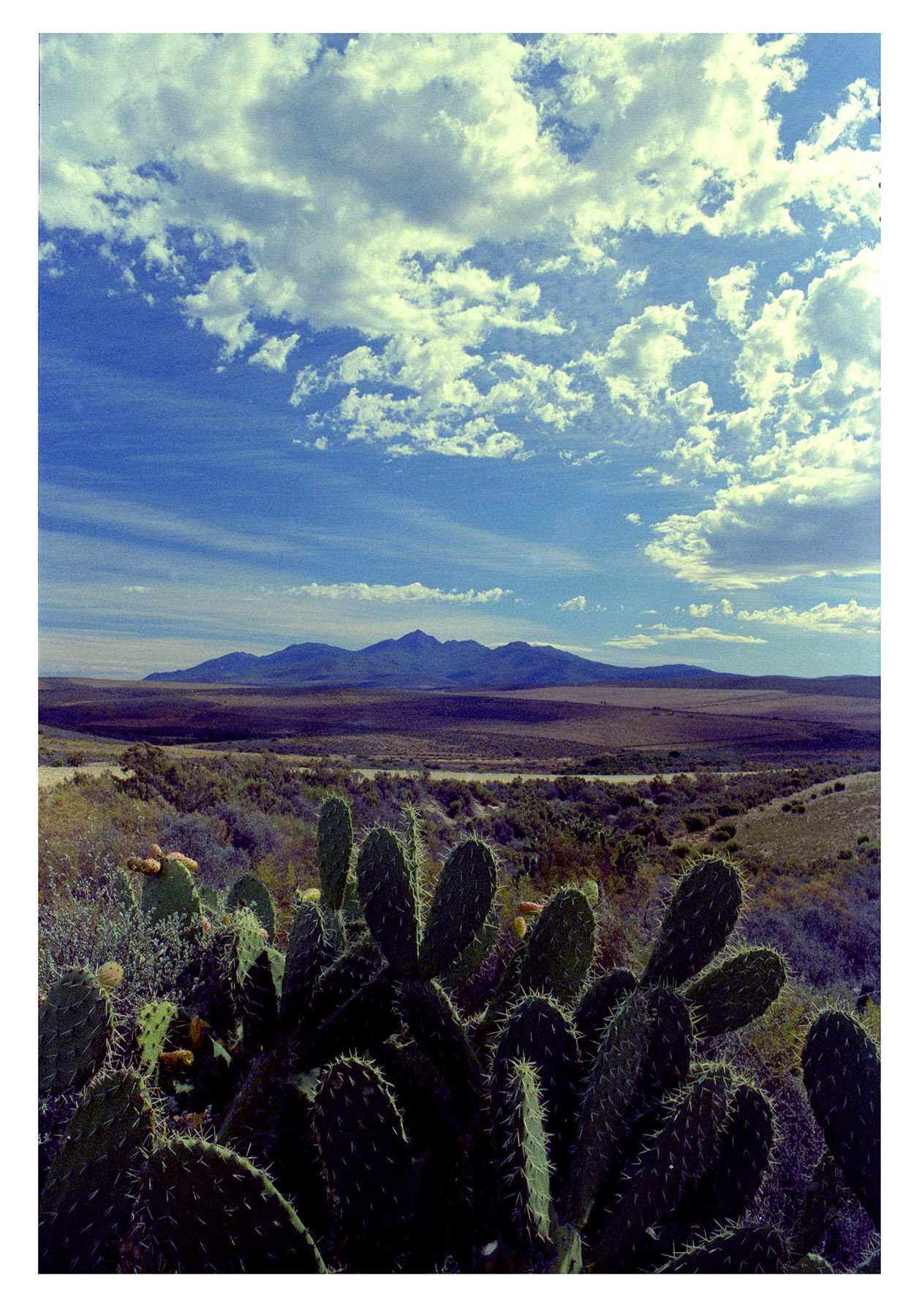
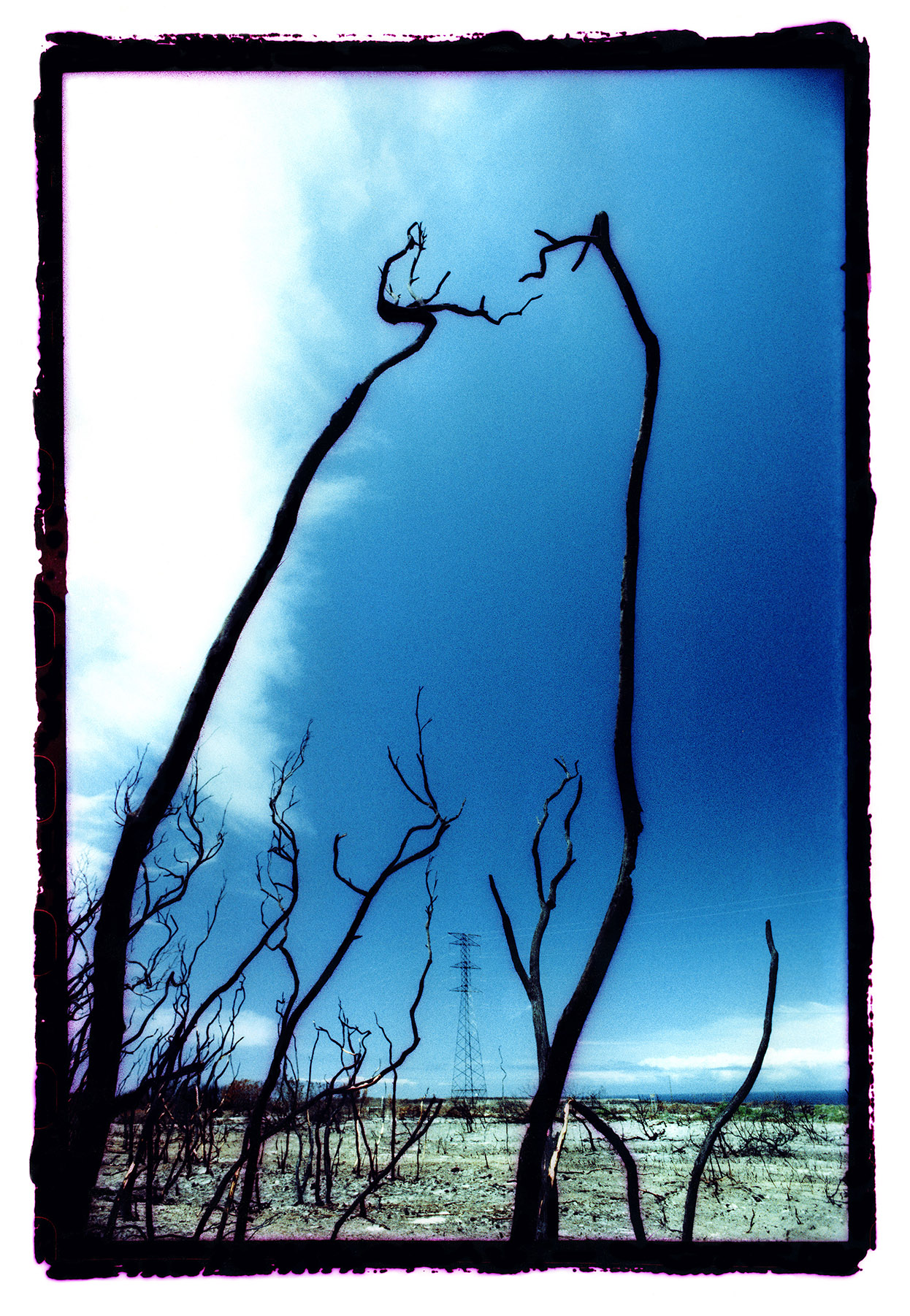
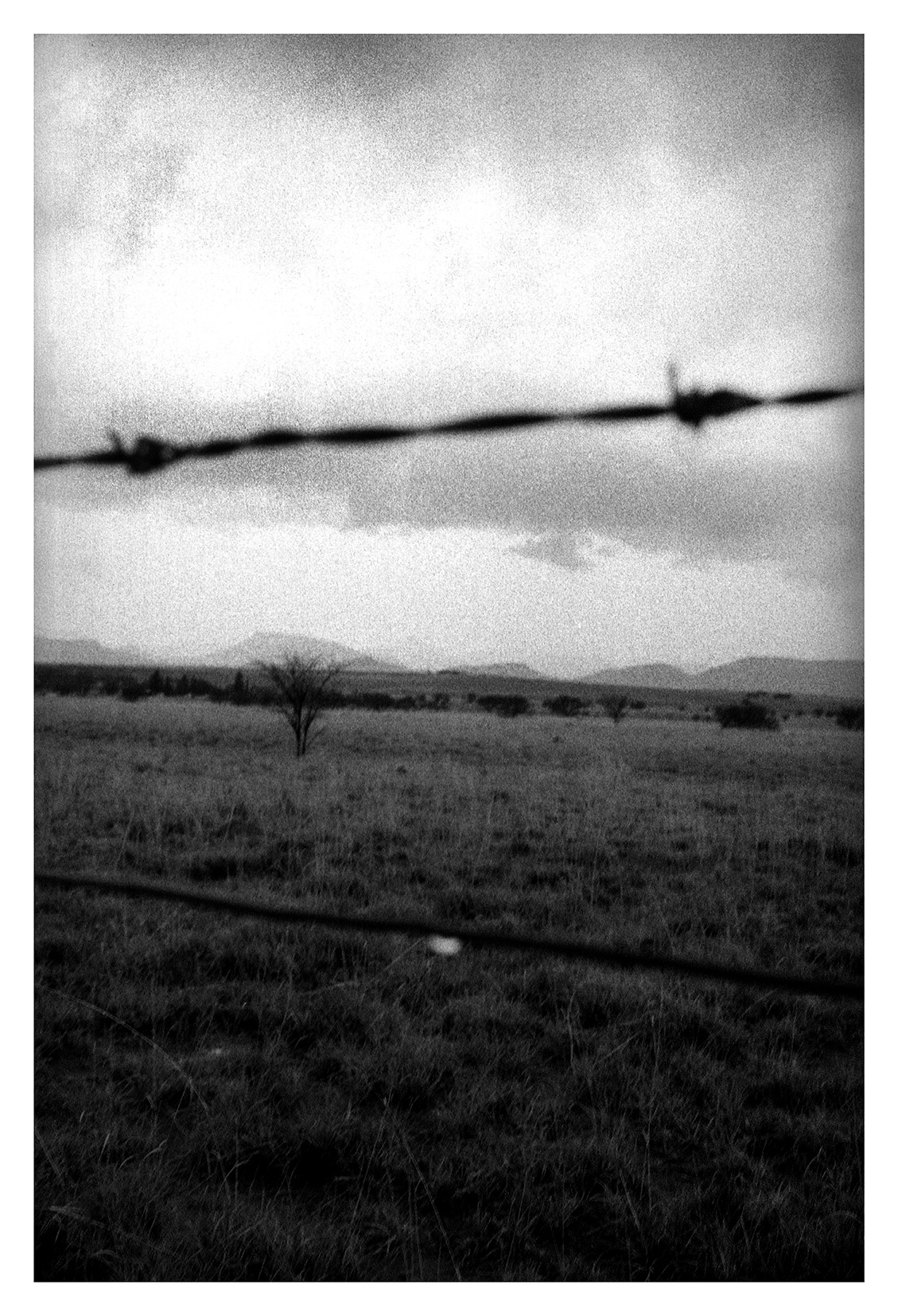
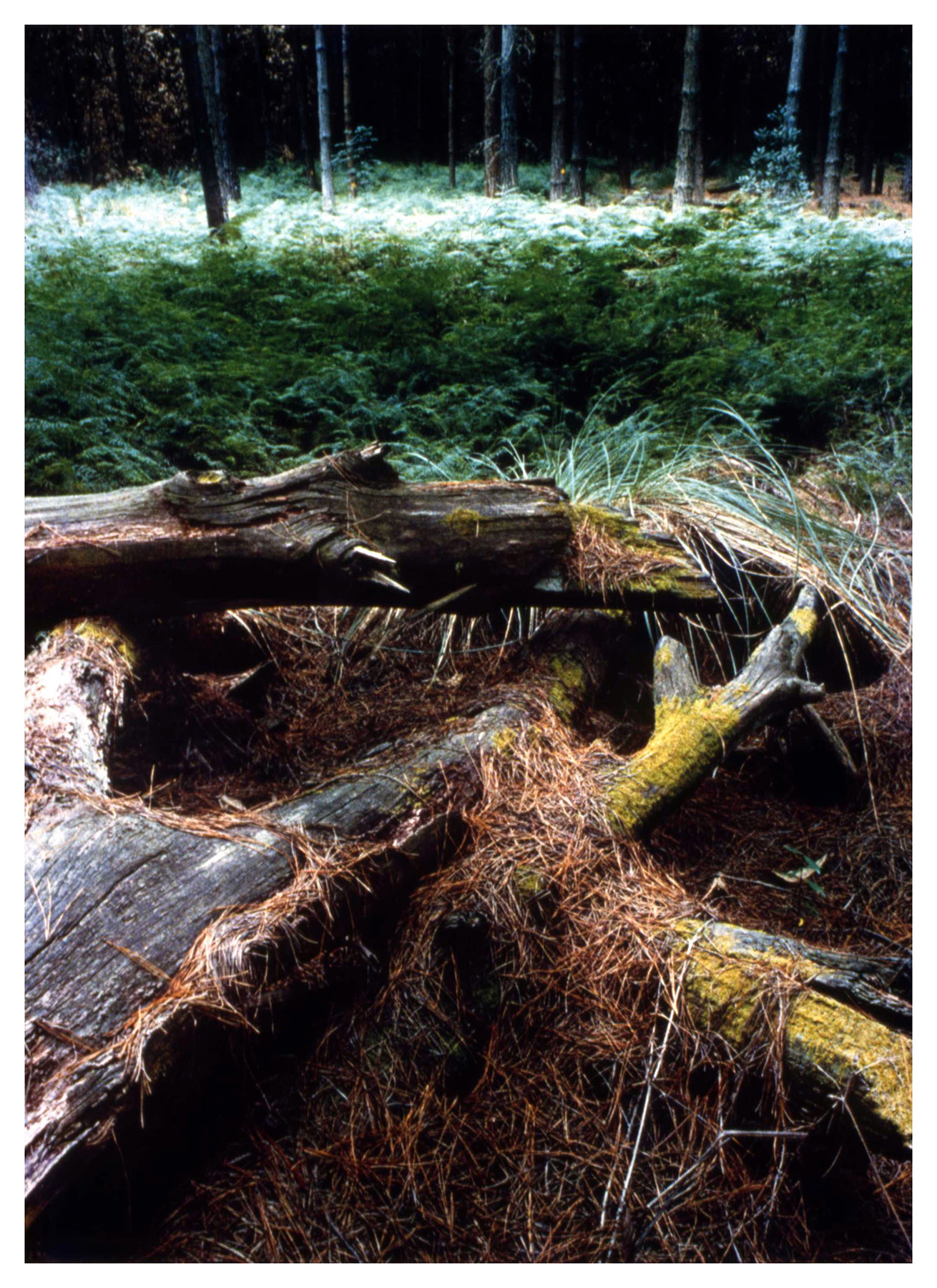
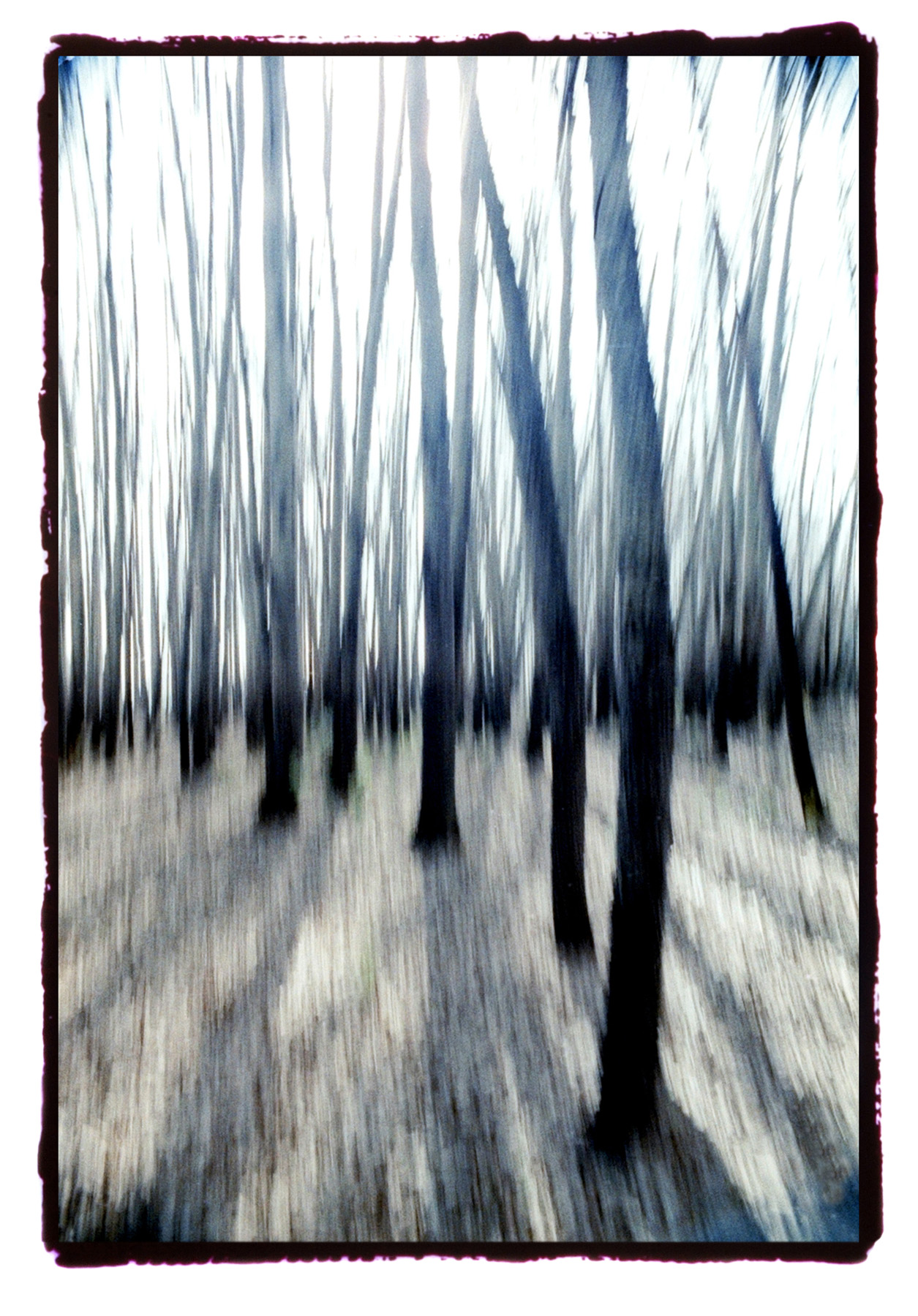
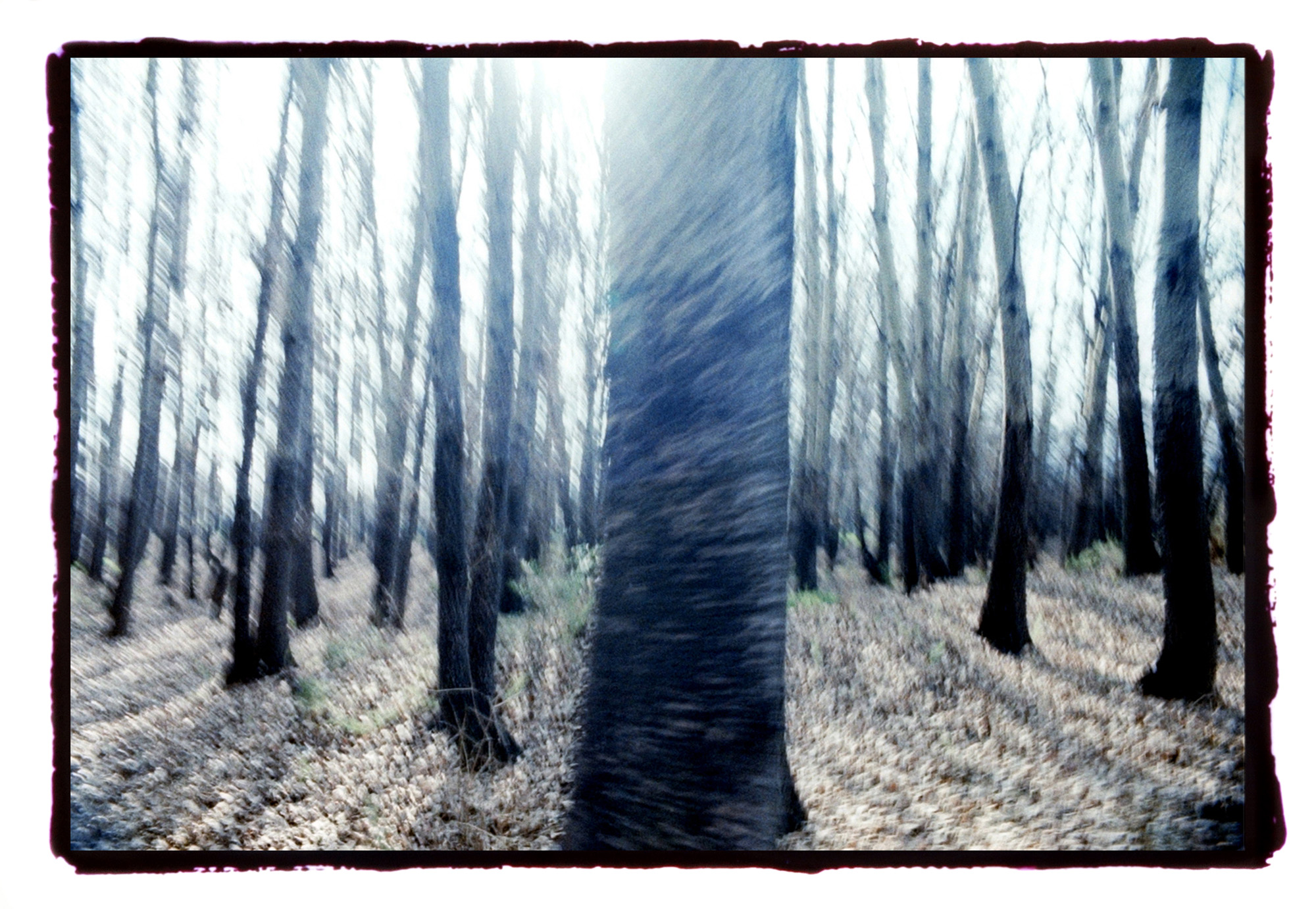
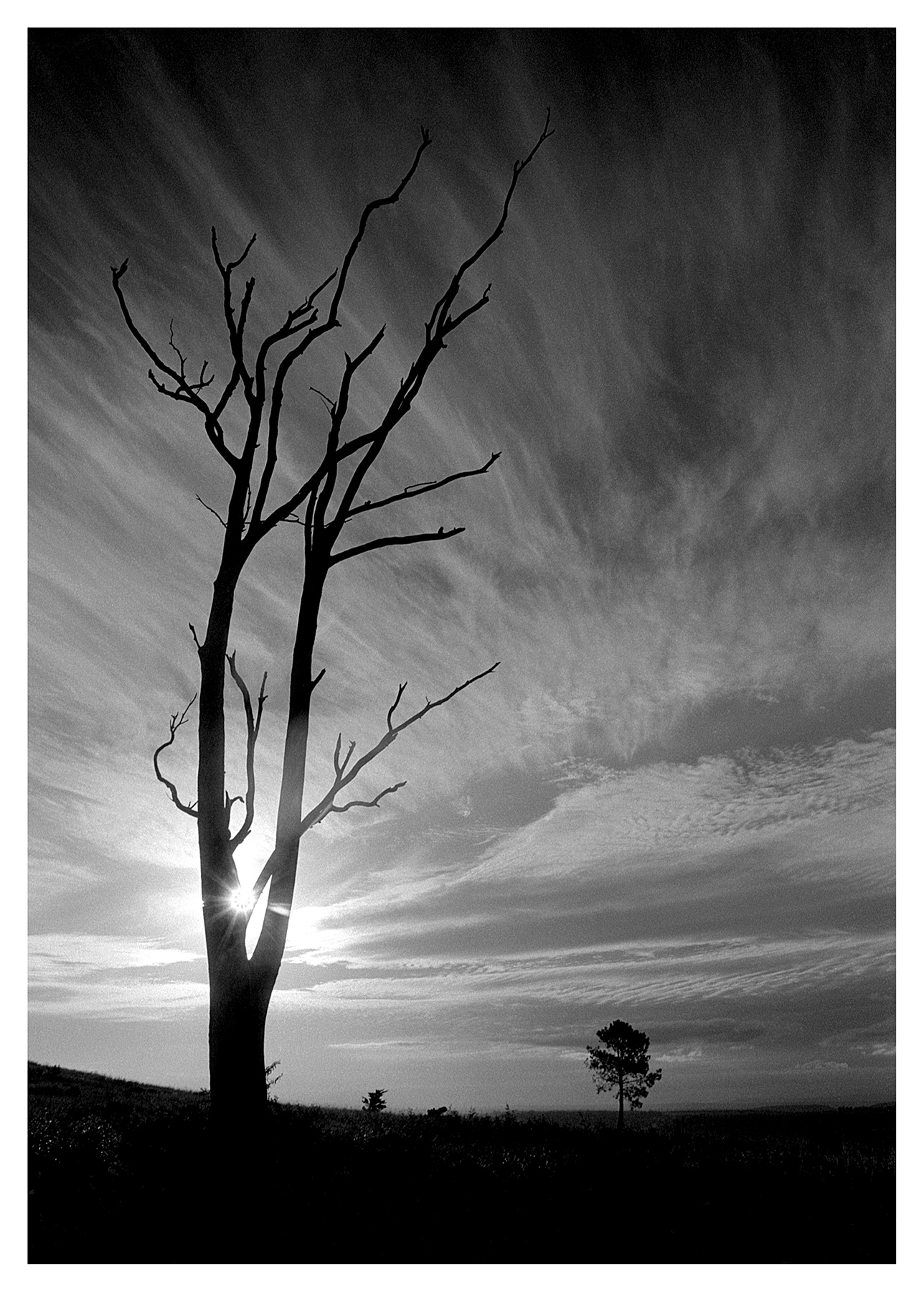
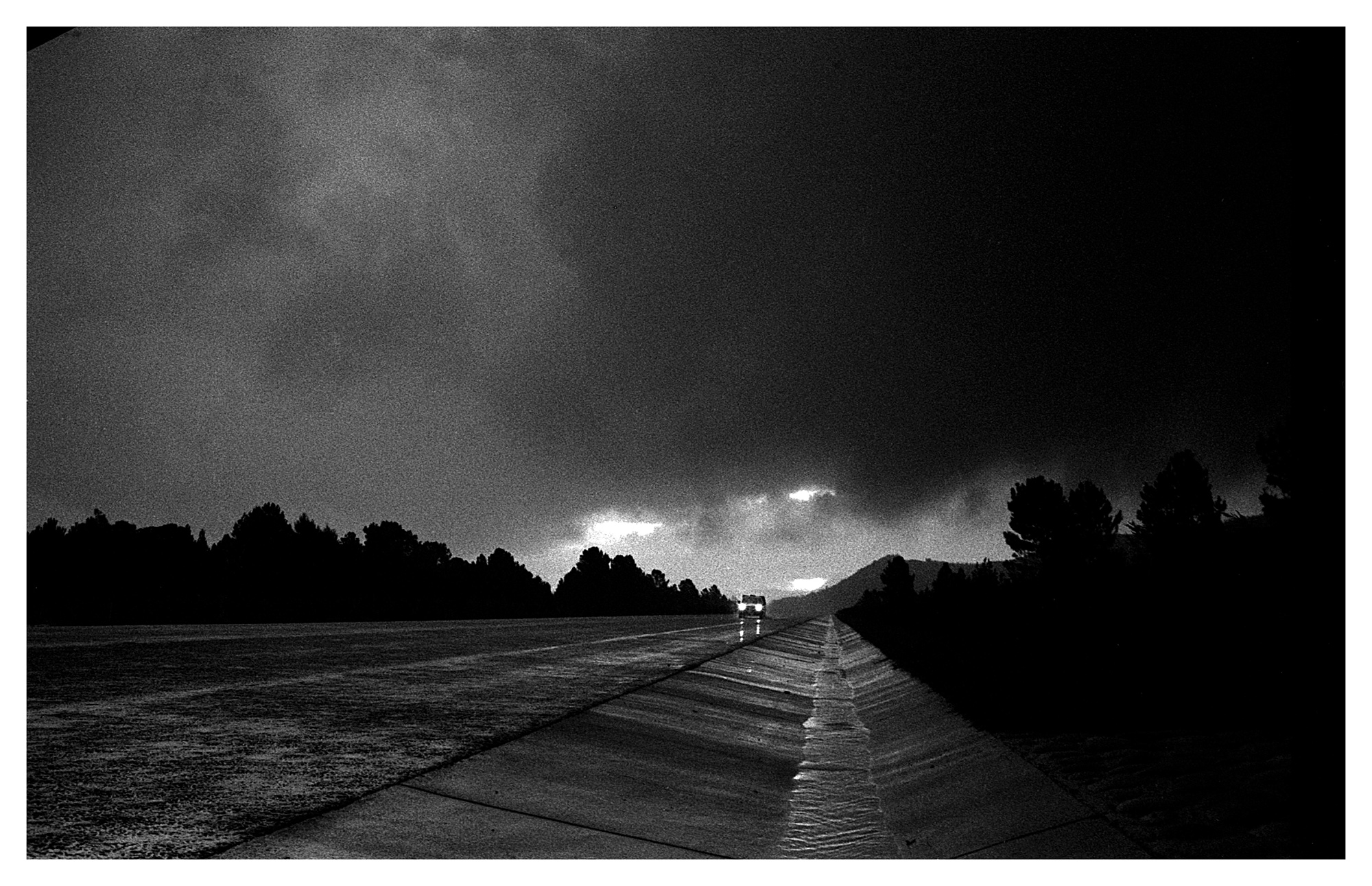
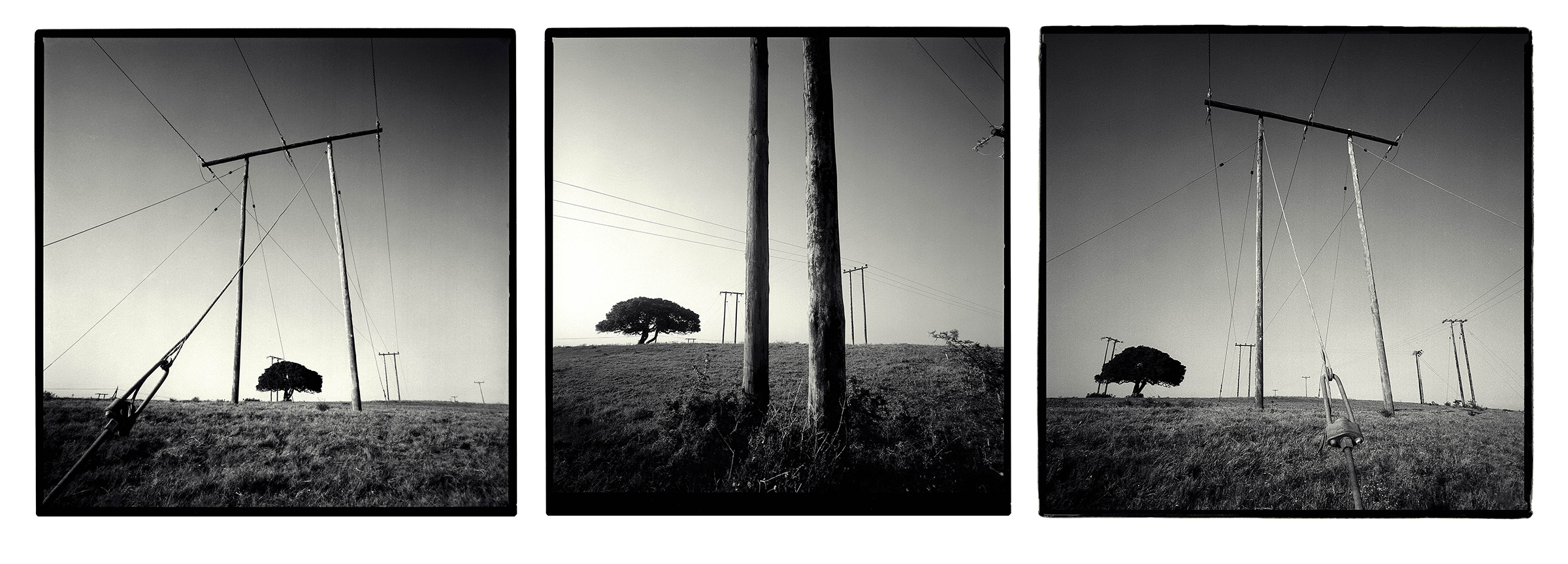
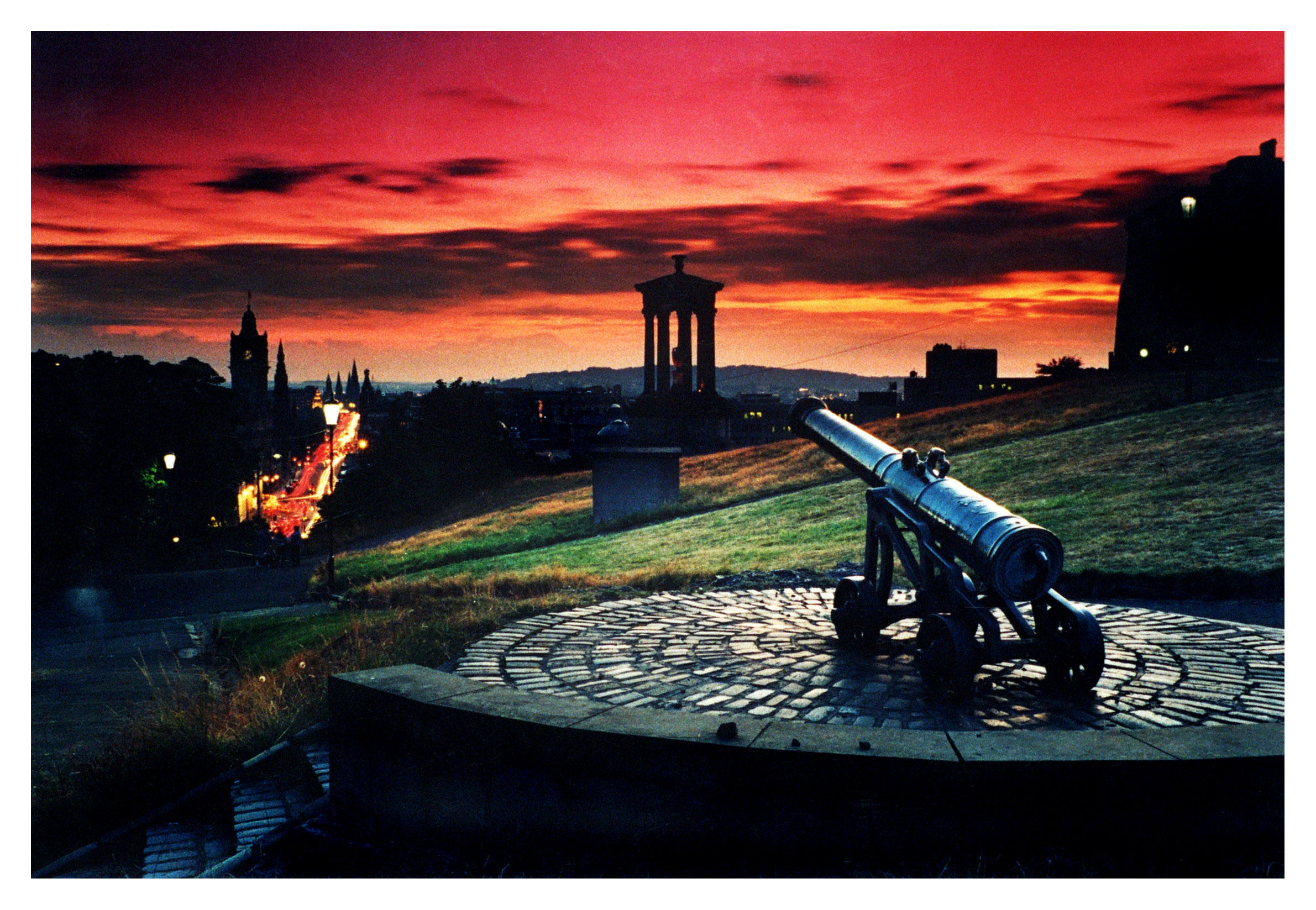
These are a few landscape photographs I have taken over the years.
documentary images
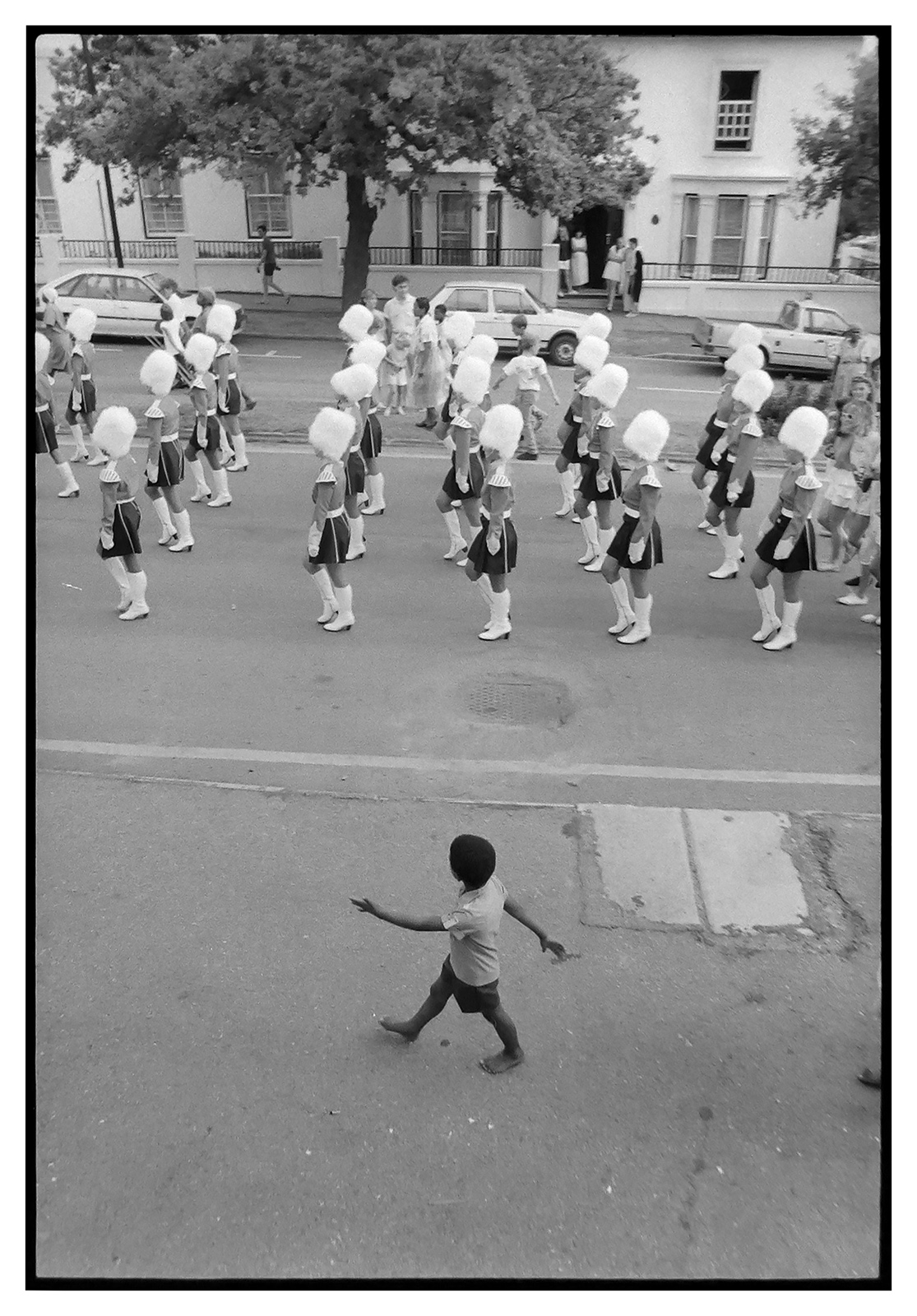
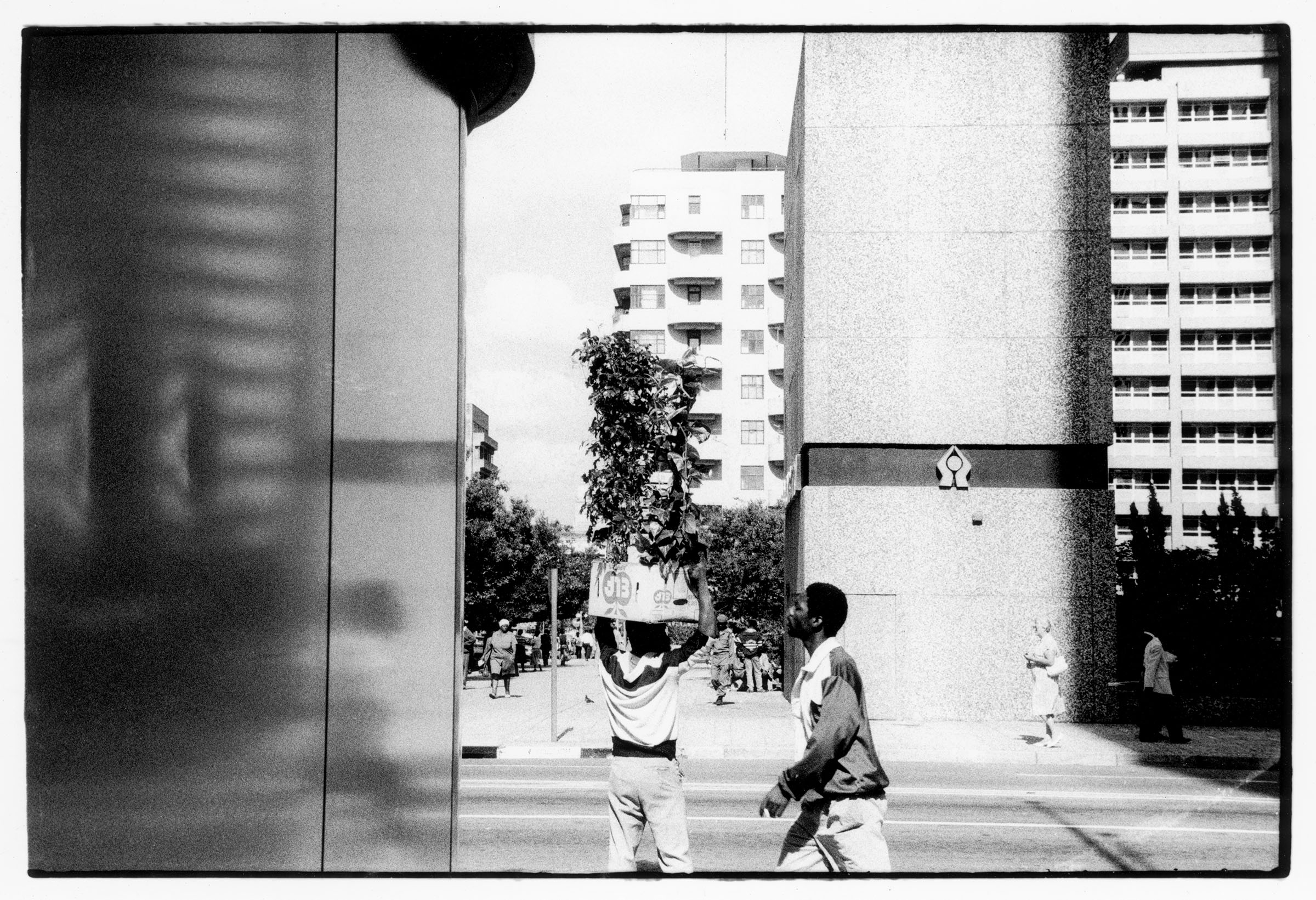
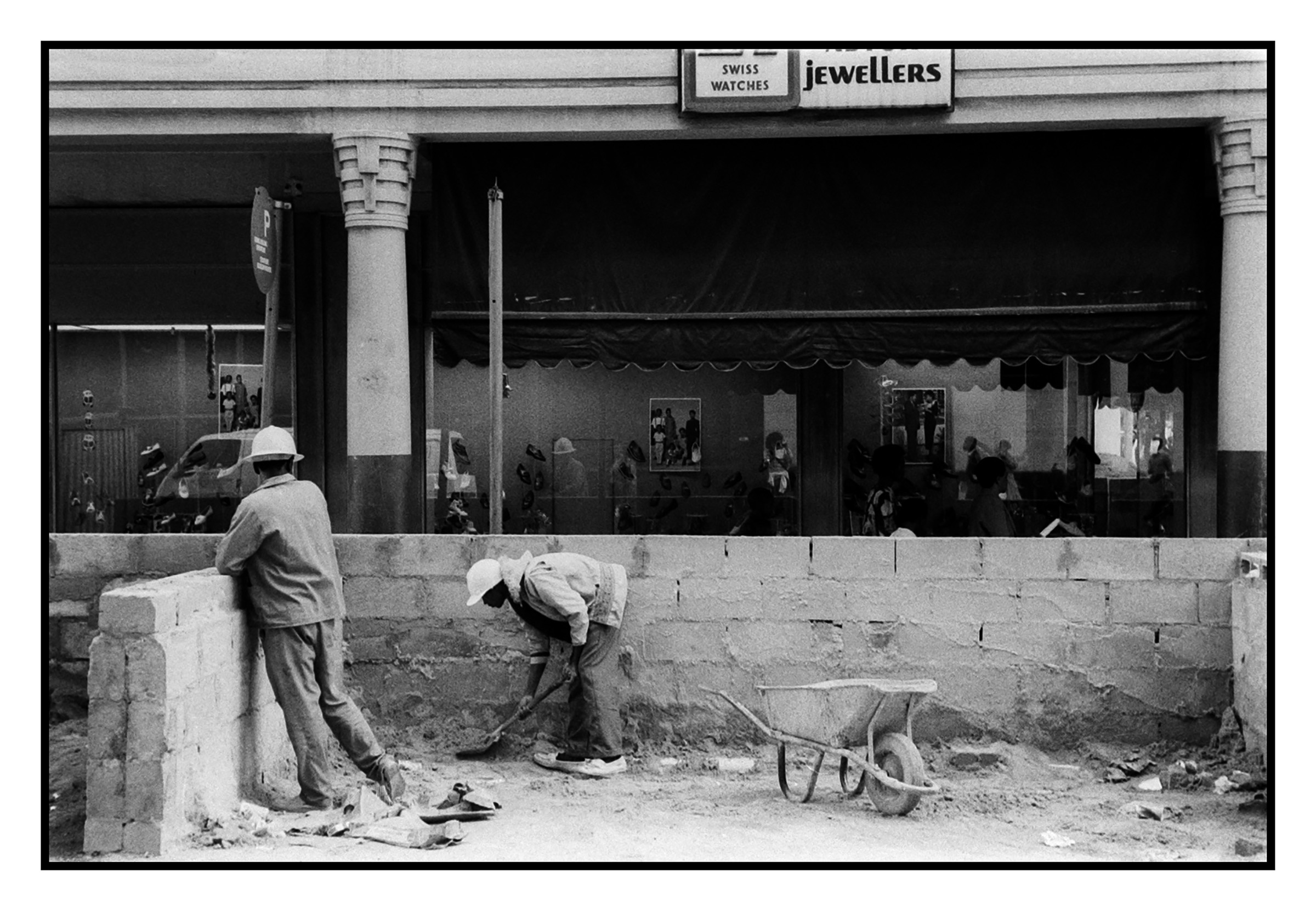
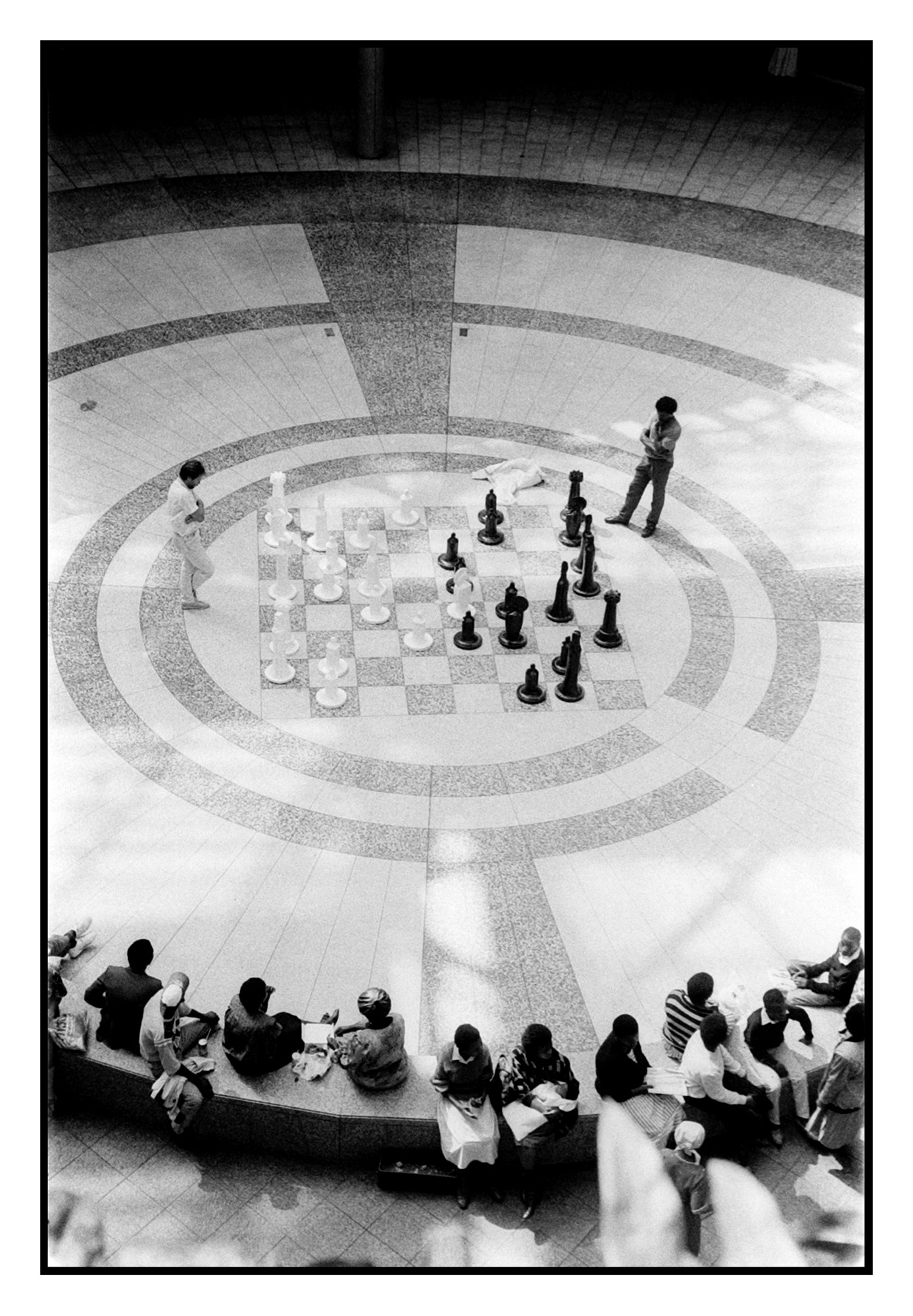
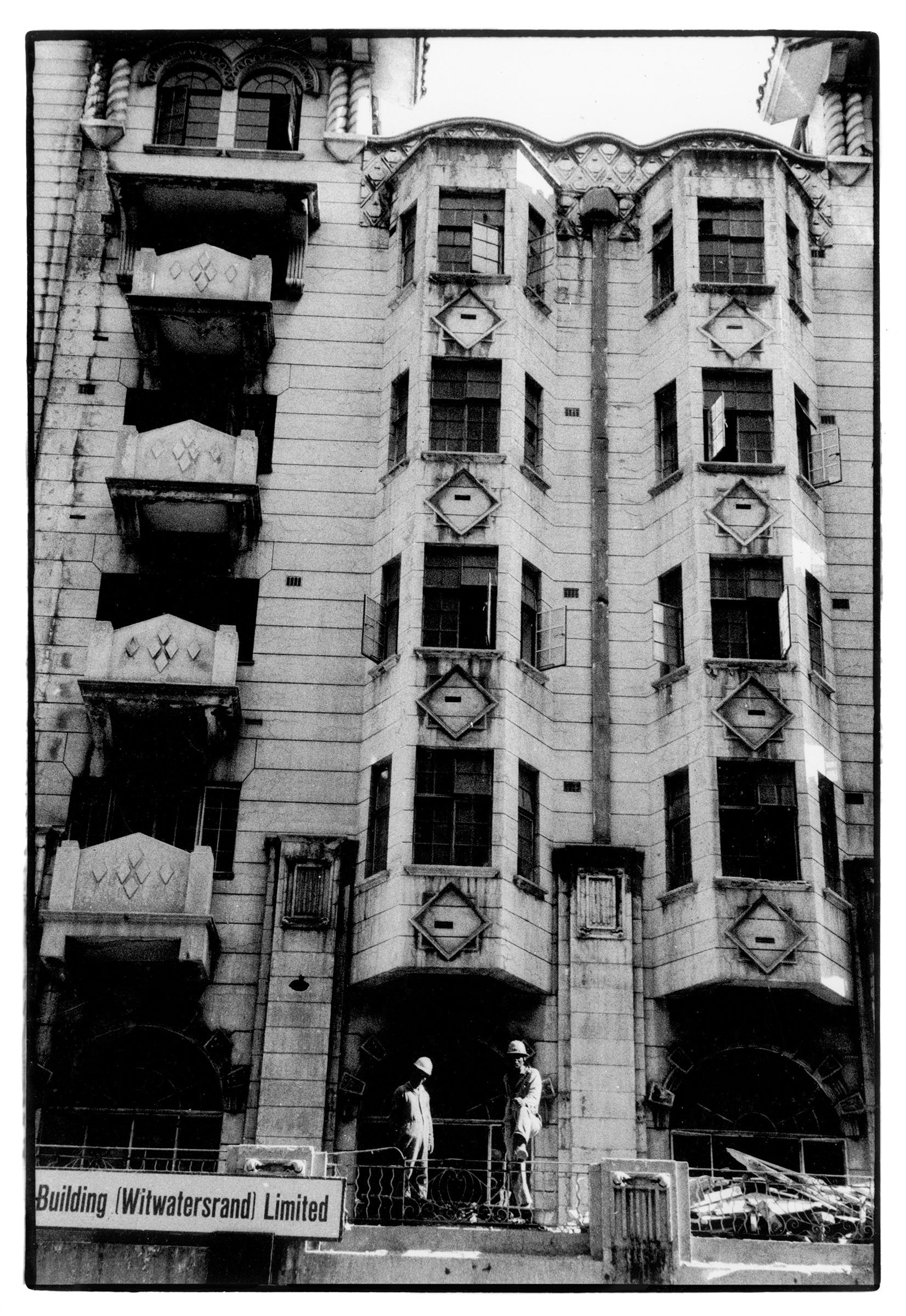
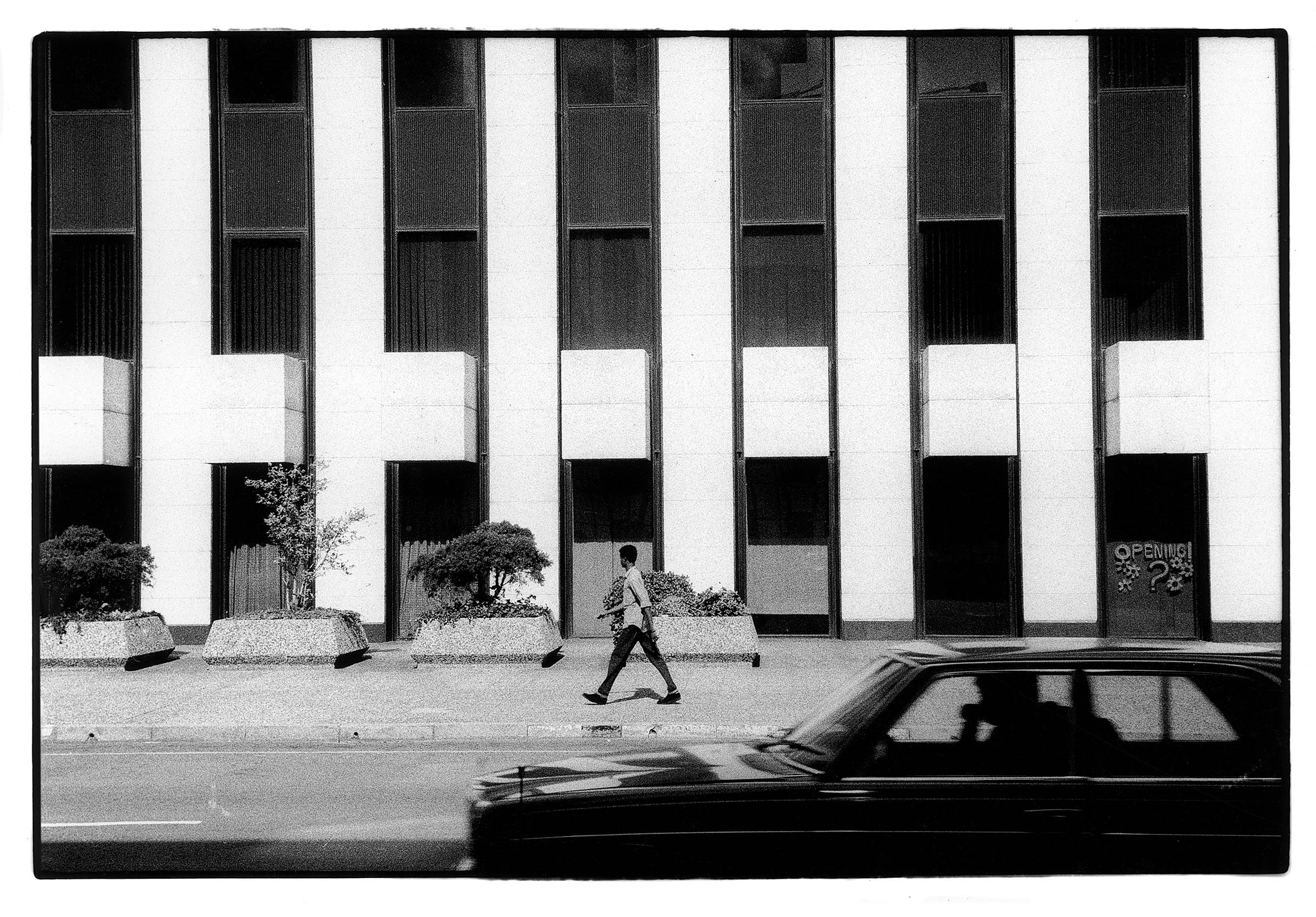
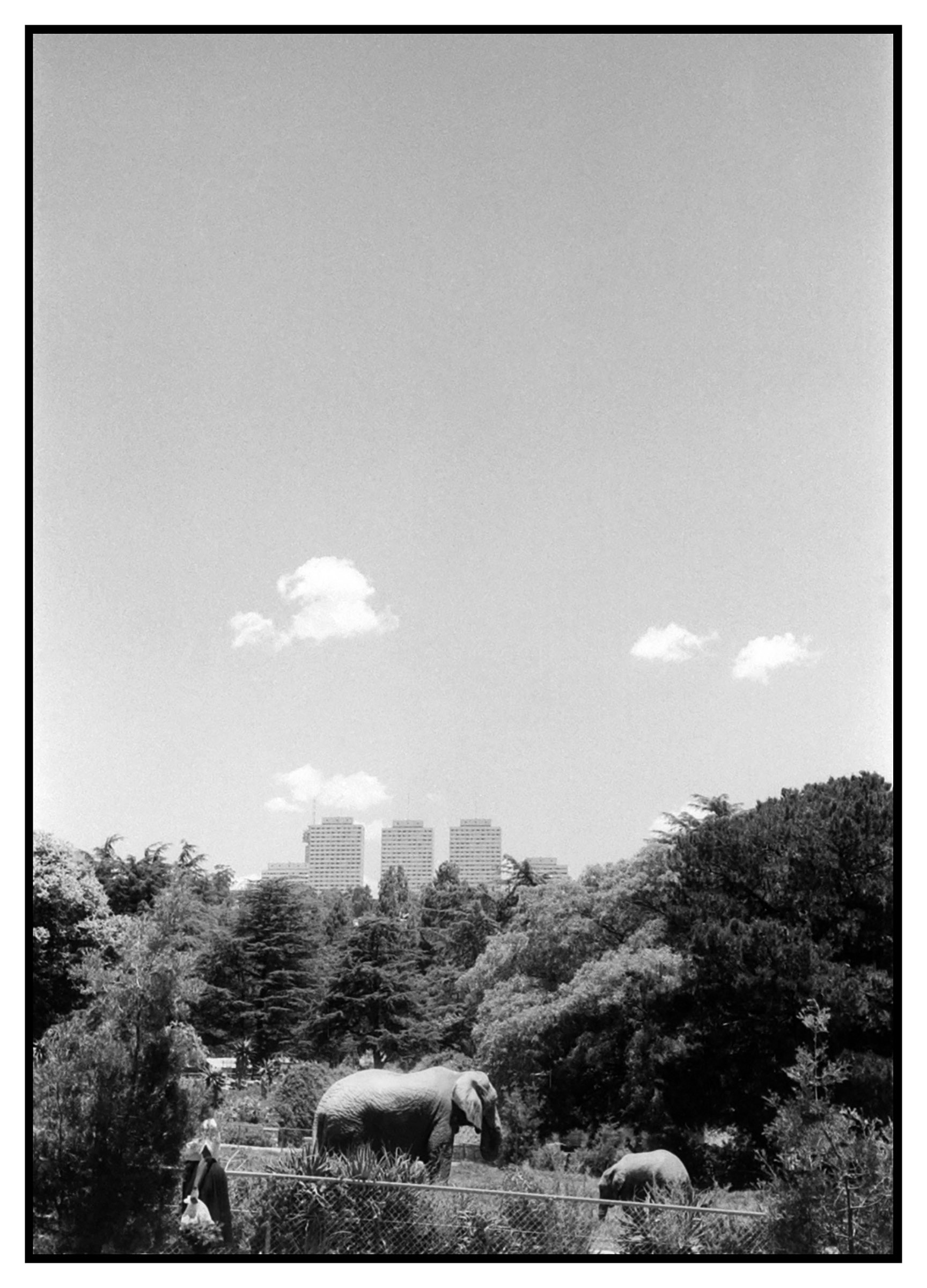
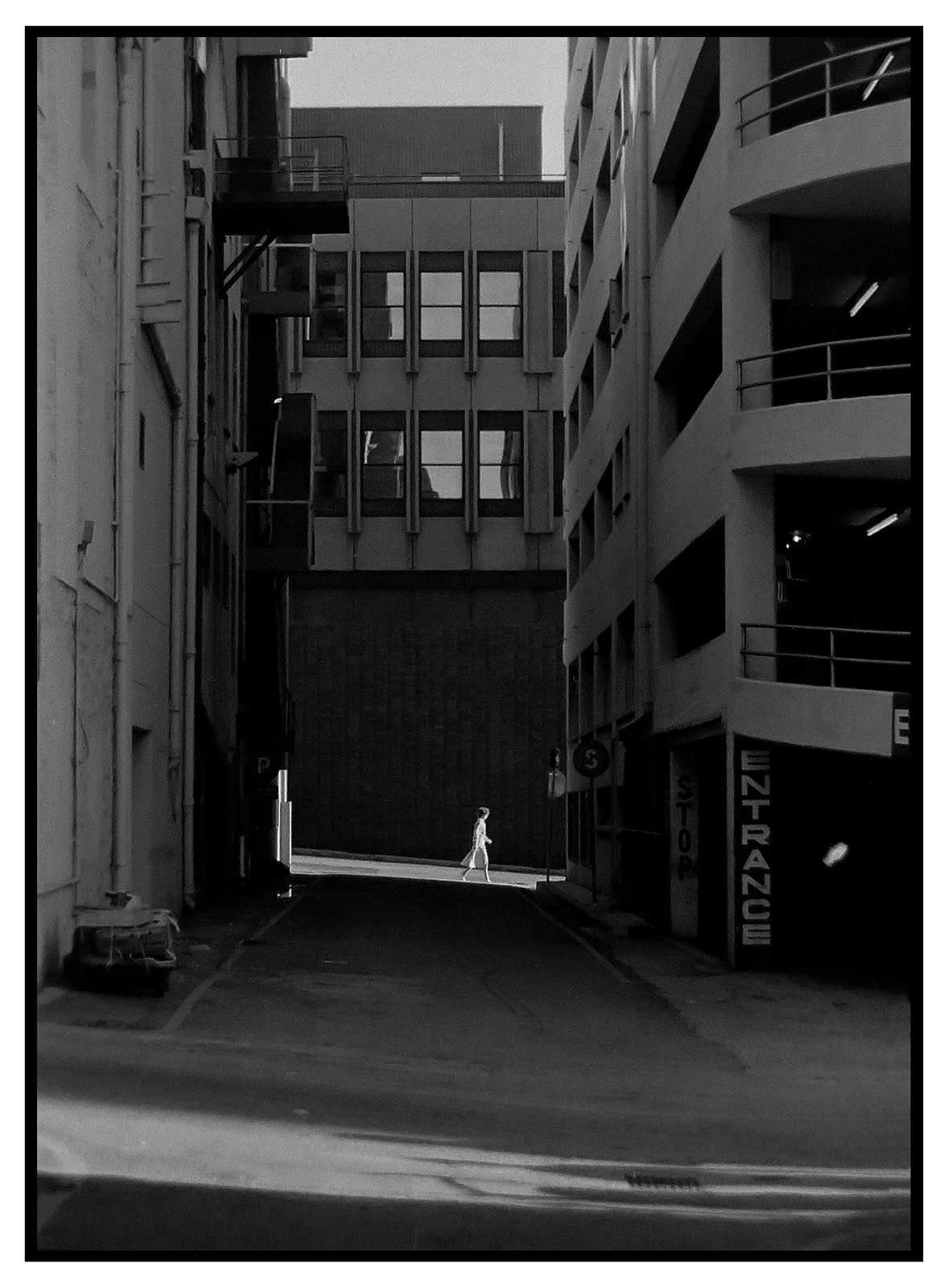
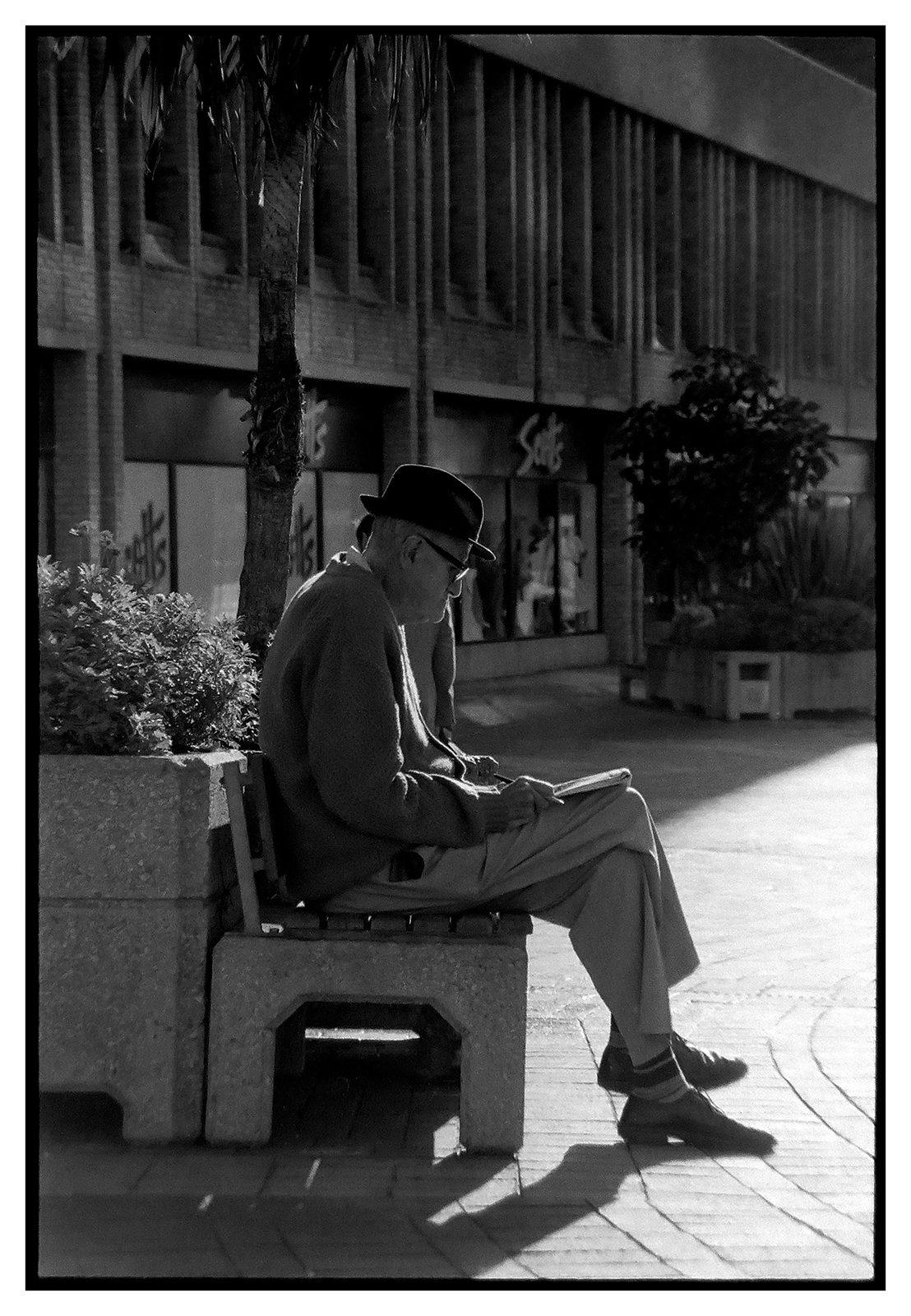
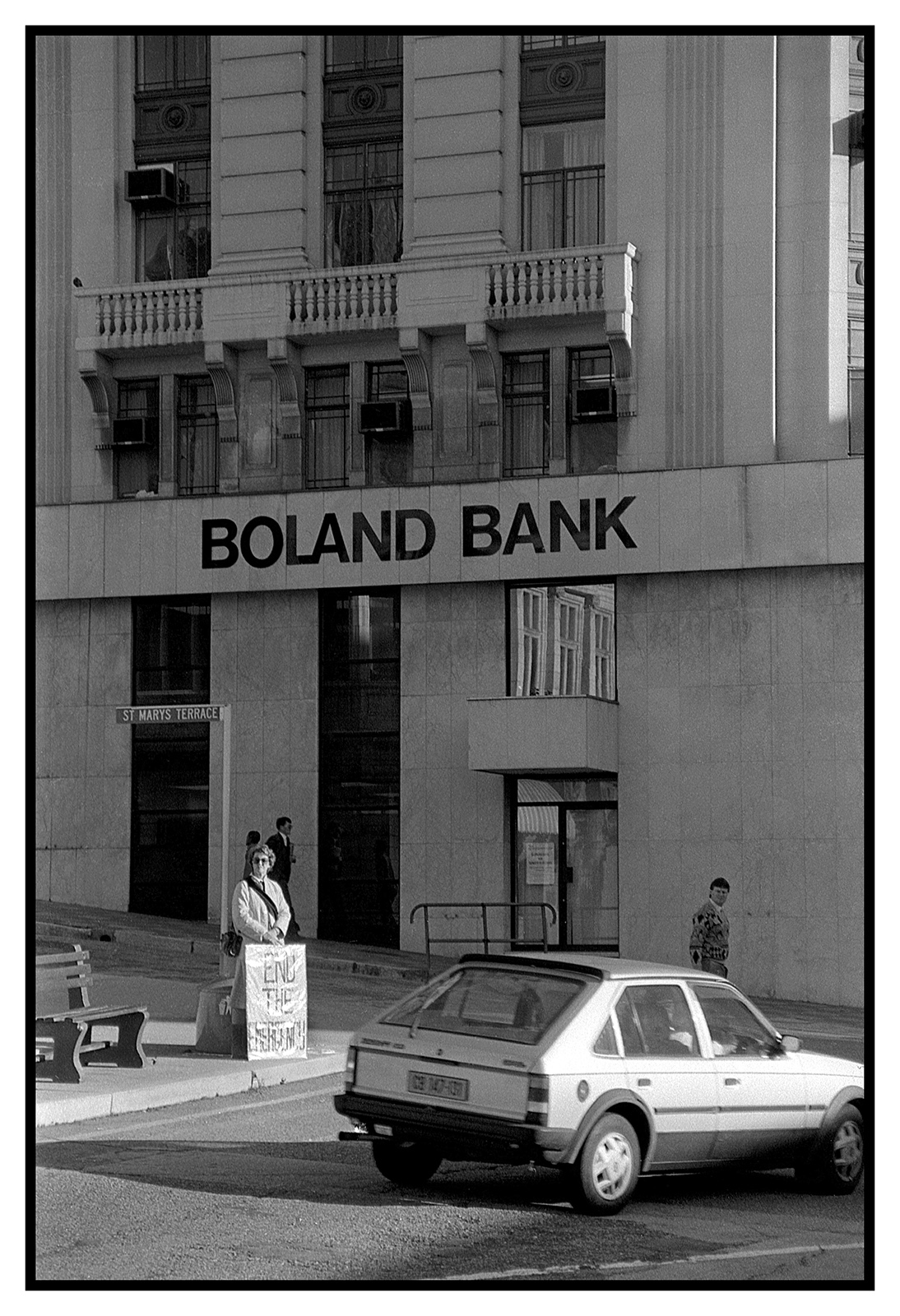
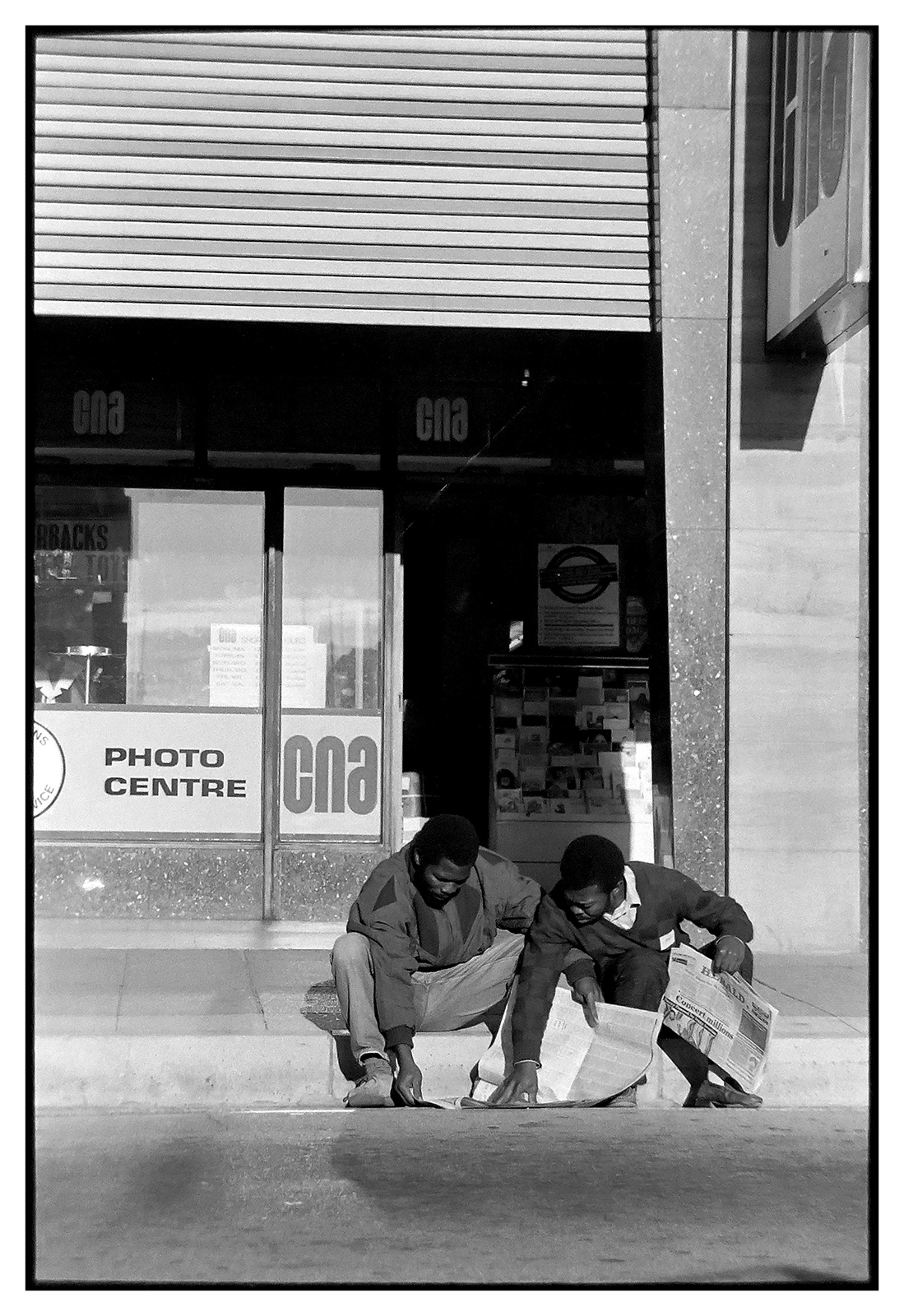
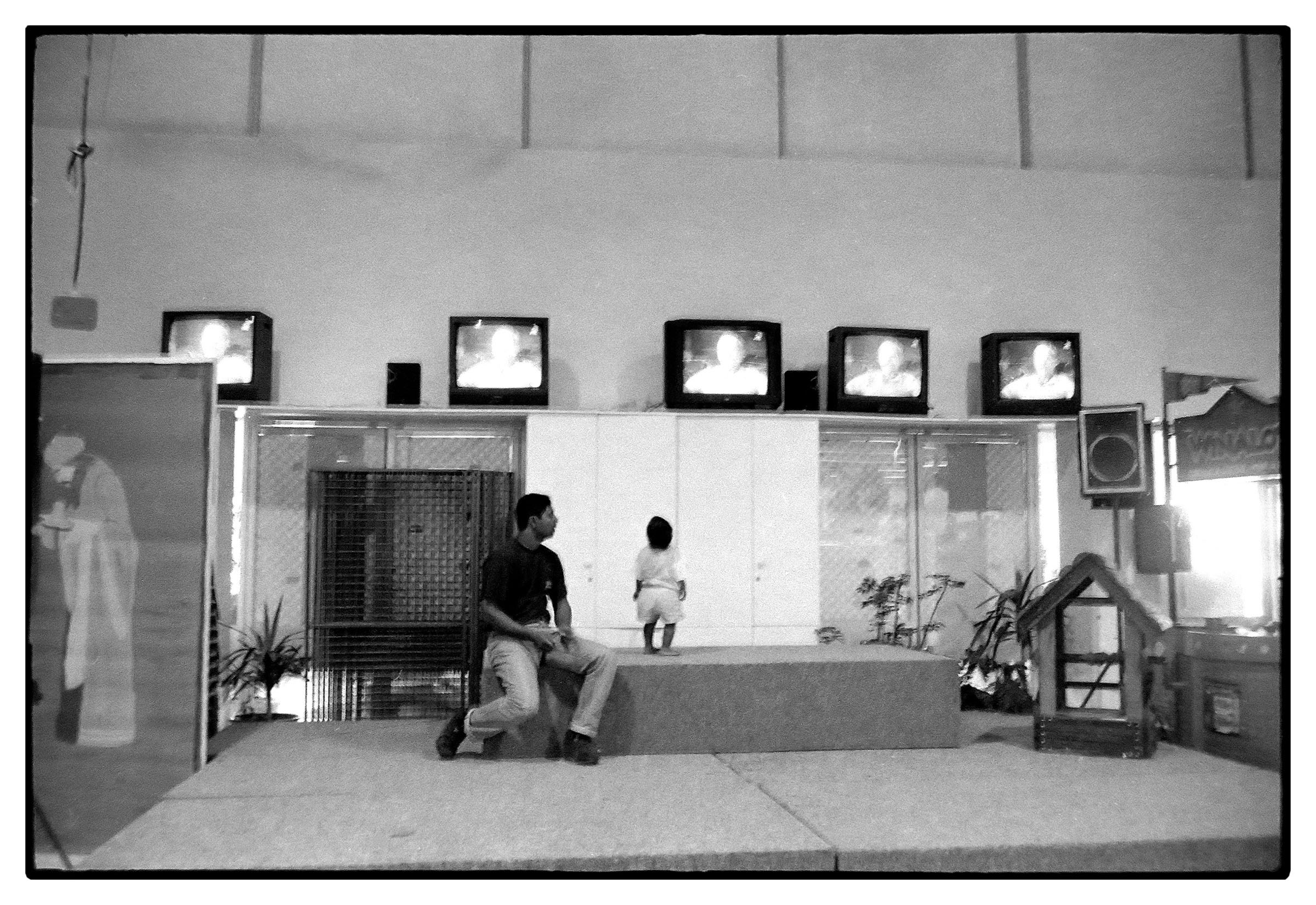

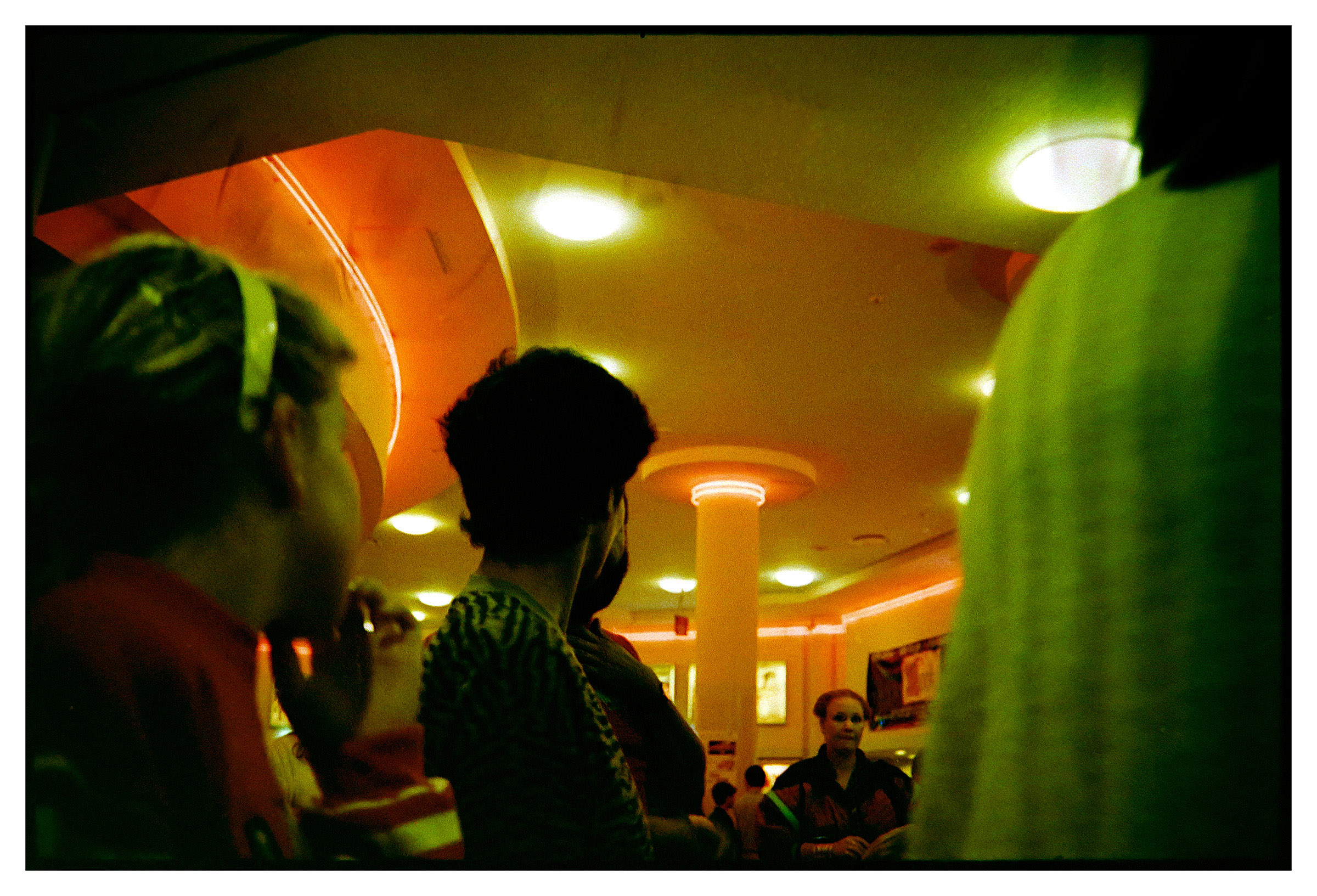
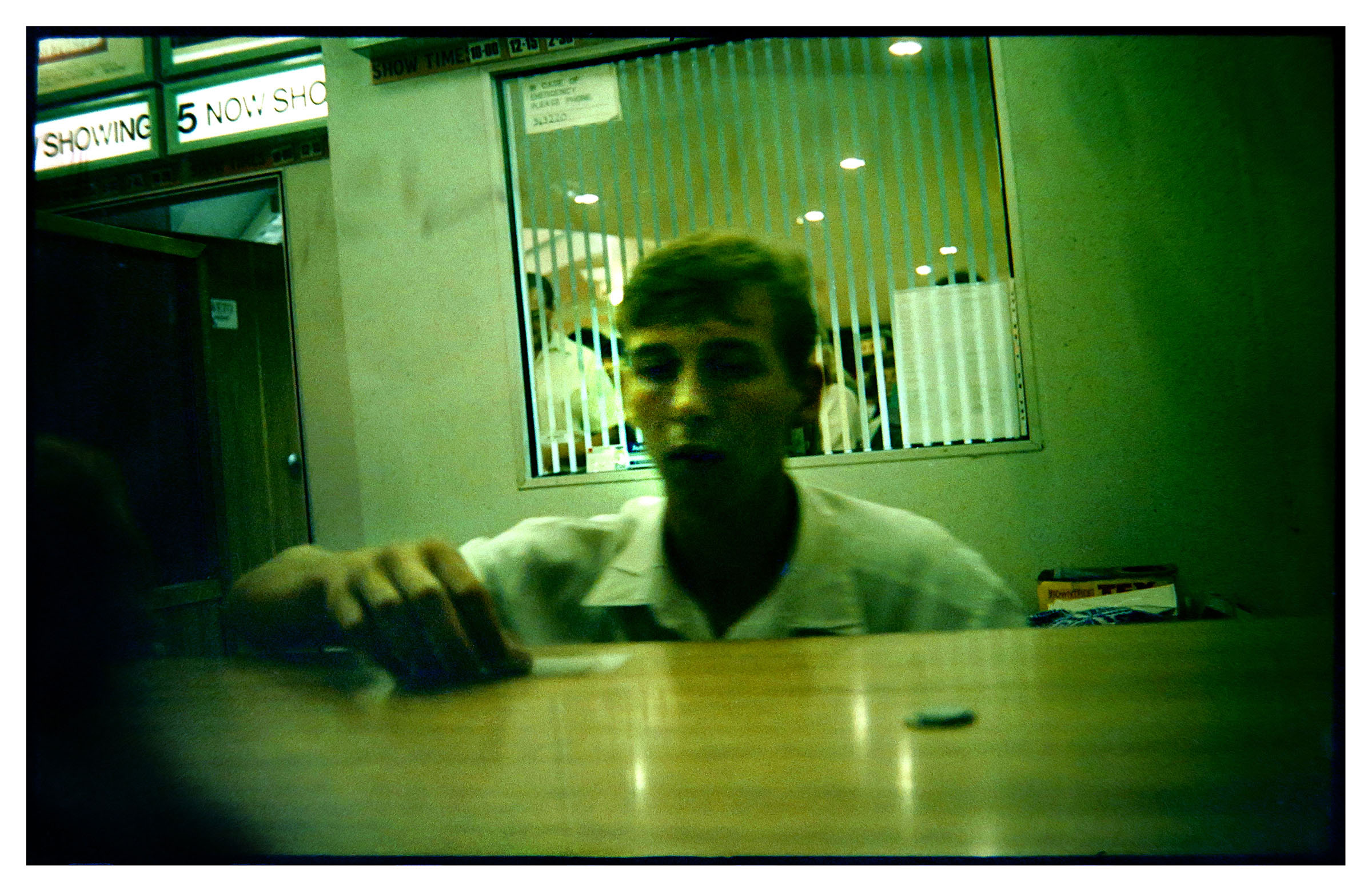
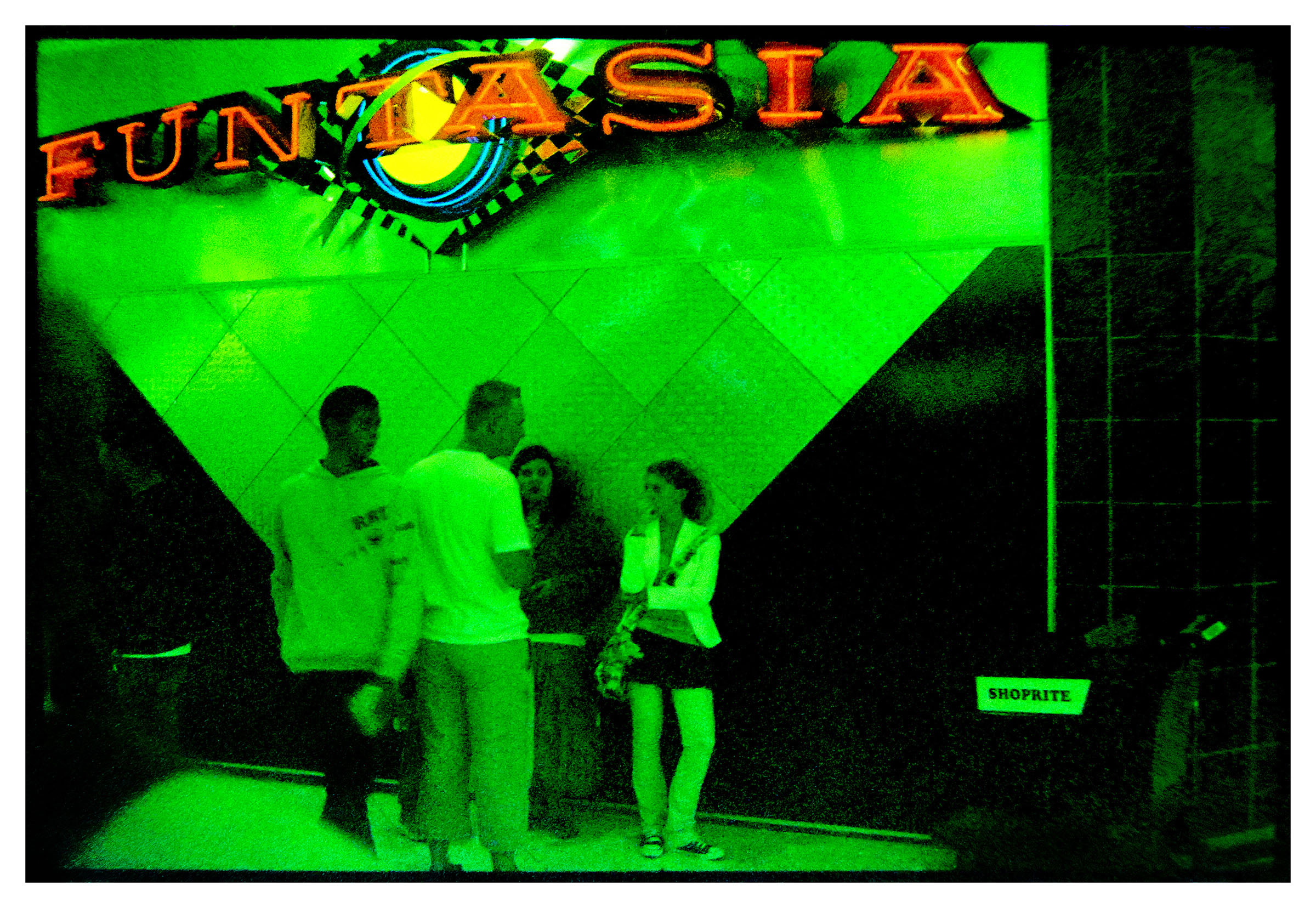
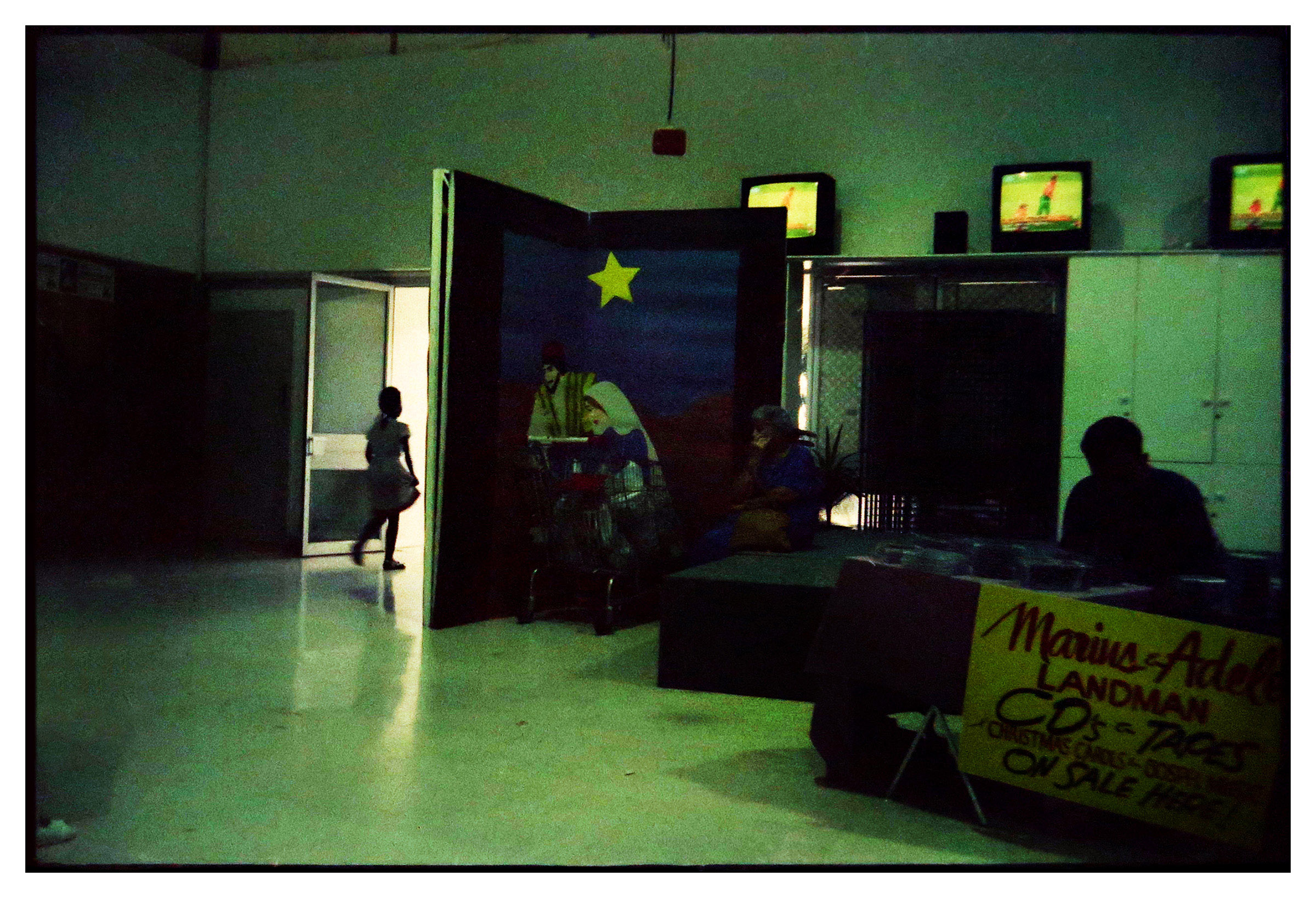
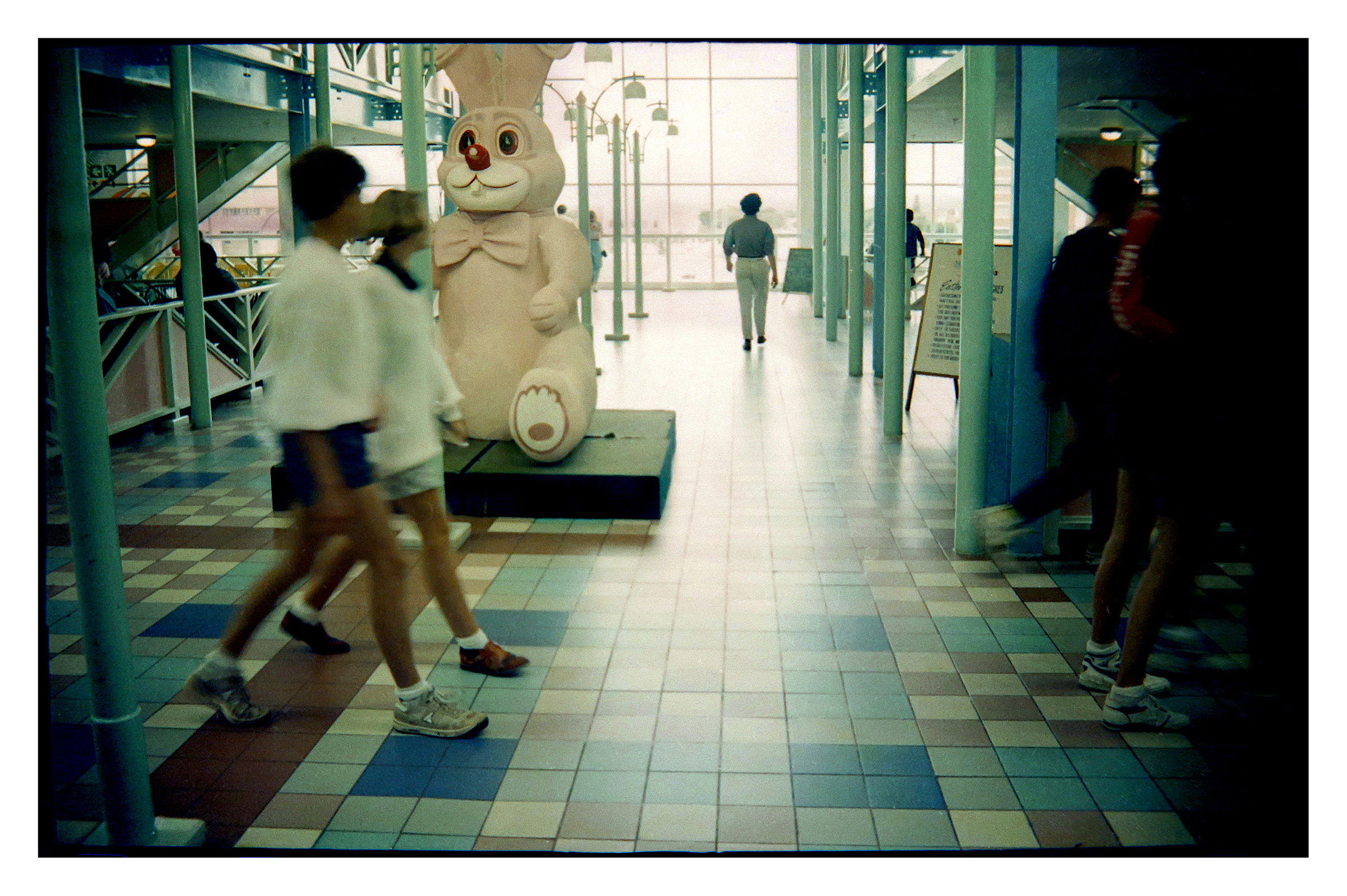

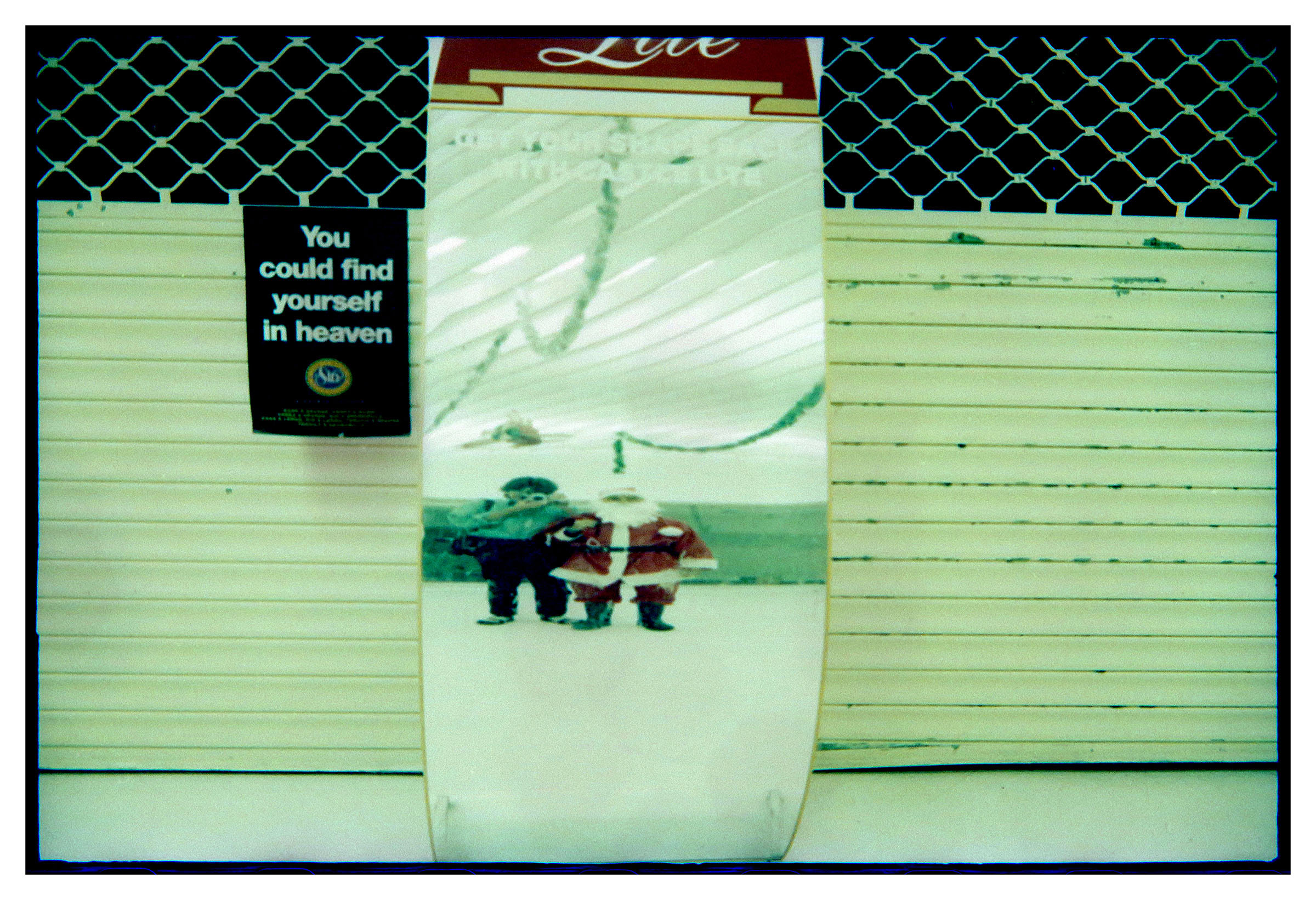
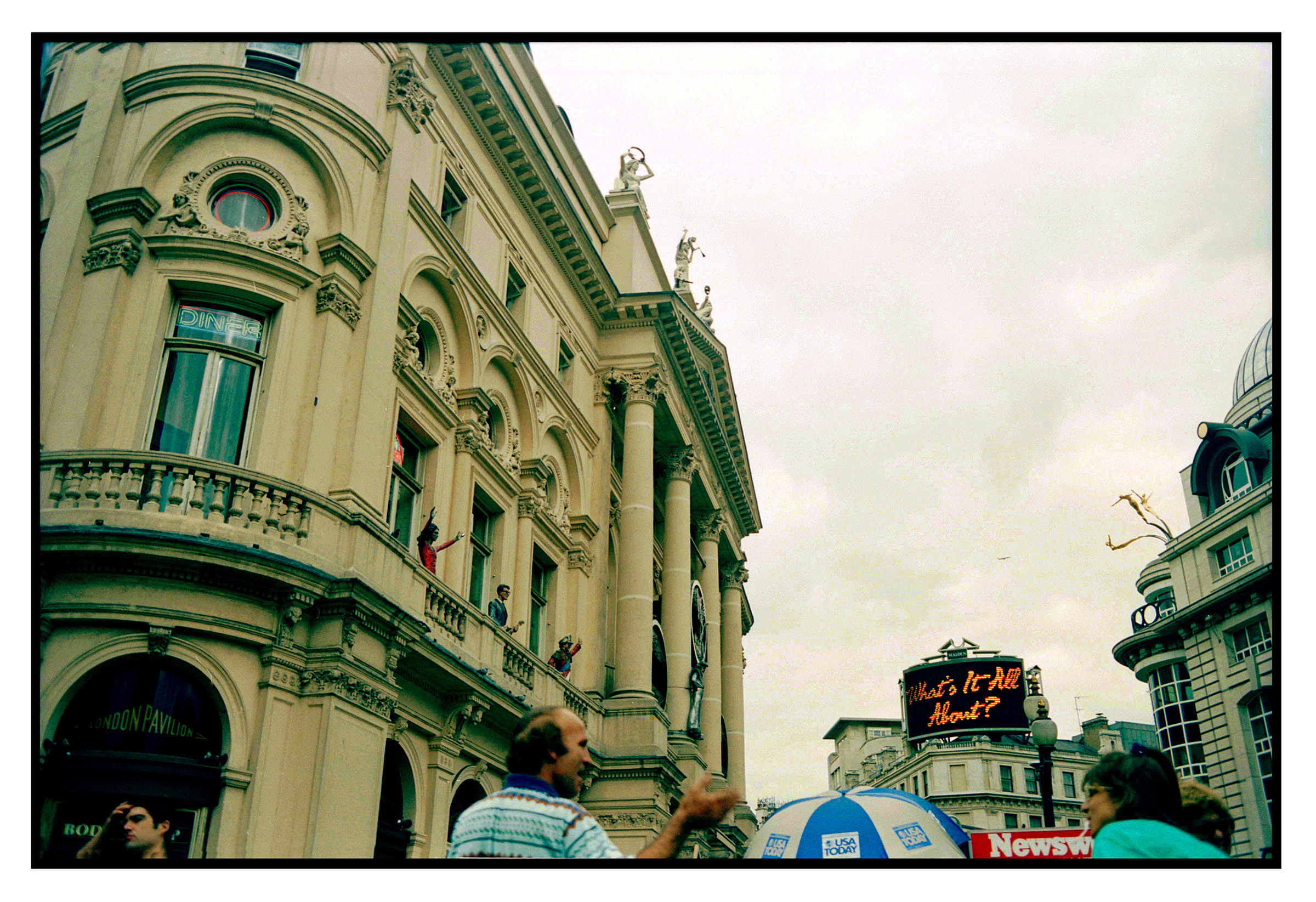
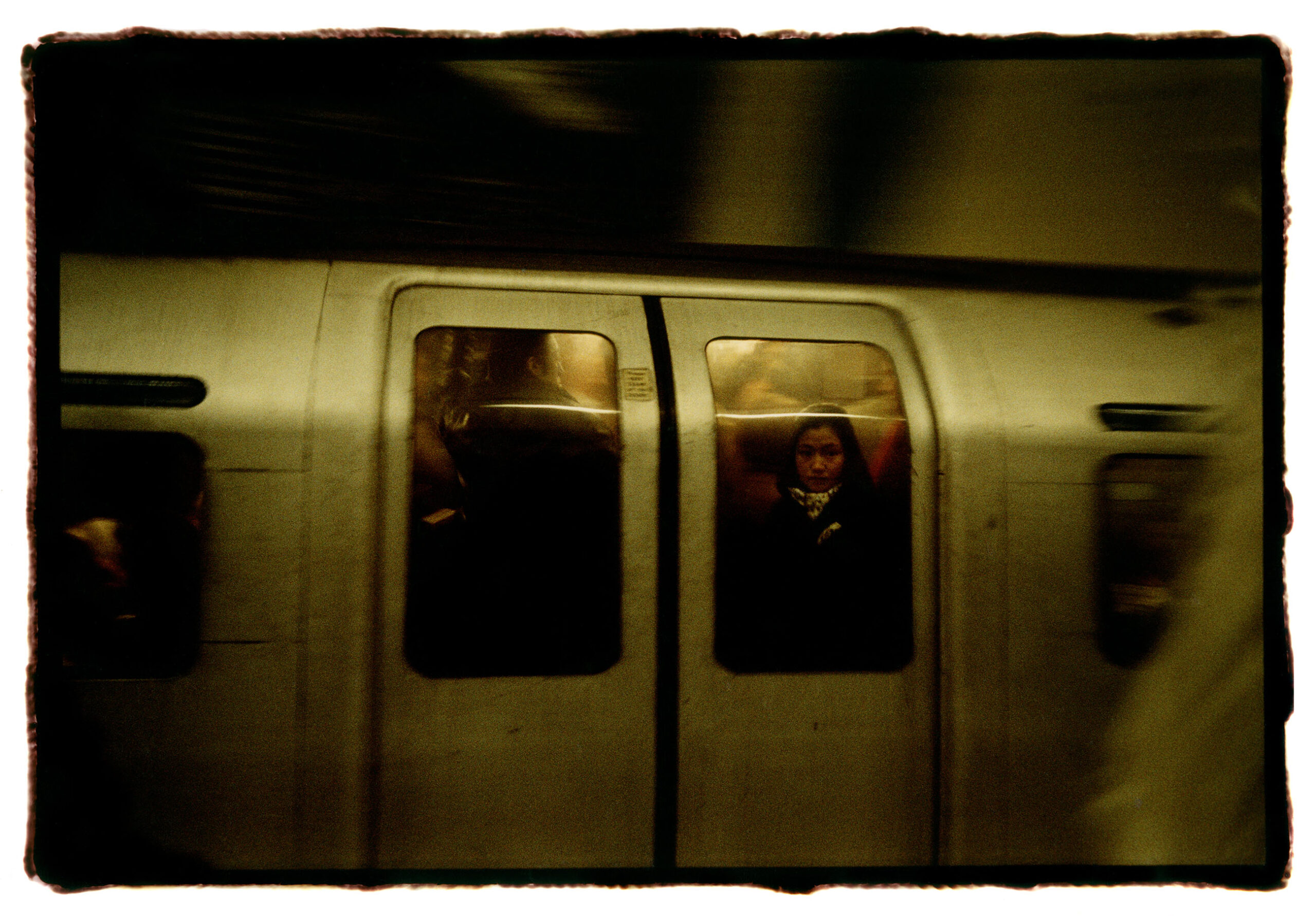
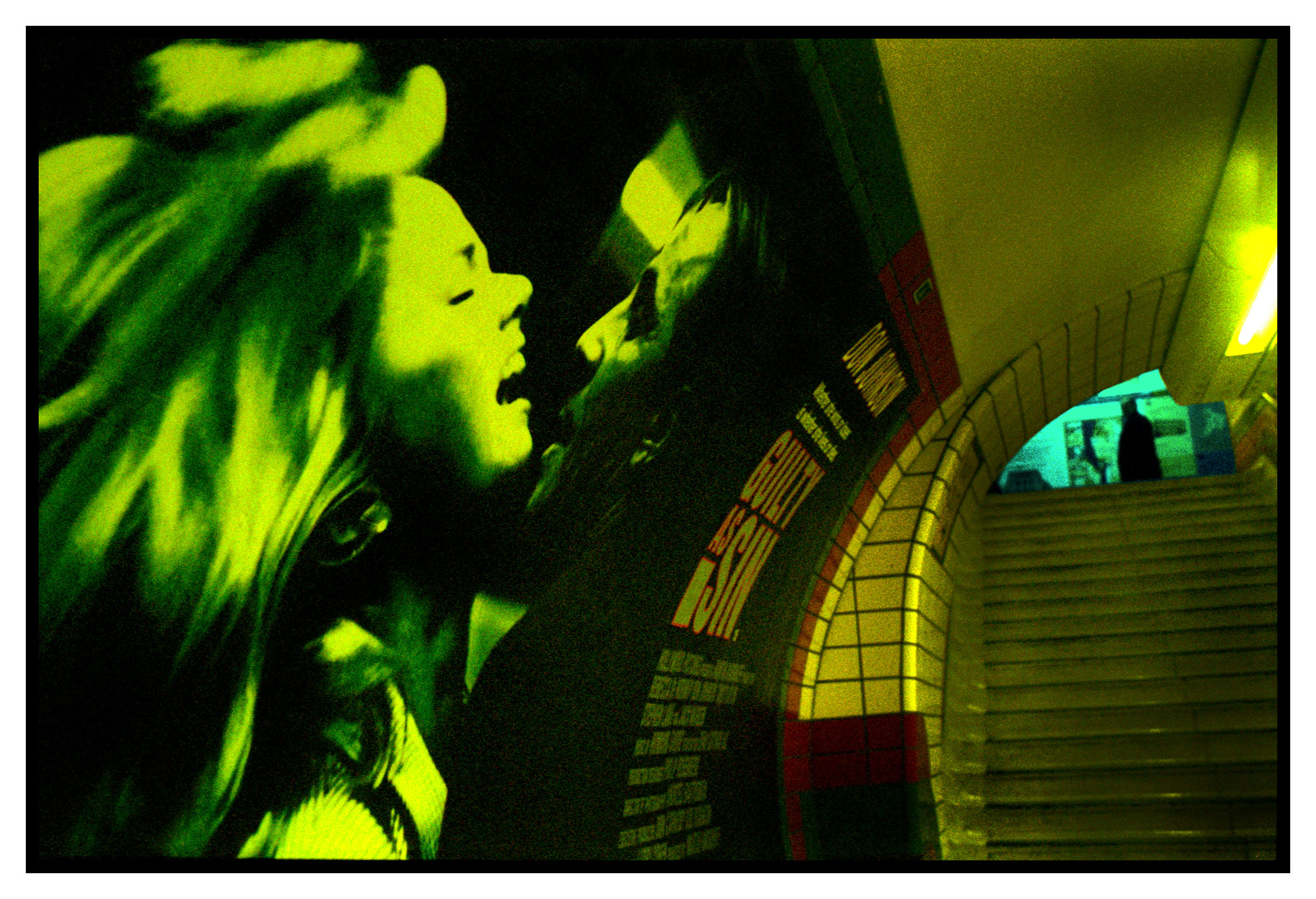
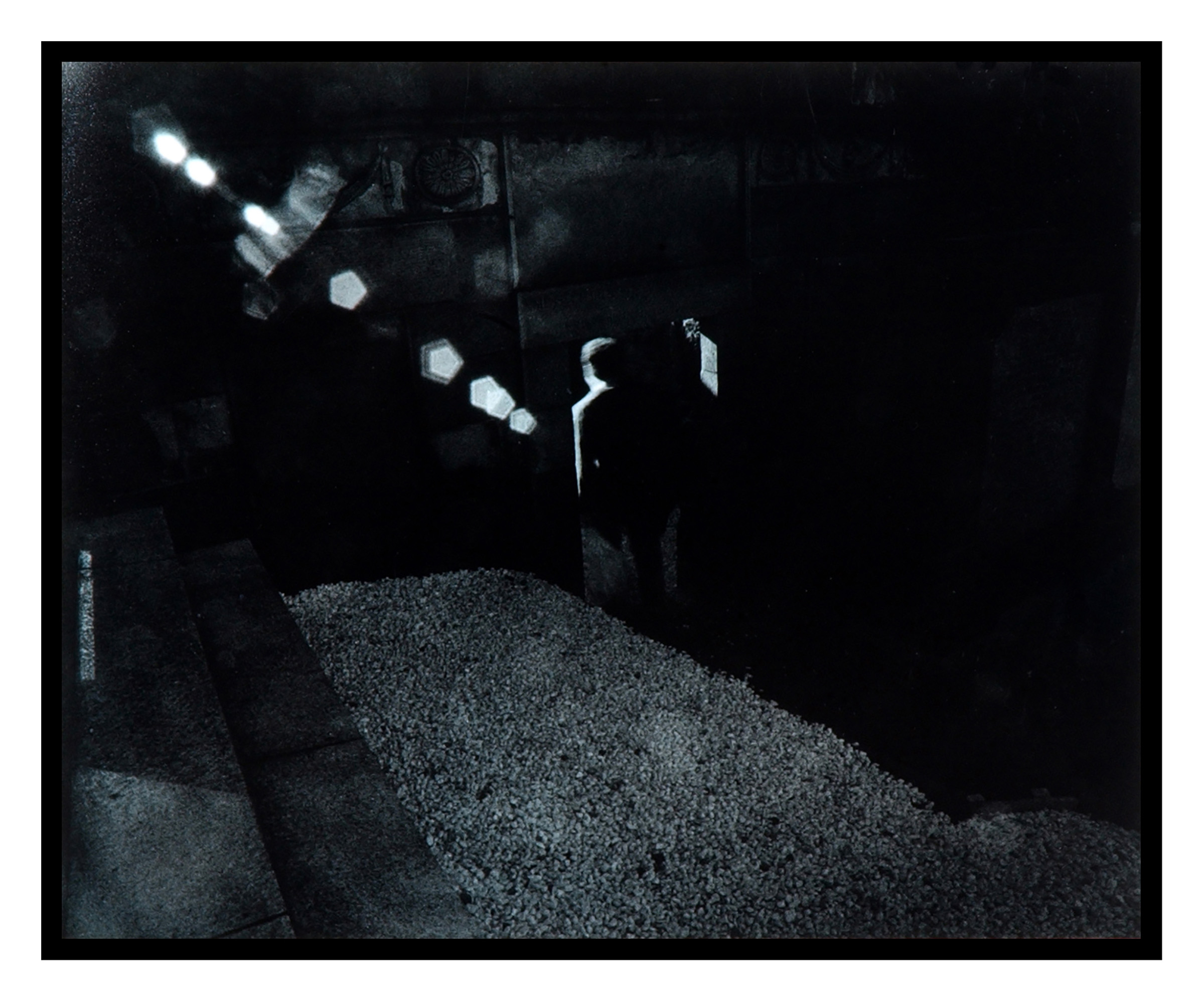
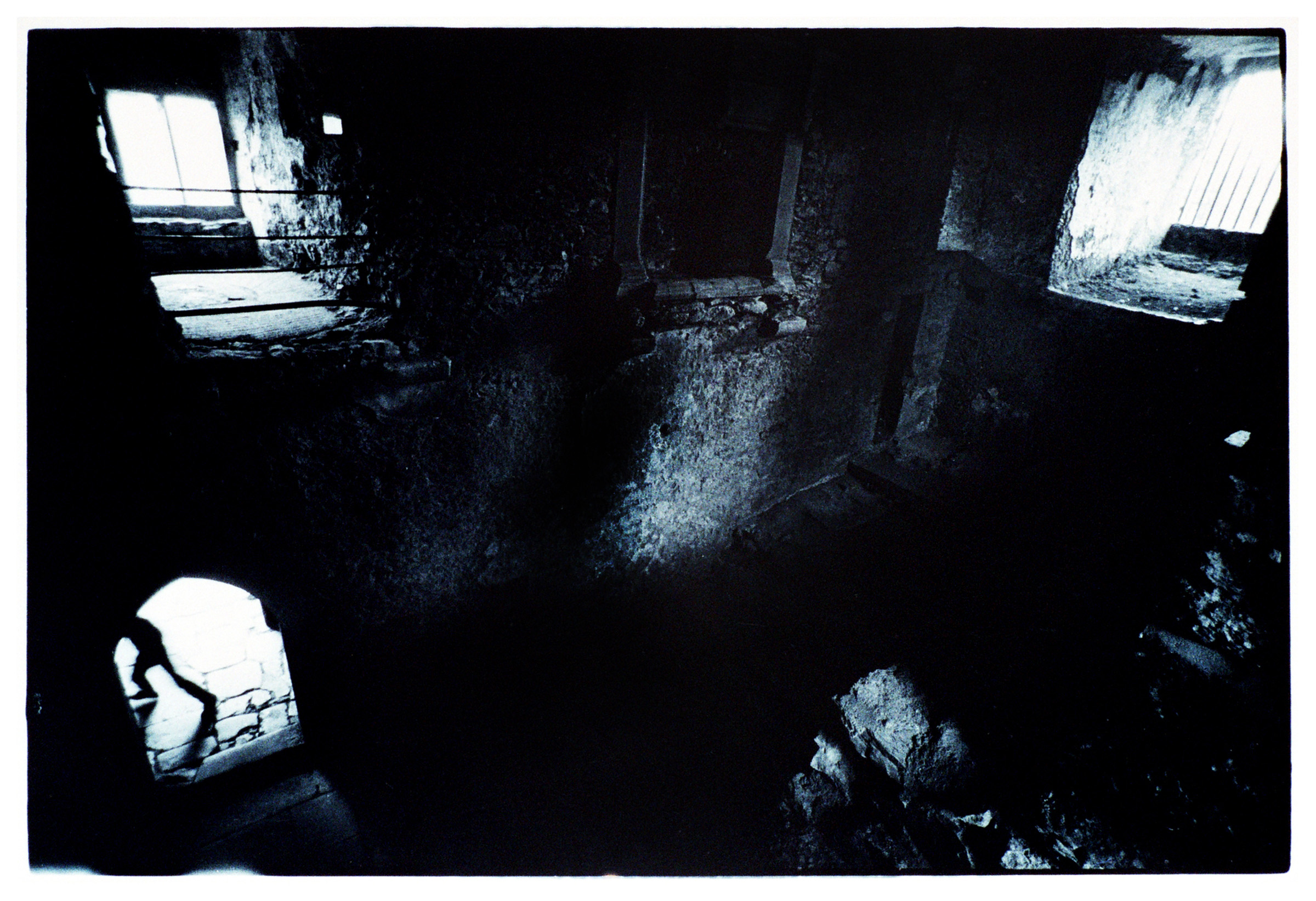
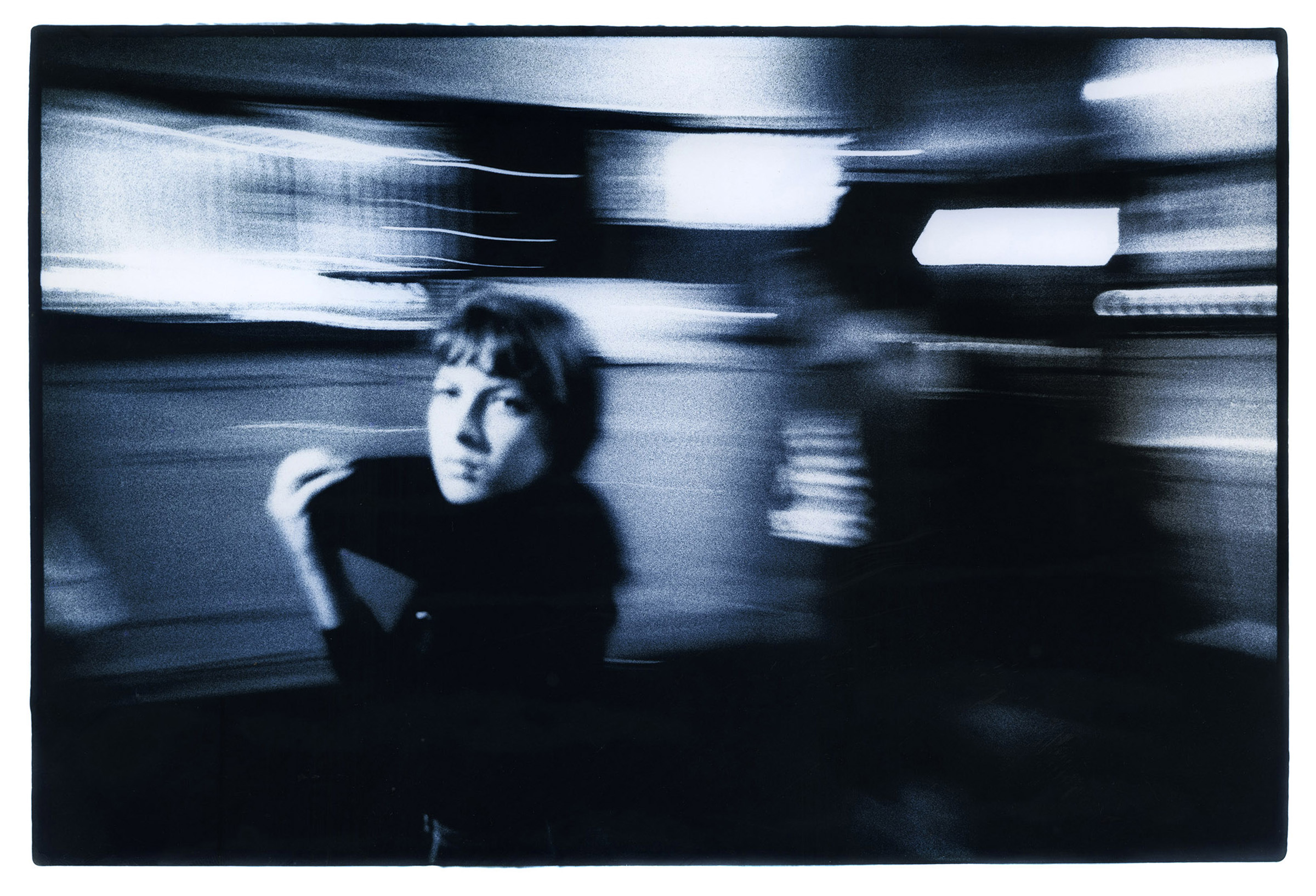
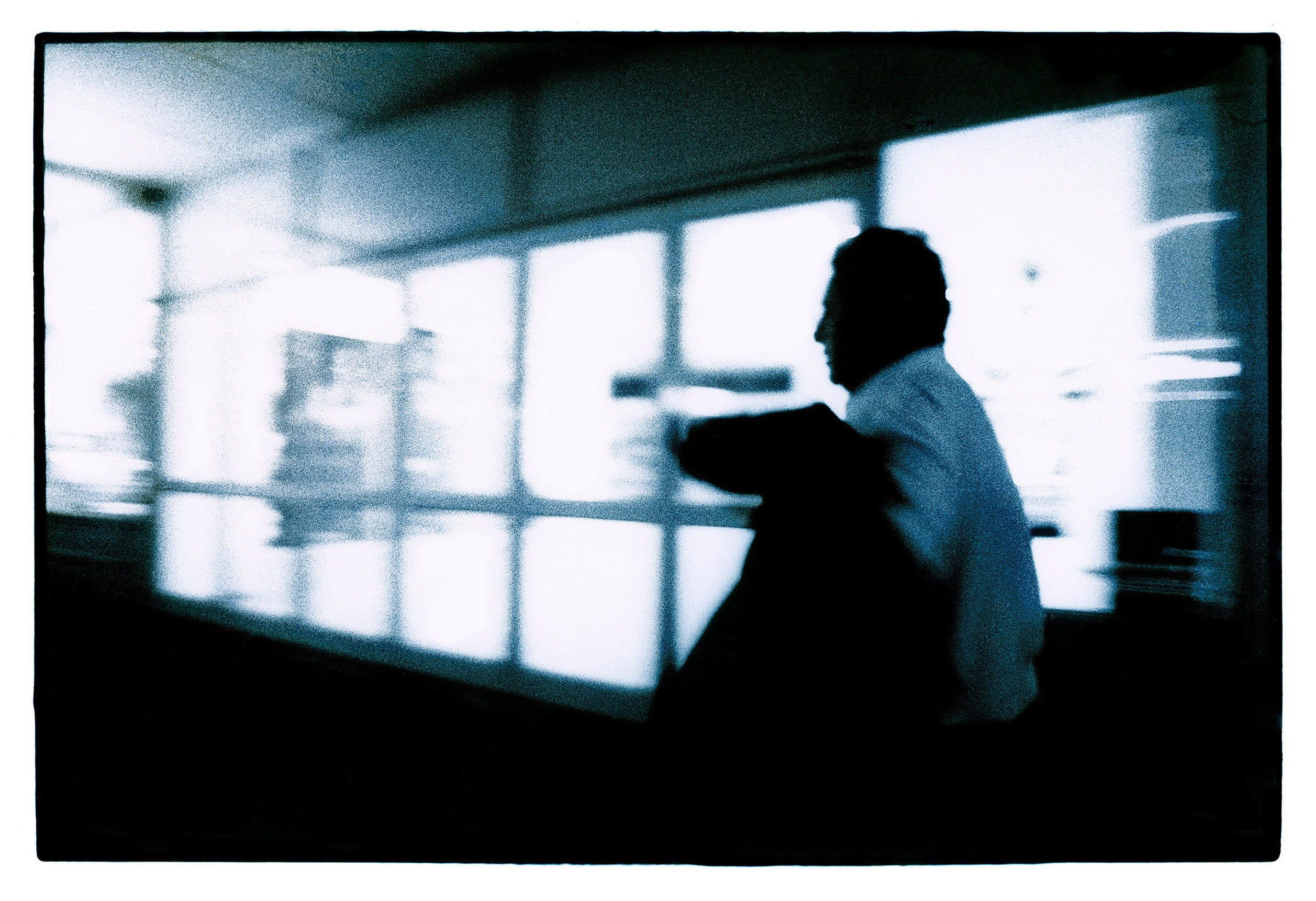
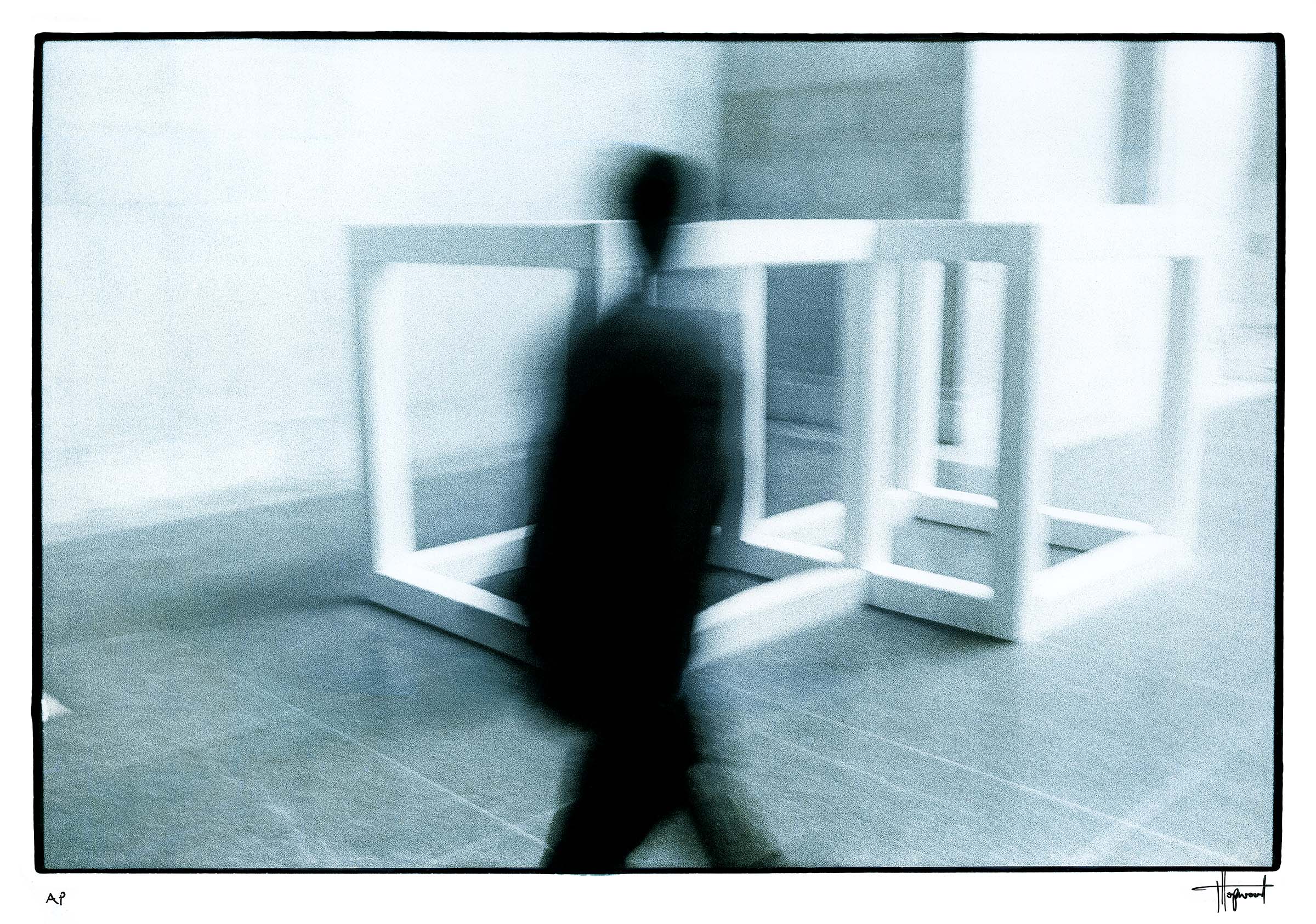
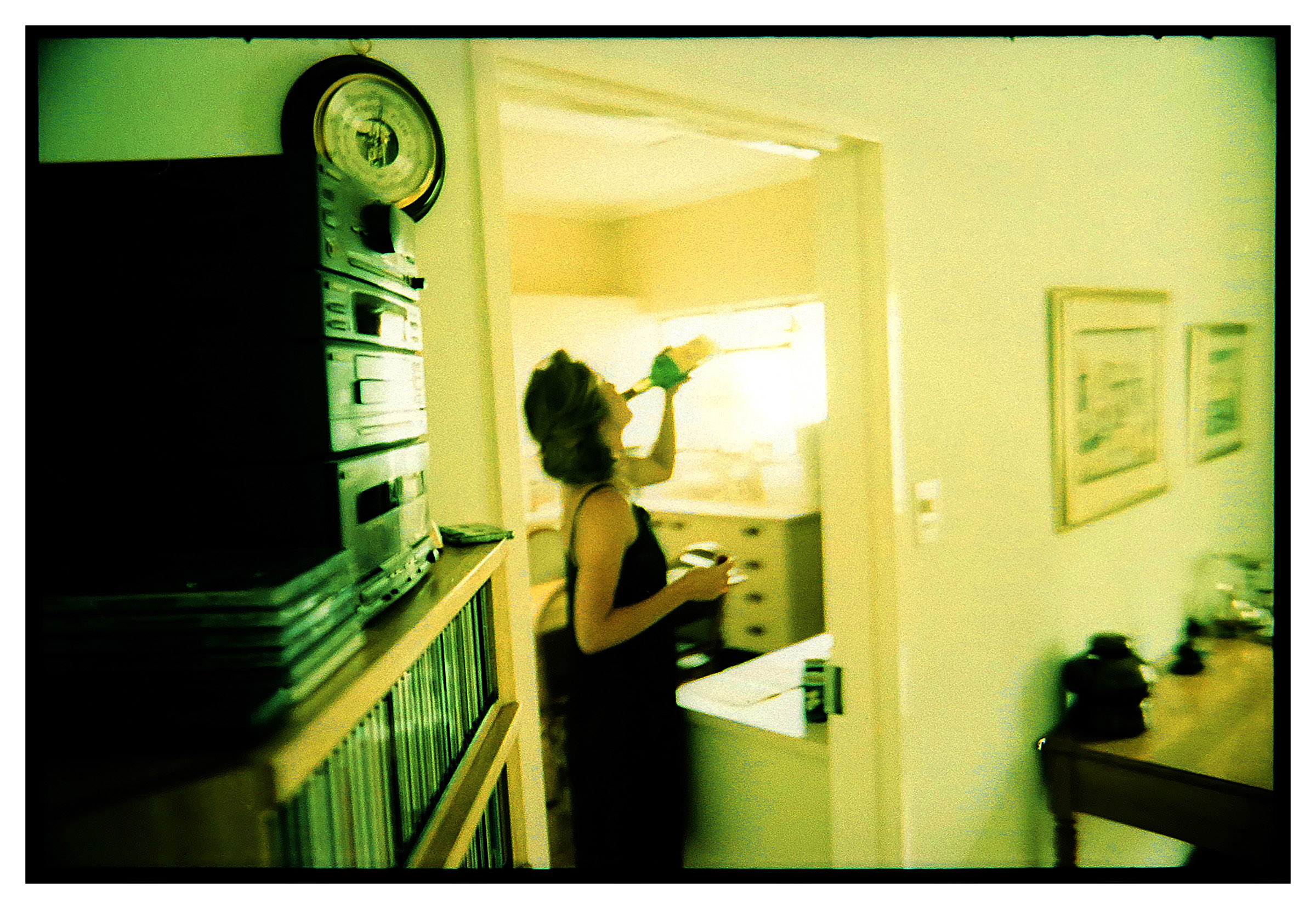

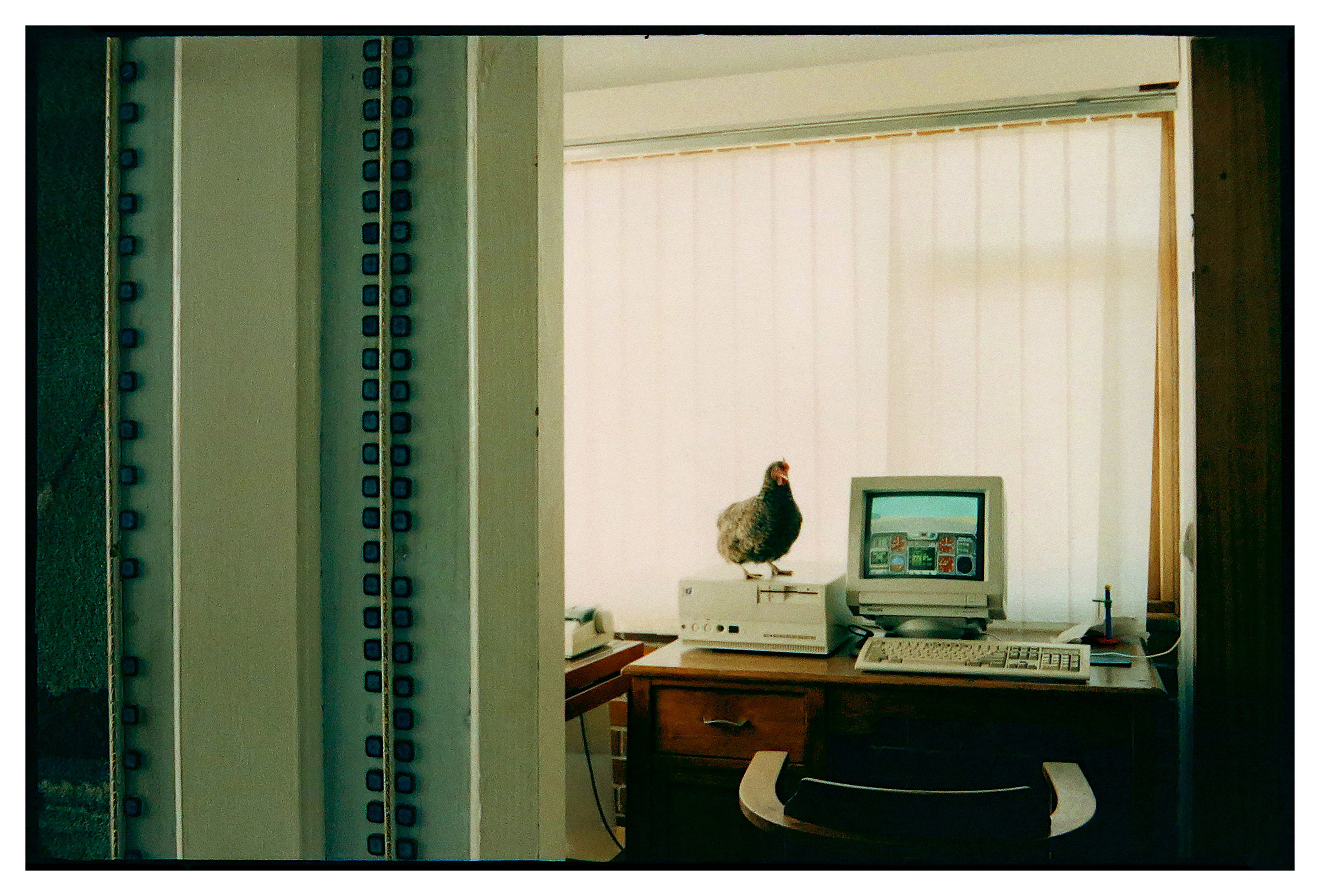
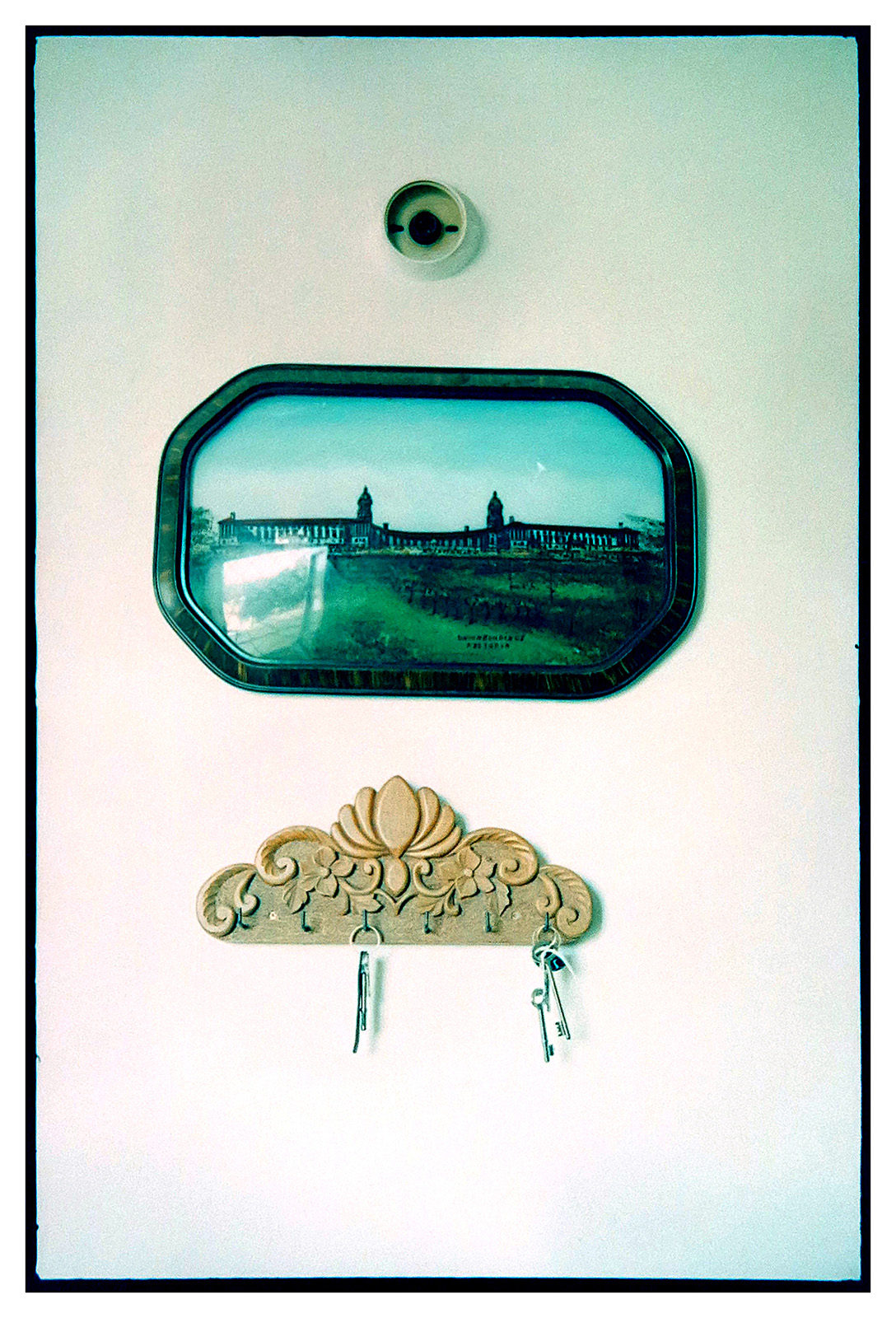
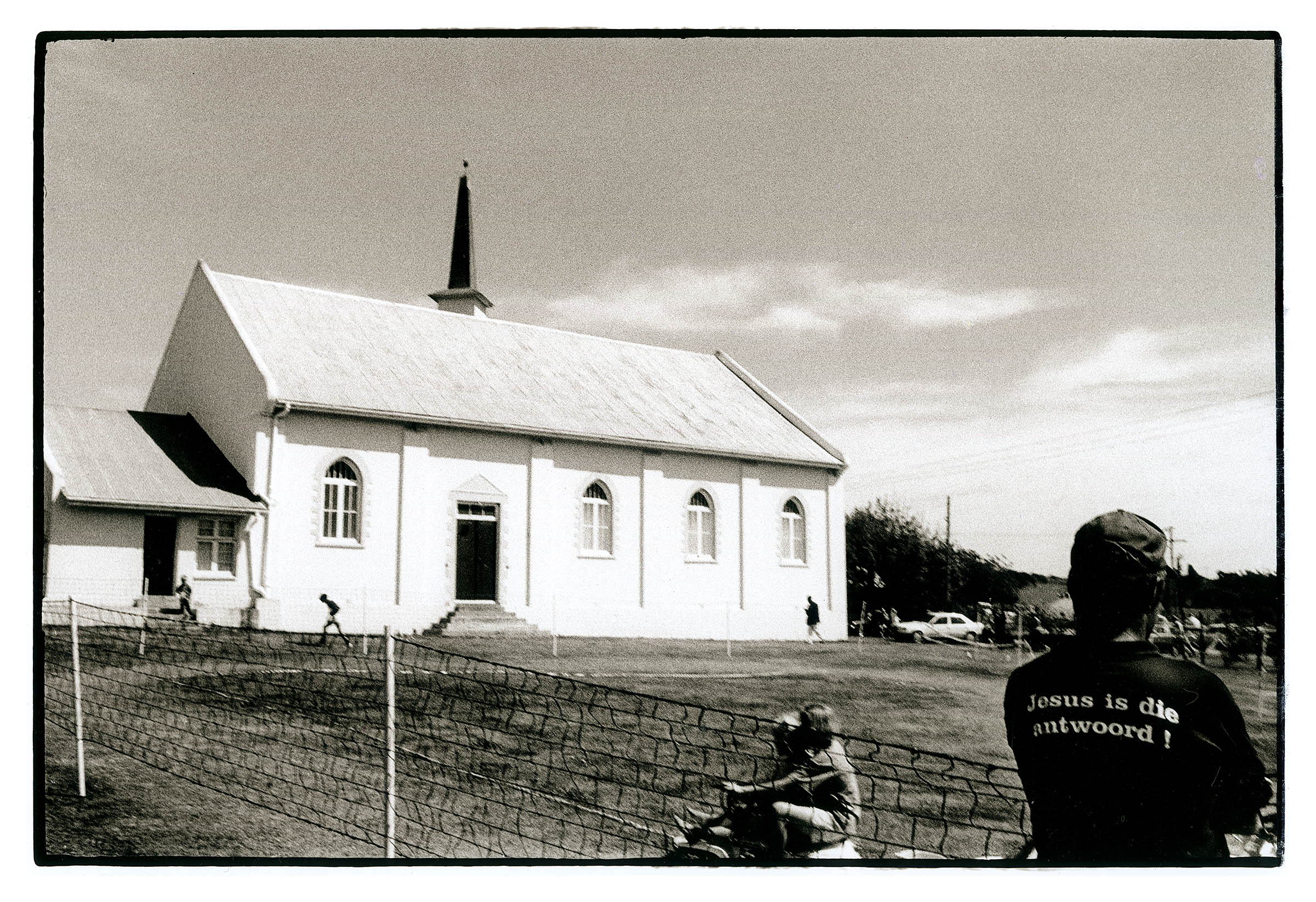
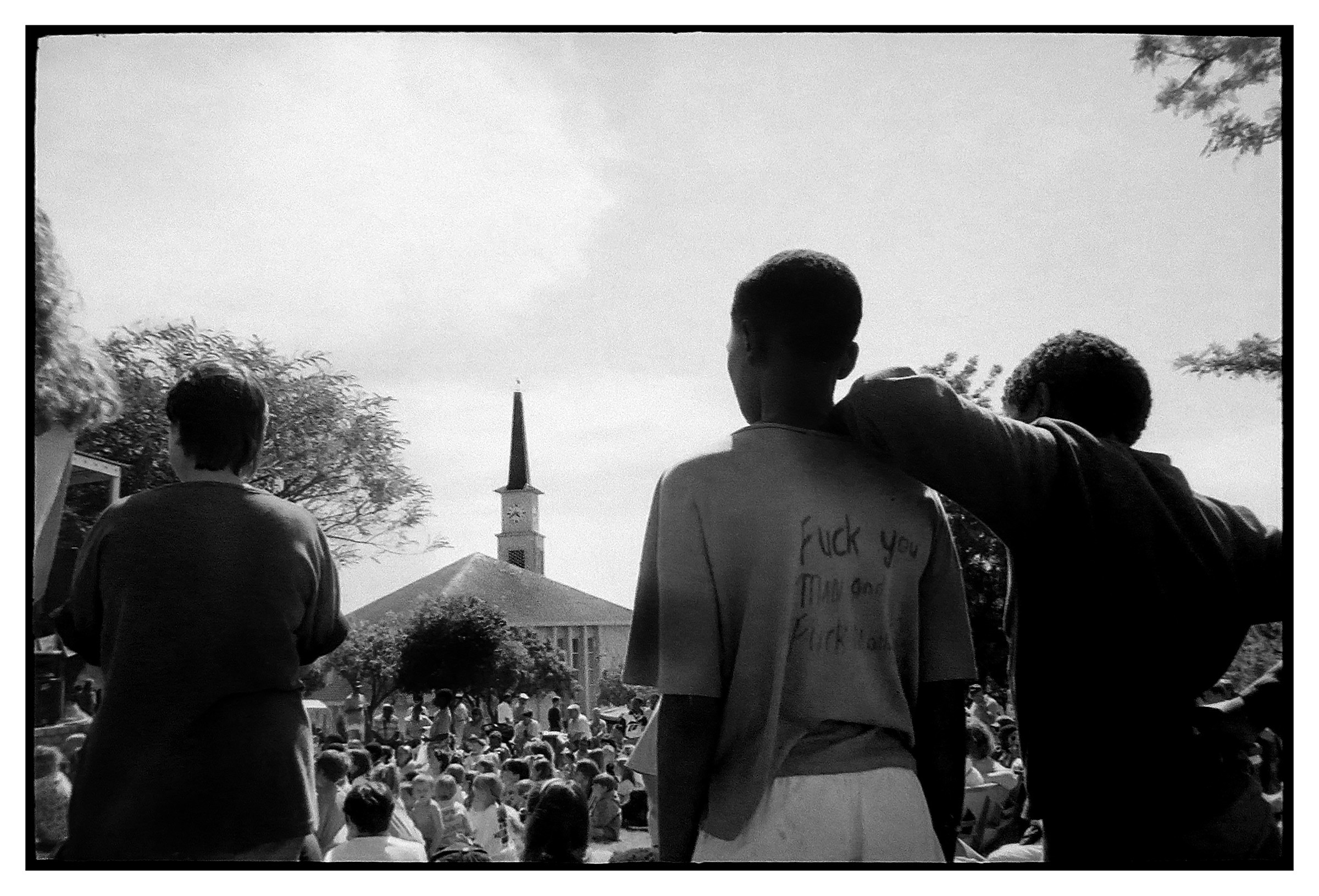
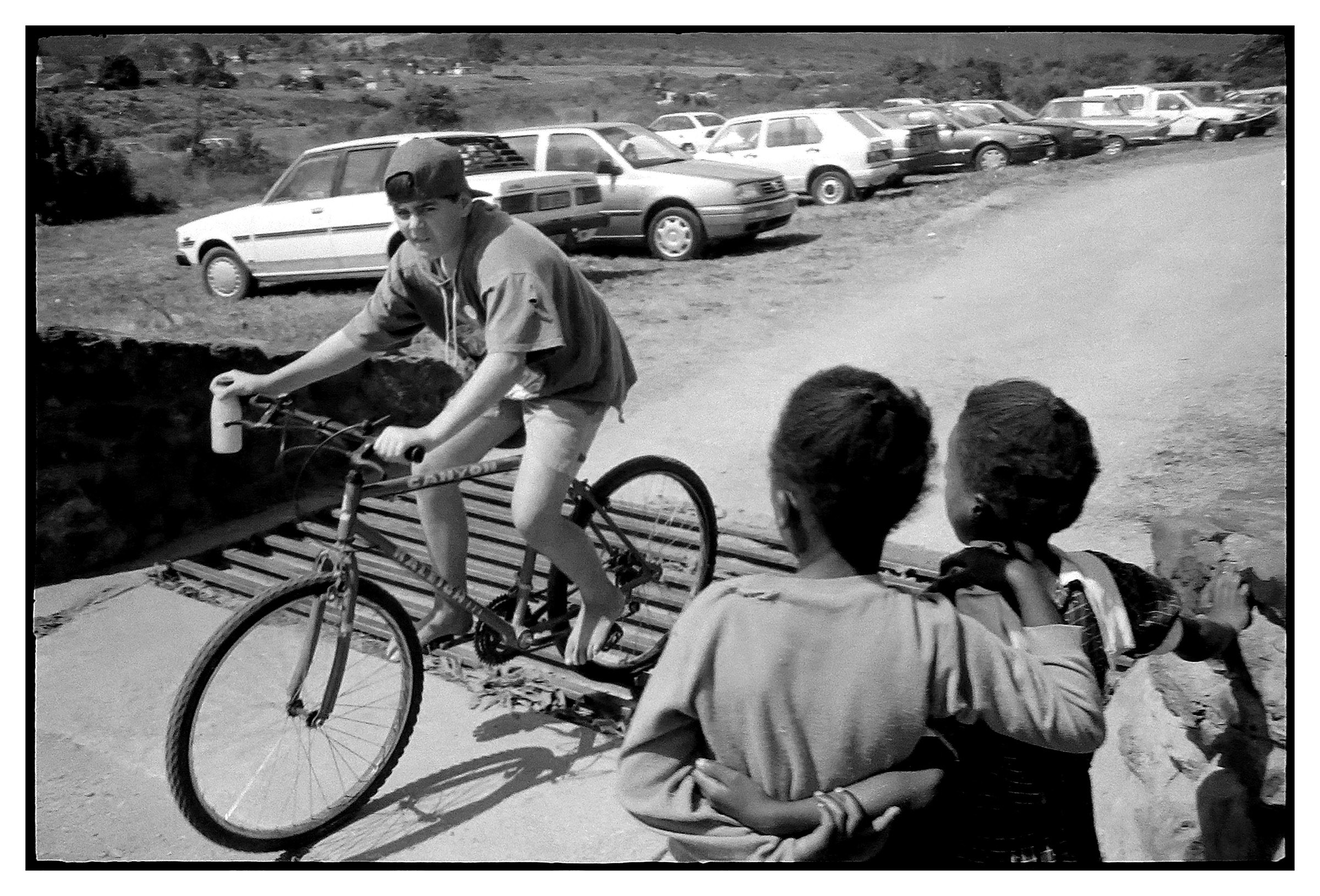
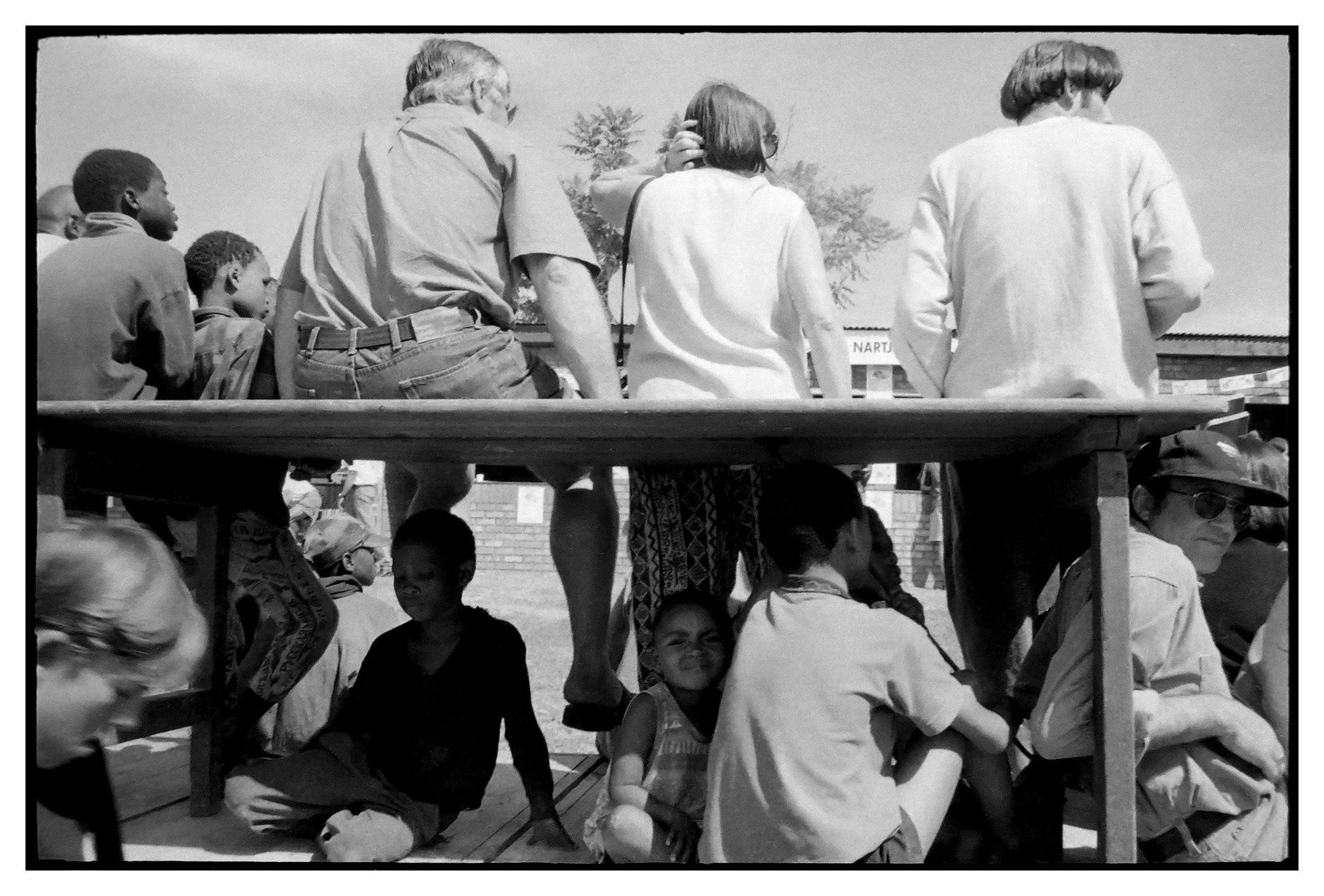
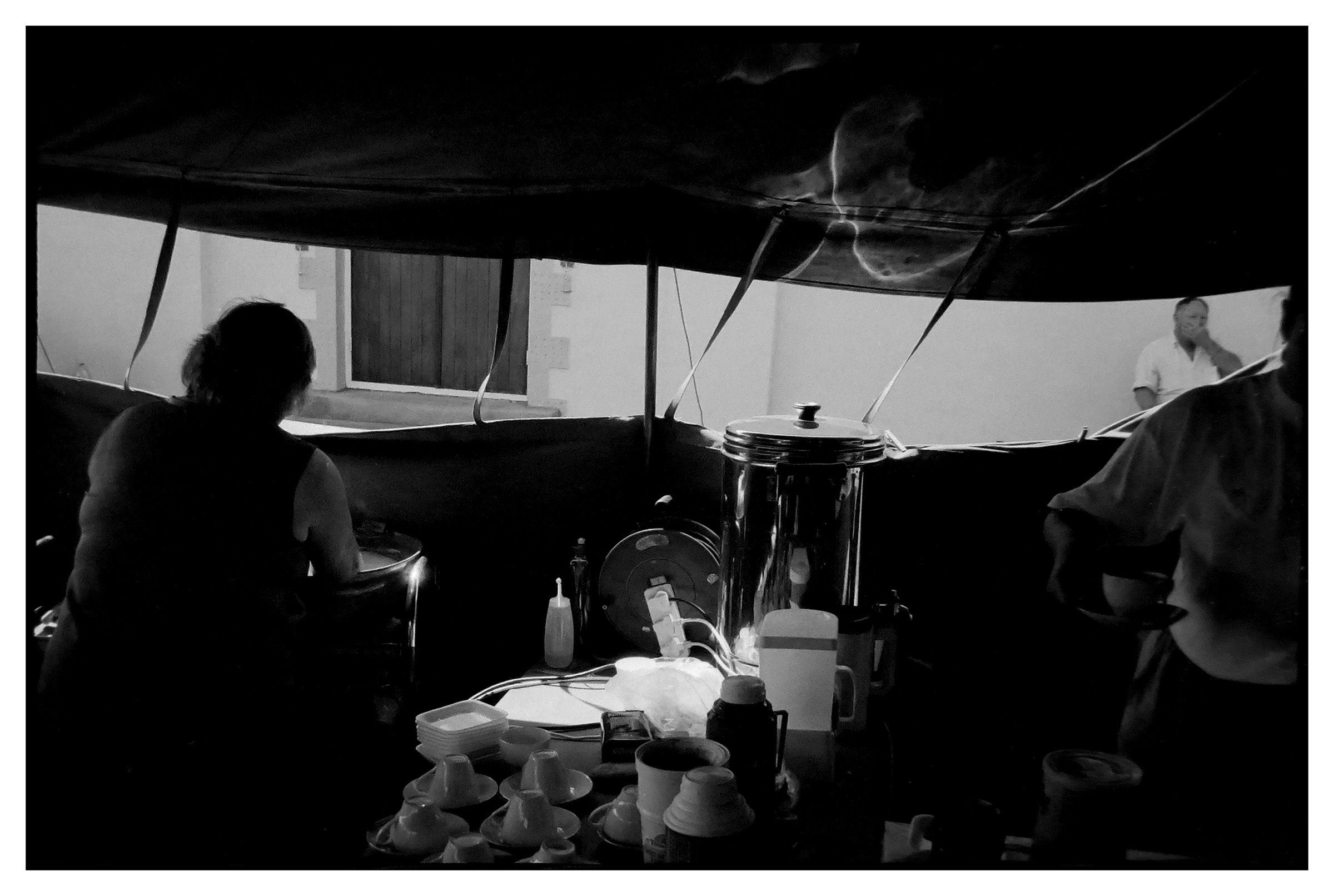
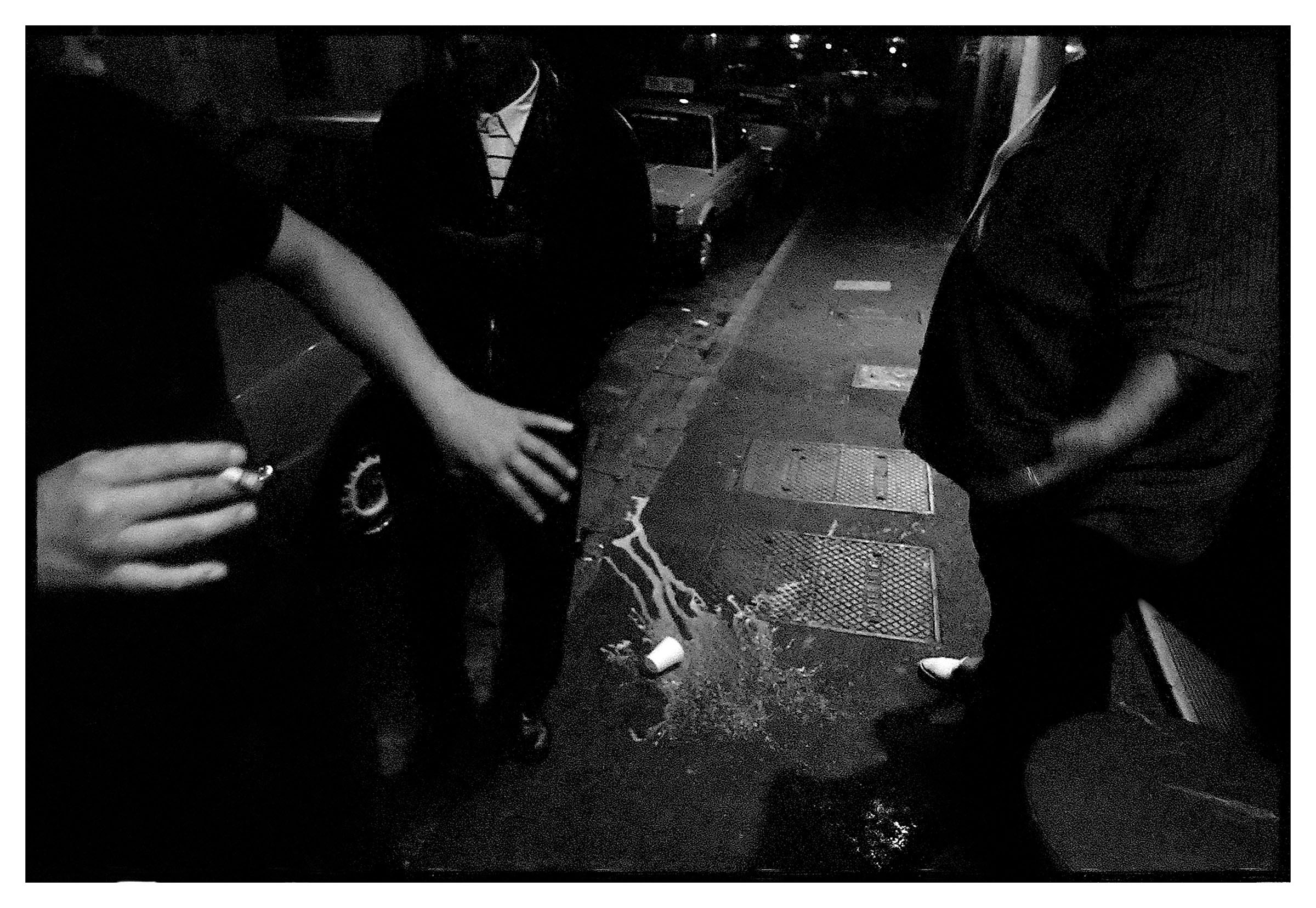
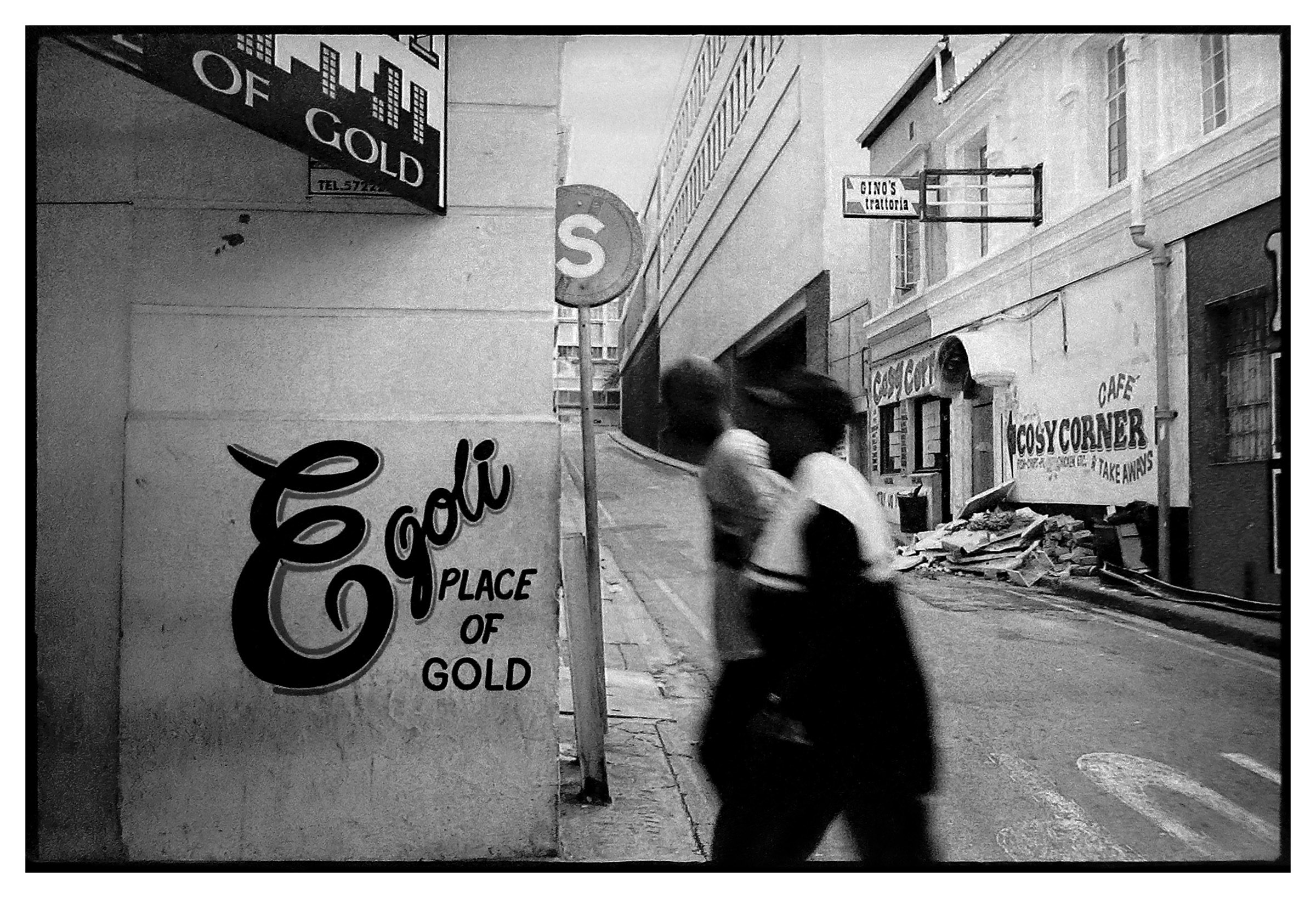
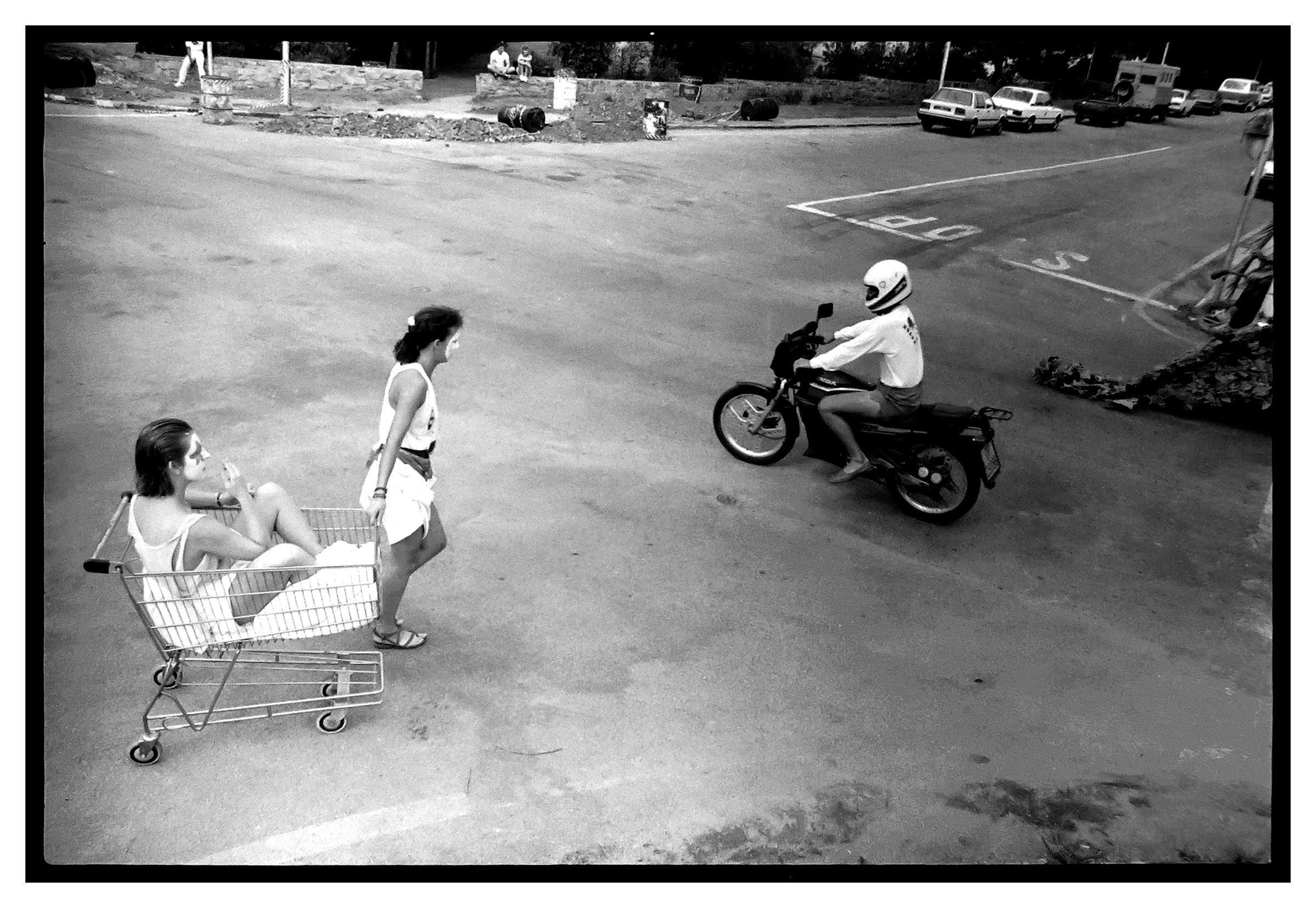
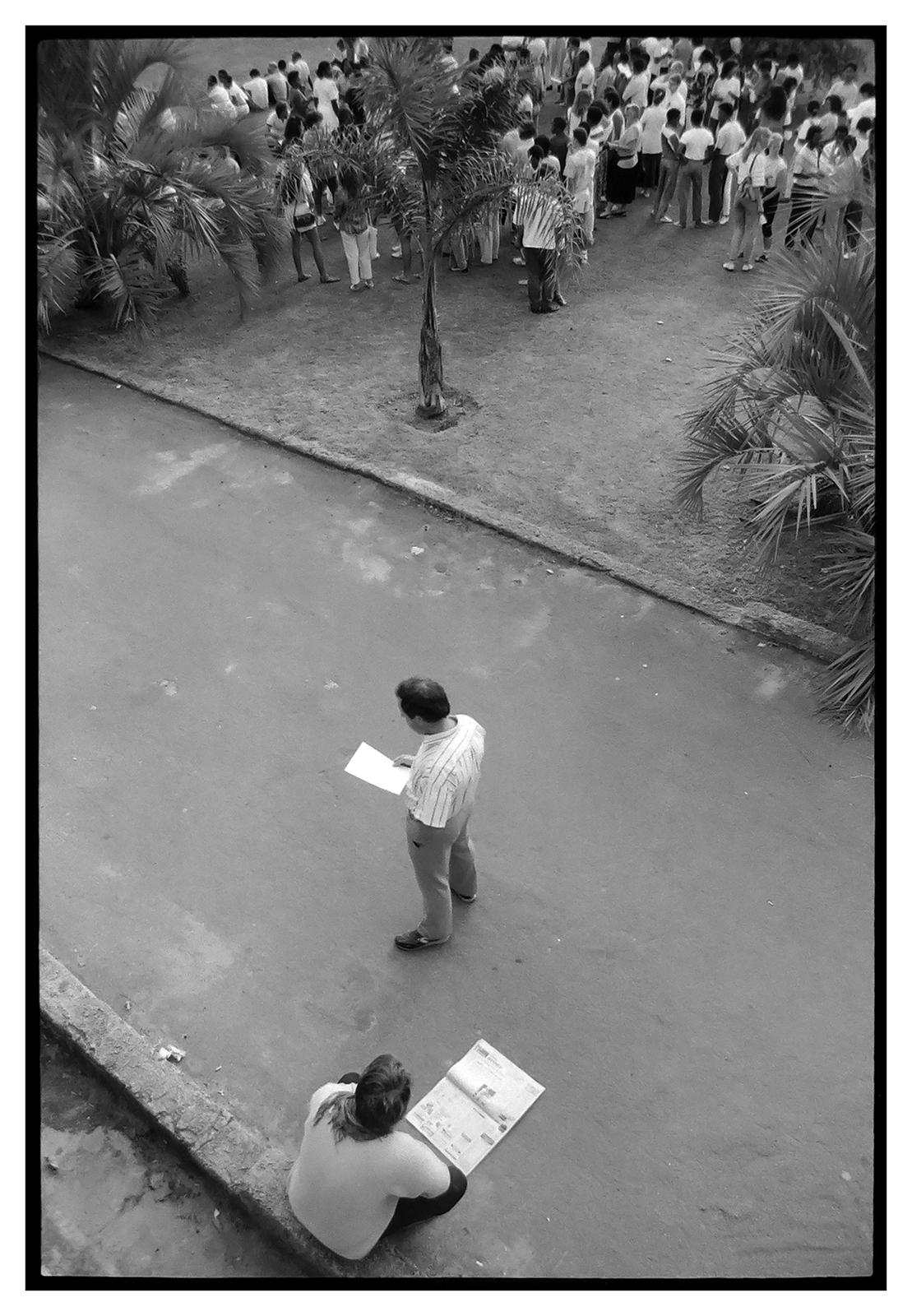
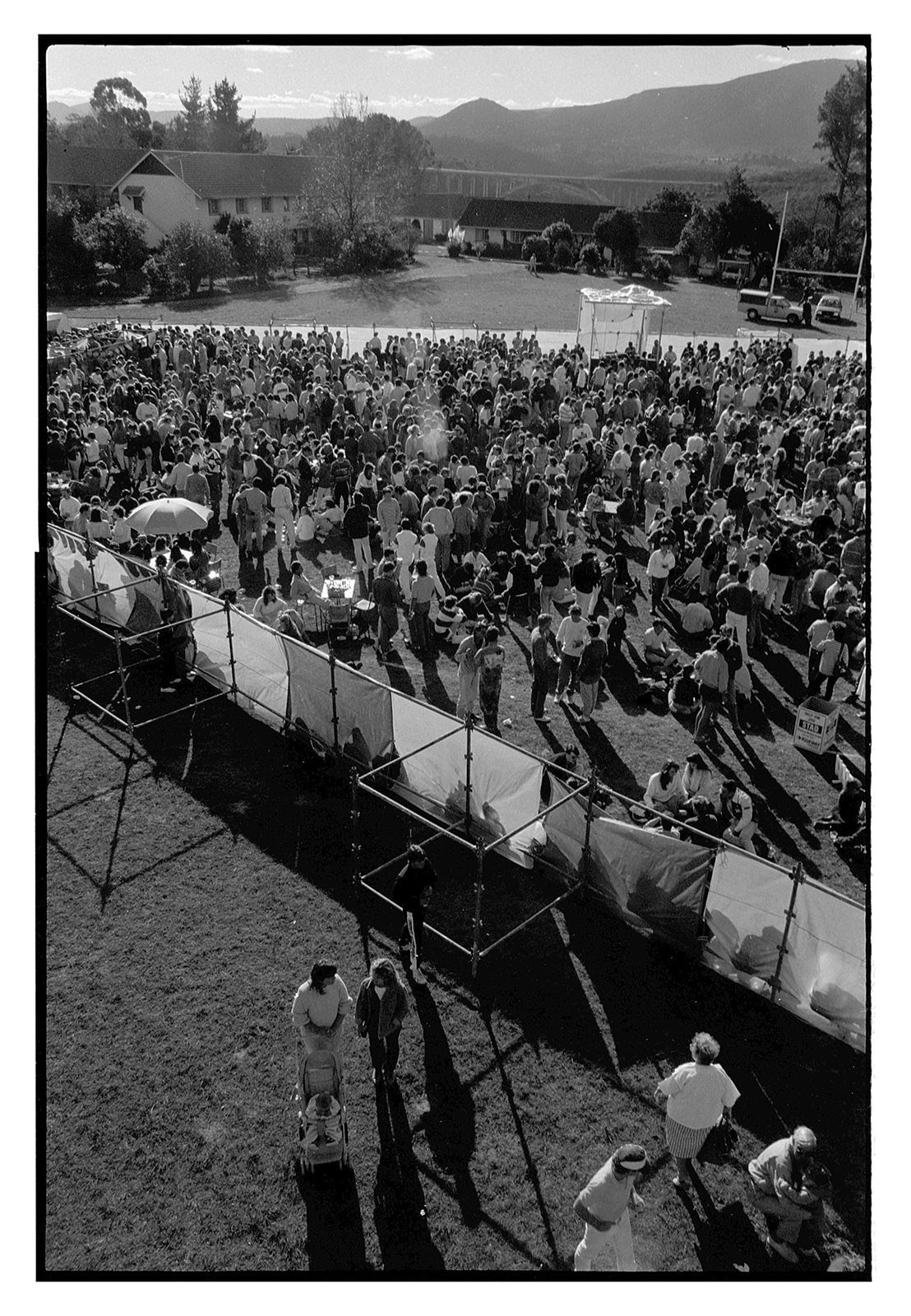
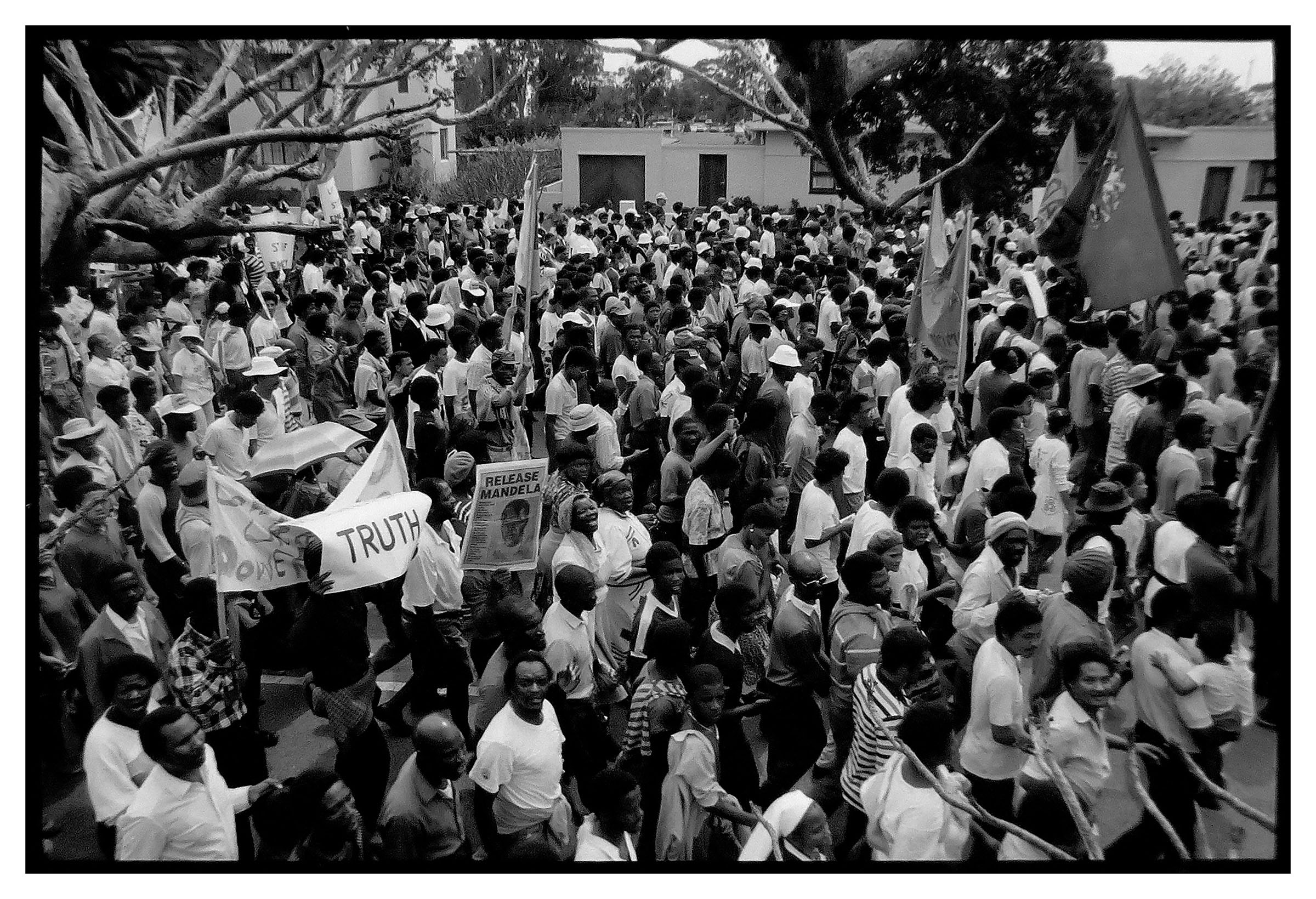
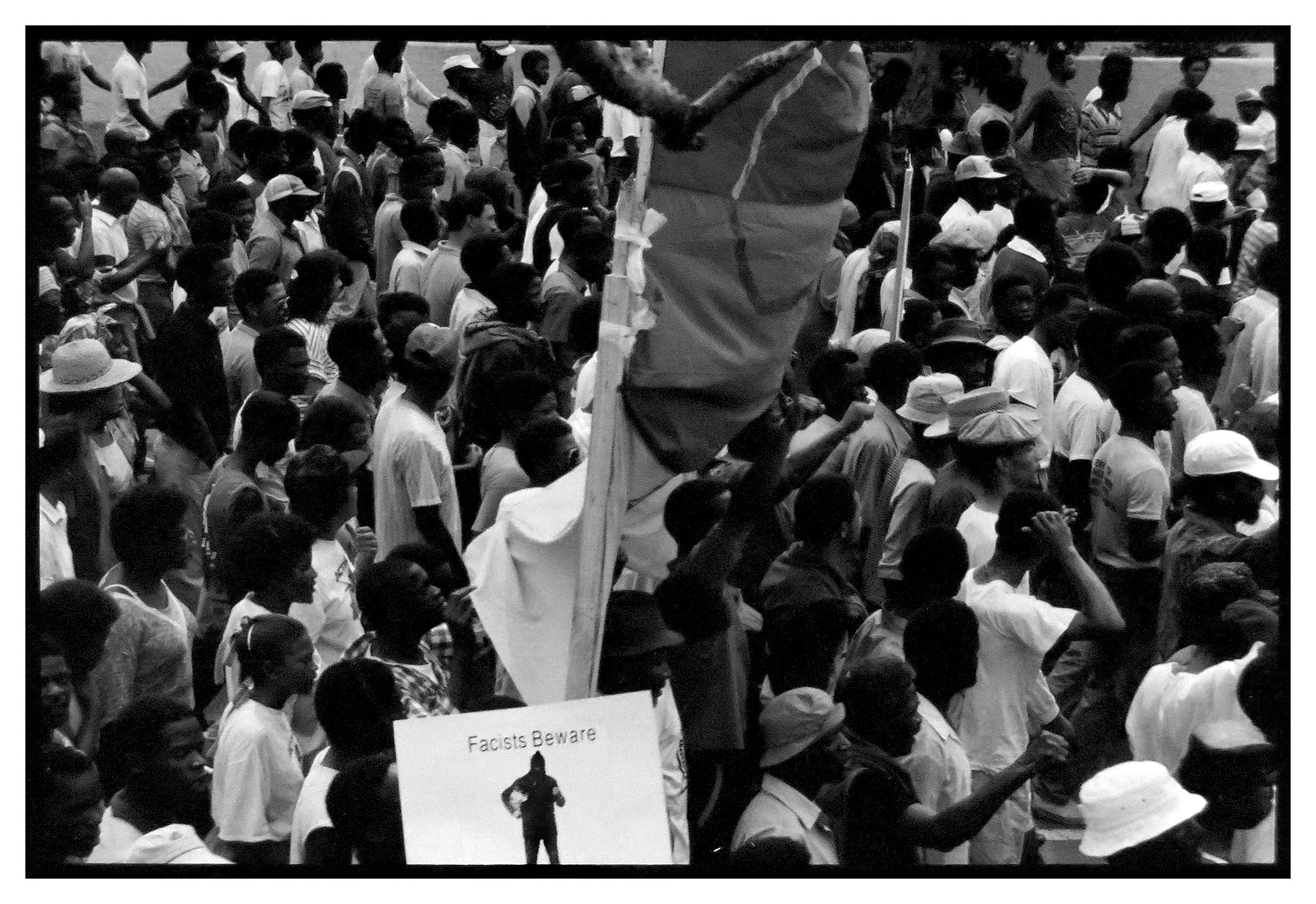
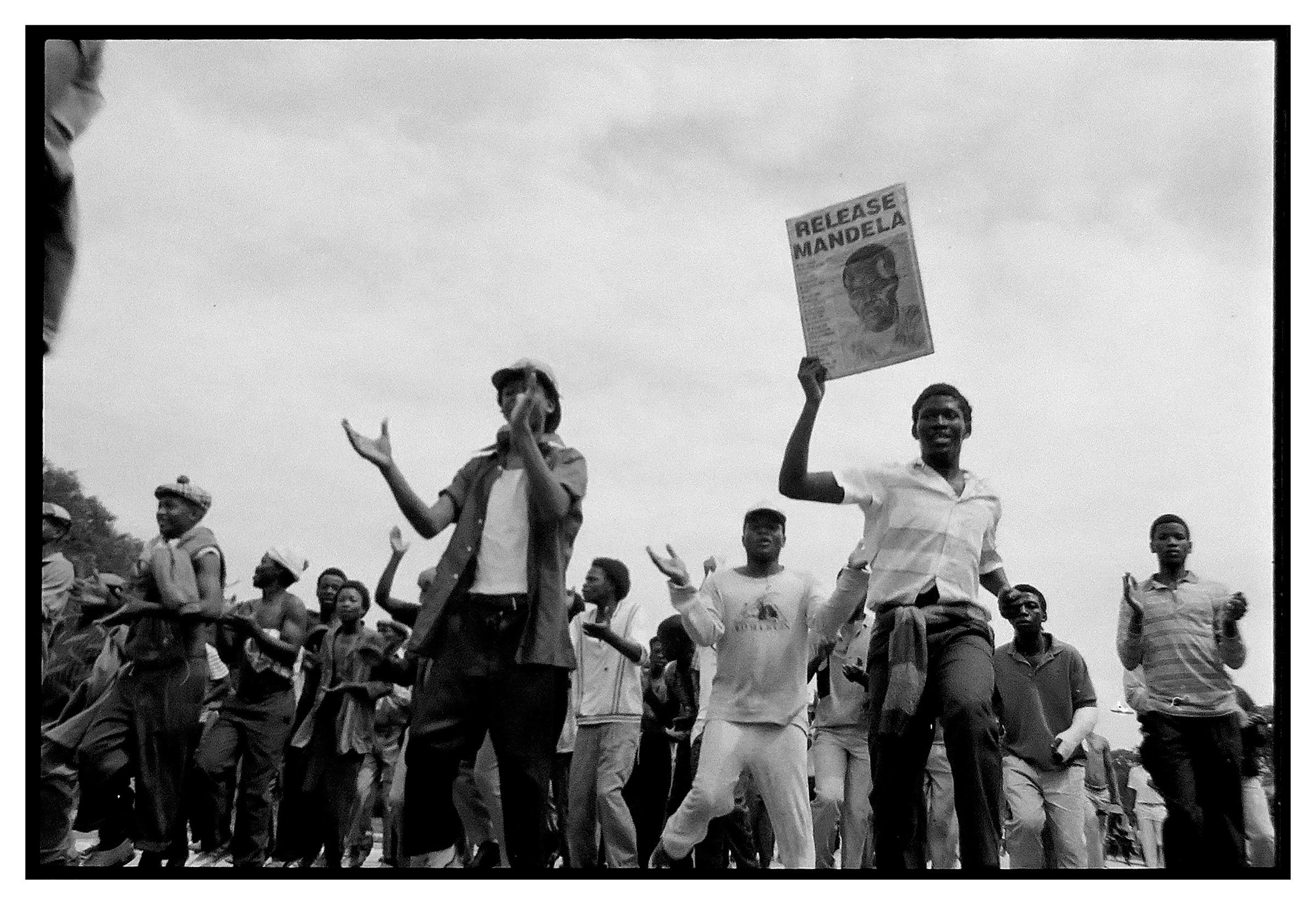
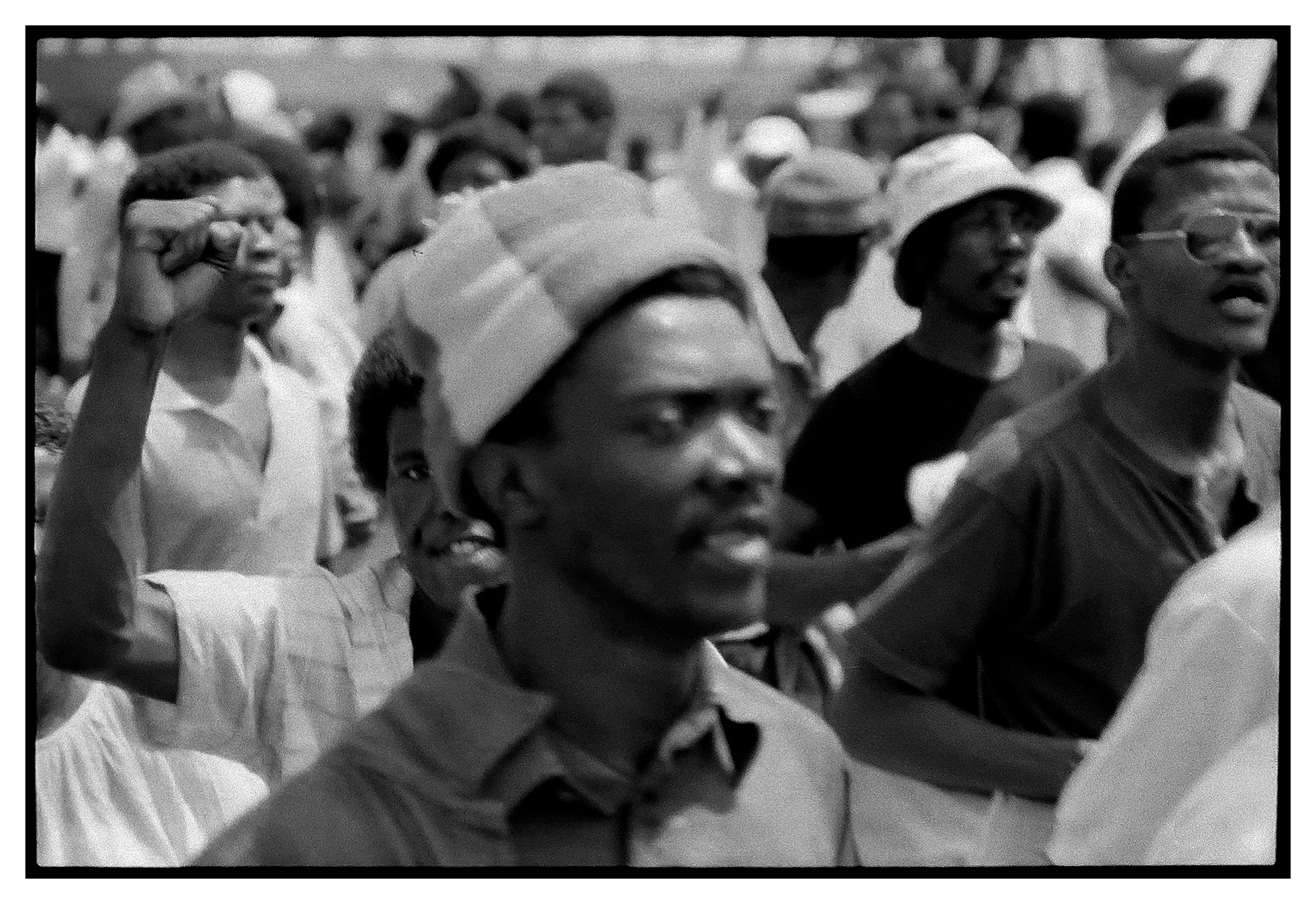
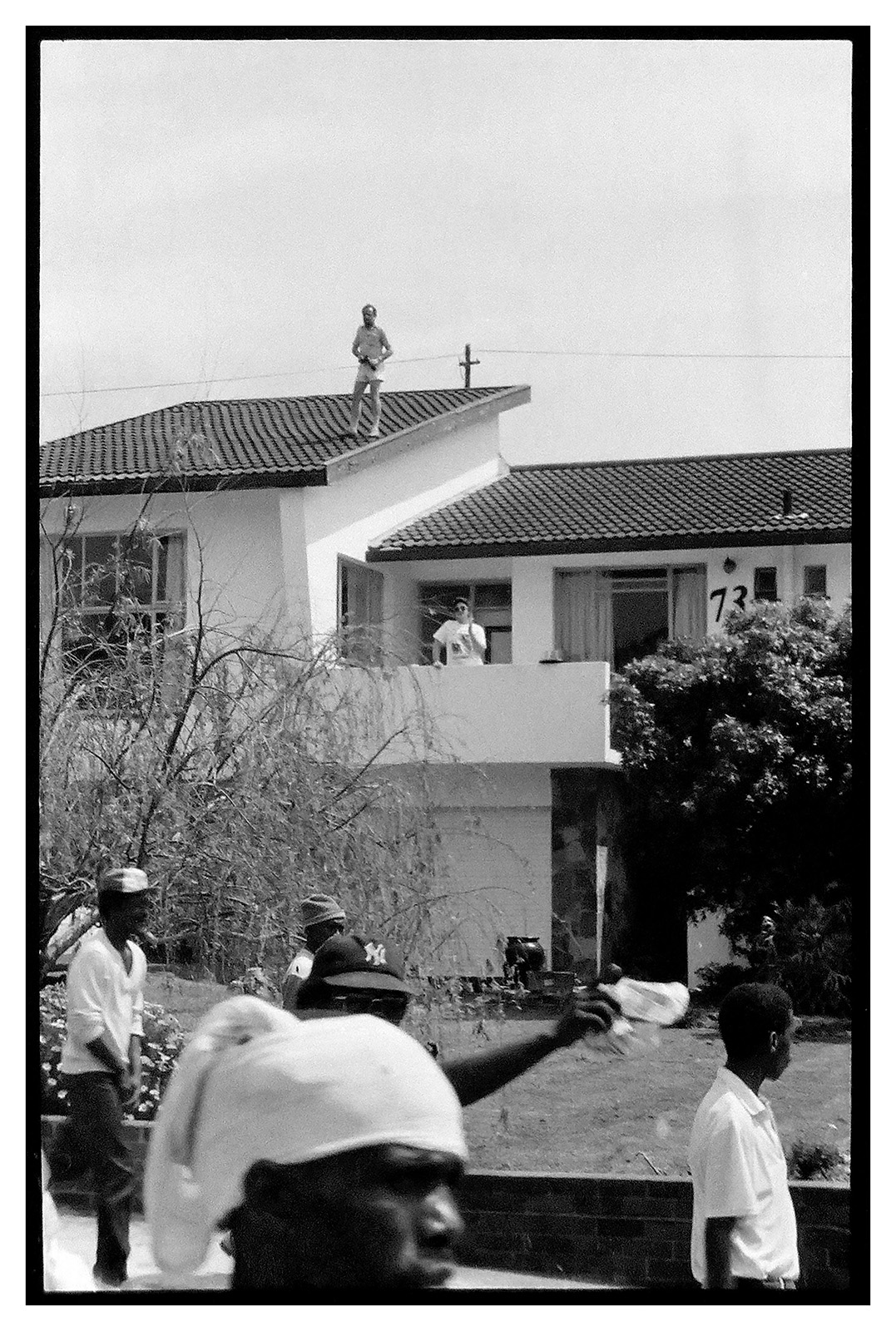
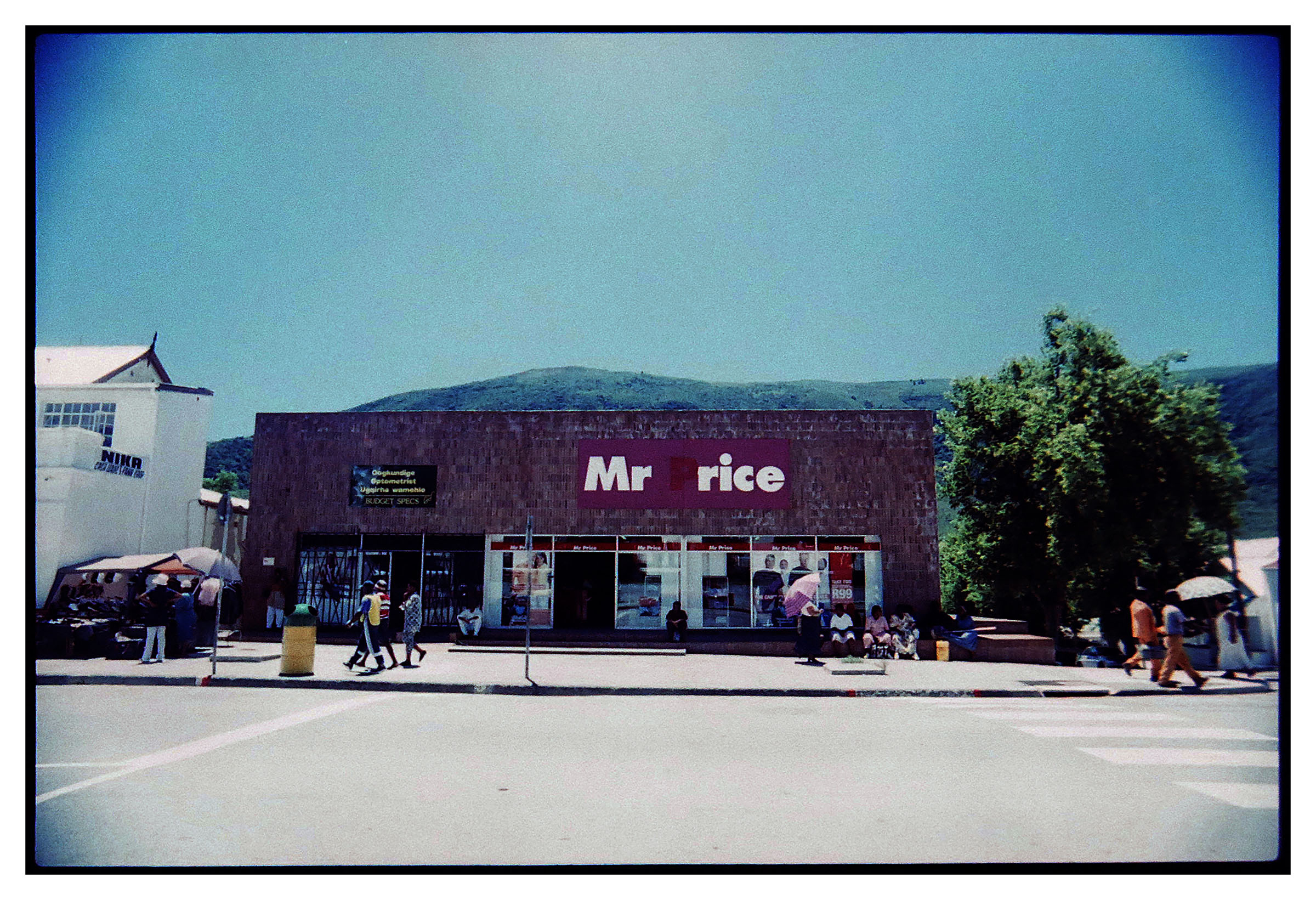
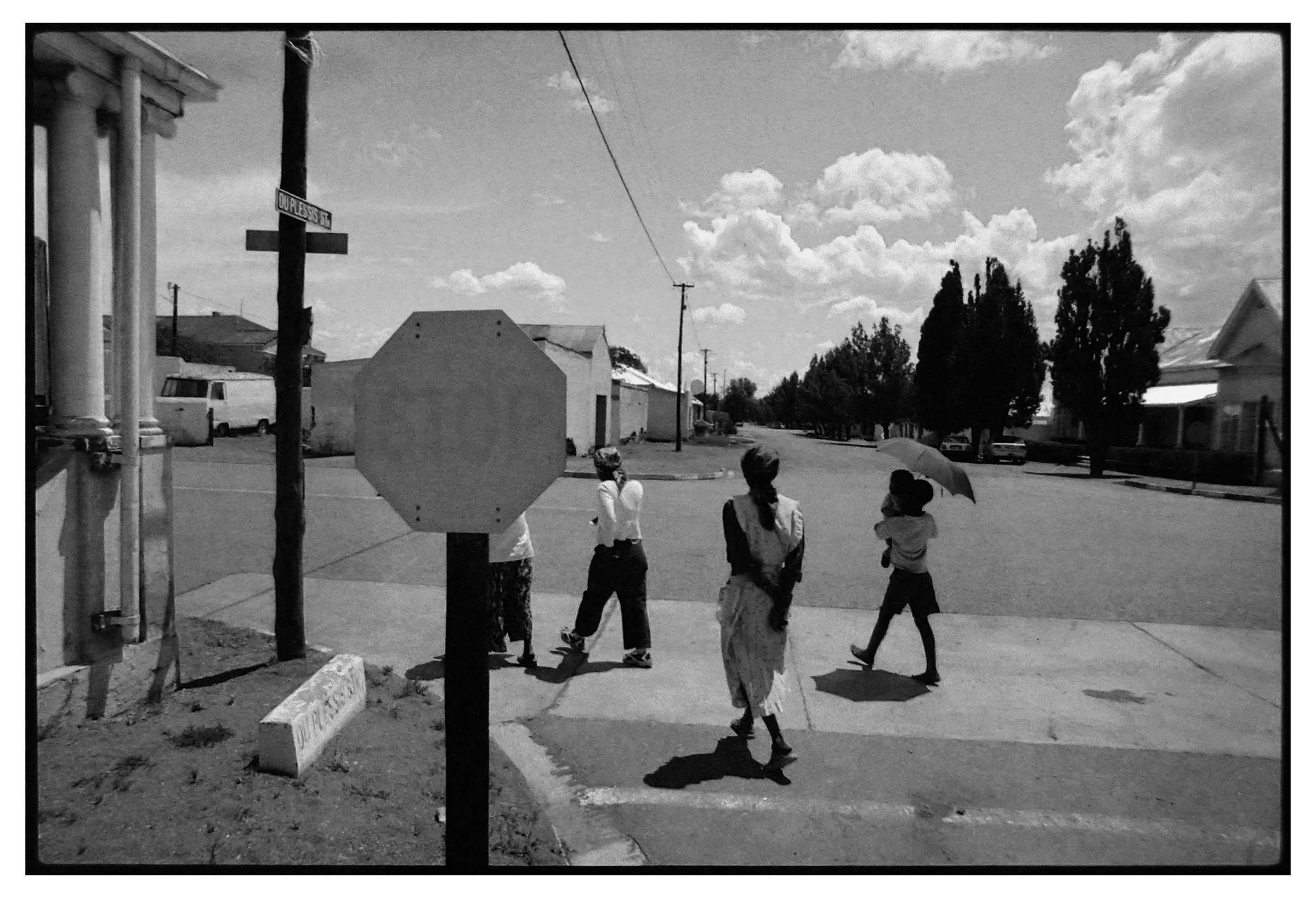
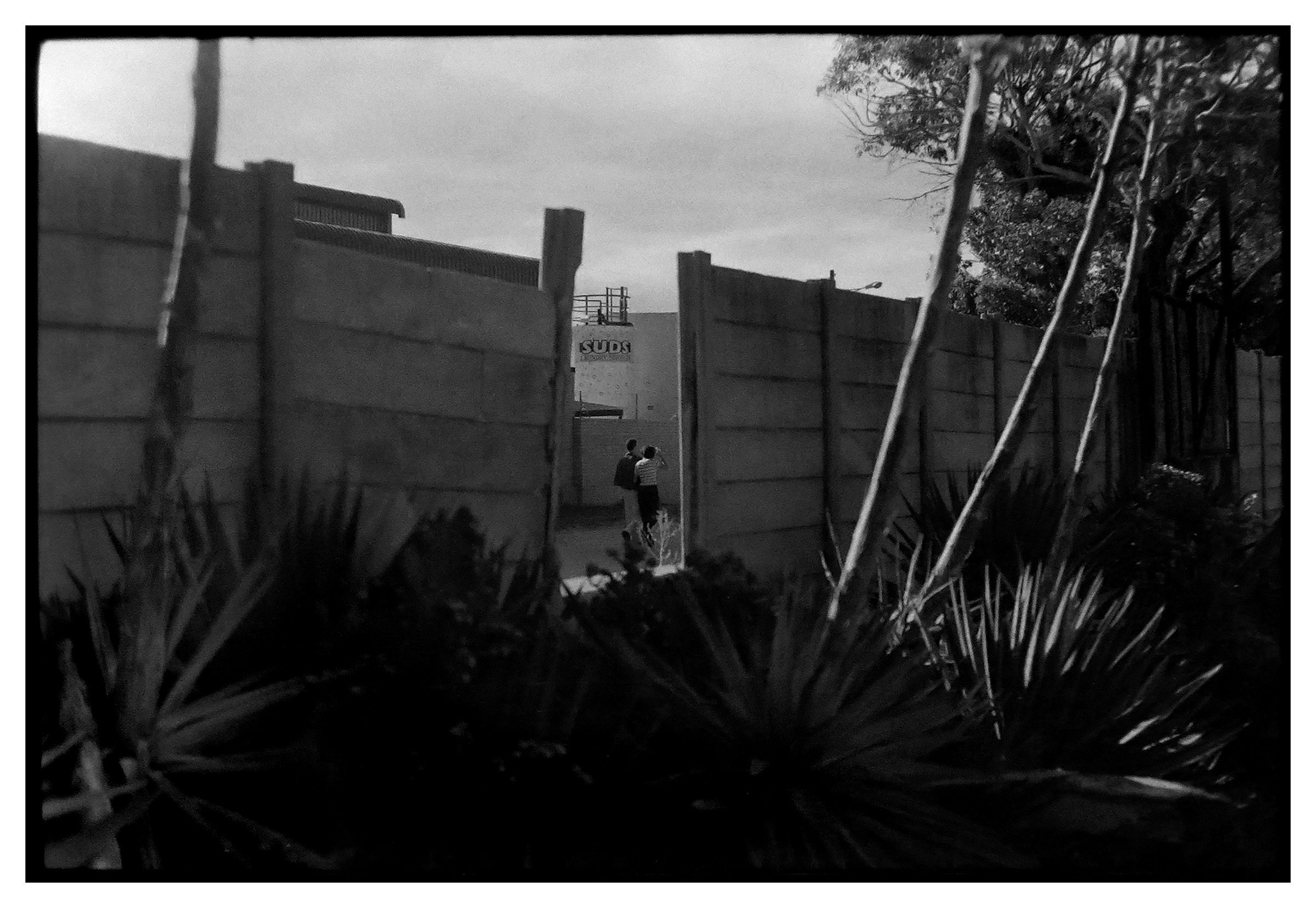
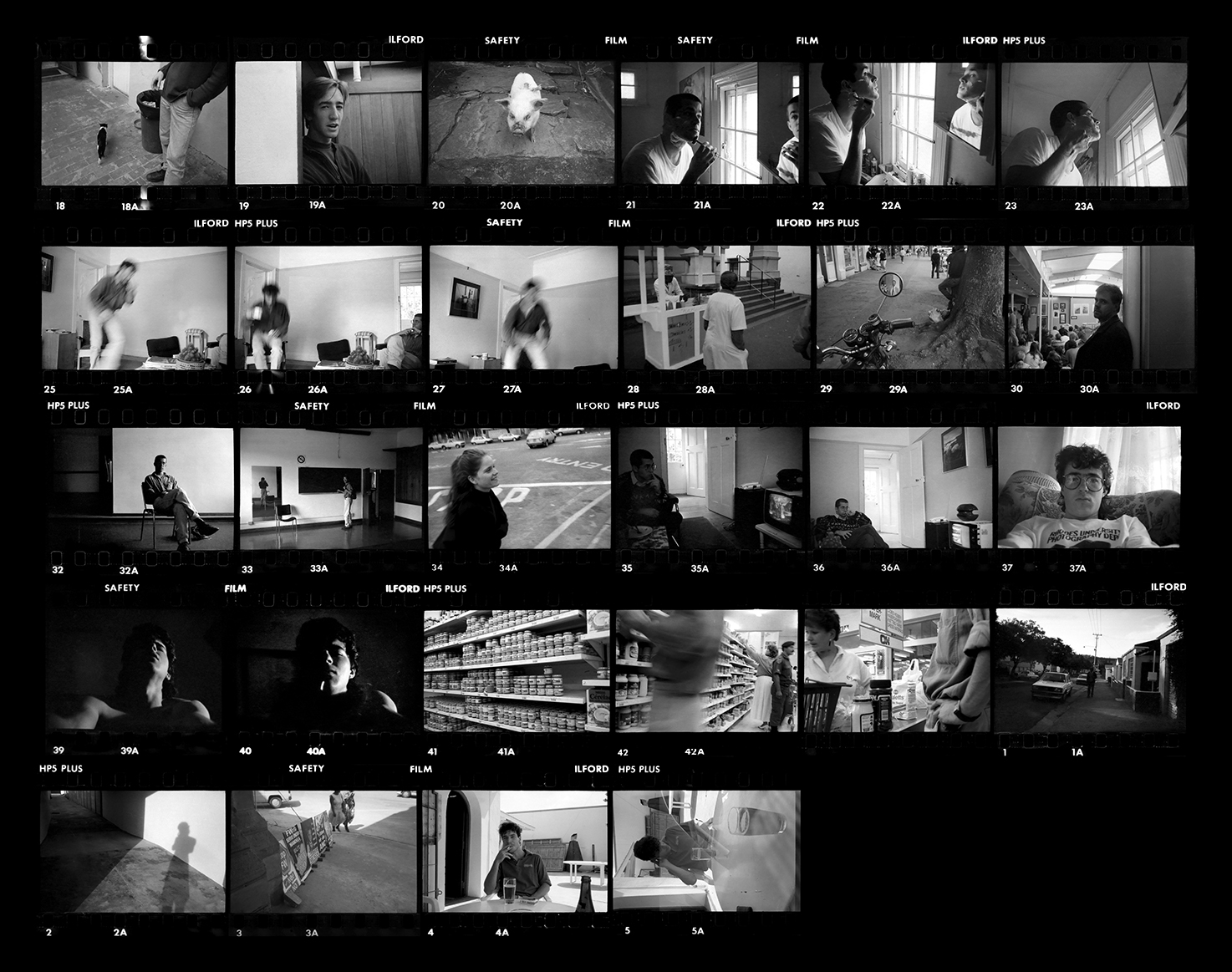
I never was the best documentary photographer, but it's enormous presence in the history of South African photography did make me want to at least try it as an approach. I greatly admire the work of the great 'street photographers' like Cartier-Bresson, Joseph Koudelka and, lately, Vivienne Mayer. It's not easy at all, but here are a few of my humble efforts.
Frank's Wild years
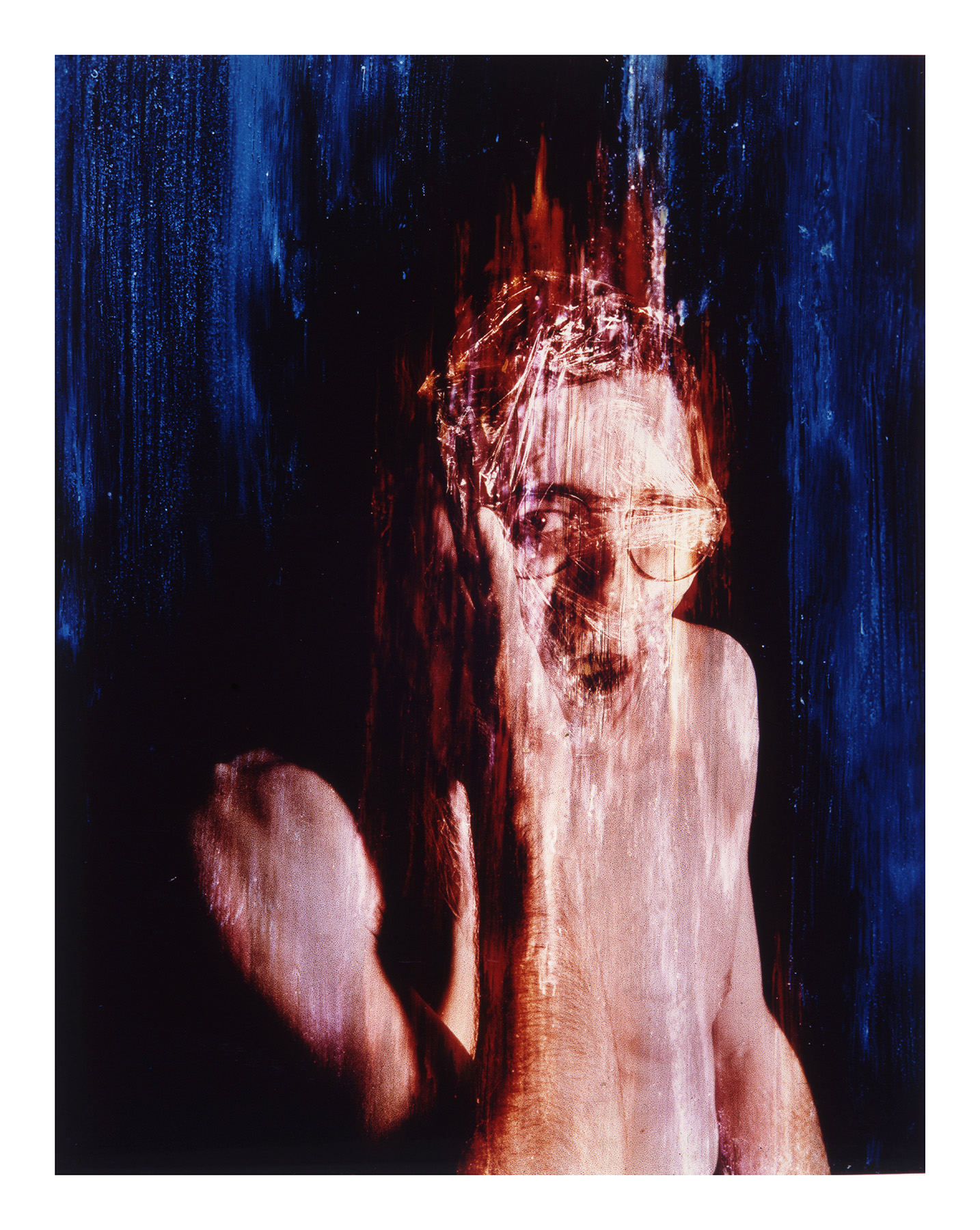
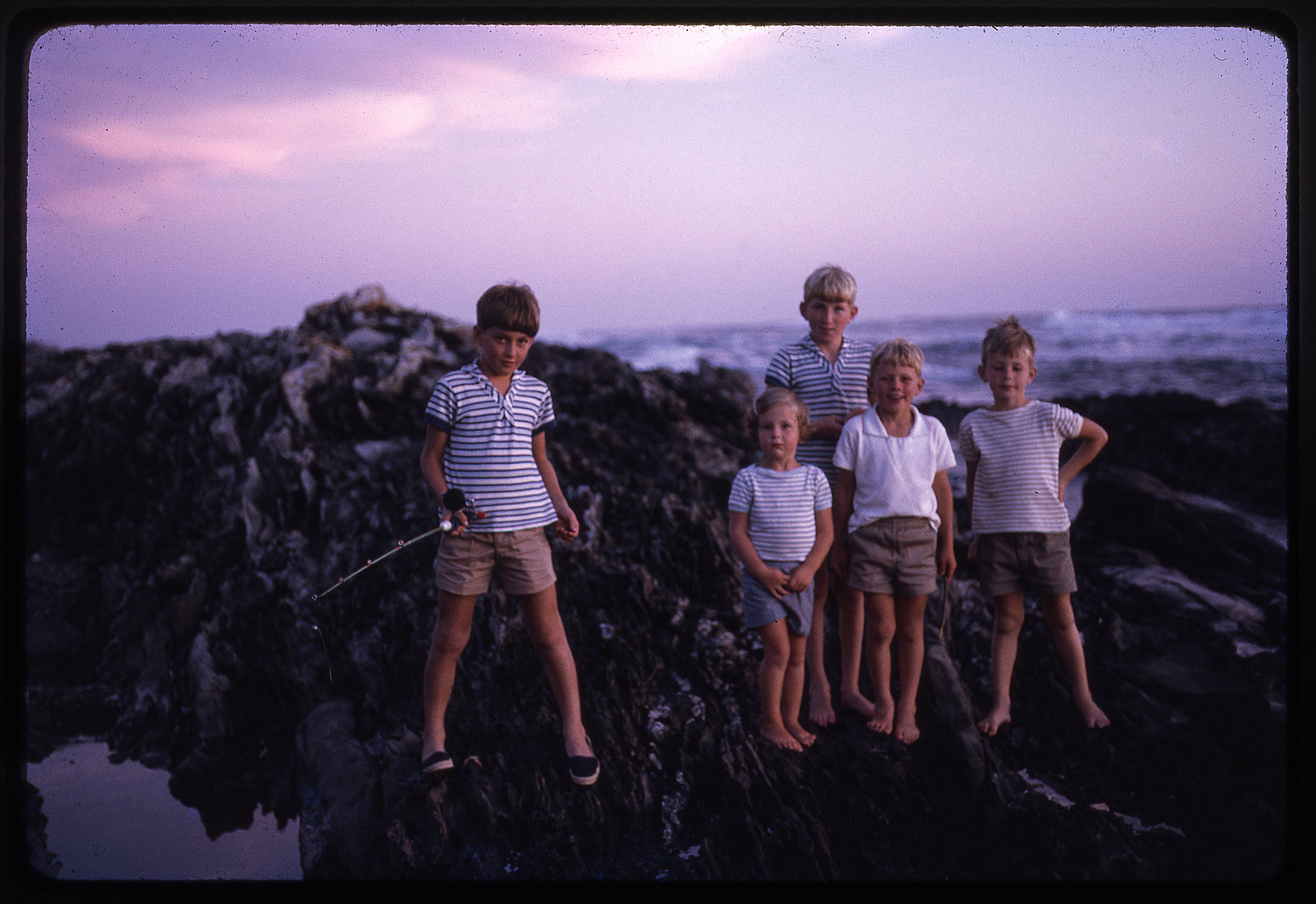
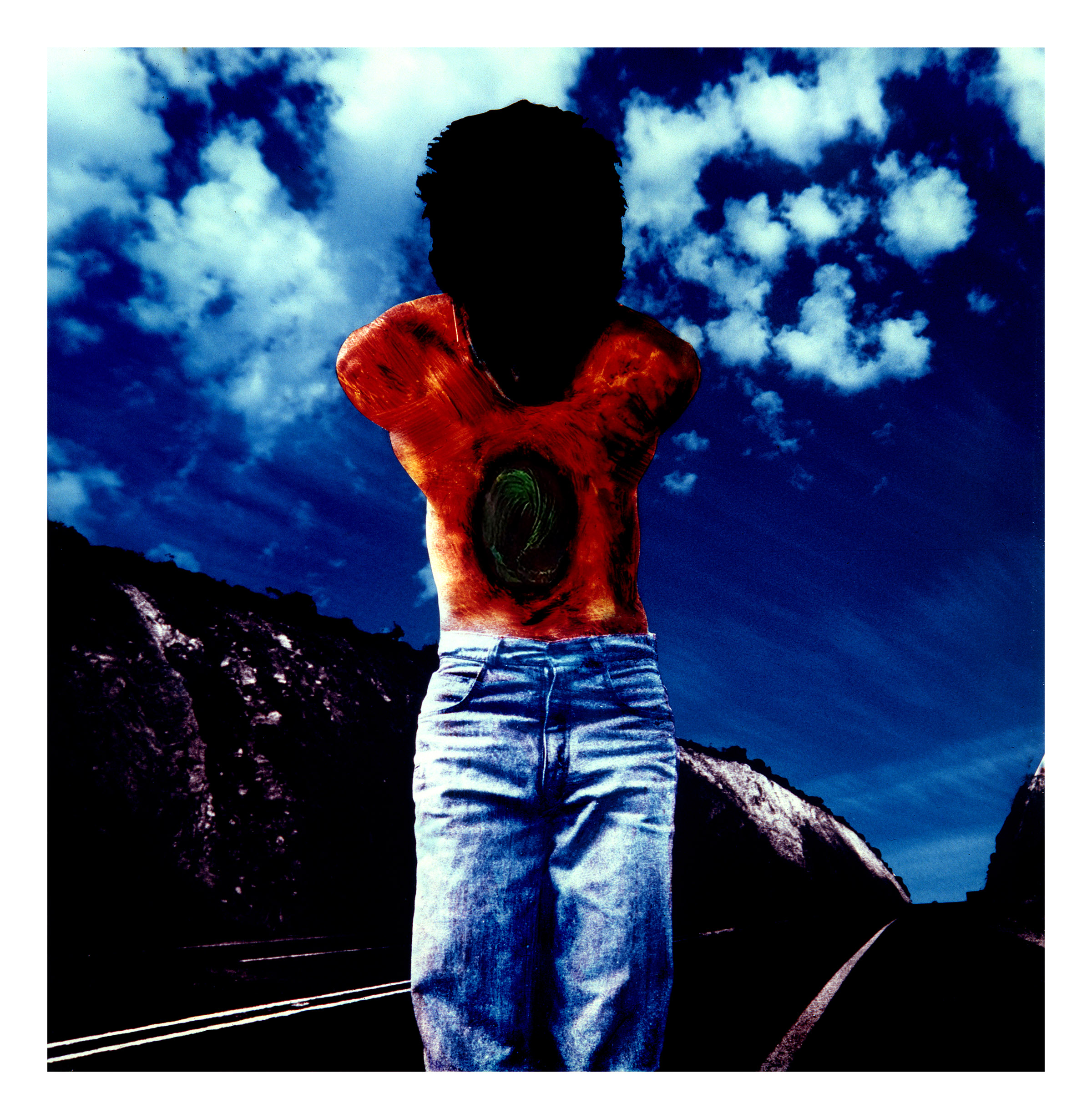

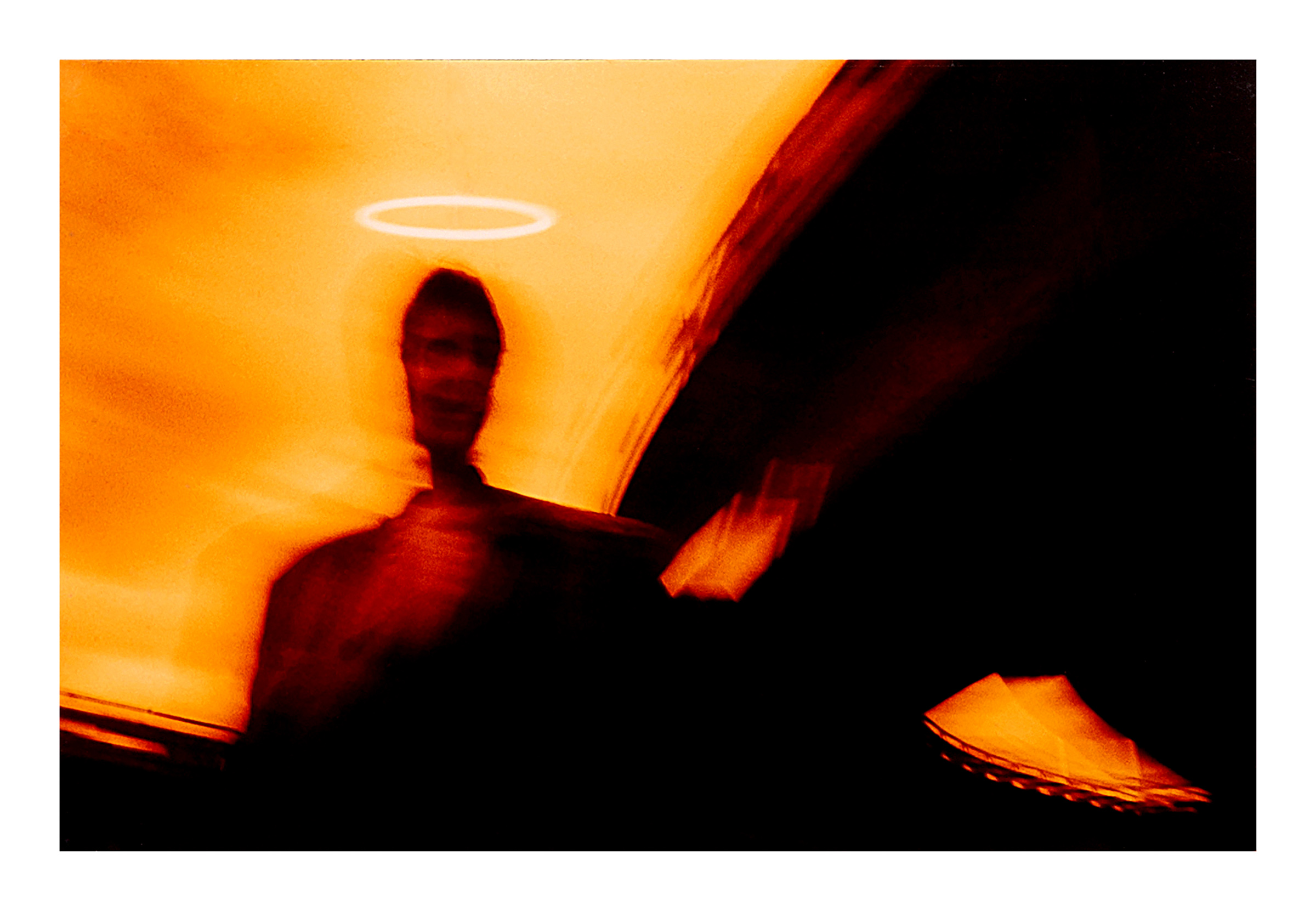
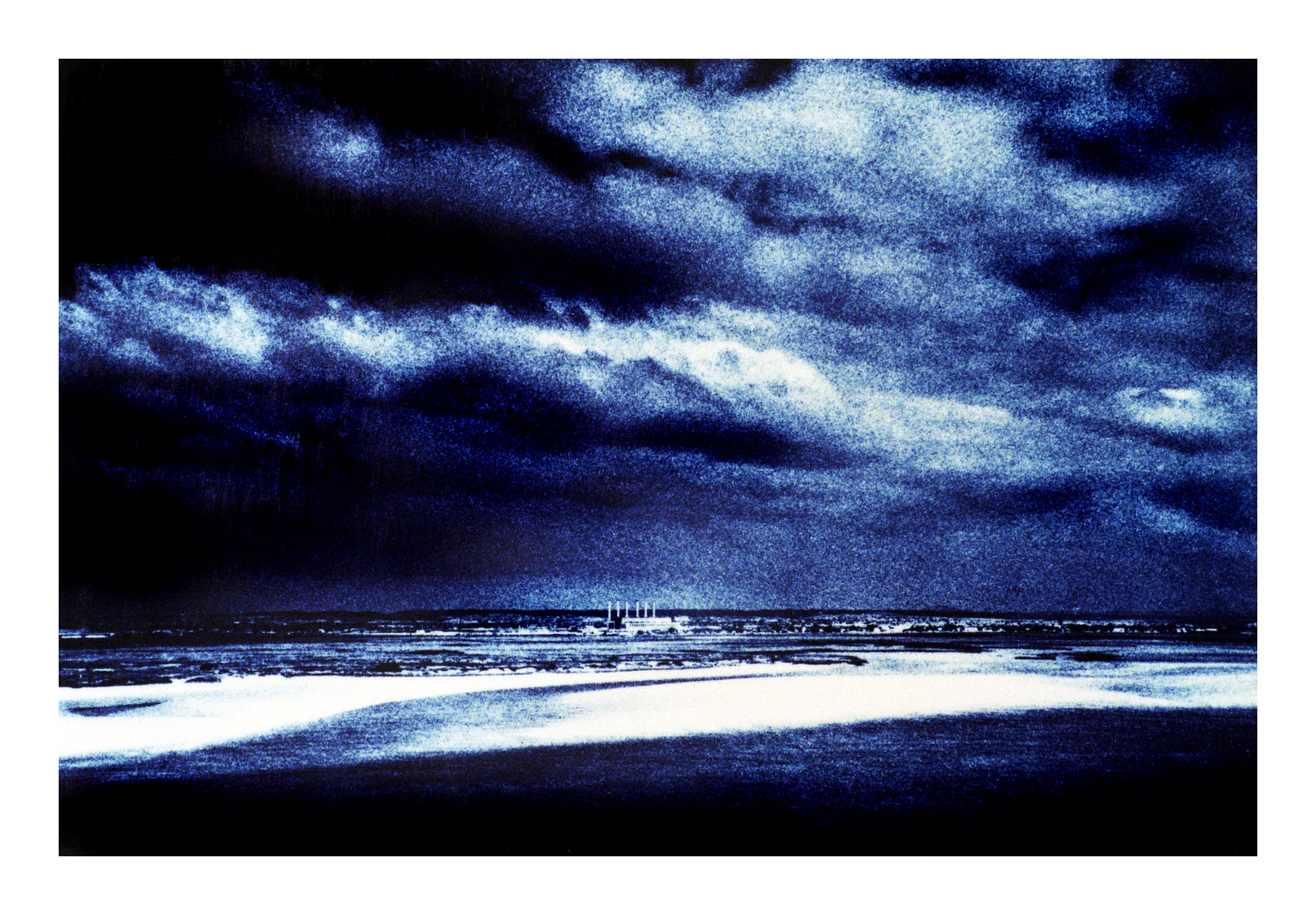
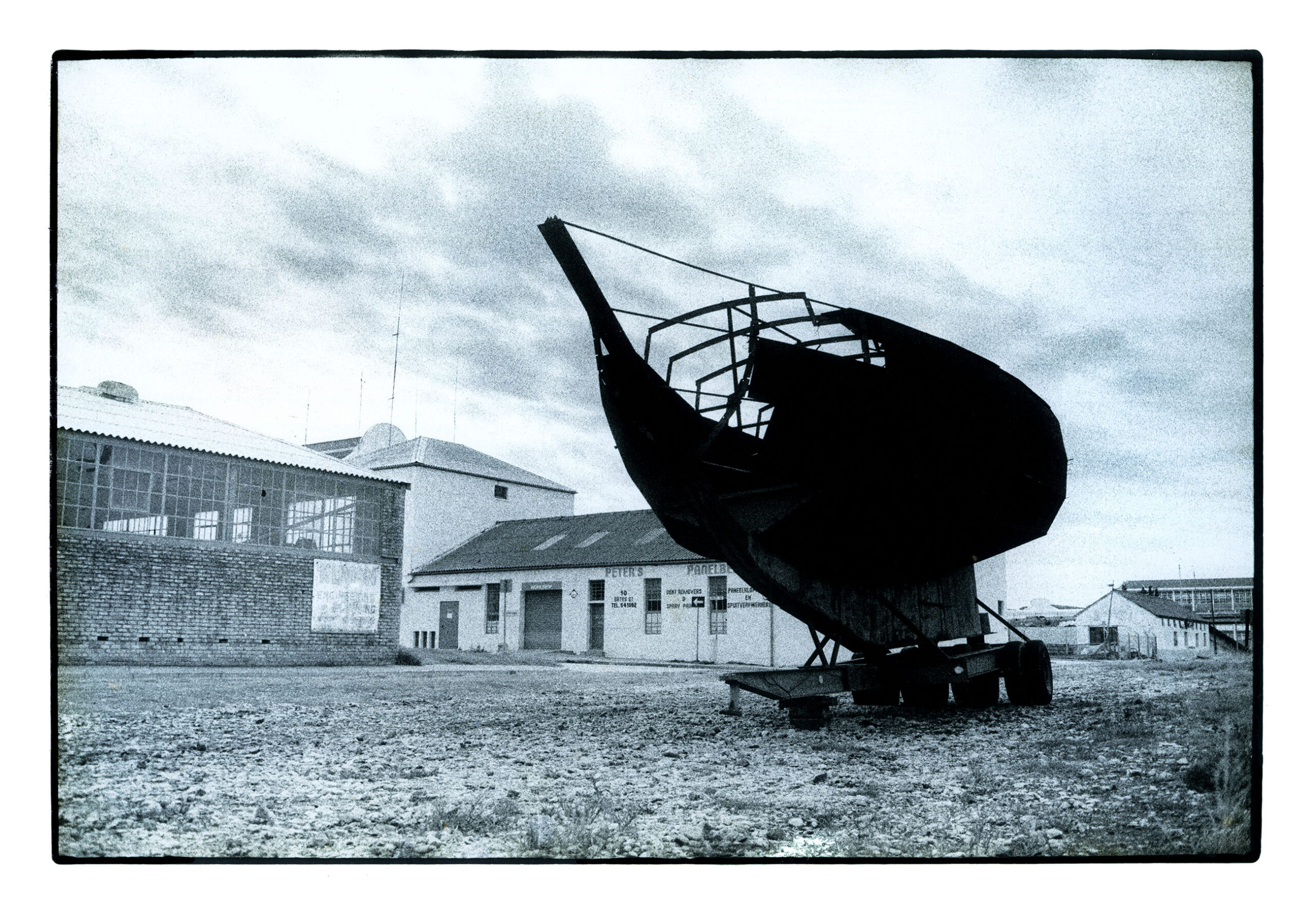
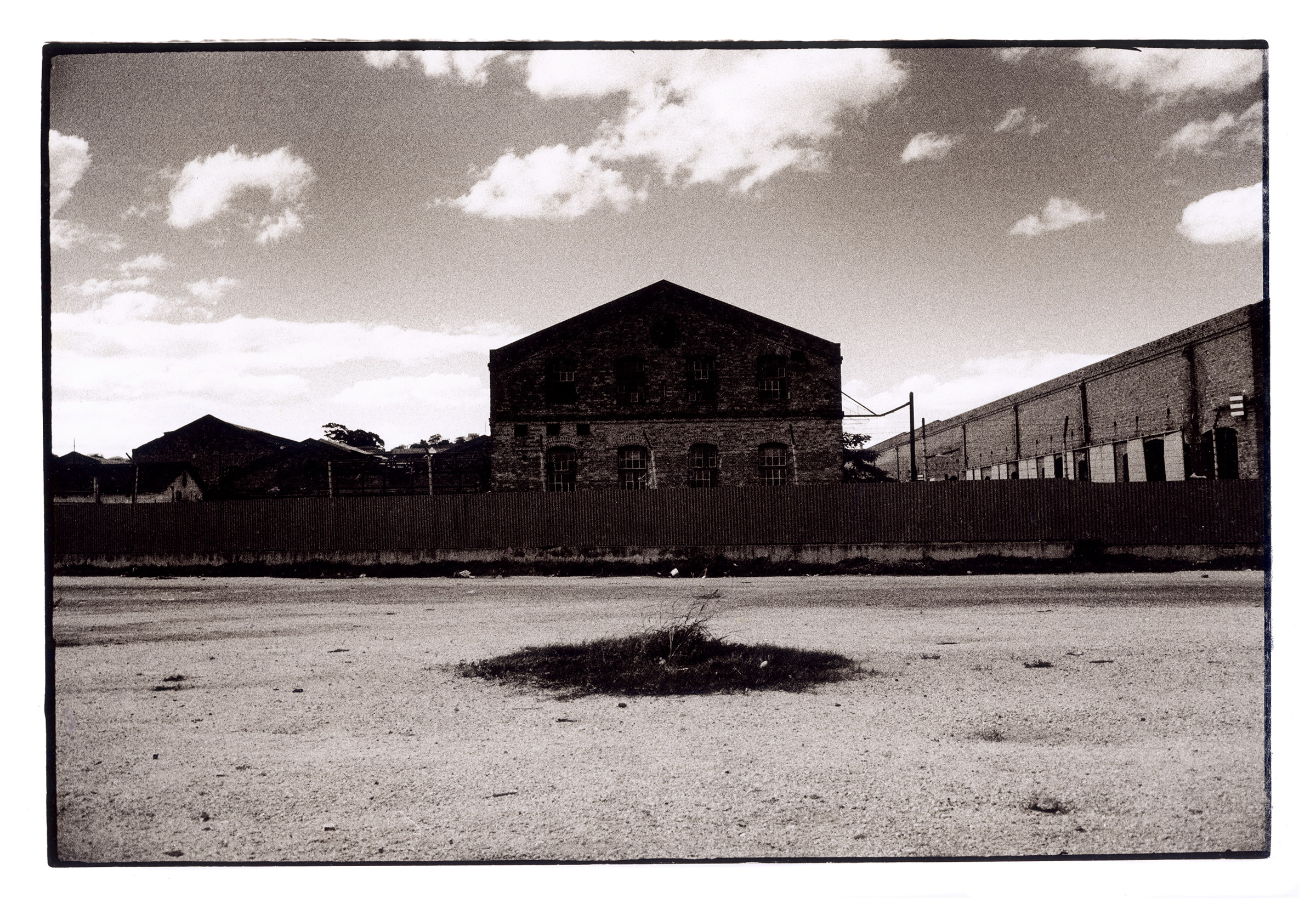
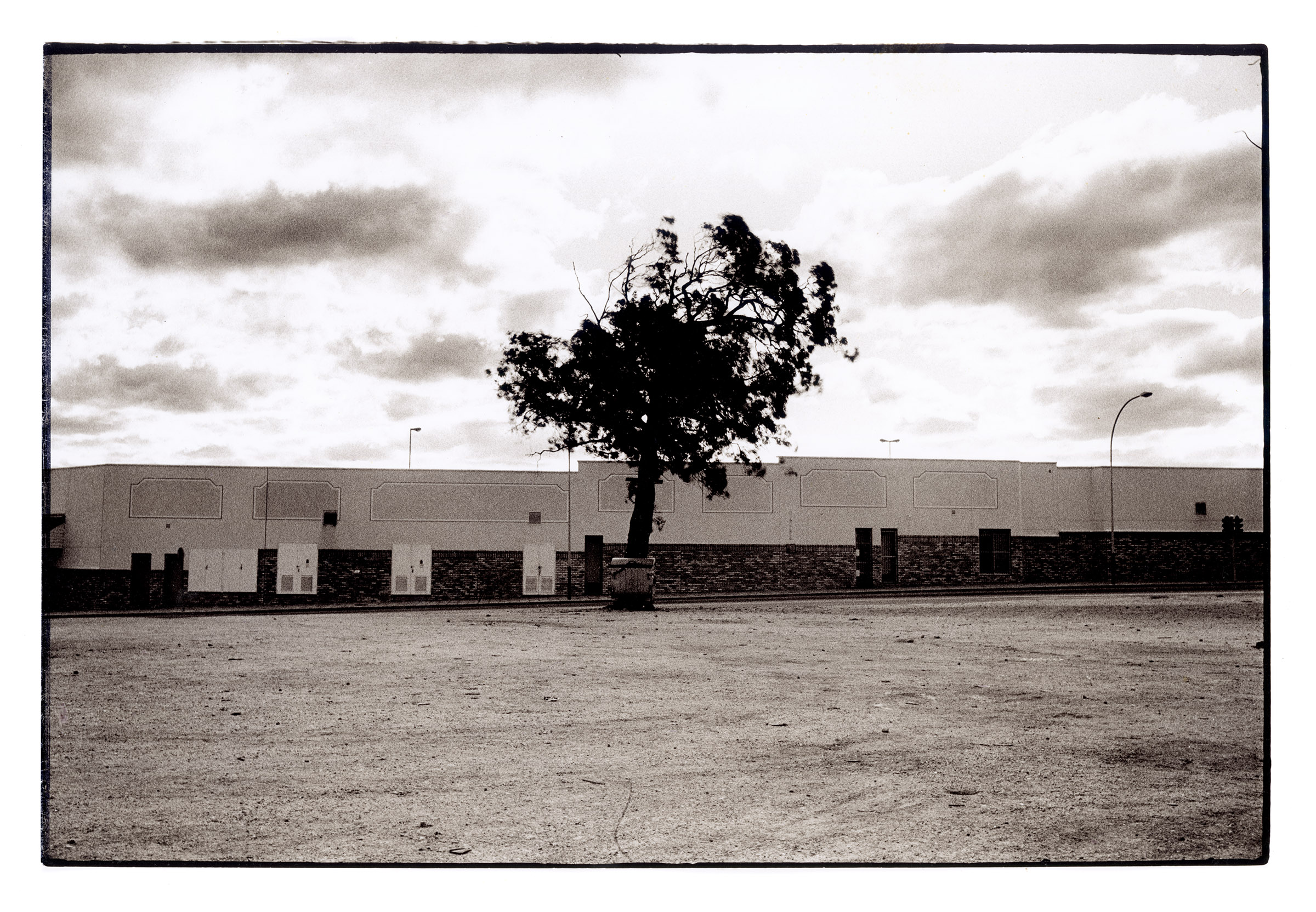
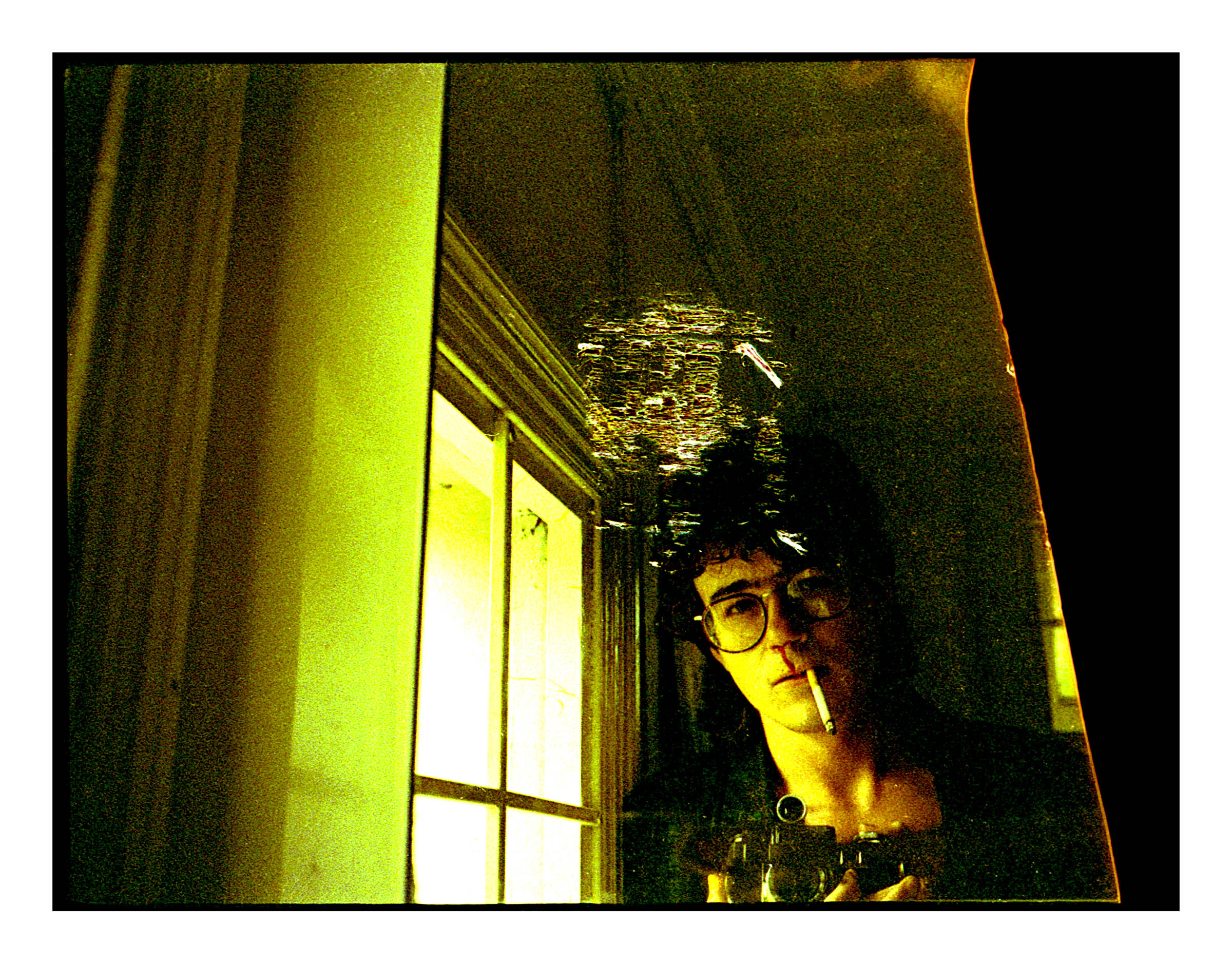

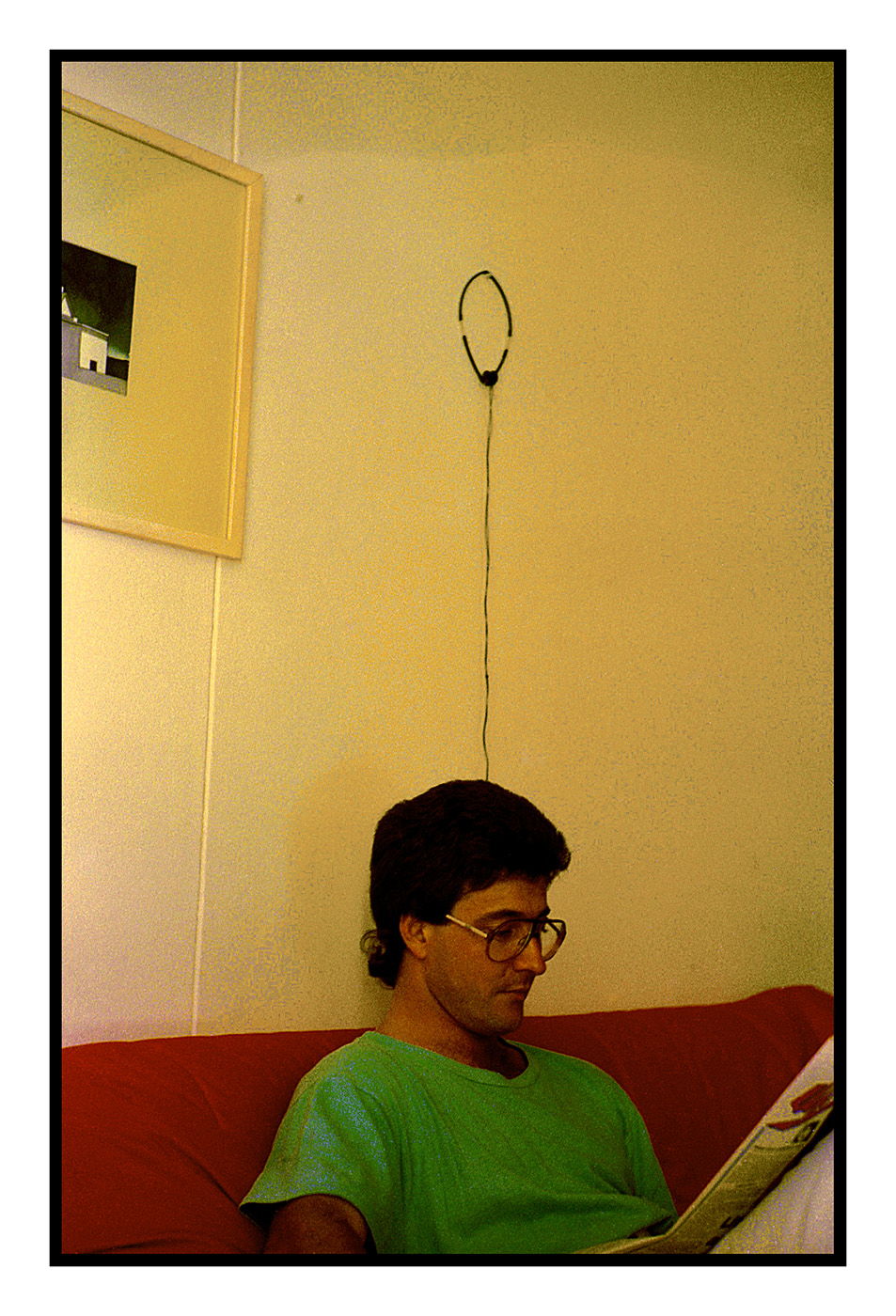
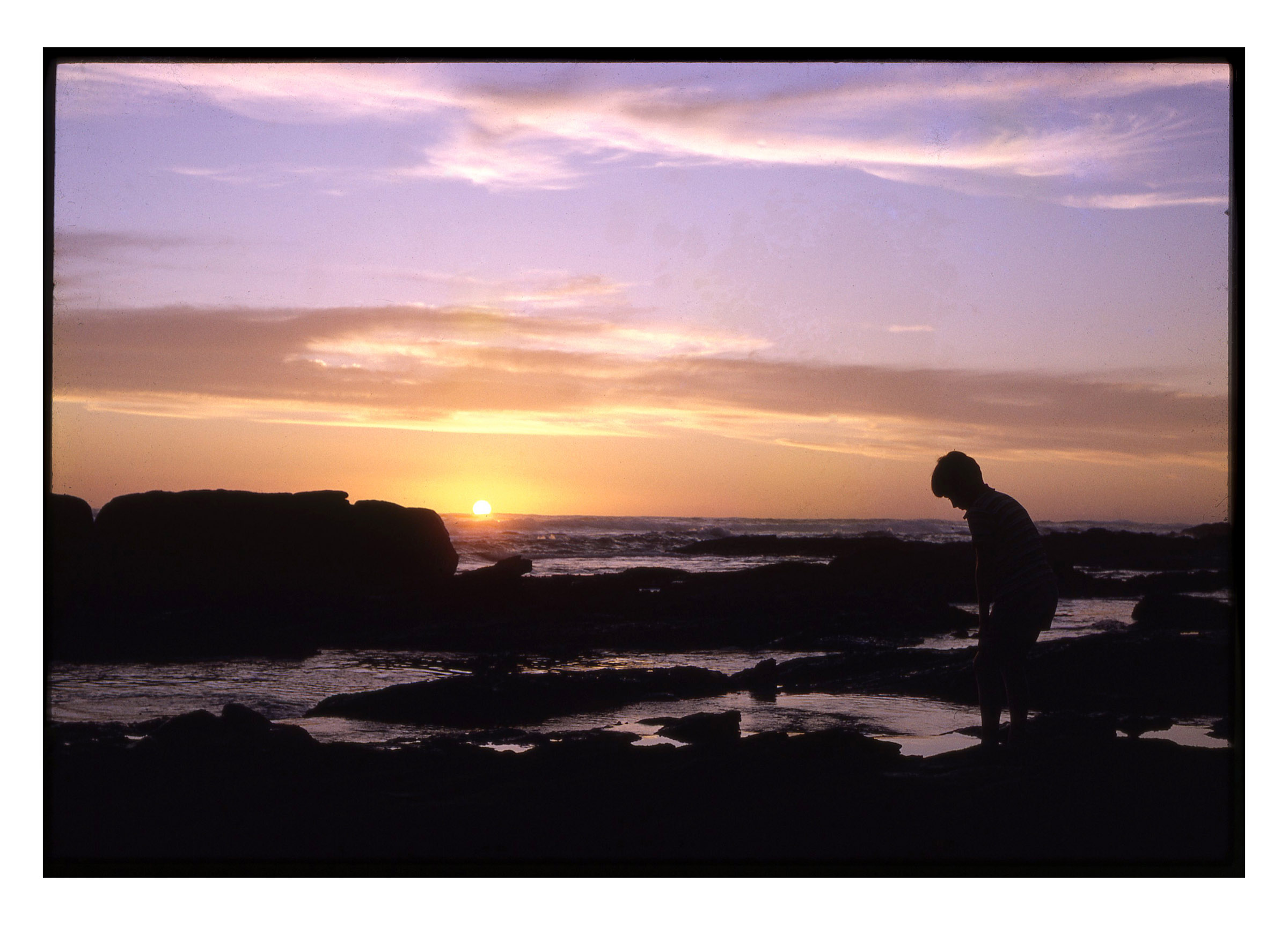
In 1992, my final year of study at Rhodes, my older brother, Frank, developed schizophrenia, and began wandering the country. I had been very close to Frank. It was hard to make sense of. It affected me deeply. At the same time the country was spiralling into chaotic violence in the dying days of the Apartheid government. I became ridiculously attracted to a girl who walked into our student digs one day. I don't know what it was. A deep need to connect and take refuge from the madness in the arms of somebody? Whatever the case, she didn't see much in me. Or maybe what she saw scared her. I suffered some kind of breakdown. My friends helped the through, somehow. I had already completed the practical component of the degree, but i carried on shooting a bit, and my lecturer let me use the facilities on the sly. These are some of the images i made that year. The rest are of my brother.
commercial work

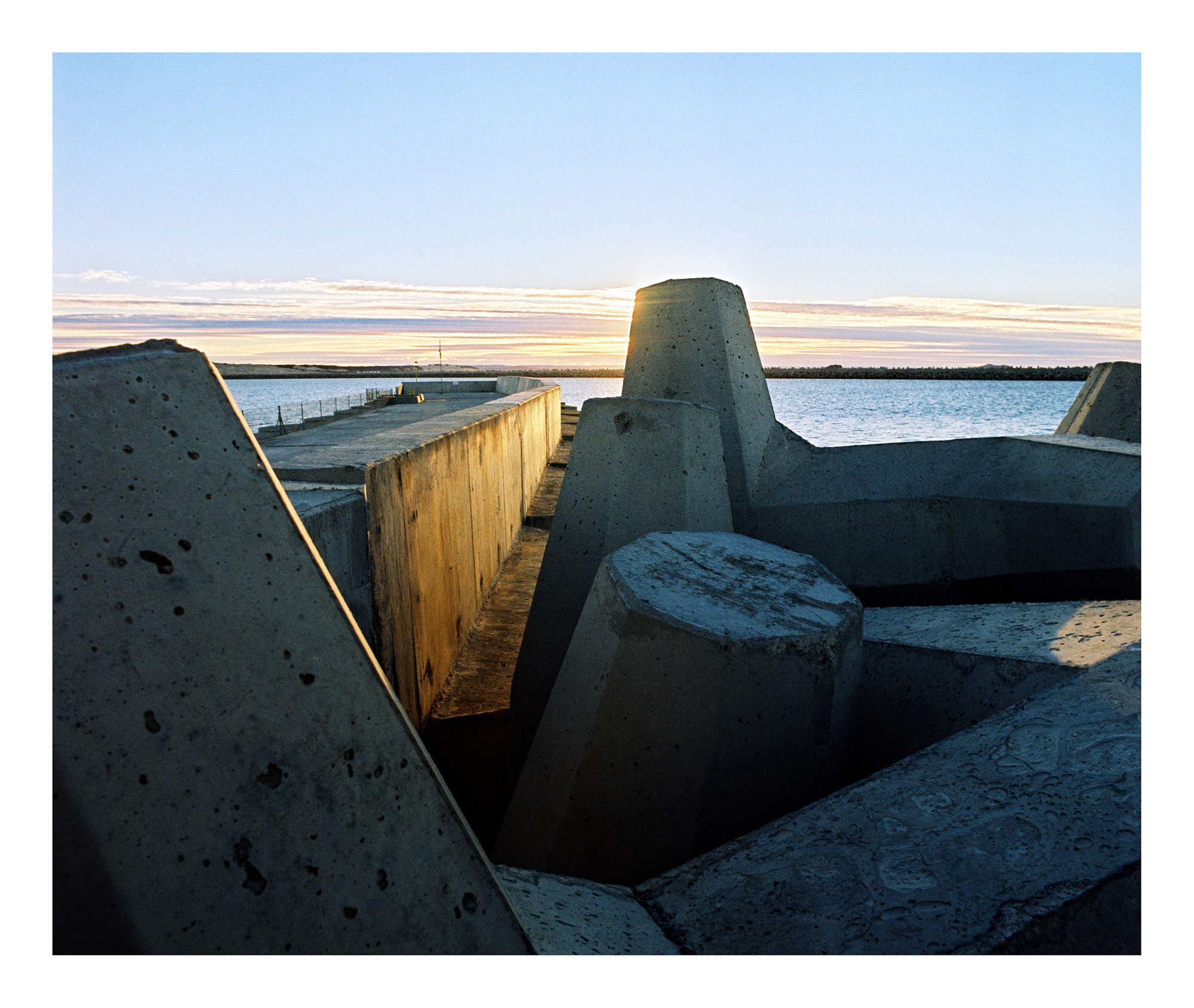
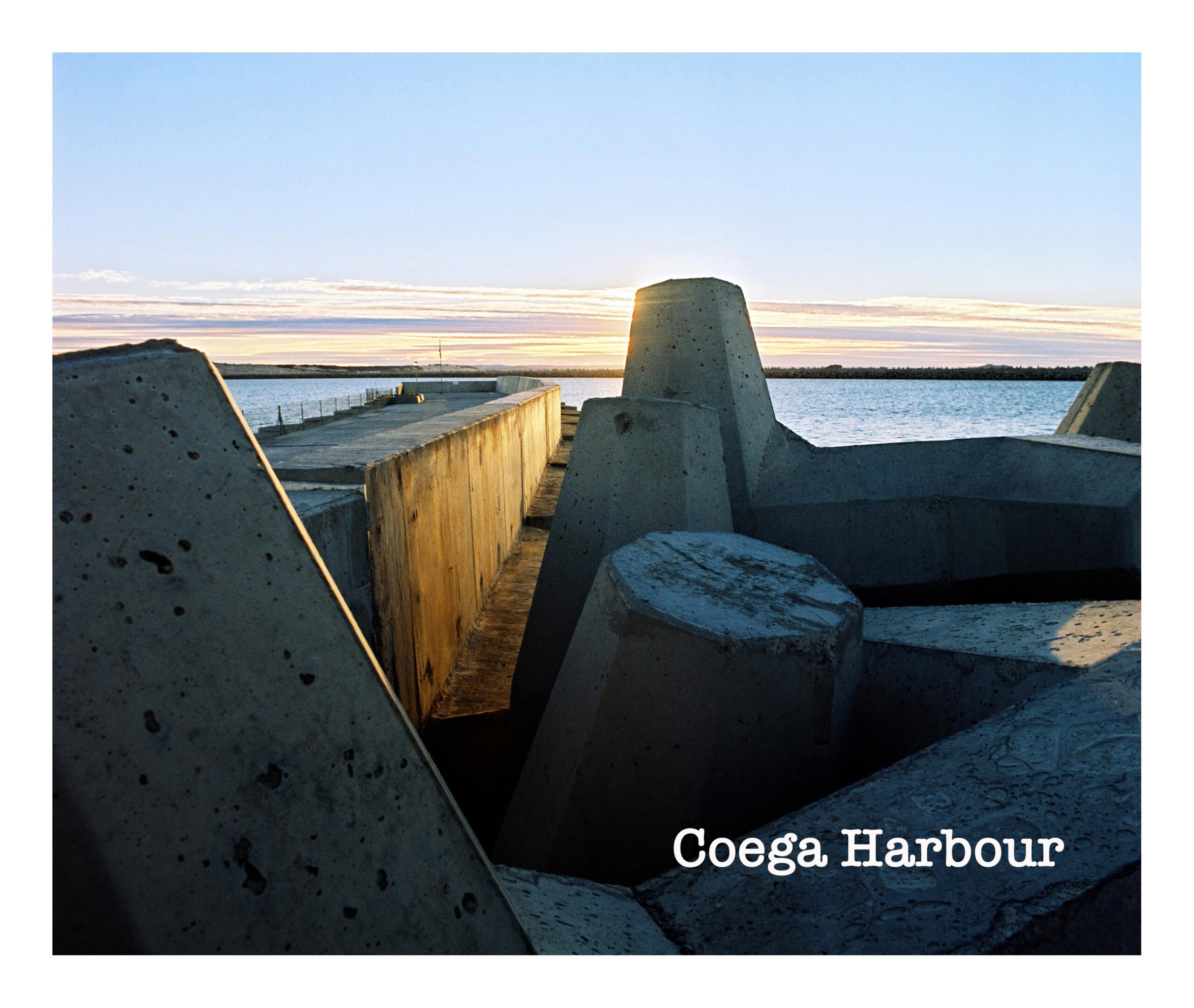
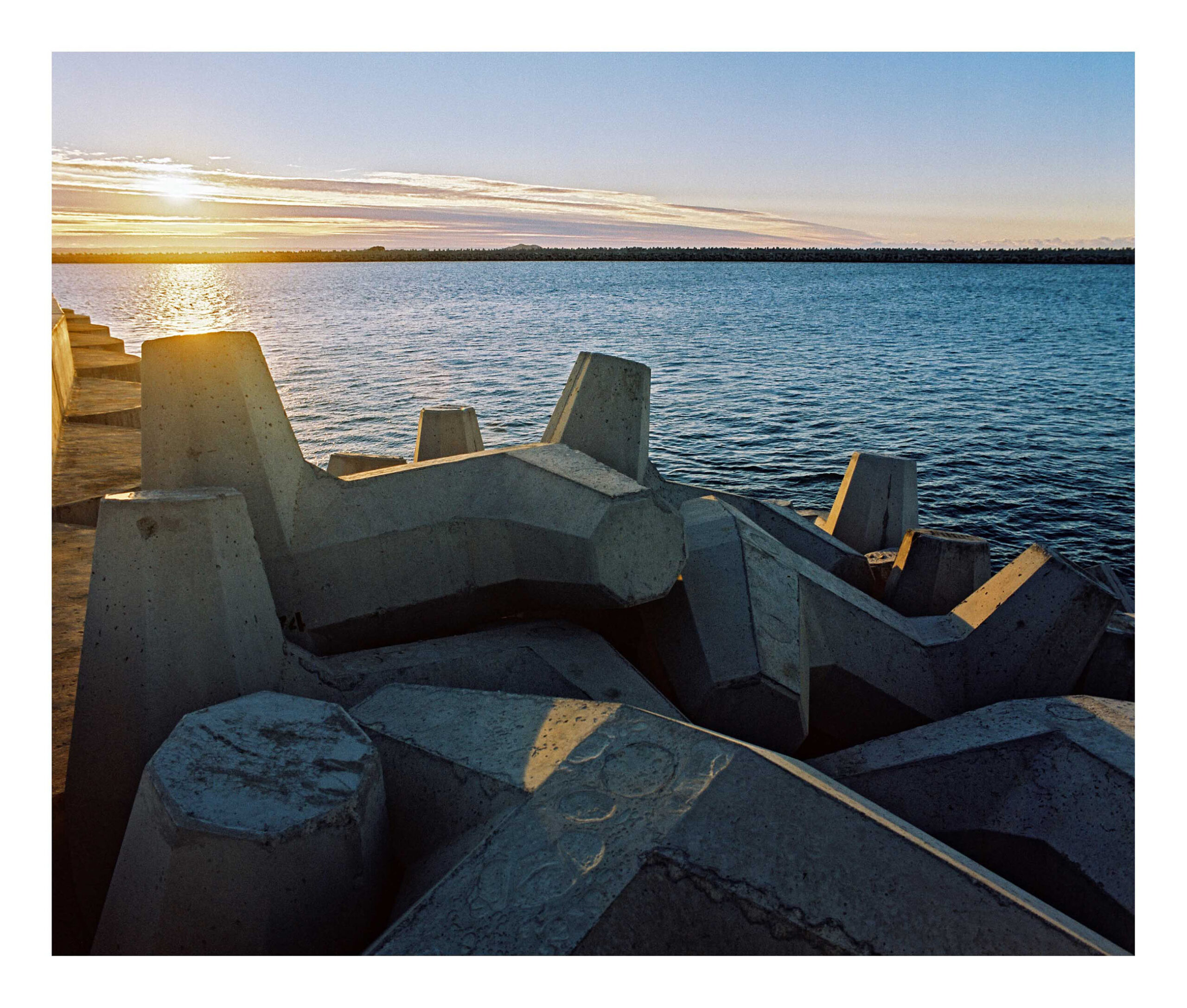

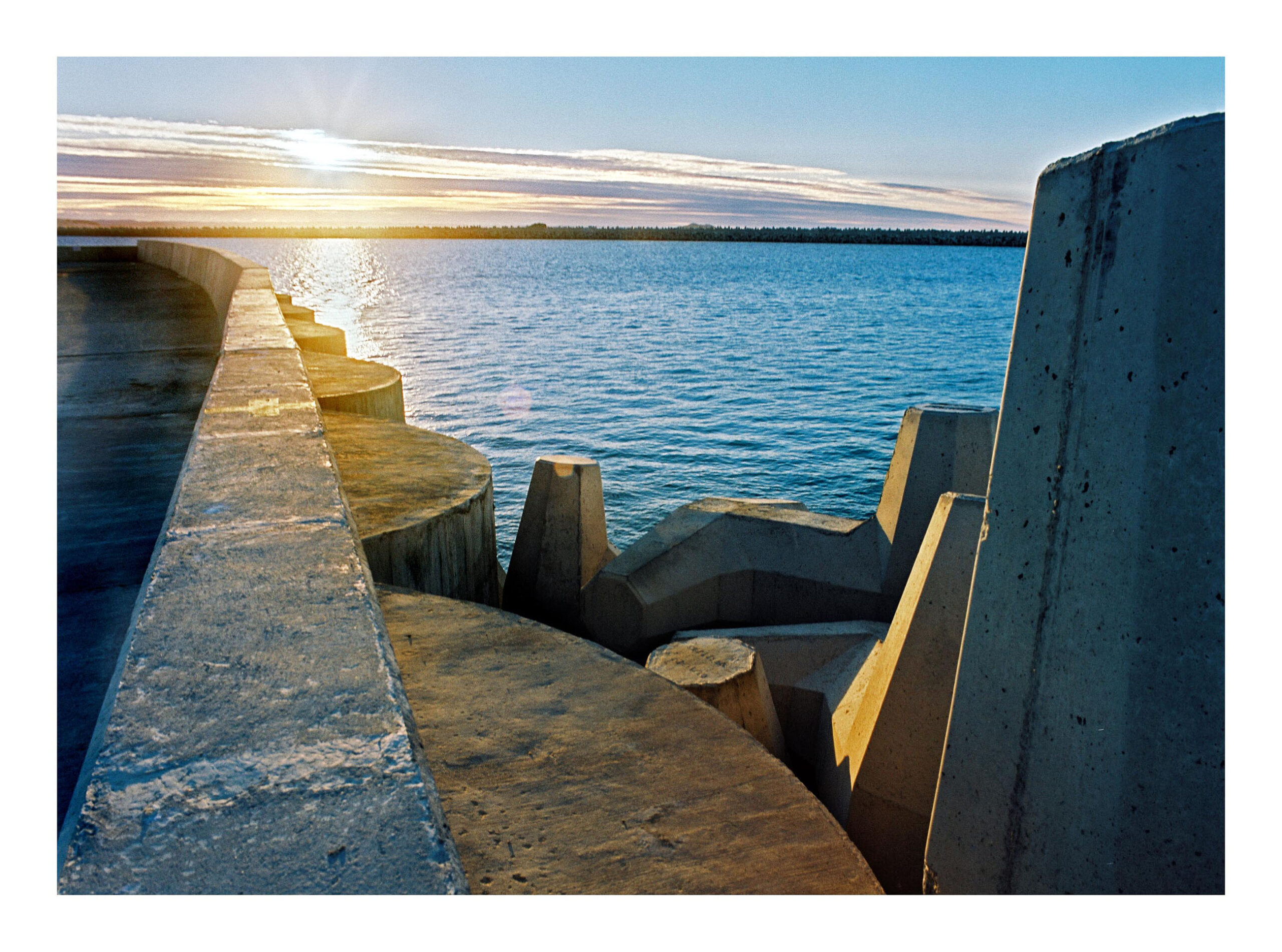


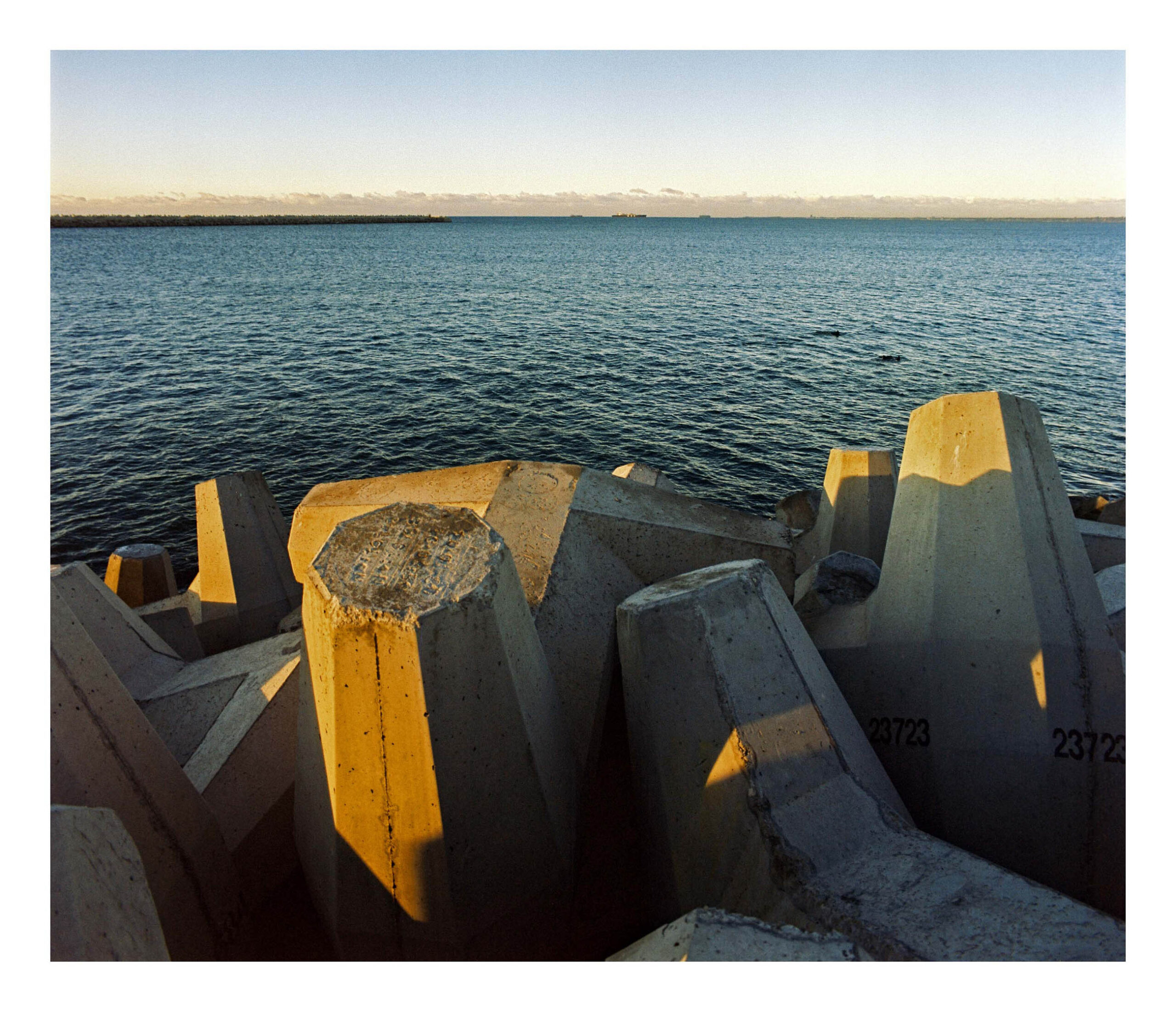
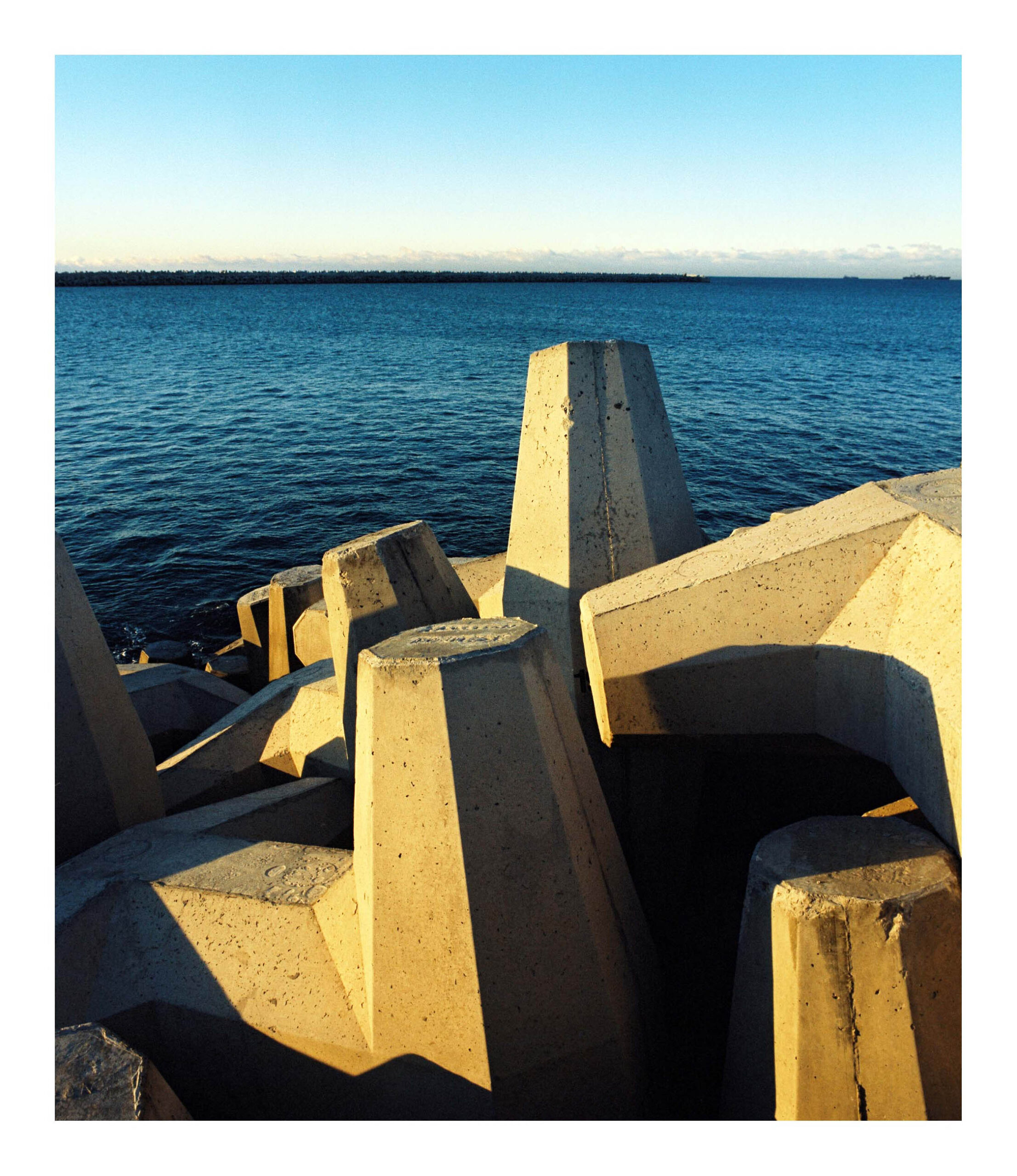
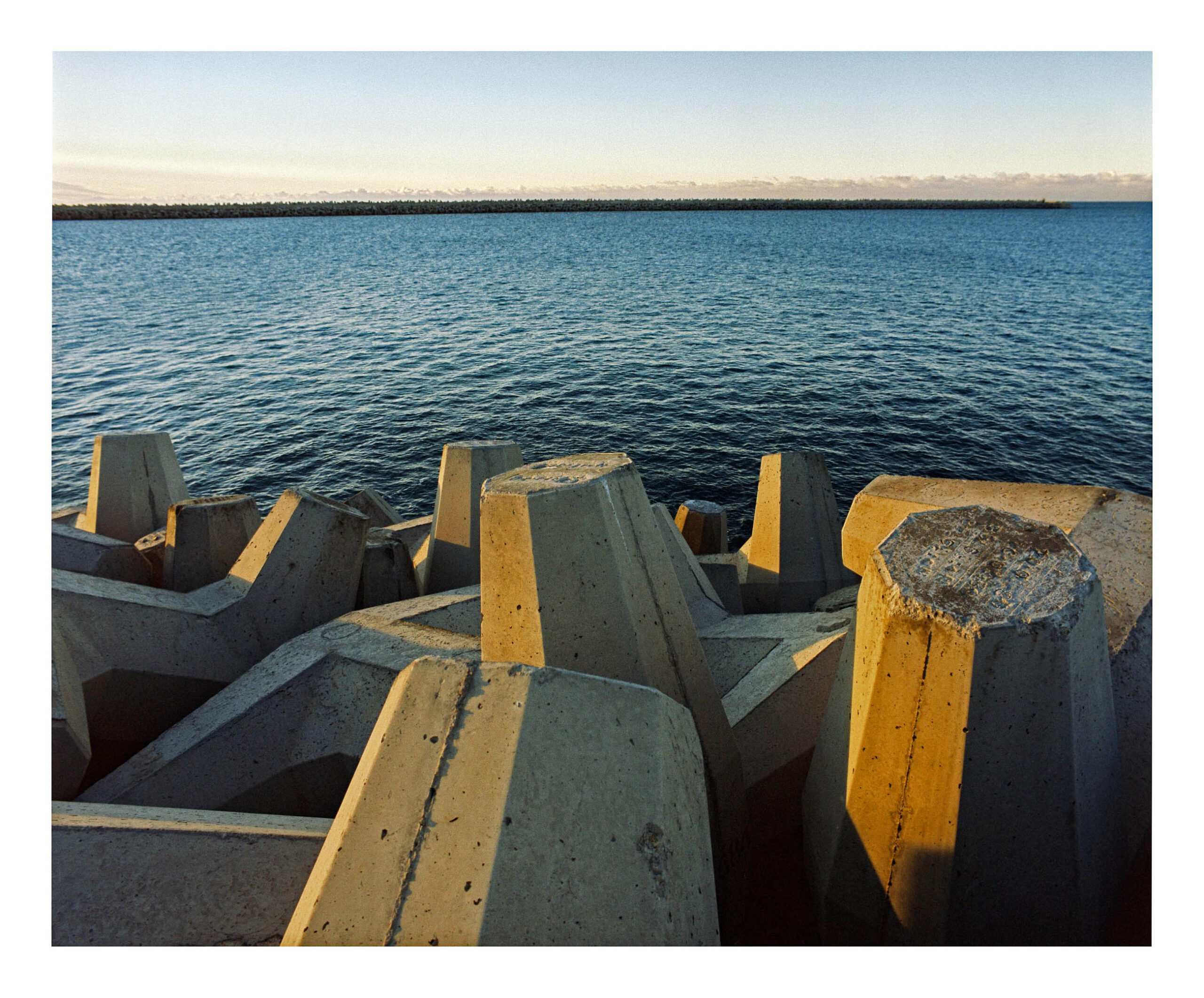

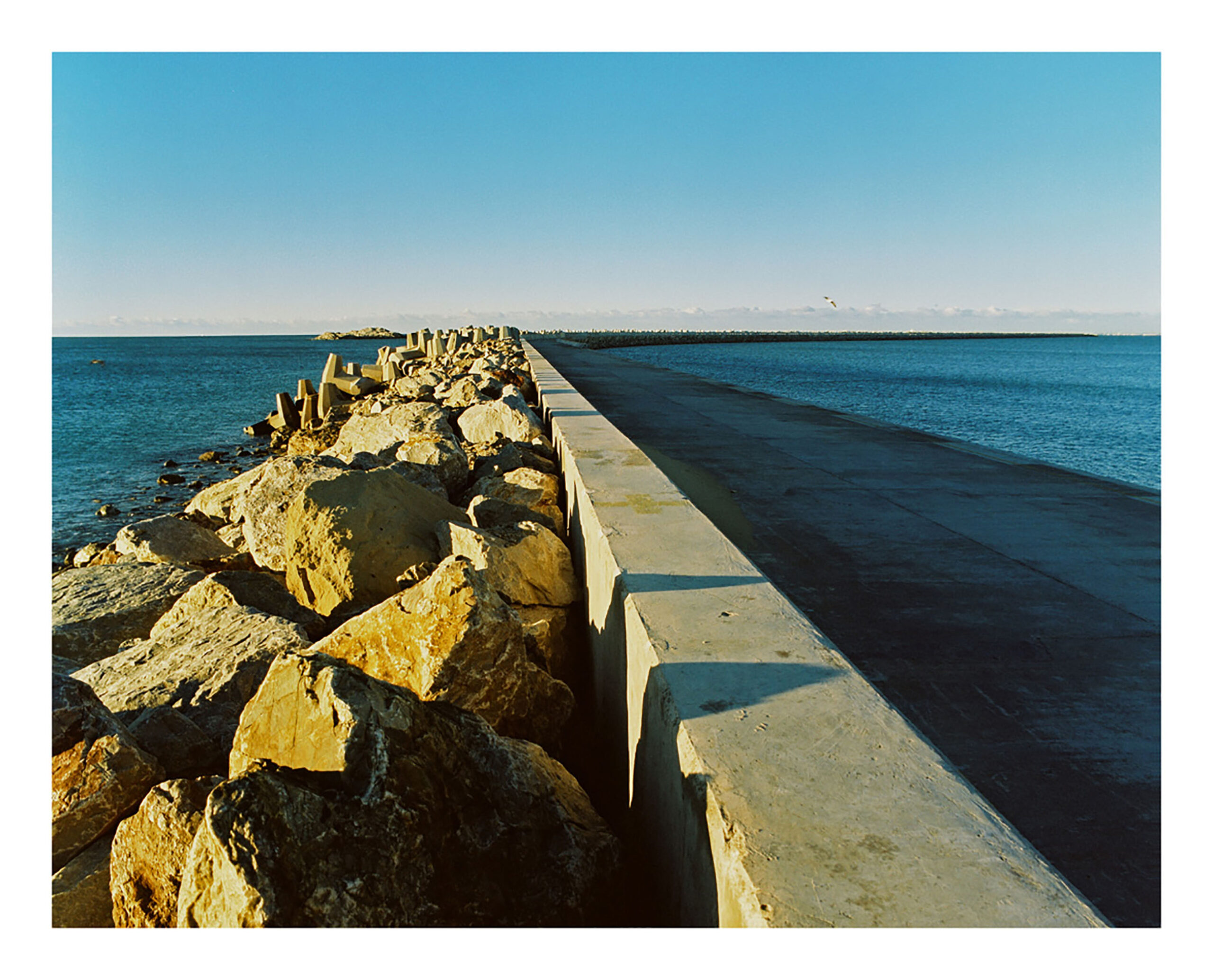

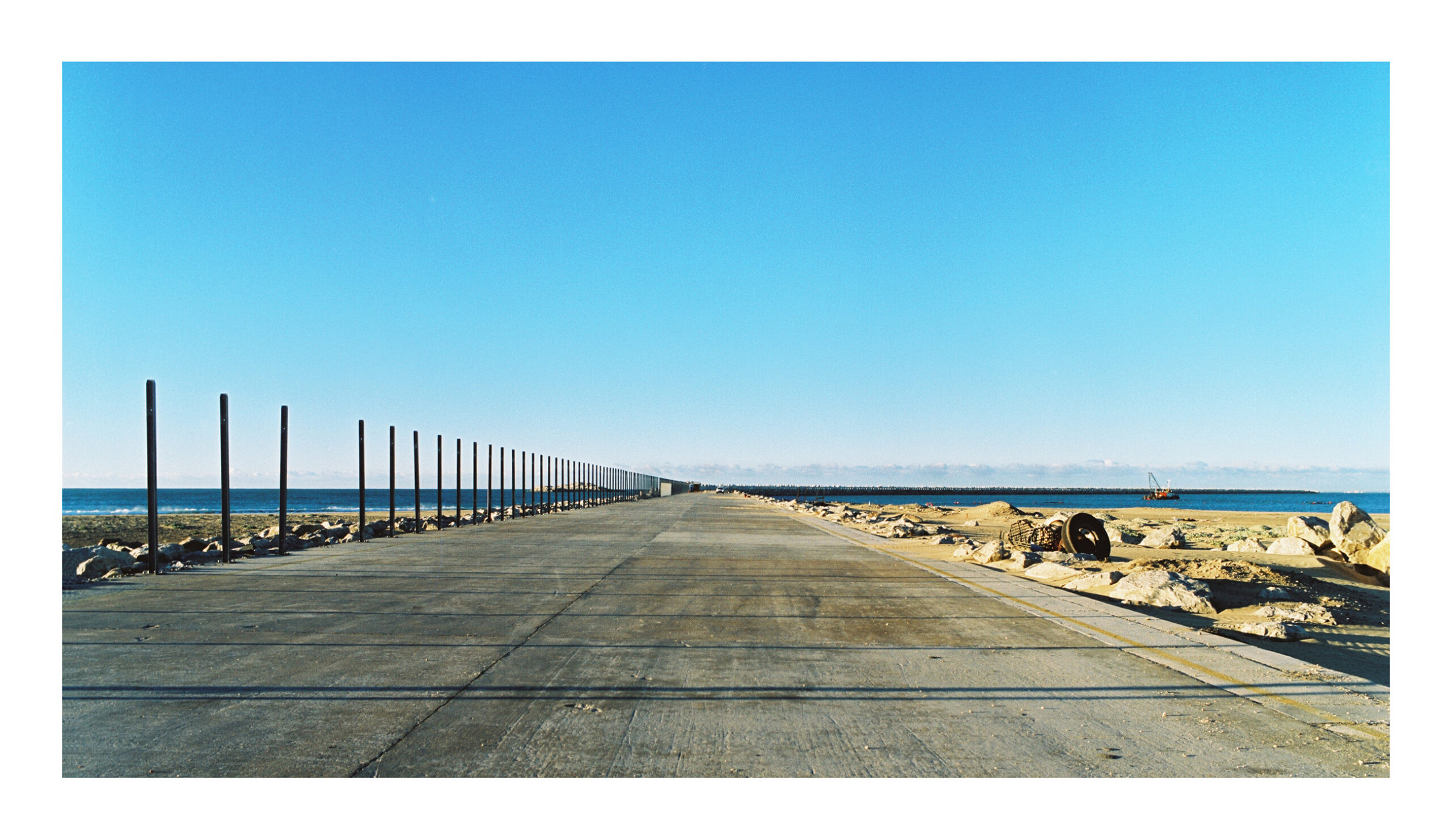

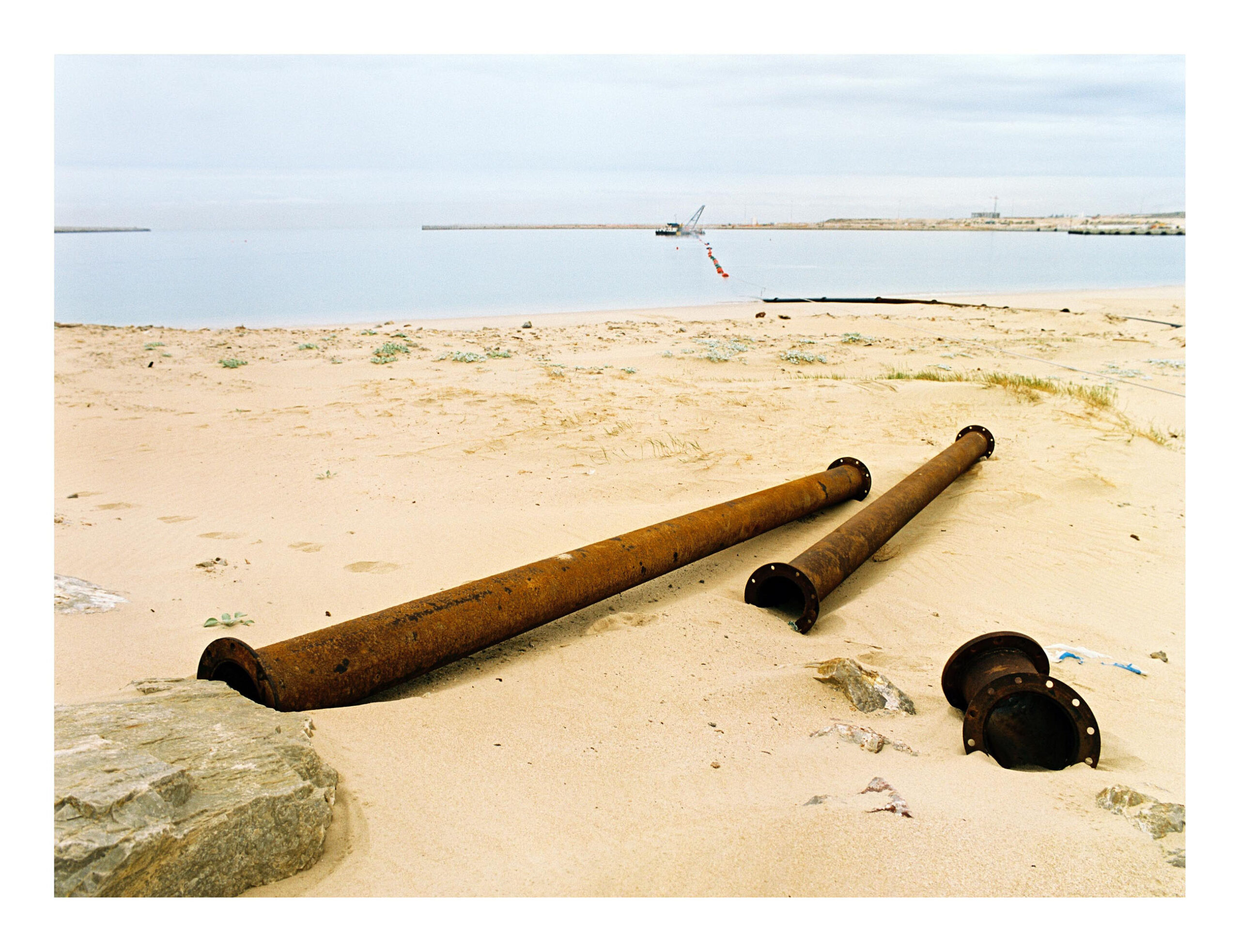
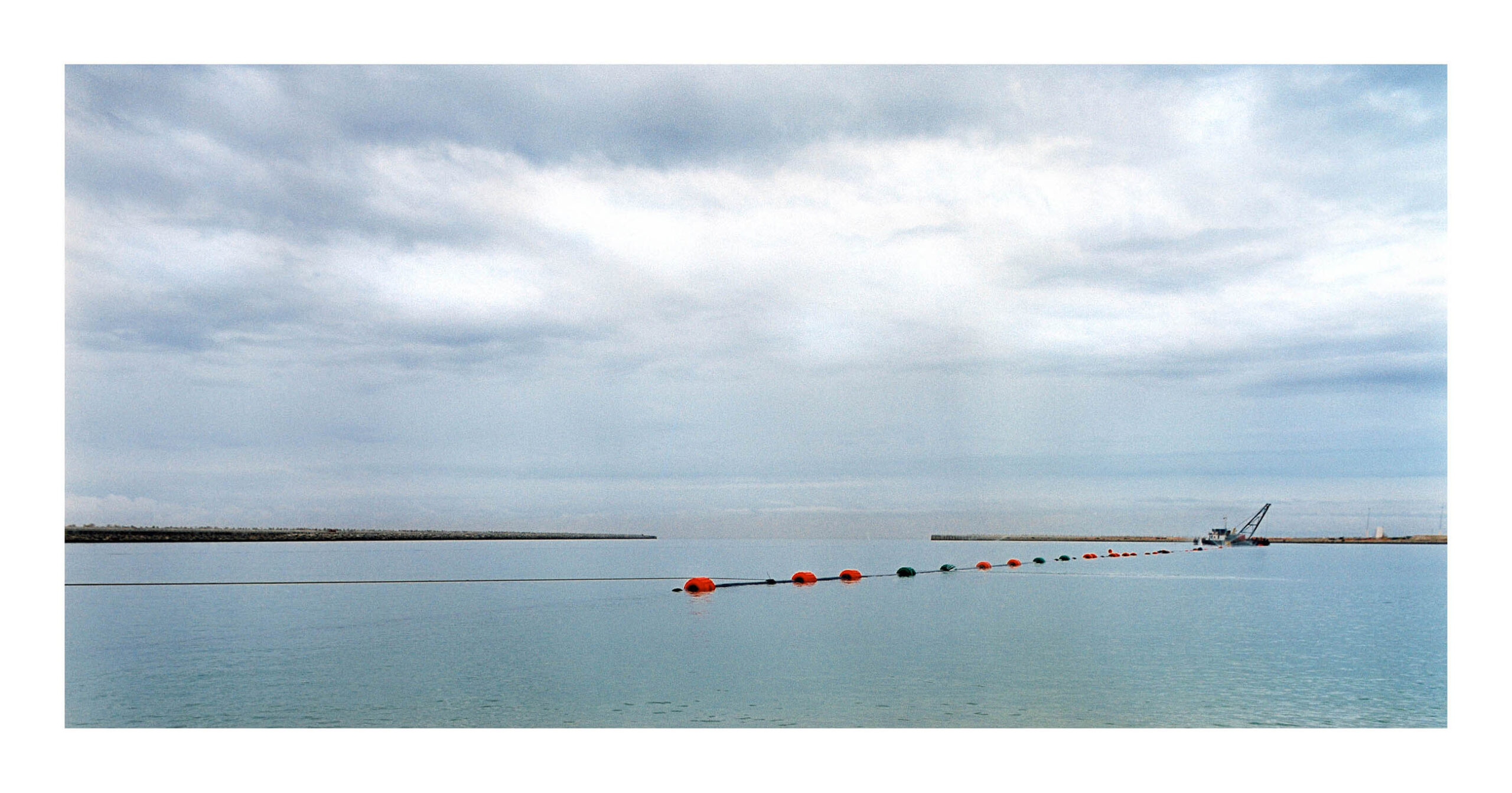
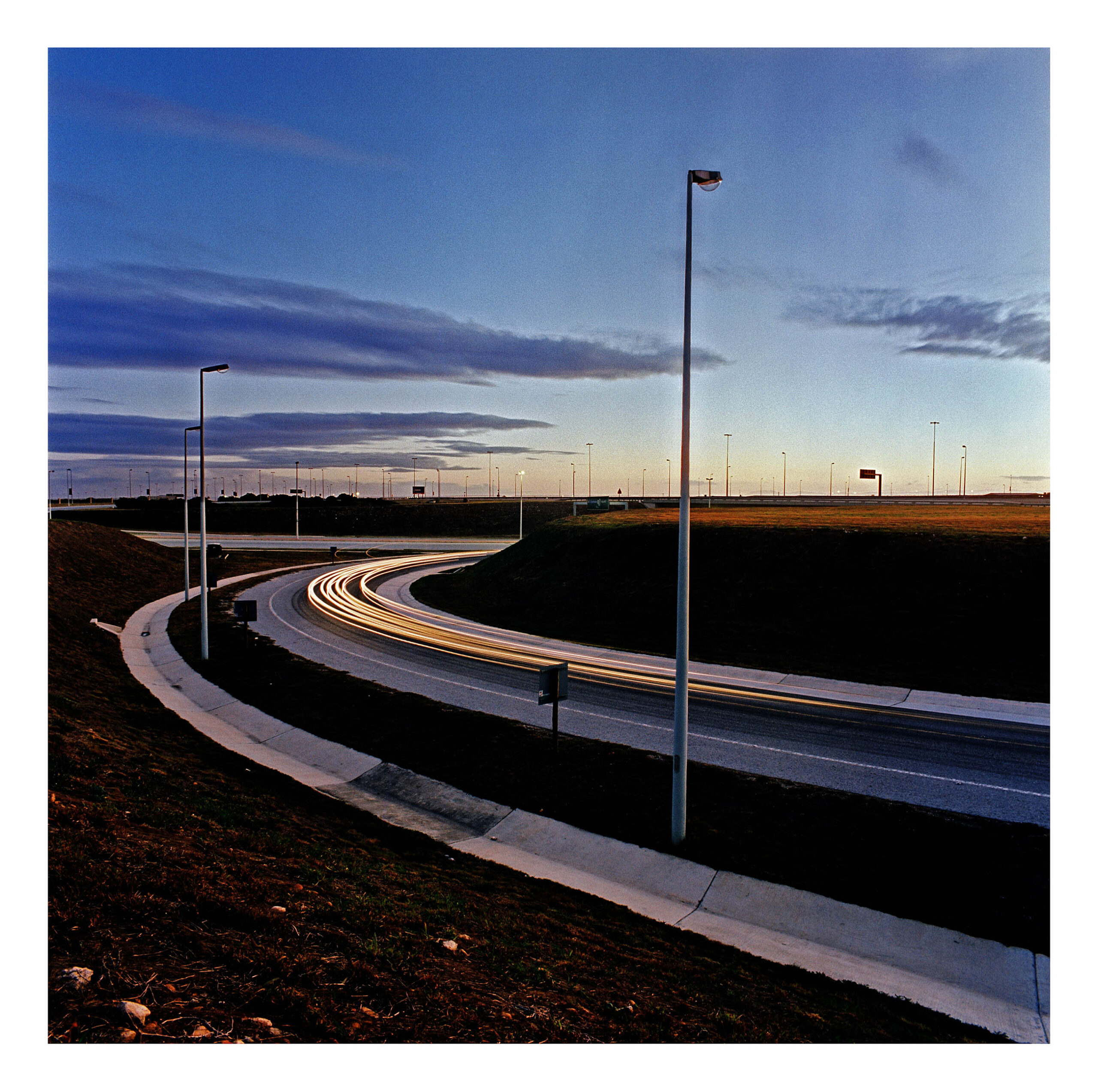
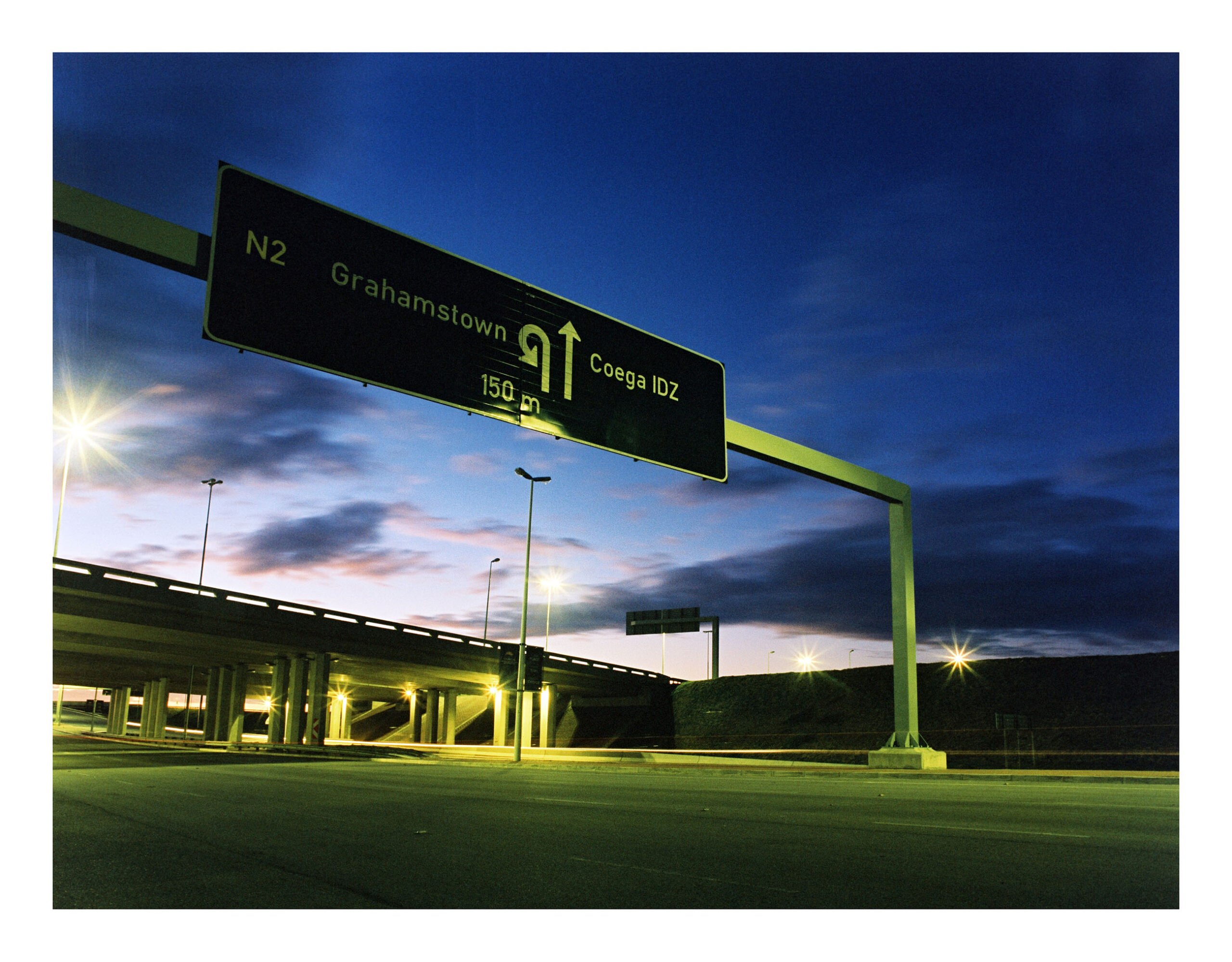
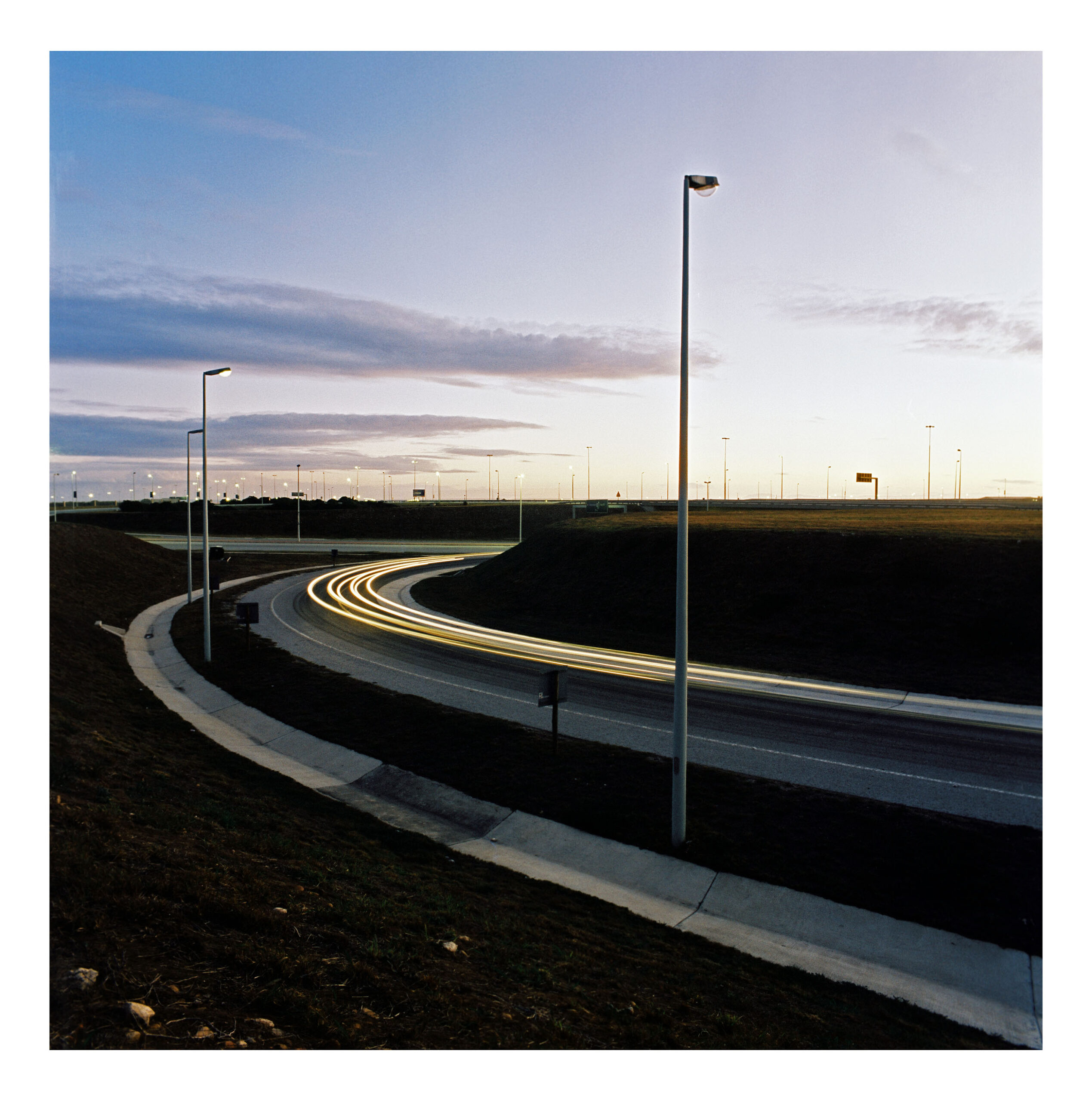
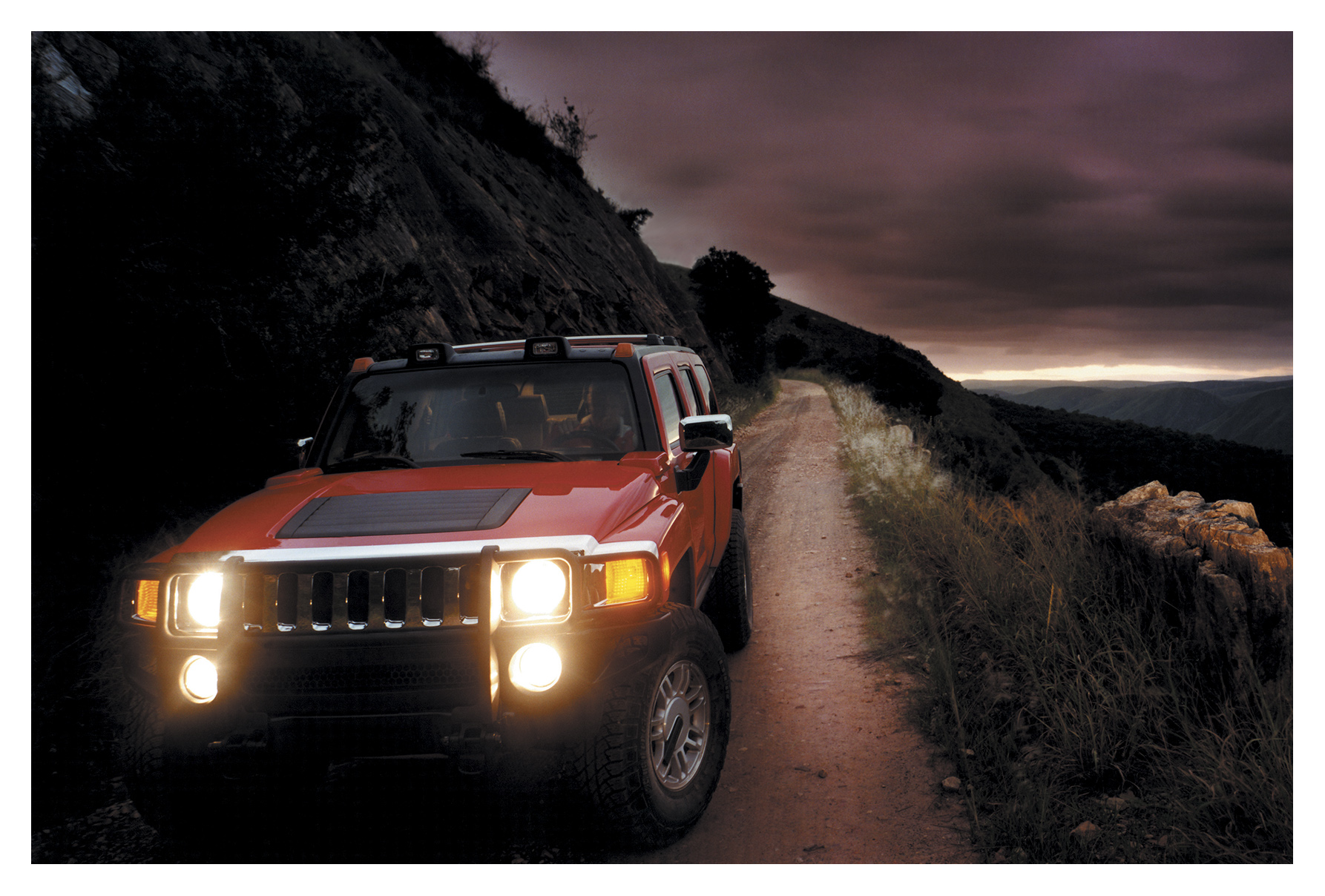
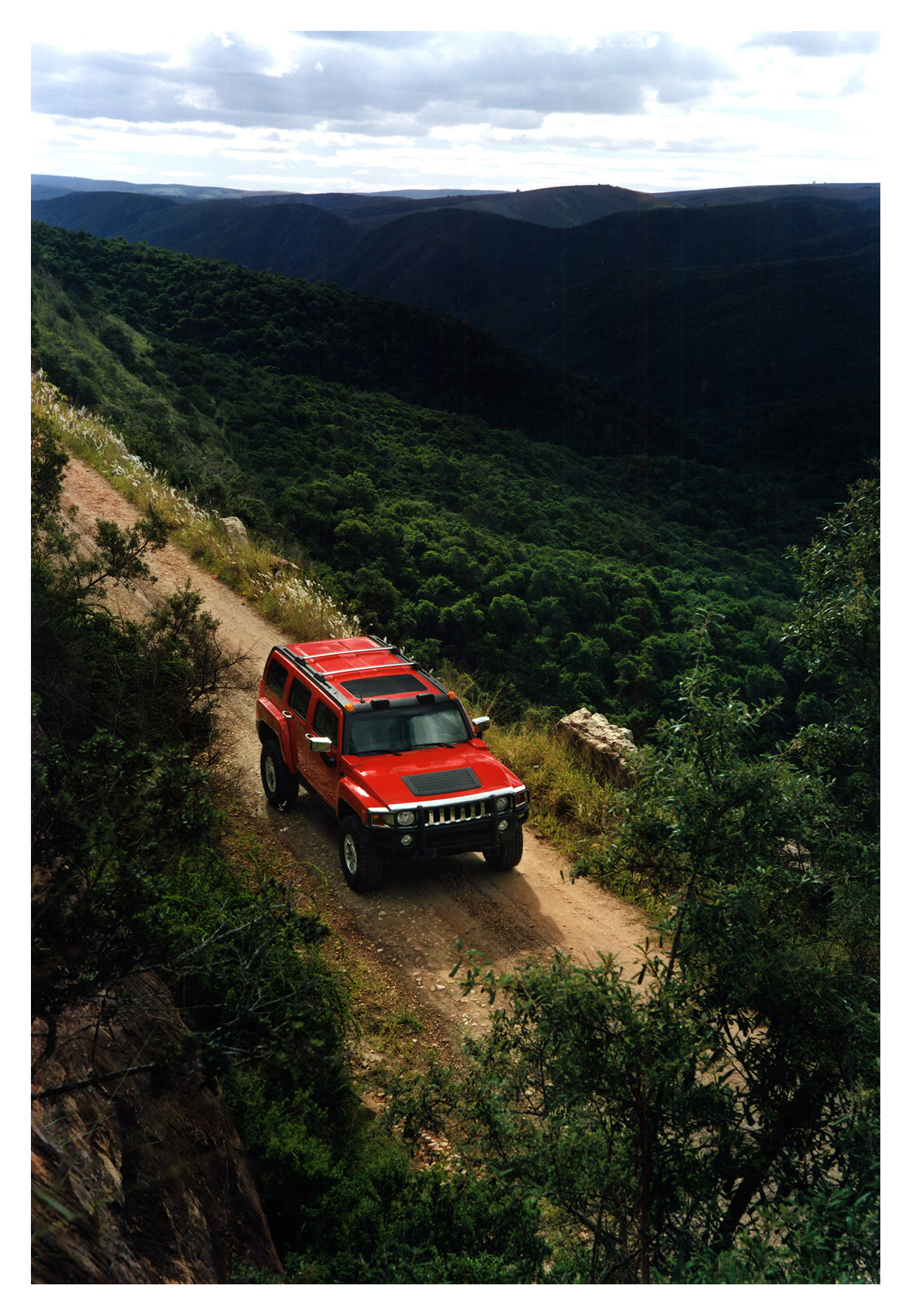
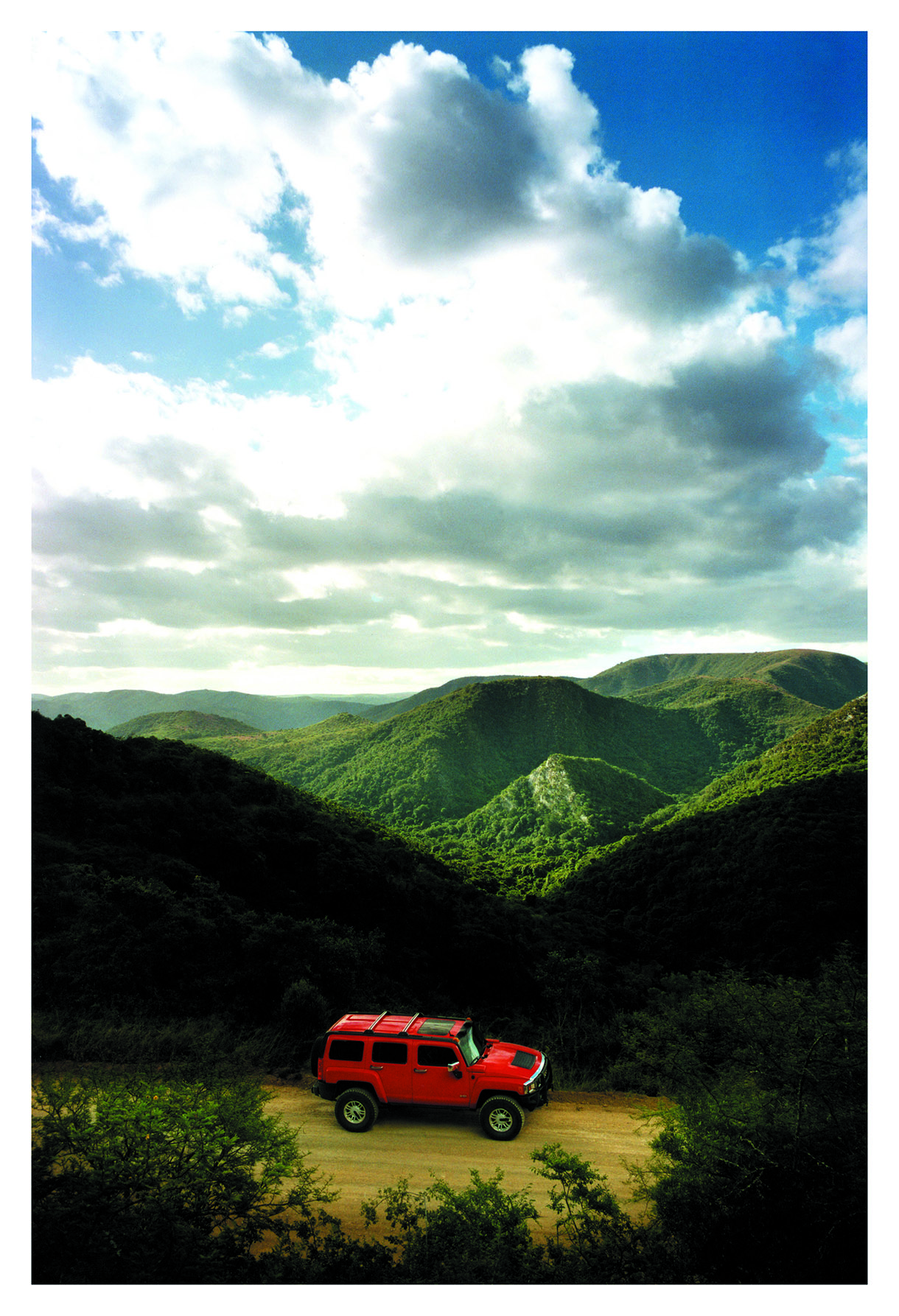
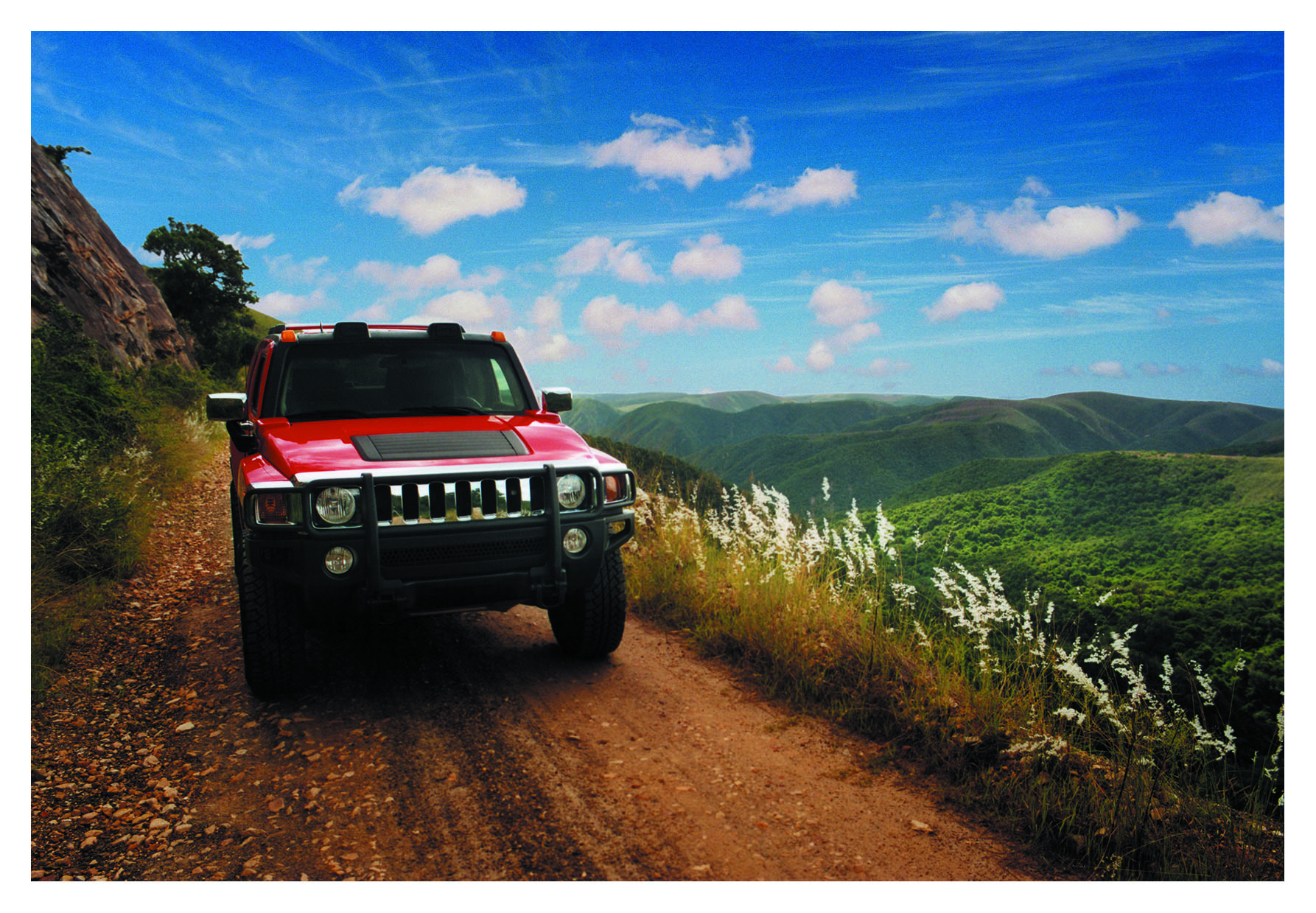
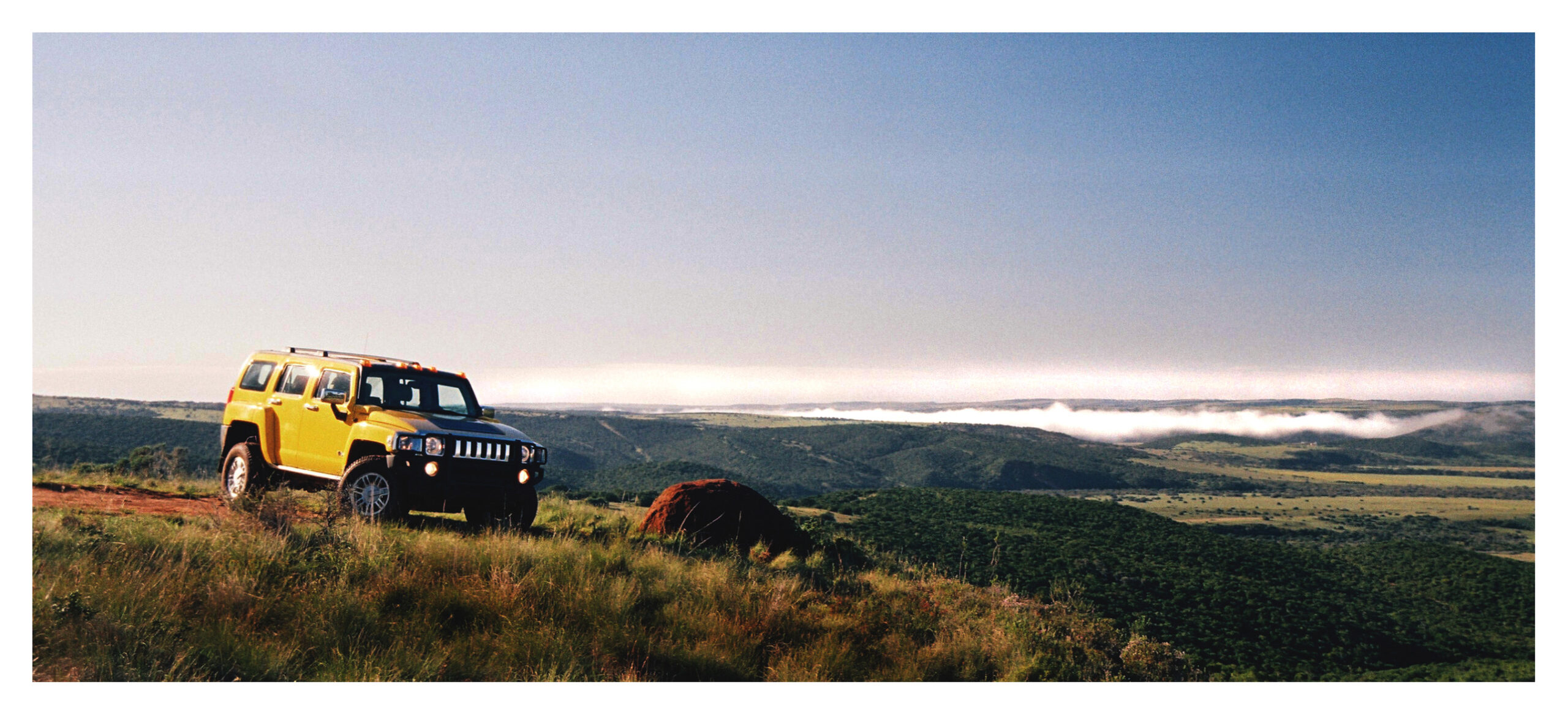
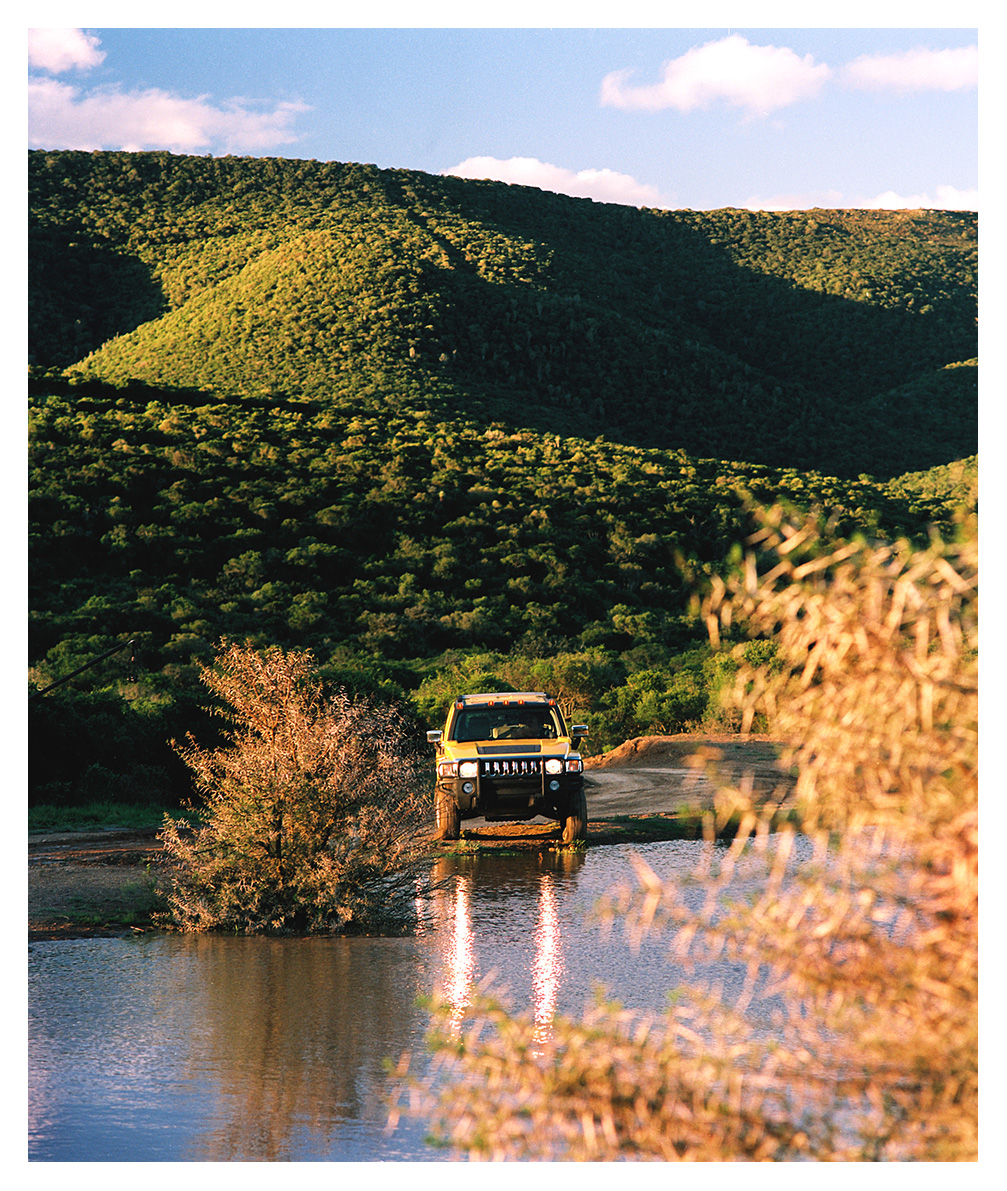
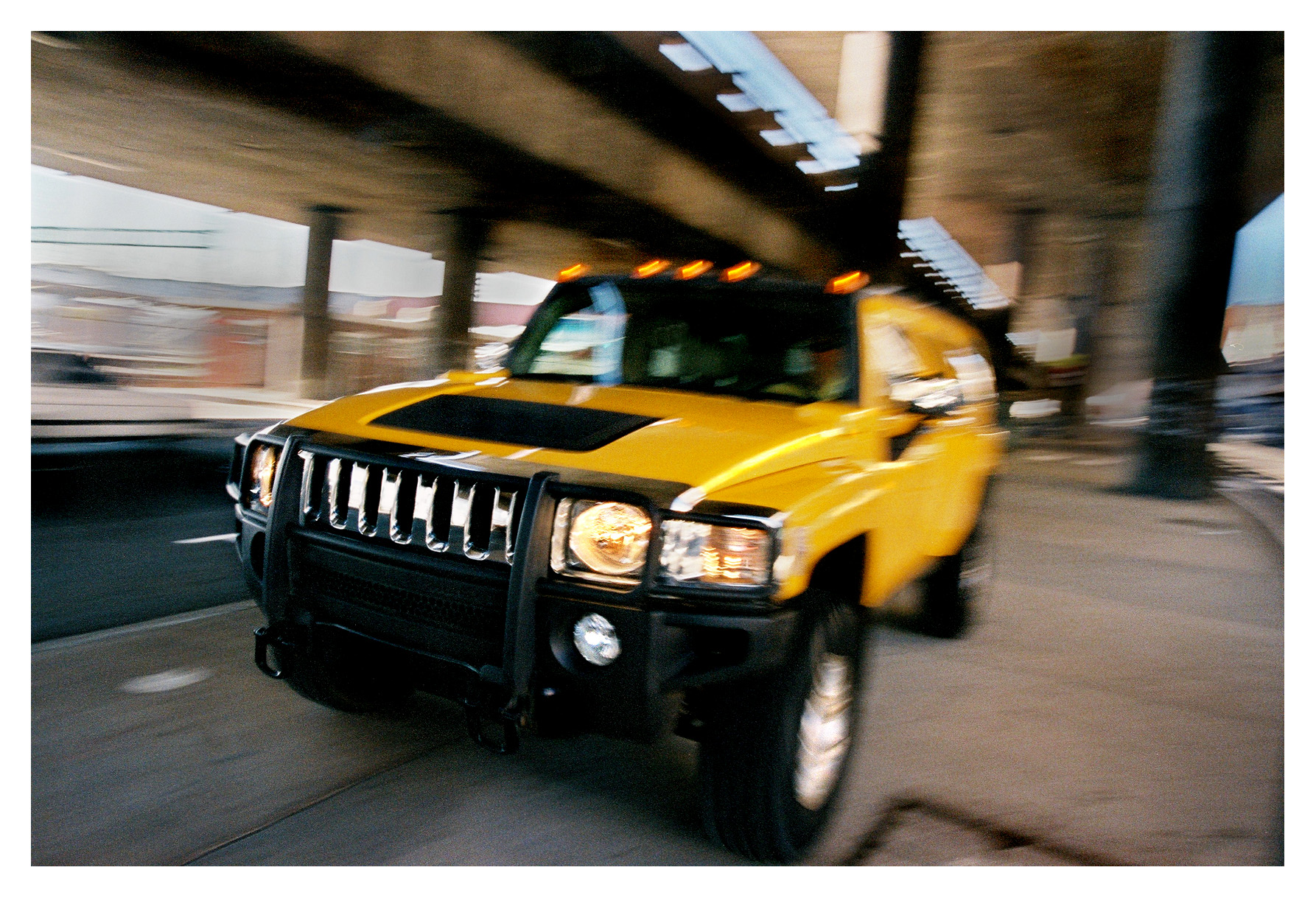
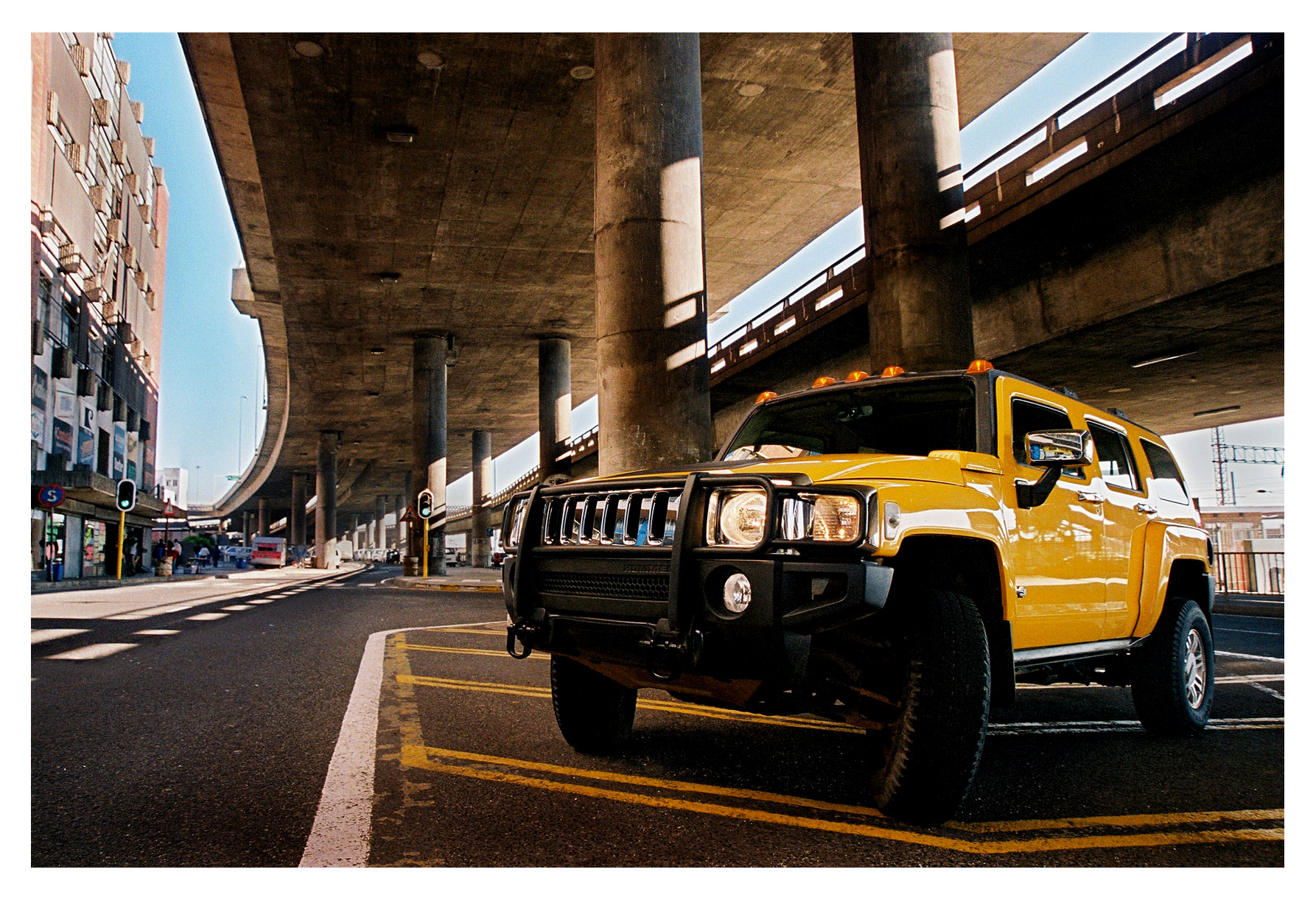


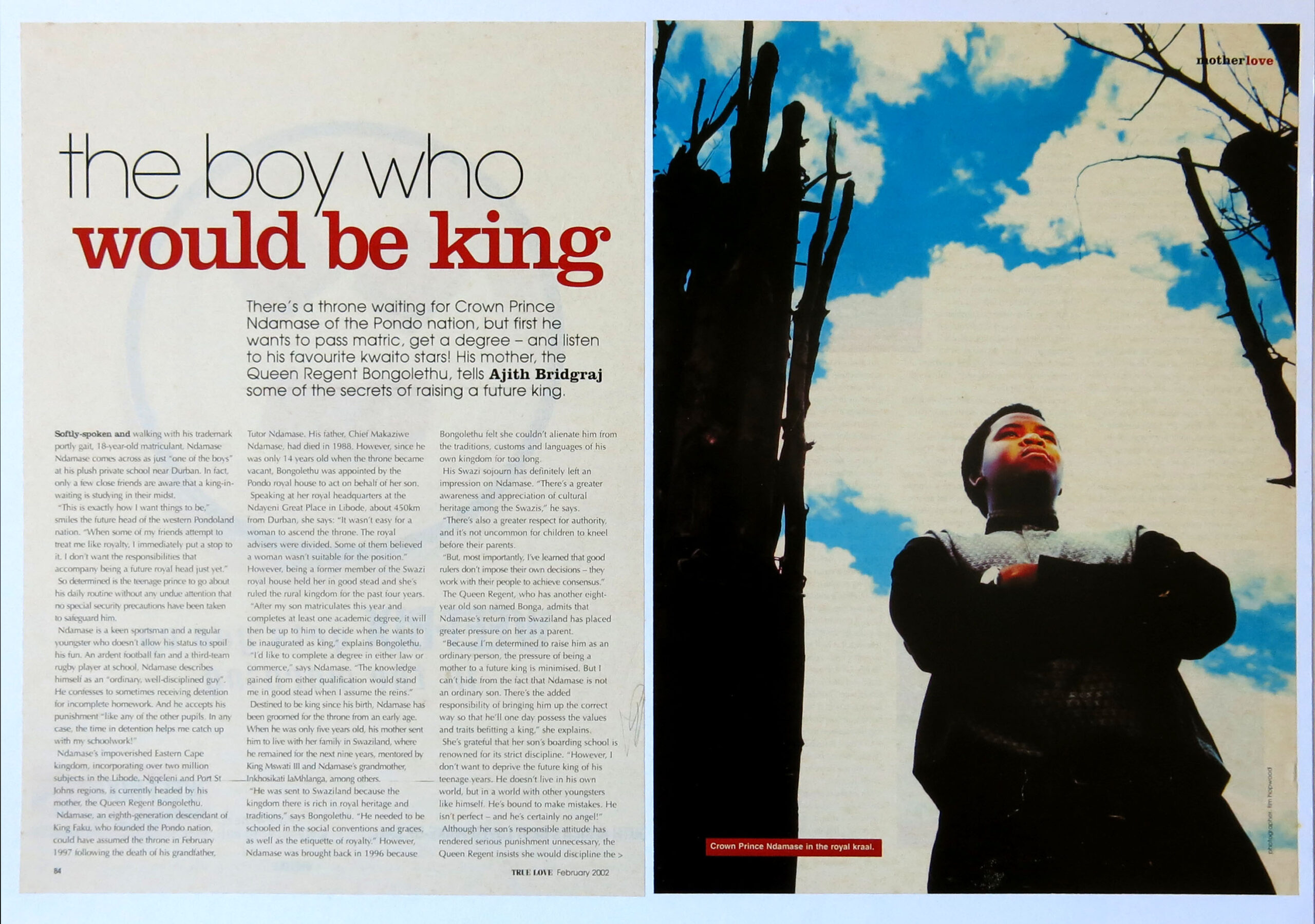
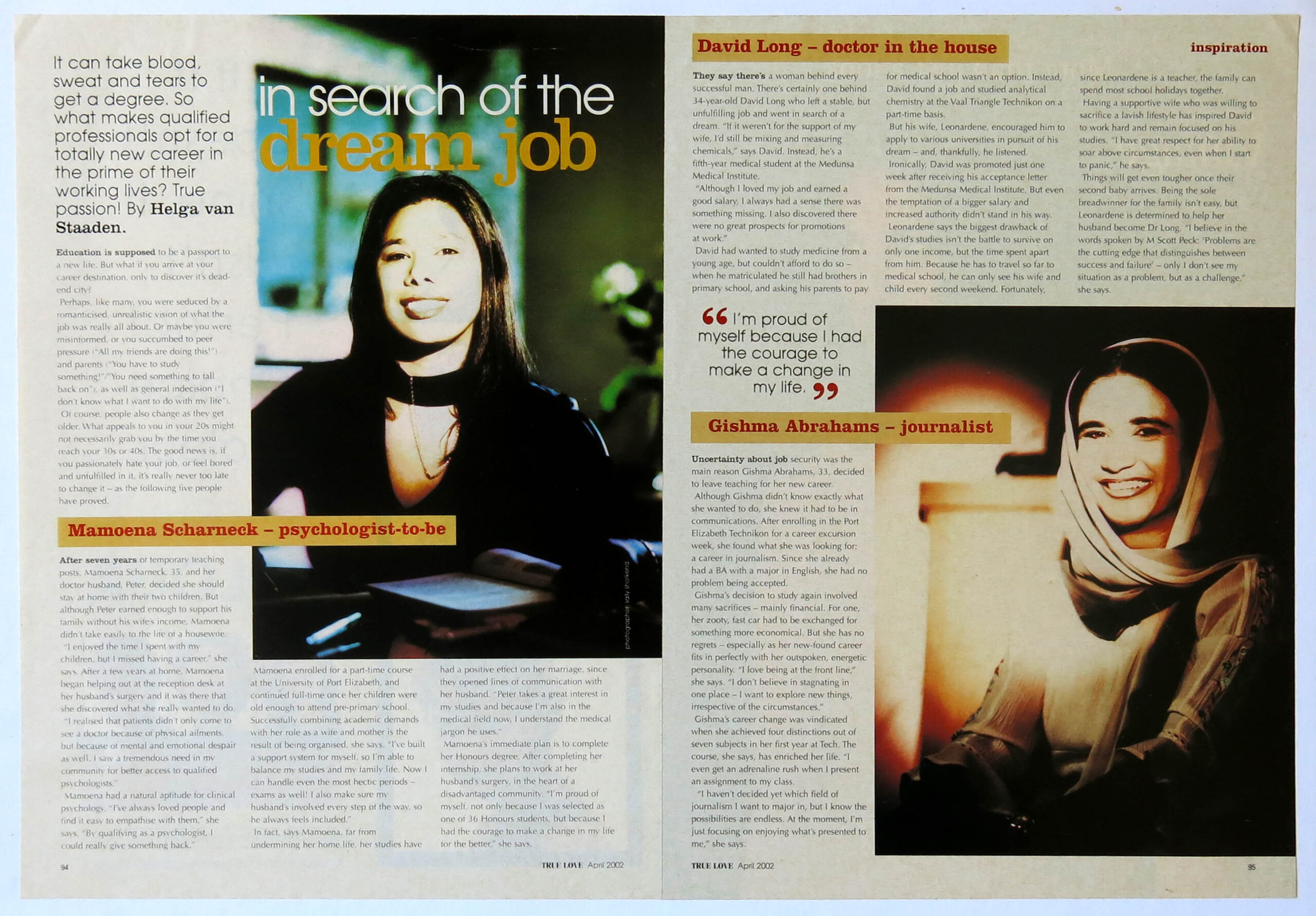

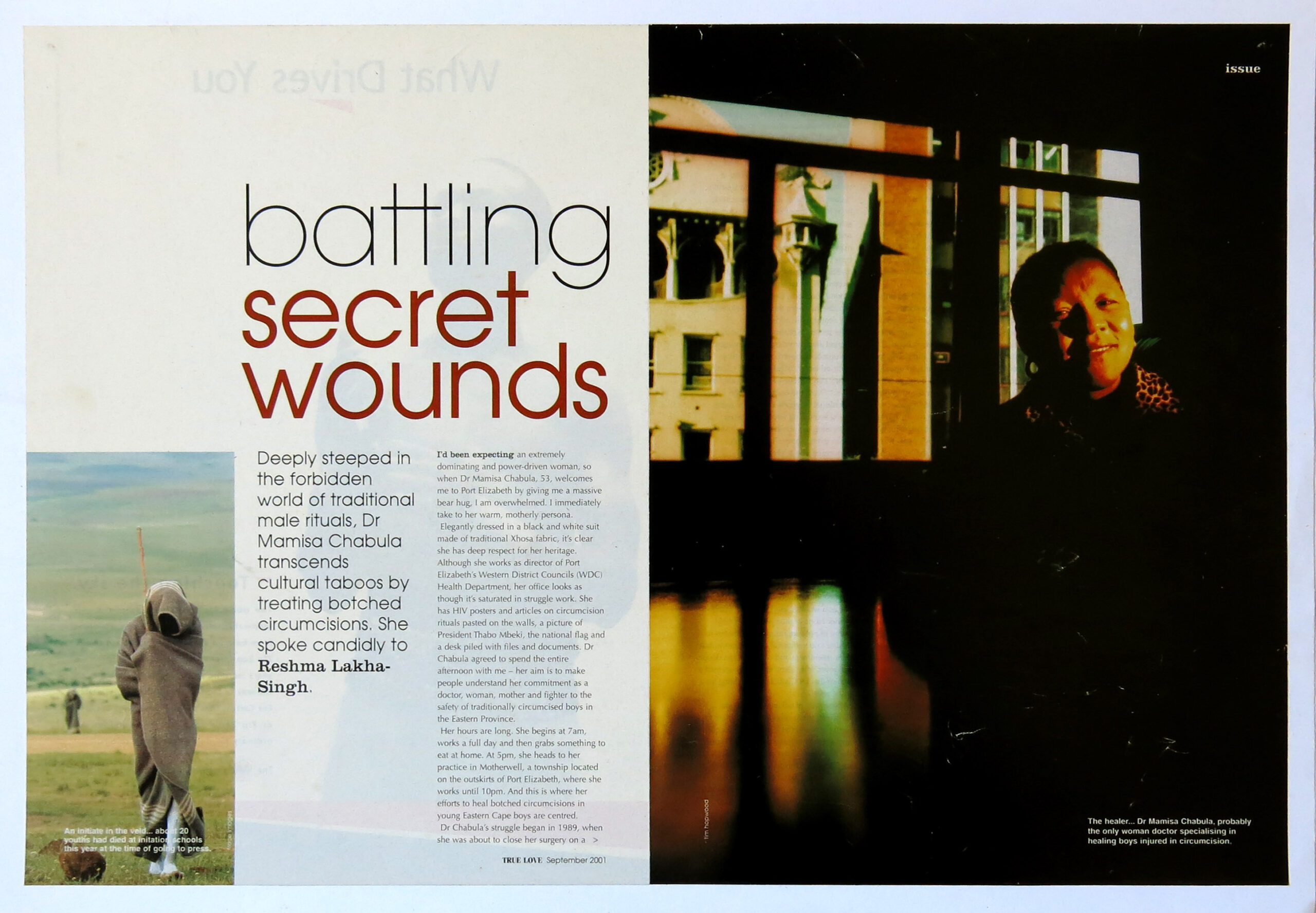

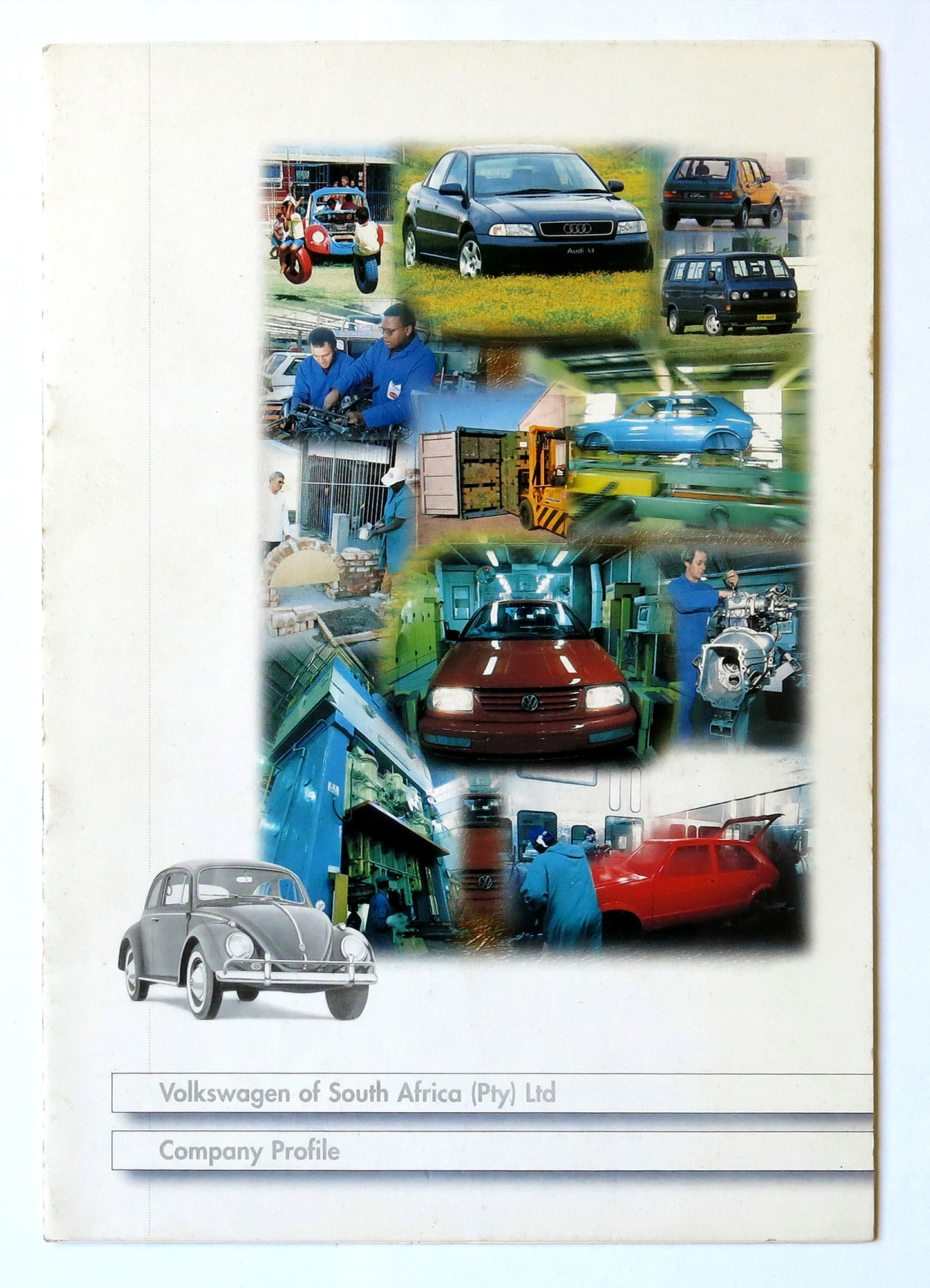
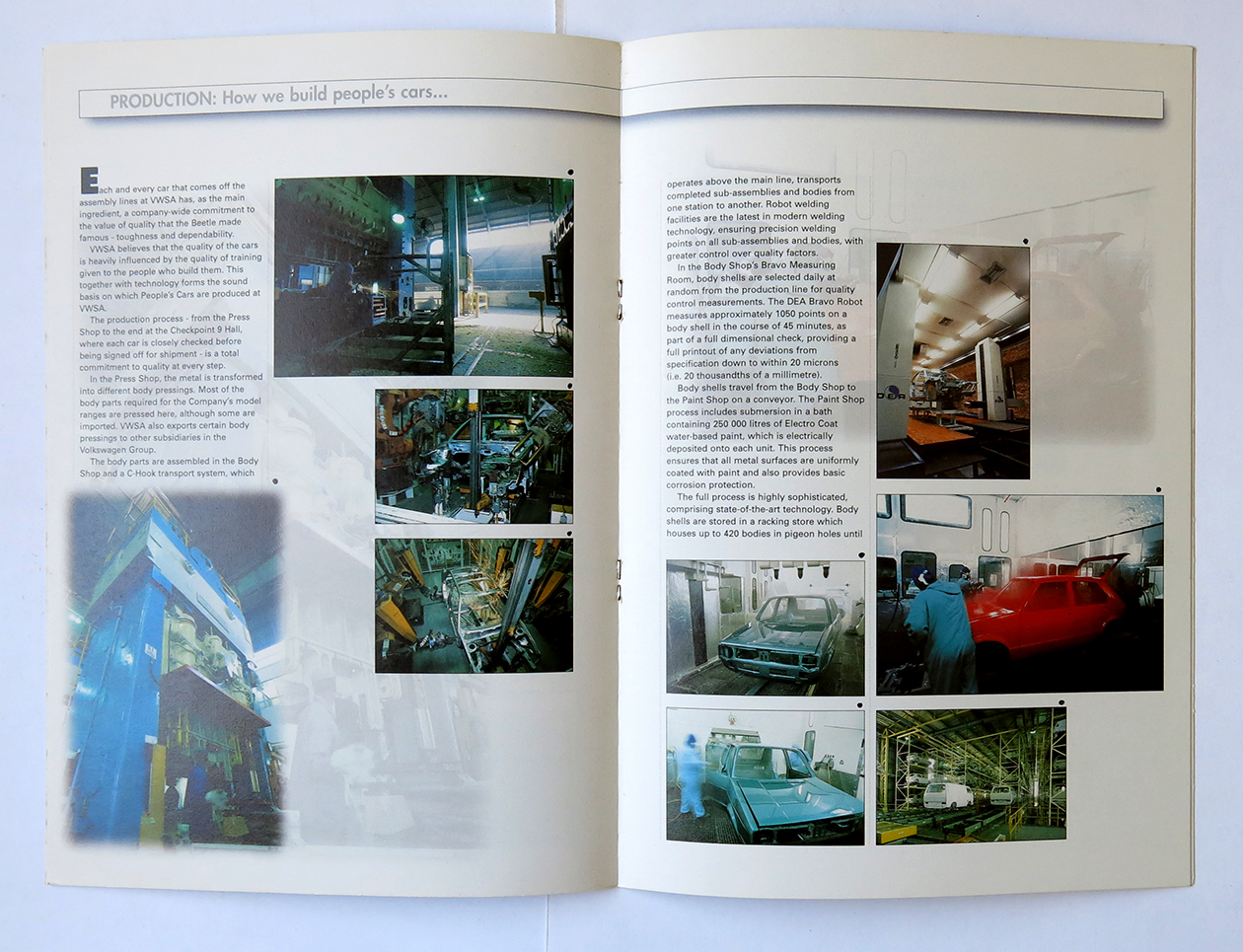
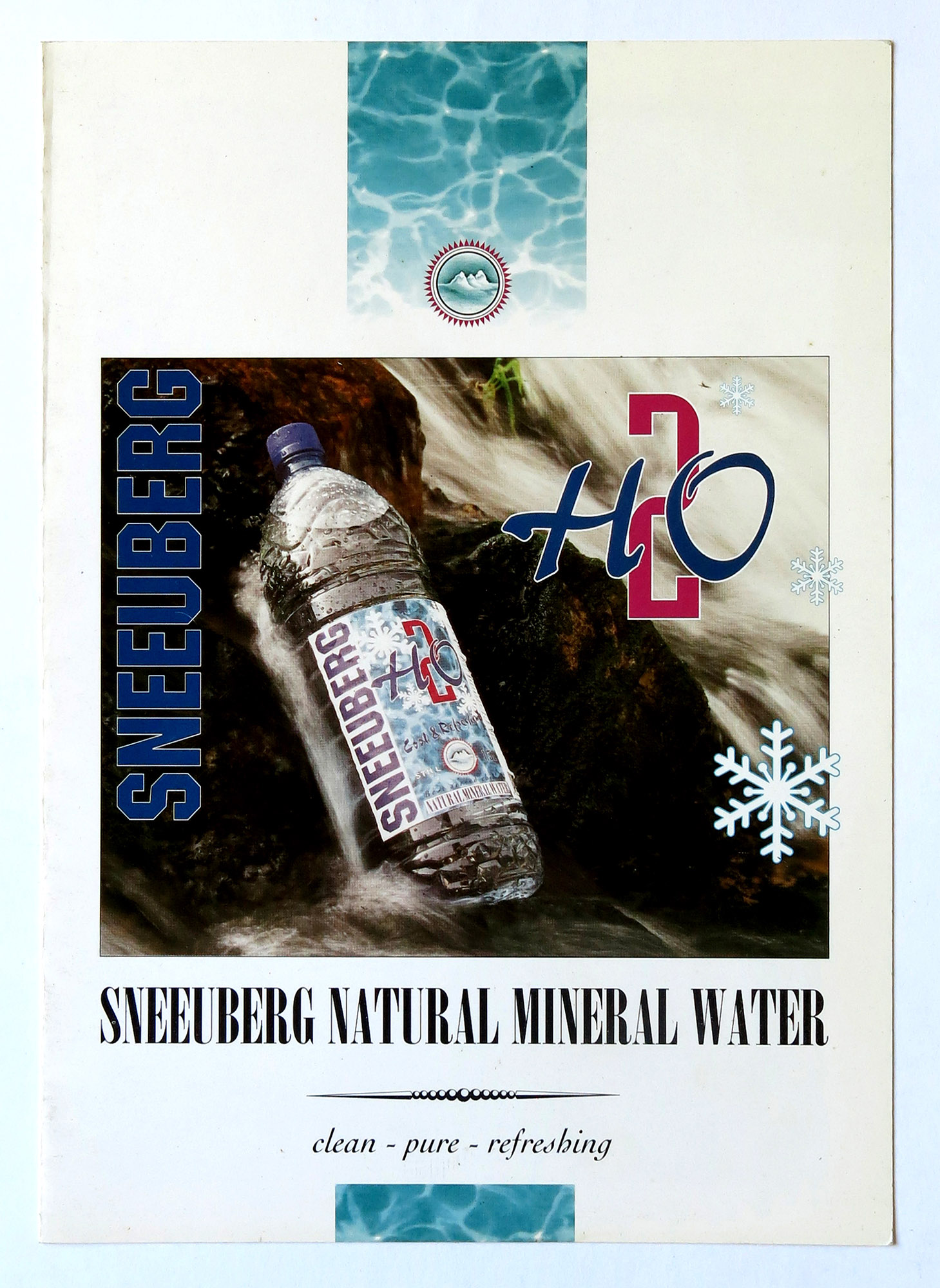
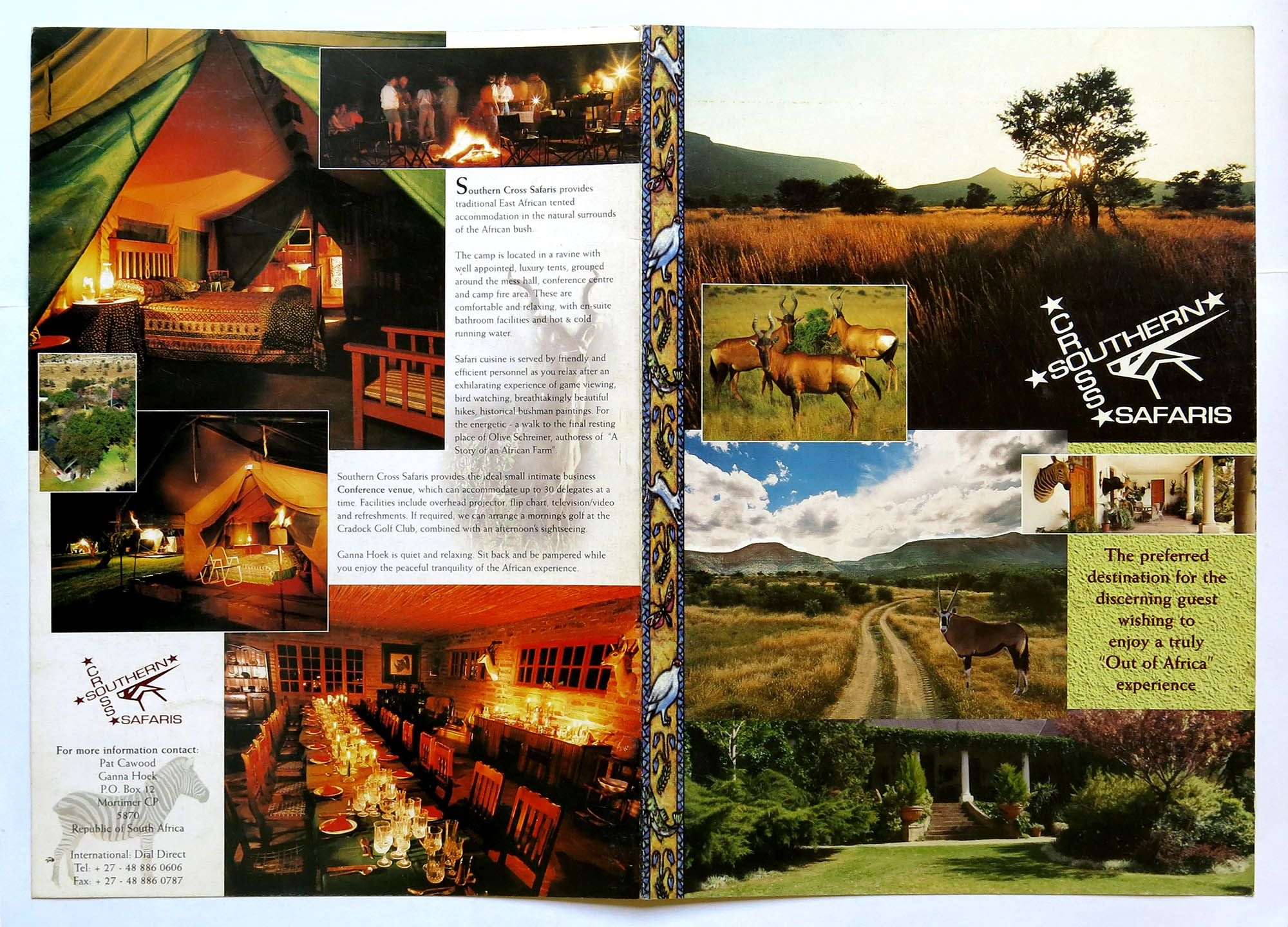

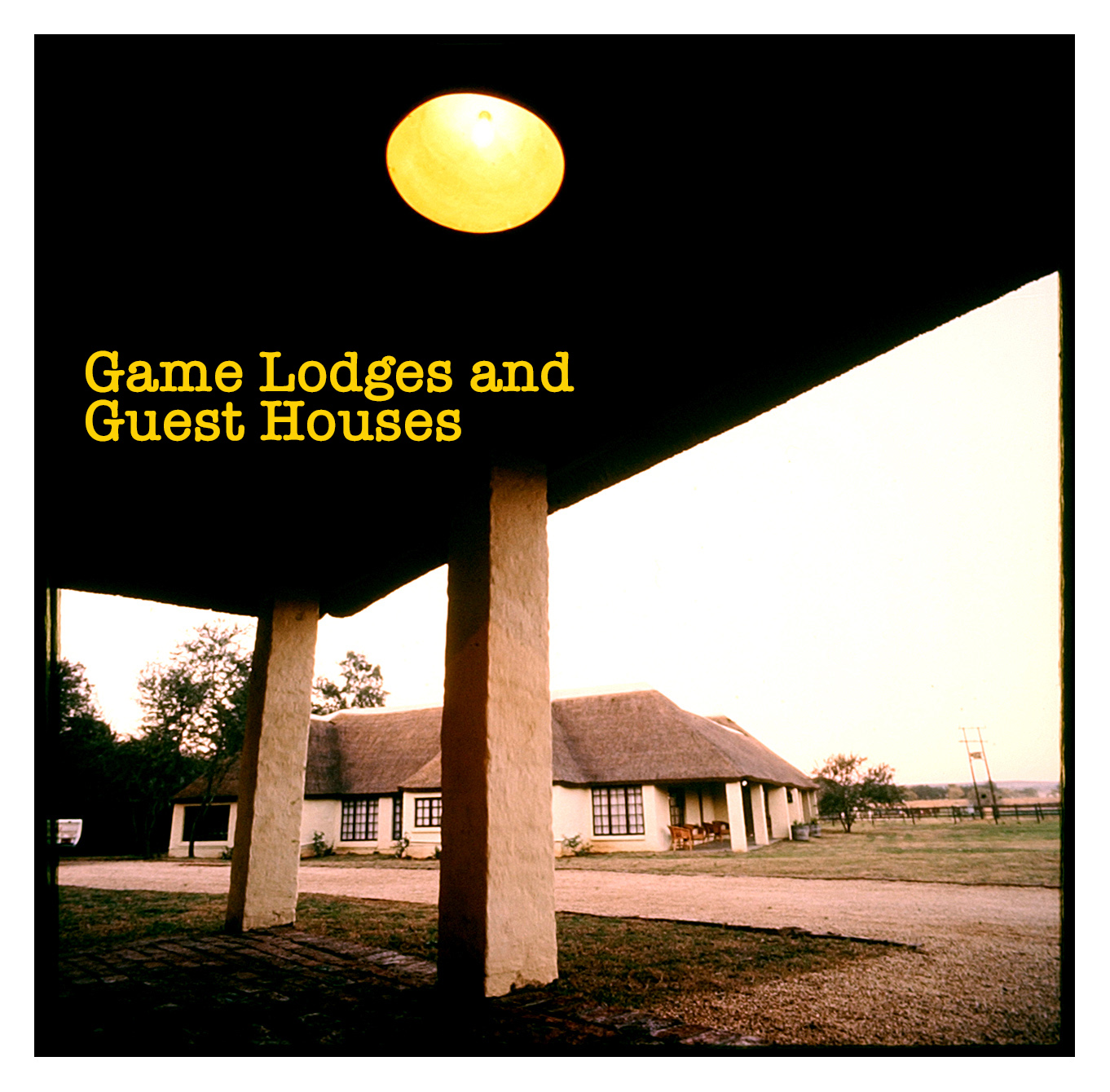
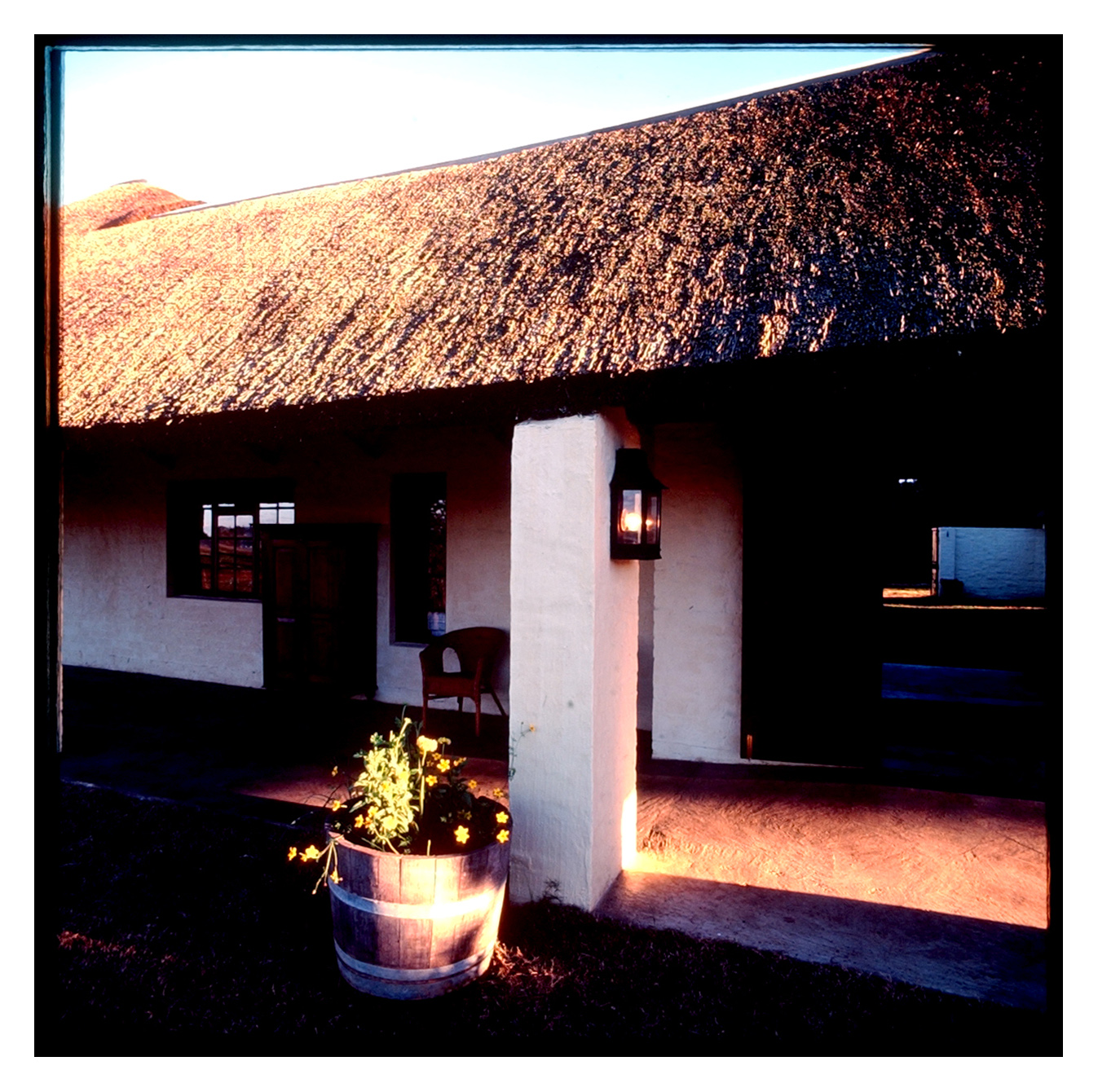
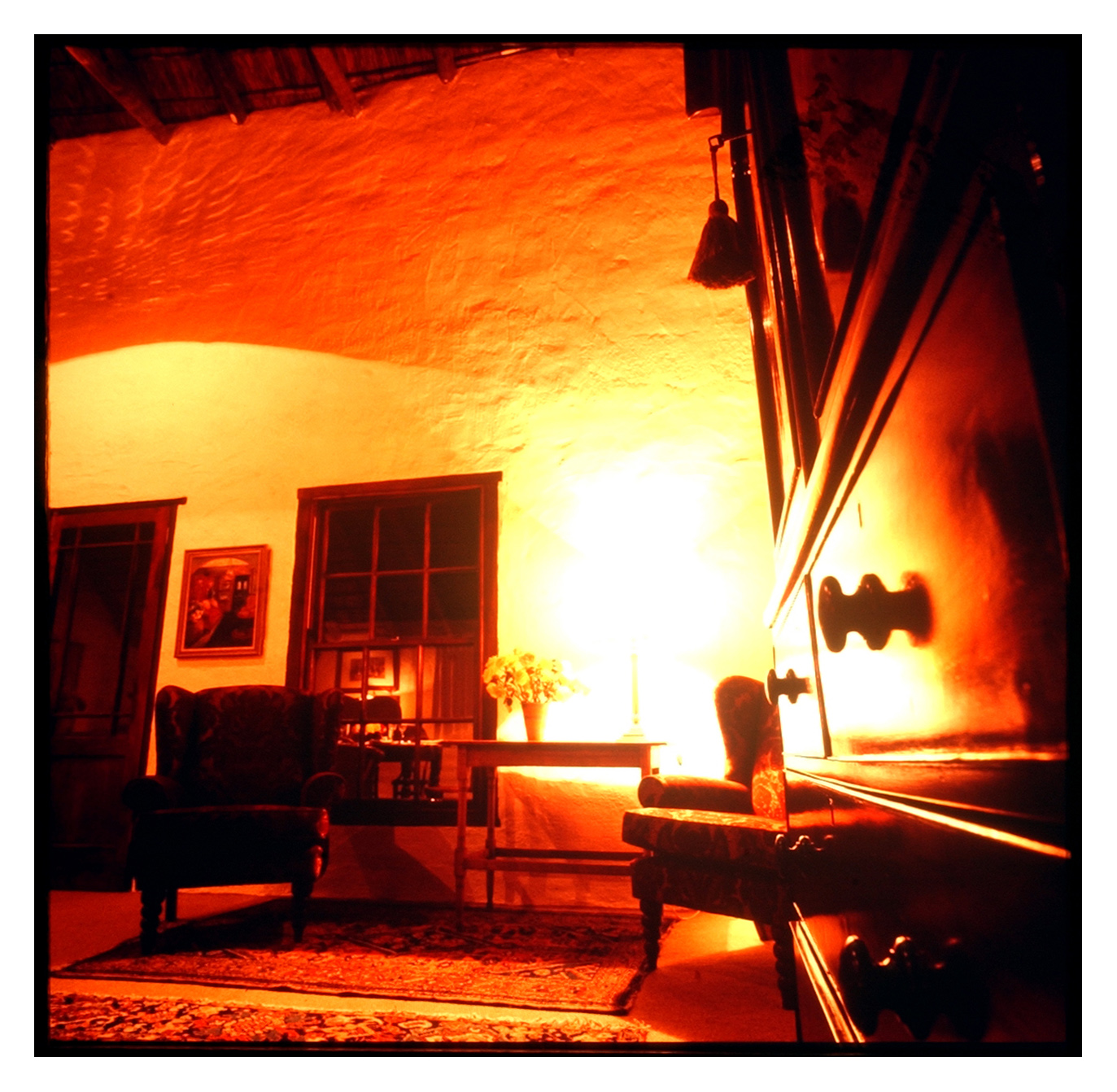
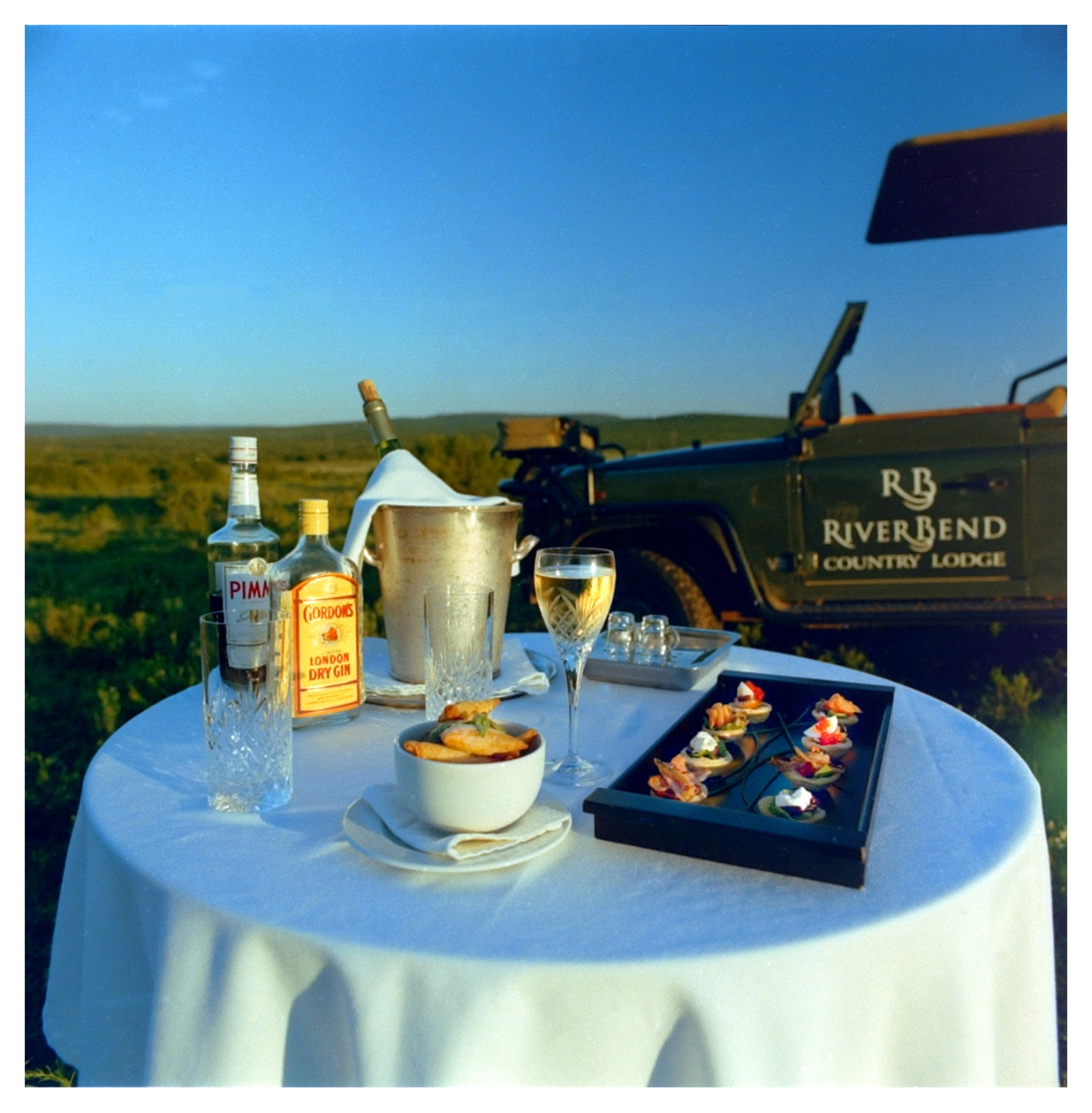
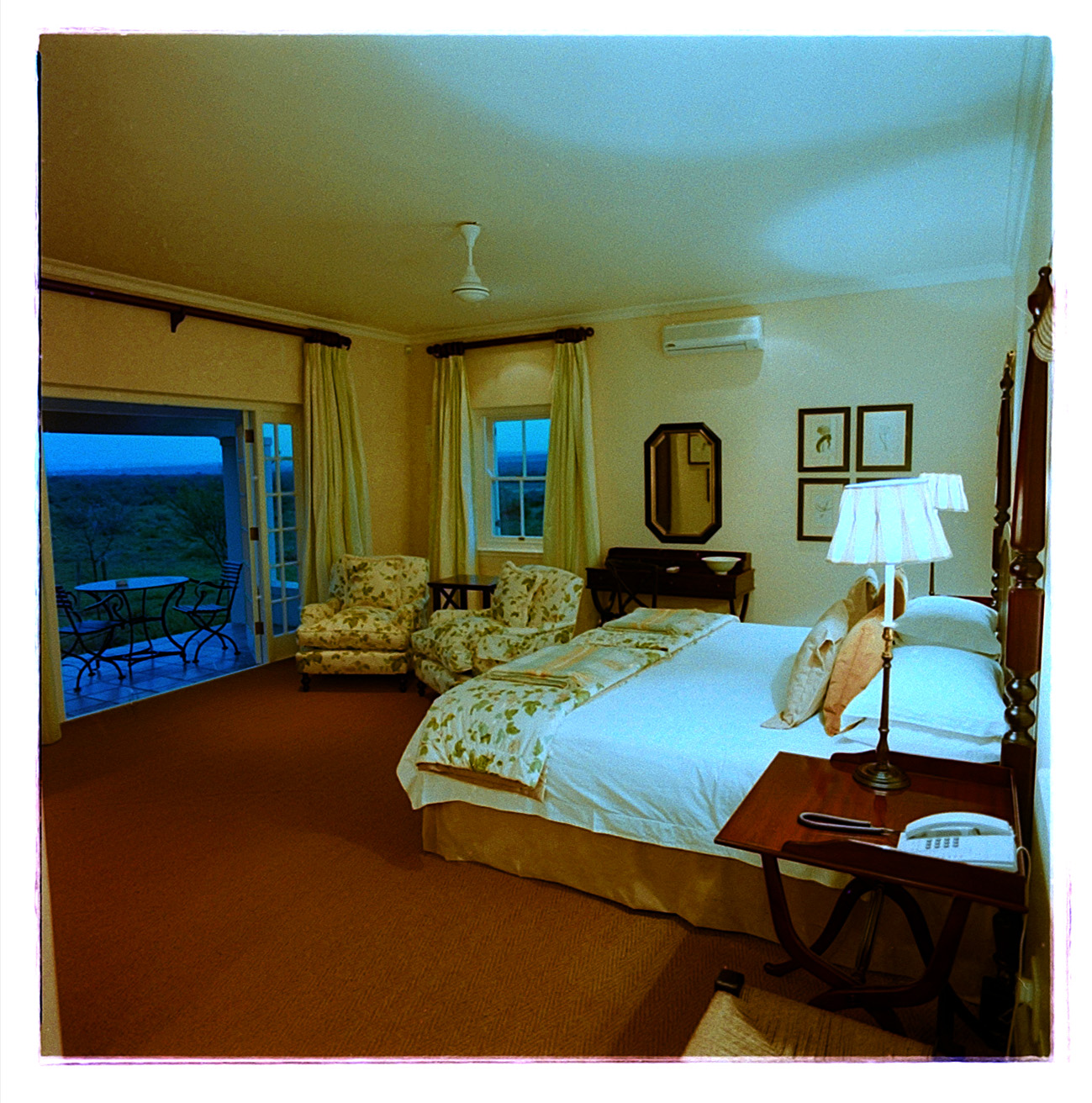
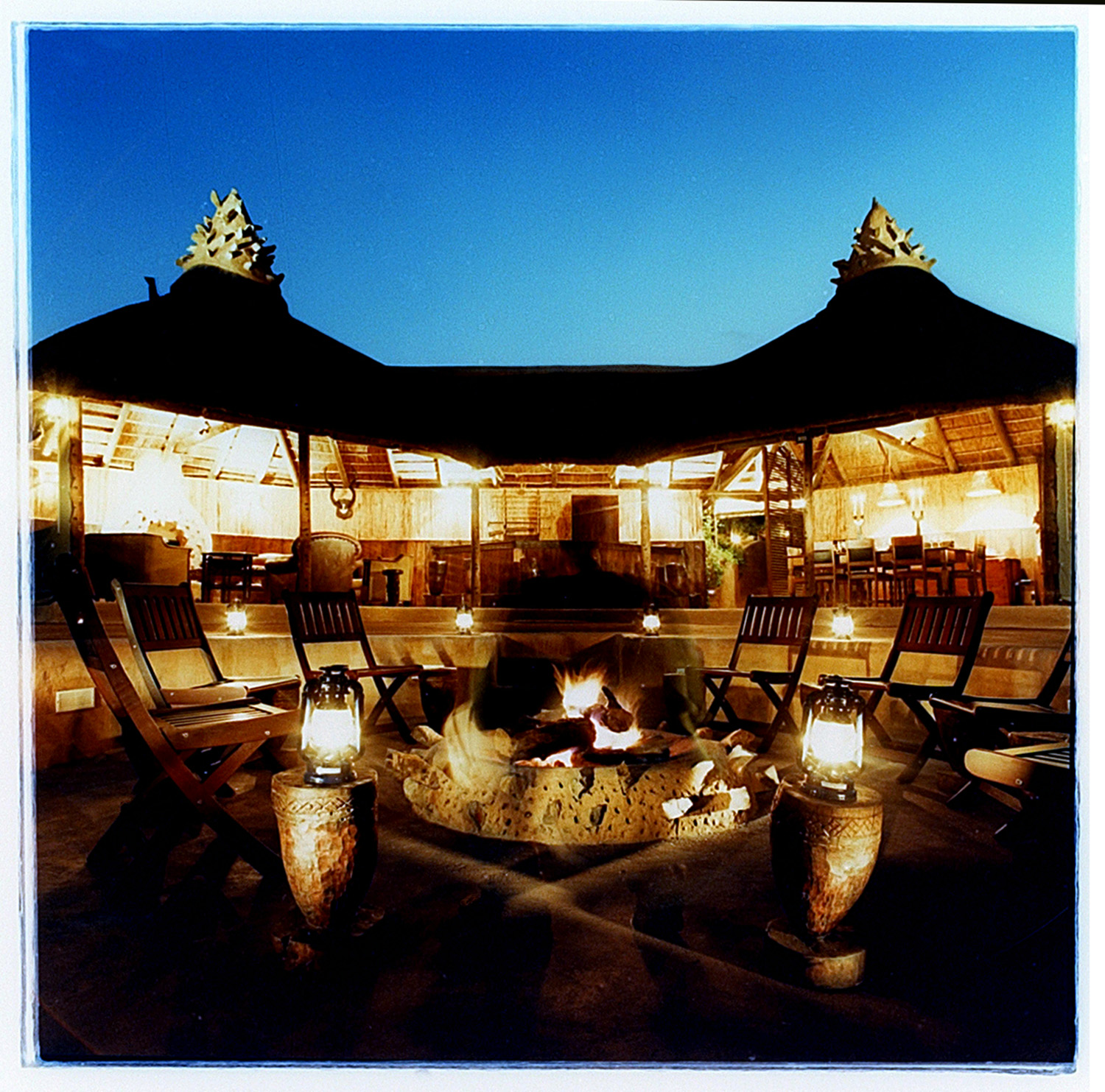
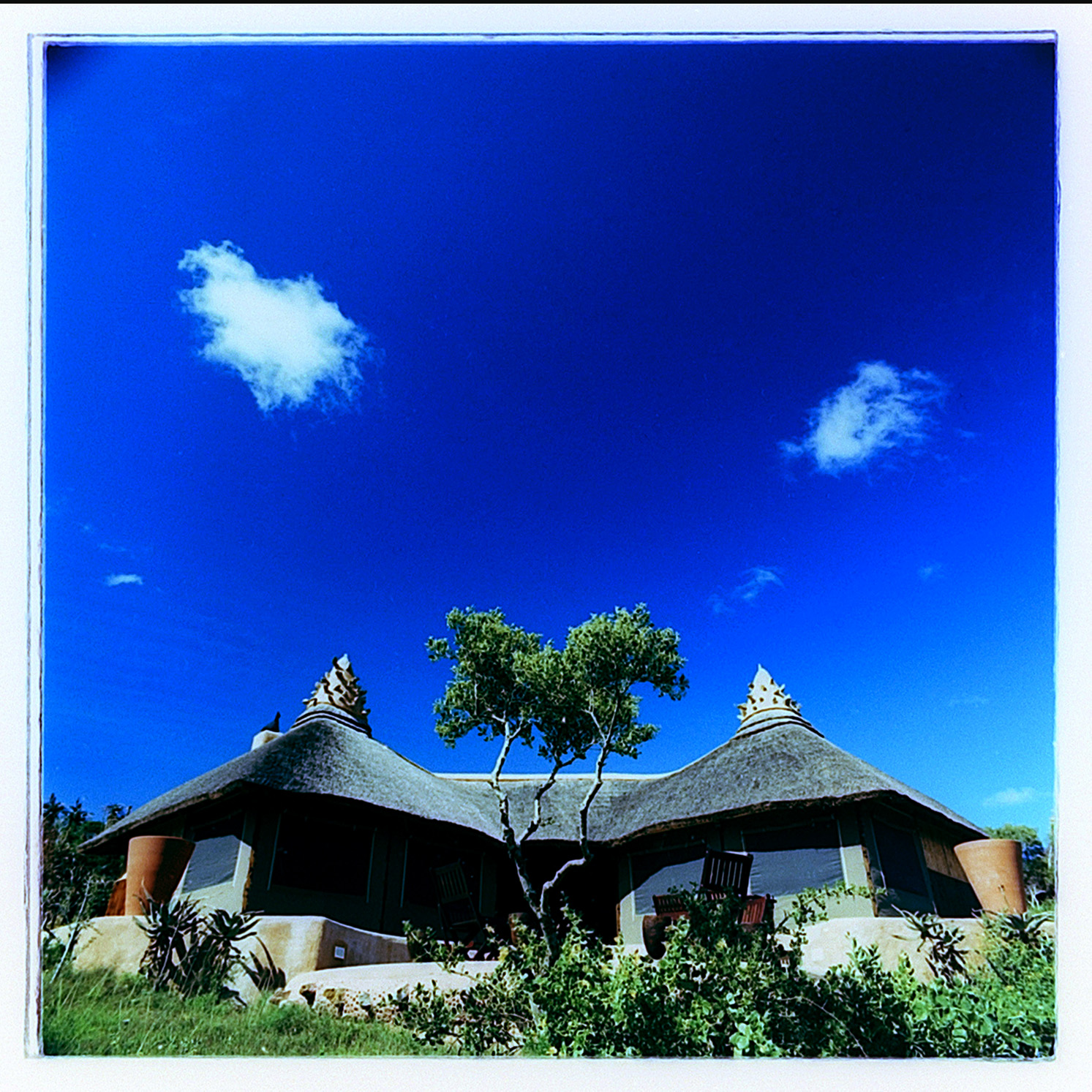
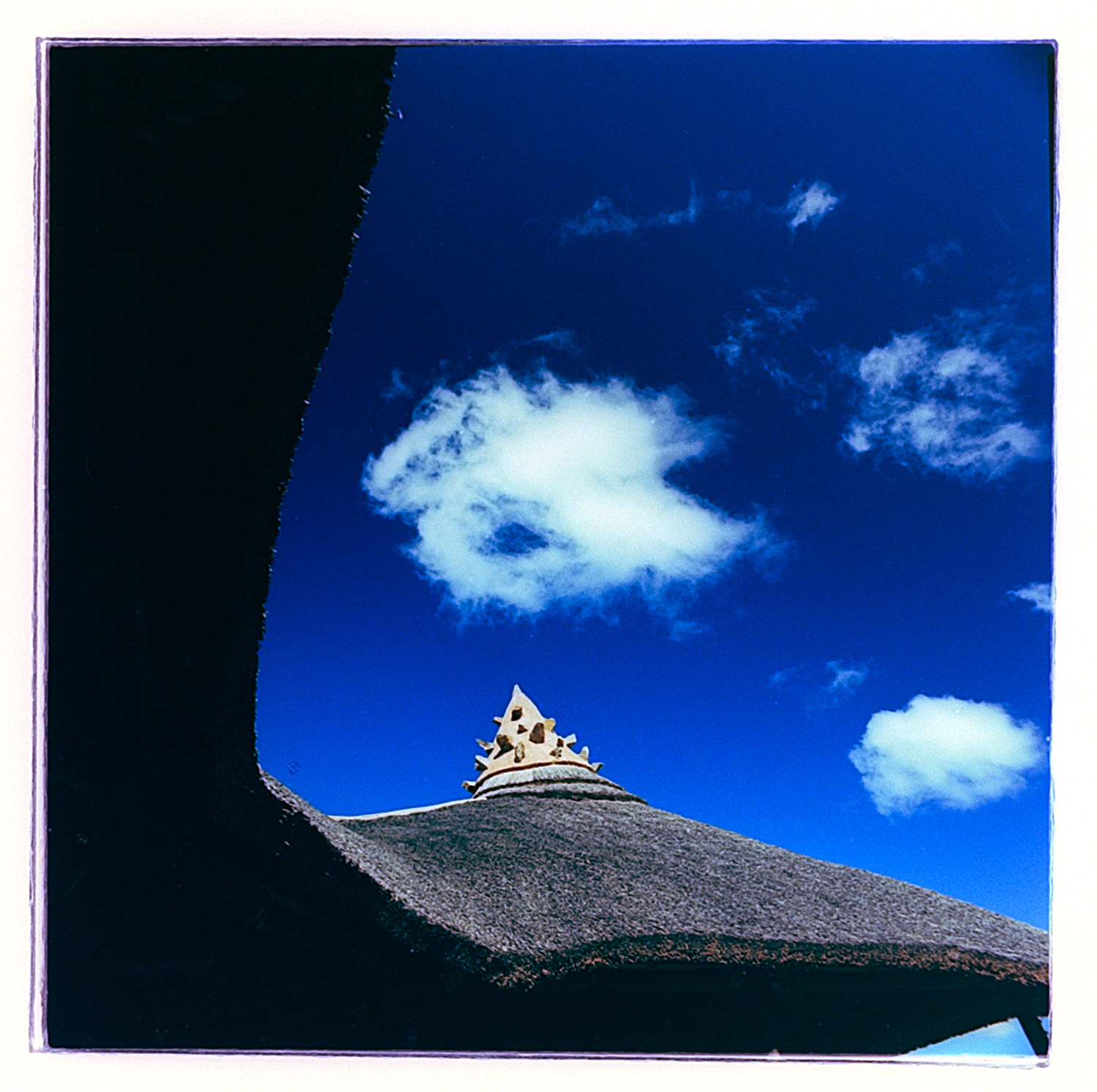
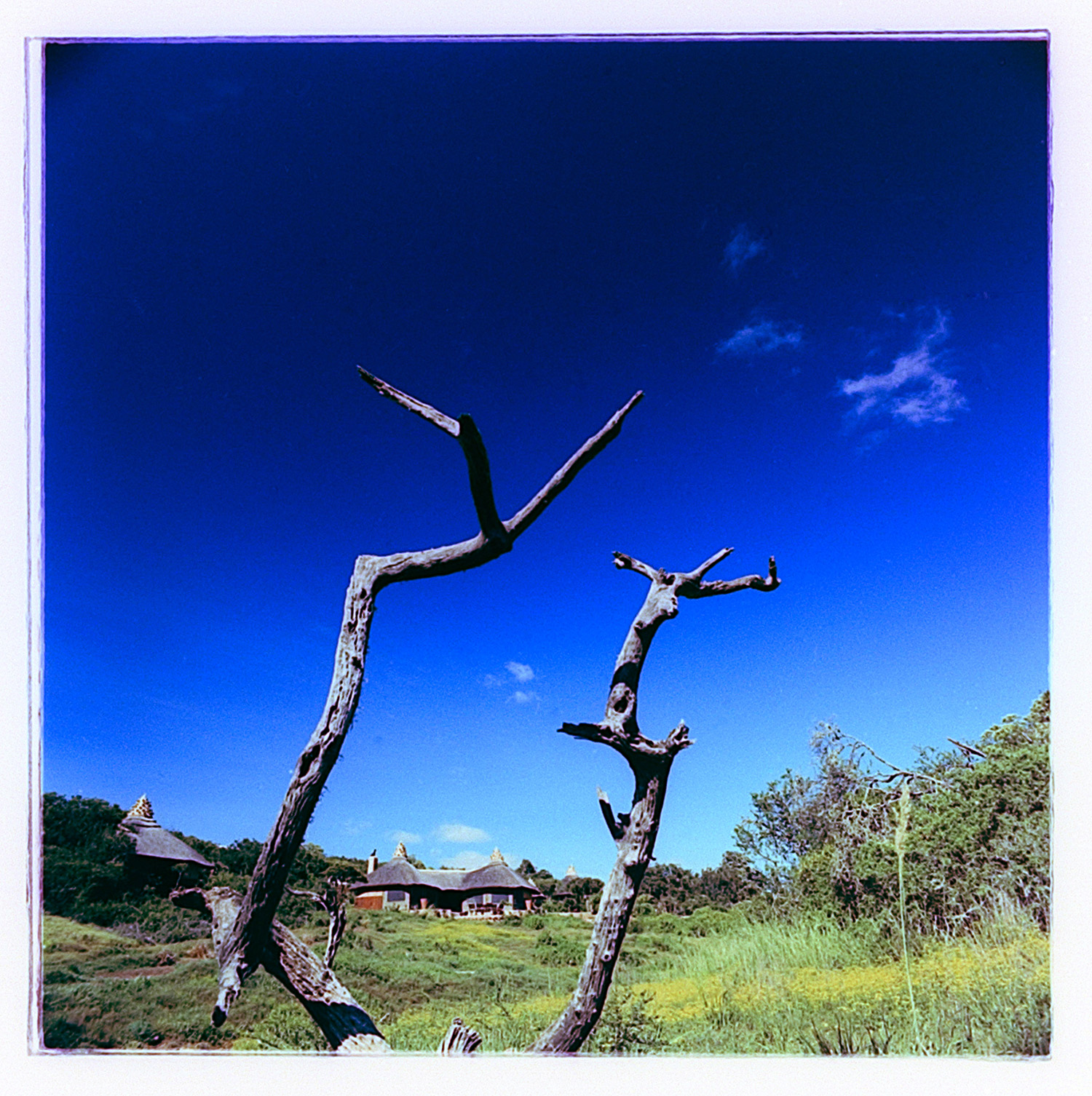
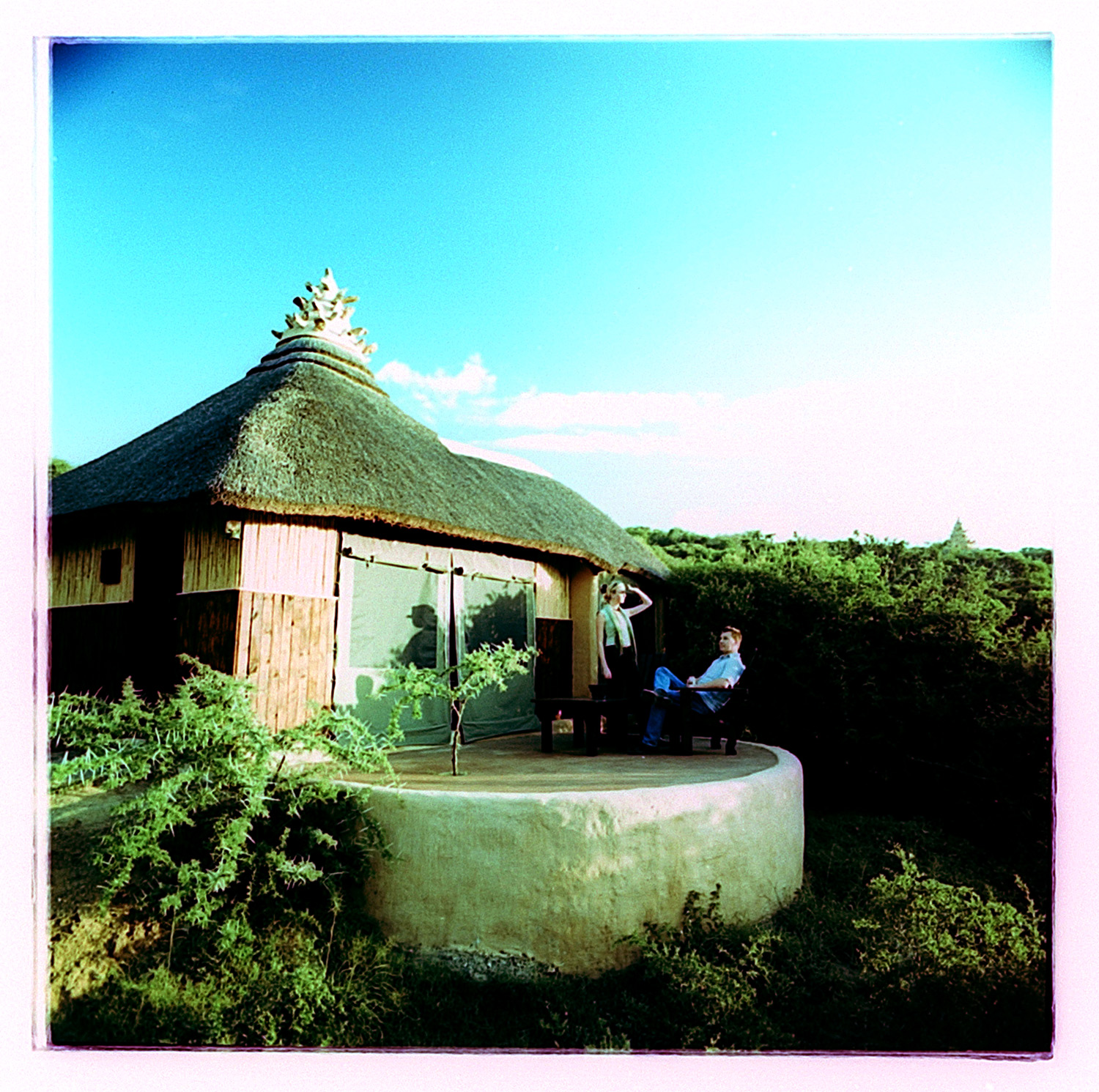
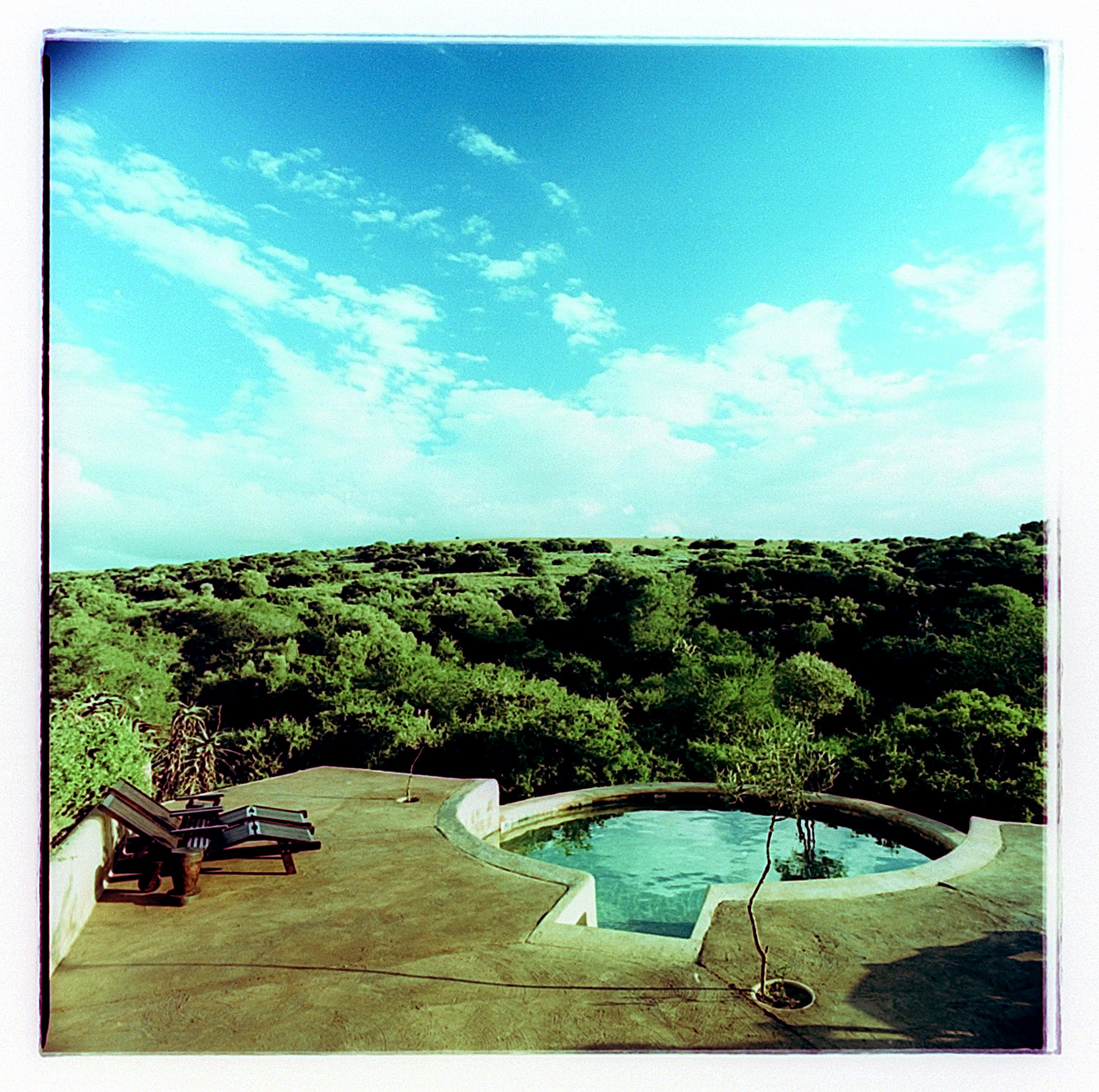
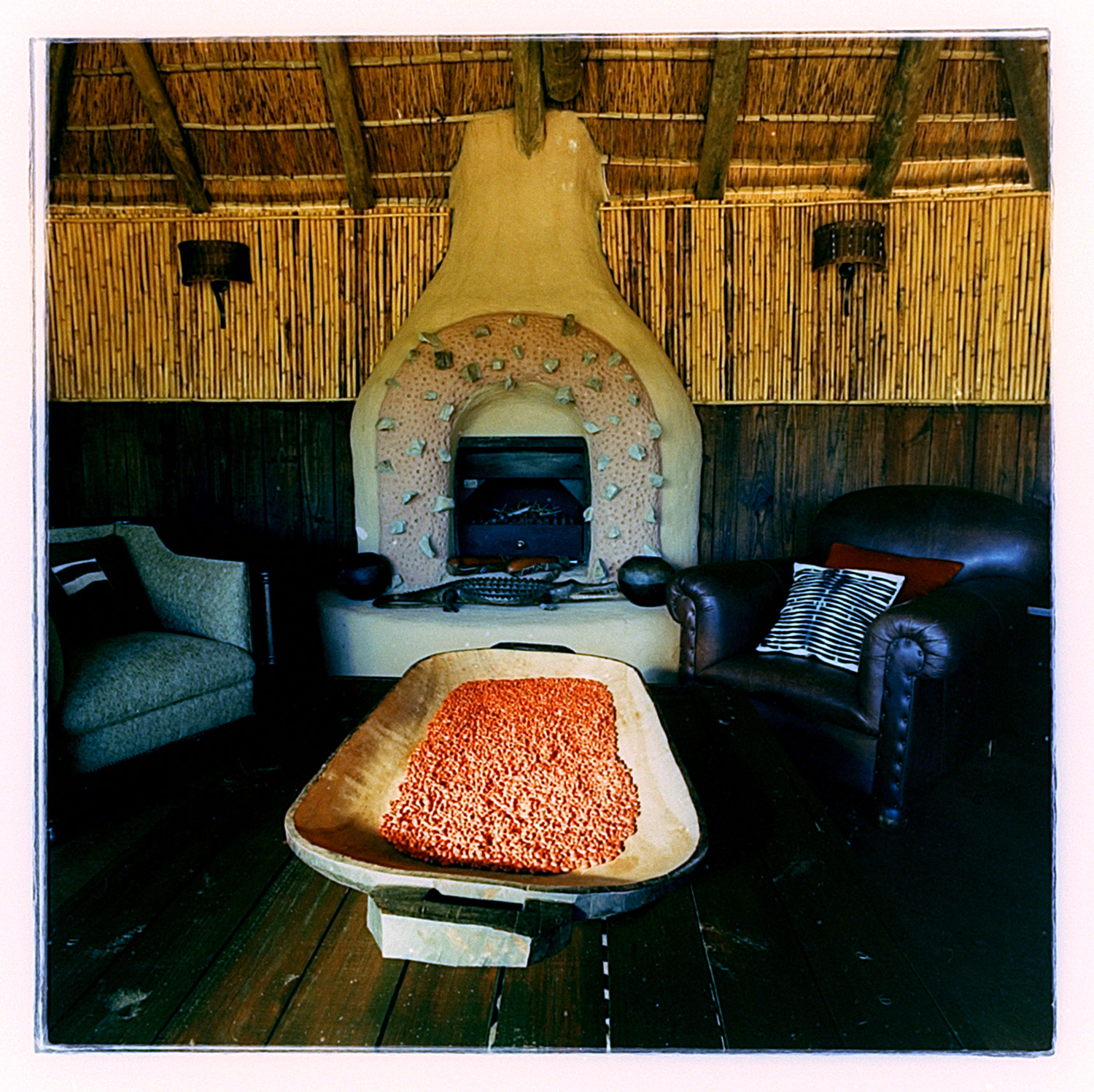
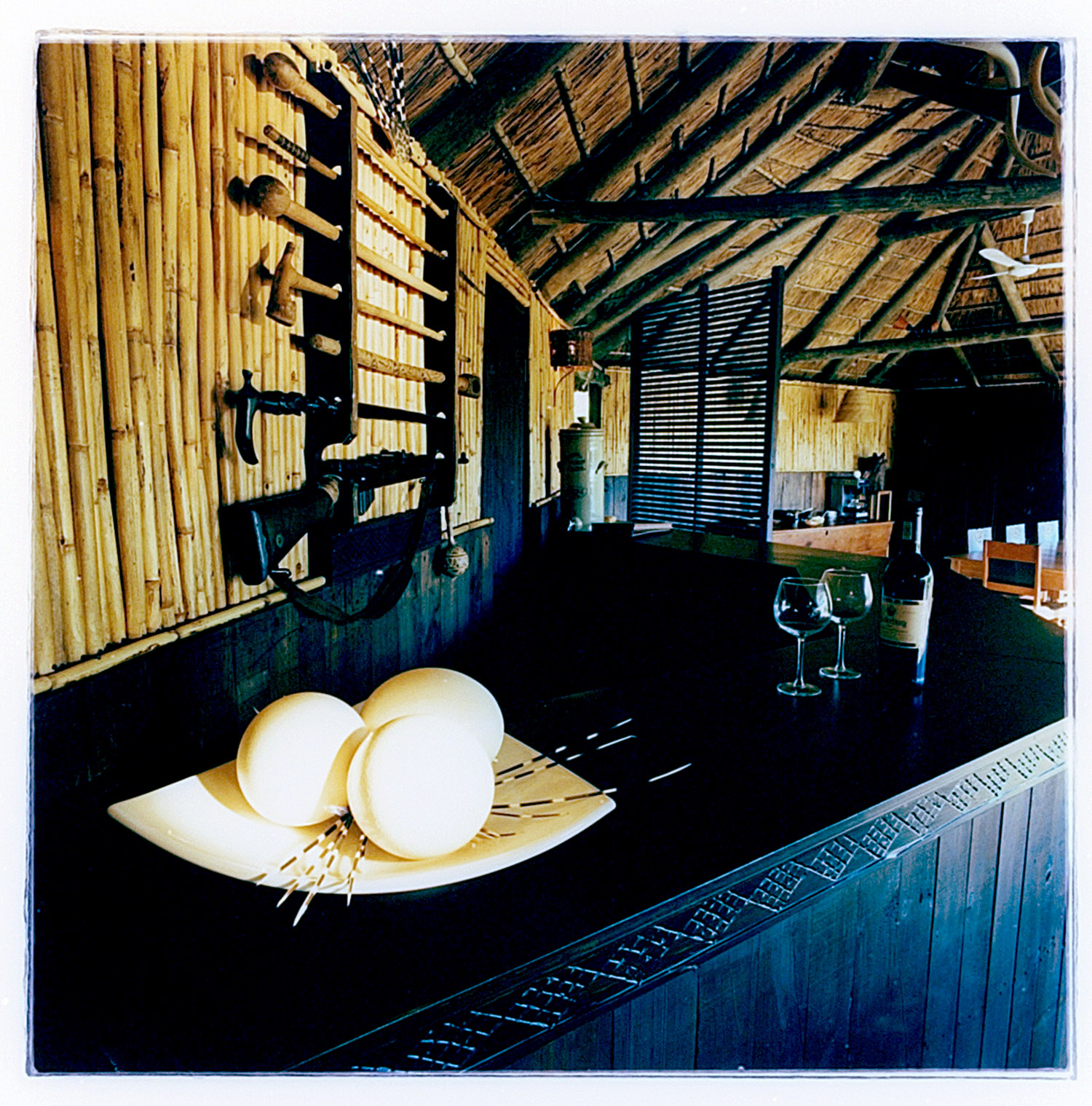
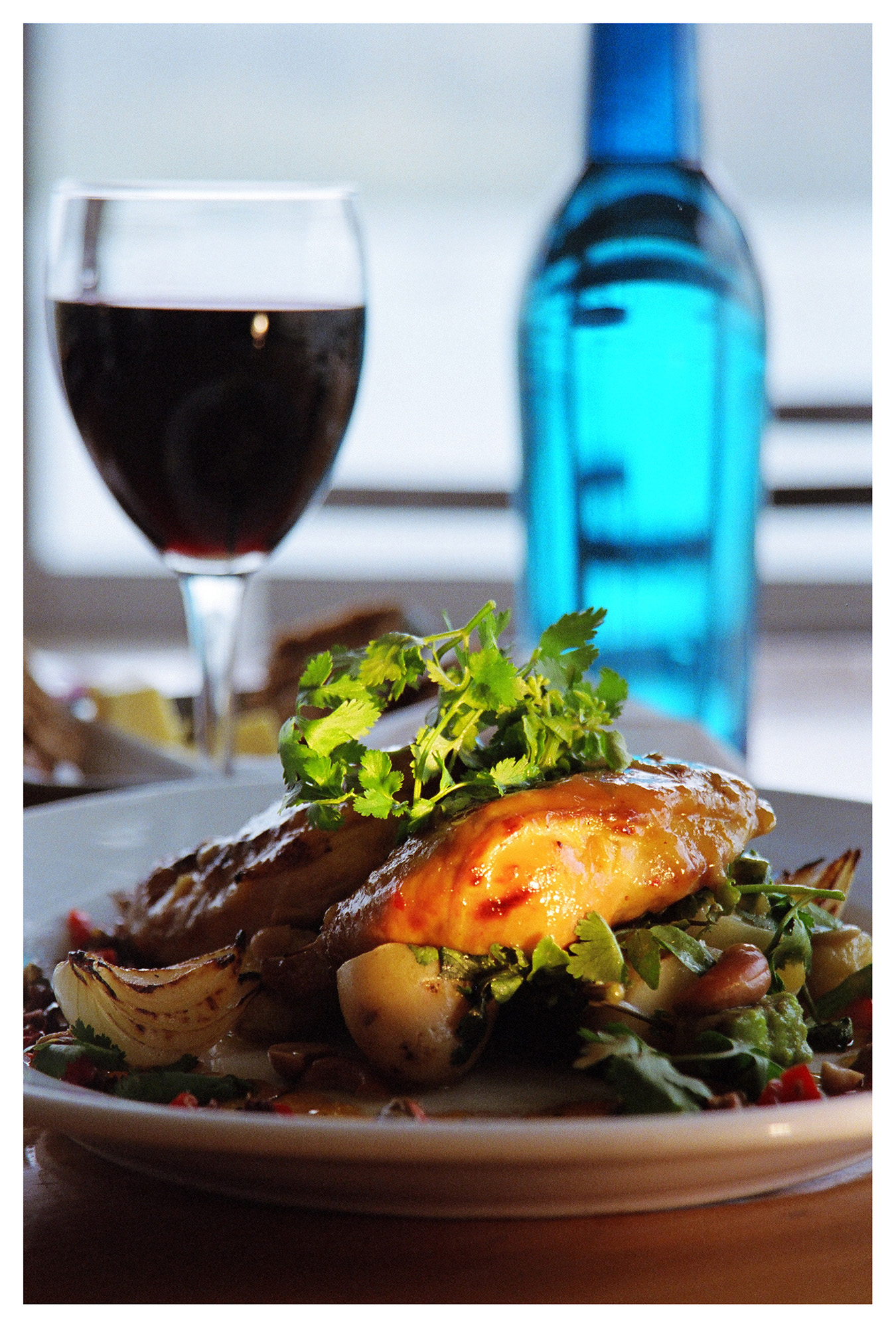
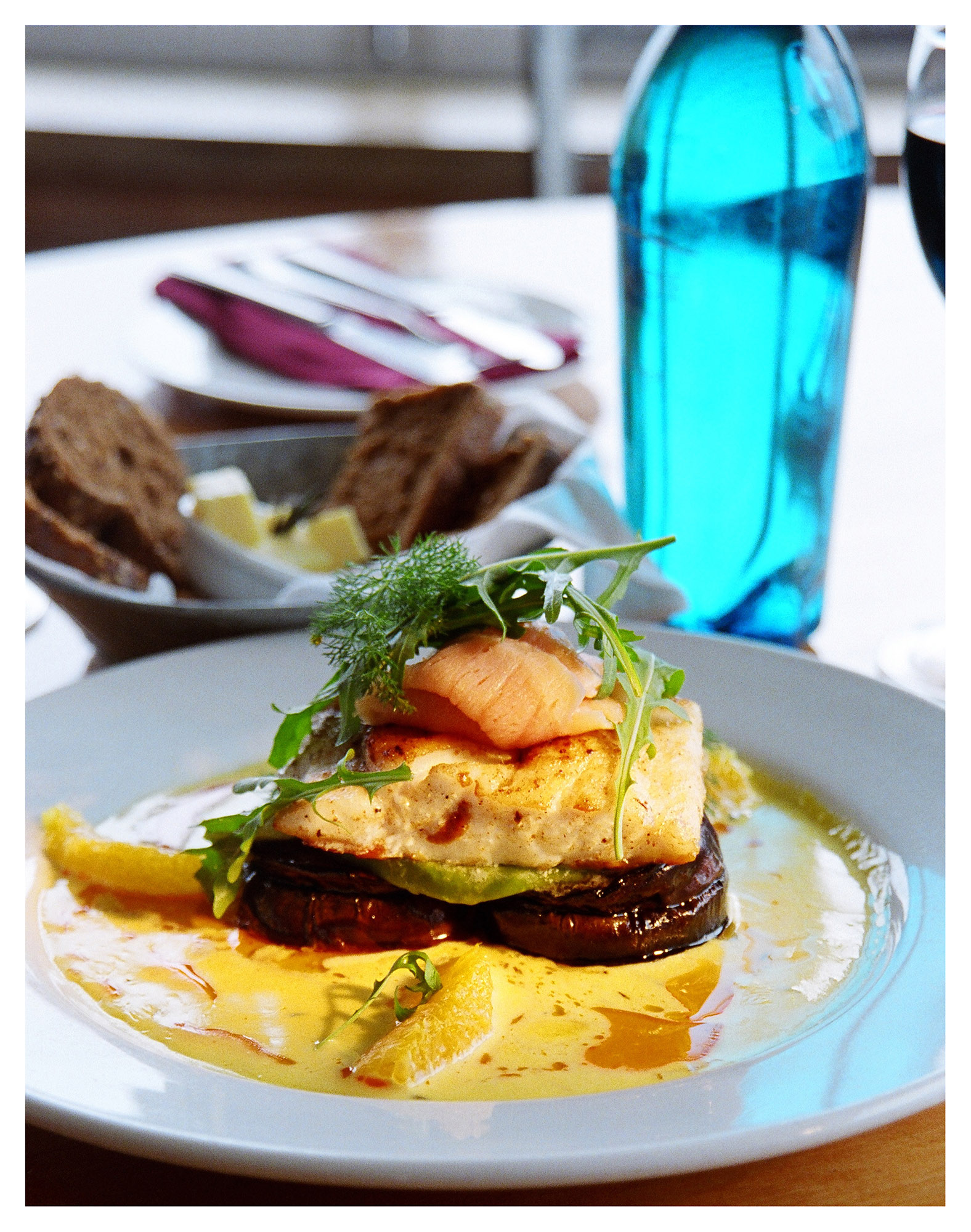
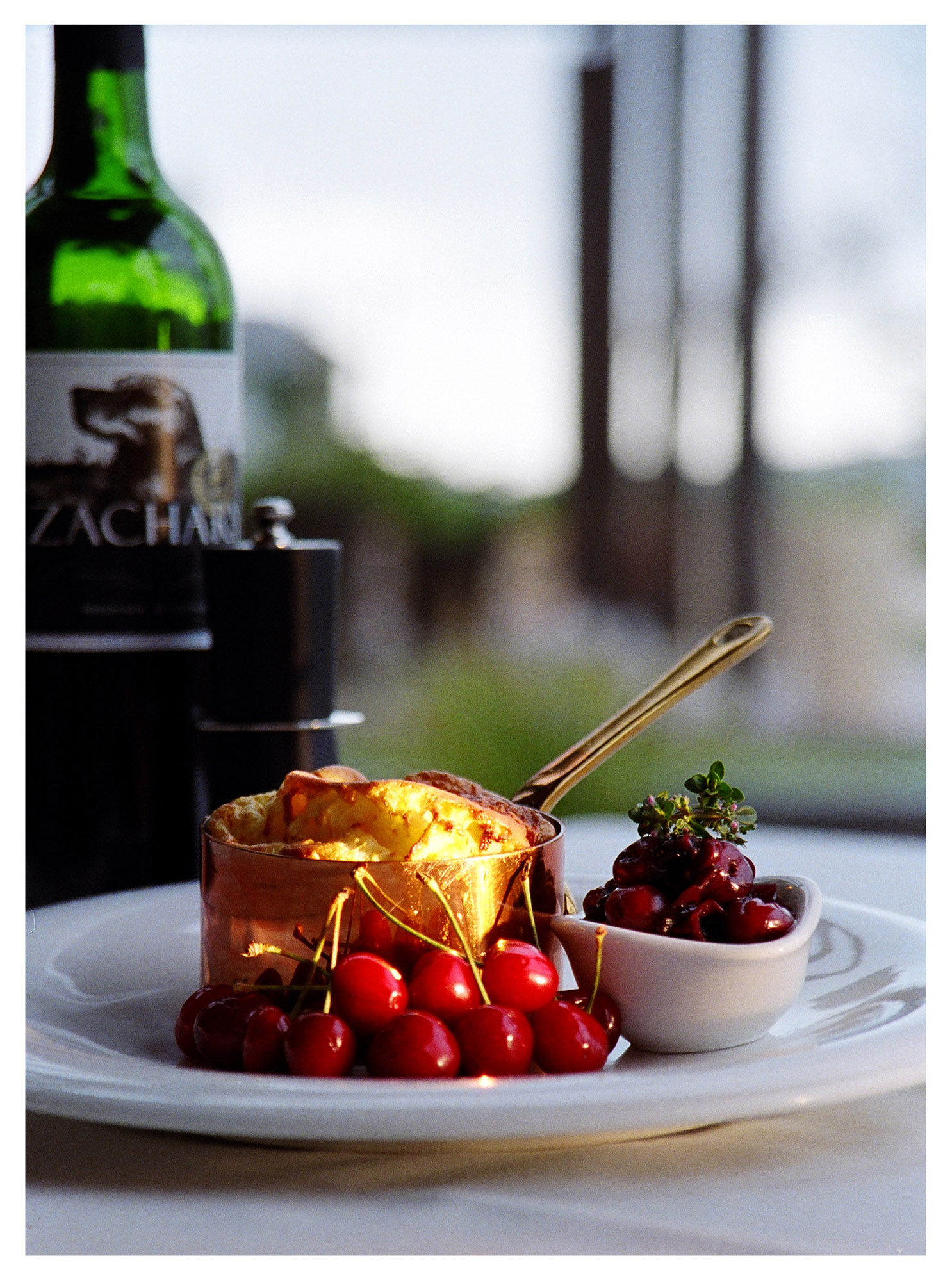
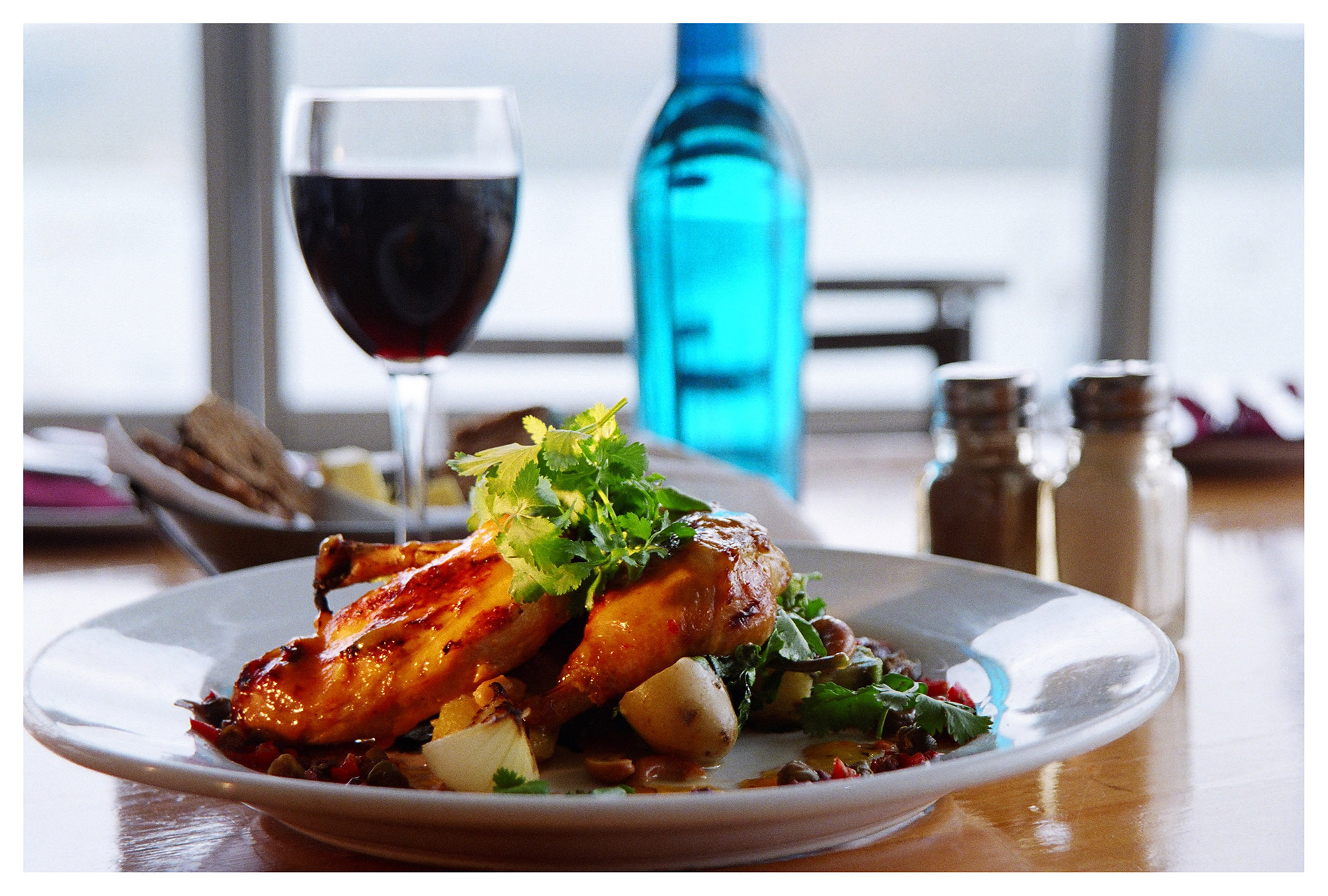
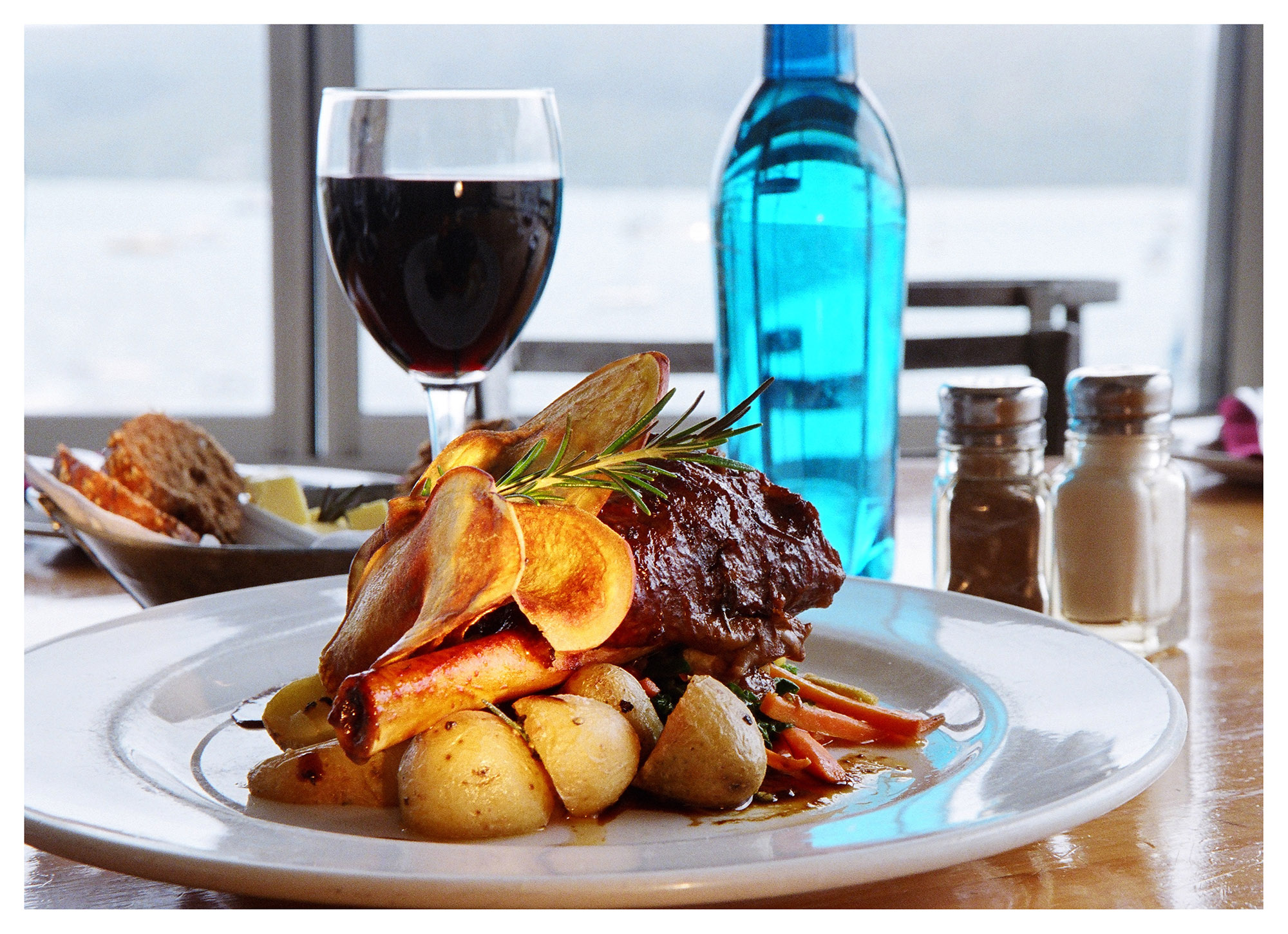
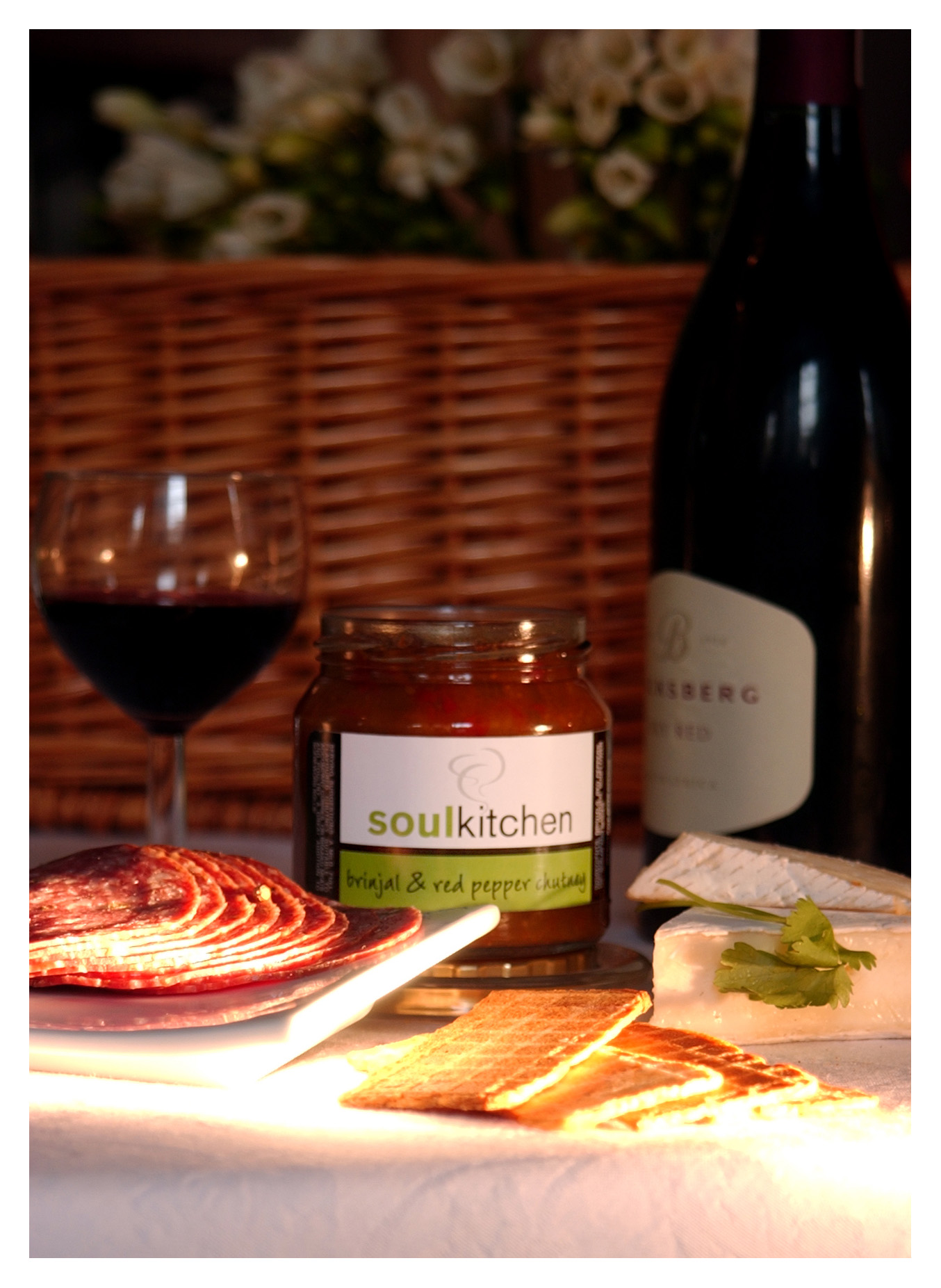
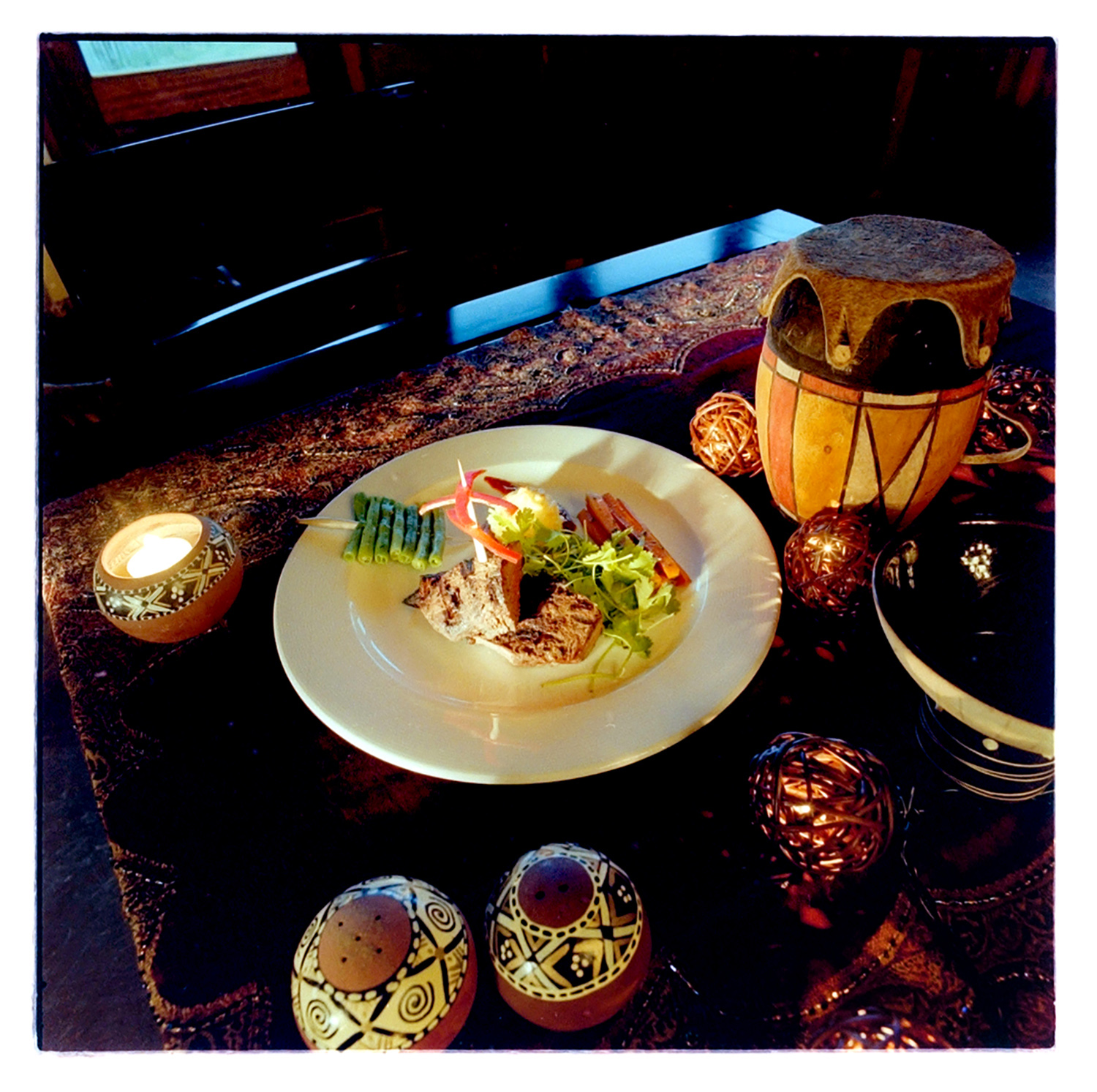
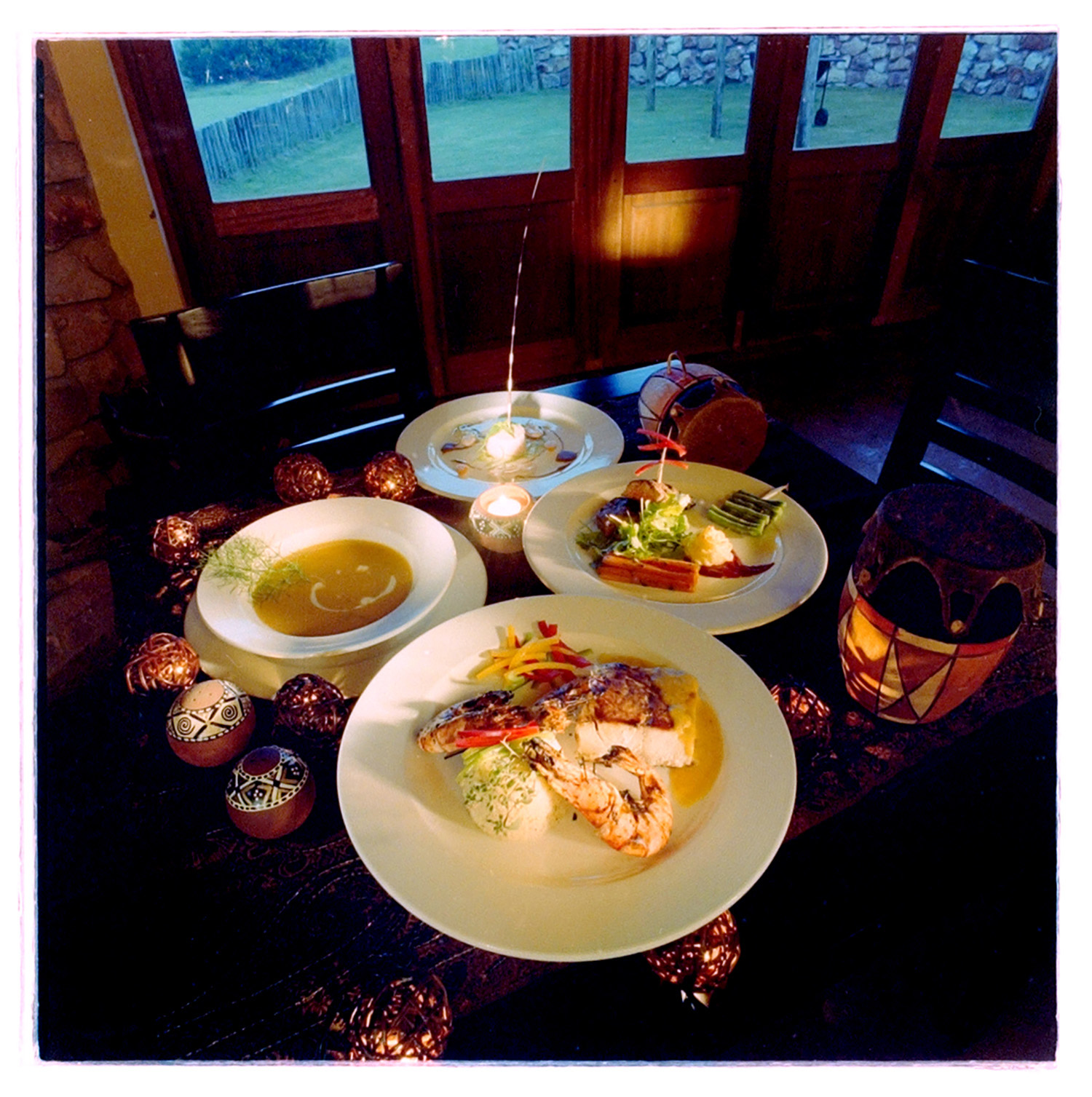
A small selection of commercial work done for an assortment of clients, ad agencies and publications over the years.
graphic design
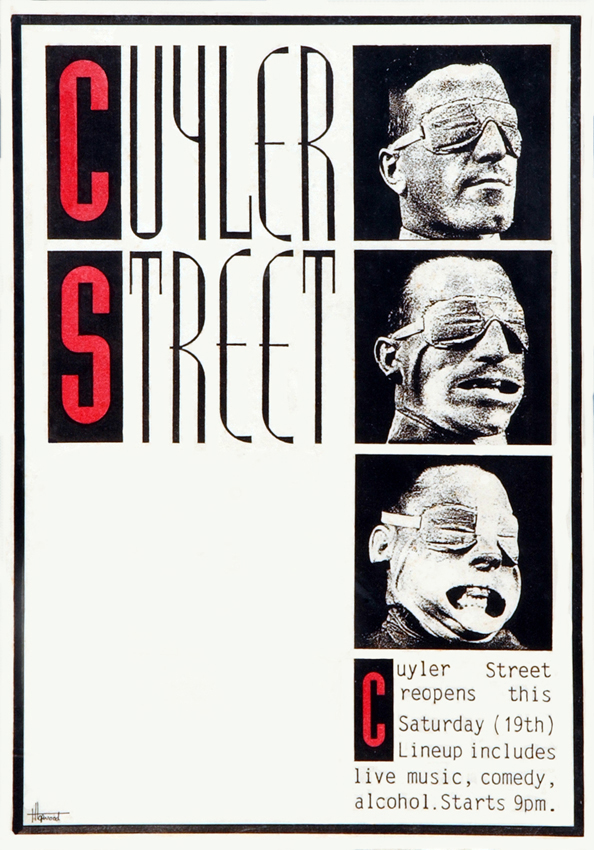
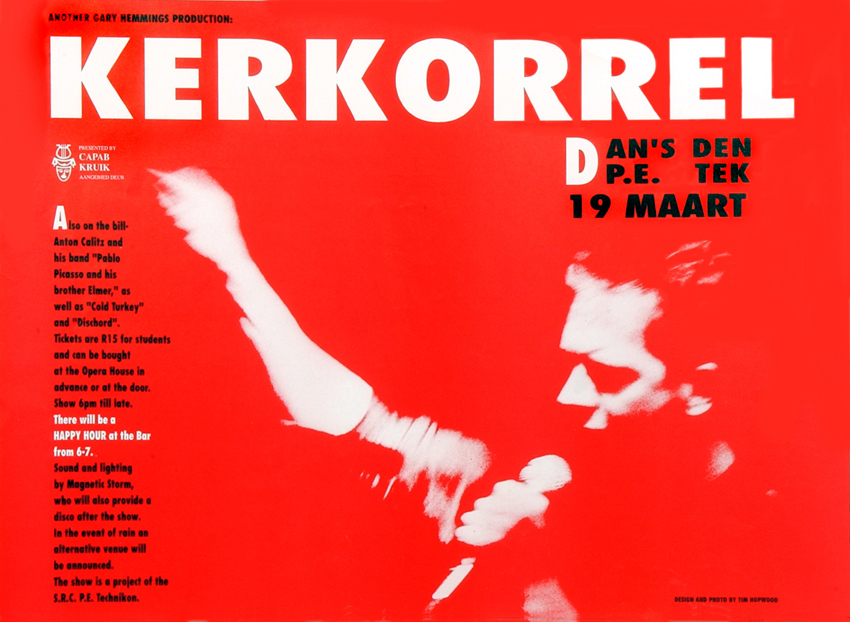
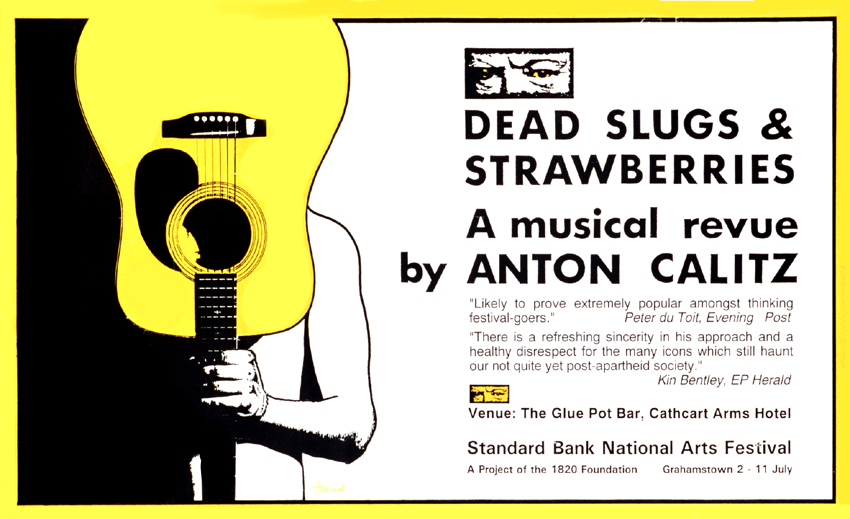
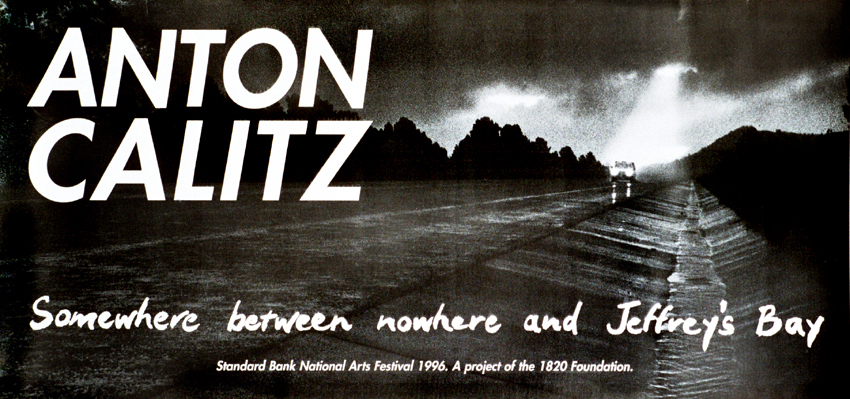
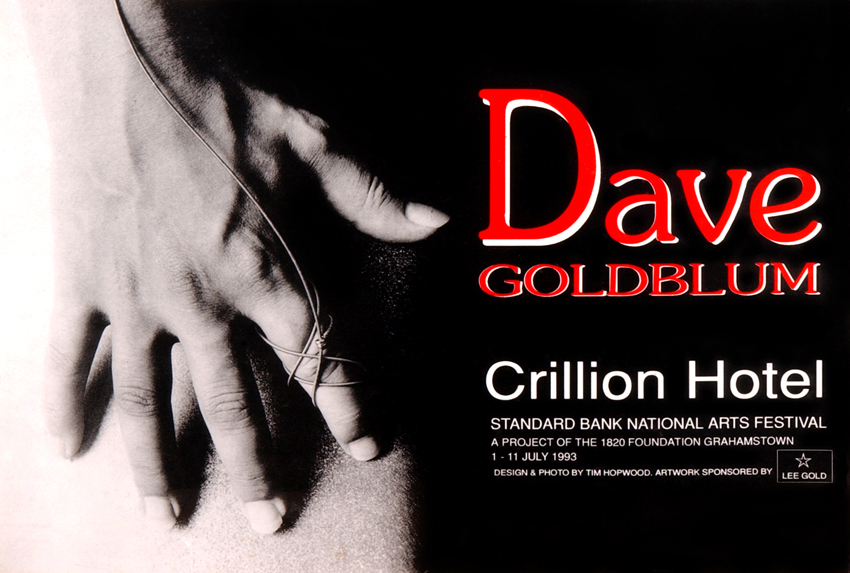
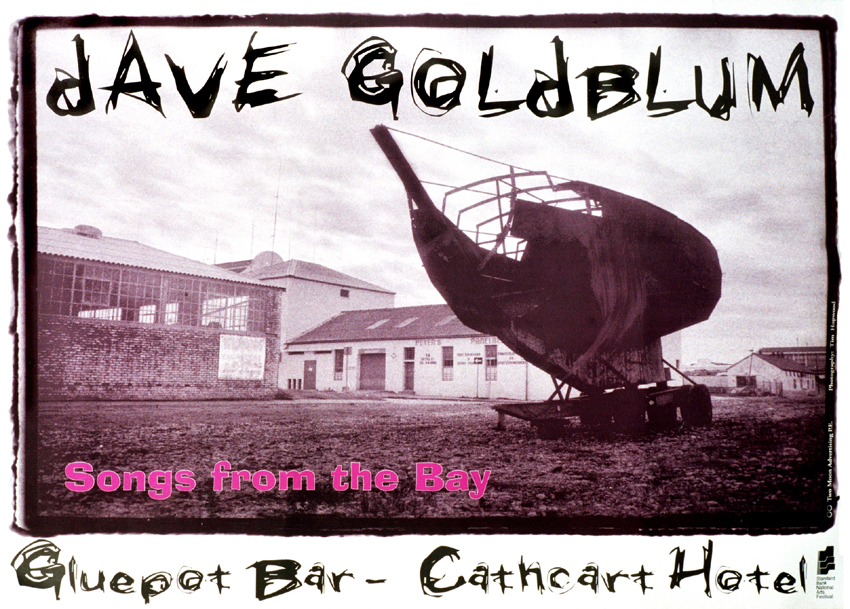
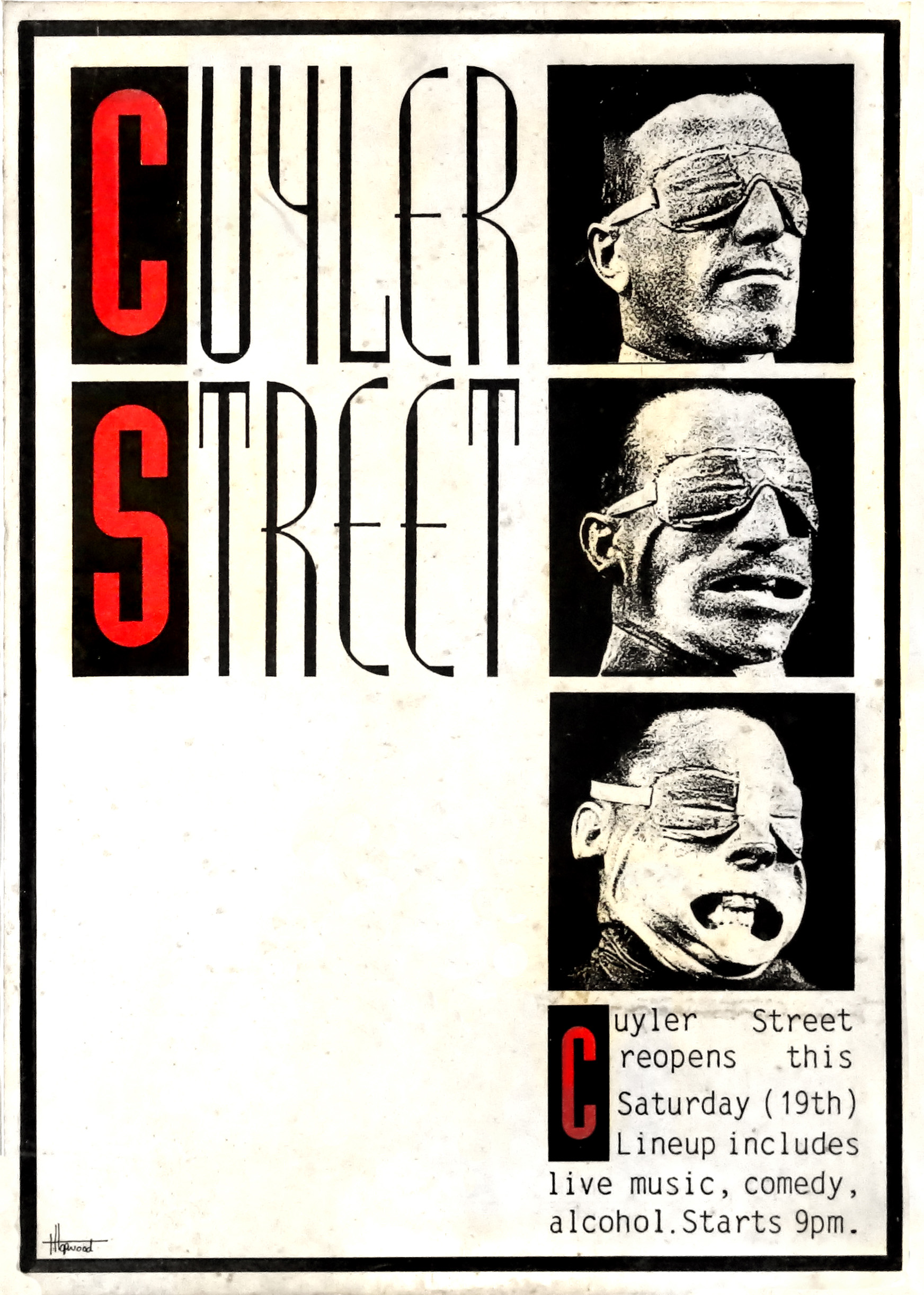
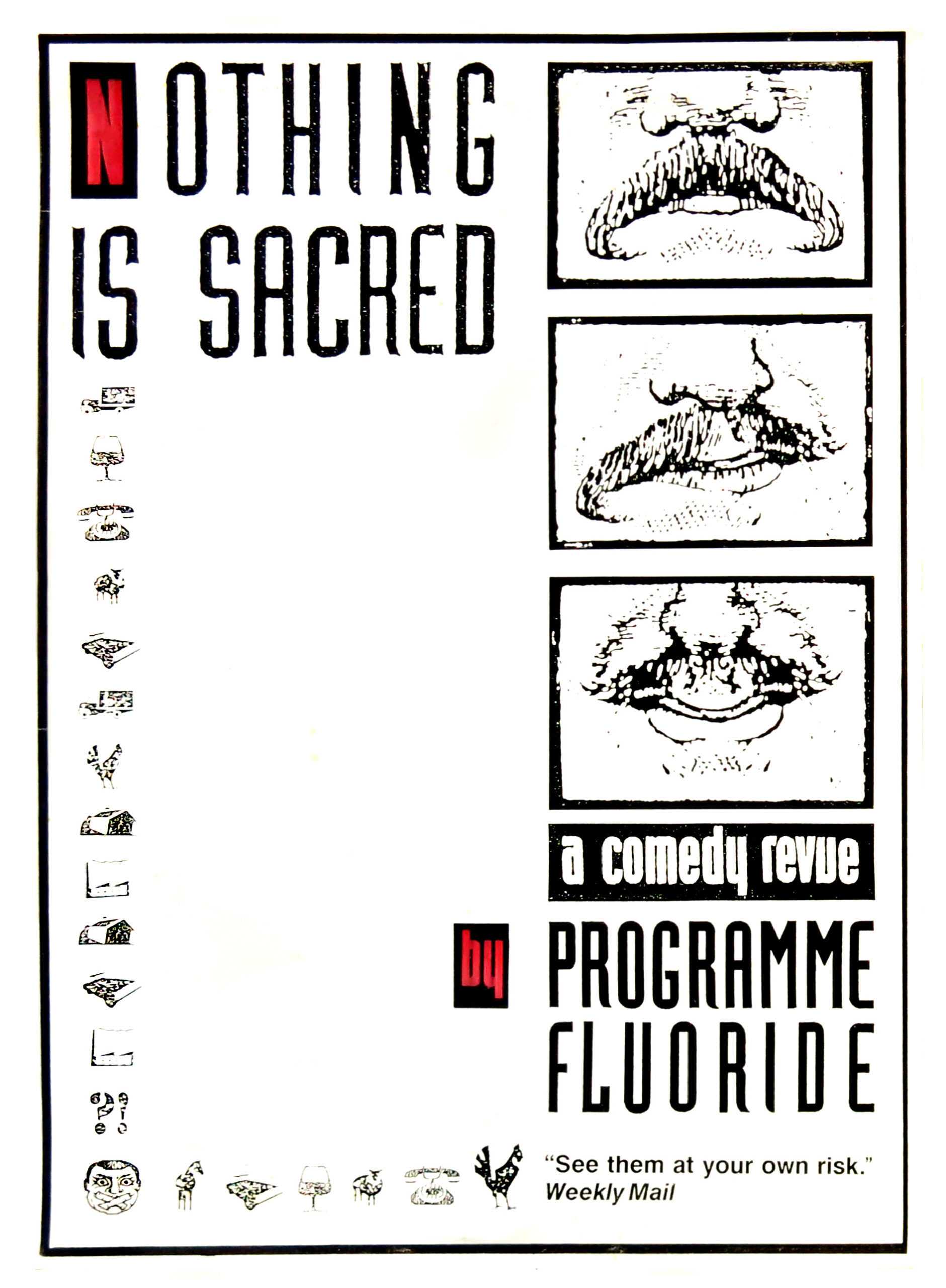
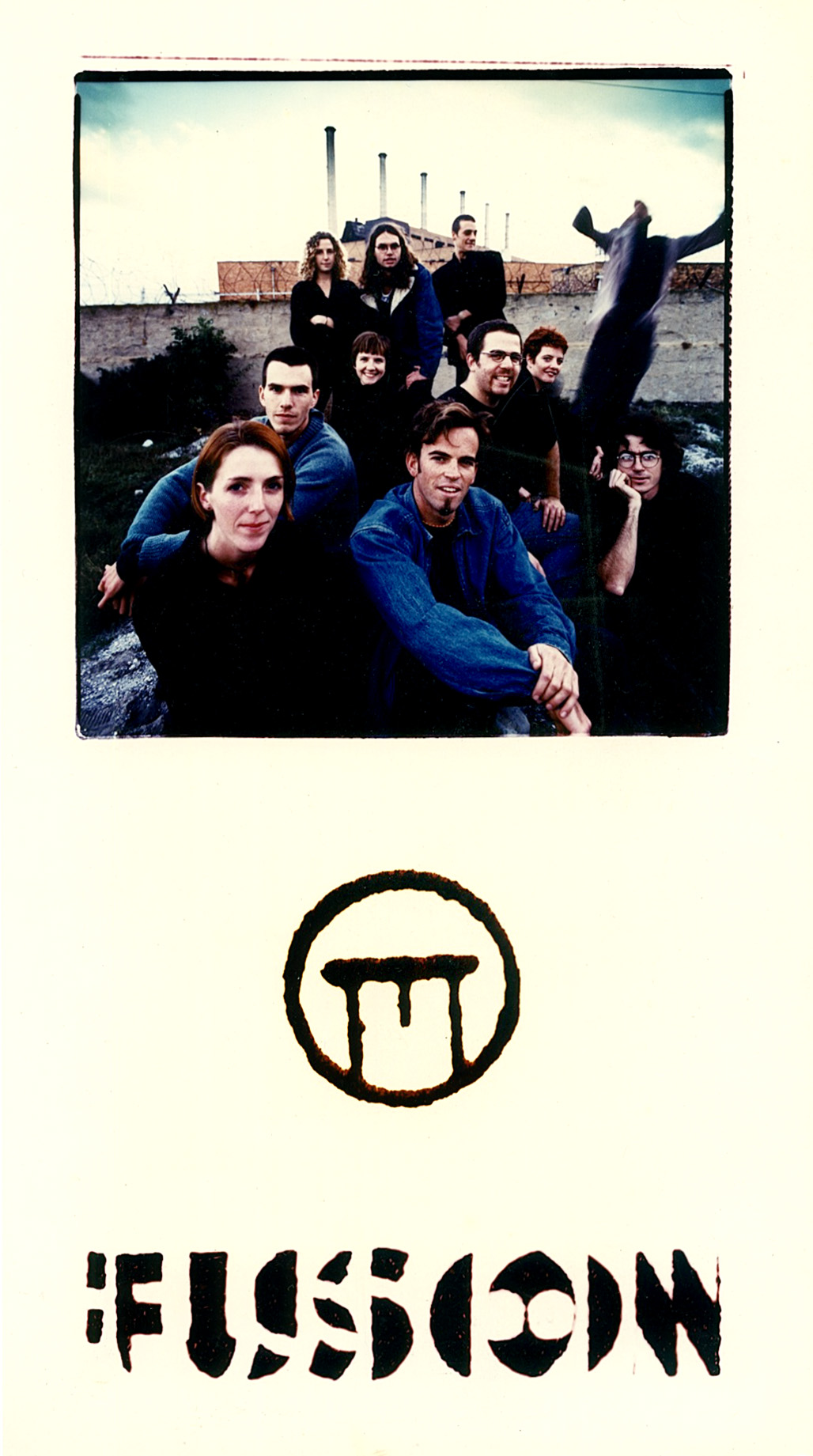
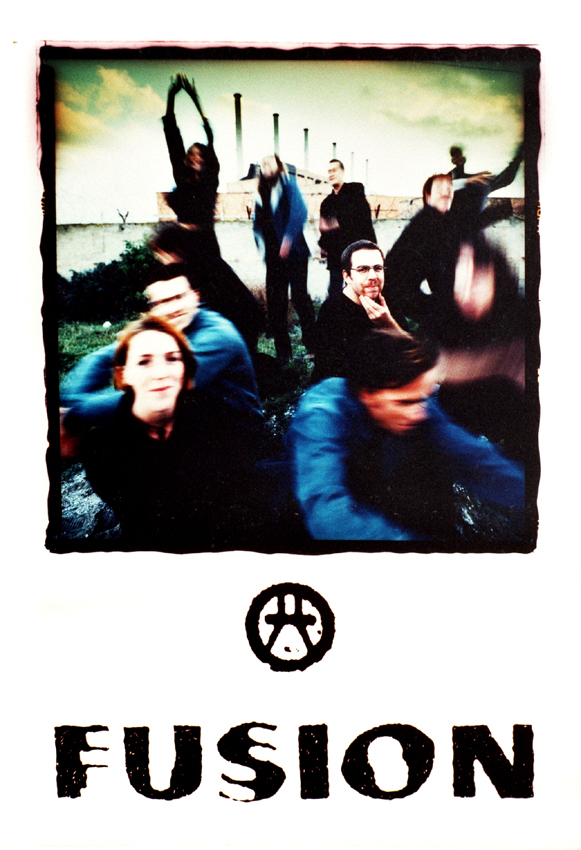
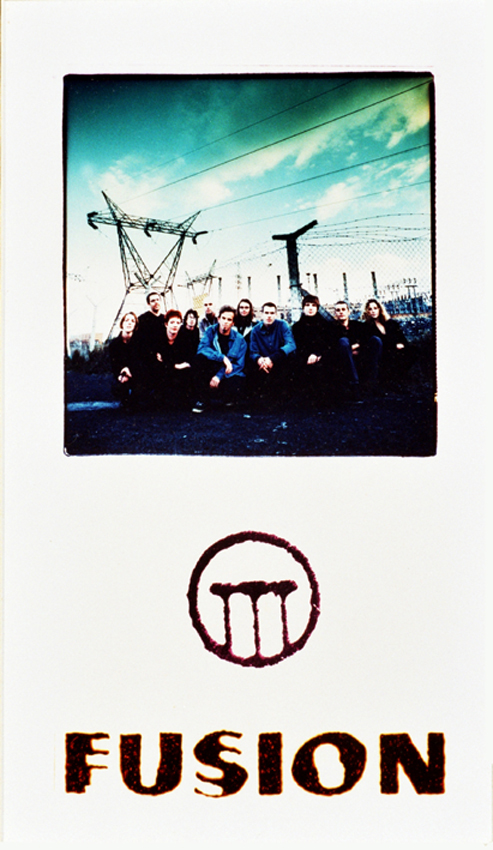



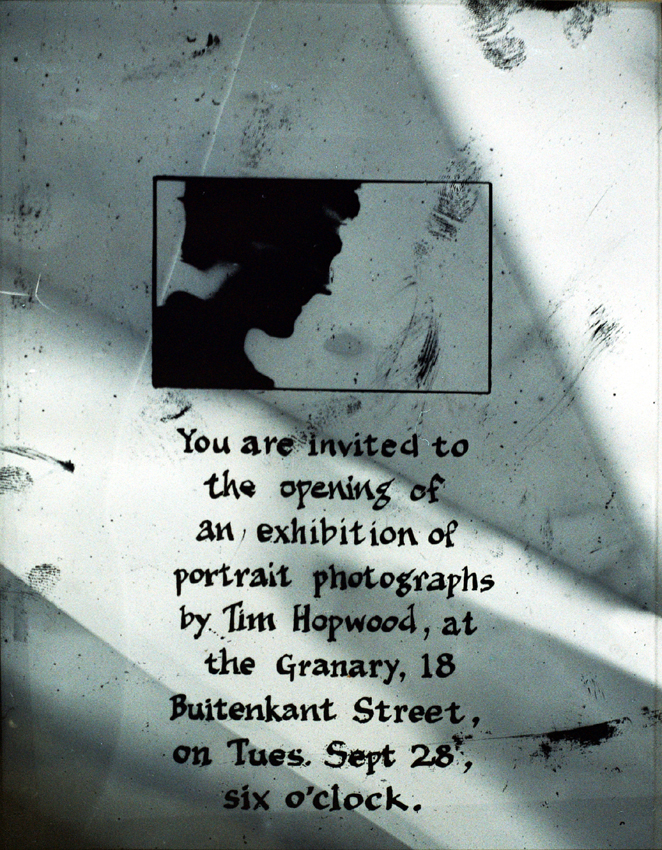
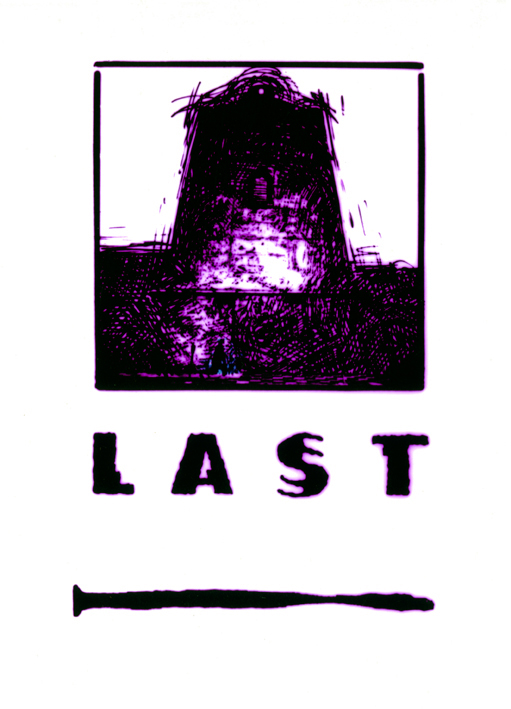
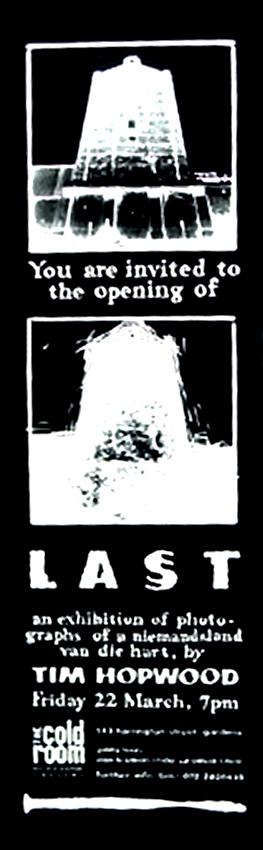
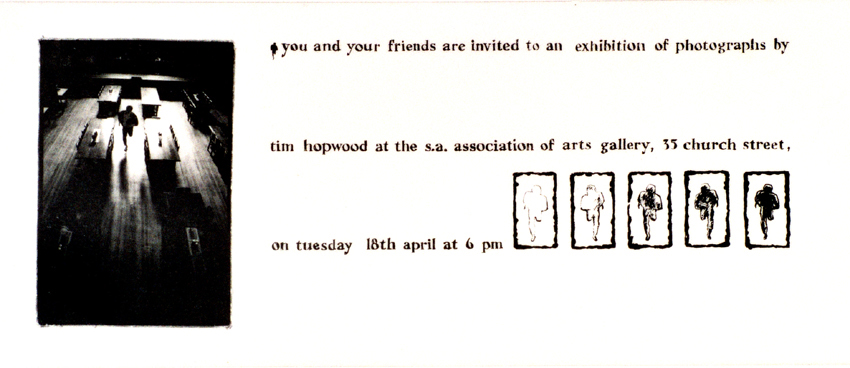


A selection of posters, typefaces and brand identities done mainly for friends and for myself over the years.
my father's photos
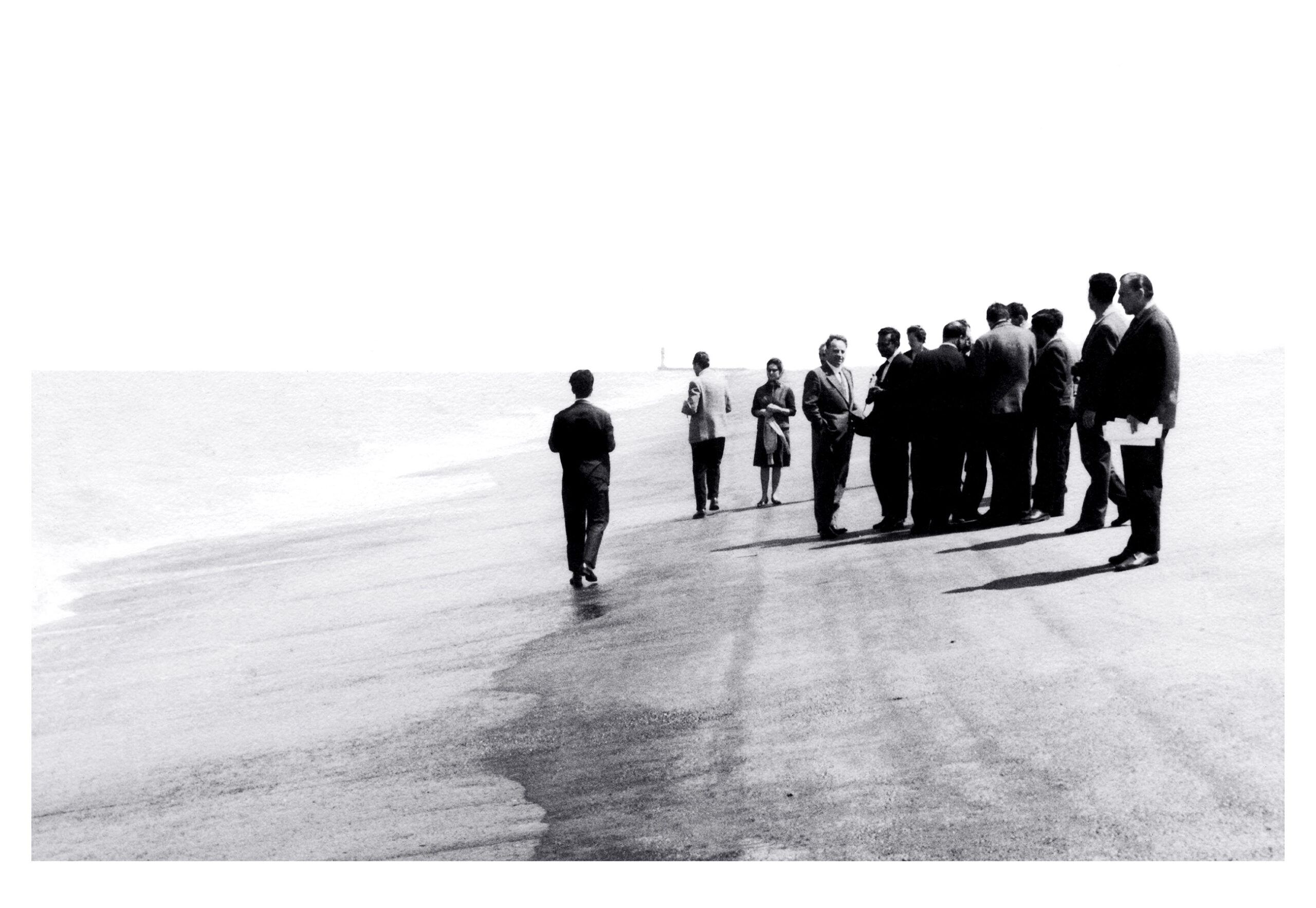
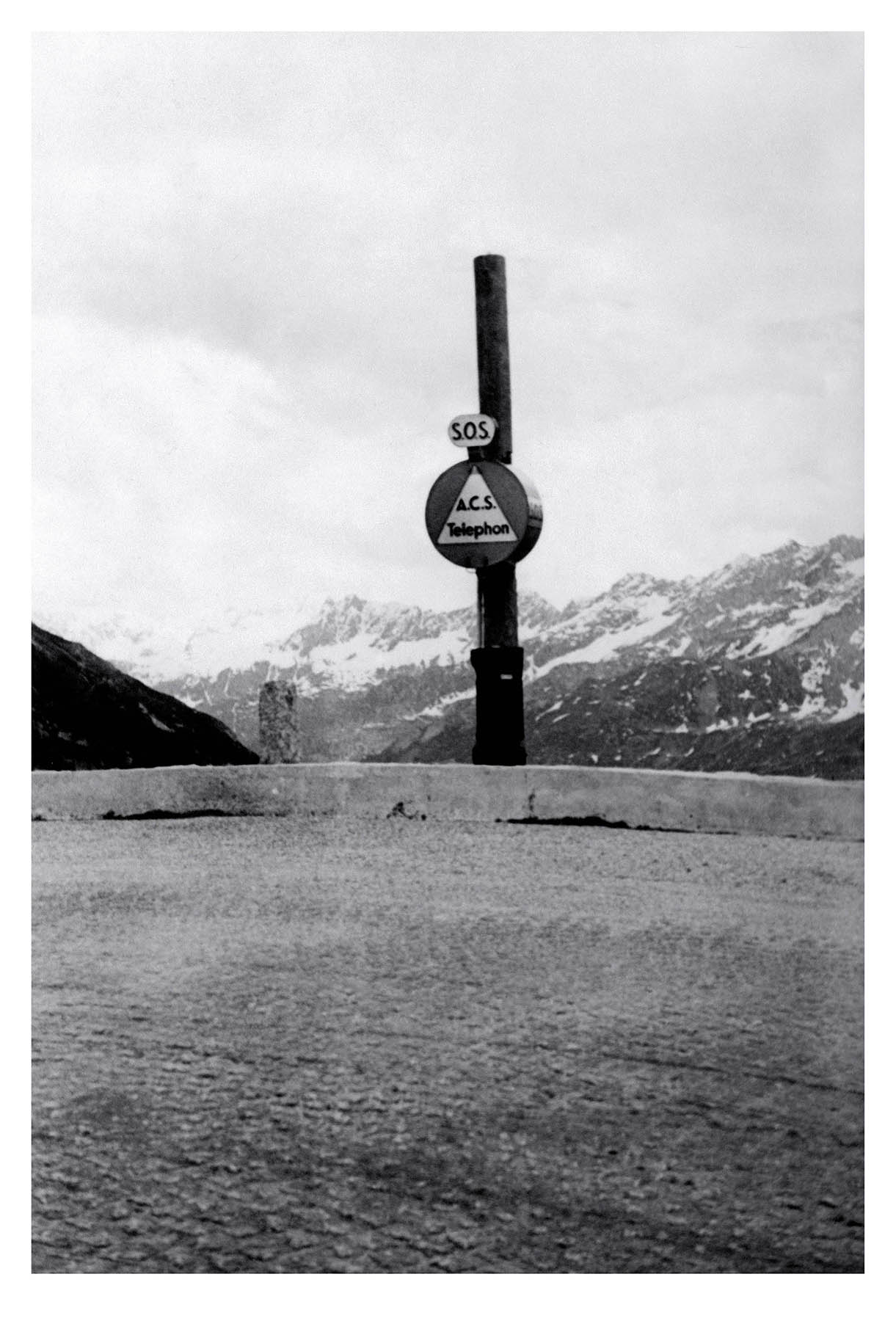
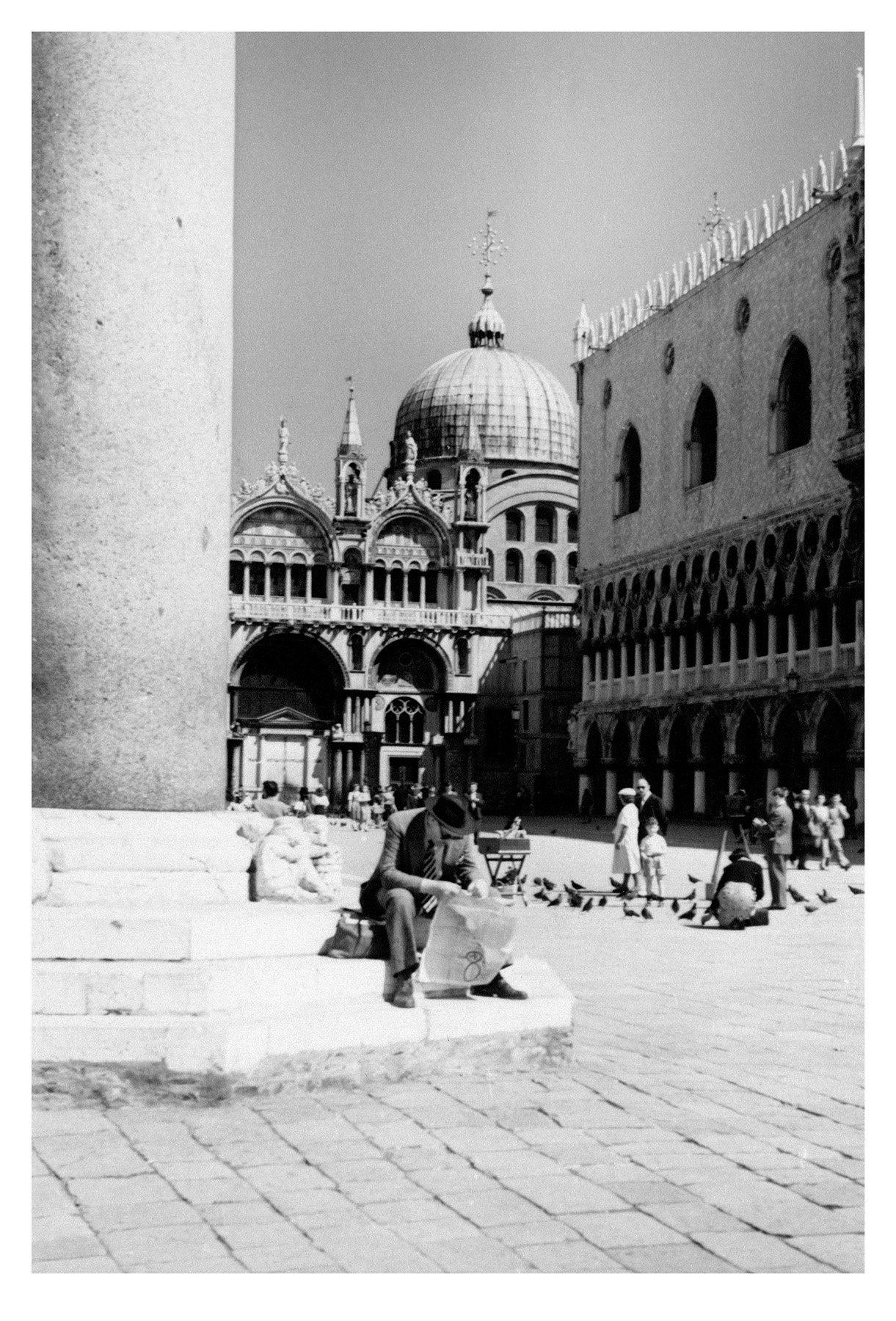
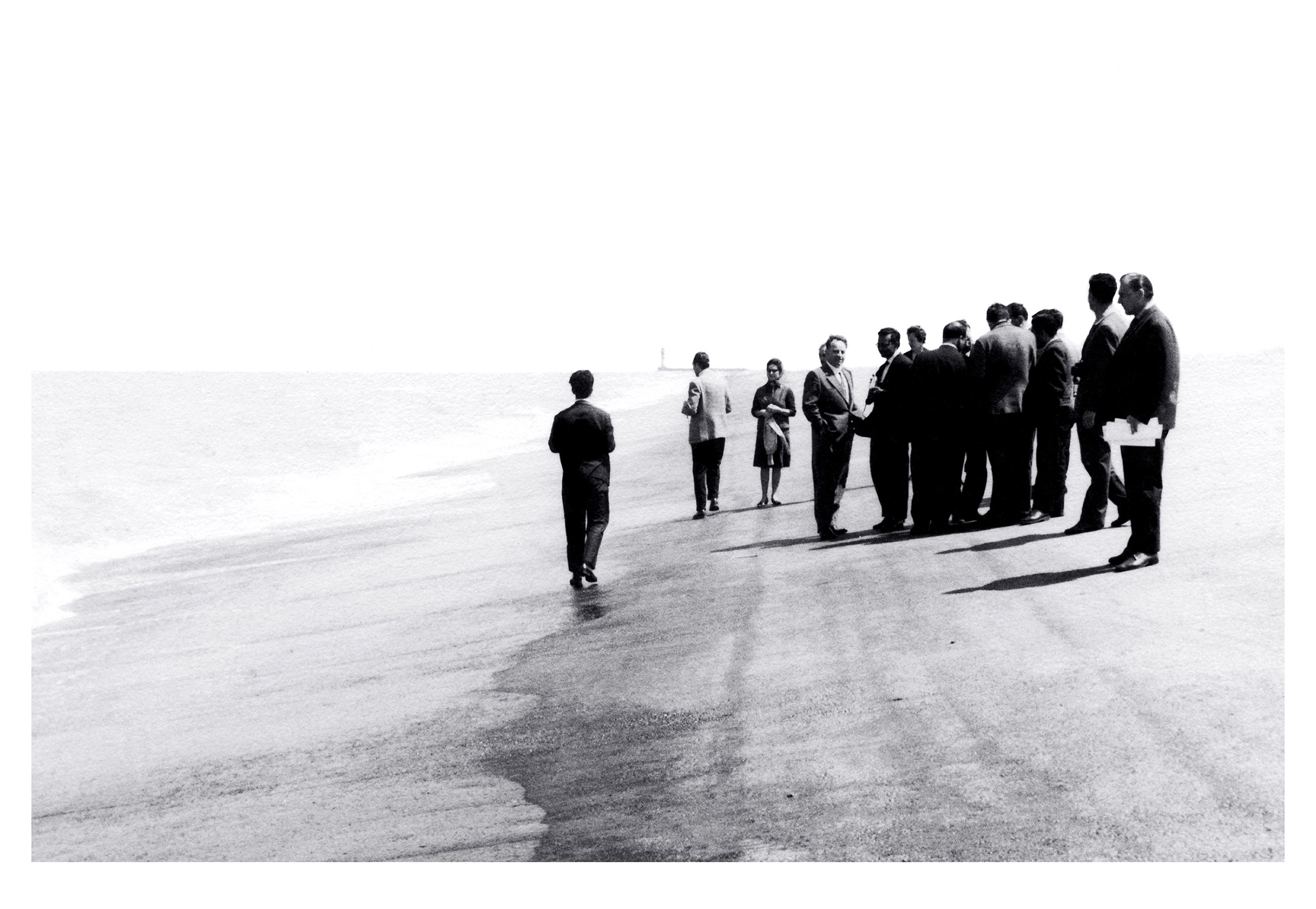
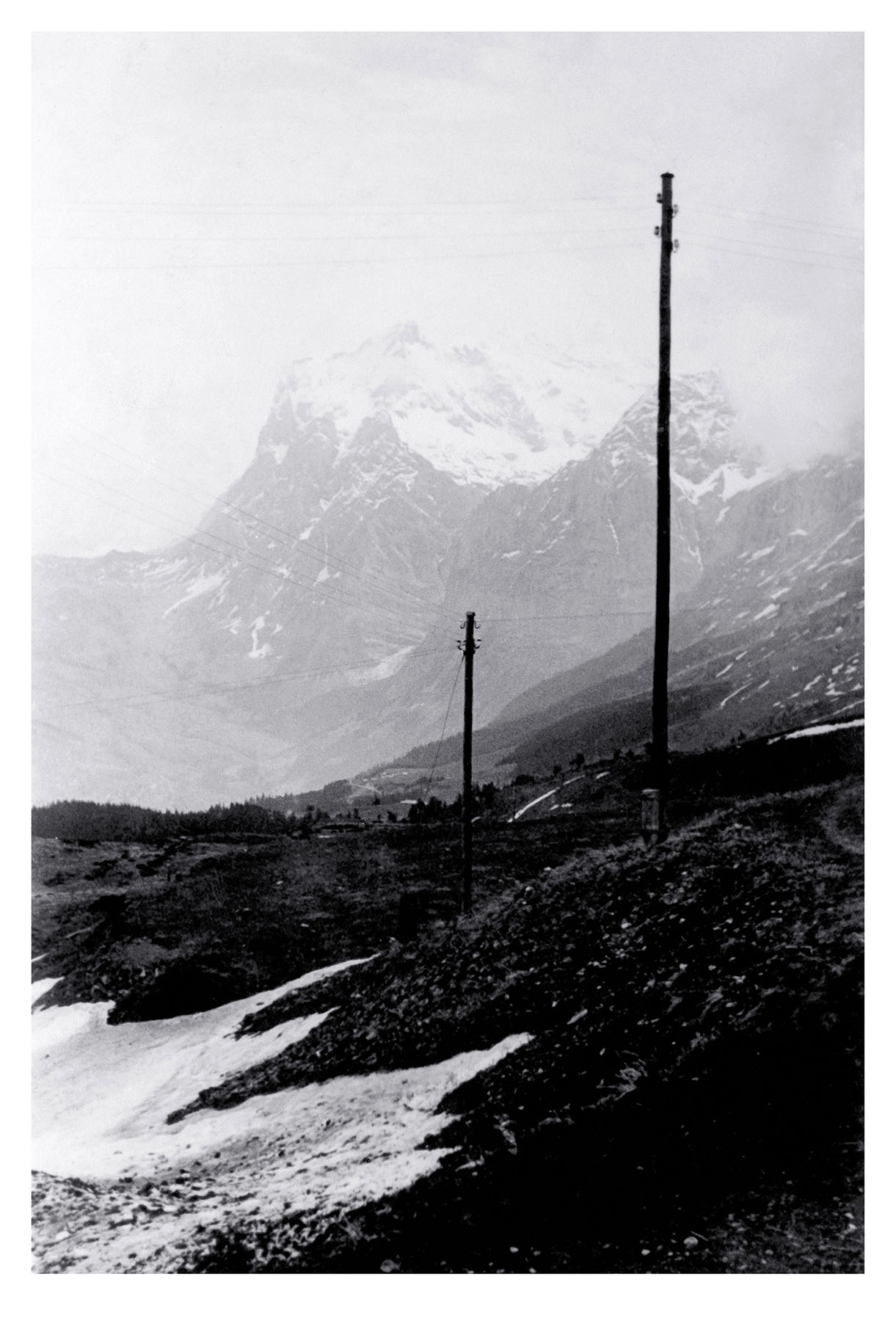
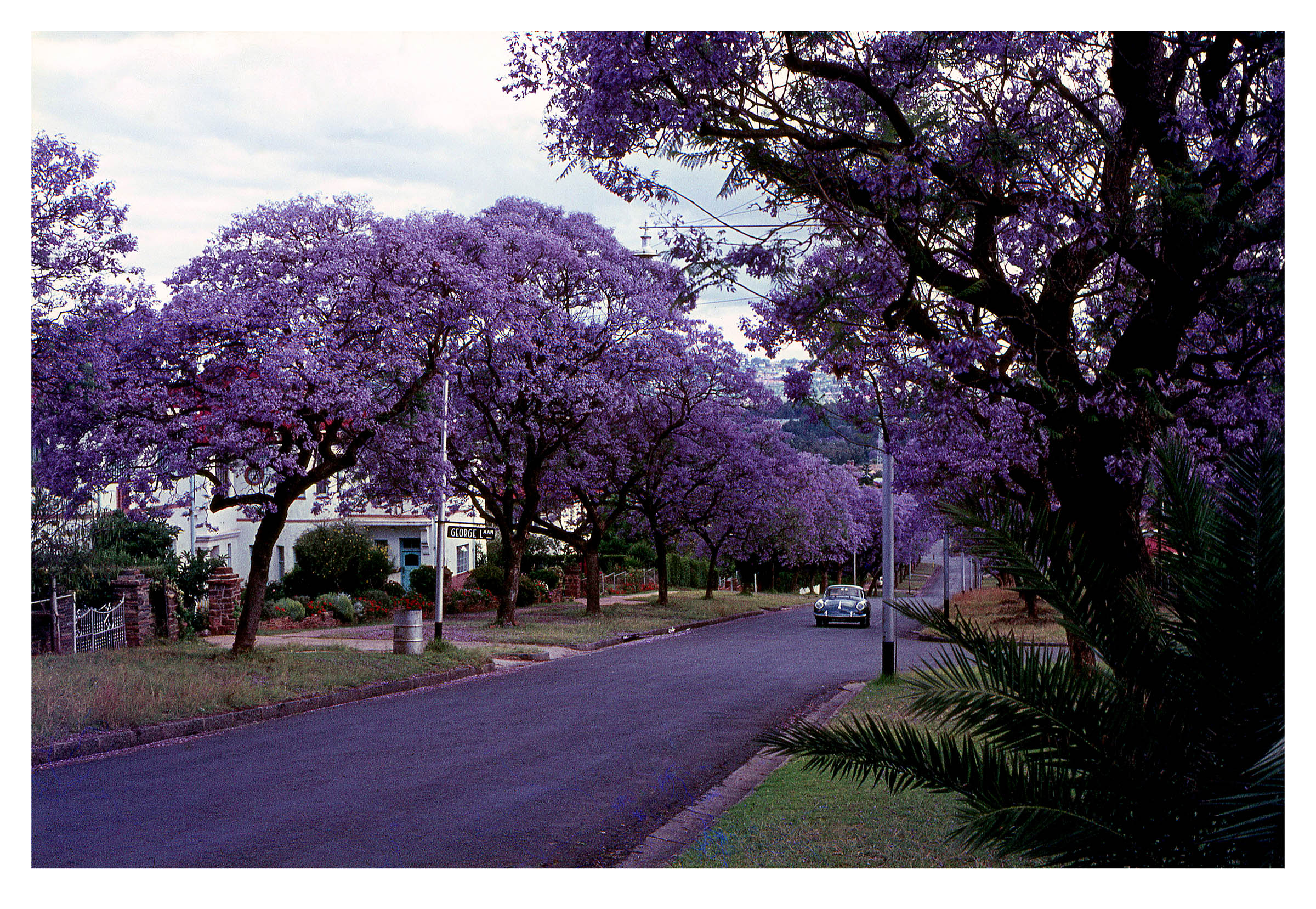
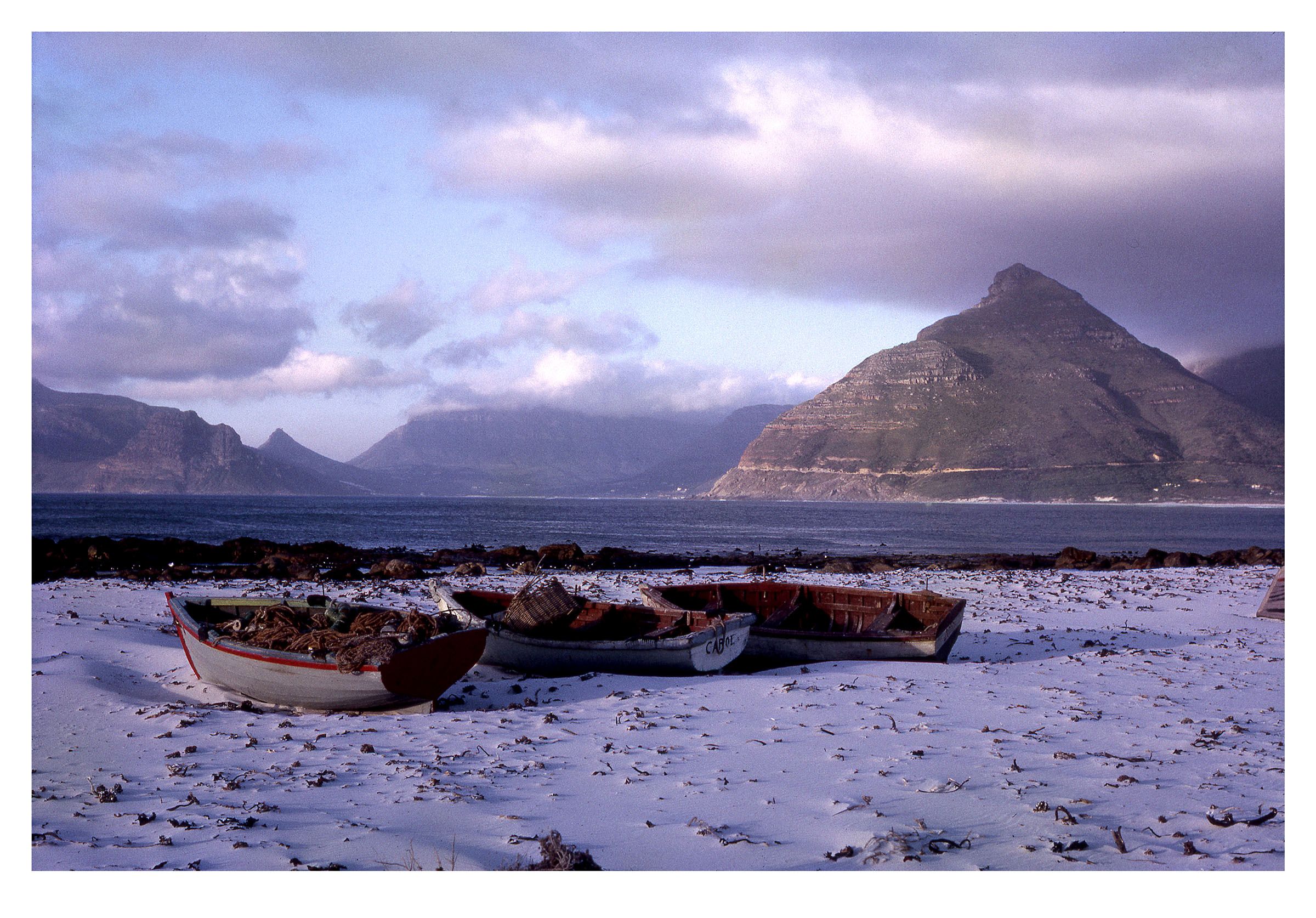
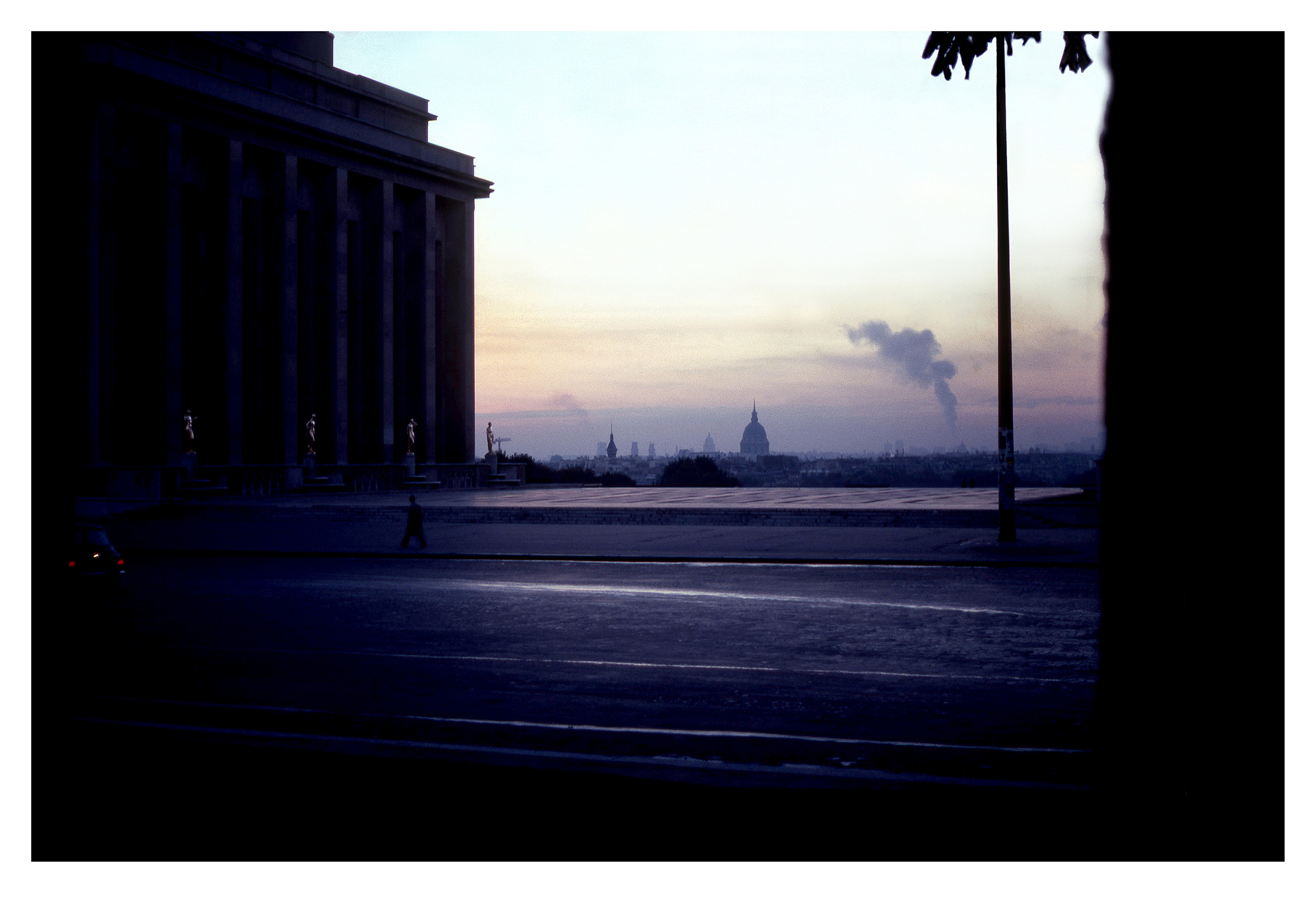
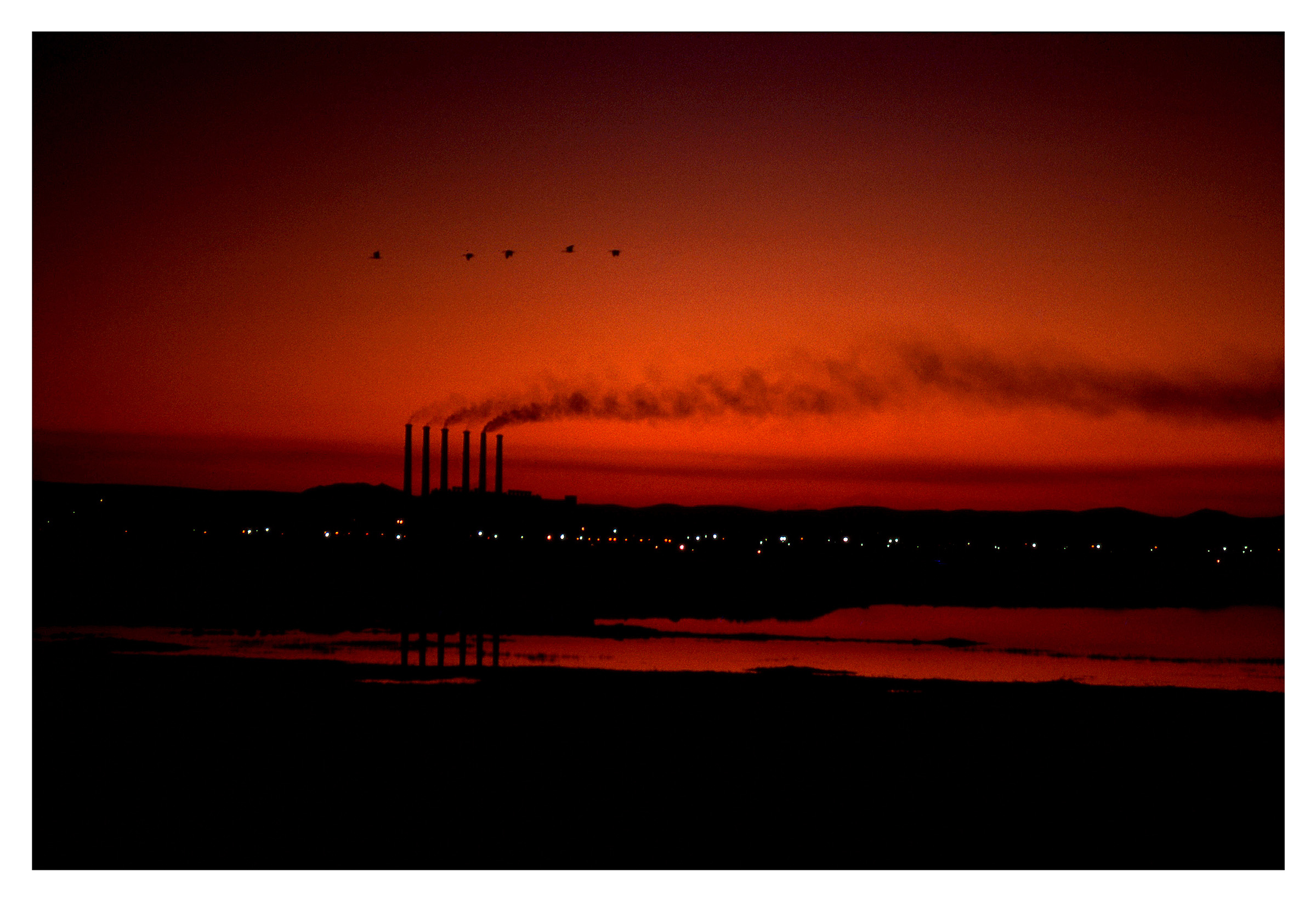
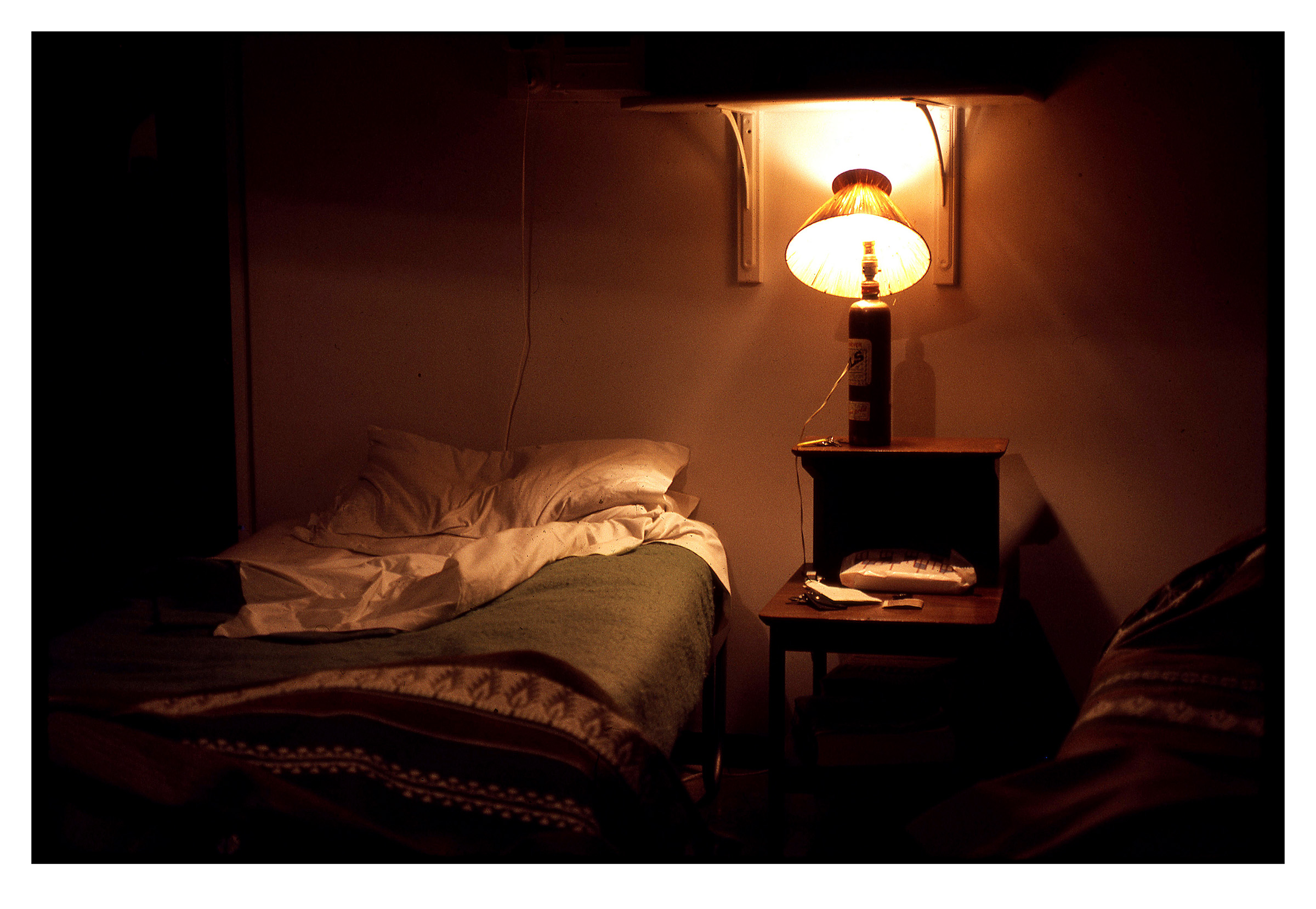
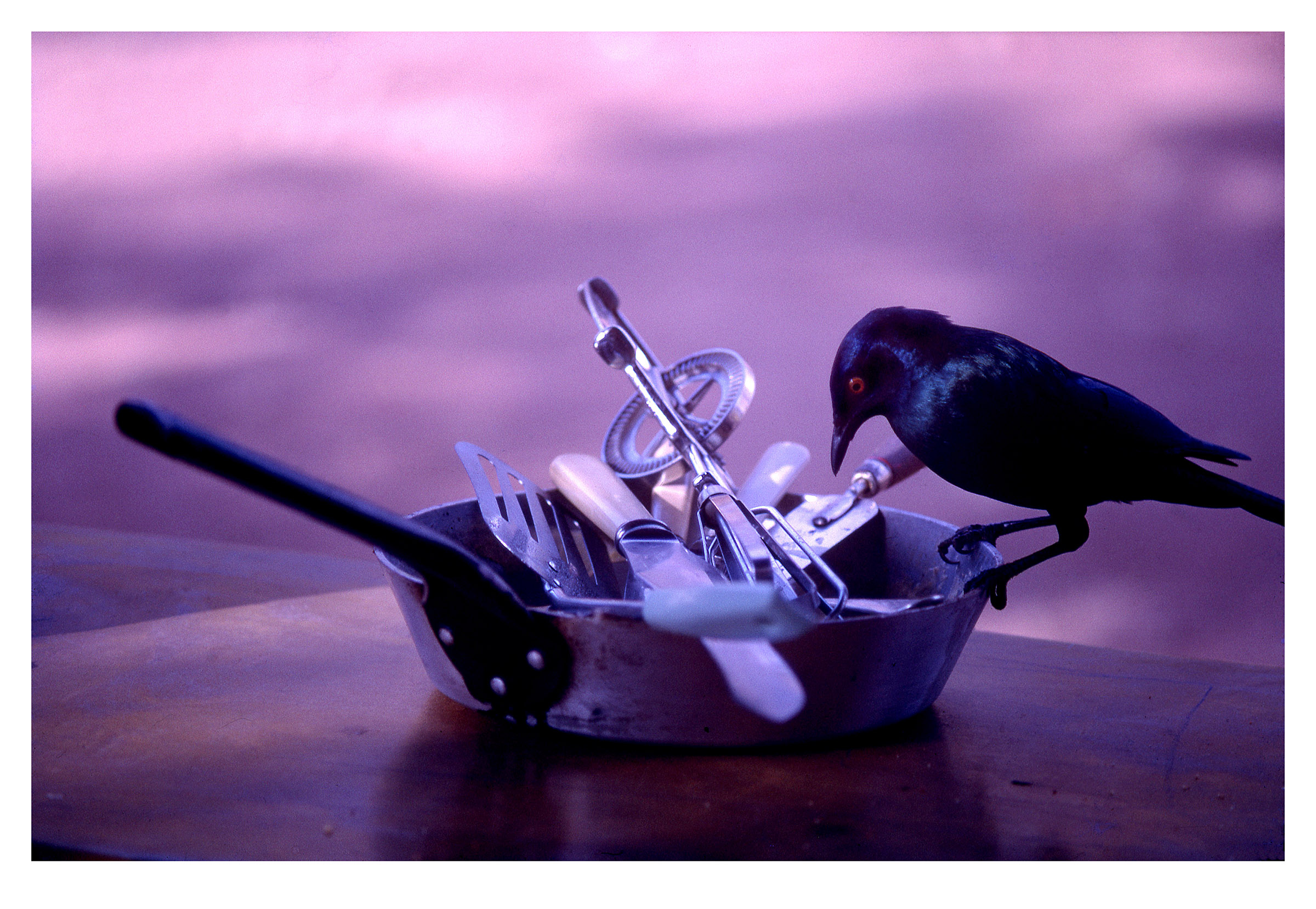
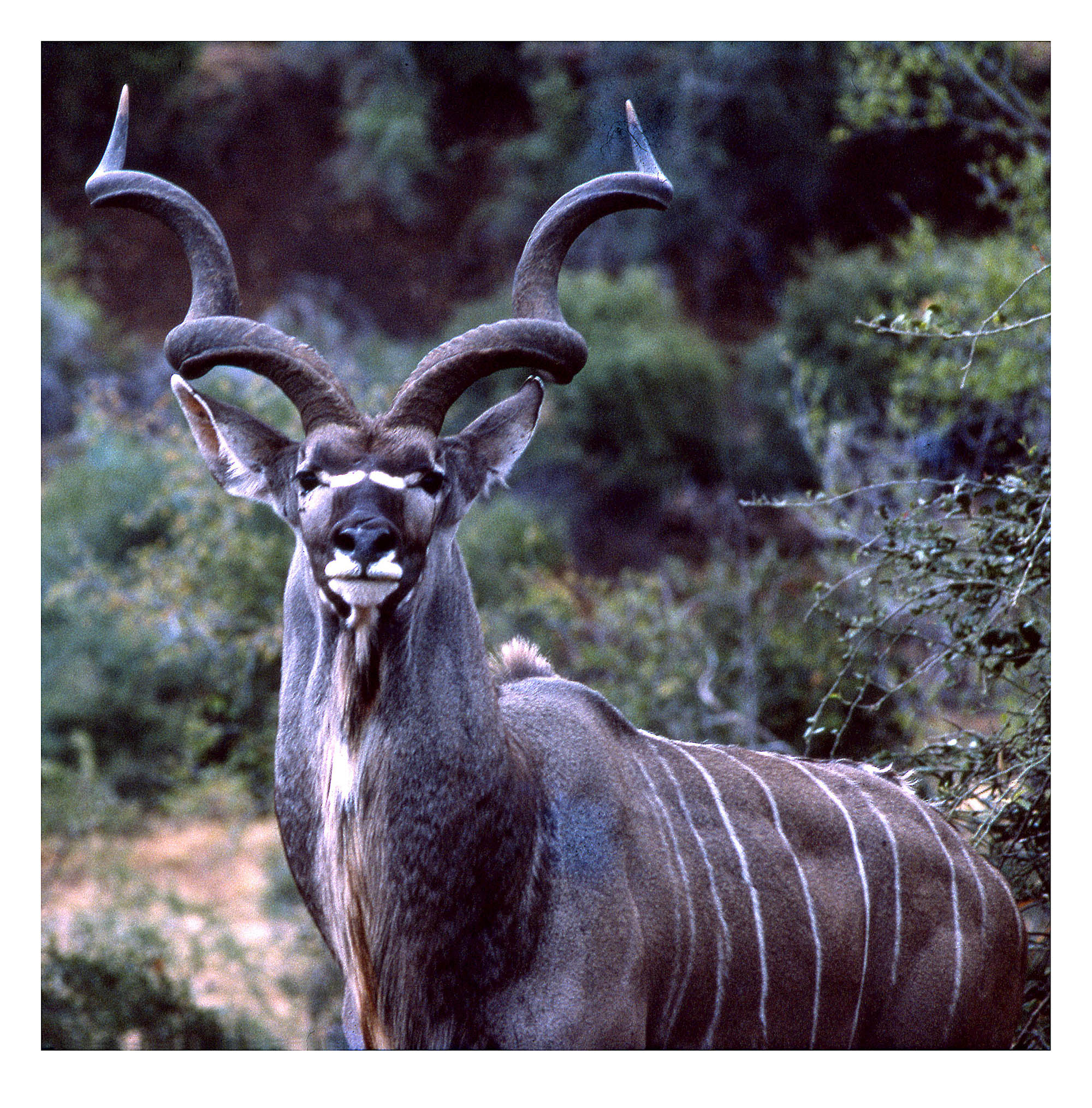
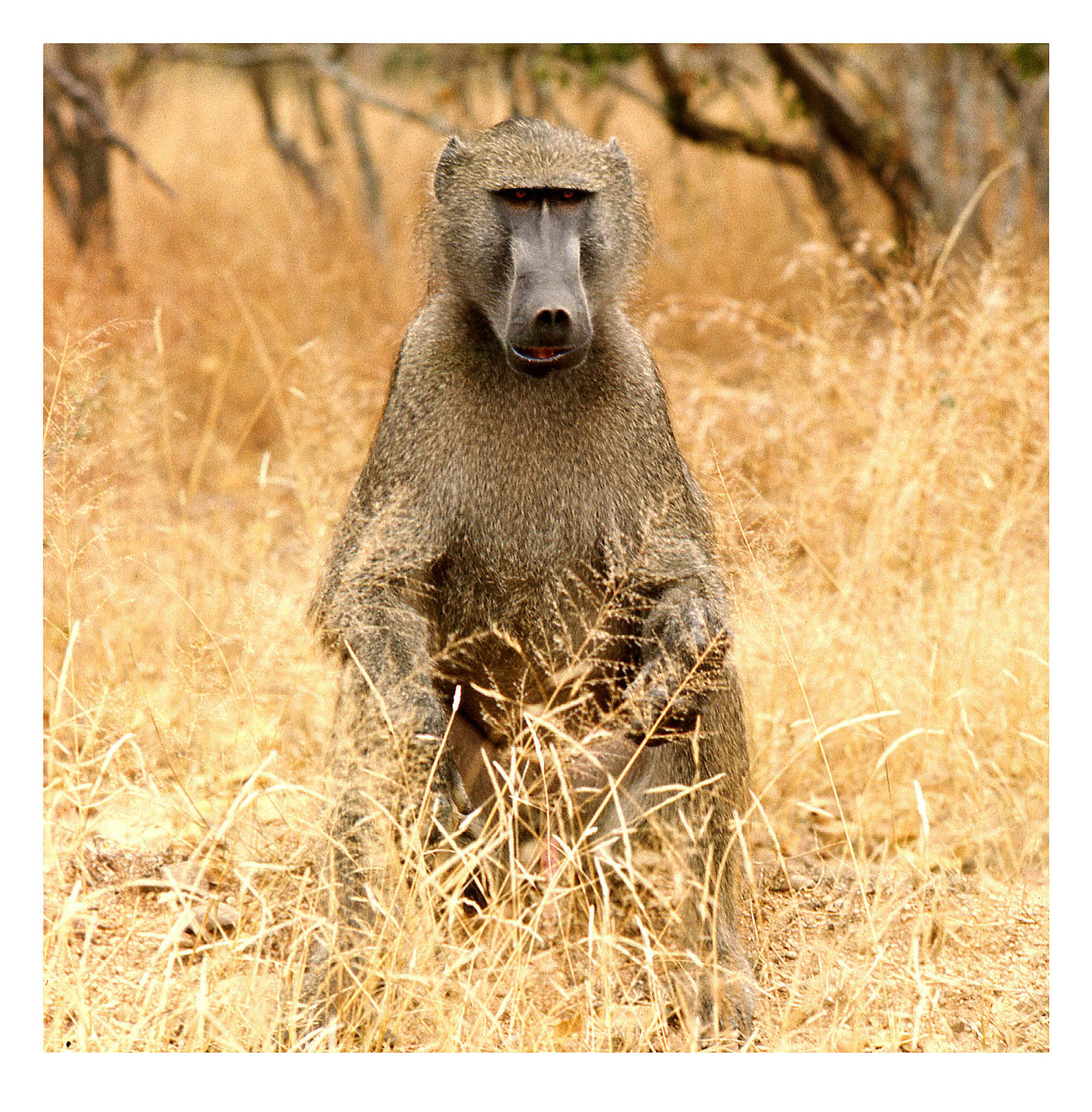
My dad, Tommy Hopwood, was an accomplished amateur photographer. Here are some of his images.
my grandfather's photos

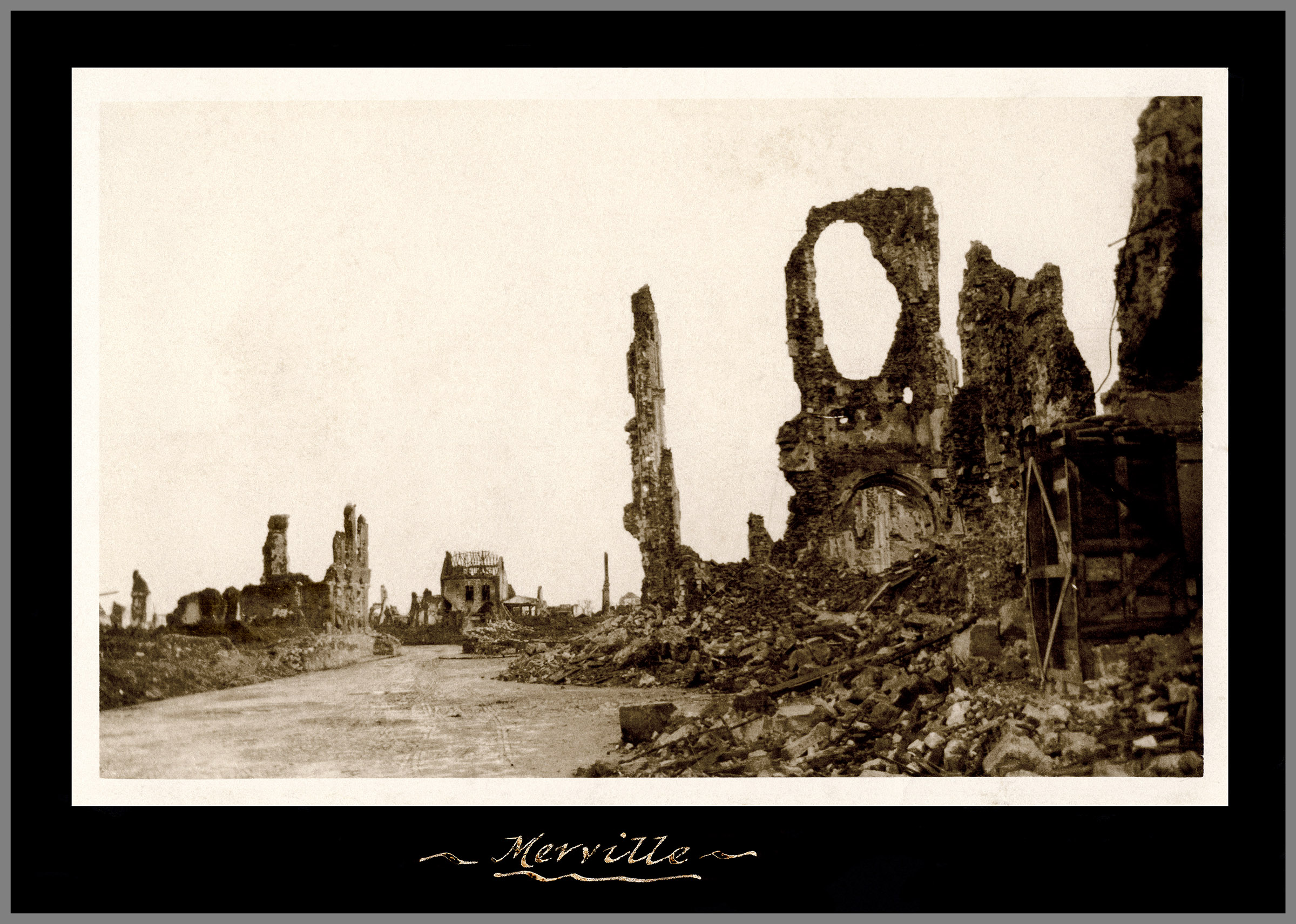
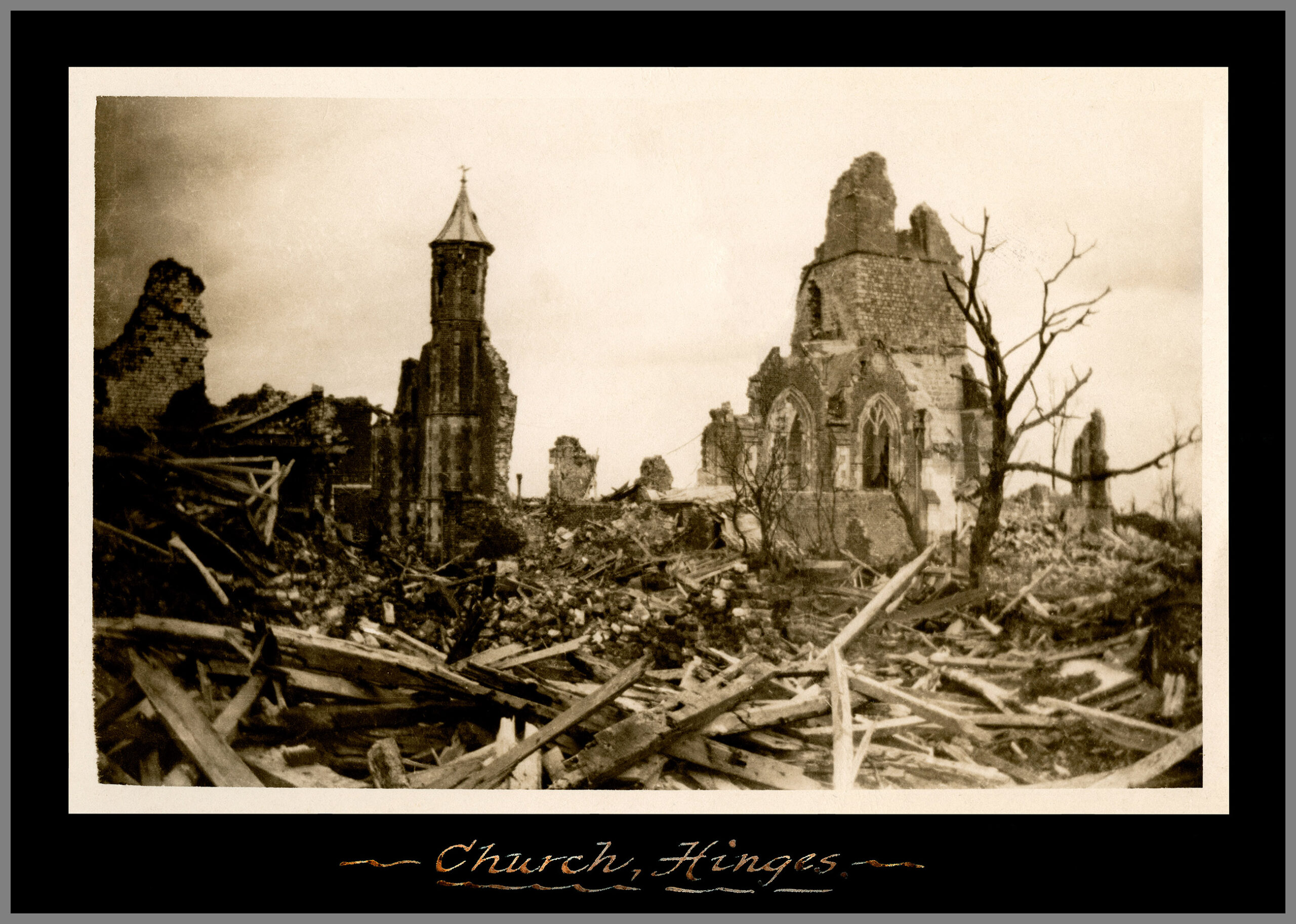
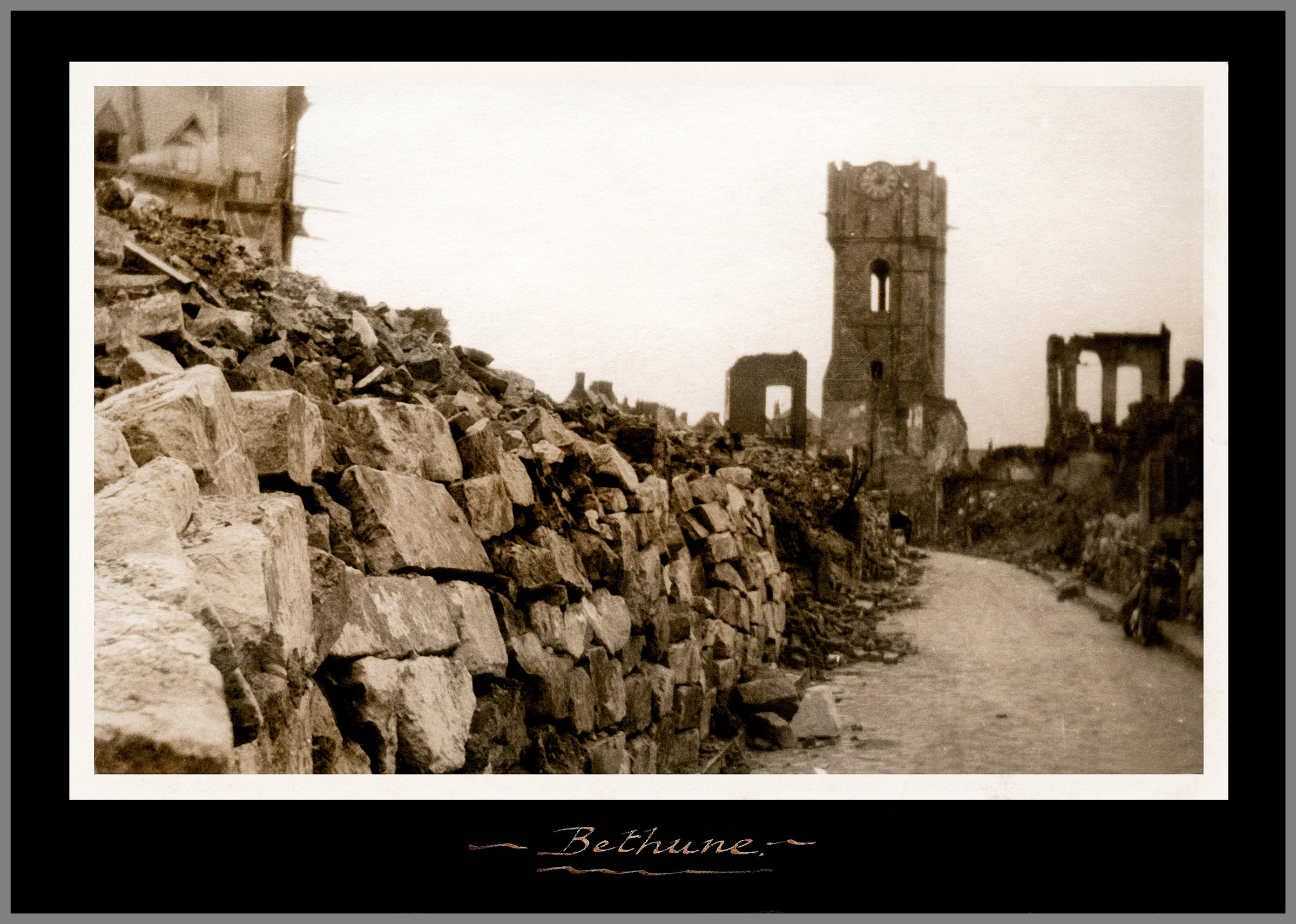
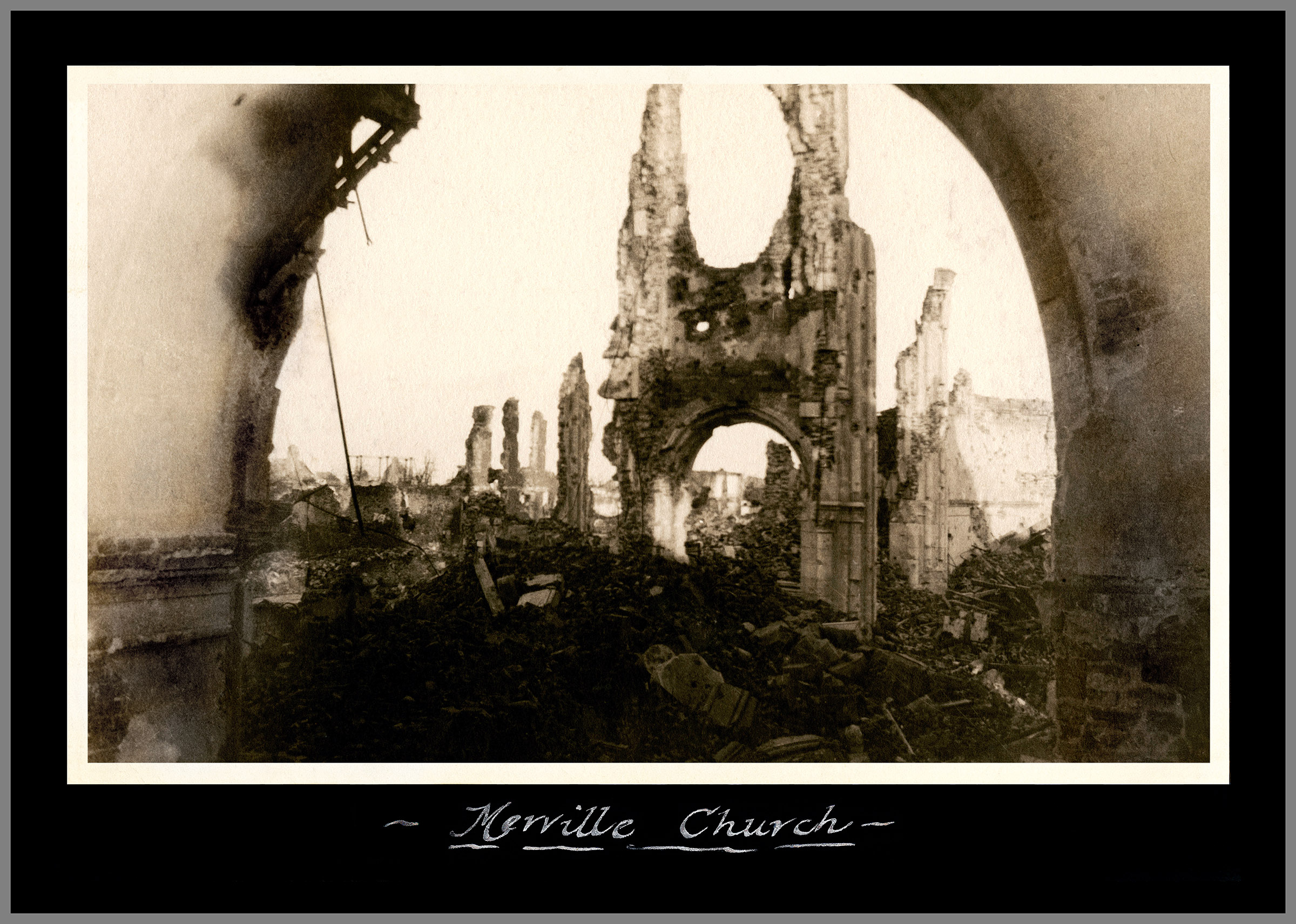
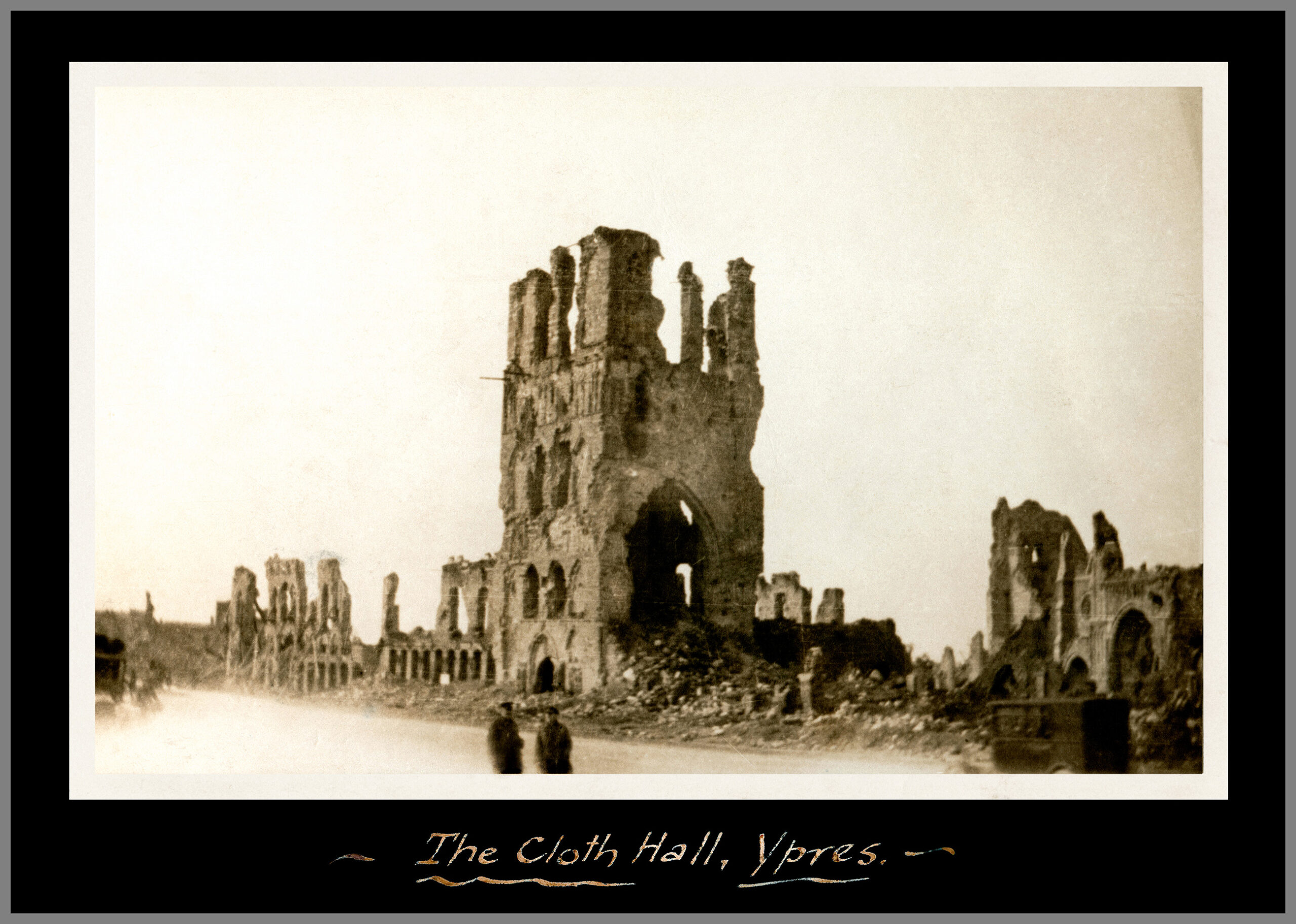
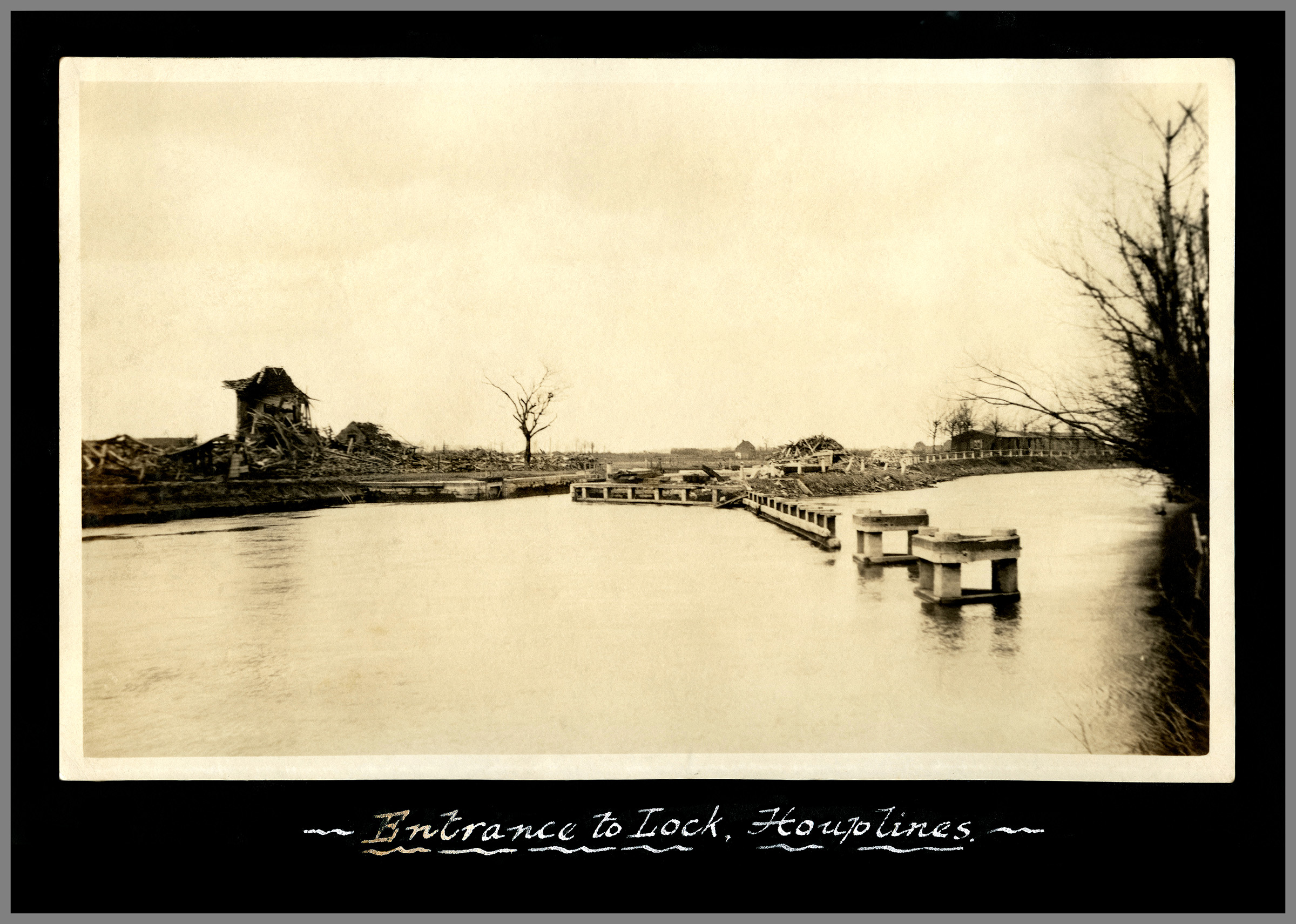
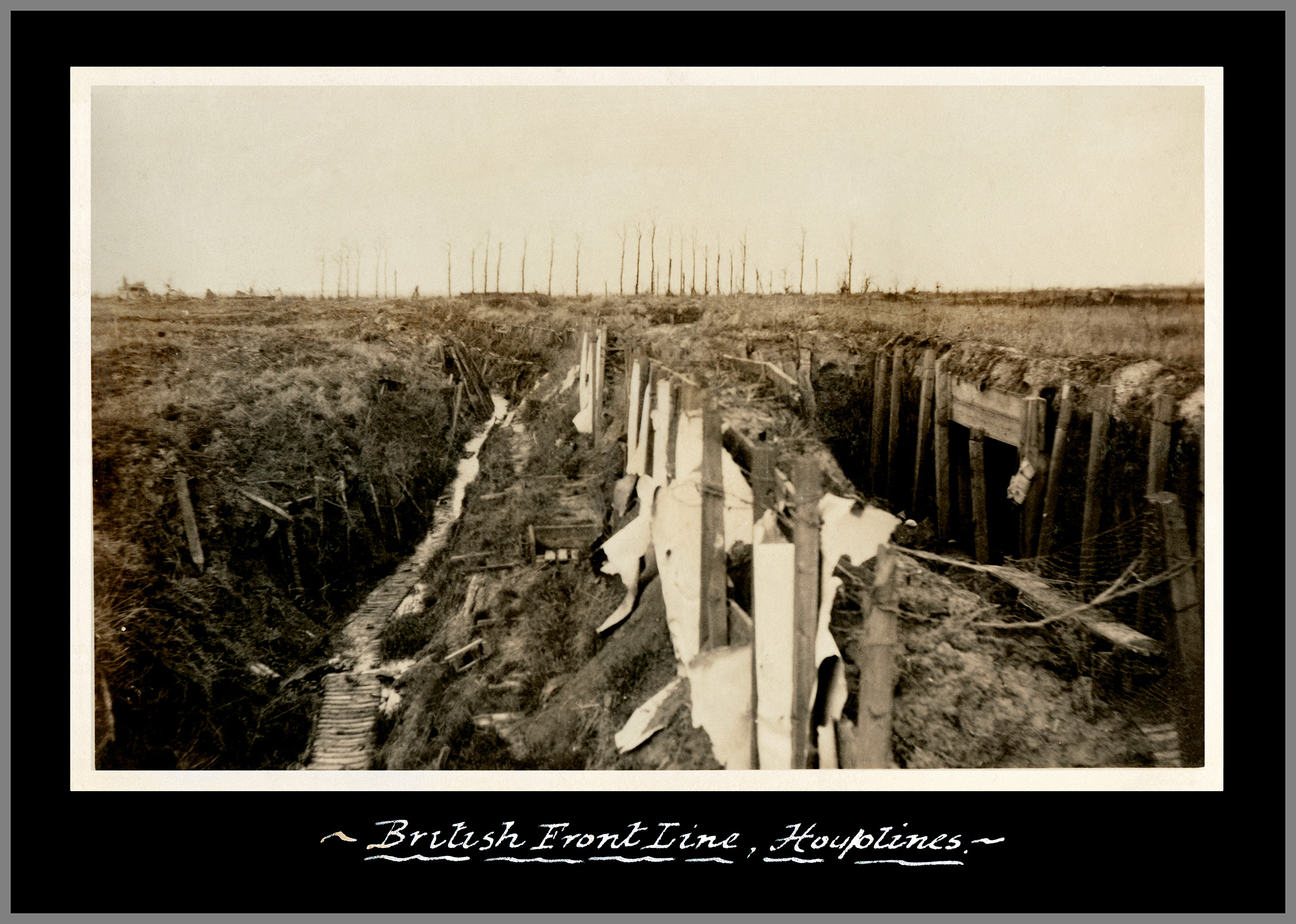
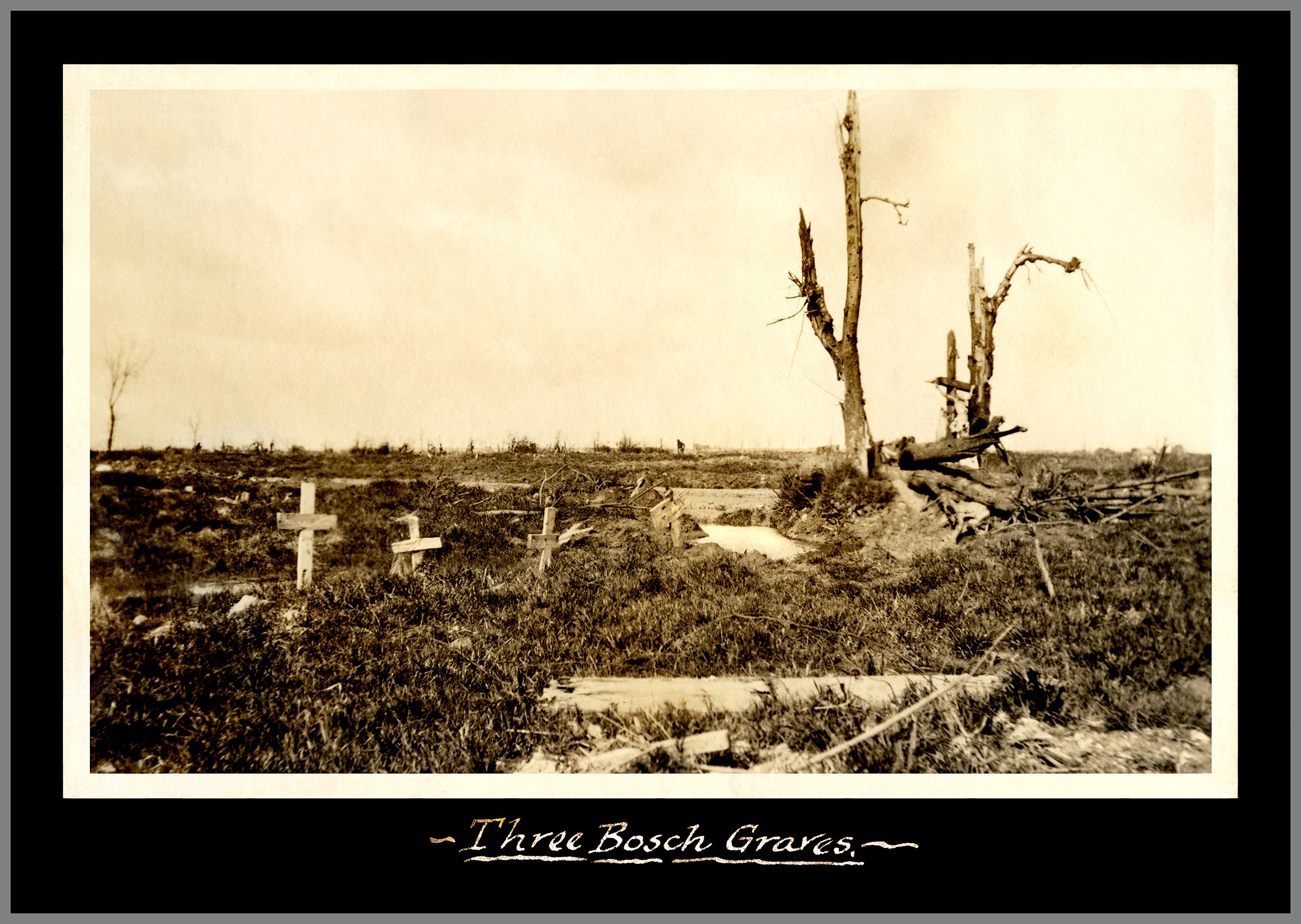
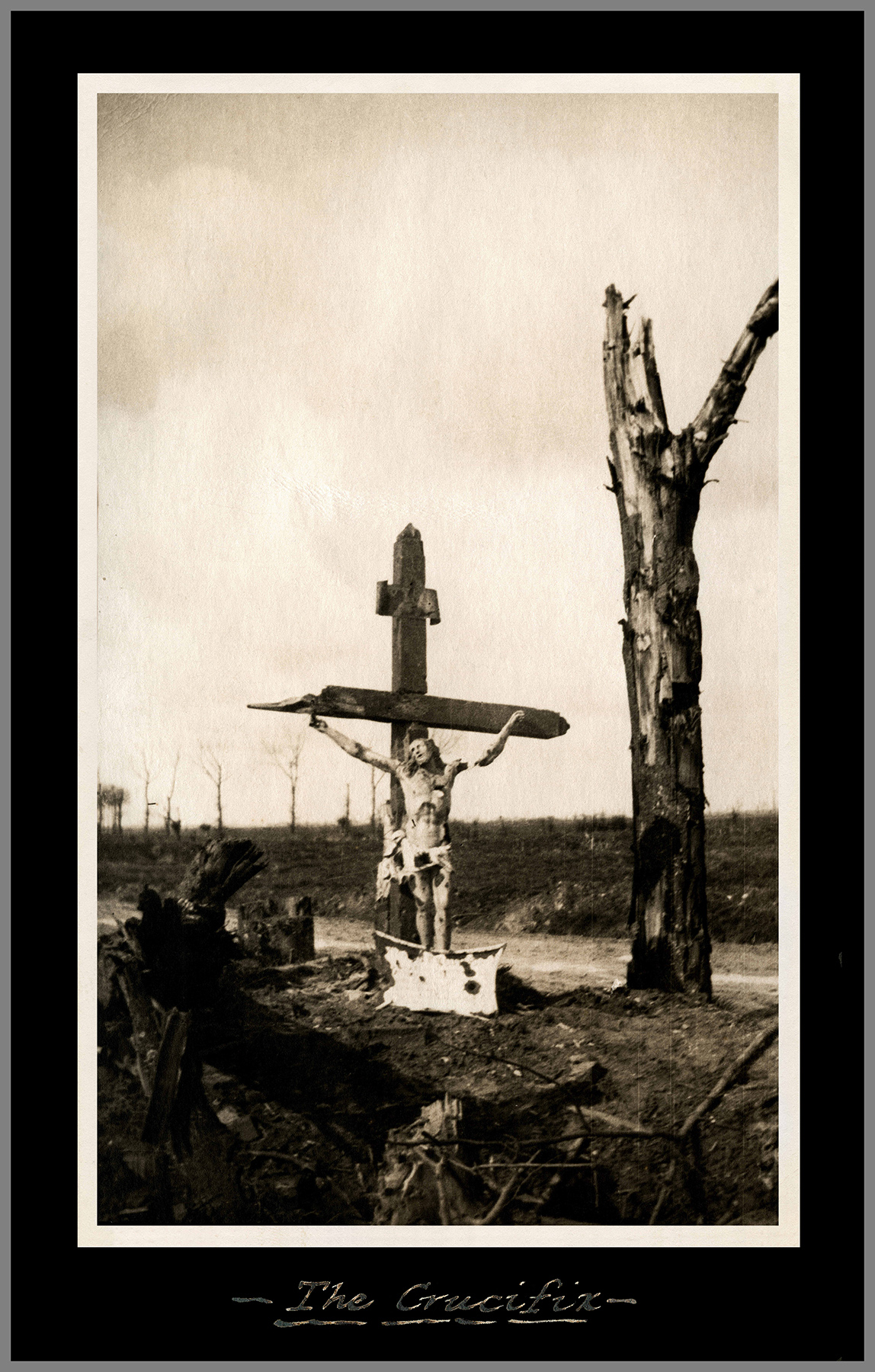
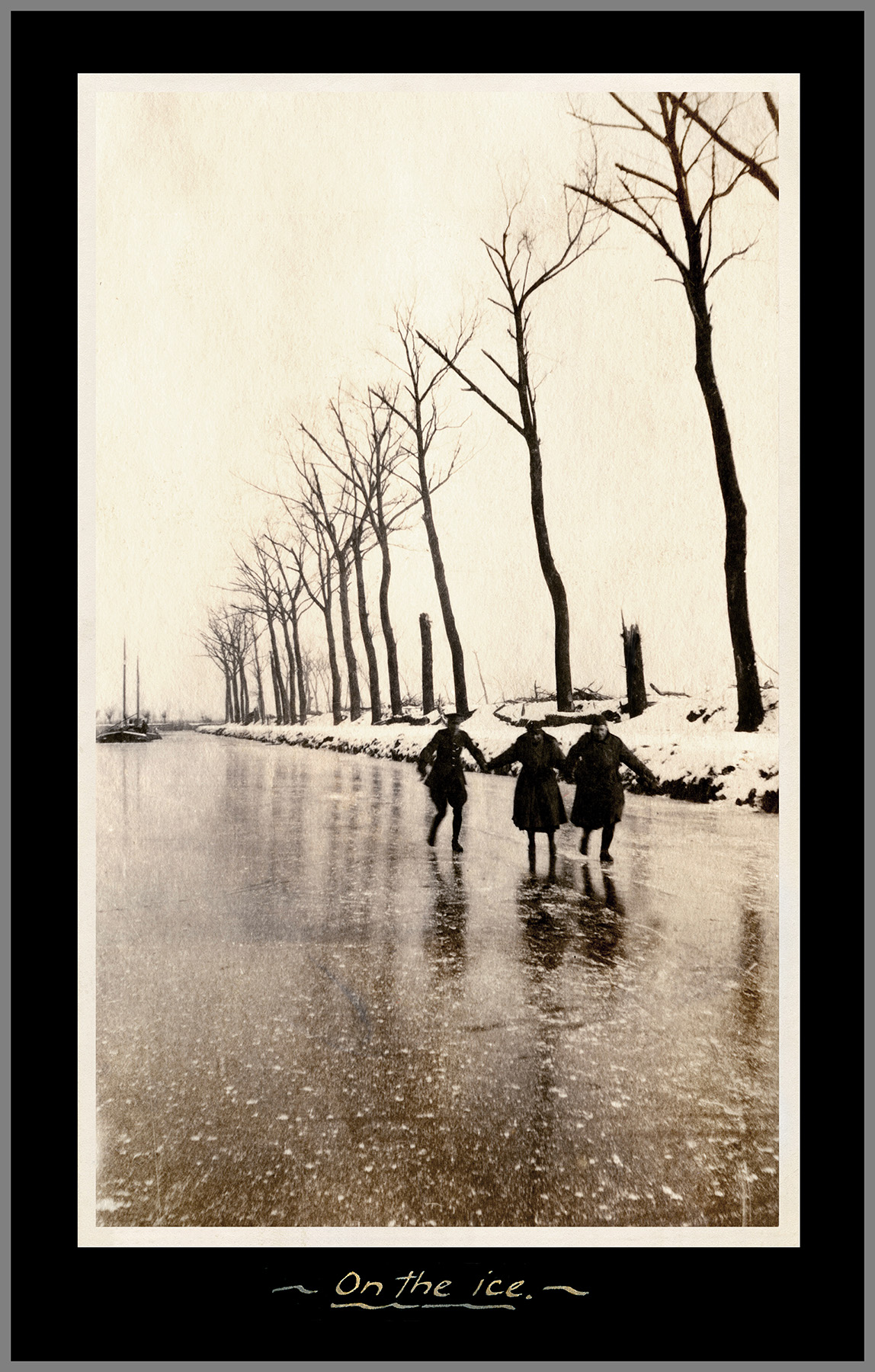
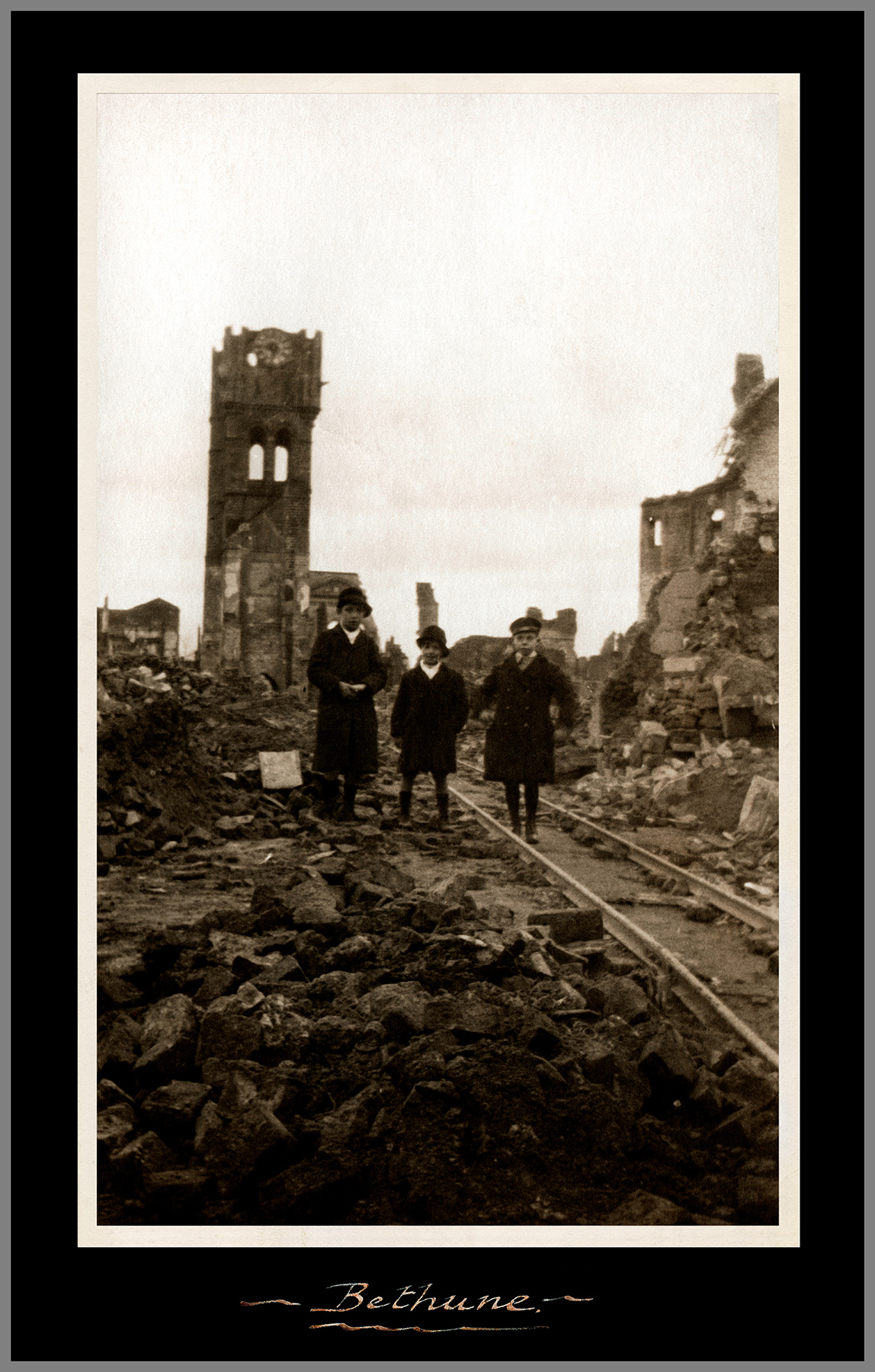
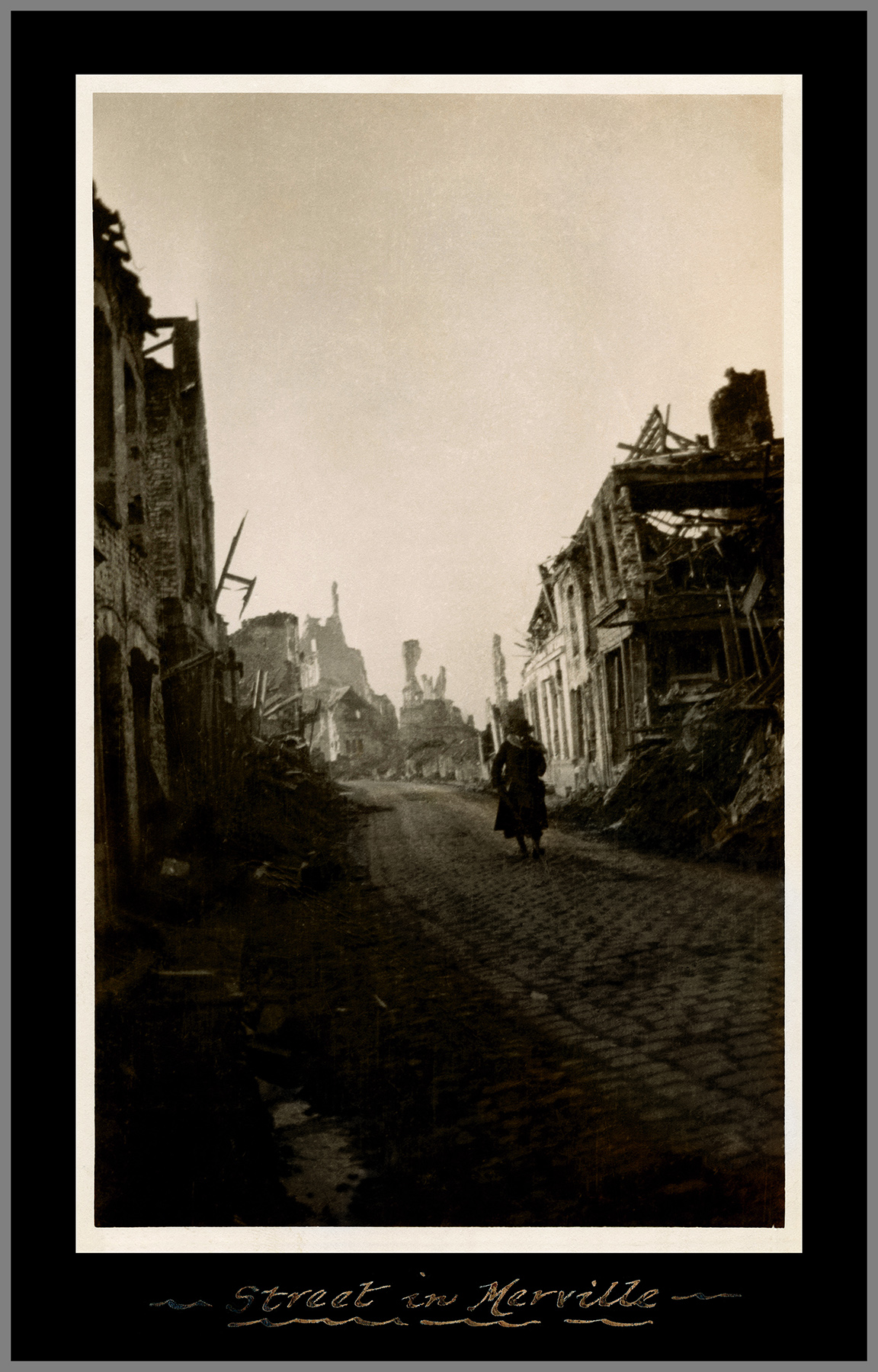
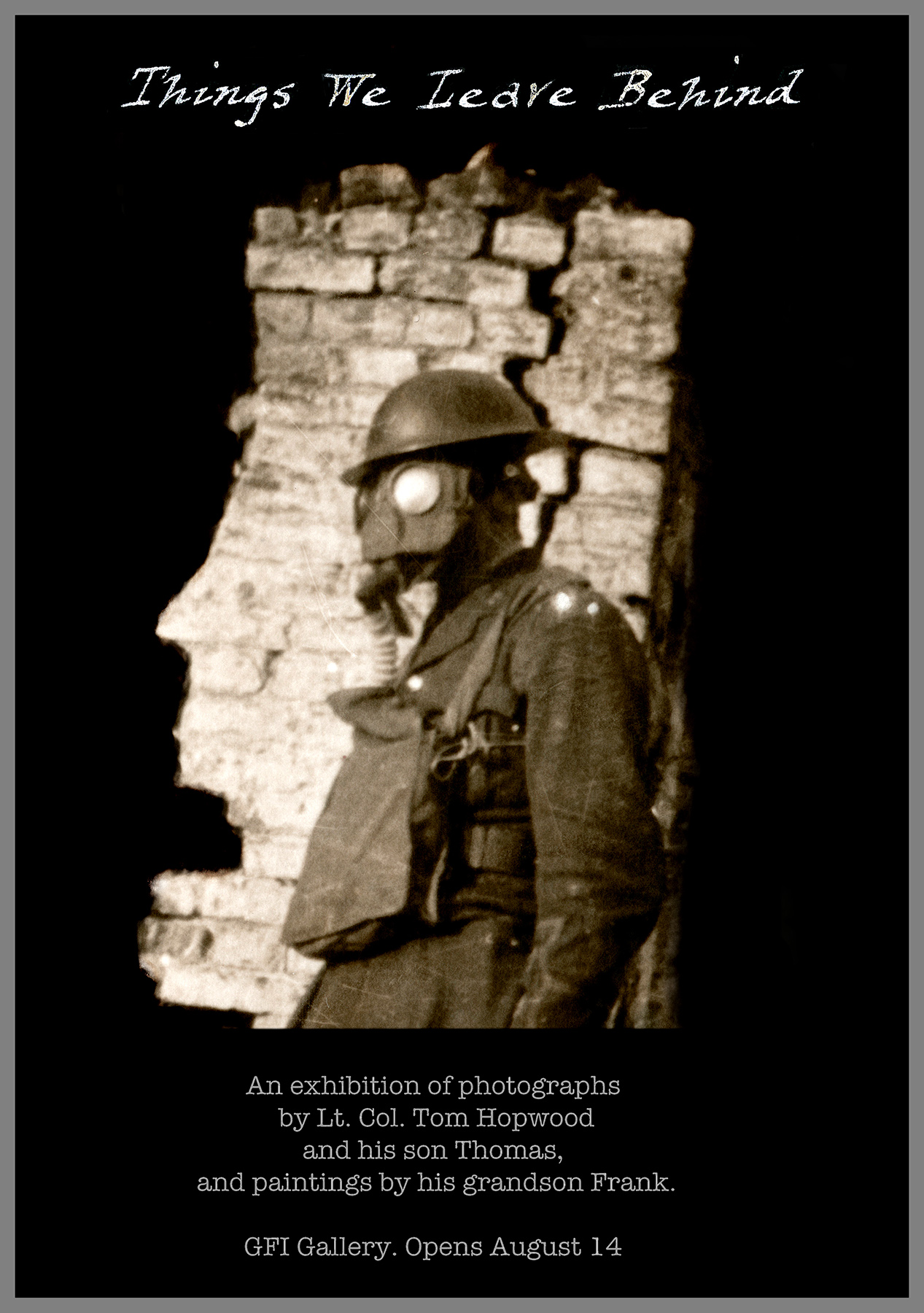
My grandfather, Lt Col Tom Hopwood, was with the Royal Engineers Division during the First World War. Their job was to clear the canals and rebuild the bridges that the retreating German army had destroyed. He had with him a sheet film camera. I do not know what make it was, but the negatives were approximately 2x3 inches. He photographed the destruction in the villages of France and Belgium. There are about 100 images. He made two albums of postcard size prints and hand-lettered, with white ink, the location of each image, or sometimes a title.
Here are some of his images.
SELECTED Exhibitions
Solo Exhibitions
Narrative Fictions. National Arts Festival, Grahamstown 1991.
Student Portfolio. Rhodes Art Faculty, Grahamstown 1992; The Association of Arts Gallery, Cape Town 1995.
Portraits30. Cuyler Street Gallery, Port Elizabeth 1997; The Cape Town 100XC Month of Photography, The Granary, Cape Town, 1999.
Last. The Cape Town Month of Photography, The Cold Room, Cape Town, March 2002; The GFI Gallery, Port Elizabeth, August 2002.
State. The Cold Room, Cape Town October 2002.
Shift. The Cape Town Month of Photography, March 2005.
Ten Days in Egypt. Kuhne-Boekooi Fine Arts, Port Elizabeth, September 2005.
This is Where the King Came. Textures Gallery, Port Elizabeth, April 2006.
Voëlvry. Klein Karoo Nasionale Kunstefees, Oudshoorn, April 2012.
Perish. Underculture Contemporary, Port Elizabeth, May 2015.
Retrospective of Darkroom Handprints, Barrydale Analog Photography Festival, Barrydale, December 2020.
Group Exhibitions
BAWART Group, National Arts Festival, Grahamstown 1988, 89.
Rhodes University Annual Student Exhibition, Grahamstown 1989 – 91.
Rhodes University Staff and Students, National Arts Festival, Grahamstown 1991, 92.
Rhodes University Photography Students Exhibition, Durban 1990.
Exposure: Five Photographers, National Arts Festival, Grahahamstown 1992.
Civil States, curated by John Hodgkiss, National Arts Festival, Grahamstown 1994.
PE Technikon Staff and Students, National Arts Festival, Grahamstown 1997 - 99.
FUSION, EPSAC Gallery, Port Elizabeth 1999 and Bellville Art Centre, Cape Town 1999.
Women’s Day Exhibition, Alliance France, Cape Town, 2000.
Who’s Who and What’s New, Nelson Mandela Metro Art Museum, 2004.
State. Three solo exhibitions by Pieter Badenhorst, Marc Pradervand and Tim Hopwood, Coldroom Gallery, Cape Town
Eastern Cape Artists, National Arts Festival, Grahamstown, 2003, 2004.
RE:VISION, Nelson Mandela Metro Art Museum, 2007
RE:FLEX, Nelson Mandela Metro Art Museum, 2008
RE:SPONSE, Nelson Mandela Metro Art Museum, 2011
Expressions 2010, National Arts Festival, Grahamstown, 2010.
SKIN, Nelson Mandela Metro Art Museum
Xpressions 2012, National Arts Festival, Grahamstown, 2012.
Fetish, ArtEc Gallery, Port Elizabeth, 2015. National Arts Festival, Grahamstown, 2015.
Shooting Stars. An exhibition of music photography by six photographers including Roger Ballen and the late Pierre Crocquet, curated by Heidi Erdmann. Erdmann Contemporary, Cape Town, 2016.
Periphery: a solo exhibition, curated by Priest Gallery and Michael Subotsky, for Subotsky’s WYE. Priest Gallery, Johannesburg, 2017
Photographers United, The Print Space, London, 2019
Land/Lines. Atherston Gallery, Makhanda and Bird Street Gallery, Port Elizabeth. Curated by Jonathan van der Walt for the National Arts Festival, 2024.
technical & print price information
With the exception of the iPhone images shot in Cuba, all images were shot on film, on a variety of formats, some 35mm, most on 120 rollfilm, and some 4x5 inch. Because of the financial constraints I have experienced over the years, I mostly shoot on expired film. Obviously I try to stay away from colour film too expired, as I have found that with colour negative, it it is not very forgiving of having aged. In 2023, a file with all my negatives of Port Elizabeth, and my small file of documentary images, was in my car when it was stolen, so darkroom handprints from those are not possible. Prints are all digital from scans, except by special arrangement regarding certain black and white prints.
Narrative Fictions. Available in three sizes: 20 x 20 cm, edition of 20: R1800. 50 x 50cm, edition of 10: R6000. 100 x 100 cm, edition of 3: R15 000.
Portraits: Available in three sizes: 40cm x 28cm, editions of 20: R2400. 60 x 42cm cm, editions of 10: R7000. 120cm x 85 cm, editions of 4: R13 000. With the square format images the 3 sizes are 35 x 35, 50 x 50 and 100 x 100 cm.
Last: Only a few images from this exhibition are available for sale, in two sizes: 50 x 35 (editions of 20) and 80 x 56cm (editions of 5) Please enquire for details and pricing.
Shift: 25 x 25cm, editions of 50: R1200. 40 x 40cm, editions of 10: R6000
Ten Days in Egypt: Available in three sizes. 20 x 20 cm, editions of 20: R1800. 50 x 50cm, editions of 10: R6000. 100 x 100 cm, editions of 3: R15 000. The scans are from a set of lith prints, hand-printed in the darkroom. Please enquire for sizing and pricing of the strip images.
This Is Where The King Came: Available in two sizes. Square format images: 50 x 50 cm, edition of 10: R6000. 100 x 100 cm, edition of 5: R12 000. The images marked 4x5 are shot on 4 x 5 inch film and are also available in a third, much bigger size (In editions of 5, R18 000) of 150cm in width and usually around 100 to 110 cm in height depending on the crop.
Perish: 50 to 55cm across, heights varying, editions of 20: between R3000 and R3500. 70 to 80cm across, heights varying, editions of 5: between R8000 and R10 000. Please enquire for exact prices.
Please enquire for prices on other images that have mostly not yet been exhibited.
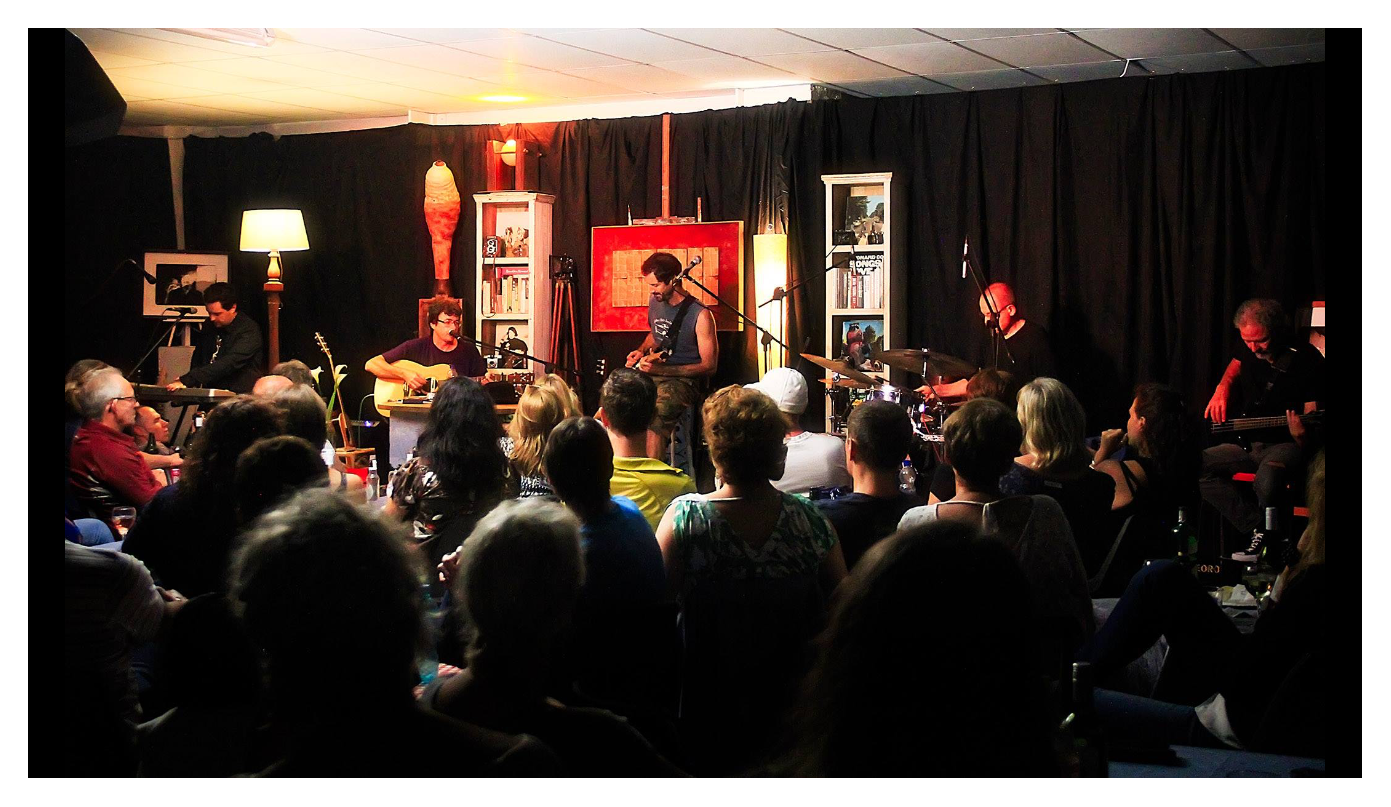
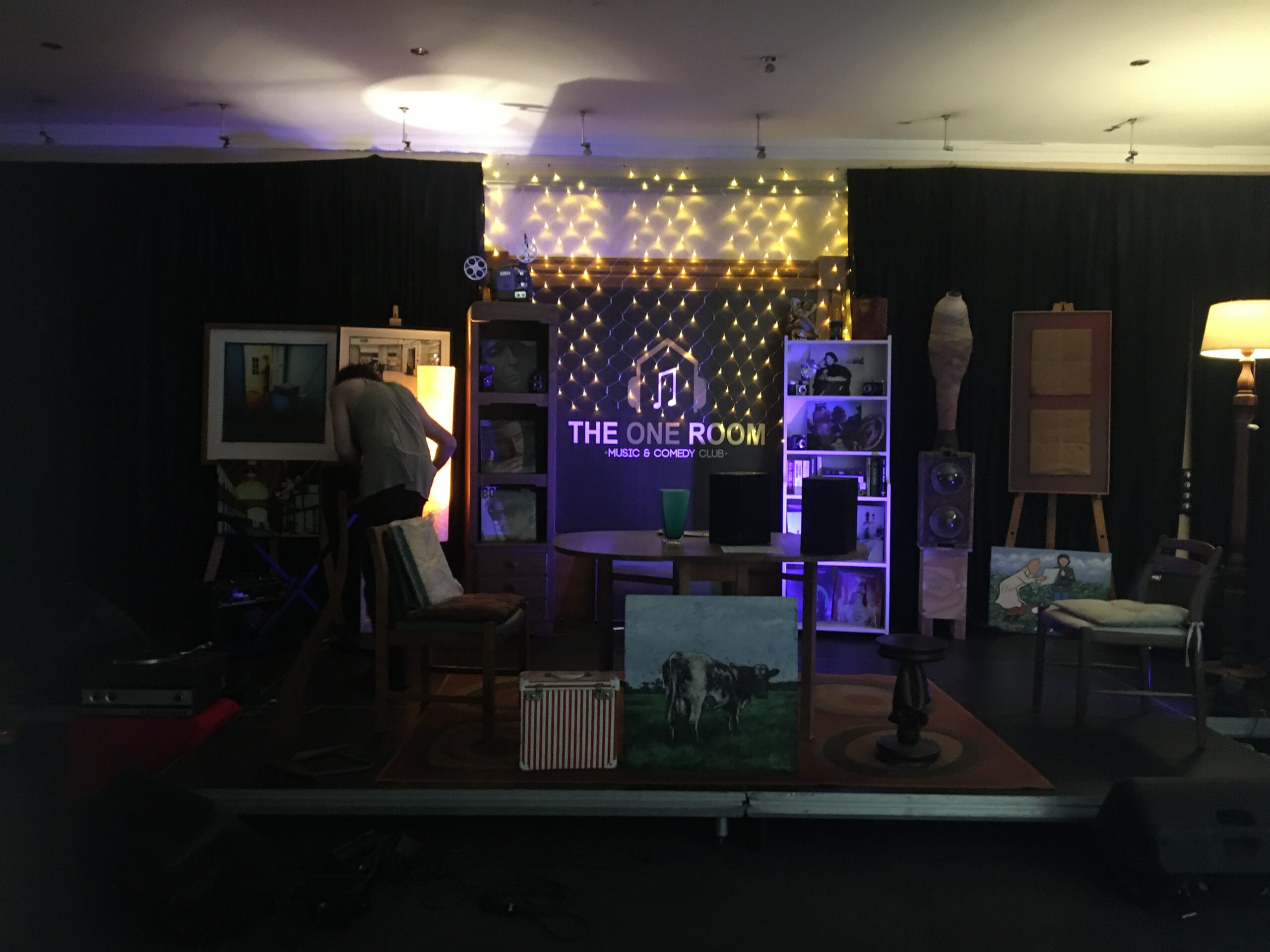
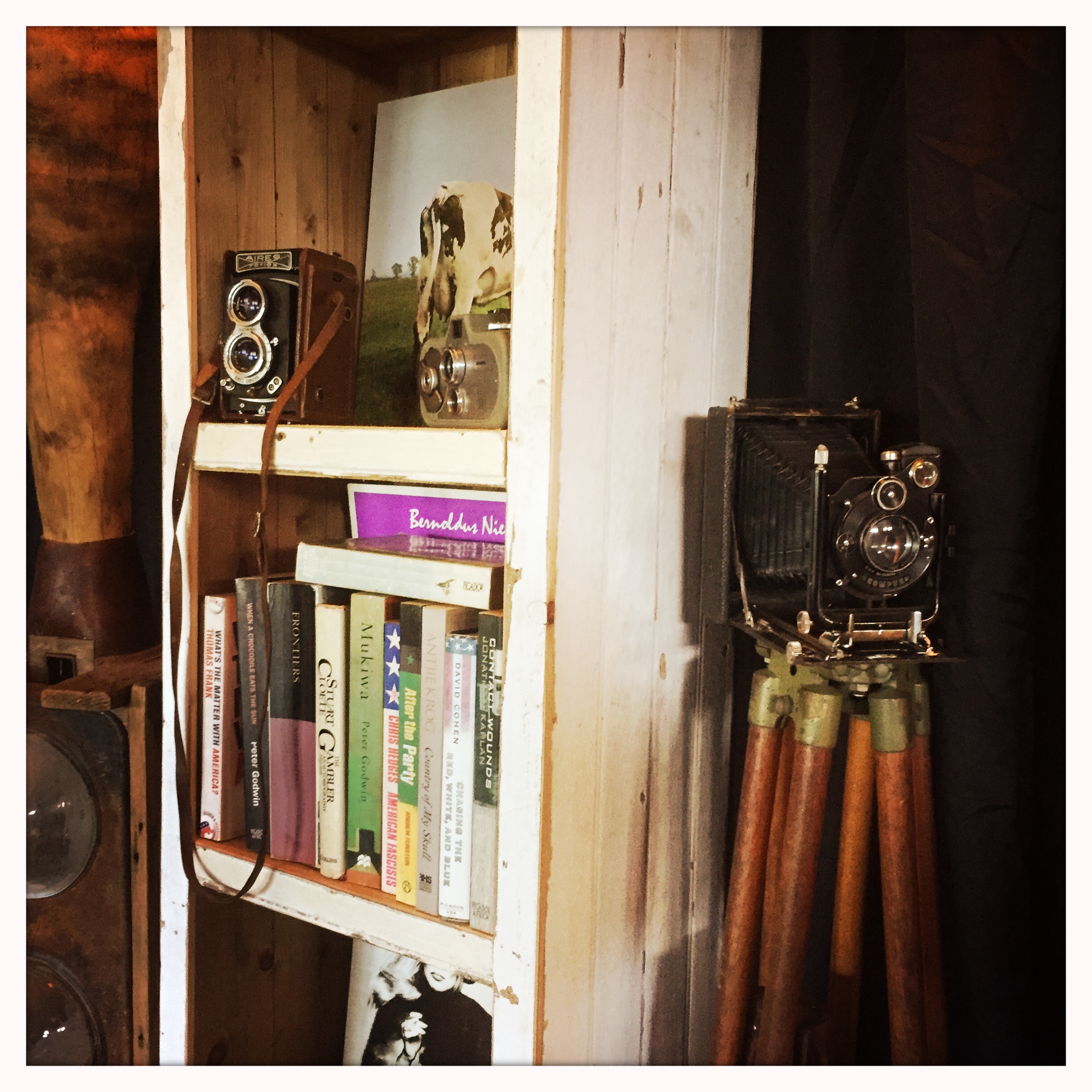
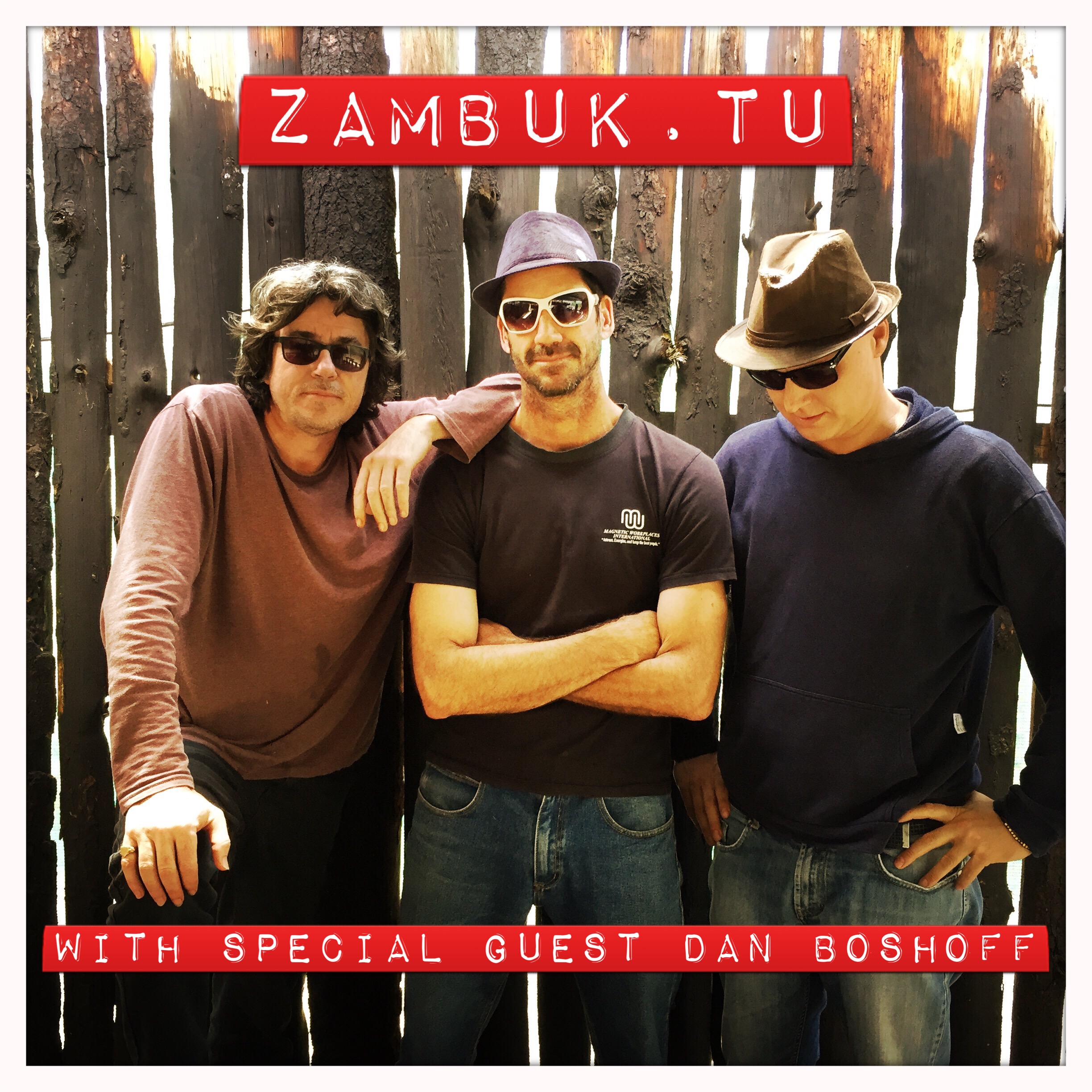
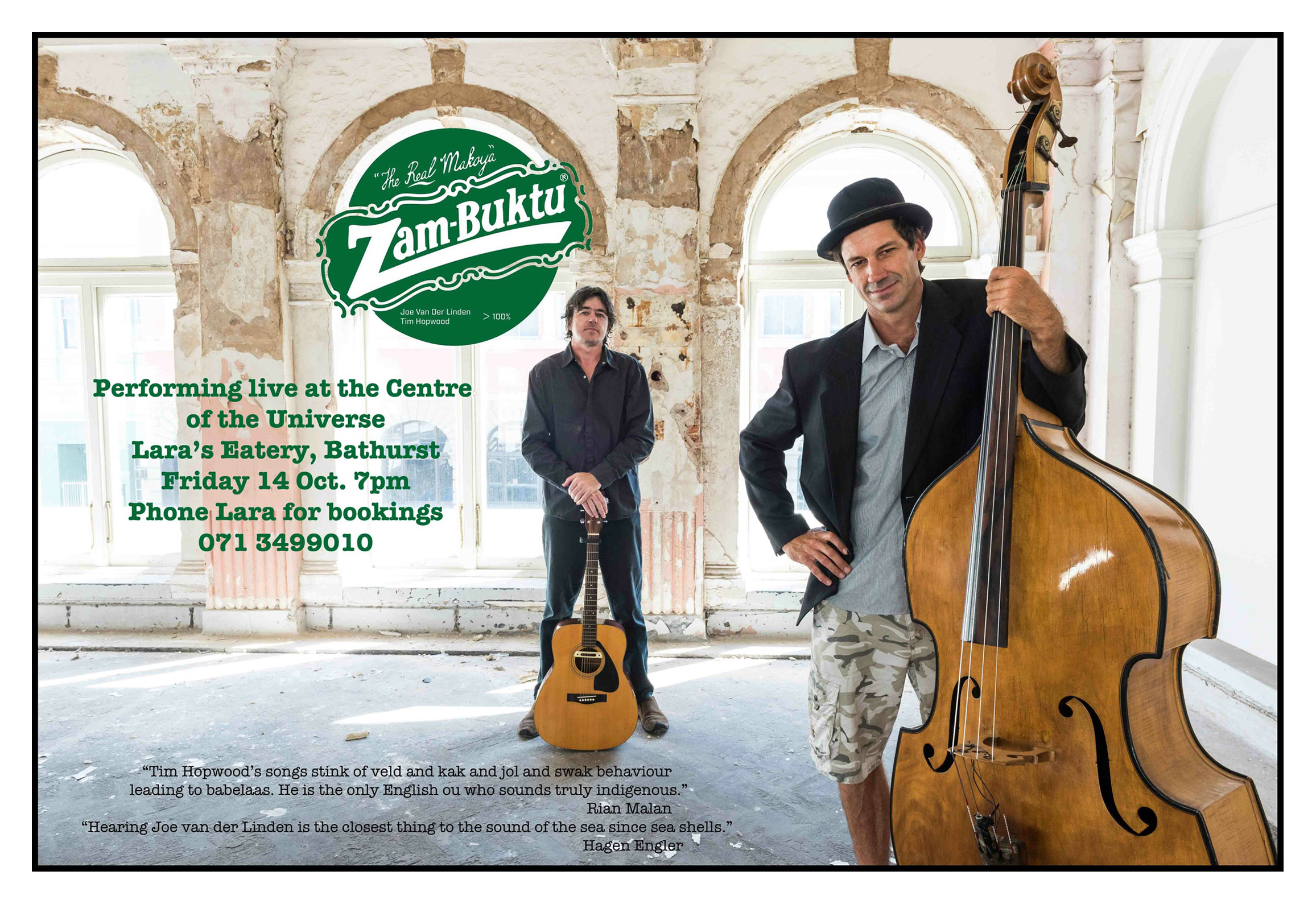
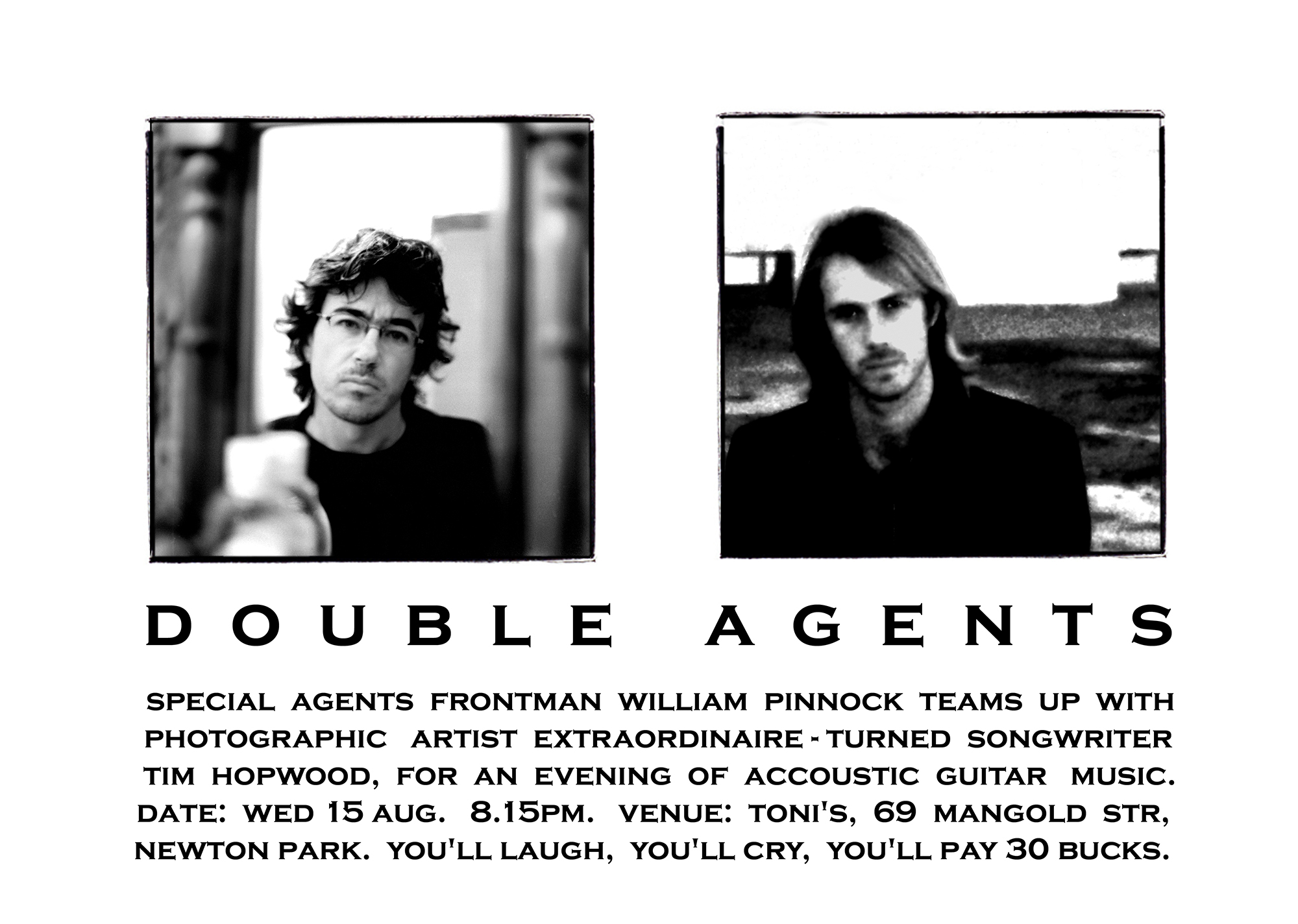
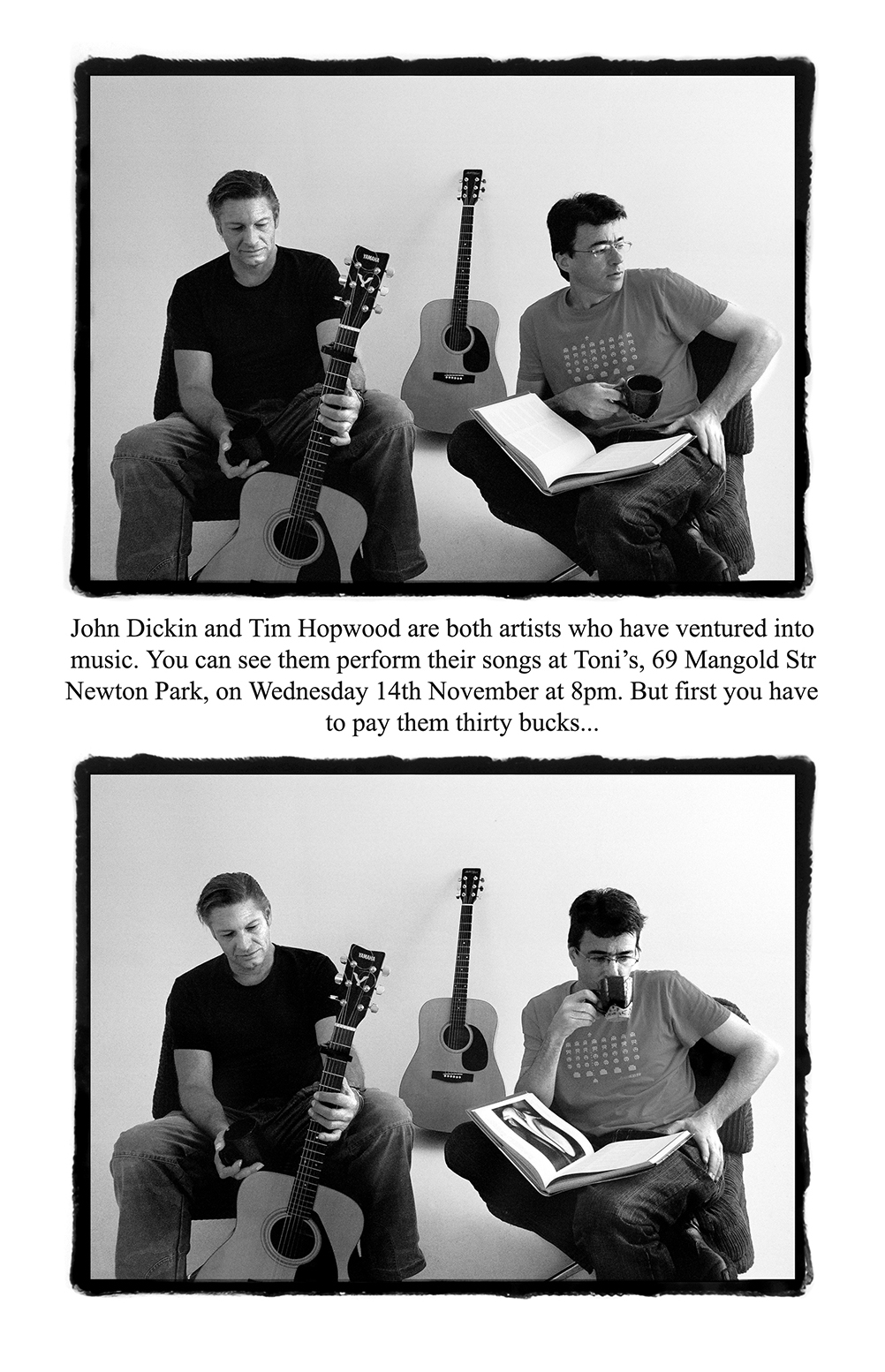
These are a few images from shows I have done with the duo I am part of, Zambuktu, and a few posters of shows I have done with other musician friends. On the top right is an image from the stage set I built for our show at the One Room, all the rest are from the set at one of the shows we did at Art On Target, in 2017. The set was meant to resemble my lounge, so the audience felt as if they were eavesdropping on an informal jam. Musicians in the photo from left to right: Kendal Beadon, Joe Van Der Linden, Tim Hopwood, Lloyd Martin, Pieter Human.
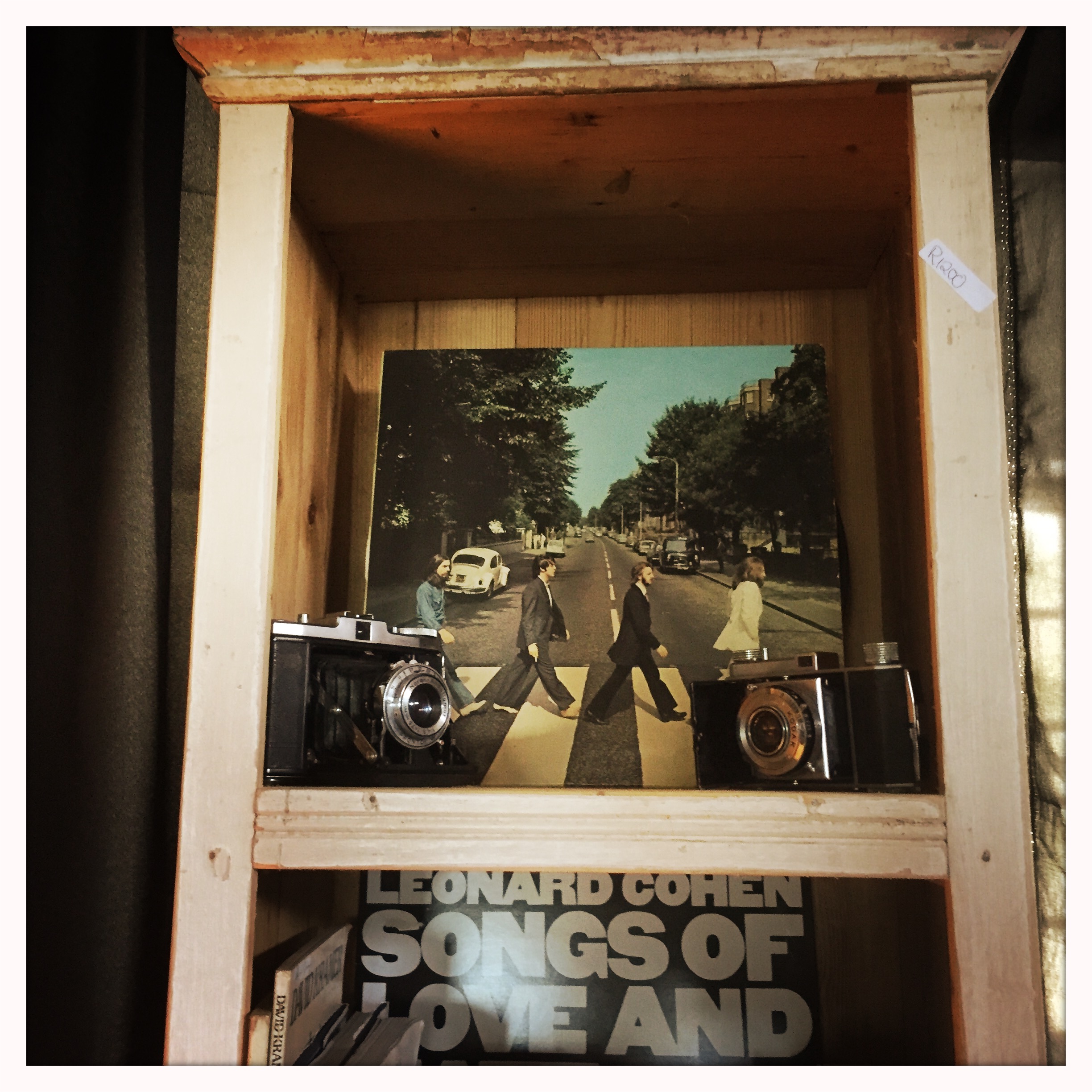
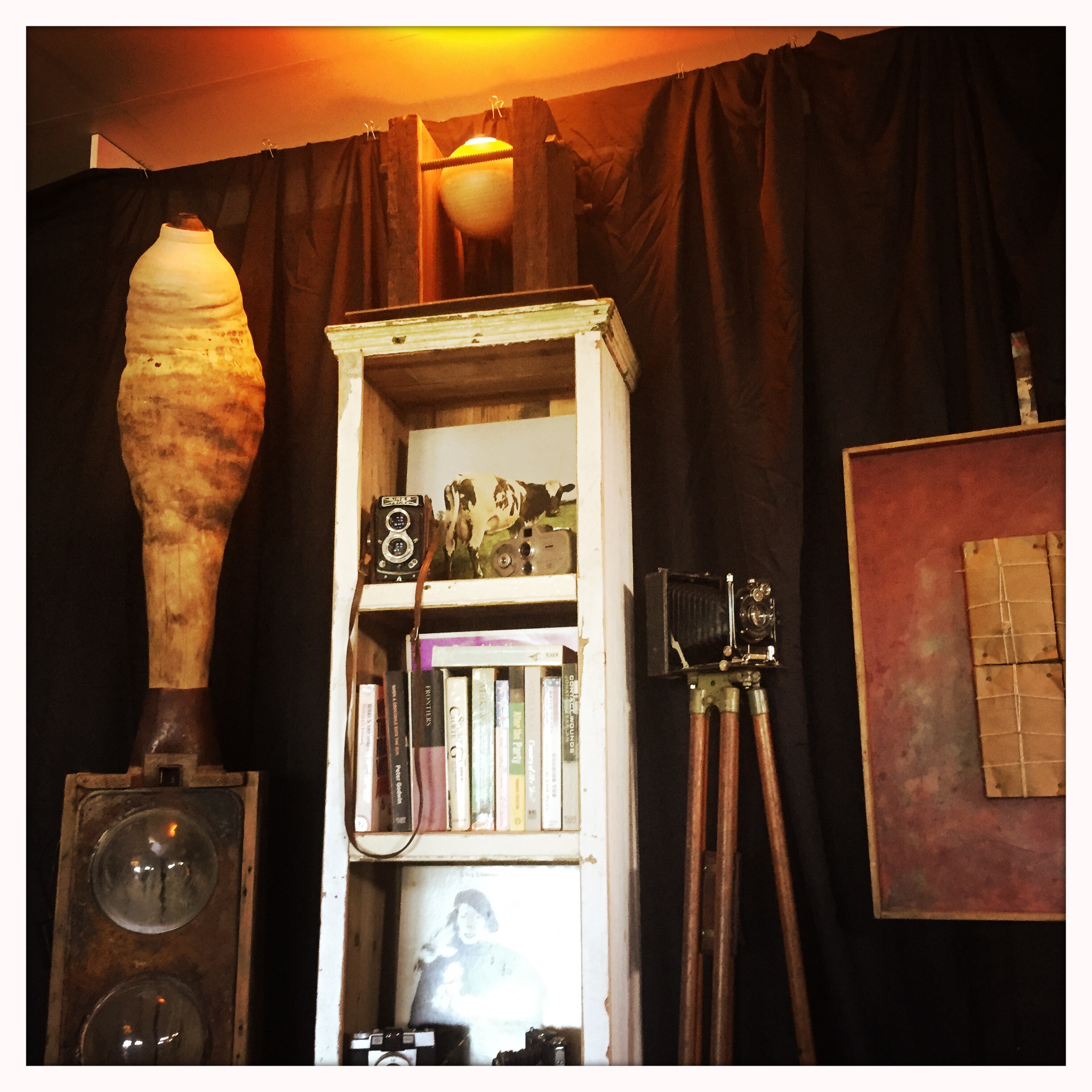
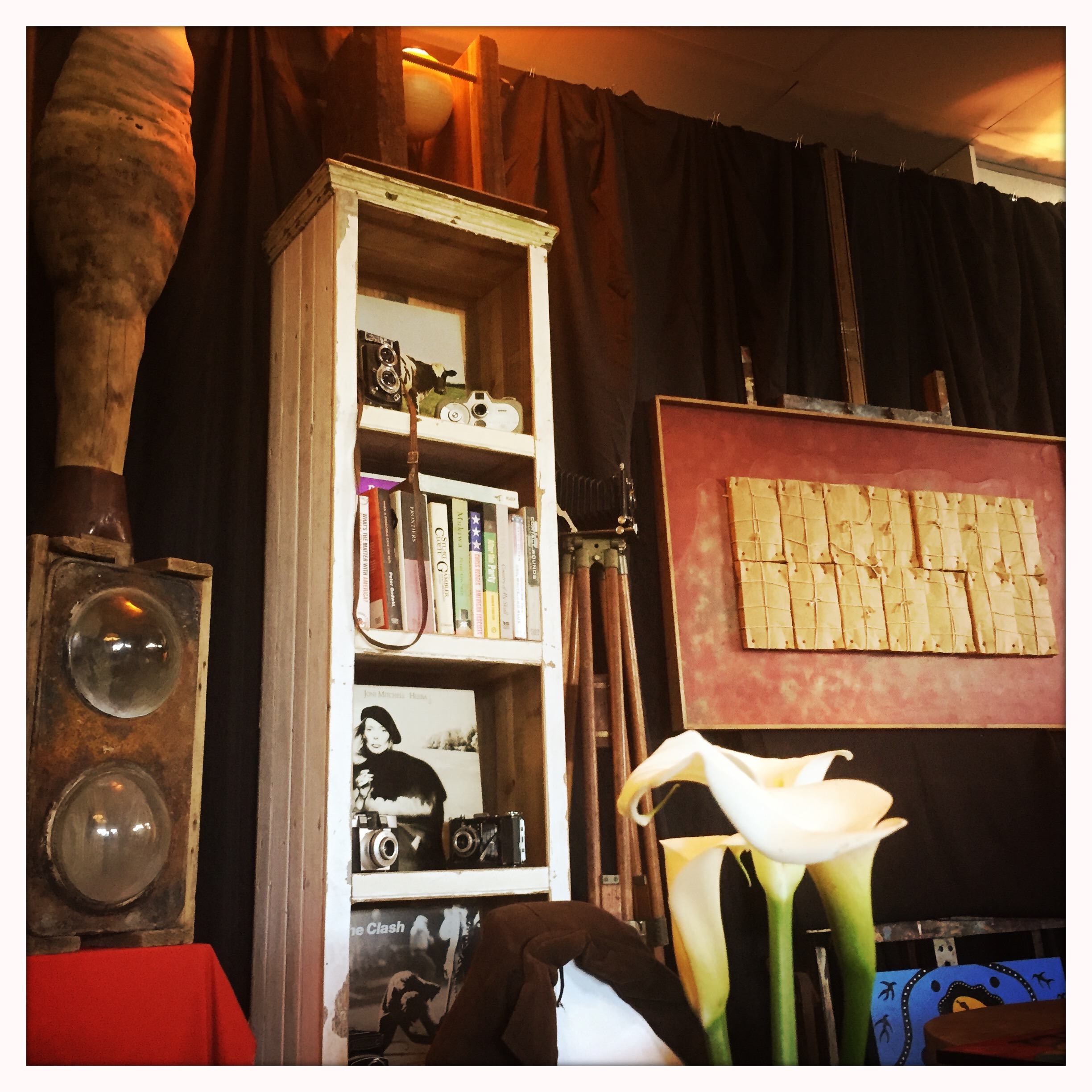
Details from the stage set at the Art on Target show, 2017.

I never picked up the guitar with the aim of writing songs. My friend Simon Lawson taught me the basics, in 1990. He and I thought it would be a good thing for me to do to take my mind off things that were troubling me. He was a finger-picking player, so I actually learned to pick before I could strum. I tried to learn to play some songs but my heart wasn't really in it, so for many years, it was simply a meditation device. I would find two chords that sounded good together and play them for hours. It wasn't long at all before I started experimenting with open tunings, having seen my friend Anton Calitz use some.
In the late 90s, I began learning some covers, in standard tuning, of songs I could sing that I actually believed. Mostly just Leonard Cohen, a Koos Kombuis, a Ben Harper song that came to me via John Martyn's cover of it. I carried on messing around with open tunings and in 2005, wrote my first song, Revelations, with the encouragement of my partner of the time, Jane, and a small writer's group we were part of. One of the group was my friend Will, and you can read a cool piece he wrote on me and my open tunings at the end of this music section.
All my songs are in open tunings. Lots in D minor and quite a few in F# minor, and a weird drop C tuning I hit upon.
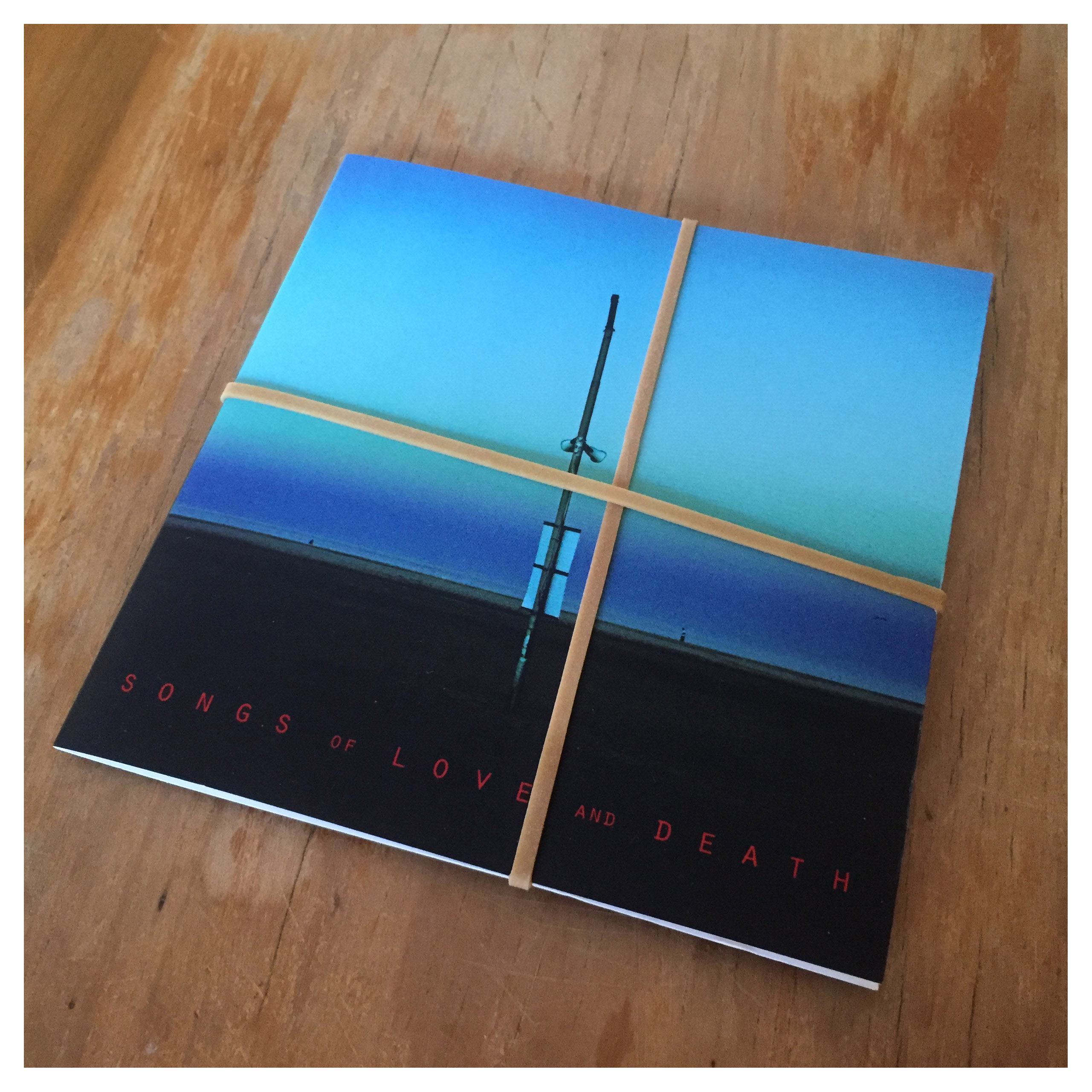
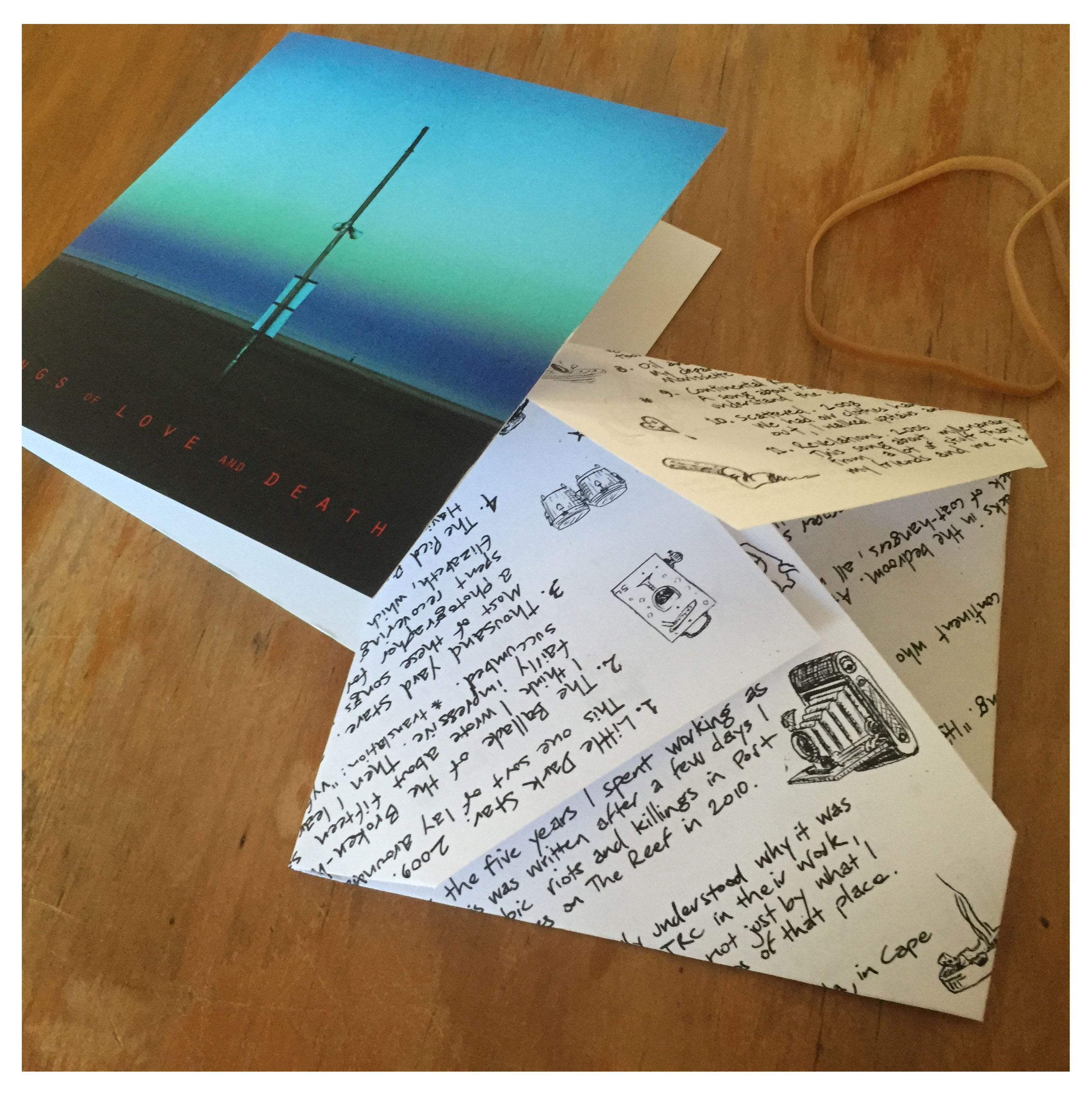
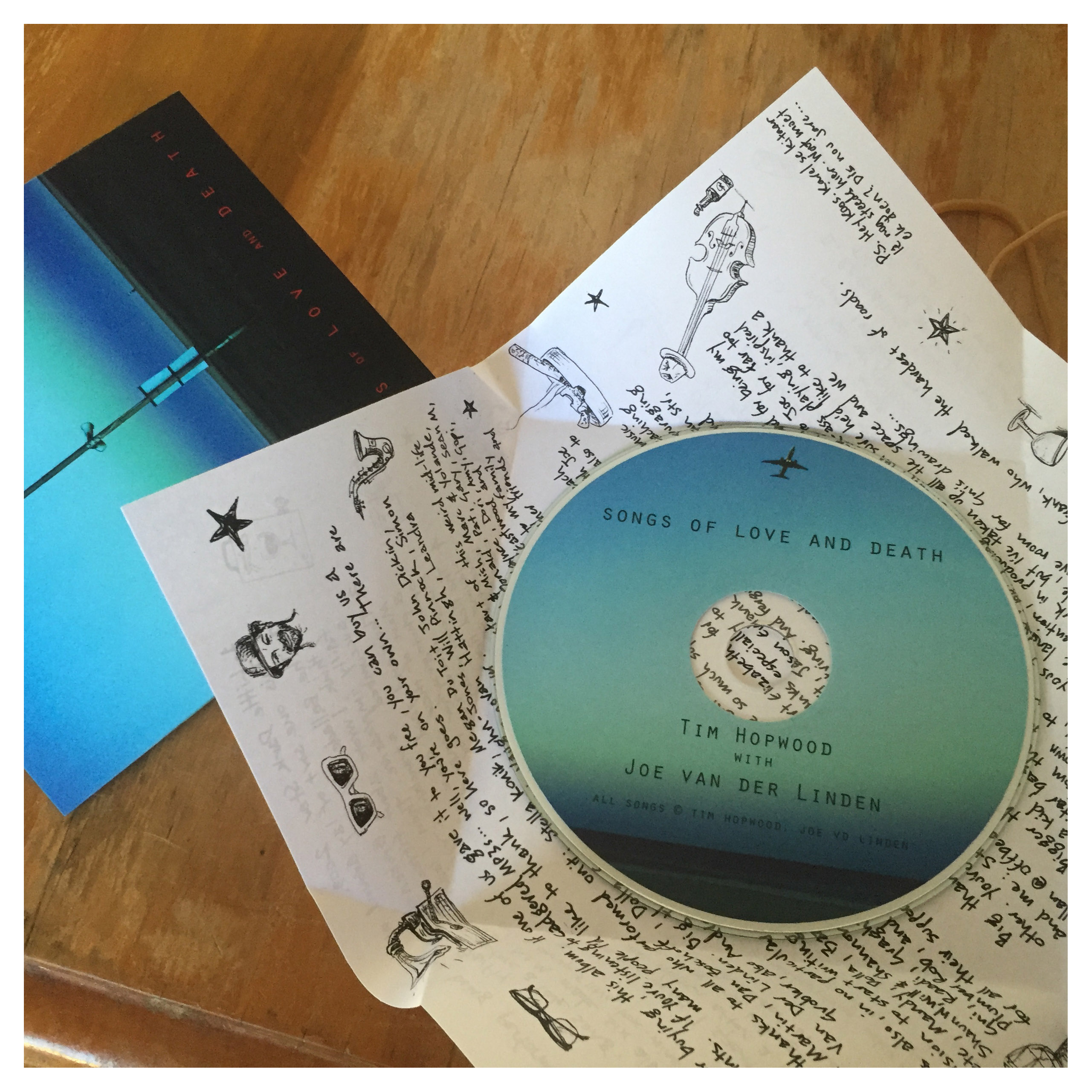
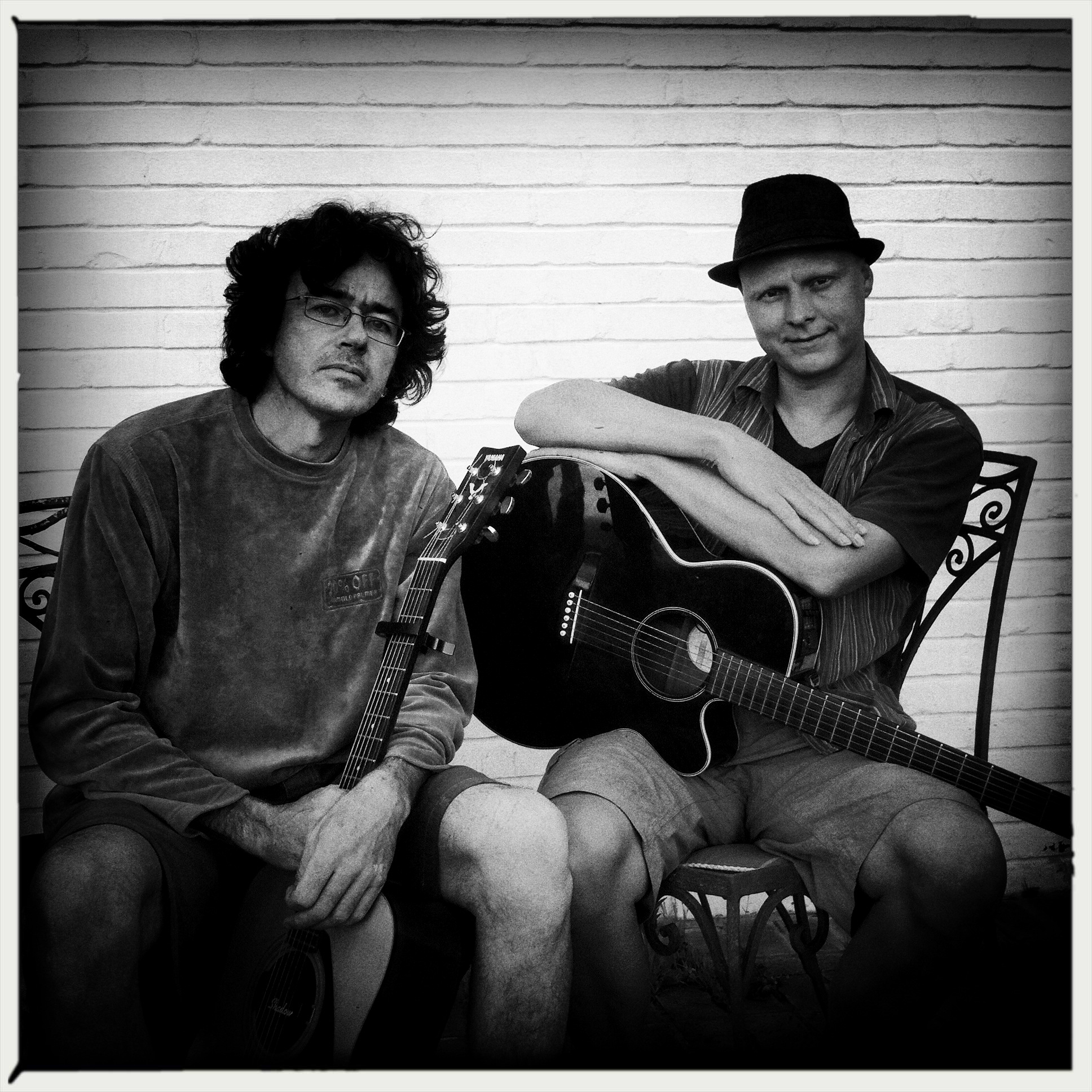
Dan Boschoff and I rehearsing for a show we did in Cape Town.
The Alternative Tuner
By William Pinnock
Tim Hopwood grins and hands a small book over to me. “I found it”, he informs me. “I lost it a while ago”. I glance at the cover of the, well, to be perfectly honest, quite unimpressive looking little book, and read the title: Alternative Tunings for Guitar. I smile and hand the little treasure map back over to him, a fuller understanding dawning. He reaches over to a guitar leaning up against the wall, and promptly beckons me to sit down while he offers to boil the kettle for a cup of coffee. “I’ve been looking for it for a long while”. You see - Hopwood is obsessed with weird tunings. Guitar tunings that simply no sane man would ever attempt to use and play live in front of an audience; mainly because you would need a different guitar for each song.
I think he likes that idea.
Tim Hopwood is a fine arts photographer that is considered by many to be the finest operating out of the Eastern Cape, and some would be so bold as to venture, and with definite cause, one of the finest in the country. His most recent body of work, This is Where the King Came, was exhibited at the Textures Gallery in Port Elizabeth in April this year, and he is currently putting the finishing touches on his own printing/studio gallery, quite conveniently situated across the road from his Central home. “It’s realistically a place where I can have some space to keep some work permanently on the walls, as well as do his my own printing” he says.
After studying a Graphic Design Diploma at the Port Elizabeth, with the admission that he coasted along doing the bare minimum (“After all, I could draw quite well”) and that he did not really enjoy it, Tim graduated in 1989. His father, as Tim puts it, mercifully offered to pay for another three years of study – it was the late eighties in South Africa, and although not mentioned too much these days, all white males were up for a stint in the army at some point – and he enrolled at the Rhodes University’s Fine Arts Faculty, after finally realizing that Photography was his calling. It would be incredibly hard to distill four years of study into a few sentences, but I am sure anyone who remembers the period before the first democratic elections in South Africa can attest to it being a time of great energy, confusion and hope.
I guess South Africa had also found its book of alternative tunings…
Four years later, studying under the inimitable Obie Oberholzer (one of the personalities of the South African photographic world), Tim left Rhodes with a degree under his belt. A few more years of wandering, including a short stint overseas, and three years of commercial work in Cape Town, he found himself back in the Eastern Cape, lecturing photography at the Port Elizabeth Technikon until the end of 1999. Citing fundamental differences, which could possibly be translated as a desire to take photographs that are not merely intended to sell products, Hopwood left for Cape Town, but after a year found himself back in Port Elizabeth on a more permanent basis.
And this is where we find Tim Hopwood now, fine art photographer, with nine solo exhibitions under his belt, a finalist in the Brett Kebble Awards 2004, and the only photographic artist making a living off of his art in the Eastern Cape. And one of the few people who I know can rattle off massive chunks of Homer Simpson verbatim, while at the same time trying to tune a guitar into a D minor diminished seventh (“John Martyn had a song in this one… D’Oh”).
I ask Tim why he decided to make Port Elizabeth and the Eastern Cape his home, and realistically the major subject of his work. It doesn’t take him long to answer. Like most really talented people, the whole Cape Town and Joburg thing gets a bit, well, facile after a while, and being down here in this little forgotten part of the world affords a bit context and an opportunity to avoid the hoi poloi - Tim’s word, I suggested glitterati - that goes with the art industry. There is that alternative tuning thing again.
“Besides”, Tim says, “It’s my turf…” And grins.
Which is true. The last two major exhibitions of his work, Shift, and the aforementioned This is where the King Came, reflect change in Port Elizabeth. Shift concentrated on the streets of Port Elizabeth, primarily dilapidated buildings and structures in Govan Mbeki/Main Street and the surrounding industrial areas. Grainy Black and White images painting a less than pristine picture of Port Elizabeth is hardly the way to go when trying to sell photographs is it? It’s too real. And too uncomfortable. But not that uncomfortable to dissuade the King George IV Gallery in Port Elizabeth from purchasing the entire exhibition. His latest exhibition did much the same, taking Kings Beach as the main setting. Color images marking the changes, not only man-made, but also environmental, happening right in front of our collective noses each day. “The flooding at high tide at the beach didn’t always use to happen so spectacularly than it does these days”. The Gallery also saw fit to purchase a chunk of this exhibition as well.
Perhaps the greatest mark of respect a photographic artist can get is to live up to what they are defined as. Or what they think they need to be. I asked Tim what he considered a photographic artist to be. A few things emerged while the idea tossed around coffee-addled minds. A collector of detritus. Scientists of sorts – classifying human existence. A classifier of change. A provider of evidence for our existence as humanity.
A witness at our trial.
All these things hold themselves to be self-evident, and with the Gallery purchasing such a major body of work that reflects Port Elizabeth as it is now, is an indicator of how vital Tim’s work is. And how important his work is as a catalogue of change for the city.
Tim lets me in to a little secret, his new song. And yes, it is in another ridiculous tuning. I look over at the glint in his eyes and the large smile on his face as he strums, and think:
It’s good to know that there are still a few notes in this town we haven’t heard before.
Feel free to email me with any queries
Location
Eastern Cape, South Africa